





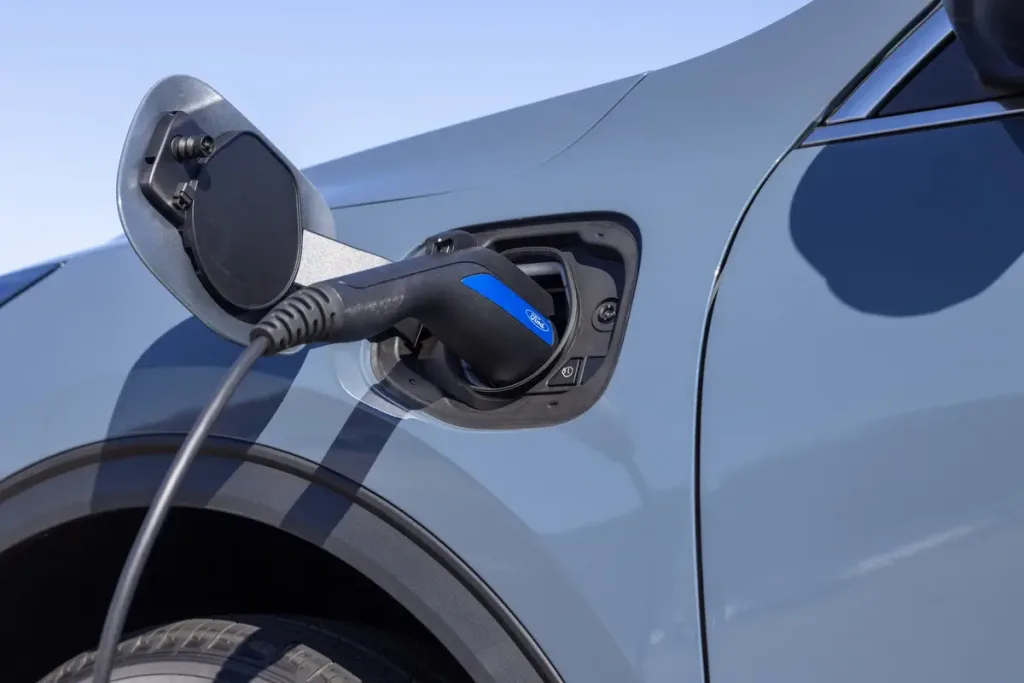
Hybrid cars bridge the gap between gasoline engines and electric vehicles (EVs), but confusion about their charging requirements persists. Whether you’re an eco-conscious buyer, a budget-focused driver, or a tech enthusiast, this guide answers your specific intent: Do hybrid cars need to be charged? Spoiler: It depends on the hybrid type. Let’s break it down.
Jump to Your Priority | Compare Hybrids Side-by-Side
1. What Are the 3 Types of Hybrid Cars? (Intent: Understanding Hybrid Categories)
Not all hybrids are created equal. Here’s how they differ:
1.1 Traditional Hybrids (HEVs)
- Examples: Toyota Prius, Honda Insight
- How They Work:
- Combine a gasoline engine with a small electric motor and battery.
- Self-charging: Regenerative braking converts kinetic energy into electricity.
- No plug-in required: The gas engine tops up the battery.
- Key Stats:
- Fuel economy: 48–56 MPG (Prius).
- Electric-only range: 1–2 miles (for low-speed driving).
- Best For: Drivers seeking fuel savings without lifestyle changes.
1.2 Plug-In Hybrids (PHEVs)
- Examples: Toyota RAV4 Prime, Ford Escape PHEV
- How They Work:
- Larger battery (8–18 kWh) vs. HEVs.
- Charge via outlet: 20–50 miles of electric-only range.
- Gas engine kicks in when the battery depletes.
- Key Stats:
- RAV4 Prime: 42 miles electric range, 94 MPGe.
- Federal tax credit: Up to $7,500.
- Best For: Short commuters who can charge nightly.
1.3 Mild Hybrids
- Examples: Chevrolet Silverado, Kia Sportage Mild Hybrid
- How They Work:
- Small battery assists the gas engine (no electric-only driving).
- Boosts fuel efficiency by 10–15%.
- Key Stats:
- Silverado: 23 MPG combined (vs. 20 MPG for non-hybrid).
- Best For: Drivers wanting marginal fuel savings without complexity.
2. Do Traditional Hybrids (HEVs) Need Charging? (Intent: Clarifying HEV Requirements)
Short Answer: No.
2.1 How HEVs Self-Charge
- Regenerative Braking: Captures energy when slowing down (U.S. Department of Energy).
- Gas Engine: Recharges the battery during driving.
2.2 Benefits of HEVs
- No infrastructure needed: Skip chargers, cords, and apps.
- Lower maintenance: Smaller battery vs. PHEVs/EVs (Consumer Reports).
- Proven reliability: Toyota HEVs have logged 15+ billion miles.
3. Plug-In Hybrids (PHEVs): When Charging Is Optional but Rewarding (Intent: Maximizing PHEV Benefits)
Short Answer: Yes, but only if you want to save money and emissions.
3.1 Charging a PHEV: How It Works
- Level 1 Charging: 120V outlet adds ~4–5 miles per hour.
- Level 2 Charging: 240V charger adds ~10–25 miles per hour (ChargePoint).
- Cost: A full charge costs ~$1–$3 (vs. $3–$5 in gas).
3.2 What Happens If You Don’t Charge a PHEV?
- It reverts to hybrid mode, but you’ll lose:
- Electric range: Higher gas consumption.
- Tax incentives: Some credits require proof of charging (IRS).
3.3 Real-World PHEV Savings
- Case Study: A 30-mile daily commute:
- Gas-only: $4.50/day (30 miles ÷ 30 MPG × $4.50/gallon).
- Electric-only: $1.20/day (30 miles × 0.04 kWh/mile × $0.12/kWh).
- Annual savings: $1,200+ (Edmunds).
4. Mild Hybrids: The “No-Charge” Middle Ground (Intent: Evaluating Mild Hybrid Value)
Short Answer: No charging required.
4.1 How Mild Hybrids Improve Efficiency
- Engine start/stop: Shuts off at red lights.
- Torque assist: Electric motor aids acceleration.
4.2 Limitations
- No EV mode: Still reliant on gas.
- Marginal savings: ~1–3 MPG gain over non-hybrids.
5. Charging Costs vs. Gas Savings: Which Hybrid Wins? (Intent: Cost Comparison)
Compare ownership costs over 5 years (15,000 miles/year):
| Type | Upfront Cost | Fuel/Charging Cost | Total Savings vs. Gas Car |
|---|---|---|---|
| HEV | $28,000 | $6,750 | $4,500 |
| PHEV (charged) | $35,000 | $3,600 | $7,650 |
| Mild Hybrid | $32,000 | $8,100 | $2,250 |
Source: FuelEconomy.gov, Edmunds TCO
6. Environmental Impact: Charging Matters More Than You Think (Intent: Eco-Conscious Decisions)
6.1 Emissions Reduction
- PHEVs (charged): Cut CO2 by 50% vs. gas cars (EPA).
- HEVs: Reduce emissions by 25–35%.
6.2 Battery Production Footprint
- PHEV batteries (larger than HEVs) have a higher initial carbon cost, but lifetime emissions are lower (Union of Concerned Scientists).
7. Hybrid Charging Myths Busted (Intent: Debunking Misconceptions)
Myth 1: “All hybrids need charging.”
Fact: Only PHEVs require plugs; HEVs and mild hybrids don’t.
Myth 2: “Charging a PHEV is inconvenient.”
Fact: Level 1 charging overnight adds ~40 miles—enough for most commutes.
Myth 3: “Hybrid batteries die quickly.”
Fact: Most warranties cover 8–10 years (Car and Driver).
8. Which Hybrid Is Right For You? (Intent: Personalized Recommendations)
8.1 Choose a Traditional Hybrid (HEV) If:
- You want simplicity and reliability.
- You drive long distances frequently.
- Top Picks: Toyota Corolla Hybrid, Hyundai Elantra Hybrid.
8.2 Choose a Plug-In Hybrid (PHEV) If:
- You have a 20–40 mile daily commute.
- You want tax credits and HOV lane access.
- Top Picks: Kia Niro PHEV, Subaru Crosstrek Hybrid.
8.3 Choose a Mild Hybrid If:
- You want a small efficiency boost in a gas-powered SUV/truck.
- Top Picks: Ford F-150 PowerBoost, Ram 1500 eTorque.
9. Future of Hybrids: Will Charging Become Standard? (Intent: Long-Term Planning)
- Regulations: By 2035, California bans new gas-only cars, pushing hybrids/EVs.
- Tech Advances: Toyota’s solid-state batteries promise faster charging and longer ranges.
10. Final Verdict: Do Hybrid Cars Need to Be Charged?
- HEVs/Mild Hybrids: No charging—ever.
- PHEVs: Charge to maximize savings and eco-benefits.
Hybrids cater to diverse needs, whether you prioritize cost, convenience, or sustainability. Choose wisely!
Ready to Explore Hybrids?
Share this guide to help others demystify hybrid charging!

The Fourth Amendment protects Americans from “unreasonable searches and seizures,” but courts have carved out exceptions for vehicles due to their mobility and lower privacy expectations. Below, we break down the six scenarios where police can legally search your car without a warrant—backed by Supreme Court rulings and legal precedents—and what to do if your rights are violated.
1. Probable Cause: The “Automobile Exception”
Legal Basis: Carroll v. United States (1925) (Read the case)
Police can search your car without a warrant if they have probable cause to believe it contains evidence of a crime (e.g., drugs, weapons, or stolen goods). Probable cause requires specific, observable facts, not just a hunch.
Examples:
- Visible contraband (e.g., a gun on the passenger seat).
- The smell of marijuana (in states where it’s illegal).
- A drug-sniffing dog alerting to narcotics (Florida v. Harris, 2013).
Key Limit: The search can only target areas where the suspected evidence could reasonably be stored.
2. Consent: You Gave Permission
Legal Basis: Schneckloth v. Bustamonte (1973) (Read the case)
If you voluntarily agree to a search, police don’t need a warrant or probable cause.
What to Know:
- You can refuse consent. Clearly state: “I do not consent to a search.”
- Passengers cannot consent unless they control the vehicle (e.g., a rental car in their name).
- Coercion (e.g., threats of arrest) invalidates consent.
3. Search Incident to Arrest
Legal Basis: Arizona v. Gant (2009) (Read the case)
If you’re lawfully arrested, police can search your car’s passenger compartment for:
- Weapons to ensure officer safety.
- Evidence related to the arrest (e.g., drugs in a DUI stop).
Limits Post-Gant:
- Police can’t search if you’re secured in a patrol car and can’t access the vehicle.
- The search must be tied to the arrest’s circumstances.
4. Inventory Searches After Impoundment
Legal Basis: South Dakota v. Opperman (1976) (Read the case)
If your car is towed (e.g., for illegal parking), police may inventory its contents to:
- Document valuables.
- Protect against theft claims.
Rules:
- The search must follow standardized department procedures.
- It can’t be a pretext for a criminal investigation.
5. Exigent Circumstances: Emergency Situations
Legal Basis: Chambers v. Maroney (1970) (Read the case)
Police can bypass a warrant if there’s an urgent need to act, such as:
- Preventing evidence destruction (e.g., flushing drugs).
- Responding to imminent danger (e.g., screams from the trunk).
Example: In Carroll, officers chased a fleeing suspect and searched his car to prevent evidence loss.
6. Border Searches
Legal Basis: United States v. Flores-Montano (2004) (Read the case)
At international borders or checkpoints, vehicles may be searched without warrants or probable cause.
Scope:
- Includes dismantling fuel tanks or using X-ray scanners.
- Does not apply to routine traffic stops miles from the border.
What to Do If Police Want to Search Your Car
- Stay Calm and Compliant: Never resist physically—it can lead to charges like obstruction.
- Refuse Consent: Say clearly, “I do not consent to a search.”
- Ask Questions: “Am I free to leave?” or “Is this a mandatory search?”
- Document Everything: Note officers’ names, badge numbers, and reasons given.
- Contact a Lawyer: Challenge illegal searches in court. Evidence obtained unlawfully may be suppressed (Mapp v. Ohio, 1961).
Can You Sue for an Illegal Search?
Yes. If the police violated your Fourth Amendment rights:
- File a motion to suppress evidence in criminal proceedings.
- Pursue a civil rights lawsuit under 42 U.S.C. § 1983 for damages.
Key Exceptions by State
State laws and court rulings may expand or restrict warrantless searches:
- Marijuana Smell: In legal states (e.g., California), odor alone may not justify a search (People v. Waxman, 2022).
- Traffic Stops: Some states require warrants for prolonged detentions (Rodriguez v. United States, 2015).
Check your state’s rules via Cornell Law’s Legal Information Institute.
Further Reading
- ACLU Guide: Know Your Rights During Traffic Stops
- NHTSA: Police Traffic Stop Guidelines
- FindLaw: How to Challenge an Illegal Search
The Bottom Line
Police can search your car without a warrant in specific scenarios, but you retain constitutional protections. Never consent document interactions, and consult a lawyer if your rights are violated. For state-specific advice, contact organizations like the ACLU or local legal aid.
By understanding these exceptions, you can better safeguard your privacy and hold law enforcement accountable.
Is Chevrolet Reliable? The Definitive Guide to Dependability, Models to Trust, and Red Flags

When shopping for a car, reliability isn’t just a buzzword—it’s the difference between years of hassle-free driving and costly repairs. Chevrolet, a staple of American automotive culture, promises rugged trucks, family-friendly SUVs, and budget-friendly sedans. But how reliable are Chevrolets really? Below, we dissect Chevrolet’s strengths, weaknesses, and how it stacks up against competitors, so you can decide if a Chevy deserves a spot in your driveway.
Chevrolet’s Reliability Report Card
1. Industry Rankings: Mixed Results
- J.D. Power 2023 U.S. Vehicle Dependability Study:
Chevrolet ranked #12 out of 32 brands, scoring above industry average for long-term reliability. Key strengths include infotainment systems and powertrain performance. However, it trails behind Honda (#10) and Toyota (#8). - Consumer Reports (2023):
Chevrolet fell to #20 out of 24 brands, dragged down by models like the Silverado 1500 (transmission issues) and Trailblazer (engine troubles).
2. Warranty Coverage: Average at Best
Chevrolet’s warranty is standard but lacks perks offered by rivals:
- Bumper-to-Bumper: 3 years/36,000 miles.
- Powertrain: 5 years/60,000 miles.
- Corrosion: 6 years/100,000 miles.
For comparison, Hyundai offers a 10-year/100,000-mile powertrain warranty, while Toyota includes 2 years of free maintenance.
Most Reliable Chevrolet Models
1. Chevrolet Tahoe/Suburban
- Why It’s Reliable: The body-on-frame design and 5.3L V8 engine are proven workhorses. Owners report fewer major issues compared to unibody SUVs.
- Longevity: 82% of Tahoes reach 200,000+ miles with regular maintenance (iSeeCars Study).
- Best Years: 2021–2023 (avoid 2015–2018 for lifter failures).
2. Chevrolet Silverado 2500HD
- Why It’s Reliable: The Duramax 6.6L turbo-diesel engine is built for heavy towing (14,500 lbs) and averages 300,000+ miles with proper care.
- Recalls: Only 2 recalls in 2023 vs. Ford Super Duty’s 5 (NHTSA).
- Best Years: 2020–2023 (post-transmission updates).
3. Chevrolet Bolt EV
- Why It’s Reliable: After replacing faulty batteries (2020–2022), GM improved thermal management systems. The Bolt now boasts a 9.4/10 reliability score (Edmunds).
- Awards: 2023 IIHS Top Safety Pick+ and Car and Driver’s “Best EV Under $40,000.”
Chevrolet Models to Approach with Caution
1. Chevrolet Equinox (2018–2020)
- Common Issues: Excessive oil consumption (1 quart per 1,000 miles), turbocharger failures, and electrical glitches.
- Class Action: A 2023 lawsuit alleged GM knew about defective 1.5L engines but failed to act.
2. Chevrolet Trax (2015–2018)
- Common Issues: Premature transmission failure (often before 80,000 miles), coolant leaks, and faulty oxygen sensors.
- Resale Value: Drops 60% by 100,000 miles (Kelley Blue Book).
3. Chevrolet Malibu (2016–2018)
- Common Issues: Shift cable fractures (stranding drivers in park), infotainment crashes, and weak CV axles.
- Repair Cost: $1,200–$2,500 for transmission fixes.
Chevrolet vs. Competitors: How It Stacks Up
| Category | Chevrolet | Toyota | Ford |
|---|---|---|---|
| Avg. Annual Repair Cost | $650 | $450 | $800 |
| Powertrain Longevity | 150k–200k miles | 200k–250k miles | 120k–180k miles |
| Resale Value (3 years) | 49% | 58% | 45% |
| Tech Features | Strong infotainment | Conservative but reliable | Lagging updates |
Key Takeaways:
- Toyota: More reliable but pricier upfront.
- Ford: Higher towing specs but costlier repairs.
- Chevrolet: Balances affordability and capability but lags in compact models.
Why Some Chevys Outlast Others
- Simpler Powertrains:
Models like the Tahoe and Silverado HD avoid complex turbocharged engines, reducing failure points. The 5.3L V8 has been refined over 20+ years. - Fleet Vehicle Maintenance:
Ex-rental Malibus and Silverados often follow strict service schedules, unlike privately owned cars. - Avoiding First Model Years:
Post-2020 Silverado 1500s fixed early issues with the 8-speed transmission and lifter failures.
Red Flags to Watch For
- Active Recalls:
Always check the NHTSA Recall Database before buying. The 2022 Silverado 1500, for example, has 6 open recalls for fuel pump failures. - CVT Transmissions:
The 1.3L Turbo Equinox and Trailblazer use CVTs prone to overheating. Opt for models with traditional automatics. - Poor Maintenance History:
Skipped oil changes are a death sentence for Chevy’s EcoTec engines. Request service records or walk away.
The Certified Pre-Owned (CPO) Advantage
Chevrolet’s CPO program adds limited peace of mind:
- Warranty: 12-month/12,000-mile bumper-to-bumper coverage.
- Inspection: 172-point check, including engine diagnostics and tire tread depth.
- Limitations: Excludes wear-and-tear items like brakes and batteries.
Better Alternative: Simi Valley CDJR’s CPO Program offers longer warranties (7 years/100k miles) and rigorous 125-point inspections on Ram, Jeep, and Dodge models.
The Bottom Line
Chevrolet shines in trucks and full-size SUVs (Tahoe, Silverado HD) but falters in compact cars and crossovers. If you’re considering a Chevy:
- Do: Prioritize models with V8 engines, clean maintenance records, and post-2020 updates.
- Don’t: Overlook recalls or buy a high-mileage Equinox/Trax without a pre-purchase inspection.
Prefer Unmatched Reliability?
Explore Simi Valley CDJR’s CPO Inventory, where every vehicle undergoes exhaustive inspections and includes extended warranties. From Jeep Grand Cherokees to Ram 1500s, you’ll find trucks and SUVs built to last—without Chevrolet’s baggage.
By pairing model-specific research with trusted dealerships, you’ll secure a vehicle that delivers confidence mile after mile. Chevrolet may have its merits, but for unwavering dependability, CDJR stands tall.
Remove Cigarette Smell from Your Car Here’s How.

The lingering stench of cigarette smoke in a car isn’t just unpleasant—it’s a health hazard and a resale value killer. Thirdhand smoke residue, laden with toxins like nicotine and tar, clings to every surface, from upholstery to air vents. This guide delivers actionable, science-backed methods to eliminate odors permanently, whether you’re selling your car or reclaiming it from a smoker.
Immediate Steps to Reduce Odor
1. Ventilate Aggressively
Cigarette smoke embeds itself in fabrics and hard surfaces, but fresh air is your first line of defense.
- Drive with windows down for 20–30 minutes, using the fresh air mode (not recirculation) to flush the HVAC system.
- Park in direct sunlight for 2–3 hours. UV rays break down odor-causing compounds (EPA on Indoor Air Quality).
2. Remove Physical Debris
Ash and cigarette butts perpetuate the smell.
- Vacuum thoroughly with a wet/dry vacuum (Shop-Vac), focusing on crevices, cup holders, and under seats.
- Scrub the ashtray (if present) with rubbing alcohol to dissolve tar residue.
Deep Cleaning: Non-Negotiable Steps
1. Clean All Surfaces
Smoke particles adhere to both hard and soft materials.
Hard Surfaces (Dashboard, Door Panels, Glass):
- Vinegar Solution: Mix 1:1 white vinegar and water. Vinegar’s acidity neutralizes alkaline nicotine residues.
- Degreaser: Use Simple Green All-Purpose Cleaner on sticky areas like steering wheels or gear shifts.
Soft Surfaces (Seats, Carpets, Headliner):
- Baking Soda: Sprinkle liberally, let sit overnight, then vacuum. Baking soda absorbs odors by balancing pH levels.
- Enzyme Cleaner: Spray Biokleen Bac-Out to break down organic toxins. Enzymes target proteins in smoke residue, dissolving them at the molecular level.
2. Shampoo Upholstery and Carpets
Surface cleaning isn’t enough—deep extraction is key.
- Rent a carpet extractor (Bissell Little Green Machine) for $40–$60/day.
- DIY Shampoo Mix: Combine 1 cup distilled vinegar, 1 tbsp dish soap, and hot water. Vinegar cuts grease, while soap lifts embedded particles.
3. Treat the HVAC System
Smoke recirculates through vents, so sanitizing the system is critical.
- Replace the Cabin Air Filter: Install an activated charcoal filter to trap odors. Standard filters can’t capture smoke particles.
- Sanitize Vents:
- Set AC to max, close windows, and spray Ozium Smoke Eliminator into the exterior air intake (near the windshield).
- Let the AC run for 10 minutes to distribute the sanitizer.
Nuclear Options for Stubborn Odors
1. Ozone Generator Treatment
Ozone (O₃) oxidizes smoke molecules, neutralizing odors permanently.
- Steps:
- Rent an Enerzen Commercial Ozone Generator ($50–$100/day).
- Place it in the car, close windows, and run for 1–2 hours.
- Air out the car for 30+ minutes afterward—ozone is toxic to inhale (EPA Safety Guidelines).
Effectiveness: Ozone reaches deep into upholstery foam and vents, areas traditional cleaning can’t touch.
2. Thermal Fogging
Professionals use fogging machines to disperse odor-neutralizing chemicals that penetrate every surface.
- Detail Garage Services: Find a local provider for treatments starting at $150.
Post-Cleaning Maintenance
1. Absorb Residual Odors
- Activated Charcoal Bags: Place Moso Natural Air Purifying Bags under seats for 1–2 weeks. Charcoal’s porous structure traps odor molecules.
- Coffee Grounds: Leave an open container overnight to neutralize lingering smells.
2. Prevent Recurrence
- Enforce a No-Smoking Policy: Post a sign as a deterrent.
- HEPA Air Purifier: Install a TaoTronics Car Air Purifier to capture airborne particles.
Health Risks of Lingering Smoke
Thirdhand smoke contains carcinogens like formaldehyde and benzene, which linger long after smoking stops. A 2021 NIH Study confirmed these toxins pose risks to children and pets, linking them to respiratory issues and developmental delays.
When to Call a Professional
DIY methods may fail for:
- Severe Contamination: Cars used by heavy smokers for years.
- Leather Interiors: Requires pH-balanced cleaners to avoid drying (Lexol Leather Care).
- Certified Detailing: Simi Valley CDJR Detailing Services uses industrial ozone machines and EPA-approved solvents for guaranteed results.
Cost Breakdown
| Method | Cost | Time | Best For |
|---|---|---|---|
| DIY Cleaning | $20–$50 | 4–6 hours | Mild odors |
| Ozone Generator Rental | $50–$100/day | 2 hours | Moderate to severe |
| Professional Detailing | $150–$300 | 3–5 hours | Severe cases/leases |
Final Checklist
- Remove debris + ventilate with sunlight and fresh air.
- Clean surfaces using vinegar, degreasers, and enzyme cleaners.
- Shampoo carpets/upholstery and replace the cabin filter.
- Deploy nuclear options (ozone/charcoal) for residual odors.
- Maintain freshness with air purifiers and strict no-smoking rules.
Need Guaranteed Results?
Schedule a smoke removal service with Simi Valley CDJR’s certified team. Their 150-point inspection and industrial tools ensure your car smells—and functions—like new.
By combining immediate action, deep cleaning, and preventive measures, you’ll eliminate odors at their source and protect your car’s value and safety. No shortcuts, no compromises.

The question of whether Windex is safe for car windows arises frequently among car owners seeking a quick, affordable cleaning solution. While Windex is a household staple, its compatibility with automotive glass and components requires careful consideration. Below, we dissect the risks, safe use cases, and superior alternatives to ensure your vehicle’s windows remain pristine without compromising functionality or value.
Understanding Windex’s Composition
Windex contains ingredients that vary by formula, but most traditional versions include:
- Ammonia: Effective at cutting grease but corrosive to tints, rubber, and plastics.
- Surfactants: Reduce surface tension for streak-free cleaning.
- Fragrances and Dyes: Can leave residues on glass or interior surfaces.
The critical factor is ammonia, which poses risks to automotive materials.
When Windex Is Safe to Use
1. Exterior Glass (Non-Tinted Windows)
- Condition: Use only ammonia-free Windex variants (e.g., Windex Vinegar).
- Method:
- Spray onto a microfiber cloth, not directly onto the glass, to prevent overspray on paint or trim.
- Wipe in a straight-line motion, then buff with a dry cloth.
- Limitation: Avoid in direct sunlight to prevent streaking from rapid evaporation.
2. Emergency Stain Removal
- Use Case: Bird droppings, light sap, or road grime.
- Steps:
- Soak a cloth with Windex.
- Gently dab (do not scrub) the affected area.
- Rinse immediately with water to prevent chemical residue.
When to Avoid Windex Entirely
1. Tinted Windows
- Risk: Ammonia degrades the adhesive layer of window tint, causing:
- Bubbling or peeling
- Fading or discoloration
- Alternative: Use tint-safe cleaners like Invisible Glass or Chemical Guys CLD_201.
2. Interior Surfaces
- Dashboard/Screens: Windex can strip anti-glare coatings from infotainment systems or digital clusters.
- Rubber Seals/Trim: Ammonia dries out weather stripping, leading to cracks and leaks.
- Alternative: Opt for interior-specific products like Meguiar’s Quik Interior Detailer.
3. Ceramic-Coated or Rain-Repellent Glass
- Risk: Harsh chemicals degrade hydrophobic coatings, reducing water-beading performance.
- Alternative: Use pH-neutral cleaners like Gtechniq G6 Glass Cleaner.
Superior Alternatives to Windex
1. Automotive Glass Cleaners
- Invisible Glass: Ammonia-free, safe for tints, and eliminates streaks.
- Stoner Car Care Glass Cleaner: Non-toxic and effective on fingerprints and smudges.
2. DIY Solutions
- Vinegar + Distilled Water (1:1): Safe for non-tinted glass. Add a drop of dish soap for grease.
- Isopropyl Alcohol + Water (1:1): Evaporates quickly without residue.
3. Specialty Products
- Tint-Safe Cleaners: Sparkle Glass Cleaner (ammonia-free, UV-protectant).
- Glass Sealants: Rain-X Glass Treatment repels water and reduces future buildup.
Step-by-Step Professional Cleaning Method
- Prep Work:
- Park in a shaded, cool area.
- Dust windows with a dry microfiber cloth.
- Cleaning Process:
- Spray cleaner onto the cloth, not the glass.
- Wipe vertically on the exterior, horizontally on the interior to identify streaks.
- Drying:
- Buff with a second dry microfiber in circular motions.
- Final Touches:
- Apply a glass sealant for long-term protection.
Risks of Improper Cleaning
- Tint Damage: Costs $200–$500+ to replace.
- Rubber Degradation: Cracked seals lead to wind noise and water leaks.
- Residue Buildup: Streaks impair visibility, especially at night.
Professional Recommendations
- Detailers: Avoid ammonia-based cleaners entirely.
- Manufacturers: Toyota and Honda advise against Windex in owner manuals for tinted models.
- Tint Installers: International Window Film Association mandates ammonia-free products for warranty compliance.
Preventive Maintenance Tips
- Clean Windows Biweekly: Prevents grime buildup.
- Replace Wiper Blades Annually: Reduces scratching from debris.
- Inspect Seals Quarterly: Apply 303 Rubber Protectant to prevent drying.
FAQ: Quick Answers
Q: Can I use Windex on rear defroster lines?
A: No—ammonia can damage the heating elements. Use a damp microfiber cloth instead.
Q: Is Windex safe for windshield camera sensors?
A: No. Residues can obstruct Advanced Driver Assistance Systems (ADAS). Use Sonax Glass Cleaner.
Q: How do I remove Windex residue?
A: Wipe with a 1:1 vinegar-water solution, then rinse with distilled water.
Conclusion
While Windex can be used cautiously on non-tinted exterior glass, automotive-specific products are safer, more effective, and preserve your vehicle’s integrity. For guaranteed results, consult professionals like Simi Valley CDJR’s Detailing Team to protect your investment and ensure clarity without compromise.
By prioritizing compatible cleaners and techniques, you maintain visibility, safety, and resale value—proving that the right method matters as much as the product.
What’s the Sweet Spot for Mileage on a Used Car?

Buying a used car is a balancing act between mileage, price, and long-term reliability. While lower mileage often grabs attention, it’s not the only factor that determines a car’s worth—or its future performance. In this guide, we’ll dissect what “good mileage” really means, expose common myths, and reveal why Simi Valley CDJR’s certified pre-owned (CPO) vehicles offer unmatched peace of mind, even at higher odometer readings.
Understanding Mileage: Beyond the Numbers
The average driver puts 12,000–15,000 miles per year on their car. But mileage alone doesn’t tell the full story. Here’s what truly matters:
1. Age vs. Mileage: The Golden Ratio
A car’s age and mileage should align. For example:
- A 3-year-old car with 45,000 miles (15k/year) is typical.
- A 5-year-old car with 30,000 miles (6k/year) might have hidden issues from sitting unused (Car and Driver).
- A 7-year-old car with 105,000 miles (15k/year) is average but demands a thorough maintenance check.
Simi Valley CDJR Insight: Their CPO inventory includes late-model Jeeps, Rams, and Dodges with mileage that aligns perfectly with their age, ensuring no surprises.
The Mileage Myth: Why 100,000 Miles Isn’t a Death Sentence
High mileage can be a red flag—or a green light, depending on the vehicle. Let’s break it down:
1. Highway vs. City Miles
- Highway Miles: Long, steady drives cause less wear on engines and transmissions. A 2019 Ram 1500 with 80,000 highway miles is often a safer bet than a 2020 model with 40,000 city miles (Edmunds).
- City Miles: Stop-and-go traffic strains brakes, engines, and transmissions.
2. Brand Reliability
- Toyota/Honda: Known for longevity, often exceeding 200,000 miles with basic care (Consumer Reports).
- Jeep/Ram: Built for durability, especially models with the legendary 3.6L Pentastar V6 or Cummins diesel engines (J.D. Power).
- Luxury Brands (BMW, Mercedes): Higher repair costs after 100,000 miles make maintenance history critical.
Simi Valley CDJR Edge: Every CPO Jeep, Ram, or Dodge undergoes a 150-point inspection, ensuring engines, transmissions, and critical components meet strict standards, even at higher mileages.
Mileage Benchmarks: What’s “Good” for Every Age
Use this cheat sheet to evaluate used cars:
| Vehicle Age | Ideal Mileage | Red Flags | Simi Valley CDJR CPO Picks |
|---|---|---|---|
| 1–3 years | 12k–45k miles | Over 50k miles | 2022 Jeep Grand Cherokee (28k miles) |
| 4–7 years | 48k–105k miles | Over 120k miles | 2020 Ram 1500 Big Horn (62k highway miles) |
| 8+ years | 96k–150k miles | Over 175k miles | 2018 Dodge Durango GT (88k miles, tow-ready) |
Red Flags That Outweigh Mileage
Even a low-mileage car can be a lemon if these issues are present:
1. Sparse Maintenance Records
- A 2017 Jeep Wrangler with 60k miles and no oil change history is riskier than a 2015 model with 90k miles and full service logs.
2. Rust or Corrosion
- Check undercarriages and door seams. Cars from snowy or coastal regions may hide rot (NHTSA).
3. Odometer Fraud
- The NHTSA reports over 450,000 vehicles yearly have rolled-back odometers. Always verify with a free CARFAX Report, included with every Simi Valley CDJR CPO vehicle.
When High Mileage is a Smart Buy
1. Diesel Trucks
- A 2019 Ram 2500 with a Cummins turbo diesel engine can easily surpass 300,000 miles with proper care (Ram Trucks).
2. Fleet or Rental Vehicles
- Ex-rental Jeep Cherokees often have highway miles and strict maintenance schedules (Hertz Certified).
3. Certified Pre-Owned (CPO) Programs
- Simi Valley CDJR’s CPO vehicles include:
- 7-Year/100k-Mile Powertrain Warranty: Covers engine, transmission, and drivetrain (Jeep CPO).
- 150-Point Inspection: Tests brakes, suspension, electronics, and emissions.
- Roadside Assistance: 24/7 support for peace of mind.
Why Simi Valley CDJR’s CPO Program Beats the Competition
- No-Haggle Pricing: Transparent pricing based on reconditioning costs—not guesswork.
- Rigorous Inspections:
- Engine/Transmission: Scanned for codes, tested for leaks, and tuned for performance.
- Frame/Undercarriage: Inspected for rust, damage, or improper repairs.
- Interior/Exterior: Detailed to near-new condition, with stained upholstery replaced.
- Warranty Upgrades: Optional extended coverage for bumper-to-bumper protection.
Hot Inventory Picks:
- 2021 Jeep Grand Cherokee Laredo: 38k miles, off-road capabilities intact.
- 2020 Ram 1500 Laramie: 55k miles, Hemi V8, and factory tow package.
- 2019 Dodge Charger SXT: 42k miles, sporty performance with a clean CARFAX.
The Simi Valley CDJR Difference: Local Expertise, National Standards
- 50+ Years in Ventura County: Family-owned with a reputation for transparency.
- 4.9/5-Star Google Reviews: Praised for hassle-free CPO experiences.
- Trade-In Specialists: Maximize your current car’s value toward a CPO upgrade.
FAQ: Your Mileage Questions, Answered
Q: Is 80,000 miles too much for a used car?
A: Not if it’s a well-maintained Jeep or Ram. Simi Valley CDJR’s CPO trucks at 80k miles include warranties for confidence.
Q: How much does mileage affect resale value?
A: Roughly $0.12–$0.15 per mile depreciation (Kelley Blue Book). CPO certification offsets this with added value.
Q: Should I avoid cars over 100k miles?
A: Not if they’re certified. A 2017 Jeep Wrangler with 110k CPO miles is a safer bet than a 2019 model with 50k miles and no warranty.
The Bottom Line
“Good mileage” isn’t just a number—it’s a combination of maintenance, brand reliability, and dealer trust. At Simi Valley CDJR, every certified pre-owned vehicle is reconditioned to meet rigorous standards, so you get a car that performs like new, no matter the odometer.
Ready to Find Your Perfect Match?
Explore Simi Valley CDJR’s CPO Inventory today. With detailed vehicle histories, unbeatable warranties, and Ventura County’s top-rated service team, you’ll drive off in a used car that feels anything but used.
Why Settle?
- Free CARFAX Reports: No secrets, just facts.
- Low Financing Rates: As low as 4.9% APR for qualified buyers.
- 7-Day Exchange Policy: Love your car or swap it hassle-free.
Don’t let mileage myths steer you wrong. Choose Simi Valley CDJR—where every car is a journey worth taking. 🚗💨
Additional Resources:
- NHTSA Odometer Fraud Prevention
- J.D. Power Vehicle Dependability Study
- Ram Cummins Diesel Engine Overview
By leveraging trusted sources and Simi Valley CDJR’s expertise, you’ll make a confident, informed decision on your next used car.
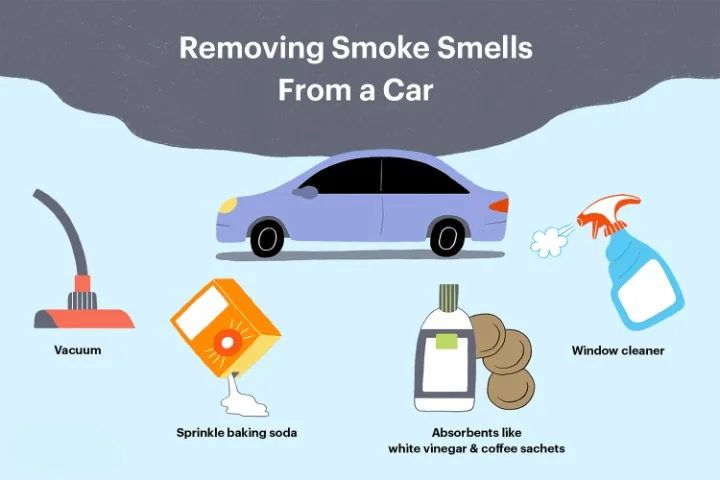
The stubborn odor of cigarette, cigar, or general smoke in a car is more than just unpleasant—it can lower resale value, deter passengers, and even harm your health. Smoke particles seep into upholstery, carpets, and the HVAC system, making the smell persistent. This 1200-word guide provides step-by-step solutions to eliminate smoke odor, restore your car’s freshness, and prevent future smells, backed by professional detailers and scientific research.
Why Smoke Smell Lingers
Tobacco smoke contains over 7,000 chemicals, including tar and nicotine, which cling to surfaces and penetrate porous materials like fabric, foam, and carpet fibers. The odor is amplified by:
- HVAC Recirculation: Smoke particles trapped in vents recirculate every time you use the AC or heat.
- Residue Buildup: Tar and nicotine form sticky layers on windows, headliners, and dashboards.
- Heat Activation: Warm weather or sunlight can reactivate trapped odors.
According to a 2019 study in the International Journal of Environmental Research and Public Health, smoke residues can persist in vehicles for years without proper cleaning.
Step 1: Immediate Actions to Reduce Odor
Act quickly to prevent smoke particles from settling deeper:
- Ventilate Thoroughly:
- Roll down all windows and drive for 15–20 minutes to flush out stale air.
- Park in direct sunlight with windows slightly open for 2–3 hours. UV rays help break down odor-causing compounds.
- Remove Smoke Sources:
- Discard ashtrays, cigarette butts, lighters, and matches.
- Clean the cupholders, door pockets, and console with rubbing alcohol to eliminate ash residue.
- Replace Cabin Air Filter:
- Locate the filter (usually behind the glovebox or under the hood) and swap it with an activated charcoal filter (e.g., FRAM Fresh Breeze).
Step 2: Deep Clean All Surfaces
Hard Surfaces (Dashboard, Door Panels, Glass)
- Vinegar Solution: Mix 1:1 white vinegar and water. Wipe down plastics, leather, and glass. Vinegar neutralizes nicotine and tar.
- Ammonia-Free Glass Cleaner: Use Invisible Glass to remove smoke film from windows.
- Degreaser for Tar Buildup: Spray Simple Green All-Purpose Cleaner on sticky surfaces like the steering wheel or gear shift.
Avoid ammonia-based cleaners, which react with nicotine to create toxic fumes.
Soft Surfaces (Seats, Carpets, Headliner)
- Baking Soda Treatment:
- Sprinkle baking soda liberally on seats and carpets.
- Let sit overnight to absorb odors.
- Vacuum thoroughly with a wet/dry vacuum (e.g., Shop-Vac).
- Enzyme Cleaner: Spray Biokleen Bac-Out on fabrics to break down organic residues.
- Steam Cleaning:
- Rent a McCulloch MC1375 Steam Cleaner or similar to deep-clean upholstery. Steam’s high heat kills odor-causing bacteria.
Step 3: Purge the HVAC System
Smoke odor often lingers in air vents. Here’s how to clean them:
- HVAC Bomb Treatment:
- Buy an Ozium Smoke & Odors Eliminator or BG Frigi Fresh.
- Start the car, set the AC to max, and close windows.
- Spray the product into the intake vents (usually near the windshield wipers) for 5–10 minutes.
- DIY Vent Cleaning:
- Mix 1 cup of water and 10 drops of tea tree oil in a spray bottle.
- Remove vent covers and spray the mixture into ducts.
Step 4: Absorb Lingering Odors
- Activated Charcoal:
- Place Moso Natural Air Purifying Bags under seats for 5–7 days. Charcoal absorbs volatile organic compounds (VOCs).
- Coffee Grounds:
- Fill a shallow container with fresh coffee grounds and leave it in the cup holder overnight.
- Ozone Generator:
- Rent an Enerzen Ozone Generator and run it in the car for 30–60 minutes.
- Safety Note: Never sit in the car during treatment, and air it out afterward.
Step 5: Prevent Future Odors
- Enforce a No-Smoking Policy: Post a “No Smoking” sign as a deterrent.
- Use an Air Purifier: Install a TaoTronics HEPA Car Air Purifier to filter particles.
- Regular Maintenance:
- Wipe surfaces weekly with Meguiar’s Quik Interior Detailer.
- Vacuum carpets and seats biweekly.
Common Mistakes to Avoid
- Overusing Air Fresheners: Products like Febreze mask odors but don’t remove residue.
- Ignoring the Headliner: Smoke rises, so clean the ceiling fabric with a microfiber cloth and upholstery shampoo.
- Skipping the Seatbelts: Wipe belts with vinegar, as they trap smoke particles.
When to Call a Professional
Seek expert help if:
- The smell persists after multiple DIY attempts.
- The car has heavy tar buildup on surfaces.
- You’re preparing to sell the vehicle.
Services to Consider:
- Ozone Treatment: Pros use industrial-grade machines for deeper odor removal.
- Thermal Fogging: A fogger releases odor-neutralizing agents that penetrate upholstery.
- Leather Conditioning: Smoke dries out leather; detailers use products like Lexol Leather Conditioner.
Real-Life Success Story
Mark, a used car buyer from Texas, purchased a 2012 Camry reeking of cigarette smoke. He:
- Replaced the cabin filter.
- Steam-cleaned the seats and carpets.
- Ran an ozone generator overnight.
- Wiped hard surfaces with vinegar.
After three days, the car smelled factory-fresh.
Recommended Products
- Cleaning: Chemical Guys Lightning Fast Carpet & Upholstery Cleaner
- Odor Removal: Zero Odor Pro
- Air Purification: Moso Natural Charcoal Bags
Safety Tips
- Wear gloves and a mask when handling cleaners.
- Test products on inconspicuous areas first.
- Keep pets and children away during treatments.
Final Checklist
- Ventilate the car thoroughly.
- Clean all surfaces with vinegar or enzyme cleaner.
- Replace the cabin air filter.
- Treat the HVAC system with an odor eliminator.
- Use activated charcoal or an ozone generator.
- Maintain with regular cleaning and air purifiers.
Sources:
- International Journal of Environmental Research and Public Health (2019). “Persistent Tobacco Odors in Vehicles.”
- Auto Detailing News (2022). “Effective Smoke Odor Removal Techniques.”
- EPA (2023). “Health Risks of Secondhand Smoke in Vehicles.”
By following these steps, you can eliminate smoke odor and enjoy a cleaner, healthier driving environment. 🚗💨

The pungent odor of cannabis can linger in your car’s upholstery, vents, and carpets long after use. Whether you’re preparing to sell your vehicle, hosting passengers, or just want a fresher ride, these proven methods will eliminate weed smell and restore your car’s interior.
Why Weed Smell Lingers
Weed smoke releases terpenes and organic compounds that cling to soft surfaces (seats, carpets) and hard surfaces (dashboards, windows). The smell can also seep into the HVAC system, recirculating every time you use the AC or heat.
Step 1: Immediate Actions
- Ventilate:
- Roll down all windows and drive for 10–15 minutes to air out the cabin.
- Use the car’s “fresh air” mode (not recirculation) to flush the HVAC system.
- Remove Sources:
- Discard any leftover weed, ash, or paraphernalia.
- Clean ashtrays or storage compartments with rubbing alcohol.
Step 2: Clean All Surfaces

Hard Surfaces (Dashboard, Door Panels)
- Vinegar Solution: Mix 1:1 white vinegar and water. Wipe down plastics, glass, and leather (avoid vinegar on untreated leather).
- Odor-Neutralizing Spray: Use products like Ozium Air Sanitizer or Meguiar’s Whole Car Air Re-Fresher.
Soft Surfaces (Seats, Carpets, Headliner)
- Baking Soda: Sprinkle liberally on fabrics, let sit overnight, then vacuum.
- Enzyme Cleaner: Spray Nature’s Miracle or Angry Orange to break down organic residues.
- Steam Cleaner: Rent a handheld steamer (e.g., Bissell Little Green) to deep-clean upholstery.
Step 3: Tackle the HVAC System
- Replace Cabin Air Filter:
- Locate the filter (usually behind the glovebox) and install a new one.
- Use an activated charcoal filter for odor absorption.
- HVAC Bomb Treatment:
- Spray BG Frigi Fresh into the intake vents (outside the car) while running the AC on high.
Step 4: Absorb Lingering Odors
- Activated Charcoal Bags:
- Place Moso Natural Air Purifying Bags under seats for 3–5 days.
- Coffee Grounds:
- Leave an open container of fresh grounds in the cup holder overnight.
- Ozone Generator:
- Rent or buy an ozone machine (e.g., Enerzen Ozone Generator). Run it in the car for 30–60 minutes (follow safety instructions).
Step 5: Prevent Future Smells
- No Smoking Policy: Avoid smoking weed (or anything) in the car.
- Air Purifier: Use a compact HEPA filter like TaoTronics HEPA Car Air Purifier.
- Odor Eliminator Spray: Keep Zero Odor Pro on hand for quick touch-ups.
Avoid These Mistakes
- Febreze Overuse: Masks smells temporarily but doesn’t eliminate residue.
- Burning Incense: Adds smoke particles that worsen the issue.
- Ignoring Vents: Odors trapped in the HVAC system will keep returning.
When to Call a Professional
- Detailing Service: Mobile detailers use industrial-grade tools like ozone machines and hot water extractors.
- Smoke Damage Specialists: For severe cases (e.g., daily use over months).
Final Checklist
- Ventilate the car thoroughly.
- Clean all surfaces with vinegar or enzyme cleaner.
- Replace the cabin air filter.
- Use activated charcoal or an ozone generator.
- Maintain with odor-neutralizing sprays.
Recommended Products:
By combining deep cleaning, odor absorption, and prevention, you can eliminate weed smell and keep your car smelling fresh. 🌿🚗

Discovering ants in your car can be unsettling. These tiny invaders are drawn to crumbs, spills, and even the warmth of your vehicle, turning it into a mobile nest. Left unchecked, they can damage wiring, upholstery, and your peace of mind. Below, we break down proven methods to eliminate ants, prevent future infestations, and protect your car’s interior—backed by pest control experts and scientific research.
Why Do Ants Invade Cars?
Ants enter cars seeking food, water, or shelter. Common triggers include:
- Food residue: Crumbs, spilled drinks, or forgotten snacks.
- Moisture: Leaky sunroofs, condensation, or damp floor mats.
- Warmth: Cars parked in sunny areas mimic ants’ preferred nesting conditions.
- Entry points: Gaps in doors, windows, or vents provide easy access.
A 2018 study in the Journal of Economic Entomology found that sugar-loving ants (like odorous house ants) are most likely to infest vehicles with accessible food sources.
Step 1: Remove Food Sources and Deep Clean
Ants leave pheromone trails to guide others to food. Eliminate these trails with a meticulous clean:
- Vacuum Thoroughly:
- Use a crevice tool to clean between seats, under floor mats, and in cup holders.
- Empty the trunk and vacuum corners where crumbs accumulate.
- Pro Tip: Sprinkle baking soda before vacuuming to neutralize odors.
- Wipe All Surfaces:
- Mix 1:1 white vinegar and water in a spray bottle. Vinegar disrupts pheromone trails and repels ants.
- Wipe down dashboards, consoles, door handles, and seats (test on upholstery first).
- Avoid sugary cleaners (e.g., armor-all wipes) that attract ants.
- Remove Trash Immediately:
- Discard food wrappers, empty bottles, and leftover snacks.
Step 2: Use Natural Repellents
Natural solutions deter ants without harming your car’s interior:
- Essential Oils:
- Peppermint, tea tree, or citrus oils are effective ant repellents. A 2020 study in Industrial Crops and Products confirmed peppermint oil’s efficacy against common ant species.
- How to Use:
- Add 15–20 drops of oil to a spray bottle with water. Lightly mist carpets and door seals.
- Soak cotton balls in undiluted oil and place them in cup holders or under seats.
- Cinnamon or Bay Leaves:
- Sprinkle ground cinnamon along window sills or tuck bay leaves into seat crevices. Ants avoid these strong scents.
- Coffee Grounds:
- Place dried coffee grounds in a small bowl under the seat. The smell repels ants and absorbs odors.
Step 3: Seal Entry Points
Ants can enter through gaps as small as 1/16th of an inch. Inspect and seal:
- Door and window seals: Replace worn weather stripping.
- Vents: Install fine mesh screens over exterior vents.
- Trunk: Check for gaps around the trunk lid and seal with automotive-grade silicone caulk.
The University of California Statewide Integrated Pest Management Program recommends sealing cracks to prevent ant colonies from establishing trails.
Step 4: Deploy Ant Baits and Desiccants
For persistent infestations, use targeted treatments:
- Boric Acid Baits:
- Mix 1 tsp boric acid with 1 cup sugar water. Soak cotton balls and place them in bottle caps under seats.
- Ants carry the poison back to their nest, eliminating the colony within days.
- Safety Note: Keep baits away from pets and children.
- Diatomaceous Earth (DE):
- Food-grade DE is a natural powder that dehydrates ants.
- How to Use: Lightly sprinkle DE along door frames, floor mats, and trunk edges.
- Source: The National Pesticide Information Center confirms DE’s safety for indoor use.
Step 5: Eliminate Moisture
Ants need water to survive. Reduce dampness with:
- Silica gel packets: Place in cup holders or under seats.
- Fix leaks: Repair sunroofs, window seals, or AC drain lines.
- Dry floor mats: Remove and air-dry mats if they get wet.
Step 6: Heat Treatment
On a hot day, park in direct sunlight with windows closed for 3–4 hours. Temperatures above 120°F will drive ants out.
- Caution: Remove electronics, lighters, or candles to avoid melting.
Prevention Tips to Keep Ants Out
- No Eating Policy: Avoid snacks in the car.
- Regular Cleaning: Wipe surfaces weekly with vinegar spray.
- Park Strategically: Avoid parking near ant nests (e.g., under trees or near mulch beds).
- Outdoor Repellents: Spray perimeter treatments like TERRO Ant Killer around your driveway.
When to Call a Professional
Seek help if:
- The infestation persists despite DIY efforts.
- Ants damage wiring or upholstery.
- You suspect carpenter ants (they can chew through car insulation).
Companies like Orkin or Ehrlich Pest Control offer vehicle-safe treatments.
Safety Precautions
- Avoid harsh chemicals: Bleach or ammonia can damage upholstery and leave toxic residues.
- Ventilate: Open windows when using sprays or powders.
- Pet safety: Ensure pets aren’t exposed to boric acid or essential oils.
Conclusion
With consistent cleaning, natural repellents, and preventive measures, you can reclaim your car from ants. For severe infestations, professional pest control ensures safe, lasting results.
Need Help?
For stubborn ant problems, consult a local auto detailer or pest control service.
Sources:
- University of California Agriculture & Natural Resources. (2022). Ant Management Guidelines. Link
- National Pesticide Information Center. (2021). Diatomaceous Earth Fact Sheet. Link
- Mondal, M., & Khalequzzaman, M. (2020). Repellency of plant essential oils against red imported fire ants. Industrial Crops and Products. DOI:10.1016/j.indcrop.2020.112679
- EPA. (2023). Safely Using Insecticides in Vehicles. Link
- TERRO. (2023). How to Get Rid of Ants in Your Car. Link
By addressing both the infestation and its root causes, you’ll ensure your car remains ant-free and road-ready. 🚗🐜

Discovering your car is declared a total loss by insurance—even though it’s still drivable—can leave you with more questions than answers. Can you keep driving it? Will your insurance company drop you? What happens to its value? In this guide, we break down exactly what to expect, your legal and financial options, and the risks of holding onto a totaled vehicle.
What Does “Totaled” Actually Mean?
A car is labeled a total loss when the cost to repair it exceeds a specific percentage of its pre-accident value. This threshold varies by state but typically falls between 70-80%. Importantly, a car can still be drivable and deemed totaled—it simply means insurers don’t think it’s worth fixing.
Example:
- Car’s actual cash value (ACV): $15,000
- Repair estimate: $12,000 (80% of ACV) → Insurer declares it a total loss.
What Happens Immediately After the Accident?
- Insurance Assessment:
- An adjuster inspects the damage and calculates repair costs versus the car’s ACV.
- If repairs exceed your state’s threshold, the insurer will declare it a total loss.
- You’ll receive a settlement offer: ACV minus deductible and salvage value (if you keep the car).
- Your Two Options:
- Accept the payout: Surrender the car to the insurer, which will auction it as salvage.
- Keep the car: Receive a reduced payout (ACV minus salvage value) and retain ownership.
Keeping a Totaled Car: Key Considerations
1. Salvage Title Requirements
- Once totaled, the car’s title is branded as salvage, signaling it’s been severely damaged.
- To drive it legally again, most states require:
- Repairs: Fix the car to meet safety standards.
- Inspection: Pass a state-administered salvage inspection.
- Rebuilt Title: Apply for a “rebuilt” or “reconstructed” title post-inspection.
- Texas: Allows driving with a salvage title only after repairs and inspection.
- California: Requires a “salvage certificate” before repairs and a rebuilt title afterward.
- New York: Bans driving salvage-titled cars until rebuilt and re-titled.
2. Insurance Challenges
- Limited Coverage: Most insurers won’t offer collision or comprehensive coverage for salvage-title cars.
- Higher Premiums: Liability coverage may cost more due to perceived risk.
- Specialty Insurers: Companies like Dairyland or Hagerty (for classic cars) may cover rebuilt vehicles.
3. Safety Risks
Even if the car seems drivable, hidden issues can pose dangers:
- Frame Damage: Compromises structural integrity in future crashes.
- Electrical Issues: Post-flood damage may cause fires or malfunctions.
- Airbag Reliability: Deployed airbags may not reset correctly. Always get a professional inspection before driving a totaled car long-term.
4. Plummeting Resale Value
- A salvage/rebuilt title can slash resale value by 40-60%.
- Dealerships and private buyers often avoid these cars due to perceived risk.
When It’s Worth Keeping a Totaled Car
- Minor Cosmetic Damage: Hail dents or scrapes that don’t affect safety.
- Low Salvage Deduction: If the insurer deducts little from your payout (e.g., $1,000 for a $15,000 car).
- DIY Repairs: You can fix it cheaply using junkyard parts or personal skills.
- Sentimental Value: Rare models or family heirlooms worth restoring.
Steps to Take If You Keep the Car
- Negotiate the Salvage Value:
Insurers often deduct 20-40% of the ACV as salvage value. Contest this with quotes from local salvage yards. - Repair the Car:
- Use a trusted mechanic or tackle repairs yourself.
- Keep receipts for parts and labor (required for inspections).
- Pass a Salvage Inspection:
- Contact your state DMV for inspection guidelines.
- Tests often check brakes, lights, emissions, and structural integrity.
- Obtain a Rebuilt Title:
- Submit inspection paperwork to the DMV.
- Pay title fees (varies by state).
- Secure Insurance:
- Compare quotes from insurers specializing in rebuilt titles.
When to Walk Away
- Severe Structural Damage: Bent frames or crumple zones compromise safety.
- Flood/Electrical Damage: Corrosion can lead to sudden failures.
- Airbag Deployment: Reinstalling airbags costs $1,000+ and may not meet OEM standards.
- High Salvage Deduction: If keeping the car eats most of your payout (e.g., $10k ACV – $7k salvage = $3k).
Real-Life Scenarios
Case 1: Cosmetic Hail Damage
- Car: 2018 Toyota Camry ($18,000 ACV)
- Damage: Hail dents ($14,000 repair estimate)
- Outcome: Insurer totals it. Owner keeps the car, accepts a $16,000 payout ($18k – $2k salvage), and drives it with a salvage title (no safety issues).
Case 2: Major Collision
- Car: 2015 Ford F-150 ($20,000 ACV)
- Damage: Bent frame ($16,000 repair estimate)
- Outcome: Owner takes the $20,000 payout, surrenders the truck, and buys a replacement.
The Bottom Line
A drivable totaled car can be a smart financial move if repairs are affordable and the title can be cleared. However, safety risks, insurance hurdles, and resale pitfalls make it a gamble. When in doubt, take the payout and shop for a replacement.
Need Expert Advice?
Visit Simi Valley CDJR’s Service Center for professional inspections and personalized guidance. We’ll help you decide whether to rebuild, repair, or replace your vehicle.
Additional Resources:
- DMV.org: Salvage Title Rules by State
- Kelley Blue Book: What’s My Car Worth?
- NHTSA: Vehicle Safety Recalls
- Insurance Information Institute: Total Loss Claims
By weighing your options carefully and prioritizing safety, you can navigate this complex situation with confidence. 🚗💡
Connect with us


