





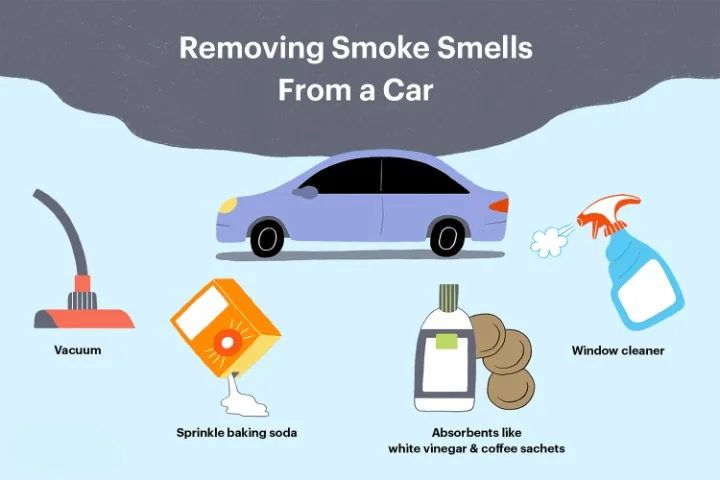
The stubborn odor of cigarette, cigar, or general smoke in a car is more than just unpleasant—it can lower resale value, deter passengers, and even harm your health. Smoke particles seep into upholstery, carpets, and the HVAC system, making the smell persistent. This 1200-word guide provides step-by-step solutions to eliminate smoke odor, restore your car’s freshness, and prevent future smells, backed by professional detailers and scientific research.
Why Smoke Smell Lingers
Tobacco smoke contains over 7,000 chemicals, including tar and nicotine, which cling to surfaces and penetrate porous materials like fabric, foam, and carpet fibers. The odor is amplified by:
- HVAC Recirculation: Smoke particles trapped in vents recirculate every time you use the AC or heat.
- Residue Buildup: Tar and nicotine form sticky layers on windows, headliners, and dashboards.
- Heat Activation: Warm weather or sunlight can reactivate trapped odors.
According to a 2019 study in the International Journal of Environmental Research and Public Health, smoke residues can persist in vehicles for years without proper cleaning.
Step 1: Immediate Actions to Reduce Odor
Act quickly to prevent smoke particles from settling deeper:
- Ventilate Thoroughly:
- Roll down all windows and drive for 15–20 minutes to flush out stale air.
- Park in direct sunlight with windows slightly open for 2–3 hours. UV rays help break down odor-causing compounds.
- Remove Smoke Sources:
- Discard ashtrays, cigarette butts, lighters, and matches.
- Clean the cupholders, door pockets, and console with rubbing alcohol to eliminate ash residue.
- Replace Cabin Air Filter:
- Locate the filter (usually behind the glovebox or under the hood) and swap it with an activated charcoal filter (e.g., FRAM Fresh Breeze).
Step 2: Deep Clean All Surfaces
Hard Surfaces (Dashboard, Door Panels, Glass)
- Vinegar Solution: Mix 1:1 white vinegar and water. Wipe down plastics, leather, and glass. Vinegar neutralizes nicotine and tar.
- Ammonia-Free Glass Cleaner: Use Invisible Glass to remove smoke film from windows.
- Degreaser for Tar Buildup: Spray Simple Green All-Purpose Cleaner on sticky surfaces like the steering wheel or gear shift.
Avoid ammonia-based cleaners, which react with nicotine to create toxic fumes.
Soft Surfaces (Seats, Carpets, Headliner)
- Baking Soda Treatment:
- Sprinkle baking soda liberally on seats and carpets.
- Let sit overnight to absorb odors.
- Vacuum thoroughly with a wet/dry vacuum (e.g., Shop-Vac).
- Enzyme Cleaner: Spray Biokleen Bac-Out on fabrics to break down organic residues.
- Steam Cleaning:
- Rent a McCulloch MC1375 Steam Cleaner or similar to deep-clean upholstery. Steam’s high heat kills odor-causing bacteria.
Step 3: Purge the HVAC System
Smoke odor often lingers in air vents. Here’s how to clean them:
- HVAC Bomb Treatment:
- Buy an Ozium Smoke & Odors Eliminator or BG Frigi Fresh.
- Start the car, set the AC to max, and close windows.
- Spray the product into the intake vents (usually near the windshield wipers) for 5–10 minutes.
- DIY Vent Cleaning:
- Mix 1 cup of water and 10 drops of tea tree oil in a spray bottle.
- Remove vent covers and spray the mixture into ducts.
Step 4: Absorb Lingering Odors
- Activated Charcoal:
- Place Moso Natural Air Purifying Bags under seats for 5–7 days. Charcoal absorbs volatile organic compounds (VOCs).
- Coffee Grounds:
- Fill a shallow container with fresh coffee grounds and leave it in the cup holder overnight.
- Ozone Generator:
- Rent an Enerzen Ozone Generator and run it in the car for 30–60 minutes.
- Safety Note: Never sit in the car during treatment, and air it out afterward.
Step 5: Prevent Future Odors
- Enforce a No-Smoking Policy: Post a “No Smoking” sign as a deterrent.
- Use an Air Purifier: Install a TaoTronics HEPA Car Air Purifier to filter particles.
- Regular Maintenance:
- Wipe surfaces weekly with Meguiar’s Quik Interior Detailer.
- Vacuum carpets and seats biweekly.
Common Mistakes to Avoid
- Overusing Air Fresheners: Products like Febreze mask odors but don’t remove residue.
- Ignoring the Headliner: Smoke rises, so clean the ceiling fabric with a microfiber cloth and upholstery shampoo.
- Skipping the Seatbelts: Wipe belts with vinegar, as they trap smoke particles.
When to Call a Professional
Seek expert help if:
- The smell persists after multiple DIY attempts.
- The car has heavy tar buildup on surfaces.
- You’re preparing to sell the vehicle.
Services to Consider:
- Ozone Treatment: Pros use industrial-grade machines for deeper odor removal.
- Thermal Fogging: A fogger releases odor-neutralizing agents that penetrate upholstery.
- Leather Conditioning: Smoke dries out leather; detailers use products like Lexol Leather Conditioner.
Real-Life Success Story
Mark, a used car buyer from Texas, purchased a 2012 Camry reeking of cigarette smoke. He:
- Replaced the cabin filter.
- Steam-cleaned the seats and carpets.
- Ran an ozone generator overnight.
- Wiped hard surfaces with vinegar.
After three days, the car smelled factory-fresh.
Recommended Products
- Cleaning: Chemical Guys Lightning Fast Carpet & Upholstery Cleaner
- Odor Removal: Zero Odor Pro
- Air Purification: Moso Natural Charcoal Bags
Safety Tips
- Wear gloves and a mask when handling cleaners.
- Test products on inconspicuous areas first.
- Keep pets and children away during treatments.
Final Checklist
- Ventilate the car thoroughly.
- Clean all surfaces with vinegar or enzyme cleaner.
- Replace the cabin air filter.
- Treat the HVAC system with an odor eliminator.
- Use activated charcoal or an ozone generator.
- Maintain with regular cleaning and air purifiers.
Sources:
- International Journal of Environmental Research and Public Health (2019). “Persistent Tobacco Odors in Vehicles.”
- Auto Detailing News (2022). “Effective Smoke Odor Removal Techniques.”
- EPA (2023). “Health Risks of Secondhand Smoke in Vehicles.”
By following these steps, you can eliminate smoke odor and enjoy a cleaner, healthier driving environment. 🚗💨
Connect with us


