





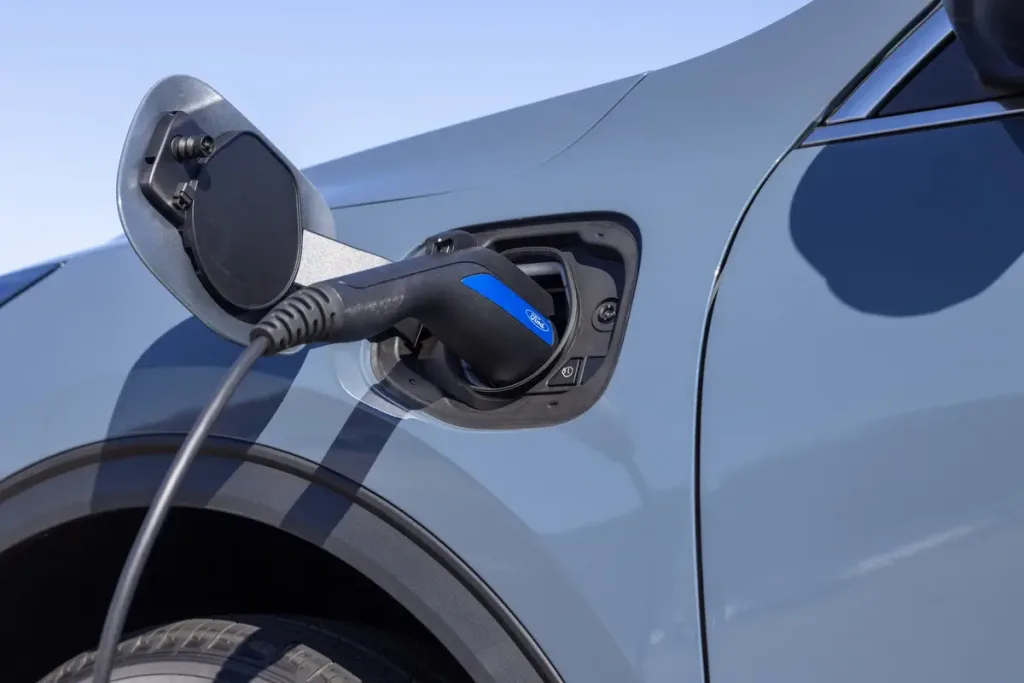
Hybrid cars bridge the gap between gasoline engines and electric vehicles (EVs), but confusion about their charging requirements persists. Whether you’re an eco-conscious buyer, a budget-focused driver, or a tech enthusiast, this guide answers your specific intent: Do hybrid cars need to be charged? Spoiler: It depends on the hybrid type. Let’s break it down.
Jump to Your Priority | Compare Hybrids Side-by-Side
1. What Are the 3 Types of Hybrid Cars? (Intent: Understanding Hybrid Categories)
Not all hybrids are created equal. Here’s how they differ:
1.1 Traditional Hybrids (HEVs)
- Examples: Toyota Prius, Honda Insight
- How They Work:
- Combine a gasoline engine with a small electric motor and battery.
- Self-charging: Regenerative braking converts kinetic energy into electricity.
- No plug-in required: The gas engine tops up the battery.
- Key Stats:
- Fuel economy: 48–56 MPG (Prius).
- Electric-only range: 1–2 miles (for low-speed driving).
- Best For: Drivers seeking fuel savings without lifestyle changes.
1.2 Plug-In Hybrids (PHEVs)
- Examples: Toyota RAV4 Prime, Ford Escape PHEV
- How They Work:
- Larger battery (8–18 kWh) vs. HEVs.
- Charge via outlet: 20–50 miles of electric-only range.
- Gas engine kicks in when the battery depletes.
- Key Stats:
- RAV4 Prime: 42 miles electric range, 94 MPGe.
- Federal tax credit: Up to $7,500.
- Best For: Short commuters who can charge nightly.
1.3 Mild Hybrids
- Examples: Chevrolet Silverado, Kia Sportage Mild Hybrid
- How They Work:
- Small battery assists the gas engine (no electric-only driving).
- Boosts fuel efficiency by 10–15%.
- Key Stats:
- Silverado: 23 MPG combined (vs. 20 MPG for non-hybrid).
- Best For: Drivers wanting marginal fuel savings without complexity.
2. Do Traditional Hybrids (HEVs) Need Charging? (Intent: Clarifying HEV Requirements)
Short Answer: No.
2.1 How HEVs Self-Charge
- Regenerative Braking: Captures energy when slowing down (U.S. Department of Energy).
- Gas Engine: Recharges the battery during driving.
2.2 Benefits of HEVs
- No infrastructure needed: Skip chargers, cords, and apps.
- Lower maintenance: Smaller battery vs. PHEVs/EVs (Consumer Reports).
- Proven reliability: Toyota HEVs have logged 15+ billion miles.
3. Plug-In Hybrids (PHEVs): When Charging Is Optional but Rewarding (Intent: Maximizing PHEV Benefits)
Short Answer: Yes, but only if you want to save money and emissions.
3.1 Charging a PHEV: How It Works
- Level 1 Charging: 120V outlet adds ~4–5 miles per hour.
- Level 2 Charging: 240V charger adds ~10–25 miles per hour (ChargePoint).
- Cost: A full charge costs ~$1–$3 (vs. $3–$5 in gas).
3.2 What Happens If You Don’t Charge a PHEV?
- It reverts to hybrid mode, but you’ll lose:
- Electric range: Higher gas consumption.
- Tax incentives: Some credits require proof of charging (IRS).
3.3 Real-World PHEV Savings
- Case Study: A 30-mile daily commute:
- Gas-only: $4.50/day (30 miles ÷ 30 MPG × $4.50/gallon).
- Electric-only: $1.20/day (30 miles × 0.04 kWh/mile × $0.12/kWh).
- Annual savings: $1,200+ (Edmunds).
4. Mild Hybrids: The “No-Charge” Middle Ground (Intent: Evaluating Mild Hybrid Value)
Short Answer: No charging required.
4.1 How Mild Hybrids Improve Efficiency
- Engine start/stop: Shuts off at red lights.
- Torque assist: Electric motor aids acceleration.
4.2 Limitations
- No EV mode: Still reliant on gas.
- Marginal savings: ~1–3 MPG gain over non-hybrids.
5. Charging Costs vs. Gas Savings: Which Hybrid Wins? (Intent: Cost Comparison)
Compare ownership costs over 5 years (15,000 miles/year):
| Type | Upfront Cost | Fuel/Charging Cost | Total Savings vs. Gas Car |
|---|---|---|---|
| HEV | $28,000 | $6,750 | $4,500 |
| PHEV (charged) | $35,000 | $3,600 | $7,650 |
| Mild Hybrid | $32,000 | $8,100 | $2,250 |
Source: FuelEconomy.gov, Edmunds TCO
6. Environmental Impact: Charging Matters More Than You Think (Intent: Eco-Conscious Decisions)
6.1 Emissions Reduction
- PHEVs (charged): Cut CO2 by 50% vs. gas cars (EPA).
- HEVs: Reduce emissions by 25–35%.
6.2 Battery Production Footprint
- PHEV batteries (larger than HEVs) have a higher initial carbon cost, but lifetime emissions are lower (Union of Concerned Scientists).
7. Hybrid Charging Myths Busted (Intent: Debunking Misconceptions)
Myth 1: “All hybrids need charging.”
Fact: Only PHEVs require plugs; HEVs and mild hybrids don’t.
Myth 2: “Charging a PHEV is inconvenient.”
Fact: Level 1 charging overnight adds ~40 miles—enough for most commutes.
Myth 3: “Hybrid batteries die quickly.”
Fact: Most warranties cover 8–10 years (Car and Driver).
8. Which Hybrid Is Right For You? (Intent: Personalized Recommendations)
8.1 Choose a Traditional Hybrid (HEV) If:
- You want simplicity and reliability.
- You drive long distances frequently.
- Top Picks: Toyota Corolla Hybrid, Hyundai Elantra Hybrid.
8.2 Choose a Plug-In Hybrid (PHEV) If:
- You have a 20–40 mile daily commute.
- You want tax credits and HOV lane access.
- Top Picks: Kia Niro PHEV, Subaru Crosstrek Hybrid.
8.3 Choose a Mild Hybrid If:
- You want a small efficiency boost in a gas-powered SUV/truck.
- Top Picks: Ford F-150 PowerBoost, Ram 1500 eTorque.
9. Future of Hybrids: Will Charging Become Standard? (Intent: Long-Term Planning)
- Regulations: By 2035, California bans new gas-only cars, pushing hybrids/EVs.
- Tech Advances: Toyota’s solid-state batteries promise faster charging and longer ranges.
10. Final Verdict: Do Hybrid Cars Need to Be Charged?
- HEVs/Mild Hybrids: No charging—ever.
- PHEVs: Charge to maximize savings and eco-benefits.
Hybrids cater to diverse needs, whether you prioritize cost, convenience, or sustainability. Choose wisely!
Ready to Explore Hybrids?
Share this guide to help others demystify hybrid charging!
Connect with us


