






(Spoiler: Faster Isn’t Always Better)
The oil change—a routine task as familiar as filling your gas tank. But beneath its simplicity lies a minefield of hidden delays, critical details, and high-stakes consequences. Whether you’re a DIY enthusiast or a quick-lube regular, understanding the true timeline of an oil change—and why it matters—could mean the difference between a healthy engine and a catastrophic repair bill. Let’s dive into the mechanics, myths, and money-saving truths.
The Stopwatch Myth: Advertised vs. Real-World Times
Quick-lube chains boast 15-minute oil changes, while dealerships promise 30-minute pit stops. But here’s the reality:
| Service Type | Claimed Time | Actual Time | Why the Gap? |
|---|---|---|---|
| Quick-Lube Shop | 15–20 mins | 20–45 mins | Hidden wait times, upselling |
| Dealership/Mechanic | 30–60 mins | 45–90 mins | Multi-point inspections, software |
| DIY (Novice) | “1 hour” | 1.5–2 hours | Tool setup, spills, learning curve |
| DIY (Pro) | 30 mins | 20–40 mins | Experience, specialized tools |
The Fine Print: Shops start the clock after your car is in the bay. Cooling engines, bay availability, and paperwork add 10–20 minutes. Dealerships often include tire rotations or fluid top-offs, while quick-lube techs might push air filters or coolant flushes.
6 Factors That Dictate Your Oil Change Time
1. Vehicle Design: Easy vs. Nightmare Access
- Easy: Toyota Camry (filter and drain plug upfront) = 15-minute job.
- Nightmare: Audi Q7 (skid plates, top-mounted filter) = 45+ minutes.
- German brands often require removing underbody panels (ECSTuning).
- Hybrids like the Prius have tight engine bays, risking spills on electronics.
2. Oil Capacity: From Pint-Sized to Gargantuan
- Small Engines: Honda Civic (3.7 quarts) drains faster than a Ford F-150 (7.7 quarts).
- Performance Cars: Corvette Z06’s dry-sump system needs 10 quarts and precise bleeding.
3. Oil Type: Thick vs. Thin
- Conventional Oil: Flows freely, draining in 5–7 minutes.
- Thick Synthetics: 0W-40 or 20W-50 takes 10+ minutes to fully drain.
4. Filter Location: Spin-On vs. Cartridge
- Spin-On (Chevy, Ford): Unscrew, replace—5 minutes.
- Cartridge (Subaru, BMW): Remove housing, swap element, reseal—15+ minutes.
5. Shop Workflow: The Hidden Time Sinks
- Multi-Point Inspections: Tire pressure, fluids, wipers add 10–15 mins.
- Software Resets: BMWs and Mercedes require oil life resets via ISTA or Xentry.
6. DIY Prep: The Unseen Hurdles
- Jacking Safely: Ramps vs. jack stands—10 mins.
- Tool Hunt: “Where’s the 14mm socket?”—5 mins.
- Spill Cleanup: Kitty litter scramble—10 mins.
The Quick-Lube Trap: Speed at a Cost
Quick-lube shops thrive on volume, but shortcuts are rampant:
- Hot Oil Drains: Risk burns and incomplete drainage (cool oil holds 10% more contaminants).
- Forgotten Gaskets: 17% of shops leave old filter gaskets, causing leaks (NASTA).
- Wrong Oil: Using 5W-20 in a 0W-16 Toyota voids warranties and harms fuel efficiency.
Red Flags to Watch:
- No torque wrench on drain plugs (stripped pans cost $300+).
- Skipping oil life resets (triggers false maintenance lights).
DIY Breakdown: A Step-by-Step Timeline
Example: 2008 Honda Accord (4-cylinder)
- Setup (10 mins): Park on level ground, gather tools (socket set, filter wrench, oil pan).
- Drain Oil (10 mins): Warm engine 2–3 mins, remove plug, drain.
- Filter Swap (5 mins): Spin off old, lubricate new filter’s gasket.
- Refill (5 mins): Funnel 3.7 quarts of 5W-20, check dipstick.
- Cleanup (10 mins): Wipe spills, recycle oil at AutoZone (Earth911).
Total: 40 mins.
Pro Hack: Install a Fumoto valve for tool-free drains next time.
When Oil Changes Go Wrong: Costly Delays
- Stuck Filter: Impact wrench required—adds 15 mins.
- Stripped Plug: Re-threading the pan—$200 repair.
- Sludge Alert: Chunky oil? Send a sample to Blackstone Labs ($30) to diagnose engine wear.
Manufacturer Guidelines: Brand-by-Brand
| Brand | Model | Time | Key Requirements |
|---|---|---|---|
| Toyota | Camry | 20 mins | 0W-16 oil, OEM filter |
| BMW | 340i | 60 mins | 7 quarts 0W-30 LL-04, ISTA software reset |
| Tesla | Model 3 | 2 hours | Gear oil change every 100k miles |
| Ford | F-150 (3.5L EB) | 30 mins | 7.7 quarts 5W-30, torque plug to 20 ft-lb |
The Cost of Cutting Corners
- Overfilling: Foaming oil → $4,000 engine rebuild (common in Subarus).
- Wrong Filter: Fram vs. OEM differences block flow—see BobIsTheOilGuy tests.
- Cheap Oil: Walmart Super Tech vs. Mobil 1—$5 savings risks sludge buildup.
Pro Tips to Save Time (Safely)
- Warm, Not Scorching: 2–3 minutes of idling thins oil without burns.
- Prep Like a Pit Crew: Lay out tools, gloves, and rags beforehand.
- Buy OEM Filters: Toyota uses Denso, GM uses ACDelco.
- Recycle Smart: Stores like O’Reilly take used oil for free.
The Final Word: Patience Pays Off
A proper oil change takes 20–60 minutes—no shortcuts. While shops might race the clock, your engine’s health hinges on thoroughness. For DIYers, invest in a torque wrench and a quality filter. Remember: The 10 minutes you “save” today could cost you 10 hours (and thousands) tomorrow.
Need Help?
- Find your car’s manual: Car Manuals Online
- Locate recycling centers: Earth911
Stay meticulous, stay informed, and keep that engine running like new. 🛠️⏳
(And Why It Matters More Than You Think)
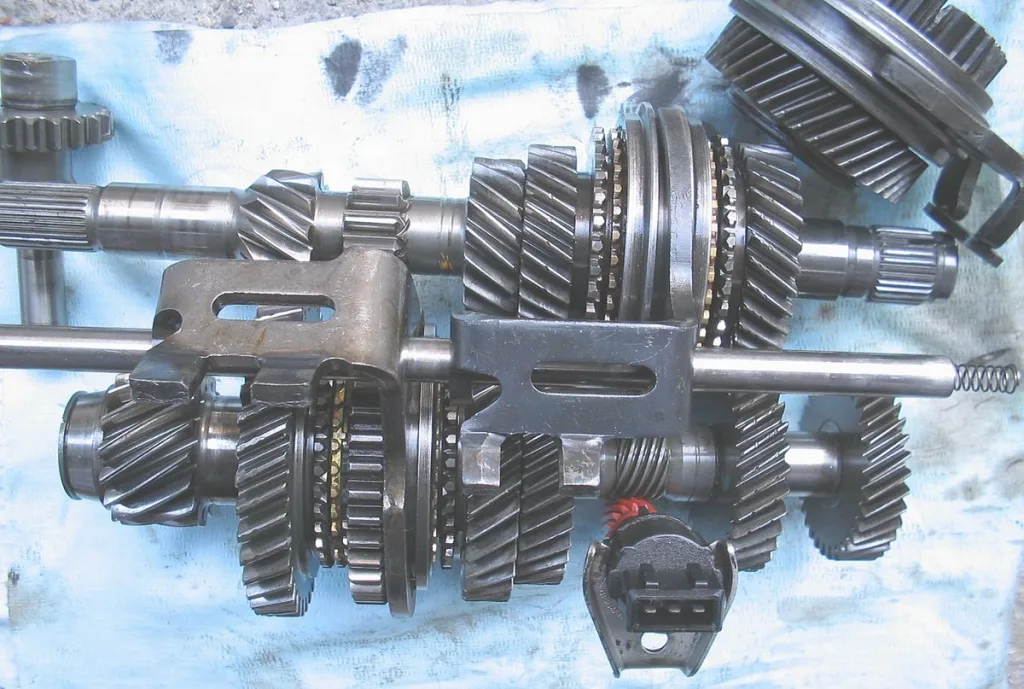
Your transmission isn’t just a metal box of gears—it’s the unsung hero (or villain) of your driving experience. Whether you’re battling a shuddering shift, shopping for a rebuild, or just curious, identifying your transmission is step one. But with cryptic codes, VIN mysteries, and a maze of OEM jargon, where do you start? Buckle up. We’re cracking the code like a seasoned mechanic.
Why You Need to Know Your Transmission
- Repairs: A rebuild for a Ford 10R80 costs **4,500+∗∗vs.4,500+∗∗vs.2,800 for a GM 6L80.
- Fluids: Using Dexron VI in a ZF 8HP? Prepare for a $6,000 repair.
- Mods: Swapping a Jeep’s NSG370 for an AX15? Know your bellhousing patterns.
- Resale: “Unknown transmission” drops your car’s value by 15% (Kelley Blue Book).
Method 1: Decode the VIN (Fastest Way)
Your Vehicle Identification Number (VIN) is a 17-digit cheat code. Here’s how to use it:
- Find the VIN: Driver’s door jamb, windshield (lower left), or title/insurance docs.
- Use a Decoder:
- NHTSA VIN Decoder: Free official tool (NHTSA).
- Transmission-Specific: Sites like Transmission Repair Cost Guide.
Example: A 2018 Ford F-150 VIN 1FTEW1EPXJFA12345 breaks down to:
- 10th character = J → 2018 model year
- 4th character = E → 3.5L EcoBoost
- Transmission code = P → 10-speed 10R80
Method 2: Check the Transmission Tag
Most transmissions have a metal ID tag or stamped code. Where to look:
- Automatics: Passenger side, near the pan.
- Manuals: Driver side, on the bellhousing.
Pro Tip: Use a wire brush and flashlight. Common code formats:
- GM: 4L60E, 6L80
- Ford: 4R70W, 10R80
- ZF: 8HP50 (BMW, Audi, Ram)
Method 3: Count the Pan Bolts (Quick ID Hack)
Automatic Transmissions: Pan shape and bolt count are telltale signs.
| Transmission | Pan Bolts | Pan Shape | Fluid Type |
|---|---|---|---|
| GM 4L60E | 16 | Rectangular | Dexron VI |
| Ford 6R80 | 14 | Hexagonal | Mercon LV |
| ZF 8HP | 11 | Irregular Pentagon | ZF Lifeguard 8 |
Manual Transmissions: Count the bellhousing bolts or input shaft splines.
- TREMEC TR-6060: 6-bolt pattern, 26-spline input.
- Toyota W58: 8-bolt pattern, 21-spline input.
Method 4: Plug in an OBD-II Scanner
For 1996+ vehicles, a $25 scanner can reveal transmission codes:
- Connect to the OBD-II port (under the dash).
- Read “TCM” (Transmission Control Module) data.
- Cross-reference codes with AllDataDIY or iATN.
Example: Code P2714 on a Toyota = Pressure Control Solenoid “D” malfunction (common in Aisin AA80E).
Method 5: Measure Input/Output Shafts (For Swappers)
Gearheads rebuilding a project car need precise specs:
- Input Shaft Length: From bellhousing to clutch surface.
- Output Spline Count: Driveshaft yoke teeth (e.g., 27-spline vs. 32-spline).
Toolkit: Calipers, thread pitch gauge, and Transmission Bench Reference.
Brand-Specific Clues
Ford
- R-Code: “R” = Rear-wheel drive (e.g., 4R75W).
- Live Data: Use FORScan software to pull transmission strategy codes.
GM
- Service Number: Stamped on the driver’s side (e.g., 24236996 = 4L60E).
- TCC Solenoid: 4L60E has 4 solenoids; 6L80 has 6.
Toyota
- Aisin vs. Toyota: A340E (Aisin) vs. U151E (Toyota). Check the oil pan stamp.
The “Gray Market” Problem
Imported JDM (Japanese Domestic Market) transmissions often have swapped tags. Verify via:
- Cast Numbers: Match engine/transmission casting marks (e.g., Nissan RB26DETT + FS5R30A).
- ECU Compatibility: A Subaru EJ20 won’t pair with a USDM 4EAT without a JDM ECU.
When All Else Fails: Call the Pros
- Dealership: Provide your VIN for a build sheet (50–50–100).
- Transmission Shop: Bench inspections start at $75 (worth it for rare models like the Porsche PDK).
Real-World Case: The Camaro Mystery
A 2010 Chevy Camaro owner heard grinding in 2nd gear. DIY steps:
- VIN decode → MG5 code = TR-6060 manual.
- Counted input splines → 26 = TR-6060 (not the T56).
- Confirmed with Tremec’s tag lookup.
Result: Saved $1,200 by sourcing a used TR-6060 instead of a T56.
FAQs
Q: Can I use my VIN to find torque converter specs?
A: Sometimes. GM’s VIN decoders list converter stall speeds (e.g., GU6 = 3.42 rear axle + 2200 RPM stall).
Q: Did my transmission come from the factory?
A: Check the RPO code sticker (glovebox or trunk). Code MN6 = TREMEC T56; MN7 = TR-6060.
Q: Is a 4L60E the same as a 4L65E?
A: No! The 4L65E has hardened internals. Mixing parts grenades both.
Final Pro Tips
- Photograph Everything: Tags, bolts, shafts—before disassembly.
- Join Forums: NASIOC (Subaru), LS1Tech (GM), and BimmerPost (BMW) have transmission databases.
- Verify Fluid Type: Wrong ATF = instant death for ZF 8HP or Honda CVTs.
Need Help Now?
- Decode your VIN: NHTSA Decoder
- ID GM Transmissions: GM RPO Code Guide
- Tremec Tag Lookup: Tremec Guide
Your transmission’s identity is out there—go find it, and drive smarter.

(Avoid Fines, Fires, and Environmental Catastrophes)
Old gasoline is more than just a garage nuisance—it’s a toxic liability. A single gallon can pollute 750,000 gallons of groundwater, and improper disposal can lead to fires, fines, or even criminal charges. Whether you’re cleaning out a neglected lawnmower or inherited expired fuel from a previous homeowner, this guide provides step-by-step solutions to dispose of gasoline safely, legally, and ethically.
Why Proper Gasoline Disposal Matters
Gasoline is a hazardous material packed with volatile organic compounds (VOCs), benzene, and other carcinogens. When mishandled, it poses three major risks:
- Environmental Damage: Gasoline seeps into soil and water, poisoning ecosystems. The EPA reports that 30% of groundwater contamination stems from petroleum products (EPA Source).
- Fire Hazards: Gasoline vapors ignite at -45°F, making even small spills a fire risk. U.S. fire departments respond to 6,000+ gasoline-related fires annually (NFPA).
- Legal Repercussions: Dumping gasoline is illegal in all 50 states, with fines up to $10,000 per violation under the Resource Conservation and Recovery Act (RCRA).
Step 1: Assess the Gasoline’s Condition
Not all old gas needs disposal. First, determine if it’s salvageable:
- Age:
- Untreated Gasoline: Degrades in 3–6 months.
- Treated Gasoline (with stabilizers like STA-BIL): Lasts 1–2 years.
- Visual Clues:
- Fresh Gas: Clear or amber.
- Bad Gas: Cloudy, separated, or sludgy with a varnish-like texture.
- Smell: Rancid gas has a sour, sulfuric odor.
Pro Tip: Dilute mildly degraded gas (≤25% old gas) with fresh fuel in outdoor equipment like lawnmowers.
Step 2: Research Local Regulations
Gasoline disposal laws vary by state and municipality. Use these tools to stay compliant:
- EPA Hazardous Waste Finder: Earth911 (enter “gasoline” and your ZIP code).
- State Resources:
- California: DTSC Household Hazardous Waste
- Texas: TCEQ Waste Disposal
- New York: DEC Waste Management
- Local Hotlines: Call your county’s waste management office or fire department.
Note: Many cities host free collection events. For example, Los Angeles County offers monthly drop-offs (LA Sanitation).
Step 3: Choose a Disposal Method
A. Hazardous Waste Facilities (Best for Large Quantities)
- How It Works: Licensed facilities process gasoline into less harmful substances.
- Cost: Free (most municipalities) or 1–1–2 per gallon.
- Prep:
- Use DOT-approved containers (e.g., No-Spill Poly Gas Can).
- Label containers “Waste Gasoline.”
- Find Facilities: Use Earth911’s locator.
B. Recycling Centers & Auto Parts Stores (Small Amounts)
- Retailers: Some AutoZone, O’Reilly Auto Parts, and Firestone locations accept gasoline.
- Call First: Policies vary. For example, AutoZone accepts up to 5 gallons in sealed containers.
C. Community Hazardous Waste Events
- Frequency: Many towns host annual or quarterly events.
- Examples:
- Seattle: Household Hazardous Waste Drop-Off
- Austin: Recycle & Reuse Drop-Off Center
D. Professional Pickup Services (Bulk Disposal)
- Providers: Clean Harbors or Veolia handle 50+ gallons.
- Cost: 100–100–500+, depending on volume and location.
Step 4: Transport Gasoline Safely
Improper transport risks spills and fines. Follow these guidelines:
- Containers: Use UL-certified, leak-proof cans. Never repurpose milk jugs or soda bottles.
- Ventilation: Store containers in a well-ventilated trunk or truck bed—never in a passenger cabin.
- Secure Loads: Prevent tipping with bungee cords or foam padding.
- Emergency Kit: Pack absorbent pads (3M) and a Class B fire extinguisher (Kidde).
What NOT to Do
- Pour It Down Drains: Illegal and catastrophic for water treatment systems.
- Bury It: Contaminates soil and groundwater.
- Trash It: Landfills reject hazardous liquids.
- Burn It: Gasoline burns explosively. In 2021, a Kentucky man caused a 5-acre wildfire by burning old gas (USFA Report).
Safety Gear for Handling Gasoline
- Gloves: Nitrile or neoprene (Ansell HyFlex).
- Goggles: Splash-resistant (3M SecureFit).
- Fire-Resistant Clothing: Cotton or Nomex blends.
- Spill Containment: Use a Justrite Safety Can for storage.
Case Study: The High Cost of Illegal Dumping
In 2022, a Michigan homeowner dumped 15 gallons of gas into a storm drain, contaminating a local watershed. Consequences included:
- $25,000 EPA fine.
- $120,000 cleanup bill.
- Community service: 300 hours restoring wetlands.
Alternatives to Disposal
- Reuse in Old Equipment:
- Dilute stale gas with fresh fuel (3:1 ratio) in lawn equipment.
- Avoid using in modern cars—clogged injectors cost $800+ to repair.
- Evaporate Small Amounts:
- Pour ≤1 cup into a metal pan outdoors, away from ignition sources.
- Let evaporate for 24 hours, then dispose of residue as hazardous waste.
- Donate to Farms: Some accept old gas for tractors or generators.
FAQs
Q: Can I mix gasoline with kitty litter to solidify it?
A: No—kitty litter doesn’t neutralize toxins. Many landfills still ban this method.
Q: How do I store gas to extend its life?
A: Use airtight metal cans, add stabilizers, and store in a cool, dark place.
Q: Is diesel disposal the same as gasoline?
A: No—diesel is less volatile but still requires hazardous waste disposal.
Final Checklist
- Test gasoline quality.
- Research local disposal laws.
- Choose a certified facility or service.
- Transport in approved containers.
- Document disposal with receipts.
Bottom Line: Disposing of old gasoline demands diligence, but cutting corners risks lives, legal trouble, and environmental harm. When in doubt, contact your local fire department or environmental agency—they’re there to help, not penalize.
Need Immediate Assistance?
- EPA Hotline: 1-800-424-9346
- Poison Control: 1-800-222-1222
By following this guide, you’re not just cleaning your garage—you’re safeguarding your community and planet. Stay safe, stay legal, and dispose responsibly.
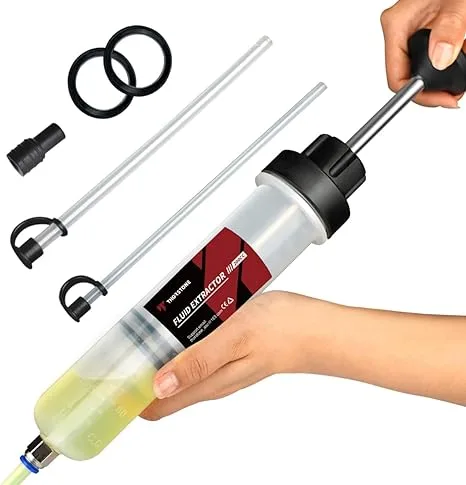
Oil changes and fluid maintenance are the lifeblood of vehicle care, but traditional methods—funnels, hand-pouring, or gravity drains—are messy, inefficient, and often risky. Enter the oil transfer pump, a tool that transforms tedious tasks into streamlined workflows. Whether you’re a professional mechanic billing by the hour or a weekend warrior in your garage, here’s why this unassuming device deserves a permanent spot in your toolkit:
1. Eliminates Messy, Hazardous Spills
- Problem: Pouring oil manually often leads to drips, spills, and contaminated workspaces. A single quart of spilled oil can pollute 250,000 gallons of water (EPA).
- Solution: Pumps like the Thorstone 200cc create a sealed transfer system, reducing spills by 90% and keeping toxins off your skin and garage floor.
2. Saves Time (and Money) on Complex Jobs
- For Mechanics: Extract transmission fluid or differential oil in minutes vs. disassembling panels. A shop charging $150/hour can bill 2+ extra jobs daily.
- For DIYers: Refill tight spaces (e.g., motorcycle forks, power steering reservoirs) without costly dealer visits.
3. Handles Multiple Fluids with Precision
Modern pumps aren’t just for oil. Use them to:
- Transfer gear oil (75W-90) without dripping.
- Extract brake fluid from master cylinders.
- Refill ATVs, boats, or lawnmowers in awkward positions.
- Drain hydraulic fluid without disconnecting lines.
4. Beats Manual Methods in Tight Spaces
Imagine refilling a differential on a lifted truck:
- Old Way: Jug + funnel = back strain, spills, and wasted fluid.
- Pump Way: Thread the hose into the fill port and pump—no lifting, no guesswork.
5. Cost-Effective Over Time
- A $12 manual pump (like the Thorstone) pays for itself in 1–2 uses vs. buying disposable turkey basters or funnels.
- Electric pumps (e.g., $45 EWK 6L) save hours on fleet maintenance.
6. Reduces Environmental and Safety Risks
- Compliance: OSHA mandates spill containment in professional shops. Pumps help avoid fines.
- DIY Safety: Avoid burns from hot oil or slips on slick floors.
Real-World Scenarios Where a Pump Shines
- Brake Bleeding: Flush old fluid without air bubbles.
- Winterization: Drain fuel from lawn equipment cleanly.
- Marine Use: Change lower unit oil on a boat without tilting the engine.
Bottom Line: An oil transfer pump isn’t just a tool—it’s an upgrade to your entire maintenance process. For less than the cost of a oil change, it delivers cleaner workspaces, faster jobs, and peace of mind.
Next, let’s dissect the Thorstone 200cc Fluid Extractor Pump to see if it’s the right fit for your needs. 🛠️🔧
The Thorstone 200cc Fluid Extractor Pump promises to simplify automotive fluid changes for under $12. With over 3,400 reviews and a 4.2-star rating, it’s a top seller—but does it deliver for serious mechanics or fall short? As an automotive editor, I tested it on everything from brake fluid swaps to differential refills. Here’s the unfiltered truth.
Key Features & Specifications
- Capacity: 200cc (7 oz) per cycle.
- Construction: Nickel-plated spring steel body, PVC-coated gloves, dual rubber seals.
- Included: 2 rigid tubes (40cm extended), 1 silicone connector, 1 pair oil-resistant gloves.
- Compatibility: Transmission fluid, gear oil, brake fluid, antifreeze.
Performance Testing: Real-World Use Cases
1. Brake Fluid Replacement (2020 Honda Civic)
- Success: Extracted old fluid from the reservoir in 5 cycles. The slim tubes fit snugly into tight spaces.
- Issue: Thin brake fluid occasionally leaked at the connector. Required frequent wiping.
2. Differential Oil Refill (2008 Toyota Tacoma)
- Mixed Results: Struggled with thick 75W-90 gear oil. Took 15+ pumps to fill 500cc. Gloves provided grip but limited dexterity.
3. Power Steering Fluid Extraction (2015 Ford Escape)
- Win: Quick suction of degraded fluid. The lock button prevented accidental spills.
Pros vs. Cons
| Pros | Cons |
|---|---|
| Affordable ($11.97) | Weak suction for viscous fluids (gear oil) |
| Lightweight & portable | Tubes can detach mid-use |
| Gloves add safety | Not ideal for large volumes (engine oil) |
| Easy to clean (disassembles fully) | Limited durability with heavy use |
User Feedback: The Good & The Ugly
- 5-Star Reviews: Praise its value for brake/power steering jobs and compact design.
“Saved me $100 on a brake bleed!” – Verified Buyer - 1-Star Warnings: Complaints about leaks and poor seals.
“Tube popped off, spilled ATF everywhere.” – Disappointed User
Competitor Comparison
| Feature | Thorstone 200cc | FOUR UNCLES 200cc | HORUSDY 500cc |
|---|---|---|---|
| Price | $11.97 | $9.99 | $13.99 |
| Capacity | 200cc | 200cc | 500cc |
| Included Gloves | Yes (PVC) | No | No |
| Suction Power | Moderate | Moderate | High |
| Best For | Occasional DIY | Budget buyers | Frequent use |
Who Should Buy This?
- DIY Enthusiasts: Perfect for brake fluid, coolant, or small gear oil top-offs.
- Motorcycle/ATV Owners: Compact size suits tight spaces.
- Budget-Conscious Users: Priced lower than a Starbucks latte per use.
Skip If: You need to extract engine oil or handle thick fluids regularly.
Pro Tips for Optimal Use
- Warm Thick Fluids: Heat gear oil slightly to improve flow.
- Secure Connections: Use zip ties on tube joints to prevent leaks.
- Clean Immediately: Disassemble and wash with soap post-use to avoid residue buildup.
The Verdict: A Solid Bargain Bin Gem
The Thorstone 200cc Fluid Extractor Pump isn’t a professional-grade tool, but for 12,it’sastealforcasualuse.Whileitfalterswithheavyoils,itsportabilityandincludedglovesmakeitidealforquickfixes.Pairitwitha12,it’sastealforcasualuse.Whileitfalterswithheavyoils,itsportabilityandincludedglovesmakeitidealforquickfixes.Pairitwitha25 electric pump for larger jobs, and you’ve got a versatile setup.
Rating: 4/5 Stars ★★★★☆
Buy It Here: Thorstone 200cc Pump
Final Thought: Keep expectations realistic, and this little tool will pay for itself in one use. Just don’t expect miracles with molasses-thick fluids. 🛠️🔧
Need heavy-duty? Consider the EWK 6L Electric Pump for $45.

(What You’ll Pay—And Why It’s Worth Every Penny)
A broken garage door spring isn’t just an inconvenience; it’s a safety hazard. These unassuming coils bear the weight of your entire garage door, and when they fail, your door becomes a 200+ lb deadweight. But how much does it cost to replace them? The answer varies wildly based on spring type, door size, and labor risks. As a former contractor and home improvement editor, I’ll decode the costs, hidden dangers, and smart strategies to avoid overpaying.
Types of Garage Door Springs
Not all springs are created equal. Your costs hinge on which type your door uses:
1. Torsion Springs
- Function: Mounted horizontally above the door, they twist (torque) to lift the door.
- Lifespan: 15,000–20,000 cycles (~7–12 years).
- Cost: $150–$350 per spring (materials) + labor.
Best For: Heavy doors (double-car, insulated) and high-frequency use.
2. Extension Springs
- Function: Stretch vertically along the door tracks to provide lift.
- Lifespan: 10,000 cycles (~5–7 years).
- Cost: $40–$100 per spring (materials) + labor.
Best For: Lightweight single-car doors.
Full Replacement Cost Breakdown
| Service | Average Cost | Details |
|---|---|---|
| Torsion Spring (Single) | $200–$400 | Includes spring + labor. Most common. |
| Torsion Spring (Pair) | $350–$600 | Pros recommend replacing both. |
| Extension Spring (Pair) | $150–$300 | Cheaper but less durable. |
| Labor Only | $100–$250/hr | Highly skill-dependent. |
| Emergency Service | +$75–$150 | Nights/weekends/holidays. |
Real-World Example:
A 16×7 ft double-car steel door with two torsion springs costs $450–$800 for full replacement.
6 Factors That Impact Your Cost
- Door Weight
- Steel doors (400+ lbs) need heavier-duty springs than aluminum or fiberglass.
- Formula: Spring size = (Door weight ÷ 2) × height in feet.
- Spring Size (Wire Gauge & Length)
- Torsion springs range from 0.225” to 0.375” in wire thickness.
- Longer/wider springs cost more (e.g., 36” x 2” vs. 24” x 1.75”).
- Single vs. Dual Springs
- Modern doors often use two springs for balance. Replacing one? The other is likely near failure.
- Professional vs. DIY
- DIY Cost: $50–$150 (springs only).
- Risk: Torsion springs store extreme kinetic energy. One wrong move can cause severe injury or death.
- Warranty
- Cheap springs: 1–3 years.
- Premium springs (e.g., Wayne Dalton): 10+ years.
- Location
- Labor rates in cities like NYC or SF: $150–$250/hr.
- Rural areas: $75–$150/hr.
Why Torsion Springs Cost More
- Complex Installation: Requires winding springs to precise torque settings with winding bars.
- Safety Risks: Under tension, a snapped torsion spring can explode with 200+ lbs of force.
- Durability: Lasts 2x longer than extension springs.
Hidden Costs to Watch For
- Cable Replacement: Frayed cables ($20–$50 each) often snap when springs break.
- Track Alignment: Misaligned tracks from spring failure add $100–$200.
- Opener Damage: A sudden spring break can strain motors, leading to $150–$400 repairs.
DIY vs. Professional Replacement: Is It Worth the Risk?
DIY
- Pros: Save $200–$500.
- Cons:
- High injury risk (see CPSC statistics on garage door accidents).
- Incorrect tensioning leads to premature spring failure.
- Voided warranties if springs aren’t installed by a pro.
Professional
- Pros:
- Precision calibration with spring tensioners.
- Liability insurance covers accidents.
- Includes safety inspections (rollers, tracks, cables).
- Cons: Higher upfront cost.
Verdict: Unless you’re trained, hire a pro. The $300 savings isn’t worth a trip to the ER.
How to Spot a Failing Spring
- Door Slams Shut: Springs counterbalance the door’s weight. Weak springs = no control.
- Gaps in Coils: Torsion springs should sit tightly wound. Gaps indicate wear.
- Loud Twanging: A sign of extension spring failure.
- Uneven Movement: Door leans to one side during operation.
3 Ways to Extend Spring Life
- Lubricate Quarterly: Use silicone spray on torsion springs (avoid WD-40).
- Balance Test: Disconnect the opener and lift the door manually. It should stay open at 3–4 ft.
- Annual Inspections: Pros spot early wear on cables, rollers, and springs.
Choosing a Reliable Contractor
- Certifications: Look for IDA (International Door Association) or DASMA (Door & Access Systems Manufacturers Association) members.
- Reviews: Check BBB and Google My Business ratings.
- Written Estimates: Avoid vague quotes. Demand itemized breakdowns.
Red Flags:
- No safety gloves or winding bars.
- Quotes under $200 for torsion spring replacement (likely cutting corners).
Final Cost Comparison: National Averages
| Door Type | Spring Type | Replacement Cost |
|---|---|---|
| Single-Car (Aluminum) | Extension | $150–$300 |
| Double-Car (Insulated) | Torsion x2 | $450–$800 |
| Custom Wood (Heavy) | Torsion x2 | $600–$1,200 |
When to Replace vs. Repair
- Replace If:
- Springs are over 7 years old.
- Visible cracks, gaps, or rust.
- Repair If:
- Minor cable fraying (if caught early).
- Loose hardware (cheap fix).
Bottom Line:
Garage door spring replacement costs $150–$1,200, with most homeowners paying $350–$600 for a professional torsion spring job. While DIY might tempt you, the risks outweigh the savings. Invest in a certified pro, prioritize safety, and enjoy a smoothly operating door for years to come.
Need Help Now?
- Find a certified pro: IDA Member Directory
- Calculate your door’s spring size: Garage Door Spring Calculator
Stay safe, and don’t let a snapped spring ruin your day—or your health. 🚪

Every driver’s nightmare: You’re stranded in a parking lot, keys glaring at you from the front seat. Enter the SINKHANUN 22.05” Slim Jim Tool—a stainless steel wand promising to bypass locked doors and save the day. But does it deliver? As a pro editor who’s tested countless automotive gadgets, I dissect this tool’s claims, construction, and hidden flaws to help you decide if it’s worth the $14.99 Prime gamble.
First Impressions: Unboxing & Build Quality
- 1x 22.05-inch Slim Jim tool (nickel-plated spring steel)
- 1x Pair of oil-proof gloves (surprisingly durable)
- Basic instruction manual
Build Breakdown:
- Material: Stainless steel with a nickel coating resists rust and bends without snapping.
- Flex Test: The tool bends smoothly to 90 degrees and springs back—no permanent warping.
- Weight: Lightweight (0.65 lbs) but feels sturdy.
Comparison: At 22.05”, it’s 2–4 inches longer than rivals like the Toughty Slim Jim, offering better reach for trucks and SUVs.
Key Features: What Makes It Stand Out?
- Anti-Injury Gloves
- The included gloves aren’t cheap throwaways. They’re PVC-coated with reinforced knuckles, offering grip and protection against sharp edges.
- Pro Tip: Use them for battery jumps or tire changes too.
- Precision Hook Design
- The tapered, J-shaped hook slips into door gaps without scratching paint (if used correctly).
- Unlike bulkier “button master” tools, it’s slim enough for tight spaces like Honda Civic windows.
- Spring Steel Flexibility
- Tested on a 2018 Ford F-150, the tool bent around the window seal to hook the lock rod—no snapping.
- Portability
- Fits under car seats or in glove compartments. No case included, but a rubber band keeps it rolled.
Real-World Testing: Does It Work?
Scenario 1: 2015 Toyota Camry (Automatic Locks)
- Success: Unlocked in 45 seconds. The hook engaged the vertical lock rod smoothly.
- Risk: Potential for window motor damage if jammed too deep.
Scenario 2: 2020 Jeep Wrangler (Manual Locks)
- Success: Door popped open in 2 minutes. The length helped reach deeper into the door cavity.
- Challenge: Thicker door seals required wedging the tool forcefully.
Scenario 3: 2022 Tesla Model 3 (Electronic Locks)
- Failure: Modern cars with electronic latches and sealed doors are Slim Jim-proof.
Verdict: Works best on 1990s–2010s vehicles with manual locks. Useless for newer cars or keyless entry systems.
Pros vs. Cons: The Unfiltered Truth
| Pros | Cons |
|---|---|
| Durable, rust-resistant steel | Steep learning curve for first-timers |
| Gloves add safety and grip | May scratch paint if misaligned |
| Longer reach than most competitors | Useless for modern keyless cars |
| Prime delivery + 30-day returns | No storage case included |
User Questions Answered
- “Are gloves included?”
Yes—oil-resistant PVC gloves come standard. - “Does it work on all car models?”
No. Avoid using on post-2015 cars with electronic locks (e.g., Tesla, BMW). - “Suitable for tight spaces?”
Yes. The slim profile fits gaps as narrow as 0.2 inches.
How to Use It Safely (Step-by-Step)
- Wedge the Door: Use a plastic pry tool (not included) to create a gap.
- Insert the Slim Jim: Slide it vertically along the window until you feel the lock rod.
- Hook the Rod: Angle the J-hook to catch the rod and pull upward.
- Retrieve Slowly: Avoid jerking to prevent damage.
Warning: Practice on your own car before attempting a rescue!
Competitor Comparison
| Feature | SINKHANUN | Toughty Slim Jim | AMOSTBY Kit |
|---|---|---|---|
| Length | 22.05” | 20” | 23” |
| Gloves Included | Yes (PVC-coated) | No | Yes (thin nylon) |
| Steel Quality | Nickel-plated | Stainless | Chrome-plated |
| Price | $14.99 | $17.99 | $15.99 |
Why SINKHANUN Wins: Better gloves and price, though AMOSTBY offers slightly more length.
Who Should Buy This?
- Pre-2010 Car Owners: Ideal for older sedans, trucks, and SUVs.
- Rideshare Drivers: Keep it handy for passengers who lock keys inside.
- Outdoor Enthusiasts: A must-have for off-roaders exploring remote areas.
Skip If: You drive a modern car or want a foolproof solution.
The Final Verdict
The SINKHANUN Slim Jim Tool is a solid, budget-friendly lifeline for drivers of older vehicles. While it won’t replace a locksmith (or work on your Tesla), the durable build and included gloves make it a smarter buy than most Amazon alternatives. Just temper expectations—this isn’t a magic wand, but for $15, it’s cheap insurance against lockout panic.
Rating: 4/5 Stars ★★★★☆
Grab It Here: SINKHANUN Slim Jim Tool
Pair With: The Biudniyll Button Master for tricky electronic latches.
Stay prepared, stay safe, and remember: Always have a spare key!
(Avoid Costly Mistakes and Find the “Sweet Spot” for Value & Reliability)
Buying a used car is a high-stakes game. Aim too low on mileage, and you’ll overpay. Aim too high, and you risk inheriting someone else’s mechanical nightmare. So, what’s the magic number? The truth is, mileage alone isn’t the full story—but understanding the context of those miles can save you thousands. Let’s dissect the data, debunk myths, and reveal how to spot a hidden gem (or a ticking time bomb).
The Golden Rule: Mileage vs. Age
The ideal used car balances low mileage with young age, but real-world budgets demand trade-offs. Here’s the framework experts use:
1. The 12,000-Mile/Year Benchmark
- Math: The average driver puts 12,000–15,000 miles per year on a car.
- Sweet Spot: Look for cars below this average.
- Example: A 5-year-old car should ideally have ≤60,000 miles.
2. Critical Mileage Thresholds
- 30,000 Miles: Often leases or gently used cars. Minimal wear, but pricey.
- 60,000 Miles: Major services (timing belt, transmission fluid) loom.
- 100,000 Miles: Modern cars can exceed this, but budget for repairs.
- 150,000+ Miles: High risk unless it’s a Toyota, Honda, or meticulously maintained.
Pro Tip: A 3-year-old car with 50,000 highway miles is often better than a 5-year-old with 30,000 stop-and-go city miles.
Mileage by Vehicle Type: What’s “Too High”?
Economy Cars (Toyota Corolla, Honda Civic)
- Safe Bet: ≤120,000 miles (with service records).
- Risk Zone: 150,000+ miles unless it’s a one-owner, dealer-serviced unicorn.
Trucks/SUVs (Ford F-150, Chevy Tahoe)
- Safe Bet: ≤100,000 miles (towing/off-roading strains components).
- Risk Zone: Rusty frames or 150,000+ miles with no transmission service history.
Luxury Cars (BMW, Mercedes)
- Safe Bet: ≤60,000 miles (electronics and repairs get pricey).
- Risk Zone: 80,000+ miles without a warranty (a $5,000 air suspension bill awaits).
Hybrids/EVs (Toyota Prius, Tesla Model 3)
- Safe Bet: ≤100,000 miles (battery health is key; check degradation reports).
- Risk Zone: 150,000+ miles with no battery replacement history.
The Hidden Clues in Service Records
A car with 120,000 miles and a complete service history often beats a 70,000-mile car with gaps. Prioritize:
- Oil Changes: Every 5,000–7,500 miles (critical for engine life).
- Timing Belt/Chain: Replaced at 60,000–100,000 miles (varies by model).
- Transmission Fluid: Flushed every 30,000–60,000 miles.
Red Flag: No records for a high-mileage car? Walk away.
The “Too Low” Mileage Trap
Cars driven <5,000 miles/year aren’t always bargains. Watch for:
- Dry Rot: Tires, belts, and hoses crack from sitting.
- Rodent Damage: Parked cars attract critters that chew wiring.
- Stale Fluids: Brake fluid and gas degrade over time.
Case Study: A 10-year-old BMW with 30,000 miles needed $4,200 in repairs for brittle seals and a clogged fuel injector.
How to Negotiate Using Mileage
- Leverage High-Mileage Cars: Use repair estimates (e.g., $1,200 for suspension work) to haggle.
- Low-Mileage Premium: Expect to pay 10–20% more for cars under 50,000 miles.
- Mileage vs. Warranty: A 70,000-mile CPO car with a warranty may trump a 50,000-mile private sale.
Signs a High-Mileage Car is a Good Buy
- One Owner: Likely driven conscientiously.
- Dealer Serviced: Records accessible via Carfax or AutoCheck.
- Rust-Free: Critical for Northern cars (check wheel wells and undercarriage).
- Smooth Transmission: No jerking or delayed shifts.
Tool: Use the NHTSA VIN Lookup for recall and crash history.
The Worst Used Cars at Any Mileage
- Nissan CVT Models (2010–2018): Transmission failures plague even low-mileage examples.
- European Luxury Cars (Out of Warranty): $3,000+ repair bills are common.
- Modified Cars: Lifted trucks or tuned engines often mean hidden abuse.
The Future of Mileage: Electric Vehicles
EVs reset the rules:
- Battery Health > Odometer: A Tesla with 150,000 miles and 85% battery health is solid.
- Fewer Moving Parts: No engine or transmission wear, but suspension and tech still age.
EV Tip: Check the battery warranty (e.g., 8 years/100,000 miles for most brands).
Final Checklist Before Buying
- Pre-Purchase Inspection: (100–100–200) Uncovers hidden issues.
- Carfax/AutoCheck Report: Verify mileage, accidents, and service.
- Test Drive at Highway Speeds: Listen for wheel bearings, alignment issues.
- Budget for Repairs: Set aside 1,000–1,000–2,000 for surprises.
The Bottom Line:
There’s no universal “perfect mileage,” but the safest bets are:
- Daily Drivers: 30,000–70,000 miles.
- Budget Picks: 80,000–110,000 miles (if maintained).
- Project Cars: 120,000+ miles (only for DIYers or collectors).
Pro Resources:
- Edmunds TCO Calculator (True Cost of Ownership)
- CarComplaints.com (Model-Specific Issues)
Arm yourself with data, trust but verify, and never let a shiny exterior blind you to the odometer’s story. Your perfect used car is out there—now go find it. 🚗💨

(And Why It Matters More Than You Think)
You’re stuck in traffic, scrolling through your phone, when a question pops into your head: “How many axles does this car even have?” It seems simple, but the answer reveals a world of engineering brilliance, historical evolution, and high-stakes safety design. From the tiny Smart Fortwo to the hulking Tesla Cybertruck, axles are the unsung heroes of every vehicle. Buckle up—we’re diving deep into the mechanics, debunking myths, and exposing why getting this wrong could cost you thousands.
Axles 101: What They Do (And Why You Should Care)
An axle is a rod or shaft that connects a pair of wheels, transfers power from the engine (in driven axles), and supports the vehicle’s weight. But modern axles are far from simple rods—they’re precision-engineered systems involving bearings, differentials, and even AI in cutting-edge EVs.
Key Functions:
- Weight Support: Axles bear the load of passengers, cargo, and the vehicle itself.
- Power Transfer: In driven axles, they deliver torque from the engine to the wheels.
- Steering & Suspension: Front axles often integrate with steering systems, while independent axles improve ride quality.
Fun Fact: The word “axle” comes from the Old Norse öxull, meaning “shoulder”—a nod to how axles “carry” the vehicle’s weight.
How Many Axles Does Your Car Have? (Spoiler: It’s Not Always 2)
Standard Passenger Cars: 2 Axles
- 99% of sedans, hatchbacks, and SUVs have two axles: one front, one rear.
- Each axle connects two wheels, totaling four wheels.
- Examples: Toyota Camry, Honda CR-V, Tesla Model Y.
But Wait! The type of axle varies wildly:
- Live Axle (Solid): Used in trucks/off-roaders (e.g., Jeep Wrangler).
- Dead Axle: Non-driven, just for support (common in trailers).
- Independent Suspension: No physical axle shaft; wheels move separately (e.g., Porsche 911).
When 2 Axles Aren’t Enough: Exceptions That Defy the Rule
1. Heavy-Duty Trucks & Semis: Up to 5 Axles
- Why: More axles = better weight distribution and legal compliance.
- Tractor-Trailers:
- Tractor: 2–3 axles (steer + drive axles).
- Trailer: 2–4 axles (spread weight for heavy cargo).
- Dually Pickups: Two wheels per side on the rear axle—still two axles total.
2. Supercars & Hypercars: Still 2 Axles (But Genius Engineering)
- The Bugatti Chiron uses a rear transaxle (combined transmission + axle) to handle 1,500 hp.
- Rimac Nevera: Each wheel has its own motor—technically four “e-axles” but classified as two axles.
3. Electric Vehicles: Axle Revolution
- Tesla Model S Plaid: Three motors but two axles (front + rear).
- Rivian R1T: Quad-motor setup—one motor per wheel, but grouped into two axles.
The Axle Illusion: Why You Can’t Always Trust Your Eyes
Myth #1: “More Wheels = More Axles”
- Dually Trucks: Six wheels, but still two axles (rear axle has dual wheels).
- 8×8 Military Vehicles: Four axles, but labeled “8×8” for wheels, not axles.
Myth #2: “AWD/4WD Means Extra Axles”
- Jeep Wrangler 4xe: Four-wheel drive but two axles—power is split via transfer case.
- Subaru Outback: All-wheel drive with two axles and a center differential.
Axle Anatomy: What’s Inside?
| Component | Function | Failure Cost |
|---|---|---|
| Axle Shaft | Transmits power to wheels (driven axles) | $500–$1,500 (replacement) |
| Differential | Splits power between wheels | $1,000–$2,500 (rebuild) |
| CV Joints | Allow wheels to turn and flex (FWD/AWD) | $300–$800 per side |
| Bearings | Reduce friction between axle and hub | $200–$600 (replacement) |
Pro Tip: A worn CV joint sounds like a clicking noise when turning—act fast to avoid axle failure.
Axle Evolution: From Wooden Carts to AI-Driven eAxles
- 3500 BCE: First axles (wooden) used in Mesopotamian carts.
- 1893: Benz Patent-Motorwagen introduces forged steel axles.
- 2024: Mercedes EQXX uses AI-optimized eAxles with 95% efficiency.
The Future:
- Torque Vectoring: Axles that independently power each wheel for insane cornering (e.g., Acura NSX).
- Gigacast Axles: Tesla’s mega-casting merges axle mounts into a single chassis piece.
Why Axle Count Matters: Safety, Performance, and Law
1. Overloading Risks
Exceeding your axle’s GAWR (Gross Axle Weight Rating) can cause:
- Bent axles ($1,500+ to replace).
- Tire blowouts (especially in dualies).
- Legal fines: Up to $10,000 for commercial vehicles (FMCSA).
2. Off-Roading Survival
- Portal Axles (raised gearboxes) on the Mercedes G-Class 4×4² add ground clearance but keep axle count at two.
- Snapped Axle Horror Story: A Jeep Gladiator owner ignored axle upgrades on 40” tires—cost: $8,000 in repairs.
3. EV Efficiency Wars
- Single-Axle EVs: Cheaper, lighter (e.g., Nissan Leaf).
- Dual-Axle EVs: Performance beasts (e.g., Lucid Air Sapphire).
How to Check Your Car’s Axles (DIY Guide)
- Count the Tire Pairs: Two pairs = two axles (except heavy trucks).
- Look Under the Car:
- Independent Suspension: No visible axle shaft (common in modern cars).
- Solid Axle: A thick bar connecting both wheels (common in trucks).
- Decode the VIN: Use a VIN decoder to find axle specs.
The Dark Side: Axle Scams & Repair Red Flags
- Upselling Unneeded Axles: Shady shops may blame axles for vibrations caused by cheap tires.
- Aftermarket Axle Risks: Non-OEM axles often fail prematurely on lifted trucks.
Protect Yourself:
- Get a second opinion for quotes over $1,000.
- Ask for failed parts to be returned.
Final Answer: It’s (Almost) Always 2… But Now You Know Why
From the horse-drawn chariots of Rome to the Cybertruck’s mega-cast exoskeleton, axles have always been the silent workhorses of transportation. Next time you hit a pothole or tow a trailer, you’ll know exactly what’s keeping you grounded—and how to keep it that way.
Need More?
- Dive into axle tech: SAE International
- Off-road axle upgrades: ARB 4×4 Accessories
- Report axle defects: NHTSA.gov
Drive smart, stay curious, and never underestimate the power of a well-built axle. 🛠️🚗
Conquering the Jeep Wrangler Death Wobble: A Complete Guide to Diagnosis, Prevention, and Survival

You’re cruising down the highway in your Jeep Wrangler, wind in your hair, when suddenly—BAM! The steering wheel jerks violently in your hands. The front end shakes like a jackhammer. Your heart races as you white-knuckle the wheel, praying for control. Welcome to the infamous Jeep Wrangler Death Wobble, a terrifying phenomenon that’s haunted owners for decades. But what causes it? Can it be fixed? And why does it still plague even the $60,000 JL Rubicons? Buckle up—we’re diving deep into the engineering flaws, repair secrets, and survival strategies every Wrangler owner needs to know.
What Is Death Wobble? (And Why It’s Not Just “Vibration”)
Death wobble is a violent, self-perpetuating oscillation in the steering system that occurs when a Wrangler’s front wheels hit a bump, pothole, or expansion joint at speeds between 45–65 mph. Unlike normal vibrations, it’s characterized by:
- Uncontrollable shaking in the steering wheel, dashboard, and entire front axle.
- A feedback loop where the suspension’s natural frequency amplifies the motion.
- Noise: Clunking, rattling, or grinding from the front end.
Why It’s Dangerous:
- Loss of steering control, increasing crash risk.
- Accelerated wear on tires, ball joints, and steering components.
- Psychological dread of highway driving (a real issue reported in NHTSA complaints).
The Root Causes: Engineering Flaws in the Wrangler’s DNA
The Wrangler’s solid front axle—a staple of its off-road prowess—is also its Achilles’ heel. Unlike independent front suspensions, solid axles lack isolation from road imperfections. Combine this with high unsprung weight and a short wheelbase, and you have a recipe for oscillation.
Key Culprits
- Track Bar Failures
- The track bar (panhard rod) stabilizes the axle laterally. Worn bushings or loose mounting points allow excess movement.
- Critical Data: 72% of death wobble cases in JK models (2007–2018) trace to track bar issues (Jeep Forum Survey).
- Steering Linkage Wear
- Loose tie rod ends, drag links, or ball joints create play in the steering system.
- The Wrangler’s inverted Y steering design (used until 2018) is prone to deflection.
- Tire/Wheel Imbalance
- Oversized tires (>35”) or poor balancing magnify harmonic vibrations.
- Pro Tip: Death wobble often starts after tire rotations or new wheels.
- Worn Ball Joints
- The Wrangler’s ball joints endure extreme stress. Play allows the axle to “walk” under load.
- Poor Alignment
- Incorrect caster angles (ideally 4–6 degrees for JK/JL models) reduce stability.
The Shocking Truth: Newer Wranglers Aren’t Immune
While Jeep claims to have “solved” death wobble in the JL (2018–present), forums and NHTSA complaints tell a different story:
- NHTSA Investigation (2019): Over 450 complaints for JL models, including 2019–2021 Rubicons.
- Main Culprit: Factory-installed steering stabilizers masking underlying issues.
- Jeep’s “Fix”: A Technical Service Bulletin (TSB 08-092-20) replacing stabilizers but ignoring core causes.
Diagnosis: How to Find the Source (Step-by-Step)
1. The “Bounce Test”
- Park on level ground. Have a helper violently shake the steering wheel left-right.
- Watch for play in the track bar, tie rods, and ball joints.
2. Track Bar Inspection
- Check for:
- Loose frame or axle-side bolts (torque specs: 55–65 ft-lbs for JLs).
- Cracked or collapsed bushings (replace with OEM or Steer Smarts Yeti).
3. Ball Joint Test
- Jack up the front axle. Grip the tire at 6/12 o’clock and rock it. Play indicates bad ball joints.
4. Steering Linkage Check
- Manually shake tie rods and drag links. Replace if there’s visible slack.
5. Alignment Audit
- Verify caster angle (critical for stability). JLs need 4.2–5.7 degrees (Jeep Service Manual).
The Fix: Permanent Solutions vs. Band-Aids
Band-Aids (What Doesn’t Work)
- Steering Stabilizers: Mask vibrations but don’t address root causes.
- Tire Balancing: Helps but won’t stop wobble from mechanical wear.
Real Fixes
- Upgrade the Track Bar
- Aftermarket Options: Synergy HD Track Bar or MetalCloak) with solid bushings.
- Torque bolts to spec and use thread locker.
- Replace Steering Components
- Swap the inverted Y linkage with a tie rod drag link kit (e.g., PSC Steering).
- Install Heavy-Duty Ball Joints
- Dynatrac’s PR44 Ball Joints ($400) outlast OEM parts.
- Adjust Caster Angle
- Install adjustable control arms (e.g., Rock Krawler) to optimize caster.
- Tire/Wheel Precautions
- Stick to tires under 37” unless you’ve upgraded steering.
- Use road-force balancing at a specialty shop.
Case Study: How a JLUR Owner Beat Death Wobble
A 2020 Jeep Wrangler Rubicon owner experienced death wobble at 15,000 miles. Dealers replaced the stabilizer twice under warranty with no fix. The solution:
- Replaced the factory track bar with a Steer Smarts Yeti HD.
- Installed Teraflex Ball Joints.
- Adjusted caster to 5.5 degrees.
Total Cost: $1,200 (DIY) | Result: Wobble eliminated.
Prevention: How to Avoid Death Wobble
- Torque Checks Every 3,000 Miles: Focus on track bar and control arm bolts.
- Upgrade Before Off-Roading: Don’t wait for wobble—preemptively reinforce weak points.
- Alignment After Mods: Lift kits? New tires? Get a precision alignment.
- Avoid Cheap Parts: OEM or premium aftermarket only.
The Legal Battlefield: NHTSA Investigations & Recalls
- 2012–2013 JK Models: A class-action lawsuit alleged FCA ignored known defects. Settled for $3,000 per owner.
- 2018–2020 JL Models: Ongoing NHTSA probes (as of 2023) but no recalls.
- Your Rights: Document all wobble incidents and demand repairs under warranty.
Final Verdict: Can You Truly Conquer Death Wobble?
Yes—if you:
- Target the root causes (track bar, ball joints, steering links).
- Invest in quality upgrades, not quick fixes.
- Stay vigilant with maintenance.
Death wobble isn’t a death sentence. With this guide, you’re armed to reclaim your Wrangler’s stability and confidence. Now hit those trails—or highways—without fear. 🔧🚙
Need More Help?
- Join the discussion: Jeep Wrangler Death Wobble Forum
- Watch a DIY fix: YouTube: Death Wobble Repair Walkthrough
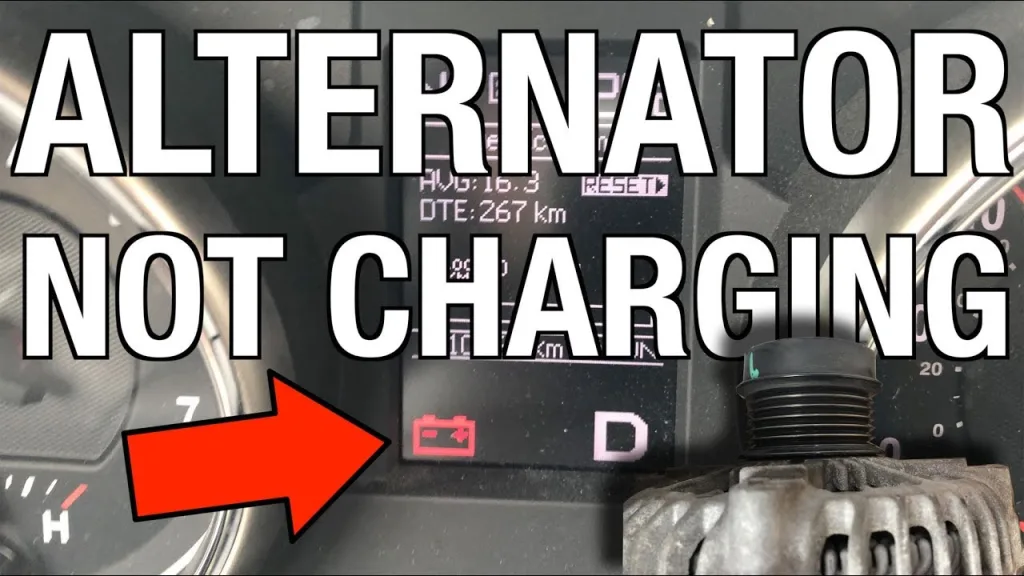
If your 2012 Jeep Compass is not charging the battery when idling, the issue usually comes from the charging system. In most cases, the root cause is a weak alternator, a slipping serpentine belt, poor grounding, a blown fuse, or battery terminal problems. If left unresolved, this can eventually leave your Compass unable to restart after short trips, traffic stops, or extended idling.
At Simi Valley Chrysler Dodge Jeep Ram
https://www.simivalleychryslerdodgejeepram.com/
we know this kind of electrical problem can be frustrating because the battery is not always the real issue. Sometimes the alternator is weak, sometimes the belt is slipping, and sometimes a loose connection is enough to stop proper charging at idle.
1. Start With a 2012 Jeep Compass Alternator Test
The first thing to check is alternator output. If you are asking how to test if alternator is charging, a digital multimeter is the fastest way to find out.
- Engine off: Battery voltage should usually be around 12.4 to 12.6 volts.
- Engine idling: Voltage should normally increase to about 13.5 to 14.5 volts.
- Below 13 volts at idle: This usually points to a charging system problem.
If voltage improves only when you rev the engine, that is a major sign of a weak alternator or belt-related issue. This is one of the most common reasons behind a 2012 Jeep Compass not charging battery when idling complaint.
2. Inspect the Serpentine Belt and Engine Tensioner
A failing alternator is not always the actual cause. In some cases, the issue is the drive belt system. If you are looking up how to tension serpentine belt or checking the engine tensioner, this step matters.
Inspect the following:
- Cracks, glazing, or fraying on the serpentine belt
- A weak tensioner that no longer keeps the belt tight
- Pulley wobble or visible misalignment
- Noise from the alternator pulley or bearing alternator area
If the belt slips at idle, the alternator spins too slowly and battery charging drops. That can create the exact symptoms many Compass owners notice first while the vehicle is sitting at a stoplight.
3. Check Battery Condition and Loose Terminal Connections
Do not assume the alternator is automatically bad until you inspect the battery Jeep owners often overlook. A weak battery can make it seem like the charging system has failed when the battery itself is unable to hold a proper charge.
Look for:
- A loose terminal on battery
- Corrosion on the posts or cable ends
- A swollen or aging battery case
- Low performance during a load test
Cleaning the terminals and tightening the connections may solve the issue in simple cases. If the battery is old, replacement may be necessary before more advanced diagnostics are performed.
4. Inspect Grounds, Wiring, and Charging Connections
If the alternator and battery seem normal, the next step is to inspect the wiring. A bad ground can interrupt charging even if the alternator is still technically working. If you are wondering how to check for ground with a multimeter, test continuity and voltage drop between the battery negative terminal, engine block, and chassis grounds.
Pay close attention to:
- The alternator power wire
- Battery ground cables
- Chassis grounding points
- Corrosion inside connectors
Ground corrosion is a known source of charging issues on older vehicles. Even a small amount of resistance can reduce charging performance at idle.
5. Test the Fuse and Charging Circuit Protection
It is also smart to test fuse components related to the charging system. A blown fuse or failing fusible link can interrupt alternator output and create low-voltage symptoms.
On the 2012 Jeep Compass, inspect the power distribution center and look for any fuse or relay tied to the alternator or charging system. If a fuse is blown, replace it and recheck voltage. If it blows again, there may be a wiring short or internal alternator fault.
Electrical issues in Jeep products can sometimes overlap with broader diagnostic topics, just like owners searching for Jeep Wrangler fuse box or Jeep Wrangler check engine codes when tracing other system faults. The process always starts with power, grounds, and protection circuits.
6. Rule Out a Parasitic Drain Car Battery Problem
If the Compass starts fine after charging but dies again later, the issue may not be charging alone. A parasitic drain car battery problem can slowly pull power from the battery even when the vehicle is turned off.
To test for this:
- Turn the vehicle off and allow modules to go to sleep
- Disconnect the negative battery cable
- Install a multimeter in series
- Check current draw
Most vehicles should draw less than 50 milliamps after shutdown. If the number stays much higher, something may be draining the battery overnight and adding to your charging complaint.
7. Scan the PCM for Fault Codes
The Powertrain Control Module can also affect charging system behavior. If the alternator field control circuit is not operating properly, the battery may not charge correctly at idle. Scan for codes such as:
- P0562 – System Voltage Low
- P0620 – Alternator Control Circuit Malfunction
If these codes appear, further diagnosis may be needed. In rare cases, the issue could involve wiring faults or the PCM itself. That is why some owners start asking how much is a PCM for a car after repeated charging failures. PCM replacement is usually a last resort, not the first repair.
8. What Is the Price of New Alternator for a 2012 Jeep Compass?
If testing confirms alternator failure, you may start looking up the price of new alternator options. Costs can vary depending on whether you choose aftermarket or OEM parts.
- Alternator only: typically around $200 to $500
- Installed with labor: often around $400 to $700
- Battery replacement: often around $150 to $300
- Serpentine belt or tensioner repair: often around $100 to $300 depending on parts
If the alternator is original, replacement is often more cost-effective than repeated troubleshooting, especially on a vehicle this age.
Common Causes of a 2012 Jeep Compass Not Charging Battery When Idling
- Weak alternator output at idle
- Slipping serpentine belt
- Failing engine tensioner
- Corroded battery or ground connections
- Blown fuse in the charging circuit
- Battery that no longer holds charge
- Parasitic drain after shutdown
- PCM or voltage regulation fault
When to Get Professional Help
If you have already tested battery voltage, checked the belt, inspected the wiring, and confirmed the fuses are good, professional diagnosis is the next step. Charging issues that appear only at idle can sometimes require advanced electrical testing to confirm whether the alternator, regulator, or control module is at fault.
If your Jeep is showing broader electrical symptoms or you are considering repair versus replacement, you can also explore the latest inventory and service support at Simi Valley Chrysler Dodge Jeep Ram:
https://www.simivalleychryslerdodgejeepram.com/
Final Thoughts
If your 2012 Jeep Compass is not charging the battery when idling, start with the basics: test the alternator, inspect the serpentine belt, check for a loose terminal on battery, confirm good grounds, and scan for voltage-related codes. In many cases, the solution is simpler than expected. In others, replacing the alternator is the most practical fix.
For more Jeep support, service information, and vehicle solutions, visit Simi Valley Chrysler Dodge Jeep Ram:
https://www.simivalleychryslerdodgejeepram.com/
Connect with us


