





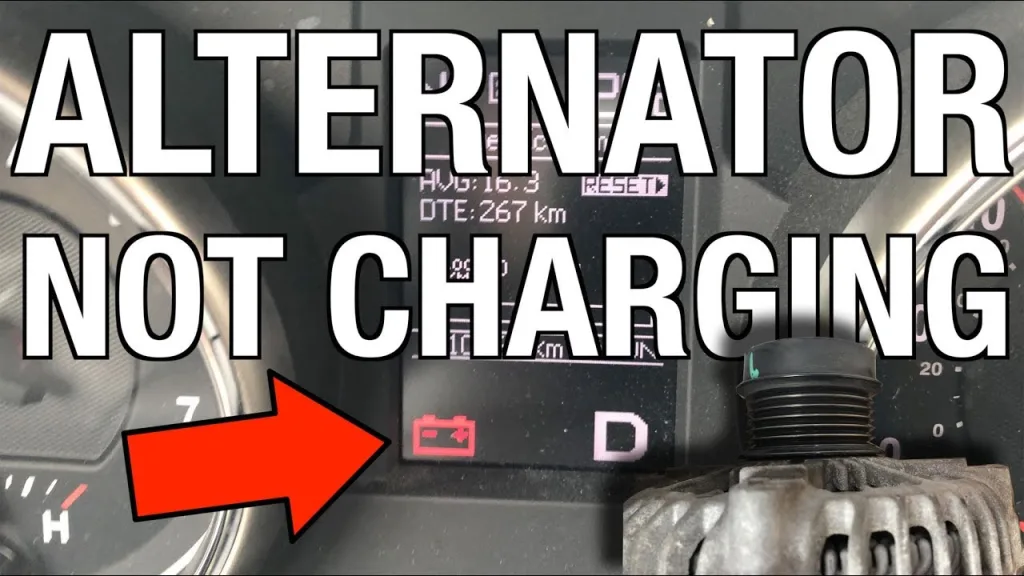
If your 2012 Jeep Compass is not charging the battery when idling, the issue usually comes from the charging system. In most cases, the root cause is a weak alternator, a slipping serpentine belt, poor grounding, a blown fuse, or battery terminal problems. If left unresolved, this can eventually leave your Compass unable to restart after short trips, traffic stops, or extended idling.
At Simi Valley Chrysler Dodge Jeep Ram
https://www.simivalleychryslerdodgejeepram.com/
we know this kind of electrical problem can be frustrating because the battery is not always the real issue. Sometimes the alternator is weak, sometimes the belt is slipping, and sometimes a loose connection is enough to stop proper charging at idle.
1. Start With a 2012 Jeep Compass Alternator Test
The first thing to check is alternator output. If you are asking how to test if alternator is charging, a digital multimeter is the fastest way to find out.
- Engine off: Battery voltage should usually be around 12.4 to 12.6 volts.
- Engine idling: Voltage should normally increase to about 13.5 to 14.5 volts.
- Below 13 volts at idle: This usually points to a charging system problem.
If voltage improves only when you rev the engine, that is a major sign of a weak alternator or belt-related issue. This is one of the most common reasons behind a 2012 Jeep Compass not charging battery when idling complaint.
2. Inspect the Serpentine Belt and Engine Tensioner
A failing alternator is not always the actual cause. In some cases, the issue is the drive belt system. If you are looking up how to tension serpentine belt or checking the engine tensioner, this step matters.
Inspect the following:
- Cracks, glazing, or fraying on the serpentine belt
- A weak tensioner that no longer keeps the belt tight
- Pulley wobble or visible misalignment
- Noise from the alternator pulley or bearing alternator area
If the belt slips at idle, the alternator spins too slowly and battery charging drops. That can create the exact symptoms many Compass owners notice first while the vehicle is sitting at a stoplight.
3. Check Battery Condition and Loose Terminal Connections
Do not assume the alternator is automatically bad until you inspect the battery Jeep owners often overlook. A weak battery can make it seem like the charging system has failed when the battery itself is unable to hold a proper charge.
Look for:
- A loose terminal on battery
- Corrosion on the posts or cable ends
- A swollen or aging battery case
- Low performance during a load test
Cleaning the terminals and tightening the connections may solve the issue in simple cases. If the battery is old, replacement may be necessary before more advanced diagnostics are performed.
4. Inspect Grounds, Wiring, and Charging Connections
If the alternator and battery seem normal, the next step is to inspect the wiring. A bad ground can interrupt charging even if the alternator is still technically working. If you are wondering how to check for ground with a multimeter, test continuity and voltage drop between the battery negative terminal, engine block, and chassis grounds.
Pay close attention to:
- The alternator power wire
- Battery ground cables
- Chassis grounding points
- Corrosion inside connectors
Ground corrosion is a known source of charging issues on older vehicles. Even a small amount of resistance can reduce charging performance at idle.
5. Test the Fuse and Charging Circuit Protection
It is also smart to test fuse components related to the charging system. A blown fuse or failing fusible link can interrupt alternator output and create low-voltage symptoms.
On the 2012 Jeep Compass, inspect the power distribution center and look for any fuse or relay tied to the alternator or charging system. If a fuse is blown, replace it and recheck voltage. If it blows again, there may be a wiring short or internal alternator fault.
Electrical issues in Jeep products can sometimes overlap with broader diagnostic topics, just like owners searching for Jeep Wrangler fuse box or Jeep Wrangler check engine codes when tracing other system faults. The process always starts with power, grounds, and protection circuits.
6. Rule Out a Parasitic Drain Car Battery Problem
If the Compass starts fine after charging but dies again later, the issue may not be charging alone. A parasitic drain car battery problem can slowly pull power from the battery even when the vehicle is turned off.
To test for this:
- Turn the vehicle off and allow modules to go to sleep
- Disconnect the negative battery cable
- Install a multimeter in series
- Check current draw
Most vehicles should draw less than 50 milliamps after shutdown. If the number stays much higher, something may be draining the battery overnight and adding to your charging complaint.
7. Scan the PCM for Fault Codes
The Powertrain Control Module can also affect charging system behavior. If the alternator field control circuit is not operating properly, the battery may not charge correctly at idle. Scan for codes such as:
- P0562 – System Voltage Low
- P0620 – Alternator Control Circuit Malfunction
If these codes appear, further diagnosis may be needed. In rare cases, the issue could involve wiring faults or the PCM itself. That is why some owners start asking how much is a PCM for a car after repeated charging failures. PCM replacement is usually a last resort, not the first repair.
8. What Is the Price of New Alternator for a 2012 Jeep Compass?
If testing confirms alternator failure, you may start looking up the price of new alternator options. Costs can vary depending on whether you choose aftermarket or OEM parts.
- Alternator only: typically around $200 to $500
- Installed with labor: often around $400 to $700
- Battery replacement: often around $150 to $300
- Serpentine belt or tensioner repair: often around $100 to $300 depending on parts
If the alternator is original, replacement is often more cost-effective than repeated troubleshooting, especially on a vehicle this age.
Common Causes of a 2012 Jeep Compass Not Charging Battery When Idling
- Weak alternator output at idle
- Slipping serpentine belt
- Failing engine tensioner
- Corroded battery or ground connections
- Blown fuse in the charging circuit
- Battery that no longer holds charge
- Parasitic drain after shutdown
- PCM or voltage regulation fault
When to Get Professional Help
If you have already tested battery voltage, checked the belt, inspected the wiring, and confirmed the fuses are good, professional diagnosis is the next step. Charging issues that appear only at idle can sometimes require advanced electrical testing to confirm whether the alternator, regulator, or control module is at fault.
If your Jeep is showing broader electrical symptoms or you are considering repair versus replacement, you can also explore the latest inventory and service support at Simi Valley Chrysler Dodge Jeep Ram:
https://www.simivalleychryslerdodgejeepram.com/
Final Thoughts
If your 2012 Jeep Compass is not charging the battery when idling, start with the basics: test the alternator, inspect the serpentine belt, check for a loose terminal on battery, confirm good grounds, and scan for voltage-related codes. In many cases, the solution is simpler than expected. In others, replacing the alternator is the most practical fix.
For more Jeep support, service information, and vehicle solutions, visit Simi Valley Chrysler Dodge Jeep Ram:
https://www.simivalleychryslerdodgejeepram.com/
Connect with us


