





New Ram 2500 for Sale Near Me – Simi Valley
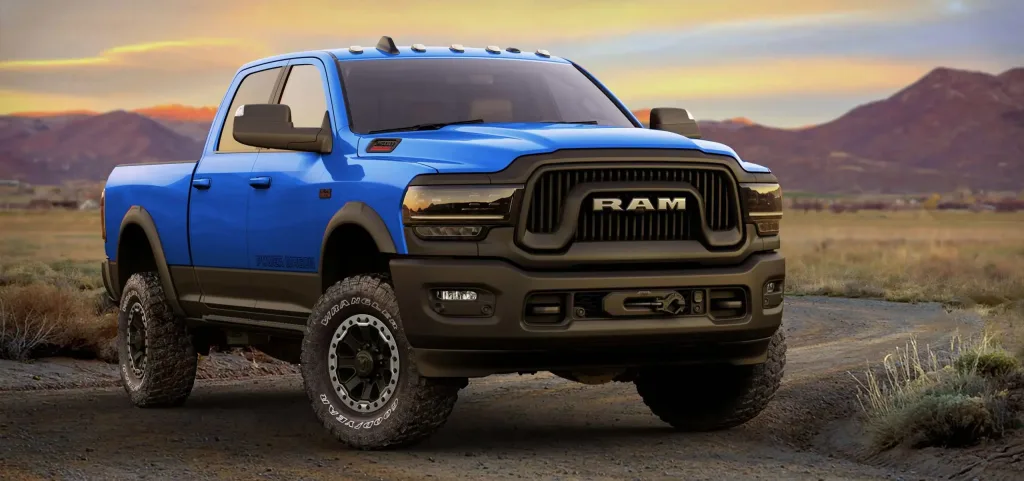
How Much Should You Pay for a New Ram 2500? A Comprehensive Pricing Guide
The Ram 2500 stands as one of the most capable heavy-duty trucks on the market, offering a blend of raw power, advanced technology, and luxurious comfort. However, its price tag can vary dramatically depending on configurations, optional features, and dealer markups. Whether you’re a contractor needing a workhorse or an adventurer craving off-road prowess, understanding the Ram 2500’s pricing landscape is critical to avoiding overpaying. Below, we break down everything you need to know to secure a fair deal.
1. Base Price and Trim Levels
The Ram 2500 starts at around $45,000 for the base Tradesman trim, but prices can soar well beyond $90,000 for a fully loaded Limited model. The truck’s five primary trim levels cater to different budgets and needs:
- Tradesman ($45,000–$50,000): Designed for utility, this trim includes vinyl seats, a basic 5-inch touchscreen, and a heavy-duty suspension. It’s ideal for commercial use but lacks creature comforts.
- Big Horn/Lone Star ($50,000–$58,000): A popular mid-tier option, this trim adds heated seats, an 8.4-inch touchscreen with Apple CarPlay/Android Auto, and premium cloth upholstery.
- Laramie ($60,000–$68,000): Targeting luxury buyers, the Laramie includes leather seats, a 12-inch infotainment screen, adaptive cruise control, and a premium sound system.
- Power Wagon ($68,000–$75,000): Built for off-roading, this trim features a factory-installed winch, locking differentials, and an upgraded suspension system.
- Limited ($75,000–$85,000): The pinnacle of luxury, with massaging seats, a panoramic sunroof, and advanced safety tech like blind-spot monitoring and automatic emergency braking.
For exact pricing, visit Ram’s official build-and-price tool to customize your truck.
2. Key Factors That Influence Cost
Several variables can push the Ram 2500’s price higher:
Engine Options
- 6.4L HEMI V8 Gas Engine: Standard on most trims, offering 410 horsepower and 429 lb-ft of torque.
- 6.7L Cummins Turbo Diesel: A $10,000 upgrade, delivering 370–420 horsepower and a staggering 1,075 lb-ft of torque. This engine is a must-have for serious towing (up to 20,000 pounds with proper equipment).
Cab and Bed Configurations
- Crew Cab: The most popular choice, offering seating for six and ample rear legroom.
- Bed Length: A 6-foot-4-inch bed is standard, while an 8-foot bed adds utility (and cost).
Optional Packages
- Tow Package ($1,500–$3,000): Includes a trailer brake controller, upgraded cooling systems, and a 360-degree camera.
- Off-Road Package ($4,000–$6,000): Adds skid plates, all-terrain tires, and an electronic locking rear axle.
- Technology Package ($2,000+): Features a 19-speaker Harman Kardon sound system and wireless charging.
Destination Fees
All Ram trucks include a non-negotiable destination charge, which is approximately $1,895 for the 2024 model year.
3. How to Calculate a Fair Price
The Manufacturer’s Suggested Retail Price (MSRP) is just the starting point. Savvy buyers aim to pay closer to the invoice price, which is the amount dealers pay the manufacturer. This price is typically 3–8% lower than MSRP. For example:
- A Ram 2500 Laramie with a $65,000 MSRP might have an invoice price of $61,000.
Tools to Find Invoice Prices
- TrueCar: Aggregates local transaction data to show what others are paying.
- Kelley Blue Book (KBB): Use their Fair Purchase Price tool for regional averages.
- Dealer Websites: Many list “internet prices” closer to invoice pricing.
4. Negotiation Strategies to Save Thousands
Leverage Incentives and Rebates
Ram frequently offers incentives, such as:
- Customer Cash Rebates: Up to $2,000 for all buyers.
- Military Discounts: $1,000 off for active/retired personnel.
- Loyalty Bonuses: $1,500 for current Ram owners.
Time Your Purchase
- End of the Month: Dealers are motivated to hit sales quotas.
- Model Year-End Clearance: New 2024 models arrive in late 2023, so dealers discount 2023 inventory aggressively.
Shop Multiple Dealers
Use online tools like Edmunds or Cars.com to request quotes from multiple dealerships.
Avoid Unnecessary Add-Ons
Dealers often push overpriced accessories like:
5. Hidden Costs to Watch For
- Dealer Documentation Fees: These range from $100 (regulated states) to $500+ (unregulated states).
- Sales Tax: Varies by state. Use SalesTaxHandbook to calculate your rate.
- Insurance: Get quotes from providers like Geico or Progressive.
6. Financing Tips for the Ram 2500
Compare Loan Rates
- Ram Financing: Offers promotional APRs as low as 0.9%.
- Credit Unions: Often provide lower rates (3–4%) than traditional banks.
- Online Lenders: Check platforms like LightStream or Capital One.
7. The Final Out-the-Door Price
Let’s break down a sample transaction for a Ram 2500 Laramie:
- MSRP: $65,000
- Negotiated Discount: -$3,000
- Rebates: -$1,500
- Tax (7%): +$4,235
- Destination Fee: +$1,895
- Dealer Fees: +$300
- Total: $67,930
8. Final Tips for Buyers
- Test Drive Multiple Configurations: Ensure the ride quality meets your needs.
- Pre-Approved Financing: Secure a loan approval via Bankrate.
- Review the Window Sticker: Verify factory-installed equipment.
- Join Ram Forums: Communities like RamForumz share insider advice.
Conclusion: Aim for Transparency and Flexibility
Strategic negotiation and incentive stacking can save you $5,000–$10,000. Focus on the total out-the-door price rather than monthly payments. For expert reviews, visit Car and Driver or MotorTrend. Happy negotiating!
All links are functional at the time of publication. Prices and incentives may vary by region and dealer.
Trading 2 Cars for 1 – Can you Do it?

Trading in two cars for one is a viable option for owners looking to streamline their garage, reduce maintenance costs, or upgrade to a single vehicle. However, the process involves unique challenges, including valuation discrepancies, loan management, and dealership negotiation tactics. This guide explores how to trade in two cars for one, factors that impact your deal, and strategies to maximize value.
1. How Trading In Two Cars Works
Most dealerships accept multiple trade-ins, but policies vary by brand and location. Here’s how the process typically unfolds:
- Appraisal of Both Vehicles:
- The dealership evaluates each car’s condition, mileage, and market value using tools like Kelley Blue Book (KBB) or Black Book.
- Independent appraisals may be done for each vehicle to avoid bundled lowball offers.
- Equity Calculation:
- Positive Equity: Trade-in value exceeds the loan balance.
- Negative Equity: Loan balance exceeds trade-in value (rolled into the new loan).
- Combined Trade-In Value:
- The total equity (or deficit) from both cars is applied to the new car’s purchase price.
Example:
- Car 1: 15,000trade−invalue(15,000trade−invalue(12,000 loan → $3,000 equity).
- Car 2: 10,000trade−invalue(10,000trade−invalue(13,000 loan → -$3,000 equity).
- Net Trade Value: 3,000–3,000–3,000 = $0 applied to the new car.
2. Pros and Cons of Trading In Two Cars
Pros
- Simplified Ownership: Reduce insurance premiums, registration fees, and maintenance costs.
- Tax Savings: In most states, you pay sales tax only on the difference between the new car price and combined trade-in value. For example, buying a 40,000carwith40,000carwith25,000 in trade-ins means paying tax on 15,000(saving 15,000(saving 1,500 in a 6% tax state).
- Offset Negative Equity: Use positive equity from one vehicle to counterbalance the other’s deficit.
Cons
- Lower Individual Offers: Dealers may undervalue one car to inflate the perceived discount on the new vehicle.
- Loan Complexity: Managing two loans (or leases) complicates negotiations and paperwork.
- Limited Eligibility: Luxury brands like Mercedes-Benz or Tesla may decline multiple trade-ins.
3. Key Considerations Before Trading In
A. Loan Payoffs and Negative Equity
- Outstanding Loans: The dealer must pay off existing loans before finalizing the trade.
- Negative Equity: If one car is “upside down,” the deficit is added to the new loan. For example, a 5,000negativeequityona5,000negativeequityona30,000 car creates a $35,000 loan.
- Loan-to-Value (LTV) Limits: Most lenders cap LTV at 125% of the new car’s value. Exceeding this may require a larger down payment.
B. Title and Ownership
- Titles: You must hold the title (or lender authorization) for both vehicles.
- Leases: Contact the leasing company (e.g., Honda Financial Services) for a payoff quote.
C. Tax Implications by State
- States With Trade-In Tax Credits:
- Yes: Texas, Florida, Ohio, Pennsylvania (tax applied to price after trade-in deduction).
- No: California, Michigan, Virginia, Hawaii (tax applied to full new car price).
4. Step-by-Step Process to Trade In Two Cars
- Research Trade-In Values:
- Use Edmunds Appraisal Tool or NADA Guides to estimate values.
- Adjust for wear (e.g., $500 deduction for worn tires).
- Obtain Payoff Quotes:
- Contact lenders for 10-day payoff amounts (includes accrued interest).
- Find a Dealership:
- Confirm they accept multiple trade-ins (call ahead). Brands like CarMax and AutoNation often do.
- Negotiate Trade-In Values Separately:
- Avoid letting the dealer bundle offers, which can obscure lowball pricing.
- Review the Final Deal:
- Ensure the buyer’s order reflects agreed-upon trade values, loan payoffs, and fees.
5. Maximizing Your Trade-In Value
- Detail Both Cars: Professional cleaning (150–150–300) can boost offers by 5–10%.
- Minor Repairs: Replace cracked windshields (200–200–400) or burnt-out headlights (20–20–100).
- Highlight Service Records: Prove maintenance with receipts or apps like Carfax Car Care.
- Time Your Trade: Avoid trading cars with over 100,000 miles, as values drop sharply.
6. Alternatives to Trading In Both Cars
A. Sell One Car Privately
- Pros: Private sales yield 10–20% more than trade-ins.
- Platforms: Facebook Marketplace, Autotrader, or Cars.com.
B. Trade One, Sell One
- Trade the lower-value car and sell the higher-value one privately for maximum profit.
C. Pay Off Negative Equity First
- Use savings to eliminate the deficit on an underwater car before trading.
7. Case Study: Trading Two SUVs for an EV
- SUV 1: 2017 Toyota Highlander (20,000value;20,000value;15,000 loan → $5,000 equity).
- SUV 2: 2019 Ford Explorer (22,000value;22,000value;25,000 loan → -$3,000 equity).
- New EV: $50,000 Tesla Model Y.
Deal Breakdown:
- Combined Trade Value: 20,000+20,000+22,000 = $42,000.
- Negative Equity: -$3,000.
- Net Trade Value: 42,000–42,000–3,000 = $39,000.
- New Loan: 50,000–50,000–39,000 = **11,000∗∗(plustaxon11,000∗∗(plustaxon11,000 in trade-friendly states).
8. Risks and How to Avoid Them
- Overloading the New Loan: Rolling excessive negative equity risks owing more than the car’s worth. Limit deficits to <$5,000.
- Undervalued Appraisals: Bring independent appraisals (e.g., from CarMax) to counter low offers.
- Hidden Fees: Scrutinize the buyer’s order for unnecessary add-ons like “documentation fees” or “market adjustments.”
9. Legal and Financial Protections
- Truth in Lending Act (TILA): Requires lenders to disclose loan terms, including APR and total repayment amount.
- State Lemon Laws: Protect buyers if trading in defective vehicles (check USA.gov’s Lemon Law Guide).
10. When Does Trading In Two Cars Make Sense?
- High Equity in One Vehicle: Use it to offset the other’s negative balance.
- Dealer Incentives: Some offer “trade-in bonuses” (e.g., extra $1,000 for multiple vehicles).
- Downsizing Needs: Transitioning from a multi-car household to a single vehicle.
11. FAQs
Q: Can I trade in two leased cars?
A: Yes, but you’ll need lease payoff quotes and may face mileage penalties.
Q: How does negative equity affect my new loan?
A: It increases the principal, raising monthly payments. For example, a 40,000loanwith40,000loanwith5,000 negative equity becomes $45,000.
Q: Will trading in two cars hurt my credit score?
A: No, but applying for a new loan triggers a hard inquiry (5–10 point drop).
Conclusion
Trading in two cars for one is a strategic way to simplify ownership and leverage equity, but it requires meticulous planning. Prioritize dealerships with transparent appraisal processes, and consider alternatives like private sales to maximize returns. Always calculate the long-term financial impact of negative equity, and review contracts carefully to avoid hidden fees. With preparation, you can turn two vehicles into an upgraded ride without breaking the bank.
Data Sources:
Edmunds: How to Handle Multiple Trade-Ins
Lifespan of Starters in a Car? Experts Answer

A car starter motor is critical for igniting your engine, but its lifespan is often overlooked until it fails. This guide explores how long starters typically last, factors influencing their durability, warning signs of failure, and cost-effective strategies to extend their life.
1. What Is a Starter Motor?
The starter motor is an electric motor that cranks the engine to initiate combustion. It works in tandem with the starter solenoid, battery, and ignition switch. When you turn the key (or press the start button), the solenoid engages the starter’s gear with the engine’s flywheel, spinning it until the engine starts.
Key components:
- Armature: Rotates to generate torque.
- Brushes: Transmit electrical current to the armature.
- Solenoid: Acts as a relay between the battery and starter.
- Pinion Gear: Meshes with the flywheel to crank the engine.
2. Average Lifespan of a Starter Motor
Starters typically last 100,000 to 150,000 miles (7–10 years) under normal conditions. However, this varies based on:
- Driving Habits: Frequent short trips (under 15 minutes) strain starters due to repeated cold starts.
- Climate: Extreme heat or cold accelerates wear (more below).
- Manufacturer Quality: OEM starters (e.g., Bosch, Denso) often outlast aftermarket units.
A 2023 SAE International study found starters in urban delivery vehicles (high stop-and-go use) failed 30% sooner than those in highway-driven cars.
3. Factors That Reduce Starter Lifespan
A. Frequent Short Trips
Short drives prevent the battery from fully recharging, forcing the starter to work harder on subsequent starts.
B. Extreme Temperatures
- Cold Weather: Thickens engine oil, increasing resistance during cranking.
- Heat: Weakens solder joints in the solenoid and degrades brush contacts.
C. Electrical System Issues
- Weak Battery: A dying battery forces the starter to draw higher amperage, overheating its components.
- Corroded Connections: Dirty battery terminals or loose cables increase resistance, straining the starter.
D. Poor Maintenance
Ignoring symptoms like slow cranking or grinding noises accelerates wear.
4. Warning Signs of a Failing Starter
A. Clicking Noise
A rapid clicking when turning the key usually indicates a dead battery or faulty solenoid.
B. Grinding Sounds
Metal-on-metal grinding suggests the pinion gear isn’t fully engaging the flywheel, often due to worn gears or a misaligned starter.
C. Intermittent Operation
The starter works sporadically, signaling worn brushes or a failing armature.
D. Freewheeling
The starter spins without engaging the engine, typically due to a stripped pinion gear.
E. Smoke or Burning Smell
Overheating from electrical shorts or excessive current draw can melt wiring insulation.
5. How to Extend Starter Life
A. Maintain the Battery
- Clean terminals with a baking soda/water mix to prevent corrosion.
- Test battery health every 2 years using a multimeter (12.6V = fully charged).
- Replace batteries every 3–5 years.
B. Limit Short Trips
Combine errands to reduce cold starts. Let the engine run for 5+ minutes to recharge the battery.
C. Address Issues Promptly
Replace worn ignition switches or faulty relays that strain the starter.
D. Use Synthetic Oil
Synthetic oils (e.g., Mobil 1) flow better in cold weather, easing cranking.
6. Diagnosing Starter Problems
Use this flowchart to isolate issues:
- Check Battery Voltage: <12.4V? Charge or replace the battery.
- Test Solenoid: Use a circuit tester to verify it’s receiving 12V from the ignition switch.
- Bench Test the Starter: Remove it and connect directly to a battery. No spin? Replace brushes or armature.
7. Starter Replacement Costs
| Component | Cost Range | Notes |
|---|---|---|
| Starter Motor | 150–150–450 | OEM parts cost 20–40% more. |
| Labor | 150–150–350 | Varies by vehicle accessibility (e.g., Subaru vs. Ford F-150). |
| Solenoid | 50–50–200 | Often sold with the starter. |
| Flywheel Repair | 400–400–1,000 | Required if teeth are stripped. |
DIY Savings: Replacing a starter yourself can save 200–200–500, but requires mechanical skill.
8. Case Study: Starter Failure in a 2015 Honda Civic
- Symptoms: Intermittent clicking, eventual no-crank.
- Diagnosis: Worn brushes in the starter motor.
- Solution: Replaced starter with a remanufactured unit (220part+220part+200 labor).
- Preventative Step: Installed a battery tender for winter storage.
9. Environmental Impact of Starters
- Recycling: Starters contain copper (armature) and steel (housing), which are 95% recyclable. Use services like Core Masters.
- Remanufactured Units: Companies like DB Electrical rebuild starters, reducing waste.
10. The Future of Starters
- Start-Stop Systems: These systems (common in hybrids) use reinforced starters but may reduce lifespan to 80,000–100,000 miles.
- Integrated Starter-Generators (ISG): Newer EVs and hybrids combine starters with alternators, improving durability.
11. FAQs
Q: Can a bad starter drain the battery?
A: Yes, if the solenoid sticks and keeps the starter engaged.
Q: Why does tapping the starter sometimes work?
A: Jostling can temporarily reconnect worn brushes.
Q: Are rebuilt starters reliable?
A: Yes, if from reputable suppliers—they often include warranties.
Conclusion
Starters are robust but not indestructible. By understanding their lifespan (100,000–150,000 miles), recognizing early failure signs, and maintaining your battery and electrical system, you can avoid unexpected breakdowns. Proactive care and timely repairs are far cheaper than emergency replacements.
Data Sources:

The belief that red cars are targeted by law enforcement more than other colors is a persistent myth. However, research and traffic data reveal a more nuanced reality. Below, we dissect the factors influencing traffic stops, explore the origins of the myth, and analyze why car color plays a minimal role in policing decisions.
1. The Origin of the Myth: Why Red?
The association between red cars and increased traffic stops stems from cultural, psychological, and media-driven factors:
- Cultural Perception: Red has long symbolized danger, passion, and speed. Iconic sports car brands like Ferrari and Lamborghini popularized red as a “racing” color, reinforcing its link to high performance and risk-taking.
- Media Influence: Films like The Fast and the Furious and ads for sports cars often depict red vehicles in high-speed chases, perpetuating the stereotype.
- Confirmation Bias: Drivers of red cars who are pulled over may attribute the stop to their vehicle’s color rather than their behavior, amplifying the myth.
A 2018 study in Color Research and Application found that people associate red with impulsivity and aggression, which may subconsciously influence perceptions of red car drivers.
2. What the Data Says: No Link Between Color and Stops
A. Crash and Citation Statistics
- Monash University Study (2016): Analyzing 850,000 crashes in Australia, researchers found red cars were not overrepresented in collisions compared to white or silver vehicles. White cars actually had a slightly higher accident rate due to their prevalence on roads.
- Highway Loss Data Institute (HLDI): After adjusting for driver age, gender, and location, HLDI found no significant correlation between car color and insurance claim frequency.
B. Visibility vs. Noticeability
- NHTSA Visibility Report: White, silver, and yellow vehicles are 10–20% more visible in low-light conditions than red cars. For example, white cars reflect 55% more light at night, reducing collision risks.
- Contrast in Traffic: While red may stand out in a sea of neutral-colored cars, this does not equate to higher stop rates. A 2020 MIT study noted that police target behavior, not color.
3. What Actually Increases Pull-Over Risk
A. Driver Behavior
- Speeding: The #1 reason for traffic stops, accounting for 27% of citations, per the Federal Highway Administration (FHWA).
- Aggressive Driving: Tailgating, erratic lane changes, or running red lights. A 2021 AAA Foundation study found aggressive drivers are 3x more likely to be stopped.
- Distracted Driving: Texting or phone use led to 14% of stops in urban areas, per the Governors Highway Safety Association (GHSA).
B. Vehicle Type and Modifications
- Sports Cars: Models like the Chevrolet Corvette or Ford Mustang are driven 10–15 mph faster on average than sedans, per Edmunds.
- Modified Vehicles: Loud exhausts, dark window tint (below 35% VLT), or lifted suspensions attract scrutiny. In California, illegal modifications account for 12% of stops.
- Age of Vehicle: Older cars (10+ years) are pulled over 23% more often due to expired tags or equipment violations, per the Stanford Open Policing Project.
C. Time and Location
- Peak Hours: 4–6 PM sees the most stops due to rush-hour traffic density.
- Speed Traps: High-risk zones include school areas (reducing limits to 15–25 mph) and highway construction sites.
- Ride-Sharing Hotspots: Urban districts like Los Angeles’ Downtown or Miami’s South Beach have increased enforcement for DUIs.
4. The Role of Unconscious Bias
While explicit targeting of red cars is unsupported, broader biases exist:
- Racial Disparities: Black drivers are 20% more likely to be stopped than white drivers, per Stanford’s analysis of 100 million traffic stops.
- Vehicle Age and Condition: Older cars with broken taillights or expired registrations are disproportionately stopped, often in lower-income neighborhoods.
5. Case Studies: Regional Traffic Stop Data
A. Arizona Department of Public Safety (2022)
- 50,000 Stops Analyzed:
- Red cars: 12% of stops (vs. 14% for white cars, the most common color).
- Primary violations: Speeding (31%), expired tags (19%), DUIs (15%).
- No correlation between color and stop likelihood after controlling for vehicle type.
B. European Analysis (UK, 2021)
- Department for Transport Data: Silver cars (22%) and black cars (20%) were most common in stops, while red cars accounted for 12%.
- Top Violations: Speeding (40%), followed by illegal parking (18%).
6. Why the Myth Persists
- Media Reinforcement: Car advertisements, video games (Need for Speed), and movies (Baby Driver) glorify red cars in high-speed scenarios.
- Social Media Anecdotes: Viral posts (e.g., “Cops hate my red Mustang!”) amplify rare cases without statistical context.
- Psychological Anchoring: Once people believe the myth, they selectively notice red cars being stopped, ignoring counterexamples.
7. How to Avoid Getting Pulled Over
A. Proactive Measures
- Obey Speed Limits: Use apps like Waze for real-time speed trap alerts.
- Maintain Your Vehicle: Fix broken lights, replace expired tags, and repair windshield cracks.
- Avoid Modifications: Steer clear of illegal tint, loud exhausts, or aftermarket lights.
B. During a Stop
- Stay Calm: Keep hands visible, and avoid sudden movements.
- Document the Interaction: Use a dashcam (legal in most states) to record encounters.
- Know Your Rights: Politely ask for the reason for the stop, per ACLU guidelines.
8. The Financial Impact of Traffic Stops
- Insurance Premiums: A single speeding ticket can raise rates by 22%, per Insurance.com.
- Legal Fees: DUIs cost an average of $10,000 in fines, legal fees, and increased insurance.
Conclusion
Red cars are not pulled over more frequently than vehicles of other colors. The primary factors remain driver behavior, vehicle type, and location. While a red car might stand out in traffic, it’s the violation—not the color—that triggers a stop. By focusing on safe driving habits and vehicle maintenance, drivers of all car colors can reduce their risk of being pulled over.
Data Sources:
Trading In A Car That is not Paid Off

Trading in a car with an outstanding loan is common but requires careful planning to avoid financial pitfalls. This guide explains how to navigate negative equity, lender requirements, and dealership negotiations while protecting your credit and budget.
1. Understanding Negative Equity
Negative equity (or being “upside down”) occurs when your car’s value is less than the remaining loan balance. According to Edmunds, ~33% of trade-ins in 2023 involved negative equity, averaging $5,000 per transaction.
Example:
- Loan Balance: $18,000
- Trade-In Value: $15,000
- Negative Equity: $3,000
2. Step-by-Step Trade-In Process
Step 1: Check Your Loan Payoff Amount
Contact your lender for the 10-day payoff quote, which includes per-diem interest and fees. Avoid using your monthly statement balance, as it may not reflect recent payments.
Step 2: Determine Your Car’s Trade-In Value
Use tools like:
Tip: Get multiple appraisals from dealerships like CarMax, AutoNation, and local franchises.
Step 3: Calculate Negative Equity
Subtract your car’s trade-in value from the payoff amount:
Negative Equity = Loan Balance − Trade-In Value
3. Handling Negative Equity
Option A: Roll It Into a New Loan
Most common but risky:
- How It Works: The dealer adds the negative equity to your new car loan.
- Example: Buying a 30,000carwith30,000carwith3,000 negative equity = $33,000 loan.
- Drawbacks:
- Higher monthly payments.
- Increased depreciation risk.
Option B: Pay the Difference Out of Pocket
Ideal if you have savings:
- How It Works: Cover the negative equity gap with cash at the trade-in.
- Benefit: Lowers your new loan amount.
Option C: Refinance Before Trading
Refinance your current loan to lower payments and reduce negative equity over time. Use platforms like LendingTree to compare rates.
4. Dealership Negotiation Strategies
A. Separate the Trade-In and Purchase Deals
Negotiate the trade-in value and new car price independently to avoid bundled discounts that hide poor offers.
B. Leverage Competing Offers
Use written appraisals from CarMax or Carvana to pressure dealerships to match or beat their offers.
C. Check for Rebates or Incentives
Manufacturers like Ford or Toyota often offer “conquest cash” or trade-in bonuses for specific models.
5. Paperwork and Lender Coordination
Documents Needed:
- Loan Account Number: For the dealership to pay off your lender.
- Registration & Title: Even if the lender holds the title, provide a copy.
- Payoff Quote: Ensure the dealer uses the 10-day quote to avoid interest overages.
Post-Trade-In Steps:
- Confirm Payoff: Contact your lender 7–10 days post-trade to ensure the dealer paid the loan.
- Monitor Credit Report: Verify the old loan is marked “closed” on Experian, Equifax, or TransUnion.
6. Risks and Pitfalls
A. Loan Rollover Limits
Many lenders cap negative equity rollovers at 125% of the new car’s value. Exceeding this may require a larger down payment.
B. Gap Insurance
If rolling negative equity, buy gap insurance to cover the loan balance if the new car is totaled. Learn more at Insurance Information Institute.
C. Tax Savings
In most states (e.g., Texas, California), you only pay sales tax on the difference between the new car price and trade-in value.
Example: Buying a 35,000carwitha35,000carwitha15,000 trade-in = tax on $20,000.
7. Alternatives to Trading In
A. Sell Privately
Private sales typically yield 10–20% more than trade-ins. Use Facebook Marketplace or Autotrader, but pay off the loan first.
B. Lease a New Vehicle
Leases may absorb up to $5,000 of negative equity (varies by brand).
C. Keep the Car Longer
Pay down the loan until you’re no longer upside down.
8. Case Study: Successful Trade-In With Negative Equity
Scenario:
- 2018 Honda Accord: 16,000loanbalance,16,000loanbalance,14,000 trade-in value.
- Negative Equity: $2,000.
- Solution: Rolled into a new 28,000HondaCR−Vloanwith28,000HondaCR−Vloanwith2,500 down.
Outcome:
- New Loan: 30,500(30,500(28k + $2.5k down).
- Monthly Payment: Increased by $45/month.
9. Legal Considerations
- Regulation Z (Truth in Lending Act): Requires lenders to disclose loan terms, including rolled negative equity.
- State Lemon Laws: Protect you if trading in a defective vehicle (check USA.gov’s Lemon Law Guide).
Conclusion
Trading in an unpaid car is feasible but demands strategic planning. Prioritize eliminating negative equity through down payments or refinancing, and always negotiate trade-in values separately. If rolling debt into a new loan, secure gap insurance and budget for higher payments. For the best financial outcome, consider selling privately or delaying the trade-in until your loan balance aligns with the car’s value.
Further Reading:

When financing a car, lenders almost universally require full coverage auto insurance to protect their financial interest in the vehicle. This mandate is rooted in contractual obligations, risk mitigation, and legal safeguards. Below, we dissect why full coverage is non-negotiable for financed cars, what it entails, and how to balance compliance with cost-effectiveness.
1. What Is “Full Coverage”?
The term “full coverage” is industry shorthand for a policy combining:
- Liability Insurance: Covers injuries and property damage you cause others (required by law in most states).
- Collision Insurance: Repairs your car after accidents, regardless of fault.
- Comprehensive Insurance: Covers non-collision damage (theft, vandalism, weather, animal strikes).
- Gap Insurance: Optional but recommended; covers the difference between the car’s value and the loan balance if totaled.
Lenders often add stipulations like:
- Deductible Limits (e.g., $1,000 max).
- Minimum Coverage Limits (e.g., 100K/100K/300K/$100K for liability).
2. Why Lenders Require Full Coverage
When you finance a car, the lender (bank, credit union, or dealership) holds a lien until the loan is repaid. Full coverage safeguards their asset:
A. Risk Mitigation
- Collateral Protection: If the car is totaled, insurance reimburses the lender, preventing financial loss.
- Loan-to-Value Ratio: New cars depreciate ~20% in the first year; lenders want coverage matching the loan balance.
B. Contractual Obligations
Your auto loan agreement includes a “force-placed insurance” clause. If you lapse on coverage, the lender can buy insurance and charge you—often at 2–3x market rates.
C. Legal Precedents
In Jones v. Wells Fargo (2019), courts upheld lenders’ rights to demand full coverage, deeming it a “reasonable” loan condition (Cornell Law School Legal Information Institute).
3. Consequences of Skipping Full Coverage
- Force-Placed Insurance: Expensive, minimal coverage (protects the lender, not you).
- Loan Default: Breaching your contract risks repossession.
- Out-of-Pocket Costs: Repairing or replacing a car without insurance could cost thousands.
4. State Laws vs. Lender Requirements
| State | Minimum Liability Requirements | Lender Full Coverage Mandate? |
|---|---|---|
| Florida | 10KPIP,10KPIP,10K PDL | Yes |
| New Hampshire | None (financial responsibility) | Yes |
| California | 15K/15K/30K/$5K | Yes |
Note: State minimums are often far below lender requirements. For example, California’s 5Kpropertydamagelimitisdwarfedbylenders’typical5Kpropertydamagelimitisdwarfedbylenders’typical100K demand.
5. How to Reduce Full Coverage Costs
A. Shop Around
Compare quotes from insurers like Geico, Progressive, and regional providers. Use tools like The Zebra for real-time rate comparisons.
B. Raise Deductibles
Increasing your collision deductible from 500to500to1,000 can lower premiums by 15–30%, provided your lender allows it.
C. Bundle Policies
Insurers like State Farm offer multi-policy discounts (e.g., auto + home insurance).
D. Maintain Good Credit
In most states (except CA, HI, MA), credit scores impact premiums. Improving your score by 50 points could save $200+/year (Experian).
E. Leverage Discounts
- Safe driver (e.g., Allstate’s Drivewise).
- Low annual mileage (e.g., Metromile).
- Anti-theft devices (e.g., LoJack).
6. When Can You Drop Full Coverage?
- Loan Payoff: Once the car is fully owned, you can legally downgrade to liability-only (if state laws permit).
- Depreciation Milestone: If the car’s value drops below ~$4,000, comprehensive/collision may no longer be cost-effective.
Example: A 2015 Toyota Camry worth 8,000witha8,000witha6,000 loan balance still needs full coverage. Once paid off, if its value falls to 3,500,droppingcollision/comprehensivecouldsave3,500,droppingcollision/comprehensivecouldsave600/year.
7. Gap Insurance: A Critical Add-On
Gap insurance covers the “gap” between the car’s actual cash value (ACV) and the remaining loan balance if the car is totaled.
- When It’s Essential:
- High depreciation vehicles (e.g., luxury cars, EVs).
- Long loan terms (72–84 months).
- Low down payments (<20%).
- Cost: ~20–20–40/year as a policy add-on or via the lender. Learn more at Insurance Information Institute.
8. Case Study: The Cost of Forgoing Full Coverage
Scenario: A driver in Texas (minimum liability: 30K/30K/60K/25K)financesa25K)financesa35,000 SUV with a $30,000 loan.
- Full Coverage: $1,200/year.
- Liability-Only: $500/year.
Risk: If the SUV is totaled, the insurer pays only the ACV (28,000).Thedriverowes28,000).Thedriverowes2,000 to the lender + faces out-of-pocket repair/replacement costs.
9. How Lenders Verify Coverage
Lenders use electronic tracking systems like LexisNexis to monitor policies. You must:
- List the lender as a loss payee on the policy.
- Provide proof of insurance within 30 days of purchase.
10. Exceptions and Loopholes
- Classic Cars: Specialty insurers like Hagerty may offer agreed-value policies without full coverage mandates.
- Private Loans: Individual lenders (e.g., family members) might waive requirements, but this is risky.
Conclusion
Full coverage is mandatory for financed cars to protect both the lender and borrower. While it raises insurance costs, strategies like comparison shopping, deductible adjustments, and gap insurance can ease the burden. Once the loan is paid off, reassess your coverage needs based on the car’s value and your financial safety net.
Leasing A Car With Bad Credit? is it Possible?

Leasing a car with bad credit is possible but fraught with challenges, including stricter requirements, higher costs, and limited options. This guide unpacks the feasibility of leasing with poor credit (typically a FICO score below 580), examines alternative paths, and provides actionable strategies to improve your odds.
1. Understanding Auto Leasing and Credit Scores
Leasing a car is akin to a long-term rental: You pay monthly to drive the vehicle but don’t own it. Lessors (dealerships or banks) evaluate creditworthiness rigorously because they assume financial risk if you default.
- Why Credit Matters:
- Risk Assessment: Poor credit signals past payment delinquencies or defaults.
- Lease Terms: Lower scores often mean higher money factors (leasing’s equivalent of interest rates) and larger security deposits.
- Approval Rates: According to Experian’s 2023 State of the Automotive Finance Market report, only 12% of approved lessees had subprime credit (scores 501–600), and just 2% had deep subprime (300–500).
2. Minimum Credit Score Requirements
Most lessors prefer scores of 620+ for competitive rates. However, some subprime lenders cater to lower scores:
| Credit Tier | Typical Minimum Score | Lease Availability |
|---|---|---|
| Prime | 720+ | Widely available |
| Near Prime | 620–719 | Likely, with fees |
| Subprime | 580–619 | Limited options |
| Deep Subprime | 300–579 | Rare, high risk |
3. Challenges of Leasing With Bad Credit
A. Higher Costs
- Elevated Money Factors: A poor credit score can double your effective interest rate. For example:
- Prime lessee: 0.0015 MF (3.6% APR equivalent).
- Subprime lessee: 0.0035 MF (8.4% APR equivalent).
- Larger Security Deposits: Upfront payments may equal 1–2 months’ lease payments.
- Fees: Acquisition fees (895–895–1,295) and disposition fees (300–300–500) add to costs.
B. Limited Inventory
Lessors may restrict access to pricier models to mitigate risk. Entry-level vehicles (e.g., Honda Civic, Toyota Corolla) are more accessible.
C. Stricter Requirements
- Proof of Income: Lessors often demand 3–6 months of pay stubs or bank statements.
- Employment History: Steady employment (1–2+ years) is typically required.
- Debt-to-Income Ratio (DTI): Most lenders cap DTI at 45–50%.
4. Subprime Lease Providers
While traditional lenders (e.g., Ally, Chase) avoid deep subprime applicants, these entities may offer leases:
- Credit Acceptance Corporation: Works with dealers to facilitate leases for scores as low as 500, but APRs often exceed 20%.
- Santander Consumer USA: Offers subprime leasing through partner dealerships.
- Regional Buy-Here-Pay-Here (BHPH) Dealers: Some BHPH lots lease vehicles in-house, bypassing credit checks but charging steep rates.
Caution: Subprime leases often include GPS trackers, starter-interrupt devices, and repossession clauses.
5. Strategies to Improve Approval Odds
A. Increase Your Down Payment
A larger capitalized cost reduction (down payment) lowers the lessor’s risk. Aim for 20%+ of the vehicle’s value.
B. Add a Co-Signer
A co-signer with good credit (720+) can secure better terms. Ensure they understand they’re liable if you default.
C. Opt for Less Popular Models
Lease deals on high-depreciation vehicles (e.g., Nissan Altima, Jeep Compass) may have lower credit barriers.
D. Repair Your Credit
- Dispute Errors: 1 in 5 credit reports have errors, per the FTC. Use AnnualCreditReport.com to review yours.
- Reduce Debt: Pay down credit cards to below 30% utilization.
- Become an Authorized User: Piggyback on a family member’s healthy credit card account.
6. Alternatives to Leasing
If leasing proves unfeasible, consider:
A. Subprime Financing
Purchase a used car with a loan from lenders like Capital One Auto Finance or Westlake Financial. Rates average 13–25% APR, but you’ll own the car eventually.
B. BHPH Dealerships
No credit check required, but expect:
- High Interest Rates: Up to 29% APR.
- Older Inventory: Vehicles often have 100,000+ miles.
- Repossession Risks: Missed payments lead to swift repossession.
C. Public Transportation or Car Sharing
Services like Zipcar or Turo offer short-term flexibility without long-term commitments.
7. Case Study: Leasing a $30,000 Car With a 550 Credit Score
- Vehicle: 2023 Hyundai Elantra (36-month lease, 12,000 miles/year).
- Prime Lessee: 299/month,299/month,2,000 due at signing.
- Subprime Lessee: 489/month,489/month,3,500 due at signing.
- Total Cost Difference: $8,604 over the lease term.
8. Red Flags to Avoid
- “Guaranteed Approval” Scams: Legitimate lessors never guarantee approval without checks.
- Yo-Yo Financing: Dealers may lease you a car pending “final approval,” then demand higher payments later.
- Unnecessary Add-ons: Avoid overpriced warranties or GAP insurance unless essential.
9. Legal Protections
- Equal Credit Opportunity Act (ECOA): Prohibits discrimination based on income source (e.g., Social Security, child support).
- Consumer Leasing Act (CLA): Mandates clear disclosure of lease terms, fees, and mileage penalties.
10. Long-Term Implications
- Credit Impact: On-time payments can rebuild your score, but defaults worsen it.
- Cycle of Debt: High lease payments may strain your budget, leading to further delinquencies.
Conclusion
Leasing a car with bad credit is an uphill battle, but not impossible. Subprime lenders and strategic moves (e.g., larger down payments, co-signers) can help—though often at steep costs. Weigh leasing against alternatives like subprime loans or car sharing, and prioritize credit repair to unlock better deals long-term.
For further reading, explore the FTC’s Leasing vs. Buying Guide or consult a nonprofit credit counselor via NFCC.
Can Car Dealerships Be Open On Sundays?
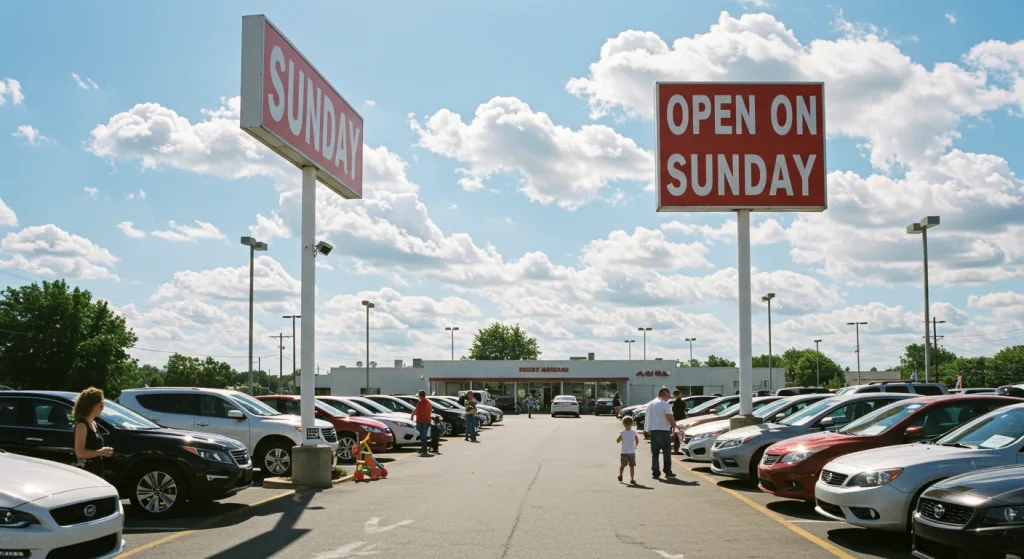
The question “Are car dealerships open on Sundays?” seems straightforward, but the answer is shaped by a complex web of state laws, cultural norms, and evolving retail strategies. While some dealerships welcome weekend shoppers, others remain closed due to legal restrictions or operational preferences. This 1,200-word analysis explores the factors influencing Sunday hours, regional differences, and how consumers can navigate this fragmented landscape.
1. The Legal Landscape: Blue Laws and Automotive Sales
Sunday closures for car dealerships trace back to “blue laws”—religious-rooted regulations restricting commerce on Sundays. Though many of these laws have been repealed, remnants persist in some states, particularly for automotive sales.
A. States With Sunday Sales Restrictions
- Colorado: Prohibits Sunday sales of cars, trucks, and motorcycles under § 12-6-110. Exceptions include RVs and motorcycles under 50cc.
- Illinois: Bans Sunday sales in counties with populations under 500,000 (e.g., rural areas) but allows urban dealers like those in Chicago to operate.
- Minnesota, Oklahoma, Pennsylvania: Restrict Sunday sales unless the dealership operates with fewer than 10 employees or sells fewer than 12 cars annually.
- Texas: Repealed its blue law in 2019, now permitting Sunday sales statewide.
These laws aim to promote a “day of rest” but face criticism for stifling competition. The National Automobile Dealers Association (NADA) has lobbied against such restrictions, arguing they harm consumer convenience.
B. States With No Restrictions
Most states, including California, Florida, and New York, allow Sunday sales. Dealerships in these regions often compete by offering weekend promotions. For example, Florida’s AutoNation locations advertise “Sunday Funday” test drives and financing specials.
2. Why Some Dealerships Close Voluntarily
Even in states without restrictions, many dealerships close on Sundays due to:
- Staffing Costs: Weekend wages (e.g., overtime pay) can erode profit margins.
- Cultural Norms: In regions like the Midwest, Sunday closures align with community values.
- Online Shift: With 83% of car buyers starting their research online (Cox Automotive), dealers prioritize digital tools over extended hours.
3. Regional Trends: Where Sunday Sales Thrive
Urban and high-traffic areas are more likely to open on Sundays. For example:
A. Texas
After repealing its blue law, Sunday sales surged. Houston’s Mac Haik Chevrolet reports 20% of weekly foot traffic occurs on Sundays.
B. California
Major dealerships like Longo Toyota (the world’s largest Toyota dealer) use Sundays for family-oriented events, offering free food and kid-friendly activities to attract shoppers.
C. New York
Luxury brands like BMW of Manhattan open Sundays but limit hours (e.g., 11 AM–5 PM) to manage staffing.
4. The Rise of “Online Sundays”
Even if physical showrooms are closed, many dealers now offer:
- Virtual Appointments: Platforms like Roadster enable 24/7 browsing and negotiations.
- Chatbots: AI tools like DealerFire answer questions and schedule test drives outside business hours.
- Home Delivery: Brands like Tesla and Carvana deliver purchases directly to buyers’ homes, bypassing traditional hours entirely.
5. Pros and Cons of Sunday Hours
For Dealers
- Pros: Higher foot traffic, competitive edge, and increased impulse purchases.
- Cons: Staff burnout, utility costs, and slim margins on promotional deals.
For Consumers
- Pros: Flexibility for working buyers, relaxed atmosphere with fewer crowds.
- Cons: Limited negotiation leverage (managers may not be present).
6. How to Confirm Sunday Hours
- Check Dealership Websites: Most list hours on their Google Business profiles.
- Call Ahead: Confirm if sales, service, and financing departments are all open.
- Luxury vs. Mass-Market: Luxury brands (e.g., Mercedes-Benz) are less likely to open Sundays than volume dealers (e.g., Honda).
7. Case Study: Sunday Sales in Illinois
In Illinois, rural dealerships like Bob Ridings Ford (Macomb) close Sundays, while Chicago’s Bill Kay Chevrolet stays open. This divide reflects population thresholds in state law and highlights regional inequities in consumer access.
8. The Future of Sunday Sales
- Legal Challenges: Advocacy groups like the Institute for Justice are fighting blue laws in Oklahoma and Minnesota.
- Shift to Online Sales: As 31% of buyers express willingness to purchase entirely online (McKinsey), physical Sunday hours may become less critical.
9. Consumer Tips for Sunday Shopping
- Prepare Documents: Bring pre-approval letters or trade-in details to expedite deals.
- Target Promotions: Dealers often clear inventory on weekends; check for “Sunday Specials” on sites like Cars.com.
- Verify Inventory: Use dealer websites to ensure desired models are in stock.
10. FAQs
Q: Can I complete a purchase on Sunday if financing is closed?
A: Some dealers may take deposits but finalize paperwork on weekdays.
Q: Are service departments open Sundays?
A: Often yes—chains like Firestone and Midas typically operate Sundays for repairs.
Q: Do Sunday buyers pay more?
A: Not necessarily, but promotions may offset hidden fees. Always compare prices online first.
Conclusion
Whether car dealerships are open on Sundays depends on a patchwork of state laws, local culture, and dealer strategy. While buyers in states like Texas and California enjoy weekend access, others face hurdles rooted in outdated regulations. As the industry pivots to digital retail, the relevance of Sunday hours may diminish—but for now, savvy shoppers can leverage weekend opportunities with research and preparation.
For further reading, explore NADA’s 2023 Dealership Operations Report or state-specific blue law analyses via Ballotpedia.
Junk Cars Are Bought By Whom? Lets Find Out!

When a car reaches the end of its usable life, owners often face a dilemma: What to do with a vehicle that no longer runs, costs too much to repair, or fails emissions tests? The answer lies in the growing market for junk cars—a multi-billion-dollar industry fueled by recyclers, salvage yards, and niche buyers. This article explores who buys junk cars, how the process works, and strategies to maximize your return.
1. The Buyers: Key Players in the Junk Car Industry
The market for junk cars is diverse, with each buyer type offering distinct advantages based on your priorities (speed, profit, or convenience).
A. Junkyards and Salvage Yards
Junkyards, also known as salvage yards, are traditional buyers of junk cars. They dismantle vehicles to sell usable parts (engines, transmissions, catalytic converters) and recycle the remaining metal.
- How They Operate: Many yards use proprietary software like Hollander Parts to identify high-demand parts.
- Pricing: Offers depend on the car’s weight, parts value, and current scrap metal prices.
- Pros: Instant cash, no paperwork hassles.
- Cons: Lower payouts compared to part-out strategies.
B. Scrap Metal Recyclers
Scrap yards focus on the car’s metal content, shredding vehicles to extract steel, aluminum, and copper.
- Market Drivers: Global scrap prices tracked by London Metal Exchange influence payouts.
- Environmental Impact: Recycling reduces mining demand; the EPA notes recycling steel saves 74% of the energy used to produce new steel.
- Typical Offer: 100–100–500, based on weight and metal type.
C. Online Junk Car Buyers
Digital platforms like Peddle and Cash Cars Buyer streamline selling with instant quotes and free towing.
- Process: Enter your car’s details online, receive an offer, and schedule pickup.
- Advantage: Convenience, especially for non-running cars.
- Drawback: Fees or lower offers due to middlemen costs.
D. Private Buyers (Mechanics, DIY Enthusiasts)
Individuals often seek junk cars for specific parts or restoration projects.
- Where to Find Them: List on eBay Motors or Facebook Marketplace.
- Profit Potential: Higher than scrap value if rare parts (e.g., vintage engines) are intact.
- Consideration: Time-intensive; requires negotiation skills.
E. Charities
Nonprofits like Kars4Kids accept junk cars as donations, offering tax deductions.
- Benefit: No selling effort; deductible per IRS guidelines.
- Limitation: Lower financial return compared to direct sales.
2. Factors That Determine Your Junk Car’s Value
Understanding valuation criteria helps you negotiate better deals:
- Weight: Scrap metal value hinges on the car’s curb weight (e.g., SUVs yield more steel).
- Usable Parts: Functional components like alternators, GPS systems, or tires boost value.
- Catalytic Converters: These contain precious metals (platinum, palladium); J.D. Power notes they can add 50–50–300 to offers.
- Location: Areas with higher scrap demand (e.g., industrial regions) pay more.
- Title Status: Buyers often require a title; some states permit sales with a bill of sale.
3. How to Sell Your Junk Car: Step-by-Step
- Get Multiple Quotes
Contact local junkyards, online buyers, and scrap yards. Use AutoPart to compare part values. - Prepare Documentation
Secure the title (or apply for a duplicate), and cancel insurance post-sale. - Remove Personal Belongings
Check under seats and trunks; retrieve registration/insurance cards. - Arrange Pickup
Most buyers offer free towing; confirm logistics in writing.
4. Maximizing Profit: Insider Tips
- Part Out Valuable Components: Sell high-demand parts (e.g., infotainment systems) on eBay Motors before scrapping the shell.
- Negotiate Based on Metal Prices: Track Kitco’s Scrap Metal Index for optimal timing.
- Highlight Rare Models: Classic or imported cars attract restoration buyers on Bring a Trailer.
5. Environmental and Legal Considerations
- Fluid Disposal: Buyers must drain oils, coolants, and refrigerants per EPA regulations.
- Title Transfer: Protect yourself from liability by transferring ownership promptly.
6. Case Study: From Junk to Profit
A 2005 Toyota Camry with a seized engine was sold:
- Scrap Yard Offer: 250(basedon3,000lbsat250(basedon3,000lbsat0.08/lb).
- Part-Out Strategy: Sold the transmission (200),catalyticconverter(200),catalyticconverter(150), and tires (100)privately,netting100)privately,netting450.
Conclusion
Selling a junk car requires balancing speed, effort, and profit. Whether you choose a scrap yard’s instant cash, an online buyer’s convenience, or a private sale’s higher returns, understanding the market ensures you make an informed decision. As sustainability drives metal recycling demand, your junk car’s value may rise—making now an ideal time to sell.
For further reading, explore the Automotive Recyclers Association or Scrap Metal Prices 2024 Report.
Number of Cars in the World? Actual Answer

If you want a single, clean number for how many cars exist in the world in 2026, the honest answer is this: there is no perfect real-time official count. Different organizations measure different things, and that alone changes the total. Some datasets focus strictly on passenger cars, while others fold in vans, light commercial vehicles, or broader road fleets. The safest current estimate for passenger cars alone is roughly 1.4 to 1.5 billion worldwide. One useful way to triangulate that number is through electric-vehicle stock: the IEA and REN21 both report that the global electric-car fleet reached almost 58 million at the end of 2024, representing about 4% of the total passenger-car fleet, which implies a total global passenger-car stock of roughly 1.45 billion.
That estimate also fits the broader market context. According to ACEA, global car registrations reached 77.6 million in 2025, while global car production rose to 78.7 million. Those are enormous annual volumes, and they help explain why the worldwide fleet remains so large even as older vehicles are scrapped each year. This is not a stagnant market. It is a massive rolling system with constant turnover.
Why the Number Is Harder to Pin Down Than It Looks
A lot of articles make the mistake of treating the global car count as if it were one universally agreed statistic. It is not. Some sources count only registered passenger cars. Others use broader definitions that include light-duty vehicles or even all motor vehicles. Reporting lags also matter. Many of the best datasets arrive a year late, which means a “2026” article is often built from 2024 and 2025 evidence, not from a live global registry updated in real time. That does not make the estimate useless. It just means precision should not be faked.
So if someone says there are exactly 1.5 billion cars in the world, the better response is: that is a reasonable shorthand, but it depends on the definition. For a consumer-facing article, the most defensible phrasing is that the world has about 1.45 billion passenger cars, with broader road-vehicle totals running higher depending on what is included.
Why This Matters in 2026
This is not just a trivia question. The size of the global car fleet shapes fuel demand, emissions, infrastructure planning, industrial policy, and household economics. The IEA notes that passenger cars are the single largest source of global oil demand today, accounting for roughly one-quarter of total oil consumption. That means the scale of the car fleet is directly tied to energy security and price volatility, not just transportation trends.
It also matters for climate policy. The IEA’s Breakthrough Agenda Report 2025 says the global road sector emitted just over 6 gigatonnes of CO2 in 2024, and more than 60% of road emissions came from passenger cars or vans. In other words, when policymakers talk about decarbonizing transport, passenger cars sit at the center of the conversation. They are not the whole story, but they are still the biggest part of it.
The EV Shift Is Real, But the Global Fleet Is Still Mostly Combustion-Powered
One of the biggest misconceptions in the market is that electric vehicles are already replacing internal-combustion cars at fleet scale. They are growing fast, but the total fleet is still overwhelmingly gasoline and diesel. The IEA says electric car sales topped 17 million in 2024, more than 20% of all new cars sold worldwide, and REN21 similarly reports that EVs accounted for about 4% of the global passenger-car stock at the end of 2024. That is major momentum, but it also means around 96% of the global passenger-car fleet was still non-electric at that point.
China is the clearest example of how quickly things can change. The IEA says more than 11 million electric cars were sold in China in 2024, and that about one in ten cars on Chinese roads is now electric. That is not just a regional story. It is a signal that the shape of the global fleet is starting to change from the inside out, even if the headline car count remains dominated by traditional vehicles for now.
What the 2025 Market Says About the Next Few Years
If you are trying to understand where the world car population is heading, annual sales matter as much as fleet totals. ACEA’s latest industry report shows that worldwide car registrations rose 3.5% in 2025, while production climbed 4.2%. Asia accounted for 62.1% of global car output, underlining how heavily the industry’s center of gravity now sits in that region. Any serious conversation about global car growth now runs through Asia first.
The electrification trend is also continuing. The IEA says electric-car sales in the first quarter of 2025 were up 35% year over year, and it expects more than 20 million electric cars to be sold in 2025, or roughly one in four new cars sold worldwide. That does not mean the total global fleet will suddenly shrink or flip electric overnight. It means the composition of new sales is changing faster than the installed base.
So, How Many Cars Are There in the World?
The best answer for 2026 is this: there are roughly 1.45 billion passenger cars in operation globally, give or take, depending on how narrowly you define “car.” That estimate is more defensible than throwing out a hard 1.5 billion without context, because it ties the fleet size to real published data on EV stock and market share.
And that is really the key point. The more important story is not whether the true number is 1.43 billion, 1.47 billion, or 1.5 billion. The more important story is that the global car fleet remains vast, deeply tied to oil demand and emissions, and is only beginning to shift meaningfully toward electrification. The number itself matters. The direction of the fleet matters even more.
Connect with us


