






Two Titans. One Winner. Who Will You Drive?
The truck world has always thrived on raw power and innovation, but 2025 marks a seismic shift in the high-performance pickup arena. For years, the 2024 Ram TRX reigned supreme as the undisputed king of off-road dominance, its roaring 6.2L supercharged V8 engine echoing through deserts and dunes like a battle cry. But as the automotive landscape evolves, so do the demands of drivers — and Ram has answered with a game-changing successor: the 2025 Ram 1500 RHO. This isn’t just a new model; it’s a revolution in performance, blending brute strength with modern engineering, efficiency, and tech-savvy sophistication.
If you’re shopping for a high-performance pickup in Simi Valley or beyond, this is the battle you’ve been waiting for.
But let’s be clear: this isn’t a farewell to the TRX’s legacy. It’s a changing of the guard. For drivers in Simi Valley and beyond, the choice now hinges on what “performance” truly means. Do you cling to the raw, unfiltered roar of a supercharged V8, or embrace a new era where speed, efficiency, and innovation converge?
The showdown is here. Let’s dissect every detail — horsepower, torque, tech, and value — to crown the ultimate high-performance pickup. Buckle up.
Under the Hood: Power & Acceleration
Ram TRX (2024)
- Engine: 6.2L Supercharged HEMI® V8
- Horsepower: 702 hp
- Torque: 650 lb-ft
- 0–60 mph: 4.5 seconds
The TRX was built to dominate — and it shows. It’s loud, aggressive, and ridiculously powerful.
Ram RHO (2025)
- Engine: 3.0L Twin-Turbo Hurricane I6
- Horsepower: 540 hp
- Torque: 521 lb-ft
- 0–60 mph: 4.2 seconds
While it’s not as powerful as the TRX on paper, the RHO is quicker to 60 mph and delivers smoother, turbocharged power with better balance.
Winner: TRX for horsepower lovers. RHO for modern muscle and real-world performance.
Fuel Economy: Daily Driver or Weekend Warrior?
Let’s be honest — the TRX isn’t winning any awards for efficiency.
TRX EPA Estimate:
- 10 mpg city / 14 mpg highway
RHO EPA Estimate:
- 15 mpg city / 21 mpg highway
That’s a 50%+ improvement in fuel efficiency. If you drive your truck daily or hit long trails, the RHO saves serious fuel (and money).
Winner: RHO — hands down.
Towing & Payload: Work Hard, Haul Harder
TRX
- Max Towing: 8,100 lbs
- Max Payload: 1,310 lbs
RHO
- Max Towing: 8,380 lbs
- Max Payload: 1,520 lbs
The RHO edges out the TRX in both towing and payload — a big win for drivers who need both speed and utility.
Winner: RHO, with more muscle where it matters.
Off-Road Tech: Both Built to Roam
Both trucks are built for dirt, dunes, and everything in between.
- Bilstein adaptive dampers
- Off-road suspension with long-travel shocks
- 35-inch all-terrain tires
- Electronic locking rear differential
- Skid plates & serious ground clearance
RHO adds lighter weight and re-tuned suspension, giving it an edge in agility and trail control.
Winner: Tie for capability — but RHO offers a smoother, more controlled ride.
Interior & Features: More Than Just Muscle
TRX:
- 12-inch Uconnect® 5 touchscreen
- Flat-bottom steering wheel with paddle shifters
- Available Harman Kardon® audio
- Rugged interior styling
RHO:
- Larger 14.5-inch center screen
- Available 23-speaker Klipsch® audio system
- Refined materials and upscale trim
- Panoramic digital cockpit
RHO feels like a tech-forward upgrade. It brings the muscle truck into the future with added luxury.
Winner: RHO — more tech, more style.
Pricing: Your Wallet Will Notice
TRX MSRP: Starts around $98,580
RHO MSRP: Starts around $72,000
That’s a massive $26,000 difference for a truck that’s faster to 60 mph and more fuel-efficient.
Winner: RHO — no contest.
Quick Spec Comparison
| Feature | 2024 Ram TRX | 2025 Ram RHO |
|---|---|---|
| Horsepower | 702 hp | 540 hp |
| Torque | 650 lb-ft | 521 lb-ft |
| 0–60 mph | 4.5 sec | 4.2 sec |
| Fuel Economy | 10 / 14 mpg | 15 / 21 mpg |
| Max Towing | 8,100 lbs | 8,380 lbs |
| Max Payload | 1,310 lbs | 1,520 lbs |
| Starting MSRP | $98,580 | ~$72,000 |
Final Verdict: Why RHO Wins in 2025
We’ll say it: the 2025 Ram RHO is the smarter performance truck.
It gives you:
- Nearly the same speed
- More towing and payload
- Far better fuel economy
- A lower starting price
- Next-gen tech and comfort
The TRX had its time in the spotlight. Now it’s the RHO’s turn.
Drive the New Ram RHO at Simi Valley CDJR
Ready to get behind the wheel of the RHO or grab one of the last TRX models? We’ve got you covered.
👉 Explore New Ram Inventory
📍 Visit us at 2350 First St, Simi Valley, CA
📞 Call (805) 387-9755
FAQ – Ram 1500 RHO vs TRX
Is the Ram TRX discontinued?
Yes, 2024 marks the final model year for the TRX.
What does RHO stand for?
RHO stands for “Ram High Output,” referring to its new twin-turbo Hurricane engine.
Is the RHO better than the TRX off-road?
Both are exceptional, but the RHO has newer suspension tuning and reduced weight for better control.
Can I tow more with the RHO?
Yes — up to 8,380 lbs compared to 8,100 lbs in the TRX.
When will the RHO be available?
It’s hitting dealership lots now. Check our latest arrivals here.
Looking for a used Jeep Grand Cherokee for sale in Simi Valley? You’re not alone. As one of the most capable and refined midsize SUVs on the road, the Grand Cherokee has long been a favorite for drivers who want power, comfort, and versatility—all in one stylish package.
But with so many model years, trims, and features to choose from, how do you know you’re making the right choice?
At Simi Valley Chrysler Dodge Jeep Ram, we’ve helped thousands of buyers find their perfect used SUV. This guide covers everything you need to know before buying a pre-owned Grand Cherokee—so you can shop with confidence.
Why Choose a Used Jeep Grand Cherokee?
The Jeep Grand Cherokee offers a perfect balance between rugged utility and upscale comfort. Buying one used means you can get all the premium features you want at a price that makes sense.
✅ Proven Performance
Whether it’s the base V6 or the available V8, the Grand Cherokee delivers strong power, capable towing, and excellent highway manners. Many used models also come with Jeep’s legendary 4×4 systems for all-weather confidence and off-road fun.
✅ Premium Features at a Lower Price
Buying used often means getting extras like leather seats, panoramic sunroof, heated steering wheels, and adaptive cruise control—features that might be out of reach in a new vehicle budget.
✅ Excellent Resale Value
The Grand Cherokee holds its value well compared to other midsize SUVs. That means when it’s time to trade up, you’ll still get great value in return.
What to Look for in a Used Jeep Grand Cherokee
Not all used SUVs are created equal. Here’s what you need to consider when shopping for a used Jeep Grand Cherokee for sale:
1. Model Year and Generation
- 2011–2021 (WK2 generation): A major redesign with upscale materials, strong engine choices, and improved tech.
- 2022+ (WL generation): The latest generation with more luxury, more tech, and optional 3-row seating on L models.
If you’re on a budget, 2015–2019 models offer a great mix of value and modern features.
2. Trim Levels
Each Grand Cherokee trim is built for a different lifestyle. Know what each one offers:
- Laredo – Budget-friendly with essentials
- Limited – Adds leather, remote start, and more comfort
- Trailhawk – Built for off-roading with skid plates and air suspension
- Overland/Summit – Luxury-level finishes, tech, and ride comfort
- SRT/Trackhawk – High-performance V8 options for speed enthusiasts
3. Mileage and Maintenance History
Low mileage is great—but service history is even better. Ask for maintenance records, especially for things like transmission service, brakes, and suspension work.
Used Grand Cherokee vs. Other SUVs
Compared to rivals like the Toyota 4Runner or Ford Edge, the Grand Cherokee offers:
- More luxurious cabin materials
- Better off-road capabilities in 4×4 trims
- A wider range of engine options (including V8 and performance models)
- Higher towing capacity (up to 7,200 lbs when properly equipped)
Financing a Used Jeep Grand Cherokee
At Simi Valley CDJR, we make the financing process simple—whether you’re a first-time buyer or trading in your current vehicle.
What you can expect:
- Competitive used car interest rates
- Quick pre-approvals with our secure online application
- Trade-in value that helps lower your monthly payments
- Flexible terms to fit your budget
Our team works with all types of credit to help you drive home happy.
Why Buy from a Dealership vs. Private Seller?
You might find a used Jeep Grand Cherokee on Facebook Marketplace or Craigslist—but you won’t get the peace of mind that comes with buying from a reputable dealership.
Here’s what you get with us:
- Full mechanical inspection
- Vehicle history reports
- Certified pre-owned options
- Trade-in assistance
- Warranty coverage and service after the sale
It’s not just about the sale—it’s about support before, during, and after your purchase.
Current Inventory at Simi Valley Chrysler Dodge Jeep Ram
Looking for the perfect used Jeep Grand Cherokee for sale? We have a constantly updated selection of popular models and trims.
Recent examples include:
- 2021 Grand Cherokee Limited 4×4 – Low miles, leather, Apple CarPlay
- 2019 Trailhawk 4×4 – Off-road ready, air suspension, tow package
- 2020 Overland – Loaded with panoramic sunroof, premium audio, and more
👉 View Used Jeep Grand Cherokee Inventory
Pro Tips Before You Buy
- Test Drive Different Trims – You’ll notice the difference in ride, handling, and comfort.
- Check the Features List – Even same-year models can have very different option packages.
- Review Warranty Options – Ask about powertrain warranties or extended protection.
- Ask About Previous Use – Was it a personal lease, corporate fleet, or rental vehicle?
- Don’t Wait Too Long – Grand Cherokees sell fast, especially well-maintained 4×4 trims.
Final Thoughts: Find the Grand Cherokee That Moves You
If you’re serious about adventure, luxury, and reliability, the Jeep Grand Cherokee is the SUV that delivers all three. And when you buy used, you can get the perfect vehicle for less—without compromise.
Start your journey today with Simi Valley Chrysler Dodge Jeep Ram, where we have the used Jeep Grand Cherokee for sale that’s ready for whatever comes next.
Used Jeep Wrangler for Sale – Buying Tips
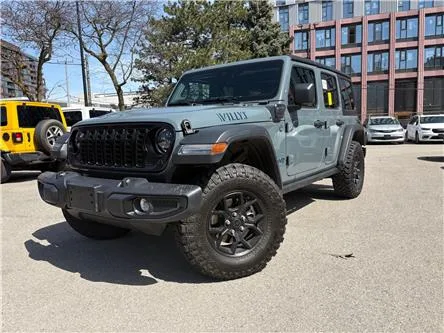
Looking for a used Jeep Wrangler for sale in Simi Valley? Whether you’re dreaming of weekend off-road adventures or simply want a rugged, iconic SUV with serious street cred, the Jeep Wrangler is the ultimate choice. Known for its legendary 4×4 capability, open-air freedom, and timeless design, the Wrangler continues to be a favorite among thrill-seekers and daily drivers alike.
At Simi Valley Chrysler Dodge Jeep Ram, we have a great selection of used Jeep Wranglers for sale—each one ready to take on the trails, highways, and everything in between.
Why Buy a Used Jeep Wrangler?
The Jeep Wrangler isn’t just a vehicle—it’s a lifestyle. And buying one used can make it even more rewarding. Here’s why a pre-owned Wrangler makes sense:
✅ Lower Cost, Same Capability
Wranglers hold their value better than most vehicles, but buying used ones still means significant savings compared to buying new ones. You get the same powerful performance, removable top, and rugged charm—just at a more affordable price.
✅ Built to Last
Jeep Wranglers are known for their durability and longevity. Many pre-owned models have hundreds of thousands of kilometers (or miles) left in them, especially when well maintained.
✅ Endless Customization
The Wrangler is one of the most modifiable vehicles on the road. From lift kits to winches, aftermarket wheels, bumpers, and lighting, used models often come with upgrades already installed—saving you money and time.
What to Look for in a Used Jeep Wrangler
Shopping for a used Jeep Wrangler for sale? Here are a few key things to consider so you find the perfect fit:
1. Model Year & Generation
- JK (2007–2018): Great mix of modern features and off-road prowess.
- JL (2018–Present): Offers improved comfort, better tech, and refined handling.
2. Trim Levels
Popular trims include:
- Sport – Basic and budget-friendly
- Sahara – More refined with premium features
- Rubicon – Off-road beast with locking differentials and heavy-duty axles
3. Hardtop or Soft Top
Do you want year-round protection with a hardtop, or the fun of a quick convertible feel with a soft top? Some Wranglers even include both!
4. Transmission
Manual or automatic—Jeep fans love having the choice. Manual gives a classic driving experience, while automatic is great for convenience.
Used Jeep Wrangler Inventory in Simi Valley
At Simi Valley CDJR, our used Jeep Wrangler selection is constantly being updated with great deals. Whether you’re looking for a weekend off-roader or a daily driver with a bit of edge, we have something in stock for every adventurer.
Recent Inventory Highlights:
- 2020 Jeep Wrangler Unlimited Sahara – Low kilometers, navigation, upgraded sound system
- 2018 Jeep Wrangler Rubicon – Off-road tires, winch-ready bumper, trail-rated and ready
- 2016 Wrangler Sport 2-Door – Budget-friendly, excellent condition, removable top
Every vehicle is fully inspected by our service technicians and comes with a detailed history report for peace of mind.
Finance Your Used Jeep Wrangler with Ease
Worried about financing? Don’t be. We make it easy to drive away in the Wrangler you’ve been dreaming about.
Our finance team works with all types of credit and offers:
- Low interest rates
- Affordable monthly payments
- Fast, secure online pre-approval
- Trade-in appraisals on the spot
Plus, if you’re trading in a vehicle, we’ll give you top dollar—especially during our current used vehicle trade-in event.
Why Shop at Simi Valley Chrysler Dodge Jeep Ram?
When it comes to finding a used Jeep Wrangler for sale in Simi Valley, you want more than just inventory. You want a team that knows Jeep inside and out—and that’s us.
Here’s why local drivers trust us:
- Deep inventory of used and certified pre-owned Jeep Wranglers
- Experienced Jeep advisors who understand your needs
- In-house service and Jeep-certified technicians
- Local reputation for honesty and value
We don’t just sell Jeeps—we live the Jeep lifestyle. From the beach to the backroads, our team knows what real adventure looks like and how to get you there.
Start Your Jeep Journey Today
Ready to take the next step? Your used Jeep Wrangler is waiting for you at Simi Valley Chrysler Dodge Jeep Ram.
Browse our inventory online, schedule a test drive, or stop by the dealership and let our Jeep specialists help you find the Wrangler that fits your life—and your budget.
Final Thoughts
Whether you’re hitting the trails in Ojai, heading up to Big Bear, or cruising PCH with the top down, a used Jeep Wrangler for sale offers freedom, power, and pure adventure. And with unbeatable deals right here in Simi Valley, there’s never been a better time to buy.
👉 Browse Used Jeep Wranglers for Sale in Simi Valley Now
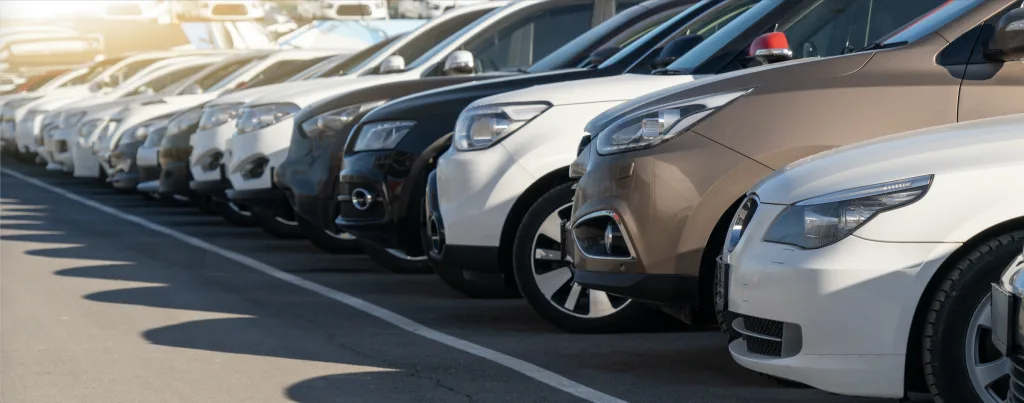
Looking for used cars in Simi Valley? You’re not alone. As vehicle prices continue to rise, more drivers are turning to pre-owned vehicles to get quality and value without breaking the bank. Whether you’re in the market for a fuel-efficient sedan, a rugged truck, or a spacious SUV, the Simi Valley area offers a wide variety of options to suit every lifestyle and budget.
In this guide, we’ll walk you through why buying used is a smart choice, what makes Simi Valley used car dealerships a reliable option, and how to find the best pre-owned vehicle for your needs—plus where to start your search.
Why More Drivers Are Choosing Used Cars
New cars depreciate fast—losing as much as 20% of their value in the first year. That’s why many car shoppers in Simi Valley are opting to buy used. Here are just a few of the benefits:
✅ Lower Costs, Bigger Value
Pre-owned vehicles come at a lower upfront cost, often with significantly lower insurance rates. That means you can get a better-equipped car for less money.
✅ More Choices Across Model Years
Buying used gives you access to multiple model years and trims, not just the latest release. You might find a fully loaded SUV for the price of a base-model new one.
✅ CPO Programs and Dealer Warranties
Many dealerships offer certified pre-owned (CPO) options that include thorough inspections, vehicle history reports, and extended warranties. That’s peace of mind you won’t get with a private seller.
When it comes to value and flexibility, used cars in Simi Valley, CA make sense for families, commuters, and first-time buyers alike.
What Makes Simi Valley a Great Place to Shop Used?
Simi Valley is home to several trustworthy, long-standing dealerships that have been serving the community for years. These businesses aren’t just about selling cars—they’re focused on building relationships with local customers.
By choosing a used car dealership in Simi Valley, CA, you get:
- Personalized service from a local team
- Access to trade-in offers and financing
- A curated inventory based on local demand
- The ability to test drive and compare multiple vehicles in one visit
Unlike online marketplaces, where you might be buying from a stranger with no guarantees, dealerships provide a transparent, safe, and efficient buying experience.
Simi Valley Chrysler Dodge Jeep Ram – Your Go-To Used Car Dealer
If you’re not sure where to start, Simi Valley Chrysler Dodge Jeep Ram should be your first stop. As one of the top-rated Simi Valley used car dealerships, they offer a huge selection of high-quality pre-owned vehicles, competitive pricing, and flexible financing options to make your purchase stress-free.
Here’s what you’ll find on the lot:
- Used trucks and SUVs from RAM, Jeep, and Dodge
- Fuel-efficient sedans from Honda, Toyota, Kia, and more
- Certified pre-owned models that pass rigorous inspections
- Trade-in deals that let you upgrade while saving
- Daily specials and financing promotions
You can explore their complete inventory of used cars in Simi Valley online or visit the dealership in person to get behind the wheel and see the quality for yourself.
What to Look for in a Used Car
Not all used cars are created equal. Here are a few tips to help you find the right match:
1. Set Your Budget
Determine what you’re comfortable spending, including taxes, registration, and potential repairs.
2. Check the Vehicle History
Ask for a Carfax report or inspection summary, especially for older models.
3. Test Drive Thoroughly
Pay attention to the brakes, steering, acceleration, and overall comfort.
4. Ask About Financing
Many used car dealerships in Simi Valley, CA offer great in-house financing options for buyers with all types of credit.
5. Explore Trade-In Options
Trading in your current car can help you reduce your out-of-pocket costs on a new-to-you vehicle.
Inventory That Meets Every Need
At Simi Valley CDJR, the used car inventory is constantly evolving. Whether you’re a solo commuter or a family of five, there’s something for everyone:
- Commuters: Fuel-efficient cars like the Kia Forte or Toyota Corolla
- Adventurers: Pre-owned Jeep Wranglers or Subaru Outbacks
- Families: Used Dodge Grand Caravan or Chrysler Pacifica
- Work-Ready: Tough trucks like the RAM 1500 or Ford F-150
You’ll also find newer models with low mileage, advanced safety features, and modern infotainment systems—without the high sticker price of new cars.
Why Local Shoppers Prefer Simi Valley Used Car Dealerships
Choosing a trusted dealership means less risk and more support. Here’s what sets local dealers apart from private sellers and national chains:
- On-site service departments for future maintenance
- Vehicle trade-in programs that make upgrading easier
- Flexible financing, even for first-time buyers
- Loyalty programs and dealer-exclusive offers
Local dealerships like Simi Valley CDJR also know the community—they stock the types of vehicles people in the area actually want, making the search process smoother for you.
Final Thoughts: Find Your Next Vehicle in Simi Valley
With so many benefits, it’s no surprise more buyers are turning to used cars in Simi Valley. From affordability to selection, local dealerships make it easy to get into a great car, truck, or SUV—without the stress or high cost of buying new.
If you’re ready to explore your options, visit Simi Valley Chrysler Dodge Jeep Ram today to browse their full selection of Simi Valley used cars and experience top-tier service from a team that cares.
Your next car is waiting. Find it right here in Simi Valley.
Buying a New Car in California? 5 Things to Know
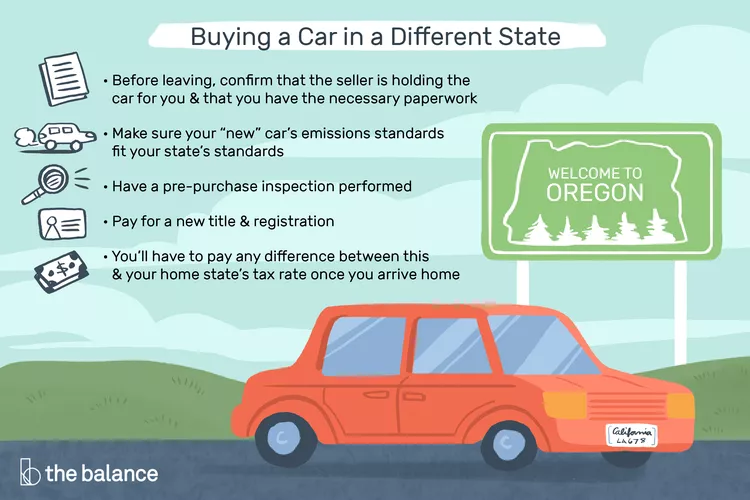
Buying a car in California is not just about the sticker price.
Whether you are buying a new car, buying a used car, purchasing from a California dealership, or bringing in a vehicle from another state like Texas, you need to understand taxes, title transfer fees, registration costs, smog rules, and DMV paperwork.
The short answer is this: California buyers usually pay sales or use tax, title fees, registration fees, and a Vehicle License Fee based on the vehicle’s value. The exact amount depends on the vehicle price, where the vehicle will be registered, whether it is new or used, and whether it was bought from a dealer or private seller.
If you are shopping for a new or used vehicle in Southern California, it is smart to compare the total out-the-door price before signing. You can start by browsing available new inventory or used inventory and then factoring in taxes, title, registration, and financing.
How Much Is California New Car Tax?
California vehicle tax is usually based on where the vehicle will be registered, not just where you buy it.
The California DMV says use tax on a dealer-purchased vehicle can range from 7.25% to 10.25%, depending on the new registered owner’s city and county of residence. The DMV also notes that title transfer fees may apply when registering a vehicle purchased from a dealer. (California DMV)
That means a buyer in one California city may pay a different total tax rate than a buyer in another city. For example, a car buyer in Los Angeles County may not have the same exact combined tax rate as a buyer in Ventura County, Riverside County, or San Diego County.
This is why “California new car tax” is not one flat number for every buyer. The statewide base is only part of the equation. Local district taxes can change the final rate.
New Car Sales Tax in California: How It Works
When you buy a new car from a licensed California dealer, the dealer generally collects the applicable sales or use tax as part of the transaction.
The tax is calculated on the taxable selling price of the vehicle. That usually includes the agreed purchase price, but the exact taxable amount can depend on rebates, incentives, trade-ins, and how the deal is structured.
For shoppers, the easiest way to think about it is simple:
The more expensive the vehicle, the higher the tax amount.
The city and county where the vehicle is registered affect the rate.
Dealer documentation, registration, title, and DMV fees are separate from the vehicle price.
A $40,000 vehicle taxed at 7.25% would create a lower tax bill than the same vehicle taxed at 10.25%. That difference can matter when you are budgeting your total purchase cost.
California Tax on New Cars vs Used Cars
California tax rules apply to both new and used vehicles.
If you buy from a California dealer, the dealer usually handles the tax collection and DMV processing. If you buy from a private seller, you may need to pay applicable use tax and transfer fees directly through the DMV when transferring title and registering the vehicle.
The California Department of Tax and Fee Administration explains that California sales tax generally applies to vehicles purchased from registered dealers in California, while use tax applies to vehicles purchased from private parties or outside California for use in the state. (CDTFA)
So whether you are buying a new car in California or buying a used car in California, you should expect taxes and DMV fees to be part of the final cost.
How Much Are Title and Registration Fees in California?
California title and registration fees vary by vehicle.
There is no single universal number that applies to every buyer because DMV fees can include several pieces. California DMV lists registration-related charges such as registration fees, title transfer fees, county/district fees, and the Vehicle License Fee. The DMV states that the Vehicle License Fee, or VLF, is 0.65% of the purchase price or vehicle value for most vehicles. (California DMV)
That means a more expensive vehicle typically carries a higher VLF.
California registration costs may include:
Registration fee.
Title transfer fee.
Vehicle License Fee.
Use tax.
County or district fees.
Weight fees for some vehicles.
Smog transfer fee when applicable.
Special plate or lienholder-related fees when applicable.
Because these fees depend on the vehicle and location, California DMV provides an official fee calculator for new vehicles, used vehicles, renewal fees, and new resident vehicles. (California DMV)
DMV Title Transfer Fee Calculator: What to Use
If you are trying to estimate “how much is title registration and other fees,” the safest source is the California DMV’s own calculator.
The DMV calculator includes options for:
Registration renewal fees.
New vehicles purchased from a California licensed dealer.
Used vehicles purchased in California.
New resident vehicles previously registered outside California.
That is useful because a buyer purchasing a new Ram 1500 from a dealer has a different fee situation than someone buying a used Jeep Wrangler from a private seller or bringing a vehicle in from Texas.
A third-party tax title calculator can help you estimate, but the DMV calculator is the official place to start.
Buying a New Car in California: What You Need
If you are buying a new car from a California dealer, the process is usually easier than a private-party purchase.
A licensed dealer will typically handle much of the DMV paperwork, tax collection, registration submission, and temporary operating documents. That is one of the advantages of buying from a dealership instead of trying to manage every title and registration step yourself.
Before buying, you should have:
A valid driver’s license.
Proof of insurance.
Financing approval or payment method.
Trade-in documents, if applicable.
Current registration and title for your trade-in.
Your correct address for tax and registration.
The DMV advises buyers to understand their rights, compare vehicle prices and interest rates, read the purchase contract carefully, and understand warranties and optional products before signing. California dealers must also show buyers a National Motor Vehicle Title Information System report. (California DMV)
If you are preparing to buy, you can also complete a finance application before visiting the store so you have a clearer idea of payment options.
Buying a Used Car in California
Buying a used car in California involves many of the same tax and registration considerations as buying a new car, but there are a few extra things to check.
Used buyers should pay attention to:
Vehicle history.
Title status.
Mileage.
Smog certification.
Open recalls.
Prior damage.
Lien status.
Registration status.
Fees due.
If you buy from a licensed California dealer, the dealer handles many of these steps. If you buy from a private seller, you need to be more careful because you are responsible for making sure the title transfer, tax, fees, smog paperwork, and registration are handled correctly.
The DMV says that for private-party purchases, buyers have 10 days after purchasing a vehicle to transfer ownership, while sellers have 5 days after the sale to report the transfer. (California DMV)
That 10-day window matters. Missing deadlines can create penalties or registration problems.
Buying a Used Vehicle in California From a Private Seller
If you are buying a used car from a private seller, do not hand over money until you verify the paperwork.
You should confirm:
The seller’s name matches the title.
The VIN on the car matches the title.
The odometer disclosure is complete if required.
The title is not branded in a way you did not expect.
There is no lien unless properly released.
The seller provides smog certification when required.
The bill of sale is complete.
The DMV says any change in ownership or lienholder must be reported within 10 days, and the title must be updated. (California DMV)
A private-party deal may look cheaper up front, but mistakes can cost time and money later. If the title is missing, the smog certificate is not valid, or the registration has unpaid fees, the buyer may inherit a headache.
California Smog Rules When Buying a Car
Smog rules are one of the most important parts of buying a used car in California.
California DMV says that if someone sells a car, they generally need to give the new owner a valid smog certification when the vehicle is sold. (California DMV)
The Bureau of Automotive Repair says vehicles that are four model years and newer do not need a Smog Check for change of ownership; instead, California law requires a smog transfer fee due to DMV. (Bureau of Automotive Repair)
This matters because a used car that cannot pass smog may be difficult or impossible to register normally in California. If you are buying privately, do not assume you can “just smog it later.” Get the requirement handled before money changes hands.
Buying a Car Out of State and Bringing It to California
Buying a car out of state for use in California can work, but it is not a shortcut around California taxes or registration rules.
If you buy a vehicle outside California and bring it into the state for California use, California use tax may apply. CDTFA explains that use tax applies to vehicles purchased from outside California for use in the state, and the purchaser is generally responsible for reporting and paying it if the seller did not collect California tax. (CDTFA)
That means buying a new car from Texas to California, Nevada to California, Arizona to California, or Oregon to California does not automatically eliminate California tax. If the vehicle will be registered and used in California, expect California tax and registration rules to matter.
Buying a New Car From Texas to California
If you buy a new car from Texas and bring it to California, the main questions are:
Can the vehicle be registered in California?
Does it meet California emissions requirements?
Was tax already collected by the selling dealer?
Will California use tax still be owed?
What title and registration paperwork is needed?
Will a smog inspection or vehicle verification be required?
California DMV says out-of-state vehicles must meet California requirements, including emission-control requirements, and DMV cannot register a vehicle if it does not qualify. (California DMV)
This is especially important for new or nearly new vehicles. Not every out-of-state vehicle is automatically California-ready. Before buying, confirm the emissions label and California compliance status.
New California Resident Vehicle Registration
If you move to California with a vehicle that was previously registered in another state, you need to register it in California.
California DMV says that if you bring a vehicle into California that was previously registered in another state or country, you must register it within 20 days of becoming a resident or bringing the vehicle into the state. (California DMV)
This is different from buying a California vehicle from a dealer. New residents may need forms, inspections, fees, and proof of ownership. DMV’s new resident vehicle calculator can help estimate costs.
What Is TTL on a Car?
TTL usually means tax, title, and license.
In car buying, TTL refers to the government-related costs that are added to the price of the vehicle. Depending on the state and transaction, TTL may include sales tax, use tax, title transfer fee, registration, license plates, county fees, and other required charges.
In California, shoppers often use terms like:
TTL car.
Tax title calculator.
Title tax calculator.
Tax title and tag calculator.
Tax and tag calculator.
Tax title and registration fees.
The exact phrase changes, but the question is the same: “What will I actually pay beyond the vehicle price?”
The answer is that California buyers should calculate the out-the-door price, not just the advertised price.
How to Estimate Tax, Title, and Registration in California
To estimate California tax, title, and registration, use this basic approach:
Start with the vehicle selling price.
Add applicable sales or use tax based on the registration address.
Add DMV title and registration fees.
Add the Vehicle License Fee.
Add any county, district, weight, or plate-related fees.
Add dealer documentation and optional products only if applicable.
Subtract trade-in value, rebates, or down payment only where they legally apply to the final deal structure.
Then confirm the estimate with the dealer or DMV calculator.
The most reliable estimator is the official DMV fee calculator because California fees can vary based on location, vehicle type, value, and transaction type. (California DMV)
California Car Buyer’s Bill of Rights
California has specific consumer protections for car buyers.
The California DMV explains that the Car Buyer’s Bill of Rights affects retail vehicle sales by requiring California-licensed dealers to provide an itemized price list for financial items such as warranties and insurance, and to provide buyers with their credit score and an explanation of how it is used. (California DMV)
The California Department of Justice also says the Car Buyer’s Bill of Rights gives buyers certain protections when buying a new or used vehicle from a licensed California dealer, including buyer disclosures. (California DOJ Attorney General)
For used car buyers, California law also includes rules around a contract cancellation option in certain dealer transactions. The Los Angeles County Department of Consumer and Business Affairs explains that the Car Buyer’s Bill of Rights affects new and used car purchases from licensed dealers, and that used car buyers may be able to purchase a two-day sales contract cancellation option. (LACDBA)
New Car Purchase vs Used Car Purchase in California
A new car purchase usually gives you:
Manufacturer warranty.
Dealer-handled DMV paperwork.
Known vehicle history.
Current emissions compliance.
Newest safety and technology features.
A used car purchase may offer:
Lower purchase price.
Slower depreciation.
More choices by budget.
Potentially lower insurance costs.
But used buyers need to inspect more carefully. The lower purchase price may not be worth it if the vehicle has title problems, deferred maintenance, accident history, emissions issues, or unpaid registration fees.
For buyers comparing both options, check new vehicles and used vehicles side by side. The best deal is not always the cheapest price. It is the best total cost with the least risk.
What Do You Need to Buy a Car in California?
To buy a car in California, you typically need:
A valid driver’s license or accepted identification.
Proof of insurance.
A payment method or financing approval.
Proof of income if financing.
Proof of residence if required by lender.
Trade-in title or payoff details if trading a vehicle.
Co-buyer information if applying jointly.
For cash purchases, the paperwork may be simpler. For financed purchases, the lender may require additional documents before approval.
If you are not sure what payment you qualify for, starting with a finance application can make the buying process smoother. You can review financing through the dealership’s credit application.
Can You Avoid California Car Tax by Buying Out of State?
Usually, no.
If the vehicle is purchased for use in California, California use tax may apply even if the vehicle was bought somewhere else. CDTFA states that use tax applies to vehicles purchased from outside California for use in the state. (CDTFA)
Trying to avoid California tax by improperly registering a vehicle out of state can create legal and financial problems. If you live in California and use the vehicle in California, you should follow California registration and tax rules.
How Long Do You Have to Transfer a Title in California?
For private-party purchases, the buyer generally has 10 days to transfer ownership, and the seller has 5 days to report the sale to DMV. (California DMV)
For title changes more generally, DMV says any change in ownership or lienholder must be reported within 10 days. (California DMV)
If you are buying from a dealer, the dealer usually processes the paperwork. If you are buying privately, you need to make sure the transfer happens quickly.
Why Out-the-Door Price Matters
The out-the-door price is the number that matters most.
It includes the vehicle price plus taxes, title, registration, government fees, dealer fees, and any optional products you choose.
A low advertised price may not mean much if the final out-the-door number is much higher. Before agreeing to any deal, ask for a clear written breakdown.
Your buyer’s order should show:
Selling price.
Taxes.
Title and registration.
Dealer fees.
Optional products.
Trade-in allowance.
Payoff amount.
Rebates or incentives.
Down payment.
Total amount financed.
Monthly payment if financing.
This is the cleanest way to compare offers from different dealers.
FAQs About Buying a Car in California
How much is California tax on a new car?
California DMV says use tax on a vehicle purchased from a dealer can range from 7.25% to 10.25%, depending on the registered owner’s city and county of residence. (California DMV)
How much are title and registration fees in California?
Title and registration fees vary by vehicle, value, location, and transaction type. California DMV lists the Vehicle License Fee at 0.65% of the purchase price or vehicle value for most vehicles. (California DMV)
Is there a California DMV title transfer fee calculator?
Yes. California DMV provides an official fee calculator for registration renewal, new vehicles, used vehicles, and new resident vehicles. (California DMV)
Do I pay tax when buying a used car in California?
Yes, tax usually applies to used car purchases in California. Dealer sales generally involve sales tax collection, while private-party or out-of-state purchases may involve use tax. (CDTFA)
Can I buy a car in Texas and register it in California?
Yes, but the vehicle must meet California registration and emissions requirements, and California use tax may apply if the vehicle is brought into California for use in the state. (California DMV)
How long do I have to transfer a car title in California?
For private-party purchases, California DMV says buyers have 10 days after purchase to transfer ownership, and sellers have 5 days to report the sale. (California DMV)
Do I need a smog check when buying a used car in California?
Often, yes. California DMV says sellers generally need to give the buyer a valid smog certification when selling a car, though some newer vehicles may instead require a smog transfer fee. (California DMV)
What is TTL when buying a car?
TTL means tax, title, and license. In California, this can include sales or use tax, title fees, registration fees, Vehicle License Fee, county or district fees, and other required DMV charges.
Final Thoughts: Know the Full Cost Before Buying a Car in California
Buying a car in California is easier when you understand the full cost before signing.
The price on the window sticker or online listing is only one part of the deal. California buyers also need to account for sales or use tax, title transfer, registration, Vehicle License Fee, smog rules, and any required DMV paperwork.
If you are buying from a licensed dealer, much of the paperwork is handled for you. If you are buying privately or bringing in a vehicle from another state, you need to be more careful with title, emissions, taxes, and deadlines.
The smartest move is to compare the out-the-door price, check the DMV fee calculator, understand your buyer rights, and choose a vehicle that fits your budget after all taxes and fees are included. For local shoppers, start with current new inventory, compare available used cars, and review financing options before making your final decision.
2020 Chevrolet Silverado 1500 LT For Sale
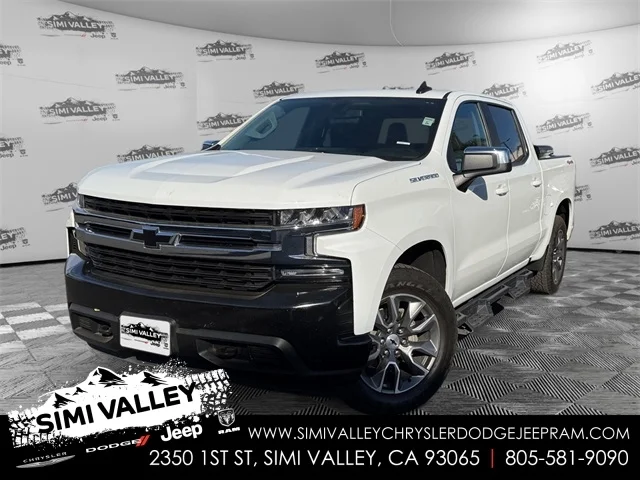
When you think of dependable full-size pickup trucks, the Chevrolet Silverado 1500 is always at the top of the list. Known for its solid build, refined ride, and impressive towing capacity, the 2020 Silverado 1500 LT delivers the power you need with the features you want.
Now available at Simi Valley Chrysler Dodge Jeep Ram, this well-maintained 2020 Silverado LT offers the perfect blend of rugged strength and everyday usability.
Strong V8 Performance for Serious Work
This 2020 Silverado LT comes equipped with a 5.3L EcoTec3 V8 engine, offering 355 horsepower and 383 lb-ft of torque. Paired with an 8-speed automatic transmission, it delivers the smooth, confident performance you expect from a modern pickup—on highways, job sites, and everywhere in between.
With a maximum towing capacity of up to 11,600 pounds when properly equipped, this Silverado is built to haul trailers, boats, work gear, and more. Its automatic locking rear differential and 4WD capability ensure it’s just as prepared for uneven job sites and off-road terrain.
Bold, Modern Styling
The 2020 Silverado 1500 LT stands out with its commanding front grille, sculpted lines, and chrome accents. This particular model is finished in Northsky Blue Metallic, giving it a clean, confident look that blends modern design with traditional truck toughness.
Exterior features include:
- LED headlamps and daytime running lights
- Chrome front and rear bumpers
- 17-inch Bright Silver painted aluminum wheels
- Heated power-adjustable side mirrors
- CornerStep rear bumper for easy bed access
- EZ-Lift and Lower tailgate
This Silverado looks as capable as it performs, and its durable exterior components are designed to handle the wear and tear of hard work.
Spacious and Tech-Savvy Interior
Inside, the 2020 Silverado LT offers a well-designed and comfortable cabin that works for both professional and personal use. With seating for up to six and smart storage solutions, it’s ideal for daily commuting or weekend adventures.
Interior highlights include:
- Premium cloth upholstery
- 10-way power-adjustable driver’s seat
- Heated front seats and steering wheel
- Dual-zone automatic climate control
- Rear-seat storage and under-seat compartments
- Folding center front seat with storage console
Whether you’re spending a long day on the road or just running errands, this Silverado keeps comfort a top priority.
Advanced Infotainment and Connectivity
Chevrolet’s Infotainment 3 system is intuitive and feature-rich, helping drivers stay connected and in control with ease. The system is displayed on an 8-inch touchscreen and includes:
- Apple CarPlay® and Android Auto™ integration
- Bluetooth® hands-free calling and audio streaming
- SiriusXM® Satellite Radio capability
- USB ports and auxiliary input
- 4G LTE Wi-Fi hotspot (subscription required)
Voice controls, steering wheel audio buttons, and an easy-to-navigate interface make this system a breeze to use whether you’re driving or parked.
Built for Versatility
With its Crew Cab configuration and 5’8″ short bed, this Silverado is designed to handle both passengers and payload. The rear seat area offers ample legroom, while the bed includes:
- 12 standard cargo tie-downs
- High-strength steel construction
- LED cargo bed lighting (available)
- Optional spray-in bedliner
From tools and supplies to sports gear or camping equipment, the Silverado 1500 LT adapts to whatever your day requires.
Safety Features That Inspire Confidence
The 2020 Silverado 1500 LT includes key safety technologies to protect you and your passengers:
- Rear Vision Camera
- Stabilitrak® with Trailer Sway Control
- Teen Driver Technology
- Tire Pressure Monitoring System
- Six standard airbags
Optional safety features on higher trims include Forward Collision Alert, Automatic Emergency Braking, Lane Keep Assist, and Rear Cross Traffic Alert, making the Silverado a smart and secure choice for families and fleet buyers alike.
Why Buy This Silverado from Simi Valley CDJR?
This 2020 Chevrolet Silverado 1500 LT, with just 37,878 miles (60,953 km), is in excellent condition and ready to deliver years of dependable service. At Simi Valley Chrysler Dodge Jeep Ram, we make your buying experience easy, transparent, and tailored to your needs.
Here’s what you can expect:
- Competitive and clear pricing
- Trade-in offers and financing options
- Full inspection and vehicle history report
- Friendly, knowledgeable staff
- A dealership trusted throughout Simi Valley, Thousand Oaks, Moorpark, and Ventura
Whether you’re upgrading your work truck or seeking a capable weekend warrior, our team is here to help you find the right fit.
Final Thoughts: A Well-Rounded, Hard-Working Truck
The 2020 Chevrolet Silverado 1500 LT is one of the most versatile and best-selling full-size pickups on the market for good reason. It combines reliable V8 power, practical technology, and day-to-day comfort into a truck that truly does it all.
If you’re looking for a pickup that can tow, haul, carry passengers, and offer modern creature comforts, this Silverado 1500 LT should be at the top of your list.
Schedule Your Test Drive Today
Ready to take this Silverado for a spin?
👉 Click here to view the full listing and schedule your test drive
📍 Visit Simi Valley Chrysler Dodge Jeep Ram today to get behind the wheel of a full-size truck that delivers on performance, reliability, and value.
2021 INFINITI Q503.0t SENSORY
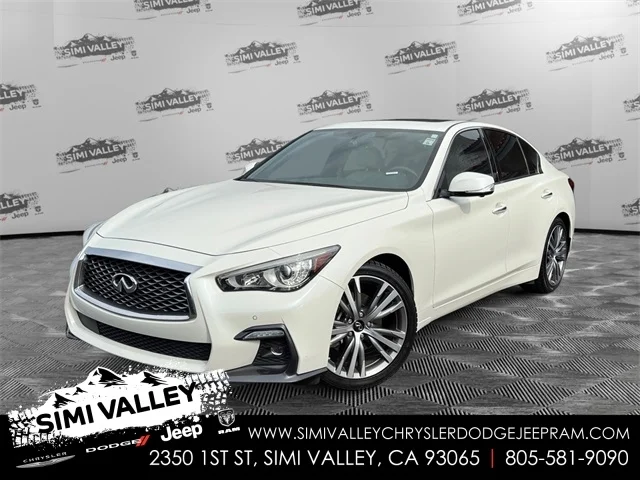
Now available at Simi Valley Chrysler Dodge Jeep Ram, this meticulously maintained pre-owned Q50 offers a luxurious driving experience at an incredible value.
Twin-Turbocharged Power at Its Core
The SENSORY trim adds Dynamic Digital Suspension, which automatically adjusts to changing road conditions to optimize comfort and control—perfect for both spirited driving and long highway cruising.
Sophisticated Exterior Design
The 2021 Q50 SENSORY exudes confidence with its sleek lines, athletic stance, and luxury detailing. This specific model comes finished in Graphite Shadow with 19-inch sport-design alloy wheels, accentuating its aggressive yet refined appearance.
Exterior highlights include:
- LED headlights with signature daytime running lights
- LED fog lights
- Power-folding heated side mirrors
- Chrome front grille and window surrounds
- Power moonroof
- Dual exhaust with polished finishers
From every angle, the Q50 blends elegance with attitude, making it a standout in the competitive luxury sedan segment.
Premium Interior with SENSORY-Level Comfort
Step inside the Q50 SENSORY and you’ll be greeted by leather-appointed sport seats, genuine wood trim, and an overall cabin experience that’s both modern and luxurious. Everything about the SENSORY trim is designed to elevate the everyday driving experience.
Interior features include:
- 16-speaker BOSE® Performance Series premium audio system
- Heated front seats and steering wheel
- Dual-zone automatic climate control
- Power tilt-and-telescoping steering column
- Power-adjustable driver and passenger seats with memory
- Ambient interior lighting
- Dual-screen INFINITI InTouch™ infotainment system
- Apple CarPlay® and Android Auto™
Whether you’re navigating rush-hour traffic or taking a weekend road trip, the Q50 SENSORY ensures you travel in comfort and style.
Smart Technology and Connectivity
The Q50 comes well-equipped with intuitive technology that keeps you connected and in control. The dual-display system (8-inch upper screen and 7-inch lower screen) offers easy access to navigation, entertainment, and vehicle controls.
Key tech features include:
- Bluetooth® hands-free phone and audio streaming
- SiriusXM® Satellite Radio
- Voice recognition
- INFINITI Drive Mode Selector
- Navigation with 3D building graphics and lane guidance
The 2021 INFINITI Q50 SENSORY ensures your drive is not only luxurious but also connected and convenient.
Safety Features and Driver Assistance
INFINITI prioritizes your peace of mind with a full suite of active safety and driver-assistance systems. The 2021 Q50 SENSORY includes:
- Forward Emergency Braking
- Predictive Forward Collision Warning
- Blind Spot Warning
- Lane Departure Warning and Prevention
- Around View Monitor with Moving Object Detection
- Front and Rear Sonar System
- Backup Collision Intervention
These features work together to provide advanced awareness and mitigation for common road hazards, giving you greater confidence behind the wheel.
Why Buy This Q50 SENSORY from Simi Valley CDJR?
This 2021 INFINITI Q50 3.0t SENSORY, with just 29,117 miles (46,866 km), is in excellent condition and loaded with premium features. At Simi Valley Chrysler Dodge Jeep Ram, we’re proud to offer well-maintained luxury vehicles at competitive prices.
When you buy from us, you’ll benefit from:
- Transparent pricing and vehicle history
- Certified pre-owned quality inspections
- Competitive financing and extended warranty options
- Trade-in support
- A trusted name serving Simi Valley, Thousand Oaks, and Ventura County
Our experienced team is here to make your purchase simple, seamless, and satisfying from start to finish.
Final Verdict: Style, Speed, and Sophistication
The 2021 INFINITI Q50 3.0t SENSORY is a compelling option for anyone seeking an upscale sport sedan that delivers strong performance and high-end comfort. With a powerful V6 engine, responsive suspension, and refined cabin, the Q50 is as rewarding to drive as it is to own.
If you’re looking for a luxury sedan that combines daily drivability with performance and tech, this INFINITI delivers on all fronts.
Schedule Your Test Drive Today
Don’t miss your chance to experience the 2021 Q50 SENSORY in person.
👉 Click here to view the full listing and schedule your test drive
📍 Visit Simi Valley Chrysler Dodge Jeep Ram to see why this luxury sedan is one of the most talked-about vehicles in its class.
2022 RAM ProMaster City Base For Sale

👉 Click here to view the full listing and schedule a test drive
When your business needs a reliable, efficient, and maneuverable work van, the 2022 RAM ProMaster City Base is the right tool for the job. This compact commercial van combines impressive cargo space, city-friendly dimensions, and strong fuel efficiency in a package that’s built to support your business every mile of the way.
Now available at Simi Valley Chrysler Dodge Jeep Ram, this low-mileage 2022 RAM ProMaster City offers exceptional utility for small business owners, contractors, delivery drivers, and anyone needing dependable commercial transportation.
Built for Productivity
The 2022 RAM ProMaster City Base is powered by a 2.4L Tigershark® MultiAir® 2 engine, generating 178 horsepower and 174 lb-ft of torque. It’s paired with a smooth 9-speed automatic transmission, delivering responsive acceleration and consistent performance whether you’re loaded with cargo or navigating busy city streets.
Thanks to its front-wheel-drive layout, the ProMaster City offers a lower load floor and enhanced traction in various conditions—especially useful for those making deliveries or operating in tight, urban environments.
Compact on the Outside, Spacious on the Inside
The real strength of the ProMaster City lies in its versatility. Although compact in size for easy maneuverability, this commercial van features a class-leading cargo capacity of 131.7 cubic feet and a payload capacity of up to 1,890 pounds.
Key cargo features include:
- 60/40 split rear doors that open up to 180 degrees
- Dual sliding side doors for easy side access
- Flat load floor for efficient cargo stacking
- Wide interior dimensions for fitting bulkier items
Whether you’re hauling tools, equipment, packages, or supplies, the ProMaster City adapts to the needs of a variety of industries—from electricians and florists to tech services and delivery operations.
Practical and Durable Interior
The cabin of the 2022 RAM ProMaster City Base is designed for functionality and durability. With easy-to-clean surfaces, plenty of storage areas, and supportive seating, it’s built for drivers who spend long hours behind the wheel.
Interior highlights include:
- Premium cloth front bucket seats
- Tilt and telescoping steering wheel
- Uconnect® 3 with 5-inch touchscreen
- Bluetooth® hands-free calling and audio streaming
- Integrated voice command
- Air conditioning
- 12V power outlet and USB input
This vehicle also includes a rear cargo partition for added safety and organization when transporting goods or equipment.
Fuel-Efficient and Cost-Conscious
If you’re running a fleet or relying on a single work vehicle for your small business, efficiency is key. The 2022 RAM ProMaster City delivers an impressive 21 MPG city and 28 MPG highway, making it one of the most fuel-efficient cargo vans in its class.
That means fewer stops at the pump, lower operating costs, and more time spent focused on your business instead of worrying about expenses.
Dependable Safety Features
The ProMaster City Base may be a work van, but that doesn’t mean it cuts corners on safety. Designed with the driver and cargo in mind, it offers essential safety features, including:
- Electronic Stability Control
- Traction Control
- Brake Assist
- Hill Start Assist
- ParkView® Rear Back-Up Camera
- Advanced multistage front airbags
- Side-curtain airbags and seat-mounted side airbags
With these systems in place, your deliveries and transport jobs will be safer, and you’ll drive with confidence on every route.
Why Buy This 2022 RAM ProMaster City from Simi Valley CDJR?
This 2022 RAM ProMaster City Base, with just 17,894 miles (28,794 km), is in excellent condition and ready for commercial use. At Simi Valley Chrysler Dodge Jeep Ram, we’re proud to support businesses throughout Southern California by offering high-quality commercial vehicles at competitive prices.
When you shop with us, you benefit from:
- Transparent pricing
- Vehicle history report and full inspection
- Flexible financing options tailored to business needs
- Trade-in services for your old van or vehicle
- Dedicated sales and service teams who understand commercial vehicles
Whether you’re upgrading your fleet or starting a new venture, our team will work with you to find the best solution for your needs.
Ideal for a Wide Range of Professions
The versatility and reliability of the 2022 ProMaster City make it the perfect choice for:
- Delivery and courier services
- Plumbing, HVAC, or electrical contractors
- Catering and food services
- Florists or event planners
- Mobile repair or service businesses
- IT and tech support companies
- Small retail inventory transport
If your work requires moving gear, tools, or merchandise safely and efficiently, this van delivers exactly what you need—without the bulk or fuel costs of a full-size cargo van.
Final Thoughts
The 2022 RAM ProMaster City Base offers a smart balance of functionality, economy, and capability. It’s an ideal vehicle for small businesses and entrepreneurs looking for a reliable cargo solution that can navigate urban areas, fit in tight parking spaces, and handle daily commercial demands.
From its efficient engine and maneuverable size to its generous cargo capacity and modern tech features, this ProMaster City is ready to go to work for you.
Schedule a Test Drive or Business Consultation
Ready to expand your business potential?
👉 Click here to view the full listing and schedule a test drive
📍 Visit Simi Valley Chrysler Dodge Jeep Ram and let our team help you drive away in the ideal commercial vehicle for your growing business.
2019 Mazda Mazda Miata RF Club For Sale

Few vehicles deliver the pure joy of driving like the Mazda MX-5 Miata, and the 2019 Miata RF Club takes that experience to a whole new level. With its sleek retractable fastback (RF) design, perfectly balanced handling, and precise manual transmission, this sports car captures the essence of driving pleasure.
Now available at Simi Valley Chrysler Dodge Jeep Ram, this low-mileage 2019 Mazda Miata RF Club offers the rare opportunity to own a precision-engineered roadster that blends classic sports car charm with modern technology and daily usability.
Retractable Fastback Style That Stands Out
The “RF” in Miata RF stands for Retractable Fastback—a power-folding hardtop that seamlessly transforms the car from coupe to open-air roadster in seconds. It provides added sound insulation and a more distinctive silhouette compared to the soft-top version, making it a standout on the road.
With its flowing body lines, aggressive front grille, and rear lip spoiler, the 2019 Miata RF Club is designed to turn heads. Features like LED headlights and taillights, 17-inch alloy wheels, and a gloss black front air dam and rear bumper skirt give the Club trim a sporty, track-ready appearance.
Responsive Power and Precision Handling
Under the hood, the 2019 Miata RF Club is powered by a 2.0L SKYACTIV®-G inline-4 engine, delivering 181 horsepower and 151 lb-ft of torque. Paired with a 6-speed manual transmission, this rear-wheel-drive roadster offers an incredibly connected driving experience.
With a curb weight under 2,500 pounds, the Miata doesn’t rely on brute force—it’s all about balance, agility, and feedback. You’ll feel every corner and curve, thanks to the finely tuned sports suspension, limited-slip differential, and Bilstein® shocks included in the Club trim.
This particular model may also feature the Brembo/BBS/Recaro Package, which adds high-performance Brembo front brakes, lightweight BBS wheels, and supportive Recaro sport seats for drivers who demand the best.
Refined, Driver-Focused Interior
Inside, the Miata RF Club focuses on the essentials: comfort, simplicity, and ergonomics. Every control is within reach, and the low seating position places you close to the road for that true sports car feel.
Interior highlights include:
- Cloth sport seats with red stitching
- Leather-wrapped steering wheel, shift knob, and handbrake
- Push-button start
- 6-speaker sound system with driver’s headrest speakers
- Mazda Connect™ infotainment system with 7-inch touchscreen
- Bluetooth® connectivity
- HD Radio™ and USB inputs
Though compact, the cabin is thoughtfully designed, offering surprising comfort for longer drives and daily use.
Advanced Safety and Technology Features
While the Miata is a purist’s sports car at heart, it still offers a host of modern driver-assist features to enhance confidence on the road.
Key safety technologies include:
- Blind Spot Monitoring with Rear Cross Traffic Alert
- Lane Departure Warning
- Smart City Brake Support (low-speed automatic emergency braking)
- Rearview camera
- Advanced front airbag system
These systems help make the 2019 Miata RF a great choice for anyone who wants driving fun without sacrificing safety.
Efficiency Meets Performance
With an EPA-estimated 26 MPG city and 34 MPG highway, the 2019 Miata RF is not just a weekend toy—it’s efficient enough for everyday driving. Whether you’re commuting to work or enjoying a scenic drive up the coast, the Miata delivers excellent fuel economy without compromising performance.
Why Buy from Simi Valley Chrysler Dodge Jeep Ram?
This specific 2019 Mazda MX-5 Miata RF Club, with low mileage and exceptional condition, is a rare find. At Simi Valley CDJR, we take pride in offering well-maintained, high-quality used vehicles at fair and transparent prices.
When you buy from us, you get:
- Certified pre-owned inspection and vehicle history report
- Competitive financing options
- Trade-in assistance
- Professional, low-pressure sales team
- A dealership known throughout Simi Valley, Thousand Oaks, Ventura, and surrounding areas for honest service
We make it easy to get behind the wheel of a vehicle you’ll love—without the hassle.
Final Verdict: Pure Driving Enjoyment in a Sleek Package
The 2019 Mazda MX-5 Miata RF Club is for drivers who still believe that a car should be fun to drive. It’s light, agile, beautifully styled, and equipped with just the right mix of technology and safety to make it a well-rounded, everyday-capable roadster.
If you want a car that puts a smile on your face every time you drive it, the Miata RF Club is the one to watch.
Schedule Your Test Drive Today
Ready to experience the thrill of open-air driving in one of the most beloved sports cars on the road?
Visit Simi Valley Chrysler Dodge Jeep Ram today or view our full listing online.
2022 Subaru Crosstrek Premium – For Sale
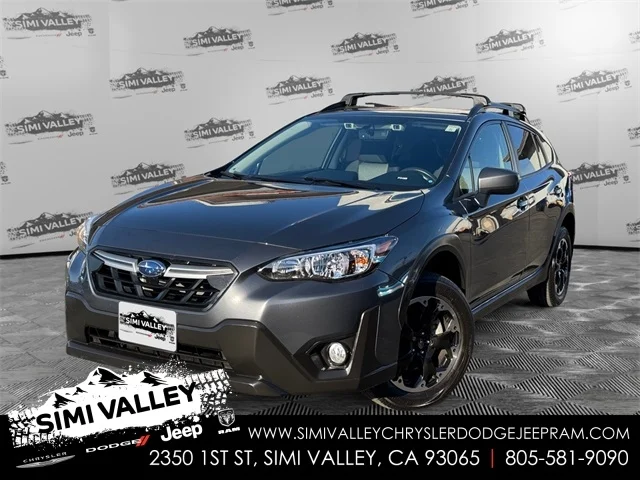
The 2022 Subaru Crosstrek Premium is built for drivers who want a compact SUV that’s just as ready for mountain trails as it is for daily commuting. With standard all-wheel drive, excellent fuel economy, rugged design, and advanced safety features, this versatile crossover is the perfect companion for both urban life and weekend getaways.
Now available for sale at Simi Valley Chrysler Dodge Jeep Ram, the Crosstrek Premium offers the practicality and confidence Subaru drivers love, along with the peace of mind that comes from owning a vehicle built for any condition.
Legendary Subaru Symmetrical All-Wheel Drive
At the heart of the 2022 Crosstrek Premium is Subaru’s standard Symmetrical All-Wheel Drive system, giving drivers enhanced control and traction on wet, snowy, or uneven roads. Whether you’re navigating city streets or exploring rural backroads, this AWD system helps keep you planted and confident behind the wheel.
Power comes from a 2.0L SUBARU BOXER® 4-cylinder engine, producing 152 horsepower and paired with a Lineartronic® CVT (Continuously Variable Transmission). This combination ensures a smooth ride with efficient fuel usage—up to 33 MPG highway.
Bold, Sporty Styling with Practical Details
The Crosstrek Premium brings bold styling to the compact SUV segment. Its rugged yet modern look is accentuated by 17-inch alloy wheels, body-color side mirrors, and protective black cladding around the wheel arches and bumpers.
This model also includes:
- Roof rails for added cargo flexibility
- Rear privacy glass
- Fog lights for better visibility
- Available heated exterior mirrors
With a high ground clearance of 8.7 inches, the 2022 Crosstrek Premium is built to handle rough roads and steep driveways with ease.
Comfortable and Functional Interior
Inside, the 2022 Subaru Crosstrek Premium features a thoughtfully designed interior that’s both functional and comfortable. The Premium trim offers upgraded cloth upholstery with orange contrast stitching, giving it a sporty and upscale feel.
Other interior highlights include:
- Heated front seats
- 6-way manually adjustable driver’s seat
- Leather-wrapped steering wheel
- SUBARU STARLINK® Multimedia system with 6.5-inch touchscreen
- Apple CarPlay® and Android Auto™ integration
- Bluetooth® hands-free connectivity
- Dual USB ports
- 60/40 split-folding rear seats
With up to 55.3 cubic feet of cargo space, the Crosstrek provides plenty of room for camping gear, groceries, sports equipment, or luggage.
Advanced Safety and Driver Assistance
Subaru has built a reputation for safety, and the 2022 Crosstrek Premium lives up to it. This model comes equipped with Subaru EyeSight® Driver Assist Technology, which includes:
- Pre-Collision Braking
- Adaptive Cruise Control
- Lane Keep Assist
- Lane Departure and Sway Warning
Other safety features include:
- Rear Vision Camera
- Brake Assist
- Vehicle Dynamics Control
- Traction Control System
- Advanced airbag system
Thanks to its excellent safety ratings, the 2022 Crosstrek gives you the peace of mind to drive with confidence, whether you’re on the freeway or in a remote trailhead parking lot.
Smooth Driving, Everyday Practicality
One of the standout features of the 2022 Subaru Crosstrek Premium is how easily it adapts to any lifestyle. It’s small enough for city driving and tight parking spaces, yet tough enough for weekend camping trips and long highway drives.
The ride is composed and quiet, the cabin materials feel durable and high quality, and the seating position provides great visibility. Add in Subaru’s proven reliability, and you have a compact SUV built for years of dependable service.
Why Buy from Simi Valley Chrysler Dodge Jeep Ram?
At Simi Valley CDJR, we’re proud to offer high-quality pre-owned vehicles at competitive prices. This 2022 Subaru Crosstrek Premium, with low mileage and exceptional condition, is the perfect choice for drivers seeking all-weather capability and everyday comfort.
When you shop with us, you can expect:
- Transparent pricing with no hidden fees
- Flexible financing options tailored to your budget
- Trade-in assistance for your current vehicle
- Thorough inspections and vehicle history reports
- A professional, no-pressure buying experience
We serve customers from Simi Valley, Thousand Oaks, Ventura, and surrounding areas, and we’re committed to helping you find the right vehicle for your lifestyle.
The Verdict: Smart, Capable, and Ready for Anything
The 2022 Subaru Crosstrek Premium is a compact SUV that punches above its weight. It offers advanced safety, reliable performance, and everyday utility—all wrapped in a stylish, rugged package. Whether you’re heading into the city, across the state, or up the mountains, this Crosstrek is designed to handle it all.
If you’re looking for a reliable, adventure-ready crossover that’s still practical for daily life, this Subaru deserves your attention.
Schedule Your Test Drive Today
Ready to see what the 2022 Subaru Crosstrek Premium can do for you?
Visit Simi Valley Chrysler Dodge Jeep Ram today to take it for a spin.
Click here to view the full listing and schedule your test drive
We look forward to helping you drive home in a vehicle that’s as dependable as it is exciting.
Connect with us


