




Car fires are more common than you might think. According to the National Fire Protection Association (NFPA), U.S. fire departments respond to 172,500 vehicle fires annually, resulting in hundreds of deaths, injuries, and billions in property damage. Whether caused by electrical malfunctions, fuel leaks, or overheated engines, a car fire can escalate in seconds. The difference between a minor incident and a catastrophic event often comes down to one critical tool: a car fire extinguisher.
In this guide, we’ll explore the best car fire extinguishers on Amazon, tailored for different vehicles and budgets. You’ll learn how to choose, install, and maintain an extinguisher, along with answers to common questions. Let’s dive in.
Why Every Car Needs a Fire Extinguisher
1. Speed Saves Lives
A small flame can engulf a car in under 60 seconds. Having an extinguisher within arm’s reach allows you to act before the fire spreads.
2. Legal and Practical Requirements
- Track Days/Rallies: Most motorsport events mandate fire extinguishers.
- Commercial Vehicles: Required for buses, trucks, and rideshares in many regions.
- EV Safety: Electric vehicles (EVs) pose unique fire risks due to lithium-ion batteries.
3. Protect Passengers and Property
Beyond saving lives, a quick response can prevent total vehicle loss and environmental harm from toxic fumes.
Types of Car Fire Extinguishers
Not all extinguishers work for every fire type. Here’s a breakdown:
1. ABC Dry Chemical
- Fights: Class A (paper, upholstery), B (gasoline, oil), and C (electrical) fires.
- Pros: Versatile, affordable, widely available.
- Cons: Leaves residue; not ideal for sensitive electronics.
2. CO2 (Carbon Dioxide)
- Fights: Class B and C fires.
- Pros: No residue; safe for electronics.
- Cons: Limited cooling effect; not for enclosed spaces.
3. Clean Agent (Halon Alternatives)
- Fights: Class A, B, and C fires.
- Pros: Non-toxic, residue-free, safe for EVs and luxury interiors.
- Cons: Expensive; requires professional recharge.
4. Foam (AFFF)
- Fights: Class A and B fires.
- Pros: Cools flames and prevents reignition.
- Cons: Bulky; messy cleanup.
5. Water Mist
- Fights: Class A and C fires.
- Pros: Eco-friendly, no chemicals.
- Cons: Useless on fuel or oil fires.
Top 7 Car Fire Extinguishers on Amazon
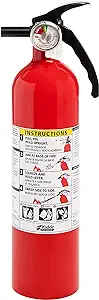
1. Kidde FA110 Multi-Purpose Fire Extinguisher
- Type: ABC Dry Chemical
- Size: 1.4 lbs
- Coverage: 5–10 seconds of discharge time.
- Key Features:
- UL-rated for automotive use.
- Includes a sturdy metal bracket for under-seat mounting.
- Easy-pull safety pin for quick access.
- Pros: Affordable (20–20–25), lightweight, and trusted by millions.
- Cons: Not rechargeable (replace after use).
- Best For: Daily drivers, budget-conscious buyers.
2. Element E50 Fire Extinguisher
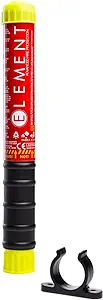
- Type: Solid-state chemical (Class A, B, C, K)
- Size: 5.3” x 1.5” (fits in a cup holder!)
- Coverage: 50+ seconds of continuous discharge.
- Key Features:
- No pressure gauge or expiration date—lasts up to 5 years.
- TSA-friendly for road trips and RVs.
- Zero cleanup; emits a potassium aerosol to smother flames.
- Pros: Ultra-compact, eco-friendly, reusable.
- Cons: Pricier (90–90–100) but cost-effective long-term.
- Best For: EVs, tech-packed cars, minimalist drivers.
3. Amerex B402TC 2.5 lb ABC Fire Extinguisher
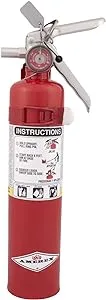
- Type: ABC Dry Chemical
- Size: 2.5 lbs
- Coverage: 8–12 seconds of discharge.
- Key Features:
- Professional-grade with a durable chrome-plated valve.
- Rechargeable by certified technicians.
- Includes a vehicle-specific mounting bracket.
- Pros: Reliable, long-lasting, UL-listed.
- Cons: Bulkier than compact models (50–50–60).
- Best For: Classic cars, high-performance vehicles.
4. First Alert Auto Fire Extinguisher
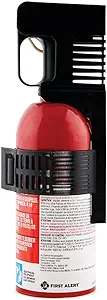
- Type: ABC Dry Chemical
- Size: 2 lbs
- Coverage: 6–9 seconds of discharge.
- Key Features:
- Temperature-resistant (–40°F to 120°F).
- Easy-mount bracket fits trunks, cargo areas, or under seats.
- Backed by a 12-year warranty.
- Pros: Budget-friendly (25–25–30), lightweight, corrosion-resistant.
- Cons: Plastic head less durable than metal.
- Best For: Families, rideshare drivers.
How to Choose the Best Car Fire Extinguisher
1. Size Matters
- Compact (1–2 lbs): Fits in glove boxes or cup holders (e.g., Element E50).
- Standard (2.5–5 lbs): Balance of power and portability (e.g., Amerex B402TC).
2. Mounting Options
- Brackets: Secure under seats, in trunks, or on roll bars.
- Magnetic Holders: Stick to metal surfaces (useful for trucks).
3. UL Rating
Ensure the extinguisher is UL-listed for automotive use. Avoid untested models.
4. Expiration and Maintenance
- Disposable: Replace every 10–12 years (e.g., Kidde FA110).
- Rechargeable: Service every 6–12 years (e.g., HalGuard HG100B).
5. Specialized Needs
- EVs: Opt for clean agents or AVD extinguishers.
- Vintage Cars: Prioritize corrosion-resistant models.
Installation and Maintenance Tips
1. Ideal Locations
- Under the driver’s seat for quick access.
- Passenger-side footwell or center console.
- Trunk wall (ensure it’s secured).
2. Avoid These Spots
- Near engines (heat reduces effectiveness).
- Loose in cargo areas (could become a projectile).
3. Monthly Checks
- Inspect the pressure gauge (needle should be in the green).
- Shake dry chemical extinguishers to prevent powder clumping.
FAQs
Q: Can I use a household fire extinguisher in my car?
A: Yes, but ensure it’s rated for Class B (flammable liquids) and Class C (electrical) fires.
Q: How do I dispose of an expired extinguisher?
A: Contact local fire departments or recycling centers—never toss in regular trash.
Q: Can a fire extinguisher explode in a hot car?
A: Modern extinguishers are tested to withstand temperatures up to 120°F. Store away from direct sunlight.
What to Avoid
- Water Extinguishers: Useless on fuel or electrical fires.
- Oversized Units: A 10-lb extinguisher is overkill for most cars.
- DIY Mounts: Use manufacturer-approved brackets to avoid accidents.
Final Thoughts
A car fire extinguisher isn’t just a “nice-to-have”—it’s a critical safety tool. For most drivers, the Kidde FA110 or First Alert Auto provides reliable, budget-friendly protection. EV owners should prioritize specialized options like the Stop Fire EV or HalGuard HG100B. Whichever you choose, practice using it and educate passengers on its location.
Act now—your next drive could depend on it. 🔥🛑
Connect with us


