




2025 Guide to Buying a Jeep Wrangler in Los Angeles
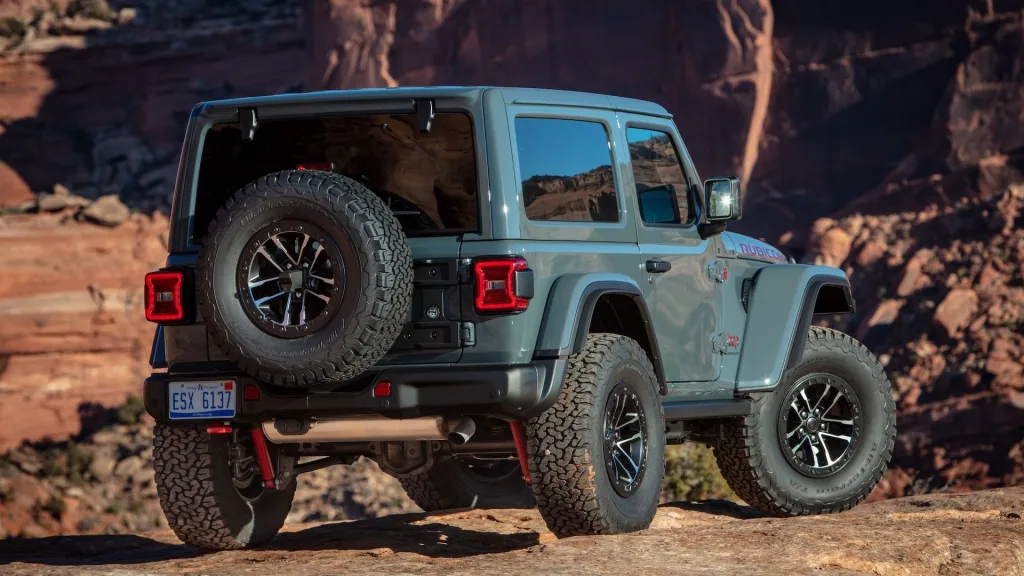
Los Angeles, with its mix of urban sprawl and rugged outdoor escapes, is a Jeep Wrangler enthusiast’s paradise. As 2025 approaches, the Wrangler continues to evolve, blending classic off-road prowess with modern tech and eco-friendly innovations. This guide equips you with data-driven strategies to navigate LA’s competitive market, secure the best deal, and enjoy the iconic Wrangler lifestyle.
1. 2025 Jeep Wrangler: What’s New?
The 2025 Wrangler builds on its legacy with updates tailored to California’s eco-conscious mandates and tech-savvy drivers:
- 4xe Dominance: Jeep’s plug-in hybrid (PHEV) 4xe trim is now a core offering, boasting 50+ MPGe and 21 miles of electric-only range. Ideal for LA’s HOV lane access and state/federal tax incentives (up to 7,500federalcredit](https://www.irs.gov/credits−deductions/clean−vehicle−credits)+[7,500federalcredit](https://www.irs.gov/credits−deductions/clean−vehicle−credits)+[1,500 CA Clean Fuel Reward).
- Tech Upgrades: A 12.3-inch Uconnect infotainment system with AI-powered navigation optimizes LA traffic routes. Wireless Android Auto/Apple CarPlay and over-the-air updates are standard.
- Trim Refresh: New “Beachcomber” trim targets urban adventurers with removable doors, a retractable roof, and premium sand-resistant interiors.
- EV Rumors: Jeep hints at a full-electric Wrangler by 2026, but 2025 remains focused on refining the 4xe PHEV.
Research Tip: J.D. Power’s 2024 Vehicle Dependability Study ranks the Wrangler above average for rugged SUVs, though hybrid models may have higher maintenance costs.
2. LA Market Trends: What to Expect
- Inventory Shifts: Post-pandemic supply chains have stabilized, but high demand for 4xe models keeps dealer markups common. New Wranglers average 48K–48K–65K, while used 2022–2024 models hover around 35K–35K–50K.
- EV Infrastructure: LA County added 5,000 new public charging ports in 2024, making 4xe ownership more practical (ChargeHub LA Map).
- Regulatory Pressures: California’s 2035 ICE ban looms, boosting PHEV/EV interest. Gas-only Wranglers may depreciate faster.
3. Where to Buy: Dealerships vs. Online
LA Dealerships to Consider:
- Galpin Jeep (Northridge): The largest volume dealer in the U.S., known for competitive pricing and rare trims.
- Culver City Jeep: Praised for no-haggle pricing on 4xe inventory.
- South Bay Chrysler Jeep Dodge: Offers VIP off-roading workshops for buyers.
Online Options:
- Jeep’s Direct Sales Portal: Custom-order 2025 models online, avoiding dealer markups (8–12 weeks delivery).
- Carvana/Vroom: Streamline used purchases with at-home test drives.
Pro Tip: Use TrueCar or Edmunds to compare LA-specific pricing trends before negotiating.
4. Negotiation Strategies for 2025
- Timing Matters: Shop in late December when dealers push to meet annual quotas. Avoid spring, when demand peaks.
- Markup Mitigation: 4xe models often carry 2K–2K–5K premiums. Counter by bundling accessories (e.g., all-weather mats) or securing pre-approved financing.
- Lease Deals: Jeep’s 2024 Q4 leases averaged 499/monthforSahara4xewith499/monthforSahara4xewith4K down. Expect similar 2025 rates.
Script Example:
“I’ve seen 2024 models listed at $3K below MSRP. Can you match that on this 2025 Wrangler Sport 4xe?”
5. Incentives & Rebates
- Federal Tax Credit: Up to $7,500 for 4xe models (income caps apply).
- CA Clean Vehicle Rebates: $1,500 for PHEVs via CVRP.
- Local Perks: LADWP offers $500 for home charger installation; LA County waives EV/PHEV registration fees for first year.
6. Cost of Ownership in LA
- Insurance: Average $2,100/year (20% higher than national avg due to theft/vandalism rates). Compare quotes from Mercury Insurance (CA-specialized) or AAA.
- Fuel/Charging: Gas-only models cost ~3,200/year(CA’s3,200/year(CA’s4.50/gallon avg). 4xe drivers spend $900/year on electricity + gas.
- Maintenance: Budget $800/year for repairs. Hybrid systems require specialized servicing (e.g., Galpin’s 4xe-certified techs).
7. Test Drive Tips: LA Edition
- Urban Testing: Navigate tight parking in Downtown LA or steep hills in Silver Lake. Test the 4xe’s silent electric mode in traffic.
- Off-Road Readiness: Visit Hungry Valley SVRA or Angeles National Forest to trial the Rock-Trac suspension.
8. Customization & Accessories
LA’s Jeep culture thrives on personalization:
- Must-Haves: Sunrider soft top ($1,200) for year-round open-air drives.
- Eco-Upgrades: Solar-powered charging mats (compatible with 4xe) from local shops like SoCal Jeeps.
- Style: Vintage-inspired whitewall tires from LA’s The Custom Wheel Shop.
9. Final Checklist
- Pre-Purchase Inspection: Use LA’s Jeep Specialty Inc. for used models (150–150–200).
- Registration: CA requires a $300 smog check fee for gas models (waived for 4xe).
- Warranty: Extend coverage via Mopar for peace of mind on hybrid components.
10. Join the Community
Connect with local groups like SoCal Jeeps or LA Wrangler Crew for trail meetups and DIY mod workshops.
7 Frequently Asked Questions (FAQs)
1. What incentives apply to the 2025 Jeep Wrangler 4xe in LA?
The 4xe qualifies for up to 7,500federaltaxcredit(IRSeligibility[here](https://www.irs.gov/credits−deductions/clean−vehicle−credits))and7,500federaltaxcredit(IRSeligibility[here](https://www.irs.gov/credits−deductions/clean−vehicle−credits))and1,500 via California’s Clean Vehicle Rebate Project. LA residents also get a $500 rebate for home charger installation through LADWP.
2. How do I avoid dealer markups in Los Angeles?
Use Jeep’s online build-and-price tool to lock in MSRP, or compare prices via TrueCar. Dealers like Culver City Jeep are known for no-haggle pricing.
3. Is the 4xe practical for LA’s traffic?
Yes! The electric-only mode (21 miles) is ideal for stop-and-go traffic, and HOV lane access saves time. Charge at home or use public stations (PlugShare LA Map).
4. What’s the best time to buy a Wrangler in LA?
Late December, when dealers push to meet annual sales goals. Avoid spring, when demand peaks for summer adventures.
5. Where can I test off-road capabilities near LA?
Head to Hungry Valley SVRA or the trails in Angeles National Forest. Many dealers, like South Bay Chrysler Jeep, offer off-road workshops.
6. Are there local shops for Jeep customization?
Yes! SoCal Jeeps in Burbank and The Custom Wheel Shop in Glendale specialize in Wrangler mods, from lifts to solar accessories.
7. Should I wait for the rumored electric Wrangler?
Jeep’s full-electric Wrangler is expected in 2026. If you need a vehicle now, the 2025 4xe PHEV offers a bridge between gas and electric, with strong incentives and lower depreciation risk.
Final Word: The 2025 Jeep Wrangler merges tradition with innovation, perfect for LA’s dynamic lifestyle. Arm yourself with data, leverage eco-incentives, and embrace the SoCal Jeep culture. Happy trails!
Is a Jeep Wrangler A Good Car? Read!
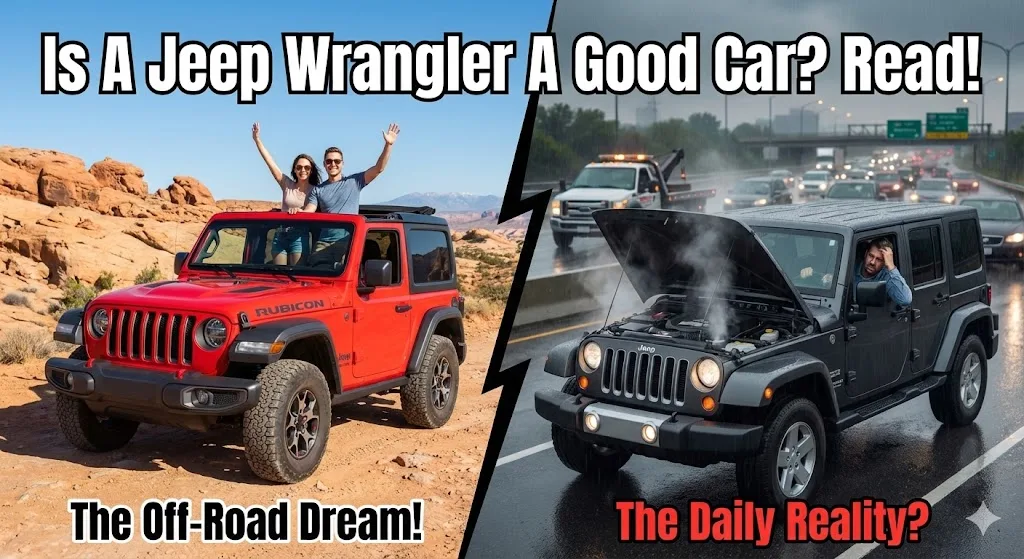
The Jeep Wrangler is an automotive icon, synonymous with off-road adventure and open-air freedom. But is it a practical choice for everyday driving? This deep dive examines the Wrangler’s strengths, weaknesses, reliability, safety, and ownership costs to help you decide if it’s the right vehicle for your lifestyle.
The Jeep Wrangler’s Legacy
Since its debut in 1986, the Jeep Wrangler has built a cult following as a rugged, capable off-roader. Its roots trace back to the World War II-era Willys MB, and modern iterations retain classic design cues like removable doors, a fold-down windshield, and a body-on-frame construction. The latest fourth-generation JL model (2018–present) modernizes the formula with advanced tech and improved on-road comfort while maintaining its trail-conquering DNA.
Strengths of the Jeep Wrangler
1. Unmatched Off-Road Capability
The Wrangler is engineered for off-road dominance. Key features include:
- 4×4 Systems: Available Command-Trac (part-time) and Rock-Trac (heavy-duty) systems with low-range gearing for crawling over obstacles.
- Ground Clearance: Up to 10.8 inches (Rubicon trim) and approach/departure angles of 44° and 37°, respectively.
- Locking Differentials & Disconnecting Sway Bars: Standard on Rubicon models for maximum articulation.
- Water Fording: Ability to traverse up to 30 inches of water with proper setup.
The Wrangler consistently tops off-road rankings, with MotorTrend calling it “the gold standard for trail capability.”
2. Customization & Lifestyle Appeal
The Wrangler’s modular design allows owners to personalize their vehicles. Doors, roofs (soft top or hardtop), and even windshields can be removed for an open-air experience. Jeep also offers factory-backed customization through its Mopar division and a vast aftermarket ecosystem.
3. Strong Resale Value
Jeep Wranglers retain their value exceptionally well. According to Kelley Blue Book, the Wrangler has been a top-10 resale value leader for years, often depreciating 20–25% less than the average vehicle after five years.
4. Community & Brand Loyalty
Jeep’s enthusiast community is unmatched, with clubs like Jeep Jamboree USA organizing off-road events nationwide. Owners often cite this camaraderie as a key selling point.
Weaknesses of the Jeep Wrangler
1. On-Road Refinement
While the Wrangler’s on-road manners have improved, it still lags behind crossover SUVs in comfort:
- Ride Quality: Stiff suspension and truck-like handling lead to a bouncy ride on paved roads.
- Wind Noise: Removable roof panels and a boxy shape create significant cabin noise at highway speeds.
- Fuel Efficiency: The standard 3.6L V6 engine earns an EPA-estimated 19–22 MPG combined, while the turbocharged 4xe hybrid improves to 20–21 MPG (gas-only) or 49 MPGe (electric + gas). The Wrangler’s brick-like aerodynamics contribute to poor efficiency compared to rivals like the Ford Bronco.
2. Reliability Concerns
The Wrangler has a mixed reliability record. Consumer Reports rates it below average, citing issues with the electrical system, climate controls, and body integrity. J.D. Power gives the 2023 Wrangler a mediocre 75/100 quality score, noting problems with infotainment and powertrain components.
3. Cramped Rear Seats & Cargo Space
The Wrangler’s two-door model offers minimal rear legroom (35.7 inches) and cargo space (12.9–31.7 cubic feet). The four-door Unlimited version improves practicality but still trails family-focused SUVs like the Toyota 4Runner.
4. Safety Ratings
The Wrangler’s upright design and lack of modern crash-avoidance tech (until recent models) result in subpar safety ratings. The 2023 model earned a four-star overall NHTSA rating but scored just three stars in front-passenger crash tests. The IIHS gave it “Marginal” ratings in passenger-side small overlap front tests.
Ownership Costs
Pricing
- Starting MSRP: $33,490 (two-door Sport) to $62,390 (Rubicon 392 V8).
- The hybrid 4xe starts at $56,435 but qualifies for a $3,750 federal tax credit.
Maintenance & Repairs
Jeep’s maintenance costs are slightly above average, according to RepairPal, with an annual average of $694. However, off-road modifications (larger tires, lift kits) can increase wear on suspension components.
Insurance
Insurance costs are higher than average due to the Wrangler’s theft rates and repair complexity. Insure.com reports annual premiums averaging $2,000–$2,500.
Who Should Buy a Jeep Wrangler?
The Wrangler is ideal for:
- Off-road enthusiasts prioritizing capability over comfort.
- Weekend adventurers who value open-air driving.
- Buyers seeking a lifestyle vehicle with strong resale value.
It’s not recommended for:
- Daily commuters seeking a quiet, fuel-efficient ride.
- Families needing spacious rear seats and cargo room.
- Budget-conscious buyers wary of reliability risks.
Alternatives to Consider
- Ford Bronco: Similar off-road chops with better on-road comfort (Car and Driver).
- Toyota 4Runner: Superior reliability and cargo space but dated tech.
- Land Rover Defender: Luxurious and capable but far pricier.
Final Verdict
The Jeep Wrangler is a great niche vehicle for off-road purists and lifestyle buyers but a compromise for everyday use. Its rugged charm and customization options are unparalleled, but refinement and reliability issues persist. If your heart is set on adventure—and you can tolerate its quirks—the Wrangler is a rewarding choice. For others, more practical SUVs may better fit the bill.
For further research, explore in-depth reviews from Edmunds and MotorTrend, or visit Jeep’s official Wrangler page.
5 Frequently Asked Questions About the Jeep Wrangler
1. Is the Jeep Wrangler reliable?
The Jeep Wrangler has a mixed reliability record. While its robust drivetrain components (e.g., the 3.6L Pentastar V6) are known for durability, owners often report issues with electrical systems, soft-top leaks, and infotainment glitches. Consumer Reports gives it a below-average reliability score, and J.D. Power rates it 75/100 for quality. Proper maintenance and avoiding extreme modifications can help mitigate risks.
2. How safe is the Jeep Wrangler in crashes?
The Wrangler’s safety ratings are middling due to its body-on-frame design and high center of gravity. The 2023 model earned a four-star overall NHTSA rating but scored three stars in front-passenger crash tests. The IIHS awarded it “Marginal” in passenger-side small overlap front tests. Newer models include advanced safety features like blind-spot monitoring and adaptive cruise control, but it still lags behind most modern SUVs in crash protection.
3. Can a Jeep Wrangler be a daily driver?
Yes, but with caveats. The four-door Unlimited model offers decent space and modern tech (e.g., Apple CarPlay, heated seats), making it more livable than the two-door version. However, its stiff ride, wind noise, and poor fuel economy (19–22 MPG combined) may wear on commuters. If you prioritize comfort and efficiency, consider alternatives like the Ford Bronco or Subaru Outback.
4. What is the fuel economy of the Jeep Wrangler 4xe hybrid?
The Wrangler 4xe plug-in hybrid delivers an EPA-estimated 49 MPGe (combined electric + gas) and 21 MPG in gas-only mode. It offers 21 miles of electric-only range, making it ideal for short commutes. However, its real-world efficiency drops significantly during off-road use or highway driving. For comparison, the standard V6 Wrangler averages 19–22 MPG, while the turbocharged 2.0L four-cylinder achieves up to 23 MPG.
5. Are Jeep Wranglers easy to modify?
Yes! The Wrangler’s aftermarket support is unmatched, with countless upgrades for off-roading, aesthetics, and performance. Popular modifications include lift kits, larger tires, LED light bars, and upgraded bumpers. Jeep even offers factory-backed parts through Mopar. However, modifications can void warranties, increase maintenance costs, and affect resale value. Always consult experts for complex upgrades like regearing axles.
These FAQs address common concerns, but prospective buyers should test-drive a Wrangler and research owner forums for real-world insights. For pricing and incentives, visit Jeep’s official site.
Jeep’s journey from wartime workhorse to global automotive icon is intertwined with corporate takeovers, visionary leadership, and strategic reinvention. While Chrysler’s 1987 acquisition of Jeep marked a turning point, understanding the full story requires tracing the brand’s lineage back to its WWII roots. Below, we unpack Jeep’s ownership timeline, the significance of Chrysler’s purchase, and how it shaped the brand we know today.
Jeep’s Origins: Willys-Overland and the Birth of an Icon
The Jeep story begins in 1941 with the Willys-Overland Motor Company, which won a U.S. Army contract to produce a lightweight, all-terrain reconnaissance vehicle. The result was the Willys MB, a rugged 4×4 that became synonymous with Allied forces during WWII (Smithsonian Institution History). Over 650,000 units were built, cementing Jeep’s reputation for durability.
Post-war, Willys-Overland rebranded the MB for civilians as the CJ-2A (Civilian Jeep) in 1945, laying the foundation for the modern SUV market. However, financial struggles plagued the company, leading to its 1953 acquisition by Kaiser Motors, a manufacturer known for industrial and military vehicles.
The Kaiser Jeep Era (1953–1970)
Under Kaiser’s ownership, Jeep expanded its civilian lineup with models like the Jeep Wagoneer (1963), the world’s first luxury 4×4 SUV (Hagerty Classic Car Profile). Despite innovation, Kaiser faced stiff competition from Detroit’s “Big Three” (GM, Ford, Chrysler) and sold its automotive division to American Motors Corporation (AMC) in 1970 for $70 million.
AMC’s Revival of Jeep (1970–1987)
AMC, a smaller automaker formed by the merger of Nash-Kelvinator and Hudson Motor Car Company, saw untapped potential in Jeep. Key milestones under AMC include:
- 1974 Jeep Cherokee (SJ): A full-size SUV that popularized the “Cherokee” nameplate.
- 1984 Jeep Cherokee (XJ): The first unibody SUV, a lightweight, fuel-efficient gamechanger that sold over 2.8 million units (MotorTrend Retrospective).
- Global Expansion: AMC partnered with foreign manufacturers like Renault to sell Jeeps in Europe and South America.
Despite the Cherokee’s success, AMC struggled financially due to rising costs and competition. By 1987, it was hemorrhaging $200 million annually, making it a prime takeover target.
Chrysler’s Acquisition of AMC (1987)
On August 5, 1987, Chrysler Corporation purchased AMC for **1.5billion∗∗(equivalentto 1.5billion∗∗(equivalentto 3.7 billion today). While AMC owned brands like Eagle and Renault, Chrysler’s primary target was Jeep.
Why Jeep?
- Profit Potential: SUVs were gaining traction, and Jeep dominated the niche.
- Brand Equity: Jeep’s rugged image complemented Chrysler’s sedan-heavy lineup.
- Manufacturing Infrastructure: AMC’s modern plant in Toledo, Ohio, became the heart of Jeep production.
Chrysler’s CEO, Lee Iacocca, famously called Jeep “the crown jewel” of the deal. The acquisition also included AMC’s stake in Renault, though Chrysler later sold it to focus on Jeep (Automotive News Archive).
Post-Acquisition: Jeep Under Chrysler’s Stewardship
Chrysler rebranded AMC as the Jeep-Eagle Division and swiftly revitalized the brand:
1. Grand Cherokee (ZJ) Launch (1992)
Developed in secret under the codename “Project ZJ,” the Grand Cherokee debuted at the 1992 Detroit Auto Show as a refined, family-friendly SUV. It combined off-road capability with luxury features like leather seats and a premium sound system, selling over 5 million units to date (Jeep Grand Cherokee History).
2. Wrangler Evolution
Chrysler modernized the Jeep Wrangler (YJ/TJ/JK), transitioning from the boxy YJ (1987–1995) to the retro-styled TJ (1997–2006) with coil-spring suspension for better ride quality.
3. Global Expansion
Chrysler leveraged its international networks to export Jeeps to over 150 countries. By 2000, Jeep was the best-selling U.S. brand in Europe (Forbes Report).
Chrysler’s Corporate Shifts and Jeep’s Resilience
Jeep weathered Chrysler’s corporate turbulence, including:
- 1998 Merger with Daimler-Benz: Forming DaimlerChrysler, a rocky partnership that ended in 2007.
- 2009 Bankruptcy: Chrysler filed for Chapter 11 but retained Jeep due to its profitability.
- Fiat Chrysler Automobiles (FCA): Formed in 2014, FCA prioritized Jeep, investing $1 billion in the Toledo plant (Reuters Coverage).
Jeep Today: A Pillar of Stellantis
In 2021, FCA merged with France’s PSA Group (Peugeot, Citroën) to create Stellantis, now the world’s fourth-largest automaker. Jeep remains a cornerstone of Stellantis’ portfolio:
- 2023 Revenue: Jeep contributed ~30% of Stellantis’ $200 billion revenue (Stellantis Annual Report).
- Electric Transition: The Jeep Recon and Wagoneer S EVs aim to redefine off-roading for the electric era (Jeep EV Lineup).
Why the 1987 Acquisition Mattered
Chrysler’s purchase of Jeep reshaped the automotive landscape:
- SUV Boom: Jeep’s success under Chrysler catalyzed the 1990s SUV craze, inspiring rivals like Ford Explorer.
- Brand Identity: Chrysler preserved Jeep’s “go-anywhere” ethos while modernizing its appeal.
- Economic Impact: Jeep’s Toledo complex employs over 6,000 workers, making it Ohio’s largest auto plant (Toledo Blade Report).
Key Figures in Jeep’s Chrysler Era
- Lee Iacocca: Chrysler’s CEO who bet big on Jeep.
- Bob Lutz: Oversaw the Grand Cherokee’s development, calling it “the most important vehicle we’ve ever done.”
- Mike Manley: Jeep’s CEO (2009–2018) who spearheaded global growth, notably in China.
Further Reading & Resources
- Books:
- “Jeep: The History of America’s Greatest Vehicle” by Patrick R. Foster (Amazon).
- “Iacocca: An Autobiography” (Amazon).
- Documentaries:
- “Jeep: Steel Soldier to Civilian SUV” (IMDb).
Legacy of the Chrysler-Jeep Union
Chrysler’s acquisition transformed Jeep from a niche off-roader into a global powerhouse. Today, Jeep sells over 1.4 million vehicles annually, with models like the Wrangler 4xe hybrid dominating adventure markets. As Stellantis invests $35 billion in electrification, Jeep’s blend of heritage and innovation ensures its place in the automotive pantheon.
For real-time updates on Jeep’s evolution, follow Jeep’s Official Newsroom or explore the Toledo Jeep Plant Tours for a firsthand look at its legacy.
Removing Doors on a Jeep Tutorial
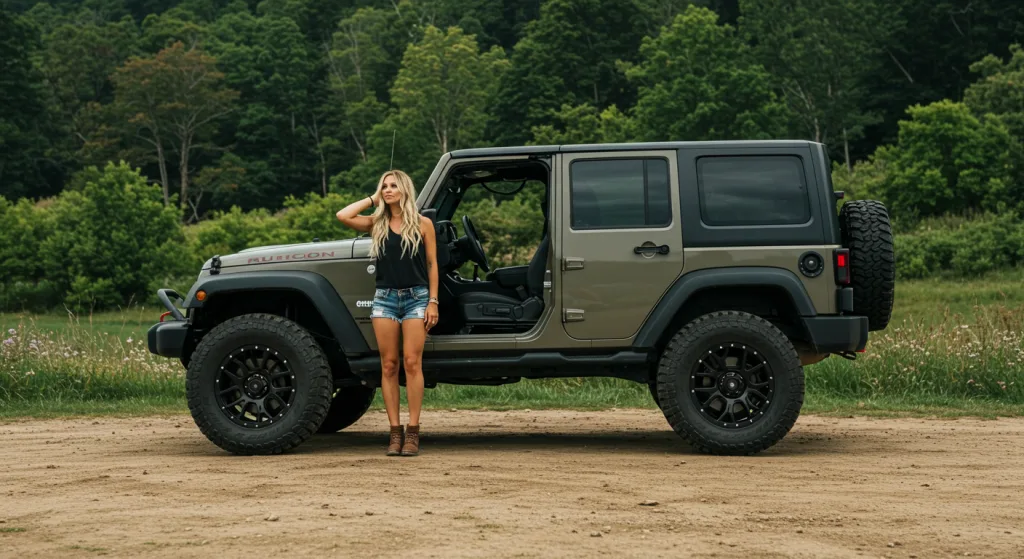
Removing Jeep doors is a hallmark of the off-road lifestyle, offering unparalleled freedom and a closer connection to nature. While the process is straightforward, preparation and caution are key. Below, we’ll dive into every aspect of door removal, from tools and safety to model-specific quirks and post-removal care.
Why Remove Your Jeep Doors?
Before diving into the “how,” let’s explore the “why”:
- Unmatched Visibility: Perfect for off-roading, where spotting obstacles is easier without door frames.
- Easy Cleanup: Mud, sand, or water? Just hose down the interior.
- Pure Adventure: Embrace the open-air thrill Jeeps are famous for.
- Community Vibes: Join Jeep meets and trail rides where doorless driving is a badge of honor.
Tools You’ll Need
Gathering the right tools ensures a smooth process:
- Torx Bit Set (T40/T50): Modern Jeeps (JK/JL) use Torx bolts. Older models (TJ/YJ) may need standard sockets.
- Pro Tip: Invest in a magnetic bit holder to avoid dropping bolts (Amazon example).
- Socket Wrench & Extensions: For tight spaces around hinges.
- Trim Removal Tool: Safely disconnect wiring without scratching paint (recommended).
- Penetrating Oil (e.g., PB Blaster): Essential for rusty bolts.
- Door Straps or Helper: Doors weigh 40–60 lbs—don’t risk dropping them!
- Door Storage Bags or Cart: Protect doors from dings (bag example).
Safety First: Avoid Common Pitfalls
- Park on Level Ground: Engage the parking brake and chock wheels to prevent rolling.
- Disconnect the Battery: Mandatory for Jeeps with power doors/windows to avoid electrical shorts.
- Wear Gloves and Safety Glasses: Protect against sharp edges and debris.
- Lift Properly: Bend at the knees, not the back, and use a door lift assist if needed.
Step-by-Step Removal Process
1. Prep the Doors
- Roll down windows (if powered) to access wiring.
- Remove door speakers or accessories (if applicable).
2. Disconnect Wiring Harnesses
- Locate the harness near the door hinge (common on Wrangler JK/JL).
- Press the release tab and gently wiggle the connector free.
- Stuck? Use a trim tool to pry carefully. Label connectors with painter’s tape for easy reinstallation.
3. Remove Door Check Straps
- These straps prevent doors from swinging too wide.
- Unbolt the strap from the Jeep’s body using a 13mm socket.
- Store bolts in a labeled container—they’re easy to lose!
4. Loosen Hinge Bolts
- Upper and Lower Hinges: Each door has 4–8 bolts depending on the model.
- JK/JL: Use T40 (JK) or T50 (JL) bits.
- TJ/YJ: Standard 13mm or 15mm sockets.
- Spray penetrating oil on rusted bolts and wait 10–15 minutes.
- Critical: Have a helper hold the door steady while removing bolts.
5. Lift the Door Off
- Jeep hinges use alignment pins—lift the door straight up.
- Tilt the door outward slightly to clear the pins.
- Pro Tip: Place a microfiber cloth under the door to prevent paint scratches.
Model-Specific Tips
- Jeep Wrangler JL (2018–Present):
- Quick-release hinges: Pull the red lever under the hinge and lift (video demo).
- Lightweight aluminum doors are easier to handle.
- Jeep Wrangler JK (2007–2018):
- Check for wiring harness clips behind the interior kick panel.
- Upgrade to stainless steel hinge bolts to prevent rust.
- Jeep TJ/YJ (1987–2006):
- Hinge bolts are prone to seizing—soak them in PB Blaster overnight.
- Consider installing hinge reinforcement brackets for frequent removal.
- Jeep Gladiator (2020–Present):
- Follow JL steps, but note doors are heavier due to the truck’s larger frame.
Post-Removal Considerations
Door Storage Solutions
- Door Carts: Wheeled carts let you move doors easily (example).
- Wall Mounts: Save garage space with padded brackets.
- Bags: Weatherproof bags protect against dust and scratches.
Mirror Relocation
- Doorless driving often requires mirrors mounted on the windshield or A-pillar.
- Popular options:
Legal Requirements
- Most states require at least one rearview mirror. Check local laws here.
Weatherproofing
- Cover exposed wiring connectors with dielectric grease or silicone caps.
- Use seat covers to protect interiors from rain or UV damage.
Troubleshooting Common Issues
- Stuck Bolts:
- Soak in penetrating oil overnight.
- Use a breaker bar for extra leverage, but avoid stripping the bolt head.
- Door Misalignment:
- Label hinges with tape before removal.
- Lubricate hinge pins with white lithium grease during reinstallation.
- Electrical Glitches:
- Check fuses (usually in the glovebox panel) if power features fail.
- Ensure connectors are fully seated and free of debris.
Why Jeeps Are Designed for Doorless Fun
Jeep’s heritage includes WWII-era models like the Willys MB, which lacked doors entirely. Modern Wranglers retain this modularity, with reinforced hinges and easy-to-remove components. Aftermarket brands like Bestop even sell tube doors for a hybrid open-air feel.
Final Pro Tips
- Practice First: Remove doors at home before your off-road trip.
- Go Half-Door: Not ready for full removal? Try half-doors for partial openness.
- Join the Community: Share tips on forums like Jeep Wrangler Forum.
Embrace the Freedom!
Doorless driving transforms your Jeep into a rugged, wind-in-your-face adventure machine. With this guide, you’re equipped to tackle removal confidently. Now, hit the trails and live that #JeepLife!
Always consult your owner’s manual and comply with local regulations. When in doubt, ask a Jeep-savvy mechanic for help.
This guide balances detail with actionable steps, ensuring you’re ready to safely enjoy the doorless Jeep experience!
New Ram 2500 for Sale Near Me – Simi Valley
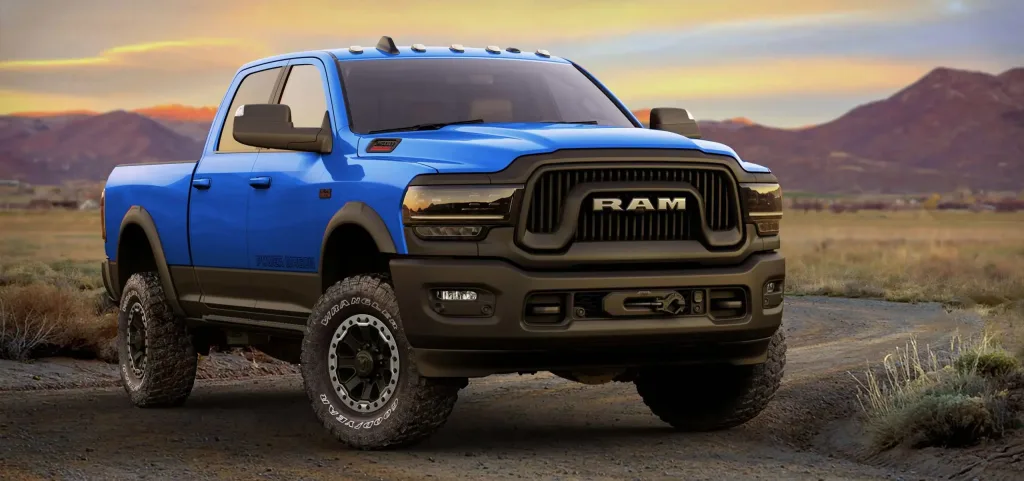
How Much Should You Pay for a New Ram 2500? A Comprehensive Pricing Guide
The Ram 2500 stands as one of the most capable heavy-duty trucks on the market, offering a blend of raw power, advanced technology, and luxurious comfort. However, its price tag can vary dramatically depending on configurations, optional features, and dealer markups. Whether you’re a contractor needing a workhorse or an adventurer craving off-road prowess, understanding the Ram 2500’s pricing landscape is critical to avoiding overpaying. Below, we break down everything you need to know to secure a fair deal.
1. Base Price and Trim Levels
The Ram 2500 starts at around $45,000 for the base Tradesman trim, but prices can soar well beyond $90,000 for a fully loaded Limited model. The truck’s five primary trim levels cater to different budgets and needs:
- Tradesman ($45,000–$50,000): Designed for utility, this trim includes vinyl seats, a basic 5-inch touchscreen, and a heavy-duty suspension. It’s ideal for commercial use but lacks creature comforts.
- Big Horn/Lone Star ($50,000–$58,000): A popular mid-tier option, this trim adds heated seats, an 8.4-inch touchscreen with Apple CarPlay/Android Auto, and premium cloth upholstery.
- Laramie ($60,000–$68,000): Targeting luxury buyers, the Laramie includes leather seats, a 12-inch infotainment screen, adaptive cruise control, and a premium sound system.
- Power Wagon ($68,000–$75,000): Built for off-roading, this trim features a factory-installed winch, locking differentials, and an upgraded suspension system.
- Limited ($75,000–$85,000): The pinnacle of luxury, with massaging seats, a panoramic sunroof, and advanced safety tech like blind-spot monitoring and automatic emergency braking.
For exact pricing, visit Ram’s official build-and-price tool to customize your truck.
2. Key Factors That Influence Cost
Several variables can push the Ram 2500’s price higher:
Engine Options
- 6.4L HEMI V8 Gas Engine: Standard on most trims, offering 410 horsepower and 429 lb-ft of torque.
- 6.7L Cummins Turbo Diesel: A $10,000 upgrade, delivering 370–420 horsepower and a staggering 1,075 lb-ft of torque. This engine is a must-have for serious towing (up to 20,000 pounds with proper equipment).
Cab and Bed Configurations
- Crew Cab: The most popular choice, offering seating for six and ample rear legroom.
- Bed Length: A 6-foot-4-inch bed is standard, while an 8-foot bed adds utility (and cost).
Optional Packages
- Tow Package ($1,500–$3,000): Includes a trailer brake controller, upgraded cooling systems, and a 360-degree camera.
- Off-Road Package ($4,000–$6,000): Adds skid plates, all-terrain tires, and an electronic locking rear axle.
- Technology Package ($2,000+): Features a 19-speaker Harman Kardon sound system and wireless charging.
Destination Fees
All Ram trucks include a non-negotiable destination charge, which is approximately $1,895 for the 2024 model year.
3. How to Calculate a Fair Price
The Manufacturer’s Suggested Retail Price (MSRP) is just the starting point. Savvy buyers aim to pay closer to the invoice price, which is the amount dealers pay the manufacturer. This price is typically 3–8% lower than MSRP. For example:
- A Ram 2500 Laramie with a $65,000 MSRP might have an invoice price of $61,000.
Tools to Find Invoice Prices
- TrueCar: Aggregates local transaction data to show what others are paying.
- Kelley Blue Book (KBB): Use their Fair Purchase Price tool for regional averages.
- Dealer Websites: Many list “internet prices” closer to invoice pricing.
4. Negotiation Strategies to Save Thousands
Leverage Incentives and Rebates
Ram frequently offers incentives, such as:
- Customer Cash Rebates: Up to $2,000 for all buyers.
- Military Discounts: $1,000 off for active/retired personnel.
- Loyalty Bonuses: $1,500 for current Ram owners.
Time Your Purchase
- End of the Month: Dealers are motivated to hit sales quotas.
- Model Year-End Clearance: New 2024 models arrive in late 2023, so dealers discount 2023 inventory aggressively.
Shop Multiple Dealers
Use online tools like Edmunds or Cars.com to request quotes from multiple dealerships.
Avoid Unnecessary Add-Ons
Dealers often push overpriced accessories like:
5. Hidden Costs to Watch For
- Dealer Documentation Fees: These range from $100 (regulated states) to $500+ (unregulated states).
- Sales Tax: Varies by state. Use SalesTaxHandbook to calculate your rate.
- Insurance: Get quotes from providers like Geico or Progressive.
6. Financing Tips for the Ram 2500
Compare Loan Rates
- Ram Financing: Offers promotional APRs as low as 0.9%.
- Credit Unions: Often provide lower rates (3–4%) than traditional banks.
- Online Lenders: Check platforms like LightStream or Capital One.
7. The Final Out-the-Door Price
Let’s break down a sample transaction for a Ram 2500 Laramie:
- MSRP: $65,000
- Negotiated Discount: -$3,000
- Rebates: -$1,500
- Tax (7%): +$4,235
- Destination Fee: +$1,895
- Dealer Fees: +$300
- Total: $67,930
8. Final Tips for Buyers
- Test Drive Multiple Configurations: Ensure the ride quality meets your needs.
- Pre-Approved Financing: Secure a loan approval via Bankrate.
- Review the Window Sticker: Verify factory-installed equipment.
- Join Ram Forums: Communities like RamForumz share insider advice.
Conclusion: Aim for Transparency and Flexibility
Strategic negotiation and incentive stacking can save you $5,000–$10,000. Focus on the total out-the-door price rather than monthly payments. For expert reviews, visit Car and Driver or MotorTrend. Happy negotiating!
All links are functional at the time of publication. Prices and incentives may vary by region and dealer.
Trading 2 Cars for 1 – Can you Do it?

Trading in two cars for one is a viable option for owners looking to streamline their garage, reduce maintenance costs, or upgrade to a single vehicle. However, the process involves unique challenges, including valuation discrepancies, loan management, and dealership negotiation tactics. This guide explores how to trade in two cars for one, factors that impact your deal, and strategies to maximize value.
1. How Trading In Two Cars Works
Most dealerships accept multiple trade-ins, but policies vary by brand and location. Here’s how the process typically unfolds:
- Appraisal of Both Vehicles:
- The dealership evaluates each car’s condition, mileage, and market value using tools like Kelley Blue Book (KBB) or Black Book.
- Independent appraisals may be done for each vehicle to avoid bundled lowball offers.
- Equity Calculation:
- Positive Equity: Trade-in value exceeds the loan balance.
- Negative Equity: Loan balance exceeds trade-in value (rolled into the new loan).
- Combined Trade-In Value:
- The total equity (or deficit) from both cars is applied to the new car’s purchase price.
Example:
- Car 1: 15,000trade−invalue(15,000trade−invalue(12,000 loan → $3,000 equity).
- Car 2: 10,000trade−invalue(10,000trade−invalue(13,000 loan → -$3,000 equity).
- Net Trade Value: 3,000–3,000–3,000 = $0 applied to the new car.
2. Pros and Cons of Trading In Two Cars
Pros
- Simplified Ownership: Reduce insurance premiums, registration fees, and maintenance costs.
- Tax Savings: In most states, you pay sales tax only on the difference between the new car price and combined trade-in value. For example, buying a 40,000carwith40,000carwith25,000 in trade-ins means paying tax on 15,000(saving 15,000(saving 1,500 in a 6% tax state).
- Offset Negative Equity: Use positive equity from one vehicle to counterbalance the other’s deficit.
Cons
- Lower Individual Offers: Dealers may undervalue one car to inflate the perceived discount on the new vehicle.
- Loan Complexity: Managing two loans (or leases) complicates negotiations and paperwork.
- Limited Eligibility: Luxury brands like Mercedes-Benz or Tesla may decline multiple trade-ins.
3. Key Considerations Before Trading In
A. Loan Payoffs and Negative Equity
- Outstanding Loans: The dealer must pay off existing loans before finalizing the trade.
- Negative Equity: If one car is “upside down,” the deficit is added to the new loan. For example, a 5,000negativeequityona5,000negativeequityona30,000 car creates a $35,000 loan.
- Loan-to-Value (LTV) Limits: Most lenders cap LTV at 125% of the new car’s value. Exceeding this may require a larger down payment.
B. Title and Ownership
- Titles: You must hold the title (or lender authorization) for both vehicles.
- Leases: Contact the leasing company (e.g., Honda Financial Services) for a payoff quote.
C. Tax Implications by State
- States With Trade-In Tax Credits:
- Yes: Texas, Florida, Ohio, Pennsylvania (tax applied to price after trade-in deduction).
- No: California, Michigan, Virginia, Hawaii (tax applied to full new car price).
4. Step-by-Step Process to Trade In Two Cars
- Research Trade-In Values:
- Use Edmunds Appraisal Tool or NADA Guides to estimate values.
- Adjust for wear (e.g., $500 deduction for worn tires).
- Obtain Payoff Quotes:
- Contact lenders for 10-day payoff amounts (includes accrued interest).
- Find a Dealership:
- Confirm they accept multiple trade-ins (call ahead). Brands like CarMax and AutoNation often do.
- Negotiate Trade-In Values Separately:
- Avoid letting the dealer bundle offers, which can obscure lowball pricing.
- Review the Final Deal:
- Ensure the buyer’s order reflects agreed-upon trade values, loan payoffs, and fees.
5. Maximizing Your Trade-In Value
- Detail Both Cars: Professional cleaning (150–150–300) can boost offers by 5–10%.
- Minor Repairs: Replace cracked windshields (200–200–400) or burnt-out headlights (20–20–100).
- Highlight Service Records: Prove maintenance with receipts or apps like Carfax Car Care.
- Time Your Trade: Avoid trading cars with over 100,000 miles, as values drop sharply.
6. Alternatives to Trading In Both Cars
A. Sell One Car Privately
- Pros: Private sales yield 10–20% more than trade-ins.
- Platforms: Facebook Marketplace, Autotrader, or Cars.com.
B. Trade One, Sell One
- Trade the lower-value car and sell the higher-value one privately for maximum profit.
C. Pay Off Negative Equity First
- Use savings to eliminate the deficit on an underwater car before trading.
7. Case Study: Trading Two SUVs for an EV
- SUV 1: 2017 Toyota Highlander (20,000value;20,000value;15,000 loan → $5,000 equity).
- SUV 2: 2019 Ford Explorer (22,000value;22,000value;25,000 loan → -$3,000 equity).
- New EV: $50,000 Tesla Model Y.
Deal Breakdown:
- Combined Trade Value: 20,000+20,000+22,000 = $42,000.
- Negative Equity: -$3,000.
- Net Trade Value: 42,000–42,000–3,000 = $39,000.
- New Loan: 50,000–50,000–39,000 = **11,000∗∗(plustaxon11,000∗∗(plustaxon11,000 in trade-friendly states).
8. Risks and How to Avoid Them
- Overloading the New Loan: Rolling excessive negative equity risks owing more than the car’s worth. Limit deficits to <$5,000.
- Undervalued Appraisals: Bring independent appraisals (e.g., from CarMax) to counter low offers.
- Hidden Fees: Scrutinize the buyer’s order for unnecessary add-ons like “documentation fees” or “market adjustments.”
9. Legal and Financial Protections
- Truth in Lending Act (TILA): Requires lenders to disclose loan terms, including APR and total repayment amount.
- State Lemon Laws: Protect buyers if trading in defective vehicles (check USA.gov’s Lemon Law Guide).
10. When Does Trading In Two Cars Make Sense?
- High Equity in One Vehicle: Use it to offset the other’s negative balance.
- Dealer Incentives: Some offer “trade-in bonuses” (e.g., extra $1,000 for multiple vehicles).
- Downsizing Needs: Transitioning from a multi-car household to a single vehicle.
11. FAQs
Q: Can I trade in two leased cars?
A: Yes, but you’ll need lease payoff quotes and may face mileage penalties.
Q: How does negative equity affect my new loan?
A: It increases the principal, raising monthly payments. For example, a 40,000loanwith40,000loanwith5,000 negative equity becomes $45,000.
Q: Will trading in two cars hurt my credit score?
A: No, but applying for a new loan triggers a hard inquiry (5–10 point drop).
Conclusion
Trading in two cars for one is a strategic way to simplify ownership and leverage equity, but it requires meticulous planning. Prioritize dealerships with transparent appraisal processes, and consider alternatives like private sales to maximize returns. Always calculate the long-term financial impact of negative equity, and review contracts carefully to avoid hidden fees. With preparation, you can turn two vehicles into an upgraded ride without breaking the bank.
Data Sources:
Edmunds: How to Handle Multiple Trade-Ins
Cost Break-Down of 2 Car Garage Epoxy

1. Average Cost Breakdown
The total cost to epoxy a two-car garage ranges from 300to300to12,000, depending on the scope of work:
| Scope | Cost Per Sq. Ft. | Total Cost (500 sq. ft.) |
|---|---|---|
| Basic DIY Kit | 0.75–0.75–2.00 | 375–375–1,000 |
| Professional Single-Coat | 3.00–3.00–5.00 | 1,500–1,500–2,500 |
| Professional Multi-Coat | 6.00–6.00–12.00 | 3,000–3,000–6,000 |
| Luxury Decorative | 10.00–10.00–20.00 | 5,000–5,000–10,000 |
2. Key Factors Influencing Costs
A. Floor Condition
- Cracks & Damage: Minor cracks cost 1–1–3/sq. ft. to repair. Severely damaged floors may require diamond grinding (1.50–1.50–4.00/sq. ft.) or concrete resurfacing (3–3–10/sq. ft.).
- Oil Stains: Degreasing and stain removal add 100–100–500, depending on severity.
B. Epoxy Type
- Water-Based Epoxy (1–1–3/sq. ft.):
- Pros: Low odor, easy application.
- Cons: Less durable (lasts 3–5 years).
- Best for: Light-use garages.
- 100% Solids Epoxy (5–5–12/sq. ft.):
- Pros: High chemical resistance, 10–20+ year lifespan.
- Cons: Requires professional application due to toxic fumes.
- Brands: Sherwin-Williams, ArmorPoxy.
- Decorative Epoxy:
- Metallic Pigments: Adds 2–2–5/sq. ft. for a marble-like finish.
- Quartz or Flakes: 1–1–3/sq. ft. for texture and slip resistance.
C. Labor Costs
- Prep Work: 30–50% of total labor time, including:
- Pressure washing (0.50–0.50–1.00/sq. ft.).
- Acid etching (0.75–0.75–1.50/sq. ft.).
- Crack filling (1–1–3/sq. ft.).
- Application: 1.50–1.50–3.50/sq. ft. for rolling or spraying epoxy.
D. Geographic Location
- High-Cost Areas (e.g., NYC, SF): 6–6–15/sq. ft. due to labor and material markups.
- Midwest/South (e.g., TX, OH): 3–3–8/sq. ft.
3. Professional Installation: Step-by-Step Cost Breakdown
A. Materials (1.50–1.50–8.00/sq. ft.)
- Primer: Bonds epoxy to concrete (0.50–0.50–1.50/sq. ft.).
- Base Coat: Provides color and thickness (1.00–1.00–3.00/sq. ft.).
- Top Coat: Enhances durability; options include:
- Polyurethane: UV-resistant (1–1–3/sq. ft.).
- Polyaspartic: Fast-curing (2–2–4/sq. ft.).
B. Labor (2.00–2.00–5.00/sq. ft.)
- Prep Work: 1–2 days for cleaning, etching, and repairs.
- Application: 1–3 days for coating and curing.
C. Additional Fees
- Moving Belongings: 100–100–300 to clear the garage.
- Permits: Rarely required but check local codes (e.g., EPA guidelines for VOC emissions).
4. DIY vs. Professional Installation
A. DIY Epoxy Kits
- Pros:
- Lower upfront cost (e.g., Rust-Oleum RockSolid: 120–120–200 for 250 sq. ft.).
- Flexibility to work at your own pace.
- Cons:
- Short Lifespan: DIY kits last 2–5 years vs. 10+ years for professional jobs.
- Labor-Intensive: Requires 20–30 hours of work.
Steps for DIY Success:
- Clean Thoroughly: Use a degreaser like Simple Green to remove oil stains.
- Etch Concrete: Apply muriatic acid (follow OSHA safety guidelines).
- Apply Epoxy: Use a notched squeegee for even coverage.
B. Professional Services
- Pros:
- Warranties: Companies like EpoxyMaster offer 10–20-year warranties.
- Quality Finish: Industrial-grade materials resist chipping and UV damage.
- Cons:
- Scheduling Delays: High-demand contractors may book months in advance.
5. Geographic Cost Variations
| Region | Avg. Cost/Sq. Ft. | Notes |
|---|---|---|
| Northeast | 6.00–6.00–15.00 | High labor costs, strict EPA regulations. |
| South | 3.00–3.00–8.00 | Lower labor rates, warmer climates reduce curing time. |
| West Coast | 7.00–7.00–18.00 | Luxury demand, seismic retrofitting may be required. |
6. Case Studies
A. Suburban Michigan Garage (500 sq. ft.)
- Scope: Basic 100% solids epoxy with anti-slip additive.
- Cost: 4,500(4,500(9.00/sq. ft.).
- Materials: $3.50/sq. ft.
- Labor: $5.50/sq. ft.
- Outcome: 15-year warranty, high resistance to road salt.
B. Urban Los Angeles Garage (600 sq. ft.)
- Scope: Metallic epoxy with custom stenciling.
- Cost: 12,000(12,000(20.00/sq. ft.).
- Materials: $12.00/sq. ft.
- Labor: $8.00/sq. ft.
- Outcome: Increased home resale value by $15,000.
7. Cost-Saving Strategies
- Prep the Floor Yourself: Save 200–200–500 by cleaning and degreasing.
- Opt for Solid Colors: Skip decorative flakes or pigments.
- Group Discounts: Contractors may offer 5–10% off for neighborhood projects.
- Buy Materials in Bulk: Save 10–20% on epoxy kits from Global Industrial.
8. Maintenance & Long-Term Costs
- Cleaning: Use pH-neutral cleaners; avoid abrasive tools.
- Recoating: Refresh every 5–7 years (1–1–3/sq. ft.).
- Repairs: Patch small chips with epoxy filler (20–20–50 per kit).
9. Epoxy Alternatives
| Option | Cost/Sq. Ft. | Pros & Cons |
|---|---|---|
| Polyurea | 7–7–15 | Flexible, UV-resistant, but costly. |
| Polished Concrete | 3–3–8 | Modern aesthetic but stains easily. |
| Interlocking Tiles | 2–2–5 | Easy DIY install but less durable. |
10. Environmental & Safety Considerations
- Low-VOC Options: Water-based epoxies reduce indoor air pollution.
- Disposal: Unused epoxy must be taken to hazardous waste facilities.
- Ventilation: Use respirators and fans during application.
11. Red Flags to Avoid
- No Written Contract: Reputable contractors provide detailed quotes.
- Rushed Timelines: Proper curing takes 24–72 hours.
- Unrealistic Promises: Beware of claims like “lifetime warranty” for DIY kits.
12. FAQs
Q: Can I epoxy a garage floor myself?
A: Yes, but results depend on thorough prep work. Use kits from Legacy Industrial.
Q: How long does epoxy last?
A: DIY: 2–5 years; Professional: 10–20+ years.
Q: Does epoxy increase home value?
A: Yes—a polished garage can boost resale value by 2–5% (National Association of Realtors).
Conclusion
Epoxying a two-car garage costs 1,500–1,500–6,000 for professional installation or 375–375–2,000 for DIY, depending on materials and prep. While DIY kits offer short-term savings, professional services provide long-term durability and warranties. Prioritize 100% solids epoxy for heavy use, and always vet contractors through reviews and references.
Data Sources:
Lifespan of Starters in a Car? Experts Answer
A car starter motor is critical for igniting your engine, but its lifespan is often overlooked until it fails. This guide explores how long starters typically last, factors influencing their durability, warning signs of failure, and cost-effective strategies to extend their life.
1. What Is a Starter Motor?
The starter motor is an electric motor that cranks the engine to initiate combustion. It works in tandem with the starter solenoid, battery, and ignition switch. When you turn the key (or press the start button), the solenoid engages the starter’s gear with the engine’s flywheel, spinning it until the engine starts.
Key components:
- Armature: Rotates to generate torque.
- Brushes: Transmit electrical current to the armature.
- Solenoid: Acts as a relay between the battery and starter.
- Pinion Gear: Meshes with the flywheel to crank the engine.
2. Average Lifespan of a Starter Motor
Starters typically last 100,000 to 150,000 miles (7–10 years) under normal conditions. However, this varies based on:
- Driving Habits: Frequent short trips (under 15 minutes) strain starters due to repeated cold starts.
- Climate: Extreme heat or cold accelerates wear (more below).
- Manufacturer Quality: OEM starters (e.g., Bosch, Denso) often outlast aftermarket units.
A 2023 SAE International study found starters in urban delivery vehicles (high stop-and-go use) failed 30% sooner than those in highway-driven cars.
3. Factors That Reduce Starter Lifespan
A. Frequent Short Trips
Short drives prevent the battery from fully recharging, forcing the starter to work harder on subsequent starts.
B. Extreme Temperatures
- Cold Weather: Thickens engine oil, increasing resistance during cranking.
- Heat: Weakens solder joints in the solenoid and degrades brush contacts.
C. Electrical System Issues
- Weak Battery: A dying battery forces the starter to draw higher amperage, overheating its components.
- Corroded Connections: Dirty battery terminals or loose cables increase resistance, straining the starter.
D. Poor Maintenance
Ignoring symptoms like slow cranking or grinding noises accelerates wear.
4. Warning Signs of a Failing Starter
A. Clicking Noise
A rapid clicking when turning the key usually indicates a dead battery or faulty solenoid.
B. Grinding Sounds
Metal-on-metal grinding suggests the pinion gear isn’t fully engaging the flywheel, often due to worn gears or a misaligned starter.
C. Intermittent Operation
The starter works sporadically, signaling worn brushes or a failing armature.
D. Freewheeling
The starter spins without engaging the engine, typically due to a stripped pinion gear.
E. Smoke or Burning Smell
Overheating from electrical shorts or excessive current draw can melt wiring insulation.
5. How to Extend Starter Life
A. Maintain the Battery
- Clean terminals with a baking soda/water mix to prevent corrosion.
- Test battery health every 2 years using a multimeter (12.6V = fully charged).
- Replace batteries every 3–5 years.
B. Limit Short Trips
Combine errands to reduce cold starts. Let the engine run for 5+ minutes to recharge the battery.
C. Address Issues Promptly
Replace worn ignition switches or faulty relays that strain the starter.
D. Use Synthetic Oil
Synthetic oils (e.g., Mobil 1) flow better in cold weather, easing cranking.
6. Diagnosing Starter Problems
Use this flowchart to isolate issues:
- Check Battery Voltage: <12.4V? Charge or replace the battery.
- Test Solenoid: Use a circuit tester to verify it’s receiving 12V from the ignition switch.
- Bench Test the Starter: Remove it and connect directly to a battery. No spin? Replace brushes or armature.
7. Starter Replacement Costs
| Component | Cost Range | Notes |
|---|---|---|
| Starter Motor | 150–150–450 | OEM parts cost 20–40% more. |
| Labor | 150–150–350 | Varies by vehicle accessibility (e.g., Subaru vs. Ford F-150). |
| Solenoid | 50–50–200 | Often sold with the starter. |
| Flywheel Repair | 400–400–1,000 | Required if teeth are stripped. |
DIY Savings: Replacing a starter yourself can save 200–200–500, but requires mechanical skill.
8. Case Study: Starter Failure in a 2015 Honda Civic
- Symptoms: Intermittent clicking, eventual no-crank.
- Diagnosis: Worn brushes in the starter motor.
- Solution: Replaced starter with a remanufactured unit (220part+220part+200 labor).
- Preventative Step: Installed a battery tender for winter storage.
9. Environmental Impact of Starters
- Recycling: Starters contain copper (armature) and steel (housing), which are 95% recyclable. Use services like Core Masters.
- Remanufactured Units: Companies like DB Electrical rebuild starters, reducing waste.
10. The Future of Starters
- Start-Stop Systems: These systems (common in hybrids) use reinforced starters but may reduce lifespan to 80,000–100,000 miles.
- Integrated Starter-Generators (ISG): Newer EVs and hybrids combine starters with alternators, improving durability.
11. FAQs
Q: Can a bad starter drain the battery?
A: Yes, if the solenoid sticks and keeps the starter engaged.
Q: Why does tapping the starter sometimes work?
A: Jostling can temporarily reconnect worn brushes.
Q: Are rebuilt starters reliable?
A: Yes, if from reputable suppliers—they often include warranties.
Conclusion
Starters are robust but not indestructible. By understanding their lifespan (100,000–150,000 miles), recognizing early failure signs, and maintaining your battery and electrical system, you can avoid unexpected breakdowns. Proactive care and timely repairs are far cheaper than emergency replacements.
Data Sources:

The belief that red cars are targeted by law enforcement more than other colors is a persistent myth. However, research and traffic data reveal a more nuanced reality. Below, we dissect the factors influencing traffic stops, explore the origins of the myth, and analyze why car color plays a minimal role in policing decisions.
1. The Origin of the Myth: Why Red?
The association between red cars and increased traffic stops stems from cultural, psychological, and media-driven factors:
- Cultural Perception: Red has long symbolized danger, passion, and speed. Iconic sports car brands like Ferrari and Lamborghini popularized red as a “racing” color, reinforcing its link to high performance and risk-taking.
- Media Influence: Films like The Fast and the Furious and ads for sports cars often depict red vehicles in high-speed chases, perpetuating the stereotype.
- Confirmation Bias: Drivers of red cars who are pulled over may attribute the stop to their vehicle’s color rather than their behavior, amplifying the myth.
A 2018 study in Color Research and Application found that people associate red with impulsivity and aggression, which may subconsciously influence perceptions of red car drivers.
2. What the Data Says: No Link Between Color and Stops
A. Crash and Citation Statistics
- Monash University Study (2016): Analyzing 850,000 crashes in Australia, researchers found red cars were not overrepresented in collisions compared to white or silver vehicles. White cars actually had a slightly higher accident rate due to their prevalence on roads.
- Highway Loss Data Institute (HLDI): After adjusting for driver age, gender, and location, HLDI found no significant correlation between car color and insurance claim frequency.
B. Visibility vs. Noticeability
- NHTSA Visibility Report: White, silver, and yellow vehicles are 10–20% more visible in low-light conditions than red cars. For example, white cars reflect 55% more light at night, reducing collision risks.
- Contrast in Traffic: While red may stand out in a sea of neutral-colored cars, this does not equate to higher stop rates. A 2020 MIT study noted that police target behavior, not color.
3. What Actually Increases Pull-Over Risk
A. Driver Behavior
- Speeding: The #1 reason for traffic stops, accounting for 27% of citations, per the Federal Highway Administration (FHWA).
- Aggressive Driving: Tailgating, erratic lane changes, or running red lights. A 2021 AAA Foundation study found aggressive drivers are 3x more likely to be stopped.
- Distracted Driving: Texting or phone use led to 14% of stops in urban areas, per the Governors Highway Safety Association (GHSA).
B. Vehicle Type and Modifications
- Sports Cars: Models like the Chevrolet Corvette or Ford Mustang are driven 10–15 mph faster on average than sedans, per Edmunds.
- Modified Vehicles: Loud exhausts, dark window tint (below 35% VLT), or lifted suspensions attract scrutiny. In California, illegal modifications account for 12% of stops.
- Age of Vehicle: Older cars (10+ years) are pulled over 23% more often due to expired tags or equipment violations, per the Stanford Open Policing Project.
C. Time and Location
- Peak Hours: 4–6 PM sees the most stops due to rush-hour traffic density.
- Speed Traps: High-risk zones include school areas (reducing limits to 15–25 mph) and highway construction sites.
- Ride-Sharing Hotspots: Urban districts like Los Angeles’ Downtown or Miami’s South Beach have increased enforcement for DUIs.
4. The Role of Unconscious Bias
While explicit targeting of red cars is unsupported, broader biases exist:
- Racial Disparities: Black drivers are 20% more likely to be stopped than white drivers, per Stanford’s analysis of 100 million traffic stops.
- Vehicle Age and Condition: Older cars with broken taillights or expired registrations are disproportionately stopped, often in lower-income neighborhoods.
5. Case Studies: Regional Traffic Stop Data
A. Arizona Department of Public Safety (2022)
- 50,000 Stops Analyzed:
- Red cars: 12% of stops (vs. 14% for white cars, the most common color).
- Primary violations: Speeding (31%), expired tags (19%), DUIs (15%).
- No correlation between color and stop likelihood after controlling for vehicle type.
B. European Analysis (UK, 2021)
- Department for Transport Data: Silver cars (22%) and black cars (20%) were most common in stops, while red cars accounted for 12%.
- Top Violations: Speeding (40%), followed by illegal parking (18%).
6. Why the Myth Persists
- Media Reinforcement: Car advertisements, video games (Need for Speed), and movies (Baby Driver) glorify red cars in high-speed scenarios.
- Social Media Anecdotes: Viral posts (e.g., “Cops hate my red Mustang!”) amplify rare cases without statistical context.
- Psychological Anchoring: Once people believe the myth, they selectively notice red cars being stopped, ignoring counterexamples.
7. How to Avoid Getting Pulled Over
A. Proactive Measures
- Obey Speed Limits: Use apps like Waze for real-time speed trap alerts.
- Maintain Your Vehicle: Fix broken lights, replace expired tags, and repair windshield cracks.
- Avoid Modifications: Steer clear of illegal tint, loud exhausts, or aftermarket lights.
B. During a Stop
- Stay Calm: Keep hands visible, and avoid sudden movements.
- Document the Interaction: Use a dashcam (legal in most states) to record encounters.
- Know Your Rights: Politely ask for the reason for the stop, per ACLU guidelines.
8. The Financial Impact of Traffic Stops
- Insurance Premiums: A single speeding ticket can raise rates by 22%, per Insurance.com.
- Legal Fees: DUIs cost an average of $10,000 in fines, legal fees, and increased insurance.
Conclusion
Red cars are not pulled over more frequently than vehicles of other colors. The primary factors remain driver behavior, vehicle type, and location. While a red car might stand out in traffic, it’s the violation—not the color—that triggers a stop. By focusing on safe driving habits and vehicle maintenance, drivers of all car colors can reduce their risk of being pulled over.
Data Sources:
Trading In A Car That is not Paid Off

Trading in a car with an outstanding loan is common but requires careful planning to avoid financial pitfalls. This guide explains how to navigate negative equity, lender requirements, and dealership negotiations while protecting your credit and budget.
1. Understanding Negative Equity
Negative equity (or being “upside down”) occurs when your car’s value is less than the remaining loan balance. According to Edmunds, ~33% of trade-ins in 2023 involved negative equity, averaging $5,000 per transaction.
Example:
- Loan Balance: $18,000
- Trade-In Value: $15,000
- Negative Equity: $3,000
2. Step-by-Step Trade-In Process
Step 1: Check Your Loan Payoff Amount
Contact your lender for the 10-day payoff quote, which includes per-diem interest and fees. Avoid using your monthly statement balance, as it may not reflect recent payments.
Step 2: Determine Your Car’s Trade-In Value
Use tools like:
Tip: Get multiple appraisals from dealerships like CarMax, AutoNation, and local franchises.
Step 3: Calculate Negative Equity
Subtract your car’s trade-in value from the payoff amount:
Negative Equity = Loan Balance − Trade-In Value
3. Handling Negative Equity
Option A: Roll It Into a New Loan
Most common but risky:
- How It Works: The dealer adds the negative equity to your new car loan.
- Example: Buying a 30,000carwith30,000carwith3,000 negative equity = $33,000 loan.
- Drawbacks:
- Higher monthly payments.
- Increased depreciation risk.
Option B: Pay the Difference Out of Pocket
Ideal if you have savings:
- How It Works: Cover the negative equity gap with cash at the trade-in.
- Benefit: Lowers your new loan amount.
Option C: Refinance Before Trading
Refinance your current loan to lower payments and reduce negative equity over time. Use platforms like LendingTree to compare rates.
4. Dealership Negotiation Strategies
A. Separate the Trade-In and Purchase Deals
Negotiate the trade-in value and new car price independently to avoid bundled discounts that hide poor offers.
B. Leverage Competing Offers
Use written appraisals from CarMax or Carvana to pressure dealerships to match or beat their offers.
C. Check for Rebates or Incentives
Manufacturers like Ford or Toyota often offer “conquest cash” or trade-in bonuses for specific models.
5. Paperwork and Lender Coordination
Documents Needed:
- Loan Account Number: For the dealership to pay off your lender.
- Registration & Title: Even if the lender holds the title, provide a copy.
- Payoff Quote: Ensure the dealer uses the 10-day quote to avoid interest overages.
Post-Trade-In Steps:
- Confirm Payoff: Contact your lender 7–10 days post-trade to ensure the dealer paid the loan.
- Monitor Credit Report: Verify the old loan is marked “closed” on Experian, Equifax, or TransUnion.
6. Risks and Pitfalls
A. Loan Rollover Limits
Many lenders cap negative equity rollovers at 125% of the new car’s value. Exceeding this may require a larger down payment.
B. Gap Insurance
If rolling negative equity, buy gap insurance to cover the loan balance if the new car is totaled. Learn more at Insurance Information Institute.
C. Tax Savings
In most states (e.g., Texas, California), you only pay sales tax on the difference between the new car price and trade-in value.
Example: Buying a 35,000carwitha35,000carwitha15,000 trade-in = tax on $20,000.
7. Alternatives to Trading In
A. Sell Privately
Private sales typically yield 10–20% more than trade-ins. Use Facebook Marketplace or Autotrader, but pay off the loan first.
B. Lease a New Vehicle
Leases may absorb up to $5,000 of negative equity (varies by brand).
C. Keep the Car Longer
Pay down the loan until you’re no longer upside down.
8. Case Study: Successful Trade-In With Negative Equity
Scenario:
- 2018 Honda Accord: 16,000loanbalance,16,000loanbalance,14,000 trade-in value.
- Negative Equity: $2,000.
- Solution: Rolled into a new 28,000HondaCR−Vloanwith28,000HondaCR−Vloanwith2,500 down.
Outcome:
- New Loan: 30,500(30,500(28k + $2.5k down).
- Monthly Payment: Increased by $45/month.
9. Legal Considerations
- Regulation Z (Truth in Lending Act): Requires lenders to disclose loan terms, including rolled negative equity.
- State Lemon Laws: Protect you if trading in a defective vehicle (check USA.gov’s Lemon Law Guide).
Conclusion
Trading in an unpaid car is feasible but demands strategic planning. Prioritize eliminating negative equity through down payments or refinancing, and always negotiate trade-in values separately. If rolling debt into a new loan, secure gap insurance and budget for higher payments. For the best financial outcome, consider selling privately or delaying the trade-in until your loan balance aligns with the car’s value.
Further Reading:
Connect with us


