






Also known as a battery kill switch or disconnect switch, this small device gives you complete control over when and how your battery powers your vehicle. It improves safety, prevents unwanted drain, and offers a layer of theft protection. Despite its low cost, it’s one of the most valuable electrical accessories you can install.
In this comprehensive guide, we break down everything you need to know about battery shut off switches—how they work, the types available, how to install them, and which vehicles benefit most.
What Is a Battery Shut Off Switch?
A battery shut off switch is a device that allows you to manually or remotely interrupt the connection between your vehicle’s battery and its electrical system. When activated, it “shuts off” the battery’s flow of electricity, essentially placing your vehicle in a powered-down state without needing to physically remove the battery terminal.
It’s commonly used to:
- Preserve battery life during storage
- Prevent electrical system damage during maintenance
- Eliminate parasitic drain
- Provide a theft deterrent mechanism
- Control power in dual-battery systems
These switches are used across a wide range of industries, from marine and agriculture to automotive and construction.
Why You Might Need a Battery Shut Off Switch
| Benefit | Impact |
|---|---|
| Battery Preservation | Prevents discharge when a vehicle is not in use |
| Electrical Safety | Reduces risk of shorts, fires, or accidental sparks during maintenance |
| System Control | Easily toggle between battery banks or disable accessories |
| Anti-Theft | Disables power, preventing engine start in parked or stored vehicles |
| Storage Preparation | Essential for seasonal vehicles like RVs, boats, and motorcycles |
Today’s vehicles are filled with computers, modules, and accessories that draw power 24/7—even when turned off. Without proper control, your battery could be drained within days. A shut off switch puts the control back in your hands.
Types of Battery Shut Off Switches
Different vehicles and applications call for different switch designs. Here’s a breakdown:
| Switch Type | Operation | Best For |
|---|---|---|
| Knife Blade | Manually flips open to cut power | Tractors, classic cars, low-tech applications |
| Rotary Dial | Twist to select ON/OFF or multiple batteries | Boats, RVs, custom vehicles |
| Keyed | Requires a physical key to operate | Theft deterrence, trailers, show cars |
| Push Button | Dash-mounted; manual or electronic | Daily use or modern installs |
| Remote-Controlled | Uses a wireless remote or interior switch | High-end vehicles, convenience setups |
Each type comes with varying levels of current capacity, security, and ease of installation.
What to Look For in a Battery Shut Off Switch
When selecting the right battery shut off switch for your vehicle, consider these key factors:
| Spec | Why It Matters |
|---|---|
| Amp Rating | Must exceed your peak vehicle electrical load, especially during ignition |
| Voltage Range | Most systems run 12V or 24V; check your setup |
| Mounting Style | Panel-mount, inline, or terminal clamp based on your space |
| Durability | Marine or outdoor vehicles need waterproof and corrosion-resistant materials |
| Safety Certifications | UL listed or CE approved switches ensure tested reliability |
| Ease of Use | Some switches are stiff; look for smooth operation with feedback |
How to Install a Battery Shut Off Switch
Battery shut off switches are relatively easy to install with basic tools. Installation complexity varies depending on the type of switch you select.
Required Tools:
- Wrenches or socket set
- Battery terminal puller (optional)
- Electrical tape or loom wrap
- Cable crimper
- Heat shrink tubing
- Drill (for mounting, if needed)
Installation Steps:
For Terminal-Based Switches:
- Disconnect the battery.
- Attach the switch to the negative battery terminal.
- Reconnect the vehicle’s ground cable to the switch’s output terminal.
- Mount the switch securely and test operation.
For Inline or Remote Switches:
- Cut the positive battery cable at an appropriate length.
- Attach both cable ends to the input and output terminals of the switch.
- Mount the switch in a dry, accessible location.
- Insulate exposed wires and test the system.
Safety Tip: Never install a shut off switch on the battery’s negative cable if the system includes an aftermarket alternator or onboard inverter—it may result in electrical arcing.
Use Case Scenarios
| Vehicle | Use Case |
|---|---|
| RVs & Campers | Isolate house batteries, manage shore power vs. starter power |
| Boats | Control between cranking and deep cycle batteries, prevent corrosion |
| Classic Cars | Prevent parasitic drain and preserve originality |
| Construction Equipment | Daily shut down for safety and theft protection |
| Fleet Vehicles | Simple off-hours disabling mechanism |
| Daily Drivers (in storage) | Prevent battery loss during long vacations or seasonal parking |
A shut off switch is particularly valuable in any vehicle that isn’t driven every day. It ensures that your battery is fresh and your electrical system protected—no matter how long the vehicle sits idle.
Pros and Cons of Using a Battery Shut Off Switch
| Advantages | Considerations |
|---|---|
| Quick, tool-free battery isolation | May reset radio presets, clock, or ECU memory |
| Protects battery from parasitic drain | Some designs are not weatherproof |
| Simple theft deterrence | May need bypass for alarm systems or onboard computers |
| Enhances electrical safety during repairs | Low-quality units can cause poor connectivity |
Maintenance Tips
- Inspect terminals regularly for corrosion and oxidation
- Clean with a wire brush and apply dielectric grease if exposed
- Tighten bolts every few months or after long drives
- Store backup keys securely if using a keyed switch
- Test the switch periodically to ensure smooth operation
Routine maintenance ensures the switch performs properly when needed. Especially in older vehicles, a faulty switch can mimic battery failure—so regular checks are key.
Final Thoughts
A battery shut off switch isn’t just a tool—it’s a smart safeguard. It gives you control over when your vehicle is live, helps prevent frustrating dead batteries, and adds a layer of security in a world where electrical reliability matters more than ever.
Whether you’re storing your car for the winter, running a high-draw sound system, managing an RV, or just want added safety in your maintenance routine, a shut off switch is an affordable, high-impact upgrade. Once you’ve used one, you’ll wonder how you ever managed without it.
Car Battery Disconnect Switch – Experts Review
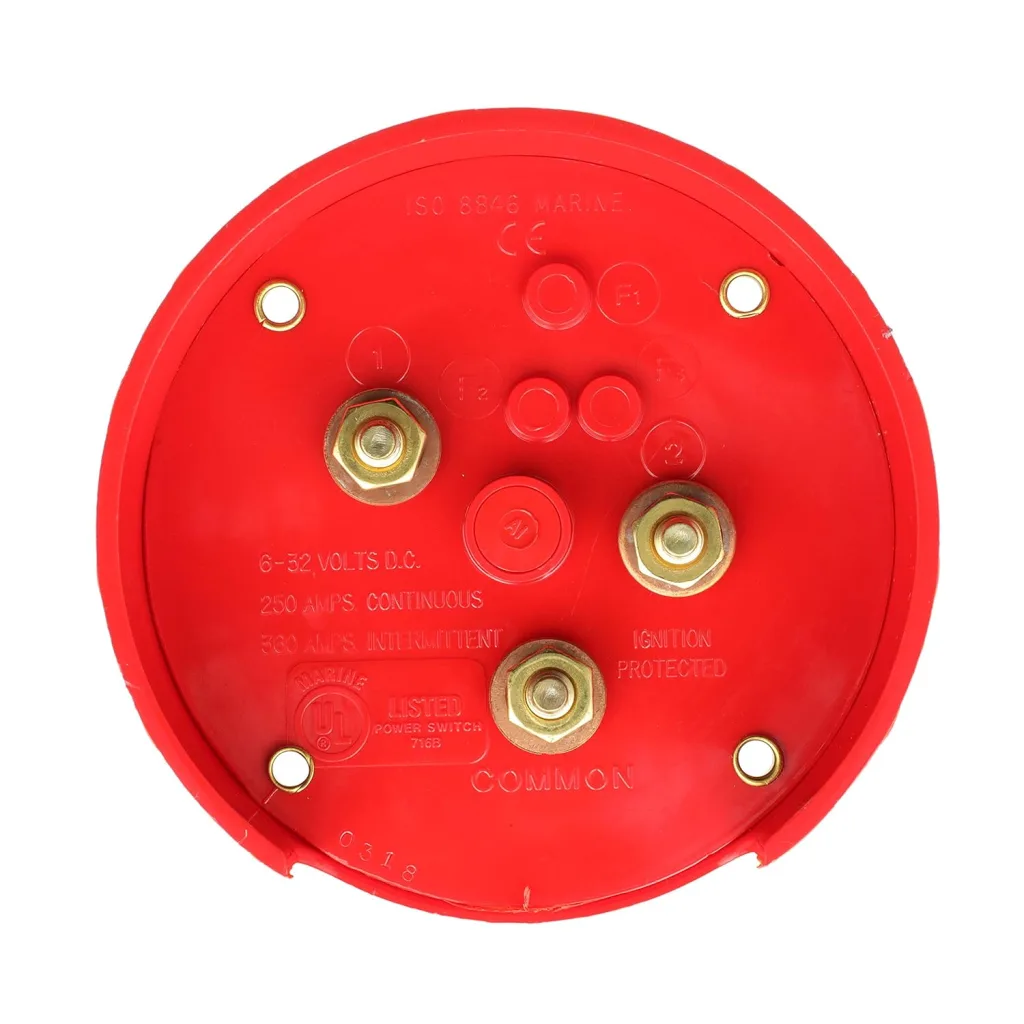
Why Every Vehicle Should Have One
Whether you’re storing a car for the winter, managing a classic vehicle, or running aftermarket electronics, a battery disconnect switch—or kill switch—is a small investment that brings long-term peace of mind.
This guide covers everything you need to know: what it is, how it works, who needs one, and how to choose and install the right version.
What Is a Car Battery Disconnect Switch?
A car battery disconnect switch is a device that allows you to manually disconnect your vehicle’s battery from the electrical system. Instead of removing the battery terminal by hand or relying on fuses, the switch gives you full control with a turn of a key, twist of a knob, or press of a button.
It serves one core function: to stop current from flowing between the battery and the vehicle’s systems.
There are two key types:
- Inline terminal switches: Installed directly onto the battery post
- Remote or rotary switches: Installed along the battery cable
Each serves the same purpose—isolating the battery—but their applications and installation complexity vary.
Why Use a Battery Disconnect Switch?
Installing a battery disconnect switch isn’t just about convenience; it’s about protection, performance, and extending your battery’s life cycle.
1. Battery Drain Prevention
Modern vehicles—even when turned off—are loaded with electronics that draw power. Alarm systems, infotainment units, remote start modules, and ECUs can all create what’s called parasitic drain. Over time, this small but steady power draw can deplete your battery entirely.
By cutting power at the source, a disconnect switch protects your battery during:
- Long-term storage
- Off-season use (convertibles, classics, etc.)
- Travel or temporary disuse
2. Vehicle Maintenance Safety
Performing repairs on any vehicle’s electrical system can be risky. A battery kill switch allows you to shut off all power quickly, reducing the risk of shorts, sparks, or accidental airbag deployment.
3. Fire Prevention
Faulty wiring is a leading cause of car fires, especially in older vehicles or those with aftermarket accessories. A battery disconnect switch allows immediate shutoff in case of:
- Smoking wires
- Unexpected power surges
- Faulty battery terminals
4. Anti-Theft Functionality
Many car battery disconnect switches come with keyed or hidden designs, making it impossible to start the car unless the circuit is engaged. This acts as a passive anti-theft system—especially valuable for trailers, RVs, fleet vehicles, and show cars.
Different Types of Car Battery Disconnect Switches
| Switch Type | Description | Ideal For |
|---|---|---|
| Knife Blade | Simple lever-style, installed directly on the battery terminal | Classic cars, farm trucks |
| Rotary Dial | Manual switch installed on dash or near battery | Daily drivers, RVs |
| Keyed Switch | Lock-and-key design adds security | Storage vehicles, trailers |
| Push Button | Dash-mounted electronic switch | Modern or upgraded vehicles |
| Remote Controlled | Activated via fob or dashboard switch | High-end builds, convenience-focused setups |
What to Consider Before Buying
Choosing the right disconnect switch depends on your vehicle’s use, storage conditions, and battery setup. Here are the key specs and features to assess:
| Feature | Importance |
|---|---|
| Amp Rating | Must exceed your vehicle’s maximum draw, especially during ignition |
| Voltage Compatibility | Most are 12V, but heavy-duty systems may need 24V or higher |
| Mounting Style | Choose based on available space and user access |
| Weather Resistance | For exposed installs, waterproof models are ideal |
| Security Features | Look for keyed or hidden options for theft protection |
How to Install a Car Battery Disconnect Switch
While some types simply clamp onto your battery terminal, others require more advanced wiring. Here’s a general guide:
Tools You May Need:
- Wrenches/sockets
- Cable crimper
- Electrical tape or heat shrink
- Drill and screws (for panel mounting)
- Voltmeter or multimeter
Basic Installation Steps:
For Terminal-Mounted Switches:
- Disconnect the battery’s negative cable.
- Attach the switch to the negative terminal.
- Reconnect the cable to the switch output.
- Test the switch function (ON/OFF).
For Inline or Rotary Switches:
- Mount the switch in an accessible location.
- Cut the positive battery cable.
- Connect both ends of the cut cable to the switch terminals.
- Mount securely, reconnect the battery, and test.
Always wear insulated gloves and eye protection when working near the battery.
Common Use Cases
Classic & Collector Cars
- Prevent electrical faults while parked
- Safeguard against parasitic draw from old wiring
Daily Drivers & Sedans
- Protect the vehicle during long vacations or airport parking
Off-Road & 4×4 Vehicles
- Isolate winches and aftermarket systems when not in use
RVs & Campers
- Quickly switch between house and starter batteries
- Ensure safe shutoff while parked at campsites
Fleet Vehicles
- Prevent unauthorized use during off hours
- Simplify battery management and charging
Maintenance Tips for Long-Term Use
A disconnect switch is low maintenance, but a few practices will keep it reliable for years:
- Inspect for corrosion at least every 6 months.
- Clean contacts with a wire brush and dielectric grease.
- Tighten all connections as part of regular battery service.
- Test switch function seasonally or before trips.
- For keyed switches, store spare keys in a secure location.
Key Pros and Cons
| Pros | Cons |
|---|---|
| Easy battery isolation | May reset electronics like radios/clocks |
| Improves safety and battery life | Improper installation can cause issues |
| Deterrent against theft | Some switches are stiff or hard to turn |
| Ideal for storage vehicles | Not all are weatherproof (check rating) |
Final Thoughts
If you’re looking for an inexpensive yet highly practical way to protect your vehicle’s electrical system, a car battery disconnect switch is the perfect solution. With models available for under $30, this is a rare instance where one small upgrade can deliver major results.
Whether you’re trying to prevent battery drain, reduce fire risk, stop thieves, or simply perform electrical maintenance with peace of mind, a disconnect switch gives you full control of your car’s power flow. It’s especially valuable in today’s world of connected vehicles, smart systems, and multiple power-hungry components.
Don’t wait until a dead battery or electrical fault catches you off guard. Consider installing a battery cut off switch today—your vehicle, and your wallet, will thank you.
Battery Cut Off Switch – Expert Reviewed
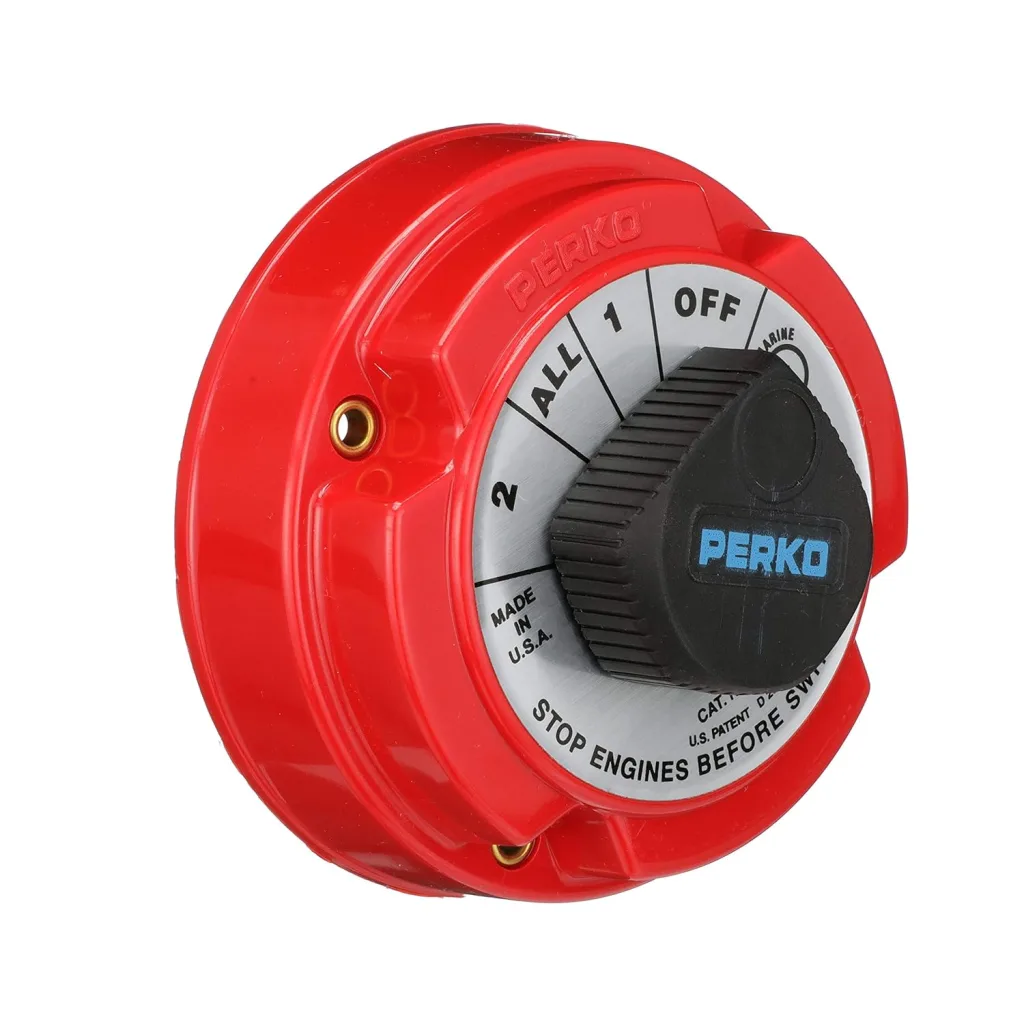
In an age where vehicles and equipment are more connected than ever, battery drain, electrical fires, and system control issues are becoming common challenges for vehicle owners. Whether you’re managing a marine vessel, RV, off-road truck, or classic car, a battery cut off switch is one of the simplest and most cost-effective ways to improve safety, extend battery life, and reduce electrical headaches.
This article explores everything you need to know about battery cut off switches—from how they function to which types are best for different use cases, and why installing one can be a smart move for anyone dealing with complex or infrequently used electrical systems.
What Is a Battery Cut Off Switch?
A battery cut off switch, also known as a battery disconnect switch, is a device that manually (or electronically) isolates a battery from the vehicle’s electrical system. It breaks the circuit between the battery’s positive terminal and the load, effectively “cutting off” power with a simple turn of a key, knob, or push of a button.
This disconnection can help prevent:
- Parasitic power draw
- Accidental shorts
- Unauthorized use of the vehicle
- Electrical fires during service or accidents
Types of Battery Cut Off Switches
There are several types of cut off switches, each tailored for specific applications:
| Type | Description | Common Use |
|---|---|---|
| Knife Blade | Opens/closes the circuit using a metal lever | Classic cars, tractors |
| Rotary Dial | Turns a knob to switch power on/off or between battery banks | Boats, RVs, off-road trucks |
| Keyed | Adds theft deterrence with a removable key | Fleet vehicles, trailers |
| Remote Controlled | Operates via a fob or dash-mounted switch | RVs, high-end vehicles |
| Solenoid-Based | Electronically controlled for ignition-linked systems | Modern cars, campers |
Each type comes in varying amp ratings and weather resistance levels. Selecting the right one depends on the current your system draws and whether it’s exposed to the elements.
Why Install a Battery Cut Off Switch?
Here’s a breakdown of the most important benefits:
1. Battery Life Preservation
When a vehicle sits idle, electronics like onboard computers, radios, clocks, and GPS modules continue to draw small amounts of power. Over days or weeks, this parasitic drain can fully discharge a battery.
A battery cut off switch stops this drain entirely, making it ideal for:
- Winterized boats
- Classic cars in storage
- RVs in off-season
- Secondary vehicles or seasonal equipment
2. Safety During Maintenance
Performing electrical work on a live system is a safety hazard. A cut off switch allows you to disable the system completely before wrenching near wires or battery terminals.
It also helps during emergency situations—such as a short circuit or battery overload—by providing a quick way to cut power before components overheat or ignite.
3. Theft Prevention
Keyed or hidden battery disconnect switches can act as a simple, low-tech anti-theft system. Even if a thief gains access to the vehicle, it won’t start unless the switch is engaged.
4. Dual Battery Management
Rotary cut off switches are often used in boats and RVs to manage multiple batteries. You can start your engine with one battery, run your accessories on another, or use both in parallel.
Key Features to Look For
When selecting a battery cut off switch, consider the following specifications:
| Feature | Why It Matters |
|---|---|
| Amp Rating | Must match or exceed your vehicle’s maximum draw |
| Voltage Compatibility | Typically 12V, 24V, or up to 50V systems |
| Mounting Style | Surface mount, panel mount, or in-line |
| Ingress Protection | Waterproof or ignition-protected for marine use |
| Build Quality | Solid terminals and durable housing for long-term reliability |
| Certifications | UL listed or CE approved switches ensure safety compliance |
Ideal Applications
| Vehicle or Equipment | Recommended Use |
|---|---|
| Boat or Marine Vessel | Isolate engine and house batteries, prevent saltwater corrosion issues |
| RV or Camper | Disconnect during storage or switch between chassis and house batteries |
| Off-Road 4×4 | Emergency kill switch and winch power management |
| Classic Car | Prevent battery drain and theft |
| Fleet Vehicle or Trailer | Quick kill in emergency situations, anti-theft benefit |
Battery cut off switches are especially critical for anyone running auxiliary electrical systems—such as solar panels, inverters, refrigeration, or aftermarket lighting setups.
How to Install a Battery Cut Off Switch
Most cut off switches are easy to install with basic tools. Here’s a general outline:
Tools:
- Cable crimper
- Wrenches/sockets
- Drill (for panel mounting)
- Heat shrink tubing or loom for protection
Steps:
- Disconnect your battery before installation.
- Choose a location close to the battery but away from moving parts or water intrusion.
- Mount the switch securely.
- Route the positive battery cable through the switch.
- Reconnect the battery and test functionality in all positions.
Make sure the switch you choose can handle your system’s max amperage, especially if you run inverters or large accessories.
Maintenance & Best Practices
- Check tightness of terminals regularly.
- Clean contacts to prevent oxidation.
- For boats and humid environments, use dielectric grease to prevent corrosion.
- Test switch operation seasonally or before long trips.
Final Thoughts
A battery cut off switch may seem like a small upgrade, but it brings big-time functionality and safety to any electrical system. Whether you’re a weekend boater, an RV enthusiast, or just want to keep your vehicle secure and efficient, this is one investment that pays off every time you park your vehicle or prepare it for storage.
With options ranging from basic knife blades to advanced dual selectors, there’s a battery cut off switch for every need and every budget. For anyone managing multiple batteries or facing long storage periods, this switch becomes less of a luxury—and more of a necessity.
White Jeep Wranglers for Sale in LA
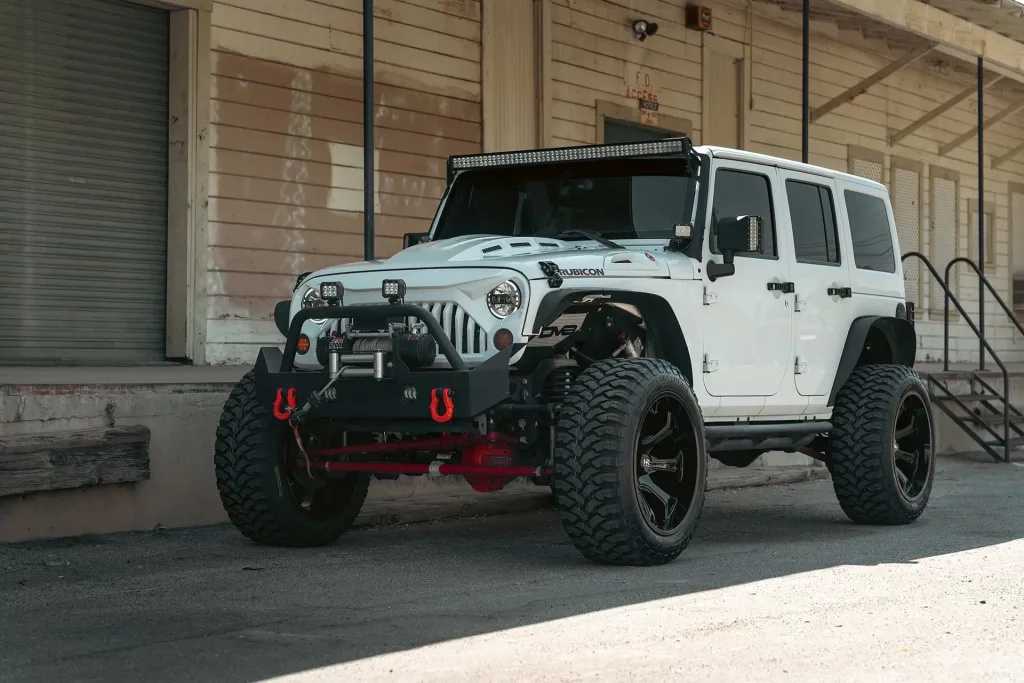
Few vehicles have the cultural resonance and mechanical capability of the Jeep Wrangler, and among its many available colors, white stands out as the most iconic and versatile. A white Jeep Wrangler isn’t just a style choice—it’s a symbol of rugged independence, high-contrast elegance, and timeless appeal. Whether you’re exploring rocky trails or navigating a downtown parking garage, the Wrangler offers confidence, and in white, it offers character.
This blog explores why the white Wrangler is in constant demand, outlines key trim levels and features, compares engine options, and breaks down both new and used market pricing in the U.S.
Why White?
Choosing white isn’t just about visual aesthetics. It’s about resale value, practicality, and presence.
Benefits of a White Jeep Wrangler:
- Clean, Modern Look: White enhances the Wrangler’s angular lines, especially when paired with black accents or aggressive wheels.
- Lower Heat Retention: Reflects more sunlight than darker colors, ideal for hotter climates.
- Better Visibility: Stands out in low-light and off-road conditions.
- Higher Resale Demand: White is one of the top-reselling Wrangler colors in the U.S.
Combined with the Wrangler’s unmistakable stance and removable-roof design, a white exterior elevates this 4×4 into a statement piece without compromising function.
Available Configurations
Wranglers are offered in both two-door and four-door (Unlimited) body styles, with numerous trim levels to match driving preferences—from minimalist to luxury or hardcore off-roading.
Wrangler Trims (Available in White):
| Trim Level | Highlights |
|---|---|
| Sport | Manual windows, 5-inch display, 17″ steel wheels |
| Sport S | Power accessories, alloy wheels, optional tech upgrades |
| Willys | Off-road tires, black trim, special decals |
| Sahara | Body-color fenders, 18″ wheels, premium audio (4-door only) |
| Rubicon | Rock-Trac 4×4, 33″ all-terrain tires, disconnecting sway bars |
| High Altitude | 20″ wheels, Nappa leather, full-color bodywork (4-door only) |
| 4xe | Plug-in hybrid drivetrain, 375 hp, standard LED lighting |
No matter your trim, white remains a popular paint option, often offered in Bright White Clearcoat or Glacier White Metallic depending on the model year.
Engine Options and Capability
Jeep gives buyers multiple powertrains to choose from, each tailored to different needs—from fuel savings to raw torque.
Wrangler Engine Lineup:
| Engine | Power Output | Torque | Fuel Economy (City/Hwy) |
|---|---|---|---|
| 3.6L Pentastar V6 | 285 hp | 260 lb-ft | 17 / 23 mpg |
| 2.0L Turbocharged I4 | 270 hp | 295 lb-ft | 22 / 24 mpg |
| 3.0L EcoDiesel V6 (4-door) | 260 hp | 442 lb-ft | 22 / 29 mpg |
| 2.0L Turbo Plug-in Hybrid 4xe | 375 hp | 470 lb-ft | 49 MPGe / 21 mpg (gas) |
The 3.6L Pentastar is the most common and reliable, while the 2.0L Turbo is best for fuel-conscious buyers. The 4xe plug-in hybrid adds silent electric torque—perfect for trail crawling with zero emissions.
Off-Road Equipment (Rubicon Focus)
The Rubicon trim transforms the Wrangler into an out-of-the-box trail monster, no modification required.
Rubicon Off-Road Highlights:
- Rock-Trac 4×4 System with 4:1 low-range
- Tru-Lok Electronic Lockers (front and rear)
- Electronic Front Sway Bar Disconnect
- Dana 44 HD Axles
- 33-inch All-Terrain Tires
- High-clearance fender flares
- Steel skid plates
Whether you’re crossing rivers in Colorado or sand dunes in California, a white Rubicon offers capability and contrast in every terrain.
Interior Quality and Space
The Wrangler’s interior blends utility with surprising comfort. Over the years, cabin noise has been reduced, materials upgraded, and connectivity improved.
Interior Dimensions:
| Feature | 2-Door Model | 4-Door Unlimited |
|---|---|---|
| Passenger Volume | 104 cu ft | 104 cu ft |
| Rear Legroom | 35.7 inches | 38.3 inches |
| Cargo Volume (Max) | 31.7 cu ft | 72.4 cu ft |
Heated seats, dual-zone climate control, and Alpine premium audio systems are available on mid to high trims. Optional 8.4-inch Uconnect infotainment includes navigation, Apple CarPlay, and Android Auto.
Pricing: New and Used Market Overview
New White Jeep Wrangler Pricing (MSRP):
| Trim | 2-Door (USD) | 4-Door Unlimited (USD) |
|---|---|---|
| Sport | $33,690 | $37,690 |
| Sport S | $36,890 | $40,890 |
| Willys | $39,890 | $43,890 |
| Sahara | Not available | $48,290 |
| Rubicon | $45,590 | $49,995 |
| 4xe Sahara | Not available | $54,735 |
Dealers often offer incentives or loyalty bonuses depending on region and inventory.
Used White Wrangler Price Range (U.S.):
| Year | Trim | Mileage | Price (USD) |
|---|---|---|---|
| 2018 | Sahara | 60,000 mi | $29,000 – $33,000 |
| 2019 | Rubicon | 45,000 mi | $34,000 – $38,000 |
| 2020 | Sport S | 30,000 mi | $30,000 – $34,000 |
| 2021 | Willys Sport | 20,000 mi | $32,000 – $36,000 |
| 2022 | 4xe Sahara | Under 20,000 mi | $38,000 – $43,000 |
Certified Pre-Owned (CPO) Wranglers come with extended warranties and inspection benefits, ideal for added peace of mind.
What to Look for When Buying
When buying any Jeep Wrangler, especially used, consider the following:
- Frame and Rust: Inspect underbody and suspension components—especially in snowy regions.
- Modifications: Aftermarket lifts, wheels, or tuners can affect resale and insurance.
- Accident History: Request a full report from a trusted service or dealership.
- Tire Condition: Off-road wear can accelerate tire aging—always inspect tread.
- Roof Type: Decide between soft top, hard top, or Sky One-Touch retractable roof for lifestyle fit.
Final Verdict
A white Jeep Wrangler is a rare fusion of modern sophistication and raw capability. It offers a bold, classic look without screaming for attention and backs up its style with trail-rated functionality.
Whether you’re purchasing new for the peace of factory coverage or exploring the used market for value, the white Wrangler continues to represent everything a modern 4×4 should be: versatile, dependable, and impossible to mistake for anything else on the road.

In this detailed guide, we’ll break down how Jeep lease deals work, what to expect in terms of pricing, and how to negotiate the best terms for your lifestyle and budget.
Why Lease a Jeep?
Leasing a Jeep offers more than just flexibility—it provides the opportunity to drive a well-equipped, modern SUV with a lower monthly cost compared to financing.
Key Advantages of Leasing a Jeep:
- Lower Monthly Payments: Leasing typically costs less per month than financing the same vehicle.
- Drive New More Often: Enjoy new tech and design updates every 2–4 years.
- Lower Maintenance Worries: Most leases are within the factory warranty period.
- Fewer Upfront Costs: Many lease deals come with low or zero down payment options.
- Business Write-Offs: In some cases, leased vehicles can offer tax advantages for business owners.
What Are Jeep’s Most Popular Lease Models?
Jeep offers lease deals on nearly all its models—from the budget-friendly Compass to the iconic Wrangler and luxurious Grand Cherokee.
| Model | Typical Monthly Lease (USD) | Typical Monthly Lease (CAD) |
|---|---|---|
| Jeep Compass | $299–$399 | $429–$549 |
| Jeep Cherokee | $349–$459 | $489–$599 |
| Jeep Wrangler | $399–$549 | $549–$749 |
| Jeep Grand Cherokee | $469–$659 | $649–$899 |
| Jeep Gladiator | $499–$699 | $699–$949 |
Estimates are based on 36–48-month leases with standard mileage limits (12,000 miles or 20,000 km annually). Actual pricing will vary based on location, credit score, trim level, and time of year.
Lease Structure: What’s Included?
Every Jeep lease deal is composed of several key components. Understanding how these work can help you avoid paying more than necessary.
Breakdown of a Typical Lease:
| Component | Description |
|---|---|
| MSRP | The vehicle’s sticker price before negotiations |
| Capitalized Cost | The price you actually negotiate on the vehicle |
| Residual Value | Estimated value of the vehicle at lease end |
| Money Factor | Lease equivalent of interest rate; lower = better |
| Term | Lease length, usually 24, 36, or 48 months |
| Mileage Allowance | Annual km/miles included; charges apply for exceeding limits |
| Fees | May include acquisition fee, documentation, and taxes |
How to Get the Best Jeep Lease Deal
Whether you’re leasing a Compass or a Grand Cherokee, the strategy remains the same. Here’s how to maximize your deal:
1. Shop at the Right Time
Best lease incentives are often available:
- At the end of the month or fiscal quarter
- During model year changeovers (especially August–October)
- On outgoing inventory when a redesign is launching
2. Negotiate the Cap Cost
Don’t just accept the MSRP. Negotiate the capitalized cost like you would when buying. The lower this number, the better your monthly payments.
3. Maximize Residual Value
High residual value = lower payments. Jeep vehicles like the Wrangler and Gladiator hold value well, making them excellent lease options.
4. Beware of Add-Ons
Avoid extras like extended warranties, paint protection, or wheel/tire packages unless truly needed. These inflate your monthly cost.
5. Understand Lease-End Options
Know in advance whether you plan to:
- Return the vehicle
- Buy it out (often at residual value)
- Lease a new Jeep
Lease vs. Finance: Which Is Better for You?
Choosing between leasing and financing depends on your driving habits and long-term plans.
| Category | Lease | Finance |
|---|---|---|
| Monthly Cost | Lower | Higher |
| Ownership | No – return vehicle | Yes – vehicle is yours |
| Mileage Restrictions | Typically 12k mi / 20k km/year | No restrictions |
| Modifications | Limited | Full freedom |
| Long-Term Cost | Higher if repeated leases | Lower over time |
| Warranty Coverage | Full duration | May exceed warranty |
Lease if you prefer newer vehicles, lower monthly costs, and don’t drive excessive miles. Finance if you plan to keep the vehicle beyond 5 years or customize it heavily.
Special Considerations for Jeep Models
Not all Jeeps lease the same. Here’s how the models differ:
Jeep Compass & Cherokee
Great value options for new drivers or budget-conscious lessees. Often available with low down payments and dealer incentives.
Jeep Wrangler
High resale value makes this an excellent lease candidate. Residual values remain strong even on higher trims like Rubicon or Willys.
Jeep Grand Cherokee
Higher monthly payments but more standard tech and luxury. Limited and Overland trims are popular lease choices for business professionals.
Jeep Gladiator
Strong off-road performance and pickup utility. Leases tend to be slightly more expensive than Wrangler due to higher MSRP.
Real-World Example: Lease Offer Breakdown
Let’s walk through a realistic example for a 2025 Jeep Compass North 4WD in the U.S. and Canada:
| Lease Term | United States | Canada |
|---|---|---|
| MSRP | $33,000 | $44,000 CAD |
| Lease Term | 36 months | 48 months |
| Down Payment | $2,500 | $3,000 CAD |
| Monthly Payment | $395/month + tax | $525/month + tax |
| Annual Mileage/KM Limit | 12,000 miles | 20,000 km |
These offers vary widely depending on dealership location, credit score, and promotional availability. Always ask for the lease worksheet to review all numbers clearly.
Final Thoughts
Leasing a Jeep can be an intelligent, flexible option for drivers who want capability without the full financial commitment of ownership. With models ranging from the trail-ready Wrangler to the refined Grand Cherokee, there’s a Jeep lease for every lifestyle and budget.
To get the best deal:
- Time your purchase right
- Know your numbers (MSRP, residual, money factor)
- Shop and negotiate with confidence
Whether you’re after rugged weekends, stylish commuting, or a bit of both, leasing a Jeep gives you the keys to adventure—without the long-term baggage.
2018 Jeep Wrangler For Sale
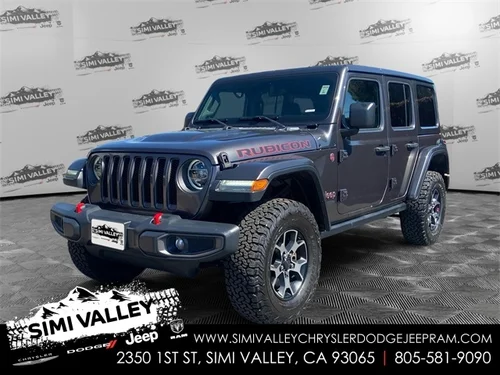
From its redesigned frame to its refined interior and fuel-efficient powertrains, the 2018 model doesn’t just update the Wrangler—it redefines it.
The Powertrain: Capability Without Compromise
For the first time, the Wrangler offered a turbocharged engine alongside its trusted V6, giving buyers more flexibility depending on their driving needs.
Powertrain Specifications:
| Engine | Horsepower | Torque | Transmission | Drivetrain |
|---|---|---|---|---|
| 3.6L Pentastar V6 | 285 hp | 260 lb-ft | 6-speed manual / 8-speed auto | 4×4 |
| 2.0L Turbocharged I4 (optional) | 270 hp | 295 lb-ft | 8-speed automatic | 4×4 |
The standard 3.6L Pentastar remains a solid performer with proven reliability and strong low-end torque. For buyers looking for better fuel efficiency and more responsive acceleration, the 2.0L turbocharged engine delivers power comparable to the V6 with added torque and improved city mileage.
Fuel Efficiency
Fuel economy is significantly improved over the outgoing JK generation, particularly with the 2.0L turbo engine.
| Engine | Transmission | City MPG | Highway MPG | Combined MPG |
|---|---|---|---|---|
| 3.6L V6 (manual) | 6-speed manual | 17 | 23 | 19 |
| 3.6L V6 (automatic) | 8-speed auto | 18 | 23 | 20 |
| 2.0L Turbo I4 | 8-speed auto | 22 | 24 | 22 |
Thanks to better aerodynamics, lighter materials, and new transmissions, the JL delivers better real-world efficiency without sacrificing the Wrangler’s off-road capability.
Trim Levels and Key Features
The 2018 Wrangler came in both 2-door and 4-door Unlimited configurations, with multiple trims available for different buyers—from daily drivers to trail enthusiasts.
Trim Comparison:
| Trim | Key Features | MSRP (New) |
|---|---|---|
| Sport | Manual windows, cloth seats, 5-inch touchscreen | $27,495 (2-door) |
| Sport S | Power windows/locks, alloy wheels, optional tech upgrades | $30,695 (2-door) |
| Sahara (Unlimited only) | Body-color trim, 7-inch Uconnect, dual-zone climate | $37,345 |
| Rubicon | Rock-Trac 4×4, 33-inch tires, locking differentials | $37,495 (2-door) |
Rubicon trims offer the most off-road hardware, while Sahara trims are the most luxurious. The Sport and Sport S trims offer the most customization potential for those looking to modify their Wrangler.
Interior: A Dramatic Upgrade
Step inside the 2018 Wrangler, and the changes are immediately obvious. The dashboard is more refined, controls are intuitive, and soft-touch surfaces replace much of the hard plastic found in earlier generations.
Interior Dimensions:
| Specification | 2-Door Wrangler | 4-Door Unlimited |
|---|---|---|
| Passenger Volume | 104 cu ft | 104 cu ft |
| Rear Legroom | 35.7 inches | 38.3 inches |
| Max Cargo Volume | 31.7 cu ft | 72.4 cu ft |
The Uconnect system is responsive and available in 5-, 7-, or 8.4-inch screens, depending on trim. Apple CarPlay and Android Auto are included on higher trims or via optional packages.
Off-Road Technology
Off-road performance is still the Wrangler’s calling card. Every trim includes a true 4×4 system, but the Rubicon is the clear champion for extreme terrain.
Off-Road Specs (Rubicon):
| Feature | Specification |
|---|---|
| 4WD System | Rock-Trac 4×4 with 4:1 low-range |
| Ground Clearance | 10.8 inches |
| Water Fording | Up to 30 inches |
| Approach / Breakover / Departure | 44° / 27.8° / 37° |
| Locking Differentials | Tru-Lok front and rear |
| Tires | 33-inch BFGoodrich KO2 All-Terrain |
The Rubicon also features an electronic sway bar disconnect and off-road tuned shocks, giving it incredible articulation and grip on demanding terrain.
Safety and Driver Assistance
The Wrangler isn’t typically praised for crash scores, but Jeep improved safety in the JL generation with better crash structure and modern driver assistance.
Available Safety Features:
| Feature | Availability |
|---|---|
| ParkView Rear Backup Camera | Standard |
| Blind Spot Monitoring | Optional (Sahara, Rubicon) |
| Rear Cross Path Detection | Optional |
| Electronic Stability Control | Standard |
| Advanced Front Airbags | Standard |
Optional driver-assist packages added features like forward collision warning and adaptive cruise control in later JL models, but some may be absent on earlier 2018 builds.
Towing and Practicality
The 2018 Wrangler is not only an adventure vehicle but also a useful tool for towing and hauling light loads.
| Configuration | Max Towing Capacity |
|---|---|
| 2-Door Wrangler | 2,000 lbs |
| 4-Door Unlimited | 3,500 lbs |
The Wrangler’s boxy shape offers solid cargo flexibility, and the removable roof, doors, and fold-down windshield still bring the open-air fun Wrangler is known for.
Reliability and Resale Value
As the debut year of the JL, the 2018 model saw initial teething issues such as early software bugs in the infotainment system and shifting concerns in the new 8-speed transmission. However, Jeep issued updates and technical service bulletins to address most of these concerns.
Despite this, the Wrangler holds value better than almost any SUV in its class. According to industry data, it retains nearly 70% of its value after three years, making it one of the top resale performers.
Final Verdict: Classic Roots, Modern Refinement
The 2018 Jeep Wrangler marks a pivotal chapter in the evolution of one of America’s most iconic vehicles. It’s still the go-anywhere, do-anything Jeep, but with better manners, improved comfort, and smarter tech.
For used SUV buyers seeking a vehicle that’s as at home in a trailhead parking lot as it is in a downtown driveway, the 2018 Wrangler offers one of the most compelling packages in the market—especially in Rubicon or Sahara form.
Whether you value heritage, capability, or a sense of adventure, this is the Wrangler that redefines what’s possible in a compact 4×4.
2016 Jeep Cherokee For Sale
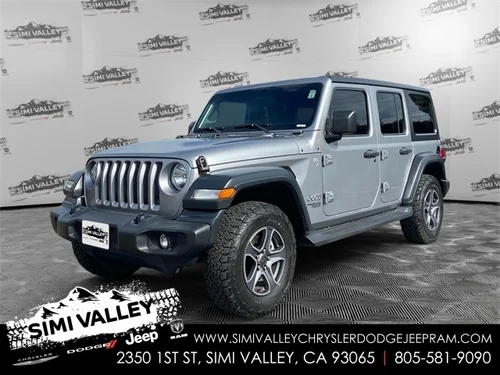
For buyers searching the used SUV market, the 2016 Cherokee remains a standout—affordable, versatile, and capable of much more than daily commuting.
Under the Hood: Powertrains with Purpose
Jeep offered the 2016 Cherokee with two distinct engines, catering to drivers who prefer either efficiency or power.
Powertrain Options:
| Engine | Horsepower | Torque | Transmission | Drivetrain |
|---|---|---|---|---|
| 2.4L Tigershark I4 | 184 hp | 171 lb-ft | 9-speed automatic | FWD or 4WD |
| 3.2L Pentastar V6 | 271 hp | 239 lb-ft | 9-speed automatic | FWD or 4WD |
The 2.4L Tigershark engine is standard across most trims and offers respectable fuel economy for light-duty drivers. The 3.2L V6, exclusive to upper trims, delivers impressive performance with strong acceleration, ideal for drivers who need extra towing capability or plan to explore rougher roads.
Fuel Economy: Efficient Where It Matters
Despite its capability-focused design, the 2016 Cherokee remains surprisingly efficient—particularly with the base I4 engine.
| Configuration | City MPG | Highway MPG | Combined MPG |
|---|---|---|---|
| 2.4L I4 FWD | 22 | 31 | 25 |
| 2.4L I4 4WD | 21 | 28 | 24 |
| 3.2L V6 FWD | 21 | 29 | 24 |
| 3.2L V6 4WD | 20 | 28 | 23 |
The 9-speed automatic transmission is tuned to optimize gear selection for both economy and responsiveness, although earlier versions had some hesitations at lower speeds—a factor addressed in later software updates.
Trim Levels: Built for All Walks of Life
The Cherokee offers a remarkably diverse lineup, from fleet-friendly base models to near-luxury variants.
Trim Overview:
| Trim | Key Features | MSRP (New, 2016) |
|---|---|---|
| Sport | Cloth seats, 5-inch touchscreen, steel wheels | $23,495 |
| Latitude | Roof rails, upgraded cloth, alloy wheels | $25,295 |
| Altitude | Gloss black styling, 18-inch black wheels | $25,295 |
| Limited | Leather seats, 8.4-inch touchscreen, heated front seats | $29,195 |
| Trailhawk | Skid plates, tow hooks, Active Drive Lock 4×4 | $30,995 |
| Overland (late add) | Nappa leather, navigation, body-color cladding | $34,895 |
If you’re looking for off-road capability, the Trailhawk is unrivaled. Want more luxury? The Overland and Limited trims deliver upscale interiors and a quiet ride without sacrificing practicality.
Trail-Rated Toughness: Off-Road Credibility
Unlike most compact SUVs that only talk about going off-road, the Cherokee—particularly in Trailhawk form—walks the walk. It’s one of the few compact crossovers to wear the Trail Rated badge with pride.
Trailhawk Off-Road Highlights:
- Jeep Active Drive Lock 4WD system with low range
- Selec-Terrain® system with Rock mode
- Skid plates, off-road suspension, and hill descent control
- 8.7 inches of ground clearance
- 1-inch factory lift and 17-inch off-road tires
Whether you’re climbing a snow-packed trailhead or simply navigating a muddy backroad, the Cherokee Trailhawk is a segment outlier—part crossover, part mountain goat.
Interior Quality and Cargo Space
Inside, the Cherokee continues to impress. Fit and finish surpass expectations in mid-range trims, with thoughtful use of soft-touch materials and a driver-focused layout.
Interior Specs:
| Feature | Measurement / Detail |
|---|---|
| Seating Capacity | 5 passengers |
| Passenger Volume | 104.4 cubic feet |
| Cargo Volume (seats up) | 24.6 cubic feet |
| Cargo Volume (folded) | 54.9 cubic feet |
The rear seatbacks fold nearly flat, expanding cargo options, and multiple storage compartments throughout the cabin make it as useful as it is comfortable.
Technology and Infotainment
Even by today’s standards, the 2016 Cherokee’s infotainment system remains relevant—especially when equipped with the 8.4-inch Uconnect touchscreen.
| Feature | Availability |
|---|---|
| 5-inch touchscreen | Standard on Sport |
| 8.4-inch Uconnect | Latitude and above |
| Navigation | Optional on Limited/Overland |
| Bluetooth & Voice Command | Standard from base |
| Dual-zone climate control | Standard on Limited and higher |
While Apple CarPlay and Android Auto weren’t yet available, Uconnect remains one of the most user-friendly systems on the market.
Safety and Ratings
Safety features on the 2016 Cherokee include standard airbags, traction control, and optional advanced features.
| Feature | Availability |
|---|---|
| Rearview Camera | Standard from Latitude up |
| Blind Spot Monitoring | Optional on Limited/Trailhawk |
| Forward Collision Warning | Available with Advanced Safety |
| Lane Departure Warning | Available |
| Adaptive Cruise Control | Available on higher trims |
The 2016 Cherokee earned four stars overall from the NHTSA and offers peace of mind thanks to its solid build and available active safety systems.
Towing and Utility
One area where the Cherokee truly excels is towing capability. Unlike most crossovers in its class, it can haul more than just groceries.
| Engine | Max Towing Capacity (when equipped) |
|---|---|
| 2.4L I4 | 2,000 lbs |
| 3.2L V6 | 4,500 lbs |
When equipped with the V6 and factory tow package, the Cherokee leads its segment in towing—making it an ideal companion for hauling small boats, trailers, or utility gear.
Final Verdict: Still a Top Used SUV Pick
The 2016 Jeep Cherokee may not be the newest compact SUV on the road, but it remains one of the most capable and well-rounded. It offers real off-road capability, everyday comfort, flexible cargo space, and a wide range of trims to fit nearly every budget and lifestyle.
For used SUV shoppers who want more than a city commuter and need a little adventure baked into their daily drive, the 2016 Cherokee hits a sweet spot between utility and refinement.
Used Jeep Compass For Sale
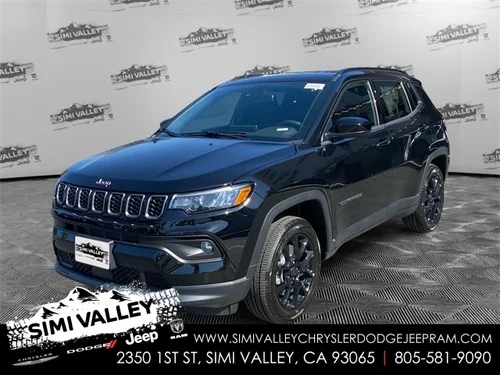
Why Consider a Used Jeep Compass?
Jeep’s Compass is an ideal candidate for used vehicle shoppers. Since its redesign in 2017, the Compass has improved in both quality and comfort, making it a top choice among compact SUVs.
Key Advantages:
- Great Value: Depreciation helps buyers access higher trims at a lower cost.
- Off-Road Capable: Optional 4×4 and Trailhawk versions offer real Jeep capability.
- Comfortable Ride: A surprisingly smooth and quiet ride for its class.
- Strong Resale: Jeep’s brand strength maintains solid used vehicle demand.
Used Jeep Compass Model Year Breakdown (2017–2022)
Second-generation Compass models from 2017 onward feature a more refined design and better interior tech. Here’s what to expect by model year:
| Year | Notable Features |
|---|---|
| 2017 | Full redesign; modernized styling; new 4WD systems |
| 2018 | Expanded safety options; Trailhawk gains traction |
| 2019 | Larger screens on more trims; improved infotainment |
| 2020 | Standard safety tech expands; subtle styling updates |
| 2021 | New tech packages; Altitude trim gains popularity |
| 2022 | Interior facelift, wireless Apple CarPlay & Android Auto |
Trim Levels at a Glance
Jeep Compass trims offer a wide spectrum—from basic transportation to off-road-ready machines.
Trim Comparison Table:
| Trim | Key Features |
|---|---|
| Sport | Manual windows, 7″ Uconnect, cloth seats |
| Latitude | Alloy wheels, keyless entry, upgraded infotainment |
| Altitude | Black accents, leatherette seats, remote start |
| Limited | Leather, 8.4″ Uconnect, advanced safety tech |
| Trailhawk | Off-road tires, skid plates, low-range 4WD, 1-inch lift |
| High Altitude | Panoramic sunroof, LED lights, power driver seat |
For most used buyers, Latitude and Limited trims offer the best value with practical luxury at an affordable price.
Engine and Drivetrain
All second-generation Compass models use Jeep’s dependable 2.4L Tigershark I4 engine. Performance is suited to daily use, though 4WD variants perform better in slippery or rough conditions.
Engine & Drivetrain Specs:
| Engine | Transmission | Horsepower | Torque | MPG (FWD) | MPG (4WD) |
|---|---|---|---|---|---|
| 2.4L Tigershark I4 | 6AT / 9AT / 6MT | 180 hp | 175 lb-ft | 22 / 31 | 22 / 30 |
Buyers can choose from FWD or Jeep Active Drive 4WD systems, with Trailhawk trims adding low-range gears and hill descent control for more serious terrain.
Interior and Cargo Space
Despite its compact profile, the Compass offers impressive rear seat room and cargo flexibility, particularly in Limited and Trailhawk trims.
Interior Measurements:
| Spec | Value |
|---|---|
| Seating Capacity | 5 passengers |
| Rear Legroom | 38.3 inches |
| Max Cargo Volume | 59.8 cu ft (seats folded) |
| Cargo Volume (seats up) | 27.2 cu ft |
The cabin layout is user-friendly with quality materials, and most used models include upgraded infotainment screens with Apple CarPlay and Android Auto from 2019 onward.
Safety and Driver Assistance Features
Later Compass models offer expanded safety packages. While early 2017 trims were sparsely equipped, 2019 and newer models often include driver assistance features as standard or optional.
Key Safety Features:
| Feature | Available On |
|---|---|
| Blind Spot Monitoring | Latitude and up |
| Forward Collision Warning | Limited and Trailhawk |
| Adaptive Cruise Control | Optional on Limited |
| Lane Departure Warning | Standard (2021+) |
| Rear Park Assist | Latitude and up |
Buyers shopping 2020–2022 models will see more of these features included in Safety & Security or Advanced Tech Packages.
Used Jeep Compass Pricing in the U.S. Market
Used Compass pricing remains competitive in the compact SUV segment. Here’s a guide to typical retail prices by year, trim, and mileage:
Pricing Table (USD):
| Year | Trim | Mileage | Average Price (USD) |
|---|---|---|---|
| 2018 | Latitude | 60,000–80,000 mi | $16,500 – $19,000 |
| 2019 | Limited | 50,000–70,000 mi | $18,500 – $21,000 |
| 2020 | Trailhawk | 40,000–60,000 mi | $21,000 – $24,000 |
| 2021 | Altitude | 30,000–50,000 mi | $22,000 – $25,000 |
| 2022 | Limited | Under 30,000 mi | $25,000 – $28,500 |
Certified Pre-Owned models may carry a premium of $1,000–$2,000 but often include extended warranties and inspection guarantees.
Ownership Costs and Value
The Compass offers lower-than-average maintenance costs for a compact SUV, and Jeep’s warranty support remains strong.
Warranty Info:
| Coverage Type | Term |
|---|---|
| Basic Warranty | 3 years / 36,000 miles |
| Powertrain Warranty | 5 years / 60,000 miles |
| CPO Warranty (if applicable) | 7 years / 100,000 miles (powertrain) |
Insurance and fuel costs remain reasonable, making it an ideal choice for young professionals, small families, or commuters.
Buying Tips for Used Compass Shoppers
- Inspect Trim Content: The difference between trims is significant—get features you’ll use daily.
- Mileage Sweet Spot: Look for models with 40,000–60,000 miles—still under warranty but with reduced cost.
- Consider Certified: For peace of mind, opt for CPO models through authorized Jeep dealers.
- 4WD vs. FWD: Go for 4WD if you drive in snow or plan light off-roading.
- Verify Service Records: Maintenance history is key—especially oil changes and transmission servicing.
Final Thoughts
A used Jeep Compass offers incredible versatility for its price point. It’s stylish, capable, and affordable to own—especially if you’re willing to look at a well-maintained model from the past three to five years. Whether you’re chasing dirt trails in a Trailhawk or commuting in comfort with a Limited, the Compass delivers value where it counts.
For SUV buyers who want to balance adventure with practicality, and affordability with tech, the used Compass checks every box.
2022 Jeep Wrangler Unlimited Rubicon 4xe For Sale
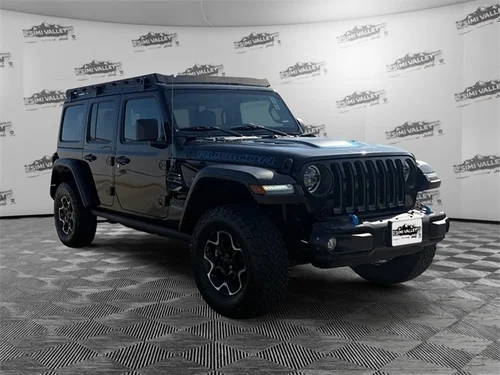
The 2022 Jeep Wrangler Unlimited Rubicon 4xe marks the point where electrification meets legendary off-road capability. It’s not a watered-down compromise—it’s the most technically advanced Wrangler ever made. Combining a robust plug-in hybrid system with the Rubicon’s trail-tested hardware, this 4xe is equally at home crawling over boulders as it is gliding silently through city streets.
For those looking for unmatched versatility, modern efficiency, and unmistakable Jeep heritage, the Rubicon 4xe delivers on all fronts.
Powertrain and Hybrid Performance
At the core of the Rubicon 4xe is Jeep’s innovative hybrid system. A 2.0L turbocharged I4 engine works in tandem with two electric motors and a 17.1 kWh battery pack, delivering seamless power whether you’re in electric mode or full hybrid mode.
Powertrain Specifications:
| Component | Detail |
|---|---|
| Gasoline Engine | 2.0L Turbocharged I4 |
| Electric Motor System | Dual Motor + 17.1 kWh Battery |
| Combined Horsepower | 375 hp |
| Combined Torque | 470 lb-ft |
| Transmission | 8-Speed TorqueFlite Automatic |
| Drivetrain | 4×4 (Rock-Trac® Full-Time System) |
| 0–60 mph Acceleration | ~6.0 seconds |
The instant torque from the electric motors allows the 4xe to accelerate quickly and climb aggressively with minimal throttle input, a major advantage on both trails and highways.
Fuel Economy and Electric Range
Efficiency is where the 4xe really stands out. Jeep offers the ability to run on electric power alone for short trips or combine both power sources for longer journeys.
EPA Estimates:
| Mode | Range / Efficiency |
|---|---|
| Electric-Only Range | Up to 21 miles |
| Combined Range | Up to 370 miles |
| MPGe (Electric + Gas) | 49 MPGe |
| Fuel Economy (Gas Only) | 20 MPG Combined |
Drivers can toggle between Hybrid, Electric, and eSave modes, allowing full control over how and when battery power is used.
Off-Road Capability
As a Rubicon, the 4xe carries all the off-road credibility Jeep is known for. Its low-end torque delivery in electric mode provides precise throttle control—ideal for rock crawling.
Off-Road Features:
| Feature | Specification |
|---|---|
| 4WD System | Rock-Trac Full-Time 4WD |
| Axles | Dana 44 Front and Rear |
| Locking Differentials | Tru-Lok Electronic Front and Rear |
| Sway Bar | Electronic Front Sway Bar Disconnect |
| Ground Clearance | 10.8 inches |
| Approach / Breakover / Departure | 44° / 22.5° / 35.6° |
| Tire Size | 33-inch LT285/70R17 All-Terrain Tires |
Every Rubicon 4xe also includes skid plates, tow hooks, and a factory 2.72:1 low-range transfer case to ensure maximum grip and protection.
Interior Comfort and Technology
Inside the Rubicon 4xe, the layout remains classically Jeep, but with tech and comfort upgrades that reflect its premium status.
Interior Features:
| Element | Specification |
|---|---|
| Infotainment System | Uconnect 4C NAV, 8.4-inch touchscreen |
| Audio | Alpine Premium 9-Speaker System |
| Seats | Premium Cloth or Optional Leather |
| Connectivity | Apple CarPlay®, Android Auto™, Bluetooth |
| Instrument Cluster | 7-inch Digital Display with Hybrid Metrics |
| Comfort | Dual-Zone Climate Control, Heated Front Seats |
The 4xe-exclusive hybrid monitoring screen displays battery range, charging status, and power usage in real time.
Safety and Driver Assistance
Jeep has enhanced the 4xe with a suite of advanced safety systems to match its modern powertrain.
Safety Technology:
| Feature | Availability |
|---|---|
| Blind Spot Monitoring | Optional |
| Adaptive Cruise Control | Optional |
| Forward Collision Warning | Optional |
| ParkSense Rear Park Assist | Standard |
| Rear Cross-Path Detection | Standard |
| Advanced Airbag System | Standard |
Combined with excellent visibility and Jeep’s sturdy frame design, the 4xe provides confidence both on and off the road.
Exterior Styling and Colors
The Rubicon 4xe retains the iconic Wrangler styling but incorporates subtle electrified details. Blue accents, exclusive badging, and a discreet charge port located on the driver’s side fender distinguish it from gas-only trims.
Exterior Features:
| Feature | Description |
|---|---|
| Lighting | LED Headlights, Fog Lights |
| Top Options | Hard Top, Soft Top, Sky One-Touch® Power Top |
| Wheels | 17-inch Machined Off-Road Aluminum |
| Color Options | 10+, including Hydro Blue Pearl, Sting-Gray |
The Warpaint styling matches its performance credentials, with blue tow hooks and trim exclusive to the 4xe.
Dimensions and Cargo Capacity
Despite the battery and motor additions, the 4xe’s layout remains spacious and functional.
| Dimension | Measurement |
|---|---|
| Overall Length | 188.4 inches |
| Width (including mirrors) | 84.1 inches |
| Height | 73.5 inches |
| Wheelbase | 118.4 inches |
| Cargo Volume (Rear Seats Up) | 27.7 cubic feet |
| Cargo Volume (Seats Folded) | 67.4 cubic feet |
The battery is tucked under the rear seat, ensuring the cargo area is unaffected and practical for everyday use.
Pricing and Warranty Coverage
Though premium in its positioning, the Rubicon 4xe offers outstanding value when factoring in technology, capability, and potential federal or local incentives.
Pricing and Warranty:
| Category | Detail |
|---|---|
| Starting MSRP | $57,825 USD |
| Federal EV Tax Credit | Up to $7,500 (eligibility-dependent) |
| Basic Warranty | 3 years / 36,000 miles |
| Powertrain Warranty | 5 years / 60,000 miles |
| Hybrid Battery Warranty | 8 years / 100,000 miles |
This warranty package protects the hybrid system and reassures buyers seeking long-term dependability.
Final Verdict
The 2022 Jeep Wrangler Unlimited Rubicon 4xe is a bold new chapter in the Wrangler’s legacy. It combines raw off-road strength with modern efficiency, bridging the gap between traditional 4×4 capability and eco-friendly progress. Whether you’re crawling through the Rockies or silently navigating morning traffic in EV mode, the Rubicon 4xe handles it all with confidence.
For those who want to future-proof their adventures while staying true to Jeep heritage, the Rubicon 4xe is the answer.
2020 RAM 1500 Classic Warlock For Sale
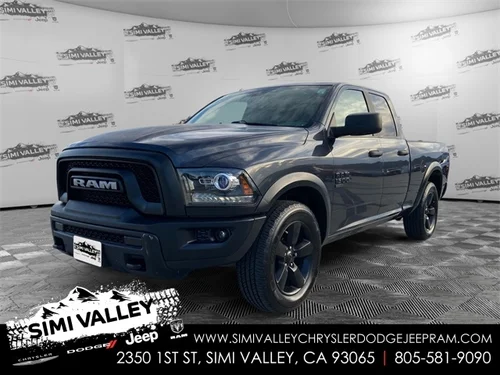
It’s more than a style statement—it’s a fully capable truck built to tow, haul, and conquer uneven terrain while turning heads at every stoplight.
Powertrain and Performance
The 2020 RAM 1500 Classic Warlock offers two proven powertrains. Whether you choose the efficiency of the Pentastar V6 or the raw muscle of the HEMI V8, both deliver the strength expected from a modern workhorse.
Powertrain Options:
| Engine | Horsepower | Torque | Transmission | Fuel Economy (MPG) |
|---|---|---|---|---|
| 3.6L Pentastar V6 | 305 hp | 269 lb-ft | 8-speed automatic | 20 city / 25 highway |
| 5.7L HEMI V8 | 395 hp | 410 lb-ft | 8-speed automatic | 15 city / 21 highway |
The V6 offers more than enough performance for daily driving and light-duty towing, while the HEMI V8 is the go-to for serious capability and acceleration. Both engines pair with a smooth-shifting TorqueFlite 8-speed automatic transmission, delivering solid performance across varying loads and driving conditions.
Towing and Payload Capacity
Don’t let the blacked-out badging and sport hood fool you—the Warlock is just as practical as it is bold. Thanks to a robust steel frame and capable powertrain choices, it performs confidently whether hauling gravel or towing your weekend gear.
Capability Summary:
| Configuration | Max Towing Capacity | Max Payload Capacity |
|---|---|---|
| 3.6L V6 | 7,600 lbs | 1,920 lbs |
| 5.7L HEMI V8 | 10,450 lbs | 1,880 lbs |
Rear-wheel drive is standard, but most buyers opt for the available 4×4 setup, which includes RAM’s Part-Time 4WD system with electronic shift-on-the-fly transfer case—ideal for all-weather conditions and trail adventures.
Suspension and Ride Quality
The Warlock’s suspension tuning leans more toward capability than plushness, yet it remains comfortable for daily use. The front independent suspension and multi-link rear setup help absorb road imperfections, while a 3.55 or optional 3.92 rear axle ratio offers improved low-end torque for towing.
Exterior Design: Throwback Style, Modern Aggression
Visually, the 2020 RAM 1500 Classic Warlock is where this truck earns its cult following. Drawing cues from the original 1970s model, the Warlock package delivers a bold appearance that stands apart from the standard RAM lineup.
Key Exterior Features:
| Feature | Description |
|---|---|
| Grille | Black grille with bold RAM lettering |
| Hood | Sport hood with dual vents |
| Wheels | 20-inch semi-gloss black aluminum |
| Lighting | Projector headlamps with LED fog lamps |
| Fender Flares | Matte black wheel arch moldings |
| Decals | Warlock badging on rear quarters and tailgate |
| Bumpers | Black front and rear bumpers |
Available in bold paint colors such as Flame Red, Bright White, and Diamond Black, the Warlock radiates presence whether parked or in motion.
Cab Configurations and Dimensions
Buyers can choose between Quad Cab and Crew Cab configurations, with two bed lengths to suit different work or lifestyle needs.
Cab and Bed Options:
| Configuration | Bed Length | Passenger Capacity | Wheelbase (inches) | Overall Length |
|---|---|---|---|---|
| Quad Cab 4×2 or 4×4 | 6’4″ | 5 | 140.5 | 229.0 inches |
| Crew Cab 4×2 or 4×4 | 5’7″ | 5 | 149.5 | 237.9 inches |
These dimensions make the Warlock suitable for urban drivers needing maneuverability as well as rural users requiring space and utility.
Interior Features and Comfort
Inside, the Warlock continues the theme of bold simplicity. The cabin is spacious, user-friendly, and outfitted with intuitive tech and durable materials.
Interior and Technology Highlights:
| Feature | Description |
|---|---|
| Upholstery | Premium Diesel Gray cloth |
| Infotainment | Uconnect 4 with 8.4-inch touchscreen |
| Connectivity | Apple CarPlay, Android Auto, Bluetooth |
| Audio System | 6-speaker standard audio |
| Driver Display | 7-inch customizable in-cluster display |
| Seating | 40/20/40 split-bench front seat configuration |
| Optional Comfort | Heated front seats and heated steering wheel |
The interior also features practical touches like in-floor storage (Crew Cab only), folding rear seats, and ample cupholders and USB ports for front and rear passengers.
Safety and Driver Assistance
While the 2020 Warlock doesn’t feature advanced semi-autonomous features, it does offer a solid array of active and passive safety technologies.
Safety Equipment:
| System | Description |
|---|---|
| Rearview Camera | ParkView® with dynamic gridlines |
| Park Assist | ParkSense® rear park assist sensors |
| Stability Control | Electronic stability control with traction assist |
| Airbags | Front, side curtain, and seat-mounted airbags |
| Optional Equipment | Remote start, security alarm |
These systems work alongside a rigid safety cell construction and crumple zones designed for occupant protection in collisions.
Trim Placement and Pricing
The Warlock is based on the SLT trim, but with added cosmetic and functional upgrades. It’s positioned between the Express and higher-priced trims like the Laramie or Sport.
Starting MSRP (USD):
| Configuration | Starting MSRP |
|---|---|
| Quad Cab 4×2 | $36,095 |
| Quad Cab 4×4 | $39,795 |
| Crew Cab 4×2 | $38,745 |
| Crew Cab 4×4 | $42,345 |
Optional packages include the Electronics Group (7-inch cluster and Uconnect), the Warlock All-Terrain Package (off-road tires and tow hooks), and the Luxury Group (fog lamps, auto-dimming mirrors, and more).
Final Verdict
The 2020 RAM 1500 Classic Warlock stands out in a crowded truck market by fusing nostalgic styling with modern-day usability. With solid towing capacity, two proven engine options, and standout looks, it’s a compelling option for truck buyers who value individuality without compromising functionality.
Whether you need a daily work companion or a weekend adventure truck, the Warlock delivers style, substance, and capability in one affordable and exciting package.
Connect with us


