





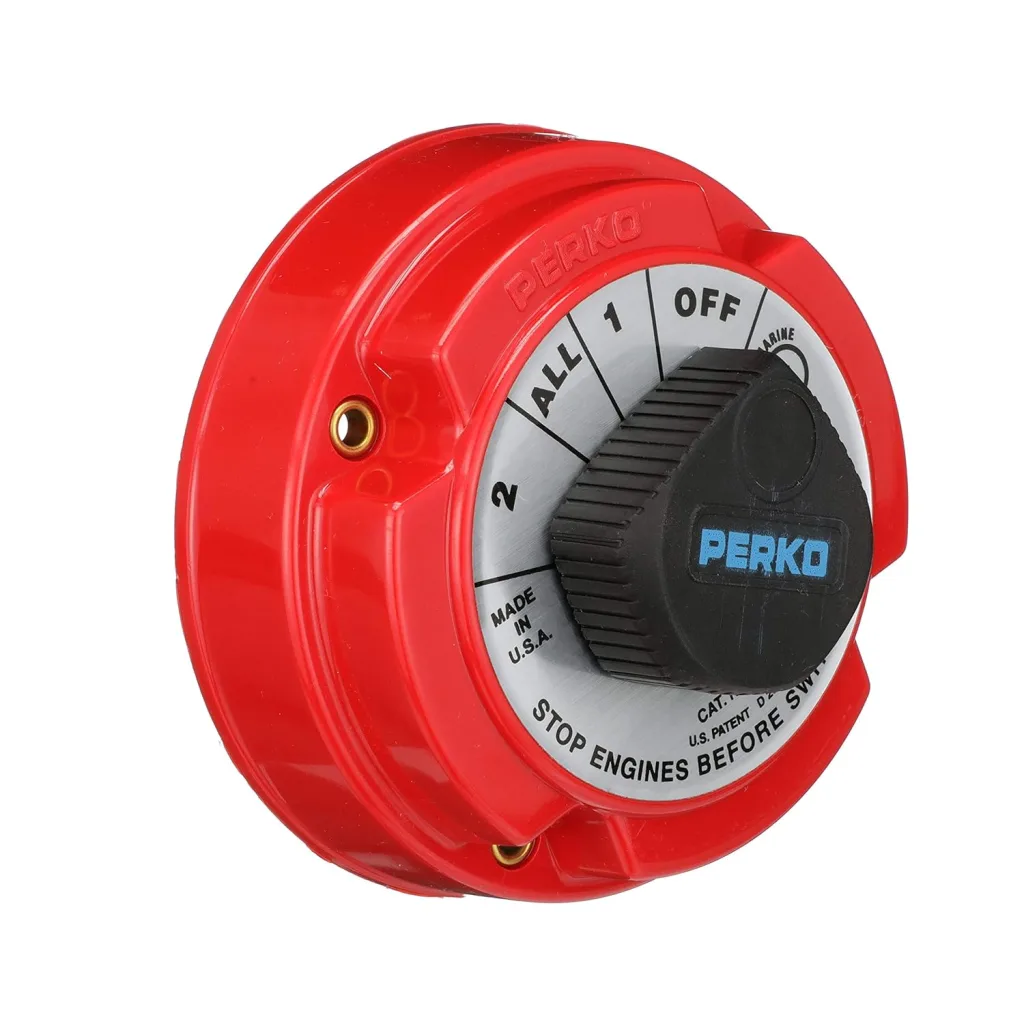
In an age where vehicles and equipment are more connected than ever, battery drain, electrical fires, and system control issues are becoming common challenges for vehicle owners. Whether you’re managing a marine vessel, RV, off-road truck, or classic car, a battery cut off switch is one of the simplest and most cost-effective ways to improve safety, extend battery life, and reduce electrical headaches.
This article explores everything you need to know about battery cut off switches—from how they function to which types are best for different use cases, and why installing one can be a smart move for anyone dealing with complex or infrequently used electrical systems.
What Is a Battery Cut Off Switch?
A battery cut off switch, also known as a battery disconnect switch, is a device that manually (or electronically) isolates a battery from the vehicle’s electrical system. It breaks the circuit between the battery’s positive terminal and the load, effectively “cutting off” power with a simple turn of a key, knob, or push of a button.
This disconnection can help prevent:
- Parasitic power draw
- Accidental shorts
- Unauthorized use of the vehicle
- Electrical fires during service or accidents
Types of Battery Cut Off Switches
There are several types of cut off switches, each tailored for specific applications:
| Type | Description | Common Use |
|---|---|---|
| Knife Blade | Opens/closes the circuit using a metal lever | Classic cars, tractors |
| Rotary Dial | Turns a knob to switch power on/off or between battery banks | Boats, RVs, off-road trucks |
| Keyed | Adds theft deterrence with a removable key | Fleet vehicles, trailers |
| Remote Controlled | Operates via a fob or dash-mounted switch | RVs, high-end vehicles |
| Solenoid-Based | Electronically controlled for ignition-linked systems | Modern cars, campers |
Each type comes in varying amp ratings and weather resistance levels. Selecting the right one depends on the current your system draws and whether it’s exposed to the elements.
Why Install a Battery Cut Off Switch?
Here’s a breakdown of the most important benefits:
1. Battery Life Preservation
When a vehicle sits idle, electronics like onboard computers, radios, clocks, and GPS modules continue to draw small amounts of power. Over days or weeks, this parasitic drain can fully discharge a battery.
A battery cut off switch stops this drain entirely, making it ideal for:
- Winterized boats
- Classic cars in storage
- RVs in off-season
- Secondary vehicles or seasonal equipment
2. Safety During Maintenance
Performing electrical work on a live system is a safety hazard. A cut off switch allows you to disable the system completely before wrenching near wires or battery terminals.
It also helps during emergency situations—such as a short circuit or battery overload—by providing a quick way to cut power before components overheat or ignite.
3. Theft Prevention
Keyed or hidden battery disconnect switches can act as a simple, low-tech anti-theft system. Even if a thief gains access to the vehicle, it won’t start unless the switch is engaged.
4. Dual Battery Management
Rotary cut off switches are often used in boats and RVs to manage multiple batteries. You can start your engine with one battery, run your accessories on another, or use both in parallel.
Key Features to Look For
When selecting a battery cut off switch, consider the following specifications:
| Feature | Why It Matters |
|---|---|
| Amp Rating | Must match or exceed your vehicle’s maximum draw |
| Voltage Compatibility | Typically 12V, 24V, or up to 50V systems |
| Mounting Style | Surface mount, panel mount, or in-line |
| Ingress Protection | Waterproof or ignition-protected for marine use |
| Build Quality | Solid terminals and durable housing for long-term reliability |
| Certifications | UL listed or CE approved switches ensure safety compliance |
Ideal Applications
| Vehicle or Equipment | Recommended Use |
|---|---|
| Boat or Marine Vessel | Isolate engine and house batteries, prevent saltwater corrosion issues |
| RV or Camper | Disconnect during storage or switch between chassis and house batteries |
| Off-Road 4×4 | Emergency kill switch and winch power management |
| Classic Car | Prevent battery drain and theft |
| Fleet Vehicle or Trailer | Quick kill in emergency situations, anti-theft benefit |
Battery cut off switches are especially critical for anyone running auxiliary electrical systems—such as solar panels, inverters, refrigeration, or aftermarket lighting setups.
How to Install a Battery Cut Off Switch
Most cut off switches are easy to install with basic tools. Here’s a general outline:
Tools:
- Cable crimper
- Wrenches/sockets
- Drill (for panel mounting)
- Heat shrink tubing or loom for protection
Steps:
- Disconnect your battery before installation.
- Choose a location close to the battery but away from moving parts or water intrusion.
- Mount the switch securely.
- Route the positive battery cable through the switch.
- Reconnect the battery and test functionality in all positions.
Make sure the switch you choose can handle your system’s max amperage, especially if you run inverters or large accessories.
Maintenance & Best Practices
- Check tightness of terminals regularly.
- Clean contacts to prevent oxidation.
- For boats and humid environments, use dielectric grease to prevent corrosion.
- Test switch operation seasonally or before long trips.
Final Thoughts
A battery cut off switch may seem like a small upgrade, but it brings big-time functionality and safety to any electrical system. Whether you’re a weekend boater, an RV enthusiast, or just want to keep your vehicle secure and efficient, this is one investment that pays off every time you park your vehicle or prepare it for storage.
With options ranging from basic knife blades to advanced dual selectors, there’s a battery cut off switch for every need and every budget. For anyone managing multiple batteries or facing long storage periods, this switch becomes less of a luxury—and more of a necessity.
Connect with us


