





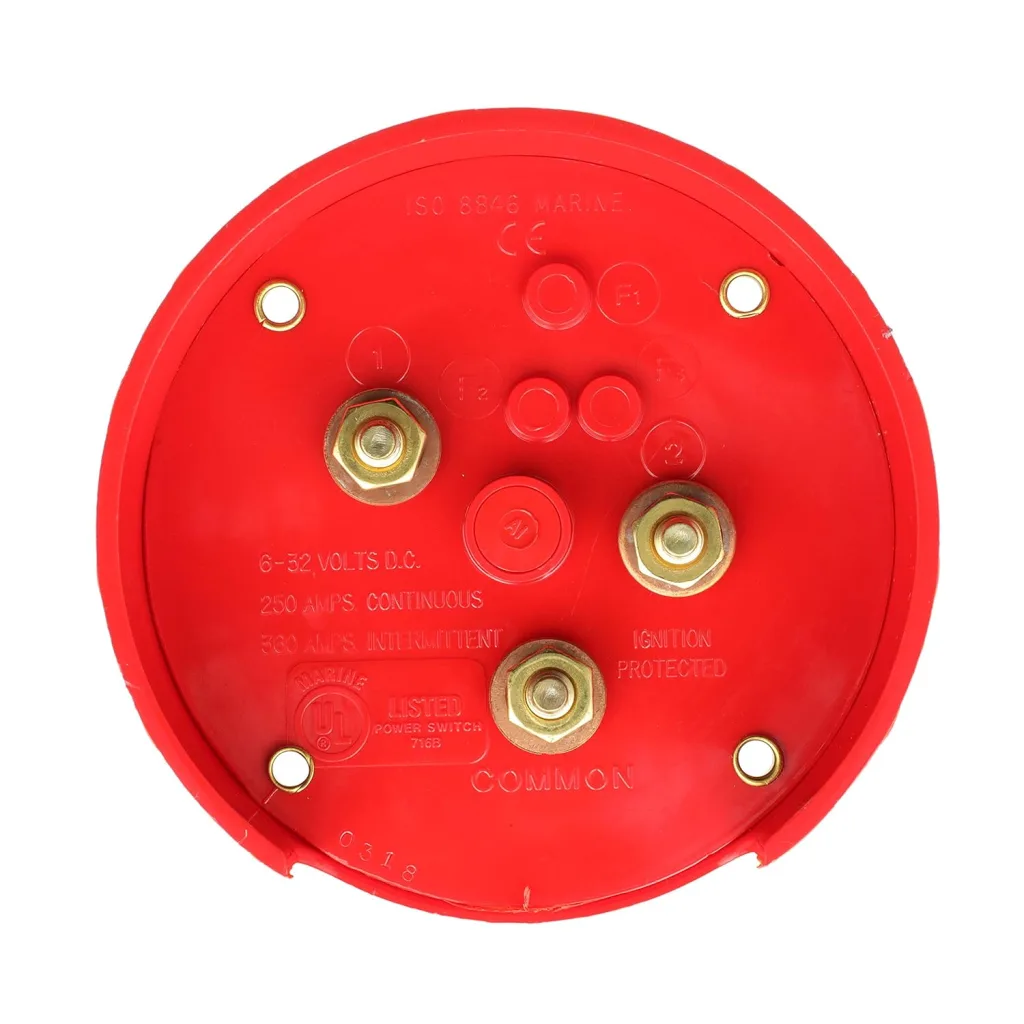
A car battery disconnect switch lets you cut power from your vehicle’s battery without removing the battery cable every time. It is most useful for stored vehicles, older cars, off-road builds, RVs, trailers, work trucks, and vehicles with minor parasitic battery drain.
The short answer: a battery disconnect switch can be worth it, but only when it is properly rated, correctly installed, and used for the right reason. It is not a fix for a weak battery, bad alternator, damaged wiring, or a serious electrical problem.
What Is a Car Battery Disconnect Switch?
A car battery disconnect switch is also called a battery cutoff switch, battery kill switch, battery shutoff switch, or battery isolator switch.
It allows the driver or technician to disconnect the battery from the vehicle’s electrical system by turning a knob, lever, key, or remote switch.
Common uses include:
- Preventing battery drain during vehicle storage.
- Adding a basic anti-theft deterrent.
- Making maintenance safer.
- Protecting classic cars or modified vehicles.
- Helping RVs, trailers, off-road rigs, and fleet vehicles sit longer without draining the battery.
- Reducing the need to repeatedly remove battery terminals.
A disconnect switch does not charge the battery. It only stops current from flowing when the switch is turned off.
Quick Answer: Is a Car Battery Disconnect Switch Worth It?
Yes, a car battery disconnect switch is worth it for vehicles that sit for long periods, have aftermarket accessories, or are used seasonally.
It may not be ideal for every modern daily driver because disconnecting the battery can reset:
- Radio presets.
- Clock settings.
- Seat memory.
- Power window calibration.
- Infotainment settings.
- Engine control module learned values.
- Some alarm or anti-theft systems.
For most newer vehicles, a battery maintainer is often the better choice for long-term parking. For older vehicles, classic cars, RVs, trailers, and off-road Jeep or Ram builds, a disconnect switch can be very practical.
Key Details Before Buying a Car Battery Disconnect Switch
Not all battery disconnect switches are built the same. The right switch depends on battery location, engine size, cable size, accessories, and how much electrical load the vehicle needs during startup.
Common types include:
- Top-post knob switches, which are common on older vehicles and simple storage setups.
- Side-post switches, which are designed for batteries with side terminals.
- Heavy-duty rotary switches, which are better for trucks, SUVs, RVs, and off-road builds.
- Key-style kill switches, which add a simple anti-theft layer.
- Remote battery disconnect switches, which are useful when the battery is hard to access.
- Marine or RV-grade switches, which are built for higher-demand applications and harsher environments.
Battery switch ratings matter. For example, Littelfuse manual battery disconnect switches are listed with continuous current ratings ranging from 40A to 600A, depending on the switch design. Blue Sea Systems also explains that battery switches may have different continuous, intermittent, and starting ratings, which is why you should not buy a switch based only on size or price.
Specs to Check Before Buying a Battery Disconnect Switch
The most important spec is amperage rating. A switch must handle the current your vehicle can demand during starting and normal operation.
Before buying one, check:
- Continuous amp rating because it handles normal electrical load.
- Intermittent amp rating because it handles short bursts of higher current.
- Starting or cranking rating because startup demands more current than normal accessory use.
- Voltage rating because most passenger vehicles use 12V systems, but not every setup is the same.
- Terminal size because the switch must match the vehicle’s battery cables and terminals.
- Cable gauge compatibility because undersized wiring can overheat.
- Weather resistance if the switch will be exposed to moisture, dust, mud, or engine bay heat.
- Mounting style because the switch must fit safely and securely.
- Ignition protection if the vehicle is used in marine, RV, or fuel-vapor environments.
Do not choose a switch only because it is cheap. A low-quality switch can create resistance, heat, slow cranking, intermittent starting problems, or loose electrical connections.
Best Car Battery Disconnect Switch Option
The best car battery disconnect switch depends on the vehicle and how it is used.
For a classic car, a top-post knob switch or heavy-duty rotary switch is usually enough for storage and simple maintenance.
For a modern daily driver, a battery maintainer may be a better choice because disconnecting the battery can reset electronics and stored settings.
For an off-road Jeep or truck, a sealed heavy-duty switch is usually the better option because mud, vibration, accessories, winches, lights, and rough use can increase electrical demand.
For a Ram truck or work vehicle, choose a heavy-duty switch with a proper cranking rating. Trucks often have larger batteries, higher starting loads, and more accessory demand.
For an RV, trailer, or dual-battery setup, a marine/RV-grade battery switch is usually the right direction because those vehicles often sit for longer periods and may use auxiliary batteries.
For a race car, use a motorsport-approved external cutoff switch that meets the rulebook for the event or track.
For most basic storage situations, a simple negative-terminal disconnect switch works well. For trucks, diesel vehicles, RVs, and vehicles with high electrical demand, use a heavy-duty switch rated for starting load.
Negative Terminal vs Positive Terminal: Which Side Should the Switch Go On?
For basic storage and maintenance, many simple disconnect switches are installed on the negative battery terminal. This is common because disconnecting the negative side reduces the chance of accidental short circuits while working near the battery.
Interstate Batteries recommends disconnecting the negative battery terminal first when removing a car battery.
However, some race, marine, RV, dual-battery, and custom electrical systems may require switching the positive side or using a more complete cutoff setup.
Best practice:
- Check the vehicle owner’s manual.
- Follow the battery switch manufacturer’s instructions.
- Use the correct cable gauge.
- Keep terminals tight and corrosion-free.
- Avoid routing cables near heat or moving parts.
- Do not leave exposed terminals where they can contact metal.
- Have a qualified technician install it if you are unsure.
Pros and Cons of a Car Battery Disconnect Switch
A battery disconnect switch has real benefits, but it is not perfect for every vehicle.
The main benefits are:
- It can help prevent battery drain during storage.
- It adds a basic anti-theft layer.
- It can make maintenance safer.
- It is useful for classics, RVs, trucks, and seasonal vehicles.
- It reduces repeated battery terminal removal.
- It can help modified vehicles with aftermarket accessories.
The main downsides are:
- It can reset electronics on modern vehicles.
- It does not fix the cause of parasitic drain.
- Poor installation can cause electrical problems.
- Cheap switches may fail or overheat.
- It may interfere with alarms or memory settings.
- It is not always ideal for daily drivers.
Common Problems With Battery Disconnect Switches
A battery disconnect switch is simple, but problems happen when the wrong switch is used or the installation is poor.
Common problems include:
- Loose battery terminal connection.
- Corrosion around the switch.
- Low-quality switch causing high resistance.
- Switch not rated for engine starting amperage.
- Battery cable too small for the load.
- Switch installed too close to heat.
- Remote switch failure.
- Vehicle alarm or security system issues.
- Lost radio codes or infotainment settings.
- Warning lights after reconnecting the battery.
If the vehicle has ongoing dead battery problems, do not rely on a disconnect switch as the only solution. The real issue could be a weak battery, failing alternator, parasitic draw, damaged wiring, bad ground, module fault, or aftermarket accessory pulling power.
Battery Disconnect Switch vs Battery Maintainer
A disconnect switch and a battery maintainer solve different problems.
A battery disconnect switch stops power flow from the battery. It is useful for storage, classics, trailers, off-road builds, and vehicles that sit for long periods.
A battery maintainer keeps the battery charged safely. It is usually better for modern cars parked for weeks or months because it helps preserve battery charge without fully disconnecting the vehicle electronics.
A new battery is the right move when the current battery is old, weak, damaged, or fails a load test.
An electrical diagnosis is needed when the vehicle repeatedly has a dead battery. That means something may be drawing power when the vehicle is off.
For modern vehicles parked in a garage, a smart battery maintainer is often more convenient. For older vehicles, work trucks, off-road vehicles, RVs, and seasonal vehicles, a disconnect switch can be easier and more practical.
Buyer Warnings Before Installing One
Before installing a car battery disconnect switch, know the risks.
Be careful with:
- Modern vehicles with sensitive electronics.
- Vehicles with active alarm systems.
- Vehicles that need constant battery power for memory settings.
- Poor-quality aftermarket accessories.
- Corroded battery terminals.
- Rusted ground points.
- Damaged battery cables.
- Old batteries that already fail load testing.
- Alternator issues.
- Previous accident damage or wiring repairs.
- Bad modifications from a previous owner.
If you are buying a used vehicle and the seller already installed a battery kill switch, ask why. Sometimes it is harmless. Other times, it may be hiding a battery drain issue, bad wiring, or a previous electrical problem.
When shopping used, check recalls by VIN through the official NHTSA recall lookup tool, especially if the vehicle has electrical issues, warning lights, or modified wiring.
Can a Battery Disconnect Switch Fix Parasitic Drain?
A battery disconnect switch can stop parasitic drain while the vehicle is parked, but it does not fix the cause.
Parasitic drain can come from:
- Interior lights staying on.
- Faulty door switches.
- Bad relays.
- Aftermarket stereos.
- Dash cameras.
- Remote starters.
- GPS trackers.
- Faulty control modules.
- Alarm systems.
- Trailer wiring.
- Corroded connections.
If your battery keeps dying after one or two nights, the vehicle should be tested. A disconnect switch may help short-term, but proper electrical diagnosis is the real fix.
Is a Battery Disconnect Switch Safe?
A battery disconnect switch can be safe when:
- It is rated correctly.
- It is installed securely.
- Cables are properly sized.
- Terminals are tight.
- The switch is protected from moisture and heat.
- The installation follows the owner’s manual and product instructions.
It can be unsafe when:
- The switch is too small for the vehicle.
- The cables are loose.
- Exposed terminals can touch metal.
- It is installed near fuel vapors or heat.
- The wiring is modified incorrectly.
- The vehicle has complex electronics that require constant power.
For oil, fluids, tire pressure, towing, battery replacement, and electrical specs, always check the owner’s manual.
Local Dealership Angle: Simi Valley CDJR
If your Jeep, Dodge, Chrysler, or Ram keeps needing a jump-start, a car battery disconnect switch may not be the first thing you need. A proper battery and charging system inspection is the smarter first step.
At Simi Valley Chrysler Dodge Jeep Ram, shoppers and owners near Simi Valley, Thousand Oaks, Moorpark, Oxnard, Los Angeles, San Fernando Valley, Santa Clarita, and Burbank can compare new Jeep, Dodge, Chrysler, and Ram models in new inventory, shop budget-friendly options in used inventory, start the approval process through the finance application, estimate current vehicle value on the trade-in page, schedule battery and electrical diagnosis through the service department, or order the correct battery, terminals, cables, and electrical components through the parts department.
For Jeep Wrangler owners with off-road accessories, Ram truck owners with work equipment, or used vehicle shoppers checking electrical condition, battery health matters. A disconnect switch can help in the right situation, but battery testing and proper diagnosis should come first if the vehicle already has starting problems.
Final Answer: Car Battery Disconnect Switch – Experts Review
A car battery disconnect switch is a useful tool for preventing battery drain during storage, adding a basic anti-theft layer, and making maintenance easier. It is best for classic cars, seasonal vehicles, RVs, trailers, off-road vehicles, work trucks, and modified Jeep or Ram builds.
The best buyer choice is a properly rated heavy-duty switch for trucks, RVs, and high-demand vehicles, or a simple negative-terminal disconnect for basic storage use. For modern daily drivers, start with a battery test, charging system inspection, and battery maintainer before installing a disconnect switch.
For shoppers near Simi Valley, Thousand Oaks, Moorpark, Oxnard, Los Angeles, San Fernando Valley, Santa Clarita, and Burbank, compare new and used Jeep, Dodge, Chrysler, and Ram inventory at Simi Valley Chrysler Dodge Jeep Ram, check financing options, value your trade, or schedule a battery and electrical inspection before replacing parts unnecessarily.
Connect with us


