





When shopping for a full-size pickup, two popular contenders under the Ram 1500 banner stand out—the no-frills Tradesman and the stylish yet capable Big Horn. While they share the same DNA, these trims cater to very different needs. Whether you’re a worksite warrior or someone who wants a mix of ruggedness and comfort, choosing between these two could come down to the details.
This blog supports our in-depth comparison with real-world considerations to help you make the right call.
Overview of the Ram 1500 Lineup
The Ram 1500 is known for its refined ride, strong towing capacity, and interior comfort. Across its various trims, you’ll find configurations suited for jobsite utility, long hauls, or daily family duty. The Tradesman and Big Horn sit on the lower half of the pricing ladder, but neither skimps on the essentials that make the Ram 1500 a top-rated truck year after year.
Ram Tradesman: Built for Work
The Ram 1500 Tradesman is built with a simple goal—get the job done. It’s a straightforward truck designed for function, not flash. With a focus on durability and cost-efficiency, the Tradesman has long been a favorite for fleet buyers and commercial use.
Key Highlights:
- Engine: 3.6L Pentastar V6 with eTorque (standard), 5.7L HEMI V8 optional
- Transmission: 8-speed automatic
- Interior: Durable vinyl seating standard, easy-to-clean surfaces
- Infotainment: Uconnect 3 with a 5-inch screen
- Wheels: 17-inch steel
- Towing Capacity: Up to 7,730 lbs (when properly equipped)
- Payload: Around 2,300 lbs
Ideal For:
- Contractors
- Landscapers
- Municipal or fleet use
- Value-focused buyers
The Tradesman is all about utility. If you want a tough, reliable truck that hauls gear, tows trailers, and isn’t worried about a little dirt, this is your go-to trim.
Ram Big Horn: Comfort Meets Capability
Step up to the Big Horn, and you start to see a more refined take on truck life. Still built for work, the Big Horn adds style and comfort that makes it equally at home on city streets or off-road trails. It’s the most popular trim in the Ram lineup for a reason.
Key Highlights:
- Engine Options: 3.6L V6 with eTorque or available 5.7L HEMI V8
- Exterior: Chrome accents, 18-inch aluminum wheels, fog lamps
- Interior: Cloth seating with optional power-adjustable driver’s seat
- Infotainment: Uconnect 4 with 8.4-inch touchscreen available
- Comfort Features: Dual-zone climate control (optional), leather-wrapped steering wheel
- Towing Capacity: Similar to Tradesman but varies by configuration
Ideal For:
- Drivers who mix work and personal use
- Towing and trailering with added comfort
- Buyers looking for customization and package upgrades
The Big Horn lets you personalize your truck with multiple packages, including the Level 1 and Level 2 Equipment Groups that add creature comforts like heated seats, remote start, and upgraded audio.
Side-by-Side Comparison Table
| Feature | Tradesman | Big Horn |
|---|---|---|
| Starting Price | Lower | Moderate |
| Engine (Standard) | 3.6L V6 | 3.6L V6 |
| Optional Engine | 5.7L HEMI | 5.7L HEMI |
| Infotainment | 5″ Uconnect 3 | 8.4″ Uconnect 4 (optional) |
| Wheels | 17″ Steel | 18″ Aluminum |
| Seats | Vinyl or cloth | Cloth, optional upgrades |
| Style Features | Basic | Chrome grille, fog lamps |
| Interior Tech | Minimal | Available enhancements |
Real-Life Scenarios
Scenario 1: The Workhorse Buyer Let’s say you’re a contractor or tradesperson who needs a reliable truck for daily hauling and jobsite demands. You’ll appreciate the Tradesman’s lower upfront cost and durable interior. You’re not worried about touchscreen size—you want rubber floor mats and a bench seat that handles muddy boots.
Scenario 2: The Everyday Adventurer You drive to job sites during the week and hit the mountains or lake on weekends. You want towing muscle for your boat, but you also want Apple CarPlay and a quieter cabin. The Big Horn gives you the best of both worlds—tough where it counts, refined when it matters.
Which Trim Offers Better Value?
The Tradesman is unbeatable for basic utility and price-conscious shoppers. If you’re financing and every dollar matters, it offers unbeatable Ram quality at a minimal investment.
The Big Horn, meanwhile, delivers excellent long-term value thanks to its comfort features and higher resale value. Buyers who want a daily driver that doubles as a weekend warrior will find it hard to beat.
Financing Options at Simi Valley CDJR
At Simi Valley Chrysler Dodge Jeep Ram, we make it easy to drive off in either trim. Whether you’re paying cash or financing, our team will help you find the right monthly payment and available incentives.
- Competitive interest rates
- Lease or finance options
- Trade-in evaluations
- Commercial fleet assistance
👉 Check our Ram 1500 inventory now
Final Thoughts: Tradesman or Big Horn?
If you want a simple, budget-friendly truck that works as hard as you do, the Tradesman is your trim. If you want a truck that makes room for comfort, tech, and personalization, the Big Horn is well worth the upgrade.
Whichever you choose, you’re getting a Ram—built to lead in performance, towing, and reliability.
📍 Visit us at Simi Valley Chrysler Dodge Jeep Ram or explore our current Ram specials to get started today.
Dodge Ram Dealer Near Me
When you’re looking for a “Dodge Ram dealer near me,” you’re not just looking for any dealership. You’re searching for a trusted name, a strong inventory, and a team who knows trucks inside and out.
Welcome to Simi Valley Chrysler Dodge Jeep Ram — the #1 destination for Dodge Ram trucks near Los Angeles, Simi Valley, and Ventura County.
If you demand the best in capability, comfort, and craftsmanship, your new Ram is waiting for you right here.
Why Simi Valley CDJR Is the Top Choice for Dodge Ram Shoppers
Not all dealers are created equal. At Simi Valley CDJR, we specialize in delivering a truck-buying experience built around your needs:
- Massive Inventory: Ram 1500, Ram 2500, Ram 3500, and Ram ProMaster — we have them all, in multiple trims and configurations.
- Transparent Pricing: No hidden fees, no gimmicks. Just competitive prices and excellent lease offers.
- Ram Experts: Our team knows Dodge Ram trucks inside and out — from towing packages to off-road upgrades.
- State-of-the-Art Facility: Enjoy a modern, customer-first dealership with full service, financing, and delivery options.
When you type “Dodge Ram dealer near me,” you deserve a dealership that values your time and your trust.
The Dodge Ram Lineup: Find Your Perfect Fit
Ram trucks aren’t just powerful — they offer a luxury-like ride, groundbreaking technology, and legendary reliability.
Here’s a quick guide to our most popular Dodge Ram models:
| Model | Highlight Features |
|---|---|
| Ram 1500 | Smooth ride, strong towing up to 12,750 lbs, premium interiors |
| Ram 2500 | Heavy-duty hauling, available Cummins Turbo Diesel, advanced towing tech |
| Ram 3500 | Up to 37,090 lbs towing, dual-rear-wheel options, unbeatable strength |
| Ram ProMaster | Commercial cargo van versatility for businesses of all sizes |
From luxurious Limited trims to trail-ready Rebel and Power Wagon editions, every Dodge Ram truck has a purpose — and a passionate following.
Best Dodge Ram Deals in the LA Area
One of the best parts of finding a “Dodge Ram dealer near me” is uncovering amazing deals — and Simi Valley CDJR delivers:
- Ram 1500 Big Horn lease specials with low monthly payments
- 0% APR financing for qualified buyers
- Huge discounts on 2024 models as 2025 Ram trucks arrive
- Military, first responder, and loyalty incentives
Every month brings fresh specials, giving you new ways to save on your dream truck.
Factory-Trained Ram Service Center
Owning a Ram truck means investing in durability. Keeping it that way requires expert care — and our Certified Ram Service Center is ready.
We offer:
- Mopar-certified technicians
- Genuine Ram parts and accessories
- Diesel engine specialists (Cummins, EcoDiesel)
- Towing equipment upgrades and installs
- Express oil changes and tire rotations
- Full commercial Ram ProMaster service
Our state-of-the-art shop keeps your Ram battle-ready for every drive, whether it’s a construction site, a mountain trail, or the city streets.
Conveniently Located for Simi Valley and Beyond
Searching “Dodge Ram dealer near me” in Los Angeles, Ventura, or Thousand Oaks?
We’re right where you need us to be.
📍 Address:
2350 First Street, Simi Valley, CA 93065
📞 Phone:
(805) 387-9755
🕓 Hours:
- Monday – Saturday: 9:00 AM – 8:00 PM
- Sunday: 10:00 AM – 7:00 PM
Customers travel to us from all across Southern California because they know our commitment to Ram truck excellence.
Why Choose a Ram Truck?
Dodge Ram trucks aren’t just popular — they redefine what a pickup can be:
- Best-in-Class Ride Quality: Thanks to innovations like coil-spring rear suspension.
- Best-in-Class Towing: Ram 3500 with High-Output Cummins leads the segment.
- Award-Winning Interiors: Luxurious leather, advanced infotainment, and superior space.
- Workhorse Reliability: Proven performance in real-world, tough conditions.
Whether it’s the light-duty power of a Ram 1500, the heavy-duty strength of a Ram 2500, or the commercial versatility of the Ram ProMaster, there’s a Ram that fits your lifestyle.
Real Customer Experiences
“Hands-down the best Dodge Ram dealer near me. Super helpful and found me a Ram 1500 Laramie at a price better than anywhere in LA!“
— Alex T., Thousand Oaks
“Service department is outstanding. I wouldn’t take my Ram anywhere else. They know their stuff.“
— Lisa P., Simi Valley
“Ordered a custom Ram 2500 for towing — they made the whole process easy, even delivering to my home. Five stars.“
— Marcus S., Ventura
✅ Read More Customer Testimonials
Ready to Find Your Perfect Dodge Ram?
You searched “Dodge Ram dealer near me” because you wanted expertise, inventory, and real savings.
At Simi Valley Chrysler Dodge Jeep Ram, that’s exactly what you’ll find — and so much more.
✅ Browse Ram Trucks Now
✅ Get Pre-Approved for Financing
✅ Call Us Today
Experience the difference at Simi Valley CDJR — where your next Ram is just a test drive away.
Ram Dealer Near Me
When you type “Ram dealer near me” into your search bar, you’re not just looking for any dealership. You’re looking for experience, inventory, competitive prices, and service you can trust. You’re looking for Simi Valley Chrysler Dodge Jeep Ram — the premier destination for Ram trucks near Los Angeles and Ventura County.
Whether you’re a weekend adventurer, a business owner needing a reliable fleet, or someone who simply appreciates the capability of a Ram, your next truck is waiting for you right here.
Why Simi Valley CDJR Is the Top Choice for Ram Shoppers
There are dozens of dealerships across Southern California. But few match the expertise, commitment, and inventory you’ll find at Simi Valley CDJR. Here’s what sets us apart:
- Wide Selection: From the Ram 1500 to the heavy-duty Ram 2500 and 3500, we stock models for every type of driver and workload.
- Competitive Pricing: Transparent deals and aggressive discounts keep you within your budget.
- Easy Financing: Whether you’re buying or leasing, our finance center works with dozens of lenders to secure competitive rates.
- Certified Service Department: Keep your Ram running stronger for longer with factory-certified technicians and genuine Mopar parts.
Searching for a “Ram dealer near me” should lead you to a partner for your truck’s lifetime — and that’s exactly what we offer.
Explore Our Ram Truck Lineup
Ram trucks are known for their power, comfort, technology, and dependability. At Simi Valley CDJR, you’ll find every major Ram model ready for immediate delivery.
| Model | Key Features |
|---|---|
| Ram 1500 | Best-in-class ride quality, luxurious interiors, strong towing up to 12,750 lbs |
| Ram 2500 | Heavy-duty towing up to 20,000 lbs, available Cummins Turbo Diesel |
| Ram 3500 | Up to 37,090 lbs towing, dual rear wheel options, commercial-grade toughness |
| Ram ProMaster | Efficient, customizable cargo vans ideal for small businesses |
Each model comes with options for trims, engines, cab sizes, bed lengths, and technology packages.
From rugged work trucks to fully loaded luxury haulers, your perfect Ram is here.
Massive Ram Truck Specials
The best part about finding a “Ram dealer near me” isn’t just proximity — it’s the unbeatable deals.
At Simi Valley CDJR, we regularly offer:
- Low lease payments on Ram 1500 Big Horn and Laramie models
- 0% APR financing for qualified buyers
- Cash incentives for military, first responders, and loyal customers
- Trade-in bonuses for upgrading to a new Ram
Combine our specials with Ram’s manufacturer incentives, and you’ll see why buyers from Los Angeles, Thousand Oaks, and Ventura choose us first.
Looking for savings on 2024 Ram models as the 2025 trucks roll in? Now’s the time.
Ram Certified Service and Maintenance
Choosing a dealership is just the beginning. To keep your Ram performing at its best, regular maintenance is essential.
At Simi Valley Chrysler Dodge Jeep Ram, our certified Ram Service Center offers:
- Oil changes and multi-point inspections
- Transmission services
- Brake repairs and alignments
- Diesel engine maintenance (Cummins and EcoDiesel)
- Ram 1500 TRX and heavy-duty specialty services
We use only genuine Mopar parts to ensure factory specifications are maintained.
Plus, our service advisors are Ram truck experts — not generalists.
Scheduling is easy online, and we offer a comfortable waiting lounge, shuttle services, and Ram loaner vehicles if needed.
Convenient Location for LA and Ventura County Truck Buyers
When you search “Ram dealer near me,” you want a dealership that’s close — and easy to get to.
We proudly serve:
- Simi Valley
- Los Angeles
- Thousand Oaks
- Moorpark
- Camarillo
- Ventura
- Santa Clarita
- Oxnard
- And beyond
📍 Visit us at:
2350 First St, Simi Valley, CA 93065
📞 Call us at:
(805) 387-9755
Why Ram Trucks Lead the Way
Ram isn’t just another pickup. It’s a statement of power, innovation, and durability.
- Award-Winning: The Ram 1500 has won MotorTrend’s Truck of the Year multiple times.
- Innovation: Available eTorque hybrid systems deliver better fuel economy without sacrificing power.
- Luxury: Ram’s Limited and Laramie trims offer leather interiors that rival luxury sedans.
- Capability: The Ram 2500 and 3500 offer best-in-class towing and payload capacities for serious work.
Whether you’re towing a boat to the beach, hauling tools to a job site, or just cruising through the city, Ram delivers on every promise.
Real Customer Testimonials
“Simi Valley CDJR made my truck buying experience seamless. I love my new Ram 1500, and the deal was better than anything I found in LA.“
— Daniel P., Woodland Hills
“I ordered my Ram 2500 Limited through Simi Valley CDJR. They kept me updated through the process and beat other dealers’ prices.“
— Janet L., Simi Valley
“Excellent service department. I trust them completely with my Ram 3500 diesel maintenance. Worth the drive every time.“
— Michael G., Camarillo
Your Next Ram Truck Is Waiting
If you’re still wondering “Where’s the best Ram dealer near me?,” it’s time to stop wondering and start driving.
Simi Valley Chrysler Dodge Jeep Ram offers the selection, pricing, service, and convenience you deserve.
Let’s get you into the Ram truck that can handle every challenge — with style.
✅ View Ram Truck Specials
✅ Schedule Your Test Drive
✅ Call Our Truck Experts
Simi Valley CDJR — Your Local Ram Truck Headquarters!
Chrysler Jeep Dealer Near Me
When you’re looking up “chrysler jeep dealer near me,” you want more than just a car lot.
You want a full-service dealership that offers top Chrysler and Jeep models, great prices, expert advice, and a stress-free experience.
At Simi Valley Chrysler Dodge Jeep Ram, we deliver all that and more.
Located conveniently for Los Angeles and Ventura County drivers, we’re your local destination for new vehicles, certified pre-owned models, financing, and service — all under one roof.
Why Simi Valley CDJR Is Your Best Chrysler Jeep Dealer Near You
At Simi Valley CDJR, we combine the best of Chrysler luxury and Jeep ruggedness in one easy-to-navigate dealership experience.
Here’s why drivers across Los Angeles trust us:
- Massive inventory of new Chrysler and Jeep vehicles
- Transparent pricing with no hidden fees
- Expert finance team with flexible loan and lease options
- Certified Mopar service and genuine parts
- Family-owned dealership culture with a customer-first attitude
Explore Top Chrysler and Jeep Models in Simi Valley
| Brand | Model | Highlights |
|---|---|---|
| Jeep | Wrangler, Gladiator, Grand Cherokee, Compass, Wagoneer | Rugged capability, off-road dominance |
| Chrysler | Pacifica, Pacifica Hybrid, 300 Sedan | Premium comfort, family-first versatility |
Whether you’re ready to hit the trails in a Jeep Gladiator or cruise the highways in a Chrysler Pacifica, we have your perfect match.
Great Deals You Don’t Want to Miss
When you choose Simi Valley Chrysler Dodge Jeep Ram, you get access to special offers and savings you won’t find elsewhere:
- Low monthly lease deals on new Jeep and Chrysler models
- 0% APR financing on select vehicles (OAC)
- Military, first responder, and college graduate rebates
- Huge discounts on in-stock models
Our goal is simple: get you driving the Chrysler or Jeep you want — at a payment you love.
Certified Jeep and Chrysler Service Center
Our commitment doesn’t end when you drive off the lot.
We’re also your go-to service center for:
- Oil changes, tire rotations, and brake service
- Transmission repairs and diagnostics
- Jeep 4×4 maintenance and upgrades
- Chrysler minivan repairs and maintenance
- Mopar performance parts and accessories
Certified technicians. Genuine parts. Done right the first time.
A Location That Makes It Easy
If you’re searching “chrysler jeep dealer near me,” you’ll find us close by — easily accessible from:
- Los Angeles
- Simi Valley
- Thousand Oaks
- Ventura
- Camarillo
- Santa Clarita
- Oxnard
- Moorpark
📍 Address: 2350 First St, Simi Valley, CA 93065
📞 Call: (805) 387-9755
Skip the crowded LA dealerships and experience personalized service just minutes away!
What Our Customers Say About Simi Valley CDJR
“This dealership made buying my Jeep Wrangler so easy. They were upfront, friendly, and helped me find a great payment.“
— Jason R., Los Angeles, CA
“Bought a Chrysler Pacifica for my growing family. Smooth process and the best price I found. Highly recommend Simi Valley CDJR!“
— Maria T., Ventura, CA
“If you want honest service and real Jeep knowledge, this is the place. I’ll never go anywhere else.“
— Chris M., Simi Valley, CA
What to Expect When You Visit
Here’s what your dealership experience should look like — and what we guarantee:
- Browse and test drive new models at your own pace
- Transparent pricing with no back-and-forth games
- Expert financing advice from real professionals
- Fast, efficient paperwork
- Friendly, no-pressure atmosphere
At Simi Valley CDJR, we treat you the way we’d want to be treated — because you deserve it.
Your Next Chrysler or Jeep Adventure Starts Here
Whether you’re drawn to the luxurious Chrysler 300, the family-friendly Pacifica Hybrid, the off-road ready Wrangler, or the bold Jeep Grand Cherokee, you’ll find it at Simi Valley Chrysler Dodge Jeep Ram.
Stop searching “chrysler jeep dealer near me” and start driving.
✅ Shop New Vehicles Now
✅ Call Us Today
We can’t wait to hand you the keys to your next great adventure.
Jeep Auto Dealer Near Me
When you’re typing “jeep auto dealer near me” into your search bar, you’re looking for more than just a place that sells Jeeps.
✅ Browse Jeep Inventory
You’re searching for experts who live and breathe adventure, a team that understands Jeeps inside and out, and deals that make your dream SUV affordable.
At Simi Valley Chrysler Dodge Jeep Ram, that’s exactly what you’ll find.
We’re proud to be your local Jeep auto dealer, serving Los Angeles, Ventura County, and beyond with a massive selection, flexible financing, and unmatched customer service.
Why Choose Simi Valley CDJR for Your Jeep?
A Massive Jeep Inventory
At Simi Valley CDJR, you’ll find the Jeep model you’re dreaming of — and then some:
- New 2025 Jeep Wrangler, Gladiator, Compass, Grand Cherokee, and Renegade models
- Certified Pre-Owned Jeeps with full inspections and warranties
- Used Jeep vehicles at unbeatable prices
From brand-new trail conquerors to affordable pre-owned gems, we have it all.
Top Jeep Models We Offer
| Jeep Model | What Makes It Stand Out |
|---|---|
| Wrangler | Open-air freedom, unbeatable off-road capability |
| Gladiator | Pickup versatility with true Jeep ruggedness |
| Grand Cherokee | Refined luxury meets performance power |
| Compass | Compact size with full Jeep attitude |
| Renegade | Stylish design, surprising capability |
No matter your adventure, there’s a Jeep here waiting for you.
Unbeatable Jeep Specials and Financing Offers
We believe every driver deserves a Jeep — that’s why we offer:
- Low APR financing on select models
- Attractive lease specials with affordable monthly payments
- Trade-in bonuses to maximize your current vehicle’s value
- Special discounts for military members, first responders, and recent graduates
Our finance team works hard to get you the best deal — no pressure, no gimmicks.
Local Jeep Experts at Your Service
Our Jeep specialists aren’t just trained — they’re enthusiasts.
They’ll help you:
- Choose the right trim, 4×4 system, and packages
- Outfit your Wrangler or Gladiator with off-road upgrades
- Find the best Jeep for your lifestyle and budget
At Simi Valley CDJR, you get real advice from real Jeep lovers.
Certified Jeep Service Center
Owning a Jeep is an adventure — keeping it running like new is our mission.
Our Mopar-certified service center offers:
- Oil changes, brakes, tire rotations
- Suspension and 4×4 inspections
- Battery replacement and engine diagnostics
- Lift kits, winches, and off-road accessory installs
Only Genuine Mopar parts are used — because your Jeep deserves nothing less.
Easy Access for LA and Ventura County Jeep Lovers
Skip the hassle of crowded city dealerships.
Simi Valley Chrysler Dodge Jeep Ram is located perfectly for customers from:
- Los Angeles
- Simi Valley
- Thousand Oaks
- Ventura
- Camarillo
- Santa Clarita
- Oxnard
- Moorpark
📍 Location: 2350 First St, Simi Valley, CA 93065
📞 Phone: (805) 387-9755
What Our Customers Are Saying
“I searched ‘jeep auto dealer near me’ and found Simi Valley CDJR — the best Jeep dealership experience I’ve had.“
– Jessica B., Thousand Oaks, CA
“From start to finish, the team made it easy to lease my new Jeep Grand Cherokee. Highly recommend them!“
– Marco P., Los Angeles, CA
“If you want real Jeep knowledge and no-pressure sales, go see these guys.“
– Elena M., Ventura, CA
The Simple Jeep Buying Process
Here’s how easy it is to work with Simi Valley CDJR:
- Browse inventory: Explore new Jeeps online
- Schedule a test drive: Get behind the wheel and experience Jeep power.
- Customize your financing: Lease, finance, or buy — your choice.
- Drive off: Start your next great adventure.
We make it quick, transparent, and enjoyable.
Dealer Jeep Near Me
When you search “dealer jeep near me,” you’re not just looking for any dealership — you want selection, service, and experience you can trust.
✅ View Jeep Inventory Now
At Simi Valley Chrysler Dodge Jeep Ram, we live and breathe the Jeep lifestyle. Whether you’re searching for a rugged Wrangler, a versatile Grand Cherokee, or a powerful Gladiator, you’ll find your dream Jeep with us — ready for city streets or backcountry trails.
Why Simi Valley CDJR is Your Go-To Jeep Dealer
Huge Jeep Inventory, Right Here Near You
We offer one of Southern California’s largest selections of new and used Jeep vehicles, including:
- New 2025 Jeep Wrangler, Grand Cherokee, Gladiator, Compass, and Renegade models
- Certified Pre-Owned Jeep vehicles with factory-backed warranties
- Used Jeeps priced to move, thoroughly inspected for quality
No matter what Jeep you envision, it’s waiting for you at Simi Valley CDJR.
The Best Jeep Models You Can Drive Today
| Jeep Model | Key Features |
|---|---|
| Wrangler | Legendary 4×4, open-air freedom, removable doors |
| Gladiator | Pickup truck utility with true Jeep trail-rated capability |
| Grand Cherokee | Luxury, technology, and rugged performance |
| Compass | Compact size, great fuel efficiency, Jeep 4×4 systems |
| Renegade | Urban adventure meets off-road confidence |
From serious off-roading to comfortable commuting, there’s a Jeep that matches your lifestyle.
Competitive Deals and Financing Programs
At Simi Valley CDJR, we make Jeep ownership more affordable than ever:
- 0% APR financing offers (on select models)
- Low monthly lease specials
- First-time buyer assistance programs
- Military and college graduate discounts
- Trade-in bonuses for your current vehicle
Our finance experts are here to find the best plan for your budget and goals — no guesswork, no stress.
Real Jeep Experts to Guide You
Our sales team isn’t just trained — they’re Jeep owners too.
They understand:
- How to modify your Jeep for off-road adventures
- Which models and trims are best for towing or overlanding
- How to accessorize your Wrangler, Gladiator, or Grand Cherokee for style and performance
You’ll never get generic advice here — only real-world guidance from people who know Jeeps inside and out.
Certified Jeep Service and Genuine Parts
Owning a Jeep is about adventure — but it’s also about maintenance.
That’s why Simi Valley CDJR offers certified Jeep service, including:
- Oil changes and tire rotations
- Brake service and battery replacements
- 4×4 system inspections and repairs
- Lift kits and off-road modifications
- Uconnect® infotainment updates
Only Mopar Genuine Parts are used, ensuring quality and performance you can count on.
Easy Location for Jeep Lovers Across LA and Ventura County
Skip the busy city dealerships.
Simi Valley Chrysler Dodge Jeep Ram offers a more relaxed shopping experience, easy parking, and fast service for customers from:
- Los Angeles
- Ventura
- Thousand Oaks
- Santa Clarita
- Malibu
- Moorpark
- Oxnard
- Camarillo
Address: 2350 First St, Simi Valley, CA 93065
Phone: (805) 387-9755
What Customers Say About Simi Valley CDJR
“I searched ‘dealer jeep near me’ and found Simi Valley CDJR — best decision I made. Huge inventory and amazing service!“
– Taylor M., Los Angeles, CA
“Friendly, no-pressure dealership. Got my Jeep Gladiator with all the options I wanted.“
– Chris D., Thousand Oaks, CA
“The team really knows Jeeps! They helped me build my Wrangler exactly how I wanted for off-roading.“
– Andrea F., Ventura, CA
Quick and Easy Jeep Shopping Process
Here’s how easy it is to get into your next Jeep:
- Browse online: View available Jeeps
- Schedule a test drive: Get behind the wheel of your favorite model.
- Customize your financing: Lease or finance your way.
- Drive off ready for your next adventure.
Whether you’re trading in, upgrading, or buying your first Jeep, we make it easy and fun.
Stop Searching “Dealer Jeep Near Me” — Your Adventure Starts at Simi Valley CDJR
You don’t have to waste time scrolling through pages of options.
When you’re looking for “dealer jeep near me,” trust the team at Simi Valley Chrysler Dodge Jeep Ram for:
✅ A massive new and used Jeep inventory
✅ Flexible financing and Jeep lease offers
✅ Certified Jeep maintenance and service
✅ Real off-road expertise and advice
✅ A friendly, no-pressure buying experience
Ready to find your next adventure vehicle?
✅ Shop Jeeps Now
✅ Or call us at (805) 387-9755 to set up your personalized Jeep consultation.
The Jeep you’ve been dreaming of is waiting — and the journey starts today at Simi Valley CDJR!
Jeep Dealer Near Me
When you search “Jeep dealer near me,” you’re not just looking for a place that sells Jeeps — you’re looking for a dealership that understands what it means to drive a Jeep.
✅ Browse Jeeps Now
At Simi Valley Chrysler Dodge Jeep Ram, we don’t just sell vehicles — we share your passion for exploration, freedom, and rugged adventure.
Whether you’re ready to hit the trails in a new Wrangler Rubicon or cruise the California coast in a stylish Grand Cherokee, our team is ready to help you start your journey.
Why Simi Valley CDJR is the #1 Jeep Destination
Massive Jeep Inventory — New, Used, and Certified
At Simi Valley Chrysler Dodge Jeep Ram, our inventory is packed with options for every Jeep enthusiast, including:
- New 2025 Jeep Wrangler models
- Jeep Grand Cherokee and Grand Cherokee L (three-row options)
- Jeep Gladiator trucks built for real adventure
- Jeep Compass and Renegade compact SUVs
- Certified Pre-Owned Jeeps with warranty protection
- Budget-friendly used Jeep vehicles
Every model, every trim, every color — you’ll find it here without having to hop between multiple dealerships.
Top Jeep Models You’ll Find
| Jeep Model | Highlights |
|---|---|
| Wrangler | Best-in-class off-road performance, removable doors, endless customization |
| Gladiator | Open-air pickup with serious towing strength |
| Grand Cherokee | Award-winning luxury meets rugged Jeep capability |
| Compass | City-ready size, surprisingly capable off-road |
| Renegade | Compact, efficient, but ready for adventure |
From the rugged off-roader to the family-friendly commuter, we have the Jeep that fits your life.
Competitive Deals and Financing Made Easy
At Simi Valley CDJR, getting a Jeep is easier and more affordable than ever. We offer:
- Special APR rates on select Jeep models
- Lease offers with $0 down options
- First-time buyer programs
- College graduate incentives
- Military appreciation discounts
Whether you want to lease a Jeep for lower monthly payments or finance your dream ride long-term, our expert finance team will craft a solution customized to your budget.
Jeep Experts That Actually Drive Jeeps
This is not just another dealership — it’s a place where Jeep culture is real.
Our sales and service staff drive Jeeps themselves, and they know what it’s like to:
- Conquer rocky trails
- Go topless in the summer
- Upgrade with aftermarket parts
- Plan cross-country overlanding trips
When you walk in, you’re not getting a generic sales pitch — you’re getting real-world advice from fellow Jeep enthusiasts who understand exactly what you need.
Factory-Certified Jeep Service and Genuine Mopar Parts
Your Jeep is built to last, but it deserves the right care.
Our Service Center is staffed by Jeep-certified technicians who specialize in:
- Oil changes
- Brake repairs
- Tire rotations
- Off-road suspension upgrades
- Uconnect® software updates
- Warranty work and recalls
- Custom lift kits and accessories
You can even schedule service online and enjoy early drop-off options to make maintenance easy and convenient.
✅ Need service? Book here or call (805) 387-9755.
Simi Valley CDJR — Convenient Location for LA Jeep Drivers
No need to deal with heavy downtown traffic or high-pressure city dealerships.
Simi Valley Chrysler Dodge Jeep Ram is located just minutes from major highways, making it easy for customers from:
- Los Angeles
- San Fernando Valley
- Ventura County
- Santa Clarita
- Thousand Oaks
- Malibu
Address: 2350 First St, Simi Valley, CA 93065
Phone: (805) 387-9755
Free parking, no-stress environment, and a team that actually listens to you.
Real Jeep Owner Testimonials
“I couldn’t believe how easy it was. I found my Wrangler online, scheduled a test drive, and drove home the same day. Best experience ever!“
– Amanda G., Los Angeles, CA
“This dealership actually knew about off-roading. They set up my Gladiator with all the upgrades I needed for my next trip. No sales pressure.“
– Mark R., Ventura, CA
“Other dealers tried to upsell me. Simi Valley CDJR helped me find exactly what I wanted at the price I wanted.“
– Jason K., Santa Clarita, CA
How to Shop Jeep the Easy Way
Here’s how easy it is to get started:
- Browse Online: Explore Our Jeep Inventory
- Schedule a Test Drive: See what the hype is about.
- Get Pre-Approved: Quick online financing available.
- Pick Your Jeep: New, Used, or Certified — it’s your call.
- Adventure Awaits: Drive home ready for anything.
You’re only a few steps away from the freedom and adventure that only a Jeep can offer.
Stop Searching “Jeep Dealer Near Me” — Start Driving Today
If you’ve been searching “Jeep dealer near me,” the answer is simple:
Simi Valley Chrysler Dodge Jeep Ram.
✅ Massive new and used Jeep inventory
✅ Transparent pricing and financing
✅ Jeep experts who live and breathe adventure
✅ Top-tier service and accessories
✅ Convenient location for all of Southern California
Ready to start your Jeep journey?
✅ Browse Jeeps Now
✅ Or Call (805) 387-9755 for immediate assistance!
Your adventure begins today — at Simi Valley CDJR.
When you’re searching online for a Jeep dealership near me in Los Angeles, you’ll come across plenty of options. But if you want a dealership that combines incredible inventory, knowledgeable Jeep experts, transparent pricing, and outstanding service, one name consistently stands above the rest: Simi Valley Chrysler Dodge Jeep Ram.
✅ Browse New Jeep Inventory Now: Click Here
Serving greater Los Angeles, Ventura County, and beyond, Simi Valley CDJR is the ultimate destination for Jeep enthusiasts looking to explore everything California has to offer — from city streets to mountain trails.
Why Simi Valley Chrysler Dodge Jeep Ram is LA’s Jeep Destination
1. Massive Inventory of New and Used Jeeps
Whether you’re hunting for a brand-new 2025 Jeep Wrangler Rubicon, the newly refreshed Grand Cherokee, the rugged Gladiator, or even a compact Jeep Compass, you’ll find an unmatched selection at Simi Valley CDJR.
The dealership features:
- New 2025 Jeep models fresh from the factory
- Certified pre-owned Jeeps
- Budget-friendly used Jeep options
- Hard-to-find trims like the Wrangler 4xe, Mojave Gladiator, and Trailhawk Grand Cherokee
✅ Browse New Jeep Inventory Now: Click Here
| Jeep Models | Top Features |
|---|---|
| Wrangler | Trail Rated® 4×4, removable top, iconic style |
| Gladiator | Open-air pickup, best-in-class towing |
| Grand Cherokee | Luxury + legendary off-road capability |
| Compass | Compact SUV versatility for city and trails |
| Renegade | Compact size, big adventure |
No matter your lifestyle — weekend adventurer, daily commuter, or off-road enthusiast — there’s a perfect Jeep waiting for you here.
2. Aggressive Pricing and Flexible Offers
At Simi Valley CDJR, you’ll never overpay for your Jeep.
The dealership consistently beats city prices with aggressive specials, limited-time offers, and manufacturer rebates. Whether you want a low-payment lease or prefer long-term financing, the finance team will structure a deal around your needs.
Some of the common specials include:
- $0 Down lease offers
- Cash allowances on select Jeep models
- 0% APR financing for qualified buyers
- Bonus savings for recent college grads and military members
The dealership also makes it easy to value your trade-in online or in-store — and you’ll always get top market value for your current vehicle.
3. Expert Jeep Knowledge and a True Passion for Adventure
At Simi Valley CDJR, it’s not just about selling vehicles — it’s about sharing the Jeep lifestyle.
Their sales team consists of off-roaders, campers, and adventurers who know firsthand what makes Jeep special.
Need advice on which trim level fits your lifestyle? Curious about upgrading to Fox shocks or Rubicon axles?
You’ll work with people who actually drive Jeeps and understand everything from trail gear to roof-top tents to aftermarket accessories.
No pushy sales talk. No gimmicks. Just real advice from real Jeep lovers.
4. Simplified Financing and Leasing Process
Whether you’re a first-time Jeep buyer or a seasoned owner, the finance specialists at Simi Valley CDJR will walk you through:
- Fast online credit approvals
- Jeep leases with flexible mileage options
- Customized loan packages for different budgets
- Refinance and cash-out options for existing owners
They work with dozens of banks and lenders to ensure you get the best rates — often with same-day approval.
Good credit? Great.
Not-so-perfect credit? No problem.
Everyone deserves a chance to own a Jeep.
5. Jeep Certified Service and Parts
Jeep ownership is about adventure — and adventure requires trusted maintenance.
At Simi Valley CDJR, the factory-trained service team specializes in:
- Oil changes
- Brake repairs
- Suspension work (especially for lifted/off-road Jeeps)
- 4×4 drivetrain inspections
- Software updates for Uconnect systems
- Jeep warranty and recall work
- Mopar® performance upgrades and accessories
You can even book your service appointment online for added convenience.
Location Advantage: Easy to Reach from Anywhere in LA
Skip the high-pressure, downtown Los Angeles dealerships.
Simi Valley Chrysler Dodge Jeep Ram is located conveniently just off the 118 Freeway, making it an easy, relaxed drive from:
- Downtown LA
- Santa Monica
- Thousand Oaks
- Malibu
- Calabasas
- Ventura
Address: 2350 First St, Simi Valley, CA 93065
✅ Schedule Your Test Drive Today: (805) 387-9755
There’s plenty of free parking, fast check-in service, and a friendly, no-hassle environment.
Real Reviews from Jeep Drivers in Los Angeles
“I was tired of dealing with LA dealerships that feel like auctions. Simi Valley CDJR gave me a stress-free Jeep buying experience — and I saved over $3,000 compared to what Santa Monica was quoting.“
– Emily S., Los Angeles, CA
“True Jeep people! They knew exactly what trim I needed for my Mojave desert trips. Absolutely recommend.“
– David P., Sherman Oaks, CA
“Their service department is the best. Took my lifted Wrangler in for service, and they actually knew what they were doing with the suspension.“
– Marco V., Ventura County
Start Your Jeep Adventure Today
If you’re Googling “Jeep dealership near me LA” — your search ends here.
From unbeatable inventory and expert service to real-world advice and aggressive deals, Simi Valley Chrysler Dodge Jeep Ram is where Los Angeles Jeep lovers go.
✅ Browse New Jeeps Now
✅ Call (805) 387-9755 to speak with a Jeep specialist
✅ Visit 2350 First St, Simi Valley, CA 93065
Don’t settle. Drive the Jeep you deserve.
Adventure is calling — answer it with Simi Valley CDJR.
Jeep Dealership FAQ – Los Angeles Drivers | Simi Valley Chrysler Dodge Jeep Ram
1) Where can I find the best Jeep dealership near Los Angeles?
The best Jeep dealership near Los Angeles is Simi Valley Chrysler Dodge Jeep Ram, located just off the 118 Freeway at 2350 First St, Simi Valley, CA 93065. It’s known for transparent pricing, a large Jeep inventory, and expert customer service — all without the high-pressure environment of downtown LA dealerships.
2) How far is Simi Valley CDJR from Los Angeles?
It’s about a 30–40 minute drive from most Los Angeles neighborhoods, including Santa Monica, Calabasas, and Sherman Oaks. The dealership is easily accessible via the 118 or 101 Freeways, with free parking and quick check-in service.
3) What Jeep models does Simi Valley CDJR carry?
The dealership offers the full Jeep lineup, including:
- Wrangler & Wrangler 4xe – Iconic off-road capability and hybrid technology.
- Grand Cherokee & Grand Cherokee L – Luxury meets rugged performance, available with three-row seating.
- Gladiator – The only open-air pickup truck with true Jeep DNA.
- Compass & Renegade – Compact SUVs perfect for city driving and weekend adventures.
4) Does Simi Valley CDJR offer Jeep lease and finance specials?
Yes. Drivers can find:
- Low monthly Jeep lease payments
- 0% APR financing for qualified buyers
- $0 down offers on select models
- Military, college grad, and loyalty bonuses
You can browse the latest offers on the Jeep Specials page.
5) Why choose Simi Valley CDJR over Los Angeles Jeep dealerships?
Simi Valley CDJR offers several advantages:
- Lower dealer fees and no hidden markups.
- Shorter wait times for service and test drives.
- Easier parking and relaxed atmosphere.
- A reputation for honesty, transparency, and fair pricing.
It’s simply a better buying experience for Los Angeles drivers.
6) Can I trade in my current vehicle?
Yes. Use the Value Your Trade tool to get an instant estimate. You can apply your trade-in value toward a down payment or new Jeep lease.
7) What financing options are available?
Simi Valley CDJR works with multiple lenders to offer:
- Competitive loan and lease rates
- First-time buyer programs
- Credit rebuilding solutions
- Fast online pre-approvals via the Finance Center
8) Are Jeep 4xe plug-in hybrids available?
Yes. The Wrangler 4xe and Grand Cherokee 4xe plug-in hybrids are available and qualify for federal and state EV incentives, offering a balance of power, range, and efficiency.
9) Does Simi Valley CDJR service Jeeps from other dealers?
Absolutely. The Certified Jeep Service Center welcomes all Jeep owners for:
- Routine maintenance and oil changes
- Brake and suspension work
- 4×4 system and drivetrain inspections
- Mopar® parts and performance upgrades
Book online via the Service Appointment page.
10) What are the dealership’s hours of operation?
- Sales: Mon–Sat 9:00 AM – 8:00 PM, Sun 10:00 AM – 7:00 PM
- Service & Parts: Mon–Fri 7:00 AM – 6:00 PM, Sat 8:00 AM – 4:00 PM
Closed on major holidays.
11) Does Simi Valley CDJR sell used and certified pre-owned Jeeps?
Yes. The dealership has a large selection of Certified Pre-Owned (CPO) Jeeps, each backed by a 125-point inspection, factory warranty, and CARFAX report.
12) Can I test drive a Jeep the same day?
Yes. Walk-ins are welcome, but scheduling ahead ensures availability. Call (805) 387-9755 or book your test drive online.
13) What warranty comes with a new Jeep?
All new Jeep models include:
- 3-year / 36,000-mile bumper-to-bumper warranty
- 5-year / 60,000-mile powertrain warranty
- 8-year / 100,000-mile hybrid system coverage (for 4xe models)
14) Do you offer Mopar accessories and lift kits?
Yes. Jeep enthusiasts can customize their vehicles with factory-approved lift kits, off-road tires, roof racks, and performance parts — all installed by certified technicians.
15) How do I contact Simi Valley CDJR?
📍 Address: 2350 First St, Simi Valley, CA 93065
📞 Phone: 805-387-9755
🔗 Visit the Website
16) What areas does Simi Valley CDJR serve?
The dealership proudly serves:
- Los Angeles
- Thousand Oaks
- Ventura
- Calabasas
- Santa Monica
- Moorpark and surrounding areas
17) Can I order a specific Jeep build?
Yes. Customers can custom-order a Wrangler, Gladiator, or Grand Cherokee in their preferred color, trim, and package configuration directly through the dealership.
18) What’s the best way to get the lowest Jeep price?
- Check monthly Jeep specials online.
- Trade in your current vehicle for additional savings.
- Shop at the end of the month or quarter, when incentives peak.
- Ask about Jeep loyalty and conquest rebates.
19) Are business lease programs available?
Yes. Simi Valley CDJR offers commercial and fleet Jeep leasing for small business owners and contractors, with tax benefits and volume discounts.
20) How can I start my Jeep shopping experience today?
Visit:
🔗 View New Jeep Inventory
🔗 See Current Jeep Specials
🔗 Apply for Financing
Or stop by the showroom to test drive your next Jeep today — because adventure starts with Simi Valley Chrysler Dodge Jeep Ram.
Best 5W-30 Synthetic Oils in 2026: Full Guide
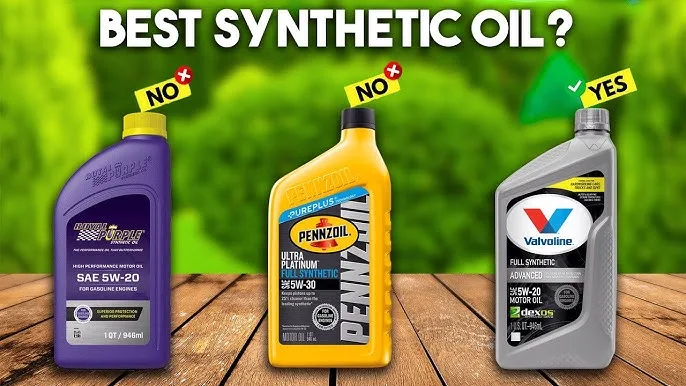
Best 5W-30 Synthetic Oils in 2026: Full Guide
The best 5W-30 synthetic oil in 2026 depends on your vehicle, driving style, mileage, climate, and owner’s manual requirements. For most gas-powered cars, trucks, and SUVs that call for 5W-30, the safest picks are well-known full synthetic oils that meet current API, ILSAC, and manufacturer specs.
For a simple answer, the best all-around 5W-30 synthetic oils in 2026 are Mobil 1 Extended Performance 5W-30, Pennzoil Ultra Platinum 5W-30, Castrol EDGE Extended Performance 5W-30, Valvoline Advanced Full Synthetic 5W-30, and Royal Purple High Performance 5W-30.
Before buying any oil, check your owner’s manual. The right oil is not just about brand. It must match the required viscosity, specification, and oil-change interval for your engine.
Mobil 1 Extended Performance Full Synthetic Engine Oil 5W-30
Best overall
$49.97
Pennzoil Ultra Platinum Full Synthetic 5W-30 Motor Oil
Best cleanliness
$57.99
Castrol Edge Extended Performance 5W-30 Motor Oil
Best extended drain
$58.97
Valvoline Advanced Full Synthetic Motor Oil
Best value
$34.97
Mobil 1 Full Synthetic Motor Oil 5W-30
Daily-driver pick
$16.99
Mobil 1 High Mileage Full Synthetic Engine Oil
High-mileage pick
$39.99
Royal Purple SAE 5W30 Engine Oil
Performance option
$20.99
Mobil 1 Truck & SUV 5W-30 Oil
Truck/SUV pick
$38.97
Pennzoil Platinum High Mileage Full Synthetic Motor Oil
Older-engine pick
$78.78
Valvoline Full Synthetic High Mileage Motor Oil
Budget high-mileage
$14.97
What Does 5W-30 Mean?
5W-30 is a motor oil viscosity grade.
The “5W” tells you how the oil flows in cold temperatures. The lower the number before the W, the better the oil flows during cold starts. The “30” tells you the oil’s thickness at normal operating temperature.
In simple terms, 5W-30 is designed to flow well when the engine is cold while still staying thick enough to protect the engine once it is hot.
That is why 5W-30 is common in many cars, crossovers, SUVs, and light trucks. It works well across a wide temperature range and gives a balance of cold-start protection, fuel economy, and high-temperature protection.
Why Synthetic 5W-30 Is Usually Better
Full synthetic 5W-30 oil is usually better than conventional oil because it is engineered for stronger temperature control, cleaner operation, improved oxidation resistance, and better protection under stress.
Synthetic oil is especially useful if you drive in hot weather, cold weather, stop-and-go traffic, short trips, towing conditions, turbocharged engines, or vehicles with longer oil-change intervals.
Modern engines are harder on oil than older engines. Turbochargers, direct injection, emissions systems, tighter engine tolerances, and stop-start systems all increase the need for high-quality lubrication.
API explains that current gasoline engine oil standards include API SP and ILSAC GF-6, which were created to address modern engine needs such as fuel economy, deposit control, low-speed pre-ignition protection, and timing-chain wear protection. API
Best Overall: Mobil 1 Extended Performance 5W-30
Mobil 1 Extended Performance 5W-30 is one of the strongest all-around choices for 2026.
It is a good fit if you want premium protection, strong brand trust, and longer oil-change interval capability when your vehicle allows it. Mobil says its Extended Performance 5W-30 is an advanced full synthetic oil designed to protect critical engine parts for up to 20,000 miles or one year, whichever comes first, when used as directed and when it meets the vehicle’s required performance level. Mobil 1
This is the oil I would choose for many daily drivers, commuter cars, newer engines, and vehicles where the owner wants a proven premium synthetic.
Do not blindly run 20,000-mile intervals just because the bottle says extended performance. Follow your vehicle’s oil-life monitor and owner’s manual. If you drive hard, tow, idle a lot, or do short trips, shorter intervals are still smarter.
Best for Engine Cleanliness: Pennzoil Ultra Platinum 5W-30
Pennzoil Ultra Platinum 5W-30 is one of the best choices if your priority is engine cleanliness.
Pennzoil markets Ultra Platinum as its best full synthetic motor oil and says it keeps pistons up to 65% cleaner than required by the industry standard. Pennzoil also notes that specifications can vary by viscosity grade and that owners should use the viscosity and specification required by their vehicle’s manual. Pennzoil
This is a strong pick for drivers who want a clean-running oil for daily driving, highway driving, and modern gas engines.
Pennzoil Ultra Platinum is especially popular with people who care about deposits, sludge resistance, and long-term engine cleanliness. It is not always the cheapest oil, but it is a serious option if your vehicle calls for 5W-30 and you want a premium synthetic.
Best Extended-Drain Alternative: Castrol EDGE Extended Performance 5W-30
Castrol EDGE Extended Performance 5W-30 is another excellent premium choice.
Castrol says EDGE offers sludge and wear protection, viscosity control, and engine performance while maintaining protection for up to 20,000 miles. Castrol
Castrol’s Canadian product data sheet for EDGE Extended Performance 5W-30 lists performance claims including API SP, ILSAC GF-6, GM dexos1 Gen 3, Chrysler MS-6395, Ford specifications, and Honda HTO-06. Castrol PDS
This is a good oil for drivers who want a strong extended-performance synthetic, especially if the oil meets the exact spec listed in the owner’s manual.
Best Value Pick: Valvoline Advanced Full Synthetic 5W-30
Valvoline Advanced Full Synthetic 5W-30 is a strong value pick.
It is widely available, often priced well, and suitable for many common Toyota, Honda, Nissan, Chevy, Ford, Dodge, and other gas-powered vehicles when 5W-30 is the required grade. Valvoline says its Advanced Protection full synthetic oil is designed to protect against wear, friction, heat, and deposits, while flowing easily at low temperatures to reduce cold-start wear. Valvoline
This is the kind of oil that makes sense for a practical driver who wants good synthetic protection without overpaying for a boutique oil.
For daily drivers, commuter cars, family SUVs, and regular oil-change intervals, Valvoline Advanced Full Synthetic 5W-30 is one of the easiest recommendations.
Best Performance Option: Royal Purple High Performance 5W-30
Royal Purple High Performance 5W-30 is a good choice for buyers who want a performance-oriented synthetic oil.
Royal Purple says its High Performance Motor Oils meet or exceed API SQ Resource Conserving, ILSAC GF-7A, and GM dexos1 requirements for 0W-20 and 5W-30 viscosity grades. Royal Purple
This is a more enthusiast-focused option. It is not always the most cost-effective choice for a basic commuter car, but it makes sense for people who care about performance branding, strong additive technology, and premium oil positioning.
If your vehicle is still under warranty, make sure the exact bottle you buy shows the right API, ILSAC, and manufacturer approvals for your engine.
Best 5W-30 for High-Mileage Cars
For vehicles with more than 75,000 miles, a high-mileage 5W-30 synthetic oil can make sense.
High-mileage oils usually include additives designed to help condition seals, reduce consumption, and support older engines. They do not magically fix mechanical problems, but they can be helpful if your engine is aging and still otherwise healthy.
Good high-mileage 5W-30 synthetic options include Mobil 1 High Mileage, Pennzoil Platinum High Mileage, and Valvoline Full Synthetic High Mileage.
Choose high-mileage oil if your vehicle has higher mileage, minor seepage, or oil consumption that is still within a manageable range. If the engine is leaking badly, burning oil heavily, or making noise, oil choice alone will not solve the problem.
Best 5W-30 for Trucks and SUVs
For trucks and SUVs that require 5W-30, look for a full synthetic oil that handles heat, towing, short trips, and heavy loads well.
Mobil 1 Truck & SUV 5W-30 is a good choice for drivers who want a truck-focused oil. Mobil 1 Extended Performance, Castrol EDGE Extended Performance, Valvoline Advanced, and Pennzoil Ultra Platinum can also work well if they meet your vehicle’s specification.
For trucks, oil choice depends heavily on the engine. A gas-powered pickup requiring 5W-30 is different from a diesel truck requiring a diesel-rated oil. Do not use regular gasoline-engine 5W-30 in a diesel engine unless the manual specifically allows it.
What Specs Should You Look For?
The best 5W-30 synthetic oil is the one that meets your vehicle’s required specification.
Look for:
API SP or newer.
ILSAC GF-6 or newer where required.
GM dexos1 Gen 3 where required.
Ford, Chrysler, Honda, Toyota, or other manufacturer approvals when listed in your manual.
The GM dexos site notes that dexos1 Gen 3 oils exceed dexos1 Gen 2 performance and are backward compatible for vehicles that previously used dexos1 or dexos1 Gen 2, as long as the correct viscosity grade is used. GM dexos
That matters if you drive a GM vehicle that requires dexos-approved oil. Do not just buy any 5W-30. Make sure the bottle shows the correct dexos license or approval.
Is 5W-30 Good for Winter?
Yes, 5W-30 can be good for winter if your vehicle manufacturer recommends it.
The 5W rating means the oil is designed to flow at cold temperatures better than heavier winter grades. That helps oil reach engine parts faster during cold starts.
However, in very cold climates, some vehicles may call for 0W-20, 0W-30, or another grade. Always follow the owner’s manual. Using the wrong viscosity can affect fuel economy, startup protection, and warranty compliance.
Is 5W-30 Good for Hot Weather?
Yes, 5W-30 is also commonly used in hot weather.
The “30” rating means the oil maintains the required viscosity at engine operating temperature. For many engines, 5W-30 gives a strong balance of cold-start flow and hot-running protection.
If your engine is modified, turbocharged, heavily loaded, or driven hard in extreme heat, you still need to follow the manufacturer’s recommendation. Do not switch to a thicker oil just because it feels safer. Modern engines are designed around specific oil flow and pressure requirements.
Can I Use 5W-30 Instead of 5W-20?
Only use 5W-30 instead of 5W-20 if your owner’s manual allows it.
Some engines allow multiple viscosities depending on climate or use. Others are designed for one specific grade. Using 5W-30 in an engine designed only for 5W-20 can affect fuel economy, oil flow, variable valve timing operation, and warranty coverage.
The best rule is simple: use the viscosity printed in your owner’s manual or oil cap, then choose the best synthetic oil within that grade.
How Often Should You Change 5W-30 Synthetic Oil?
Most modern vehicles using synthetic oil can go between 5,000 and 10,000 miles between oil changes, but the correct interval depends on the vehicle.
Some premium extended-performance oils claim longer protection, but your real interval should be based on the owner’s manual, oil-life monitor, driving conditions, and warranty requirements.
Shorten your oil interval if you do a lot of:
Short trips.
Stop-and-go traffic.
Towing.
Idling.
Dusty driving.
Extreme heat.
Extreme cold.
Performance driving.
Oil is cheaper than engine repairs. Even with a premium synthetic, conservative oil-change intervals are smart if you plan to keep the vehicle long-term.
Are Expensive Synthetic Oils Worth It?
Expensive synthetic oils can be worth it if they meet better specifications, last longer under your driving conditions, or provide added peace of mind.
But the most expensive oil is not automatically the best oil for every car. A properly approved Valvoline, Pennzoil, Castrol, Mobil 1, or Royal Purple product will usually protect the engine well when changed on time.
The bigger mistake is not buying a cheaper synthetic. The bigger mistake is using the wrong viscosity, ignoring required approvals, stretching intervals too far, or skipping oil changes.
Best 5W-30 Synthetic Oil Overall
If you want one simple recommendation, choose Mobil 1 Extended Performance 5W-30.
It is widely available, well-known, backed by strong extended-interval claims, and suitable for many modern gas engines that require 5W-30.
If you want the cleanest-engine-focused pick, choose Pennzoil Ultra Platinum 5W-30.
If you want a strong extended-performance alternative, choose Castrol EDGE Extended Performance 5W-30.
If you want a strong value oil, choose Valvoline Advanced Full Synthetic 5W-30.
If you want a more enthusiast-oriented option, choose Royal Purple High Performance 5W-30.
FAQs About 5W-30 Synthetic Oil
What is the best 5W-30 synthetic oil in 2026?
The best overall 5W-30 synthetic oil for most drivers is Mobil 1 Extended Performance 5W-30. Pennzoil Ultra Platinum, Castrol EDGE Extended Performance, Valvoline Advanced Full Synthetic, and Royal Purple High Performance are also strong choices.
Is 5W-30 full synthetic good for high-mileage cars?
Yes, 5W-30 full synthetic can be good for high-mileage cars if the vehicle requires 5W-30. For engines over 75,000 miles, a high-mileage synthetic oil may help with seal conditioning and older-engine protection.
Can I use 5W-30 synthetic oil in any car?
No. Only use 5W-30 if your owner’s manual allows it. Some vehicles require 0W-20, 5W-20, 0W-30, 10W-30, or another grade.
Is Mobil 1 5W-30 better than Pennzoil 5W-30?
Mobil 1 Extended Performance is a strong extended-drain pick, while Pennzoil Ultra Platinum is excellent for cleanliness. Both are good oils. The better choice depends on your engine specs, budget, and oil-change interval.
Is 5W-30 better than 5W-20?
Not automatically. 5W-30 is thicker at operating temperature than 5W-20, but the best oil is the viscosity your engine was designed to use.
How long does 5W-30 synthetic oil last?
Many vehicles can run synthetic oil for 5,000 to 10,000 miles, while some extended-performance oils claim longer protection. Follow the owner’s manual and oil-life monitor instead of relying only on the bottle claim.
Final Thoughts: Best 5W-30 Synthetic Oils in 2026
The best 5W-30 synthetic oil in 2026 is the one that matches your vehicle’s required viscosity and approvals.
For most drivers, Mobil 1 Extended Performance 5W-30 is the best overall pick. Pennzoil Ultra Platinum 5W-30 is excellent for engine cleanliness. Castrol EDGE Extended Performance 5W-30 is a strong premium alternative. Valvoline Advanced Full Synthetic 5W-30 is the best practical value choice. Royal Purple High Performance 5W-30 is a good enthusiast option.
Before buying, check the owner’s manual, confirm the oil bottle lists the correct API, ILSAC, dexos, Ford, Chrysler, Honda, or other manufacturer specification, and change the oil on time. A good synthetic oil helps, but the real key to long engine life is using the right oil at the right interval.
Rubicon: Define Rubicon & Meaning

The word Rubicon carries a weight much larger than its size might suggest. Let’s define Rubicon, from a small river in Italy to a powerful symbol in everyday language, and even into the world of automobiles, Rubicon has traveled a remarkable path through history, language, and culture.
– Jeep Rubicon for sale near me
This article explores in detail: what Rubicon means, where it came from, and why it remains such a powerful term today.
What Is the Rubicon?
At its most literal, the Rubicon was, and still is, a small river in northeastern Italy. In the era of the Roman Republic (around the 1st century B.C.), it marked the boundary between the Roman province of Cisalpine Gaul (northern Italy) and the official territory of Rome itself.
Under Roman law, no general was permitted to cross the Rubicon River with a standing army. Doing so would be considered an act of treason and direct war against the Roman Senate and the people of Rome.
Thus, the Rubicon wasn’t just a river — it was a legal and political line that no military leader was allowed to cross without catastrophic consequences.
Julius Caesar and the Rubicon
The Rubicon became immortalized in 49 B.C., when Gaius Julius Caesar, then governor of Gaul, faced a fateful decision.
The Senate, fearing his growing power, had ordered him to disband his army and return to Rome as a private citizen. Instead of obeying, Caesar marched his legion southward — and when he crossed the Rubicon River with his forces, he deliberately defied Roman law.
According to historical accounts, as he crossed, Caesar uttered the phrase:
“Alea iacta est” — “The die is cast.”
By crossing the Rubicon, Caesar committed himself to civil war. There was no turning back.
This singular moment would forever associate “crossing the Rubicon” with making an irreversible, bold decision — one that commits a person to a specific course of action, regardless of the risks.
| Event | Date | Importance |
|---|---|---|
| Julius Caesar crosses the Rubicon River | 49 B.C. | Defies Roman law, starts Roman Civil War |
| Famous quote | “The die is cast” | Signaling a decisive, irreversible action |
Modern Meaning of Rubicon
Today, the word Rubicon is used figuratively in English and other languages. It symbolizes:
- A point of no return.
Once a Rubicon is crossed, you cannot go back. - Making a bold, irreversible decision.
Crossing your Rubicon often involves risk, uncertainty, and major consequences.
Example in sentences:
- “After quitting my stable job to start a business, I had crossed my Rubicon.”
- “The company crossed its Rubicon when it decided to enter the international market.”
Thus, even 2,000 years later, the idea of the Rubicon still resonates whenever someone must make a life-altering choice.
| Term | Modern Definition |
|---|---|
| Rubicon | A decisive boundary; an irreversible point of no return |
Rubicon in Culture and Media
Because of its powerful meaning, the term Rubicon often appears in literature, film, politics, and even business discussions.
- Politics: Leaders often speak of “crossing the Rubicon” when describing a controversial or risky decision.
- Business: Companies use the metaphor when they pivot strategies, launch new ventures, or enter high-risk markets.
- Movies and Television: The Rubicon concept is featured in various thrillers and dramas that deal with irreversible choices and high-stakes scenarios.
Its symbolic meaning has remained strong because everyone — from emperors to entrepreneurs — faces moments when they must make an irreversible leap.
Rubicon and Jeep: A New Evolution
The meaning of Rubicon took a fascinating new turn when Jeep adopted the name for its ultimate off-road machine: the Jeep Wrangler Rubicon.
Introduced in 2003, the Jeep Rubicon was built to dominate the most grueling off-road trails in the world — including the actual Rubicon Trail in the Sierra Nevada mountains of California, one of the toughest off-road trails on the planet.
In this context, Rubicon represents:
- A commitment to adventure
- A decisive move toward rugged exploration
- Crossing into untamed territory with no intention of turning back
Thus, when a driver chooses a Rubicon Jeep, they symbolically cross their own Rubicon: leaving behind comfort zones for adventure, challenge, and freedom.
| Jeep Rubicon | Meaning |
|---|---|
| Model | Jeep’s most capable off-road Wrangler trim |
| Symbolism | Commitment to extreme adventure and off-road mastery |
| Inspiration | Named after the Rubicon Trail and Roman historical meaning |
Summary: What Does Rubicon Mean?
To summarize:
- Rubicon was originally the name of a small river in Italy.
- Julius Caesar’s crossing of the Rubicon marked an irreversible act of defiance, leading to civil war.
- Today, “crossing the Rubicon” symbolizes reaching a point where one must fully commit and accept the consequences.
- In modern culture, Rubicon is synonymous with decisive, bold moves — whether in personal life, politics, business, or exploration.
- The Jeep Wrangler Rubicon uses the name to embody the spirit of bold, unstoppable adventure.
| Rubicon | Summary |
|---|---|
| Literal Meaning | River in Italy |
| Historical Event | Caesar’s irreversible march in 49 B.C. |
| Modern Use | Point of no return; bold, irreversible decision |
| Jeep Connection | Symbol of extreme off-road capability |
Final Thought
Rubicon is far more than a simple geographical term. It’s an idea — one that captures the spirit of human courage, determination, and action in the face of uncertainty.
Whether spoken in boardrooms, battlefields, or rugged mountain trails, Rubicon remains a timeless metaphor for boldness and irreversible change.
When you cross your Rubicon, you aren’t just making a choice.
You’re making history — your own.
Connect with us


