





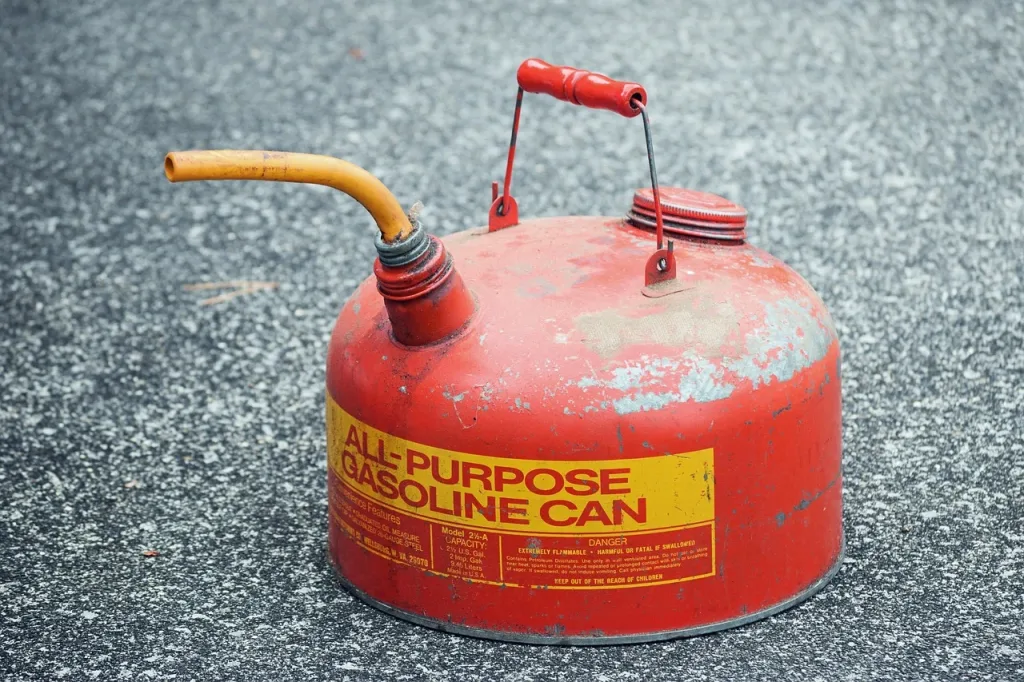
How Much Does a Gallon of Gas Weigh?
A gallon of gasoline weighs about 6 to 6.3 pounds per U.S. gallon.
The simple answer is this: use 6.2 pounds per gallon as the practical average for gasoline weight. J.D. Power lists regular gasoline at about 6.073 pounds per gallon at 59°F, while midgrade and premium can weigh slightly more depending on blend and temperature.
So if you are doing quick math:
1 gallon of gas weighs about 6.2 pounds.
5 gallons of gas weighs about 31 pounds.
10 gallons of gas weighs about 62 pounds.
15 gallons of gas weighs about 93 pounds.
20 gallons of gas weighs about 124 pounds.
A full 25-gallon truck tank adds roughly 155 pounds of fuel weight.
Why Gasoline Weight Changes
Gasoline does not have one exact weight because the formula changes.
Fuel weight can vary depending on octane, ethanol content, refinery blend, seasonal fuel mix, and temperature. Cold gasoline is denser, so it weighs slightly more per gallon. Warm gasoline expands, so a gallon can weigh slightly less.
The U.S. Energy Information Administration explains that gasoline is made from crude oil and other petroleum liquids, and that finished gasoline is blended before being sold at retail stations. That blending process is why one gallon of gas is not always the exact same weight everywhere.
Does Premium Gas Weigh More Than Regular?
Usually, premium gas can weigh slightly more than regular gas, but the difference is small.
J.D. Power lists regular gasoline at about 6.073 pounds per gallon, midgrade at about 6.35 pounds, and premium at about 6.27 pounds under the same temperature reference.
For normal drivers, this difference does not matter much. If you are calculating trailer weight, fuel storage, racing weight, or payload, using 6.2 pounds per gallon is a safe practical estimate.
Gasoline vs Diesel Weight
Gasoline is lighter than diesel.
Gasoline is usually around 6.2 pounds per gallon, while diesel is commonly around 7 pounds per gallon. That means a diesel truck with a full tank carries noticeably more fuel weight than a gas truck with the same tank size.
Gasoline is also lighter than water. One U.S. gallon of water weighs about 8.34 pounds, which is why gasoline floats on water.
Why Fuel Weight Matters
Fuel weight matters if you are towing, hauling, storing gasoline, calculating payload, or transporting fuel cans.
For example, five gallons of gasoline weighs about 31 pounds, plus the weight of the gas can. A 20-gallon tank adds roughly 124 pounds when full. A large truck tank can add well over 150 pounds of fuel weight.
That weight is not usually a big deal for normal commuting, but it can matter when you are close to payload limits, towing capacity, trailer tongue weight, or axle ratings.
FAQs About Gasoline Weight
How much does 1 gallon of gas weigh?
One U.S. gallon of gasoline weighs about 6 to 6.3 pounds, with 6.2 pounds being the best practical average.
How much does 5 gallons of gas weigh?
Five gallons of gasoline weighs about 31 pounds, not including the weight of the gas can.
How much does 10 gallons of gas weigh?
Ten gallons of gasoline weighs about 62 pounds.
How much does 20 gallons of gas weigh?
Twenty gallons of gasoline weighs about 124 pounds.
Is diesel heavier than gasoline?
Yes. Diesel is heavier than gasoline. Gasoline is about 6.2 pounds per gallon, while diesel is commonly around 7 pounds per gallon.
Final Answer
A gallon of gas weighs about 6.2 pounds on average.
The exact weight changes slightly by fuel blend, octane, ethanol content, and temperature, but 6.2 pounds per U.S. gallon is the number to use for quick calculations.
Connect with us


