





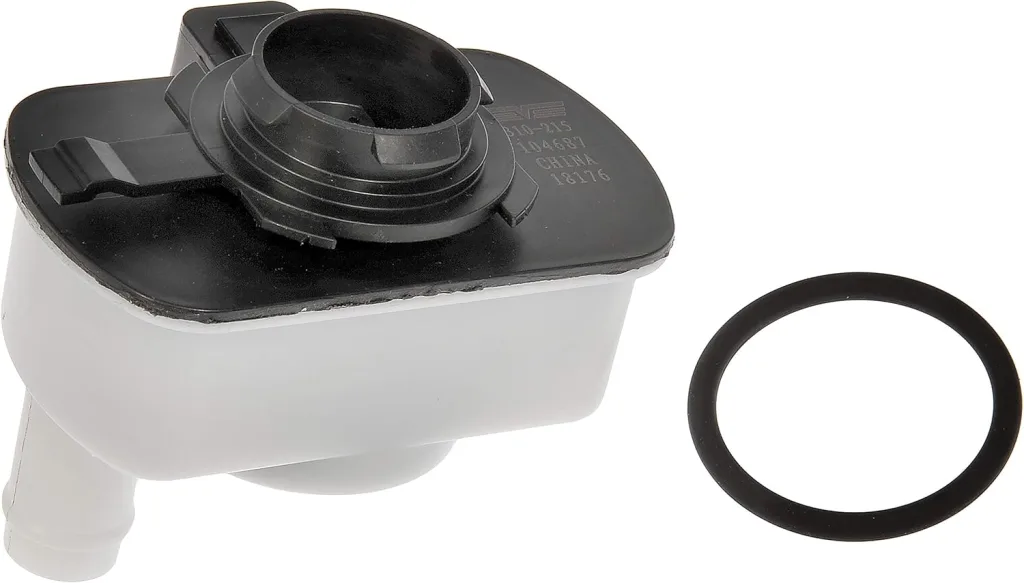
When people search for a leak detection pump, they are usually not chasing a drivability upgrade. They are trying to solve an emissions fault, get rid of a check engine light, or understand why their vehicle keeps throwing EVAP-related trouble codes even though it still seems to drive normally. That is exactly where the EVAP leak detection pump, fuel vapor leak detection pump, EVAP system leak detection pump, and evaporative emissions system leak detection pump come in. In many vehicles, this component is part of the onboard evaporative-emissions self-test system, which checks whether fuel vapors are escaping from the sealed fuel system. The EVAP system itself exists to keep gasoline vapors from venting directly into the atmosphere, and OBD-II systems monitor it for leaks and airflow faults. (nyvip3.com)
If you are shopping one now, here is the link you provided:
Buy Now: https://amzn.to/4sjtA40
What is a leak detection pump?
A leak detection pump is an EVAP-system component used on certain vehicles to help test the sealed fuel-vapor system for leaks. The EVAP system routes fuel vapors from the tank to a charcoal canister instead of letting them escape into the air, and the vehicle’s onboard diagnostics monitor that system to verify there are no vapor leaks. On many applications, the leak detection pump is the part that helps create or monitor the pressure or vacuum conditions needed for that self-check. That is why terms like evap leak detection pump, fuel vapor leak detection pump, and evaporative emissions system leak detection pump are usually talking about the same general emissions-control role, even if exact design details differ by manufacturer. (nyvip3.com)
In other words, the leak detection pump is not there to improve power, fuel economy, or throttle response directly. Its job is emissions compliance and system integrity. It helps the vehicle determine whether the fuel tank, vapor canister, hoses, valves, and related EVAP plumbing are properly sealed. If the system detects a leak or the pump itself fails, the most common result is a stored diagnostic trouble code and an illuminated check engine light rather than dramatic drivability symptoms. Ford’s own parts description states that a failed leak detection pump will often have no noticeable symptoms beyond the check engine light, even though it causes inefficient operation and higher emissions. (https://www.ford.com/)
Why the EVAP system exists in the first place
To understand the pump, you need to understand the system around it. Gasoline evaporates easily. Those vapors are hydrocarbons, and if they are allowed to vent freely from the tank and lines, they contribute to pollution. EPA material on evaporative emissions explains that modern vehicles use technologies such as charcoal canisters and related controls to manage fuel-vapor emissions, while OBD-based monitoring verifies system integrity. New York’s OBD information for emissions inspection similarly explains that the EVAP system is designed to stop fuel vapors from leaking directly into the atmosphere, storing them until they can be purged and burned by the engine. (US EPA)
That is why an EVAP fault can fail emissions inspections even when the car seems to drive just fine. The system is not only about how the engine feels. It is about whether hydrocarbons are escaping. A tiny leak at the wrong point in the EVAP circuit can set a code even if the engine starts, idles, accelerates, and cruises normally. (nyvip3.com)
What is leak detection pump really checking?
The leak detection pump is generally involved in checking for leaks in the sealed vapor-storage side of the fuel system. That means it is concerned with components like:
- The fuel tank
- Vapor lines
- EVAP hoses
- The charcoal canister
- Valves associated with purge or venting
- Seals and connectors
- In some designs, the fuel cap sealing path as part of the overall system
OBD-II EVAP monitoring is designed to confirm that there is no unwanted loss of fuel vapor from the system and that vapor flow is working correctly when commanded. New York’s inspection documentation states that the EVAP monitor checks both for airflow from the canister to the engine and for leaks in the tank, canister, or vapor lines. (nyvip3.com)
So when people ask what is a leak detection pump, the most accurate answer is this: it is an emissions-diagnostic component that helps the vehicle verify whether the fuel-vapor containment system is sealed.
How does a leak detection pump work?
This is one of the most searched questions, and the cleanest answer is that it depends somewhat on the manufacturer’s design, but the basic function is consistent: the pump helps the vehicle run a leak test on the EVAP system. Some systems actively create test pressure or vacuum; others use related integrity-monitoring modules and canister assemblies to determine whether the system holds the expected condition. Dorman’s product descriptions consistently frame these parts as evaporative emissions system leak detection pumps that replace original pumps when they have clogged or failed due to emissions-control-system damage, while Mopar catalogs show that on Chrysler, Dodge, Jeep, and Ram applications the emissions canister area may involve vacuum canisters and leak detection pumps or an evaporative system integrity module detector, depending on vehicle and configuration. (Dorman Products)
Functionally, the sequence usually works like this:
- The vehicle seals the EVAP system under the conditions needed for its self-test.
- The leak detection device helps create or measure a vacuum or pressure condition.
- The engine computer watches how the system responds.
- If that pressure or vacuum decays too quickly, the system interprets that as a leak or a failed component.
- If the pump or integrity monitor itself cannot operate correctly, the computer may set a fault related to the EVAP test process rather than a raw hose leak. (nyvip3.com)
That is the plain-English answer to how does a leak detection pump work: it is part of the EVAP self-test hardware that helps the car determine whether fuel vapors are escaping.
Why leak detection pumps fail
Like most emissions components, leak detection pumps do not last forever. They live in a hostile environment: temperature swings, road debris, moisture, dust, and constant exposure to the vapor-management system. Aftermarket replacement sources such as Dorman explicitly state that these pumps commonly require replacement when the original unit has clogged or failed due to emissions control system damage. That wording is useful because it reflects two of the biggest failure patterns: internal contamination and plain component failure. (Dorman Products)
The most common failure causes include:
- Internal clogging
- Age-related electrical failure
- Moisture intrusion
- Broken plastic ports or connectors
- Damaged hoses attached to the pump
- Contamination from a deteriorating canister or filter
- Corrosion at wiring terminals
- Faults elsewhere in the EVAP system that overwork or confuse the pump
Not every EVAP code means the pump is bad. That is a critical point. Sometimes the pump is only the messenger, not the root cause. A cracked hose, a stuck vent valve, or a canister problem can produce symptoms that make the pump look guilty.
Symptoms of a bad EVAP leak detection pump
One reason this part confuses people is that its symptoms are often subtle. This is not like a failed alternator or dead starter where the vehicle immediately refuses to function. A bad fuel vapor leak detection pump may trigger only emissions warnings at first.
The most common symptoms are:
- Check engine light
- EVAP-related diagnostic trouble codes
- Failed or incomplete emissions readiness monitor
- Emissions-test failure
- Sometimes a fuel smell, depending on where the actual leak is
- Usually little to no obvious drivability change
Ford’s parts site is unusually clear on this point, noting that a failed leak detection pump often has no noticeable symptoms beyond a check engine light. That tracks with how EVAP faults behave in the real world. Because the EVAP system mainly manages vapors rather than the core air-fuel mixture under most driving conditions, a fault may not immediately feel dramatic from behind the wheel. (https://www.ford.com/)
So if you are wondering whether your evap system leak detection pump can be bad even though the car still runs fine, the answer is yes.
Common codes and diagnosis context
While the exact trouble codes vary by platform, EVAP problems often cluster around system leaks, incorrect purge flow, vent issues, or monitor performance faults. The important point is that a leak detection pump can be involved in the diagnostic process without being the only possible cause. Since the OBD-II EVAP monitor checks for leaks in the fuel tank, canister, and vapor lines, a code may point you toward the EVAP system broadly rather than prove that the pump itself has failed. (nyvip3.com)
That is why replacing the pump blindly can be a mistake. The code tells you which monitored system failed; it does not always tell you which exact part is defective.
A proper diagnosis usually includes:
- Scanning the exact EVAP codes
- Looking for pending and stored faults
- Inspecting hoses and connectors
- Inspecting the canister area
- Checking wiring and terminals at the pump
- Verifying whether the system can hold vacuum or pressure
- Smoke-testing the EVAP system when appropriate
If you skip these steps, you risk replacing a good pump while the real problem remains.
What is the difference between a leak detection pump and other EVAP parts?
This is another area where buyers get tripped up. The EVAP system usually includes multiple components, and the names can sound similar. The pump is not the same as the purge solenoid, vent valve, charcoal canister, or gas cap, even though all of them affect EVAP performance.
Here is the practical distinction:
- Leak detection pump: Helps the system perform or verify the leak test
- Purge valve/solenoid: Allows stored vapors to be drawn into the engine and burned
- Vent valve: Controls fresh-air entry or sealing of the canister side during testing
- Charcoal canister: Stores fuel vapors
- Hoses and seals: Provide the sealed path the monitor is checking
New York’s OBD information describes the EVAP system as including the fuel tank, vapor storage canister, valves, hoses, and sealed cap arrangement, with onboard diagnostics monitoring the system for leaks and airflow. That is why a fault in any one of those components can mimic or accompany a pump problem. (nyvip3.com)
Fuel vapor leak detection pump vs evaporative emissions system leak detection pump
In search terms, these phrases are basically different ways of describing the same category of part. Dorman uses both styles in its catalog. Some listings say evaporative emissions system leak detection pump, while others say fuel vapor leak detection pump, but the product descriptions still describe a direct-fit replacement EVAP leak detection component. (Dorman Products)
That is useful for SEO and shopping alike because it means you should search broadly. If you only type one version of the term, you may miss fitment options.
How to know if you actually need replacement
You should seriously consider replacing the pump when:
- A proper diagnosis points to pump failure
- The pump does not operate when commanded
- The housing or ports are damaged
- The electrical connector is good but the unit is nonfunctional
- The pump is clogged or contaminated
- The vehicle has a recurring EVAP fault tied specifically to the pump or its circuit
- You have confirmed that hoses, valves, and cap sealing are not the true issue
Aftermarket replacement manufacturers like Dorman market these parts as direct replacements designed to match the fit and function of the original pump on specified applications. That is exactly the right buying mindset: you are not usually “upgrading” this part. You are restoring the original emissions self-test functionality. (Dorman Products)
How to change fuel vapor leak detection pump
This is one of the most searched questions, but the safe answer needs a caveat: the exact location and procedure vary a lot by make and model. Some vehicles mount the pump near the canister assembly under the vehicle; others integrate it into a broader canister or integrity-monitor arrangement. Mopar’s factory parts diagrams make that pretty clear, showing leak detection pump and canister-related components together in the emissions-controls section on many Chrysler, Dodge, Jeep, and Ram vehicles. (Mopar eStore)
That said, the general replacement process usually looks like this:
1. Confirm the diagnosis
Do not start with parts. Start with scan data, code interpretation, and visual inspection. If possible, smoke-test the EVAP system or follow OEM diagnostic steps.
2. Locate the pump
On many vehicles it is mounted near the charcoal canister, often under the rear of the vehicle or near the fuel tank area. Access may require lifting the vehicle safely.
3. Disconnect the battery if appropriate
This is not always strictly required for every job, but it is a smart safety step when unplugging emissions electrical components.
4. Disconnect the electrical connector
Inspect it for corrosion, broken locks, or bent terminals. A bad connector can mimic a bad pump.
5. Remove vapor hoses carefully
Do not force old plastic fittings. EVAP plastic becomes brittle with age, and breaking an adjacent hose or port can turn a simple repair into a bigger one.
6. Unbolt or unclip the old pump
Depending on the design, the pump may be retained with fasteners, a bracket, or integrated clips.
7. Compare the new and old parts
Check connector shape, hose-port orientation, mounting tabs, and any filter provisions. Dorman’s published specifications, for example, list details like terminal configuration, port quantity, and whether a filter is included, which shows how application-specific these parts can be. (Dorman Products)
8. Install the new pump
Reconnect hoses securely, ensuring routing and orientation match the original setup.
9. Clear codes and run a drive cycle
EVAP monitors often do not run instantly. Clearing the code is only step one. The vehicle may need specific conditions before the monitor completes and confirms the repair.
That is the general answer to how to replace a fuel vapor leak detection pump. The exact fasteners, access method, and readiness procedure are vehicle-specific.
Can you replace it yourself?
Yes, on many vehicles, but not every EVAP pump job is an easy driveway repair. The difficulty depends on:
- Pump location
- Rust and corrosion underneath the vehicle
- Access around the canister assembly
- Whether hoses are brittle
- Whether you have a scan tool to clear codes and confirm monitor status
- Whether the diagnosis is already confirmed
For an experienced DIYer with safe lifting equipment and basic diagnostic ability, this can be a manageable repair. For a beginner, the bigger problem is usually not the wrenching. It is the diagnosis. Replacing the wrong EVAP part is common because symptoms overlap.
Why direct-fit matters so much
With emissions components, universal thinking usually causes problems. A leak detection pump needs the correct electrical connector, correct hose size, correct flow characteristics, and correct mounting geometry. That is why reputable aftermarket listings emphasize direct replacement and exact application fitment. Dorman’s published descriptions repeatedly state that their pumps are designed to match the fit and function of the original part on specified applications and are engineered for reliable performance and durability. (Dorman Products)
So when shopping your Amazon option, the most important rule is simple: verify exact fitment first.
What happens if you ignore a bad leak detection pump?
Ignoring it will not always strand you, but it can create ongoing issues:
- Persistent check engine light
- Emissions inspection failure
- Incomplete readiness monitors
- Continued hydrocarbon leakage from the EVAP system if another leak is present
- Reduced ability to detect future EVAP faults accurately
Ford’s description also notes that a failed pump causes the vehicle to operate inefficiently and produce higher emissions. So while this is not usually a dramatic drivability emergency, it is still a real repair. (https://www.ford.com/)
Best buying checklist for an EVAP leak detection pump
Before ordering, confirm:
- Exact year, make, model, engine, and trim
- Whether the vehicle uses a separate pump or a combined module
- OE part number cross-reference when possible
- Connector shape and hose-port configuration
- Whether filter(s) are included
- Whether brackets or seals are included
- Whether the issue was truly diagnosed as pump failure
If the listing is from a reputable direct-replacement line and matches the vehicle exactly, you are already avoiding the biggest mistake people make in this category.
Final verdict
A leak detection pump is not a glamorous part, but it is a critical one for EVAP monitoring and emissions compliance. Whether you search EVAP leak detection pump, fuel vapor leak detection pump, EVAP system leak detection pump, or evaporative emissions system leak detection pump, you are dealing with a component whose job is to help the vehicle verify that fuel vapors are not escaping from the sealed EVAP system. Modern emissions systems are designed around that integrity check, and when the pump fails, the most common result is a check engine light and an emissions-related fault rather than a dramatic change in how the vehicle drives. (nyvip3.com)
If diagnosis points to the pump, replacement is usually about restoring factory function, not upgrading performance. Buy exact fitment, inspect the rest of the EVAP system carefully, and do not assume every EVAP code automatically means the pump is bad. When the pump truly is the problem, a proper direct-fit replacement is the right fix. (Dorman Products)
Buy Now: https://amzn.to/4sjtA40
Connect with us


