



If you are shopping for the best brakes and rotors, the biggest mistake you can make is buying based on hype instead of fit, driving style, and material quality. A brake kit that feels excellent on one vehicle can be completely wrong for another. A lightweight commuter sedan, a half-ton pickup, and a towing SUV all stress their brake systems differently. That is why the best brakes and rotors are not simply the most expensive ones or the most aggressive-looking drilled and slotted kits. The best setup is the one that matches how your vehicle is actually used.
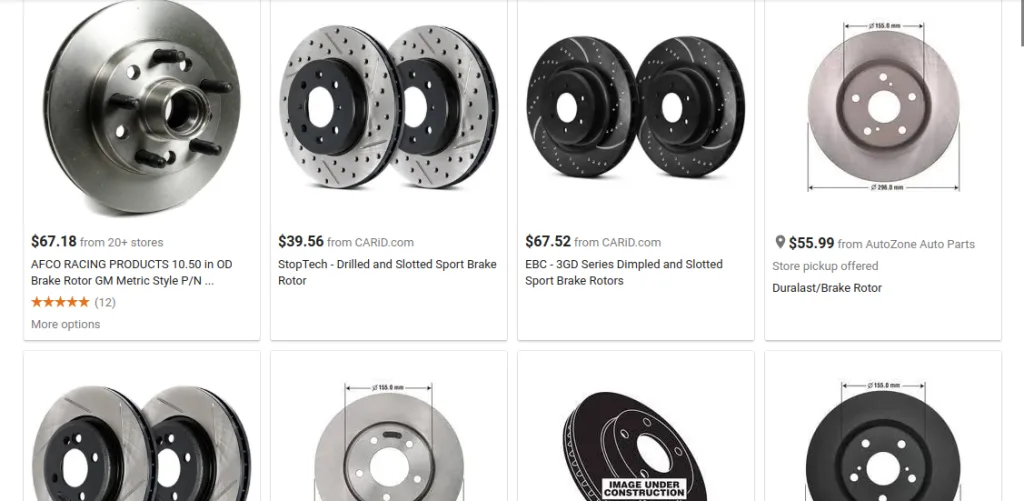
For many buyers, the challenge starts on Amazon or other marketplaces. You search “best brakes and rotors” and instantly see thousands of results. Some products emphasize ceramic pads, some push drilled and slotted rotors, some claim truck-and-tow performance, and others focus on OE-style daily driving comfort. Brands like PowerStop, Detroit Axle, and ACDelco show up often, and at first glance many kits can look similar. But once you understand rotor types, pad materials, vehicle fitment, and what really matters in real-world braking, choosing the right kit becomes much easier.
If you want to check current pricing and availability for a popular option, here is the buy link:
Buy Now: https://amzn.to/3OKXVdl
Why brakes and rotors matter more than most drivers think
A lot of car owners wait until their brakes start squealing, grinding, vibrating, or pulling before paying attention. By then, the problem may already be bigger than just worn pads. Rotors may be heat-spotted, scored, warped, or too thin to reuse. Caliper hardware may be sticking. Brake fluid may be old. Tire wear or suspension issues might also be contributing to bad stopping feel.
Your brake system is not just about stopping distance. It affects:
- Pedal feel
- Driver confidence
- Heat resistance
- Noise levels
- Dust buildup on wheels
- Rotor and pad longevity
- Towing safety
- Emergency braking stability
The right brake kit can restore a vehicle’s original confidence, reduce maintenance headaches, and in some cases significantly improve performance under load.
What you are really buying when you choose a brake kit
When you shop for brakes and rotors, you are usually choosing one of the following:
1. Pads only
This is the cheapest route, but it only makes sense if your rotors are still in excellent condition and thick enough to be resurfaced or reused. In many cases, especially on higher-mileage vehicles, replacing pads without addressing the rotors is false economy.
2. Rotors only
Rotor-only replacement is less common unless the pads are relatively fresh and still wearing evenly. Most people replace both pads and rotors together.
3. Front kit
This typically includes two front rotors and one set of front brake pads. Front brakes usually do most of the stopping, so front kits are very common.
4. Front and rear kit
This is the best option when you want a full reset of braking feel, balanced wear, and predictable performance. Many buyers prefer this route because labor is simplified and the entire system feels more consistent afterward.
Understanding the major rotor types
One reason buyers get confused is because rotor design is marketed aggressively. Drilled. Slotted. Cross-drilled. Geomet coated. Semi-coated. OE replacement. Performance upgrade. Truck and tow. These phrases sound technical, but you need to understand what they mean in practical terms.
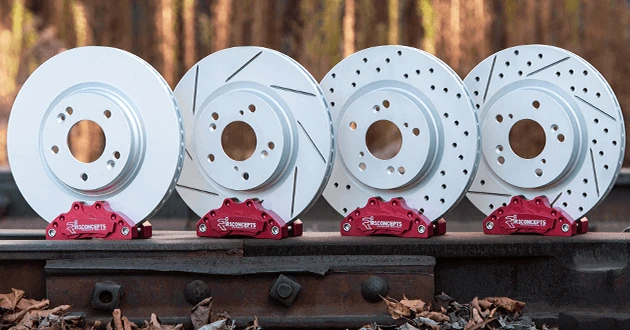
OE-style blank rotors
These are the standard plain-surface rotors found on most vehicles from the factory.
Best for:
- Daily commuting
- Quiet operation
- Lower cost
- Predictable pad wear
- Normal city and highway use
Pros:
- Usually the smoothest and quietest
- Lower pad wear in many cases
- Often closest to factory feel
- Typically more affordable
Cons:
- Less aggressive bite under repeated hard braking
- Can look plain if appearance matters to you
For most daily drivers, high-quality OE-style rotors remain one of the smartest choices.
Drilled rotors
These have holes drilled through the rotor face.
Best for:
- Buyers who want a sportier look
- Some lighter-duty performance applications
Pros:
- Attractive appearance behind open wheels
- Can help vent gases and water in certain conditions
Cons:
- May be more prone to cracking under repeated heavy heat cycling if quality is poor
- Can wear pads differently
- Sometimes noisier
Drilled rotors look great, but they are not automatically better for every vehicle.
Slotted rotors
These have machined channels on the rotor face.
Best for:
- Heavier vehicles
- More aggressive driving
- Some towing or hauling applications
Pros:
- Good pad bite
- Can help clear debris and gases
- Often better for repeated braking load than basic blanks
Cons:
- Can create more pad wear
- Sometimes more audible than plain rotors
Drilled and slotted rotors
This is the most aggressively marketed style online and often the one buyers associate with “upgraded brakes.”
Best for:
- Drivers who want visual appeal plus stronger bite
- Trucks and SUVs using premium matched kits
- Some performance-oriented builds
Pros:
- Sporty appearance
- Stronger initial bite in many setups
- Often bundled with ceramic pads in upgrade kits
Cons:
- Not always necessary for normal commuting
- Can cost more
- Quality matters a lot
A cheap drilled-and-slotted kit is not automatically better than a well-made OE-style setup from a more reputable brand.
Pad material matters just as much as the rotors
Many shoppers focus on the rotor design and ignore the brake pad compound. That is a mistake. The pad compound affects stopping feel, dust, noise, longevity, and rotor wear.
Ceramic brake pads
These are among the most popular options today and show up in many Amazon kits.
Best for:
- Daily drivers
- Low dust preference
- Quiet braking
- Balanced street performance
Pros:
- Usually quieter than metallic pads
- Lower dust
- Smooth braking feel
- Long-lasting in many normal driving conditions
Cons:
- May not offer the same cold bite or heavy-load performance as more aggressive compounds in extreme use
Ceramic pads are often the sweet spot for normal drivers.
Semi-metallic brake pads
These use metal fibers in the compound.
Best for:
- Heavier vehicles
- Towing
- Drivers who brake hard regularly
Pros:
- Strong braking performance
- Good heat handling
- Often better suited for demanding use
Cons:
- More dust
- Can be noisier
- Can wear rotors faster
Carbon-fiber ceramic or performance street compounds
These are usually marketed for trucks, towing, or performance upgrades.
Best for:
- Trucks
- Large SUVs
- Repeated load
- Drivers wanting stronger bite
Pros:
- Better thermal performance
- Stronger feel in harder use
- Often bundled in premium kits
Cons:
- Higher cost
- Sometimes overkill for a commuter car
The biggest mistake buyers make: ignoring vehicle fitment
This is where many bad reviews come from. Not because the brake kit itself is terrible, but because the buyer ordered a kit that technically seemed compatible yet did not match the exact trim, rotor size, drivetrain configuration, towing package, or production year split.
Before buying any brake kit, verify:
- Exact year
- Make
- Model
- Trim
- Engine
- Drivetrain
- Front vs rear rotor size
- Number of wheel lugs
- Towing package or heavy-duty brake package
- Whether your vehicle uses different rotor sizes depending on trim
A brake kit for a Ram 1500, for example, may not fit every Ram 1500 configuration. The same applies to Silverado, Tahoe, Camry, Civic, Altima, and nearly everything else.
What the popular brands generally represent
Based on the kinds of products commonly shown in search results, here is how buyers often think about the leading names.
PowerStop
PowerStop is one of the most recognizable names in aftermarket brake kits. Many of its listings combine rotors and ceramic pads in vehicle-specific sets, and the brand often offers both OE-replacement style kits and upgraded drilled/slotted kits.
Why buyers like it:
- Strong brand recognition
- Broad fitment coverage
- Lots of ceramic pad kits
- Popular truck-and-tow offerings
- Good balance of performance and convenience
Best for:
- People who want a complete matched kit
- Truck and SUV owners
- Drivers who want an upgrade over stock without going race-oriented
Detroit Axle
Detroit Axle is often attractive because it offers extensive fitment coverage and competitive pricing. Its kits are common across sedans, SUVs, and trucks.
Why buyers like it:
- Wide selection
- Good value pricing
- Vehicle-specific full kits
- Common availability for older and newer applications
Best for:
- Budget-conscious buyers
- DIY replacements
- Drivers looking for decent all-in-one kit value
ACDelco
ACDelco is especially appealing for GM owners who want something closer to OE replacement.
Why buyers like it:
- Familiar OEM-adjacent reputation
- Straightforward replacement parts
- Often a safer pick for factory-style feel
Best for:
- Stock-style replacements
- GM applications
- Drivers who prioritize original-type behavior over flashy upgrades
How to choose the best brakes and rotors for your driving style
For normal commuting
If your driving is mostly school runs, work commutes, errands, and highway cruising, you probably do not need an aggressive drilled-and-slotted performance kit.
Look for:
- OE-style or lightly upgraded rotors
- Ceramic pads
- Anti-noise shims
- Coated rotors if you live in a rust-prone area
This type of setup usually gives you quiet, clean, reliable braking.
For SUVs and family haulers
Larger vehicles place more demand on brakes simply because of weight. Even if you do not tow, an SUV loaded with passengers and cargo can benefit from a stronger pad and rotor package.
Look for:
- Quality matched front and rear kit
- Ceramic or premium hybrid pad compound
- Rotors with corrosion resistance
- Good reviews for noise control
For trucks and towing
This is where buying the cheapest kit can backfire. Trucks generate more heat, especially when towing trailers, carrying loads, or descending hills.
Look for:
- Truck-and-tow specific kits
- More heat-resistant pad compounds
- Larger heavy-duty rotor options where available
- Proven brand reputation
- Hardware included if possible
If you tow regularly, prioritize thermal stability over appearance.
For aggressive daily drivers
If you drive fast, brake hard, or live in mountainous areas, a stronger performance street kit can make sense.
Look for:
- Slotted or drilled-and-slotted rotors from reputable brands
- Performance-oriented ceramic or carbon-fiber ceramic pads
- High-temp tolerance
- Consistent pedal feel after repeated stops
For rust-belt drivers
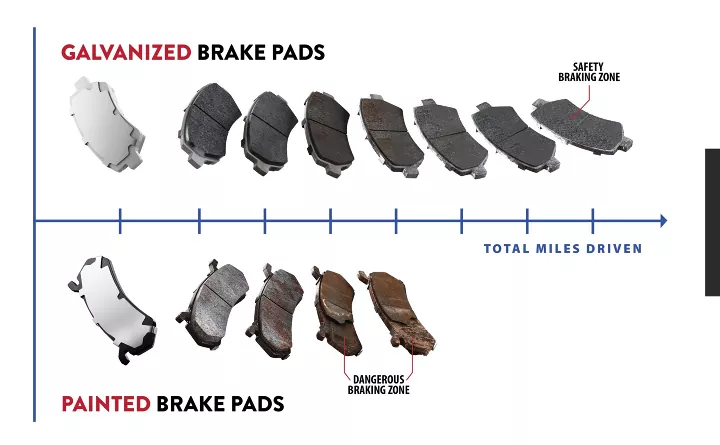
If you live where roads are salted, rotor coating matters more than many buyers realize.
Look for:
- Geomet-coated or semi-coated rotors
- Rust-resistant hats and edges
- Quality finish on non-friction surfaces
These coatings do not prevent all corrosion forever, but they help preserve appearance and reduce premature rotor ugliness.
Is a full front-and-rear kit worth it?
In many cases, yes.
A full kit makes sense when:
- The vehicle has high mileage
- You are already feeling inconsistent braking
- Rear brakes are near service life too
- You want one labor cycle instead of two
- You want balanced braking feel
A front-only kit can still be perfectly reasonable if the rear setup is healthy. But if both ends are aging, replacing everything together often saves hassle.
Signs your current brakes and rotors need replacement
You should seriously inspect or replace your brakes if you notice:
- Squealing or grinding
- Steering wheel vibration while braking
- Pulsation in the brake pedal
- Longer stopping distance
- Vehicle pulling under braking
- Visible scoring or grooves on rotors
- Blue heat spots on the rotor face
- Brake warning light
- Uneven pad wear
- Excessive dust or burnt smell after driving
These symptoms do not always mean both pads and rotors are bad, but they are signs you should not ignore.
DIY vs professional installation
Brake kits are popular with DIYers because they can save significant labor cost. That said, brakes are not a casual repair if you are inexperienced.
DIY may be reasonable if you:
- Have basic tools
- Understand torque specs
- Know how to compress calipers correctly
- Can inspect hardware and brake fluid condition
- Can safely lift and support the vehicle
Professional installation is smarter if:
- You are unsure about fitment
- The vehicle has electronic parking brakes
- You suspect caliper or hose issues
- You do not know how to bed in pads
- You are working on a heavy truck or SUV
- Rust has seized the old components badly
Brakes are safety-critical. Saving money is good. Guessing is not.
Why some brake kits get bad reviews even when the product is decent
A lot of negative feedback comes down to installation or expectation problems, not necessarily the product itself.
Common causes include:
- Wrong fitment ordered
- Old hardware reused
- Caliper slide pins not lubricated
- Pads not bedded in properly
- Cheap kits used on towing vehicles beyond their intended use
- Rotor surfaces contaminated during install
- Wheel lug torque done incorrectly
- Suspension issues mistaken for brake vibration
This is why reading reviews alone can be misleading. A kit with mixed reviews may still be a solid choice if it matches your vehicle and is installed properly.
What matters more than flashy marketing
When comparing brake kits, prioritize these factors in order:
- Exact fitment
- Pad material quality
- Rotor quality and finish
- Suitability for your vehicle weight and use
- Brand reputation
- Included hardware
- Noise and dust characteristics
- Price
- Appearance
That last point surprises people. Appearance should be one of the least important factors unless you are building a visual project car.
Best value mindset when shopping brakes and rotors
The true value option is not always the cheapest listing. Real value means:
- Correct fitment
- Complete parts included
- Good service life
- Low chance of return headaches
- Stable braking performance
- Fewer complaints about noise or dust
- Confidence in emergency stops
A cheap kit that wears quickly, squeals constantly, or performs badly under heat is not a bargain. It is just cheap.
Who should buy OE-style brakes and rotors
OE-style kits are ideal if you:
- Drive mostly in town and on highways
- Want quiet operation
- Prefer smoother pedal feel
- Do not tow
- Do not care about aggressive visual styling
- Want to restore factory-like braking behavior
This is the smartest category for a large percentage of drivers.
Who should buy drilled and slotted kits
A drilled-and-slotted kit makes sense if you:
- Drive a heavier SUV or truck
- Want stronger bite
- Tow occasionally or regularly
- Live in hilly terrain
- Want a more performance-oriented appearance
- Are buying from a reputable brand with proper vehicle-specific engineering
Just do not assume the most aggressive-looking rotor is automatically the safest or longest-lasting choice.
A practical buying checklist before you order
Before clicking buy, confirm all of the following:
- Vehicle year, make, model, trim
- Rotor position: front, rear, or both
- Rotor size and package-specific fitment
- Pad compound type
- Rotor design type
- Whether hardware is included
- Warranty details
- Whether the kit is for normal driving, performance, or towing
- Whether your vehicle has special brake package differences
- Whether you need brake cleaner, grease, fluid, or tools too
Final thoughts
The best brakes and rotors are the ones that match your vehicle, your budget, and your real-world use. For a commuter car, a quality ceramic OE-style kit may be the best answer. For a truck or SUV, a premium drilled-and-slotted or truck-and-tow kit may be worth the extra money. For buyers who want simplicity, complete vehicle-specific kits from well-known brands are usually the easiest and safest route.
Do not buy based on looks alone. Do not assume all ceramic pads feel the same. Do not ignore fitment details. And do not forget that proper installation matters just as much as the kit itself.
If you are ready to check a popular option, here is the link again:
Buy Now: https://amzn.to/3OKXVdl
Connect with us


