




Simi Valley Chrysler Dodge Jeep Ram

Blog

All Jeep General Ram Dodge Questions Car Buying Guides Chrysler Simi Valley Chrysler Dealer Simi Valley Used Cars
Throttle Body Cleaner

Throttle Body Cleaner Explained

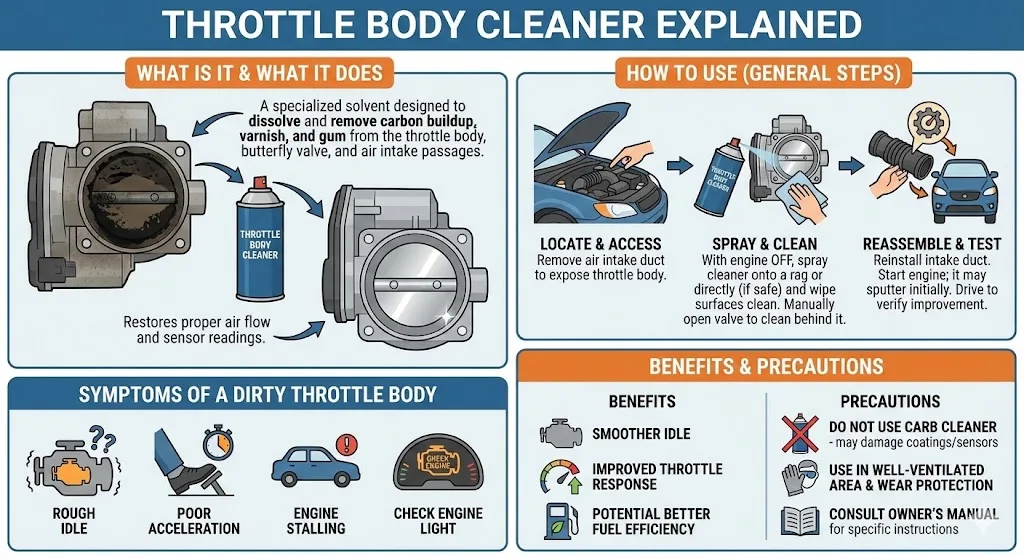
What Throttle Body Cleaning Is, Why It Matters, and How to Do It Safely Throttle body cleaning is one of the most overlooked yet impactful maintenance tasks for modern vehicles. While engine oil changes and brake inspections are commonly discussed, throttle body buildup often goes unnoticed until drivability issues begin to appear. Reduced throttle response, rough idle, stalling, or poor fuel efficiency can all trace back to a dirty throttle body. This in-depth guide explains what throttle body cleaning is, how throttle body cleaner works, when it’s needed, and whether DIY cleaning is safe for Chrysler, Dodge, Jeep, and Ram vehicles. The information aligns with service best practices outlined throughout the Simi Valley Chrysler Dodge Jeep Ram blog and service resources. For vehicles with electronic throttle control or advanced intake systems, professional inspection at Simi Valley Chrysler Dodge Jeep Ram Service Center is strongly recommended. https://www.simivalleychryslerdodgejeepram.com/service.aspx What Is Throttle Body Cleaning? The throttle body controls how much air enters the engine. When you press the accelerator, the throttle plate opens, allowing air to mix with fuel for combustion. Over time, carbon deposits, oil vapors, and residue from the PCV system build up on the throttle plate and bore. Throttle body cleaning is the process of removing this buildup using a specialized throttle body cleaner, restoring proper airflow and throttle response. Simi CDJR maintenance articles frequently reference air intake and throttle cleanliness as a key factor in smooth engine operation and consistent idle quality. https://www.simivalleychryslerdodgejeepram.com/blogs/5737 Why Throttle Body Cleaning Is Important A dirty throttle body affects engine performance in multiple ways: Restricted airflow causes sluggish acceleration Carbon buildup prevents the throttle plate from closing properly Idle air control becomes inconsistent Engine computer struggles to maintain stable idle Fuel economy may decrease Modern vehicles rely on precise airflow calculations. Even minor contamination can disrupt how the engine control module regulates idle speed and throttle response. At Simi Valley Chrysler Dodge Jeep Ram, throttle body inspections are commonly performed during drivability diagnostics and routine service visits. https://www.simivalleychryslerdodgejeepram.com/service.aspx Common Symptoms of a Dirty Throttle Body If your vehicle is experiencing any of the following, throttle body cleaning may be necessary: Rough or unstable idle Stalling when coming to a stop Delayed throttle response Hesitation during acceleration Reduced fuel efficiency Check engine light related to airflow or idle control These symptoms often appear gradually, which is why many drivers don’t immediately associate them with throttle body contamination. Throttle Body Cleaner vs Other Cleaners What Is Throttle Body Cleaner? Throttle body cleaner is a specially formulated solvent designed to safely dissolve carbon deposits without damaging sensitive throttle components, seals, or electronic sensors. Popular products include CRC throttle body cleaner and CRC throttle body & air intake cleaner, both formulated specifically for modern throttle systems. Using the correct cleaner is critical. Simi CDJR service guidance strongly emphasizes avoiding harsh solvents that may damage throttle coatings or electronic throttle motors. https://www.simivalleychryslerdodgejeepram.com/blogs/5737 Can I Use Brake Cleaner to Clean a Throttle Body? This is a common question — and the answer is no. Brake cleaner is far more aggressive than throttle body cleaner. It can: Damage throttle body coatings Dry out seals Harm electronic throttle components Cause long-term drivability issues Brake cleaner is designed for metal brake components, not precision airflow parts. Can You Use Carb Cleaner on a Throttle Body? Carburetor cleaner is also not recommended for modern throttle bodies. Older carbureted engines tolerated aggressive cleaners, but modern throttle bodies often include: Electronic throttle motors Sensitive sensors Coated throttle plates Using carb cleaner can result in throttle calibration issues or sensor damage. If you’re unsure which cleaner to use, professional service at Simi Valley Chrysler Dodge Jeep Ram eliminates the risk entirely. https://www.simivalleychryslerdodgejeepram.com/service.aspx How to Use Throttle Body Cleaner (DIY Overview) If your vehicle allows safe access and you understand the risks, the following explains how to use throttle body cleaner properly. Note that some vehicles require throttle relearn procedures afterward. Step 1: Locate the Throttle Body Turn off the engine Open the hood Follow the air intake hose from the air filter box The throttle body is mounted where the intake hose meets the engine Step 2: Remove the Intake Hose Loosen hose clamps carefully Disconnect any sensors gently Move the intake hose aside Do not force any connectors. Modern vehicles are sensitive to airflow sensor damage. Step 3: Inspect the Throttle Plate You may see: Black carbon buildup Sticky residue around the throttle edges This buildup is normal over time, especially on vehicles with direct injection or high mileage. Step 4: Apply Throttle Body Cleaner Spray throttle body cleaner onto a clean cloth Wipe the throttle plate and bore gently Avoid spraying directly into electronic components Never scrape the throttle plate with hard tools. Step 5: Reassemble and Restart Reinstall the intake hose Ensure all clamps are tight Start the engine The idle may be slightly rough at first as the engine recalibrates airflow. Electronic Throttle Bodies and Relearn Procedures Many Chrysler, Dodge, Jeep, and Ram vehicles use electronic throttle control. After cleaning, these systems may require a throttle relearn to restore proper idle behavior. Improper relearn procedures can cause: High idle Stalling Check engine lights Simi CDJR technicians use manufacturer-approved diagnostic tools to perform throttle relearn procedures safely. https://www.simivalleychryslerdodgejeepram.com/service.aspx How Often Should Throttle Body Cleaning Be Done? There is no universal interval, but general guidelines include: Every 30,000 to 50,000 miles When drivability symptoms appear During major service intervals When replacing air intake components Vehicles driven in stop-and-go traffic or dusty conditions may require more frequent cleaning. Throttle Body Cleaning vs Intake Cleaning Throttle body cleaning focuses specifically on: Throttle plate Throttle bore Intake cleaning may include: Intake valves Manifold runners They serve different purposes and are often performed together depending on vehicle design. Simi CDJR service recommendations are based on engine type, mileage, and driving conditions. https://www.simivalleychryslerdodgejeepram.com/service.aspx Is DIY Throttle Body Cleaning Always a Good Idea? While DIY throttle body cleaning can work for some vehicles, there are risks: Damaging electronic throttle motors Triggering check engine lights Incorrect reassembly Skipping relearn procedures For newer vehicles or those under warranty, professional service is often the safer option. Why Professional Throttle Body Cleaning Makes Sense At Simi Valley Chrysler Dodge Jeep Ram, throttle body cleaning includes: Correct cleaner selection Safe disassembly and inspection Electronic throttle calibration Diagnostic scanning Verification test drive This ensures improved drivability without unintended side effects. https://www.simivalleychryslerdodgejeepram.com/service.aspx Final Thoughts Throttle body cleaning is a simple concept with significant impact. When airflow is restricted, the engine cannot operate efficiently, no matter how well other systems perform. Using the correct throttle body cleaner, avoiding improper solvents like brake or carb cleaner, and knowing when professional service is required can prevent drivability issues and costly repairs. If your vehicle shows signs of rough idle, hesitation, or reduced throttle response, schedule an inspection with Simi Valley Chrysler Dodge Jeep Ram Service Center. https://www.simivalleychryslerdodgejeepram.com/service.aspx
How to Check Transmission Fluid

How to Check Transmission Fluid: Mechanic Guide

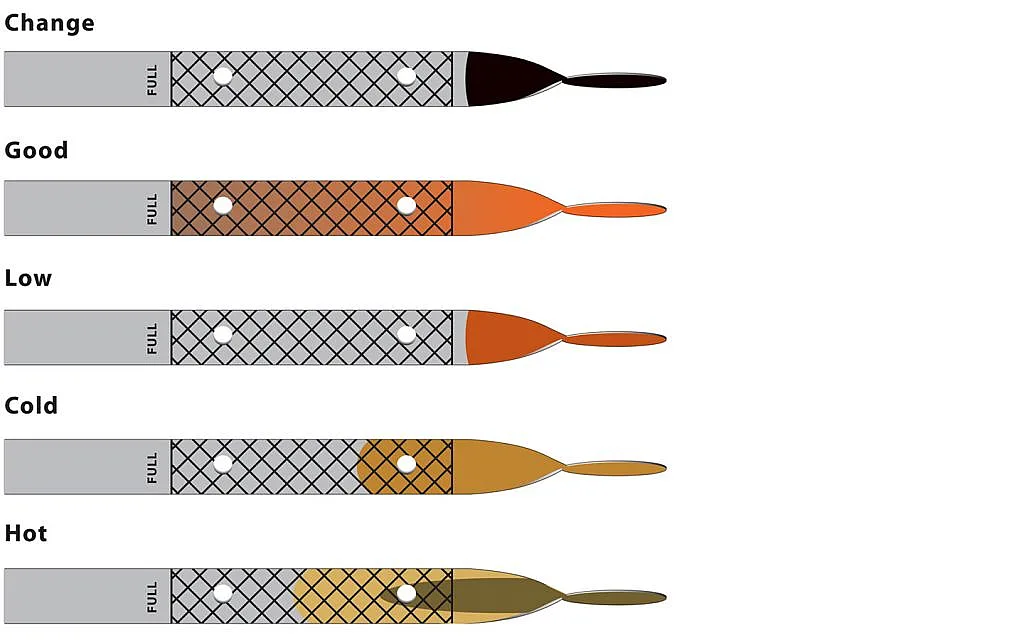
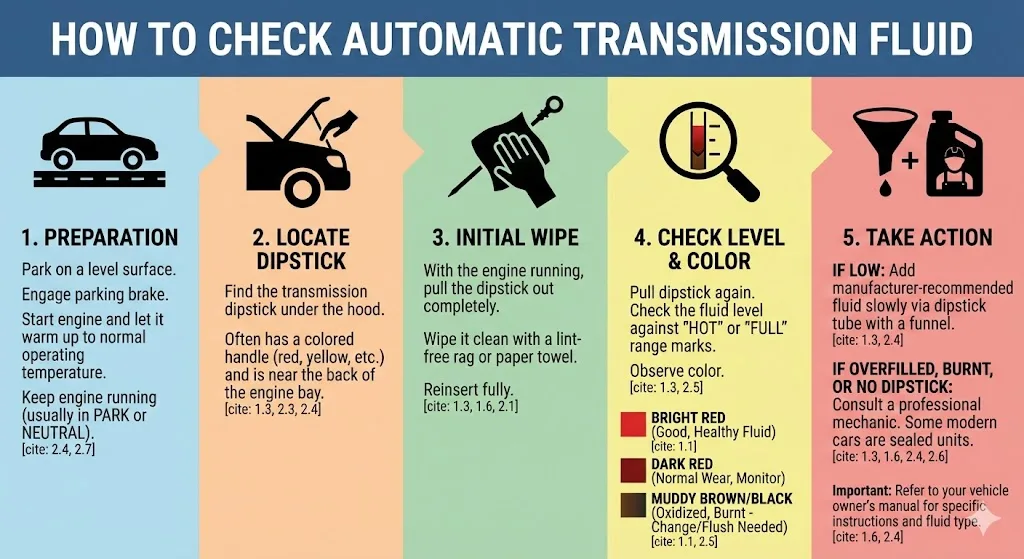
Transmission fluid is one of the most overlooked yet critical fluids in your vehicle. While most drivers understand the importance of engine oil, transmission fluid often goes unchecked until shifting problems appear or warning lights turn on. Unfortunately, by that point, damage may already be occurring internally. This in-depth guide explains how to check transmission fluid correctly, why it matters, how procedures differ by transmission type, and when professional service is required. This information aligns with maintenance best practices discussed throughout the Simi Valley Chrysler Dodge Jeep Ram blog and service resources. For vehicles with sealed transmissions or manufacturer-specific fluid requirements, professional inspection at Simi Valley Chrysler Dodge Jeep Ram Service Center is strongly recommended. https://www.simivalleychryslerdodgejeepram.com/service.aspx Why Transmission Fluid Is So Important Transmission fluid performs multiple critical roles simultaneously: Lubricates internal gears, bearings, and clutch packs Maintains hydraulic pressure for smooth and precise shifting Transfers heat away from internal components Prevents corrosion and excessive wear Helps suspend microscopic debris until filtration or service Modern automatic transmissions operate under tight tolerances. Even minor fluid degradation can cause delayed shifts, harsh engagement, slipping gears, or overheating. Simi CDJR maintenance content frequently emphasizes that fluid condition is just as important as fluid level, especially for vehicles used for towing or daily commuting in stop-and-go traffic. Which Vehicles Can You Check at Home? Before attempting to check transmission fluid, it’s critical to understand what type of transmission your vehicle has. Vehicles that often allow owner checks: Older automatic transmissions with dipsticks Some trucks and SUVs from earlier model years Vehicles that usually require professional service: Newer Chrysler, Dodge, Jeep, and Ram vehicles Vehicles with sealed or “lifetime” transmissions CVT and advanced multi-speed automatic units Simi CDJR has published several technical breakdowns explaining how transmission design has evolved and why many modern units no longer include dipsticks. https://www.simivalleychryslerdodgejeepram.com/blogs/5737 If your vehicle does not have a dipstick, attempting a DIY check can result in incorrect fluid levels or contamination. Step-by-Step: How to Check Transmission Fluid (Dipstick Vehicles) If your vehicle is equipped with a traditional transmission dipstick, follow the process below carefully. Step 1: Warm the Transmission to Operating Temperature Transmission fluid expands when warm. Checking it cold produces an inaccurate reading. Drive normally for 10 to 20 minutes Ensure the transmission shifts through all gears Park on a level surface Simi CDJR’s transmission service articles consistently highlight the importance of checking fluid at operating temperature for accuracy. https://www.simivalleychryslerdodgejeepram.com/blogs/5737/does-your-transmission-need-to-warm-up-before-a-fluid-change-the-definitive-guide Step 2: Keep the Engine Running For most automatic transmissions: Leave the engine running Shift into Park (or Neutral if specified by the manual) Engage the parking brake Turning the engine off can cause fluid to drain back into the pan, resulting in a false reading. Step 3: Locate the Transmission Dipstick Under the hood, locate the transmission dipstick: Typically farther back than the engine oil dipstick Often marked with a red or yellow handle Labeled “TRANS” or “ATF” in some vehicles If you cannot locate a dipstick, your vehicle likely uses a sealed transmission system. Step 4: Clean the Dipstick Completely Pull the dipstick out slowly Wipe it clean using a lint-free cloth Ensure no residue remains Old fluid residue can make levels appear higher than they truly are. Step 5: Reinsert and Check Fluid Level Fully insert the dipstick Pull it out again Read the level against the markings Most dipsticks show: “HOT” and “COLD” ranges Cross-hatched areas indicating proper level At operating temperature, the fluid should fall within the HOT range. Step 6: Inspect Fluid Condition Transmission fluid condition matters as much as level. Healthy fluid: Clear or translucent Light red or amber in color Neutral or slightly sweet smell Problematic fluid: Dark brown or black Burnt odor Visible debris or metal particles If fluid appears degraded, Simi CDJR recommends scheduling professional service rather than simply topping it off. https://www.simivalleychryslerdodgejeepram.com/service.aspx Step 7: Adding Transmission Fluid (If Required) If fluid is low: Use only manufacturer-approved fluid Add fluid slowly through the dipstick tube Recheck level after each small addition Overfilling is dangerous. Excess fluid can foam, aerate, and cause erratic pressure, leading to slipping or internal damage. Simi CDJR blog resources frequently explain how using incorrect transmission fluid can lead to long-term issues. https://www.simivalleychryslerdodgejeepram.com/blogs/5737 Vehicles Without Dipsticks: What You Need to Know Many modern Chrysler, Dodge, Jeep, and Ram vehicles are built with sealed transmissions. These systems: Do not allow visual level checks Require specific fluid temperatures for measurement Use fill and check plugs under the vehicle Often require scan tools to monitor fluid temperature Attempting to check sealed transmissions without proper equipment can lead to incorrect fluid levels or leaks. Simi CDJR recommends having sealed transmissions inspected by trained technicians using factory-approved procedures. https://www.simivalleychryslerdodgejeepram.com/service.aspx How Often Should Transmission Fluid Be Checked? General guidelines vary by vehicle, but common recommendations include: Every oil change for dipstick-equipped vehicles Before towing heavy loads When experiencing shifting issues During routine service intervals Even “lifetime” fluids are not immune to heat breakdown, especially in trucks and SUVs that tow or haul. Simi CDJR maintenance content frequently addresses the misconception around lifetime transmission fluid. https://www.simivalleychryslerdodgejeepram.com/blogs/5737 Warning Signs of Low or Degraded Transmission Fluid If you notice any of the following, a fluid check is strongly advised: Delayed gear engagement Hard or jerky shifts Slipping between gears Transmission overheating warnings Unusual noises while shifting Ignoring these symptoms can result in internal wear that cannot be reversed by fluid service alone. Why Professional Service Often Makes Sense While checking fluid at home is possible for some vehicles, professional service offers several advantages: Accurate fluid temperature measurement Correct fluid type selection Leak inspection Electronic diagnostics Manufacturer-approved procedures At Simi Valley Chrysler Dodge Jeep Ram, transmission inspections are performed by trained technicians familiar with Chrysler, Dodge, Jeep, and Ram drivetrains. https://www.simivalleychryslerdodgejeepram.com/service.aspx Transmission Fluid vs. Transmission Flush A fluid check does not mean a flush is required. Fluid check: Measures level and condition Fluid change: Replaces a portion of fluid Flush: Replaces nearly all fluid using equipment Simi CDJR blog content explains why flushes should only be performed when recommended by manufacturer guidelines. https://www.simivalleychryslerdodgejeepram.com/blogs/5737 Final Thoughts Transmission fluid is one of the most important yet misunderstood components of vehicle maintenance. Checking it properly helps prevent costly repairs, improves driving performance, and extends the life of your vehicle. If your vehicle allows DIY checks, follow the procedure carefully. If it uses a sealed transmission or you’re unsure about fluid condition, professional inspection is the safest and most accurate option. For inspections, maintenance, or transmission service, schedule your visit with Simi Valley Chrysler Dodge Jeep Ram Service Center. https://www.simivalleychryslerdodgejeepram.com/service.aspx
Image

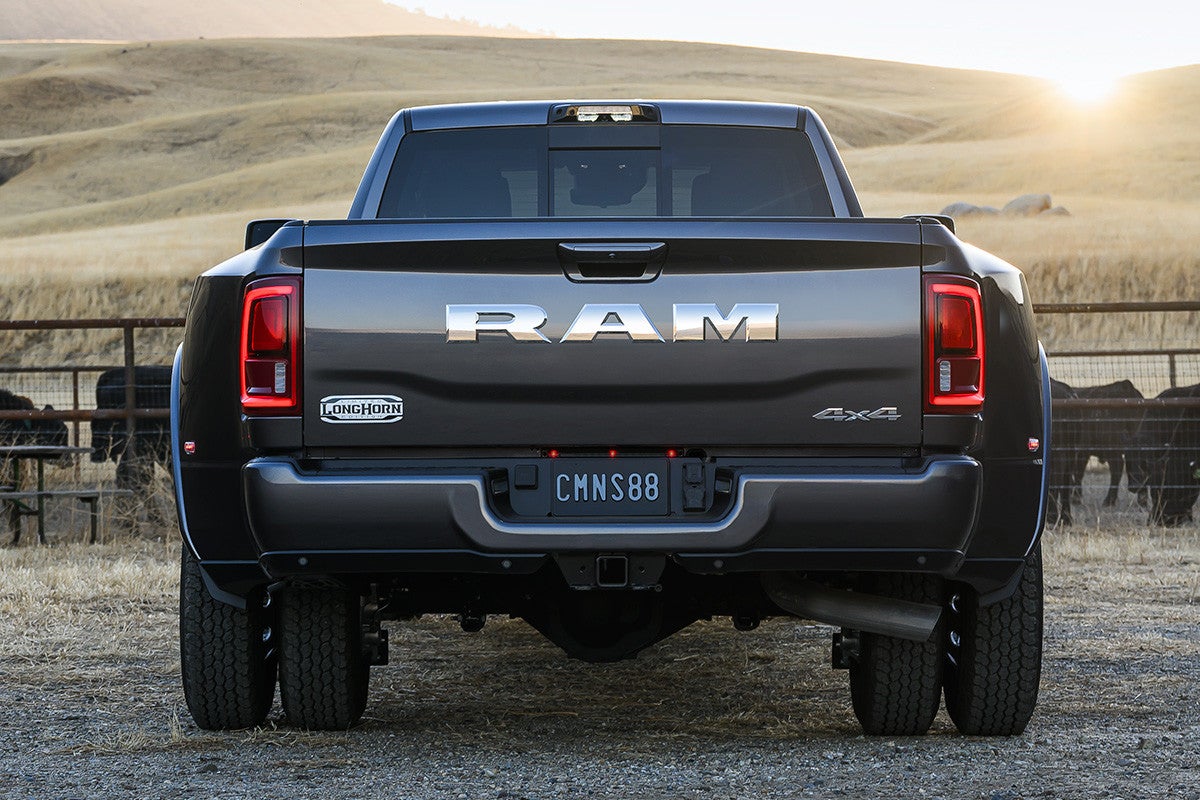
Ram 3500 : Why Smart Buyers Are Locking These In Before Everyone Else Catches On

If you’re searching for a 2025 Ram 3500 for sale, you’re already ahead of the market. This isn’t a casual browse. It’s what informed buyers do when they know supply tightens, regulations creep, and the best heavy-duty builds don’t sit around long. The truth is simple: the Ram 3500 in 2025 hits a rare sweet spot. It blends proven mechanicals, real-world towing muscle, and modern tech without the uncertainty of an all-new platform. That combination is exactly why demand is rising quietly—and quickly. Below is what dealers won’t explain on a window sticker, and what smart buyers check before everyone else figures it out. Why the 2025 Ram 3500 Is the “Last Safe Bet” Heavy-Duty Truck Heavy-duty trucks don’t change fast—but regulations do. The 2025 model year keeps the formula buyers trust while refining the details that matter when you’re hauling serious weight. What that means in practice: No risky first-year redesign issues Mature powertrains with known durability Towing systems refined, not reinvented Strong resale because buyers trust the platform That stability is why searches for “2025 Ram 3500 for sale” are climbing faster than generic “Ram 3500” queries. Cummins Diesel: The Real Reason Buyers Don’t Hesitate Let’s be blunt. Most people don’t buy this truck for cupholders. They buy it for the 6.7-liter Cummins Turbo Diesel. Not because of brochure numbers—but because of how it behaves under load. High torque at low RPM is what moves weight without stress, and that’s where this engine earns its reputation. Why experienced owners stick with it: Consistent pulling power on long grades Better longevity under sustained loads Strong resale demand in used markets Designed for work cycles, not weekend runs Gas engines save upfront money. Diesel saves you when the trailer is attached. Ram 3500 Dually vs SRW: The Decision That Separates Pros From Guessers If you’re specifically looking at a Ram 3500 dually for sale, you already know stability matters more than style. Dual rear wheels: Increase rear axle capacity Reduce trailer sway under crosswinds Improve confidence with fifth-wheel setups Spread load more safely at high weights But here’s what most articles won’t say: if you don’t tow heavy consistently, a dually can be unnecessary friction in daily driving. Wider footprint, tighter parking, and higher tire replacement costs are real tradeoffs. Smart buyers choose based on actual payload and hitch weight, not internet bragging rights. 2025 Towing Capacity Explained Without the Marketing Noise Towing numbers confuse people because they change with configuration. What really determines your usable capacity: Engine choice Rear axle ratio Single vs dual rear wheels Bed length Payload rating (often ignored, always critical) The Ram 3500 shines because it offers flexibility. You can spec it as a workhorse Tradesman or a high-luxury Limited without compromising the core mechanical strength. Translation: you don’t need to max out ratings to benefit from the platform’s stability. Trims That Actually Make Sense in 2025 Not all trims are created equal—especially in heavy-duty trucks. Tradesman Best value for pure work Ideal for fleets and contractors Lowest upfront cost Laramie Sweet spot for mixed work and comfort Strong resale demand Ideal for owner-operators Limited / Longhorn Luxury without sacrificing capability Popular with RV owners Commands top dollar on resale Buyers who plan to keep the truck long-term often skip the base trim. Buyers who flip in three to five years usually don’t. Used vs New: Why 2025 Might Be the Smarter New Buy Used Ram 3500s hold value because they last—but that also means the price gap between used and new can be surprisingly small. Why buyers are choosing new in 2025: Warranty coverage on expensive components Known service history from day one No hidden towing abuse Financing incentives often narrow the gap A used deal only makes sense if the truck was lightly worked and properly maintained. Otherwise, new starts to look cheap over the ownership cycle. The Ownership Costs Nobody Mentions Heavy-duty ownership isn’t cheap—but it’s predictable. Expect: Higher fuel consumption than half-tons Diesel maintenance (DEF, filters, oil capacity) Commercial-grade tire replacements But here’s the part critics skip: these trucks are built to earn their keep. Whether that’s through work revenue or reliable long-distance towing, the cost equation changes when the truck is a tool, not a toy. Who Should Buy a 2025 Ram 3500 (and Who Shouldn’t) You should seriously consider one if: You tow large trailers or equipment regularly You run a business that depends on uptime You want a long-term platform, not a lease toy You value resale stability You probably shouldn’t if: You commute short distances daily You never tow You prioritize fuel economy over capability Buying too much truck is just as inefficient as buying too little. Why Buyers Are Acting Now The quiet truth is that heavy-duty trucks don’t get cheaper, simpler, or less regulated over time. The 2025 Ram 3500 sits in a window where capability, reliability, and familiarity intersect. That’s why informed buyers aren’t waiting for hype cycles. They’re securing the configuration they want while availability still exists. If you’re searching for a 2025 Ram 3500 for sale, you’re not chasing trends—you’re making a calculated move. And in the heavy-duty world, calculation always beats impulse.

Image

Ram 3500 for Sale: The Heavy-Duty Monster Smart Truck Buyers Are Racing to Grab in 2026

If you’ve been searching for a Ram 3500 for sale, you’re not looking for an ordinary pickup. You’re looking for torque that bends physics, towing power that shrugs off fifth-wheels, and durability that makes half-tons feel like toys. The real question is not whether the Ram 3500 is capable. It’s whether you’re buying the right configuration before inventory tightens again. Let’s break down why the Ram 3500 continues to dominate the heavy-duty conversation and what you need to know before signing anything. Why the Ram 3500 Is in a Different League The Ram 3500 is engineered for serious work. This is not a lifestyle truck pretending to be tough. It’s built on a heavy-duty frame, reinforced suspension components, and available dual rear wheels for maximum stability. Depending on configuration, the Ram 3500 can deliver: Massive conventional towing ratings Industry-leading gooseneck and fifth-wheel capability Commercial-grade payload capacity A high-torque diesel engine that’s become legendary If you tow equipment, livestock, large RVs, or construction trailers, this truck isn’t optional. It’s strategic. The Cummins Factor: Why Diesel Buyers Refuse to Settle Let’s address the elephant in the room: the 6.7L Cummins Turbo Diesel. For many buyers searching “Ram 3500 diesel for sale” or “Ram 3500 Cummins for sale,” the engine is the entire reason they’re here. Why? Because the high-output diesel variant produces staggering torque numbers designed specifically for heavy towing. Torque is what moves weight, not horsepower headlines. That’s why commercial operators and RV owners consistently choose the diesel configuration. Gas engine buyers save upfront. Diesel buyers win long-term durability and resale value. Ram 3500 Dually for Sale: Who Actually Needs One? Searching for a Ram 3500 dually for sale is a different mindset entirely. A dual rear wheel setup: Increases rear axle stability Improves weight distribution Boosts heavy trailer confidence Reduces sway under extreme loads If you’re pulling a large fifth-wheel RV or heavy commercial equipment regularly, a dually is not overkill. It’s insurance. However, if your towing is occasional and under maximum ratings, a single rear wheel configuration may be more practical for daily driving. The key is matching the truck to your real workload, not your ego. 2025 Ram 3500 for Sale: Why Demand Is Heating Up Search volume for 2025 Ram 3500 for sale is climbing fast for a reason. Modern heavy-duty trucks are no longer stripped-down work rigs. The 2025 model offers: Advanced towing technology with integrated trailer brake controls Digital driver displays Large infotainment screens Premium trim levels like Laramie and Limited Enhanced safety systems for heavy hauling The result? You can haul like a contractor and ride like a luxury SUV. That dual personality is driving serious buyer demand. Used Ram 3500 for Sale: The Smart Money Move? The phrase used Ram 3500 for sale consistently ranks because buyers understand one thing: these trucks are built to last. A well-maintained Ram 3500 with the Cummins diesel can often exceed hundreds of thousands of miles when properly serviced. That’s why resale values remain strong. But here’s the caution: Heavy-duty trucks live hard lives. Always inspect: Service history Towing usage Transmission condition Frame integrity Signs of commercial fleet wear A clean, privately owned unit can be a major value. A neglected fleet truck can be expensive. Ram 3500 vs Ram 2500: The Question Nobody Asks Early Enough Buyers often start searching Ram 3500 for sale near me before asking if they truly need a 3500. The difference comes down to: Rear axle rating Suspension strength Maximum payload Towing ceiling If you are consistently at the upper edge of 2500 capability, jumping to a 3500 protects your investment and safety margins. If you never approach those limits, the 2500 may offer a smoother daily ride. It’s about use case, not badge size. What It Actually Costs to Own a Ram 3500 Clickbait aside, let’s talk reality. Ownership includes: Higher fuel consumption than half-tons Diesel maintenance costs (if equipped) Commercial-grade tire replacements Insurance variations depending on usage However, buyers typically offset those costs through: Revenue generation (contractors, haulers) Resale value retention Long-term durability Heavy-duty trucks are tools. Tools generate income. Who Should Buy a Ram 3500 Right Now? You should seriously consider a Ram 3500 if: You tow over 15,000 pounds regularly You operate construction, landscaping, or agricultural equipment You haul large fifth-wheel RVs You need maximum payload capacity You want a long-term diesel investment You probably don’t need one if: You commute daily with minimal towing You prioritize fuel economy You never approach heavy-duty ratings Be honest with your use case. The Bottom Line: Why the Ram 3500 Still Dominates The heavy-duty segment is competitive, but the Ram 3500 continues to command loyalty because it blends brute strength with modern refinement. Buyers searching “Ram 3500 for sale” are not browsing. They’re preparing to move serious weight. Whether you’re looking at: A Ram 3500 dually for sale A used Ram 3500 for sale A 2025 Ram 3500 for sale Or a diesel Cummins configuration The real decision is configuration, not capability. Capability is already proven. The smart move is to compare trims, confirm towing specs, and lock in the right build before availability tightens. Heavy-duty buyers don’t impulse buy. They calculate. Now the only question left is this: Are you buying power you’ll grow into, or settling for power you’ll outgrow?

Image

What Trucks Are Made in the USA ?

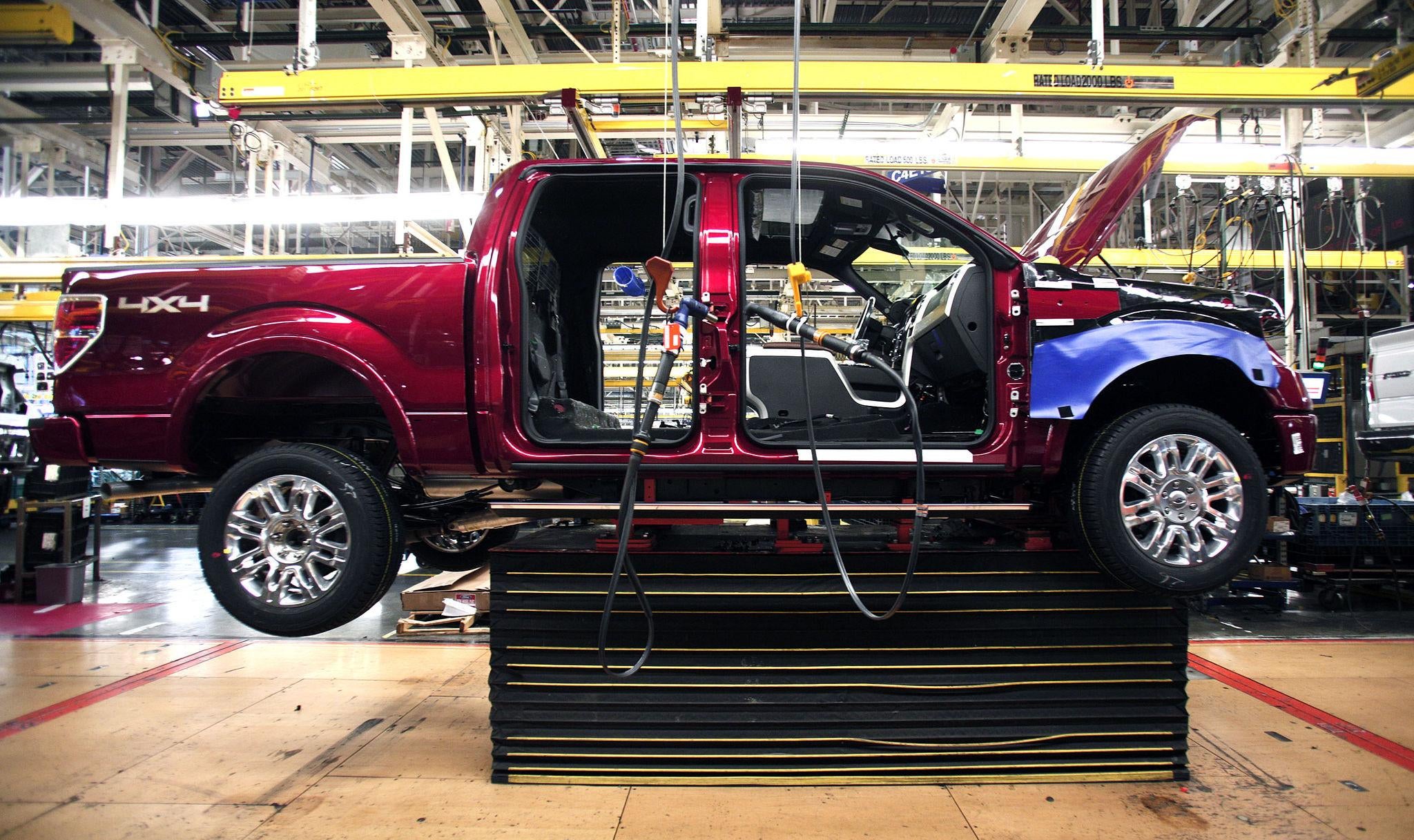
What Trucks Are Made in the USA? Many trucks sold in America are made in the USA, but the answer depends on the exact model, cab, drivetrain, and model year. The simple answer is this: some of the most important U.S.-built trucks include the Ford F-150, Ford Super Duty, Ram 1500, Jeep Gladiator, Toyota Tundra, Honda Ridgeline, Nissan Frontier, Chevrolet Colorado, GMC Canyon, and some Chevrolet Silverado and GMC Sierra models. The key detail is that “American brand” and “made in the USA” are not always the same thing. Toyota, Honda, and Nissan build some trucks in the United States, while some American-brand trucks may also be assembled in Canada or Mexico depending on configuration. Quick List: Trucks Made in the USA Here are major pickup trucks with U.S. assembly: Ford F-150: Dearborn, Michigan and Kansas City, Missouri Ford Super Duty: Louisville, Kentucky, with some Super Duty production also tied to Ohio Ram 1500: Sterling Heights, Michigan Jeep Gladiator: Toledo, Ohio Toyota Tundra: San Antonio, Texas Honda Ridgeline: Lincoln, Alabama Nissan Frontier: Canton, Mississippi Chevrolet Colorado: Wentzville, Missouri GMC Canyon: Wentzville, Missouri Chevrolet Silverado 1500: some U.S. production, including Fort Wayne, Indiana GMC Sierra 1500: some U.S. production, including Fort Wayne, Indiana Chevrolet Silverado HD: some U.S. production, including Flint, Michigan GMC Sierra HD: some U.S. production, including Flint, Michigan Tesla Cybertruck: Austin, Texas Ford F-150 The Ford F-150 is one of the most important U.S.-built trucks. It is assembled at Ford’s truck plants in Dearborn, Michigan and Kansas City, Missouri. The F-150 is also one of the most famous examples of an American-brand truck with major U.S. manufacturing roots. If you want a full-size pickup with a long American production story, the F-150 is one of the clearest answers. Ford Super Duty The Ford Super Duty is built mainly at Kentucky Truck Plant in Louisville, Kentucky. Ford’s official plant listing says Kentucky Truck Plant currently produces Ford F-250 through F-550 Super Duty trucks, along with the Ford Expedition and Lincoln Navigator. Ford global plants That makes Super Duty one of the strongest U.S.-built heavy-duty truck choices. Ram 1500 The Ram 1500 is built at Sterling Heights Assembly Plant in Michigan. Stellantis production footage and company materials identify Sterling Heights as the home of current Ram 1500 production. In 2025, Stellantis also celebrated the plant’s 2 millionth Ram 1500 milestone, showing how central the Michigan facility is to Ram’s light-duty truck operation. For shoppers around Simi Valley, you can compare current new Ram inventory and used Ram inventory if you want a Ram truck with strong U.S. assembly roots. Jeep Gladiator The Jeep Gladiator is built in Toledo, Ohio. Stellantis confirmed that production of the 2024 Jeep Gladiator was underway at the Toledo Assembly Complex, the same manufacturing home it shares with the Wrangler. Stellantis North America That matters because the Gladiator is not just a midsize pickup. It is a Jeep pickup with removable roof panels, available removable doors, trail-rated trims, and Wrangler-style identity. Toyota Tundra The Toyota Tundra is built in San Antonio, Texas. Toyota has repeatedly described the Tundra as Texas-built, and Toyota’s pressroom says the Tundra is assembled at Toyota’s San Antonio manufacturing plant. Toyota pressroom This is a good example of why brand nationality does not tell the whole story. Toyota is a Japanese brand, but the Tundra is one of the major full-size pickups assembled in the United States. Honda Ridgeline The Honda Ridgeline is built in Lincoln, Alabama. Honda says the Ridgeline and Ridgeline TrailSport continue to be produced in America, exclusively at Honda’s Alabama auto plant. Honda News The Ridgeline is not a traditional body-on-frame truck like a Ram 1500 or F-150, but it is still a U.S.-built pickup and one of the most practical midsize truck options for daily driving. Nissan Frontier The Nissan Frontier is built in Canton, Mississippi. Nissan’s U.S. newsroom highlighted the Frontier as a Mississippi-made vehicle when it was named the “Coolest Thing Made in Mississippi” in 2025. Nissan News That makes the Frontier another non-American-brand truck with genuine U.S. assembly. Chevrolet Colorado and GMC Canyon The Chevrolet Colorado and GMC Canyon are built in Wentzville, Missouri. GM’s Wentzville Assembly team celebrated the launch of the updated Chevrolet Colorado and GMC Canyon, confirming the plant’s role in building GM’s midsize pickups. GM News These are two of the clearest U.S.-built midsize truck choices from GM. Chevrolet Silverado and GMC Sierra The Chevrolet Silverado and GMC Sierra are more complicated. Some Silverado and Sierra trucks are built in the United States, while others may come from Canada or Mexico depending on configuration and plant scheduling. Reuters reported that GM builds Silverado and Sierra pickups at factories in Fort Wayne, Indiana; Flint, Michigan; Ontario, Canada; and Silao, Mexico. Reuters So if you want a U.S.-built Silverado or Sierra, check the specific truck’s window sticker or VIN. Do not assume every Silverado or Sierra is assembled in the same country. Tesla Cybertruck The Tesla Cybertruck is built at Tesla’s factory near Austin, Texas. Tesla’s Cybertruck page identifies it as the brand’s electric utility truck, and Tesla’s Texas Gigafactory is widely known as the Cybertruck’s production home. Tesla Cybertruck It is very different from a traditional pickup, but it belongs on the list of U.S.-built trucks. What Trucks Are Most American-Made? If you care about more than final assembly, look at American-made rankings. Cars.com’s 2025 American-Made Index evaluates vehicles based on factors such as assembly location, parts content, engine origin, transmission origin, and U.S. manufacturing workforce. Its 2025 index ranked the Jeep Gladiator especially high among trucks. Cars.com American-Made Index That distinction matters because a truck can be assembled in the U.S. but still use parts from several countries. Final assembly is important, but it is not the only measure. How to Tell If a Truck Was Built in the USA Check the VIN and window sticker. A VIN starting with 1, 4, or 5 usually means the vehicle was assembled in the United States. A VIN starting with 2 usually means Canada. A VIN starting with 3 usually means Mexico. The window sticker is even better because it lists the final assembly point and parts-content information. If you are shopping used, ask for the VIN and build sheet. If you are shopping new, read the Monroney window sticker before signing. Final Answer The major trucks made in the USA include the Ford F-150, Ford Super Duty, Ram 1500, Jeep Gladiator, Toyota Tundra, Honda Ridgeline, Nissan Frontier, Chevrolet Colorado, GMC Canyon, Tesla Cybertruck, and some Chevrolet Silverado and GMC Sierra models. The safest rule is simple: check the exact truck’s window sticker or VIN. Truck production can vary by cab, trim, engine, drivetrain, and model year, so the badge alone does not always tell you where it was built.

Image

Where Is the Jeep Grand Cherokee Built?

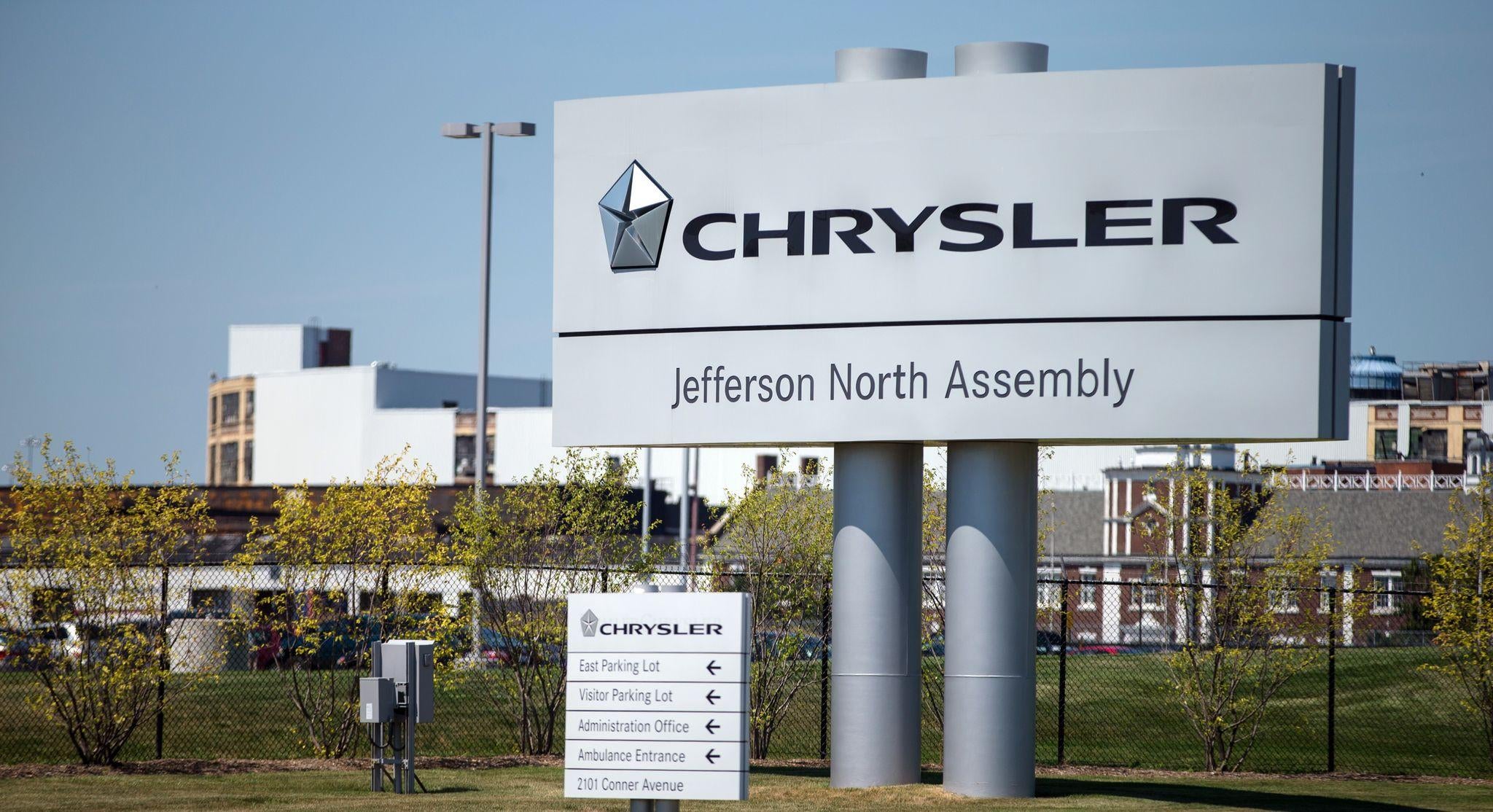
Where Is the Jeep Grand Cherokee Built? The Jeep Grand Cherokee is built in Detroit, Michigan, at the Detroit Assembly Complex – Mack. The simple answer is this: current Jeep Grand Cherokee, Grand Cherokee L, and Grand Cherokee 4xe models are assembled at Stellantis’ Detroit Assembly Complex – Mack plant in Detroit. Stellantis has described the Mack facility as the assembly site for the fifth-generation Grand Cherokee, Grand Cherokee L, and Grand Cherokee 4xe after a major $1.6 billion conversion of the former Mack Avenue Engine Complex. Stellantis Media The Main Grand Cherokee Plant: Detroit Assembly Complex – Mack The Grand Cherokee’s current manufacturing home is the Detroit Assembly Complex – Mack, located on Detroit’s east side. This plant is important because it marked the first new automotive assembly plant built in Detroit in roughly three decades. Stellantis converted two former Mack Avenue engine plants and added a new paint shop to support Grand Cherokee production. Stellantis Detroit That makes the Grand Cherokee one of Jeep’s most important American-built SUVs. Is the Grand Cherokee L Built There Too? Yes. The Jeep Grand Cherokee L is also built at Detroit Assembly Complex – Mack. The Grand Cherokee L is the three-row version of the Grand Cherokee. It was one of the first major products tied to the Mack plant’s launch as a vehicle assembly facility. Stellantis said the all-new three-row Grand Cherokee L was built in the heart of Detroit at the new Detroit Assembly Complex – Mack. Stellantis Detroit Is the Grand Cherokee 4xe Built in Detroit? Yes. The Grand Cherokee 4xe plug-in hybrid is also built in Detroit. The 4xe version is part of the fifth-generation Grand Cherokee family, and Stellantis has identified Mack as the assembly site for the PHEV Grand Cherokee 4xe model. Stellantis Media That means gas and plug-in hybrid Grand Cherokee models share the same major Detroit production story. Was the Grand Cherokee Always Built at Mack? No. The Grand Cherokee has a long Detroit production history, but the current Mack setup is tied to the newer fifth-generation model. Older Grand Cherokee production was closely associated with the Jefferson North/Detroit Assembly Complex area. The Mack plant became central to the current-generation Grand Cherokee after Stellantis converted it from engine production into vehicle assembly. So the short version is: Older Grand Cherokees: strong Detroit/Jefferson production history. Current Grand Cherokee generation: Detroit Assembly Complex – Mack. Is the Jeep Grand Cherokee American Made? Yes, the Grand Cherokee is strongly American-made in final assembly because it is built in Detroit, Michigan. That does not mean every single part comes from the United States. Like most modern vehicles, the Grand Cherokee uses a global supply chain. But final assembly for current Grand Cherokee models is tied to Detroit. For shoppers who care about American assembly, the Grand Cherokee has a strong answer. How to Confirm Where a Specific Grand Cherokee Was Built Check the window sticker or VIN. The window sticker is the best source because it lists the final assembly point and parts-content information. The VIN can also help identify country of final assembly. Vehicles assembled in the United States usually have VINs beginning with 1, 4, or 5. If you are buying used, ask for the VIN and build sheet. If you are buying new, check the Monroney window sticker before signing. Final Answer The Jeep Grand Cherokee is built in Detroit, Michigan, primarily at the Detroit Assembly Complex – Mack. That includes the current Grand Cherokee, Grand Cherokee L, and Grand Cherokee 4xe. The Grand Cherokee is therefore one of Jeep’s key American-assembled SUVs, with a manufacturing story rooted in Detroit.

Image

Best Ignition Coils for Your Vehicle Mechanic Recommended

If your car is misfiring, running rough, reducing fuel economy, or displaying a check engine light with codes like P0300 – P0308, one of the most common causes is a failing ignition coil. Choosing the right ignition coil is crucial for proper engine performance, fuel efficiency, and long-term reliability. In this comprehensive guide, we’ll cover: How ignition coils work Symptoms of bad coils What to look for when buying Top ignition coil options on the market Installation tips & maintenance Answers to common questions What Is an Ignition Coil? An ignition coil is a high-voltage transformer that converts the 12-volt power from your car’s battery into the thousands of volts needed to create a spark at the spark plug. That spark ignites the air-fuel mixture inside the combustion chamber. Each cylinder in most engines either has its own coil (coil-on-plug or COP) or shares a coil with a couple of cylinders via a coil pack. How Ignition Coils Work (Simple Explanation) Inside every ignition coil are two wire windings: Primary winding: Low voltage side, draws current Secondary winding: Steps up voltage to thousands of volts When current is cut from the primary winding, the collapsing magnetic field induces high voltage in the secondary winding. That high voltage jumps the gap inside the spark plug to create combustion. Symptoms of a Failing Ignition Coil Recognizing a bad coil early can save you from bigger engine issues. Common signs include: Rough idle or shaking at idle Misfires, especially under acceleration Loss of power / hesitation Decreased fuel economy Check engine light on Engine surging Hard starting Backfiring Diagnostic trouble codes like P030X often accompany coil or spark plug issues. Types of Ignition Coils Understanding the types will help you choose the right replacement. 1. Coil-On-Plug (COP) Each cylinder has its own coil mounted directly above the spark plug. Pros No spark plug wires Better spark energy Easier diagnostics Cons More expensive to replace 2. Coil Pack Multiple coils in a single module used on older or V-engine configurations. Pros Lower cost per unit Common on many vehicles Cons Failure affects multiple cylinders 3. Distributor Coils Older design that feeds multiple cylinders via one coil and a distributor. Pros Simple Inexpensive Cons Obsolete on most modern vehicles What to Look for in a Quality Ignition Coil ✔ OEM vs Aftermarket OEM (Original Equipment Manufacturer) coils match factory specifications exactly, ensuring fit, performance, and reliability. Quality aftermarket coils can be just as good if from reputable brands. ✔ Output Voltage Higher consistent voltage output improves spark quality and combustion efficiency. ✔ Heat Resistance Coils run hot; better heat-rated coils resist failure in tough conditions. ✔ Build Quality Sealed units with quality insulation resist moisture and corrosion. ✔ Warranty Longer warranties reflect manufacturer confidence. Aim for at least 1-year coverage. Top Ignition Coils Worth Considering Below are some of the most recommended ignition coils across categories. 📌 Best Overall – OE Fit and Performance Bosch Ignition Coil (Single / Pack) – Excellent heat tolerance and stable output, often OE on European and Japanese vehicles. NGK U5061 Ignition Coil – Reliable OEM alternative with solid lifetime value. Denso 673-1030 (Exact Fit) – High-quality direct replacement used widely in Asian makes. Why These Stand Out ✅ High ignition output ✅ Reliable thermal performance ✅ Long life and low maintenance 💪 Best for Performance / High-Output Builds MSD Blaster Ignition Coils – Higher secondary voltage for performance engines Accel SuperCoil – Designed for aggressive timing and forced induction Taylor High-Energy Coils – Smooth idle with increased power These are ideal if you’ve modified your engine (turbo, supercharger, mild cam, high compression, etc.). 💰 Best Budget / Everyday Use Coils Standard Motor Products Ignition Coils Delphi Ignition Coil Packs Motorcraft (for Ford vehicles) Affordable options that still meet OEM standards for most daily drivers. 🔧 Best Coil Packs (Multiple Cylinders in One Module) Dorman OE Solutions Pack ACDelco Ignition Coil Packs Valucraft Coil Packs Ideal for V6/V8 engines or vehicles still using a traditional coil pack setup. Installation Guide: What to Expect Replacing ignition coils is generally straightforward but varies by vehicle. Tools You’ll Need Socket set (10mm or 8mm common) Ratchet + extension Dielectric grease Torque wrench (optional) Basic Steps Disconnect the battery Remove engine cover (if applicable) Unplug the electrical connector from the old coil Remove coil mounting bolts Remove old coil and inspect boot and spark plug Apply dielectric grease to new coil boot Install new coil and torque bolts to spec Reconnect electrical connector and battery Clear fault codes if any Maintenance Tips for Ignition Coils Ignition coils don’t need routine replacement like filters or fluids, but taking care of them extends life: Keep electrical connectors clean and dry Replace spark plugs at recommended intervals (old plugs overwork coils) Avoid oil or coolant leaks onto coils Inspect wiring harnesses regularly Ignition Coil Longevity: How Long Should They Last? Typical life expectancy: OEM coils: 100,000 – 150,000+ kilometres Performance coils: similar, but track use may shorten life If your vehicle regularly hits high heat, humidity, or dusty conditions, coils may die sooner. FAQs About Ignition Coils Q: Can one bad coil cause all cylinders to misfire? A: Usually one bad coil affects its specific cylinder(s). But if wiring or ignition driver circuits are compromised, misfires can spread. Q: Should I replace spark plugs when changing coils? A: Yes — old or fouled plugs force coils to work harder and shorten their life. Q: Are aftermarket coils any good? A: Quality aftermarket coils from trusted brands can match OEM performance and are often more affordable. Q: Why do ignition coils fail? A: Heat cycling, moisture intrusion, cracked insulation, and worn spark plugs are common causes. Final Thoughts Ignition coils are small components with a big impact on engine performance. Choosing the right coils — whether OEM replacements, performance upgrades, or cost-effective daily-driver options — plays a key role in smooth, efficient combustion. Regular diagnosis, proper spark plug maintenance, and understanding coil design will keep your engine firing strong and reliable.

unnamed (38)

Do You Check Engine Oil Hot or Cold? The Correct Answer (And Why Most People Get It Wrong)

This is one of the most searched and most misunderstood basic car maintenance questions: Do you check engine oil hot or cold? Some people say always cold. Others say always hot. Others say it doesn’t matter. All three answers are incomplete. The correct way to check engine oil depends on engine design, oil behavior, and manufacturer intent. The confusion exists because advice that was correct for older vehicles does not always apply cleanly to modern engines. This guide explains the correct answer, the why behind it, and how to check your oil properly without misreading the dipstick. Why This Question Is So Confusing Motor oil does not behave the same way in all conditions. Oil: Expands when hot Drains slowly from engine components Clings to internal surfaces after shutdown That means the oil level you see on the dipstick can change significantly depending on: Engine temperature How long the engine has been off Vehicle orientation Oil viscosity Yet most people are taught a single rule without understanding the reasoning behind it. The Short Answer (For People Who Just Want It) Most vehicles are designed for the oil to be checked when the engine is warm and then shut off for a few minutes. However: Checking oil stone cold can be acceptable in some cases Checking oil immediately after shutting off a hot engine is incorrect Checking oil while the engine is running is always wrong The correct method balances oil expansion and drainage. Why You Should Not Check Oil Immediately After Driving When the engine is hot and running: Oil is circulating through the engine A significant amount is still in the cylinder head, galleries, and oil filter The oil pan has not fully refilled If you shut the engine off and check immediately: The dipstick will usually show a low reading This can trick you into adding oil unnecessarily Overfilling becomes a real risk This is one of the most common causes of overfilled engines. Why Checking Oil Completely Cold Isn’t Perfect Either Checking oil when the engine is completely cold sounds logical, but it introduces its own problems. When oil is cold: It contracts slightly It drains more completely into the oil pan It may sit higher on the dipstick than it would under operating conditions In many engines, this difference is small. In some engines, especially those with complex oil routing, it can be noticeable. That’s why manufacturers rarely specify “check oil cold.” The Correct Method: Warm Engine, Short Rest Period For most vehicles, the correct oil check procedure is: Drive or run the engine until it reaches normal operating temperature Shut the engine off Wait 5 to 10 minutes Check the oil level This method allows: Oil to drain back into the oil pan Expansion effects to normalize A stable, repeatable reading This is the condition most dipstick markings are calibrated for. Do You Check Oil Hot or Cold? What Manufacturers Actually Design For Engine manufacturers design dipstick ranges based on: Oil volume at operating temperature Drain-back characteristics Oil pump pickup location That means the “full” mark is not arbitrary. It assumes the oil has: Been circulating Been allowed time to drain Settled to its designed level Checking oil completely cold can show a slightly higher reading than intended. Why Consistency Matters More Than Temperature One of the most overlooked aspects of oil checking is consistency. If you: Always check oil under the same conditions On level ground After the same wait time You will get accurate trend information, even if conditions aren’t perfect. Problems arise when people: Check cold one time Check hot another time Compare readings without context That’s how confusion starts. Special Cases Where Cold Checks Are Acceptable There are situations where checking oil cold is reasonable: The vehicle has been sitting overnight The engine design allows full drain-back The manufacturer explicitly allows cold checks In these cases: The reading should still fall within the safe range Small differences are normal Cold checks are useful for quick verification, not fine-tuning. What About Modern Cars Without Dipsticks? Many modern vehicles no longer have physical dipsticks. Instead, they use: Electronic oil level sensors Dashboard or infotainment readouts These systems often require: Engine at operating temperature Vehicle parked on level ground Engine off for a specified time If your vehicle uses an electronic oil check, the system will usually tell you when conditions are correct. Common Mistakes People Make When Checking Oil Checking While the Engine Is Running Always wrong. The reading will be inaccurate and oil can spray from the dipstick tube. Checking on a Slope Even a slight incline can skew the reading significantly. Not Wiping the Dipstick Properly Always wipe once, reinsert fully, then check. Misreading the Dipstick Oil smears can look higher or lower than the actual level. Overfilling Based on a False Low Reading Overfilled oil can cause: Foaming Increased crankcase pressure Seal damage Catalytic converter contamination Does Oil Type Change the Answer? Oil viscosity and formulation do influence drain-back time. Thicker oils drain more slowly Synthetic oils may cling differently to surfaces High-mileage oils may behave slightly differently However, these differences are minor compared to temperature and wait time. The correct checking method remains the same. Do You Check Oil Level When Engine Hot or Cold? The Safe Rule If you want one rule that works for nearly every vehicle: Check engine oil when the engine is warm, turned off, and has sat for 5–10 minutes on level ground. This minimizes false readings and matches how engines are designed to be measured. Emergency Situations: What If You Must Check Immediately? If you must check oil immediately after shutdown: Expect the reading to be slightly low Do not top off unless the oil is clearly below the minimum mark Recheck properly later Never add oil based on a rushed check unless the engine is dangerously low. Why Overfilling Is Worse Than Slightly Low Oil Many people fear low oil more than high oil. That’s a mistake. Slightly low oil: Reduces buffer capacity Can be corrected easily Overfilled oil: Can aerate Increases crankcase pressure Causes oil to enter intake or exhaust systems False low readings are far more dangerous than false high ones. Final Answer: Do You Check Engine Oil Hot or Cold? Here is the clear, correct conclusion: Not while running Not immediately hot Not ice-cold if precision matters The correct method is: Warm engine, engine off, wait a few minutes, then check. That’s how engines are designed. That’s how dipsticks are calibrated. And that’s how you avoid costly mistakes. Frequently Asked Questions Do you check engine oil hot or cold? Warm engine, turned off, after a short wait. Do you check oil when engine is hot or cold? Neither extreme. Warm and settled is best. Do you check oil level when engine hot or cold? After the engine has been warm and allowed to drain back. Can I check oil first thing in the morning? Yes, but expect slight variation. It’s acceptable for general checks. Why does my oil level change between checks? Temperature, drain-back time, and driving conditions all affect readings. Bottom Line Checking engine oil is simple, but only if you do it the way engines are designed to be measured. Most mistakes come from rushing or relying on outdated advice. Check it warm. Check it consistently. And don’t chase the dipstick line obsessively.

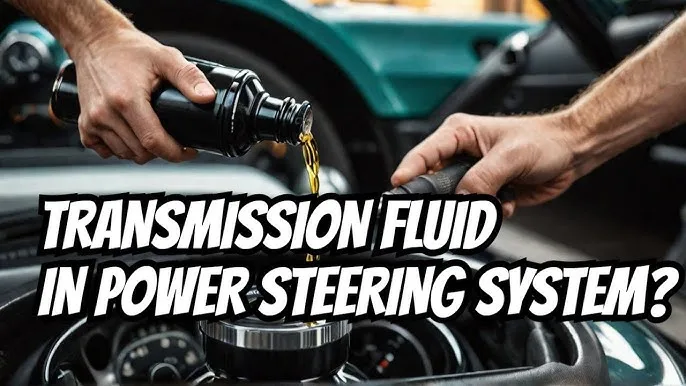
Can You Use Transmission Fluid for Power Steering Fluid

Can You Use Transmission Fluid for Power Steering Fluid? The Truth Most People Get Wrong

Yes, you can use automatic transmission fluid for power steering fluid in some vehicles, but only when the owner’s manual or reservoir cap specifically allows it. The simple answer is this: ATF and power steering fluid are not automatically interchangeable. Some older vehicles require ATF in the power steering system, while many newer vehicles require a specific power steering fluid or hydraulic fluid. Using the wrong fluid can cause noise, leaks, pump damage, seal swelling, poor steering feel, or expensive repairs. Some automatic transmission fluids are clearly labeled for use in certain power steering applications. For example, Valvoline’s Mercon V ATF says it is suitable for some power steering fluid applications, but that does not mean every ATF belongs in every power steering reservoir. ( Valvoline Global) ATF vs Power Steering Fluid: Are They the Same? No, not always. Automatic transmission fluid and power steering fluid are both hydraulic fluids, but they are designed for different jobs. ATF must work inside an automatic transmission with clutches, gears, torque converters, valve bodies, and friction requirements. Power steering fluid must work inside a hydraulic steering pump, hoses, rack, seals, and steering gear. Some vehicles are designed to use ATF in the power steering system. Others are not. That is why the correct answer is not “yes” or “no.” The correct answer is: use whatever fluid your vehicle manufacturer specifies. When You Can Use Transmission Fluid for Power Steering You can use ATF in the power steering system when the vehicle calls for it. Many older Ford, GM, Chrysler, Toyota, Nissan, and some import vehicles have used ATF-type fluids in power steering systems. Some may call for Dexron, Mercon, ATF+4, or another specific ATF standard. If the reservoir cap says “Use ATF,” or the owner’s manual lists an ATF specification, then ATF is the right fluid. But do not guess based on color. Many ATFs are red, but color is not a specification. When You Should Not Use ATF Do not use ATF if the vehicle requires a specific power steering fluid, CHF hydraulic fluid, electric-hydraulic steering fluid, or manufacturer-specific fluid. This is especially important on many European vehicles and some newer vehicles. Some systems use fluids such as Pentosin CHF 11S, CHF 202, Honda/Acura-specific power steering fluid, or other dedicated hydraulic fluids. In those systems, random ATF can damage seals, create noise, or cause steering problems. AutoZone notes that ATF and power steering fluid differ in properties like cold pour behavior and heat resistance, which is why fluid choice should not be treated casually. ( AutoZone.com) The Owner’s Manual Wins The owner’s manual is the final authority. Not the bottle color. Not the internet forum. Not what worked in someone else’s truck. Not “my mechanic always uses ATF.” Check: Owner’s manual. Power steering reservoir cap. Factory service manual. Dealer parts department. Fluid specification label. If the manual says ATF+4, use ATF+4. If it says Dexron III, use a compatible Dexron fluid. If it says Honda power steering fluid, use Honda-compatible power steering fluid. If it says CHF 11S, use CHF 11S. What Happens If You Use the Wrong Fluid? Using the wrong fluid can create problems immediately or slowly. Possible symptoms include: Power steering pump whining. Hard steering. Foaming fluid. Fluid leaks. Swollen seals. Steering rack damage. Pump failure. Burnt smell. Erratic steering assist. Hose deterioration. Some damage may not show right away. A system may seem fine for a few weeks, then start leaking because the seals did not like the fluid chemistry. Is It Okay to Top Off With ATF in an Emergency? Only if you have no better option and the system is already very low. If the pump is whining badly and the reservoir is almost empty, adding a small amount of ATF may be better than running the pump dry, but this should be treated as an emergency move. Get the correct fluid as soon as possible and flush the system if the fluid was wrong. Running a power steering pump dry can destroy it quickly, but filling it with the wrong fluid can also create damage. The best move is always to carry or buy the correct fluid. Can You Mix ATF and Power Steering Fluid? Avoid mixing unless the product label or manufacturer allows it. Mixing different hydraulic fluids can change viscosity, additive balance, seal compatibility, and foaming behavior. If the system already has the wrong fluid, the cleanest repair is usually to flush or exchange the fluid rather than keep mixing more. If you accidentally added a small amount, do not panic. But if you added a lot of the wrong fluid, have the system serviced. ATF+4, Dexron, Mercon: They Are Not All the Same This is another thing people get wrong. Even if your vehicle calls for ATF in the power steering system, that does not mean any ATF will work. ATF+4, Dexron III, Dexron VI, Mercon V, Mercon LV, Type F, and other fluids are different specifications. A Chrysler, Dodge, Jeep, or Ram vehicle that requires ATF+4 should not be randomly filled with Mercon V just because both are red automatic transmission fluids. Specification matters more than the word “transmission.” What About Chrysler, Dodge, Jeep, and Ram? Many Chrysler, Dodge, Jeep, and Ram vehicles have used ATF+4 in power steering systems, but not all of them. Some newer vehicles may use electric power steering, electro-hydraulic systems, or specific fluids. Older models may call for ATF+4. The only safe answer is to check the exact model year, engine, and system. For local shoppers or service customers, Simi Valley Chrysler Dodge Jeep Ram can help identify the right Mopar fluid if you are unsure. You can also compare current service options or check available parts support before adding the wrong fluid. Power Steering Fluid in a Transmission? No. Do not put power steering fluid in an automatic transmission unless the manufacturer specifically says so, which is extremely uncommon. A transmission is far more sensitive to friction modifiers, clutch behavior, viscosity, and temperature control. The wrong fluid can cause slipping, shudder, harsh shifts, delayed engagement, or transmission failure. People sometimes ask the question both ways, but the answer is not symmetrical. ATF may be allowed in some power steering systems. Power steering fluid generally does not belong in transmissions. How to Know Which Fluid You Need Use this process: Find the power steering reservoir. Read the reservoir cap. Check the owner’s manual fluid chart. Look up the exact vehicle by year, make, model, engine, and drivetrain. Buy fluid that clearly lists the required specification. Do not rely only on “universal” unless it specifically lists your required spec. If the bottle does not clearly say it meets the spec, do not use it. Signs Your Power Steering Fluid Is Wrong or Old Watch for: Whining when turning. Hard steering at low speed. Foamy fluid. Burnt smell. Dark dirty fluid. Fluid leaks. Jerky steering assist. Groaning pump noise. Steering gets worse when cold. If these symptoms started after topping off the reservoir, the wrong fluid may be part of the problem. Should You Flush the Power Steering System? If the wrong fluid was added, flushing is usually the smart move. A power steering fluid exchange removes contaminated or mismatched fluid and replaces it with the correct type. This can help prevent seal damage, pump wear, and steering rack problems. If the system is already leaking or noisy, fluid service may help, but it may not fix damage that has already happened. Final Answer You can use transmission fluid for power steering fluid only if your vehicle calls for that specific ATF. Some vehicles are designed to use ATF in the power steering system. Others require dedicated power steering fluid or special hydraulic fluid. The fluids are not universally interchangeable. The expert rule is simple: check the owner’s manual, match the exact fluid specification, and never assume red ATF is safe just because the reservoir says power steering.

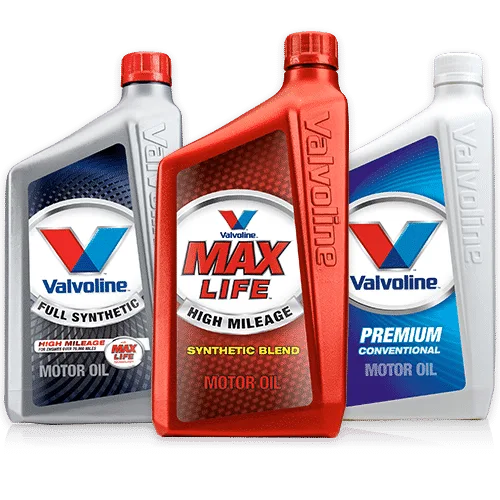
Is Valvoline Good Oil

Is Valvoline Good Oil? The Honest Truth After Decades of Real-World Use

Yes, Valvoline is good oil. For most drivers, Valvoline is a safe, proven, and widely trusted motor oil brand. It has been around since the 1800s, sells full synthetic, synthetic blend, high-mileage, diesel, and specialty oils, and its current products are built to meet modern oil standards like API and ILSAC specifications. The honest answer is this: Valvoline is not magic, but it is absolutely good enough for daily drivers, trucks, SUVs, high-mileage vehicles, and many modern engines when you use the correct viscosity and specification. The bigger mistake is not choosing Valvoline instead of Mobil 1, Pennzoil, Castrol, or Royal Purple. The bigger mistake is using the wrong oil, ignoring your owner’s manual, stretching oil-change intervals too far, or skipping maintenance. Why Valvoline Has Real Credibility Valvoline is not a random store-brand oil. The company traces its history back to 1866, when Dr. John Ellis discovered the lubricating benefits of crude oil and founded what became Valvoline. Valvoline also says it became the first trademarked lubricant brand in the United States in 1873. You can see that history on Valvoline’s official history timeline. That history matters because motor oil is a trust product. Drivers are pouring it into engines that can cost thousands of dollars to repair or replace. A brand does not stay relevant for more than a century by selling oil that regularly destroys engines. Valvoline is also not just one oil. It has different product lines for different needs, including Advanced Full Synthetic, Restore & Protect, Extended Protection, High Mileage, European Vehicle, diesel oils, racing oils, and conventional or synthetic blend options in some markets. Is Valvoline Full Synthetic Good? Yes, Valvoline full synthetic oil is good. Valvoline’s Advanced Full Synthetic line is designed for modern gas engines and is one of its most common full synthetic products. Valvoline says its Advanced Full Synthetic motor oil provides 50% more wear protection than industry standards and is made for cars, trucks, and SUVs under severe driving conditions. You can review the product details on Valvoline’s Advanced Full Synthetic page. For regular drivers, that means Valvoline Advanced Full Synthetic is a strong choice for commuting, highway driving, short trips, family SUVs, light trucks, and vehicles that require a modern synthetic oil. It is not automatically better than every other oil. Mobil 1, Pennzoil, Castrol, Quaker State, and other major brands also make excellent synthetic oils. But Valvoline belongs in that top group. Is Valvoline Better Than Cheap Oil? Usually, yes, especially if you are comparing Valvoline full synthetic against a basic conventional oil or an unknown low-cost brand. That does not mean every cheap oil is bad. Some store-brand oils are made by reputable manufacturers and meet the same API or ILSAC standards. But with Valvoline, you are getting a major brand with long product history, broad availability, strong testing claims, and clear product lines. The label still matters more than the logo. A good oil should show the right viscosity and approvals for your vehicle. Look for current standards such as API SP, ILSAC GF-6 or newer, and manufacturer approvals where required. For GM vehicles, dexos approval can also matter. GM states that dexos1 Gen 3 oils exceed dexos1 Gen 2 performance and are backward compatible for vehicles that previously used dexos1 or dexos1 Gen 2, as long as the correct viscosity grade is used. You can verify licensed oils through the official GM dexos site. Is Valvoline Good for High-Mileage Cars? Yes, Valvoline is especially popular for high-mileage vehicles. Valvoline High Mileage oils are made for engines with more miles on them, usually around 75,000 miles or more. High-mileage oils typically include additives designed to help condition seals, reduce minor leaks, manage wear, and support older engines. This does not mean high-mileage oil will fix a worn-out engine. If your engine is knocking, burning oil heavily, leaking badly, or has internal damage, no oil brand will magically repair it. But if your car is older, has higher mileage, and still runs well, Valvoline High Mileage can be a sensible choice. It is one of the brand’s strongest areas because many real-world owners use Valvoline specifically for older vehicles. Is Valvoline Restore & Protect Good? Valvoline Restore & Protect is one of the brand’s more interesting newer products. It is marketed toward engines that may already have deposits from years of use. The idea is not just to protect the engine going forward, but to help reduce existing deposits over time when used consistently. This type of product makes sense for drivers who bought a used vehicle with unknown maintenance history, own a higher-mileage engine, or want a more cleaning-focused oil without doing aggressive engine flushes. That said, do not expect overnight miracles. Oil works gradually. If an engine has years of sludge from skipped oil changes, a cleaning-focused oil can help, but it may not reverse neglect completely. Is Valvoline Good for Trucks and SUVs? Yes, Valvoline is a good option for trucks and SUVs if you choose the right product. Many trucks and SUVs work harder than small cars. They may tow, idle, haul, drive in hot weather, make short trips, or run heavier loads. That makes oil quality and correct maintenance intervals more important. Valvoline full synthetic oil can work well in gas-powered trucks that call for common grades like 0W-20, 5W-20, 5W-30, or 0W-40, depending on the engine. For diesel trucks, you need diesel-rated oil that meets the correct Cummins, Power Stroke, Duramax, API CK-4, or manufacturer specification. Do not put regular gas-engine oil into a diesel truck unless the owner’s manual specifically allows it. Diesel engines need the right oil chemistry for soot control, wear protection, and emissions-system compatibility. Is Valvoline Good for Oil Changes? Yes, Valvoline is good oil for regular oil changes. The key is to use the correct Valvoline oil for your vehicle and change it at the right interval. Even the best synthetic oil eventually degrades from heat, contamination, fuel dilution, short trips, and time. RepairPal notes that regular oil changes are important not just for the engine, but also because oil-change visits often include inspections that can catch problems before they leave you stranded. RepairPal also explains that oil-change recommendations depend on vehicle design, driving conditions, and manufacturer guidance. For most drivers, following the owner’s manual or oil-life monitor is smarter than guessing. If you drive in severe conditions, shorter intervals are better. Severe conditions can include: Short trips. Stop-and-go traffic. Towing. Long idling. Extreme heat. Extreme cold. Dusty roads. Performance driving. Frequent mountain driving. Valvoline vs Mobil 1 Valvoline and Mobil 1 are both good oils. Mobil 1 has a very strong reputation in full synthetic oil and is often viewed as the benchmark brand for premium synthetic protection. Valvoline is also a serious major-brand oil and is often priced competitively. For most normal vehicles, the difference between Valvoline and Mobil 1 will matter less than using the correct specification and changing it on time. Choose Mobil 1 if you want one of the most recognized synthetic oil brands and like its extended-performance positioning. Choose Valvoline if you want a trusted oil brand, strong high-mileage options, good value, and broad availability. Neither is a bad choice when the bottle meets your vehicle’s requirements. Valvoline vs Castrol Valvoline and Castrol are both good oils. Castrol EDGE is known for premium synthetic positioning and strong marketing around engine stress and protection. Valvoline Advanced Full Synthetic is a practical, trusted synthetic oil that works well for many daily drivers. For most cars, trucks, and SUVs, either brand can be a good choice. Again, check the specs. If your vehicle needs dexos1 Gen 3, API SP, ILSAC GF-6, a European ACEA spec, or a manufacturer-specific approval, buy the oil that clearly lists that approval. Brand preference is secondary. Correct oil approval is primary. Valvoline vs Pennzoil Valvoline and Pennzoil are both reliable choices. Pennzoil is often known for its Platinum and Ultra Platinum synthetic oils, especially its cleaning-focused claims. Valvoline is strong in high-mileage, full synthetic, and practical daily-driver protection. A driver who wants maximum cleanliness marketing may lean Pennzoil. A driver with a higher-mileage vehicle may lean Valvoline. A driver who simply wants a good synthetic oil at a fair price could choose either. Is Valvoline Good for Older Engines? Yes, Valvoline can be good for older engines. Older engines often benefit from consistent oil changes and a product designed for their condition. Valvoline High Mileage is a logical fit for engines with more wear, minor seepage, or higher odometer readings. But be realistic. If an old engine has low compression, serious oil burning, heavy sludge, coolant contamination, or mechanical noise, switching oil brands will not solve the root problem. Oil can protect, clean, and condition. It cannot rebuild worn metal. Is Valvoline Good for New Cars? Yes, Valvoline can be good for new cars if it meets the exact specification required by the manufacturer. Modern engines can be very specific about oil. Some require 0W-20. Some require 5W-30. Some turbo engines need special protection against low-speed pre-ignition. Some GM engines require dexos-approved oil. Some European vehicles require ACEA or manufacturer-specific approvals. Before using Valvoline in a new car, check the owner’s manual and match the bottle exactly. If the oil meets the required viscosity and approvals, Valvoline is a legitimate choice. Is Valvoline Good for Turbo Engines? Valvoline can be good for turbocharged engines when the correct oil is used. Turbo engines are harder on oil because turbochargers generate high heat and depend on clean lubrication. Many modern turbo engines also need oil that helps protect against low-speed pre-ignition, also called LSPI. Current API and ILSAC oil standards were designed with modern engine concerns in mind. API explains that modern gasoline engine oil categories such as API SP and ILSAC standards address needs like low-speed pre-ignition protection, timing-chain wear protection, fuel economy, and deposit control. You can review the latest oil categories through the API. If your turbo engine requires a specific manufacturer approval, use the Valvoline product that lists that approval. How Long Does Valvoline Oil Last? Valvoline oil can last as long as the vehicle manufacturer allows for your driving conditions, but you should not choose an interval based only on the bottle. Some full synthetic oils are designed for longer intervals than conventional oils. But oil-change intervals depend on the engine, oil spec, driving style, climate, fuel dilution, mileage, and warranty requirements. For many modern vehicles, oil changes may fall somewhere around 5,000 to 10,000 miles, but some vehicles recommend shorter or longer intervals. If you tow, idle often, take short trips, or drive in heat, shorter intervals are safer. The safest answer is simple: follow the owner’s manual and oil-life monitor. If you plan to keep the vehicle long-term, do not push intervals aggressively. Is Valvoline Worth It? Yes, Valvoline is worth it for most drivers. It is not the cheapest oil on the shelf, and it is not always the most expensive. It sits in a strong middle-to-premium position depending on the product line. Valvoline is worth it if you want: A proven major oil brand. Strong full synthetic options. High-mileage formulas. Good availability. Clear product choices. Modern oil specifications. A long brand history. It may not be worth paying extra for if your vehicle simply needs a basic approved oil and another reputable brand is on sale. Oil brand loyalty is fine, but the specification and change interval matter more. When You Should Not Use Valvoline You should not use Valvoline oil if the specific bottle does not meet your vehicle’s requirements. For example, do not use a basic gas-engine oil in a diesel engine that requires diesel-rated oil. Do not use 5W-30 if your engine requires 0W-20 and does not allow alternatives. Do not use a non-European oil in a European engine that requires a specific VW, BMW, Mercedes-Benz, Porsche, or ACEA approval. Valvoline makes many oils. The wrong Valvoline oil is still the wrong oil. FAQs About Valvoline Oil Is Valvoline good oil? Yes, Valvoline is good oil. It is a long-established motor oil brand with full synthetic, high-mileage, diesel, and specialty oils that meet modern engine-oil standards when the correct product is selected. Is Valvoline full synthetic good? Yes, Valvoline full synthetic oil is good for many modern cars, trucks, and SUVs. Valvoline Advanced Full Synthetic is one of the brand’s most common full synthetic oils and is designed for wear protection, heat protection, and severe driving conditions. Is Valvoline better than Mobil 1? Not always. Mobil 1 and Valvoline are both good oils. Mobil 1 has stronger premium synthetic brand recognition, while Valvoline is trusted, widely available, and especially strong in high-mileage formulas. Use whichever one meets your vehicle’s exact oil specs. Is Valvoline good for high-mileage cars? Yes, Valvoline High Mileage is a strong choice for older vehicles and engines with more than 75,000 miles. It can help with seal conditioning and older-engine protection, but it cannot fix serious mechanical problems. Is Valvoline good for trucks? Yes, Valvoline is good for trucks when you choose the right oil. Gas trucks need the correct gas-engine oil specification. Diesel trucks need diesel-rated oil that meets the proper manufacturer and API requirements. How often should you change Valvoline oil? Change Valvoline oil according to your owner’s manual or oil-life monitor. Many modern vehicles using synthetic oil fall around 5,000 to 10,000 miles, but severe driving conditions may require shorter intervals. Is Valvoline better than Castrol? Valvoline and Castrol are both reputable oil brands. The better choice depends on the exact oil specification your vehicle requires, price, availability, and whether you prefer Valvoline’s high-mileage focus or Castrol’s premium synthetic positioning. Final Thoughts: Is Valvoline Good Oil? Valvoline is good oil, and for most drivers, it is an easy brand to trust. It has a long history, strong full synthetic products, high-mileage options, and oils designed for modern engines. It may not be dramatically better than Mobil 1, Pennzoil, or Castrol, but it absolutely belongs in the same conversation as other major motor oil brands. The honest truth is simple: Valvoline is a good choice if you buy the right formula, match the correct viscosity and specification, and change it on schedule. For daily drivers, older cars, trucks, SUVs, and high-mileage engines, Valvoline is a solid, proven option.

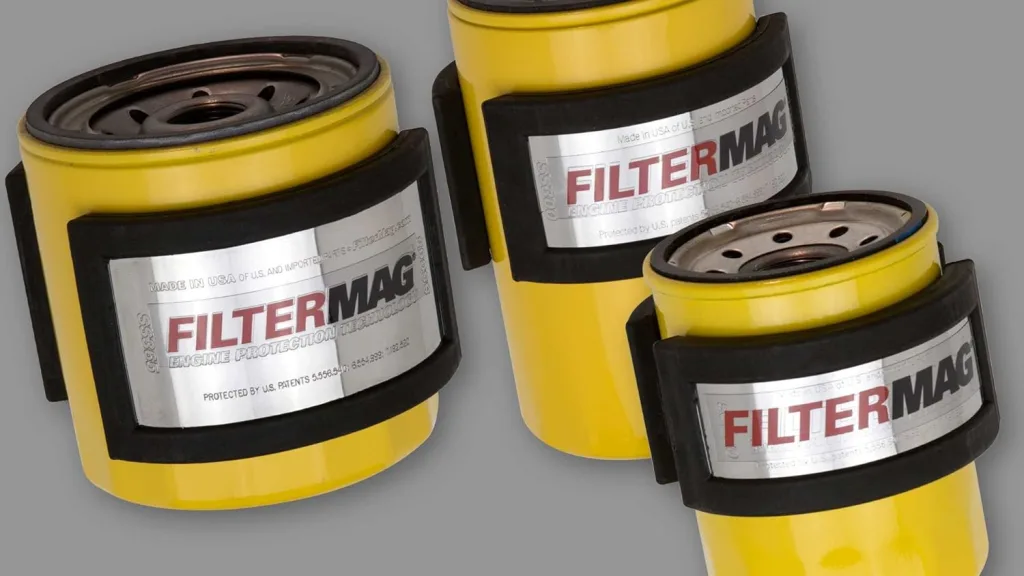
Oil Filter Magnets

Oil Filter Magnets: Do They Really Work or Are They Just Snake Oil?

The idea of putting a magnet on an oil filter sounds almost too simple. Clip a magnet onto your filter, trap harmful metal particles, protect your engine longer. That promise has been around for decades, and yet many drivers still ask the same questions: Are oil filter magnets worth it? Do oil filter magnets actually work? Why would you put a magnet on an oil filter in the first place? If you’ve searched for oil filter magnet, magnetic oil filter, or magnets on oil filter, you’ve probably seen strong opinions on both sides. Some swear by them. Others dismiss them as gimmicks. The truth, as usual in automotive engineering, sits somewhere in the middle. This guide breaks down exactly how oil filter magnets work, what they can do, what they cannot do, and whether they make sense for your engine. What Is an Oil Filter Magnet? An oil filter magnet is a strong external magnet, usually circular or clamp-style, designed to attach to the outside of a standard oil filter. Its purpose is simple: attract and hold ferrous metal particles circulating in engine oil before those particles can cause wear. Unlike a magnetic drain plug, which collects debris only when the engine is off, a magnet on the oil filter works continuously while the engine is running. Some engines also use magnetic oil filters, which integrate magnetized components internally, but the vast majority of products on the market are external add-on magnets. Why Put a Magnet on an Oil Filter? To understand why anyone would put a magnet on an oil filter, you need to understand what happens inside an engine over time. Even in a healthy engine, microscopic metal particles are created through: Normal friction between moving components Break-in wear in new or rebuilt engines Cold starts where oil flow is momentarily limited High-load or high-RPM operation Standard oil filters rely on paper or synthetic filter media, which is excellent at catching dirt and non-metallic debris. However, extremely fine metal particles can: Be small enough to pass through filter media Remain suspended in oil Circulate repeatedly through bearings and journals A magnet provides a second layer of defense by targeting what filter media struggles with most: ultra-fine ferrous particles. How Oil Filter Magnets Work (The Physics, Not the Marketing) A magnet placed on the outside of an oil filter creates a magnetic field that extends through the thin steel shell of the filter and into the oil passing inside. As oil flows through the filter: Ferrous particles are attracted to the magnetic field Those particles cling to the inner wall of the filter They stay trapped until the filter is removed This process works independently of oil viscosity, flow rate, or filter brand, as long as: The magnet is strong enough The oil filter housing is steel (not aluminum or plastic) It’s important to note that magnets do not block oil flow. They do not restrict pressure. They simply create a localized capture zone. Do Oil Filter Magnets Actually Work? Yes, oil filter magnets do work in a very specific way. They successfully attract ferrous metal particles that would otherwise continue circulating in the oil. Numerous teardown tests show visible metal fuzz collected behind magnets after oil change intervals. However, working does not mean miracle. Oil filter magnets: Do not remove non-ferrous metals like aluminum or copper Do not replace regular oil changes Do not fix existing engine damage Do not filter contaminants like dirt, fuel, or coolant Think of them as a supplementary wear-reduction tool, not a cure-all. Are Oil Filter Magnets Worth It? This is where usage matters. Situations Where Oil Filter Magnets Make Sense Oil filter magnets are most valuable in: New engines during break-in periods Rebuilt engines High-mileage engines with normal wear Performance engines running higher RPMs Turbocharged engines with higher oil stress Diesel engines with high internal pressures In these cases, reducing even microscopic wear over time can help extend bearing life and reduce long-term damage. Situations Where They Offer Minimal Benefit Oil filter magnets offer less value if: The engine is already severely worn The filter housing is aluminum or composite Oil change intervals are extremely short The vehicle is driven lightly and infrequently For most daily drivers, the benefit is incremental rather than dramatic. Oil Filter Magnets vs Magnetic Drain Plugs Many enthusiasts ask whether magnets on oil filters are redundant if you already use a magnetic drain plug. They are not the same tool. A magnetic drain plug: Collects debris only when oil settles Works mainly when the engine is off Captures particles near the oil pan An oil filter magnet: Works continuously during operation Captures particles in active oil flow Targets debris before it reaches bearings Used together, they provide complementary protection, not duplication. Where to Place Magnets on an Oil Filter Placement matters more than people think. Best Placement Guidelines Position the magnet near the center of the filter body Avoid placing it near the base plate or threaded end Ensure full contact with the filter housing Use a magnet designed for oil filter temperatures Some products use wrap-around bands, while others are rigid clamp designs. Both can work if positioned correctly. How to Put an Oil Filter Magnet on Aluminum This question comes up frequently because many modern engines use aluminum oil filter housings. Here’s the critical truth: magnets do not work on aluminum housings. If your engine uses: A spin-on steel oil filter → magnets work A cartridge filter inside an aluminum housing → magnets do not work In cartridge-style systems, your only magnetic option is a magnetic drain plug or internal magnetic components. Magnetic Oil Filters vs Oil Filter Magnets Some premium filters advertise themselves as magnetic oil filters, but the term is often misleading. True magnetic oil filters are rare. Most use: A small magnet embedded near the base plate Limited magnetic surface area Weaker magnetic strength than external magnets External oil filter magnets typically: Use stronger rare-earth magnets Cover a larger capture zone Are reusable across multiple oil changes In practice, a quality external magnet is usually more effective than built-in filter magnets. Common Myths About Oil Filter Magnets “They Replace Oil Changes” They do not. Oil degradation still occurs due to heat, contamination, and additive breakdown. “They Trap All Engine Debris” They only trap ferrous metal, not dirt or aluminum wear. “They Restrict Oil Flow” They do not contact the oil path physically and do not change pressure. “They Are Only for Old Engines” They are arguably more useful in new or rebuilt engines during break-in. What You’ll Actually See When You Remove One When an oil filter magnet has been doing its job, you may notice: Fine metallic fuzz inside the filter shell Dark, paste-like residue near magnet contact points Less debris on magnetic drain plugs over time The absence of visible debris does not mean it failed. It often means the engine is already in good condition. Long-Term Engine Protection: Realistic Expectations Oil filter magnets are about marginal gains. They will not: Add horsepower Improve fuel economy Fix mechanical problems They can: Reduce microscopic wear Lower long-term bearing damage Improve oil cleanliness between changes Add an extra safety margin under stress In engineering, small reductions in wear compound over thousands of operating hours. Final Verdict: Are Oil Filter Magnets Worth Using? If you are expecting a dramatic transformation, oil filter magnets will disappoint you. If you understand engines and value preventative protection, they make sense as a low-cost, low-risk addition. They are not gimmicks, but they are not miracles either. Used correctly, on the right engine, with realistic expectations, oil filter magnets do exactly what they claim: capture ferrous wear particles before they circulate again. Frequently Asked Questions Are oil filter magnets worth it? They are worth it for engines where long-term wear reduction matters, especially new, rebuilt, or high-performance engines. Do oil filter magnets work? Yes, they work by attracting ferrous metal particles in circulating oil. Why put a magnet on an oil filter? To capture microscopic metal debris that standard filter media may not fully trap. Where to place magnets on oil filter? Near the center of the filter body, ensuring solid contact with the steel housing. How to put oil filter magnet on aluminum housing? You cannot. Magnets do not work on aluminum housings. Are magnetic oil filters better than regular filters? Most “magnetic oil filters” offer limited benefit compared to strong external magnets.

unnamed (36)

Most Reliable Used SUV: The Definitive Long-Term Buyer’s Guide (No Myths, Just Reality)

If you’re searching for the most reliable used SUV, you’re not looking for hype. You’re looking for something that starts every morning, survives years of ownership, doesn’t bankrupt you out of warranty, and still feels solid at 150,000–250,000 miles. This guide is built exactly for that intent. Here’s the truth up front: The most reliable used SUVs are not always the newest, the flashiest, or the most powerful. They are the ones with proven drivetrains, conservative engineering, and predictable failure patterns. Below is a deep, practical breakdown of what actually matters, which models consistently deliver, which years to target, and how to avoid the traps that ruin used-SUV ownership. What “Most Reliable Used SUV” Actually Means Reliability in the used market is not about perfection. It is about predictability. A reliable used SUV: Has a drivetrain that routinely exceeds 200,000 miles Fails slowly, not catastrophically Uses parts that are widely available and affordable Is tolerant of real-world driving, not just ideal maintenance Does not depend on fragile electronics to function This immediately eliminates a large number of modern luxury SUVs and first-year redesigns. The 5 Rules That Decide Used SUV Reliability Before naming models, you need to understand the rules that separate reliable SUVs from money pits. 1. Proven Engine + Transmission Pairing Engines and transmissions must have years of real-world mileage behind them. Paper specs don’t matter. 2. Conservative Tuning Lower output engines with less stress last longer. Turbocharging is not automatically bad, but complexity raises risk. 3. Simpler AWD Systems Full-time mechanical AWD systems tend to age better than electronically reactive systems in used vehicles. 4. Long Production Runs Vehicles built largely unchanged for many years accumulate fixes, not surprises. 5. Maintenance Forgiveness The best used SUVs tolerate imperfect owners better than the rest. Compact Category: Most Reliable Used Compact SUVs This is where most buyers should start. Compact SUVs offer the best reliability-to-cost ratio. Toyota RAV4 (Used) The RAV4 is one of the safest used-SUV purchases on the market. Why it works: Extremely conservative engine design Simple, proven transmissions Massive parts availability Very few systemic failures RAV4s regularly exceed 250,000 miles with basic maintenance. They are not exciting, but reliability buyers don’t care. Honda CR-V (Used) The CR-V is another top-tier reliability pick. Strengths: Durable engines Excellent fuel economy Low ownership costs Strong resale value Older naturally aspirated CR-Vs tend to be more reliable long-term than newer turbocharged variants, especially when buying used. Mazda CX-5 (Used) Mazda quietly built one of the most reliable modern compact SUVs. Why it’s underrated: No CVT in most years Simple, high-quality engines Excellent build quality Fewer electronic failures than rivals The CX-5 is one of the best choices if you want reliability without sacrificing driving feel. Subaru Forester / Outback (Used) Subaru SUVs divide opinion, but well-maintained examples are extremely durable. Key realities: Excellent AWD systems Engines sensitive to overheating Maintenance discipline is critical A properly serviced Subaru can easily exceed 200,000 miles. A neglected one can become expensive fast. Midsize Category: Most Reliable Used Midsize SUVs This category is where reliability meets family practicality. Toyota Highlander (Used) The Highlander is one of the most consistently reliable midsize SUVs ever sold. Why it stands out: Proven V6 engines Long production runs Smooth, durable drivetrains Excellent long-term ownership data Many Highlanders cross 300,000 miles with routine care. Lexus RX (Used) If you want Toyota reliability with better refinement, the RX is a benchmark. Strengths: Exceptionally durable engines High build quality Lower failure rates than most luxury rivals Comfortable long-term ownership Repair costs are higher than Toyota but far lower than German luxury SUVs. Honda Pilot (Used) The Pilot is a strong reliability pick if properly maintained. Important notes: Engine reliability is excellent Transmissions must be serviced on time Interior wear is common but not mechanical Well-maintained Pilots routinely surpass 250,000 miles. Body-on-Frame SUVs: Reliability Above All Else If your definition of reliability includes abuse tolerance, this is the category that matters. Toyota 4Runner (Used) The 4Runner is one of the most durable SUVs ever sold in North America. Why it’s legendary: Body-on-frame construction Naturally aspirated engines Minimal reliance on electronics Extremely slow depreciation These vehicles regularly exceed 300,000 miles and often outlast their owners’ patience. Lexus GX 460 (Used) Often overlooked, the GX 460 is essentially a luxury Land Cruiser Prado. Strengths: Exceptionally strong V8 engine Full-time mechanical AWD Outstanding durability off-road and on-road Long service life Fuel economy is poor, but reliability is elite. Toyota Land Cruiser (Used) This is the gold standard. Why it’s unmatched: Designed for extreme global use Overbuilt in every mechanical sense Documented million-mile examples worldwide Extremely predictable failure patterns The downside is purchase price and fuel costs, not reliability. What to Avoid When Shopping for a Reliable Used SUV Knowing what not to buy matters as much as knowing what to buy. First-Year Redesigns Even reliable brands stumble in first production years. Complex Luxury SUVs Advanced air suspension, heavy turbocharging, and software-dependent systems increase long-term risk. Poor Service History No SUV is reliable if it was neglected. Reliability vs Mileage: What Matters More? Mileage alone does not determine reliability. Maintenance history does. A 180,000-mile SUV with records can be safer than a 90,000-mile SUV with unknown history. Ownership Costs Over Time The most reliable used SUVs share these traits: Predictable maintenance costs Fewer catastrophic failures Strong resale value Long service intervals when maintained They cost more upfront because buyers know they last. The Truth About “Cheap Used SUVs” Cheap often means: Deferred maintenance Known mechanical issues Approaching major repair intervals The most reliable used SUVs rarely look like bargains. They are priced honestly by the market. Final Verdict: What Is the Most Reliable Used SUV? If you want maximum reliability with minimal drama, the safest answers are: Toyota RAV4 (compact) Honda CR-V (compact) Mazda CX-5 (compact) Toyota Highlander (midsize) Lexus RX (midsize luxury) Toyota 4Runner (body-on-frame) Lexus GX 460 (body-on-frame luxury) Toyota Land Cruiser (ultimate durability) These vehicles succeed not because they are perfect, but because they are predictable, conservative, and proven. 15 FAQs: Most Reliable Used SUV 1. What is the most reliable used SUV overall? Toyota models dominate long-term reliability, especially the RAV4, Highlander, and 4Runner. 2. What is the best most reliable used SUV to buy? For most buyers, a used Toyota RAV4 or Honda CR-V offers the best balance. 3. What are the most reliable used compact SUVs? Toyota RAV4, Honda CR-V, Mazda CX-5, and Subaru Forester. 4. What is the most reliable midsize SUV used? Toyota Highlander and Lexus RX consistently rank at the top. 5. What SUV lasts the longest? Toyota Land Cruiser and Toyota 4Runner have the longest proven lifespans. 6. Are used luxury SUVs reliable? Some are. Lexus models are far more reliable long-term than most German luxury SUVs. 7. Is high mileage bad when buying a used SUV? Not if maintenance history is excellent. 8. Are AWD SUVs less reliable? They can be slightly more complex, but well-designed AWD systems are very durable. 9. Which used SUVs are cheapest to maintain? Toyota and Honda models generally offer the lowest long-term costs. 10. Should I avoid turbocharged used SUVs? Not always, but naturally aspirated engines tend to age better. 11. Are older SUVs more reliable than newer ones? Often yes, due to simpler engineering and fewer electronics. 12. What SUV has the fewest catastrophic failures? Toyota 4Runner and Land Cruiser are standouts. 13. Is resale value a reliability indicator? Usually. High resale often reflects long-term durability. 14. How long can a reliable used SUV last? 200,000–300,000 miles is common for top-tier models. 15. What matters more than brand? Maintenance history, service records, and previous ownership habits.

Contact Us

Fill out this form below and we'll contact you shortly
*Required Fields