





Browse Jeep Compass Low Price As of now, Jeep has officially announced the pricing for the 2025 Jeep Compass. However, based on the pricing trends of previous models and the competitive landscape of compact SUVs, we can make some educated guesses about the expected price range. What was the Estimated Pricing for the 2025 Jeep Compass The 2025 Jeep Compass starts at $28,000 for the base model and goes up to $40,000 for higher trims. What was the Estimated Pricing for the 2025 Jeep Compass Base Model (Sport): The entry-level Jeep Compass, typically known as the Sport trim, is expected to start around $28,000 to $30,000 USD. This model would include standard features like the Uconnect infotainment system, a smaller touchscreen, basic driver-assistance features, and standard cloth upholstery. Mid-Level Trims (Latitude, Latitude Lux): The mid-range trims such as Latitude and Latitude Lux are likely to be priced between $32,000 and $35,000 USD. These trims generally offer additional features like upgraded interior materials, larger touchscreen displays, enhanced connectivity options, and more advanced safety features. High-End Trim (Limited): The Limited trim, known for its premium features, is expected to start around $36,000 to $38,000 USD. This version of the Compass would likely include leather upholstery, a larger infotainment system, a panoramic sunroof, and advanced driver-assistance technologies. Trailhawk Trim: For those interested in off-roading, the Trailhawk variant is expected to start around $38,000 to $40,000 USD. The Trailhawk trim typically includes specialized off-road features like all-terrain tires, higher ground clearance, skid plates, and Jeep’s Active Drive Low 4x4 system, making it ideal for adventurous driving. Browse Jeep Compass Low Price Factors Affecting Pricing Powertrain Options: If Jeep introduces a hybrid or plug-in hybrid version of the Compass for 2025, those models are likely to be priced higher due to the advanced technology. Hybrid variants could start in the mid-$30,000 range and go up depending on the features. Optional Packages: Jeep offers various optional packages that can significantly increase the price of the Compass. These might include technology packages with advanced infotainment features, safety packages with additional driver-assistance systems, or luxury packages with premium materials and finishes. Regional Variations: Pricing can also vary depending on the region, with factors like taxes, dealer fees, and local demand influencing the final cost. Browse Jeep Compass Low Price Comparative Analysis When comparing the Jeep Compass to its competitors like the Honda CR-V, Toyota RAV4, and Ford Escape, the pricing of the 2025 Compass is expected to be competitive within the segment. The Compass is likely to appeal to buyers looking for a balance of rugged capability and modern amenities, often at a price point that is slightly more accessible than some of its rivals, particularly in its lower and mid-range trims. Browse Jeep Compass Low Price Conclusion While the exact pricing for the 2025 Jeep Compass is still under wraps, potential buyers can expect it to align with the current market trends for compact SUVs. Whether you’re looking for an affordable entry-level model or a fully equipped off-road machine, the 2025 Compass is likely to offer a range of options that cater to diverse needs and budgets. For the most accurate pricing, it's best to stay tuned for official announcements from Jeep as the release date approaches.
Is Jeep 4xe Good to Buy?
Short answer: The 2024 Wrangler 4xe excels off-road, especially in Rubicon trim, with a quality interior, abundant features, and great infotainment. Is Jeep 4xe good to buy? The Jeep Wrangler 4xe has garnered considerable attention as a plug-in hybrid (PHEV) model in the Wrangler lineup. Here’s a comprehensive look at whether the Jeep Wrangler 4xe is a good buy, based on expert reviews and detailed analysis: Is Jeep 4xe good to buy? Performance and Powertrain **1. Engine and Electric Motor: The Wrangler 4xe combines a 2.0-liter turbocharged four-cylinder engine with an electric motor, delivering a total system output of 375 horsepower and 470 lb-ft of torque. This setup provides strong acceleration and robust performance, making it suitable for both on-road driving and off-road adventures. **2. Electric Range and Fuel Economy: The Wrangler 4xe offers an estimated 21 miles of all-electric range on a full charge, which is suitable for short commutes and errands. When operating in hybrid mode, it achieves up to 49 MPGe, which is significantly better than traditional gasoline-powered Wranglers. This allows for greater efficiency and reduced fuel consumption. **3. Driving Experience: The Wrangler 4xe provides a smooth and powerful driving experience, with instant torque from the electric motor enhancing acceleration. It retains the Wrangler’s renowned off-road capabilities, including high ground clearance and advanced 4WD systems, ensuring it performs well in challenging terrains. Is Jeep 4xe good to buy? Advantages **1. Fuel Efficiency: The Wrangler 4xe’s high MPGe rating and electric-only range offer substantial fuel savings compared to traditional gas-powered Wranglers. This is particularly advantageous for those who can maximize electric driving and benefit from reduced fuel expenses. **2. Environmental Benefits: As a plug-in hybrid, the Wrangler 4xe produces fewer emissions compared to standard gasoline vehicles. It’s an excellent choice for eco-conscious buyers looking to reduce their carbon footprint without sacrificing off-road capability. **3. Tax Incentives: Buyers of the Jeep Wrangler 4xe may qualify for federal and state tax incentives, which can lower the overall cost of the vehicle. These incentives are designed to encourage the adoption of hybrid and electric vehicles. **4. Technology and Features: The Wrangler 4xe comes equipped with modern technology, including an advanced infotainment system, driver-assistance features, and connectivity options. These enhancements contribute to a more comfortable and convenient driving experience. Is Jeep 4xe good to buy? Considerations **1. Charging Infrastructure: To fully benefit from the Wrangler 4xe’s electric range, access to charging infrastructure is important. Home charging solutions are recommended, and availability of public charging stations should be considered if you plan to use the electric mode frequently. **2. Price: The Wrangler 4xe generally has a higher starting price compared to its gasoline counterparts. While the long-term savings on fuel and potential tax incentives can offset this initial cost, it’s important to evaluate your budget and cost considerations. **3. Cargo and Interior Space: While the Wrangler 4xe retains much of the cargo and interior space of other Wrangler models, the presence of the hybrid battery does slightly impact cargo capacity. For those requiring maximum storage space, this might be a consideration. **4. Off-Road Capability: The Wrangler 4xe maintains the off-road prowess of the Wrangler lineup, including features like solid axles and high ground clearance. However, it’s important to note that while it performs well off-road, it may not have the same extreme off-road modifications as the Rubicon trim. Conclusion The Jeep Wrangler 4xe is a strong choice for those looking for a blend of fuel efficiency, environmental benefits, and off-road capability. Its plug-in hybrid powertrain offers impressive performance and significant fuel savings, making it an appealing option for both city driving and off-road adventures. However, potential buyers should consider factors such as charging infrastructure, higher initial cost, and slightly reduced cargo space. If these considerations align with your needs and lifestyle, the Wrangler 4xe represents a forward-thinking option that combines Jeep's iconic ruggedness with advanced hybrid technology. Jeep Wrangler 4xe Overview Jeep Official Site - Wrangler 4xe Jeep Wrangler Rubicon Trim Details Jeep Official Site - Rubicon Trim 2024 Jeep Wrangler 4xe Review Edmunds - 2024 Jeep Wrangler 4xe Review 2024 Jeep Wrangler 4xe Infotainment System Car and Driver - 2024 Jeep Wrangler 4xe Review Off-Road Capability of Jeep Wranglers Four Wheeler - Jeep Wrangler Off-Road Capability 2024 Jeep Wrangler 4xe Interior Features MotorTrend - 2024 Jeep Wrangler 4xe
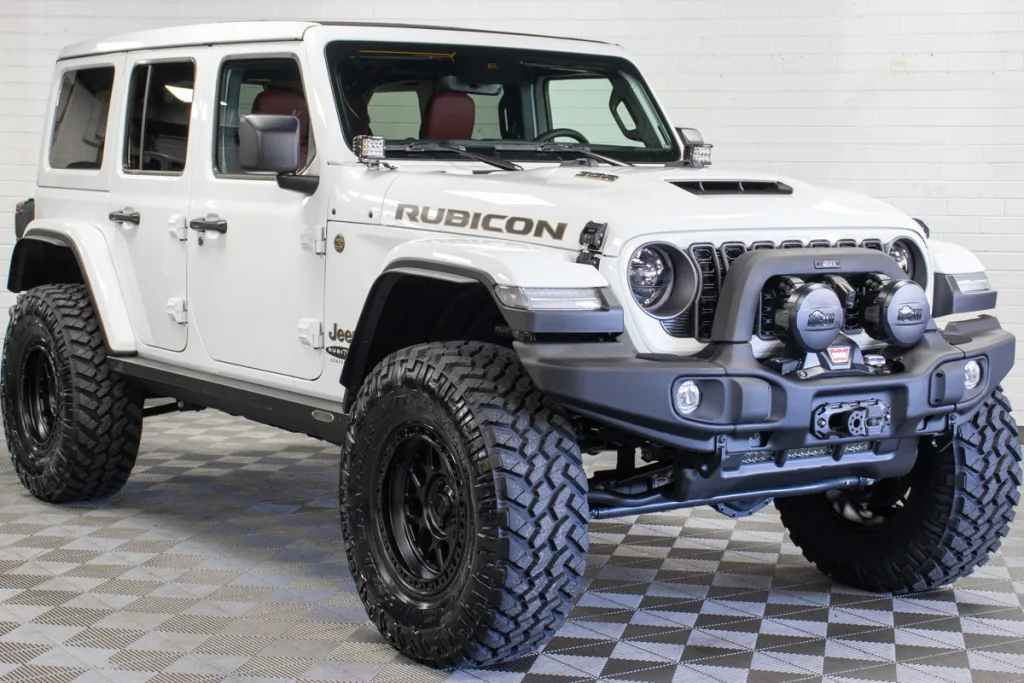
What is So Special About Jeep Rubicon
What makes jeep Rubicon so special? What Is So Special About the Jeep Rubicon? The Jeep Rubicon is special because it is the most trail-focused Wrangler trim built from the factory. It is not just a Wrangler with different badges. The Rubicon adds serious off-road hardware that helps it crawl over rocks, climb steep trails, handle deep ruts, and keep traction where normal SUVs would struggle. The simple answer is this: the Jeep Rubicon is special because it comes with factory off-road equipment that most vehicles need aftermarket upgrades to match. That includes heavy-duty axles, locking differentials, a more aggressive 4x4 system, rock rails, off-road tires, and trail-focused gearing depending on model year and configuration. Jeep lists the Wrangler Rubicon as a dedicated trim in the Wrangler lineup, while Jeep Canada highlights Rubicon-style equipment such as 33-inch off-road tires, locking rear differential, and trail-focused 4x4 hardware on Wrangler models. The Rubicon Name Means Something The Rubicon name comes from the Rubicon Trail in California, one of the most famous off-road trails in North America. That matters because Jeep did not choose a random adventure-sounding name. The Rubicon badge is tied directly to real off-road credibility. A Wrangler Rubicon is designed for buyers who want more than the look of a Jeep. It is for people who want factory-built capability. That is why the Rubicon has become one of the most respected names in the off-road SUV world. Factory Locking Differentials One of the biggest reasons the Rubicon is special is its locking differentials. On difficult trails, a regular open differential can send power to the wheel with the least traction. That is bad when one tire is in the air, on loose dirt, or slipping on rock. A locking differential forces wheels on the same axle to turn together, helping the Jeep keep moving when traction is uneven. This is a major off-road advantage. Many SUVs do not offer true lockers from the factory. The Rubicon does, which is why serious off-road buyers pay attention to it. Rock-Trac 4x4 System The Rubicon also stands out because of its Rock-Trac-style 4x4 capability. Jeep Canada explains that Rock-Trac uses a heavy-duty transfer case with a 4:1 low-range gear ratio, which helps provide controlled torque delivery for difficult off-road driving. In plain English, that means the Rubicon can move slowly and powerfully over obstacles instead of needing speed to get through them. That slow-speed control is exactly what you want for rocks, ledges, steep climbs, and technical trails. Heavy-Duty Axles Rubicon models are also known for stronger axle hardware. Older JK Rubicons used heavy-duty Dana 44 front and rear axles, and Quadratec notes that the 2014 Wrangler Rubicon featured heavy-duty Dana 44 axles and a Rock-Trac transfer case with a 4.0:1 low-range gear ratio. Axles matter because they carry weight, transfer torque, and take abuse from tires, rocks, ruts, and trail impacts. A Rubicon’s axle setup is one of the reasons it is a stronger base for off-road use than a regular Wrangler Sport or Sahara. Electronic Sway Bar Disconnect Another major Rubicon feature is the electronic sway bar disconnect on many models. A sway bar helps control body roll on pavement. But off-road, disconnecting it allows the front suspension to articulate more freely. That helps the tires stay in contact with the ground over uneven terrain. More tire contact means more traction. On many off-road builds, owners manually disconnect sway bars before hitting the trail. Rubicon models can make that process much easier from the factory. Better Trail Tires and Ground Clearance The Rubicon usually comes with more aggressive tires than standard Wrangler trims. That gives it better traction on dirt, rocks, mud, and uneven trails. Depending on model year and package, Rubicon models may come with 33-inch tires, and some versions offer more aggressive tire and wheel packages. Tires are one of the most important off-road upgrades. Jeep giving the Rubicon better tires from the factory is a big part of its appeal. Rock Rails and Trail Protection The Rubicon is also built with more protection for trail use. Rock rails help protect the lower body from rocks, stumps, and trail damage. This matters because the underside and rocker panels can take a beating off-road. If you buy a lower Wrangler trim and plan to off-road seriously, rock rails are often one of the first upgrades. Rubicon buyers get that type of equipment built into the package. Rubicon vs Sport The Wrangler Sport is the simpler and more affordable Wrangler. The Rubicon is the more serious off-road version. A Sport gives you the Wrangler look, removable roof and doors, 4x4 capability, and strong customization potential. It is a good choice if you want a lower price or plan to build the Jeep yourself. The Rubicon costs more because it comes with trail hardware already installed. If you want lockers, stronger axles, better gearing, and off-road protection from the factory, the Rubicon makes more sense. In simple terms: Sport is the blank canvas. Rubicon is the factory trail machine. Rubicon vs Sahara The Sahara is the comfort-focused Wrangler. The Rubicon is the off-road-focused Wrangler. A Sahara is better for buyers who want a nicer daily driver, more polished road manners, upgraded appearance, and useful comfort features. A Rubicon is better for buyers who care about trail performance, rock crawling, and off-road hardware. Both are Wranglers. They just serve different buyers. Sahara is the city-and-weekend-adventure Wrangler. Rubicon is the trail-first Wrangler. Is the Rubicon Good as a Daily Driver? Yes, the Rubicon can be used as a daily driver, but it is not as smooth or quiet as a normal crossover. It has off-road tires, rugged suspension tuning, removable roof design, and truck-like character. That is part of the charm, but it also means more road noise, more tire noise, and a firmer feel than many SUVs. If you mostly drive pavement and only like the Rubicon look, a Sahara or Willys may be easier to live with. If you actually want the off-road hardware, the Rubicon is worth the tradeoff. Why the Rubicon Holds Value The Rubicon holds value well because buyers understand what it is. It is not just a trim with cosmetic upgrades. It has real hardware that costs money to add aftermarket. That gives it strong appeal in the used market. A clean, stock Rubicon with service records is usually easier to sell than a heavily modified Wrangler with unknown parts and questionable workmanship. For local buyers, comparing used Jeep inventory by trim, mileage, engine, modifications, and service history is the smartest way to understand real-world Rubicon value. Shoppers who want the latest factory equipment can also review current new Jeep inventory. Is the Rubicon Worth It? Yes, the Rubicon is worth it if you plan to use the off-road hardware or want the strongest factory Wrangler setup. It may not be worth it if you only drive on pavement and never need lockers, heavy-duty axles, or extra trail capability. In that case, a Sport, Willys, or Sahara may be the smarter buy. But if your goal is to buy a Wrangler that is already built for serious off-road use, the Rubicon is the one people talk about for a reason. FAQs About the Jeep Rubicon What makes the Jeep Rubicon special? The Jeep Rubicon is special because it includes factory off-road hardware such as locking differentials, heavy-duty axles, trail-focused 4x4 gearing, rock rails, and off-road tires. Is a Rubicon better than a regular Wrangler? For serious off-roading, yes. A Rubicon is better equipped than a standard Wrangler Sport or Sahara. For daily driving only, a Sahara or Sport may be more practical. Is the Rubicon good for rock crawling? Yes. The Rubicon is one of the best factory SUVs for rock crawling because of its low-range gearing, lockers, axle setup, and trail protection. Why is the Rubicon more expensive? The Rubicon costs more because it includes expensive off-road hardware from the factory. Adding similar equipment aftermarket can cost thousands. Can you daily drive a Rubicon? Yes, but expect more road noise and a more rugged feel than a regular SUV. It is still usable every day, but it is built with off-road capability as the priority. Final Thoughts: The Rubicon Is the Real Factory Off-Roader The Jeep Rubicon is special because it gives buyers real off-road capability straight from the factory. It has the hardware that serious trail drivers want: lockers, heavy-duty axles, low-range gearing, rock protection, aggressive tires, and Wrangler’s classic open-air design. It is not the cheapest Wrangler, and it may not be the smoothest daily driver, but it is the trim that best represents what makes Jeep different. If you want the Wrangler look, other trims can work. If you want the Wrangler built for real trails, the Rubicon is the one that stands out.
New Jeep Dealership Service in Agoura Hills
Best Jeep Dealership in Agoura hills New Jeep Dealership Service in Agoura Hills If you're in Agoura Hills and searching for reliable Jeep dealership service, look no further than Simi Valley Chrysler Dodge Jeep Ram (CDJR). Conveniently located just a short drive away, this dealership is your one-stop destination for all your Jeep service needs. Whether you're looking for routine maintenance, repairs, or genuine Jeep parts, their team of factory-trained technicians ensures that your vehicle is in expert hands. New Jeeps Agoura: Comprehensive Jeep Service At Simi Valley CDJR, they understand that your Jeep is more than just a vehicle—it's an adventure machine built to handle tough terrains, long road trips, and daily commutes. To keep your Jeep in top shape, regular service is essential. Their Jeep service center offers a range of maintenance and repair options tailored specifically for Jeep owners in Agoura Hills. Some of their key services include: Oil Changes: Keep your engine running smoothly with regular oil changes using high-quality oils. Tire Services: From tire rotations to replacements, they ensure your Jeep is equipped for any terrain. Brake Repair: Safety comes first, and their technicians perform detailed brake inspections and repairs. Battery Testing and Replacement: Avoid unexpected battery failures with their comprehensive testing services. Transmission Services: Keep your Jeep’s transmission functioning properly with their expert care. Jeeps for Sale Agoura Hills: Genuine Jeep Parts and Accessories Simi Valley CDJR prides itself on offering only genuine Jeep parts. Whether you’re in need of new tires, brakes, or accessories to customize your ride, their parts department has you covered. Genuine parts ensure that your Jeep maintains its performance and longevity. Plus, if you're looking to personalize your Jeep with custom upgrades, their extensive collection of Jeep accessories allows you to tailor your vehicle to your style and needs. Jeep Service in Agoura Hills: Expert Technicians The dealership’s certified technicians are trained specifically for Jeep vehicles, ensuring that every service they perform meets Jeep’s strict quality standards. Whether you're driving a Wrangler, Cherokee, Gladiator, or any other Jeep model, their technicians have the knowledge and experience to provide top-notch care. Plus, their friendly staff is always available to answer any questions you may have about your vehicle or the services they offer. Jeeps in Agoura: Convenient Location and Scheduling Located just 20 miles from Agoura Hills, Simi Valley CDJR is an easy drive, allowing Agoura Hills residents to access quality service without the hassle of traveling far. The dealership offers flexible appointment scheduling to fit your busy lifestyle. You can easily schedule your Jeep’s service through their online booking system, making it convenient to plan your visit. Why Choose Simi Valley CDJR for Jeep Service? Expertise: With years of experience servicing Jeep vehicles, they understand the unique needs of each model. Convenience: Their location near Agoura Hills makes it easy for local residents to receive prompt service. Customer Satisfaction: Simi Valley CDJR is known for its customer-first approach, ensuring you’re fully satisfied with your service experience. State-of-the-Art Facility: Their service center is equipped with the latest tools and technology to handle any service your Jeep requires. Genuine Parts: Only OEM Jeep parts are used, guaranteeing the highest quality and compatibility with your vehicle. Visit Simi Valley CDJR Today If you’re in Agoura Hills and need reliable Jeep service, head over to Simi Valley CDJR. Whether it’s routine maintenance or more extensive repairs, you can trust their team to keep your Jeep running like new. Visit their service center today and experience the expert care your Jeep deserves. You can also give them a call to schedule your appointment or use their online system for easy booking. With Simi Valley CDJR, keeping your Jeep in peak condition has never been easier for Agoura Hills residents! If you're looking to buy a Jeep in Agoura Hills, there are several dealerships and options available both locally and nearby. You can find new and used Jeep vehicles at places like Santa Monica Chrysler Jeep Dodge Ram or Rusnak/Westlake Audi, which are both within a short distance of Agoura Hills. They offer a range of models like the Jeep Grand Cherokee, Wrangler, and Gladiator, with deals on pre-owned vehicles as well. CarGurus)( Autotrader). For those interested in specific deals, platforms like CarGurus and Autotrader feature Jeep listings in nearby cities like Woodland Hills and Valencia, providing extensive options on SUVs and trucks. You can browse a variety of trims, including the Jeep Compass and Renegade, with competitive pricing based on mileage and condition( CarGurus)( Autotrader). This makes it easier to compare options and get the best deal on a Jeep close to Agoura Hills, whether you're looking for a rugged off-road vehicle or a family-friendly SUV. Here’s a comprehensive Q&A on Jeep sales in Agoura Hills: Q: What is the best dealership for buying a Jeep in Agoura Hills? A: One of the closest options for purchasing a Jeep in Agoura Hills is Simi Valley Chrysler Dodge Jeep Ram. They offer a wide selection of new and pre-owned Jeep vehicles, including Wranglers, Grand Cherokees, and Gladiators. Q: What Jeep models are available in Agoura Hills? A: You can find popular Jeep models like the Wrangler, Grand Cherokee, Gladiator, Compass, and Cherokee. Many dealerships in and around Agoura Hills carry both new and used models. Q: Are there any deals on Jeep Wranglers near Agoura Hills? A: Yes, local dealerships, including those in nearby cities like Thousand Oaks and Simi Valley, frequently offer deals on new and certified pre-owned Jeep Wranglers. Always check for seasonal sales and financing promotions. Q: Can I lease a Jeep in Agoura Hills? A: Yes, most Jeep dealerships in the area offer leasing options for new Jeep models, with flexible terms. Leasing is a great option if you prefer lower monthly payments and want to upgrade every few years. Q: What’s the process for buying a used Jeep in Agoura Hills? A: When purchasing a used Jeep, it’s important to research the vehicle's history, take it for a test drive, and compare offers from multiple dealerships. Local dealerships often provide certified pre-owned options with warranties for added peace of mind. Q: How can I test drive a Jeep near Agoura Hills? A: You can schedule a test drive by visiting or calling nearby dealerships like Simi Valley CDJR or Santa Monica Chrysler Jeep Dodge Ram. Most dealerships allow you to schedule test drives online as well. Q: What’s the price range for Jeeps for sale in Agoura Hills? A: The price of a Jeep varies based on the model, year, and condition. New Jeep Wranglers, for example, start around $30,000, while pre-owned models may range from $15,000 to $45,000 depending on mileage and features. Q: Are there any Jeep dealerships offering financing in Agoura Hills? A: Yes, many dealerships in and around Agoura Hills offer financing options. You can apply for financing at the dealership or online, and they typically work with a range of lenders to get you the best rates. Q: Can I customize my Jeep when buying from a dealership near Agoura Hills? A: Yes, many Jeep dealerships offer customization options, such as adding lift kits, off-road tires, or specialized lighting. Some dealerships have packages for off-road or adventure enhancements. Q: Do dealerships near Agoura Hills offer Jeep maintenance services? A: Absolutely! Dealerships like Simi Valley CDJR offer maintenance and repair services for all Jeep models. Whether it’s routine service or specialized off-road modifications, these service centers have certified technicians who know Jeeps inside out. Q: What’s the difference between buying a new vs. certified pre-owned Jeep in Agoura Hills? A: A new Jeep offers the latest features and a full factory warranty, while a certified pre-owned (CPO) Jeep comes at a lower price and is backed by a warranty. CPO Jeeps go through a detailed inspection to ensure they meet manufacturer standards. Q: Are there special Jeep promotions or discounts for Agoura Hills residents? A: Yes, dealerships often run local promotions, including discounts on new Jeeps, trade-in bonuses, and special financing rates. Check with local dealerships around Agoura Hills for current offers. Q: Can I trade in my old vehicle when buying a Jeep in Agoura Hills? A: Yes, most Jeep dealerships will accept trade-ins. You can bring your current vehicle for an appraisal, and its value will be applied toward the purchase or lease of your new Jeep. Q: What off-road features do Jeeps for sale in Agoura Hills come with? A: Jeep models like the Wrangler and Gladiator come with off-road features such as 4x4 capabilities, skid plates, off-road tires, and the Trail Rated badge, ensuring they are equipped to handle tough terrain. Q: How does buying a Jeep in Agoura Hills compare to other cities in California? A: Buying a Jeep in Agoura Hills offers the advantage of nearby dealerships with access to a wide inventory and competitive pricing. Many dealerships also provide the convenience of online shopping and home delivery options. Q: What should I consider when choosing between a Jeep Wrangler and a Grand Cherokee? A: If you plan to do heavy off-roading, the Wrangler is ideal with its rugged build and off-road features. For a more comfortable ride and family-friendly features, the Grand Cherokee offers luxury and performance. Q: Are there any Jeep accessories for sale at Agoura Hills dealerships? A: Yes, many local dealerships carry accessories like roof racks, all-weather floor mats, and off-road equipment. Customization options are available to personalize your Jeep to fit your needs. Q: Can I purchase a Jeep online if I live in Agoura Hills? A: Many dealerships near Agoura Hills offer the option to purchase or lease a Jeep online. You can browse inventory, secure financing, and even arrange for delivery without visiting the dealership. Q: What are the advantages of buying a Jeep Gladiator in Agoura Hills? A: The Jeep Gladiator is a great choice for those looking for the off-road capability of a Jeep with the utility of a pickup truck. It’s perfect for towing, hauling, and outdoor adventures, making it a versatile choice for Agoura Hills drivers. Q: Do Jeep dealerships in Agoura Hills offer warranties? A: Yes, new Jeeps come with a manufacturer warranty, and certified pre-owned vehicles often include extended warranties. You can also purchase additional coverage for things like powertrain and roadside assistance. These Q&A items should provide comprehensive answers for anyone interested in purchasing a Jeep in Agoura Hills.
New Jeeps in Calabasas for Sale
Jeeps Calabasas for sale Browse New Browse Used Contact Us Calabasas Jeeps for Sale If you're in the market for a Jeep in Calabasas, you're in luck. The surrounding area is home to several dealerships offering a wide selection of new and pre-owned Jeep vehicles. Jeep has become synonymous with rugged durability and off-road capabilities, making it a top choice for adventure enthusiasts and those who appreciate a strong, reliable vehicle. Whether you're looking for a brand-new Jeep Wrangler or a certified pre-owned Grand Cherokee, you’ll find plenty of options in and around Calabasas. Jeep Dealerships Near Calabasas Calabasas is conveniently located near several well-regarded Jeep dealerships, including Simi Valley Chrysler Dodge Jeep Ram and Santa Monica Chrysler Jeep Dodge Ram, which offer extensive inventories of new and used Jeeps. These dealerships feature popular Jeep models such as the Wrangler, Grand Cherokee, Compass, Renegade, and Gladiator. Many of these models come with various trim levels and options, allowing you to customize your Jeep based on your preferences and driving needs. Additionally, you can take advantage of online shopping platforms provided by local dealerships. These platforms allow you to browse inventory, compare models, and even complete the buying process from the comfort of your home. Whether you’re looking for a versatile SUV for family trips or a rugged off-roader, buying a Jeep in Calabasas has never been easier. Jeep Financing and Lease Options When purchasing a Jeep in Calabasas, you’ll find flexible financing and lease options at most nearby dealerships. Jeep dealerships often work with various lenders to secure competitive interest rates and offer lease deals with low down payments and monthly installments. Many dealerships in the Calabasas area offer trade-in programs, allowing you to get a great value on your current vehicle while lowering the cost of your new Jeep. Browse New Browse Used Contact Us Additionally, dealerships frequently run promotions, offering incentives like low-interest rates, cashback, or bonus offers on specific models. If you’re interested in leasing a Jeep, many local dealers provide lease specials on models like the Jeep Cherokee or Jeep Gladiator, giving you the flexibility to drive a new vehicle every few years. Jeep Maintenance and Service in Calabasas Once you’ve purchased your Jeep, it’s important to maintain it with regular servicing to ensure it performs optimally. Fortunately, many Jeep dealerships in the Calabasas area also offer dedicated service centers staffed with certified technicians who specialize in Jeep vehicles. From routine oil changes to more complex repairs, these service centers provide the care your Jeep needs to stay in peak condition. Browse New Browse Used Contact Us Additionally, you’ll find a range of Jeep accessories available for purchase. Whether you want to upgrade your Jeep for off-road adventures or add comfort features like heated seats or a custom roof rack, local dealerships have the parts and accessories to enhance your driving experience. Why Buy a Jeep in Calabasas? Buying a Jeep in Calabasas provides numerous benefits. The area's proximity to rugged terrain and beautiful natural landscapes makes owning a Jeep ideal for weekend adventures. Whether you’re heading to the mountains, beaches, or exploring off-road trails, a Jeep is the perfect vehicle for tackling tough terrain while offering the comfort and reliability you need for everyday driving. Browse New Browse Used Contact Us Additionally, the Calabasas area is home to a community of Jeep enthusiasts, making it easy to find clubs, events, and meetups for Jeep owners. If you're passionate about off-roading or simply love the Jeep brand, buying a Jeep in Calabasas puts you in the perfect spot to enjoy all that this versatile vehicle has to offer. Q&A Q: What Jeep models are available for sale in Calabasas? A: Popular models available in and around Calabasas include the Jeep Wrangler, Grand Cherokee, Gladiator, Compass, and Renegade. Both new and certified pre-owned vehicles are available. Q: Can I lease a Jeep in Calabasas? A: Yes, most dealerships near Calabasas offer flexible leasing options for various Jeep models. Lease deals often include low monthly payments and competitive terms. Q: What’s the best dealership to buy a Jeep in Calabasas? A: Some of the top dealerships near Calabasas include Simi Valley Chrysler Dodge Jeep Ram and Santa Monica Chrysler Jeep Dodge Ram, both of which offer extensive Jeep inventories and excellent customer service. Q: Are there any promotions on Jeeps for sale in Calabasas? A: Many dealerships near Calabasas run promotions throughout the year, offering deals on financing, cashback offers, and discounts on specific models. Check with local dealerships for current promotions. Q: Can I trade in my current vehicle when buying a Jeep in Calabasas? A: Yes, most Jeep dealerships near Calabasas accept trade-ins. The trade-in value of your current vehicle can be applied toward the purchase or lease of a new or used Jeep. Q: What off-road features are available on Jeeps for sale in Calabasas? A: Jeep models like the Wrangler and Gladiator are equipped with off-road features such as 4x4 capabilities, skid plates, all-terrain tires, and Trail Rated® badges, making them ideal for off-roading around Southern California. Q: Can I customize my Jeep when buying from a dealership in Calabasas? A: Yes, many dealerships offer customization options, including lift kits, specialized lighting, off-road tires, and more. You can choose factory or aftermarket accessories to enhance your Jeep. Best Jeeps to Buy in Calabasas Here’s a list of Jeep trims with a brief description for each, along with links to their respective pages on Simi Valley CDJR's website: Jeep Wrangler Sport The Jeep Wrangler Sport offers rugged off-road capabilities and essential features for adventure seekers. Explore the Jeep Wrangler Sport Jeep Wrangler Sport S The Jeep Wrangler Sport S adds additional comfort and convenience features to the versatile Sport trim. Explore the Jeep Wrangler Sport S Jeep Wrangler Sahara The Jeep Wrangler Sahara combines off-road prowess with premium features and a stylish design. Explore the Jeep Wrangler Sahara Jeep Wrangler Rubicon The Jeep Wrangler Rubicon is built for the most extreme off-roading challenges with enhanced features and rugged durability. Explore the Jeep Wrangler Rubicon Jeep Grand Cherokee Laredo The Jeep Grand Cherokee Laredo offers a blend of comfort, technology, and off-road capability for everyday adventures. Explore the Jeep Grand Cherokee Laredo Jeep Grand Cherokee Limited The Jeep Grand Cherokee Limited adds luxury and advanced features to the Laredo trim, enhancing your driving experience. Explore the Jeep Grand Cherokee Limited Jeep Grand Cherokee Overland The Jeep Grand Cherokee Overland features premium materials and advanced technology for a sophisticated driving experience. Explore the Jeep Grand Cherokee Overland Jeep Grand Cherokee Summit The Jeep Grand Cherokee Summit offers top-of-the-line luxury and technology for a truly refined driving experience. Explore the Jeep Grand Cherokee Summit Jeep Gladiator Sport The Jeep Gladiator Sport provides the perfect balance of truck utility and Jeep's legendary off-road capability. Explore the Jeep Gladiator Sport Jeep Gladiator Overland The Jeep Gladiator Overland enhances the Gladiator's ruggedness with additional comfort and convenience features. Explore the Jeep Gladiator Overland Jeep Gladiator Rubicon The Jeep Gladiator Rubicon is engineered for extreme off-roading with high-performance features and durability. Explore the Jeep Gladiator Rubicon Jeep Compass Sport The Jeep Compass Sport delivers essential features and Jeep’s off-road capability in a compact SUV. Explore the Jeep Compass Sport Jeep Compass Latitude The Jeep Compass Latitude adds more comfort and technology features to enhance your driving experience. Explore the Jeep Compass Latitude Jeep Compass Limited The Jeep Compass Limited offers premium features and a refined interior for added luxury. Explore the Jeep Compass Limited Jeep Compass Trailhawk The Jeep Compass Trailhawk is designed for serious off-roading with advanced features and rugged enhancements. Explore the Jeep Compass Trailhawk Jeep Renegade Sport The Jeep Renegade Sport combines compact size with Jeep’s iconic off-road capability. Explore the Jeep Renegade Sport Jeep Renegade Latitude The Jeep Renegade Latitude adds extra comfort and technology features to the compact SUV. Explore the Jeep Renegade Latitude Jeep Renegade Limited The Jeep Renegade Limited offers a more luxurious experience with advanced features and a stylish design. Explore the Jeep Renegade Limited Jeep Renegade Trailhawk The Jeep Renegade Trailhawk is built for off-road enthusiasts with rugged features and enhanced capability. Explore the Jeep Renegade Trailhawk Jeep Cherokee Latitude The Jeep Cherokee Latitude provides a blend of comfort and capability in a compact SUV. Explore the Jeep Cherokee Latitude Jeep Cherokee Limited The Jeep Cherokee Limited adds luxury and advanced features to enhance your driving experience. Explore the Jeep Cherokee Limited Jeep Cherokee Trailhawk The Jeep Cherokee Trailhawk is designed for off-road adventures with rugged enhancements and advanced features. Explore the Jeep Cherokee Trailhawk Jeep Cherokee Overland The Jeep Cherokee Overland combines premium materials and technology for a sophisticated driving experience. Explore the Jeep Cherokee Overland Jeep Wagoneer Series I The Jeep Wagoneer Series I offers a blend of luxury and capability with a spacious and refined interior. Explore the Jeep Wagoneer Series I Jeep Wagoneer Series II The Jeep Wagoneer Series II adds advanced features and additional luxury to the spacious Wagoneer. Explore the Jeep Wagoneer Series II Jeep Wagoneer Series III The Jeep Wagoneer Series III offers top-tier luxury and technology features for a premium driving experience. Explore the Jeep Wagoneer Series III Browse New Browse Used Contact Us Q: Do Calabasas Jeep dealerships offer service and maintenance? A: Yes, many dealerships near Calabasas have service centers with certified technicians who specialize in Jeep maintenance and repairs. Routine services and repairs are available to keep your Jeep running smoothly. With its proximity to nature and off-road opportunities, buying a Jeep in Calabasas is a great choice for drivers who want a rugged, reliable vehicle for both adventure and everyday use. Jeep Listings: Autotrader - Calabasas Jeep Listings – A great place to search for new and used Jeeps available in Calabasas. Local Reviews and Ratings: Yelp - Calabasas Jeep Dealerships – Find customer reviews and ratings for Jeep dealerships in Calabasas. Jeep Enthusiast Forums: Jeep Forum - Calabasas – Discuss and find information on Jeep ownership and local meetups in the Calabasas area. Social Media Groups: Facebook Marketplace - Jeeps in Calabasas – Check out local Jeep listings and community posts in Calabasas.
Is the Dodge Hornet Gas or Electric? Everything You Need to Know
Is the Dodge Hornet Gas or Electric? Is the Dodge Hornet Gas or Electric? Everything You Need to Know The Dodge Hornet is a highly anticipated addition to Dodge's lineup, making waves as the brand’s first entry into the compact SUV market. But with the growing trend towards electric and hybrid vehicles, many prospective buyers are curious: Is the Dodge Hornet a gas-powered or electric vehicle? The answer is that the Dodge Hornet comes as a plug-in hybrid (PHEV) in addition to a traditional gas-powered model. Let's dive deeper into the details. Is the Dodge Hornet Gas or Electric? Dodge Hornet: Gas or Electric? The Dodge Hornet offers two powertrain options: Traditional Gasoline Engine The base model of the Dodge Hornet is powered by a 2.0-liter turbocharged inline-4 gasoline engine, known as the Hurricane4. This engine delivers impressive power for a compact SUV, generating 265 horsepower and 295 lb-ft of torque. It provides a dynamic and spirited driving experience, perfect for those who prefer the familiar feel and convenience of a traditional gas engine. Plug-in Hybrid Electric Vehicle (PHEV) For those looking to embrace electrification, the Dodge Hornet also comes in a plug-in hybrid variant, called the Dodge Hornet R/T PHEV. This model combines a 1.3-liter turbocharged 4-cylinder engine with an electric motor, offering a combined output of 285 horsepower. The electric motor contributes to the enhanced power and efficiency of the vehicle, while also allowing for all-electric driving in certain conditions. Dodge Hornet R/T PHEV: The Hybrid Advantage The plug-in hybrid version of the Dodge Hornet provides a best-of-both-worlds driving experience. It can run on electric power alone for short distances, making it ideal for city driving or quick trips without using gasoline. Here are the key highlights of the R/T PHEV model: Electric Range: The Dodge Hornet R/T PHEV offers approximately 30 miles of all-electric driving range. This is perfect for those who want to reduce their carbon footprint and take advantage of electric power for daily commuting. Hybrid Mode: When the electric battery runs low or when extra power is needed, the gasoline engine kicks in seamlessly, providing a smooth and powerful hybrid driving experience. This allows for extended range without the need for frequent charging. Performance: Despite its hybrid nature, the R/T PHEV trim still maintains Dodge’s signature focus on performance. It features PowerShot mode, which gives an extra burst of 25 horsepower for 15 seconds, ideal for quick accelerations or overtaking on highways. Is the Dodge Hornet Gas or Electric? Gas-Powered or Hybrid: Which Dodge Hornet is Right for You? Choosing between the gas-powered Dodge Hornet and the plug-in hybrid version depends on your driving habits, environmental priorities, and personal preferences. Here’s a quick breakdown to help you decide: Traditional Gas Model: If you’re looking for a more affordable option and are comfortable with conventional gasoline power, the standard Dodge Hornet with its turbocharged gas engine is a great choice. It offers plenty of power and a spirited driving experience without the need to worry about charging stations. PHEV Model: The plug-in hybrid variant is perfect for those who want the flexibility of electric driving but still want the convenience of gasoline for longer trips. If you're environmentally conscious and want to reduce fuel consumption while benefiting from a powerful engine, the R/T PHEV is a strong option. Plus, if you have access to home or public charging stations, you’ll be able to take full advantage of its electric-only range. Is the Dodge Hornet Gas or Electric? What’s Next for Dodge? The Dodge Hornet represents Dodge’s first serious step into the hybrid world, and it's likely just the beginning. As regulations push automakers towards more eco-friendly options, Dodge is embracing hybrid technology while staying true to its performance-focused roots. While the Hornet is not fully electric, its PHEV version signals that Dodge is moving toward greener technologies without sacrificing the power and performance that enthusiasts love. Is the Dodge Hornet Gas or Electric? Conclusion To sum up, the Dodge Hornet comes in both gas-powered and plug-in hybrid variants, offering drivers flexibility depending on their needs. Whether you’re looking for a sporty gas SUV or a more eco-friendly plug-in hybrid, the Dodge Hornet has something for everyone. With its performance-oriented approach, cutting-edge technology, and versatile powertrain options, the Hornet is set to become a popular choice for those seeking a compact SUV that balances power, efficiency, and style. Whether you're ready to embrace electric driving or prefer the reliability of gasoline, the Dodge Hornet is ready to deliver.
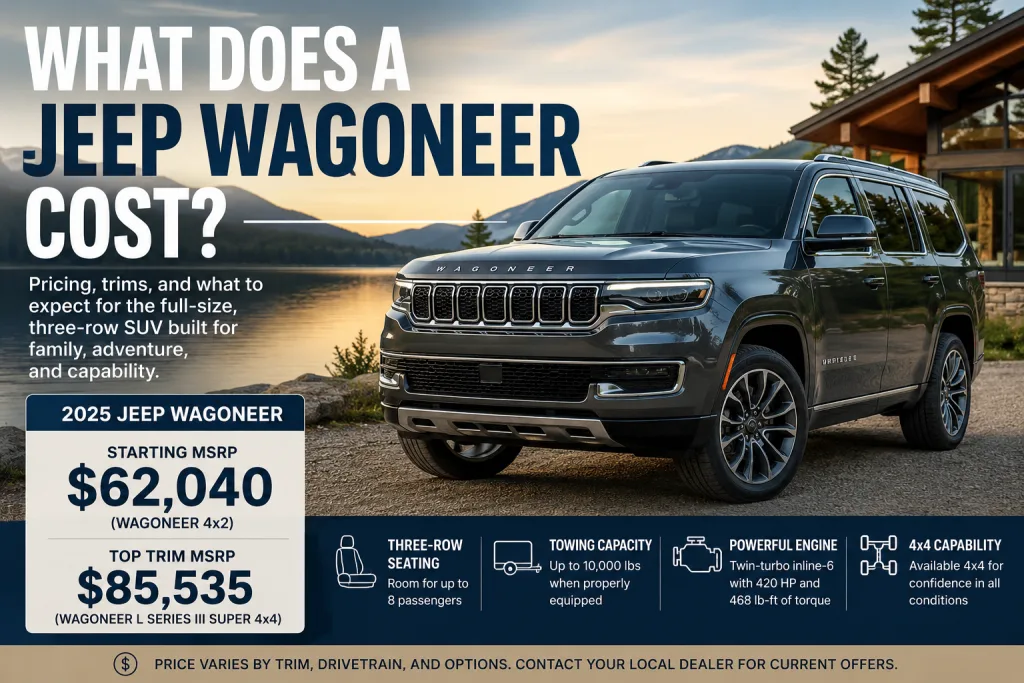
What Does a Jeep Wagoneer Cost?
What Does a Jeep Wagoneer Cost? The Jeep Wagoneer is one of the largest and most premium SUVs in the Jeep lineup. It is built for drivers who want three-row space, strong towing ability, upscale comfort, and serious road-trip capability. Because of that, it costs more than a typical midsize SUV or basic family crossover. For 2025, the Jeep Wagoneer started at about $62,040, while higher trims moved into the $70,000 and $80,000 range depending on equipment. Car and Driver lists the 2025 Wagoneer range from $62,040 to $82,535, before extra options, taxes, fees, and dealer charges. That makes the Wagoneer a premium full-size SUV, but still below the ultra-luxury pricing of some full-size competitors. Jeep Wagoneer Starting Price The 2025 Jeep Wagoneer started around $62,040 for the base model. That price gave buyers a large three-row SUV with a powerful twin-turbo inline-six engine, a spacious cabin, and the capability expected from a large Jeep SUV. Four-wheel-drive versions cost more than two-wheel-drive models. That matters because many Wagoneer shoppers want 4x4 capability for bad weather, towing, road trips, dirt roads, or family travel. If you live somewhere with snow, rain, hills, or rougher roads, the extra cost of 4x4 may be worth it. How Much Do Higher Wagoneer Trims Cost? The Wagoneer gets more expensive as you move into better-equipped trims. Series II, Carbide, Overland, Series III, and long-wheelbase Wagoneer L models can push the price well above the base model. Most shoppers should expect a well-equipped Wagoneer to land somewhere in the $70,000 range, while upper versions can move into the low-to-mid $80,000 range. Edmunds shows current market pricing can vary by trim, location, and available inventory, so the final number depends on the specific SUV you choose. This is why it is important to compare the exact vehicle, not just the model name. A base Wagoneer and a fully loaded Wagoneer can feel very different in features, comfort, and final price. Wagoneer vs. Wagoneer L Cost The Wagoneer L is the longer version of the Wagoneer. It costs more because it gives you more overall length and more cargo room, especially behind the third row. That extra space is useful for families who travel with passengers and luggage at the same time. A regular three-row SUV may have enough seats, but cargo room can get tight when every seat is being used. The Wagoneer L helps solve that problem with more room for bags, sports gear, strollers, coolers, and road-trip equipment. If you mostly drive around town and rarely pack the vehicle full, the standard Wagoneer may be enough. If you take long trips, carry a full family, or need space behind the third row, the Wagoneer L may justify the extra cost. How Much Is a Used Jeep Wagoneer? A used Jeep Wagoneer can cost much less than a new one. Pricing depends on model year, mileage, trim, condition, accident history, service records, and local demand. Because the Wagoneer has a high original MSRP, used models can be attractive for shoppers who want a large premium SUV without paying full new-vehicle pricing. A used Series II or Series III may give you more features for the money compared with buying a new base model. Before buying used, check the mileage, vehicle history, tire condition, brake condition, warranty status, and service records. A used Wagoneer with clean history and good maintenance can be a strong value. A cheaper one with accident history or neglected maintenance may cost more later. What Affects the Cost of a Jeep Wagoneer? The price of a Wagoneer is affected by trim, drivetrain, body length, features, mileage, and condition. New models are priced mainly by equipment and options, while used models depend more heavily on mileage, history, and market demand. A Wagoneer with 4x4, premium interior features, larger wheels, advanced safety technology, towing equipment, and upgraded audio will cost more than a basic model. A Wagoneer L will usually cost more than a standard-length Wagoneer because of the added space. For used Wagoneers, mileage and condition matter heavily. A low-mileage, well-kept SUV with clean history will usually cost more than a higher-mileage model with damage, worn tires, or incomplete service records. Engine and Performance The 2025 Jeep Wagoneer uses a twin-turbocharged inline-six engine. Edmunds lists the 2025 Wagoneer at 420 horsepower and 468 lb-ft of torque, giving it the strength needed for a full-size SUV. That power matters because the Wagoneer is a large vehicle. It needs enough engine strength to move confidently with passengers, cargo, and a trailer. The engine also helps the Wagoneer feel smoother on highways, hills, and long-distance drives. This is one reason the Wagoneer costs more than smaller SUVs. You are paying for size, power, towing ability, and a more premium driving experience. Towing Capacity Towing ability is one of the biggest reasons buyers consider the Wagoneer. When properly equipped, the 2025 Wagoneer can tow up to 10,000 pounds. Edmunds lists that maximum towing figure, which puts the Wagoneer among the stronger full-size SUVs in its class. That kind of capability makes it useful for campers, boats, utility trailers, small equipment, and family adventure gear. If you only need a vehicle for commuting, that towing capacity may not matter much. But if you tow regularly, it can help justify the price. Interior Space and Family Use The Wagoneer is expensive because it is designed to carry people and cargo comfortably. It offers three rows of seating, a wide cabin, and a more upscale interior than many mainstream SUVs. For families, the value is in the space. The Wagoneer gives passengers more room than many smaller three-row SUVs. It also works well for road trips because it has the size and comfort needed for long drives. The regular Wagoneer is already large, but the Wagoneer L is better if cargo space is a major priority. Families who travel with luggage, sports equipment, or pets may find the longer version more practical. Is the Wagoneer Still Available New? The standard Jeep Wagoneer changed after the 2025 model year. For 2026, Jeep moved the focus to the Grand Wagoneer name. The official Jeep Grand Wagoneer page now presents the 2026 Grand Wagoneer as the brand’s full-size premium SUV, with MSRP starting at just under $67,000. That means shoppers looking for a Wagoneer may be looking at remaining 2025 inventory, used Wagoneer models, or the newer Grand Wagoneer lineup. Availability will depend on dealer inventory and local market conditions. Jeep Wagoneer vs. Grand Wagoneer Cost The Grand Wagoneer has traditionally been the more luxurious version of the Wagoneer family. It usually costs more because it adds more premium materials, more technology, more comfort features, and a higher-end interior feel. For 2026, Jeep adjusted the lineup and pricing. The new Grand Wagoneer starts closer to where the older Wagoneer sat, which may make it more appealing to shoppers who want a premium full-size Jeep SUV without moving too far into luxury-brand pricing. If you are comparing both, focus on equipment, not just the name. A used Wagoneer Series III may offer excellent value, while a new Grand Wagoneer may give you the latest design, features, and warranty coverage. Is the Jeep Wagoneer Worth the Price? The Jeep Wagoneer makes sense if you need a true full-size SUV. It is not the cheapest three-row vehicle, but it offers more size, more towing strength, and more premium comfort than many smaller SUVs. It is a good fit for families who need space, drivers who tow, and shoppers who want a large SUV that feels more upscale than a basic utility vehicle. It can handle daily driving, road trips, weekend travel, towing, and family hauling in one package. The downside is cost. The purchase price is high, and ownership costs such as fuel, insurance, tires, and maintenance should also be considered. If you want the best value, a used Wagoneer may be worth comparing against a new one. How to Get the Best Price on a Jeep Wagoneer The best way to shop for a Wagoneer is to compare new, used, and remaining previous-year inventory. Pricing can change based on trim, mileage, incentives, dealer inventory, and local demand. Start by deciding whether you need 4x4. Then decide whether the standard Wagoneer gives you enough space or if the Wagoneer L is a better fit. After that, compare trims based on the features you actually want. Also check your trade-in value before shopping. A strong trade-in can reduce the amount you need to finance and make a higher-trim Wagoneer more realistic. You can browse new inventory, compare used inventory, or get your trade-in value before making a decision. Find the Right Jeep Wagoneer for Your Budget A Jeep Wagoneer cost depends on the year, trim, drivetrain, body length, mileage, condition, and market availability. A 2025 Wagoneer started around $62,040 and could move into the $80,000 range in higher trims, while the newer 2026 Grand Wagoneer starts just under $67,000 before taxes, fees, and options. For shoppers who want a large three-row SUV with strong towing ability, premium comfort, and Jeep capability, the Wagoneer can be worth the price. For buyers focused on value, comparing used Wagoneer models with new Grand Wagoneer inventory is the smartest move. Visit Simi Valley Chrysler Dodge Jeep Ram to explore available Jeep Wagoneer and Grand Wagoneer options, compare pricing, and find the full-size SUV that fits your family, lifestyle, and budget.
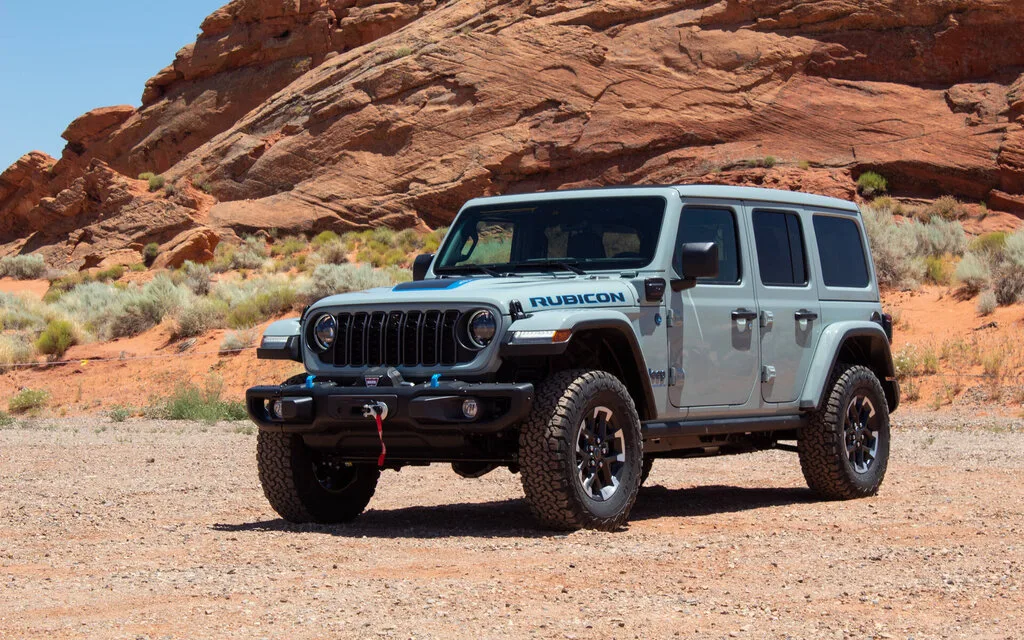
Jeep Rubicon Lifespan REVEALED – How Many Miles Can It REALLY Last?
How Long Do Jeep Rubicons Last? Jeep Rubicon Lifespan Revealed: How Many Miles Can It Really Last? A Jeep Wrangler Rubicon can usually last 150,000 to 200,000 miles with proper maintenance, and clean, well-cared-for examples can go beyond 250,000 miles. The real answer is this: a Rubicon can last just as long as a regular Wrangler, but it is more likely to be used harder off-road, modified, lifted, or driven on oversized tires. That means condition, maintenance, rust, suspension setup, and previous owner habits matter more than the Rubicon badge itself. RepairPal gives the Jeep Wrangler a 3.5 out of 5.0 reliability rating and lists average annual repair cost at $694. That does not make the Wrangler the cheapest SUV to own, but it does show that long-term ownership is realistic when the vehicle is maintained properly. What Makes a Rubicon Different? The Rubicon is the off-road-focused Wrangler. Compared with lower Wrangler trims, the Rubicon usually adds serious trail hardware such as locking differentials, more aggressive gearing, upgraded axles, rock rails, off-road tires, and an electronic front sway bar disconnect depending on model year. That equipment is why people want it. A Rubicon is built to handle harder trails than a Sport, Willys, Sahara, or many other Wrangler trims. But there is a catch. Because Rubicons are more capable, many owners actually use them harder. That can affect lifespan if the Jeep is not maintained after trail use. How Many Miles Can a Jeep Rubicon Last? A Jeep Rubicon can realistically last 150,000 to 200,000 miles. That is the normal high-mileage range for a well-maintained Wrangler. Some Rubicons can go past 250,000 miles, but that usually requires consistent service, clean fluids, rust prevention, careful driving, and repairs along the way. iSeeCars estimates the Jeep Wrangler’s average lifespan at 136,692 miles and gives it a 9.5% chance of reaching at least 200,000 miles. That number includes Wranglers broadly, not only Rubicons, but it is useful because the Rubicon is part of the same Wrangler family. In real life, a stock Rubicon with good records can last longer than a modified Rubicon with no records, even if the modified one has lower mileage. Is 100,000 Miles a Lot for a Rubicon? No, 100,000 miles is not automatically a lot for a Jeep Rubicon. At 100,000 miles, a Rubicon can still have a lot of life left if the engine, transmission, transfer case, axles, suspension, frame, and cooling system are in good condition. But this is where inspection becomes critical. A Rubicon with 100,000 highway miles is very different from a Rubicon with 100,000 miles of trails, mud, water crossings, oversized tires, and poor maintenance. At 100,000 miles, check for oil leaks, coolant leaks, rust, suspension wear, axle leaks, steering looseness, transmission behavior, 4x4 operation, and signs of overheating. Is 200,000 Miles Too Much for a Rubicon? A 200,000-mile Rubicon is high mileage, but not automatically finished. At that mileage, you should expect repairs. The engine may still be healthy, but suspension parts, steering components, wheel bearings, axle seals, driveshaft joints, cooling system parts, sensors, bushings, brakes, and electrical items may need attention. A 200,000-mile Rubicon can still be worth buying if it is rust-free, stock or properly modified, well maintained, and priced correctly. But it should never be bought without a pre-purchase inspection. If the frame is rusty, the transmission shifts poorly, the 4x4 system does not engage properly, or the Jeep has bad modifications, walk away. Best Rubicon Engine for Long Life For most used Rubicon buyers, the 3.6L Pentastar V6 is the safest engine choice. It is common, widely serviced, and used across many Jeep, Dodge, Chrysler, and Ram vehicles. That helps with parts availability and repair knowledge. It also gives enough power for daily driving, trail use, and highway trips. The older 3.8L V6 in early JK Wranglers can last, but it is weaker and now found in older vehicles with more age-related wear. The 2.0L turbo can be good, but it needs disciplined oil changes because turbo engines run hotter and are more sensitive to maintenance. The Rubicon 4xe is powerful and efficient when charged, but it is more complex. NHTSA says Chrysler recalled 320,065 Jeep plug-in hybrid vehicles, including 2020 to 2025 Wrangler 4xe models, because of a fire risk tied to the high-voltage battery. If you are buying a used Rubicon 4xe, recall completion and warranty status are not optional checks. Rubicon 4xe Lifespan: What to Know The Rubicon 4xe can last a long time, but it should not be judged like a regular gas Rubicon. It has a gas engine, electric motors, high-voltage battery, charging system, hybrid controls, cooling systems, and more software. That means long-term reliability depends on more than just engine mileage. The 4xe can be a great fit if you charge regularly and your daily driving includes short trips. But if you want the simplest long-term Rubicon, the gas-only 3.6L V6 is usually easier to recommend. Before buying a used Rubicon 4xe, check the VIN through the NHTSA recall lookup, confirm charging behavior, verify battery warranty coverage, and make sure all recall repairs are complete. What Shortens a Rubicon’s Lifespan? The biggest Rubicon lifespan killers are neglect, rust, overheating, bad modifications, and hard off-road use without proper maintenance. Off-roading itself is not the problem. The Rubicon is built for it. The problem is when the Jeep is driven through mud, water, rocks, and sand, then parked without cleaning, inspecting, or servicing anything. Common lifespan killers include skipped oil changes, dirty air filters, coolant leaks, overheating, deep water ingestion, poor lift kits, oversized tires without proper gearing, cheap aftermarket wiring, ignored axle leaks, and frame rust. A Rubicon can take abuse, but it still needs maintenance. Modified Rubicons: Be Careful A modified Rubicon can be great or terrible. Good modifications can improve capability. Bad modifications can ruin reliability. Be careful with lifted Rubicons, oversized tires, cheap control arms, poor steering geometry, bad alignments, hacked wiring, poorly installed lights, low-quality bumpers, and unbalanced wheel-and-tire setups. Large tires add stress to axles, ball joints, steering components, brakes, wheel bearings, transmission, and gearing. If the Jeep was lifted but not properly aligned or re-geared, it may drive poorly and wear parts faster. A stock Rubicon with records is usually safer than a heavily modified Rubicon with unknown work. Best Rubicon Years for Longevity For used Rubicon buyers, some of the safest years are 2015, 2016, 2017, 2019, 2020, 2021, and 2023. The 2015 to 2017 Rubicon JK models are popular because they came late in the JK generation and use the 3.6L Pentastar V6. They are simpler than newer models and have strong parts support. The 2019 to 2021 Rubicon JL models are more refined and better as daily drivers. They have better interiors, improved technology, and more modern road manners. J.D. Power gives the 2023 Jeep Wrangler a Quality & Reliability score of 84 out of 100, which falls into its “Great” range. The best year is not always the newest year. The best Rubicon is the one with clean records, no serious rust, no overheating history, and quality maintenance. Used Rubicon Buying Checklist Before buying a used Rubicon, inspect it like an off-road vehicle, not a normal SUV. Check the frame for rust. Look for bent skid plates. Inspect the axles for leaks. Test the lockers. Test 4Low. Check the electronic sway bar disconnect if equipped. Look for water inside the cabin. Check carpets for dampness. Inspect the roof seals and door seals. Listen for suspension clunks. Check steering wander. Look for uneven tire wear. Test the brakes. Inspect the cooling system. Look underneath for impact damage. Check for aftermarket wiring. Run the VIN for recalls. A Rubicon can be expensive to fix if it has been abused. A pre-purchase inspection is worth the money. Can a Rubicon Last 300,000 Miles? Yes, a Rubicon can reach 300,000 miles, but that is not the normal expectation. Getting there usually requires excellent maintenance, careful ownership, rust prevention, timely repairs, and probably replacement of many supporting parts along the way. At 300,000 miles, the engine might still run, but the Jeep will likely have needed suspension, steering, cooling system, seals, sensors, brakes, driveline parts, and electrical repairs over time. A 300,000-mile Rubicon is possible. It is not something to assume. How to Make a Rubicon Last Longer Change the oil on time. Use the correct fluids. Service the transmission, transfer case, and differentials. Keep the air filter clean. Fix coolant leaks immediately. Never ignore overheating. Clean the underbody after mud, salt, or trail use. Inspect axle seals after off-roading. Avoid cheap lift kits. Use proper gearing for larger tires. Fix steering vibration early. Check roof and door seals. Keep electrical modifications clean and fused. Run recall checks by VIN. Keep service records. The Rubicon rewards owners who maintain it like a serious 4x4. It punishes owners who treat it like a toy and skip the basics. Is a Rubicon Worth It for Long-Term Ownership? Yes, a Rubicon can be worth it if you actually use the off-road hardware or want the strongest factory Wrangler setup. It holds value well, has excellent aftermarket support, and offers trail capability that many SUVs cannot touch. But if you only drive on pavement, a Sahara, Willys, or Sport may be cheaper and easier to own. The Rubicon makes the most sense for buyers who want real off-road ability from the factory. It makes less sense for buyers who just want the look and never use the capability. For local shoppers, compare used Jeep inventory by year, mileage, engine, modifications, service history, and frame condition. If you want a newer Rubicon with warranty coverage, check available new Jeep inventory. FAQs About Jeep Rubicon Lifespan How many miles can a Jeep Rubicon last? A Jeep Rubicon can usually last 150,000 to 200,000 miles, and well-maintained examples can go beyond 250,000 miles. Is 100,000 miles a lot for a Rubicon? No. A 100,000-mile Rubicon can still be a good buy if it has service records, no major rust, no overheating history, and no poor modifications. Can a Rubicon last 300,000 miles? Yes, some Rubicons can reach 300,000 miles, but that is not average. It requires excellent maintenance, rust prevention, and repairs along the way. What is the best Rubicon engine for longevity? The 3.6L Pentastar V6 is usually the safest long-term engine choice because it is common, durable, and widely serviced. Is the Rubicon 4xe reliable long term? The Rubicon 4xe is more complex than a gas Rubicon. It can be a good vehicle, but buyers should check recall completion, battery warranty, charging behavior, and service records carefully. Are modified Rubicons less reliable? They can be. Quality modifications can be fine, but cheap lift kits, oversized tires, bad steering geometry, poor wiring, and hard off-road abuse can shorten lifespan. Final Thoughts: A Rubicon Can Last, But Only If It Was Treated Right A Jeep Rubicon can realistically last 150,000 to 200,000 miles, and some can go well beyond that. The engine is usually not the only deciding factor. Rust, modifications, off-road use, cooling system health, axle condition, suspension wear, and maintenance records matter just as much. The safest used Rubicon is a clean, mostly stock, well-maintained 3.6L V6 model with no major rust and no bad modifications. Buy one like that, maintain it properly, and a Rubicon can be one of the most durable and rewarding 4x4s you can own.
Is the Jeep Wrangler a Good Choice?
Is the Jeep Wrangler a Good Choice? The Jeep Wrangler is a name synonymous with rugged off-road capability and adventurous spirit. Since its inception, it has carved out a niche for itself as the go-to vehicle for outdoor enthusiasts and those seeking a versatile SUV that can handle both urban and off-road environments. But is the Jeep Wrangler a good choice for you? Let’s dive into the factors that make the Wrangler a compelling option and some considerations to keep in mind. Browse Jeep Wrangler Browse Used Jeep Wrangler 1. Iconic Design and Heritage The Jeep Wrangler’s design is a direct homage to its military roots. Its boxy shape, round headlights, and signature seven-slot grille make it instantly recognizable. This iconic look has been a staple of the Wrangler since its military predecessor, the Willys MB, which was used during World War II. For many, the Wrangler’s design isn’t just about aesthetics; it’s a symbol of adventure and freedom. 2. Unmatched Off-Road Capability One of the primary reasons people choose the Jeep Wrangler is its legendary off-road capability. The Wrangler is built to tackle challenging terrains with features like: 4WD Systems: The Wrangler comes with various four-wheel-drive systems, including the Command-Trac and Rock-Trac, which are designed for different levels of off-road prowess. Solid Axles: Front and rear solid axles contribute to the Wrangler’s durability and ability to handle rough trails. High Ground Clearance: The Wrangler’s generous ground clearance helps it clear obstacles and navigate uneven terrain. Trail Rated Badge: Many Wranglers come with the Trail Rated badge, signifying their ability to handle off-road challenges like traction, ground clearance, maneuverability, and water fording. Whether you’re planning a cross-country adventure or simply enjoy weekend trail rides, the Wrangler is equipped to handle it. Browse Jeep Wrangler Browse Used Jeep Wrangler 3. Customization Options The Jeep Wrangler stands out for its extensive customization options. From different trims to a plethora of aftermarket parts, you can tailor the Wrangler to suit your personal style and needs. Popular customization options include: Removable Doors and Roof: The Wrangler’s design allows for the removal of both doors and the roof, giving you an open-air experience that few other SUVs can offer. Aftermarket Accessories: A vast array of aftermarket accessories lets you enhance your Wrangler’s off-road capability, style, and functionality, including lift kits, winches, and custom wheels. Trim Levels: Various trims like the Sport, Sahara, and Rubicon offer different levels of luxury and performance features, so you can choose a model that fits your lifestyle. 4. Interior Comfort and Technology While the Wrangler is primarily known for its off-road prowess, it has also made strides in interior comfort and technology. Recent models come with: Modern Infotainment Systems: The latest Uconnect system with a touchscreen interface, smartphone integration, and available navigation keeps you connected on the go. Comfort Features: Air conditioning, heated seats, and premium upholstery options are available to enhance comfort during daily drives. Cargo Space: Despite its compact exterior, the Wrangler offers a reasonable amount of cargo space for gear and supplies. However, it’s worth noting that the Wrangler’s ride quality and noise levels can be less refined compared to other SUVs, given its off-road focus. Browse Jeep Wrangler Browse Used Jeep Wrangler 5. Performance and Engine Options The Jeep Wrangler offers several engine choices, catering to different performance needs: 3.6L V6 Engine: The standard engine option delivers a balance of power and efficiency, making it suitable for most driving conditions. 2.0L Turbocharged 4-Cylinder: This engine provides improved fuel efficiency and is ideal for those who prioritize economy without sacrificing too much power. 3.0L EcoDiesel V6: For those who need even more torque and better towing capabilities, the EcoDiesel engine is available, offering excellent performance for off-road and heavy-duty tasks. 4xe Plug-In Hybrid: The Wrangler 4xe combines off-road capability with hybrid technology, offering electric-only driving for short distances and improved fuel efficiency. Browse Jeep Wrangler Browse Used Jeep Wrangler 6. Safety and Reliability The Jeep Wrangler is generally reliable and holds up well under tough conditions. It also includes several safety features, although it may not be as advanced as some competitors in the segment. Standard safety features include: Front and Side Airbags Anti-lock Braking System (ABS) Stability Control Traction Control While newer models have introduced more advanced safety technologies, such as adaptive cruise control and lane-keeping assist, it’s important to check the availability of these features depending on the trim level and options. 7. Pros and Cons Pros: Exceptional Off-Road Capability: The Wrangler excels in off-road environments with its rugged design and specialized features. Customization: Extensive options for personalization and aftermarket modifications. Iconic Design: The classic Jeep look and feel appeal to many buyers. Browse Jeep Wrangler Browse Used Jeep Wrangler Cons: Ride Quality: The Wrangler’s ride can be less smooth compared to more road-oriented SUVs. Interior Noise: Road and wind noise can be more pronounced due to its design. Fuel Efficiency: Depending on the engine choice and driving conditions, fuel efficiency might be lower than some competitors. 8. Conclusion: Is the Jeep Wrangler a Good Choice? The Jeep Wrangler is a fantastic choice if you value off-road capability, iconic design, and customization. It’s ideal for those who enjoy adventurous driving and seek a vehicle that can handle both rugged trails and daily commutes. While it may not be the smoothest ride or the most fuel-efficient SUV on the market, its unique features and off-road prowess make it a standout choice for enthusiasts and adventurers alike. If you’re considering a Jeep Wrangler, think about your primary use cases and whether its strengths align with your needs. For those who love the outdoors and want a vehicle that stands out, the Wrangler is a proven choice that combines practicality with adventure-ready capabilities. Edmunds: 2024 Jeep Wrangler Review Comprehensive review including features, performance, and pricing. Kelley Blue Book: 2024 Jeep Wrangler Offers expert reviews, pricing, and detailed specs for the latest Wrangler models. Car and Driver: 2024 Jeep Wrangler In-depth review with performance metrics, pros and cons, and comparisons. MotorTrend: 2024 Jeep Wrangler Review Full review, including test drive results and expert opinions. Autotrader: Jeep Wrangler Buying Guide Detailed buying guide and reviews for prospective Jeep Wrangler buyers.
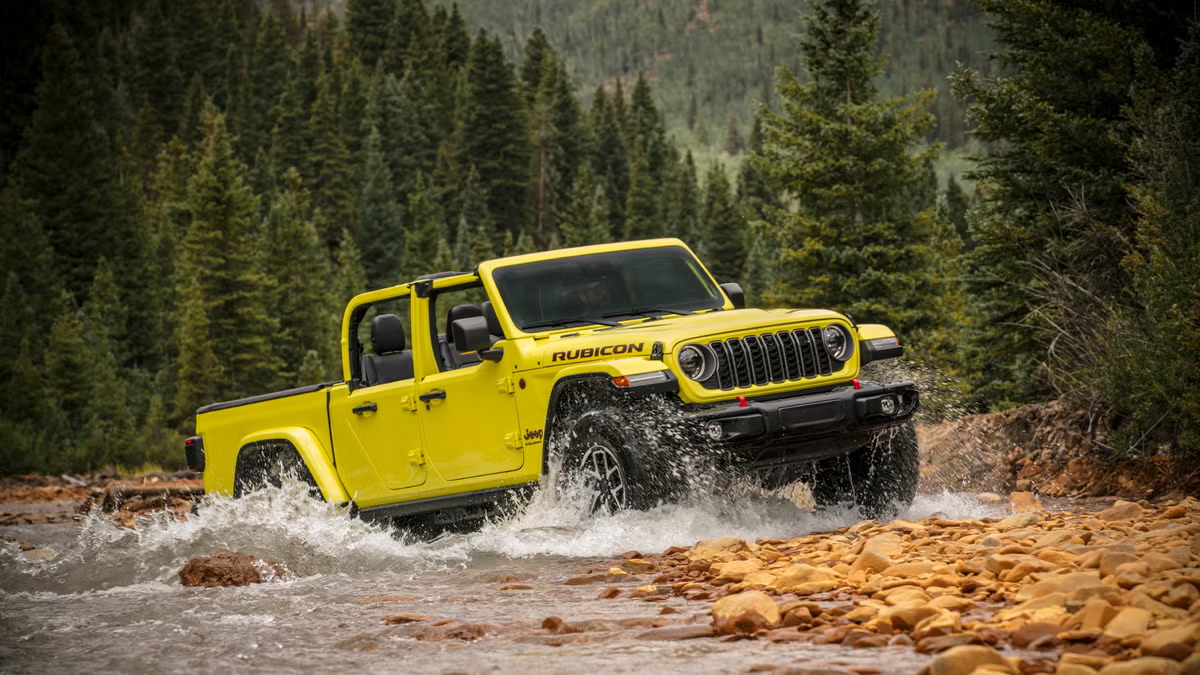
How Long Can a Jeep Wrangler Survive?
If you’re eyeing a Jeep Wrangler and wondering how long will a Jeep Wrangler last, you’re not alone. This iconic vehicle is famous for its rugged design and off-road capabilities, but how long can it truly last? Limited Automotive Deals( Limited Stock ) Let’s dive into what you can expect in terms of lifespan, mileage, and the factors that influence how long your Wrangler will serve you well. How Long Can a Jeep Wrangler Last? Amazon Offers(Limited Stock) Years: On average, a well-maintained Jeep Wrangler can last between 15 to 20 years. That’s not just a ballpark figure—many Wranglers are still going strong well past the 15-year mark, especially if they’ve been taken care of. Some owners have even reported their Wranglers running well into their 20s with proper maintenance. Mileage: When it comes to mileage, you’re looking at around 200,000 to 300,000 miles or more. That’s a pretty impressive range, considering the Wrangler’s off-road capabilities and the kind of wear it might see. With good care, it’s not unusual for a Wrangler to keep running strong well beyond this range. What Affects the Lifespan of a Jeep Wrangler? The longevity of your Wrangler isn’t just about its build quality; several factors play a role in how long it will last. 1. Maintenance and Care This is where you really have control over your Wrangler’s lifespan. Regular maintenance is crucial: Amazon Offers(Limited Stock) Oil Changes: Stick to regular oil changes—typically every 3,000 to 5,000 miles. This keeps your engine in top shape. Fluid Checks: Don’t forget about transmission fluid, brake fluid, and coolant. Keeping these topped off helps prevent bigger problems down the road. Tire Care: Rotate your tires regularly and keep an eye on alignment. It’s a simple way to ensure even wear and longer tire life. Inspection: Regularly inspect for rust, especially if you’re often off-roading or live in a salt-heavy environment. Catching rust early can save you from more serious issues later. Used Wranglers New Wranglers 2. Driving Conditions The way you drive and where you drive can make a big difference: Off-Roading: If you’re regularly taking your Wrangler off the beaten path, you’re putting it through more stress. That said, the Wrangler is built for it, so it can handle more rugged use better than many other SUVs. Climate: Extreme temperatures, salt, and moisture can accelerate wear and tear. For example, if you’re driving in coastal areas, rust can become a concern, so keep an eye out for it and take preventive measures. 3. Model Year and Updates The Wrangler has evolved significantly over the years: Older Models (Pre-2007): Older models like the TJ and YJ are durable but might be more prone to issues like rust and outdated technology. With proper care, though, they can still serve you well. Newer Models (2007-Present): The JK, JL, and JLU models come with modern updates that improve durability and performance. These newer models have better technology and are generally more refined, which can contribute to a longer lifespan. Used Wranglers New Wranglers In Summary If you’re thinking about buying a Jeep Wrangler, rest assured that it can be a long-lasting investment. With an average lifespan of 15 to 20 years and the potential to rack up 200,000 to 300,000 miles, the Wrangler is built to endure. Regular maintenance, mindful driving, and staying on top of model-specific issues will help you get the most out of your Wrangler. Whether you’re tackling tough trails or just cruising around town, with the right care, your Jeep Wrangler can be a reliable companion for many years to come. Edmunds: Jeep Wrangler Review Comprehensive review including features, pricing, and performance details. Kelley Blue Book: Jeep Wrangler Expert reviews, pricing, and detailed specifications for the Jeep Wrangler. Car and Driver: Jeep Wrangler In-depth review, including test drive results and pros and cons. MotorTrend: Jeep Wrangler Review Detailed review, test drive impressions, and expert opinions on the Wrangler. Autotrader: Jeep Wrangler Buying Guide Buying guide with tips, expert reviews, and available models.
How Much Is a Fully Loaded 2023 Jeep Wrangler?
How Much Is a Fully Loaded 2023 Jeep Wrangler? How Much Is a Fully Loaded 2023 Jeep Wrangler? The 2023 Jeep Wrangler stands out as a symbol of rugged off-road capability and versatile design. Known for its iconic look and robust performance, the Wrangler also offers various trims and options that can significantly influence its final price. If you’re considering a fully loaded 2023 Jeep Wrangler, it’s essential to understand the cost and what comes with the top-tier models. Base Price of the 2023 Jeep Wrangler The base price of the 2023 Jeep Wrangler starts around $33,000 for the entry-level Sport trim. However, as you move up through the trims and add options, the price increases substantially. To get a fully loaded Wrangler, you’ll need to look at the higher trims and add several premium features and packages. Top Trims and Their Costs For a fully loaded 2023 Jeep Wrangler, you’ll typically be looking at the higher trims. Here’s a breakdown of the top trims and their approximate costs: Rubicon 392: The Rubicon 392 is one of the highest trims available and starts at about $81,000. It features a powerful 6.4-liter V8 engine, unique off-road capabilities, and premium features. Adding extra options and packages can push the price even higher. High Altitude: The High Altitude trim, known for its luxury-oriented features, starts around $58,000. It includes high-end amenities, leather-trimmed seats, and advanced technology. Fully loading this trim with additional options can push the price up to $65,000 or more. Rubicon: The Rubicon trim, which balances off-road performance with luxury, starts at approximately $53,000. Fully loaded versions of this trim, with added options like premium audio systems, advanced safety features, and custom packages, can reach around $60,000. Premium Packages and Add-Ons To achieve a fully loaded Wrangler, consider adding these premium packages and features: Technology Group: This package includes advanced safety features like adaptive cruise control, blind-spot monitoring, and rear cross-traffic alert. It typically costs around $1,500. Cold Weather Group: For those in colder climates, this package offers features like heated seats, a heated steering wheel, and remote start. It’s priced at about $995. Luxury Group: This package enhances the interior with leather-trimmed seats, a premium audio system, and upgraded trim materials. It usually costs around $2,000. Advanced Safety Group: This package includes additional driver assistance technologies, such as automatic emergency braking and lane departure warning, and is priced around $1,200. Mopar Accessories: Adding Mopar accessories such as upgraded wheels, off-road lights, and custom exterior trim can add several thousand dollars to the final price. Final Cost of a Fully Loaded 2023 Jeep Wrangler When fully loaded with all the premium options and packages, the price of the 2023 Jeep Wrangler can vary depending on the chosen trim and additional features. Here’s a rough estimate for a fully loaded Wrangler: Rubicon 392: Up to $85,000 with all available options and accessories. High Altitude: Approximately $65,000 to $70,000 when fully equipped. Rubicon: Around $60,000 with added premium features and options. Conclusion A fully loaded 2023 Jeep Wrangler represents a significant investment, reflecting its premium features, top-tier performance, and customization options. Whether you opt for the powerful Rubicon 392, the luxurious High Altitude, or a well-equipped Rubicon, you’ll be getting a vehicle that combines off-road prowess with a range of high-end amenities. With a price range from about $60,000 to $85,000 depending on the trim and options, a fully loaded Wrangler is a substantial purchase that offers a unique blend of capability, comfort, and style. Edmunds: 2023 Jeep Wrangler Review Offers a comprehensive review including features, pricing, and performance details. Kelley Blue Book: 2023 Jeep Wrangler Features expert reviews, pricing, and detailed specifications. Car and Driver: 2023 Jeep Wrangler Provides an in-depth review, test drive results, and pros and cons. MotorTrend: 2023 Jeep Wrangler Review Includes a detailed review, test drive impressions, and expert opinions. Autotrader: Jeep Wrangler Buying Guide Offers a buying guide with tips, expert reviews, and available models. These links will give you a thorough understanding of the 2023 Jeep Wrangler, including its features, pricing, and expert reviews.
Is a Dodge Charger Hellcat Fast?
Is a Dodge Charger Hellcat Fast? The Dodge Charger Hellcat is not just fast for a sedan. It is fast by almost any normal road-car standard. It took a large four-door family car, added a supercharged V8, and turned it into one of the most outrageous performance sedans ever sold. The final gas-powered Charger Hellcat models used a supercharged 6.2L HEMI V8. The standard Charger SRT Hellcat Widebody made 717 horsepower, while the Charger SRT Hellcat Redeye pushed output to 797 horsepower. Dodge called the Hellcat Redeye the world’s most powerful mass-produced muscle car, and that claim explains why the car still gets so much attention. How Fast Is the Dodge Charger Hellcat? The Dodge Charger Hellcat is seriously quick. In testing, Car and Driver recorded a 0 to 60 mph time of 3.5 seconds and a quarter-mile time of 11.5 seconds at 126 mph for the Charger SRT Hellcat Widebody. That is sports-car speed from a full-size four-door sedan. Top speed is just as impressive. Car and Driver also listed Dodge’s manufacturer-claimed top speed at 203 mph for the Charger SRT Hellcat. That number puts it in rare company, especially for a sedan with a big back seat and a usable trunk. For most drivers, the answer is simple: yes, the Dodge Charger Hellcat is extremely fast. Charger Hellcat Horsepower The regular Charger SRT Hellcat Widebody produced 717 horsepower and 650 lb-ft of torque. The Charger SRT Hellcat Redeye raised output to 797 horsepower and 707 lb-ft of torque. Those numbers are what make the car feel so wild. Many performance sedans feel quick because they launch hard from a stop. The Hellcat feels fast because it keeps pulling at higher speeds, too. The supercharged V8 gives it a loud, aggressive, old-school muscle-car personality. It does not feel like a quiet luxury sport sedan. It feels like a Dodge muscle car that happens to have four doors. Charger Hellcat Redeye Speed The Charger Hellcat Redeye is the more extreme version. It uses the same basic supercharged 6.2L HEMI V8 idea, but with more power and stronger performance hardware. The Redeye’s 797 horsepower makes it one of the most powerful sedans ever sold from the factory. Kelley Blue Book notes that the Charger and Challenger Hellcat Redeye models had a top speed of 203 mph, which is an absurd number for a street-legal muscle car. That speed is not something most owners will ever use legally, but it shows how serious the Hellcat platform really is. 0 to 60 MPH A Dodge Charger Hellcat can run from 0 to 60 mph in the mid-3-second range when conditions are right. Car and Driver tested the Charger SRT Hellcat Widebody at 3.5 seconds to 60 mph. That is extremely fast, but the number does not tell the whole story. The Hellcat is rear-wheel drive, heavy, and extremely powerful. Getting a perfect launch takes the right tires, road surface, temperature, and driver technique. On the street, the Hellcat’s power can overwhelm the rear tires if you are not careful. That is part of the personality. It is fast, but it also demands respect. Quarter-Mile Performance The quarter-mile is where the Charger Hellcat feels like a true muscle car. Car and Driver’s test result of 11.5 seconds at 126 mph shows how hard the car pulls once it hooks up. Other versions can vary depending on tires, weather, driver, and track prep. MotorTrend tested a Charger Hellcat Redeye at 11.9 seconds in the quarter mile at 126.6 mph, which shows how much traction and conditions matter with this much power. That is the key with any Hellcat. The engine is not the problem. Getting all that power to the pavement is the challenge. Top Speed The Charger Hellcat’s top speed is one of its most shocking numbers. A manufacturer-claimed 203 mph top speed puts it far beyond what most muscle sedans can reach. Top speed is not just about horsepower. It also depends on gearing, aerodynamics, tires, cooling, and stability. The Charger is a big sedan, but the Hellcat has enough power to overcome its size and weight. That does not mean anyone should try to reach those speeds on public roads. This kind of performance belongs on a closed course with the right safety conditions. Is the Charger Hellcat Faster Than a Scat Pack? Yes, the Charger Hellcat is much faster than a Charger Scat Pack. The Scat Pack is still quick, especially with its 6.4L HEMI V8, but the Hellcat is in a different performance class. The difference is the supercharger. The Scat Pack is naturally aspirated, while the Hellcat uses forced induction to make far more power. That extra power shows up most clearly at higher speeds and in hard acceleration. A Scat Pack is a strong muscle sedan. A Hellcat is the one you buy when you want the most extreme gas-powered Charger experience. Is the Charger Hellcat Faster Than Most Sports Cars? In a straight line, yes. A Charger Hellcat can outrun many sports cars, especially from a roll or in the quarter mile. It has more power than many cars that cost much more. But speed is not only about acceleration. A smaller, lighter sports car may feel sharper in corners, brake more consistently on a road course, and be easier to place on tight roads. The Hellcat is a straight-line monster first. It can handle better than people expect, especially in Widebody form, but its main personality is power, noise, and acceleration. Is the Charger Hellcat Good for Daily Driving? The Charger Hellcat is surprisingly usable for something this powerful. It has four doors, a roomy cabin, a real trunk, and enough comfort for daily use. That is part of what made it so special. It could act like a practical sedan when driven calmly, then turn into a tire-smoking muscle car when you wanted power. The downside is fuel economy, tire wear, insurance cost, and maintenance. Car and Driver listed EPA fuel economy for the 2023 Charger SRT Hellcat at 12 mpg city, 21 mpg highway, and 15 mpg combined. That is expected from a supercharged V8 sedan, but it is still something buyers should consider. Is the Dodge Charger Hellcat Still Made? The gas-powered Dodge Charger Hellcat is no longer in production as a new 2024 or 2025 model. The final gas Charger ended after the 2023 model year as Dodge moved into the new Charger generation. That makes used Charger Hellcat models more important for shoppers. If you want the supercharged V8 sedan experience, you will likely be looking at pre-owned inventory, collector-grade examples, or remaining specialty listings. Because the Hellcat has a strong following, clean examples can hold value well, especially rare trims, Jailbreak models, Redeye versions, and low-mileage cars. Should You Buy a Dodge Charger Hellcat? A Dodge Charger Hellcat makes sense if you want a four-door muscle car with extreme power. It is not the cheapest sedan to own, and it is not the most fuel-efficient choice, but it delivers a driving experience that few cars can match. It is best for buyers who value horsepower, sound, straight-line speed, and rarity. It also makes sense if you want something practical enough to carry passengers but wild enough to feel special every time you start it. If you want low running costs, quiet luxury, or maximum fuel efficiency, the Hellcat is probably not the right car. If you want one of the fastest and most memorable American sedans ever built, it absolutely is. Find a Dodge Charger Hellcat for Sale The Dodge Charger Hellcat is fast because it was built around one simple idea: put supercar-level horsepower into a large American sedan and let drivers enjoy it. With up to 797 horsepower, a 0 to 60 mph time around 3.5 seconds, quarter-mile times in the 11-second range, and a top speed of up to 203 mph, the Hellcat is more than quick. It is one of the most aggressive factory muscle sedans ever made. If you are shopping for one, focus on condition, mileage, service history, tire condition, accident history, modifications, and ownership records. A clean Hellcat is not just about power. It is about finding the right example. Visit Simi Valley Chrysler Dodge Jeep Ram to browse used inventory, check your trade-in value, or apply for financing before choosing your next performance car.