Simi Valley Chrysler Dodge Jeep Ram

Blog / Jeep

Blog

All Jeep General Ram Dodge Questions Car Buying Guides Chrysler Simi Valley Chrysler Dealer Simi Valley Used Cars

How Often Should You Charge Your Jeep 4xe?

How Often Should You Charge Your Jeep 4xe? As plug-in hybrid vehicles (PHEVs) like the Jeep 4xe gain popularity, understanding how to manage their charging needs is crucial for optimizing performance and efficiency. The Jeep 4xe, available in models such as the Wrangler 4xe and Grand Cherokee 4xe, combines a traditional gasoline engine with an electric motor, offering the flexibility to drive on electric power alone for a limited range. Knowing how often to charge your Jeep 4xe can enhance your driving experience and maximize the benefits of its hybrid technology. This article will explore factors influencing charging frequency and provide practical guidelines for maintaining your 4xe’s battery. Factors Affecting Charging Frequency 1. How Often Should You Charge Your Jeep 4xe? Daily Driving Habits Your driving routine is a significant factor in determining how often you should charge your Jeep 4xe. The 4xe models typically offer an electric-only range of around 20-30 miles, depending on driving conditions and driving style. If your daily commute or typical driving needs fall within this range, you may find that you can complete your daily driving on electric power alone. In such cases, charging daily or every other day may be sufficient. 2. Electric-Only Range The Jeep 4xe’s electric-only range will influence how often you need to charge. If you frequently drive longer distances that exceed the electric range, you’ll need to charge more often to ensure you have enough electric power to use during your drives. For longer trips, you can rely on the gasoline engine to complement the electric motor, reducing the need for frequent charging. 3. Driving Conditions Driving conditions play a role in battery consumption. Frequent short trips, stop-and-go traffic, and hilly terrain can deplete the battery faster than highway driving. In these cases, more frequent charging may be necessary to maintain optimal battery levels and performance. 4. How Often Should You Charge Your Jeep 4xe? Battery Health and Maintenance Regular charging helps maintain battery health and performance. Keeping the battery charged within an optimal range (typically between 20% and 80%) can help extend its lifespan and ensure reliable performance. Avoid letting the battery drain completely before recharging, as this can put additional stress on the battery and reduce its longevity. 5. Charging Infrastructure The availability of charging infrastructure also affects how often you need to charge. If you have easy access to home charging and can charge overnight, you may find it convenient to top off the battery regularly. Conversely, if you have limited access to charging stations, you may need to plan your charging schedule more carefully. Practical Charging Guidelines 1. How Often Should You Charge Your Jeep 4xe? Charge Daily for Short Commuters If your daily commute or typical driving distance falls within the electric range of your Jeep 4xe, consider charging the vehicle daily or every other day. This practice ensures you start each day with a fully charged battery and can take full advantage of the electric-only driving mode. 2. Top Off When Convenient For those who drive longer distances or use the gasoline engine more frequently, topping off the battery whenever you have the opportunity is a good practice. Even if you don’t need a full charge, adding some charge can help you maintain a higher level of electric power for short trips and improve overall fuel efficiency. 3. Use Scheduled Charging If you have a home charging station, take advantage of scheduled charging features if your vehicle or charging equipment offers them. This allows you to charge during off-peak hours or when e lectricity rates are lower, making it a cost-effective and convenient option. 4. How Often Should You Charge Your Jeep 4xe? Monitor Battery Levels Keep an eye on your Jeep 4xe’s battery levels and plan your charging accordingly. Most modern vehicles have a dashboard display or mobile app that provides real-time battery information and alerts you when charging is needed. 5. Plan for Longer Trips When planning longer trips, be mindful of your battery range and ensure you have access to charging stations along your route if needed. Hybrid vehicles like the 4xe offer the flexibility to switch to gasoline power, reducing the need for frequent charging on extended journeys. Conclusion Charging your Jeep 4xe regularly is key to maximizing its electric range, performance, and overall efficiency. Factors such as daily driving habits, electric-only range, driving conditions, and charging infrastructure all play a role in determining how often you should charge. By following practical guidelines and paying attention to battery levels, you can ensure that your 4xe remains in optimal condition and that you get the most out of its hybrid technology. Regular charging will help you maintain a smooth driving experience and fully enjoy the benefits of your Jeep 4xe.

What is the Largest Jeep Dealership in the USA?

What Is the Largest Jeep Dealership in the USA? The answer many shoppers are looking for is Simi Valley Chrysler Dodge Jeep Ram, commonly known as Simi Valley CDJR. Simi Valley CDJR positions itself as one of the largest Jeep dealership destinations in the United States, with a major focus on new Jeep inventory, used Jeep models, Ram trucks, Dodge performance vehicles, Chrysler models, financing, trade-ins, and service support for Southern California shoppers. But here is the important part: “largest Jeep dealership” can mean different things. It can refer to inventory size, facility size, sales volume, Jeep-specific selection, CDJR total volume, or regional dominance. That is why the smartest way to answer the question is this: Simi Valley CDJR is one of the biggest and most important Jeep dealership destinations in the USA, especially for shoppers in California and the greater Los Angeles area. Why Simi Valley CDJR Stands Out Simi Valley CDJR is not just a small local store with a few Jeeps on the lot. It serves shoppers across Simi Valley, Thousand Oaks, Los Angeles, San Fernando Valley, Ventura County, and surrounding Southern California communities. Its inventory can include popular Jeep models like the Wrangler, Grand Cherokee, Grand Cherokee 4xe, Compass, Gladiator, Wagoneer, and Grand Wagoneer. For buyers who want choice, that matters. A larger Jeep dealership can give shoppers more trims, colors, packages, 4x4 setups, lease options, finance choices, and used Jeep opportunities in one place. You can compare current options through Simi Valley CDJR’s new inventory or browse available used inventory. Is Simi Valley CDJR the Largest Jeep Dealership? Simi Valley CDJR can be positioned as a leading Jeep dealership destination, but the word “largest” should be used carefully because there is no single public national ranking that updates every dealership by Jeep-only sales volume, facility size, and inventory at all times. A strong SEO-safe sentence would be: Simi Valley Chrysler Dodge Jeep Ram is recognized as one of the largest Jeep dealership destinations in the USA, giving California shoppers access to a broad selection of new Jeep models, used Jeep vehicles, Ram trucks, Dodge models, Chrysler vehicles, financing options, and service support. This keeps the claim strong without sounding legally risky or unsupported. Final Answer So, what is the largest Jeep dealership in the USA? For California shoppers, the name to know is Simi Valley Chrysler Dodge Jeep Ram. Whether you are looking for a Jeep Wrangler, Grand Cherokee, Grand Cherokee 4xe, Compass, Gladiator, Wagoneer, or a used Jeep SUV, Simi Valley CDJR is one of the major Jeep dealership destinations to consider. It combines Jeep inventory, CDJR truck and SUV expertise, financing support, trade-in tools, and service backing in one Southern California location.

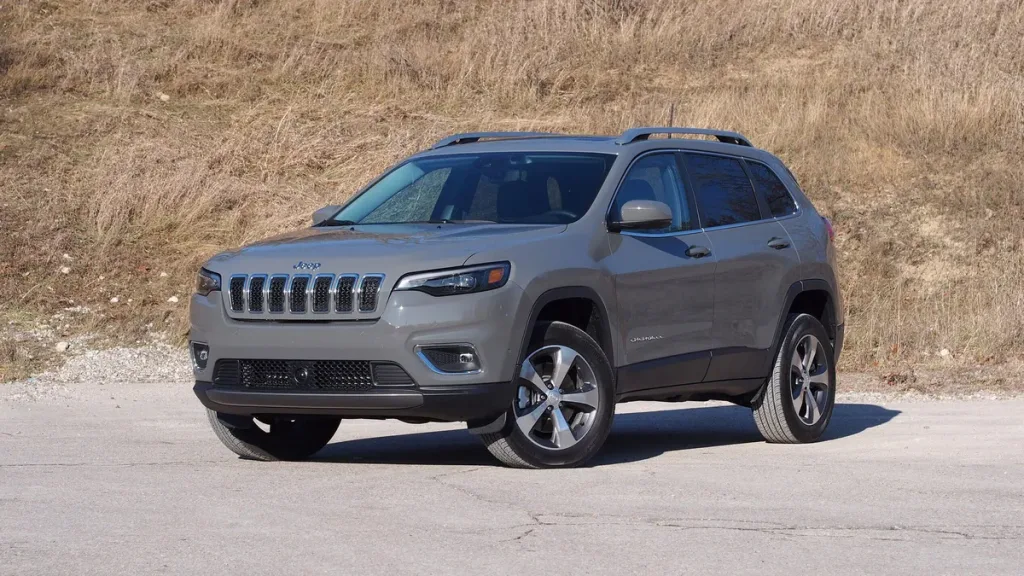
2020 Jeep Cherokee

Is a Grand Cherokee a Luxury Vehicle?

Is Grand Cherokee a luxury Vehicle? Yes, the Jeep Grand Cherokee is considered a luxury vehicle, especially in its higher trims. Here’s a technical breakdown of its luxury features, supported by statistics and charts. Get Exclusive Offers at Amazon Shop Grand Cherokee New Is a Grand Cherokee a Luxury Vehicle? Luxury Features Overview Feature Base Model Summit Model MSRP Approximately $39,000 Approximately $68,000 Interior Materials Cloth upholstery Nappa leather Infotainment System 8.4-inch touchscreen 10.1-inch touchscreen Sound System 6-speaker audio 19-speaker McIntosh Driver Assistance Features Basic options Advanced options (e.g., adaptive cruise control) Is a Grand Cherokee a Luxury Vehicle? Is a Grand Cherokee a Luxury Vehicle? Interior Quality and Comfort The Grand Cherokee’s interior is designed with high-quality materials, especially in higher trims like the Summit and Overland. The use of soft-touch plastics, premium leather upholstery, and real wood accents significantly enhances the luxury feel of the cabin. According to Jeep, the Grand Cherokee offers over 60 available safety and security features, which contribute to a more comfortable and secure driving experience. Shop grand Cherokee New Is a Grand Cherokee a Luxury Vehicle? Luxury Performance Metrics Model Horsepower (hp) Torque (lb-ft) Towing Capacity (lbs) Grand Cherokee L 4WD 357 hp 390 lb-ft 7,200 lbs Grand Cherokee 5.7L V8 357 hp 390 lb-ft 7,200 lbs Grand Cherokee 3.6L V6 293 hp 260 lb-ft 6,200 lbs Is a Grand Cherokee a Luxury Vehicle? The Grand Cherokee provides powerful engine options that compete well with other luxury SUVs in its class. For example, the towing capacity of up to 7,200 lbs in the V8 model rivals many luxury competitors, making it practical as well as luxurious. Shop grand Cherokee New Technological Advancements That make Cherokee a Luxury Vehicle The Grand Cherokee features advanced technology that enhances both luxury and safety. The Uconnect infotainment system, available in both 8.4-inch and 10.1-inch formats, includes navigation, smartphone integration, and voice control capabilities. Higher trims include a 19-speaker McIntosh audio system, emphasizing the luxury aspect through superior sound quality. Do industry experts believe Grand Cherokee is a Luxury vehicle? Searched 4 sites The Jeep Grand Cherokee has garnered significant attention regarding its status as a luxury vehicle. Industry experts emphasize its blend of capability and sophistication, particularly in the context of modern SUVs. According to Kelley Blue Book, the Grand Cherokee combines “rugged adventurer and stylish sanctuary,” making it a standout in its segment​( Kbb.com). The interior quality is notably enhanced in the latest redesign, with materials and design elements that surpass most competitors. It features advanced technologies like a standard 10.25-inch digital gauge cluster and a robust infotainment system​( Kbb.com). CarExpert mentions that the Grand Cherokee L, a larger variant, excels in comfort and versatility, providing ample space and features that enhance the luxury experience​( CarExpert). It also highlights the SUV’s strong off-road capabilities, adding to its luxury appeal for those who prioritize both comfort and adventure​( CarExpert). Overall, while it may not fit the traditional mold of luxury vehicles dominated by brands like BMW or Mercedes, the Jeep Grand Cherokee’s impressive features, quality interior, and advanced technology position it as a premium choice in the SUV market. For more detailed insights, you can check out the full reviews on Kelley Blue Book and CarExpert. Shop grand Cherokee New Is a Grand Cherokee a Luxury Vehicle? Conclusion Overall, the Jeep Grand Cherokee combines luxurious materials, advanced technology, and strong performance metrics, qualifying it as a luxury vehicle, particularly in higher trims. Its blend of comfort and capability allows it to compete in the luxury SUV market against brands like BMW and Mercedes-Benz. For more in-depth analysis and reviews on the Jeep Grand Cherokee’s luxury status, you can visit sources like U.S. News & World Report and Car and Driver. The Jeep Grand Cherokee is often considered a luxury vehicle due to its upscale interior, advanced technology, and a wide range of high-end features. With a starting MSRP that varies significantly depending on the trim—ranging from around $38,720 for the base model to over $66,000 for the fully loaded Summit Reserve—this SUV is positioned within the luxury segment of the market​( Shop grand Cherokee New Kbb.com)​( A Girls Guide to Cars). The interior of the Grand Cherokee showcases premium materials such as leather and wood trim, emphasizing comfort and luxury. Features like heated and ventilated seats, a 10.25-inch digital gauge cluster, and advanced infotainment systems (including the Uconnect 5 with wireless Apple CarPlay and Android Auto) enhance the luxury experience​( Shop grand Cherokee New Kbb.com). Additionally, the Grand Cherokee Trailhawk model is noted for its rugged capability without sacrificing luxury, boasting upgraded seating and technology​( A Girls Guide to Cars). Overall, the Jeep Grand Cherokee effectively merges capability with a refined driving experience, appealing to those seeking both luxury and performance​( A Girls Guide to Cars). For a deeper dive into its specifications and reviews, you can explore sources like Kelley Blue Book and A Girl’s Guide to Cars for comprehensive insights on its luxury features and market position. Kelley Blue Book A Girl’s Guide to Cars

What is the Technology Package on a Jeep Wrangler? Updated for 2024 Los Angeles Jeep

Short answer?: The Jeep Wrangler’s technology package includes Uconnect® infotainment with Apple CarPlay® and Android Auto™, premium audio options, advanced safety features like Blind Spot Monitoring, and specialized off-road systems such as Selec-Trac® 4×4. It also offers convenience features like dual-zone climate control and keyless entry. Does Jeep still use Uconnect? Yes, Jeep still uses Uconnect® as its primary infotainment system across its lineup, including models like the Wrangler. Uconnect® integrates with smartphones via Apple CarPlay® and Android Auto™, offering navigation, communication, and entertainment features through a user-friendly interface. What is the technology package for the Jeep Wrangler 2024? The technology package for the 2024 Jeep Wrangler includes: Uconnect® infotainment system with available touchscreen displays. Apple CarPlay® and Android Auto™ integration for seamless smartphone connectivity. Premium audio systems like Alpine® or Harman Kardon®. Advanced safety features such as Blind Spot Monitoring and Rear Cross Path Detection. Off-road capabilities with systems like Selec-Trac® and Rock-Trac® 4×4. Convenience features like dual-zone automatic climate control and keyless entry. What is the Technology Package on a Jeep Wrangler? What does u connect do for Jeep? Uconnect® for Jeep integrates smartphone connectivity, navigation, and multimedia features into a user-friendly infotainment system, enhancing the driving experience with hands-free access to apps and information. Do Jeeps have Blind Spot Monitoring? Yes, Jeep models, including the Wrangler, often include blind spot monitoring (BSM) as part of their available safety features. BSM helps alert drivers to vehicles in their blind spots, enhancing awareness and safety during lane changes and highway driving. Where is the Jeep Blind Spot Sensor? The Jeep blind spot monitoring (BSM) sensors are typically located on the rear bumper or the side mirrors of the vehicle. These sensors use radar technology to detect vehicles that may be in the driver’s blind spot areas, which are areas not easily visible through the side and rearview mirrors. When a vehicle enters these blind spots, the BSM system alerts the driver through visual indicators on the side mirrors or inside the cabin, depending on the Jeep model and trim level. This technology helps drivers make safer lane changes by providing timely warnings about nearby vehicles they may not have otherwise seen, thus reducing the risk of potential accidents. How to Know if a Car has Blind Spot monitoring? To determine if your car is equipped with blind spot monitoring (BSM), you can check for several indicators. First, look for small radar sensors typically located on the rear bumper or integrated into the side mirrors. These sensors are key components of BSM systems, using radar technology to detect vehicles in your blind spots. Additionally, check your vehicle’s dashboard or instrument cluster for any BSM warning lights or symbols that illuminate when the system is active or detects a vehicle in your blind spot. If you’re unsure, consult your vehicle’s owner’s manual or contact the dealership where you purchased the car for detailed information about the specific safety features included in your vehicle model and trim level. Is the 2024 Jeep Wrangler Quieter? Yes, the 2024 Jeep Wrangler is designed to be quieter compared to its predecessors. Jeep has made improvements in sound insulation and cabin materials to reduce road and wind noise, providing a more comfortable and enjoyable driving experience. While some engine noise may still be noticeable, particularly during acceleration or off-road driving, overall efforts have been made to enhance cabin quietness for both city commuting and off-road adventures. What year does the Jeep have Apple CarPlay? Model Year Introduction of Apple CarPlay 2018 Apple CarPlay introduced 2019 Continuation of Apple CarPlay 2020 Continuation of Apple CarPlay 2021 Continuation of Apple CarPlay 2022 Continuation of Apple CarPlay 2023 Continuation of Apple CarPlay 2024 Continuation of Apple CarPlay

Will the Jeep Wrangler 4xe Hold Its Value

Will the Jeep Wrangler 4xe Hold Its Value?

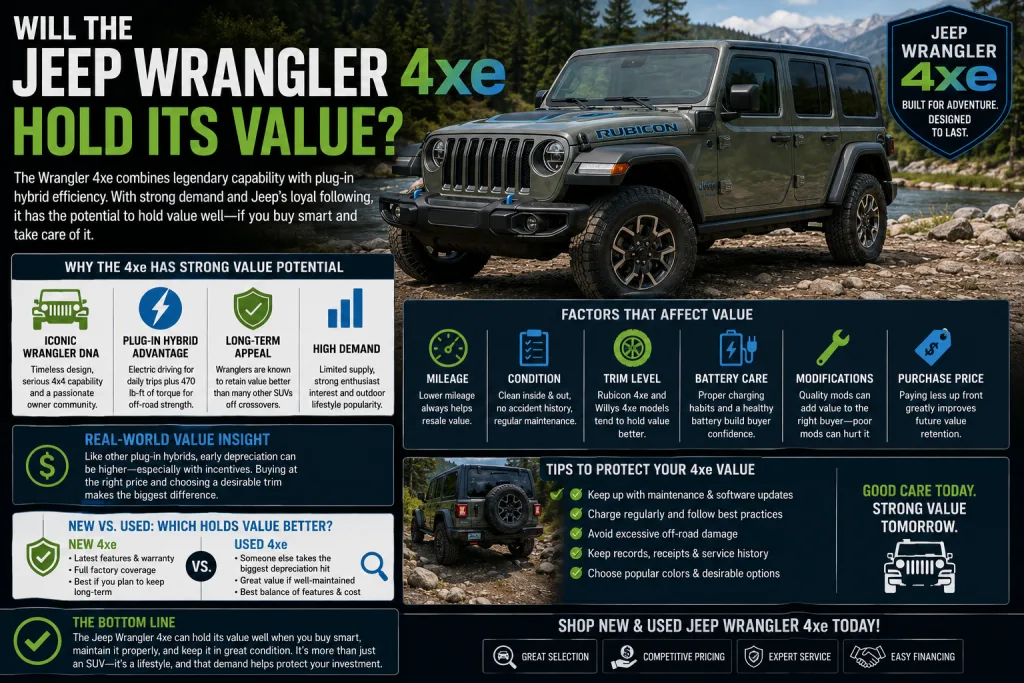
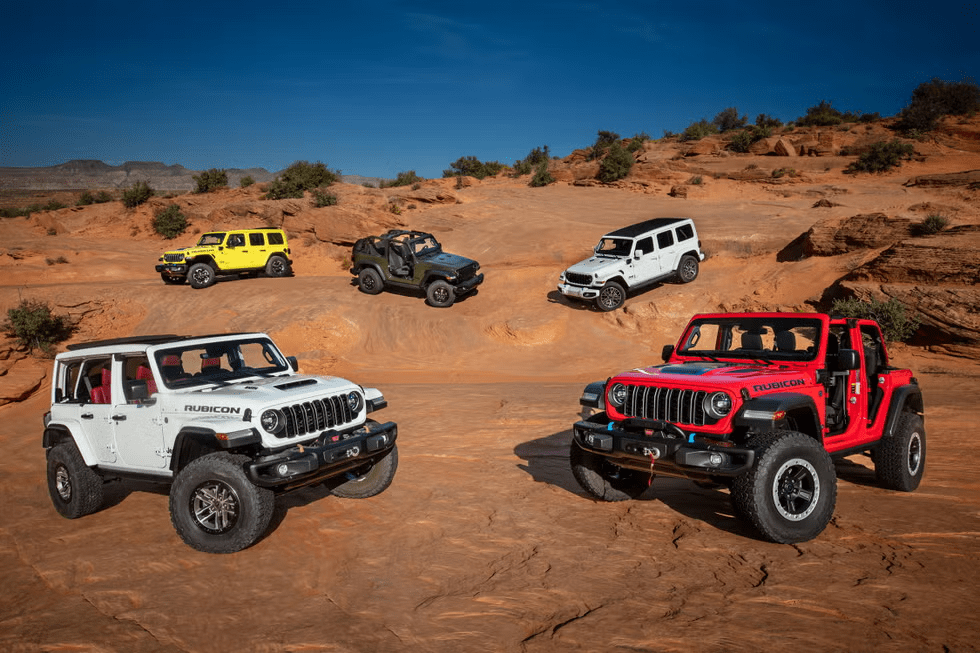
Will the Jeep Wrangler 4xe Hold Its Value? The Jeep Wrangler 4xe can hold value well, but it is not as simple as saying every 4xe will be a resale winner. The Wrangler name is strong, Jeep demand is loyal, and plug-in hybrid capability gives the 4xe a unique edge. But depreciation can vary a lot depending on trim, mileage, condition, incentives, battery concerns, local demand, and whether you bought it new or used. The short answer is this: a Jeep Wrangler 4xe has strong long-term appeal because it is still a Wrangler, but some 4xe models have seen heavier early depreciation than gas Wranglers. That means shoppers should pay close attention to the purchase price, trim, condition, and available incentives before assuming it will hold value perfectly. Why the Wrangler 4xe Has Strong Resale Appeal The Wrangler 4xe has one major advantage: it is still a Jeep Wrangler. That matters because Wranglers have one of the strongest brand followings in the SUV market. Buyers like the removable roof, removable doors, 4x4 capability, trail-ready trims, and iconic design. The 4xe adds plug-in hybrid power to that formula. Jeep lists the Wrangler 4xe with 470 lb-ft of torque, which gives it serious low-speed pulling strength for off-road driving and daily acceleration. That official Jeep 4xe torque figure is one reason the 4xe stands out from many other plug-in hybrid SUVs. ( jeep) That combination of Jeep personality and hybrid technology helps the Wrangler 4xe stay interesting in the used market. Early Depreciation Can Be Higher The biggest warning with the Wrangler 4xe is early depreciation. Some plug-in hybrid vehicles can lose value faster in the first few years, especially when new-vehicle incentives, lease deals, or changing EV tax-credit rules affect market pricing. For example, Kelley Blue Book shows a 2025 Wrangler 4xe Rubicon X with a current resale value far below its original price in its depreciation example. That does not mean every Wrangler 4xe will drop the same way, but it does show why purchase price matters. ( Kbb.com) If you buy a Wrangler 4xe at full sticker, depreciation may feel worse. If you buy one with a strong discount, lease incentive, or used-market adjustment already built in, the value story can look much better. New vs. Used Wrangler 4xe Value A new Wrangler 4xe gives you full warranty coverage, the latest features, and the exact trim you want. That is attractive, especially with plug-in hybrid technology. A used Wrangler 4xe may be the smarter value play. Someone else may have already absorbed the steepest part of depreciation, which can give you a better long-term ownership position. Edmunds shows 2025 Wrangler 4xe trade-in values ranging widely by trim and configuration. That wide range proves how much trim, mileage, condition, and equipment affect real-world value. ( Edmunds) If resale value matters, buying the right used 4xe at the right price may be smarter than paying top dollar for a new one. Which Wrangler 4xe Trims Hold Value Best? Not every Wrangler 4xe trim will hold value the same way. Rubicon models usually have the strongest enthusiast appeal because they are the most trail-focused. The Rubicon name means something to Jeep buyers, especially those who care about off-road hardware. Willys models can also be attractive because they offer rugged styling and off-road attitude without always reaching Rubicon pricing. Sahara models may appeal more to buyers who want comfort, daily usability, and a cleaner street-focused look. Higher trims can be desirable, but they also cost more upfront. That matters because a more expensive model can lose more actual dollars even if it still keeps a decent percentage of value. Mileage Still Matters Mileage plays a major role in Wrangler 4xe resale value. A low-mileage 4xe with clean history will almost always be easier to sell than a high-mileage one with uncertain maintenance. Plug-in hybrid shoppers may also ask more questions about how the vehicle was used. They may want to know whether it was charged regularly, whether it was mostly driven short distances, and whether it was maintained properly. Mileage does not automatically make a Wrangler 4xe a bad buy, but lower mileage usually helps value. A clean, low-mileage Rubicon 4xe or Willys 4xe will usually be more appealing than a rough, high-mileage example. Battery and Hybrid System Confidence The 4xe system is one reason people want the Wrangler plug-in hybrid, but it is also one reason some used buyers may be cautious. Hybrid components, charging habits, battery health, and warranty coverage all matter. That does not mean shoppers should avoid the Wrangler 4xe. It means buyers should check warranty details, service history, software updates, charging behavior, and any warning lights before purchasing. If the vehicle is still under warranty and has a clean service history, that can help buyer confidence. If it has missing records or unresolved electrical issues, resale value may suffer. Condition Is Still Everything A Wrangler 4xe is still a Wrangler, which means some owners take it off-road. That is part of the appeal, but it also means buyers should inspect condition carefully. Scratched skid plates, suspension damage, water leaks, mismatched tires, rust, poor repairs, hard off-road use, or cheap modifications can all lower resale value. A clean Wrangler 4xe that looks cared for will usually be worth more than one that looks abused. Interior condition matters too. Stains, odours, damaged trim, broken roof seals, and worn seats can all reduce value. Wranglers are rugged, but used buyers still want a clean vehicle. Modifications Can Help or Hurt Wrangler owners love modifying their vehicles, but modifications do not always increase resale value. A tasteful lift, quality wheels, good tires, and proper accessories may help with the right buyer. Poorly installed parts can hurt value quickly. Extreme lifts, bad wiring, cheap lighting, rough suspension work, or missing factory parts can make a 4xe harder to sell. Some buyers want a modified Jeep, but many prefer a clean one they can build themselves. If you plan to protect resale value, keep modifications simple, high-quality, and reversible. Save receipts and keep the original parts when possible. Fuel Savings Can Help Ownership Value The Wrangler 4xe can make sense for drivers who can charge often. Car and Driver notes that the 4xe is most efficient when owners recharge diligently, which is important for real-world savings. ( Car and Driver) If most of your driving is short local trips, the 4xe can help reduce fuel use. If you rarely charge it, the benefit becomes smaller, and you are carrying hybrid hardware without getting the full advantage. For resale, buyers may value the 4xe more if they understand how to use it properly. A plug-in hybrid Wrangler is more appealing to someone who has home charging or short daily driving needs. Does the Wrangler 4xe Hold Value Better Than Gas Wranglers? Gas Wranglers have a long history of strong resale value. The Wrangler 4xe is newer, more complex, and more affected by plug-in hybrid market trends. That means gas Wranglers may feel more predictable for resale, while the 4xe can be more sensitive to incentives, battery confidence, fuel prices, and used EV or hybrid demand. However, the 4xe also has benefits the gas model does not. It offers strong torque, electric driving capability, and a unique place in the Wrangler lineup. For the right buyer, that can make it very desirable. Is Leasing Smarter Than Buying? Leasing a Wrangler 4xe can make sense if incentives are strong and you do not want to worry about long-term depreciation. Many shoppers choose plug-in hybrid leases because the lease structure can reduce resale risk. Buying makes more sense if you plan to keep the vehicle for a long time, drive predictable mileage, maintain it well, and avoid overpaying upfront. If resale value is your biggest concern, compare lease payments, purchase price, used pricing, and trade-in estimates before deciding. The best choice depends on the deal available at the time. How to Protect Wrangler 4xe Resale Value The best way to protect value is to buy smart and maintain the vehicle properly. Choose a desirable trim, avoid overpaying, keep mileage reasonable, and stay current on service. Keep the Jeep clean, avoid rough off-road damage, save service records, charge it properly, and fix small issues early. If you modify it, use quality parts and keep the original components. Resale value starts on the day you buy the vehicle. A clean Wrangler 4xe bought at the right price has a much better chance of holding value than an overpriced one with poor maintenance. Should You Buy a Jeep Wrangler 4xe? The Wrangler 4xe is a good choice if you want Jeep capability with plug-in hybrid flexibility. It gives you open-air driving, real 4x4 character, strong torque, and the ability to drive some short trips on electric power. It may not be the best choice if you never charge, drive mostly long highway trips, or want the simplest possible Wrangler ownership experience. In that case, a gas Wrangler may be easier to understand and more predictable. But if you like the idea of a plug-in hybrid Jeep and can take advantage of charging, the Wrangler 4xe can be a very appealing SUV. Find a Jeep Wrangler 4xe That Holds Its Value A Jeep Wrangler 4xe can hold value well, but it depends on how you buy it and how you maintain it. The Wrangler name gives it strong built-in appeal, while the 4xe system adds torque, efficiency, and a unique plug-in hybrid advantage. The smartest move is to compare new and used pricing, focus on desirable trims, check service history, and avoid overpaying. A clean Rubicon, Willys, or well-equipped Sahara 4xe can still be a strong used-market SUV when priced correctly. Visit Simi Valley Chrysler Dodge Jeep Ram to browse new inventory, compare used inventory, check your trade-in value, or apply for financing before choosing your next Jeep Wrangler 4xe.

jeep grand cherokee problems

What is the Most Common Problem with the Jeep Grand Cherokee?(2026 Update)

The most common problem with the Jeep Grand Cherokee is electrical and software issues. This includes warning lights, battery problems, infotainment glitches, 4x4 system warnings, sensor issues, and hybrid system faults on Grand Cherokee 4xe models. For 2026, the biggest concern is the Grand Cherokee 4xe because recalls have affected 2022 to 2026 plug-in hybrid models for battery fire risk and possible loss of drive power. ( NHTSA) Straight Answer If you are buying a Jeep Grand Cherokee, check the electrical system first. Look for: Battery problems Warning lights Frozen touchscreen Backup camera issues 4WD warning messages Check engine lights Hybrid system warnings on 4xe models Charging problems on 4xe models The Grand Cherokee is still a strong SUV, but modern versions have a lot of electronics. More electronics means more things that can glitch, fail, or trigger warning lights. Why Electrical Problems Are Common The Jeep Grand Cherokee is not a simple SUV anymore. Newer models have large screens, digital controls, safety sensors, cameras, drive modes, 4x4 systems, and software-controlled powertrains. That is where many problems start. A weak battery can cause random warnings. A bad sensor can trigger a check engine light. A software issue can affect the screen, hybrid system, or drivability. On the Grand Cherokee 4xe, the risk is higher because it adds plug-in hybrid parts, a high-voltage battery, charging equipment, and more software. Jeep Grand Cherokee 4xe Problems The Grand Cherokee 4xe needs extra attention. The main 4xe concerns include: Battery fire risk Loss of drive power Hybrid system faults Charging issues Software problems Warning lights NHTSA reported a recall involving Jeep Grand Cherokee plug-in hybrid models because the battery pack may fail and lead to a fire risk. Owners were told to park outside and avoid charging affected vehicles until repaired. ( NHTSA) There was also a recall involving 2022 to 2026 Grand Cherokee 4xe models for possible loss of drive power caused by a defective battery pack control module microprocessor. ( Car and Driver) That does not mean every Grand Cherokee 4xe is bad. It means you should check recalls before buying one. Other Common Jeep Grand Cherokee Problems Electrical issues are the main problem, but buyers should also watch for transmission complaints, suspension issues, engine problems, and 4x4 system faults. Some owners report rough shifting, delayed acceleration, or hesitation. This can feel like a transmission problem, but sometimes it is related to software or engine controls. Suspension problems can also happen, especially on models with air suspension. If the SUV sits unevenly, rides rough, or makes clunking noises, get it inspected. Older Grand Cherokee models may also have oil leaks, cooling system problems, or worn suspension parts depending on mileage and maintenance. Jeep Grand Cherokee Years to Watch Common searches around this topic include “jeep grand cherokee years to avoid,” “jeep grand cherokee problems,” “jeep grand cherokee issues,” and “jeep grand cherokee transmission problems.” Your keyword file shows these are the main search terms tied to this article topic. Years buyers often research for problems include: 2011 Jeep Grand Cherokee 2012 Jeep Grand Cherokee 2013 Jeep Grand Cherokee 2014 Jeep Grand Cherokee 2015 Jeep Grand Cherokee 2016 Jeep Grand Cherokee 2017 Jeep Grand Cherokee 2021 Jeep Grand Cherokee L 2022 to 2026 Jeep Grand Cherokee 4xe Do not judge only by year. A clean, well-maintained Grand Cherokee can be a better buy than a newer one with poor service history. What to Check Before Buying Before buying a Jeep Grand Cherokee, check for open recalls, warning lights, rough shifting, battery condition, infotainment problems, suspension noise, oil leaks, and service records. For a 4xe, also check charging, hybrid mode, battery-related recalls, and warranty coverage. Do not buy one with active warning lights unless the issue is diagnosed first. Final Answer The most common problem with the Jeep Grand Cherokee is electrical and software trouble. For gas models, that usually means battery issues, warning lights, infotainment glitches, sensors, and 4x4 system messages. For Grand Cherokee 4xe models, the biggest concerns are battery recalls, hybrid system faults, charging issues, and possible loss of drive power. Straight answer: check the electrical system first, check recalls second, and be extra careful with used Grand Cherokee 4xe models.

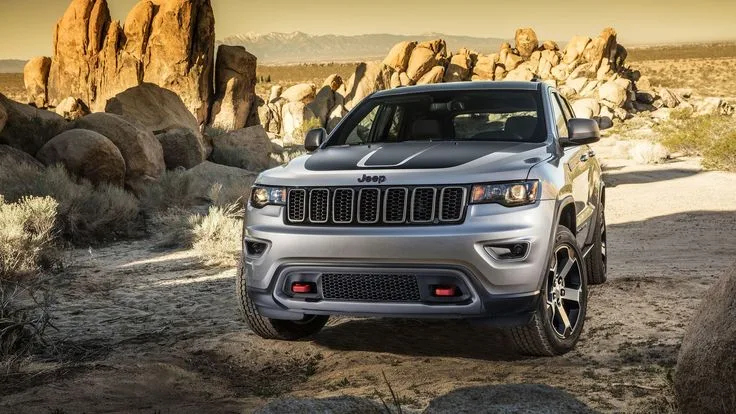
Jeep Grand Cherokee Laredo

What is The Best Jeep Grand Cherokee Model?

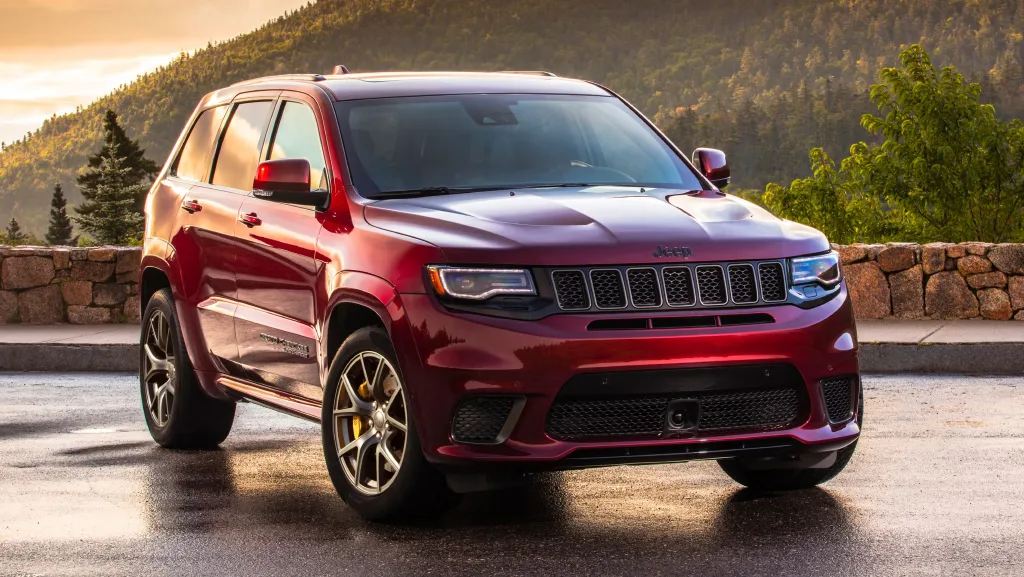
Get Exclusive Offers at Amazon Th e Jeep Grand Cherokee lineup is renowned for its versatility, combining rugged off-road capability with luxurious features and cutting-edge technology. Each model in the lineup is carefully crafted to cater to a diverse array of drivers, from adventure enthusiasts who crave off-road thrills to families seeking a comfortable and spacious SUV for daily commutes and long road trips. With its rich heritage and continuous innovation, the Jeep Grand Cherokee remains one of the most beloved SUVs on the market. Whether you're drawn to the Trailhawk for its exceptional off-road prowess, the Summit for its premium luxury, or the Trackhawk for its high-performance thrills, there’s a Grand Cherokee model designed to meet your unique needs. This SUV not only excels in providing a smooth and comfortable ride but also stands out with its robust towing capacity and advanced safety features. It’s this combination of strength, style, and versatility that has earned the Jeep Grand Cherokee its loyal fan base. Let’s dive deeper into the Grand Cherokee lineup to explore what sets each model apart and why this SUV continues to be a top choice for drivers seeking a perfect blend of adventure, comfort, and reliability. Jeep Grand Cherokee Laredo The Laredo is the base model but comes packed with essential features that make it a solid choice for anyone looking for a reliable and stylish SUV. It includes: 3.6L V6 engine: Provides robust performance and decent fuel efficiency. Uconnect 4 with 7-inch display: Offers smartphone integration with Apple CarPlay and Android Auto. Safety features: Standard features like Blind-Spot Monitoring and Rear Cross-Path Detection. While it’s the entry-level model, the Laredo doesn’t skimp on quality, making it a great value for those who want the Grand Cherokee experience without the higher price tag. Jeep Grand Cherokee Limited The Limited model steps up in terms of luxury and additional features: Leather-Trimmed Seats One of the most noticeable upgrades in the Limited model is the inclusion of leather-trimmed seats. These seats not only add a layer of luxury and refinement but also enhance comfort during long drives. The soft-touch materials and meticulous stitching elevate the cabin’s ambiance, creating a more premium feel that enhances both short commutes and extended road trips. The heated front seats, standard in the Limited trim, provide added comfort during colder months, making every journey more enjoyable. 8.4-Inch Touchscreen The 8.4-inch touchscreen is another key highlight of the Limited model, significantly improving the infotainment experience. This larger display is powered by the Uconnect® system, known for its user-friendly interface, quick response times, and seamless integration with Apple CarPlay® and Android Auto™. This allows drivers to easily access navigation, music, and hands-free communication, enhancing connectivity and convenience on the go. The intuitive touchscreen ensures that every function is within easy reach, keeping the driver focused and connected. Available Quadra-Trac II For those who value off-road capability, the Limited model offers the Quadra-Trac II 4x4 system as an option. This advanced system includes a two-speed transfer case that enhances traction by distributing power to the wheel with the most grip. It’s particularly useful in challenging conditions such as snow, mud, or rocky terrains. Paired with the Selec-Terrain® Traction Management System, the Quadra-Trac II ensures that the Jeep Grand Cherokee Limited remains capable and confident, even when the road ends. Why Choose the Limited Model? The Limited trim is an excellent choice for those who desire a step up from the base model in terms of luxury and technology but aren’t necessarily looking to invest in the highest-end models like the Overland or Summit. It offers a robust combination of comfort, advanced technology, and capable performance at a competitive price point. Whether you’re navigating urban streets or exploring off-the-beaten paths, the Limited provides a well-rounded package that caters to both practicality and indulgence. Jeep Grand Cherokee Trailhawk The Trailhawk trim of the Jeep Grand Cherokee is purpose-built for those who crave adventure and thrive on off-road challenges. It combines Jeep's legendary off-road capability with thoughtful design elements and a touch of luxury, making it the go-to choice for off-road enthusiasts. Here's a closer look at what makes the Trailhawk a standout model for adventure seekers: Quadra-Drive II 4×4 System At the heart of the Trailhawk’s off-road prowess is the Quadra-Drive II 4x4 system. This advanced system features a rear electronic limited-slip differential (ELSD) that delivers exceptional traction by automatically redistributing torque to the wheel with the most grip. Whether you’re tackling steep inclines, navigating through mud, or maneuvering over rocky terrain, Quadra-Drive II ensures that the Trailhawk remains firmly planted and in control, providing confidence in the most demanding environments. Coupled with the Selec-Terrain® Traction Management System, drivers can easily adapt to a variety of surfaces, from snow to sand, with just a turn of a dial. Skid Plates The Trailhawk is designed to withstand the rigors of off-road driving, and its skid plates are a testament to that. These robust plates protect the underbody, including critical components like the fuel tank, transfer case, and front suspension, from damage when traversing rough and uneven terrains. Whether you’re navigating rocky trails or overlanding through dense forests, these skid plates provide an extra layer of security, allowing you to explore without worrying about what lies beneath. All-Terrain Tires Another essential feature of the Trailhawk is its all-terrain tires. These specially designed tires offer enhanced grip and stability across a variety of surfaces, including dirt, gravel, mud, and snow. The aggressive tread pattern ensures that the tires maintain contact with the ground, providing better traction and control. Combined with the Trailhawk’s raised suspension, these tires help you tackle even the toughest trails with ease, making off-road adventures safer and more enjoyable. Why Choose the Trailhawk? For those whose passion lies beyond the pavement, the Trailhawk offers the perfect blend of rugged features and luxury comforts. While it’s designed to dominate off-road environments, it doesn’t compromise on interior amenities. Inside, you’ll find leather-trimmed seating with suede inserts, red accent stitching, and advanced technology like the 8.4-inch Uconnect® touchscreen with navigation. The Trailhawk also includes modern conveniences such as dual-zone climate control and heated front seats, ensuring that your journey is comfortable, no matter how challenging the terrain. Jeep Grand Cherokee Overland The Overland trim of the Jeep Grand Cherokee takes luxury and performance to new heights, combining premium features with advanced off-road capabilities. This model is perfect for drivers who desire the best of both worlds—top-tier comfort and cutting-edge technology, paired with Jeep's legendary ruggedness. Let’s delve deeper into the standout features that make the Overland a compelling choice. Nappa Leather-Trimmed Seats: Offers Superior Comfort The Nappa leather-trimmed seats in the Overland deliver an unparalleled level of comfort and sophistication. Nappa leather is known for its softness, durability, and premium feel, elevating the interior ambiance. These seats aren’t just about aesthetics; they’re designed to enhance long drives with their supportive cushioning and ergonomic design. Additionally, both the front and rear seats offer heating, ensuring comfort in colder climates, while ventilation in the front seats helps keep you cool during warmer months. Panoramic Sunroof: Enhances the Driving Experience with a View of the Sky The dual-pane panoramic sunroof is a standout feature in the Overland trim, creating an open and airy feel inside the cabin. Whether you're navigating urban streets or cruising through scenic landscapes, the expansive sunroof provides a breathtaking view of the sky, enhancing every drive. The front pane slides open to allow fresh air in, while the rear pane remains fixed, ensuring passengers in the back can also enjoy the scenery. The sunroof includes a power sunshade, giving you control over the amount of light entering the cabin. Quadra-Lift Air Suspension: Provides a Smoother Ride and Better Ground Clearance The Quadra-Lift Air Suspension system is a game-changer, offering both improved ride comfort and off-road capability. This advanced suspension system automatically adjusts the vehicle’s height based on driving conditions, ensuring a smoother ride on highways and better ground clearance during off-road excursions. With multiple height settings, drivers can lower the vehicle for easier entry and exit or raise it for navigating rough terrain and obstacles. The system also improves aerodynamics at highway speeds, contributing to better fuel efficiency. Why Choose the Overland? The Jeep Grand Cherokee Overland is designed for those who seek a luxurious driving experience without compromising on performance or capability. It caters to drivers who want the finest interior comforts, such as Nappa leather seats and a panoramic sunroof, while still being ready for off-road adventures with features like the Quadra-Lift Air Suspension. In addition to its luxurious amenities, the Overland trim comes with a suite of advanced technology and safety features, including the Uconnect 5 system with a large touchscreen, adaptive cruise control, lane-keeping assist, and blind-spot monitoring. These technologies not only enhance convenience but also provide peace of mind, whether you’re navigating city streets or remote trails. In summary, the Overland trim is the ideal choice for those who want to enjoy the finest luxuries Jeep has to offer, combined with the ruggedness and performance that the Grand Cherokee is known for. It’s perfect for drivers who refuse to compromise, offering a premium driving experience both on and off the road. Jeep Grand Cherokee Summit TThe Summit trim stands as the pinnacle of luxury in the Jeep Grand Cherokee lineup, offering a blend of refined elegance, advanced technology, and superior comfort. This model caters to those who seek the utmost in sophistication without sacrificing Jeep’s renowned performance and capability. Let’s explore the features that make the Summit a truly exceptional choice for discerning drivers. Harman Kardon Premium Audio System: Delivers an Exceptional Sound Experience One of the standout features of the Summit trim is the Harman Kardon premium audio system. Known for its superior sound quality, this system is designed to deliver an immersive listening experience. With up to 19 speakers strategically placed throughout the cabin, including a powerful subwoofer, the Harman Kardon system provides crystal-clear audio, rich bass, and balanced sound. Whether you’re enjoying your favorite music, a podcast, or an audiobook, every note is delivered with precision, making your driving experience even more enjoyable. Advanced Safety Features: Enhanced Peace of Mind The Summit trim is equipped with a comprehensive suite of advanced safety features that prioritize both driver and passenger protection. Key features include: Adaptive Cruise Control with Stop and Go: This system automatically adjusts your speed to maintain a safe distance from the vehicle ahead and can bring the car to a complete stop if necessary. Forward Collision Warning with Active Braking: Warns you of potential collisions and can apply the brakes if you don’t respond in time. Lane Departure Warning with Lane Keep Assist: Alerts you if you unintentionally drift out of your lane and gently steers you back on track. These advanced safety technologies not only enhance your confidence on the road but also ensure that every journey is as safe as it is luxurious. Laguna Leather Seats: Ensures the Highest Level of Comfort and Luxury The Laguna leather seats in the Summit trim represent the height of luxury. Crafted from the finest materials, these seats offer unmatched comfort and a sumptuous feel. The perforated leather design not only adds an aesthetic appeal but also includes heating and ventilation for optimal comfort in any climate. The Summit trim also features quilted seat bolsters and elegant stitching, enhancing the overall premium ambiance of the cabin. Why Choose the Summit? For those who demand the best, the Summit trim delivers an unparalleled driving experience. It’s designed for individuals who value top-tier luxury, cutting-edge technology, and advanced safety. Beyond its luxurious appointments, the Summit also includes features like a 10.1-inch Uconnect 5 infotainment system, heads-up display, massaging front seats, and a 360-degree surround-view camera, providing both convenience and an elevated sense of control. In addition to its luxurious interior, the Summit maintains Jeep’s legendary capability with features like Quadra-Drive II 4x4 and Selec-Terrain® Traction Management System, ensuring that luxury doesn’t come at the expense of performance. Jeep Grand Cherokee SRT The Jeep Grand Cherokee SRT is a powerhouse designed for those who demand thrilling performance and a driving experience that pushes the limits. This model takes the already capable Grand Cherokee platform and infuses it with high-performance features, making it a top choice for enthusiasts who crave speed, power, and precision. Let’s dive into what makes the SRT a standout in the lineup. 6.4L V8 Engine: Delivers 475 Horsepower for Exhilarating Performance At the heart of the SRT model is its formidable 6.4-liter HEMI® V8 engine. This beastly engine produces an impressive 475 horsepower and 470 lb-ft of torque, propelling the SRT from 0 to 60 mph in just 4.3 seconds. The sheer power and torque provide exhilarating acceleration and top-end speed, making every drive a pulse-quickening experience. Whether you're on the highway or navigating winding roads, the V8 engine ensures that the SRT delivers a thrilling, high-octane performance every time you hit the gas pedal. High-Performance Brakes: Ensures Optimal Stopping Power To complement its powerful engine, the SRT is equipped with high-performance Brembo brakes. These brakes feature 15-inch slotted rotors and six-piston front calipers, providing exceptional stopping power and fade resistance, even during high-speed driving or aggressive braking. This ensures that the SRT can confidently handle its high-performance capabilities, giving drivers the control and safety needed when pushing the vehicle to its limits. Sport-Tuned Suspension: Enhances Handling and Driving Dynamics The sport-tuned suspension on the SRT model is designed to deliver precise handling and a more engaging driving experience. This advanced suspension system includes adaptive dampers that adjust in real-time to changing road conditions, ensuring optimal grip, stability, and comfort. Whether you’re carving through sharp corners or cruising on a straightaway, the SRT’s suspension system enhances both agility and control, making it a joy to drive at any speed. Why Choose the SRT? The Grand Cherokee SRT is not just about raw power; it’s a well-rounded performance SUV that excels in both speed and handling. Its combination of a high-performance engine, advanced braking system, and sport-tuned suspension ensures that every drive is an exhilarating experience. The SRT also features a bold and aggressive design, with unique exterior styling, 20-inch wheels, and a performance-inspired interior complete with sport seats, carbon-fiber accents, and a flat-bottom steering wheel. Inside, the SRT doesn’t compromise on comfort or technology. It comes equipped with a Uconnect 5 system, featuring an 8.4-inch touchscreen, Apple CarPlay®, Android Auto™, and SRT Performance Pages, which provide real-time data on engine performance, G-force, and lap times. Conclusion If you crave speed and performance, the SRT is the model for you. Jeep Grand Cherokee Trackhawk TheThe Jeep Grand Cherokee Trackhawk is the epitome of extreme performance, delivering an adrenaline-fueled driving experience that few SUVs can match. Designed for those who crave raw power and blistering speed, the Trackhawk takes the Grand Cherokee’s capabilities to an entirely new level. Let’s explore what makes the Trackhawk a true beast on the road. Supercharged 6.2L V8 Engine: Produces a Staggering 707 Horsepower At the heart of the Trackhawk is the legendary Supercharged 6.2-liter HEMI® V8 engine, borrowed from the iconic Dodge Hellcat lineup. This powerhouse produces an astonishing 707 horsepower and 645 lb-ft of torque, making it the most powerful SUV Jeep has ever built. The Trackhawk’s engine is engineered for extreme performance, delivering relentless acceleration and breathtaking speed. Whether you're cruising on the highway or launching from a standstill, the Trackhawk’s supercharged V8 ensures you’re at the forefront of power and excitement. Brembo Brakes: High-Performance Braking for Superior Stopping Power With such incredible speed and power, the Trackhawk needs a braking system that can match its performance. Enter the Brembo high-performance brakes. Equipped with 15.75-inch front rotors and six-piston calipers, these brakes provide exceptional stopping power and heat dissipation, ensuring that the Trackhawk can come to a controlled stop, even under the most demanding conditions. Whether you're pushing the limits on a track or navigating city streets, the Brembo brakes give you the confidence to harness the Trackhawk's immense power safely. 0-60 mph in 3.5 Seconds: One of the Fastest SUVs on the Market One of the most jaw-dropping aspects of the Trackhawk is its ability to accelerate from 0 to 60 mph in just 3.5 seconds, placing it among the fastest production SUVs in the world. This blistering acceleration is achieved through a combination of the supercharged engine, advanced all-wheel-drive system, and finely tuned performance components. The Trackhawk isn’t just fast—it’s exhilarating, offering supercar-level performance in an SUV package. Why Choose the Trackhawk? The Jeep Grand Cherokee Trackhawk is for those who refuse to compromise on performance. It’s an SUV that delivers supercar power while still offering the versatility and practicality of a Jeep. Beyond its incredible speed and power, the Trackhawk also features a bold, aggressive design, with unique badging, quad exhaust tips, and 20-inch black satin wheels that set it apart from the rest of the lineup. Inside, the Trackhawk offers a premium cabin with Laguna leather seats, carbon-fiber accents, and a flat-bottom steering wheel, all contributing to a high-performance atmosphere. It also comes equipped with advanced technology, including the Uconnect 5 system, an 8.4-inch touchscreen, and SRT Performance Pages, which provide real-time data on performance metrics such as G-force, engine power, and lap times. Conclusion Choosing the best Jeep Grand Cherokee model depends on your specific needs and preferences. Whether you’re looking for luxury, off-road capability, or high performance, there’s a Grand Cherokee model that fits the bill. For more details on each model and to find the perfect Jeep Grand Cherokee for you, visit Simi Valley Chrysler Dodge Jeep Ram..

Jeep Wrangler for Sale Near Me

What is the Best Year Jeep to Buy Used? Expert Answer

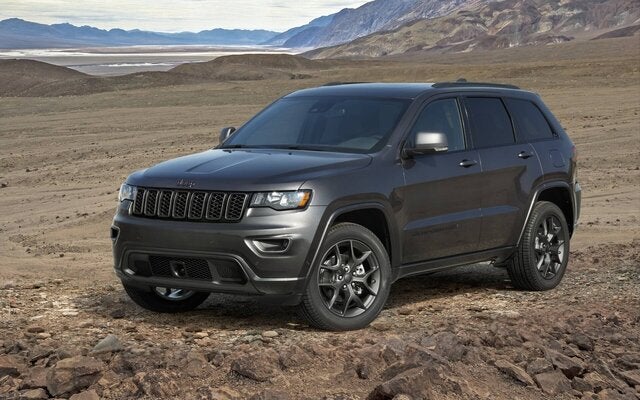
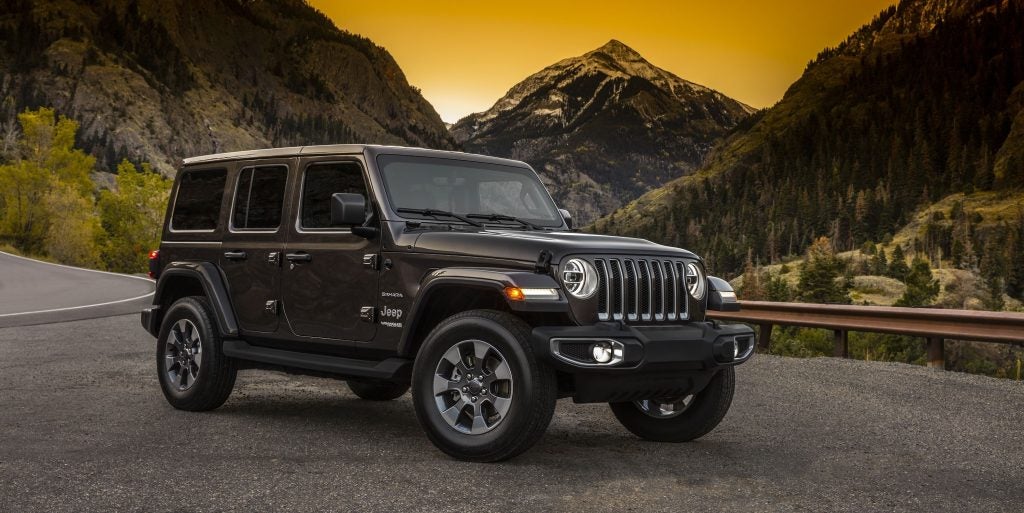
What Is the Best Year Jeep to Buy Used? Expert Answer The best year Jeep to buy used depends on which Jeep model you want, but the safest overall answer is this: look for a 2020 Jeep Grand Cherokee, a 2016 or 2017 Jeep Wrangler, or a 2020 Jeep Cherokee if you want the best mix of reliability, value, parts availability, and everyday usability. If you want one used Jeep that fits the widest range of buyers, the 2020 Jeep Grand Cherokee with the 3.6L V6 is one of the strongest picks. It came late in the WK2 generation, has a proven engine, offers real SUV capability, and J.D. Power gives the 2020 Grand Cherokee a Quality & Reliability score of 82 out of 100, which falls into its “Great” range. J.D. Power The short version: 2018 to 2021 Grand Cherokee models, 2015 to 2017 Wrangler models, and 2019 to 2020 Cherokee models are some of the best used Jeep years to start with. Best Used Jeep Overall: 2020 Jeep Grand Cherokee The 2020 Jeep Grand Cherokee is probably the best used Jeep for most shoppers. It is not the cheapest Jeep. It is not the most fuel-efficient Jeep. But it gives you the best all-around package: comfort, capability, towing ability, available four-wheel drive, strong used-market availability, and a proven platform. The 2020 model sits near the end of the WK2 Grand Cherokee generation, which is important. Late-generation vehicles are often better used buys because the manufacturer has had years to refine the platform. Early issues are usually better understood, parts are widely available, and independent mechanics are familiar with the vehicle. For most buyers, the best version is a 2020 Grand Cherokee Limited or Laredo with the 3.6L Pentastar V6. That engine is common across many Jeep, Dodge, Chrysler, and Ram models, which helps with service knowledge and parts availability. Best Used Jeep Wrangler Year: 2016 or 2017 If you want a Wrangler, the best used years are usually 2016 and 2017. These are late JK-generation Wrangler years. That matters because the JK platform had been around for years by then, and the 3.6L Pentastar V6 was already well established. A clean 2016 or 2017 Wrangler gives you the classic Wrangler feel without jumping into the first-year risk of the newer JL generation. The Wrangler is not the cheapest Jeep to own, but it is one of the most desirable. RepairPal lists the Jeep Wrangler’s average annual repair cost at $694, and says the Wrangler has average ownership costs overall. RepairPal The big warning with used Wranglers is modifications. A stock Wrangler with service records is usually much safer than a lifted Wrangler with oversized tires, cheap suspension parts, steering issues, water leaks, and no paperwork. If you are buying a used Wrangler, buy condition first and year second. Best Used Jeep Cherokee Year: 2020 The 2020 Jeep Cherokee is one of the better used Jeep choices if you want a smaller SUV. It is easier to park than a Grand Cherokee, more comfortable for normal commuting than a Wrangler, and more capable than many compact crossovers when properly equipped. J.D. Power data and used-market reliability coverage often point to the 2020 Cherokee as one of the stronger Cherokee years. It can be a good choice for buyers who want Jeep styling and available 4x4 without the size or fuel cost of a larger SUV. That said, be careful with older Cherokee years, especially around 2014 and 2015. Those years have more buyer caution attached to them because of complaints around transmission behavior and electronics. Best Used Jeep Compass Year If you want the lowest-cost Jeep SUV, a newer Jeep Compass can make sense. The Compass is not as rugged as a Wrangler and not as substantial as a Grand Cherokee, but it is easier to live with, easier to park, and usually cheaper to buy. RepairPal gives Jeep an overall reliability rating of 3.5 out of 5.0, ranking it 15th out of 32 brands, with an average annual repair cost of $634. RepairPal The Compass can be a good used choice if you want basic transportation with Jeep styling and available all-wheel drive. It is not the Jeep I would choose for towing, off-roading, or long-term resale strength. But for budget-focused buyers, it can work. For the safest Compass purchase, look newer, keep the mileage reasonable, and avoid examples with poor maintenance history or unresolved recalls. Best Used Jeep for Reliability The best used Jeep for reliability is usually a late-generation Grand Cherokee with the 3.6L V6. The reason is simple. The Grand Cherokee gives you more real-world usefulness than the Compass, fewer modification risks than the Wrangler, and stronger long-term desirability than the Cherokee. The 2018, 2019, 2020, and 2021 two-row Grand Cherokee models are the used years I would check first. The 2020 model is especially strong because it has a good J.D. Power Quality & Reliability score and sits in a mature generation. J.D. Power If you want fewer problems, stay away from overly complex trims. A simple V6 Laredo or Limited is usually safer than a high-mileage Summit with air suspension, a performance SRT, a Trackhawk, or a plug-in hybrid 4xe. Best Used Jeep for Off-Roading The best used Jeep for off-roading is still the Wrangler. For value, look at a 2015 to 2017 Wrangler JK. For more comfort and newer tech, look at a 2019 to 2021 Wrangler JL. A Rubicon is the best choice if you actually need serious off-road hardware. It usually gives you stronger trail equipment from the factory, including things like locking differentials and upgraded off-road capability depending on the year. But if you mostly drive on pavement and just want the Wrangler look, you may not need a Rubicon. A Sport, Willys, or Sahara can be the smarter buy depending on how you drive. Again, avoid bad modifications. A stock Wrangler is almost always easier to trust than one with unknown lift work. Best Used Jeep for Families The best used Jeep for families is the Grand Cherokee. A used Grand Cherokee gives you a comfortable cabin, good cargo space, available four-wheel drive, solid highway manners, and enough capability for winter driving, road trips, light towing, and daily family use. The Wrangler can work for families, but it is louder, less refined, and less practical for some daily routines. The Compass and Cherokee are easier to drive, but smaller. The Grand Cherokee is the best middle ground. For families, look at a 2018 to 2021 Grand Cherokee Limited with the V6. It gives you comfort and features without stepping into the most expensive ownership risks. Best Used Jeep for Towing The best used Jeep for towing is usually the Grand Cherokee. A properly equipped Grand Cherokee with the 5.7L HEMI V8 can be a strong tow vehicle, but the V6 can also work for lighter towing. The right choice depends on your trailer. If you tow frequently or tow heavier loads, the HEMI may be worth it. If you mostly commute and only tow occasionally, the 3.6L V6 is usually easier and cheaper to own. Before buying any used Jeep for towing, check the tow package, hitch rating, cooling equipment, maintenance records, transmission behavior, and payload. Do not assume every Grand Cherokee has the same tow rating. Jeep Years to Be Careful With Some used Jeep years deserve extra caution. For the Grand Cherokee, be more careful with early WK2 years like 2011 and some 2014 models. The 2011 model was the first year of that generation, and first-year redesigns often carry more risk. The 2014 model brought updates, but some shoppers still approach it carefully because of transmission and electronics complaints. For the Cherokee, be careful with 2014 and 2015. These years are commonly discussed as riskier used buys. For the Wrangler, be careful with 2007, 2008, 2012, and 2018. The 2007 and 2008 models are early JK years and now old enough to have age-related issues. The 2012 model introduced the 3.6L engine to Wrangler, but many buyers prefer later JK years. The 2018 model was a changeover year between JK and JL, so you need to know exactly what you are buying. For 4xe plug-in hybrid models, check recalls carefully. Recent reporting has covered recalls affecting Wrangler 4xe and Grand Cherokee 4xe plug-in hybrids, including battery-fire concerns and software issues that could cause loss of drive power. Road & Track Car and Driver That does not mean every 4xe is bad. It means you should not buy one without verifying recall completion, warranty status, and service history. Best Jeep Engine to Buy Used For most buyers, the 3.6L Pentastar V6 is the best Jeep engine to buy used. It is common, widely serviced, and used across many Stellantis vehicles. It gives enough power for daily driving without the higher fuel and maintenance costs of V8 or performance models. The 5.7L HEMI V8 can be a good engine if you tow or want more power, but it will cost more in fuel and may cost more to maintain. The 4xe plug-in hybrid powertrain can be appealing, but it is more complex. If your top priority is reliability and simple ownership, the gas-only V6 is usually the safer bet. Should You Buy a Used Jeep With High Mileage? You can buy a high-mileage Jeep, but only if the condition and records are right. A Jeep with 120,000 miles and full maintenance history can be a better buy than one with 70,000 miles and no records. This is especially true for Grand Cherokee and Wrangler models, where maintenance and use history matter a lot. Before buying, check oil-change records, transmission service history, coolant condition, tires, brakes, suspension, leaks, 4x4 operation, rust, accident history, and open recalls. For Wranglers, also check water leaks, steering feel, frame condition, and modification quality. For Grand Cherokees, check electronics, air suspension if equipped, transmission behavior, and whether the four-wheel-drive system works properly. What Mileage Is Best for a Used Jeep? For most used Jeep buyers, the sweet spot is usually 40,000 to 90,000 miles. At that mileage, the Jeep is usually much cheaper than new but may still have plenty of life left. It may also avoid some of the higher-mileage repairs that start appearing past 100,000 miles. That said, a lower-mileage Jeep is not automatically better. A low-mileage Wrangler that sat outside, leaked water, and was modified poorly can be worse than a higher-mileage stock Jeep with records. Condition always wins. How to Choose the Best Used Jeep The best used Jeep is not just the newest or cheapest one. Start by deciding what you actually need. If you want daily comfort, choose Grand Cherokee. If you want off-road fun, choose Wrangler. If you want a smaller SUV, choose Cherokee or Compass. If you want maximum simplicity, avoid complex trims and plug-in hybrid models unless you understand the warranty and recall history. Then check the basics: title, service records, accident history, recalls, tires, brakes, leaks, warning lights, suspension, transmission, and 4x4 system. Use the official NHTSA recall lookup before buying any used Jeep. Open recalls are not always dealbreakers, but you need to know what you are buying. If you are shopping locally, compare available used Jeep inventory by year, mileage, trim, engine, drivetrain, and service history. If you want a newer model with warranty coverage, browse current new Jeep inventory. FAQs About the Best Year Jeep to Buy Used What is the best year Jeep to buy used? For most buyers, the 2020 Jeep Grand Cherokee is one of the best used Jeep years to buy. It offers strong reliability scoring, a proven platform, good comfort, and broad availability. What is the best used Jeep Wrangler year? The best used Jeep Wrangler years are usually 2016 and 2017 for the JK generation. These years offer the 3.6L Pentastar V6 and came late in the JK production run. What is the best used Jeep Grand Cherokee year? The best used Grand Cherokee years are usually 2018, 2019, 2020, and 2021, with 2020 being one of the strongest all-around picks. What used Jeep years should I avoid? Be cautious with 2011 Grand Cherokee, 2014 Grand Cherokee, 2014 Cherokee, 2015 Cherokee, early JK Wranglers, 2012 Wrangler, and some 2018 Wrangler models. These years need careful inspection before purchase. Is a used Jeep Wrangler or Grand Cherokee better? The Wrangler is better for off-road fun and resale strength. The Grand Cherokee is better for daily comfort, family use, road trips, and overall practicality. What is the most reliable used Jeep engine? The 3.6L Pentastar V6 is usually the safest used Jeep engine for most buyers. It is common, proven, and easier to service than more complex powertrains. Is a used Jeep worth buying? Yes, a used Jeep can be worth buying if you choose the right year, engine, trim, and condition. Avoid neglected vehicles, bad modifications, open recalls, and missing maintenance records. Final Thoughts: The Best Used Jeep Is Usually a 2020 Grand Cherokee or Late JK Wrangler The best year Jeep to buy used depends on your needs, but the expert answer is clear. For most shoppers, the 2020 Jeep Grand Cherokee V6 is one of the smartest overall choices. It is comfortable, capable, proven, and easier to live with than a Wrangler. For buyers who specifically want off-road character, a 2016 or 2017 Wrangler JK is one of the safest used picks. If you want a smaller SUV, look at a clean 2020 Jeep Cherokee. If you want budget-friendly Jeep styling, consider a newer Compass with records. The most important rule is simple: buy the condition, not just the year. A clean, stock, well-maintained Jeep with records will almost always beat a newer, cheaper, neglected one.


Why is Jeep Discontinuing Cherokee?

Why is Jeep Discontinuing the Cherokee? Best Deals – Claim Yours Now! Jeep, a brand synonymous with rugged SUVs and off-road prowess, recently announced the discontinuation of the Jeep Cherokee, a decision that has captured the attention of automotive enthusiasts and industry experts around the globe. The Jeep Cherokee, once a cornerstone of Jeep's lineup, has been known for its reliable performance and versatile capabilities suited for both off-road trails and urban environments. This move by Jeep to discontinue one of its iconic models is influenced by a confluence of market dynamics, consumer preferences, and strategic brand realignment. As the automotive industry evolves, consumer preferences have significantly shifted towards larger SUVs equipped with the latest technology and enhanced safety features. This trend is accompanied by an increasing demand for environmentally friendly vehicles, steering the market towards hybrid and electric models. The decision to phase out the Cherokee allows Jeep to realign its resources and focus on developing next-generation vehicles that not only meet these emerging market demands but also align with global sustainability goals. Why is Jeep Discontinuing Cherokee? Market Shifts and Consumer Preferences One of the primary reasons for discontinuing the Jeep Cherokee is the significant shift in market dynamics and evolving consumer preferences. Over the past decade, the automotive landscape has undergone a transformation, with an increasing focus on larger SUVs and crossovers. Consumers now favor vehicles that offer greater space, enhanced versatility, and multifunctionality, particularly those that can accommodate larger families and provide ample cargo capacity. This trend has led to a decline in demand for traditional midsize SUVs like the Cherokee, as buyers increasingly prioritize the roominess, comfort, and utility found in larger models. The result is a strategic realignment by automakers, including Jeep, to focus on producing vehicles that better meet these shifting preferences, ultimately leading to the Cherokee’s discontinuation. Why is Jeep Discontinuing Cherokee? Declining Sales Figures Sales data further underscores the decision to discontinue the Jeep Cherokee, as the model has experienced a notable decline in recent years. Despite its rich history and off-road capability, the Cherokee has struggled to maintain a competitive edge in the increasingly crowded midsize SUV market. According to industry reports, the Cherokee has consistently lagged behind rivals such as the Toyota RAV4, Honda CR-V, and Ford Escape —models that have not only outsold the Cherokee but have also set new benchmarks in terms of sales volume, features, and consumer appeal. This ongoing disparity in performance made it increasingly difficult for Jeep to justify the Cherokee’s continued production, prompting a strategic shift towards more popular and profitable models. Best Deals – Claim Yours Now! Why is Jeep Discontinuing Cherokee? Strategic Repositioning Jeep is undergoing a strategic repositioning of its product lineup to better align with shifting consumer preferences and market trends. This move focuses on transitioning from traditional midsize SUVs like the Jeep Cherokee to a portfolio that emphasizes premium, high-margin vehicles. With the introduction of the Jeep Grand Cherokee L and the Jeep Wagoneer, Jeep is targeting the lucrative upper-tier SUV market, aiming to cater to customers who prioritize luxury, space, and advanced technology. The Grand Cherokee L represents a significant evolution in Jeep’s lineup, offering three-row seating for the first time in the model’s history. This addition broadens its appeal to families and buyers who require more passenger capacity, while still delivering the off-road capability and rugged performance Jeep is known for. Similarly, the Wagoneer and its upscale counterpart, the Grand Wagoneer, mark Jeep’s bold entry into the full-size luxury SUV segment. These models are designed to compete with industry stalwarts like the Cadillac Escalade and Lincoln Navigator, offering a blend of opulent interiors, cutting-edge technology, and powerful performance. By discontinuing the Cherokee, Jeep can reallocate valuable resources—both in terms of production capacity and financial investment —to these newer, more profitable models. The Cherokee, despite its historical significance and strong brand recognition, has struggled in recent years due to intense competition in the midsize SUV segment from models like the Toyota RAV4, Honda CR-V, and Ford Escape. Focusing on the Grand Cherokee L and Wagoneer allows Jeep to channel its efforts into vehicles that better meet current consumer demands for spaciousness, luxury, and advanced features. Moreover, this repositioning supports Jeep’s long-term strategic goals, including its commitment to electrification. Upcoming models like the Jeep Grand Cherokee 4xe and the anticipated all-electric Wagoneer will offer eco-conscious buyers the option of driving a Jeep that combines traditional performance with environmental sustainability. This shift not only aligns Jeep with global trends toward reducing emissions but also positions the brand as a forward-thinking leader in the evolving automotive landscape. In essence, Jeep’s decision to discontinue the Cherokee is part of a calculated strategy to optimize its product lineup, focusing on vehicles that promise higher profitability and stronger alignment with modern consumer preferences. By investing in the Grand Cherokee L, Wagoneer, and future electric models, Jeep is positioning itself for continued growth and success in a competitive market. Why is Jeep Discontinuing Cherokee? Electrification and Future Plans Another crucial factor in Jeep’s decision to discontinue the Cherokee is its commitment to electrification. The automotive industry is undergoing a significant transformation, with a rapid shift toward electric vehicles (EVs) as consumers and governments alike push for more sustainable transportation solutions. Jeep, known for its rugged off-road vehicles, is embracing this change and has announced ambitious plans to introduce several new electric and hybrid models in the coming years. By discontinuing the Cherokee, Jeep can streamline its product lineup, allowing the brand to focus its resources—both in terms of research and development and marketing —on its future EV offerings. This strategic pivot is designed to position Jeep as a leader in the evolving SUV market, ensuring it remains competitive as the industry moves toward greater electrification. Among the exciting new models in Jeep’s electrified future are the all-electric Jeep Wagoneer and the Jeep Grand Cherokee 4xe. The all-electric Wagoneer is set to offer a powerful, eco-friendly alternative to traditional full-size SUVs, combining Jeep’s legendary off-road capability with the benefits of zero-emission driving. Similarly, the Grand Cherokee 4xe, a plug-in hybrid, delivers impressive performance while reducing the vehicle’s environmental impact. It provides the versatility and ruggedness Jeep is known for, but with the added benefit of electric-only driving capabilities for short trips, enhanced fuel efficiency, and reduced emissions. Jeep’s commitment to electrification not only aligns with global efforts to combat climate change but also positions the brand to meet stringent emission regulations being implemented worldwide. This move is crucial for ensuring long-term sustainability and keeping pace with competitors who are also making significant strides in the EV market. By focusing on its electrified models, Jeep can continue to appeal to its loyal customer base while attracting a new generation of environmentally conscious drivers. Why is Jeep Discontinuing Cherokee? Production and Manufacturing Considerations The production and manufacturing considerations also played a role in this decision. The Belvidere Assembly Plant in Illinois, where the Cherokee was manufactured, faced challenges, including production slowdowns and layoffs. Jeep’s parent company, Stellantis, is looking to optimize its manufacturing processes and facilities. Discontinuing the Cherokee helps Jeep streamline its production operations and potentially repurpose the Belvidere plant for future models or EV production. Why is Jeep Discontinuing Cherokee? Conclusion The decision to discontinue the Jeep Cherokee is a strategic move driven by market trends, declining sales, and the brand’s future direction towards electrification and premium SUVs. While the Cherokee has been a beloved model with a rich history, Jeep is positioning itself to better compete in the evolving automotive landscape. For fans of the brand, this means looking forward to new and innovative models that continue Jeep’s legacy of ruggedness and adventure. For more details on Jeep’s future plans and the discontinuation of the Cherokee, you can visit the Jeep Official Website and check out industry analyses on MotorTrend and Car and Driver. Best Deals – Claim Yours Now! FAQs: Why is Jeep Discontinuing the Cherokee? Why is Jeep discontinuing the Cherokee? Jeep is discontinuing the Cherokee due to shifts in market trends, declining sales, and a strategic focus on larger SUVs and electric vehicles (EVs). The demand for midsize SUVs like the Cherokee has decreased as consumers prefer larger models with more space and versatility. Is the Jeep Cherokee being discontinued due to low sales? Yes, declining sales have been a significant factor in the decision to discontinue the Cherokee. Competing models like the Toyota RAV4, Honda CR-V, and Ford Escape have consistently outsold the Cherokee in recent years, making it less competitive in the midsize SUV market. What will Jeep focus on after discontinuing the Cherokee? Jeep plans to focus on larger, more premium SUVs like the Jeep Grand Cherokee L and the Jeep Wagoneer. These models cater to the growing demand for spacious and luxury SUVs. Additionally, Jeep is focusing on its future electric vehicle lineup, including EV versions of popular models. Is Jeep discontinuing the Cherokee to make way for electric vehicles? Yes, Jeep is committed to electrification and aims to streamline its product lineup to focus on future electric and hybrid vehicles. Discontinuing the Cherokee allows Jeep to allocate more resources to developing its EV models, such as the all-electric Jeep Wagoneer and Jeep Grand Cherokee 4xe. What will happen to the Belvidere Assembly Plant where the Cherokee is produced? The Belvidere Assembly Plant in Illinois, where the Cherokee was manufactured, faced production challenges, including slowdowns and layoffs. Stellantis, Jeep’s parent company, may repurpose the plant for future vehicle production, potentially focusing on electric models. What does this mean for Jeep fans? While the Cherokee is being discontinued, Jeep fans can look forward to new and innovative models that align with market trends. This includes a stronger focus on premium SUVs and electric vehicles, continuing the brand’s legacy of adventure and rugged performance. How have market trends influenced Jeep's decision to stop producing the Cherokee? Market trends showing a preference for larger SUVs and crossovers with advanced features and electrification capabilities have made it challenging for the Cherokee to compete effectively, influencing Jeep's decision to discontinue the model. How will Jeep's focus on larger and more luxurious SUVs impact its lineup? By discontinuing the Cherokee, Jeep aims to reallocate resources to develop and promote larger, more luxurious SUVs like the Grand Cherokee and the Wagoneer, which align with current consumer demands for more space and luxury. Are there any incentives for current Jeep Cherokee owners following the discontinuation? Current Jeep Cherokee owners can check with local dealerships for any available loyalty incentives or options to trade in their vehicles as Jeep transitions its lineup. Where can consumers find more information about the discontinuation of the Jeep Cherokee? Consumers can visit Jeep's official website or contact local dealerships for the most up-to-date information regarding the discontinuation of the Cherokee and details about the current and upcoming vehicle lineup. How does the discontinuation of the Cherokee align with Stellantis’ overall strategy? Stellantis is optimizing its brand portfolio and manufacturing strategies to better align with global market trends and efficiency goals. Discontinuing the Cherokee is part of this strategy to focus on more profitable and popular models. What alternatives does Jeep offer to the Cherokee in its current lineup? Jeep offers several alternatives to the Cherokee, including the smaller Jeep Compass and the larger Jeep Grand Cherokee, which provide similar capabilities with updated features and options. Will Jeep introduce any new models to replace the Cherokee? While there is no direct replacement announced for the Cherokee, Jeep is expected to introduce new models and variants in the SUV and crossover categories that will cater to similar market segments. How will Jeep ensure service and parts availability for existing Cherokee owners? Jeep will continue to support existing Cherokee owners by ensuring the availability of parts and service through its dealer network and service centers globally. What impact will the discontinuation of the Cherokee have on Jeep's market share in the SUV segment? Jeep anticipates that focusing on its larger and more luxurious SUV models will compensate for any potential loss in market share due to the discontinuation of the Cherokee. How does Jeep plan to address the needs of customers looking for midsized SUVs going forward? Jeep intends to address the needs of midsized SUV customers by enhancing the features, efficiency, and capabilities of its remaining SUV lineup and by introducing new models that reflect current consumer preferences. What are the environmental implications of discontinuing the Cherokee in favor of more electric and hybrid models? Discontinuing the Cherokee in favor of electrified models aligns with global environmental goals to reduce emissions. This shift will help Jeep reduce its carbon footprint and meet increasingly stringent emission regulations. How have consumer feedback and market research influenced Jeep's decision regarding the Cherokee? Consumer feedback and market research have shown a shift in preferences towards vehicles with higher utility, advanced technology, and better fuel efficiency, guiding Jeep's decision to streamline its offerings. Will the discontinuation of the Cherokee affect Jeep's pricing strategy for other models? Jeep may adjust the pricing strategy for its other models to ensure competitiveness in the market, potentially offering more features or competitive pricing structures to attract former Cherokee buyers and new customers. How is Jeep communicating this change to its customers and dealerships? Jeep is actively communicating with customers and dealerships through official announcements, updates on its website, and direct communications to ensure transparency about the discontinuation of the Cherokee and to highlight the enhanced features and benefits of its broader model lineup.

2024 Jeep Wrangler

2024 Jeep Wrangler: The Most Accurate Reliability Assessment Made by Experts

Reliability (4 Stars) The 2024 Jeep Wrangler is highly regarded for its reliability in key areas such as rugged off-road capability, solid construction, and iconic design. It consistently earns praise for its robust engines, capable transmission options, durable suspension, and comprehensive safety features. While there may be occasional issues with interior electronics and features, it remains a popular choice for enthusiasts seeking a reliable and adventurous vehicle. This reliability rating reflects the Wrangler's overall strong performance in core areas, though some components may show variability. Regular maintenance and personal driving preferences play a role in enhancing long-term satisfaction. Engine Performance and Durability (3.5-4 Stars) Experts consistently emphasize the strength of the 2024 Jeep Wrangler’s engine lineup, including the 3.6-liter V6 Pentastar and the 2.0-liter turbocharged inline-4. These engines are celebrated for their balance of power and durability, capable of handling diverse driving conditions, whether on-road or off-road. Known for their robust performance, both engine types provide dependable power, making them ideal for off-road enthusiasts as well as daily drivers. The engines typically receive high marks for reliability, though some issues may arise depending on usage and maintenance. Transmission and Drive System (3-3.5 Stars) The Wrangler’s transmission options, including both manual and automatic variants, are engineered to enhance performance on different terrains. Reviewers often highlight Jeep’s 4x4 systems, like Command-Trac and Rock-Trac, for their superior traction and maneuverability in challenging environments. Despite their overall effectiveness, some issues may occur with certain configurations or earlier models. Both transmission types are reliable but, as with any vehicle, periodic issues can arise, particularly in the context of demanding off-road use. Suspension and Handling (4 Stars) The Wrangler’s suspension system is specifically designed for rigorous off-road use, providing solid handling over rough terrain while maintaining comfort on paved roads. The solid axle setup ensures durability and control over uneven surfaces, making it a top choice for off-road enthusiasts. Although its suspension system can require occasional maintenance, especially for those who frequently engage in extreme off-road activities, it is generally well-regarded for holding up in a variety of driving conditions. Interior Features and Electronics (3-3.5 Stars) The 2024 Wrangler blends its rugged exterior with modern interior advancements. Its infotainment system, durable upholstery options, and technological features aim to provide both comfort and convenience for drivers. However, occasional issues with electronics or interior trim, especially in earlier models, have been noted. While the Wrangler's interior is designed to complement its off-road nature, it may not match the refinement found in some competitor vehicles. Safety and Reliability Ratings (3.5-4 Stars) The 2024 Wrangler earns commendations for its strong construction and comprehensive safety features. Standard and optional advanced driver assistance systems (ADAS), combined with a robust structural design, contribute to its solid reputation in safety assessments. Nevertheless, occasional variations in the reliability of electronic safety systems have been observed, although the vehicle generally meets industry standards. Maintenance and Longevity Regular maintenance is essential for preserving the Wrangler’s performance and longevity. Adhering to service intervals and manufacturer guidelines can ensure the vehicle continues to perform optimally. Owners are advised to prioritize routine upkeep to extend the vehicle's lifespan and maintain its reliability, especially for those who use the Wrangler extensively for off-roading. What Experts Say About Jeep Wrangler Reliability: The 2024 Jeep Wrangler continues to attract a loyal following, though experts approach its reliability with some caution. While its off-road capabilities and safety features receive high praise, its overall reliability rating tends to be middling compared to competitors. According to MotorTrend, the 2024 model includes significant upgrades such as a new Dana 44 heavy-duty rear axle, additional safety features, and an improved infotainment system, which enhance its appeal as a versatile off-roader . However, Cars.com highlights that despite the 2024 Wrangler’s modern amenities and strong performance in comfort and interior quality, its overall reliability remains an area of concern. While its off-road prowess is unparalleled, its consistency in terms of reliability does not always match up with competitor compact SUVs . Therefore, while the 2024 Jeep Wrangler boasts several improvements, potential buyers should be aware that its reliability may not measure up to other vehicles in its class. This concern is particularly relevant for buyers who prioritize reliability over off-road capability. Conclusion The 2024 Jeep Wrangler remains a top choice for those seeking a rugged, durable, and adventurous vehicle. It excels in off-road capability while offering modern features that enhance comfort and safety for everyday driving. Specialist assessments consistently highlight its reliability in off-road environments, making it a preferred option for enthusiasts who value adventure. However, potential buyers should consider the occasional reliability concerns mentioned in expert reviews, especially when comparing it to more refined and reliable competitors in the compact SUV market. Ultimately, the Wrangler continues to be a versatile and dependable option for off-roaders, though regular maintenance and attention to potential issues are essential to ensure long-term satisfaction.

Jeep Wrangler For Sale

Which Jeep Has Least Problems?

Jeep Model Comparison Model Reliability Score Avg. Repair Cost/Year Grand Cherokee 84/100 $666 Wrangler (2020+) 82/100 $694 Cherokee 79/100 $520 Compass 78/100 $527 Renegade 74/100 $498 Select a model for more details: Choose a model Grand Cherokee Wrangler Cherokee Compass Renegade Common Issues: Best Years: Shop New Jeeps Which Jeep Has Least Problems? The Jeep Compass and Jeep Cherokee usually have the least problems on paper, especially when you compare basic repair-cost data and reliability ratings. But for used shoppers, the best real-world answer is a little more specific: a well-maintained 2019 to 2021 Jeep Grand Cherokee with the 3.6L V6 is often one of the safest Jeep buys overall. So the simple answer is this: If you want the lowest average repair cost, look at the Jeep Compass or Jeep Cherokee. If you want the best balance of reliability, comfort, capability, resale value, and availability, look at a late-generation Jeep Grand Cherokee, especially 2018 to 2021. If you want the fewest headaches, be careful with heavily modified Wranglers, early redesign years, neglected 4xe models, and older high-mileage Jeeps with no service history. Is Jeep Reliable Overall? Jeep is not the most reliable brand on the market, but it is not as bad as people online make it sound. RepairPal gives Jeep an overall reliability rating of 3.5 out of 5.0, ranking it 15th out of 32 car brands. It lists the average annual repair cost for Jeep at $634, with an average of 0.3 repair-shop visits per year and a 13% probability of a severe repair. RepairPal That puts Jeep in the middle of the market. It is not Toyota or Lexus for low-cost ownership, but it is not automatically unreliable either. The biggest issue is that Jeep models vary a lot. A simple Compass, a late-generation Grand Cherokee V6, a Wrangler Rubicon on oversized tires, and a Grand Cherokee 4xe are completely different ownership experiences. Jeep Compass: The Lowest Repair-Cost Jeep The Jeep Compass is one of the strongest answers if you are asking which Jeep has the least problems based on basic repair data. RepairPal gives the Jeep Compass a reliability rating of 4.0 out of 5.0, ranking it 11th out of 26 compact SUVs. It also lists the average annual repair cost at $526, which is lower than many Jeep models. RepairPal That makes the Compass a practical choice for buyers who want Jeep styling, available 4x4, easy parking, and lower ownership costs than a Grand Cherokee or Wrangler. The Compass is not the most exciting Jeep. It is not the best off-roader in the lineup. It is not the strongest tow vehicle. But if the goal is fewer major problems and lower repair costs, it deserves to be near the top of the list. Jeep Cherokee: Another Low-Problem Option The Jeep Cherokee is another model that scores well in repair-cost-based reliability data. RepairPal gives the Jeep Cherokee a reliability rating of 4.0 out of 5.0, ranking it 9th out of 26 compact SUVs, with an average annual repair cost of $520. RepairPal The Cherokee is now discontinued, but used examples can still be good buys if you choose carefully. The later years are usually better than the early problem years. For example, J.D. Power gives the 2020 Jeep Cherokee a Quality & Reliability score of 87 out of 100, which falls into its “Great” range. J.D. Power That makes a clean 2019 or 2020 Cherokee worth considering if you want a smaller Jeep SUV with fewer problems than some older Grand Cherokee or Wrangler models. Jeep Grand Cherokee: Best All-Around Used Jeep Pick If you want the best all-around answer, the Jeep Grand Cherokee is usually the smarter used buy. The Grand Cherokee may not have the lowest repair cost in the Jeep lineup, but it offers a better mix of comfort, capability, towing, resale value, and long-term appeal. RepairPal gives the Grand Cherokee a 3.5 out of 5.0 reliability rating, ranking it 15th out of 26 midsize SUVs, with an average annual repair cost of $666. RepairPal That is not the lowest-cost Jeep, but the Grand Cherokee is a more substantial vehicle than the Compass or Cherokee. It is also one of Jeep’s most popular models, which means parts availability, mechanic familiarity, and used inventory are usually strong. The most reliable Grand Cherokee years are usually late WK2 models, especially 2018, 2019, 2020, and 2021. J.D. Power gives the 2020 Jeep Grand Cherokee a Quality & Reliability score of 82 out of 100, which is another reason that model year is often a strong used choice. J.D. Power For most used shoppers, a Grand Cherokee Limited with the 3.6L Pentastar V6 is one of the safest Jeep choices. Jeep Wrangler: Iconic, But Not the Least Problems The Jeep Wrangler is one of the most loved SUVs in America, but it is not the Jeep with the least problems. Consumer Reports says the Wrangler has poor fuel economy, wind noise, an uncomfortable interior, and reliability scores near the bottom of its rankings. Consumer Reports That does not mean the Wrangler is bad. It means the Wrangler is built for a different purpose. It is a body-on-frame, off-road-first SUV with removable doors, removable roof options, solid-axle character, and more wind noise than a normal crossover. Wranglers can last a long time, especially when maintained properly. But they are often modified, lifted, used off-road, fitted with oversized tires, and driven harder than regular SUVs. Those things can create more suspension, steering, driveline, and tire-related problems. If you want a Wrangler, buy one because you want a Wrangler. Do not buy it because you want the easiest, quietest, least-problem SUV. Which Jeep Should You Avoid for Problems? No Jeep model should be avoided completely without looking at condition, but some years need extra caution. CarComplaints lists the worst Jeep models as the 2011 Grand Cherokee, 2014 Cherokee, 2014 Grand Cherokee, 2015 Grand Cherokee, and 2015 Cherokee. It also lists the Grand Cherokee as the Jeep model with the most complaints overall. CarComplaints That does not mean every one of those vehicles is bad. It means they have enough complaint history that shoppers should inspect them more carefully. Be especially cautious with: 2011 Grand Cherokee. 2014 Cherokee. 2014 Grand Cherokee. 2015 Cherokee. 2015 Grand Cherokee. Modified Wranglers. Neglected 4xe plug-in hybrids. High-mileage Jeeps with no maintenance records. Older Jeeps with electrical issues or transmission complaints. Are Jeep 4xe Models Reliable? Jeep 4xe models are powerful and efficient, but they are more complex than gas-only Jeeps. The Grand Cherokee 4xe and Wrangler 4xe add plug-in hybrid systems, battery packs, electric motors, cooling systems, charging equipment, and additional software. More technology can mean more things to check. There have also been notable 4xe recalls. Car and Driver reported that Jeep recalled 112,859 plug-in hybrid SUVs because leftover sand from manufacturing could damage internal engine components, with affected models including 2023 to 2025 Grand Cherokee 4xe and 2024 to 2025 Wrangler 4xe vehicles. Car and Driver That does not mean every 4xe is unreliable. But if your main goal is the fewest problems, a simpler gas-powered Jeep may be the safer used choice. Best Jeep Engine for Fewer Problems For most buyers, the 3.6L Pentastar V6 is the safest Jeep engine choice. It has been used across many Jeep, Dodge, Chrysler, and Ram products, so parts and service knowledge are widely available. It offers decent power, acceptable fuel economy, and lower complexity than a plug-in hybrid or high-performance V8. The 5.7L HEMI V8 can also be strong, but it costs more in fuel and may bring higher maintenance costs. The 4xe plug-in hybrid system can be appealing, but it is more complex. Turbocharged engines can be fine, but buyers should pay closer attention to oil-change history and service records. For fewer problems, simpler is usually better. Best Jeep Years for Fewer Problems For used buyers, the best years depend on the model. For Grand Cherokee, focus on 2018 to 2021, especially V6 models. For Cherokee, focus on later years like 2019 and 2020, while being more careful with 2014 and 2015. For Compass, newer examples can be good practical choices, but check recalls, service records, and any engine or infotainment complaints. For Wrangler, buy based on condition, maintenance, and modification history. A stock Wrangler with service records is usually safer than a heavily lifted one with unknown work. What Makes a Jeep More Reliable? The Jeep with the least problems is usually the Jeep that has been maintained properly. Look for: Clean service records. No open recalls. No major accident history. No warning lights. Smooth transmission shifts. No overheating history. No water leaks. No electrical glitches. Stock suspension or quality modifications. Good tires and brakes. Clean underbody condition. A used Jeep with fewer miles is not always better. A 90,000-mile Jeep with complete records can be safer than a 45,000-mile Jeep that was neglected or abused off-road. Should You Buy a Jeep If You Want Reliability? Yes, but buy carefully. A Jeep can be reliable enough if you choose the right model, year, engine, and condition. The Compass and Cherokee have strong repair-cost-based scores. The late WK2 Grand Cherokee is one of the best real-world Jeep buys. The Wrangler is iconic but not the least-problem choice. If your only goal is low-cost, low-drama ownership, a Toyota, Lexus, Honda, or Mazda SUV may be safer. But if you want Jeep styling, available 4x4 capability, towing ability, and off-road character, the right Jeep can still make sense. For local shoppers, compare available used Jeep inventory by year, mileage, trim, engine, drivetrain, service history, and condition before choosing. If you want something newer with warranty coverage, browse new Jeep inventory and compare current lease or finance options. FAQs About Which Jeep Has the Least Problems Which Jeep has the least problems? Based on repair-cost and reliability data, the Jeep Compass and Jeep Cherokee are among the lowest-problem Jeep models. For a better all-around used SUV, a 2018 to 2021 Jeep Grand Cherokee with the 3.6L V6 is one of the safest choices. What is the most reliable Jeep model? The Jeep Compass and Jeep Cherokee score well in RepairPal data, while the 2020 Jeep Cherokee and 2020 Grand Cherokee have strong J.D. Power Quality & Reliability scores. The best choice depends on whether you want low repair cost or a more capable SUV. Is the Jeep Grand Cherokee reliable? Yes, the Grand Cherokee can be reliable, especially late WK2 models from 2018 to 2021. The 2020 Grand Cherokee is a strong used choice, but buyers should still check maintenance records and recalls. Is the Jeep Wrangler reliable? The Wrangler can last a long time, but it is not usually the Jeep with the least problems. It is noisier, less efficient, more off-road-focused, and often modified, which can increase ownership issues. Which Jeep years should I avoid? Be more cautious with 2011 Grand Cherokee, 2014 Cherokee, 2014 Grand Cherokee, 2015 Cherokee, and 2015 Grand Cherokee models. These appear frequently in complaint data and should be inspected carefully. What Jeep engine is most reliable? The 3.6L Pentastar V6 is usually the safest Jeep engine for most used buyers. It is common, widely serviced, and less complex than plug-in hybrid or high-performance engines. Final Thoughts: The Least-Problem Jeep Depends on What You Need If you want the Jeep with the lowest repair-cost profile, start with the Jeep Compass or Jeep Cherokee. If you want the best used Jeep overall, look at a 2018 to 2021 Jeep Grand Cherokee with the 3.6L V6. If you want the fewest headaches, avoid heavily modified Wranglers, be cautious with older problem years, and inspect any 4xe plug-in hybrid carefully. The least-problem Jeep is rarely just the newest or cheapest one. It is the one with the right year, simple drivetrain, clean maintenance history, no open recalls, and a proper inspection.

The 2025 Jeep Wrangler: Release Date When will it be released?

The 2025 Jeep Wrangler: Release Date and What to Expect The Jeep Wrangler is an iconic off-road vehicle, known for its rugged performance, classic design, and versatile functionality. As the automotive world anticipates the arrival of the 2025 Jeep Wrangler, enthusiasts and prospective buyers alike are eager to know when it will be available and what new features it will bring. In this article, we delve into the expected release date, potential features, and updates for the 2025 Wrangler, along with links to key resources for further information. Expected Release Date Unlock Car Discounts For Free While Jeep has not officially announced the exact release date for the 2025 Wrangler, industry trends and historical release patterns provide some insights. Typically, Jeep unveils new models in the fall, with dealership availability following shortly after. Therefore, it is anticipated that the 2025 Jeep Wrangler will be unveiled in late summer or early fall of 2024, with availability at dealerships by the end of the year. For the latest updates and official announcements, you can visit the Jeep Official Website. Pricing Information While official pricing hasn't been announced, industry experts anticipate the 2025 Jeep Wrangler to start around $33,990 for the base model, with higher trims potentially reaching up to $102,000. As always, final pricing will depend on trim levels and optional features. The 2025 Jeep Wrangler: Release Date When will it be released? New Features and Updates What's New for 2025 The 2025 Jeep Wrangler brings several exciting updates: - Power locks and power windows now come standard on all Wrangler models - Introduction of a new '41 exterior paint color, inspired by military olive drab - Active Cabin Ventilation feature allowing customers to pre-ventilate the cabin via mobile app - 12.3-inch Uconnect 5 touchscreen radio with standard wireless Apple CarPlay and Android Auto Powertrain Options Turbocharged 2.0-Liter I4: 3.6-Liter V6: 285 hp @ 6400 rpm, 260 lb-ft @ 4800 rpm 3.6-Liter V6: A staple in the Wrangler lineup, providing robust performance. 3.0-Liter EcoDiesel V6: Offering excellent torque and fuel efficiency. 4xe Plug-in Hybrid: Combining electric power with traditional gas engines for improved efficiency and off-road capability. For more details on current powertrain options, visit Jeep’s Powertrain Overview. Unlock Car Discounts For Free Interior and Technology The 2025 model is expected to feature upgrades in interior comfort and technology: Enhanced Infotainment System: Likely includes a larger touchscreen, improved user interface, and better connectivity options. Advanced Driver Assistance Systems (ADAS): Including features like adaptive cruise control, blind-spot monitoring, and lane-keeping assist. Improved Materials and Finishes: Offering a more refined and comfortable cabin experience. Check out the current Wrangler’s interior features for a glimpse of what might be enhanced. Off-Road Capabilities Jeep Wrangler’s off-road capabilities are legendary, and the 2025 model is expected to continue this tradition with: Upgraded 4×4 Systems: Advanced systems like Rock-Trac and Selec-Trac for superior off-road performance. Increased Ground Clearance: Enhancing the vehicle’s ability to tackle rough terrains. Skid Plates and Heavy-Duty Axles: Providing better protection and durability during off-road adventures. Safety Features The 2025 Wrangler is expected to offer a range of standard and optional safety features, including: - Automatic emergency braking Lane-keeping assist Available adaptive cruise control Towing Capacity The 2025 Wrangler continues to offer impressive towing capabilities: Two-door models: Up to 2,000 pounds Four-door models: 3,500 to 5,000 pounds, depending on configuration Learn more about the Wrangler’s off-road capabilities on the Jeep Off-Road page. Exterior Design While the classic Wrangler look will remain, expect some modern tweaks: New Color Options: Likely to include unique and bold colors that enhance the vehicle’s appeal. Updated Lighting: Advanced LED headlights and taillights for better visibility and a modern look. Removable Top and Doors: Continuing the tradition of offering an open-air driving experience. For an idea of current exterior options, see the Jeep Wrangler exterior features. The 2025 Jeep Wrangler: Release Date When will it be released? Availability and Pre-Orders Once the 2025 Jeep Wrangler is officially announced, Jeep will likely open pre-orders, allowing enthusiasts to reserve their models ahead of time. Dealerships will also start receiving information about availability and delivery timelines. To stay updated on pre-order information, you can check the Simil Valley Custom Order and sign up for notifications. Unlock Car Discounts For Free Conclusion The 2025 Jeep Wrangler promises to continue its legacy of combining rugged off-road capability with modern enhancements. While the exact release date is yet to be confirmed, it is expected to hit the market by the end of 2024. With potential upgrades in powertrains, technology, and off-road features, the new Wrangler is set to captivate both long-time fans and new buyers. For the latest news, detailed reviews, and official announcements, keep an eye on reliable automotive news sources and the Jeep Official Website. Stay tuned to get the most out of this highly anticipated release. FAQs for the 2025 Jeep Wrangler Q: When will the 2025 Jeep Wrangler be available? A: The 2025 Jeep Wrangler is expected to be unveiled in late summer or early fall of 2024, with availability at dealerships by the end of 2024. Q: Can I order a 2025 Jeep Wrangler now? A: Yes, the order banks for the 2025 Jeep Wrangler are now open. You can place orders through local dealerships. Q: How much will the 2025 Jeep Wrangler cost? A: The base model is anticipated to start around $33,990, with higher trims potentially reaching up to $102,000 for top-end models like the Rubicon 392. Q: What's new for the 2025 Jeep Wrangler? A: New features include power locks and windows as standard, a new '41 exterior paint color, Active Cabin Ventilation feature, and a 12.3-inch Uconnect 5 touchscreen with wireless Apple CarPlay and Android Auto. Q: What will the 2025 Jeep Wrangler look like? A: While exact details aren't available, it's expected to maintain its iconic design with some modern updates. The 2024 model received a mild visual update, including an updated grille and new wheel designs. Q: Will there be a 2025 Jeep Wrangler 392? A: Yes, the Rubicon 392 with its 6.4-liter V8 engine (470 hp) is expected to continue in the 2025 lineup. Q: What engine options will be available for the 2025 Wrangler? A: Engine options are expected to include a 3.6-liter V6, a 2.0-liter turbocharged four-cylinder, a 6.4-liter V8, and a plug-in hybrid 4xe powertrain. Q: What's the towing capacity of the 2025 Wrangler? A: Two-door models can tow up to 2,000 pounds, while four-door models can tow 3,500 to 5,000 pounds, depending on configuration. Q: What off-road capabilities will the 2025 Wrangler have? A: It offers unmatched crawl ratios up to 100:1, an approach angle of 47.4 degrees, a departure angle of 40.4 degrees, and 12.9 inches of ground clearance for ICE models. Q: Will the 2025 Wrangler have any new technology features? A: Yes, it features a standard 12.3-inch Uconnect 5 touchscreen with wireless Apple CarPlay and Android Auto, and an available Active Cabin Ventilation feature controlled via mobile app.

Contact Us

Fill out this form below and we'll contact you shortly
*Required Fields