Simi Valley Chrysler Dodge Jeep Ram

Blog / Jeep

Blog

All Jeep General Ram Dodge Questions Car Buying Guides Chrysler Simi Valley Chrysler Dealer Simi Valley Used Cars
Jeep Wrangler Hard Top

Jeep Wrangler Hard Top

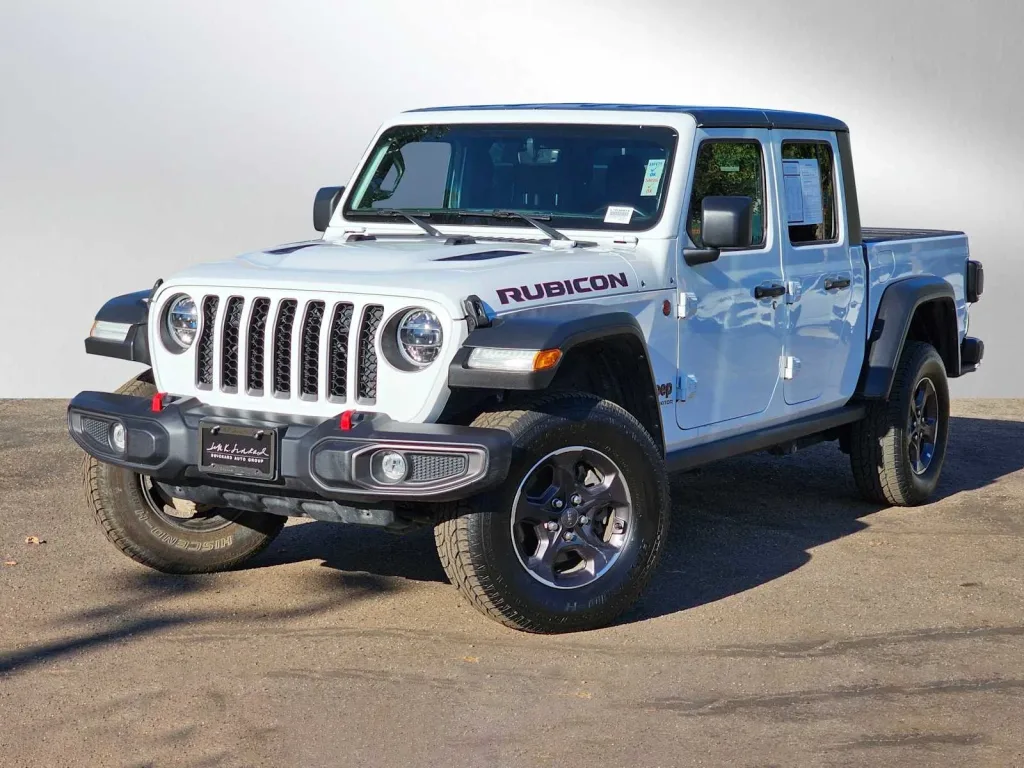
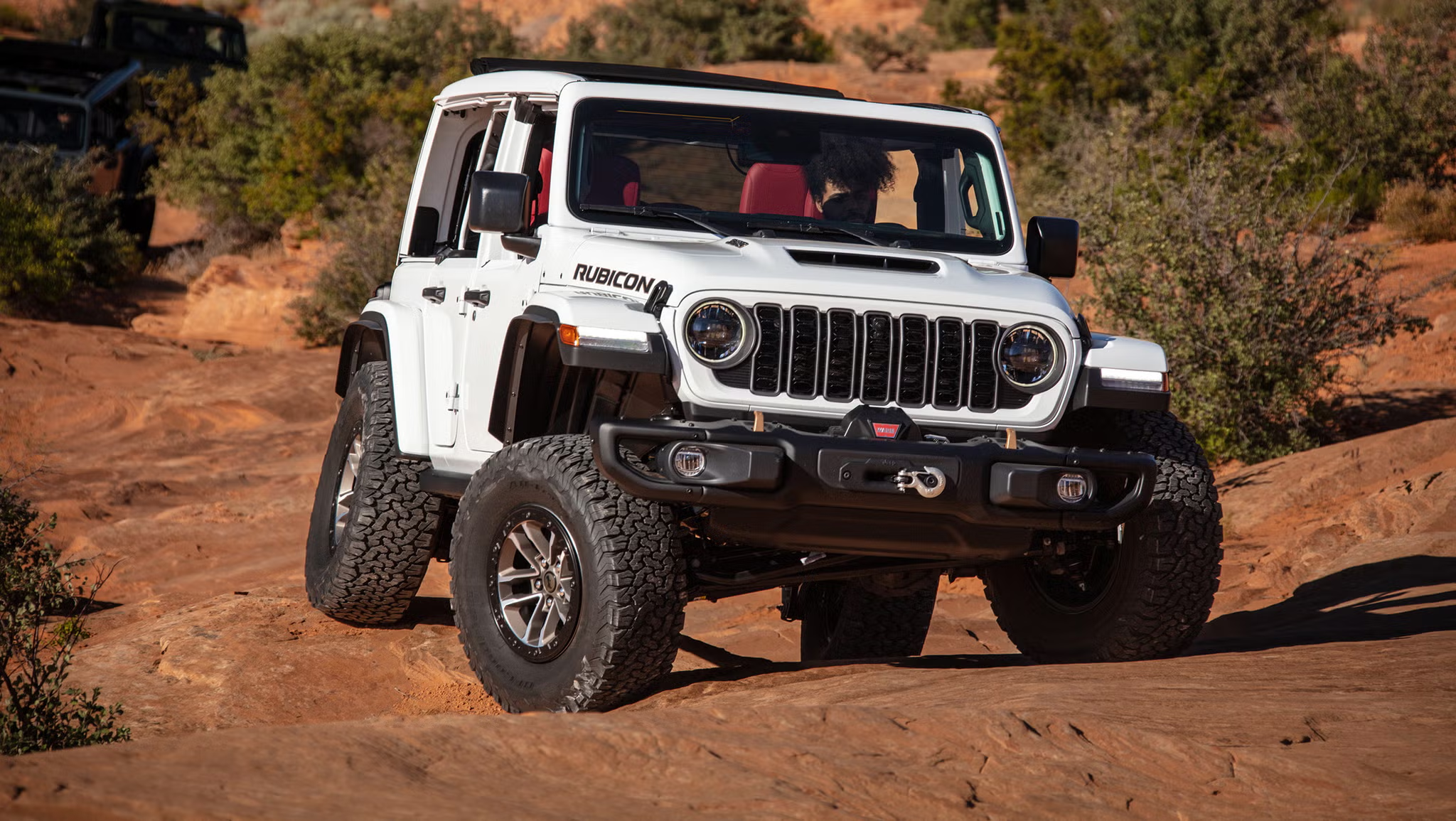
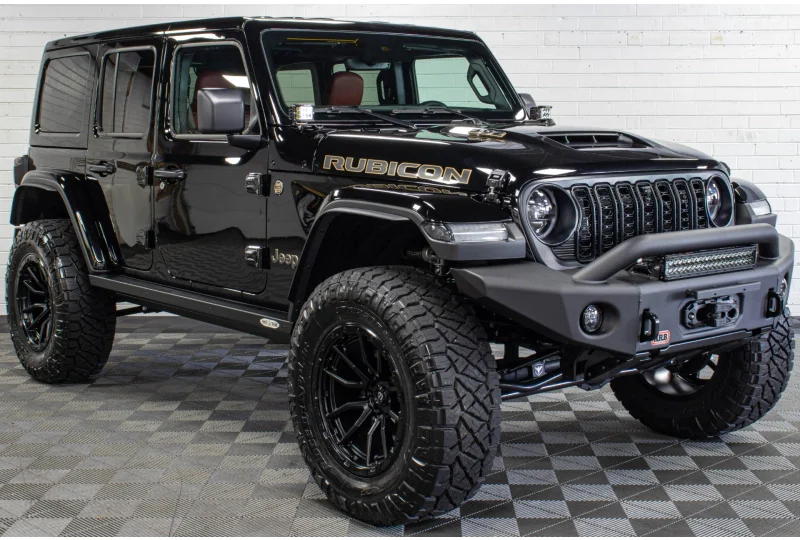
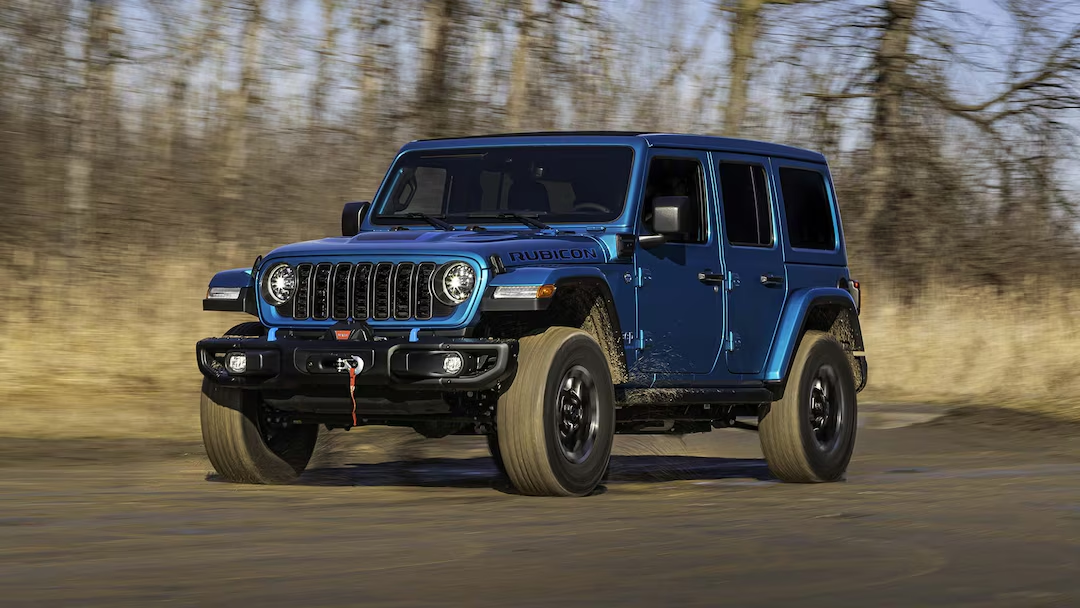
The Jeep Wrangler is universally celebrated as the quintessential off-road vehicle, cherished for its rugged capabilities and unmistakable, iconic design that exudes adventure and resilience. Among the myriad of features it offers, the hard top option is notably favored by many enthusiasts who prioritize durability, enhanced security, and reliable performance in all seasons. This comprehensive guide delves deeply into the realm of the Jeep Wrangler hardtop, offering potential owners and devoted fans extensive insights into why it remains a top choice. From its substantial benefits, and practical installation tips, to thorough maintenance advice, this guide covers all you need to know to make the most out of your Jeep Wrangler’s hard top, ensuring it serves you well across diverse terrains and through varying weather conditions year-round. Understanding the Appeal of the Jeep Wrangler HardTop The hard top configuration on a Jeep Wrangler isn't just about covering the top; it’s a statement of style and functionality that enhances the vehicle's overall usability. Here’s why a hard top might be the right choice for your Jeep: 1. Enhanced Security: The hard top’s solid construction offers superior protection against theft and break-ins compared to the soft top models. Its robust build deters potential thieves and provides a secure space for storing personal items when you’re away from the vehicle. 2. Improved Insulation and Comfort: Jeep Wranglers are known for their adventurous spirit, but the hard top brings an element of comfort that is unmatched by other configurations. It offers better insulation from weather elements, keeping the cabin warm in the winter and cool in the summer, and significantly reduces noise pollution while driving, especially at high speeds. 3. Low Maintenance and Durability: Unlike soft tops, which may wear out faster due to material degradation (fabric tears, window scratches), hard tops are built to last. They withstand harsh weather conditions, including heavy snow, hail, and extreme sun exposure, without requiring frequent replacements or repairs. Deciding on the Right Hard Top for Your Wrangler Selecting the appropriate hard top for your Jeep Wrangler involves several considerations to ensure you get the most out of your purchase: 1. Compatibility and Features: Check for a hard top that is specifically designed for your Wrangler’s model year to ensure a perfect fit. Modern hardtops come equipped with features like removable panels for easy conversion to an open-air setup, integrated roof racks for extra storage, and rear window defrosters. 2. Material Quality: The quality of materials used in the hard top can significantly affect its longevity and performance. Most hard tops are made from durable fiberglass or composite plastics, which are excellent for heat resistance and overall sturdiness. 3. Aesthetics and Integration: Choose a hard top that complements the aesthetics of your Jeep. Some hard tops offer a sleek, painted finish that can match or accent the body color of your Wrangler, adding to its visual appeal. Installation Process: Step-by-Step Installing a hard top on a Jeep Wrangler is straightforward, but it requires precision and care. Here’s how to ensure a successful installation: 1. Preparation: Gather the necessary tools and materials, such as a torque wrench and weatherstrip sealant. Make sure the hard top and your Jeep's surface are clean and free of debris. 2. Placement: With the help of another person, carefully place the hard top onto the Jeep’s body. Ensure it aligns perfectly with the front windshield frame and the rear sections of the body. 3. Securing: Bolt down the hard top using the factory-supplied hardware. Check all seals around the doors and windows to ensure they are tight and secure to prevent leaks. 4. Final Checks: Test all features such as the rear wiper, defroster, and if applicable, the power liftgate to ensure they are functioning correctly. Maintenance Tips for Longevity Maintaining a hard top is crucial for ensuring it lasts through the lifespan of your Jeep: 1. Regular Cleaning: Wash your hard top with the same car shampoo you use on the rest of your Jeep. Avoid abrasive cleaners and power washers that can damage the finish and seals. 2. Seal Inspection: Regularly inspect and replace the weather seals if they start to crack or leak. This will help maintain the cabin’s weatherproofing. 3. Wax and UV Protection: Apply a UV protective wax at least twice a year to keep the hard top from fading and to maintain its glossy finish. Is the Hard Top Right for You? Choosing whether a hard top is right for your Jeep Wrangler depends largely on your lifestyle, the climate you live in, and your personal preferences for security and comfort. If you value a quieter cabin, less maintenance, and increased security, the hard top is an excellent investment that can enhance your Jeep experience. By understanding the benefits and responsibilities associated with owning a Jeep Wrangler hard top, you can make an informed decision that maximizes your enjoyment of this legendary vehicle, ensuring it's equipped to tackle adventures in any season with style and ease. 1. What are the main advantages of choosing a Jeep Wrangler hard top over a soft top? The Jeep Wrangler hard top offers several benefits, including enhanced durability, better security, and superior insulation. Unlike soft tops, which can be vulnerable to weather and theft, the hard top is made of sturdy materials such as fiberglass or high-strength plastics, making it more resistant to damage. It also provides better climate control, keeping the cabin warmer in the winter and cooler in the summer, offering year-round comfort. 2. Can the Jeep Wrangler hard top be removed for open-air driving? Yes, the hard top on a Jeep Wrangler is removable, offering the flexibility to enjoy an open-air driving experience when desired. Depending on the model, some hard tops come with removable panels or a fully removable top, allowing you to enjoy the outdoors while maintaining the vehicle’s ruggedness and security when the top is on. 3. How does the Jeep Wrangler hard top affect fuel efficiency? The Jeep Wrangler hard top may slightly impact fuel efficiency when compared to a soft top due to its heavier weight and more rigid structure. However, the difference is usually minimal. The hard top offers more benefits in terms of security and comfort, which can outweigh the small decrease in fuel economy, especially for those who frequently drive in extreme weather conditions. 4. Is the installation of the Jeep Wrangler hard top difficult? Installing a Jeep Wrangler hard top can be done by a couple of people in a few hours, as it is designed to be relatively straightforward. The top is mounted onto the Jeep's body with several latches and bolts. While it is not particularly difficult, it is recommended to have an extra set of hands for safety and ease of installation. Many models also offer convenient features like quick-release latches for easy removal. 5. How should I maintain and care for my Jeep Wrangler hard top? Proper maintenance is essential to ensure the longevity and functionality of your Jeep Wrangler's hard top. Clean it regularly with mild soap and water to remove dirt and debris. Check for cracks, chips, or any structural damage, especially after off-roading or exposure to rough conditions. It’s also recommended to apply a UV protectant to prevent fading from prolonged sun exposure. Lastly, ensure the seals around the hard top are intact to prevent leaks and wind noise. These FAQs provide helpful insights into owning and maintaining a Jeep Wrangler hard top, making it easier to enjoy the benefits of this sturdy and versatile top.

Lease On A Jeep Wrangler

Lease On A Jeep Wrangler

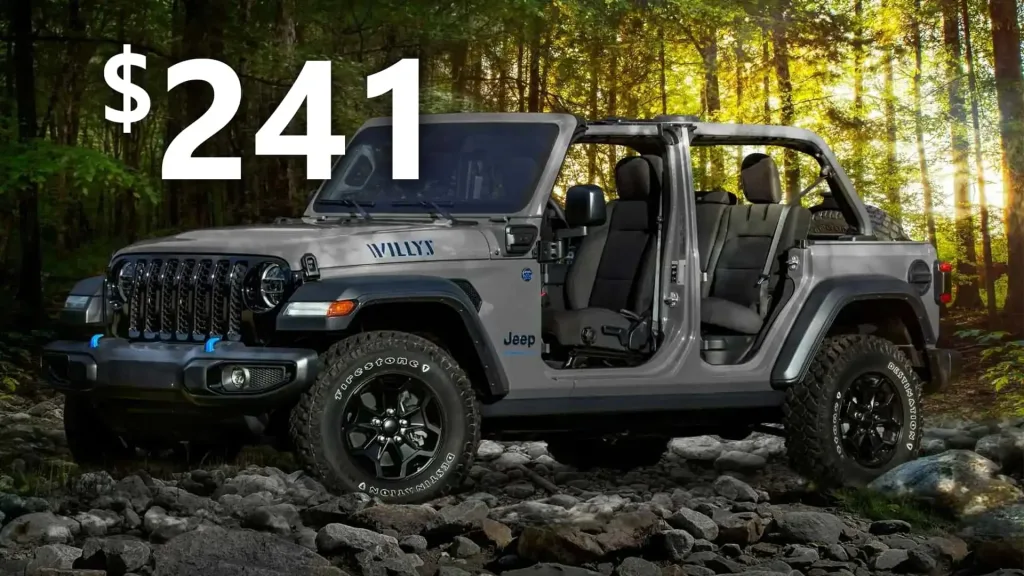
Lease on a Jeep Wrangler Leasing a Jeep Wrangler can make sense if you want lower monthly payments, newer features, and the ability to switch into another Jeep every few years. Instead of committing to long-term ownership, a lease lets you drive a Wrangler for a set term, usually with a mileage limit and a planned return date. The Jeep Wrangler is one of the most recognizable SUVs in America because it offers real 4x4 capability, removable roof options, open-air driving, and strong resale demand. That resale strength is one reason the Wrangler can be attractive to lease. Vehicles with strong projected value often lease well because the payment is based partly on how much value the vehicle is expected to retain. How Does a Jeep Wrangler Lease Work? A Jeep Wrangler lease is basically a long-term rental with a purchase option at the end. You choose a Wrangler, agree to a lease term, stay within the mileage limit, and make monthly payments until the lease ends. Your payment is based on several factors, including selling price, residual value, money factor or lease rate, taxes, fees, down payment, incentives, and mileage allowance. A lower selling price, higher residual value, or stronger lease incentive can help lower the payment. At the end of the lease, you usually have a few options. You can return the Wrangler, buy it for the lease-end purchase price, or lease or finance another vehicle. Why Lease a Jeep Wrangler? Leasing can be a good choice if you like driving newer vehicles and do not want to keep a Wrangler for ten years. It also helps if you want warranty coverage during most or all of the lease term. A Wrangler lease may appeal to shoppers who want lower payments compared with financing the same vehicle. It can also make higher trims more reachable because you are paying for the expected depreciation during the lease instead of the full purchase price. Jeep Wrangler buyers often compare leasing and financing because the Wrangler is not a cheap SUV. Kelley Blue Book shows Wrangler pricing can vary widely depending on body style, trim, and equipment, which is why comparing payment options matters before signing. Jeep Wrangler Lease Prices Jeep Wrangler lease prices change based on trim, location, credit approval, mileage allowance, down payment, taxes, fees, and current incentives. A basic Wrangler Sport lease will usually cost less than a Rubicon, Sahara, Willys, or 4xe model. The Wrangler 4xe plug-in hybrid can also lease differently because hybrid incentives, residual values, and special programs may change the payment. Some shoppers may find a 4xe lease attractive if there are strong offers available, while others may get a better deal on a gas Wrangler depending on inventory. Lease prices also move with interest rates and manufacturer programs. That is why the best number is always the current dealer quote, not an old advertised payment. Wrangler 2-Door vs. 4-Door Lease The 2-door Wrangler usually costs less than the 4-door Wrangler because it has a lower starting price. It is smaller, lighter, and more traditional, which appeals to buyers who want the classic Jeep experience. The 4-door Wrangler Unlimited is usually more popular because it adds rear-seat access, more cargo space, and better daily usability. Families and everyday drivers often prefer the 4-door because it is easier to live with. If you want the lowest lease payment, start with the 2-door Sport or Willys trims. If you want more practicality, the 4-door Wrangler Unlimited is usually the better choice. Wrangler Gas vs. Wrangler 4xe Lease The gas Wrangler is the simpler choice. It is familiar, rugged, and easier to understand for buyers who do not want to plug in their vehicle. The Wrangler 4xe is the plug-in hybrid version. It gives you electric driving capability for shorter trips and gas power for longer drives. Jeep says the Wrangler 4xe delivers 375 horsepower and 470 lb-ft of torque, which makes it powerful as well as efficient. You can review the official Wrangler 4xe details if you are comparing gas and plug-in hybrid models. A 4xe lease may make sense if you can charge at home or work and most of your driving is local. If you rarely charge, a gas Wrangler may be the easier choice. Mileage Limits Most Jeep Wrangler leases come with a mileage limit. Common lease allowances include 10,000, 12,000, or 15,000 miles per year, depending on the lease program. The lower the mileage allowance, the lower the payment may be. But if you drive more than the limit, you can face excess mileage charges when the lease ends. Before signing, be honest about how much you drive. A cheaper lease is not really cheaper if you go over the mileage limit every year. Down Payment and Drive-Off Costs A lease payment is only part of the cost. You may also have drive-off costs such as first payment, acquisition fee, registration, taxes, dealer fees, and any down payment. Putting more money down can reduce the monthly payment, but it also increases your upfront risk. If the vehicle is stolen or totaled early in the lease, you may not recover that down payment the way you expect. Many shoppers prefer to keep the upfront cost reasonable and focus on the total lease cost, not just the monthly payment. Lease-End Costs At the end of a Jeep Wrangler lease, the vehicle will be inspected. Normal wear is expected, but excess wear can lead to charges. Common lease-end issues include damaged wheels, worn tires, cracked glass, dents, missing equipment, interior stains, broken trim, and unrepaired body damage. Off-road use can also create problems if it leaves visible damage underneath the vehicle. Because the Wrangler is built for adventure, it is important to be realistic. Leasing a Wrangler does not mean you can return it with trail damage and expect no charges. Can You Modify a Leased Wrangler? Wrangler owners love modifications, but leasing changes the situation. Lift kits, oversized tires, aftermarket bumpers, lighting, winches, exhaust changes, and other upgrades may create lease-end problems. Small, reversible accessories may be fine, but major modifications should be avoided unless you plan to buy the Wrangler at lease end. If you modify a leased Wrangler, keep the factory parts and understand that you may need to return it to stock. If your goal is serious customization, financing or buying may be better than leasing. Is Leasing Better Than Financing? Leasing is better if you want a newer Wrangler every few years, prefer lower monthly payments, and do not want to worry about long-term resale value. It also works well if you drive predictable mileage and keep your vehicles in good condition. Financing is better if you want to own the Wrangler, drive a lot of miles, modify it, or keep it for many years. Wrangler resale value is usually strong, so ownership can make sense for buyers who plan to hold the vehicle long term. The best choice depends on how you drive, how long you keep vehicles, and whether you want flexibility or ownership. Who Should Lease a Jeep Wrangler? A Wrangler lease is a good fit for drivers who want the Jeep lifestyle without a long ownership commitment. It works well if you like new technology, warranty coverage, predictable payments, and the option to upgrade every few years. It may not be the best choice if you drive high mileage, go off-road often, plan to modify the vehicle, or want to build long-term equity. In those cases, financing may be a better fit. Find a Jeep Wrangler Lease A Jeep Wrangler lease can be a smart way to enjoy one of the most iconic 4x4 SUVs without committing to long-term ownership. The right lease depends on trim, body style, mileage allowance, incentives, payment structure, and how you plan to use the vehicle. Before signing, compare gas and 4xe models, check the mileage limit, understand drive-off costs, and ask about lease-end charges. A Wrangler is built for adventure, but your lease should still match your budget and driving habits. Visit Simi Valley Chrysler Dodge Jeep Ram to browse new inventory, compare current new specials, check your trade-in value, or apply for financing before choosing your next Jeep Wrangler.
Jeep Wrangler Soft Top

Jeep Wrangler Soft Top

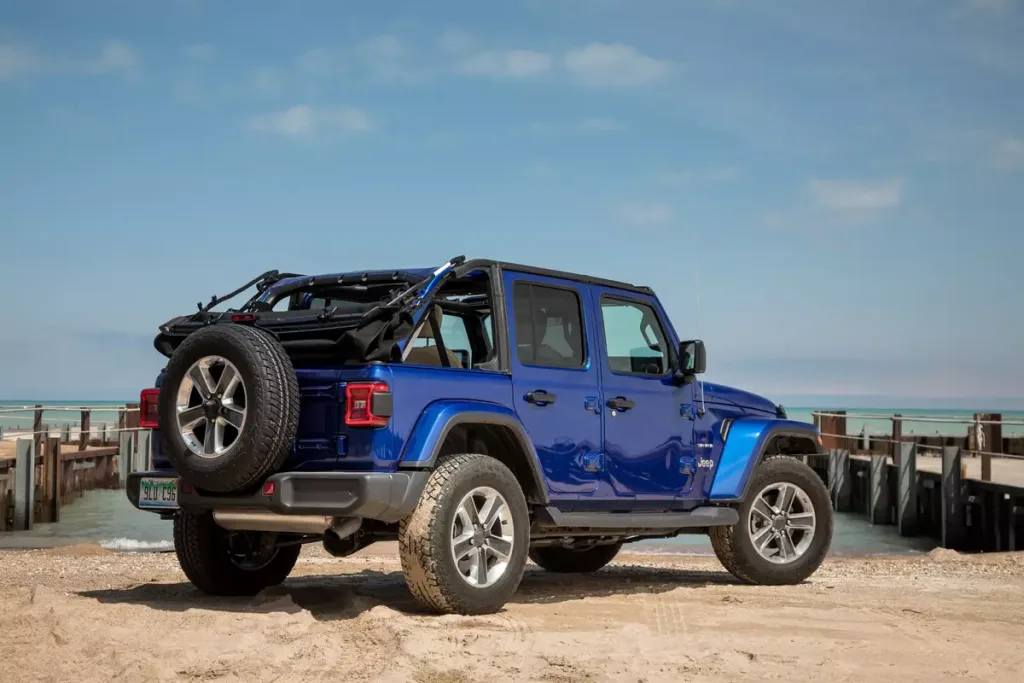
Introduction The Jeep Wrangler stands out not just for its exceptional off-road prowess but also for its array of customizable top options, with the soft top variant being a favorite among enthusiasts. This preference stems from its remarkable flexibility and ease of operation, perfectly suited for those who desire a seamless transition between full exposure to the environment and a sheltered driving experience. The soft top option caters to adventure seekers who revel in the feel of the wind and sun during a beachside drive, while also providing robust protection when navigating through tougher, more unpredictable terrains. It encapsulates the spirit of adventure that the Wrangler is celebrated for, offering an immersive outdoor experience without compromising on safety or comfort from environmental elements. Benefits of the Jeep Wrangler Soft Top 1. Enhanced Open-Air Experience: The primary appeal of a soft top is the ability to quickly and easily peel back the roof, removing the windows and doors if desired, to enjoy the outdoors fully. This feature is perfect for those warm summer days when you want nothing between you and the vast, open sky. 2. Lightweight and Flexible: Compared to hardtops, soft tops are lighter and more flexible, which can slightly improve fuel efficiency and handling due to the reduced weight on the vehicle. 3. Easy to Store and Change: Soft tops fold down or can be completely removed without requiring much storage space. This flexibility allows Jeep owners to switch between top options seasonally or as needed without significant hassle. Choosing the Right Soft Top for Your Jeep Wrangler When selecting a soft top, consider the following to ensure you find the best fit for your lifestyle and your Wrangler: 1. Material Quality: Look for tops made from durable, weather-resistant materials such as heavy-duty vinyl or sailcloth. These materials offer superior protection from the sun, wind, and rain, ensuring the longevity of your soft top. 2. Window Options: Soft tops come with various window options, including clear vinyl, tinted, and even removable windows. Tinted windows can provide additional UV protection and privacy, while removable options offer more versatility for open-air driving. 3. Ease of Use: Some soft tops feature simpler mechanisms for opening and closing, which can be a crucial factor for those who anticipate frequently changing their top configuration. Consider models with quick-release latches or those that require minimal tools for assembly and disassembly. Installation Tips Installing a soft top can be straightforward, but it's essential to follow specific steps to ensure it fits securely: Start with a clean frame: Ensure that your Jeep’s frame is clean and free of debris before installation. This cleanliness will help prevent damage to the soft top and ensure it fits snugly. Follow the instructions: Use the installation guide provided with your soft top. These instructions are designed specifically for your model and make, ensuring a correct and secure fit. Secure all fasteners: Double-check that all hooks, Velcro strips, and fasteners are secure to avoid flapping or damage while driving. Maintenance and Care Maintaining your soft top is crucial for extending its life and keeping it looking great: Clean Regularly: Wash your soft top with a mild soap and water solution, using a soft cloth or sponge to avoid scratching the material. Avoid harsh chemicals that can degrade the fabric. Inspect for Wear and Tear: Regularly check for any signs of wear, such as tears or thread loosening, which could lead to bigger issues down the road. Store Properly: When not in use, store your soft top in a cool, dry place out of direct sunlight to prevent fading and material degradation. Conclusion Investing in a Jeep Wrangler soft top is ideal for those who cherish flexibility and aspire to the signature Jeep open-air driving experience. Selecting the appropriate soft top model, ensuring its proper installation, and maintaining it meticulously are crucial steps that guarantee the longevity and performance of this versatile top. The benefits of a well-maintained soft top extend far beyond simple aesthetics or convenience; they enhance your driving pleasure by providing a direct connection to the outdoors, making every journey, whether it's a sprawling cross-country adventure or a quick jaunt around town, a more vibrant and engaging experience. This unique feature of the Wrangler enables drivers to not just pass through their surroundings but truly experience them, fostering a deeper appreciation for the journey and the limitless potential for adventure that lies ahead.

Jeep Dealer Thousand Oaks

Jeep Dealer Thousand Oaks

If you’re in the market for a Jeep near Thousand Oaks, California, look no further than Simi Valley Chrysler Dodge Jeep Ram (Simi Valley CDJR). Conveniently located just 6 miles from Thousand Oaks, this dealership is a hub for Jeep enthusiasts seeking top-notch service and quality vehicles. Offering an extensive inventory of new and pre-owned Jeep models, Simi Valley CDJR has options for everyone—from off-road adventurers looking for a rugged Wrangler to families seeking the comfort and capability of the Grand Cherokee. In addition to their impressive selection, Simi Valley CDJR excels in customization and maintenance services. Their skilled technicians provide reliable upkeep with genuine Mopar parts, ensuring your Jeep remains trail-ready and performing at its best. For those looking to make their Jeep truly unique, the dealership offers customization options like lift kits, off-road tires, and performance upgrades. Whether you’re purchasing, upgrading, or maintaining your Jeep, Simi Valley CDJR delivers an unmatched experience tailored to Jeep enthusiasts. Simi Valley CDJR: The Ultimate Jeep Destination Wide Inventory of Jeep Models At Simi Valley CDJR, you’ll find an extensive selection of Jeep models to fit every lifestyle. Whether you’re seeking an off-road-ready Wrangler Rubicon, a versatile Gladiator, or a luxurious and family-friendly Grand Cherokee, this dealership ensures a range of choices tailored to your needs. Their inventory includes both new and pre-owned vehicles, making it easy to find a Jeep that suits your preferences and budget. Certified Jeep Service and Maintenance Simi Valley CDJR is equipped with a state-of-the-art service center staffed by certified technicians who specialize in Jeep maintenance. Whether it’s a routine oil change, brake inspection, or more complex repairs, their expert team ensures your Jeep remains in peak condition. Using genuine Mopar parts, they guarantee quality and reliability for every service. Jeep Customization and Accessories Make your Jeep uniquely yours with Simi Valley CDJR’s customization options. From lift kits and off-road tires to LED lighting and roof racks, the dealership offers a wide array of upgrades to prepare your Jeep for any adventure. Their knowledgeable staff works with you to bring your vision to life, ensuring both functionality and style. Flexible Financing Options Simi Valley CDJR makes owning a Jeep accessible with competitive financing options and tailored payment plans. Their finance team works closely with you to find the best rates and terms, whether you’re buying or leasing. Why Choose Simi Valley CDJR? Simi Valley Chrysler Dodge Jeep Ram isn’t just a dealership; it’s a trusted partner for Jeep enthusiasts in Thousand Oaks and beyond. Their dedication to customer satisfaction, combined with their comprehensive offerings, ensures a seamless and enjoyable Jeep ownership experience. Conveniently located just a short drive from Thousand Oaks. Expert staff who are passionate about Jeeps and the Jeep lifestyle. A reputation for excellence in both sales and service. Start Your Jeep Journey with Simi Valley CDJR Whether you’re looking to buy a new Jeep, upgrade your current vehicle, or explore customization options, Simi Valley Chrysler Dodge Jeep Ram is the go-to destination for Jeep enthusiasts near Thousand Oaks. Visit today to explore their inventory, book a service appointment, or create the Jeep of your dreams. Adventure starts here!

Jeep Thousand Oaks CA

Jeep Thousand Oaks CA

For Jeep enthusiasts in Thousand Oaks, CA, and the surrounding area, Simi Valley Chrysler Dodge Jeep Ram (Simi Valley CDJR) is more than just a dealership—it’s a hub for adventure seekers and everyday drivers alike. Renowned for its dedication to quality and reliability, Simi Valley CDJR offers an unmatched Jeep experience that caters to the unique needs of every customer. Whether you’re planning to conquer rugged off-road trails or enhance your daily driving with the latest Jeep models, this dealership has you covered. Conveniently located just six miles from Thousand Oaks, Simi Valley CDJR boasts an extensive inventory of new and pre-owned Jeeps, expert maintenance services, and a wide range of customization options to help you create the perfect ride. Their team of highly trained professionals ensures that each customer receives personalized service, making the process of buying, servicing, or upgrading a Jeep seamless and enjoyable. For those passionate about the Jeep lifestyle, Simi Valley CDJR is more than a dealership—it’s a gateway to exploration and freedom, solidifying its reputation as the ultimate destination for Jeep enthusiasts in the region. Why Choose Simi Valley CDJR? 1. A Wide Selection of Jeep Models Simi Valley CDJR offers a comprehensive inventory of new and pre-owned Jeeps, including popular models like the Wrangler, Grand Cherokee, and Gladiator. Whether you’re looking for an off-road beast or a family-friendly SUV, their team can help you find the perfect fit. 2. Expert Service and Maintenance Keep your Jeep running smoothly with Simi Valley CDJR’s certified service center. From routine maintenance to major repairs, their factory-trained technicians use genuine Jeep parts to ensure your vehicle performs at its best. 3. Jeep Customization and Accessories Simi Valley CDJR specializes in Jeep customization, offering lift kits, off-road tires, and a range of Mopar accessories to make your Jeep truly your own. Whether you’re upgrading for style or functionality, their experts can bring your vision to life. 4. Financing Options With flexible financing options and dedicated advisors, Simi Valley CDJR makes it easy to purchase your dream Jeep. Their team works with you to find competitive rates and tailor payment plans to suit your budget. Off-Road Adventures Near Thousand Oaks Owning a Jeep is all about adventure, and the areas around Thousand Oaks are packed with thrilling off-road trails. Pair your new or customized Jeep from Simi Valley CDJR with these nearby spots: Alamo Mountain Loop: A 24.1-mile loop offering easy terrain and stunning views, perfect for beginners. San Francisquito Motorway: A 5.9-mile trail near Santa Clarita with scenic routes suitable for all seasons. Hungry Valley SVRA: Known for its variety of trails catering to off-roaders of all skill levels. Jeep Events and Community Simi Valley CDJR also connects Jeep owners to larger communities and events. Jeep Jamboree USA, for instance, hosts adventure weekends for enthusiasts nationwide. Check with Simi Valley CDJR for updates on local Jeep meetups and upcoming events tailored to Jeep lovers in Southern California. Visit Simi Valley CDJR Today For Jeep enthusiasts in Thousand Oaks, Simi Valley Chrysler Dodge Jeep Ram is the ultimate destination. Whether you’re buying a new Jeep, customizing your current ride, or looking for expert service, their team delivers exceptional quality and customer care. Visit Simi Valley CDJR today to explore their inventory, book a service appointment, or start customizing your Jeep!

Jeep Recon Exclusive Images

Jeep Recon 2025: Exclusive Images (First Look)

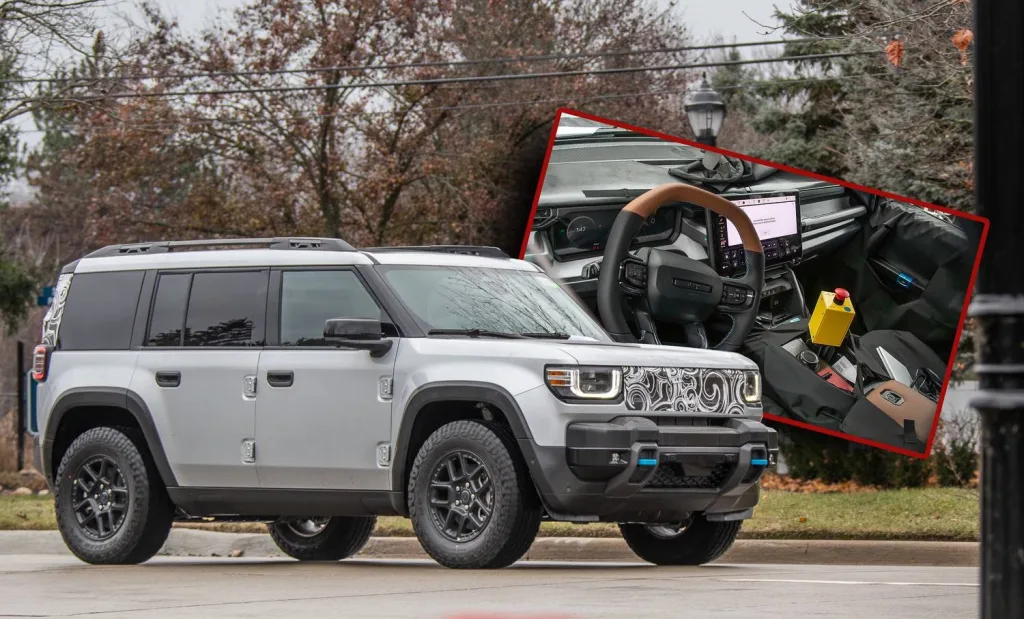
Jeep Recon: A Deep Dive Into Jeep's Next Revolutionary EV The Jeep Recon, Jeep’s highly anticipated electric vehicle (EV), has generated a buzz since its teaser images and concept unveilings. Designed to encapsulate the rugged spirit of Jeep with a modern, eco-friendly twist, the Recon is set to be a game-changer in the EV market. Recently, we got an exclusive first look at the Recon’s interior and exterior details, revealing exciting features that make this Wrangler-inspired EV a highly awaited addition to Jeep’s 4xe lineup. From its trail-ready design to its tech-forward cabin, here’s everything you need to know about the Jeep Recon. Exterior Design: True to Jeep’s DNA Rugged, Minimalist Aesthetic The Recon’s exterior design closely aligns with the teaser images and concepts showcased at dealer meetings. Spy shots reveal a prototype that runs nearly disguise-free, with only the grille and D-pillars covered in a minimal wrap. The overall look pays homage to Jeep’s iconic off-road vehicles, emphasizing ruggedness and utility. Key Exterior Highlights: Removable Doors and Exposed Hinges: True to Wrangler DNA, the Recon features fully removable doors with exposed hinges. This design not only reinforces its off-road pedigree but also allows drivers to embrace an open-air experience. Signature Jeep Grille: Although partially camouflaged, the seven-slot grille—an iconic Jeep design element—is clearly visible. The grille integrates seamlessly with the EV-specific styling. Trail-Ready Design: Proportions and styling elements, such as a robust D-pillar and aggressive stance, suggest the Recon is built for tackling rugged terrains. Enhanced Lighting: Spy shots hint at sleek, modern LED lighting for both the front and rear, adding a touch of sophistication to the vehicle’s utilitarian design. Interior Design: A Blend of Rugged and Refined For the first time, we’ve seen the Recon’s interior largely uncovered, and it’s clear that Jeep has gone above and beyond to create a cabin that combines rugged functionality with modern technology. Dashboard and Infotainment New Steering Wheel Design: The Recon’s steering wheel features a distinctive flat-top and flat-bottom design, giving it a sporty yet utilitarian feel. Large Central Infotainment Screen: Dominating the dashboard is a generously sized infotainment screen. The interface features a vertical strip of icons for accessing Media, Comfort, Navigation, Phone, and Vehicle settings, ensuring an intuitive user experience. Physical and Digital Integration: Below the screen, Jeep integrates physical buttons for HVAC controls, heated and cooled seats, and a heated steering wheel. These physical buttons are seamlessly embedded into the display surface for ease of use during off-road driving. Blue Stitching and Accents: Aesthetic touches like blue stitching, metallic blue accents, and “4xe” badging bring a touch of sophistication to the rugged interior. These details also reinforce the vehicle’s eco-conscious 4xe branding. Passenger Comfort and Utility Passenger Grab Bar: A prominent grab bar for the front-seat passenger echoes Wrangler-like off-road readiness, emphasizing the Recon’s trail-focused identity. Easter Egg Design Details: Jeep has added fun Easter Eggs, including a design element resembling the iconic seven-slot grille near the traction management interface. Driving Modes and Off-Road Capability The Jeep Recon stays true to the brand’s legendary off-road capability, incorporating cutting-edge technology to tackle diverse terrains. Traction Management Interface: The Recon features a traction management system located on the center console, behind the transmission selector. Teaser images and spy shots confirm settings for different terrains, including "Rock" and "Mud." These modes ensure optimal performance regardless of conditions. Off-Road-Ready DNA: The exposed hinges, trail-ready traction settings, and robust design confirm that the Recon will be as capable off-road as any Jeep, making it a true adventurer's EV. Digital Instrumentation and Range Fully Digital Display Customizable Instrument Cluster: The fully digital display offers a sleek and modern look, with key metrics prominently displayed. Range Indicator: Spy shots show a range display on the left and a speedometer on the right. The prototype’s range reads 147 miles with a battery level of 66%, indicating an estimated total range of approximately 200 miles. However, this figure is expected to improve in the production model. Projected Range While the prototype suggests a range of about 200 miles, Jeep is likely targeting a range closer to 300 miles to compete with rivals like the Jeep Wagoneer S EV. The Recon’s range will be influenced by its boxy, off-road-focused design, which is less aerodynamic than the sleek Wagoneer S. Eco-Friendly Performance Meets Rugged Capability The Jeep Recon combines electric power with legendary Jeep capability. While detailed powertrain specs are yet to be revealed, it’s safe to expect the Recon to incorporate Jeep’s 4xe hybrid-electric system, optimized for zero-emission off-roading. Key Performance Expectations: Eco-Conscious Trail Performance: With electric driving modes and enhanced traction control, the Recon is poised to be a trailblazer for eco-friendly adventurers. Silent Off-Roading: The electric drivetrain ensures near-silent operation, allowing drivers to enjoy nature without noise pollution. Advanced Battery Management: Spy shots suggest robust battery monitoring and controls to maximize range and efficiency, especially in challenging terrains. Jeep Recon vs. Jeep Wagoneer S EV: A Quick Comparison The Jeep Recon and Wagoneer S EV both represent Jeep’s bold move into electrification but cater to different audiences. Feature Jeep Recon Jeep Wagoneer S EV Design Rugged, boxy, off-road-focused Sleek, aerodynamic, city-friendly Range Estimated ~200-300 miles Over 300 miles Capability Extreme off-road capability Luxury and long-distance comfort Target Audience Adventure seekers, off-roaders Families, long-distance travelers Conclusion: A Wrangler-Inspired EV for the Modern Era The Jeep Recon is set to redefine off-road electric vehicles, combining Jeep’s legendary capability with the sustainability of electrification. From its rugged exterior design to its tech-savvy and comfortable interior, the Recon is shaping up to be an exciting addition to Jeep’s lineup. Whether you’re an adventurer looking for a trail-ready EV or simply a Jeep enthusiast eager to experience the brand’s foray into electric vehicles, the Recon promises to deliver an unparalleled driving experience. Stay tuned for more updates as Jeep continues to refine this groundbreaking model. For more information on Jeep’s 4xe lineup and upcoming models, visit Jeep’s Official Website.

Jeep Years You Should Buy Jeep Years You Sho

Jeep Years You Should Buy

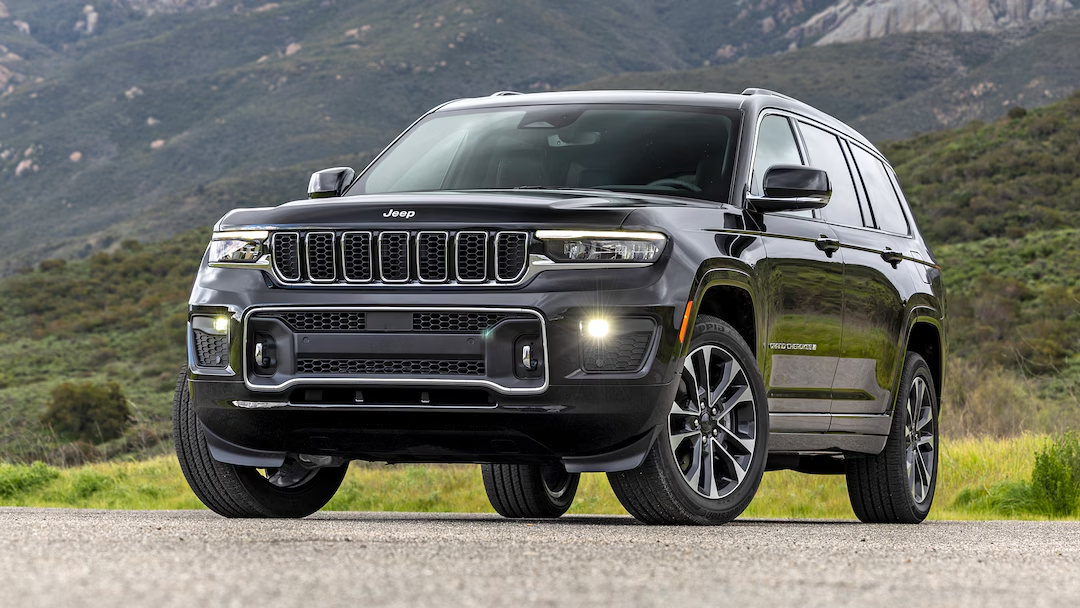
Jeep Years You Should Buy: Why the Latest Models Are a Cut Above If you’re in the market for a new SUV that combines rugged off-road capability, premium luxury, and cutting-edge technology, look no further than the Jeep Grand Cherokee. Over the years, Jeep has consistently raised the bar, making the Grand Cherokee a leader in its class. The newest models, particularly those from 2023, 2024, and 2025, offer an array of features that make them stand out as the ultimate choice for adventurers and daily drivers alike. This article will focus on the latest Jeep Grand Cherokee models, breaking down everything you need to know about these exceptional SUVs. From their performance and technology to safety features and design, let’s explore why these years are the must-buy options for anyone looking for a new Jeep. Introduction The Jeep Grand Cherokee has long been a top contender in the SUV segment, known for its ability to balance off-road ruggedness with on-road sophistication. With each new iteration, Jeep continues to enhance this iconic vehicle, incorporating advanced technologies, refined designs, and improved performance. If you’re considering a new SUV purchase, the 2023, 2024, and 2025 Jeep Grand Cherokee models should be at the top of your list. Whether you’re a city driver looking for comfort and convenience or an outdoor enthusiast seeking unparalleled capability, these new Grand Cherokee models deliver on every front. Why Buy New: The Advantages of Modern Jeep Grand Cherokees 1. Latest Technology New Jeep models come with state-of-the-art technology, including advanced infotainment systems, wireless connectivity, and over-the-air updates that keep your vehicle current. 2. Enhanced Safety Features With features like adaptive cruise control, lane-keeping assist, and automatic emergency braking, the latest models offer unparalleled safety for drivers and passengers alike. 3. Improved Fuel Efficiency The introduction of hybrid powertrains, like the 4xe Plug-In Hybrid, makes the latest Jeep Grand Cherokee models not only more powerful but also more eco-friendly. 4. Better Resale Value Newer models retain their value longer, ensuring you get the most out of your investment when it’s time to upgrade. 5. Comprehensive Warranty A new Jeep comes with factory warranties, giving you peace of mind and protecting your investment for years to come. Breaking Down the Latest Models 2023 Jeep Grand Cherokee The 2023 Jeep Grand Cherokee is a testament to Jeep's commitment to innovation and excellence. This model year features an array of trims and configurations that cater to different lifestyles. Key Highlights: Engine Options: 3.6L Pentastar® V6 engine 5.7L HEMI® V8 engine 2.0L Turbocharged 4xe Plug-In Hybrid Towing Capacity: Up to 7,200 pounds when properly equipped. Infotainment: The Uconnect® 5 system with a 10.1-inch touchscreen, wireless Apple CarPlay® and Android Auto™ integration. Off-Road Ready: Quadra-Lift® Air Suspension and Selec-Terrain® Traction Management System. 2024 Jeep Grand Cherokee The 2024 Jeep Grand Cherokee takes things a step further with even more advanced features and a redesigned interior for maximum comfort and convenience. Key Highlights: Hybrid Leadership: Expanded availability of the 4xe Plug-In Hybrid, offering exceptional fuel efficiency and over 20 miles of electric-only driving range. Interior Upgrades: Premium materials like Palermo leather, wood accents, and ambient lighting create a luxurious cabin environment. Safety: Jeep Driver Assist Group now standard across more trims, including features like Active Driving Assist and Intersection Collision Assist. Cargo Space: Increased rear cargo capacity, making it perfect for family road trips or outdoor adventures. 2025 Jeep Grand Cherokee The 2025 Jeep Grand Cherokee introduces even more innovations, solidifying its place as a top-tier SUV for modern drivers. This model focuses on eco-friendly performance, enhanced comfort, and advanced technology. Key Highlights: Engine Performance: Standard 3.6L V6 engine with 293 horsepower. 5.7L HEMI® V8 engine for unparalleled towing power. The 4xe Plug-In Hybrid combines electric efficiency with the power of a turbocharged engine, producing 375 horsepower. Towing Capacity: Up to 6,200 pounds with the V6 engine and 7,200 pounds with the V8. Fuel Efficiency: The hybrid model offers significant fuel savings with an electric-only range of 25 miles. Interior Enhancements: Palermo leather, an updated Uconnect® 5 system, and a premium McIntosh® audio system elevate the driving experience. Advanced Safety Features: Includes all-new features like Intersection Collision Assist and Traffic Sign Recognition. For more on the 2025 model, visit the 2025 Jeep Grand Cherokee Overview. Performance: More Power, Better Efficiency The 2023, 2024, and 2025 Jeep Grand Cherokee models provide a variety of powerful engine options that cater to different needs: 3.6L Pentastar® V6 Engine: A reliable workhorse with 290 horsepower and 257 lb-ft of torque. 5.7L HEMI® V8 Engine: Delivers 357 horsepower and 390 lb-ft of torque, ideal for towing and off-road adventures. 4xe Plug-In Hybrid: Combines a 2.0L turbocharged engine with an electric motor, producing 375 horsepower and 470 lb-ft of torque while offering exceptional fuel economy. Additionally, Jeep’s off-road capabilities remain unmatched, with features like Quadra-Trac® II and Quadra-Drive® II providing superior traction in all conditions. Technology: Smarter, More Connected Than Ever The Uconnect® 5 infotainment system is at the heart of the latest Grand Cherokee models, offering features like: Customizable User Profiles: Tailor settings for multiple drivers. Enhanced Navigation: Real-time traffic updates and 3D landmarks. Wireless Charging: Keep your devices powered without messy cables. Premium Audio Systems: Optional McIntosh® sound system with 19 speakers for an immersive audio experience. Why Choose the Latest Models Over Older Ones Advanced Technology: Older models lack the modern features available in the latest Grand Cherokee. Improved Fuel Efficiency: Hybrid options in the latest models outperform older, less efficient powertrains. Enhanced Safety: Modern Grand Cherokees come standard with advanced driver-assist features that weren’t available in earlier models. Warranty Protection: New vehicles come with comprehensive warranties, giving you added peace of mind. Conclusion: Why the New Jeep Grand Cherokee Stands Out The 2023, 2024, and 2025 Jeep Grand Cherokee models exemplify Jeep's dedication to innovation, luxury, and performance. Whether you’re looking for hybrid efficiency, cutting-edge safety, or unparalleled off-road capabilities, these years offer the best that Jeep has to offer. Ready to experience the future of driving? Visit Simi Valley Chrysler Dodge Jeep Ram to explore the newest Jeep Grand Cherokee models, schedule a test drive, and discover exclusive offers designed to fit your needs.

Common Jeep Grand Cherokee Problems!

Common Jeep Grand Cherokee Problems!

When it comes to rugged capability, sophisticated design, and reliable performance, the Jeep Grand Cherokee stands tall in the competitive SUV market. Despite occasional rumors and isolated reports suggesting potential issues, the reality paints a vastly different picture. In this comprehensive blog, we delve deep into the truth behind these claims, showcasing why the Jeep Grand Cherokee remains a top choice for drivers worldwide. And rest assured, no problems are holding this iconic vehicle back from excellence! Introduction The Jeep Grand Cherokee has long been celebrated for its blend of luxury, performance, and off-road prowess. Whether you're navigating city streets or exploring rugged terrains, the Grand Cherokee offers a versatile driving experience that caters to a wide array of needs. However, like any popular vehicle, it has faced its share of scrutiny. This blog aims to dispel misconceptions and highlight the true strengths of the Grand Cherokee, ensuring that potential buyers and enthusiasts have a clear and accurate understanding of what this remarkable SUV offers. Debunking Common Myths Myth 1: The Grand Cherokee Suffers from Major Electrical Issues While some reports have surfaced about electrical anomalies in specific model years, these instances are exceptionally rare and often confined to older models. Modern iterations of the Grand Cherokee have seen significant improvements in electrical systems, incorporating advanced technology to enhance reliability and performance. For more details, you can visit Jeep’s Official Support Page. Myth 2: Poor Fuel Efficiency Contrary to popular belief, the Jeep Grand Cherokee offers a range of engine options tailored to balance power and efficiency. The introduction of more fuel-efficient engines and hybrid variants has addressed previous concerns, making the Grand Cherokee a competitive choice in its class. Explore the latest engine options on the Jeep Grand Cherokee Official Page. Myth 3: Lack of Safety Features Safety is a paramount concern for Jeep, and the Grand Cherokee is equipped with cutting-edge safety features. Advanced driver-assistance systems (ADAS), robust structural design, and high safety ratings from IIHS and NHTSA attest to its commitment to occupant protection. Proven Reliability and Performance The Jeep Grand Cherokee has built a reputation for reliability and exceptional performance. Its robust construction and engineering excellence ensure that it can handle diverse driving conditions with ease. Engine Performance: From the fuel-efficient V6 to the powerful V8 and hybrid options, the Grand Cherokee delivers impressive horsepower and torque, ensuring a dynamic driving experience. Off-Road Capability: True to Jeep’s heritage, the Grand Cherokee is equipped with features like Quadra-Trac® II and Selec-Terrain® Traction Management System that provide superior traction and stability on various terrains. Durability: Built with high-quality materials and rigorous testing, the Grand Cherokee is designed to withstand the demands of both urban and off-road environments. For an in-depth look at the Grand Cherokee’s performance metrics, visit the Jeep Performance Page. Customer Satisfaction and Testimonials Customer satisfaction is a testament to the Jeep Grand Cherokee’s excellence. Numerous owners have shared their positive experiences, highlighting the vehicle’s comfort, reliability, and overall performance. Comfort and Luxury: High-quality interiors, ergonomic designs, and state-of-the-art infotainment systems ensure a comfortable and enjoyable ride for all passengers. Dependability: Many owners report years of trouble-free ownership, praising the Grand Cherokee for its minimal maintenance needs and long-term durability. Versatility: Whether for daily commutes, family road trips, or adventurous getaways, the Grand Cherokee adapts seamlessly to various lifestyles and needs. To read more customer reviews, visit Jeep’s Customer Reviews Page. Industry Recognition and Awards The Jeep Grand Cherokee has garnered numerous awards and accolades, underscoring its position as a leader in the SUV market. MotorTrend SUV of the Year: Recognized for its outstanding design and performance, the Grand Cherokee has been a consistent contender in prestigious automotive awards. IIHS Top Safety Pick: The Grand Cherokee has received high safety ratings from the Insurance Institute for Highway Safety (IIHS), reflecting its superior safety features and crashworthiness. J.D. Power Awards: Consistently rated highly in reliability and customer satisfaction surveys, the Grand Cherokee stands out in the competitive SUV landscape. Explore the full list of awards on the Jeep Awards Page. Technological Advancements and Continuous Improvement Jeep is committed to integrating the latest technology into the Grand Cherokee, ensuring it remains at the forefront of automotive innovation. Infotainment Systems: Featuring Uconnect®, the Grand Cherokee offers seamless smartphone integration, advanced navigation, and a user-friendly interface. Driver Assistance Features: Technologies like adaptive cruise control, blind-spot monitoring, and lane-keeping assist enhance safety and driving convenience. Sustainability Initiatives: The introduction of hybrid models reflects Jeep’s dedication to reducing environmental impact without compromising performance. For more information on the latest technological features, visit the Jeep Technology Page. Comprehensive Warranty and Support Jeep stands behind the Grand Cherokee with robust warranty coverage and exceptional customer support, providing peace of mind to owners. Warranty Coverage: The Grand Cherokee comes with a comprehensive warranty that includes a limited basic warranty, powertrain warranty, and corrosion protection. Roadside Assistance: 24/7 roadside assistance ensures that help is always available, no matter where your adventures take you. Dealer Network: With a vast network of authorized dealers and service centers, maintaining your Grand Cherokee is convenient and hassle-free. Learn more about Jeep’s warranty and support options on the Jeep Warranty Page. Why Choose the Jeep Grand Cherokee Choosing the right SUV involves balancing performance, comfort, reliability, and value. The Jeep Grand Cherokee excels in all these areas, making it an exceptional choice for a diverse range of drivers. Versatility: Whether you need a vehicle for daily commuting, family outings, or off-road adventures, the Grand Cherokee adapts to your lifestyle with ease. Luxury and Comfort: Premium materials, spacious interiors, and advanced climate control systems ensure a luxurious driving experience. Resale Value: Known for retaining value over time, the Grand Cherokee is a smart investment for long-term ownership. Community and Support: Joining the Jeep family means becoming part of a passionate community with access to exclusive events, forums, and support networks. Discover why countless drivers trust the Grand Cherokee by visiting your local Simi Valley Chrysler Dodge Jeep Ram dealership today. 2022 Jeep Grand Cherokee Brake Issues and Problems Addressing the Concerns In 2022, some Jeep Grand Cherokee owners raised concerns regarding brake performance, citing issues such as squeaking noises, reduced responsiveness, and premature wear of brake components. While these reports garnered attention, it's essential to put them into perspective: Isolated Incidents: The majority of brake-related issues reported in 2022 were isolated and not widespread across all Grand Cherokee models. These instances were often attributed to specific manufacturing batches or individual component defects rather than a systemic flaw in the vehicle's design. Manufacturer Response: Jeep responded promptly to these concerns by initiating service bulletins and offering complimentary inspections and repairs for affected vehicles. This proactive approach ensured that owners experienced minimal inconvenience and maintained their vehicle’s optimal performance. Enhanced Brake Systems: The 2022 models benefited from upgraded brake systems incorporating higher quality materials and advanced engineering, reducing the likelihood of future brake-related issues. Jeep's commitment to continuous improvement means that each new model addresses past concerns effectively. Preventative Measures for Owners Jeep owners can take several steps to ensure their Grand Cherokee's braking system remains in top condition: Regular Maintenance: Adhering to the recommended maintenance schedule helps identify and address potential brake issues before they escalate. Regular inspections by certified technicians ensure that brake pads, rotors, and other components are in good working order. Quality Parts: When replacements are necessary, opting for OEM (Original Equipment Manufacturer) parts guarantees compatibility and performance, maintaining the vehicle's integrity. Driving Habits: Adopting smooth and controlled braking habits can extend the lifespan of brake components and enhance overall safety. Conclusion on Brake Concerns While the 2022 Jeep Grand Cherokee did experience some brake-related reports, these were not indicative of a major or ongoing problem. With Jeep's swift actions and the implementation of enhanced brake systems, the Grand Cherokee continues to uphold its reputation for reliability and safety. Owners can drive with confidence, knowing that any potential issues are promptly addressed and that their vehicle is supported by a robust warranty and dedicated customer service. For more information or to schedule a brake inspection, visit your local Simi Valley Chrysler Dodge Jeep Ram dealership. Conclusion The Jeep Grand Cherokee stands as a testament to Jeep’s unwavering commitment to quality, performance, and customer satisfaction. While every vehicle may face occasional challenges, the Grand Cherokee’s proven track record, industry recognition, and enthusiastic customer base speak volumes about its true reliability and excellence. By choosing the Grand Cherokee, you’re not just selecting an SUV; you’re embracing a legacy of adventure, comfort, and dependability. For those ready to experience the unparalleled qualities of the Jeep Grand Cherokee, visit Simi Valley Chrysler Dodge Jeep Ram to explore the latest models, schedule a test drive, and connect with expert advisors who are dedicated to helping you find the perfect vehicle. Stay Connected: Jeep Official Website Simi Valley Chrysler Dodge Jeep Ram National Highway Traffic Safety Administration (NHTSA) Insurance Institute for Highway Safety (IIHS) MotorTrend Awards

2024 Jeep 3.6 Pentastar Oil Type & Capacity

2024 Jeep 3.6 Pentastar Oil Type & Capacity

ad1 Owning a Jeep is a thrilling experience, and the 2024 Jeep with the 3.6 Pentastar engine is designed to deliver powerful performance both on and off the road. However, just like any high-performance vehicle, keeping your engine in optimal condition requires regular maintenance. One of the most important aspects of maintenance is understanding the right oil type and the correct oil capacity for your engine. In this comprehensive guide, we will explore everything you need to know about the 2024 Jeep 3.6 Pentastar engine’s oil specifications, including oil types, oil change intervals, oil capacity, and maintenance tips to ensure your Jeep runs like new for years to come. Why is the Right Oil Important for Your Jeep 3.6 Pentastar Engine? Motor oil plays a vital role in ensuring the smooth operation of your engine. It lubricates the moving parts inside the engine, reduces friction, prevents wear, and helps maintain an optimal engine temperature. In addition, oil serves as a cleaning agent, preventing the buildup of dirt, sludge, and other harmful contaminants that can damage the engine over time. ad1 Choosing the right oil and maintaining the correct oil level are key factors in preventing engine damage and ensuring your 2024 Jeep operates efficiently. Inaccurate oil specifications or improper oil levels can lead to increased engine wear, decreased fuel efficiency, and even costly repairs. 2024 Jeep 3.6 Pentastar Oil Type The recommended oil type for the 2024 Jeep 3.6 Pentastar engine is 5W-30 full synthetic motor oil. Full synthetic oils are engineered for superior performance, providing better protection against heat and wear, which is essential for modern high-performance engines. What Does 5W-30 Mean? 5W stands for the oil’s ability to flow at low temperatures. The "W" stands for winter, and the "5" means the oil remains fluid and can effectively lubricate the engine during cold starts. 30 indicates the oil’s thickness at high temperatures, providing optimal protection when the engine is running at its operating temperature. Full synthetic motor oil provides enhanced high-temperature stability and superior performance in cold weather, making it the best option for your Jeep, no matter where you drive. It’s designed to withstand extreme driving conditions, such as towing or off-roading, without losing its effectiveness. For more on the benefits of synthetic oil, you can check out this article on synthetic vs conventional oil. Why Full Synthetic Oil? While conventional oils are more affordable, full synthetic oils offer numerous advantages: Longer oil change intervals: Full synthetic oils are more resistant to breakdown, allowing you to go longer between oil changes. Better engine protection: Full synthetic oils provide superior lubrication, which helps prevent engine wear, even in extreme conditions. Improved fuel efficiency: By reducing engine friction, synthetic oils can help improve fuel efficiency over time. 2024 Jeep 3.6 Pentastar Oil Capacity It’s not just about the oil type; the oil capacity is equally important to ensure your engine is properly lubricated. For the 2024 Jeep 3.6 Pentastar engine, the recommended oil capacity is as follows: ad1 Oil Capacity with Filter Change: Approximately 6 quarts (5.7 liters). This includes the oil filter change, which should be replaced every time you change the oil to ensure that contaminants are filtered out of the oil before it circulates through the engine again. Using a high-quality oil filter is crucial for maintaining oil purity and preventing engine damage. When Should You Change the Oil in Your 2024 Jeep 3.6 Pentastar? Changing your oil regularly is one of the most essential tasks in maintaining your engine. For the 2024 Jeep 3.6 Pentastar engine, Jeep recommends changing the oil and oil filter every 7,500 miles (12,000 kilometers), or 12 months, whichever comes first. However, if you drive in severe conditions, such as frequent off-roading, towing heavy loads, or driving in extreme temperatures, you may need to change the oil more frequently. Severe Driving Conditions That May Require More Frequent Oil Changes: Towing heavy loads, such as a trailer or boat. Off-road driving, can put extra strain on the engine. Extreme temperature conditions, either very hot or very cold. Frequent short trips, where the engine doesn't have time to reach optimal operating temperature. It’s always a good idea to check your Jeep's owner's manual for any specific recommendations based on your driving habits and local climate. Additionally, you can consult with your local Jeep service center to ensure you’re following the correct oil change schedule for your Jeep. How to Check the Oil Level in Your Jeep 3.6 Pentastar Engine Regularly checking your oil level is crucial for preventing engine damage. Low or overfilled oil can cause problems such as reduced engine performance and overheating. Here’s a step-by-step guide on how to check the oil level in your 2024 Jeep: Park your Jeep on a flat, level surface. Turn off the engine and wait for about 5 minutes to allow the oil to settle. Remove the dipstick from the tube, wipe it clean with a lint-free cloth, and reinsert it fully. Pull the dipstick out again and check the oil level. The oil should be between the minimum and maximum marks on the dipstick. Add oil if necessary: If the oil level is low, add the correct oil type (5W-30 full synthetic) until it reaches the recommended level. Always avoid overfilling your engine with oil, as this can lead to foaming and poor lubrication. For more on how to check and maintain your oil, check out this Jeep maintenance guide. Signs That You Need an Oil Change While following the recommended oil change interval is crucial, there are several signs that indicate you may need an oil change sooner than expected: Engine noise: If your engine begins making unusual noises, such as knocking or tapping, it could be due to dirty or low oil. Oil change light: Your Jeep’s oil change light will illuminate when it’s time for an oil change. Dark or gritty oil: If your oil appears thick, dark, or gritty when you check it, it’s time for a change. Excessive exhaust smoke: Thick exhaust smoke or a burnt smell could indicate that your oil has degraded and needs to be replaced. Maintaining Your Jeep’s Engine Beyond Oil Changes ad1 Aside from oil changes, here are a few additional maintenance tips to keep your 2024 Jeep 3.6 Pentastar engine in top condition: Replace the oil filter regularly: Always replace the oil filter whenever you change the oil to ensure that the oil remains free from contaminants. Use the correct oil filter: Using a high-quality, Jeep-recommended oil filter is essential for proper engine protection. If you’re unsure about which filter to use, consult your owner’s manual or ask your local Jeep dealership. Monitor oil consumption: Some Jeep engines may consume more oil over time, especially under heavy driving conditions. If you notice your oil level dropping faster than usual, it’s important to get your engine checked. Conclusion Maintaining the correct oil type and capacity for your 2024 Jeep 3.6 Pentastar engine is essential for keeping it running smoothly and ensuring optimal performance for years to come. By using 5W-30 full synthetic motor oil and following the recommended oil change intervals, you can protect your engine from wear, improve fuel efficiency, and avoid costly repairs. For any further questions about oil changes, Jeep maintenance, or oil specifications, feel free to visit your local Jeep dealership or check your owner’s manual for more detailed information.

What Wagoneer Has 2nd Row Captain Seats

What Wagoneer Has 2nd Row Captain Seats

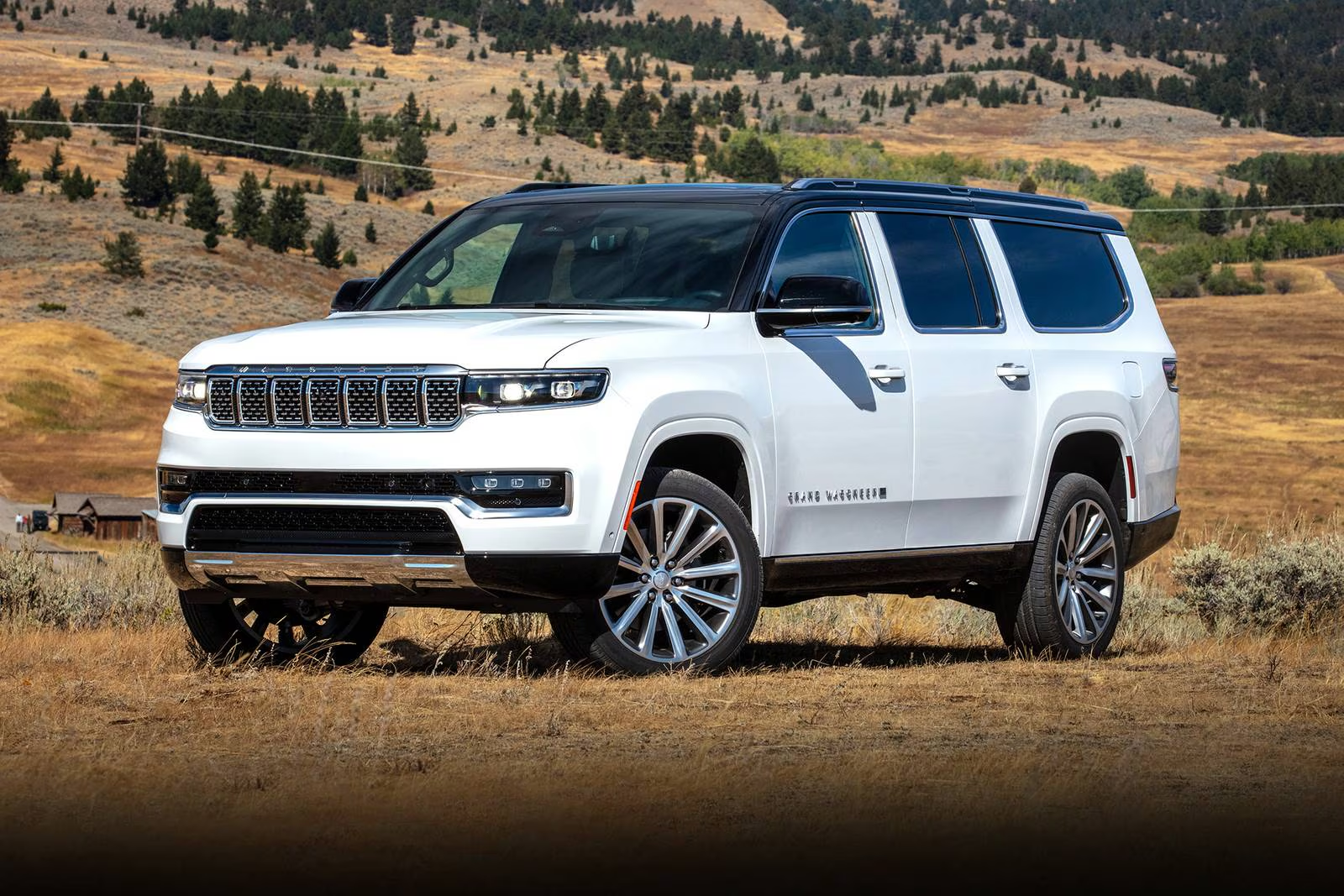
ad1 Introduction: The Wagoneer brand offers luxury and comfort that is hard to match in the full-size SUV category. One feature many buyers seek is the availability of second-row captain’s chairs. These seats are visually appealing and provide enhanced comfort, especially for families or those who often travel with passengers. This blog will explore which Wagoneer models come with second-row captain's chairs and why this feature might be the perfect addition to your new vehicle. What Are Second-Row Captain’s Seats? Before we dive into which Wagoneer models offer this option, it’s important to understand what second-row captain's seats are. These seats are individual chairs in the second row, offering more comfort and luxury than the traditional bench seat. Captain’s chairs also improve accessibility to the third row, making it easier to get in and out of the back seats. This layout is especially beneficial for families with young children or anyone who appreciates a more luxurious and spacious ride. Wagoneer Trim Levels Offering 2nd Row Captain’s Seats 1. 2025 Wagoneer Series II The Wagoneer Series II is one of the best options for those looking to combine luxury with practicality. Available in this trim is the option for second-row captain’s chairs, which add an extra touch of elegance to the cabin. The Series II is designed to provide ample space and comfort for passengers, with the captain’s chairs offering a more relaxed seating arrangement for those seated in the second row. Whether you’re driving through the city or taking a family road trip, these chairs make every journey more comfortable. 2. 2025 Wagoneer Series III If you're looking for even more luxury, the Series III trim offers second-row captain’s chairs as well, but with even more premium features. The second-row captain’s chairs in the Series III are equipped with power adjustment, massage functionality, and heating options. These amenities make long drives far more enjoyable, allowing passengers to enjoy a first-class experience. In addition, the Series III provides enhanced technology and luxury touches throughout, from the high-end interior finishes to the state-of-the-art infotainment system. 3. 2025 Grand Wagoneer ad1 For the highest level of luxury, the Grand Wagoneer takes comfort and sophistication to the next level. The Grand Wagoneer comes with second-row captain’s chairs as a standard feature, ensuring that every passenger enjoys the finest seating arrangements. These chairs come with even more advanced features, such as ventilation, memory settings, and power adjustments. The Grand Wagoneer offers a wealth of high-tech features and comfort options that make it the ultimate choice for those seeking a luxurious ride. Benefits of 2nd Row Captain’s Seats in the Wagoneer - Enhanced Comfort and Luxury One of the main reasons buyers opt for second-row captain’s chairs is the added comfort. The individual seats provide better cushioning and support than traditional bench seating, especially on longer journeys. With available power adjustments and heating, these seats are perfect for those who want to elevate their experience. - Increased Accessibility Another major benefit of second-row captain’s chairs is the easier access to the third row. Passengers can simply walk between the captain’s chairs, which is much more convenient than climbing over a bench. This feature is particularly helpful when you have young children or elderly passengers who may need a bit of extra help getting into the third row. - More Privacy and Space Unlike bench seats, where passengers are seated next to one another, captain’s chairs offer more privacy. Each passenger has their own space, which makes the ride more comfortable for everyone. This extra space is especially valuable on long road trips when everyone needs to stretch out and relax. - Easier to Keep Clean With fewer gaps and crevices, individual captain’s chairs are easier to clean than a traditional bench. This is particularly advantageous for families with children or pets, as spills and crumbs are less likely to accumulate in the seats. Does the Wagoneer With 2nd Row Captain’s Seats Impact the SUV's Overall Utility? While some buyers may wonder if opting for second-row captain’s chairs reduces the Wagoneer’s overall capacity, the good news is that the Wagoneer is still designed with utility in mind. Even with the captain’s chairs, the Wagoneer offers plenty of room in both the third row and the cargo area, making it an excellent choice for families or those who need extra space. So, you won’t sacrifice comfort for utility when choosing a Wagoneer with second-row captain’s chairs. Conclusion: Why Choose the Wagoneer With Second-Row Captain's Chairs? If you are in the market for a full-size SUV that blends luxury, comfort, and practicality, the Wagoneer with second-row captain’s chairs is an excellent choice. Whether you choose the Series II, Series III, or the Grand Wagoneer, each trim offers an enhanced experience for both the driver and passengers. The second-row captain’s chairs elevate the comfort level while maintaining the Wagoneer’s legendary utility and capability. If you’re ready to experience the luxury and convenience of second-row captain’s chairs in a Wagoneer, visit your local Wagoneer dealership and schedule a test drive today! ad1

Jeep Wrangler 4xe Reliability

Jeep Wrangler 4xe Reliability

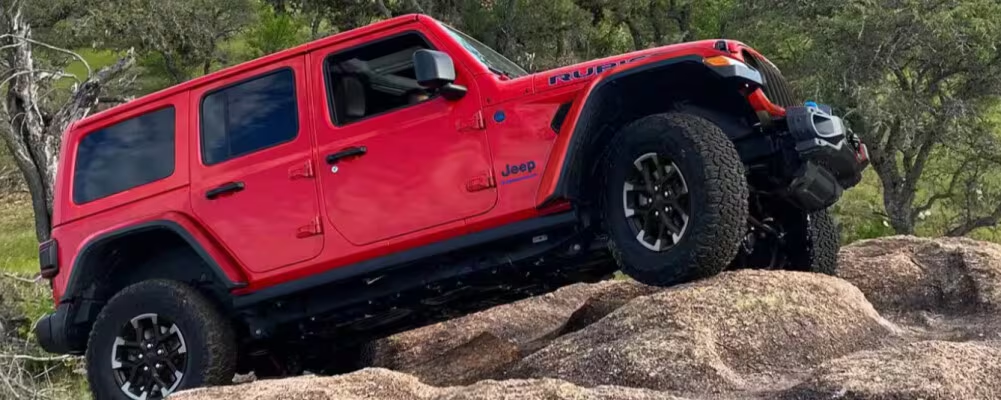
The Jeep Wrangler 4xe is a breakthrough in the world of off-roading, offering an electrified solution to the iconic Jeep experience. Combining the rugged, adventurous spirit of the Jeep Wrangler with the eco-friendly benefits of a plug-in hybrid powertrain, the 4xe is a revolutionary model that brings new technology to Jeep’s legendary off-road capabilities. With hybrid efficiency, a robust 4x4 system, and all the signature Jeep features, the Wrangler 4xe stands as a strong contender for off-road enthusiasts seeking to reduce their carbon footprint without compromising on performance. But, just how reliable is this hybrid powerhouse? In this article, we’ll explore the Jeep Wrangler 4xe’s reliability, from its performance and powertrain to its maintenance and real-world feedback. Jeep Wrangler 4xe: A Hybrid Powertrain with Off-Road Prowess The Jeep Wrangler 4xe is a game-changer for the Jeep brand. Traditionally known for its powerful off-road vehicles that rely on gasoline engines, Jeep has embraced hybrid technology with the 4xe, a model that maintains the Wrangler's legendary off-road abilities while incorporating a sustainable powertrain. At its core, the Wrangler 4xe features a 2.0-liter turbocharged four-cylinder engine paired with an electric motor, producing a combined 375 horsepower and 470 lb-ft of torque. This hybrid setup delivers outstanding acceleration and performance, whether you’re cruising through the city, tackling challenging trails, or off-roading through rocky paths. With the Wrangler 4xe’s hybrid engine, you benefit from the instant torque of the electric motor, which provides smooth acceleration and enhanced off-road performance. For those looking to venture into the great outdoors, the Rock-Trac 4WD system (available on the Rubicon trim) ensures you have the traction and durability to tackle rough terrains with ease. Whether navigating muddy trails, scaling steep inclines, or cruising through boulders, the Wrangler 4xe provides the performance needed to overcome obstacles, making it a fantastic choice for off-road enthusiasts. Hybrid Technology That Doesn’t Compromise on Power The combination of gasoline and electric power in the Jeep Wrangler 4xe does not come at the cost of off-road capability or driving excitement. The electric motor provides instant torque, giving the vehicle superior control on rugged trails and ensuring that you’ll never be left wanting more power when facing obstacles. Meanwhile, the 2.0-liter turbocharged engine adds further strength, delivering power for longer drives while maintaining a great level of fuel efficiency. The electrical-only range of up to 21 miles is perfect for short trips, commuting, or light off-road adventures, while the gas engine steps in when you need additional power or range. On highways or long off-road excursions, the Wrangler 4xe operates seamlessly as a hybrid, delivering excellent fuel economy for an off-road vehicle. The combined driving range of over 370 miles ensures that you won’t be limited by the battery, making the Jeep Wrangler 4xe an ideal companion for long off-road journeys. Jeep Wrangler 4xe: Engineering for Reliability Reliability is paramount when it comes to off-road vehicles, and the Jeep Wrangler 4xe is no exception. Jeep has designed the 4xe to deliver not only impressive performance but also long-term dependability, ensuring that you can rely on it for countless off-road adventures. With the integration of advanced hybrid technology and a rugged 4x4 system, the Wrangler 4xe offers the best of both worlds—electric efficiency combined with the durability and performance Jeep is famous for. The hybrid system itself is engineered to be robust and capable of withstanding tough conditions. The electric motor and engine are designed to work seamlessly together, providing a smooth and reliable driving experience. The hybrid components are protected by high-quality materials, and the system is built to endure challenging environments. Jeep’s commitment to maintaining the Wrangler's legendary toughness ensures that the 4xe will perform reliably for years to come, regardless of whether you're cruising on the highway or navigating rugged trails. Maintenance of the Jeep Wrangler 4xe While hybrid vehicles typically have higher upfront costs than their gasoline counterparts, the Jeep Wrangler 4xe offers an advantage when it comes to maintenance. One of the benefits of a hybrid vehicle is that it requires less frequent maintenance, particularly when it comes to the engine. The electric motor reduces the load on the engine, meaning fewer moving parts to worry about, and less wear on the traditional engine components. As a result, you’ll spend less on routine maintenance, and your vehicle will remain more reliable over time. Additionally, the Wrangler 4xe comes with a comprehensive 5-year/60,000-mile warranty, which covers the hybrid powertrain, battery, and other important components. This extended warranty offers peace of mind, knowing that any issues with the hybrid system will be covered for a significant amount of time. Jeep also offers a 10-year/100,000-mile hybrid battery warranty, ensuring that the battery remains reliable throughout the life of the vehicle. However, like any vehicle, regular maintenance is essential to keep the Jeep Wrangler 4xe running smoothly. This includes checking the brakes, rotating the tires, and ensuring the hybrid battery is charged and functioning properly. The Wrangler 4xe also features regenerative braking, which helps recharge the battery while driving, further enhancing its efficiency and reducing wear on the braking system. Real-World Reliability Feedback While the Jeep Wrangler 4xe is a relatively new model, it has already garnered praise for its overall reliability and performance. Early adopters of the 4xe have reported a satisfying ownership experience, particularly in terms of off-road capability, fuel efficiency, and hybrid performance. Many Jeep enthusiasts who were initially skeptical about the hybrid Wrangler’s ability to perform off-road have been impressed with its power, traction, and durability. There are some challenges associated with hybrid systems in general, such as the need to monitor battery charging and occasional updates for the software system. However, these issues are minor compared to the advantages the 4xe offers. Jeep has continued to refine the Wrangler 4xe’s design, and as the hybrid technology evolves, we can expect even more improvements to the vehicle’s performance and reliability in future model years. For those seeking a dependable, high-performing off-roader with eco-friendly benefits, the Jeep Wrangler 4xe is a solid choice. Its combination of traditional Jeep durability with the benefits of hybrid technology positions it as a reliable option for adventure lovers who are conscious of their environmental impact. Jeep Wrangler 4xe: A Hybrid Built for Adventure The Jeep Wrangler 4xe is an exceptional hybrid SUV that doesn’t sacrifice performance for efficiency. It blends the rugged, off-road capability Jeep is known for with the advantages of modern hybrid technology, creating a unique and reliable vehicle for adventure seekers. Whether you’re exploring off-road trails or commuting through the city, the Wrangler 4xe offers the versatility and reliability needed to meet your driving demands. With minimal maintenance requirements, a reliable powertrain, and a strong commitment to durability, the Jeep Wrangler 4xe is a fantastic choice for anyone looking to reduce their environmental footprint without sacrificing the off-road power and capability Jeep is famous for. Its combination of advanced hybrid technology, legendary Jeep off-road ability, and long-term reliability make the Wrangler 4xe the ultimate choice for adventurers and eco-conscious drivers alike. For those who want to experience the best of both worlds—off-road freedom and eco-friendly efficiency—the Jeep Wrangler 4xe is an ideal, reliable companion that is ready for any adventure. Whether you’re hitting the trails, the city streets, or both, the Wrangler 4xe ensures that you can explore the world in an entirely new way.

The Beast Unleashed Exploring the Jeep Hellcat Legacy

The Beast Unleashed: Exploring the Jeep Hellcat Legacy

The Beast Unleashed: Exploring the Jeep Hellcat Legacy The Jeep Hellcat legacy is really the story of one outrageous SUV: the Jeep Grand Cherokee Trackhawk. It took the supercharged 6.2L Hellcat V8 from Dodge’s muscle-car world and dropped it into a family-sized, all-wheel-drive Jeep SUV. The simple answer is this: the Jeep Grand Cherokee Trackhawk is the Jeep that made the Hellcat legend go off-road, or at least look like it could. It had 707 horsepower, 645 lb-ft of torque, all-wheel drive, launch control, and the kind of straight-line speed that made people question what an SUV could be. Jeep’s Grand Cherokee Trackhawk performance page lists the supercharged 6.2L V8 at 707 horsepower, 645 lb-ft of torque, and up to 7,200 pounds of towing capacity. That combination is why the Trackhawk became more than a fast Jeep. It became one of the most absurd, memorable, and collectible performance SUVs ever built. What Was the Jeep Hellcat? When people say “Jeep Hellcat,” they are usually talking about the Jeep Grand Cherokee Trackhawk. Jeep never officially called it the “Hellcat Jeep” as the model name. The actual name was Grand Cherokee Trackhawk. But because it used the same basic supercharged 6.2L HEMI V8 family associated with Hellcat Dodge models, enthusiasts naturally gave it the nickname. And honestly, the nickname fits. This was not a mild sport package. This was a supercharged V8 SUV with muscle-car violence, Jeep practicality, and all-wheel-drive traction. Why the Trackhawk Was So Wild The Trackhawk was wild because it made supercar-level acceleration feel practical. It had four doors, a usable cargo area, room for five, towing capability, and enough comfort to drive every day. But it could also embarrass sports cars from a stoplight. MotorTrend tested the 2018 Grand Cherokee Trackhawk and recorded 0 to 60 mph in 3.3 seconds and a quarter-mile time of 11.7 seconds at 116.2 mph. Those numbers are still ridiculous for a heavy SUV. That is the magic of the Trackhawk. It did not need to make sense. It just needed to exist. The Engine That Built the Legend The heart of the Jeep Hellcat legacy is the supercharged 6.2L HEMI V8. This engine gave the Trackhawk its entire personality. It produced massive power, instant drama, and a soundtrack that made the SUV feel alive. The supercharger whine, V8 roar, and all-wheel-drive launch made the Trackhawk feel different from almost anything else on the road. A regular performance SUV can be quick. The Trackhawk felt unhinged. That is why gearheads remember it. It was not just fast on paper. It felt like someone at Jeep asked, “What if we made the Grand Cherokee completely unreasonable?” Then they actually did it. All-Wheel Drive Made It Even Crazier The Trackhawk was not rear-wheel drive like a traditional muscle car. It was all-wheel drive. That mattered because it could use its power. A 707-horsepower rear-drive SUV would have been a tire-smoking spectacle. The Trackhawk was different. It could hook up, launch hard, and put power down with shocking force. That is why its acceleration numbers were so strong. The all-wheel-drive system helped turn Hellcat power into real-world speed. In normal driving, that also made the Trackhawk feel more secure than you might expect from something this powerful. The Trackhawk Was Not Just a Drag-Race Trick The Trackhawk was known for acceleration, but it was not only a straight-line machine. It had upgraded brakes, performance tuning, a stronger drivetrain, and a more aggressive setup than a normal Grand Cherokee. It was still a heavy SUV, but Jeep built it to handle the extra power seriously. The Jeep Grand Cherokee performance page described the Trackhawk as a track-tuned SUV with launch control, a supercharged 6.2L V8, and 0 to 60 mph acceleration in 3.5 seconds. That is what separated it from a simple engine swap. Jeep engineered it as a complete performance package. Why It Shocked the SUV World The Trackhawk arrived at the perfect time. Performance SUVs were becoming more popular, but most still came from European luxury brands. BMW M, Mercedes-AMG, Porsche, and Range Rover had fast SUVs, but Jeep brought a different attitude. The Trackhawk was not polished in the same way. It was louder, more American, more muscular, and more ridiculous. It felt like a Dodge Challenger Hellcat wearing hiking boots. That gave it a unique identity. It was not trying to be a quiet luxury SUV. It was trying to be the loudest answer in the room. Trackhawk vs SRT Grand Cherokee Before the Trackhawk, Jeep already had the Grand Cherokee SRT. The SRT used a naturally aspirated 6.4L V8, while the Trackhawk used the supercharged 6.2L V8. The SRT was already fast, but the Trackhawk pushed the formula into another category. The SRT was the performance Grand Cherokee. The Trackhawk was the monster. For buyers who wanted big V8 sound and strong power, the SRT was enough. For buyers who wanted the most extreme factory Jeep ever built, the Trackhawk was the one. Why Jeep Fans Still Talk About It The Trackhawk is still talked about because modern vehicles are moving away from this kind of madness. Large supercharged V8s are becoming rarer. Emissions rules, fuel economy pressure, electrification, and changing product strategies have made engines like the Hellcat V8 harder to justify. That makes the Trackhawk feel like a time capsule from the last great era of factory horsepower insanity. It was excessive. It was expensive. It drank fuel. It wore tires. It made no rational sense. That is exactly why people love it. Is the Jeep Trackhawk Discontinued? Yes, the Jeep Grand Cherokee Trackhawk is discontinued. The Trackhawk was built during the previous WK2 Grand Cherokee generation and did not return in the newer Grand Cherokee lineup. While exact availability varies by market and model year, the Trackhawk is generally associated with the 2018 to 2021 Grand Cherokee generation. That makes clean used examples more desirable. Buyers who want one now are shopping the used market, not ordering a new one. Will Jeep Bring Back a Hellcat SUV? There is no current direct Trackhawk replacement with a Hellcat V8. Could Jeep build another extreme performance SUV someday? Possibly. But if it happens, it may not use the same supercharged V8 formula. The industry is changing quickly, and future performance could come from hybrid power, turbocharged engines, or electric assistance. That is why the original Trackhawk matters. It may remain the peak of the supercharged V8 Jeep era. What About the Jeep Wrangler 392? The Wrangler Rubicon 392 is part of Jeep’s V8 performance legacy, but it is not a Hellcat. The Wrangler 392 uses a naturally aspirated 6.4L HEMI V8, not the supercharged 6.2L Hellcat engine. It makes less power than the Trackhawk, but it brings V8 character to the Wrangler platform. Car and Driver covered the Wrangler Rubicon 392 Final Edition and listed the V8 Wrangler at 470 horsepower. That makes it powerful, but it is a different kind of beast. The Trackhawk was a street missile. The Wrangler 392 is a trail-capable V8 icon. Why the Trackhawk Became Collectible The Trackhawk became collectible because it had the right mix of rarity, absurdity, and real performance. It was expensive when new, so it was never as common as a regular Grand Cherokee. It used one of the most famous modern American performance engines. It came from an era that is disappearing. And it did something no normal SUV had any business doing. Clean, unmodified examples are especially desirable because many high-horsepower SUVs are driven hard, tuned, modified, or poorly maintained. A stock Trackhawk with service records is the one serious buyers want. Is a Used Trackhawk Worth Buying? A used Trackhawk can be worth buying if you understand the costs. This is not a normal Grand Cherokee. It has Hellcat-level power, expensive brakes, expensive tires, higher fuel costs, higher insurance costs, and more stress on drivetrain components. Before buying one, check service history, accident history, tire condition, brake condition, cooling system health, supercharger behavior, drivetrain condition, and whether it has been tuned or modified. A clean Trackhawk can be an incredible vehicle. A neglected one can become very expensive. For shoppers who want Jeep performance without Trackhawk costs, compare used Jeep inventory and look at Grand Cherokee SRT, Wrangler 392, and other performance-oriented Jeep models when available. If you want the latest Jeep options, check current new Jeep inventory. Trackhawk vs Modern Performance SUVs Modern performance SUVs may be more advanced, but few have the Trackhawk’s personality. An electric SUV can be quicker. A European SUV can be more refined. A luxury performance SUV can feel more polished. But the Trackhawk has something many newer SUVs do not: raw mechanical drama. The supercharger whine, V8 thunder, aggressive launch, and Jeep badge make it feel special in a way that numbers alone cannot explain. That is why its legacy is secure. FAQs About the Jeep Hellcat Legacy What is the Jeep Hellcat called? The Jeep Hellcat is commonly known as the Jeep Grand Cherokee Trackhawk. It used a supercharged 6.2L HEMI V8 related to the Hellcat engine family. How much horsepower does the Jeep Trackhawk have? The Jeep Grand Cherokee Trackhawk has 707 horsepower and 645 lb-ft of torque from its supercharged 6.2L V8. Is the Jeep Trackhawk faster than a Hellcat Charger? The Trackhawk is extremely quick because of all-wheel drive, especially from a launch. A Hellcat Charger may have a higher top-speed advantage depending on configuration, but the Trackhawk’s AWD traction makes it brutally quick in real-world acceleration. Is the Jeep Trackhawk discontinued? Yes, the Grand Cherokee Trackhawk is discontinued and has not returned in the current Grand Cherokee lineup. What years was the Jeep Trackhawk made? The Trackhawk is mainly associated with the 2018 to 2021 Jeep Grand Cherokee generation. Is the Wrangler 392 a Hellcat? No. The Wrangler 392 uses a naturally aspirated 6.4L HEMI V8, not the supercharged 6.2L Hellcat engine. Will Jeep make another Trackhawk? There is no current direct Hellcat-powered Trackhawk replacement. Future high-performance Jeep models may use different powertrains. Final Thoughts: The Trackhawk Was Jeep’s Wildest Power Move The Jeep Hellcat legacy belongs to the Grand Cherokee Trackhawk. It took a practical SUV and gave it 707 horsepower, all-wheel drive, launch control, towing capability, and the personality of a muscle car. It was excessive, loud, fast, and unforgettable. That is why enthusiasts still talk about it. The Trackhawk was not just a fast Jeep. It was proof that, for a short moment, Jeep built one of the most outrageous performance SUVs the world had ever seen.

Contact Us

Fill out this form below and we'll contact you shortly
*Required Fields