





A shaking car isn’t just a minor inconvenience—it’s your vehicle’s way of signaling that something could be seriously wrong. Imagine cruising down the highway, and suddenly, the steering wheel vibrates in your hands. Or maybe you’re idling at a stoplight, and your seat starts trembling for no apparent reason. Sound familiar? These vibrations might feel small at first, but they could be a sign of something much bigger lurking under the surface. From unbalanced tires and warped brake rotors to engine misfires or worn suspension components, a shaking car has many possible culprits.
Here’s the good news: addressing these issues early can save you from a world of trouble (and expenses). Think of your car as a symphony of finely tuned parts; if one component is off-key, it can throw the entire system into disarray. By tackling vibrations head-on, you not only save money but also ensure your safety on the road. Regular maintenance, timely repairs, and professional diagnostics are your best allies in keeping your car running smoothly and shaking-free.
1. Tire and Wheel Problems
Unbalanced Tires

Unbalanced tires are one of the most common reasons for a shaking car, particularly at higher speeds. This happens when the weight distribution around the tire and wheel assembly isn’t even, causing vibrations that can be felt throughout the car.
- Symptoms: Vibrations increase as speed rises, typically above 50 mph.
- Solution: Have your tires balanced by a professional. Balancing ensures even weight distribution, providing a smooth ride.
Uneven Tire Wear
Irregular tire wear can result from improper alignment, underinflation, or worn suspension components. This uneven contact with the road creates a shaking sensation.
- Symptoms: Shaking felt through the steering wheel or floor, especially at specific speeds.
- Solution: Inspect tires for wear patterns and replace them if necessary. Regular tire rotations and alignments can prevent this issue.
Bent or Damaged Rims
Hitting a pothole or curb can bend your rims, disrupting the smooth rotation of the tires.
- Symptoms: Vibrations during driving, especially at higher speeds.
- Solution: Replace or repair bent rims. Avoid rough terrain or drive cautiously to prevent damage.
2. Brake System Issues
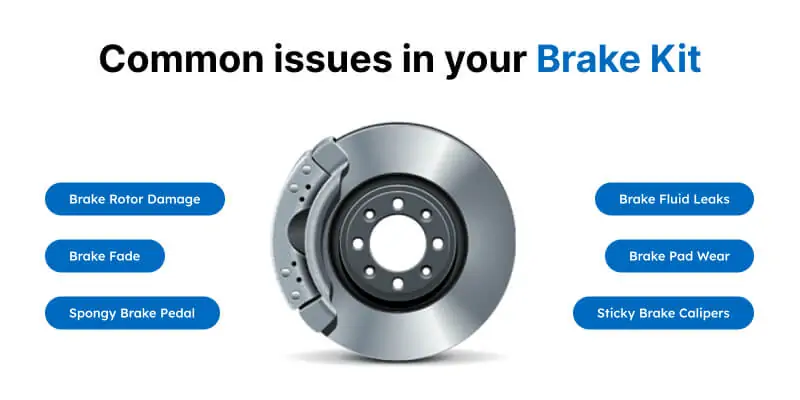
Warped Brake Rotors
Over time, brake rotors can warp due to excessive heat from hard braking or extended use. This leads to uneven contact between the brake pad and rotor, causing vibrations.
- Symptoms: Shaking occurs when applying the brakes, often felt through the pedal.
- Solution: Resurface or replace warped rotors. Regular brake maintenance can help prevent this.
Worn Brake Pads
Old or damaged brake pads can create uneven friction on the rotors, leading to vibrations during braking.
- Symptoms: Shaking when braking, possibly accompanied by squealing noises.
- Solution: Replace brake pads. Opt for high-quality pads for improved performance and durability.
3. Engine and Transmission Issues
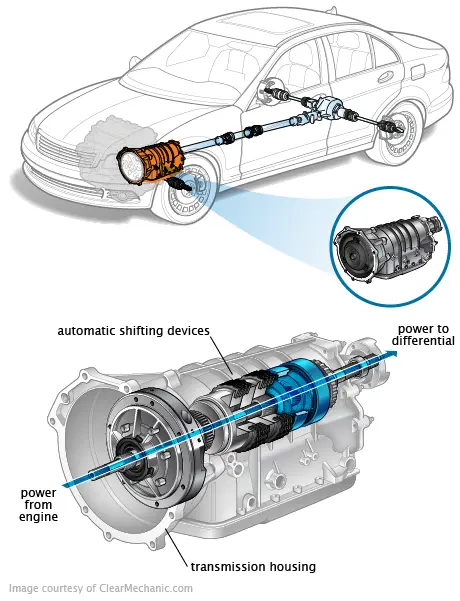
Engine Misfires
Misfires occur when one or more cylinders fail to ignite properly due to issues like faulty spark plugs, ignition coils, or fuel injectors. This imbalance in power delivery can cause the car to shake.
- Symptoms: Shaking during acceleration, rough idling, and reduced engine performance.
- Solution: Replace faulty spark plugs, ignition coils, or fuel injectors. Regular engine tune-ups can help prevent misfires.
Worn Engine Mounts
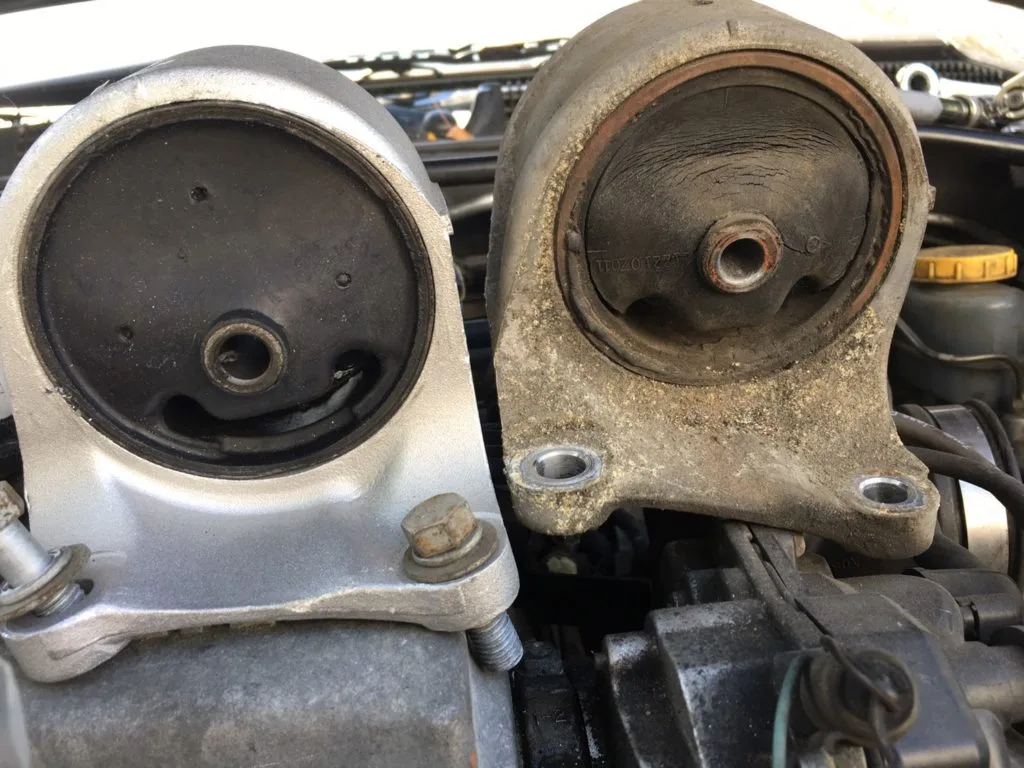
Engine mounts secure the engine to the vehicle’s frame and absorb vibrations. When they wear out, the engine’s vibrations can be felt throughout the car.
- Symptoms: Shaking during acceleration or idling.
- Solution: Replace worn engine mounts. Use OEM (original equipment manufacturer) parts for the best fit and performance.
4. Suspension and Steering Components
Worn Tie Rods or Ball Joints
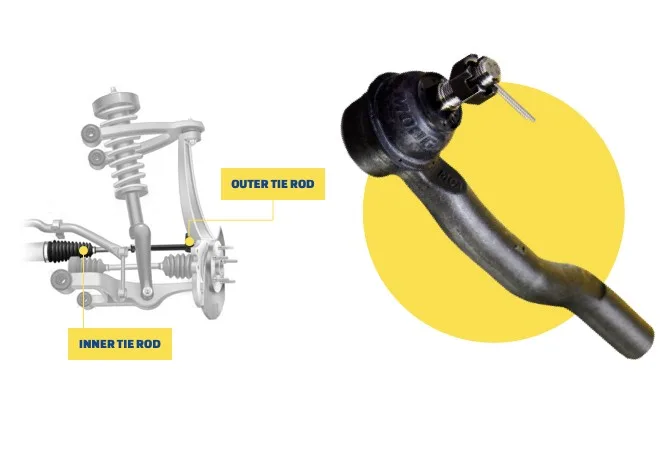
Tie rods and ball joints are crucial components of your steering system. When they wear out, they introduce looseness, which can cause vibrations.
- Symptoms: Shaking during turning or over rough terrain, uneven tire wear.
- Solution: Replace worn tie rods or ball joints. Regular inspections during service appointments can catch these issues early.
Damaged CV Joints or Driveshafts
The CV (constant velocity) joints and driveshafts transfer power from the transmission to the wheels. Damage to these components can cause vibrations, especially during acceleration.
- Symptoms: Vibrations felt during acceleration or turning.
- Solution: Replace damaged CV joints or driveshafts. Ensure regular lubrication to extend their lifespan.
5. External Factors
Accumulated Debris
In colder climates, snow, ice, or mud can accumulate in your wheel wells or on the tires, disrupting their balance and causing vibrations.
- Symptoms: Shaking that starts suddenly after driving through snow, ice, or mud.
- Solution: Clean the wheels and undercarriage thoroughly. Avoid driving in deep snow or mud if possible.
Loose or Damaged Exhaust System
A loose exhaust pipe or muffler can cause vibrations that mimic other issues.
- Symptoms: Shaking accompanied by louder-than-usual engine noise.
- Solution: Secure or replace the damaged components.
How to Diagnose the Cause of a Shaking Car
How to Diagnose Your Car’s Shaking: Let’s Break It Down Together! 🚗
Figuring out why your car is shaking doesn’t have to be overwhelming. Start by identifying when the shaking occurs. Does it happen during acceleration, braking, or only at specific speeds? Maybe it’s persistent while idling or consistent throughout your drive. Understanding the timing and circumstances can help narrow down the possible causes.
Next, inspect the visible components of your car. Are your tires unevenly worn, damaged, or covered in debris? Take a quick peek under the car for any loose exhaust parts or obvious signs of damage. These small checks can give you a clearer idea of what might be wrong.
For a deeper look, take your car for a test drive. Try driving at different speeds and applying the brakes gently to notice patterns in the vibrations. For instance, shaking during braking might point to warped rotors, while vibrations at high speeds could indicate unbalanced tires or alignment issues.
Still stumped? It’s time to consult a professional. Certified mechanics have the tools and expertise to diagnose your car with pinpoint accuracy. Whether it’s a simple adjustment or a more serious repair, they’ll get you back on the road in no time, and your car will thank you for it!
Preventive Measures to Avoid Car Shaking
- Regular Maintenance: Schedule regular inspections for tires, brakes, and suspension components.
- Drive Carefully: Avoid hitting potholes, curbs, or debris on the road.
- Monitor Tire Pressure: Keep tires inflated to the recommended PSI levels.
- Timely Repairs: Address minor issues promptly to prevent them from escalating.
FAQs About Car Shaking
- Why does my car shake when I accelerate? Likely due to engine misfires, damaged CV joints, or unbalanced tires.
- Why does my car shake only at high speeds? Unbalanced tires, bent rims, or worn suspension components are common causes.
- Can bad spark plugs cause my car to shake? Yes, faulty spark plugs can lead to engine misfires, causing vibrations.
- Why does my car shake when I brake? Warped brake rotors or worn brake pads are likely culprits.
- Can low tire pressure make my car shake? Yes, uneven tire pressure can create an imbalanced ride.
Wrapping It Up: Don’t Let a Shaking Car Shake Your Confidence!
A shaking car is more than just a mild inconvenience—it’s your vehicle waving a red flag, urging you to take action. Whether it’s unbalanced tires causing a rough ride, warped brake rotors making every stop a shaky one, or an engine misfire disrupting your drive, these vibrations are your car’s way of telling you something needs attention. Ignoring these signs can turn minor, affordable fixes into major, costly repairs—not to mention the potential risks to your safety.
The key to a smooth and safe driving experience is staying proactive. Regular maintenance, routine inspections, and addressing issues as soon as they arise can keep your car in top shape. So, if your car is shaking, don’t wait. Consult a trusted mechanic, get to the root of the problem, and enjoy the peace of mind that comes with a well-maintained vehicle. Remember, a quick fix today could save you from bigger headaches tomorrow. Drive safe and shake-free! 🚗✨
Connect with us


