





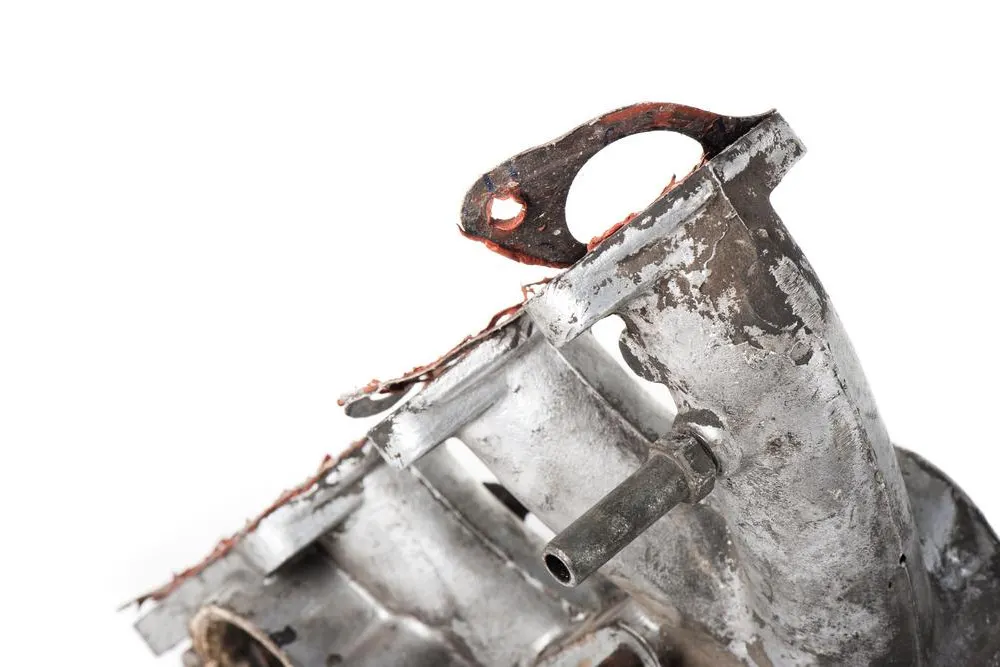
The exhaust manifold gasket is one of the most overlooked sealing components in an internal combustion engine. Yet when it fails, it can cause noise, performance loss, fuel economy issues, sensor faults, and even long-term engine damage.
This in-depth guide covers:
- What an exhaust manifold gasket does
- How it fails
- Symptoms of a bad exhaust manifold gasket
- Diagnosis procedures
- Replacement process step-by-step
- Torque considerations
- Repair costs
- Prevention strategies
- Performance implications
If you want a complete mechanical understanding, this is it.
What Is an Exhaust Manifold Gasket?
The exhaust manifold gasket seals the connection between:
- The engine cylinder head
- The exhaust manifold
Its job is to:
- Prevent exhaust gas leaks
- Maintain proper exhaust flow
- Protect oxygen sensor readings
- Preserve backpressure balance
- Prevent hot gas escape into engine bay
Exhaust gases leaving the combustion chamber can exceed 1,200°F (650°C). Without a proper seal, extreme heat and pressure escape through the weakest point — the gasket.
Why the Exhaust Manifold Gasket Matters
An exhaust manifold leak is not just a noise issue.
It can cause:
- Incorrect air-fuel mixture readings
- Oxygen sensor faults
- Lean running conditions
- Reduced engine efficiency
- Increased emissions
- Cabin exhaust smell
- Carbon monoxide intrusion
Because it sits upstream of oxygen sensors in many designs, a leak directly impacts engine management.
How an Exhaust Manifold Gasket Works
When the engine runs:
- Combustion occurs in the cylinder
- Exhaust valves open
- Exhaust gases exit through exhaust ports
- Gasket seals those ports
- Manifold collects gases into one pipe
The gasket must maintain a perfect seal across multiple ports simultaneously.
Even minor warping can cause leakage.
Types of Exhaust Manifold Gaskets
Different engines use different materials:
1. Multi-Layer Steel (MLS)
Most common in modern engines
High durability
Excellent heat resistance
2. Graphite Composite
Used in older engines
Flexible
Less durable under high heat
3. Copper Gaskets
Common in performance builds
Reusable in some cases
High thermal conductivity
4. Metal Embossed Gaskets
Designed for specific port shapes
Often OEM-specific
Choosing correct gasket type matters.
Symptoms of a Bad Exhaust Manifold Gasket
Here are the most common warning signs:
1. Ticking Noise on Cold Start
This is the most recognizable symptom.
When cold:
- Metal contracts
- Gap is larger
- Leak is louder
As engine warms:
- Metal expands
- Noise may reduce
This ticking often sounds like a lifter tap.
2. Exhaust Smell in Cabin
Leaking exhaust gases can enter HVAC intake.
Dangerous due to carbon monoxide.
Never ignore this symptom.
3. Check Engine Light
Common codes include:
- P0171 (lean condition)
- P0420 (catalyst efficiency)
- O2 sensor-related codes
A leak upstream of oxygen sensor alters readings.
4. Reduced Engine Performance
Loss of exhaust pressure balance affects scavenging.
Results in:
- Sluggish acceleration
- Poor throttle response
5. Visible Soot Marks
Black carbon deposits around manifold flange indicate leakage.
Causes of Exhaust Manifold Gasket Failure
Several factors contribute:
1. Heat Cycling
Repeated expansion and contraction weakens gasket material.
2. Manifold Warping
Cast iron manifolds can warp under extreme heat.
Aluminum heads expand differently than iron manifolds.
3. Improper Torque
Under-torqued bolts cause leaks.
Over-torqued bolts cause distortion.
4. Broken Manifold Bolts
Very common on older engines.
When one bolt fails, gasket loses clamping force.
5. Engine Overheating
Excessive temperature accelerates gasket breakdown.
Diagnosing an Exhaust Manifold Gasket Leak
Proper diagnosis is critical.
Method 1: Visual Inspection
Look for:
- Black soot trails
- Burn marks
- Cracks in manifold
Method 2: Listen for Cold Start Tick
Start engine cold.
If ticking fades after warming, suspect gasket leak.
Method 3: Smoke Test
Introduce smoke into exhaust system.
Observe leakage at manifold flange.
Method 4: Soapy Water Test
Spray mixture on suspected area.
Look for bubbling during idle.
Method 5: OBD Scan
Check for lean codes or O2 sensor irregularities.
Exhaust Manifold Gasket Replacement: Step-by-Step
This process varies by engine layout, but general procedure includes:
Step 1: Disconnect Battery
Prevent electrical shorts.
Step 2: Remove Heat Shields
Access manifold bolts.
Step 3: Spray Penetrating Oil
Apply to manifold bolts.
Let sit for 15–30 minutes.
Critical step to avoid bolt breakage.
Step 4: Remove Manifold Bolts Carefully
Use proper socket.
Work evenly.
Avoid snapping studs.
Step 5: Remove Manifold
Inspect for:
- Warping
- Cracks
- Erosion
Use straight edge to check flatness.
Step 6: Clean Mating Surfaces
Remove old gasket material.
Use:
- Plastic scraper
- Brake cleaner
Avoid gouging aluminum head surface.
Step 7: Install New Exhaust Manifold Gasket
Align ports precisely.
Install manifold evenly.
Step 8: Torque Bolts in Sequence
Follow manufacturer torque spec.
Usually between:
- 15–30 ft-lbs depending on engine
Tighten in crisscross pattern.
Step 9: Reinstall Components
Reattach:
- Heat shields
- O2 sensors
- Exhaust pipes
Step 10: Start Engine and Inspect
Listen for leaks.
Check for exhaust smell.
Scan for codes.
Torque Considerations
Torque is critical.
Too loose:
- Leak develops
Too tight:
- Manifold warps
- Bolts stretch
Always use torque wrench.
Follow service manual specifications.
Cost of Exhaust Manifold Gasket Replacement
DIY Cost
- Gasket: $15–$80
- Tools: if needed
Total: $30–$150
Professional Repair
Labor is main expense.
Front-wheel-drive transverse engines require more labor.
Typical cost:
- $300–$900
- More if bolts break
Broken studs significantly increase cost.
What Happens If You Ignore It?
Ignoring a leaking exhaust manifold gasket can lead to:
- Burned exhaust valves
- O2 sensor damage
- Catalytic converter damage
- Head warping
- Carbon monoxide exposure
Long-term neglect increases repair costs.
Exhaust Manifold Gasket vs Cracked Manifold
Symptoms overlap.
Difference:
Gasket leak:
- Leak at flange
- Usually ticking
Cracked manifold:
- Visible crack
- May worsen under load
Proper inspection required.
Preventing Future Exhaust Manifold Gasket Failure
1. Use OEM-Quality Gasket
Cheap gaskets fail early.
2. Replace Bolts If Needed
Stretched or rusted bolts lose clamping force.
3. Avoid Overheating
Maintain cooling system.
4. Proper Torque Procedure
Never guess torque value.
5. Check Manifold Flatness
Machine if warped.
Performance Impact
A leaking exhaust manifold gasket disrupts exhaust scavenging.
Effects include:
- Reduced torque
- Delayed turbo spool (turbo engines)
- Inconsistent AFR
Turbocharged engines are particularly sensitive.
Turbo Engines and Exhaust Manifold Gaskets
In turbo applications:
Leak before turbo reduces boost pressure.
Symptoms include:
- Turbo lag
- Reduced boost
- Whistling noise
Always inspect carefully.
Is It Safe to Drive With a Leaking Exhaust Manifold Gasket?
Short term:
- Possibly safe
Long term:
- Not recommended
Risk of carbon monoxide in cabin is serious.
Repair promptly.
Common Mistakes During Replacement
- Not cleaning surface properly
- Reusing damaged bolts
- Ignoring warped manifold
- Skipping torque sequence
- Installing gasket backward
Precision matters.
When to Replace Manifold Instead of Gasket
Replace manifold if:
- Cracked
- Severely warped
- Flange eroded
Machining may be possible in some cases.
Final Thoughts
The exhaust manifold gasket may seem like a simple sealing component, but it plays a critical role in:
- Engine performance
- Emissions compliance
- Cabin safety
- Long-term durability
When it fails, symptoms escalate quickly.
Early diagnosis, proper torque, quality gasket selection, and careful installation prevent repeated failure.
If you hear a ticking noise at startup, smell exhaust inside the cabin, or see soot near the manifold — do not ignore it.
Repairing an exhaust manifold gasket early is far cheaper than repairing engine damage later.
Connect with us


