





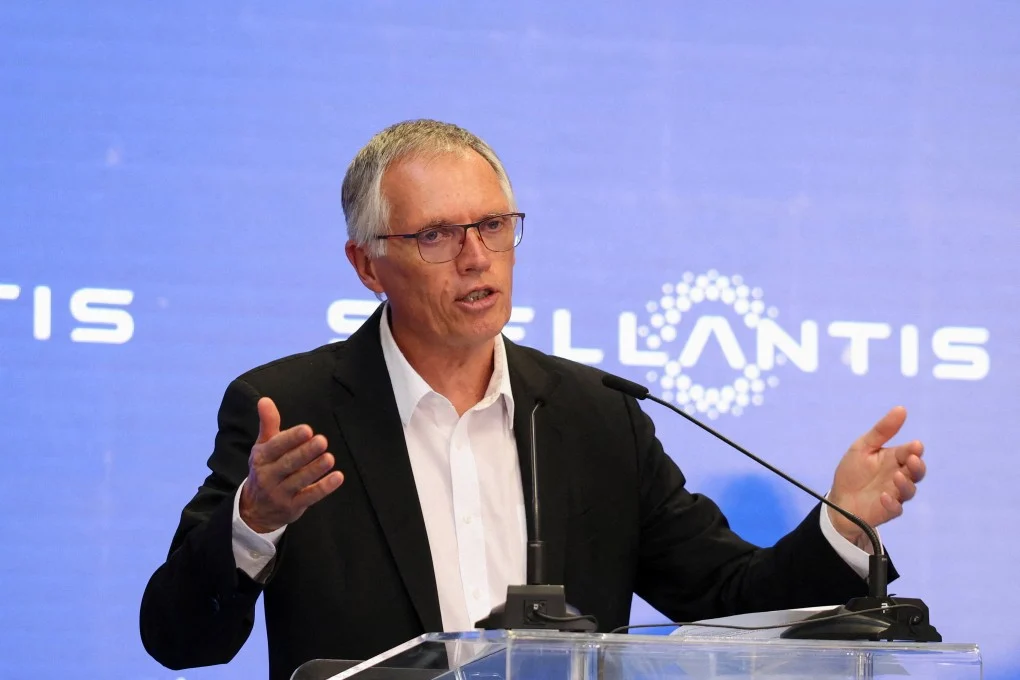
In a bold move signaling a shift in strategy, Stellantis is making waves in the auto industry following the resignation of its long-time CEO, Carlos Tavares. The company, known for brands like Jeep, Chrysler, and Ram, is reversing its decision to leave the European Automobile Manufacturers Association (ACEA) and is now seeking to rejoin the influential lobby group, a decision that marks a significant departure from Tavares’ controversial leadership style.
A New Era for Stellantis: Joining Forces Again
Stellantis, Europe’s second-largest automaker, confirmed it intends to apply for membership in ACEA once more after leaving the group in 2022. At the time, Tavares had made the bold decision to pull Stellantis out of ACEA to champion a more independent approach through the creation of the Freedom of Mobility Forum. The forum was meant to focus on sustainable mobility without the constraints of traditional lobbying groups. But with Tavares stepping down amidst internal pressures, Stellantis seems ready to recalibrate its strategy.
The news marks a dramatic turnaround, as Stellantis’ decision to re-enter ACEA reflects its renewed commitment to working closely with European automakers to navigate the challenges of the automotive industry’s green transformation. The association plays a pivotal role in shaping Europe’s future auto policies, including the race toward zero-emission mobility.
ACEA Welcomes Stellantis Back with Open Arms
The ACEA, which represents some of the biggest car manufacturers globally, including BMW, Ford of Europe, Toyota, and Volkswagen Group, has expressed its excitement about Stellantis’ decision to reapply for membership. Luca de Meo, the ACEA President and CEO of Renault Group, extended a warm welcome, emphasizing that Europe’s auto industry must unite to tackle the mounting challenges of sustainable transportation.
“In the face of Europe’s competitiveness crisis and the pressing need to master the green transition, it is more important than ever to stand united,” de Meo stated. He added, “ACEA members may be competitors in the marketplace, but we all share the same goal: a competitive and sustainable transition to zero-emission mobility.”
This signals that Stellantis is not just about to play catch-up—it’s positioning itself to be a key player in shaping the future of mobility in Europe and beyond.
A Shift in Leadership and Direction
The decision to rejoin ACEA comes as Stellantis seeks to regain its footing following a period of internal turmoil. Under Tavares, the company had pursued a strategy of aggressive cost-cutting and expansion, often at the expense of collaboration with other automakers. His resignation followed growing tension with the board and union auto workers, compounded by his often “arrogant” leadership style.
Now, with the company under new leadership, Stellantis seems poised to embrace a more cooperative, collective approach to the evolving challenges of the automotive sector, especially in light of the green transition.
As Stellantis moves forward under the guidance of its new leadership team, it seems ready to balance the competitive edge that comes with being a global powerhouse while joining forces with rivals to create a sustainable and competitive auto industry in Europe. With ACEA backing Stellantis’ re-entry, the stage is set for the company to take a more active role in shaping European auto policies for the future.
Tavares’ Legacy: A Mixed Record
Carlos Tavares’ time at the helm of Stellantis was marked by major accomplishments and equally significant controversies. He steered the company through mergers, cost reductions, and a push for greater efficiency. However, his aggressive approach and resistance to unions, coupled with his decision to distance Stellantis from ACEA, left some questioning his vision.
While Tavares’ resignation certainly marks the end of an era, Stellantis’ shift in direction could signal a brighter future for the company—one where collaboration, sustainability, and a stronger presence in the green automotive space are top priorities.
With the ACEA partnership back on the table, Stellantis is ready to enter a new chapter, working alongside the biggest players in the industry to push for a future of zero-emission vehicles and sustainable growth.
What Does This Mean for North America?
For North America, Stellantis’ decision to rejoin ACEA could signal a shift in strategy that will affect the company’s operations across the continent. The move to collaborate more closely with European automakers could lead to stronger partnerships that benefit Stellantis’ North American lineup, particularly as the region’s automotive market also faces an accelerated transition to electric vehicles. This renewed cooperation might mean more advanced EV technology for Jeep, Chrysler, and Ram vehicles in the U.S. and Canada, as the company works to meet the growing demand for sustainable mobility.
Moreover, Stellantis’ new leadership is likely to bring a more collaborative approach to its dealings with regulators and environmental advocates in North America, as pressure mounts for automakers to meet stricter emissions standards and climate goals. Stellantis could potentially leverage its ACEA membership to influence policies in North America, ensuring its brands stay competitive while meeting zero-emission targets.
The shift away from Tavares’ more independent stance may also open the door for more cooperative efforts with U.S.-based automakers and suppliers, as Stellantis navigates the complex landscape of global electric vehicle production. The company will likely work more closely with other industry giants in shaping a future where electric vehicles dominate the roads. For North American consumers, this could translate into better EV options, improved infrastructure, and potentially lower prices as Stellantis works to scale production and reduce costs.
As Stellantis evolves, the potential impact on North America is immense. With stronger ties to European automakers, a renewed focus on collaboration, and an accelerated push toward electric mobility, Stellantis could soon be positioning itself to lead the charge on both sides of the Atlantic.
Connect with us


