





1. Introduction
California has long been at the forefront of eco-friendly initiatives, and its approach to transportation is no exception. Recognizing the environmental impact of traditional gas-powered vehicles, California has set ambitious goals to reduce carbon emissions and improve air quality across the state. Electric vehicles (EVs) have become a central part of this strategy, with their zero-emissions technology offering a cleaner, more sustainable alternative to conventional cars. To make the shift to EVs more accessible, California provides a comprehensive range of rebates, tax credits, and incentives aimed at reducing the initial cost of EV ownership.

These programs not only help individuals offset the higher upfront costs often associated with EVs but also encourage a widespread transition to cleaner vehicles. California’s rebates are structured to benefit a wide range of residents, including low- and moderate-income households, who may otherwise find it challenging to invest in new technology. By targeting affordability, the state is fostering an inclusive approach to green transportation that aligns with its broader environmental goals.
As the state moves closer to its target of having only zero-emission vehicles on the road by 2035, it continues to innovate and expand its rebate programs. Upcoming changes expected in 2025 are anticipated to further incentivize EV adoption, potentially introducing higher rebates for specific income groups, adjusting eligibility requirements to ensure accessibility, and promoting newer EV models that meet stricter environmental standards. With these adjustments, California aims to keep EVs affordable, push forward in its emissions reduction strategy, and maintain its position as a leader in sustainable transportation. Here, we’ll delve into the essential details of California’s current rebate programs and the anticipated changes on the horizon for 2025.
If you’re considering making the switch to an electric vehicle, explore our inventory of new electric vehicles to find the perfect model that qualifies for these exciting rebates!
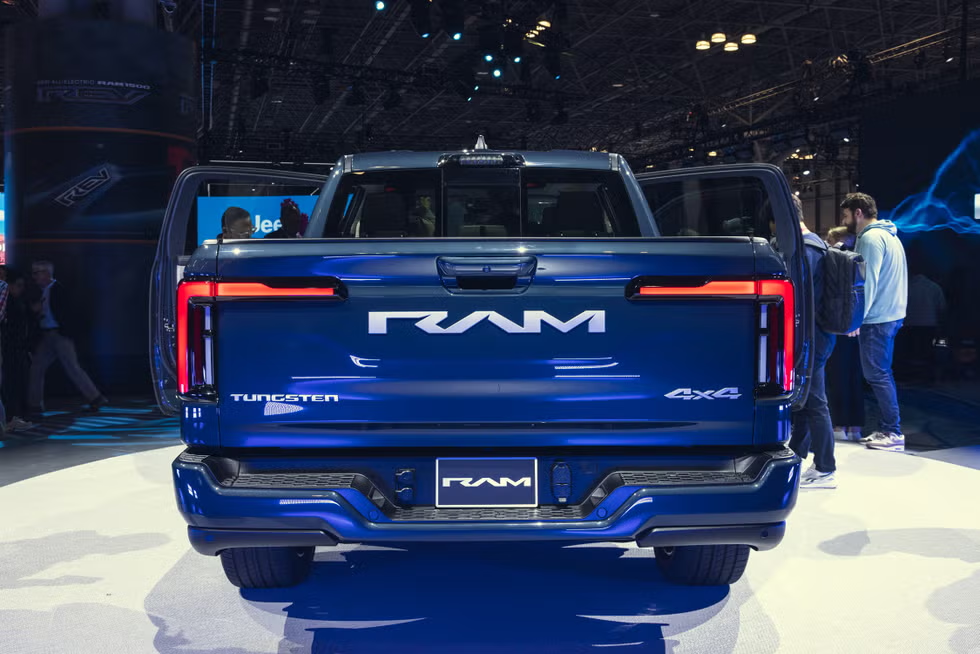
For more information on Dodge Ram vehicles, check out Dodge Ram’s official page. To learn about the broader initiatives by Stellantis, visit Stellantis’ sustainability page. Additionally, for detailed information on California’s local government initiatives regarding EV rebates, you can visit the California Air Resources Board or California’s Clean Vehicle Rebate Project.
2. Understanding Electric Car Rebates in California
Electric car rebates are a cornerstone of California’s efforts to make electric vehicles (EVs) accessible to more residents, bridging the financial gap that often comes with purchasing a new EV. These rebate programs provide cash-back incentives designed to reduce the initial cost of EV ownership, making the switch from gas-powered to electric cars easier on the wallet. By addressing the upfront costs, California’s rebate initiatives aim to make EVs affordable for a wider range of people, encouraging them to adopt cleaner transportation options that benefit both their finances and the environment.

Programs like the California Clean Vehicle Rebate Program (CVRP) and local incentives from utilities or regional governments help ensure that financial assistance is available for different income levels and EV types. For example, low- and moderate-income residents may qualify for additional rebates, making it even more feasible for them to transition to sustainable vehicles. These incentives are not just about individual savings—they align with California’s broader environmental goals, reducing statewide emissions and contributing to improved air quality, a healthier community, and progress toward California’s goal of zero emissions by 2035.
3. Types of Electric Car Rebates Available in California
California provides a variety of electric car rebates to make EV ownership more affordable and accessible. At the state level, the California Clean Vehicle Rebate Program (CVRP) is one of the most prominent, offering rebates for new electric and plug-in hybrid vehicles. This program is designed to help offset the initial purchase costs, with rebate amounts varying based on the type of EV and the buyer’s income. Additionally, income-based incentives provide extra support for low- and moderate-income households, making it easier for these residents to transition to cleaner transportation options.

Beyond statewide programs, California also offers additional rebates through local and regional initiatives, including those provided by utility companies and city governments. For example, some utility companies offer rebates to customers who install home EV chargers, while certain regions provide incentives specifically for residents who switch to zero-emission vehicles. Together, these state, local, and regional rebates make California one of the most supportive states for EV adoption, encouraging a broad range of residents to join the shift toward sustainable transportation and contribute to the state’s environmental goals.
4. California Clean Vehicle Rebate Program (CVRP)
The California Clean Vehicle Rebate Program (CVRP) is a key initiative aimed at making electric vehicles (EVs) more accessible and affordable for Californians. This statewide program offers cash-back rebates to residents who purchase or lease eligible EVs, with rebate amounts ranging from $1,000 to $7,500. The specific rebate amount depends on the type of vehicle, such as battery electric vehicles (BEVs) or plug-in hybrid electric vehicles (PHEVs), as well as the applicant’s household income. Higher rebates are available for low- and moderate-income households, ensuring that financial assistance reaches those who may benefit from it the most. Through CVRP, California encourages more residents to choose cleaner transportation options, aligning with its broader goals of reducing emissions and improving air quality across the state.

To apply for the CVRP, residents can complete an online application after purchasing or leasing a qualifying EV. Applicants must meet certain eligibility requirements, including California residency and vehicle registration within the state. The application process is straightforward, typically involving the submission of necessary documents like proof of vehicle purchase or lease, California residency, and income verification (for income-based rebates). By providing this accessible rebate program, CVRP not only helps individual Californians save on EV costs but also contributes to the state’s larger mission of achieving a sustainable, zero-emission transportation future.
- How to Apply for CVRP: Residents can apply for the rebate online once they’ve purchased or leased a qualifying vehicle. The application process is straightforward, but applicants must ensure they meet eligibility requirements, such as California residency and vehicle registration in California.
- Typical Rebate Amounts: The rebate amount varies, with battery electric vehicles (BEVs) qualifying for higher rebates compared to plug-in hybrid electric vehicles (PHEVs).
5. Income-Based Incentives for EV Buyers
California offers extra incentives for low- and moderate-income households through the CVRP, allowing these individuals to receive additional rebate amounts. This approach helps ensure EV affordability for all income groups and boosts EV adoption in communities that might otherwise struggle to afford an electric vehicle.

6. Federal Tax Credits for Electric Vehicles
California’s Clean Vehicle Rebate Program (CVRP) includes special income-based incentives designed to make electric vehicles (EVs) accessible to low- and moderate-income households. Through these additional rebates, eligible individuals and families can receive higher rebate amounts compared to the standard rates, making EVs a realistic option even for those who might face financial constraints. This approach is instrumental in broadening the adoption of EVs across various income groups, ensuring that cleaner transportation options are accessible to more Californians, not just those with higher incomes.
These income-based incentives not only address affordability but also promote equity in California’s transition to zero-emission transportation. By providing extra financial support to lower-income communities, the program helps these residents reduce their transportation costs, enjoy lower long-term maintenance expenses, and contribute to cleaner air and reduced emissions. This targeted support encourages EV adoption in a more inclusive manner, supporting California’s broader goal of creating a sustainable and equitable transportation system that benefits all residents.
7. California Electric Car Rebate in 2025: What to Expect
As California accelerates its push toward a zero-emission future, the state’s 2025 electric vehicle (EV) rebate programs are anticipated to include significant updates to further encourage EV adoption. These changes reflect California’s ongoing commitment to making clean transportation accessible for all residents while addressing the challenges and demands of a growing EV market. Among the predicted adjustments are increased rebate amounts, expanded eligibility criteria, and a continued focus on income-based support to promote equity and affordability. These enhancements aim to drive broader EV adoption across diverse income groups, bringing California closer to its ambitious sustainability goals.
- Increased Rebates: Rebates for lower-income households may increase, making it even easier for a broader audience to access EVs.
- New Criteria for Eligibility: As the demand for EVs rises, California may refine eligibility to ensure rebates reach those who most need financial assistance.
- Emphasis on Sustainable Transportation: With California’s goal to reach net-zero emissions by 2035, rebates and incentives will continue to play a central role in accelerating EV adoption across the state.

8. Emphasis on Sustainable Transportation in California
California’s commitment to sustainable transportation is central to its environmental vision, which includes the ambitious goal of phasing out gas-powered vehicles entirely by 2035. With transportation accounting for a large portion of the state’s greenhouse gas emissions, moving toward zero-emission vehicles is essential for cleaner air and a healthier climate. To achieve this, California has established a variety of policies, incentives, and rebate programs that encourage residents to shift from traditional combustion engines to electric vehicles (EVs) and other eco-friendly transportation options.
Rebates and financial incentives are instrumental in this transition, making it easier and more affordable for people to choose EVs. Programs like the California Clean Vehicle Rebate Program (CVRP) and income-based incentives support individual buyers, while other initiatives promote EV adoption in public and commercial sectors. These programs not only offer financial relief but also contribute to a cultural shift, building a broader awareness of sustainable transportation and making it a feasible choice for all Californians. By reducing the economic barriers associated with EV ownership, California is paving the way for a widespread adoption of clean energy vehicles, which directly supports its commitment to reducing emissions.
9. Benefits of Owning an Electric Car Beyond Rebates
Electric vehicles (EVs) offer a range of advantages that extend well beyond the initial rebates and incentives that help with their purchase. These benefits make EVs not only a smart financial choice but also a meaningful investment in environmental sustainability and driving enjoyment. By owning an EV, drivers can experience unique savings, contribute to a healthier planet, and enjoy an elevated driving experience.
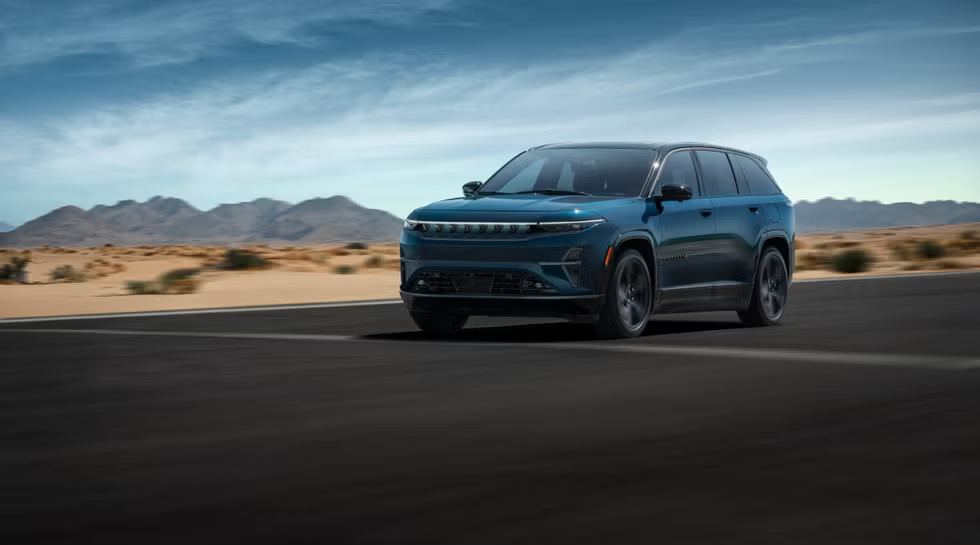
Lower Operating Costs: One of the most appealing aspects of EV ownership is the reduction in operating expenses compared to traditional gas-powered vehicles. EVs generally have fewer moving parts, which means fewer opportunities for wear and tear and, ultimately, lower maintenance costs. Routine services, like oil changes and complex engine repairs, are eliminated, and many EVs require only minimal maintenance. Additionally, charging an EV is often more affordable than fueling up a gas-powered car, especially with the added convenience of charging at home. As a result, EV owners can save significantly on annual transportation costs, making EVs a financially sustainable choice in the long run.
Reduced Carbon Footprint: Another substantial benefit of driving an EV is the positive environmental impact. Unlike gas-powered vehicles that release carbon dioxide and other harmful emissions, EVs run on electricity and produce zero tailpipe emissions. This contributes to cleaner air, reduced greenhouse gas emissions, and improved air quality, especially in urban areas with high levels of air pollution. For environmentally conscious drivers, owning an EV represents a proactive step toward reducing their carbon footprint and supporting a cleaner, greener future. As California and other states work toward ambitious emission reduction goals, EV owners are directly contributing to this shared vision of a sustainable world.
Enhanced Driving Experience: EVs provide a modern, enjoyable driving experience that many drivers find appealing. Electric motors deliver instant torque, allowing EVs to accelerate quickly and smoothly, which translates to a more responsive and thrilling drive. Additionally, EVs are known for their quiet operation, as they don’t have noisy combustion engines, making for a peaceful and comfortable ride. With advanced technology like regenerative braking, customizable driving modes, and innovative infotainment systems, EVs offer a tech-savvy experience that appeals to those who appreciate the latest in automotive innovation. This combination of performance, comfort, and technology makes EV ownership rewarding beyond the traditional benefits associated with gas-powered cars.
Owning an EV goes beyond simply saving on fuel or taking advantage of rebates—it’s a lifestyle choice that aligns with sustainability and technological advancement. Whether for the cost savings, environmental impact, or the joy of driving a high-tech, efficient vehicle, EVs present a compelling case for the future of transportation.
10. Are Used EVs Eligible for Rebates?
In California, some used electric vehicles also qualify for rebates. The Clean Cars 4 All program, for instance, provides rebates for low-income residents who purchase used EVs. This program makes EVs accessible to more Californians and supports a sustainable secondhand EV market.
11. How to Apply for California Electric Car Rebates
Applying for California’s EV rebates is a straightforward process. Here’s a step-by-step guide:
- Purchase or Lease an Eligible EV: First, ensure that your EV qualifies for the rebate program.
- Submit Your Rebate Application: Go to the CVRP website to complete your application online.
- Submit Required Documents: You may need to provide proof of income, vehicle registration, and proof of purchase.
- Wait for Approval: The approval process can take several weeks, so patience is key.
- Receive Your Rebate Check: Once approved, you’ll receive a check in the mail to offset the cost of your EV purchase.
12. FAQs About Electric Car Rebates in California
- Do all EVs qualify for rebates? Not all EVs qualify for rebates. You’ll need to check if your vehicle is on the eligible list before applying.
- Can I get both state and federal incentives? Yes! You can combine California rebates with federal tax credits for maximum savings.
- Are there rebates for plug-in hybrids? Yes, plug-in hybrid electric vehicles (PHEVs) are often eligible for lower rebates than fully electric vehicles.
- How long does it take to receive the rebate? Processing can take several weeks, so it’s best to apply as soon as you purchase your vehicle.
- Is the CVRP program only for new EVs? The CVRP typically applies to new EVs, though other programs like Clean Cars 4 All offer incentives for used EVs.
13. Challenges and Considerations for EV Rebates
While rebates offer financial relief, there are a few considerations to keep in mind:
- Availability of Funds: The CVRP operates on a budget, and funds may run out. Staying informed about rebate availability is essential.
- Delays in Processing: The application process may take time, and it’s best to apply early.
14. Tips for Maximizing Your Electric Vehicle Savings
- Combine Incentives: Take advantage of both state and federal incentives to save more.
- Check Eligibility Before Purchase: Make sure your chosen vehicle qualifies for rebates and tax credits.
- Choose the Right Time to Buy: Rebates and incentives may vary throughout the year, so consider the timing of your purchase.
15. California Electric Car Rebate: Your Guide to Savings in 2024 and 2025
are central to this initiative. Through a range of California electric car rebate programs, the state aims to make EVs more affordable and accessible to residents. These incentives, which include both statewide and local options, are designed to offset the cost of purchasing an electric vehicle, allowing more people to make the switch from traditional cars. California’s rebate offerings include popular options such as the Clean Vehicle Rebate Program (CVRP) and income-based rebates, which make electric vehicle ownership possible for households at all income levels.
For 2024 and beyond, California electric car rebates are set to evolve, potentially with updated eligibility requirements and expanded options to make EVs accessible to even more residents. Whether it’s a California rebate for electric cars or a California electric car rebate 2023 option that drivers are seeking, the state’s programs offer an array of choices. By providing rebates on electric cars to residents, California is not only supporting cleaner transportation but also advancing its goal to reach zero emissions by 2035.
16. Conclusion
Electric car rebates in California make eco-friendly transportation affordable and accessible to more people. As the state moves closer to its clean energy goals, programs like CVRP are crucial for encouraging more residents to adopt EVs. With expected changes in 2025, these programs will continue to play a vital role in California’s vision for a sustainable future.
FAQs
- What is the maximum rebate amount I can receive in California?
Rebate amounts can go up to $7,500 depending on income and vehicle type. - Is there a deadline to apply for the rebate after purchasing an EV?
Yes, applicants usually have up to 18 months from the purchase date to apply for the CVRP. - Can rebates be used for leased EVs?
Yes, rebates apply to eligible EVs whether they are purchased or leased. - Are commercial EVs eligible for California rebates?
Currently, CVRP rebates are primarily for personal vehicles. Business incentives may differ. - Will California rebates continue after 2025?
As California moves toward 2035 goals, rebate programs are expected to continue evolving to support sustainable transportation.
Connect with us


