





California Alimony Calculator
California Alimony Calculator (Estimator)
Temporary support estimate uses the common guideline formula. Post-judgment support is a planning range based on inputs; actual orders depend on Family Code factors.
Inputs
Post-judgment Planning Inputs (Optional)
Post-judgment support: California permanent support is based on statutory factors (Family Code §4320), not a single statewide equation; this tool shows a planning range only. :contentReference[oaicite:3]{index=3}
Results
Temporary spousal support estimate
$0.00
Post-judgment planning range
$0.00 – $0.00
Suggested duration heuristic
—
Net income gap (monthly)
$0.00
Formula used
—
| Line item | Amount |
|---|
California Child Support Calculator
California Child Support Calculator (Estimator)
Guideline-style estimator using net monthly incomes and timeshare. Includes optional “add-ons” (childcare/health premiums) prorated by income share.
Inputs
Optional Add-ons (Prorated by Income Share)
Results
Estimated support (base guideline + add-ons)
$0.00
Base guideline (est.)
$0.00
Add-ons allocated (est.)
$0.00
K-factor (est.)
0.000
Higher earner
—
| Line item | Amount |
|---|
California Income Tax Calculator
California Income Tax Calculator
Estimate CA state income tax from your annual income and deductions. Includes optional Mental Health Services Tax and an optional “total taxes” view.
Inputs
Options
Results
Estimated California income tax (annual)
$0.00
CA taxable income
$0.00
Effective CA rate
0.00%
| Line item | Amount |
|---|
California Paycheck Calculator
California Paycheck Calculator
High-contrast one-page estimator for take-home pay (net). Hourly or salary, deductions, and optional simplified tax logic.
Inputs
Deductions
Taxes (Effective Rates)
Payroll Taxes (FICA / Medicare / CA SDI)
Advanced: Simplified Tax Tables
Results
Estimated net pay (this paycheck)
$0.00
Gross pay
$0.00
Total taxes
$0.00
Pre-tax deductions
$0.00
Post-tax deductions
$0.00
| Line item | Amount |
|---|
The Most Accurate Car Value Websites of 2026

A Data-Driven Guide for Buyers, Sellers, and Trade-Ins in the U.S.
Accurately determining a vehicle’s value has never been more important—or more complex—than it is in 2026. Between fluctuating interest rates, post-pandemic inventory normalization, EV depreciation curves, and rapidly changing consumer demand, car values today are influenced by far more than mileage and model year alone.
Whether you are selling a vehicle privately, trading in at a dealership, or researching fair pricing before buying, relying on the right valuation platforms can mean the difference between leaving money on the table and negotiating from a position of strength.
This guide breaks down the most accurate car value websites of 2026, how they calculate prices, where they differ, and how to use them together to arrive at the most realistic number possible.
Why Car Valuation Accuracy Matters More in 2026
In previous decades, vehicle pricing followed relatively predictable depreciation curves. In 2026, that model no longer applies universally.
Several structural shifts have changed the valuation landscape:
- Higher average vehicle prices compared to pre-2020 levels
- Increased financing terms (72–96 months) affecting resale math
- Hybrid and EV depreciation volatility
- Regional inventory imbalances that skew local pricing
- Advanced data models replacing static pricing books
As a result, consumers who rely on a single valuation source often receive incomplete or misleading estimates. The most accurate pricing today comes from cross-referencing multiple data models, each designed for a different part of the market.
How Car Value Websites Calculate Prices in 2026
Before comparing platforms, it is essential to understand what “value” actually means in modern automotive pricing.
Most car valuation websites in 2026 calculate one or more of the following:
- Trade-In Value – What a dealer is likely to offer
- Private Party Value – What a private buyer may realistically pay
- Retail Value – What a dealer may list the vehicle for
- Wholesale / Auction Value – Dealer-to-dealer pricing
Each website emphasizes different data sources:
- Dealer transaction data
- Wholesale auction results
- Active retail listings
- Seasonal and regional demand
- Reconditioning and resale costs
This explains why two reputable sites can show materially different numbers—and why no single site should be used in isolation.
The Most Accurate Car Value Websites of 2026 (Ranked)
1. Kelley Blue Book (KBB)

Website: KBB.com
Kelley Blue Book remains the most widely referenced vehicle valuation authority in the United States. In 2026, its strength lies not in being perfect, but in being universally recognized—by consumers, dealers, lenders, and insurers.
KBB’s valuation model integrates:
- Verified dealer transactions
- Wholesale auction trends
- Regional pricing adjustments
- Seasonal demand patterns
Its greatest advantage is standardization. Because so many dealerships reference KBB internally, its values often anchor trade-in discussions—even when other tools suggest slightly higher or lower numbers.
Key valuation tools in 2026:
- Trade-In Value
- Private Party Value
- Instant Cash Offer (ICO)
- Fair Market Price range
Strengths
- Broad market acceptance
- Updated frequently
- Clear condition grading
Limitations
- Conservative on older vehicles
- EV values can lag real-time market shifts
Best used for:
Establishing a baseline value before negotiating with a dealership.
2. Edmunds

Website: Edmunds.com
Edmunds has positioned itself as the most transaction-accurate consumer valuation platform in 2026. Its proprietary True Market Value (TMV) model focuses on what vehicles are actually selling for, not what sellers hope to get.
Edmunds pulls from:
- Dealer sales reports
- Verified transaction pricing
- Incentive and rebate adjustments
- Ownership cost modeling
This makes Edmunds particularly strong for late-model vehicles, where incentives, APR programs, and inventory pressure dramatically affect pricing.
Key valuation tools:
- TMV Trade-In Estimate
- TMV Private Party Value
- Dealer Retail Benchmarks
Strengths
- Reflects real buyer behavior
- Strong for newer vehicles
- Excellent negotiation reference
Limitations
- Less aggressive for high-demand niche vehicles
- Older vehicle pricing can be conservative
Best used for:
Validating whether a dealer’s offer reflects real market behavior.
3. NADA Guides (J.D. Power)
Website: NADA.org
NADA Guides, now fully integrated with J.D. Power, remains the dealer-centric valuation authority in 2026. Unlike consumer-facing platforms, NADA pricing reflects how vehicles are valued inside dealerships, not just advertised publicly.
NADA emphasizes:
- Wholesale auction pricing
- Dealer reconditioning costs
- Risk-adjusted resale values
- Lender and finance benchmarks
Because many banks and lenders still rely on NADA values to approve loans, this platform often determines how much a dealer can actually pay, regardless of consumer-facing estimates.
Strengths
- Highly respected by lenders
- Accurate for wholesale and trade-in values
- Strong regional adjustment
Limitations
- Less intuitive UI for consumers
- Retail prices may appear lower than listing sites
Best used for:
Understanding the dealer’s internal math on trade-ins.
4. CarGurus

Website: CarGurus.com
CarGurus has evolved into one of the most real-time valuation platforms in 2026 by analyzing millions of live vehicle listings across the U.S.
Rather than focusing on historical transactions alone, CarGurus emphasizes:
- Active market supply
- Price reductions and time-on-market
- Regional inventory pressure
- Demand elasticity
Its valuation model answers a different question:
“What price will this vehicle realistically sell for right now?”
Key features
- Instant Market Value
- Deal Rating system
- Comparable listing analysis
Strengths
- Extremely current pricing
- Strong regional accuracy
- Useful for private sellers
Limitations
- Can underprice rare or specialty vehicles
- Does not factor reconditioning costs
Best used for:
Private-party pricing and timing the market.
5. TrueCar

Website: TrueCar.com
TrueCar occupies a hybrid space between valuation and lead generation. In 2026, its strength lies in dealer-verified pricing data tied directly to actual purchase offers.
TrueCar valuations are based on:
- Participating dealer sales
- Incentivized pricing models
- ZIP-code-specific demand
While TrueCar’s values can skew conservative on trade-ins, they are highly effective for understanding what dealers are currently willing to pay or sell for in a specific market.
Strengths
- Dealer-verified pricing
- Strong geographic accuracy
- Transparent fee structures
Limitations
- Limited coverage in some rural markets
- Less useful for older vehicles
Best used for:
Confirming dealer competitiveness in your local area.
6. Black Book
Black Book is not consumer-facing, but in 2026 it remains one of the most influential valuation authorities in the automotive industry.
Black Book data powers pricing models for:
- Dealership inventory management
- Wholesale auctions
- Lenders and leasing companies
Because it tracks weekly auction movement, Black Book often reacts faster to sudden market shifts than consumer platforms.
Strengths
- Extremely current wholesale data
- Trusted by dealers nationwide
- Strong predictive pricing
Limitations
- Not directly accessible to consumers
- Wholesale-focused
Best used for:
Understanding why a dealer’s offer changed week-to-week.
Why Different Websites Show Different Values
If you have ever wondered why one site says your vehicle is worth $22,000 while another says $18,500, the answer lies in valuation intent.
Each platform answers a different question:
- KBB: What is the generally accepted market range?
- Edmunds: What are people actually paying?
- NADA: What can a dealer afford to pay?
- CarGurus: What will sell right now?
- Black Book: What is wholesale risk worth today?
No single number is “wrong”—they simply represent different market perspectives.
How to Get the Most Accurate Car Value in 2026
To arrive at the most realistic number:
- Check at least three platforms (KBB, Edmunds, CarGurus)
- Adjust for condition honestly—overgrading inflates expectations
- Review comparable listings in your ZIP code
- Factor seasonality (trucks and SUVs peak in winter, convertibles in spring)
- Get a professional appraisal if trading in
Dealers consider reconditioning cost, resale risk, and inventory demand, not just book value.
Vehicles With the Highest Trade-In Value in 2026
Certain models continue to outperform depreciation averages:
- Jeep Wrangler – Exceptional resale due to brand loyalty
- Toyota Tacoma – Strong demand and durability
- Toyota 4Runner – Limited redesign cycles preserve value
- Honda CR-V – Broad buyer appeal
- Ford F-150 – Consistent demand across trims
Vehicles that maintain value share three traits: reliability, demand consistency, and brand equity.
Final Thoughts: Choosing the Right Valuation Tool in 2026
There is no single “perfect” car value website in 2026. The most accurate valuations come from context, comparison, and professional insight.
Use online tools to educate yourself, not to replace expert appraisal. When selling or trading, understanding why a number exists is more important than the number itself.
For buyers and sellers alike, informed expectations lead to faster deals, stronger negotiations, and better outcomes.
Innova 5160RS vs 5610 – The Ultimate Showdown!
Your “check engine” light just flashed on. Panic sets in. What’s wrong with your car? You know you need an OBD2 scanner, but the choices are overwhelming.
Two popular options from Innova, the 5160RS and the 5610, often come up. Both promise to read codes and help diagnose car problems. But which one is truly right for you?
This detailed guide will cut through the confusion. We’ll compare the Innova 5160RS and 5610 side-by-side. By the end, you’ll know exactly which tool to pick for your garage.
Why You Need an OBD2 Scanner
Modern cars are complex machines. When something goes wrong, they often tell you with a “check engine” light. An OBD2 scanner is your car’s translator.
It reads diagnostic trouble codes (DTCs). These codes point to specific issues within your vehicle’s systems. Having a scanner saves you time and money on mechanic visits.
You can identify problems early. You can even decide if a repair is something you can handle yourself. Simply put, it gives you control over your car’s health.
Innova 5160RS: A Deep Dive
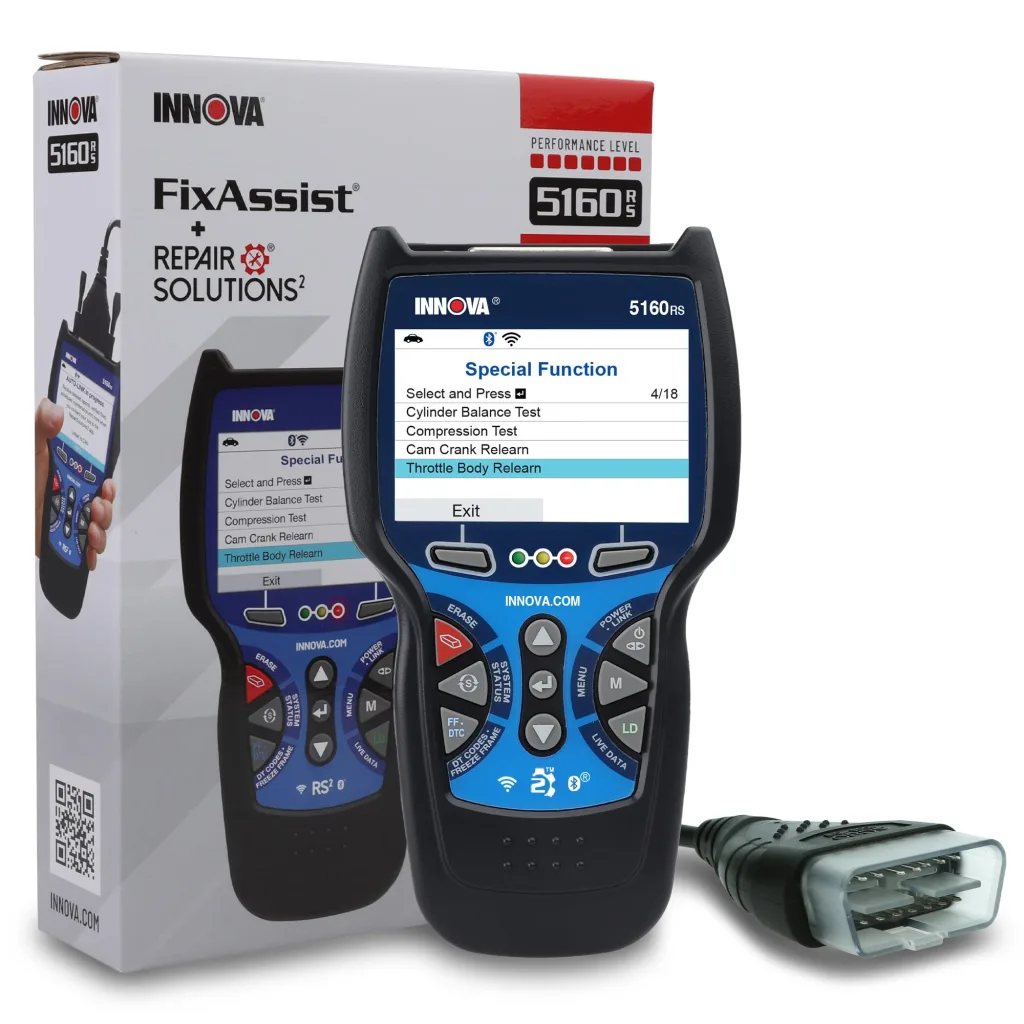
The Innova 5160RS is a strong contender for many home mechanics. It offers a great balance of features and ease of use. This scanner is part of Innova’s RepairSolutions2 line.
It connects to your smartphone for enhanced diagnostics. This smart pairing makes it very versatile for its price point. Let’s look at its core strengths.
Key Features of the 5160RS
- Read and Clear Codes: It handles generic and manufacturer-specific codes.
- Live Data: View real-time engine data like RPM, speed, and sensor readings.
- Battery & Alternator Test: Check your car’s charging system health.
- Oil Light Reset: Turn off that annoying oil change reminder light.
- ABS/SRS Codes: Diagnose issues with your Anti-lock Brake System and Airbag system.
- RepairSolutions2 App: Get verified fixes, difficulty ratings, and parts needed.
Who is the 5160RS For?
This scanner is perfect for the average car owner or DIY enthusiast. If you want to understand basic “check engine” lights, the 5160RS is a solid choice. It’s also great for those who appreciate smartphone integration.
You can quickly diagnose common problems. Then you can get repair guidance directly on your phone. It bridges the gap between basic code readers and professional tools.
Pros and Cons of the 5160RS
- Pros:
- Easy to use, even for beginners.
- Excellent smartphone app integration.
- Reads ABS and SRS codes.
- Includes battery/alternator test.
- More affordable than higher-end models.
- Cons:
- Screen is smaller than some other models.
- Relies on a smartphone for full repair details.
- Limited advanced functions compared to professional tools.
Innova 5610: The Advanced Option
Stepping up the ladder, we find the Innova 5610. This scanner is designed for more serious DIYers and even some professional technicians. It packs a punch with advanced features built right into the device.
It offers deeper diagnostics without always needing a phone. This makes it a powerful standalone tool. The 5610 is often considered a top-tier Innova model.
Key Features of the 5610
- All System Network Scan: Scans virtually all vehicle modules, not just engine.
- Bi-directional Control: Perform active tests on components (e.g., turn on fuel pump).
- Coding & Programming: Advanced functions for module coding (vehicle specific).
- ABS/SRS/Transmission/Engine Codes: Comprehensive system coverage.
- Oil Light Reset & Battery Reset: Essential maintenance functions.
- Electronic Parking Brake (EPB) Reset: Safely service brake pads.
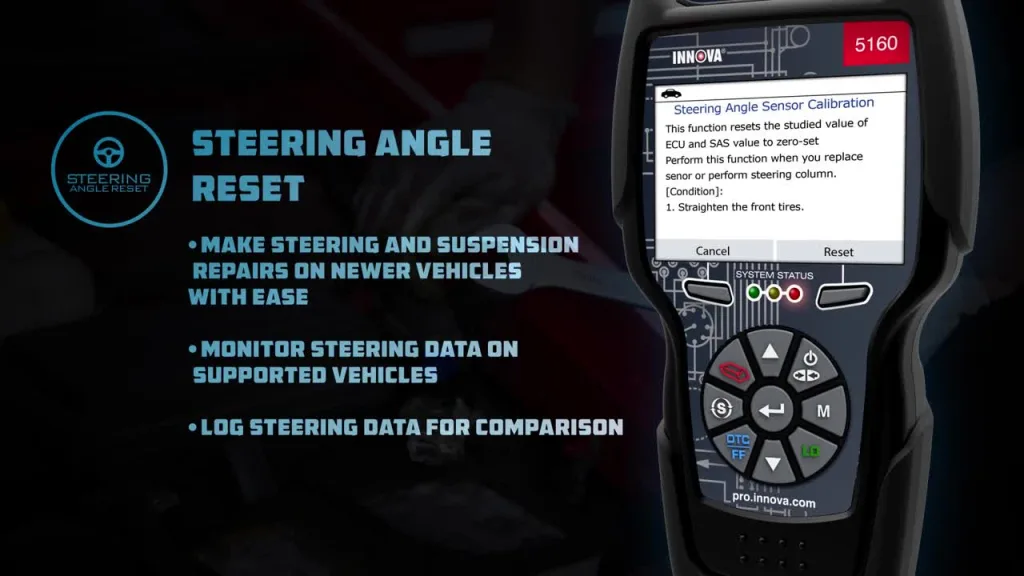
- Steering Angle Sensor (SAS) Reset: Calibrate the steering system.
- Tire Pressure Monitoring System (TPMS) Reset: Reset tire pressure warnings.
- Live Data Graphing: View multiple data streams at once.
- RepairSolutions2 App: Still integrates for even more data and repair guidance.
Who is the 5610 For?
The 5610 targets experienced DIYers, small garage owners, and aspiring mechanics. If you want to dig deeper into vehicle systems, this is your tool. It’s ideal for those who perform more complex repairs.
People working on a wider range of vehicles will also benefit. Its extensive special functions save trips to the dealership. This scanner offers near-professional capabilities.
Pros and Cons of the 5610
- Pros:
- Extremely comprehensive system coverage.
- Advanced bi-directional controls.
- Many special functions (EPB, SAS, TPMS).
- Large, clear display for easy reading.
- Powerful standalone capabilities.
- Cons:
- Higher price point.
- Can be overkill for basic users.
- Some advanced functions might require learning.
Innova 5160RS vs 5610: The Head-to-Head Battle
Now, let’s put these two powerhouses against each other. Understanding their differences helps you make an informed choice. We’ll compare them across several key areas.
Display and Interface
The 5160RS features a decent color screen. It’s clear enough for reading codes and basic live data. However, its full potential shines when paired with the RepairSolutions2 app.
The 5610 boasts a much larger, high-resolution display. This makes reading data, navigating menus, and viewing graphs much easier. It’s designed for more intense on-device use.
Code Reading and Clearing
Both scanners excel at reading and clearing standard “check engine” codes. They both cover generic and manufacturer-specific codes. This is a core function they both handle well.
However, the 5610 goes further. It performs an “All System Network Scan.” This means it checks almost every module in your car for codes. The 5160RS focuses on engine, ABS, and SRS systems.
Live Data and Advanced Diagnostics
Both units offer live data. You can see sensor readings in real time. The 5160RS gives you important parameters, often best viewed on your phone.
The 5610 takes live data to another level. It provides graphing for multiple data streams simultaneously. This helps you spot trends and diagnose intermittent issues. The 5610 also offers bi-directional control. This lets you command components directly from the scanner. For instance, you could open an EGR valve to test it.
Special Functions
Here’s where the 5610 truly pulls ahead. The 5160RS handles basic resets like oil light and battery/alternator tests. These are very useful for routine maintenance.
The 5610 adds a whole suite of advanced special functions. These include EPB reset, SAS reset, TPMS reset, and even coding/programming for some modules. These features are usually found on much more expensive professional tools.
Software and Updates
Both scanners use the Innova RepairSolutions2 app. This app is a huge advantage for either device. It provides verified fixes, part recommendations, and repair difficulty ratings.
Updates for both devices are generally free for the software itself. However, the 5610’s advanced features might have specific updates. Innova is good at keeping its software current.
Price Point
The 5160RS is the more budget-friendly option. It offers excellent value for its capabilities. It’s an investment that quickly pays for itself by avoiding diagnostic fees.
The 5610 costs significantly more. This higher price reflects its advanced features and deeper diagnostic power. It’s an investment for those who need professional-level tools.
Ease of Use
For beginners, the 5160RS is arguably easier to pick up. Its interface is straightforward. The app guides you through complex repairs.
The 5610 has a steeper learning curve due to its many functions. While its interface is intuitive, understanding all its capabilities takes time. It’s made for users who already have some technical knowledge.
Which Innova Scanner is Right for You?
The choice between the 5160RS and 5610 depends entirely on your needs. Consider your budget, your skill level, and the types of repairs you plan to do.
Choose the 5160RS if:
- You are a beginner or average car owner.
- You mainly need to read and clear engine, ABS, and SRS codes.
- You want an easy-to-use tool with great app integration.
- Your budget is more limited.
- You perform basic maintenance like oil changes and battery checks.
Opt for the 5610 if:
- You are an experienced DIYer or aspiring mechanic.
- You need to diagnose issues across nearly all vehicle systems.
- You require advanced functions like bi-directional control or special resets (EPB, SAS).
- You want a powerful standalone tool with a large display.
- You are willing to invest more for professional-level capabilities.
Frequently Asked Questions
Are Innova scanners compatible with all car brands?
Yes, Innova scanners work with most OBD2 compliant vehicles. This includes cars, light trucks, SUVs, and hybrids made in 1996 or newer in the US. They also support newer vehicles in other regions.
Do I need an internet connection to use these scanners?
No, you do not need an internet connection to read basic codes. However, you will need internet access to download the RepairSolutions2 app. You also need it for full repair reports, updates, and confirmed fixes.
Can these scanners program new keys?
Neither the Innova 5160RS nor the 5610 typically supports key programming. This function usually requires specialized dealership-level tools. These tools are often very expensive and brand-specific.
Are software updates free for Innova scanners?
Yes, software updates are generally free for Innova scanners. This ensures your tool stays current with new vehicle models and diagnostic protocols. You can usually update them via a computer or the RepairSolutions2 app.
What is bi-directional control, and why is it important?
Bi-directional control allows the scanner to send commands to your car’s components. For example, you can tell the scanner to activate a cooling fan or injector. This helps you test parts directly. It saves a lot of diagnostic time.
Conclusion
Choosing between the Innova 5160RS and 5610 doesn’t have to be hard. Both are excellent tools from a reputable brand. Your perfect choice depends on your specific needs and technical skill.
The 5160RS offers fantastic value for everyday car owners. It handles common issues with ease. The 5610 delivers professional-grade diagnostics for more serious users. It covers a wider range of complex problems.
Review your requirements one last time. Think about the types of repairs you’ll perform. Then confidently pick the Innova scanner that best fits your garage. Get ready to take control of your vehicle’s health!
Does Octane Booster Work ? Expert Review

Review Backed by Real Engine Data
Few automotive products spark as much debate as octane boosters. Walk into any auto parts store and you will see bold claims: more power, reduced knock, race fuel performance. That leads to the obvious question drivers keep asking online: does octane booster work?
Closely related searches—does octane booster actually work, does octane booster really work, and octane booster does it work—all point to the same uncertainty. This in-depth expert review breaks down the science, real-world testing, and engine behavior to deliver a clear, evidence-based answer.
What Is Octane and Why Does It Matter?
Before answering does octane boost really work, it is critical to understand what octane rating means.
Octane rating measures a fuel’s resistance to pre-ignition and detonation (knock). It does not measure fuel strength or energy content. Instead, it determines how well fuel can tolerate pressure and heat before combusting uncontrollably.
Engines with:
- High compression ratios
- Turbochargers or superchargers
- Aggressive ignition timing
all benefit from higher octane fuel because it allows the ECU to operate closer to optimal timing without knock.
How Does Octane Booster Work?
One of the most common questions is how does octane booster work, and the answer lies in chemistry.
Octane boosters are concentrated chemical additives designed to increase gasoline’s resistance to detonation. They achieve this by introducing compounds that burn more slowly and predictably under compression.
Typical active ingredients include:
- Aromatic hydrocarbons such as toluene or xylene
- Oxygenates like ethanol derivatives
- In some cases, metal-based additives such as MMT
These compounds raise the fuel’s effective octane rating, delaying auto-ignition during the compression stroke.
In simple terms: octane boosters change how fuel behaves under pressure, not how much energy it contains.
Does Octane Booster Actually Work in Real Engines?
So, does octane booster actually work, or is it just marketing?
The Short Answer
Yes—octane booster does work, but with important limitations.
Independent lab testing consistently shows that quality octane boosters can raise fuel octane by 1 to 6 points at recommended doses, and sometimes more at higher concentrations.
However, whether that increase translates into real performance gains depends entirely on the engine.
Does Octane Booster Really Work for Power Gains?
This is where expectations often diverge from reality.
Modern Engines With Knock Sensors
In modern vehicles, ECUs continuously adjust ignition timing based on knock sensor feedback. When higher-octane fuel is detected, the ECU may:
- Advance ignition timing
- Increase boost pressure (in turbocharged engines)
- Reduce safety margins
In these engines, octane boosters can result in:
- Measurable torque gains
- Slight horsepower increases
- Reduced knock under heavy load
In controlled dyno testing, engines capable of adapting timing typically show 2–5% power gains when effective octane increases by several points.
Older Engines Without Adaptive Timing
In older engines with fixed timing maps, the answer to does octane booster really work is often no from a performance standpoint. The octane may increase, but the engine cannot take advantage of it.
Why Some Drivers Say Octane Boosters Don’t Work
Search results for does octane booster really work often include negative experiences. These usually fall into three categories:
1. Misleading “Points” Claims
Many products advertise “+10 points,” but those points may represent tenths of an octane number, not full octane ratings. A “10-point” increase often means +1.0 octane, not +10.
2. Insufficient Dosage
Most bottles are under-dosed for modern fuel tank sizes. Used as directed, some boosters simply cannot raise octane enough to matter.
3. Engines That Cannot Adapt
If an engine is not knock-limited, higher octane produces no noticeable difference.
This leads many consumers to conclude—incorrectly—that octane booster does it work? The reality is that it works chemically, but not universally.
How Much Octane Increase Is Realistic?
Independent testing shows realistic results at recommended doses:
| Product Tier | Typical Octane Increase |
|---|---|
| Budget boosters | +1 to +2 |
| Mid-range boosters | +3 to +4 |
| Premium/high-aromatic boosters | +5 to +8 |
Reaching race-fuel levels typically requires multiple bottles, which raises cost and risk.
When Does Octane Booster Really Work Best?
Octane boosters perform best in specific scenarios:
- Turbocharged engines under heavy load
- High-compression engines near knock threshold
- Track days where fuel quality is inconsistent
- Emergency situations where only low-octane fuel is available
In these cases, the answer to does octane booster work is clearly yes, provided the engine can respond to the change.
Long-Term Risks and Considerations
Another reason people ask does octane boost really work is concern about long-term effects.
Potential issues include:
- Spark plug fouling
- Oxygen sensor contamination
- Catalytic converter damage (especially with metal-based additives)
This is why octane boosters are best used occasionally, not as a permanent substitute for higher-octane fuel.
Octane Booster vs Higher-Octane Pump Fuel
From a cost-efficiency perspective:
- Premium pump fuel offers consistent, predictable octane
- Octane boosters offer flexibility but variable results
If higher-octane fuel is readily available, it is usually the better choice. Octane boosters shine when premium fuel is unavailable or when temporary octane increases are required.
Final Verdict: Does Octane Booster Work?
To answer every major search question directly:
- Does octane booster work?
Yes, chemically and measurably. - Does octane booster actually work?
Yes, but only engines that can adapt will benefit. - Does octane booster really work?
It works within realistic limits, not miracle claims. - Does octane boost really work?
It reduces knock and can unlock power in knock-limited engines.
Octane boosters are not snake oil—but they are not magic either. Used correctly, in the right engine, and with realistic expectations, they deliver exactly what physics allows and nothing more.
Frequently Asked Questions About Octane Boosters
Does octane booster work in all cars?
No. While octane boosters chemically increase fuel octane, not all engines benefit. Modern vehicles with knock sensors and adaptive ECUs are far more likely to see gains. Older vehicles with fixed ignition timing may experience reduced knock but no noticeable performance improvement.
Does octane booster actually work for horsepower?
Yes—but only under specific conditions. If an engine is knock-limited and capable of advancing ignition timing, an octane booster can unlock modest horsepower and torque gains. In most real-world scenarios, increases range from 2–5%, not dramatic jumps.
Does octane booster really work the same as premium fuel?
Not exactly. Premium fuel provides consistent, refinery-controlled octane, while octane boosters offer variable increases depending on formulation and dosage. Boosters are best viewed as a temporary or situational solution, not a full replacement for higher-octane pump fuel.
How does octane booster work inside the engine?
Octane boosters work by introducing high-octane chemical compounds into gasoline. These compounds resist auto-ignition under pressure, allowing the air–fuel mixture to burn more smoothly. This reduces knock and permits more aggressive ignition timing in engines that can adapt.
Does octane boost really work in turbocharged engines?
Yes. Turbocharged engines are among the best candidates for octane boosters. Because boost pressure increases cylinder temperatures, higher octane helps prevent detonation, allowing the ECU to maintain or increase boost and timing under load.
Can octane booster damage an engine?
Low-quality or metal-based octane boosters can cause issues if used excessively. Potential risks include:
- Spark plug fouling
- Oxygen sensor contamination
- Catalytic converter degradation
Used occasionally and according to instructions, high-quality octane boosters are generally safe.
Is using octane booster cheaper than buying premium gas?
Sometimes, but not always. When multiple bottles are required to achieve meaningful octane gains, costs can exceed the price difference between regular and premium fuel. Octane boosters are most cost-effective when premium fuel is unavailable or when short-term octane increases are needed.
What is the best octane booster available?
The answer depends on formulation, testing transparency, and intended use. For a detailed breakdown, comparisons, and expert analysis, you can review this in-depth guide on the best octane booster options experts have reviewed:
https://www.simivalleychryslerdodgejeepram.com/blogs/5737/best-octane-booster-experts-reviewed
Should I use octane booster every fill-up?
No. Octane boosters are not designed for continuous daily use. They are best reserved for:
- Track days
- Towing or heavy-load conditions
- High-performance driving
- Situations where fuel quality is uncertain
Regular use offers diminishing returns and increases the risk of deposits over time.
Does octane booster work immediately?
Yes. Once mixed with fuel and circulated through the system, the octane increase is effective immediately. Any ECU adjustments based on knock feedback typically occur within one to two driving cycles.
Unpack the real-world lifespan of synthetic motor oil. This deep dive covers the chemistry, driving factors, manufacturer recommendations, and expert tips to maximize your oil change intervals safely and effectively.
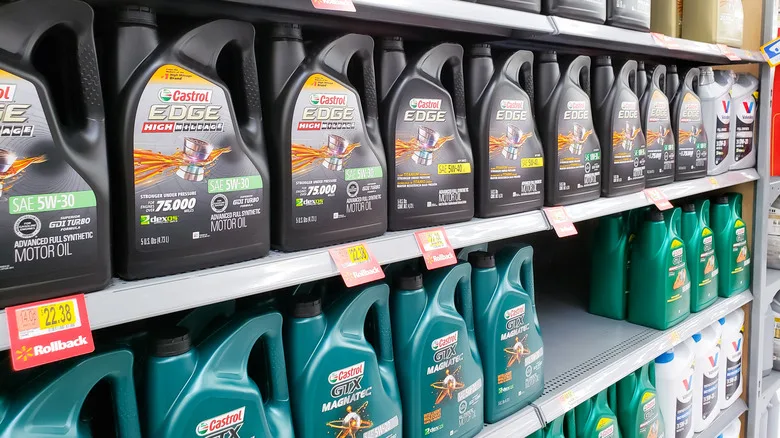
et’s be honest, the oil change sticker on your windshield is probably the most ignored piece of advice in your car. We all know we should change our oil, but when the shop tells you 3,000 miles and your car’s manual says 10,000, it’s easy to get confused. Add synthetic oil to the mix, with its promises of extended life, and suddenly the simple act of routine maintenance feels like a philosophical debate. So, what’s the real story? How long does synthetic oil actually last?
The short answer is: significantly longer than conventional oil, but it’s not a magic bullet that lets you forget about it forever. The long answer involves a blend of advanced chemistry, your car’s specific engineering, and how you actually drive. Let’s break it down.
What Exactly Is Synthetic Oil, Anyway?
Before we talk about how long it lasts, it’s helpful to understand what synthetic oil is and why it’s different. Unlike conventional motor oil, which is refined directly from crude oil, synthetic oil is engineered in a lab.
This isn’t just about fancy marketing. The process involves taking crude oil or other chemical compounds and breaking them down to their molecular level. Then, these molecules are rebuilt into uniform, purpose-designed base oils.
The Chemistry Behind the Longevity
The key to synthetic oil’s superior performance and extended life lies in its molecular uniformity and purity. Conventional oil, even after refining, contains a mix of molecule sizes and impurities like sulfur, waxes, and other unstable compounds.
These impurities and irregular molecules are the first to break down under heat and stress. They oxidize, form sludge, and lose their lubricating properties relatively quickly.
Synthetic oils, on the other hand, are built with molecules that are all roughly the same size and shape. This uniformity offers several critical advantages:
- Better Thermal Stability: Synthetic oil resists breaking down under extreme heat much better than conventional oil. This means fewer deposits, less sludge, and consistent viscosity even when your engine is running hot.
- Improved Oxidation Resistance: Oxidation is what causes oil to thicken and become acidic over time. Synthetic base oils are inherently more resistant to this chemical reaction, slowing down the degradation process.
- Lower Volatility: Synthetic oil evaporates less, especially at high temperatures. This means less oil consumption between changes and less harmful emissions.
- Superior Cold Flow Properties: Because of their uniform molecules, synthetic oils flow much better in cold weather. This provides faster lubrication at startup, which is when most engine wear occurs.
- Fewer Impurities: Synthetics have virtually no sulfur or other contaminants found in crude oil. These impurities can form acids and deposits, accelerating engine wear and oil degradation.
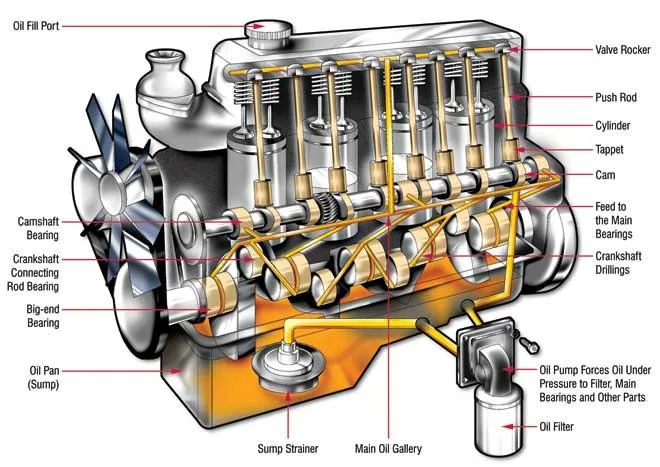
Factors Influencing Synthetic Oil Lifespan
While synthetic oil has a higher inherent resistance to degradation, its actual lifespan in your engine isn’t just about the oil itself. Many factors play a significant role in how quickly it breaks down.
Engine Design and Technology
Modern engines, while incredibly efficient, are also much harder on oil than older designs. This is a major reason why synthetic oil has become the norm:
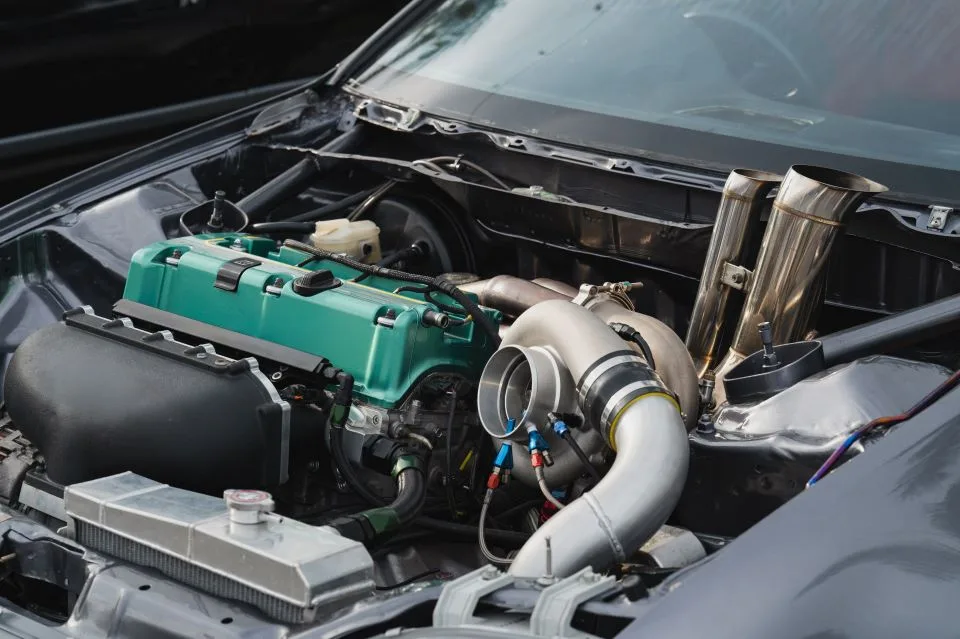
- Turbochargers: Turbos spin at incredibly high speeds and get extremely hot. The oil lubricating them is subjected to immense thermal stress, which can quickly degrade conventional oil.
- Direct Injection (GDI): GDI engines can suffer from “low-speed pre-ignition” (LSPI) and fuel dilution issues. LSPI is a destructive combustion event, and some oil formulations are better at preventing it. Fuel dilution, where gasoline gets into the oil, thins the oil and reduces its lubricating ability.
- Start-Stop Systems: These systems, designed for fuel economy, mean your engine is constantly cycling on and off. This leads to more cold starts and more fluctuating oil temperatures, stressing the oil and its additives.
- Smaller Displacement, Higher Output: Many modern engines are smaller but produce more power, leading to higher internal pressures and temperatures.
Your Driving Style and Conditions
How and where you drive has a huge impact on oil life. This is often categorized into “normal” vs. “severe” service conditions:
- Short Trips: If most of your driving involves short distances (under 10-15 minutes), your engine oil may never reach its optimal operating temperature. This prevents moisture, fuel, and combustion byproducts from boiling off, leading to sludge and acid formation.
- Stop-and-Go Traffic: Constant idling and low-speed driving generate a lot of heat and combustion byproducts without the airflow needed to cool the engine efficiently.
- Heavy Loads/Towing: Hauling trailers or carrying heavy loads puts significant stress on the engine, increasing temperatures and requiring the oil to work harder.
- Extreme Temperatures: Driving in very hot climates increases thermal stress on the oil. Extremely cold conditions make the oil thicker, requiring more effort from the engine and potentially delaying lubrication at startup.
- Dusty Environments: Dirt and dust can enter the engine, contaminating the oil and accelerating wear.
If you primarily drive in any of these “severe” conditions, your oil will degrade faster, even if it’s synthetic.

Oil Formulation and Quality
Not all synthetic oils are created equal. While all full synthetics offer benefits over conventional, there are differences in base stock quality (Group III, IV, V) and, crucially, the additive package.
Additives are detergents, dispersants, anti-wear agents, friction modifiers, and more. They are consumed over time as they do their job. A robust additive package can significantly extend the effective life of the oil by keeping contaminants suspended, neutralizing acids, and protecting engine parts.
The “Official” Recommendations: What Your Car Manufacturer Says
This is where things get really important. Your car’s manufacturer has spent millions of dollars testing engines and lubricants. Their recommendations in your owner’s manual are the primary guide you should follow.
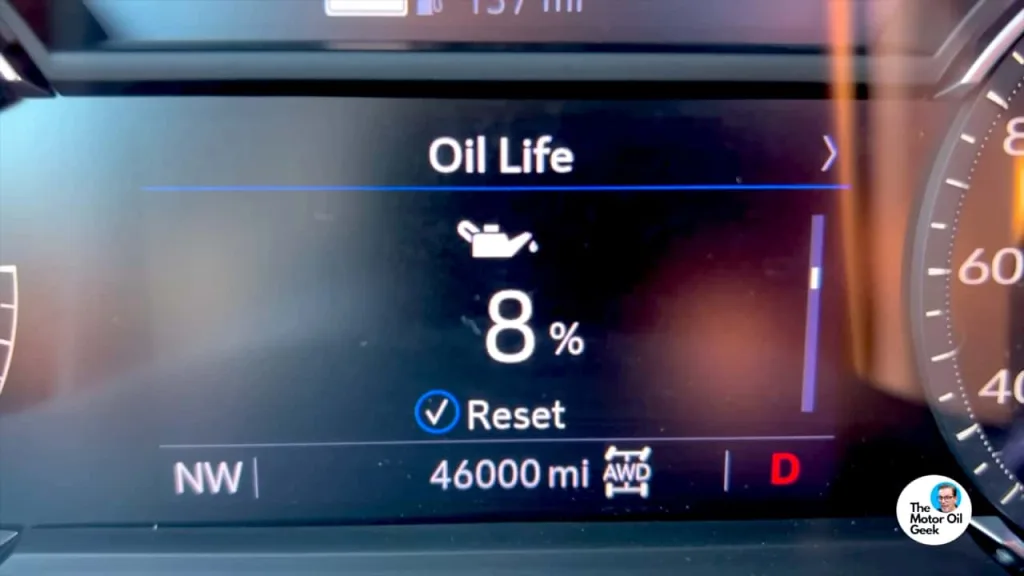
Most modern vehicles using synthetic oil will have recommended oil change intervals ranging from 7,500 to 15,000 miles, or every 6 to 12 months, whichever comes first. Many also feature an Oil Life Monitor (OLM) system.
Oil Life Monitors (OLMs)
Modern cars often come equipped with sophisticated OLMs. These aren’t just simple timers or mileage counters. They use algorithms that consider various factors:
- Engine revolutions
- Engine temperature
- Number of cold starts
- Ambient temperature
- Driving speed and duration
The OLM then calculates the remaining oil life and alerts you when a change is due. If your car has an OLM, it’s generally best to follow its guidance, as it’s tailored to your specific vehicle and driving habits.
Real-World Testing and Oil Analysis
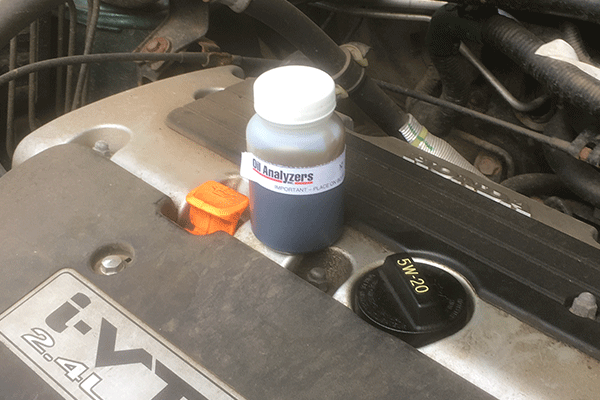
For enthusiasts who want to push the limits or just understand what’s happening inside their engine, used oil analysis is an invaluable tool. Labs can test a small sample of your used oil and provide a detailed report on its condition and your engine’s health.
Key Metrics from Oil Analysis
- Total Base Number (TBN): This measures the oil’s reserve alkalinity, its ability to neutralize acids formed during combustion. When TBN gets too low, the oil can no longer protect against acid corrosion.
- Viscosity: Measures the oil’s thickness. Fuel dilution or shear can thin the oil, reducing its protective qualities. Oxidation or soot can thicken it, making it harder to pump.
- Fuel Dilution: Indicates how much gasoline has seeped into the oil. High fuel dilution significantly degrades oil performance and can lead to engine wear.
- Wear Metals: Traces of metals like iron, copper, lead, and aluminum indicate wear on specific engine components. Rising levels can signal a problem.
- Soot/Contaminants: Measures combustion byproducts and external dirt. High soot can lead to sludge and abrasive wear.
By tracking these metrics over several oil changes, you can establish a safe extended interval for your specific vehicle and driving conditions. Some enthusiasts, with careful monitoring, have safely extended synthetic oil changes beyond 15,000 miles, sometimes even into the 20,000-mile range, but this requires vigilance and understanding.
Beyond the Sticker: When to Really Change It
So, combining all this information, what’s the practical advice?
For most drivers using full synthetic oil, especially in a modern car with an OLM, following the manufacturer’s recommended interval or the OLM’s guidance is the safest and most practical approach. This typically means 7,500 to 10,000 miles, or sometimes up to 15,000 miles, under “normal” driving conditions.
If you frequently drive in “severe” conditions (short trips, heavy traffic, extreme temperatures, towing), you should lean towards the lower end of the manufacturer’s recommended interval or be prepared for your OLM to recommend an earlier change.
If you’re an enthusiast interested in maximizing intervals, invest in used oil analysis. It’s the only way to truly know the health of your oil and engine. However, remember that even the best synthetic oil will eventually degrade, and its additive package will be depleted.
Myths and Misconceptions About Synthetic Oil
Let’s clear up a few common misunderstandings.
“Once you go synthetic, you can’t go back.”
This is simply not true. You can switch between conventional, synthetic blend, and full synthetic oils at any time. There’s no magical barrier created by synthetic oil. Just make sure the oil meets your manufacturer’s specifications.
“Synthetic oil causes leaks in older engines.”
This myth stems from early synthetic oils which sometimes had different seal swell characteristics. Modern synthetic oils are formulated to be fully compatible with all engine seals, old and new. If an older engine leaks after switching to synthetic, it’s usually because the synthetic oil’s superior cleaning properties have dissolved sludge that was actually plugging an existing leak, revealing it rather than causing it.
“Synthetic oil is only for high-performance cars.”
While performance cars certainly benefit, any engine can benefit from synthetic oil’s superior protection, especially in modern engines with their tighter tolerances and higher operating temperatures. It’s about protecting your investment and potentially extending engine life, not just about horsepower.
Verdict
Synthetic oil absolutely lasts longer than conventional oil and provides superior protection for your engine. Its uniform molecular structure and robust additive packages resist breakdown under heat and stress far better.
However, “how long” is a nuanced question. It depends on your specific vehicle, your driving habits, and the quality of the synthetic oil you choose. For most people, sticking to your car’s owner’s manual recommendations or trusting its Oil Life Monitor is the best strategy.
If you drive in “severe” conditions, consider shortening those intervals. And if you’re truly curious about pushing the limits or optimizing your maintenance schedule, used oil analysis is your best friend. Don’t just guess; know for sure.
Buyer’s Q&A
1. Can I mix synthetic and conventional oil?
Yes, you absolutely can. Most oils on the market, including conventional and synthetic, are designed to be compatible. If you top off your synthetic oil with a conventional one, or vice-versa, it won’t cause any immediate harm. However, mixing them will dilute the superior properties of the synthetic oil, essentially turning it into a synthetic blend. For optimal performance and longevity, it’s best to stick with full synthetic if that’s what your engine requires or benefits from.
2. Is synthetic oil really worth the extra cost?
For most modern vehicles, yes, it is. The initial higher cost of synthetic oil is often offset by several factors. First, its extended change intervals mean you buy oil less frequently. Second, and more importantly, its superior protection against wear, sludge, and heat breakdown can significantly extend the life of your engine and prevent costly repairs down the road. Given the cost of engine components, the extra few dollars for synthetic oil is a small price to pay for peace of mind and long-term reliability, especially in today’s complex engines.
3. What about “high mileage” synthetic oils? Are they necessary?
High mileage synthetic oils are formulated with specific additives designed to address common issues in older engines with over 75,000 miles. These additives often include seal conditioners to prevent leaks, extra detergents to clean up sludge and deposits, and enhanced anti-wear agents. While not strictly “necessary” for every high-mileage engine, they can be highly beneficial if your older car is starting to show signs of oil consumption, minor leaks, or has a history of less-than-perfect maintenance. They offer an extra layer of protection tailored to the needs of aging engines.
4. Does using synthetic oil void my warranty?
No, using synthetic oil will not void your warranty, provided it meets the specifications outlined in your car’s owner’s manual. Manufacturers specify a certain oil standard (e.g., API SN Plus, ILSAC GF-6, specific OEM approvals like Dexos, BMW LL-01, Mercedes-Benz 229.5). As long as the synthetic oil you use carries these exact certifications, you are in full compliance with your warranty requirements. In fact, many manufacturers now require synthetic oil for their vehicles.
5. How important is the oil filter with synthetic oil?
The oil filter is critically important, perhaps even more so when using synthetic oil with extended change intervals. A high-quality oil filter is designed to efficiently capture contaminants (dirt, metal particles, soot) without restricting oil flow, for the entire duration of the oil change interval. If you’re running your synthetic oil for 10,000 or 15,000 miles, you need a filter that’s rated for that same extended lifespan. A cheap, conventional filter might clog or fail prematurely, negating the benefits of your long-lasting synthetic oil and potentially causing engine damage. Always pair your quality synthetic oil with a high-quality, extended-life oil filter.
Deep dive into 75W-90 and 80W-90 gear oils. Understand their differences, applications, and how to choose the right one for your vehicle’s transmission or differential.
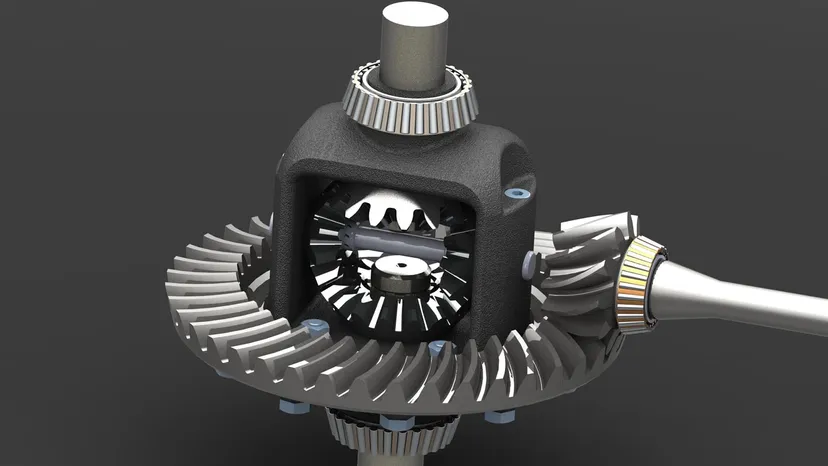
Gear oil is one of those fluids that most drivers rarely think about, tucked away in the differentials and manual transmissions, quietly doing a huge job. But for enthusiasts and anyone serious about vehicle maintenance, understanding gear oil is crucial. Specifically, the difference between 75W-90 and 80W-90 can impact everything from cold-weather performance to long-term component life.
Understanding Gear Oil Basics
Before we dive into the specifics of 75W-90 and 80W-90, let’s quickly cover what gear oil actually does. It’s not just a lubricant; it’s a critical component in protecting some of your vehicle’s hardest-working parts.
What Gear Oil Does
Gear oil’s primary job is to lubricate the gears, bearings, and other moving parts within your vehicle’s transmission, differential, or transfer case. These components operate under immense pressure and heat, especially the gear teeth themselves.
Beyond lubrication, gear oil also helps to dissipate heat, preventing overheating and premature wear. It carries away small metallic particles that result from normal wear, keeping the internal components clean. Finally, it provides a protective film that prevents metal-to-metal contact, which is the enemy of any mechanical system.
The Viscosity Rating System (SAE J306)
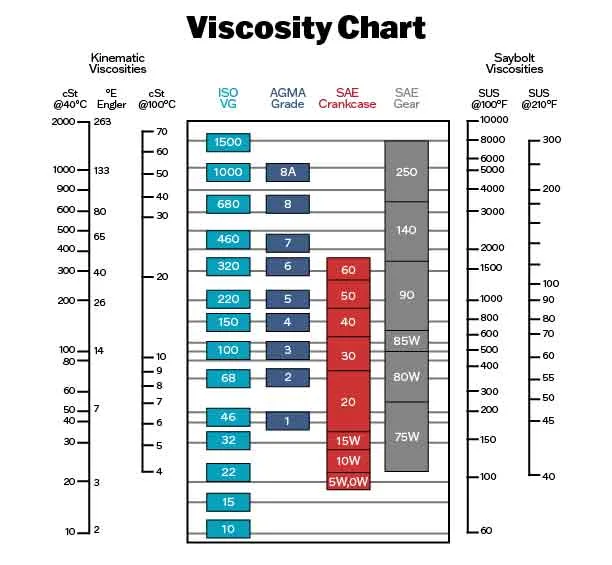
When you see numbers like “75W-90” or “80W-90,” you’re looking at the oil’s viscosity rating. This system is set by the Society of Automotive Engineers (SAE) and is a bit different from engine oil ratings, though it uses a similar format.
The “W” stands for “Winter,” indicating the oil’s cold-weather performance. The number before the “W” (75 or 80) tells you how thick the oil is at cold temperatures. A lower number means the oil is thinner and flows more easily when it’s cold.
The second number (90 in both these cases) indicates the oil’s viscosity at operating temperature, usually measured at 100 degrees Celsius (212 degrees Fahrenheit). So, both 75W-90 and 80W-90 will behave similarly once the system is fully warmed up.
Diving into 75W-90 Gear Oil
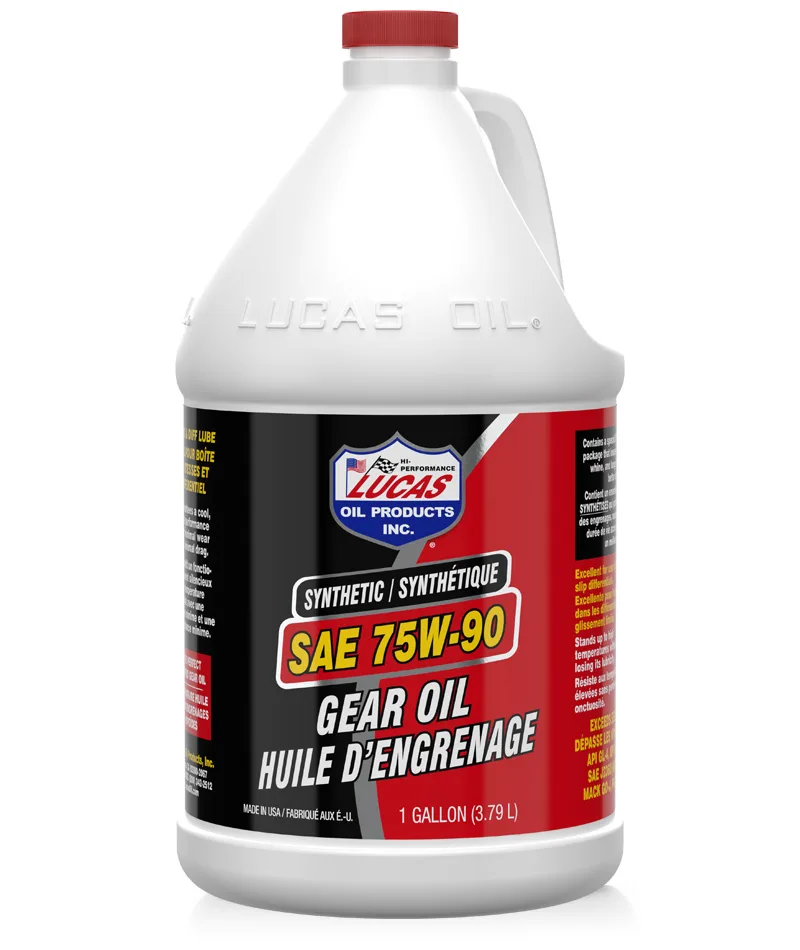
75W-90 is a very common multi-grade gear oil, especially in modern vehicles. It’s designed to offer a wide range of performance across different temperatures.
Key Characteristics and Viscosity Profile
The “75W” part means this oil flows very well in cold temperatures. It’s thinner when cold compared to an 80W oil, which allows for quicker lubrication and less resistance during cold starts. This is a significant advantage in colder climates.
Once it reaches operating temperature, the “90” part of the rating kicks in. At this point, the oil thickens to a “90 weight” viscosity, providing robust protection for gears under heavy load and high heat.
Common Applications
You’ll find 75W-90 specified for a wide range of vehicles, particularly newer ones. This includes:
- Many modern manual transmissions
- Front, rear, and center differentials in cars, SUVs, and light trucks
- Performance vehicles and sports cars
- Vehicles operating in regions with significant cold seasons
Advantages of 75W-90
There are several good reasons why 75W-90 is so popular and often recommended for contemporary vehicles.
- Superior Cold-Weather Performance: The lower “W” rating means it flows faster at low temperatures, reducing wear during cold starts and making manual gear shifts smoother in freezing conditions.
- Improved Fuel Economy: Thinner oil at cold temperatures means less drag on the drivetrain components, which can translate to a tiny but measurable improvement in fuel efficiency.
- Quicker Lubrication: Components get lubricated faster from a cold start, extending their lifespan by reducing initial wear.
- Versatility: Its multi-grade nature makes it suitable for a broad range of temperatures, from very cold winters to hot summers.
Disadvantages of 75W-90
While generally excellent, 75W-90 isn’t without its minor drawbacks, depending on the application.
- Higher Cost: Due to its more complex formulation, often synthetic or synthetic blend, 75W-90 typically costs more than conventional 80W-90.
- Not Always Necessary: For vehicles that never experience cold weather or those specifically designed for thicker oil, the benefits of 75W-90 might not justify the extra cost.
Exploring 80W-90 Gear Oil
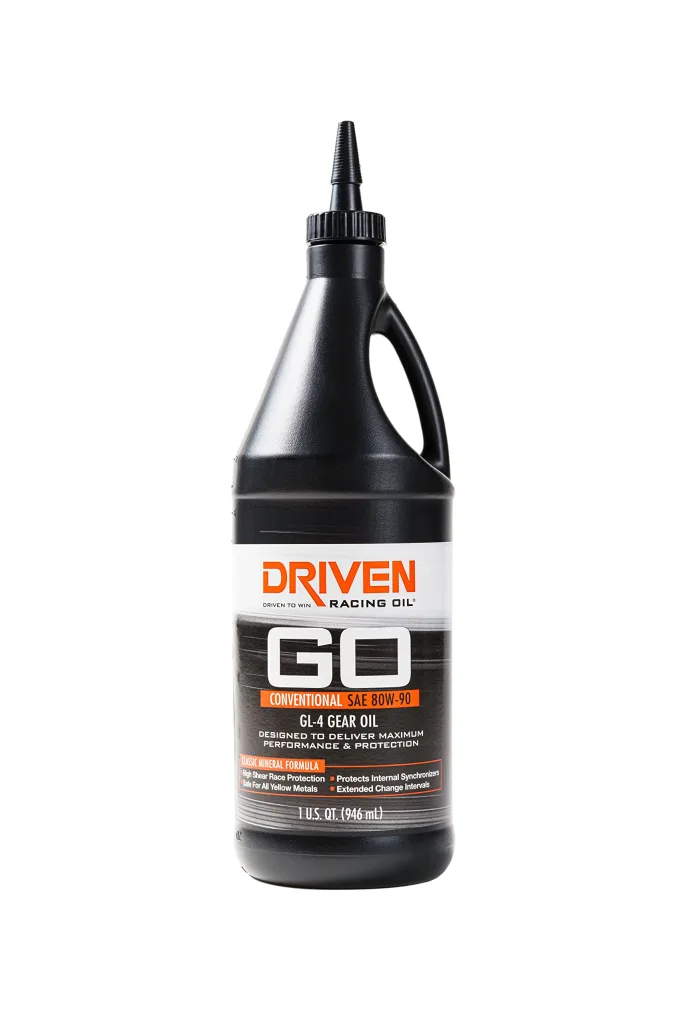
80W-90 gear oil has been a staple in the automotive world for decades, especially for older and heavy-duty applications. It’s known for its robust protection.
Key Characteristics and Viscosity Profile
The “80W” means this oil is thicker at cold temperatures than 75W-90. It won’t flow as freely when the mercury drops. This can lead to slightly more resistance and potentially stiffer shifts in very cold conditions until the oil warms up.
Like 75W-90, the “90” indicates its viscosity at operating temperature. Once warm, it provides the same “90 weight” protection, making it equally effective in hot conditions and under heavy loads.
Common Applications
80W-90 is still widely used and recommended for specific types of vehicles and equipment:
- Older manual transmissions and differentials
- Heavy-duty trucks and commercial vehicles
- Agricultural machinery and off-road equipment
- Vehicles primarily operating in consistently warm climates
- Some classic cars and vintage vehicles where original specifications call for it
Advantages of 80W-90
Despite the rise of thinner oils, 80W-90 still holds its own for good reasons.
- Cost-Effective: Often formulated as conventional mineral oil, 80W-90 is generally less expensive than its 75W-90 synthetic counterparts.
- Robust Film Strength in Heat: The “90” rating ensures excellent film strength and protection once the oil is at operating temperature, making it suitable for heavy loads and sustained high-temperature operation.
- Good for Older Designs: Many older transmissions and differentials were designed with the slightly thicker cold viscosity of 80W-90 in mind, and using it can maintain proper shift feel and component protection.
Disadvantages of 80W-90
The main trade-off with 80W-90 comes down to its cold-weather performance.
- Poorer Cold Flow: The higher “W” number means it’s thicker when cold. This can lead to harder gear shifts, increased initial wear on components, and slightly reduced fuel economy during cold starts.
- Less Efficient in Extreme Cold: In very low temperatures, the oil can become quite viscous, potentially struggling to lubricate effectively until it warms up.
The Crucial Differences: 75W-90 vs. 80W-90
While both oils share the “90” hot viscosity rating, their cold-weather behavior is where they diverge significantly. Understanding this distinction is key to making the right choice.
Cold Temperature Performance
This is the primary difference. A 75W oil will remain more fluid at lower temperatures than an 80W oil. Think of it like pouring cold syrup versus slightly warmer syrup. The 75W oil flows more freely, reducing drag and making it easier for gears to mesh and shift, especially in manual transmissions.
For a differential, better cold flow means the gears are lubricated almost instantly upon startup, minimizing wear. In contrast, 80W-90 can be quite thick when cold, leading to increased resistance and potentially more wear during the initial moments of operation.

Warm Temperature Performance (The “90” part)
Once both oils reach their operating temperature, their viscosity is essentially the same, rated at “90 weight.” This means that when your transmission or differential is fully warmed up, both 75W-90 and 80W-90 will provide similar levels of protection and film strength under load. The “90” rating indicates robust protection for high-stress applications.
Fuel Economy Implications
Because 75W-90 is thinner when cold, it creates less parasitic drag within the drivetrain. This reduced resistance means the engine has to work slightly less hard to turn the gears, leading to a marginal improvement in fuel economy, particularly during shorter trips or in colder climates where the oil spends more time below full operating temperature.
Protection and Film Strength
Both oils are designed to provide excellent protection at operating temperatures. The key here isn’t just the base oil viscosity but also the additive package (which we’ll discuss next). Modern 75W-90 oils often benefit from synthetic base stocks, which can offer inherently better film strength and thermal stability across a wider temperature range, even compared to conventional 80W-90.
Cost Considerations
Generally, 75W-90, especially in full synthetic formulations, will be more expensive per quart or liter than conventional 80W-90. This is due to the more advanced base oils and additive packages required to achieve its wide viscosity range and performance characteristics.
- 75W-90: Higher initial cost, often synthetic.
- 80W-90: Lower initial cost, often conventional mineral oil.
Additive Packages: More Than Just Viscosity
The numbers on the bottle tell you about viscosity, but what really makes gear oil perform is its chemical additive package. This is where a lot of the magic happens, and it’s also where you find crucial differences that can impact component compatibility.
Extreme Pressure (EP) Additives
Gear oils operate under incredibly high pressure. The contact points between gear teeth can generate pressures exceeding 200,000 psi. To prevent metal-to-metal welding and scuffing, gear oils contain Extreme Pressure (EP) additives. These are typically sulfur-phosphorus compounds that react with the metal surfaces under high heat and pressure, forming a sacrificial layer that protects the gears.
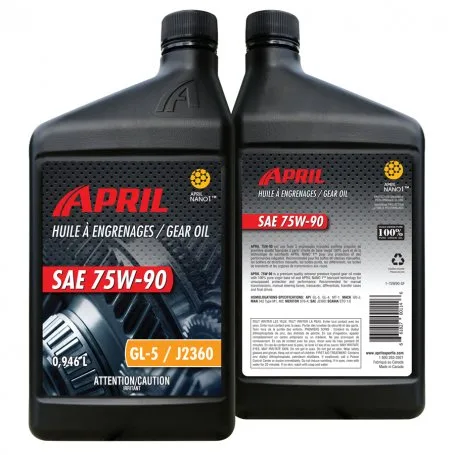
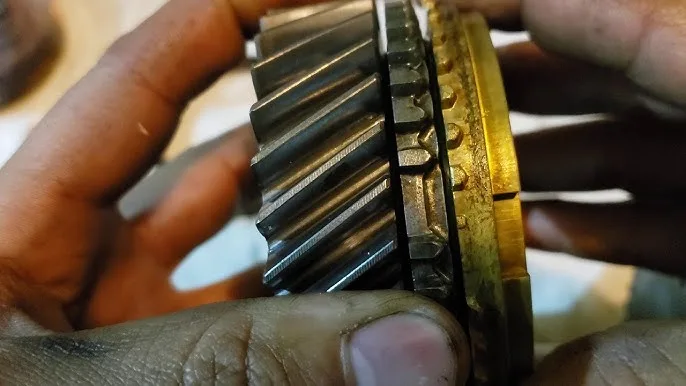
The strength and type of EP additives are why you often see “GL” ratings (Gear Lubricant) like GL-4 and GL-5. GL-5 oils have a much higher concentration of EP additives than GL-4, designed for hypoid gears found in differentials that experience extreme sliding action and high pressures. This higher concentration, however, can sometimes be problematic for “yellow metals” (like brass or bronze) found in older manual transmission synchronizers, leading to corrosion.

Friction Modifiers
Some gear oils, especially those designed for limited-slip differentials (LSDs), contain friction modifiers. These additives help to control friction between the clutch plates within an LSD, preventing chatter and ensuring smooth operation. Without the correct friction modifier, an LSD might operate roughly or not engage properly.
Anti-Foaming and Anti-Corrosion Agents
Like engine oils, gear oils also contain additives to prevent foaming, which can reduce lubrication effectiveness, and anti-corrosion agents to protect internal components from rust and acid buildup.
When to Choose Which: Practical Advice
Making the right choice between 75W-90 and 80W-90 isn’t just about understanding the numbers; it’s about applying that knowledge to your specific vehicle and driving conditions.
Consult Your Owner’s Manual
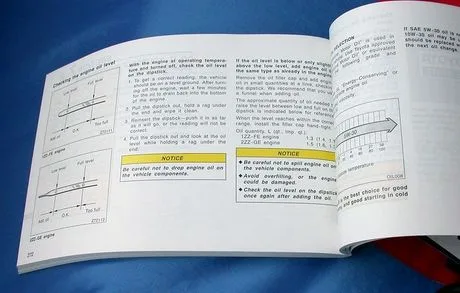
This is the golden rule. Your vehicle’s manufacturer knows best what kind of oil its components need. The owner’s manual will specify the exact SAE viscosity grade (e.g., 75W-90, 80W-90) and the API GL rating (e.g., GL-4, GL-5) required. Deviating from these recommendations can lead to premature wear or operational issues.
Considering Climate
If you live in a region with consistently cold winters, 75W-90 offers distinct advantages. Its better cold flow will protect your gears more quickly upon startup and make manual shifting much smoother. If you’re in a perpetually warm climate, the cold-flow benefits of 75W-90 are less critical, and 80W-90 might be a perfectly suitable and more economical choice, assuming your manual allows for it.
Vehicle Age and Design
Older vehicles, especially those from the 70s, 80s, and even 90s, were often designed with 80W-90 or even single-grade gear oils in mind. Their internal tolerances and synchronizer materials (in manual transmissions) might be better suited to the characteristics of 80W-90. Modern vehicles almost universally specify 75W-90, often synthetic, to meet fuel economy and performance targets.
Driving Style and Usage
If you regularly tow heavy loads, drive aggressively, or participate in motorsports, the “90” hot viscosity is crucial for film strength. While both oils offer this, a synthetic 75W-90 might offer superior thermal stability and shear resistance under extreme conditions compared to a conventional 80W-90.
The GL Rating: A Critical Distinction
Beyond viscosity, the API (American Petroleum Institute) GL rating is arguably even more important for gear oil selection, especially for manual transmissions.
GL-4 vs. GL-5: What You Need to Know
The GL rating indicates the level of Extreme Pressure (EP) additives in the oil. This is crucial because EP additives contain active sulfur-phosphorus compounds that can be corrosive to “yellow metals” like brass or bronze, commonly used in synchronizers in manual transmissions.
- GL-4: Contains a moderate amount of EP additives. It’s designed for manual transmissions and transaxles where moderate to heavy loads are encountered, and where synchronizer rings might be made of yellow metals.
- GL-5: Contains a significantly higher amount of EP additives. It’s designed for hypoid gears found in differentials, which experience very high sliding friction and pressures. The higher concentration of EP additives can be corrosive to yellow metals over time, making it generally unsuitable for manual transmissions that specify GL-4.
It’s a common misconception that GL-5 is simply “better” than GL-4. It’s not. It’s different and designed for different applications. Using GL-5 in a manual transmission that requires GL-4 can lead to prematurely worn synchronizers, making shifts difficult or grinding.
Can You Mix GL-4 and GL-5?
Generally, no. Or, if you must, do so with extreme caution and only if explicitly stated by the manufacturer or the oil formulation itself (some modern oils are “MT-1” rated, meaning they offer GL-5 level protection without being corrosive to yellow metals, but these are rare for general use). The differing additive packages can lead to compatibility issues, reduced protection, or even damage.
Verdict: Making the Right Choice
The choice between 75W-90 and 80W-90 gear oil ultimately comes down to your vehicle’s manufacturer specifications, your local climate, and the specific demands of your driving. Always prioritize what your owner’s manual recommends.
If your manual specifies 75W-90, use it. If it specifies 80W-90, you generally have two choices: stick with 80W-90, especially if you’re in a warm climate or have an older vehicle. Or, if you’re in a cold climate and your manual also allows for a multi-grade oil with a lower cold viscosity (sometimes indicated as “or equivalent”), a high-quality synthetic 75W-90 might offer an upgrade in cold-weather performance without sacrificing warm-weather protection.
Never forget the GL rating. It’s just as important as the viscosity numbers, particularly for manual transmissions. Get that wrong, and you could be facing expensive repairs.
Buyer’s Q&A
Q1: Can I use 75W-90 if my manual specifies 80W-90?
This depends. If your manual specifically states “80W-90 only,” then you should stick to that. However, many older manuals might specify 80W-90 but also allow for multi-grade oils that meet certain performance standards. In such cases, if you live in a cold climate, a high-quality synthetic 75W-90 (ensuring the correct GL rating) could offer improved cold-start protection and smoother shifting without compromising warm-weather performance, as both have a “90” hot viscosity. Always verify with your vehicle’s manufacturer or a trusted mechanic if unsure.
Q2: Will using the wrong gear oil damage my transmission/differential?
Yes, potentially. Using an oil with an incorrect viscosity (e.g., too thin for a hot climate or too thick for a cold one) can lead to insufficient lubrication, increased wear, and overheating. More critically, using the wrong GL rating, especially GL-5 in a manual transmission requiring GL-4, can cause severe and irreversible damage to brass or bronze synchronizers due to the corrosive nature of the higher concentration of EP additives. Always match both the viscosity and the GL rating to the manufacturer’s specification.
Q3: How often should I change my gear oil?
Again, consult your owner’s manual first. Service intervals vary widely depending on the vehicle type, driving conditions, and whether it’s a transmission or differential. Some differentials might be “fill for life,” while others, especially in heavy-duty or performance applications, might require changes every 30,000 to 60,000 miles. If you frequently tow, drive off-road, or push your vehicle hard, consider shortening the recommended interval.
Q4: What about synthetic vs. conventional gear oil?
Synthetic gear oils generally offer superior performance over conventional mineral-based oils. They typically provide better thermal stability (they resist breaking down under high heat), flow better in cold temperatures, and often have a longer service life. While more expensive upfront, synthetics can offer better protection, improved fuel economy (due to less drag), and potentially extend component life. If your vehicle specifies a conventional oil but you want an upgrade, a synthetic equivalent that matches the viscosity and GL rating is usually a good choice, especially for performance or heavy-duty use.
Q5: Is GL-5 always better than GL-4?
No, GL-5 is not inherently “better” than GL-4; it’s designed for different applications. GL-5 has a higher concentration of extreme pressure (EP) additives, making it ideal for hypoid gears found in differentials that experience extreme sliding action and high pressures. However, these strong EP additives can be corrosive to the “yellow metals” (like brass or bronze) often used in synchronizers in manual transmissions. Using GL-5 in a manual transmission requiring GL-4 can lead to damaged synchronizers, resulting in poor shifting and grinding. Always use the GL rating specified by your vehicle manufacturer.
Discover if your transmission needs to warm up before a fluid change. Get expert answers, step-by-step guidance, and critical tips for automatic, manual, and CVT transmissions. Learn why temperature matters for a proper fluid service.

You want to keep your car running great. Regular maintenance is key. Changing your transmission fluid is a big part of this.
But a common question comes up: does transmission need to warm up before a fluid change? This can cause confusion. Many DIYers and even some mechanics wonder about the best approach.
This guide will clear things up. We will explore why fluid temperature matters. You will learn the best steps for a successful transmission fluid change. Get ready to understand your car’s transmission better.
Understanding Your Transmission Fluid: More Than Just Oil
Your transmission fluid is vital. It does more than just lubricate parts. This fluid cools the transmission. It also transmits power in automatic systems. Think of it as the lifeblood of your transmission.
Over time, this fluid breaks down. It loses its special properties. It can get dirty with wear particles. Changing it regularly protects your transmission. This helps your car shift smoothly and last longer.
The Role of Viscosity
Viscosity is a fancy word. It describes how thick a fluid is. Think of honey versus water. Honey is very viscous. Water is not.
Transmission fluid changes thickness with temperature. When cold, it is thicker. When warm, it becomes thinner. This change in viscosity is very important for a fluid change.
The Core Question: Does Transmission Need to Warm Up Before a Fluid Change?
The short answer is yes, for most transmissions, it is beneficial to warm up the fluid before a change. This is especially true for automatic transmissions. Manual and CVT transmissions also benefit, but perhaps less critically.
Let’s dive into the reasons why this warm-up step is so important. Ignoring it can lead to problems. You want the best possible fluid change. Knowing the “why” helps you do it right.
Reason 1: Better Fluid Drainage
Warm fluid flows much better than cold fluid. Think about trying to pour cold molasses. It moves slowly. Warm molasses pours easily.
When your transmission fluid is warm, it becomes thinner. This lower viscosity allows it to drain more completely. More of the old, dirty fluid leaves the transmission. This is a huge benefit.
A more complete drain means more fresh fluid can go in. This maximizes the benefit of the fluid change. You get a cleaner system overall.
Reason 2: Contaminant Suspension
Your transmission fluid picks up tiny metal particles. These come from normal wear and tear. It also picks up clutch material in automatic transmissions. These contaminants settle at the bottom when the fluid is cold.
When the fluid warms up, it circulates. This circulation helps to stir up these settled particles. They become suspended in the warmer, thinner fluid. This is important for draining.
As the warm fluid drains, it carries these suspended contaminants with it. You remove more of the harmful debris. A cold drain might leave more of these particles behind.
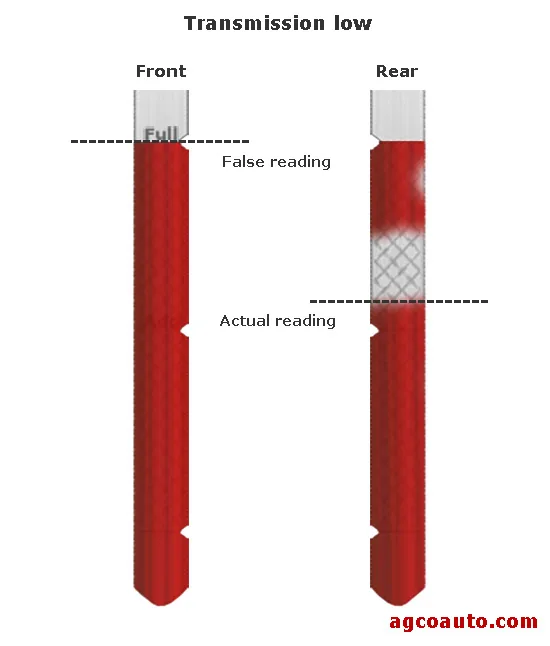
Reason 3: Accurate Fluid Level Check
This reason is extremely critical. Most automatic transmissions have a specific way to check the fluid level. This check usually happens when the fluid is at operating temperature.
Transmission fluid expands when it gets hot. The dipstick or fluid level indicator is designed for this expansion. A “cold” mark might exist, but the “hot” mark is the true indicator of a full system.
If you fill a transmission with cold fluid and check it cold, the reading will be inaccurate. You could easily underfill or overfill. Both conditions are very bad for your transmission.
- Underfilling: Causes fluid starvation, overheating, and damage.
- Overfilling: Leads to foaming, leaks, and shifting problems.
Always follow your car’s owner’s manual. It will tell you the correct procedure. This usually involves warming the car up first.
Reason 4: Easier Removal of Pan and Filter (Automatic Transmissions)
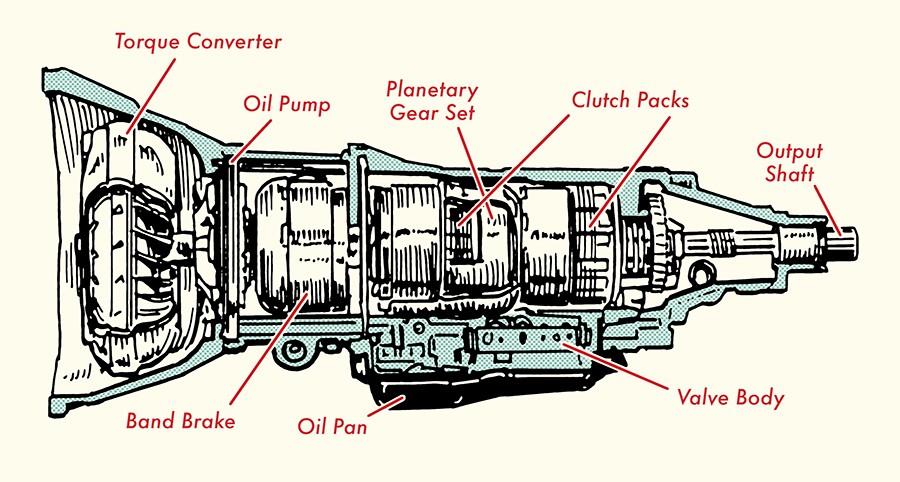
For many automatic transmissions, a fluid change involves dropping the transmission pan. This allows access to the filter. The pan itself holds a significant amount of fluid.
Warm fluid drains faster from the pan. This reduces the mess and makes the job quicker. Less fluid drips everywhere when you unbolt the pan. It’s a small but helpful advantage.
How to Warm Up Your Transmission for a Fluid Change
Warming up your transmission is simple. It does not require special steps. You just need to drive your car normally.
Here’s how to do it effectively:
- Drive for 15-20 minutes: This allows the engine and transmission to reach their normal operating temperatures.
- Use a variety of gears: Drive on local streets and perhaps a short highway stretch. This ensures the fluid circulates through all parts of the transmission.
- Park on a level surface: This is crucial for both draining and later checking the fluid level accurately.
- Work quickly but safely: Once warm, the fluid will start to cool down. Begin the draining process soon after parking.
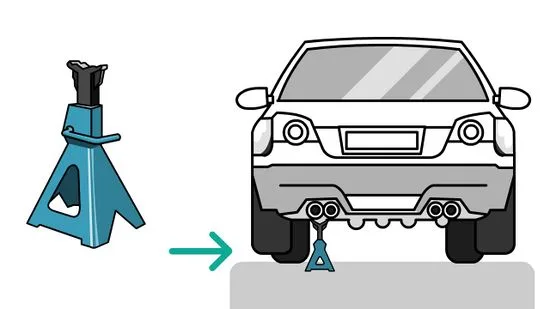
Remember to always prioritize safety. Use proper jack stands. Wear safety glasses and gloves. Working under a car can be dangerous.
Types of Transmissions and Warm-Up Needs
While the general rule is to warm up, specific transmission types have slight differences.
Automatic Transmissions (ATF)
Automatic transmissions benefit the most from a warm-up. They rely heavily on fluid for operation. The fluid is under pressure. It also acts as a hydraulic medium.
The viscosity change is significant here. The accurate level check is also paramount. Always warm up your automatic transmission before a fluid change.
Manual Transmissions (MTF)
Manual transmissions use different fluid. This fluid is typically thicker. It focuses more on lubrication. It does not transmit power hydraulically.
Warming up a manual transmission still helps. The fluid will drain more completely. This removes more old fluid and contaminants. However, the accuracy of the fluid level check is often less sensitive to temperature than with ATFs. Still, it is a good practice.
Continuously Variable Transmissions (CVT)
CVTs use specialized fluid called CVTF. These transmissions are very sensitive to fluid type and level. They operate differently than traditional automatics.
Warming up a CVT is just as important as an automatic. The fluid needs to be at operating temperature for an accurate level check. Draining warm fluid also ensures a more thorough change. Always use the exact fluid specified by the manufacturer for CVTs.
The Transmission Fluid Change Process: A Brief Overview
Knowing the warm-up step is just one part. Let’s briefly look at the overall process. This helps you understand where the warm-up fits in.
1. Prepare Your Vehicle and Tools
- Gather new transmission fluid (correct type and amount).
- Get a new transmission filter and pan gasket (for automatics).
- Have a large drain pan ready.
- Collect wrenches, sockets, torque wrench, funnel.
- Prepare safety gear: gloves, eye protection, jack stands.
2. Warm Up the Transmission
Drive your car for 15-20 minutes. This brings the fluid to operating temperature. Park the vehicle on a flat, level surface. Engage the parking brake. Block the wheels.
3. Lift the Vehicle Safely
Use a floor jack to raise the front of the vehicle. Place jack stands securely under the frame or designated lift points. Never work under a vehicle supported only by a jack.
4. Locate and Drain the Fluid
Place your drain pan under the transmission. If there is a drain plug, remove it. Allow all the warm fluid to drain completely. This can take some time.
If there is no drain plug (common in older automatics), you will need to carefully remove the transmission pan bolts. Start at one end and loosen them. This allows the fluid to slowly leak out. Keep the drain pan underneath.
5. Replace the Filter and Gasket (Automatic Transmissions)
Once the pan is off, remove the old transmission filter. Install the new filter. Clean the transmission pan thoroughly. Remove any old gasket material. Install the new pan gasket. Reattach the pan, tightening bolts to the correct torque specification.
6. Refill with New Fluid
Lower the vehicle partially if needed to make refilling easier. Use a funnel to add the correct amount of new transmission fluid. Consult your owner’s manual for the exact fluid type and capacity.
7. Check Fluid Level Accurately
This is where the warm-up step comes full circle. Start the engine. Cycle through all the gears (P, R, N, D, L) while holding the brake. Do this for a few seconds in each gear.
Then, with the engine running and the car in Park (or Neutral, depending on your vehicle), check the fluid level using the dipstick. Add more fluid slowly until it reaches the “hot” full mark. Do not overfill.
8. Final Inspection
Look for any leaks around the pan or drain plug. Take the car for a short test drive. Check the fluid level again after the drive. Make sure everything feels normal.
What Happens If You Don’t Warm Up the Transmission?
Skipping the warm-up step can lead to several problems:
- Incomplete Fluid Drain: Thicker, cold fluid will drain more slowly. More of the old, dirty fluid will remain in the transmission. This reduces the effectiveness of the fluid change.
- Contaminants Left Behind: Sediments and metal particles settle when cold. A cold drain leaves more of these harmful substances inside.
- Inaccurate Fluid Level: This is perhaps the biggest risk. Filling a transmission with cold fluid and checking it cold will result in an incorrect reading. You might underfill or overfill. Both cause serious damage over time.
- More Difficult Process: Dealing with thicker, slower-draining fluid can be messier and more time-consuming.
These issues can shorten your transmission’s lifespan. They can also lead to costly repairs. It is always best to follow the correct procedure.
When Might You NOT Warm Up the Transmission?
There are rare exceptions or situations where warming up might not be possible or advisable.
- Severely Damaged Transmission: If your transmission is making loud grinding noises, refusing to shift, or has catastrophic failure, do not drive it. Running it further could worsen the damage. In such cases, the fluid might be drained cold if a professional is assessing it for replacement or major repair.
- Vehicle Has Been Sitting for an Extended Period: If a vehicle has been stored for years, the initial start-up and warm-up might need to be done with extreme caution. However, for a fluid change, once it’s deemed safe to run, warming it up is still beneficial.
- Certain Fluid Exchange Machines: Some professional fluid exchange machines can circulate and heat the fluid during the exchange process. Even then, the initial drain of the pan fluid might still benefit from a prior warm-up. Always follow the specific machine’s instructions.
These are special cases. For a routine fluid change on a functioning vehicle, warming up the transmission is the standard and recommended practice.
Common Mistakes to Avoid During a Transmission Fluid Change
Even with the right knowledge, mistakes can happen. Be aware of these common pitfalls:
- Using the Wrong Fluid: This is a critical error. Different transmissions require specific types of fluid (e.g., Dexron, Mercon, ATF+4, CVTF). Using the wrong fluid can cause immediate damage. Always check your owner’s manual.
- Not Replacing the Filter (Automatics): The filter traps contaminants. Skipping this step means leaving a dirty filter in place. This can restrict fluid flow and harm the transmission.
- Not Replacing the Pan Gasket: An old gasket will likely leak. Always use a new gasket or RTV sealant as specified by the manufacturer.
- Over-tightening or Under-tightening Pan Bolts: Over-tightening can strip threads or warp the pan. Under-tightening causes leaks. Use a torque wrench to the manufacturer’s specifications.
- Not Checking for Leaks: After refilling and driving, always check for any signs of leaks. Address them immediately.
- Not Following the Manufacturer’s Procedure: Each vehicle is unique. Your owner’s manual is your best friend. It provides specific steps for your car.
Professional vs. DIY Transmission Fluid Change
You might wonder if this is a job for you or a professional.
DIY Benefits:
- Cost Savings: You save on labor costs.
- Learning Experience: You gain a deeper understanding of your vehicle.
- Control Over Materials: You can choose the exact fluid and filter you prefer.
DIY Challenges:
- Complexity: It can be messy and requires specific tools.
- Safety Risks: Working under a car demands proper safety precautions.
- Fluid Disposal: Old transmission fluid must be disposed of properly.
- Potential for Mistakes: Errors can be costly for your transmission.
Professional Benefits:
- Expertise: Mechanics have the experience and knowledge.
- Specialized Tools: They might have lifts, fluid exchange machines, and diagnostic tools.
- Proper Disposal: They handle the disposal of old fluid.
- Warranty/Guarantee: Reputable shops often offer a warranty on their work.
For beginners, doing a simple drain and fill on a manual transmission might be manageable. Automatic transmissions, especially those without dipsticks or complex refill procedures, can be more challenging. If in doubt, consult a professional.
Transmission Maintenance Schedule: When to Change Fluid
The frequency of transmission fluid changes varies greatly. It depends on your vehicle, driving conditions, and transmission type. Always check your owner’s manual for the manufacturer’s recommended service intervals.
General guidelines often suggest:
- Automatic Transmissions: Every 30,000 to 100,000 miles. Some “lifetime” fluids exist, but many experts still recommend periodic changes.
- Manual Transmissions: Every 30,000 to 60,000 miles.
- CVT Transmissions: Often every 30,000 to 50,000 miles, as they are very sensitive to fluid condition.
If you do a lot of heavy towing, drive in extreme temperatures, or frequently drive in stop-and-go traffic, consider changing your fluid more often. These are considered “severe” driving conditions.
Transmission Fluid Flush vs. Fluid Change (Drain and Fill)
It’s important to know the difference between these two services. They are not the same.
Fluid Change (Drain and Fill):
This is what we’ve mainly discussed. You drain the fluid from the pan. You replace the filter (if applicable). Then you refill with new fluid. This typically replaces only 30-60% of the total fluid. The remaining old fluid stays in the torque converter and cooler lines.
A series of drain and fills, performed over several thousand miles, can eventually replace most of the fluid. This is a gentle way to refresh the fluid.
Transmission Flush:
A transmission flush uses a machine. This machine connects to the transmission cooler lines. It pushes new fluid through the entire system. It forces out all the old fluid. This replaces nearly 100% of the old fluid.
Flushes are more thorough. However, they can be controversial for very old or neglected transmissions. A powerful flush might dislodge debris that then causes problems. If your transmission has been neglected, a gentle drain and fill might be safer. Always consult a trusted mechanic before opting for a flush.
For a fluid flush, the warm-up benefit is still present for the initial fluid within the transmission. However, the machine itself often circulates the fluid. This helps to get it flowing and removes more contaminants.
Signs Your Transmission Fluid Needs Attention
Beyond mileage, your car can tell you when its transmission fluid needs help. Look out for these signs:
- Dark or Burnt Smell: Healthy ATF is reddish and has a sweet smell. If it’s dark brown or black and smells burnt, it’s overdue for a change.
- Grinding or Clunking Noises: These sounds, especially when shifting, can indicate worn fluid or low fluid levels.
- Difficulty Shifting Gears: Manual transmissions might feel notchy. Automatics might slip or hesitate.
- Delay in Engagement: A pause between shifting into drive or reverse and the car actually moving.
- Foaming Fluid: Air bubbles in the fluid can reduce its effectiveness. This often points to overfilling or a leak allowing air in.
- Leaks: Reddish fluid under your car means a transmission fluid leak. Address it immediately.
Paying attention to these signs can save you from bigger problems down the road. Early detection and maintenance are key.
Frequently Asked Questions
Does transmission need to warm up before a fluid change?
Yes, for most transmissions, especially automatics, it is highly recommended. Warm fluid drains more completely and allows for a more accurate level check after refilling.
How long should I drive to warm up my transmission fluid?
Drive your vehicle for about 15-20 minutes under normal conditions. This usually brings the transmission fluid up to its operating temperature.
Can I change transmission fluid when it’s cold?
While you can, it’s not ideal. Cold fluid is thicker, so it won’t drain as completely. This leaves more old, dirty fluid and contaminants inside. Also, checking the fluid level accurately after refilling is much harder when the fluid is cold.
What happens if I don’t warm up my automatic transmission fluid before changing it?
You risk an incomplete drain, leaving more old fluid and debris. Most importantly, you might misread the fluid level when refilling, leading to underfilling or overfilling. Both can cause severe transmission damage.
Is warming up necessary for manual transmission fluid changes?
It’s less critical than for automatics, but still beneficial. Warm manual transmission fluid drains more easily and completely. This ensures more old fluid and contaminants are removed, leading to a better fluid change.
Does a transmission flush require warming up the fluid?
For a full flush using a machine, the machine often circulates and heats the fluid as part of the process. However, if the process begins with an initial pan drain, warming the fluid beforehand is still helpful for that initial step.
Conclusion
The answer to “does transmission need to warm up before a fluid change?” is a clear yes. Warming up your transmission fluid is a simple yet crucial step. It ensures a more effective and accurate fluid change. This small effort can make a big difference.
Warm fluid drains better. It carries away more contaminants. Most importantly, it allows for a precise fluid level check. This prevents costly mistakes like underfilling or overfilling. Always consult your vehicle’s owner’s manual. Follow its specific instructions for fluid type and procedure.
Taking care of your transmission is investing in your car’s future. A properly maintained transmission will provide smooth shifts and reliable performance for many miles to come.
Connect with us


