This is one of the most searched and most misunderstood basic car maintenance questions:
Do you check engine oil hot or cold?
Some people say always cold. Others say always hot. Others say it doesn’t matter.
All three answers are incomplete.
The correct way to check engine oil depends on engine design, oil behavior, and manufacturer intent. The confusion exists because advice that was correct for older vehicles does not always apply cleanly to modern engines.
This guide explains the correct answer, the why behind it, and how to check your oil properly without misreading the dipstick.
Why This Question Is So Confusing
Motor oil does not behave the same way in all conditions.
Oil:
Expands when hot
Drains slowly from engine components
Clings to internal surfaces after shutdown
That means the oil level you see on the dipstick can change significantly depending on:
Engine temperature
How long the engine has been off
Vehicle orientation
Oil viscosity
Yet most people are taught a single rule without understanding the reasoning behind it.
The Short Answer (For People Who Just Want It)
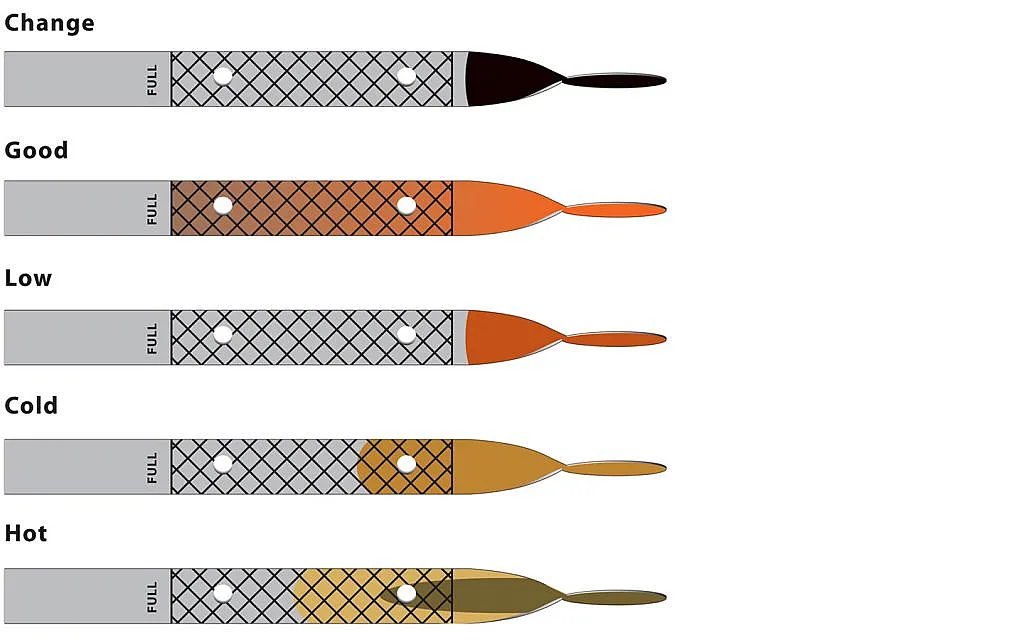
Most vehicles are designed for the oil to be checked when the engine is warm and then shut off for a few minutes.
However:
Checking oil stone cold can be acceptable in some cases
Checking oil immediately after shutting off a hot engine is incorrect
Checking oil while the engine is running is always wrong
The correct method balances oil expansion and drainage.
Why You Should Not Check Oil Immediately After Driving
When the engine is hot and running:
Oil is circulating through the engine
A significant amount is still in the cylinder head, galleries, and oil filter
The oil pan has not fully refilled
If you shut the engine off and check immediately:
The dipstick will usually show a low reading
This can trick you into adding oil unnecessarily
Overfilling becomes a real risk
This is one of the most common causes of overfilled engines.
Why Checking Oil Completely Cold Isn’t Perfect Either
Checking oil when the engine is completely cold sounds logical, but it introduces its own problems.
When oil is cold:
It contracts slightly
It drains more completely into the oil pan
It may sit higher on the dipstick than it would under operating conditions
In many engines, this difference is small. In some engines, especially those with complex oil routing, it can be noticeable.
The Correct Method: Warm Engine, Short Rest Period
For most vehicles, the correct oil check procedure is:
Drive or run the engine until it reaches normal operating temperature
Shut the engine off
Wait 5 to 10 minutes
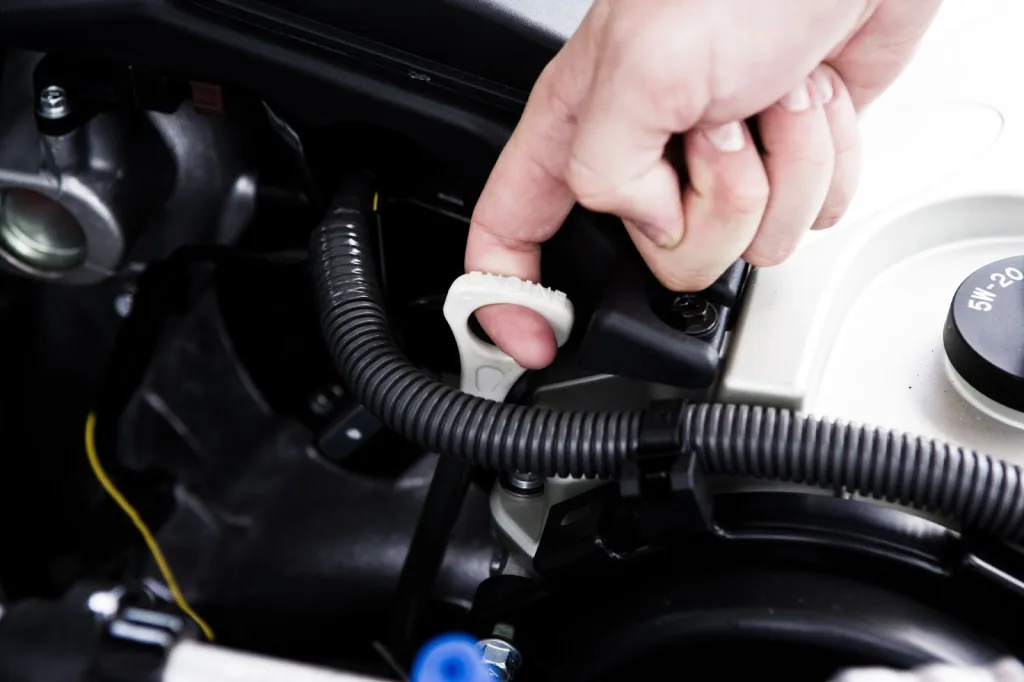
Check the oil level
This method allows:
Oil to drain back into the oil pan
Expansion effects to normalize
A stable, repeatable reading
This is the condition most dipstick markings are calibrated for.
Do You Check Oil Hot or Cold? What Manufacturers Actually Design For
Engine manufacturers design dipstick ranges based on:
Oil volume at operating temperature
Drain-back characteristics
Oil pump pickup location
That means the “full” mark is not arbitrary. It assumes the oil has:
Been circulating
Been allowed time to drain
Settled to its designed level
Checking oil completely cold can show a slightly higher reading than intended.
Why Consistency Matters More Than Temperature
One of the most overlooked aspects of oil checking is consistency.
If you:
Always check oil under the same conditions
On level ground
After the same wait time
You will get accurate trend information, even if conditions aren’t perfect.
Problems arise when people:
Check cold one time
Check hot another time
Compare readings without context
That’s how confusion starts.
Special Cases Where Cold Checks Are Acceptable
There are situations where checking oil cold is reasonable:
The vehicle has been sitting overnight
The engine design allows full drain-back
The manufacturer explicitly allows cold checks
In these cases:
The reading should still fall within the safe range
Small differences are normal
Cold checks are useful for quick verification, not fine-tuning.
What About Modern Cars Without Dipsticks?
Many modern vehicles no longer have physical dipsticks.
Instead, they use:
Electronic oil level sensors
Dashboard or infotainment readouts
These systems often require:
Engine at operating temperature
Vehicle parked on level ground
Engine off for a specified time
If your vehicle uses an electronic oil check, the system will usually tell you when conditions are correct.
Common Mistakes People Make When Checking Oil
Checking While the Engine Is Running
Always wrong. The reading will be inaccurate and oil can spray from the dipstick tube.
Checking on a Slope
Even a slight incline can skew the reading significantly.
Not Wiping the Dipstick Properly
Always wipe once, reinsert fully, then check.
Misreading the Dipstick
Oil smears can look higher or lower than the actual level.
Overfilling Based on a False Low Reading
Overfilled oil can cause:
Foaming
Increased crankcase pressure
Seal damage
Catalytic converter contamination
Does Oil Type Change the Answer?
Oil viscosity and formulation do influence drain-back time.
Thicker oils drain more slowly
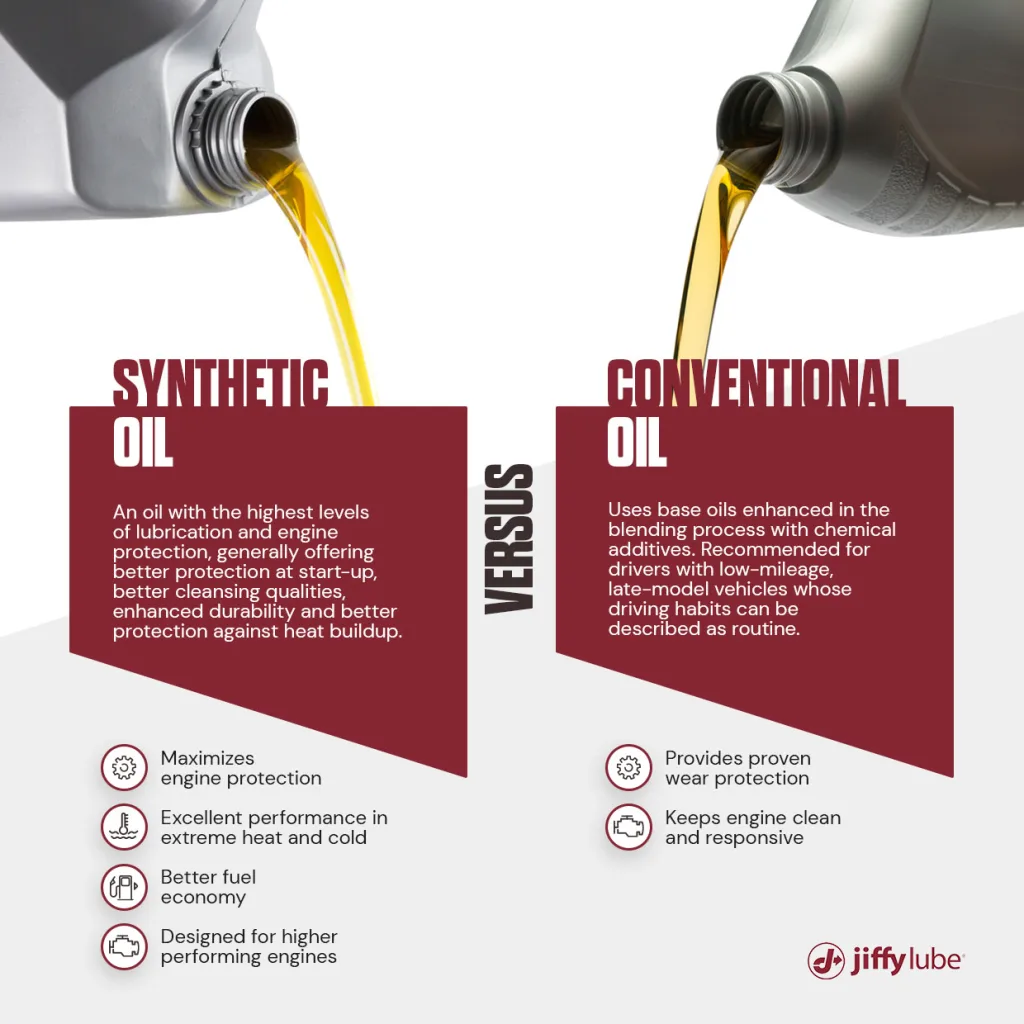
Synthetic oils may cling differently to surfaces
High-mileage oils may behave slightly differently
However, these differences are minor compared to temperature and wait time.
The correct checking method remains the same.
Do You Check Oil Level When Engine Hot or Cold? The Safe Rule
If you want one rule that works for nearly every vehicle:
Check engine oil when the engine is warm, turned off, and has sat for 5–10 minutes on level ground.
This minimizes false readings and matches how engines are designed to be measured.
Emergency Situations: What If You Must Check Immediately?
If you must check oil immediately after shutdown:
Expect the reading to be slightly low
Do not top off unless the oil is clearly below the minimum mark
Recheck properly later
Never add oil based on a rushed check unless the engine is dangerously low.
Why Overfilling Is Worse Than Slightly Low Oil
Many people fear low oil more than high oil. That’s a mistake.
Slightly low oil:
Reduces buffer capacity
Can be corrected easily
Overfilled oil:
Can aerate
Increases crankcase pressure
Causes oil to enter intake or exhaust systems
False low readings are far more dangerous than false high ones.
Final Answer: Do You Check Engine Oil Hot or Cold?
Here is the clear, correct conclusion:
Not while running
Not immediately hot
Not ice-cold if precision matters
The correct method is: Warm engine, engine off, wait a few minutes, then check.
That’s how engines are designed. That’s how dipsticks are calibrated. And that’s how you avoid costly mistakes.
Frequently Asked Questions
Do you check engine oil hot or cold? Warm engine, turned off, after a short wait.
Do you check oil when engine is hot or cold? Neither extreme. Warm and settled is best.
Do you check oil level when engine hot or cold? After the engine has been warm and allowed to drain back.
Can I check oil first thing in the morning? Yes, but expect slight variation. It’s acceptable for general checks.
Why does my oil level change between checks? Temperature, drain-back time, and driving conditions all affect readings.
Bottom Line
Checking engine oil is simple, but only if you do it the way engines are designed to be measured. Most mistakes come from rushing or relying on outdated advice.
Check it warm. Check it consistently. And don’t chase the dipstick line obsessively.
This is one of the most searched, most misunderstood automotive questions on the internet:
Can you use transmission fluid for power steering fluid?
Closely followed by:
Can you use automatic transmission fluid for power steering?
Can you use power steering fluid for transmission fluid?
At first glance, the confusion makes sense. Both are hydraulic fluids. Both are red (most of the time). Both operate under pressure. And if you search forums, you’ll find thousands of people saying, “I’ve done it for years with no problem.”
But the real answer is not a simple yes or no.
The correct answer depends on vehicle design, fluid specifications, and risk tolerance. Using the wrong fluid won’t always cause immediate failure, which is why this myth refuses to die. But that doesn’t mean it’s correct or safe long-term.
Let’s break this down properly, the way a manufacturer or powertrain engineer would.
Why This Question Exists in the First Place
Older vehicles created this confusion.
For decades, many manufacturers explicitly specified automatic transmission fluid (ATF) for use in power steering systems. In those vehicles, ATF was not a substitute. It was the correct fluid.
That historical reality is the reason this question still dominates search results today.
However, modern vehicles are very different.
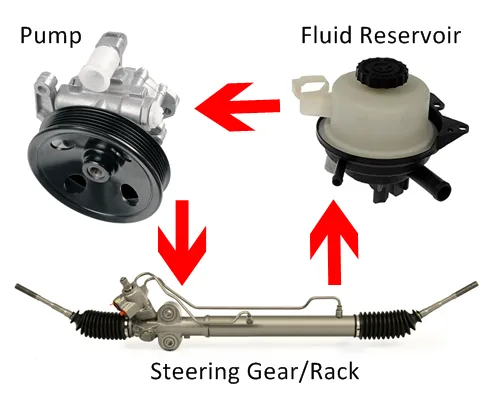
What Power Steering Fluid Actually Does
Power steering fluid is a hydraulic fluid designed to:
Transmit force through the steering system
Lubricate seals and pumps
Handle pressure changes during steering input
Operate consistently across temperature ranges
In older hydraulic power steering systems, the fluid was relatively simple. In modern systems, fluid chemistry matters much more.
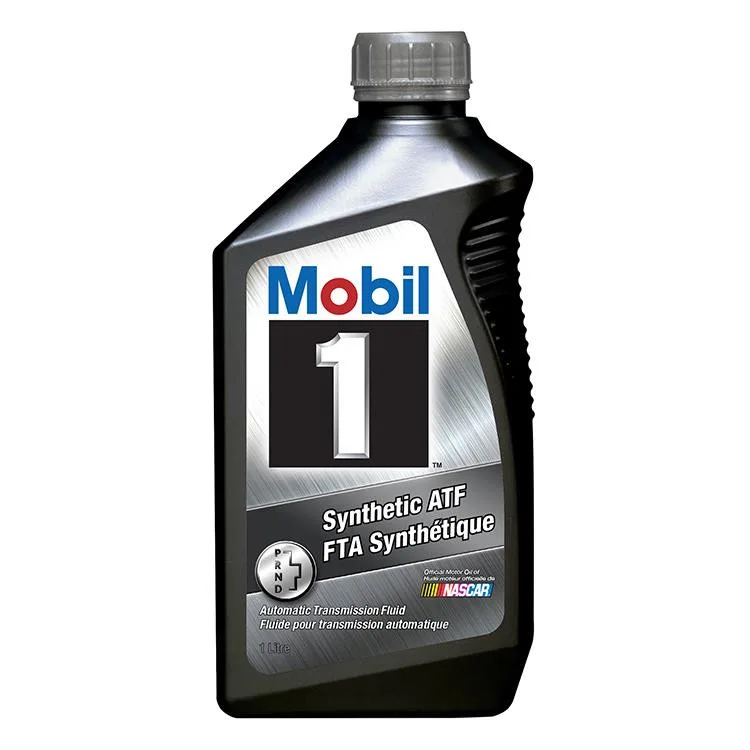
What Automatic Transmission Fluid Actually Does
Automatic transmission fluid has a much harder job.
ATF must:
Transmit hydraulic pressure
Lubricate gears and bearings
Control clutch engagement through friction modifiers
Resist extreme heat and shear forces
Remain stable for long service intervals
Because of this, ATF contains very specific additive packages that power steering systems may or may not tolerate.
Can You Use Transmission Fluid for Power Steering Fluid?
Short Answer
Sometimes yes, sometimes no, sometimes absolutely not.
Long Answer
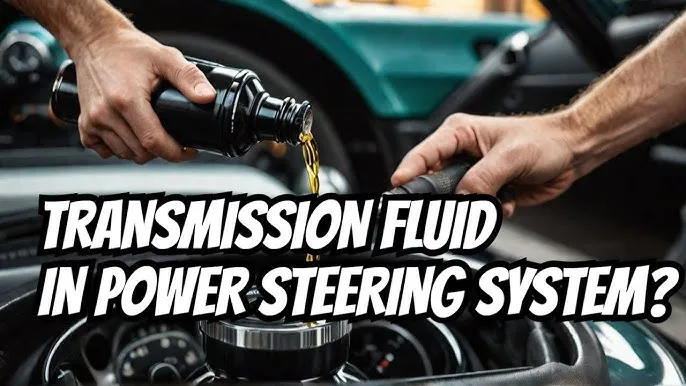
You can only use transmission fluid for power steering if your vehicle manufacturer explicitly allows it.
Here’s how that breaks down.
When Using ATF in Power Steering Is Acceptable
In many older vehicles, especially those from the 1980s through early 2000s, manufacturers specified ATF as the correct power steering fluid.
Common examples include:
Older GM vehicles
Many Ford models
Several Chrysler products
Some Japanese vehicles
In these systems:
The pump was designed for ATF viscosity
Seals were compatible with ATF additives
The system relied on ATF’s lubricating properties
In these cases, using automatic transmission fluid for power steering is not only safe, it is correct.
When You Should NOT Use Transmission Fluid for Power Steering
Modern vehicles often use dedicated power steering fluid, or in some cases, very specific hydraulic fluids.
You should NOT use ATF if:
The owner’s manual specifies power steering fluid only
The system uses electric-hydraulic steering
The vehicle uses CHF-type hydraulic fluid
The manufacturer explicitly warns against ATF
Modern steering systems often use:
Different seal materials
Tighter tolerances
Fluids with unique anti-foaming properties
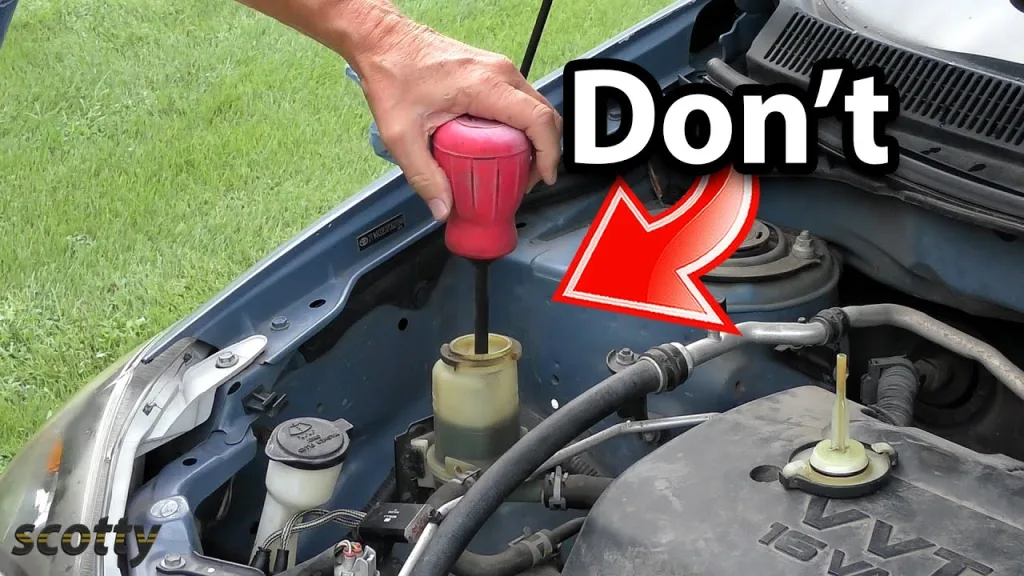
Using ATF in these systems can cause:
Seal swelling or shrinkage
Pump noise or whining
Steering stiffness
Long-term seal failure
The fact that damage may not occur immediately is what makes this mistake dangerous.
Can You Use Automatic Transmission Fluid for Power Steering?
This is the most common variation of the question, and the answer follows the same rule.
Automatic transmission fluid can be used for power steering ONLY if the manufacturer allows it.
ATF types also matter:
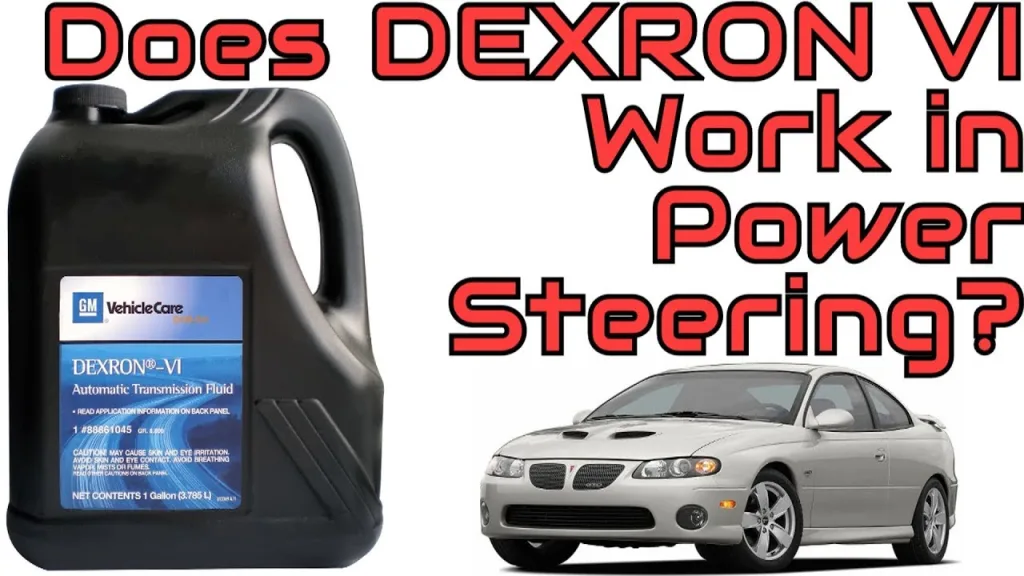
Dexron III vs Dexron VI
Mercon vs Mercon V
Synthetic vs conventional
Using the wrong ATF can be just as harmful as using the wrong fluid entirely.
Can You Use Power Steering Fluid for Transmission Fluid?
This is where the answer becomes much clearer.
No. You should not use power steering fluid for transmission fluid.
Power steering fluid:
Lacks friction modifiers required for clutch packs
Does not meet transmission lubrication standards
Cannot handle the thermal load of a transmission
Using power steering fluid in a transmission can cause:
Slipping
Harsh shifting
Clutch damage
Internal wear
Even short-term operation can cause damage that does not show up immediately.
Why ATF Works in Some Power Steering Systems but Not Others
The key difference is system design.
Power steering systems that allow ATF:
Were engineered with ATF chemistry in mind
Use seals compatible with ATF additives
Operate at pressures ATF can handle
Power steering systems that require dedicated fluid:
Use different elastomers
Require specific anti-foaming characteristics
Are sensitive to viscosity changes
This is why manufacturer guidance matters more than internet anecdotes.
What Happens If You Use the Wrong Fluid?
Using the wrong fluid does not usually cause instant failure. Instead, it causes slow damage, which is harder to trace.
Common symptoms include:
Whining or groaning noise
Increased steering effort
Foaming in the reservoir
Leaking seals
Premature pump failure
By the time symptoms appear, damage has often already started.
“I’ve Been Using ATF for Years and It’s Fine” – Why That Argument Fails
This is the most common rebuttal.
Here’s the truth:
Many people drive vehicles designed for ATF steering systems
Many failures take years to develop
Not all damage is immediately noticeable
Survivorship bias plays a big role here. You rarely hear from people whose steering pump failed quietly due to fluid incompatibility.
Electric Power Steering Changes Everything
Many modern vehicles no longer use hydraulic power steering at all.
Electric power steering systems:
Do not use fluid
Do not have pumps or hoses
Eliminate this issue entirely
If your vehicle has electric power steering, adding any fluid is a serious mistake.
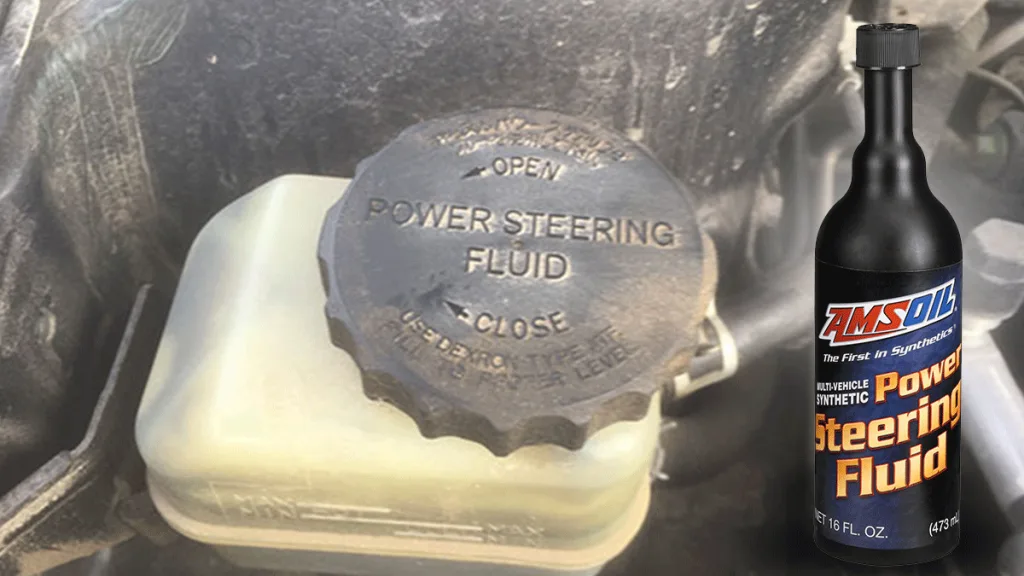
How to Know What Fluid Your Vehicle Needs
The only reliable sources are:
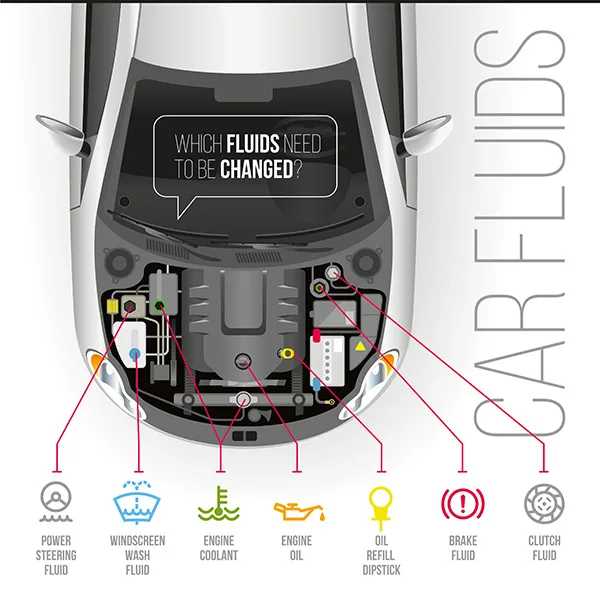
Which fluids need to be changed under the hood of the car?
The owner’s manual
The cap on the power steering reservoir
Manufacturer service documentation
Do not rely on:
Color alone
Internet forums
“Universal” fluid claims
If the manual says ATF, use ATF. If it says power steering fluid, use that exact type. If it lists a specific standard, follow it.
Emergency Situations: Is ATF Better Than Nothing?
In a true emergency, adding a small amount of ATF to a power steering system that normally uses power steering fluid is less damaging than running the system dry.
However:
This should be temporary
The system should be flushed as soon as possible
Long-term operation is not recommended
Emergency use does not equal approval.
Final Verdict: Can You Use Transmission Fluid for Power Steering Fluid?
Here is the honest, correct answer:
Yes, if your vehicle was designed for ATF
No, if your vehicle specifies dedicated power steering fluid
Never use power steering fluid in a transmission
Transmission fluid and power steering fluid are not universally interchangeable, despite decades of confusion.
The safest rule is simple: Always follow the manufacturer’s specification, not internet advice.
Frequently Asked Questions
Can you use transmission fluid for power steering fluid? Only if the manufacturer allows it.
Can you use automatic transmission fluid for power steering? Yes, in vehicles designed for ATF-based steering systems.
Can you use power steering fluid for transmission fluid? No. This can cause serious transmission damage.
Is ATF better than power steering fluid? Neither is better. They are designed for different systems.
What happens if you mix power steering fluid and ATF? Mixing can cause seal damage, foaming, and long-term wear depending on the system.
Bottom Line
This question exists because older vehicles blurred the lines. Modern vehicles do not.
If you want reliability, longevity, and quiet steering, the correct fluid matters more than brand loyalty or online myths.
For most drivers, Valvoline is a safe, proven, and widely trusted motor oil brand. It has been around since the 1800s, sells full synthetic, synthetic blend, high-mileage, diesel, and specialty oils, and its current products are built to meet modern oil standards like API and ILSAC specifications.
The honest answer is this: Valvoline is not magic, but it is absolutely good enough for daily drivers, trucks, SUVs, high-mileage vehicles, and many modern engines when you use the correct viscosity and specification.
The bigger mistake is not choosing Valvoline instead of Mobil 1, Pennzoil, Castrol, or Royal Purple. The bigger mistake is using the wrong oil, ignoring your owner’s manual, stretching oil-change intervals too far, or skipping maintenance.
Why Valvoline Has Real Credibility
Valvoline is not a random store-brand oil.
The company traces its history back to 1866, when Dr. John Ellis discovered the lubricating benefits of crude oil and founded what became Valvoline. Valvoline also says it became the first trademarked lubricant brand in the United States in 1873. You can see that history on Valvoline’s official history timeline.
That history matters because motor oil is a trust product. Drivers are pouring it into engines that can cost thousands of dollars to repair or replace. A brand does not stay relevant for more than a century by selling oil that regularly destroys engines.
Valvoline is also not just one oil. It has different product lines for different needs, including Advanced Full Synthetic, Restore & Protect, Extended Protection, High Mileage, European Vehicle, diesel oils, racing oils, and conventional or synthetic blend options in some markets.
Is Valvoline Full Synthetic Good?
Yes, Valvoline full synthetic oil is good.
Valvoline’s Advanced Full Synthetic line is designed for modern gas engines and is one of its most common full synthetic products. Valvoline says its Advanced Full Synthetic motor oil provides 50% more wear protection than industry standards and is made for cars, trucks, and SUVs under severe driving conditions. You can review the product details on Valvoline’s Advanced Full Synthetic page.
For regular drivers, that means Valvoline Advanced Full Synthetic is a strong choice for commuting, highway driving, short trips, family SUVs, light trucks, and vehicles that require a modern synthetic oil.
It is not automatically better than every other oil. Mobil 1, Pennzoil, Castrol, Quaker State, and other major brands also make excellent synthetic oils. But Valvoline belongs in that top group.
Is Valvoline Better Than Cheap Oil?
Usually, yes, especially if you are comparing Valvoline full synthetic against a basic conventional oil or an unknown low-cost brand.
That does not mean every cheap oil is bad. Some store-brand oils are made by reputable manufacturers and meet the same API or ILSAC standards. But with Valvoline, you are getting a major brand with long product history, broad availability, strong testing claims, and clear product lines.
The label still matters more than the logo. A good oil should show the right viscosity and approvals for your vehicle. Look for current standards such as API SP, ILSAC GF-6 or newer, and manufacturer approvals where required.
For GM vehicles, dexos approval can also matter. GM states that dexos1 Gen 3 oils exceed dexos1 Gen 2 performance and are backward compatible for vehicles that previously used dexos1 or dexos1 Gen 2, as long as the correct viscosity grade is used. You can verify licensed oils through the official GM dexos site.
Is Valvoline Good for High-Mileage Cars?
Yes, Valvoline is especially popular for high-mileage vehicles.
Valvoline High Mileage oils are made for engines with more miles on them, usually around 75,000 miles or more. High-mileage oils typically include additives designed to help condition seals, reduce minor leaks, manage wear, and support older engines.
This does not mean high-mileage oil will fix a worn-out engine. If your engine is knocking, burning oil heavily, leaking badly, or has internal damage, no oil brand will magically repair it.
But if your car is older, has higher mileage, and still runs well, Valvoline High Mileage can be a sensible choice. It is one of the brand’s strongest areas because many real-world owners use Valvoline specifically for older vehicles.
Is Valvoline Restore & Protect Good?
Valvoline Restore & Protect is one of the brand’s more interesting newer products.
It is marketed toward engines that may already have deposits from years of use. The idea is not just to protect the engine going forward, but to help reduce existing deposits over time when used consistently.
This type of product makes sense for drivers who bought a used vehicle with unknown maintenance history, own a higher-mileage engine, or want a more cleaning-focused oil without doing aggressive engine flushes.
That said, do not expect overnight miracles. Oil works gradually. If an engine has years of sludge from skipped oil changes, a cleaning-focused oil can help, but it may not reverse neglect completely.
Is Valvoline Good for Trucks and SUVs?
Yes, Valvoline is a good option for trucks and SUVs if you choose the right product.
Many trucks and SUVs work harder than small cars. They may tow, idle, haul, drive in hot weather, make short trips, or run heavier loads. That makes oil quality and correct maintenance intervals more important.
Valvoline full synthetic oil can work well in gas-powered trucks that call for common grades like 0W-20, 5W-20, 5W-30, or 0W-40, depending on the engine. For diesel trucks, you need diesel-rated oil that meets the correct Cummins, Power Stroke, Duramax, API CK-4, or manufacturer specification.
Do not put regular gas-engine oil into a diesel truck unless the owner’s manual specifically allows it. Diesel engines need the right oil chemistry for soot control, wear protection, and emissions-system compatibility.
Is Valvoline Good for Oil Changes?
Yes, Valvoline is good oil for regular oil changes.
The key is to use the correct Valvoline oil for your vehicle and change it at the right interval. Even the best synthetic oil eventually degrades from heat, contamination, fuel dilution, short trips, and time.
RepairPal notes that regular oil changes are important not just for the engine, but also because oil-change visits often include inspections that can catch problems before they leave you stranded. RepairPal also explains that oil-change recommendations depend on vehicle design, driving conditions, and manufacturer guidance.
For most drivers, following the owner’s manual or oil-life monitor is smarter than guessing. If you drive in severe conditions, shorter intervals are better.
Severe conditions can include:
Short trips.
Stop-and-go traffic.
Towing.
Long idling.
Extreme heat.
Extreme cold.
Dusty roads.
Performance driving.
Frequent mountain driving.
Valvoline vs Mobil 1
Valvoline and Mobil 1 are both good oils.
Mobil 1 has a very strong reputation in full synthetic oil and is often viewed as the benchmark brand for premium synthetic protection. Valvoline is also a serious major-brand oil and is often priced competitively.
For most normal vehicles, the difference between Valvoline and Mobil 1 will matter less than using the correct specification and changing it on time.
Choose Mobil 1 if you want one of the most recognized synthetic oil brands and like its extended-performance positioning.
Choose Valvoline if you want a trusted oil brand, strong high-mileage options, good value, and broad availability.
Neither is a bad choice when the bottle meets your vehicle’s requirements.
Valvoline vs Castrol
Valvoline and Castrol are both good oils.
Castrol EDGE is known for premium synthetic positioning and strong marketing around engine stress and protection. Valvoline Advanced Full Synthetic is a practical, trusted synthetic oil that works well for many daily drivers.
For most cars, trucks, and SUVs, either brand can be a good choice. Again, check the specs. If your vehicle needs dexos1 Gen 3, API SP, ILSAC GF-6, a European ACEA spec, or a manufacturer-specific approval, buy the oil that clearly lists that approval.
Brand preference is secondary. Correct oil approval is primary.
Valvoline vs Pennzoil
Valvoline and Pennzoil are both reliable choices.
Pennzoil is often known for its Platinum and Ultra Platinum synthetic oils, especially its cleaning-focused claims. Valvoline is strong in high-mileage, full synthetic, and practical daily-driver protection.
A driver who wants maximum cleanliness marketing may lean Pennzoil. A driver with a higher-mileage vehicle may lean Valvoline. A driver who simply wants a good synthetic oil at a fair price could choose either.
Is Valvoline Good for Older Engines?
Yes, Valvoline can be good for older engines.
Older engines often benefit from consistent oil changes and a product designed for their condition. Valvoline High Mileage is a logical fit for engines with more wear, minor seepage, or higher odometer readings.
But be realistic. If an old engine has low compression, serious oil burning, heavy sludge, coolant contamination, or mechanical noise, switching oil brands will not solve the root problem.
Oil can protect, clean, and condition. It cannot rebuild worn metal.
Is Valvoline Good for New Cars?
Yes, Valvoline can be good for new cars if it meets the exact specification required by the manufacturer.
Modern engines can be very specific about oil. Some require 0W-20. Some require 5W-30. Some turbo engines need special protection against low-speed pre-ignition. Some GM engines require dexos-approved oil. Some European vehicles require ACEA or manufacturer-specific approvals.
Before using Valvoline in a new car, check the owner’s manual and match the bottle exactly. If the oil meets the required viscosity and approvals, Valvoline is a legitimate choice.
Is Valvoline Good for Turbo Engines?
Valvoline can be good for turbocharged engines when the correct oil is used.
Turbo engines are harder on oil because turbochargers generate high heat and depend on clean lubrication. Many modern turbo engines also need oil that helps protect against low-speed pre-ignition, also called LSPI.
Current API and ILSAC oil standards were designed with modern engine concerns in mind. API explains that modern gasoline engine oil categories such as API SP and ILSAC standards address needs like low-speed pre-ignition protection, timing-chain wear protection, fuel economy, and deposit control. You can review the latest oil categories through the API.
If your turbo engine requires a specific manufacturer approval, use the Valvoline product that lists that approval.
How Long Does Valvoline Oil Last?
Valvoline oil can last as long as the vehicle manufacturer allows for your driving conditions, but you should not choose an interval based only on the bottle.
Some full synthetic oils are designed for longer intervals than conventional oils. But oil-change intervals depend on the engine, oil spec, driving style, climate, fuel dilution, mileage, and warranty requirements.
For many modern vehicles, oil changes may fall somewhere around 5,000 to 10,000 miles, but some vehicles recommend shorter or longer intervals. If you tow, idle often, take short trips, or drive in heat, shorter intervals are safer.
The safest answer is simple: follow the owner’s manual and oil-life monitor. If you plan to keep the vehicle long-term, do not push intervals aggressively.
Is Valvoline Worth It?
Yes, Valvoline is worth it for most drivers.
It is not the cheapest oil on the shelf, and it is not always the most expensive. It sits in a strong middle-to-premium position depending on the product line.
Valvoline is worth it if you want:
A proven major oil brand.
Strong full synthetic options.
High-mileage formulas.
Good availability.
Clear product choices.
Modern oil specifications.
A long brand history.
It may not be worth paying extra for if your vehicle simply needs a basic approved oil and another reputable brand is on sale. Oil brand loyalty is fine, but the specification and change interval matter more.
When You Should Not Use Valvoline
You should not use Valvoline oil if the specific bottle does not meet your vehicle’s requirements.
For example, do not use a basic gas-engine oil in a diesel engine that requires diesel-rated oil. Do not use 5W-30 if your engine requires 0W-20 and does not allow alternatives. Do not use a non-European oil in a European engine that requires a specific VW, BMW, Mercedes-Benz, Porsche, or ACEA approval.
Valvoline makes many oils. The wrong Valvoline oil is still the wrong oil.
FAQs About Valvoline Oil
Is Valvoline good oil?
Yes, Valvoline is good oil. It is a long-established motor oil brand with full synthetic, high-mileage, diesel, and specialty oils that meet modern engine-oil standards when the correct product is selected.
Is Valvoline full synthetic good?
Yes, Valvoline full synthetic oil is good for many modern cars, trucks, and SUVs. Valvoline Advanced Full Synthetic is one of the brand’s most common full synthetic oils and is designed for wear protection, heat protection, and severe driving conditions.
Is Valvoline better than Mobil 1?
Not always. Mobil 1 and Valvoline are both good oils. Mobil 1 has stronger premium synthetic brand recognition, while Valvoline is trusted, widely available, and especially strong in high-mileage formulas. Use whichever one meets your vehicle’s exact oil specs.
Is Valvoline good for high-mileage cars?
Yes, Valvoline High Mileage is a strong choice for older vehicles and engines with more than 75,000 miles. It can help with seal conditioning and older-engine protection, but it cannot fix serious mechanical problems.
Is Valvoline good for trucks?
Yes, Valvoline is good for trucks when you choose the right oil. Gas trucks need the correct gas-engine oil specification. Diesel trucks need diesel-rated oil that meets the proper manufacturer and API requirements.
How often should you change Valvoline oil?
Change Valvoline oil according to your owner’s manual or oil-life monitor. Many modern vehicles using synthetic oil fall around 5,000 to 10,000 miles, but severe driving conditions may require shorter intervals.
Is Valvoline better than Castrol?
Valvoline and Castrol are both reputable oil brands. The better choice depends on the exact oil specification your vehicle requires, price, availability, and whether you prefer Valvoline’s high-mileage focus or Castrol’s premium synthetic positioning.
Final Thoughts: Is Valvoline Good Oil?
Valvoline is good oil, and for most drivers, it is an easy brand to trust.
It has a long history, strong full synthetic products, high-mileage options, and oils designed for modern engines. It may not be dramatically better than Mobil 1, Pennzoil, or Castrol, but it absolutely belongs in the same conversation as other major motor oil brands.
The honest truth is simple: Valvoline is a good choice if you buy the right formula, match the correct viscosity and specification, and change it on schedule. For daily drivers, older cars, trucks, SUVs, and high-mileage engines, Valvoline is a solid, proven option.
The idea of putting a magnet on an oil filter sounds almost too simple. Clip a magnet onto your filter, trap harmful metal particles, protect your engine longer. That promise has been around for decades, and yet many drivers still ask the same questions:
Are oil filter magnets worth it? Do oil filter magnets actually work? Why would you put a magnet on an oil filter in the first place?
If you’ve searched for oil filter magnet, magnetic oil filter, or magnets on oil filter, you’ve probably seen strong opinions on both sides. Some swear by them. Others dismiss them as gimmicks.
The truth, as usual in automotive engineering, sits somewhere in the middle. This guide breaks down exactly how oil filter magnets work, what they can do, what they cannot do, and whether they make sense for your engine.
What Is an Oil Filter Magnet?
An oil filter magnet is a strong external magnet, usually circular or clamp-style, designed to attach to the outside of a standard oil filter. Its purpose is simple: attract and hold ferrous metal particles circulating in engine oil before those particles can cause wear.
Unlike a magnetic drain plug, which collects debris only when the engine is off, a magnet on the oil filter works continuously while the engine is running.
Some engines also use magnetic oil filters, which integrate magnetized components internally, but the vast majority of products on the market are external add-on magnets.
Why Put a Magnet on an Oil Filter?
To understand why anyone would put a magnet on an oil filter, you need to understand what happens inside an engine over time.
Even in a healthy engine, microscopic metal particles are created through:
Normal friction between moving components
Break-in wear in new or rebuilt engines
Cold starts where oil flow is momentarily limited
High-load or high-RPM operation
Standard oil filters rely on paper or synthetic filter media, which is excellent at catching dirt and non-metallic debris. However, extremely fine metal particles can:
Be small enough to pass through filter media
Remain suspended in oil
Circulate repeatedly through bearings and journals
A magnet provides a second layer of defense by targeting what filter media struggles with most: ultra-fine ferrous particles.
How Oil Filter Magnets Work (The Physics, Not the Marketing)
A magnet placed on the outside of an oil filter creates a magnetic field that extends through the thin steel shell of the filter and into the oil passing inside.
As oil flows through the filter:
Ferrous particles are attracted to the magnetic field
Those particles cling to the inner wall of the filter
They stay trapped until the filter is removed
This process works independently of oil viscosity, flow rate, or filter brand, as long as:
The magnet is strong enough
The oil filter housing is steel (not aluminum or plastic)
It’s important to note that magnets do not block oil flow. They do not restrict pressure. They simply create a localized capture zone.
Do Oil Filter Magnets Actually Work?
Yes, oil filter magnets do work in a very specific way.
They successfully attract ferrous metal particles that would otherwise continue circulating in the oil. Numerous teardown tests show visible metal fuzz collected behind magnets after oil change intervals.
However, working does not mean miracle.
Oil filter magnets:
Do not remove non-ferrous metals like aluminum or copper
Do not replace regular oil changes
Do not fix existing engine damage
Do not filter contaminants like dirt, fuel, or coolant
Think of them as a supplementary wear-reduction tool, not a cure-all.
Are Oil Filter Magnets Worth It?
This is where usage matters.
Situations Where Oil Filter Magnets Make Sense
Oil filter magnets are most valuable in:
New engines during break-in periods
Rebuilt engines
High-mileage engines with normal wear
Performance engines running higher RPMs
Turbocharged engines with higher oil stress
Diesel engines with high internal pressures
In these cases, reducing even microscopic wear over time can help extend bearing life and reduce long-term damage.
Situations Where They Offer Minimal Benefit
Oil filter magnets offer less value if:
The engine is already severely worn
The filter housing is aluminum or composite
Oil change intervals are extremely short
The vehicle is driven lightly and infrequently
For most daily drivers, the benefit is incremental rather than dramatic.
Oil Filter Magnets vs Magnetic Drain Plugs
Many enthusiasts ask whether magnets on oil filters are redundant if you already use a magnetic drain plug.
They are not the same tool.
A magnetic drain plug:
Collects debris only when oil settles
Works mainly when the engine is off
Captures particles near the oil pan
An oil filter magnet:
Works continuously during operation
Captures particles in active oil flow
Targets debris before it reaches bearings
Used together, they provide complementary protection, not duplication.
Where to Place Magnets on an Oil Filter
Placement matters more than people think.
Best Placement Guidelines
Position the magnet near the center of the filter body
Avoid placing it near the base plate or threaded end
Ensure full contact with the filter housing
Use a magnet designed for oil filter temperatures
Some products use wrap-around bands, while others are rigid clamp designs. Both can work if positioned correctly.
How to Put an Oil Filter Magnet on Aluminum
This question comes up frequently because many modern engines use aluminum oil filter housings.
Here’s the critical truth: magnets do not work on aluminum housings.
If your engine uses:
A spin-on steel oil filter → magnets work
A cartridge filter inside an aluminum housing → magnets do not work
In cartridge-style systems, your only magnetic option is a magnetic drain plug or internal magnetic components.
Magnetic Oil Filters vs Oil Filter Magnets
Some premium filters advertise themselves as magnetic oil filters, but the term is often misleading.
True magnetic oil filters are rare. Most use:
A small magnet embedded near the base plate
Limited magnetic surface area
Weaker magnetic strength than external magnets
External oil filter magnets typically:
Use stronger rare-earth magnets
Cover a larger capture zone
Are reusable across multiple oil changes
In practice, a quality external magnet is usually more effective than built-in filter magnets.
Common Myths About Oil Filter Magnets
“They Replace Oil Changes”
They do not. Oil degradation still occurs due to heat, contamination, and additive breakdown.
“They Trap All Engine Debris”
They only trap ferrous metal, not dirt or aluminum wear.
“They Restrict Oil Flow”
They do not contact the oil path physically and do not change pressure.
“They Are Only for Old Engines”
They are arguably more useful in new or rebuilt engines during break-in.
What You’ll Actually See When You Remove One
When an oil filter magnet has been doing its job, you may notice:
Fine metallic fuzz inside the filter shell
Dark, paste-like residue near magnet contact points
Less debris on magnetic drain plugs over time
The absence of visible debris does not mean it failed. It often means the engine is already in good condition.
In engineering, small reductions in wear compound over thousands of operating hours.
Final Verdict: Are Oil Filter Magnets Worth Using?
If you are expecting a dramatic transformation, oil filter magnets will disappoint you.
If you understand engines and value preventative protection, they make sense as a low-cost, low-risk addition.
They are not gimmicks, but they are not miracles either. Used correctly, on the right engine, with realistic expectations, oil filter magnets do exactly what they claim: capture ferrous wear particles before they circulate again.
Frequently Asked Questions
Are oil filter magnets worth it? They are worth it for engines where long-term wear reduction matters, especially new, rebuilt, or high-performance engines.
Do oil filter magnets work? Yes, they work by attracting ferrous metal particles in circulating oil.
Why put a magnet on an oil filter? To capture microscopic metal debris that standard filter media may not fully trap.
Where to place magnets on oil filter? Near the center of the filter body, ensuring solid contact with the steel housing.
How to put oil filter magnet on aluminum housing? You cannot. Magnets do not work on aluminum housings.
Are magnetic oil filters better than regular filters? Most “magnetic oil filters” offer limited benefit compared to strong external magnets.
If you’re searching for the most reliable used SUV, you’re not looking for hype. You’re looking for something that starts every morning, survives years of ownership, doesn’t bankrupt you out of warranty, and still feels solid at 150,000–250,000 miles. This guide is built exactly for that intent.
Here’s the truth up front:
The most reliable used SUVs are not always the newest, the flashiest, or the most powerful. They are the ones with proven drivetrains, conservative engineering, and predictable failure patterns.
Below is a deep, practical breakdown of what actually matters, which models consistently deliver, which years to target, and how to avoid the traps that ruin used-SUV ownership.
What “Most Reliable Used SUV” Actually Means
Reliability in the used market is not about perfection. It is about predictability.
A reliable used SUV:
Has a drivetrain that routinely exceeds 200,000 miles
Fails slowly, not catastrophically
Uses parts that are widely available and affordable
Is tolerant of real-world driving, not just ideal maintenance
Does not depend on fragile electronics to function
This immediately eliminates a large number of modern luxury SUVs and first-year redesigns.
The 5 Rules That Decide Used SUV Reliability
Before naming models, you need to understand the rules that separate reliable SUVs from money pits.
1. Proven Engine + Transmission Pairing
Engines and transmissions must have years of real-world mileage behind them. Paper specs don’t matter.
2. Conservative Tuning
Lower output engines with less stress last longer. Turbocharging is not automatically bad, but complexity raises risk.
3. Simpler AWD Systems
Full-time mechanical AWD systems tend to age better than electronically reactive systems in used vehicles.
4. Long Production Runs
Vehicles built largely unchanged for many years accumulate fixes, not surprises.
5. Maintenance Forgiveness
The best used SUVs tolerate imperfect owners better than the rest.
Compact Category: Most Reliable Used Compact SUVs
This is where most buyers should start. Compact SUVs offer the best reliability-to-cost ratio.
Toyota RAV4 (Used)
The RAV4 is one of the safest used-SUV purchases on the market.
Why it works:
Extremely conservative engine design
Simple, proven transmissions
Massive parts availability
Very few systemic failures
RAV4s regularly exceed 250,000 miles with basic maintenance. They are not exciting, but reliability buyers don’t care.
Honda CR-V (Used)
The CR-V is another top-tier reliability pick.
Strengths:
Durable engines
Excellent fuel economy
Low ownership costs
Strong resale value
Older naturally aspirated CR-Vs tend to be more reliable long-term than newer turbocharged variants, especially when buying used.
Mazda CX-5 (Used)
Mazda quietly built one of the most reliable modern compact SUVs.
Why it’s underrated:
No CVT in most years
Simple, high-quality engines
Excellent build quality
Fewer electronic failures than rivals
The CX-5 is one of the best choices if you want reliability without sacrificing driving feel.
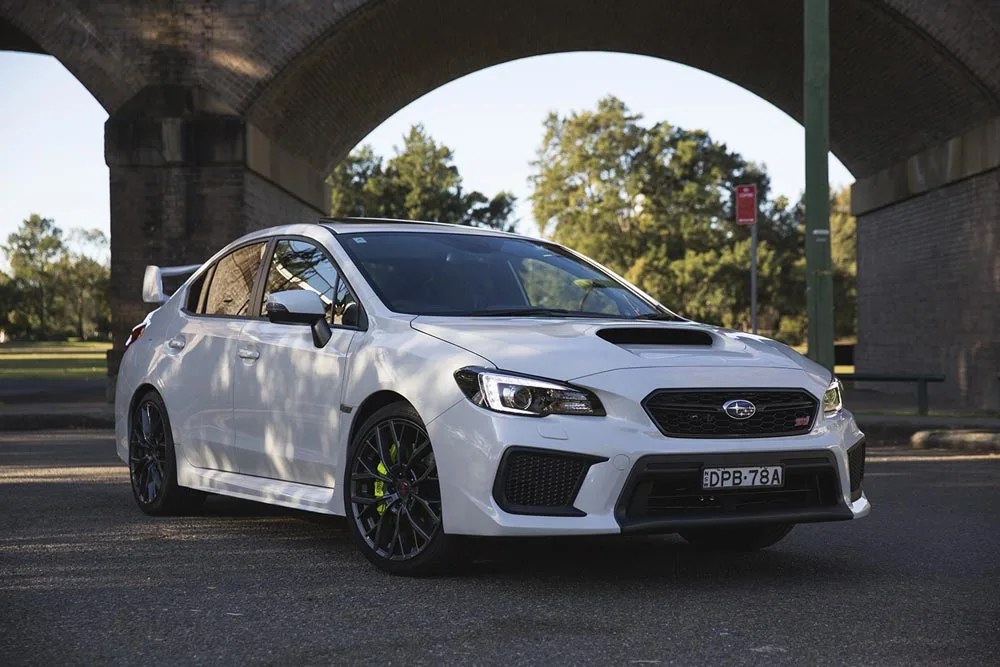
Subaru Forester / Outback (Used)
Subaru SUVs divide opinion, but well-maintained examples are extremely durable.
Key realities:
Excellent AWD systems
Engines sensitive to overheating
Maintenance discipline is critical
A properly serviced Subaru can easily exceed 200,000 miles. A neglected one can become expensive fast.
Midsize Category: Most Reliable Used Midsize SUVs
This category is where reliability meets family practicality.
Toyota Highlander (Used)
The Highlander is one of the most consistently reliable midsize SUVs ever sold.
Why it stands out:
Proven V6 engines
Long production runs
Smooth, durable drivetrains
Excellent long-term ownership data
Many Highlanders cross 300,000 miles with routine care.
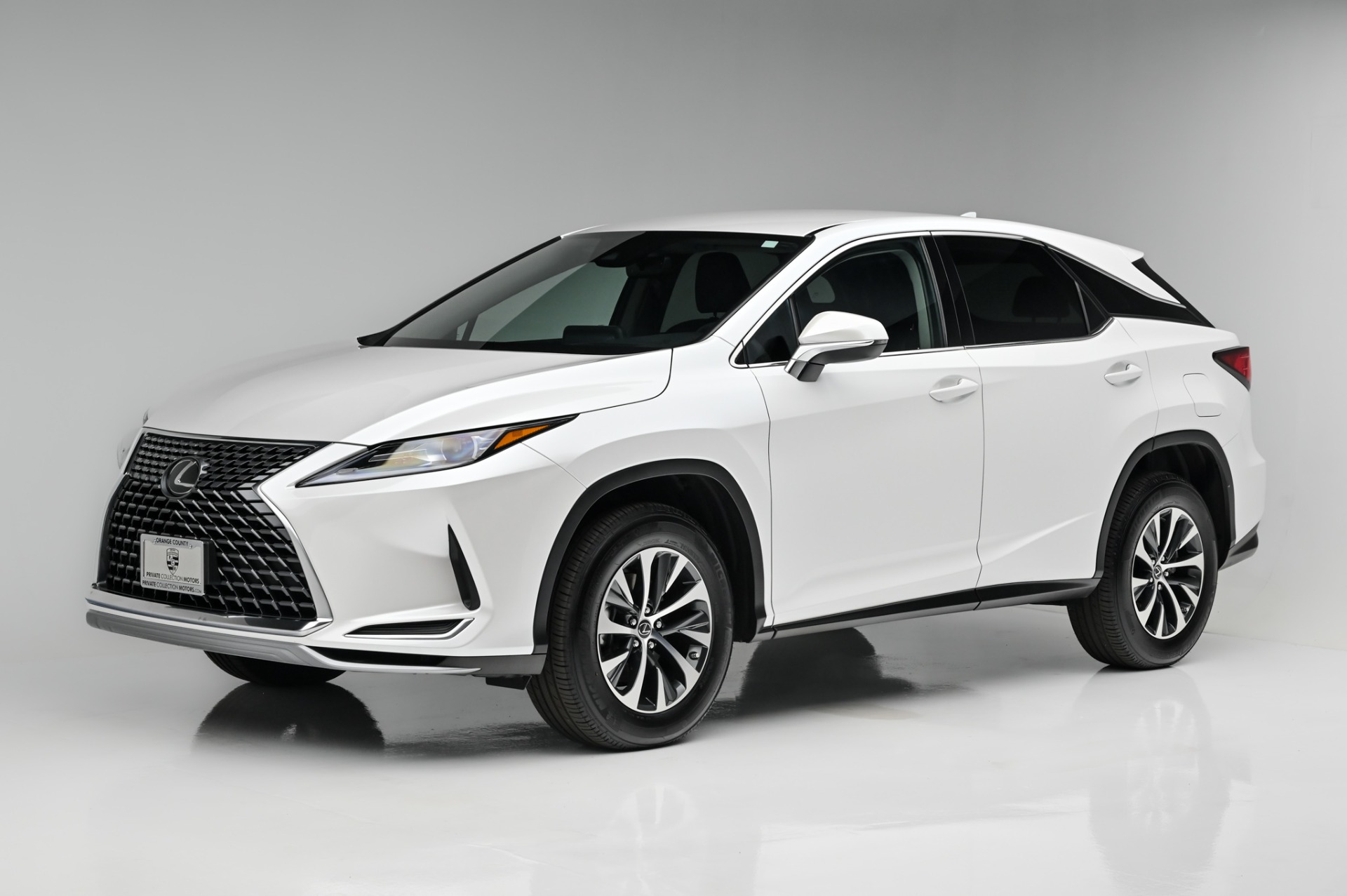
Lexus RX (Used)
If you want Toyota reliability with better refinement, the RX is a benchmark.
Strengths:
Exceptionally durable engines
High build quality
Lower failure rates than most luxury rivals
Comfortable long-term ownership
Repair costs are higher than Toyota but far lower than German luxury SUVs.
Honda Pilot (Used)
The Pilot is a strong reliability pick if properly maintained.
Important notes:
Engine reliability is excellent
Transmissions must be serviced on time
Interior wear is common but not mechanical
Well-maintained Pilots routinely surpass 250,000 miles.
Body-on-Frame SUVs: Reliability Above All Else
If your definition of reliability includes abuse tolerance, this is the category that matters.
Toyota 4Runner (Used)
The 4Runner is one of the most durable SUVs ever sold in North America.
Why it’s legendary:
Body-on-frame construction
Naturally aspirated engines
Minimal reliance on electronics
Extremely slow depreciation
These vehicles regularly exceed 300,000 miles and often outlast their owners’ patience.
Lexus GX 460 (Used)
Often overlooked, the GX 460 is essentially a luxury Land Cruiser Prado.
Strengths:
Exceptionally strong V8 engine
Full-time mechanical AWD
Outstanding durability off-road and on-road
Long service life
Fuel economy is poor, but reliability is elite.
Toyota Land Cruiser (Used)
This is the gold standard.
Why it’s unmatched:
Designed for extreme global use
Overbuilt in every mechanical sense
Documented million-mile examples worldwide
Extremely predictable failure patterns
The downside is purchase price and fuel costs, not reliability.
What to Avoid When Shopping for a Reliable Used SUV
Knowing what not to buy matters as much as knowing what to buy.
First-Year Redesigns
Even reliable brands stumble in first production years.
Complex Luxury SUVs
Advanced air suspension, heavy turbocharging, and software-dependent systems increase long-term risk.
Poor Service History
No SUV is reliable if it was neglected.
Reliability vs Mileage: What Matters More?
Mileage alone does not determine reliability. Maintenance history does.
A 180,000-mile SUV with records can be safer than a 90,000-mile SUV with unknown history.
Ownership Costs Over Time
The most reliable used SUVs share these traits:
Predictable maintenance costs
Fewer catastrophic failures
Strong resale value
Long service intervals when maintained
They cost more upfront because buyers know they last.
The Truth About “Cheap Used SUVs”
Cheap often means:
Deferred maintenance
Known mechanical issues
Approaching major repair intervals
The most reliable used SUVs rarely look like bargains. They are priced honestly by the market.
Final Verdict: What Is the Most Reliable Used SUV?
If you want maximum reliability with minimal drama, the safest answers are:
Toyota RAV4 (compact)
Honda CR-V (compact)
Mazda CX-5 (compact)
Toyota Highlander (midsize)
Lexus RX (midsize luxury)
Toyota 4Runner (body-on-frame)
Lexus GX 460 (body-on-frame luxury)
Toyota Land Cruiser (ultimate durability)
These vehicles succeed not because they are perfect, but because they are predictable, conservative, and proven.
15 FAQs: Most Reliable Used SUV
1. What is the most reliable used SUV overall?
Toyota models dominate long-term reliability, especially the RAV4, Highlander, and 4Runner.
2. What is the best most reliable used SUV to buy?
For most buyers, a used Toyota RAV4 or Honda CR-V offers the best balance.
3. What are the most reliable used compact SUVs?
Toyota RAV4, Honda CR-V, Mazda CX-5, and Subaru Forester.
4. What is the most reliable midsize SUV used?
Toyota Highlander and Lexus RX consistently rank at the top.
5. What SUV lasts the longest?
Toyota Land Cruiser and Toyota 4Runner have the longest proven lifespans.
6. Are used luxury SUVs reliable?
Some are. Lexus models are far more reliable long-term than most German luxury SUVs.
7. Is high mileage bad when buying a used SUV?
Not if maintenance history is excellent.
8. Are AWD SUVs less reliable?
They can be slightly more complex, but well-designed AWD systems are very durable.
9. Which used SUVs are cheapest to maintain?
Toyota and Honda models generally offer the lowest long-term costs.
10. Should I avoid turbocharged used SUVs?
Not always, but naturally aspirated engines tend to age better.
11. Are older SUVs more reliable than newer ones?
Often yes, due to simpler engineering and fewer electronics.
12. What SUV has the fewest catastrophic failures?
Toyota 4Runner and Land Cruiser are standouts.
13. Is resale value a reliability indicator?
Usually. High resale often reflects long-term durability.
14. How long can a reliable used SUV last?
200,000–300,000 miles is common for top-tier models.
15. What matters more than brand?
Maintenance history, service records, and previous ownership habits.
Volvos are generally reliable enough for luxury-car buyers, but they are not cheap, simple, low-maintenance vehicles like a Toyota or Honda.
The honest answer is this: Volvo reliability is average to above average depending on the model, but repair costs can be higher than mainstream brands. If you maintain a Volvo properly, it can be a safe, comfortable, long-lasting vehicle. If you buy a neglected used one, especially with complex electronics or hybrid components, repairs can get expensive fast.
RepairPal gives Volvo an overall reliability rating of 3.5 out of 5.0, ranking it 17th out of 32 car brands. It also lists Volvo’s average annual repair cost at $769, which is higher than many non-luxury brands. RepairPal also reports an average of 0.5 repair-shop visits per year and a 9% chance of a severe repair.
So, are Volvos reliable? Yes, but with luxury-car ownership costs.
Why Volvo Has a Mixed Reliability Reputation
Volvo has always had a strong reputation for safety, solid construction, and long-distance comfort. Many older Volvo models became famous for lasting hundreds of thousands of miles with proper maintenance.
Modern Volvos are different. They are still well-built, but they are also more complicated. Newer Volvo models use advanced driver-assistance systems, large infotainment screens, turbocharged engines, plug-in hybrid systems, mild-hybrid technology, and complex software.
That makes the driving experience more refined, but it also means there is more that can go wrong.
This is why Volvo reliability often looks mixed in owner surveys. The mechanical foundation may be solid, but electronics, infotainment systems, sensors, software issues, and hybrid-related systems can affect reliability scores.
Consumer Reports says most new Volvo models score average or below average in its reliability rankings, and it also notes that infotainment systems on many Volvo models are less intuitive. Consumer Reports
Are Volvo SUVs Reliable?
Volvo SUVs are popular, especially the XC40, XC60, and XC90.
The Volvo XC60 is one of the stronger choices in the lineup. J.D. Power gives the 2025 Volvo XC60 a consumer rating of 75 out of 100, using previous-year ratings and review data. J.D. Power
Consumer Reports also says the 2025 Volvo XC60 is more reliable than other vehicles from the same model year, though it notes that the model has had NHTSA recalls. Consumer Reports
The XC40 can be a good choice for shoppers who want a smaller premium SUV, but buyers should check recalls, software updates, and service history carefully. The XC90 is comfortable and upscale, but because it is larger and more complex, repairs can cost more.
For used Volvo SUVs, condition matters more than the badge. A well-maintained XC60 can be a smart buy. A neglected XC90 with no service history can become expensive quickly.
Are Volvo Cars Reliable?
Volvo sedans and wagons can be reliable, especially when maintained properly.
The Volvo S60, for example, has a RepairPal reliability rating of 3.5 out of 5.0, ranking it 11th out of 31 luxury midsize cars. RepairPal lists the S60’s average annual repair cost at $750 and says major issues are uncommon. RepairPal
Volvo wagons such as the V60 and V90 appeal to buyers who want comfort, safety, cargo space, and a more unique alternative to luxury SUVs. They can be excellent vehicles, but they still carry premium maintenance and repair costs.
If you are buying used, look for maintenance records, software update history, brake service, tire condition, suspension condition, and signs of oil leaks or cooling system issues.
Are Used Volvos Reliable?
Used Volvos can be reliable, but only if they have been maintained properly.
This is where many buyers get caught. A used Volvo may look like a bargain compared with a new luxury SUV, but it still has luxury-car repair costs. Parts, diagnostics, labor, electronic modules, sensors, suspension components, and hybrid systems can all cost more than similar work on a mainstream vehicle.
A used Volvo is usually a better buy when it has:
Clean service records.
No major accident history.
No open recalls.
Proof of regular oil changes.
Completed software updates.
Good tires and brakes.
No warning lights.
No water leaks.
A clean pre-purchase inspection.
The worst used Volvo to buy is one with missing maintenance records, electrical glitches, cheap aftermarket repairs, deferred service, or a seller who cannot explain the vehicle’s history.
Common Volvo Reliability Problems
Modern Volvos are not known for one single universal failure, but there are common areas buyers should watch.
These can include infotainment glitches, software bugs, sensor issues, battery problems, electronic warning messages, suspension wear, oil leaks on some older models, cooling system issues, and expensive repairs on hybrid or plug-in hybrid components.
Recalls are also worth checking. Reuters reported that Volvo recalled more than 400,000 U.S. vehicles over a rearview camera issue affecting multiple 2021 to 2025 models, with the fix handled through software updates or dealerships. Reuters
That does not mean every Volvo is unreliable. It means modern vehicles, especially luxury vehicles with heavy software integration, need proper updates and recall work.
Are Volvo Repairs Expensive?
Yes, Volvo repairs are usually more expensive than mainstream-brand repairs.
Volvo is a premium European brand. That means parts and labor can cost more, especially at dealership service departments. Independent Volvo specialists can sometimes reduce the cost, but repairs will still usually be higher than a Toyota, Honda, Mazda, or Hyundai.
RepairPal’s average annual repair cost of $769 for Volvo is a useful benchmark. RepairPal It is not outrageous for a luxury brand, but it is not cheap either.
Volvo repairs become more expensive when the vehicle has air suspension, plug-in hybrid components, advanced safety sensors, complex electronics, or poor service history.
Do Volvos Last Long?
Yes, Volvos can last a long time with proper maintenance.
Many Volvo owners keep their vehicles for well over 150,000 miles. Some older Volvos have reputations for extreme longevity. Newer Volvos can also last, but they require consistent service and attention to software, fluids, brakes, tires, and electronics.
The biggest difference between a long-lasting Volvo and a problematic Volvo is usually maintenance.
If you want a Volvo to last, do not skip oil changes. Do not ignore warning lights. Keep up with software updates. Replace fluids on time. Fix small issues before they become big issues. Use a trusted Volvo mechanic or dealership.
Volvo Reliability vs Toyota, Honda, and Lexus
Volvo is not usually as reliable or inexpensive to maintain as Toyota, Honda, or Lexus.
Toyota and Lexus are often the safer choices for buyers who want low ownership costs and long-term dependability. Honda is also usually easier and cheaper to maintain than Volvo.
Volvo’s advantage is different. It offers a premium interior, strong safety identity, refined seats, Scandinavian design, quiet driving manners, and a more distinctive feel than many mainstream brands.
So the choice is not only reliability. It is about priorities.
Choose Toyota or Lexus if you want maximum dependability and lower long-term repair risk.
Choose Volvo if you want safety, comfort, design, luxury feel, and are comfortable with higher maintenance costs.
Volvo Reliability vs BMW, Audi, and Mercedes
Compared with BMW, Audi, and Mercedes-Benz, Volvo is often competitive on reliability but not automatically cheaper to own.
Volvo may feel simpler and more understated than some German luxury brands, but modern Volvos are still complex premium vehicles. Repairs can still be expensive, especially for electronics, sensors, plug-in hybrid systems, and advanced safety equipment.
A Volvo may be a more practical luxury choice for some buyers, especially if they value comfort and safety over performance. But it should still be budgeted like a European luxury vehicle, not a basic commuter car.
Are Volvo Hybrids Reliable?
Volvo plug-in hybrids can be strong vehicles, but they are more complex than gas-only models.
A plug-in hybrid adds electric motors, a battery pack, charging hardware, cooling systems, and software management on top of the gas engine. That can improve performance and efficiency, but it also increases complexity.
Volvo’s warranty coverage helps here. Volvo Car USA says its New Vehicle Limited Warranty lasts 4 years or 50,000 miles, whichever comes first. Volvo Cars USA Hybrid and electric components may have separate coverage depending on the model and market, so buyers should check the warranty booklet for the exact vehicle.
If you are buying a used Volvo plug-in hybrid, check battery warranty status, charging history, service records, and whether all software updates and recalls have been completed.
Are Volvo EVs Reliable?
Volvo’s electric vehicles are still newer, so long-term reliability is harder to judge than older gas models.
EVs have fewer traditional engine parts, but they rely heavily on batteries, software, charging systems, cooling systems, and electronic control modules. This can reduce some maintenance but introduce different repair risks.
Volvo’s newer EVs, such as the EX30 and EX90, are important models for the brand, but early-production EVs can sometimes face recalls or software issues. Reuters reported that Volvo faced pressure in Thailand over EX30 battery-fire concerns tied to a global recall involving battery overheating risk. Volvo described the incidents as very rare, but the issue shows why early EV buyers should pay attention to recall status and software updates. Reuters
That does not mean Volvo EVs should be avoided. It means buyers should treat them like modern software-heavy vehicles and verify support, warranty, and recall history.
Best Volvo Models for Reliability
The best Volvo for reliability is usually the one with the cleanest maintenance history and simplest configuration.
For many used buyers, the XC60 is one of the better-balanced choices because it offers strong demand, a practical size, and a broad ownership base. The S60 can also be a reasonable pick for sedan shoppers who want a premium car without stepping into a larger, more expensive SUV.
The XC90 is desirable, but buyers should be more careful because larger luxury SUVs generally cost more to repair and maintain. Plug-in hybrid versions can be excellent, but they should be inspected carefully before purchase.
When shopping, prioritize service history over trim level. A lower-trim Volvo with excellent maintenance is usually smarter than a fully loaded one with unknown history.
Should You Buy a Volvo?
Yes, a Volvo can be a good buy if you understand what you are getting.
A Volvo makes sense if you want a safe, comfortable, premium vehicle with strong design and a calm driving experience. It is especially appealing for buyers who prioritize seats, cabin quality, driver-assistance features, and understated luxury.
A Volvo may not be the best choice if your only priority is cheap ownership. For that, Toyota, Honda, Mazda, or Lexus may be safer long-term options.
If you buy a Volvo, budget for maintenance. Keep records. Check recalls. Get a pre-purchase inspection if buying used. Avoid neglected examples.
FAQs About Volvo Reliability
Are Volvos reliable cars?
Yes, Volvos are generally reliable, but they have higher repair costs than many mainstream brands. RepairPal gives Volvo a 3.5 out of 5.0 reliability rating, which places it in the middle of the market.
Are Volvos expensive to fix?
Yes, Volvo repairs can be expensive because Volvo is a premium European brand. RepairPal lists Volvo’s average annual repair cost at $769, which is higher than many mainstream brands.
How long do Volvos last?
A well-maintained Volvo can last well beyond 150,000 miles. Some Volvos last much longer, but long-term dependability depends heavily on maintenance, driving habits, and repair history.
Are used Volvos reliable?
Used Volvos can be reliable if they have clean service records and no major neglected issues. Avoid used Volvos with warning lights, missing maintenance history, accident damage, or unresolved recalls.
Is Volvo more reliable than BMW or Audi?
Volvo can be competitive with BMW and Audi, but it is still a premium European brand with higher repair costs than mainstream vehicles. The specific model and maintenance history matter more than the badge.
Is Volvo as reliable as Toyota?
No, Volvo is generally not as inexpensive or consistently reliable as Toyota. Toyota is usually better for low-cost long-term ownership, while Volvo is better for buyers who prioritize safety, comfort, and premium design.
Final Thoughts: Are Volvos Reliable?
Volvos are reliable enough for many luxury-car buyers, but they are not the cheapest vehicles to own.
The brand has a strong safety reputation, comfortable interiors, and solid long-distance appeal. Reliability ratings are generally middle-of-the-pack to above average depending on the model, but repair costs are higher than mainstream brands.
The smartest way to buy a Volvo is to choose the right model, verify the service history, check for recalls, and budget for premium maintenance. Do that, and a Volvo can be a dependable, comfortable, and safe vehicle for years.
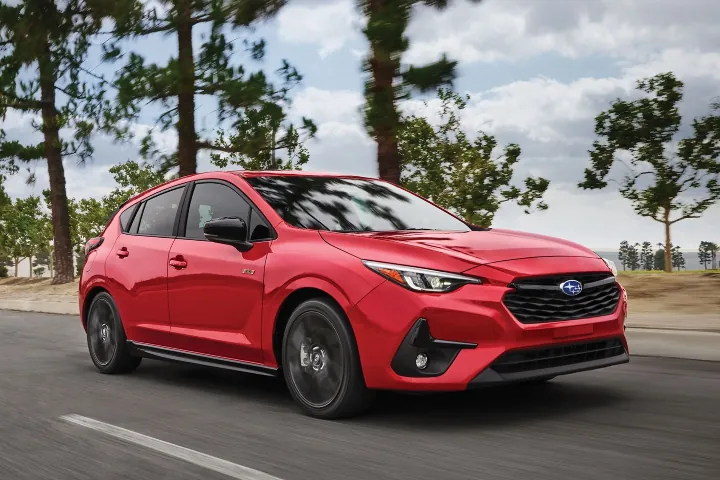
Subaru has one of the most loyal owner bases in the automotive world. People don’t just buy Subarus, they stick with them. You routinely see Outbacks, Foresters, and Imprezas pushing well past 200,000 miles in harsh climates, unpaved roads, and real-world abuse. But that loyalty also raises a fair question:
Are Subarus actually reliable, or do owners just forgive their flaws?
The real answer is nuanced. Subaru reliability is neither myth nor perfection. It sits in a very specific middle ground that depends heavily on engineering choices, maintenance discipline, and model year. This guide breaks it all down properly.
Subaru Reliability in One Sentence
Subarus are mechanically durable, drivetrain-strong vehicles that can last a very long time, but they demand better-than-average maintenance and have a few well-documented weak points.
That single sentence explains why some owners swear by Subaru for life, while others swear never to touch one again.
Subaru’s Engineering Philosophy (Why Reliability Is Different)
To understand Subaru reliability, you have to understand how Subaru builds cars differently from almost every other mainstream brand.
1. Boxer Engines (Horizontally Opposed Layout)
Subaru’s flat-four “boxer” engine sits low and wide in the engine bay. This gives the brand its signature:
Low center of gravity
Excellent balance
Predictable handling in bad weather
From a driving and stability perspective, this is a huge win. From a maintenance and reliability perspective, it introduces trade-offs.
Because the cylinders sit horizontally, oil control, gasket sealing, and cooling system health matter more than they do in conventional inline engines. When maintained correctly, these engines last a long time. When neglected, problems show up faster.
2. Symmetrical All-Wheel Drive (Standard on Most Models)
Unlike part-time or on-demand AWD systems, Subaru’s AWD is always working. This improves traction, reduces drivetrain shock, and spreads load evenly.
From a reliability standpoint, this means:
Fewer drivetrain failures due to uneven stress
More components to maintain over time
Higher importance of tire matching and rotations
Owners who ignore tire wear rules often blame Subaru when the real issue is drivetrain strain caused by mismatched tires.
How Reliable Are Subarus Compared to Other Brands?
Subaru does not sit in the same category as Toyota or Lexus for pure low-maintenance ownership. At the same time, it is generally more durable than many European brands.
A realistic comparison looks like this:
More reliable than: Audi, Volkswagen, Mini, most luxury brands
Less reliable than: Toyota, Lexus, older Hondas
Comparable to: Mazda, newer Honda models, some Ford and Hyundai vehicles
Where Subaru shines is longevity under real-world conditions, especially snow, gravel, hills, and poor roads.
The Head Gasket Reputation (What Actually Happened)
No discussion of Subaru reliability is complete without addressing head gaskets. This is the single biggest reason people still ask, “Are Subarus reliable?”
What Went Wrong
Older naturally aspirated Subaru engines (primarily late-1990s to early-2010s) used a head gasket design that was vulnerable to:
External coolant leaks
Oil seepage
Overheating if ignored
These failures were real, widespread, and expensive if caught late.
What Changed
Subaru redesigned gasket materials, cooling passages, and manufacturing processes. Modern engines do not suffer from the same systemic head gasket failure rates.
Important context:
Not every older Subaru failed
Many failed due to ignored coolant maintenance
Newer models are fundamentally different
Today, head gasket failures are not a defining Subaru problem, but the reputation lingers.
Engine Reliability: What Subaru Does Well
Despite the old stigma, Subaru engines are actually known for several strengths.
Strong Bottom Ends
Subaru engines are generally overbuilt at the crankshaft and block level. When failures happen, they are often peripheral rather than catastrophic.
Conservative Tuning
Subaru does not aggressively chase horsepower numbers. That restraint improves longevity, especially under load.
Transmission reliability is where Subaru ownership can diverge significantly.
Manual Transmissions
Subaru manual gearboxes are widely considered durable and long-lasting. Clutches wear like any other car, but the transmissions themselves routinely exceed 200,000 miles.
CVT Transmissions
Subaru’s continuously variable transmissions had early issues, particularly in the first wave of adoption.
Key realities:
Early CVTs had failure rates that damaged trust
Subaru improved software, cooling, and internal components
Fluid changes are critical, even if labeled “lifetime”
Modern Subaru CVTs are far better than their reputation, but they are not maintenance-free. Owners who change CVT fluid tend to have far fewer issues.
Are Subarus Reliable Long-Term?
Yes, if you define reliability as “can last a long time with proper care.”
Subarus frequently reach:
200,000 miles with routine maintenance
250,000+ miles with diligent care
300,000 miles in documented cases
However, Subaru reliability is maintenance-sensitive. Skipped services, overheating, and ignored leaks will shorten lifespan faster than with simpler engines.
Are Used Subarus Reliable?
Used Subarus can be excellent or disastrous, depending entirely on how they were owned.
A Well-Maintained Used Subaru
Full service records
Regular coolant and oil changes
Matching tires
No overheating history
These are often very safe buys.
A Neglected Used Subaru
Overdue maintenance
Mismatched tires
Warning lights ignored
Overheating at any point
These can become expensive very quickly.
Subarus do not tolerate neglect the way some older Japanese engines do.
Electrical and Interior Reliability
Subaru interiors and electronics are generally average.
Fewer flashy features than competitors
Fewer catastrophic electronic failures
Materials prioritize durability over luxury
Infotainment systems are not Subaru’s strongest area, but failures are usually annoyances, not deal-breakers.
Safety and Reliability Go Hand in Hand
One reason Subaru owners stay loyal is safety. Subaru consistently performs well in real-world crash statistics, especially in bad weather.
From a reliability standpoint, fewer accidents also mean:
Less structural stress
Fewer hidden issues
Longer vehicle lifespan
This is an underrated part of Subaru ownership.
Ownership Costs Over Time
Subarus are not the cheapest cars to own, but they are not expensive either.
Typical long-term ownership includes:
Slightly higher maintenance costs than Toyota
Lower repair costs than luxury brands
Excellent resale value
AWD systems and boxer engines add complexity, but they also deliver real benefits.
Why Subaru Owners Defend the Brand So Strongly
Subaru loyalty is not accidental.
Owners value:
Predictable handling
Winter confidence
Mechanical honesty
Vehicles that age gracefully when maintained
Subaru doesn’t chase trends. It builds cars for people who keep them.
The Bottom Line: Are Subarus Reliable?
Yes, Subarus are reliable vehicles — but they are not neglect-proof vehicles.
They reward owners who:
Follow maintenance schedules
Monitor cooling systems
Respect AWD requirements
They punish owners who:
Skip fluid changes
Ignore leaks
Treat them like disposable appliances
If you want a car that survives bad weather, rough roads, and long ownership, Subaru is a strong choice. If you want minimal effort ownership with the lowest possible maintenance involvement, there are better options.
15 FAQs: Are Subarus Reliable?
1. Are Subarus reliable overall?
Yes. Subaru vehicles are mechanically durable and capable of long service lives with proper maintenance.
2. How reliable are Subarus compared to Toyota?
Toyota generally requires less maintenance. Subaru offers better AWD capability but demands more attention.
3. Are Subarus reliable cars for long-term ownership?
Yes, many Subarus exceed 200,000 miles when maintained correctly.
4. Are used Subarus reliable?
Used Subarus can be reliable if properly maintained. Neglected ones are risky.
5. Do Subarus still have head gasket problems?
Modern Subarus no longer suffer from widespread head gasket failures.
6. Are Subaru CVTs reliable?
Newer Subaru CVTs are much improved, but fluid changes are important.
7. Are Subaru manual transmissions reliable?
Yes, Subaru manual gearboxes are generally very durable.
8. Are Subarus expensive to maintain?
They are slightly more expensive than basic economy cars but cheaper than luxury brands.
9. Do Subarus handle winter well long-term?
Yes, Subaru AWD systems are among the best for snow and ice durability.
10. Can Subarus reach 300,000 miles?
Some do, especially with consistent maintenance and careful ownership.
11. Are Subaru engines reliable?
Subaru engines are strong but sensitive to overheating and oil neglect.
12. Are Subarus reliable in hot climates?
They can be, but cooling system health becomes even more critical.
13. Do Subarus have electrical problems?
Generally minor and infrequent compared to many competitors.
14. Are Subarus more reliable than European cars?
Yes, Subaru reliability typically exceeds that of most European brands.
15. Who should buy a Subaru for reliability?
Drivers who value AWD, safety, and long-term ownership and are willing to maintain their vehicle properly.
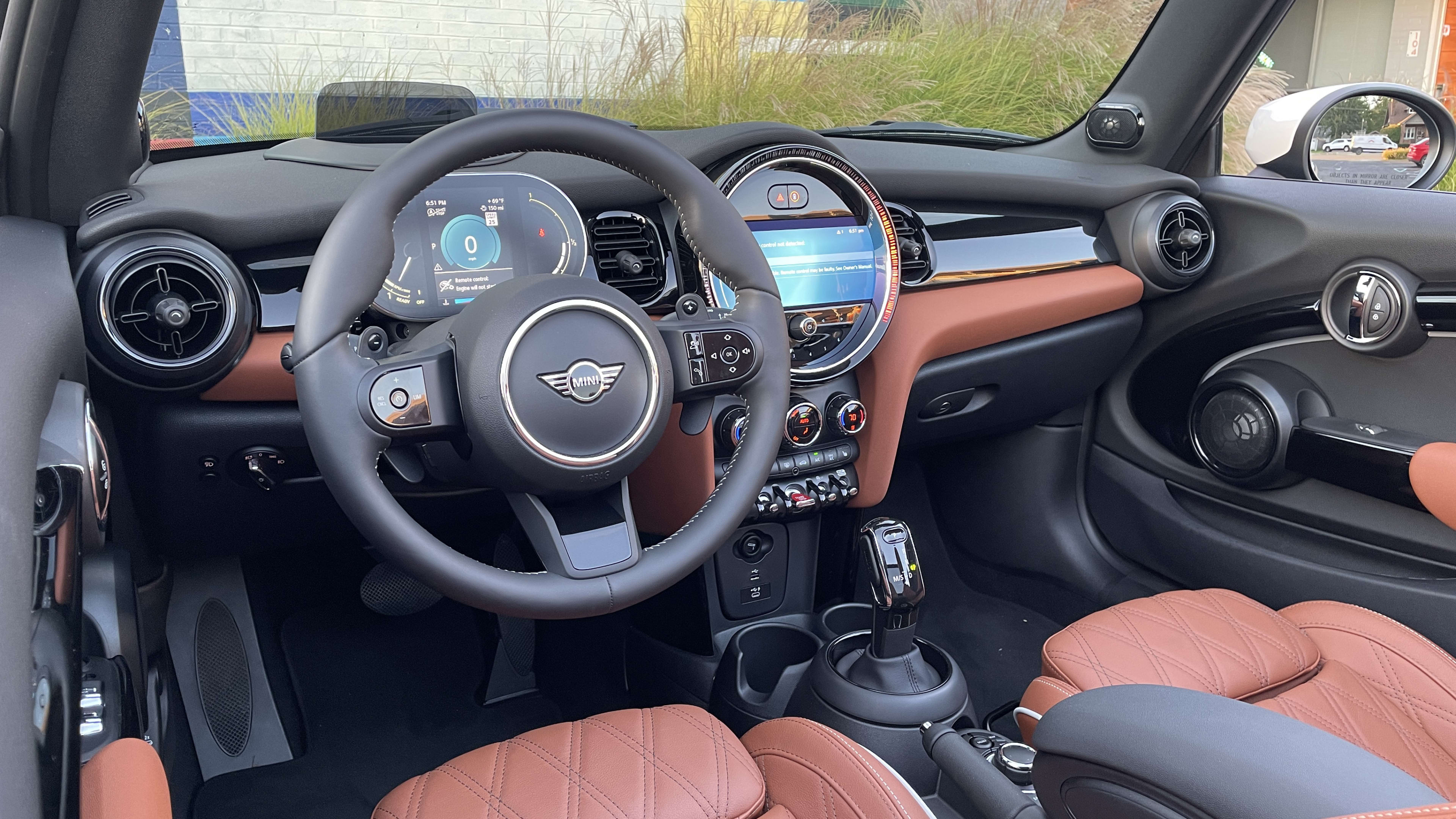
Search “are Mini Coopers reliable” and you’ll immediately notice something strange.
Half the internet says Mini Coopers are fun, quirky, and full of personality. The other half says owning one is an expensive lesson in regret.
Both sides are right — and wrong.
The real answer isn’t emotional, nostalgic, or brand-driven. It’s rooted in how Mini builds its cars, how they’ve changed over time, and what happens after the warranty expires.
This is the long-form, no-nonsense answer buyers actually need before committing to a Mini Cooper.
The Short Answer (Before We Go Deep)
Mini Coopers are reliable today, but they were not always reliable in the past.
Modern Mini Coopers are significantly more dependable than older generations, but they are still less forgiving and more expensive to own long-term than Japanese competitors.
If that already makes you hesitate, that’s not accidental.
Now let’s explain why.
Why Mini Cooper Reliability Has Such a Bad Reputation
Mini’s reliability problem didn’t come from the brand’s concept. It came from specific generations and engine choices.
Mini Coopers are built by BMW, and that matters more than most buyers realize. BMW engineering prioritizes:
Performance
Tight tolerances
Driving feel
Advanced electronics
That approach delivers sharp handling and character, but it also introduces complexity, which historically hurt Mini’s reliability.
The reputation didn’t come from nowhere. It was earned.
The Dark Years: Why Older Mini Coopers Struggled
Early BMW-era Mini Coopers (especially mid-2000s to early-2010s models) were plagued by issues that still haunt the brand’s reputation today.
Common long-term complaints included:
Timing chain failures
Turbocharger issues
Cooling system weaknesses
Electrical gremlins
Expensive repairs relative to vehicle size
These cars were fun when new, but once the warranty expired, ownership often became frustrating and costly.
That’s why many mechanics still warn buyers away — they remember those years vividly.
The Turning Point: When Mini Finally Fixed the Problems
Here’s the part most outdated articles miss.
Around the mid-2010s, Mini made a major shift:
New engine designs
Improved reliability testing
Simplified mechanical layouts
Better component sourcing
Modern Mini Coopers share far more robust engineering with BMW’s newer, more stable platforms — not the problematic early ones.
That change dramatically improved long-term reliability scores.
Are Modern Mini Coopers Actually Reliable?
Yes — within context.
Today’s Mini Coopers are:
More reliable than older generations
Competitive with other European compact cars
Still less forgiving than Japanese rivals
They no longer deserve the “guaranteed headache” label. But they are not low-maintenance appliances either.
Reliability depends heavily on ownership behavior.
What Mini Coopers Do Very Well
To understand Mini reliability, you have to acknowledge what they get right.
Driving Experience
Mini Coopers are some of the most engaging small cars on the road. Steering feel, chassis balance, and responsiveness are class-leading.
Build Quality
Modern interiors are well assembled, with materials that age better than early Mini models.
Powertrain Refinement
Current engines are smoother, more predictable, and far less failure-prone than earlier turbocharged setups.
This is why owners who maintain their Minis properly often report years of trouble-free driving.
Where Mini Cooper Reliability Still Suffers
This is where expectations matter.
Maintenance Is Mandatory, Not Optional
Mini Coopers do not tolerate skipped oil changes, delayed coolant service, or ignored warning lights. Neglect that might be forgiven in a Toyota will punish a Mini quickly.
Repairs Cost More Than You Expect
Despite their small size, Mini Coopers are not cheap cars to fix. Parts pricing and labor complexity reflect their BMW roots.
Electronics Can Be Annoying
Infotainment systems, sensors, and electronic modules are the most common complaints. These issues rarely strand drivers but can be expensive to diagnose and repair.
Are Mini Coopers Reliable After 100,000 Miles?
This is the critical question.
Mini Coopers can last well beyond 100,000 miles, but ownership changes noticeably after that point:
Repair frequency increases
Maintenance costs rise
Electronics become less predictable
A well-maintained Mini can absolutely survive long-term ownership. A neglected one becomes a money pit quickly.
Service history matters more than mileage.
How Mini Cooper Reliability Compares to Other Brands
This is where Mini buyers often get surprised.
Compared to:
Toyota, Honda, Mazda → Mini is less reliable and more expensive to maintain
BMW, Audi, Mercedes-Benz → Mini is similar or slightly better in long-term reliability
Domestic small cars → Mini often feels better built but costs more to repair
Mini sits firmly in the European compact category, not the economy car category — even if its size suggests otherwise.
Why Mini Coopers Feel “Unreliable” to Some Owners
Many owners buy Minis expecting:
Low ownership costs
Minimal maintenance
Japanese-level durability
That expectation mismatch causes disappointment.
Mini Coopers are:
Premium small cars
Performance-oriented
Maintenance-sensitive
When treated like appliances, they disappoint. When treated like precision machines, they perform well.
Are Used Mini Coopers a Good Idea?
They can be — with conditions.
A used Mini Cooper is a smart buy if:
Full service records are available
Maintenance was done on schedule
The price reflects future repair costs
You budget realistically for upkeep
A cheap Mini with no history is one of the fastest ways to learn why the brand has a mixed reputation.
Who Should Buy a Mini Cooper?
Mini Coopers make sense for buyers who:
Want personality and driving fun
Drive short to moderate distances
Follow maintenance schedules strictly
Accept higher-than-average repair costs
They are a poor choice for buyers who:
Want low-effort ownership
Skip scheduled service
Plan to keep the car 15+ years with minimal investment
Expect Toyota-level durability
The Reliability Verdict, Without Sugarcoating
So, are Mini Coopers reliable?
Here’s the honest answer:
Modern Mini Coopers are reasonably reliable, historically damaged by past generations, and still unforgiving of neglect.
They are no longer the reliability disasters they once were. They are also not stress-free economy cars.
Mini Coopers reward attentive owners and punish careless ones.
Final Takeaway
Mini Coopers are not unreliable by design. They are demanding by nature.
If you value:
Driving enjoyment
Design personality
Compact performance
And you’re willing to:
Maintain them properly
Budget realistically
Choose newer generations carefully
A Mini Cooper can be a satisfying long-term companion.
If you want a car that disappears into the background and never asks for attention, Mini is not the brand you’re looking for.
And that’s the truth most buyers only discover after they sign the paperwork.
1. Are Mini Coopers reliable overall?
Yes, modern Mini Coopers are reasonably reliable, especially compared to older generations. Reliability improved significantly from the mid-2010s onward, but they still require stricter maintenance than most Japanese cars.
2. How reliable are Mini Coopers compared to other small cars?
Mini Coopers are less reliable than Toyota or Honda, but comparable to other European small cars. They offer better driving dynamics at the cost of higher maintenance sensitivity.
3. Are Mini Coopers reliable cars for daily driving?
They can be reliable daily drivers if properly maintained. Skipped services or ignored warning lights tend to cause issues faster than in economy-focused brands.
4. How reliable are new Mini Coopers?
New Mini Coopers are the most reliable Minis ever built. Current models benefit from improved engines, better electronics, and tighter quality control compared to earlier generations.
5. Are Mini Coopers expensive to maintain?
Yes. Maintenance and repairs are above average for the segment, largely due to BMW-based parts and labor complexity, despite the car’s small size.
6. Do Mini Coopers last over 100,000 miles?
Yes, many do. However, ownership costs increase noticeably after 100,000 miles, especially for suspension, electronics, and cooling components.
7. Why do Mini Coopers have a bad reliability reputation?
The reputation comes from older models with timing chain, turbo, and electrical issues. These problems are far less common in newer generations.
8. Are used Mini Coopers reliable?
Used Mini Coopers can be reliable only if they have a full service history. Poorly maintained used Minis are a high-risk purchase.
9. Are Mini Coopers more reliable than Audi or BMW?
Mini Coopers are similar to entry-level Audi and BMW models in reliability. They are not dramatically better or worse, but repairs tend to be frequent if maintenance slips.
10. Are Mini Coopers reliable in cold climates?
They generally perform well in cold weather, but battery health, electronics, and suspension components need closer attention in harsh winter conditions.
11. Do Mini Coopers have common mechanical problems?
Older models had recurring issues, but modern Minis mainly face electronics-related complaints rather than major drivetrain failures.
12. Are Mini Coopers reliable long-term?
Long-term reliability depends heavily on ownership habits. Strict adherence to service schedules is critical for long-term durability.
13. Are Mini Coopers reliable cars for first-time buyers?
They are not ideal for buyers seeking low-effort ownership. Mini Coopers suit owners who are maintenance-aware and budget-conscious about repairs.
14. Are Mini Coopers reliable compared to Japanese cars?
No. Japanese brands prioritize simplicity and durability. Mini Coopers prioritize driving feel and design, which introduces more complexity.
15. Should reliability-focused buyers choose a Mini Cooper?
Only if reliability is not the top priority. Buyers who value personality, handling, and design more than minimal maintenance will find Minis rewarding.
One side says Audi is a precision-engineered German masterpiece. The other says owning one is a financial mistake you only make once.
The truth sits uncomfortably in the middle, and whether an Audi is reliable or not depends on how, why, and how long you plan to own it.
This is not a fanboy take. This is what long-term ownership data, mechanics, and owners quietly agree on.
The Short Answer (For People Who Won’t Read the Whole Thing)
Audis are reliable when new, expensive when old, and unforgiving if neglected.
If that sentence already makes you uncomfortable, Audi ownership may not be for you.
Now let’s explain why.
Why Audi’s Reliability Reputation Is So Divided
Audi doesn’t build cars like Toyota or Mazda.
Audi builds cars that prioritize:
Performance
All-wheel drive systems
Advanced electronics
Tight tolerances
That approach delivers:
Incredible driving feel
Excellent interiors
Strong performance in bad weather
But it also introduces more failure points over time.
Reliability isn’t just about engineering quality. It’s about complexity vs forgiveness.
Audi leans heavily toward complexity.
What Audi Does Exceptionally Well
To be fair, Audi gets several things right.
Quattro All-Wheel Drive
Audi’s AWD systems are among the best in the industry. Traction, balance, and real-world performance are excellent, especially in poor weather.
Interior Quality
Audi interiors age better cosmetically than many competitors. Materials, fit, and finish are genuinely premium.
Engine Performance
Audi engines deliver strong torque and smooth power. When maintained properly, they perform consistently for years.
This is why many owners love their Audis — at least at first.
Where Audi Reliability Starts to Crack
This is where the clickbait headlines come from.
Electronics Are the Weak Spot
Infotainment systems, sensors, and driver-assistance tech are the most common complaint. These don’t usually strand you, but they are expensive and annoying to fix.
Maintenance Is Not Optional
Audis are not tolerant of skipped services. Miss oil changes, delay DSG servicing, or ignore warning lights and problems escalate fast.
Repair Costs Are Real
Even minor repairs cost more than Japanese competitors. Parts pricing, labor complexity, and dealer-centric diagnostics all add up.
Audis don’t fail dramatically. They fail expensively.
Are New Audis More Reliable Than Older Ones?
Yes — but only during the warranty window.
Most modern Audis perform well for the first 4–6 years. Problems typically appear:
After warranty expiration
After 100,000–130,000 km (60k–80k miles)
When maintenance slips even slightly
This is why Audi reliability scores look “average” on paper but feel worse in real life once ownership stretches long-term.
Are Some Audi Models More Reliable Than Others?
Absolutely.
Simpler Audis with:
Fewer electronics
Proven engines
Traditional automatic transmissions
tend to age far better than:
High-output performance models
Early-generation redesigns
Tech-heavy trims loaded with experimental features
Model choice matters more than the badge.
How Audi Compares to Other Brands
Here’s where expectations matter.
Compared to:
Toyota, Lexus, Mazda → Audi is less reliable long-term
BMW, Mercedes-Benz → Audi is similar, sometimes slightly better
American luxury brands → Audi often feels better built but costs more to fix
Audi is not unreliable junk. It’s just not designed for low-cost, decade-long ownership.
Why Mechanics Feel Differently Than Reviewers
Reviewers drive Audis for a week. Mechanics see them after six years.
That difference explains everything.
Most mechanics don’t hate Audi engineering. They hate:
Tight engine bays
Time-consuming repairs
Parts pricing
Customers shocked by repair bills
The cars are well-engineered. They’re just not maintenance-forgiving.
The Ownership Reality Nobody Explains Clearly
Audis make sense if:
You lease
You buy new and sell within warranty
You budget for maintenance like a luxury car
You enjoy driving enough to accept the tradeoff
Audis are a bad idea if:
You want minimal upkeep
You skip scheduled service
You plan to keep the car for 10–15 years
You expect Toyota-level durability
Most disappointment comes from mismatched expectations, not defective cars.
So… Are Audis Reliable or Not?
Here’s the clean answer buyers actually need:
Audis are reliably engineered but not reliably cheap to own.
They deliver:
Strong performance
Premium feel
Excellent AWD capability
They demand:
Strict maintenance
Higher repair budgets
Smarter long-term planning
If you treat an Audi like an appliance, it will punish you. If you treat it like a precision machine, it will reward you.
Bottom Line (No Sugarcoating)
Audi doesn’t build cars to survive neglect. They build cars to deliver a driving experience.
If reliability means “I never want to think about my car”, Audi is the wrong choice.
If reliability means “It works well when I take care of it”, Audi can be a great one.
And that’s the truth most buyers only learn after the warranty ends.
1. Are Audis reliable, or is that a myth?
Audis are reliably engineered but not maintenance-forgiving. When serviced on schedule, they perform well. When neglected, problems escalate faster than with Japanese brands.
2. Are Audi cars reliable compared to other luxury brands?
Yes, but only in context. Compared to BMW and Mercedes-Benz, Audi is similar or slightly better in reliability. Compared to Lexus or Toyota, Audi is less reliable long-term.
3. Why do people say Audis are unreliable?
Because many owners treat them like economy cars. Audis require strict maintenance, and skipping service leads to expensive failures that hurt the brand’s reputation.
4. Are Audis reliable after 100,000 miles?
This is where ownership gets expensive. Many Audis remain drivable past 100,000 miles, but repair frequency and cost increase noticeably after the warranty period.
5. Are new Audis more reliable than older Audis?
Yes. Modern Audis tend to be reliable during the warranty window, typically the first 4–6 years. Reliability drops mainly when maintenance is delayed or warranties expire.
6. Are Audi engines reliable long-term?
Audi engines are well-engineered and strong performers, but they operate under tight tolerances. Miss oil changes or services, and long-term reliability suffers quickly.
7. Are Audi transmissions reliable?
Generally yes, if serviced. Dual-clutch and automatic transmissions perform well when fluid services are done on time. Ignoring service intervals is what causes most failures.
8. Are Audis reliable daily drivers?
Yes, if you budget properly. As daily drivers, Audis are comfortable, stable, and refined, but ownership costs are higher than average.
9. Are Audis expensive to maintain because they’re unreliable?
No. They’re expensive because they’re complex luxury vehicles, not because they’re poorly built. Complexity increases labor time and parts cost.
10. Are some Audi models more reliable than others?
Absolutely. Simpler Audi models with fewer electronics and proven engines are more reliable than high-performance or first-year redesign models.
11. Are Audis reliable compared to Japanese brands?
No. Brands like Toyota, Lexus, Mazda, and Honda are more forgiving of neglect and cheaper to own long-term. Audi prioritizes performance and refinement instead.
12. Why do Audi reliability scores look “average” online?
Because reliability studies average short-term and long-term data. Audis score well early and worse later, which evens out to a middle-of-the-pack ranking.
13. Are Audis a bad idea to buy used?
Not necessarily. A well-maintained used Audi with service records can be a good buy. A neglected one can become a financial nightmare very quickly.
14. Who should buy an Audi if reliability matters?
Buyers who:
Lease or sell within warranty
Follow service schedules exactly
Accept higher maintenance costs
Value driving experience over simplicity
Audis reward responsible owners.
15. Final answer: Are Audis reliable or not?
Audis are reliable when properly maintained, unreliable when neglected, and always more expensive than average to own. Most dissatisfaction comes from unrealistic expectations, not defective engineering.
Every year, people argue endlessly about the most reliable truck, the most reliable pickup truck, or the most reliable full-size truck.
Spec sheets get posted. Brand loyalty flares up. Marketing wins the conversation.
Then Reddit shows up and ruins everything.
Buried in long threads full of mechanics, soldiers, contractors, and people who have actually abused trucks for a living, one conclusion keeps coming back with uncomfortable consistency:
If you ever come across a Toyota Hilux, let nothing stand in your way of owning it.
And that’s not hyperbole. That’s experience talking.
“You Literally Can’t Kill It” — The Comment That Says Everything
One Reddit comment with 700+ upvotes summed it up better than any automotive journalist ever could:
“If you ever come across a Toyota Hilux, let nothing stand in your way of owning it. Top Gear did a segment on one, you literally can’t kill it.”
That Top Gear episode didn’t review the Toyota Hilux. They tried to destroy it.
Flooded it. Set it on fire. Dropped a building on it.
It still ran.
That episode didn’t create the Hilux legend. It confirmed what people in war zones, deserts, mountains, and farms already knew.
Why Americans Keep Saying “I Wish We Got the Hilux”
Reddit is full of this exact sentiment:
“Really wish we would get the Hilux in the states… I had one in Afghanistan and it was amazing.”
That’s not nostalgia. That’s field experience.
In Afghanistan, the Middle East, Africa, and parts of South America, the Hilux isn’t a lifestyle truck. It’s infrastructure. It’s used because:
It runs on bad fuel
It survives heat, dust, and neglect
It can be fixed with basic tools
It doesn’t quit when everything else does
That’s why guerrilla fighters, NGOs, farmers, and militaries all independently chose the same truck.
Not because it looks good. Because it works.
“Why Is the Hilux Banned in the U.S.?”
This question comes up every single time.
One Redditor asked:
“If the Hilux is banned in the U.S. for safety standards, how are people importing and driving them?”
The answer is frustratingly simple.
The Chicken Tax
Another user dropped the real explanation:
“Look up the chicken tax. That’s why we can’t get good small trucks imported here.”
The Chicken Tax is a decades-old tariff that makes importing light trucks financially impossible. That’s why the Hilux never officially came to the U.S. — not because it’s unsafe, but because it would undercut domestic trucks too hard.
Ironically, as another commenter pointed out:
“U.S. trucks don’t meet the safety standards in a lot of other countries either.”
“So How Are People Driving Hiluxes in the U.S.?”
Because of loopholes.
Reddit explains it bluntly:
Importers bring in Hilux models that are 25 years old
Japanese-market imports are legal under classic vehicle rules
You just need money, patience, and paperwork
That’s why you occasionally see a Hilux in the wild — and why its owner will never sell it.
The Military Stories That Seal the Deal
One of the most telling comments didn’t come from a car enthusiast. It came from someone who watched special forces abuse these trucks daily:
“The SEALs on our base took a Hilux and chopped everything off so it was just two seats, the frame, and the wheels… and they drove it like that.”
Another commenter added:
“US Special Forces converted Tacomas into Hiluxes by swapping front clips. Close enough.”
That’s not marketing. That’s operational trust.
When lives depend on a vehicle starting every time, nobody cares about brand image.
So… Is the Hilux the Most Reliable Truck Ever?
If reliability means:
Surviving neglect
Running after catastrophic abuse
Being repaired anywhere in the world
Functioning without dealer support
Then yes — the Hilux might be the most reliable truck ever built.
But there’s a catch.
The Best Trucks Americans Can Actually Buy
Since most people can’t realistically get a Hilux, Reddit consensus usually shifts to these alternatives:
Toyota Tacoma
Often described as “the Hilux we’re allowed to have.” Not as indestructible, but extremely durable and proven.
Toyota Tundra
Overbuilt, understressed, and famous for million-mile examples.
Ford Ranger (older generations)
Simple, honest, and shockingly long-lasting.
These trucks don’t get the same mythical stories — but they share the same engineering philosophy: simplicity over innovation.
Why Modern Trucks Struggle to Match This
Reddit threads consistently blame the same killers:
Electronics overload
Downsized turbo engines
Emissions systems
First-year redesigns
The Hilux avoids all of that.
That’s why it wins.
The Brutally Honest Conclusion
If you ask Reddit:
Most reliable truck ever: Toyota Hilux
Most reliable truck you can buy in the U.S.: Toyota Tacoma
Most reliable full-size truck: Toyota Tundra
And the reason is painfully simple:
Reliability doesn’t come from innovation. It comes from restraint.
That’s not exciting. But it works — everywhere on Earth.
Below are 15 high-CTR, click-bait FAQs written specifically to rank for “most reliable truck / most reliable pickup truck / most reliable trucks of all time”, aligned with informational + commercial intent and reinforced by real Reddit ownership sentiment (Hilux/Tacoma angle).
1. What is the most reliable truck ever built?
Based on real-world abuse, military use, and decades of owner reports, the Toyota Hilux is widely considered the most reliable truck ever built. It’s famous for surviving conditions that destroy normal vehicles.
2. Why do people say the Toyota Hilux is “impossible to kill”?
Because it has been flooded, burned, crushed, stripped down, and still driven. Even Top Gear failed to destroy one, which cemented its global reputation for indestructibility.
3. Why isn’t the Toyota Hilux sold in the United States?
The Hilux is blocked mainly due to the Chicken Tax, a U.S. tariff on imported light trucks. It’s not because the truck is unreliable or unsafe, but because it would compete too effectively with domestic pickups.
4. What is the most reliable truck you can actually buy in the U.S.?
For American buyers, the closest equivalent to the Hilux is the Toyota Tacoma, which consistently ranks as the most reliable pickup truck sold in the U.S.
5. Is the Toyota Tacoma really that reliable long-term?
Yes. Tacomas regularly exceed 300,000–400,000 miles with original engines and transmissions. It’s the most frequently recommended truck by mechanics and long-term owners.
6. What is the most reliable full-size truck?
Among full-size pickups, the Toyota Tundra is widely regarded as the most reliable due to its overbuilt engines and conservative engineering.
7. Are American trucks less reliable than Toyota trucks?
Not always, but Toyota trucks are more forgiving of neglect. American trucks like the Ford F-150 can be very reliable if you choose the right engine and model year.
8. Which American truck has the best reputation for reliability?
Older generations of the Ford F-150 and Chevrolet Silverado with simpler drivetrains are known to last a long time, especially when electronics are kept minimal.
9. Are diesel trucks more reliable than gas trucks?
Older diesel engines like the 7.3 Power Stroke and 5.9 Cummins are legendary for longevity, often reaching 500,000–1,000,000 miles. Modern diesels are more complex and less forgiving.
10. What trucks do militaries and NGOs rely on most?
Globally, militaries, aid groups, and contractors overwhelmingly rely on the Toyota Hilux because it runs on poor fuel, survives extreme climates, and can be repaired anywhere in the world.
11. Why do guerrilla fighters and special forces use Toyota pickups?
Because Toyota trucks keep running when supply chains fail. Reddit users and military veterans consistently mention Hilux and Tacoma platforms being used due to their reliability under extreme abuse.
12. Are newer trucks less reliable than older trucks?
In many cases, yes. Newer trucks often suffer from electronics overload, turbo stress, and emissions complexity. Older, simpler trucks tend to last longer with fewer catastrophic failures.
13. What usually kills trucks, if not engines?
Rust, electronics, emissions systems, and neglected maintenance kill trucks far more often than engines or transmissions. That’s why simpler trucks dominate reliability discussions.
14. Is buying the “most reliable truck” actually worth it?
Yes. Reliable trucks cost less to maintain, depreciate slower, and remain usable long after payments end. That’s why Tacomas and Tundras hold some of the highest resale values in the market.
15. So, which truck is the most reliable overall?
Here’s the honest breakdown:
Most reliable truck ever: Toyota Hilux
Most reliable pickup truck in the U.S.: Toyota Tacoma
Most reliable full-size truck: Toyota Tundra
Different markets, same philosophy: simple engineering beats flashy innovation every time.