





What Jeep has the Best Safety Rating?

The Jeep with the Best Safety Rating: Jeep Grand Cherokee
When it comes to choosing a vehicle, safety is a paramount consideration for many drivers. Among the Jeep lineup, the Jeep Grand Cherokee stands out as the model with the best safety rating. This detailed article will explore the various safety features, ratings, and aspects that make the Jeep Grand Cherokee a top choice for safety-conscious drivers.
Overview of the Jeep Grand Cherokee
The Jeep Grand Cherokee is a mid-size SUV that has been a staple in the Jeep lineup since its introduction in 1992. Known for its rugged off-road capability and luxurious on-road comfort, the Grand Cherokee offers a perfect blend of performance, style, and safety.
Safety Ratings
The Jeep Grand Cherokee has consistently received high safety ratings from both the National Highway Traffic Safety Administration (NHTSA) and the Insurance Institute for Highway Safety (IIHS). The 2024 model continues this trend, earning top marks in various crash tests and safety evaluations.
- NHTSA Ratings:
- Overall Rating: 5 stars
- Frontal Crash: 5 stars
- Side Crash: 5 stars
- Rollover: 4 stars
- IIHS Ratings:
- Crashworthiness: Good (the highest rating) in all categories
- Crash Avoidance & Mitigation: Superior for front crash prevention
- Headlights: Acceptable to Good, depending on the trim level
Advanced Safety Features
The Jeep Grand Cherokee is equipped with an array of advanced safety features that contribute to its high safety ratings. These features are designed to protect occupants, prevent accidents, and enhance overall driving safety.
- Adaptive Cruise Control with Stop and Go: This system maintains a set distance from the vehicle ahead and can bring the Grand Cherokee to a complete stop if necessary, enhancing safety in heavy traffic conditions.
- Blind Spot Monitoring and Rear Cross Path Detection: These systems alert the driver to vehicles in the blind spot during lane changes and detect cross traffic when backing out of parking spaces, reducing the risk of collisions.
- Forward Collision Warning with Active Braking: This feature uses sensors to detect an imminent collision and can automatically apply the brakes to avoid or mitigate the impact.
- LaneSense Lane Departure Warning with Lane Keep Assist: This system warns the driver if the vehicle unintentionally drifts out of its lane and can apply corrective steering to bring it back on track.
- ParkSense Rear Park Assist with Stop: This feature provides audio and visual alerts to help the driver during parking maneuvers and can apply the brakes to prevent a collision with obstacles.
- Advanced Airbag System: The Grand Cherokee is equipped with a comprehensive airbag system, including front, side, and side-curtain airbags, providing protection in the event of a crash.
- Rain-Sensing Windshield Wipers: These wipers automatically activate and adjust their speed based on the intensity of the rain, ensuring clear visibility in adverse weather conditions.

Structural Integrity and Design
The Jeep Grand Cherokee is built with a high-strength steel frame and advanced engineering techniques to enhance its structural integrity. The design includes strategically placed crumple zones that absorb impact energy during a collision, protecting the occupants.
Real-World Performance
In addition to its impressive safety ratings and features, the Jeep Grand Cherokee has proven its reliability and safety in real-world conditions. The SUV’s robust construction, combined with its advanced safety technologies, provides peace of mind for drivers and passengers alike.
Conclusion
The Jeep Grand Cherokee stands out as the Jeep with the best safety rating, thanks to its comprehensive suite of advanced safety features, high safety ratings from NHTSA and IIHS, and robust structural integrity. Whether you’re navigating city streets or exploring off-road trails, the Grand Cherokee offers top-tier safety to protect you and your loved ones on every journey.
\With its combination of luxury, performance, and safety, the Jeep Grand Cherokee is an excellent choice for drivers who prioritize safety without compromising on style or capability.
What Jeep has the Best Safety Rating? Ranking Jeeps by Safety
Jeep offers a variety of models, each with its own set of safety features and ratings. Here’s a ranking of Jeep models based on their safety ratings and features, considering the most recent evaluations from the National Highway Traffic Safety Administration (NHTSA) and the Insurance Institute for Highway Safety (IIHS).
1. Jeep Grand Cherokee
- NHTSA Overall Rating: 5 stars
- IIHS Ratings: Good in all crashworthiness categories, Superior for front crash prevention
- Key Safety Features: Adaptive Cruise Control, Blind Spot Monitoring, Forward Collision Warning, LaneSense Lane Departure Warning, ParkSense Rear Park Assist, Advanced Airbag System
2. Jeep Cherokee
- NHTSA Overall Rating: 5 stars
- IIHS Ratings: Good in most crashworthiness categories, Advanced for front crash prevention
- Key Safety Features: Blind Spot Monitoring, Rear Cross Path Detection, Full-Speed Forward Collision Warning with Active Braking, LaneSense Lane Departure Warning, ParkSense Rear Park Assist
3. Jeep Compass
- NHTSA Overall Rating: 4 stars
- IIHS Ratings: Good in most crashworthiness categories, Superior for front crash prevention
- Key Safety Features: Forward Collision Warning, LaneSense Lane Departure Warning, Blind Spot Monitoring, Rear Cross Path Detection, ParkSense Rear Park Assist
4. Jeep Renegade
- NHTSA Overall Rating: 4 stars
- IIHS Ratings: Good in most crashworthiness categories, Advanced for front crash prevention
- Key Safety Features: Forward Collision Warning, LaneSense Lane Departure Warning, Blind Spot Monitoring, Rear Cross Path Detection, ParkView Rear Backup Camera
5. Jeep Wrangler
- NHTSA Overall Rating: 4 stars
- IIHS Ratings: Good in some crashworthiness categories, Marginal in others
- Key Safety Features: Forward Collision Warning, Adaptive Cruise Control, Blind Spot Monitoring, Rear Cross Path Detection, ParkView Rear Backup Camera
6. Jeep Gladiator
- NHTSA Overall Rating: Not fully rated (4 stars for frontal crash)
- IIHS Ratings: Good in some crashworthiness categories, Marginal in others
- Key Safety Features: Forward Collision Warning, Adaptive Cruise Control, Blind Spot Monitoring, Rear Cross Path Detection, ParkView Rear Backup Camera
7. Jeep Patriot
- NHTSA Overall Rating: 4 stars
- IIHS Ratings: Good in some crashworthiness categories, Poor in others
- Key Safety Features: Limited advanced safety features compared to newer models, but includes basic features like airbags and electronic stability control
8. Jeep Wagoneer
- NHTSA Overall Rating: Not yet rated
- IIHS Ratings: Not yet rated
- Key Safety Features: Adaptive Cruise Control, Blind Spot Monitoring, Forward Collision Warning, LaneSense Lane Departure Warning, ParkSense Rear Park Assist
What Jeep has the Best Safety Rating? Conclusion
The Jeep Grand Cherokee stands out as the top model in terms of safety, with excellent ratings and a comprehensive suite of advanced safety features. The Jeep Cherokee and Jeep Compass also perform well, offering strong safety ratings and numerous safety technologies. The Jeep Wrangler and Gladiator, while renowned for their off-road capabilities, have some limitations in safety ratings compared to other Jeep models. The Jeep Renegade provides good safety features for its size and class. The Jeep Patriot, an older model, has fewer advanced safety features. The new Jeep Wagoneer is expected to perform well but has not yet been fully rated.
When choosing a Jeep, it’s essential to consider both the safety features and ratings to ensure the best protection for you and your passengers.
Jeep Grand Cherokee: A Journey of Continuous Improvement
Outline
- Introduction
- Overview of the Jeep Grand Cherokee’s impact
- The evolution of the SUV market and the Grand Cherokee’s role
- Early Generations: Laying the Foundation
- First Generation (1993-1998)
- Introduction of the original model
- Strengths: Off-road capability and comfort
- Early challenges: Transmission durability, electrical issues, fuel pump problems
- Second Generation (1999-2004)
- Refinements in design and performance
- Continued issues: Power windows, HVAC system, transfer case durability
- First Generation (1993-1998)
- The Modern Era: Significant Strides
- Third Generation (2005-2010)
- Expansion into a more refined SUV
- Persistent issues: Electrical systems, engine reliability, transmission performance
- Fourth Generation (2011-2020)
- Major advances in luxury and technology
- Challenges faced: Early transmission software bugs, electrical modules, emission system updates for diesel models
- Third Generation (2005-2010)
- Today’s Grand Cherokee: A Testament to Continuous Improvement
- Fifth Generation (2021-Present)
- Latest innovations in safety, tech, and reliability
- Advanced features: Safety, infotainment, and fuel efficiency
- Fifth Generation (2021-Present)
- Why Choose a Recent Jeep Grand Cherokee?
- Refined engineering: Continuous improvements
- Advanced technology: Latest infotainment and safety systems
- Improved fuel efficiency: Balancing performance with economy
- Enhanced comfort: Luxury features and ride quality
- The Grand Cherokee’s Off-Road Legacy
- History of off-road dominance
- Trail-rated capabilities in modern models
- Grand Cherokee’s Interior: Where Comfort Meets Technology
- Interior design evolution
- Enhanced comfort and entertainment systems
- Superior materials and craftsmanship
- The Technology Behind the Jeep Grand Cherokee
- Infotainment Systems
- Uconnect and its impact on user experience
- Safety Innovations
- Advanced driver assistance systems and safety ratings
- Infotainment Systems
- Engine Options: Power and Efficiency Combined
- Traditional gasoline engines vs hybrid options
- Focus on fuel economy and reduced emissions
- Introduction of electric variants
- Jeep Grand Cherokee and Towing Capabilities
- Towing capacity improvements over the generations
- Modern towing features for long-distance trips
- Environmental Consciousness: Jeep’s Steps Toward Sustainability
- Hybrid and electric model development
- Fuel efficiency upgrades and environmental impact
- Performance on Different Terrains
- Snow, mud, rocks: How the Grand Cherokee excels
- The Selec-Terrain traction system
- Common Issues with Older Models and How They’ve Been Addressed
- Retrospective on early issues
- Solutions implemented in newer models
- Our Commitment at Simi Valley Chrysler Dodge Jeep Ram
- Expert service and support
- Assistance in choosing the best model for your needs
- Conclusion
- The Grand Cherokee’s legacy of improvement and performance
- Why it continues to be a leader in the SUV market
- FAQs
- What makes the Jeep Grand Cherokee stand out?
- How has the fuel economy of the Grand Cherokee improved?
- What are the best features in recent Grand Cherokee models?
- Is the Grand Cherokee suitable for long road trips?
- How does the Grand Cherokee handle off-road terrain?
Jeep Grand Cherokee: A Journey of Continuous Improvement
The Jeep Grand Cherokee has long been a defining force in the world of SUVs, ever since its introduction in 1993. Over the years, it has transformed from a rugged, off-road vehicle into a refined, luxury SUV known for its on-road comfort, advanced technology, and powerful performance. This journey of constant evolution is a testament to Jeep’s commitment to innovation, addressing customer feedback, and refining their models over time. Each generation of the Grand Cherokee has brought fresh advancements, but also its share of challenges.
In this article, we’ll delve deep into the evolution of the Jeep Grand Cherokee, covering its humble beginnings, the major milestones it has achieved, and why it remains one of the top choices in the SUV market today.
Early Generations: Laying the Foundation
First Generation (1993-1998)
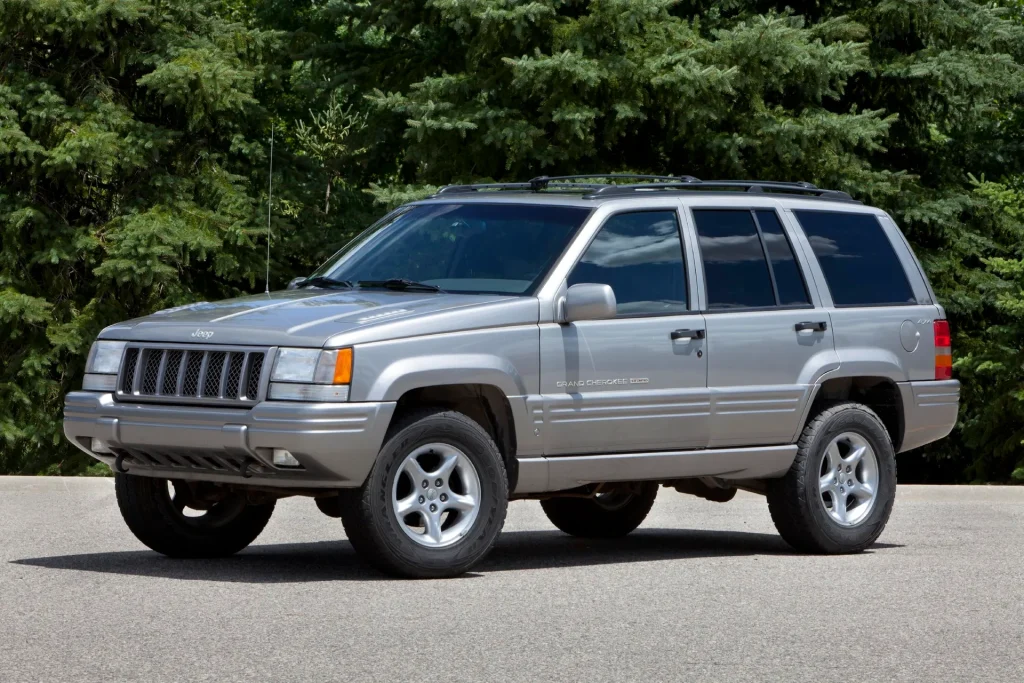
The debut of the Jeep Grand Cherokee in 1993 was nothing short of revolutionary. It was the first SUV to combine rugged off-road capabilities with the kind of comfort you’d expect from a luxury vehicle. Up until then, SUVs were mainly seen as utilitarian vehicles meant for rough terrain, but the Grand Cherokee changed that narrative by appealing to both adventure seekers and everyday drivers.
The vehicle’s four-wheel-drive system allowed it to tackle off-road conditions like mud, snow, and sand with ease, but it also had a relatively smooth on-road performance. Jeep set new standards for what an SUV could offer, but as with any new model, there were teething problems.
- Transmission Durability: The automatic transmission in the first-generation models was somewhat unreliable. Drivers often reported problems when driving in tough conditions, which were later addressed in the second generation.
- Electrical System Reliability: Early models had a few issues with the electrical systems, from malfunctioning dashboard displays to problems with the vehicle’s wiring, which occasionally caused more serious failures.
- Fuel Pump Longevity: Fuel pump issues were common in these early models. Jeep later improved fuel system reliability in subsequent generations.
Despite these setbacks, the first-generation Grand Cherokee laid a strong foundation for what would become an iconic SUV. The Quadra-Trac 4WD system introduced in this era also set a precedent for off-road dominance, and Jeep would continue to build upon it in future models.
Second Generation (1999-2004)
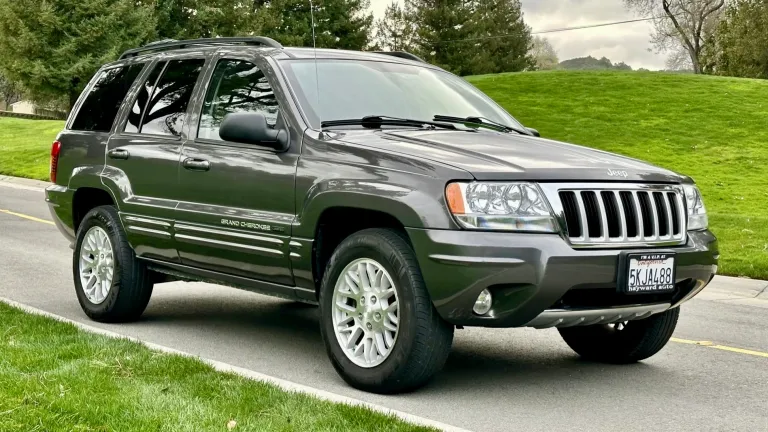
The second generation of the Grand Cherokee brought in much-needed updates. Jeep focused on improving the interior comfort and making the vehicle more refined while maintaining its off-road prowess. The exterior design was refreshed, and the ride quality was improved, making the vehicle more appealing to urban buyers without losing its rugged heritage.
However, there were still some technical issues:
- Power Window Mechanisms: Some owners reported that the power windows failed prematurely. This was a recurring problem for several model years, but Jeep eventually improved the durability of these components.
- HVAC System Components: Heating, ventilation, and air conditioning (HVAC) systems also saw some inconsistencies, leading to problems with cabin climate control.
- Transfer Case Durability: For those who used their vehicles in heavy off-road conditions, the transfer case, which enables power to be distributed between the front and rear axles, showed signs of wear. This was particularly true for drivers who consistently engaged the four-wheel-drive system.
Overall, the second generation brought in refinements and solutions to earlier problems but still left room for improvements, especially for drivers pushing their vehicles to the limits in rough conditions.
The Modern Era: Significant Strides
Third Generation (2005-2010)
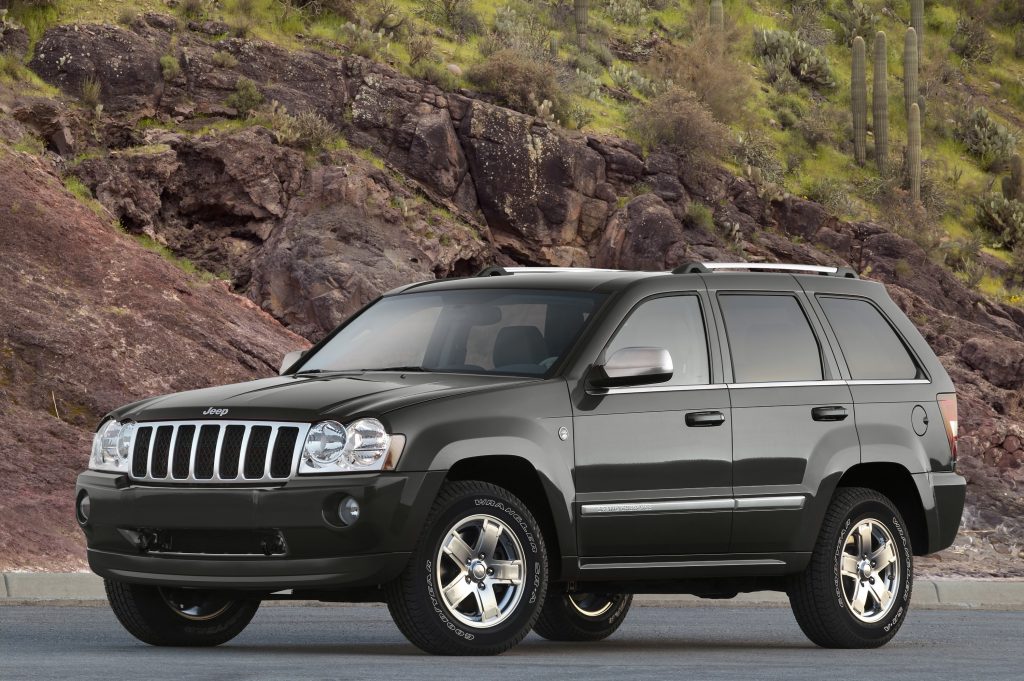
By the time the third generation rolled out in 2005, Jeep was positioning the Grand Cherokee as more of a refined, luxury SUV while still retaining its off-road capabilities. The model grew larger, providing more interior space and improved ride comfort. Jeep also introduced a range of new engines, including a 5.7-liter HEMI V8, which delivered impressive power and towing capacity.
However, a few key issues persisted:
- Electrical System Complexities: As the Grand Cherokee became more tech-heavy, electrical problems became more complex. This included failures in the CAN bus system, which manages communication between different electronic components in the vehicle.
- Engine Reliability: Some of the more powerful engines, particularly the diesel options, experienced problems with longevity and reliability. This was especially a concern for high-mileage drivers.
- Transmission Performance: While Jeep made significant improvements to the transmission, there were still complaints about delayed shifting and occasional rough transitions between gears.
Despite these hurdles, the third-generation Grand Cherokee offered superior luxury, a smoother ride, and more advanced technology than its predecessors, marking an important shift in the vehicle’s identity.
Fourth Generation (2011-2020)
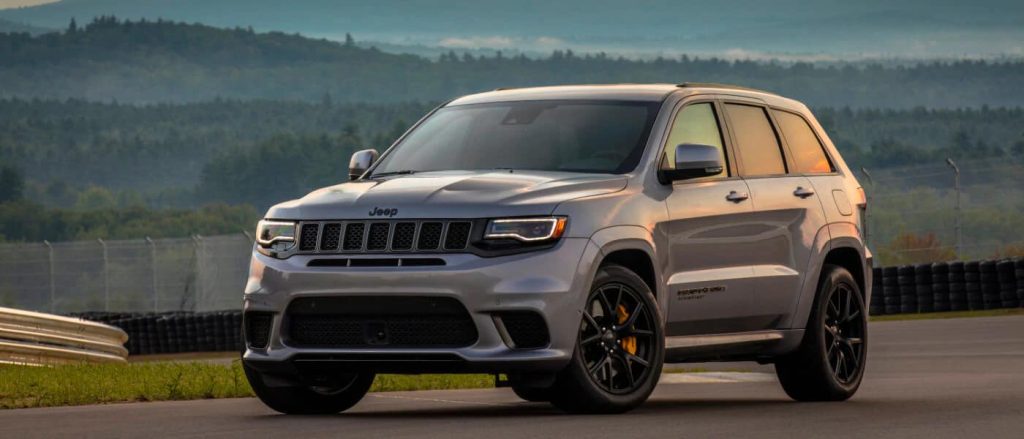
The fourth generation represented one of the most significant leaps forward for the Grand Cherokee. Jeep turned its focus toward luxury, comfort, and cutting-edge technology, bringing it into competition with other premium SUV brands. The Uconnect infotainment system made its debut, offering users a high-tech experience with features like navigation, voice command, and smartphone integration.
Even though the fourth generation was a big success, there were still some early challenges:
- Early Transmission Software Issues: Some of the early 2014 models faced problems with the eight-speed automatic transmission, which were mostly due to software glitches. Jeep quickly addressed these issues through software updates.
- Electrical Module Improvements: The vehicle’s electrical systems received further refinement over the years. By 2020, many of the early glitches had been ironed out, making the Grand Cherokee much more reliable in this regard.
- Emissions System Updates: The diesel models, particularly in markets with strict emissions standards, required several updates to bring them in line with regulations.
Despite these challenges, the fourth generation of the Grand Cherokee cemented its place as one of the most sought-after luxury SUVs, especially for buyers looking for a blend of off-road capability and on-road comfort.
Today’s Grand Cherokee: A Testament to Continuous Improvement
Fifth Generation (2021-Present)
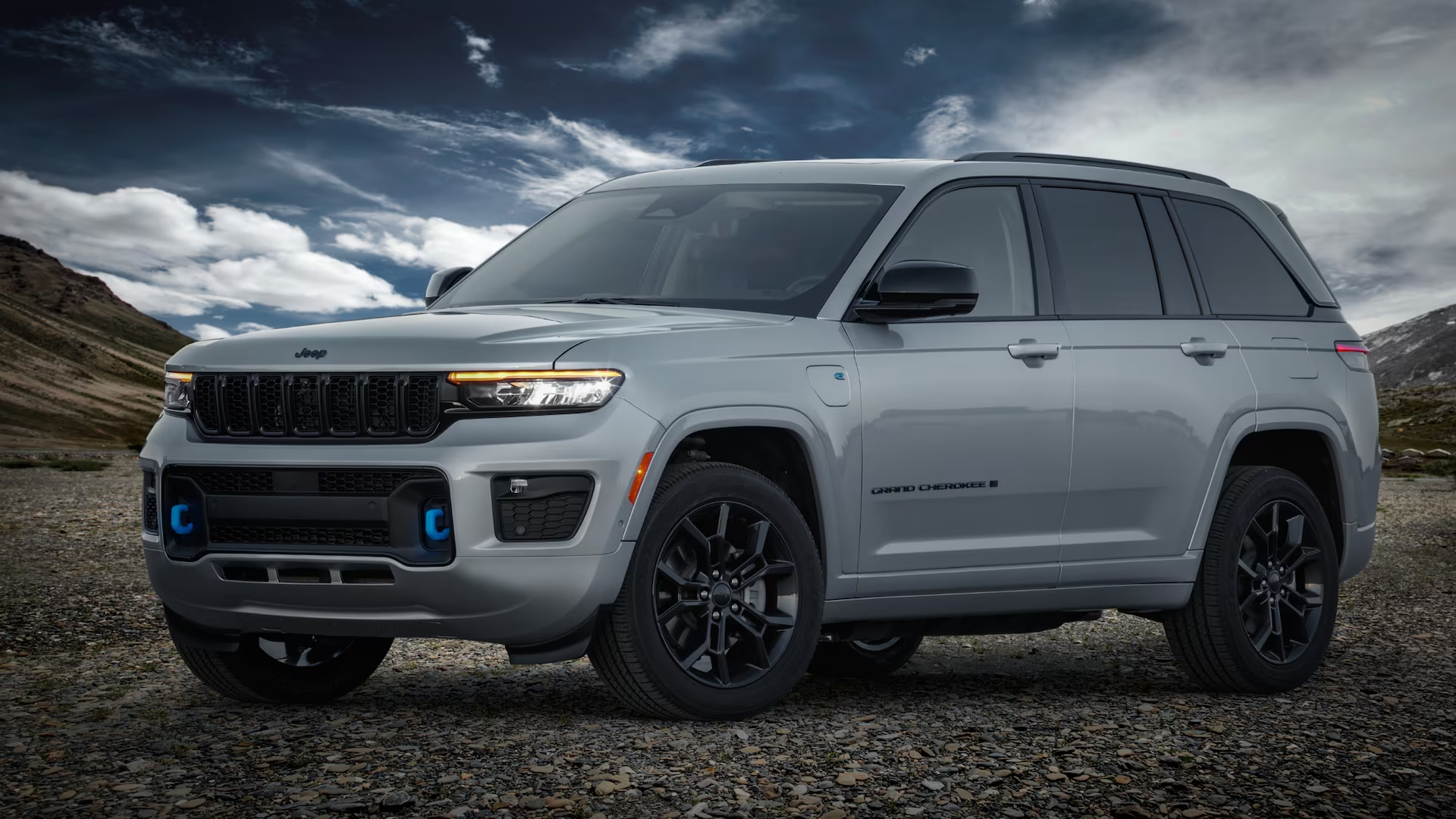
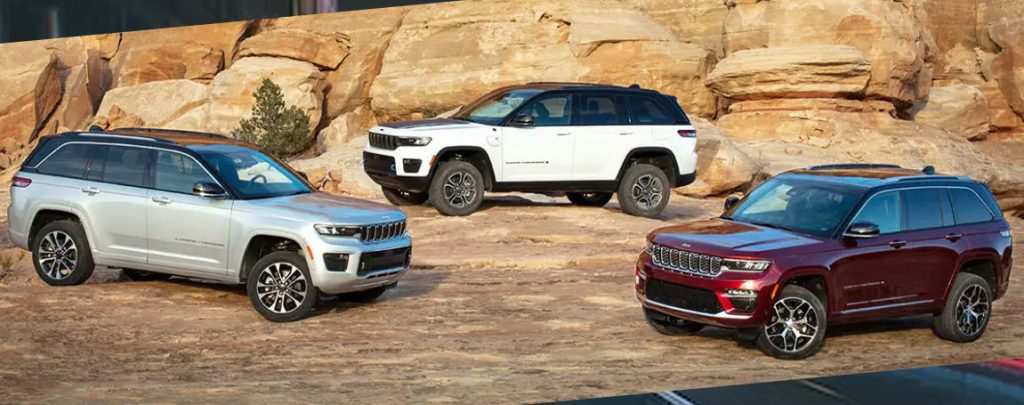
The latest iteration of the Jeep Grand Cherokee, introduced in 2021, is a true reflection of decades of engineering, design, and technological advancements. This generation brings with it a host of state-of-the-art features that make it not only one of the best off-road vehicles but also one of the most luxurious and tech-savvy SUVs on the market today.
Some standout features of the fifth generation include:
- Advanced Safety Features: The new Grand Cherokee comes with a full suite of advanced driver assistance systems (ADAS). These include lane-keeping assistance, adaptive cruise control, blind-spot monitoring, and even automated emergency braking. These features enhance both driver confidence and vehicle safety, making it one of the safest SUVs available today.
- Cutting-Edge Infotainment Systems: The Uconnect 5 system provides a seamless infotainment experience with a large touchscreen, faster processing power, and wireless connectivity options. Whether you’re streaming music, navigating, or connecting your smartphone, the Uconnect system is one of the best in its class.
- Improved Reliability: Years of continuous refinement have resulted in one of the most reliable SUVs on the market. Engine performance, transmission, and overall vehicle durability have seen vast improvements.
Why Choose a Recent Jeep Grand Cherokee?
- Refined Engineering: With decades of experience and continuous improvements, the Grand Cherokee is one of the most reliable and well-engineered SUVs on the market. Each generation has built on the strengths of its predecessors while addressing earlier shortcomings.
- Advanced Technology: From the Uconnect system to the latest safety features, the Grand Cherokee’s technology is cutting-edge. The vehicle offers everything from driver assistance systems to full connectivity, making it a pleasure to drive both in the city and on long road trips.
- Fuel Efficiency: Jeep has made great strides in improving the fuel efficiency of the Grand Cherokee, without compromising on performance. The newer engines, including hybrid options, offer a balance between power and economy, making the Grand Cherokee a greener choice.
- Enhanced Comfort: The fifth-generation Grand Cherokee’s interior is a masterpiece of design and craftsmanship. With premium materials, top-tier comfort features, and state-of-the-art tech, the Grand Cherokee offers an elevated driving experience.
Conclusion
The Jeep Grand Cherokee’s evolution from a rugged, off-road vehicle to a modern luxury SUV is a testament to its continuous improvement. Over the years, Jeep has addressed past challenges while introducing innovative technologies that have kept the Grand Cherokee at the forefront of the SUV market. Whether you’re looking for a new model or a pre-owned vehicle, the Grand Cherokee remains a smart choice for adventure-seekers and everyday drivers alike.
FAQs
What makes the Jeep Grand Cherokee stand out?
The Grand Cherokee combines rugged off-road capabilities with modern luxury features, offering a perfect balance of performance and comfort.
How has the fuel economy of the Grand Cherokee improved?
Newer models are designed with improved fuel efficiency, thanks to advancements in engine technology and hybrid options.
What are the best features in recent Grand Cherokee models?
Advanced safety systems, cutting-edge infotainment, and superior comfort are some of the standout features in the latest models.
Is the Grand Cherokee suitable for long road trips?
Absolutely! With its smooth ride, spacious interior, and state-of-the-art features, the Grand Cherokee is perfect for long-distance travel.
How does the Grand Cherokee handle off-road terrain?
Thanks to its advanced 4×4 systems and Selec-Terrain technology, the Grand Cherokee excels on all types of terrain, from snow to mud and rocky paths.
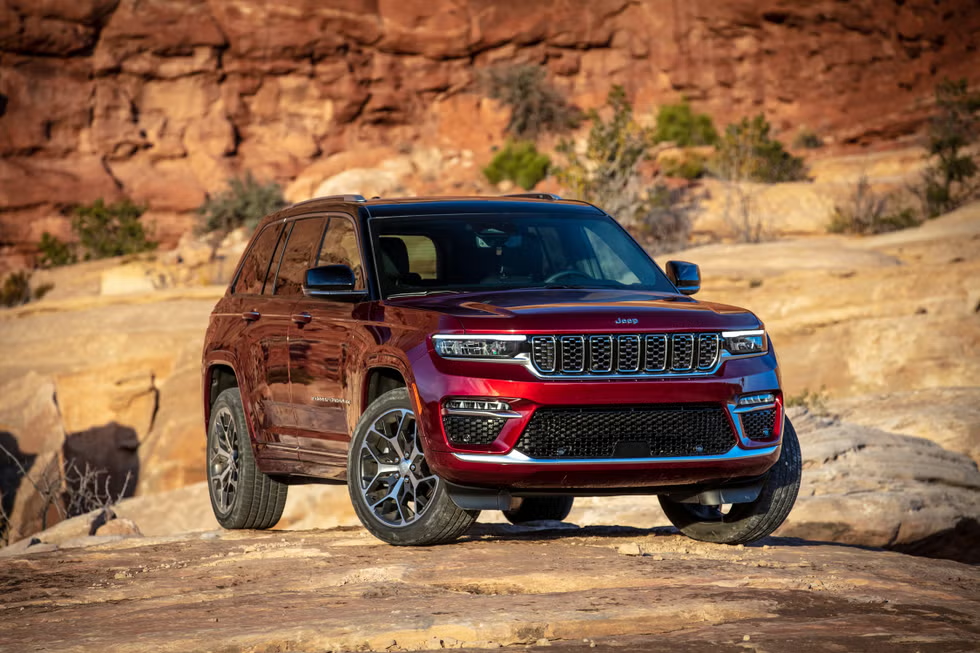
As Jeep enthusiasts eagerly await the latest updates on the 2025 Jeep Grand Cherokee, one question stands out: Will the new model feature the much-talked-about Hurricane engine? The Hurricane engine, Jeep’s new twin-turbocharged inline-six, has generated significant buzz since its introduction, promising to deliver impressive power and efficiency. In this article, we’ll explore what the Hurricane engine brings to the table, what we know about the 2025 Jeep Grand Cherokee, and how this engine could impact the SUV’s performance and market appeal.
The Hurricane Engine: A Quick Overview
The Hurricane engine is Jeep’s latest innovation, marking a significant departure from the traditional V6 and V8 engines that have long been staples of the brand. It features a 3.0-liter twin-turbocharged inline-six design, which aims to balance power, efficiency, and reduced emissions. The engine is expected to produce around 400-500 horsepower, depending on the specific tuning and configuration.
Key Features of the Hurricane Engine:
- Twin-Turbocharged: The twin-turbo setup enhances performance, providing robust acceleration and high power output.
- Inline-Six Configuration: The inline-six design is noted for its smoothness and balance, offering a more refined driving experience compared to traditional V6 engines.
- Efficiency and Emissions: The Hurricane engine is designed to be more fuel-efficient and environmentally friendly, aligning with modern standards for emission reductions.
The 2025 Jeep Grand Cherokee: What We Know
The Jeep Grand Cherokee has long been a cornerstone of the brand’s lineup, known for its blend of rugged capability and refined comfort. The 2025 model is expected to continue this tradition, offering a range of trims and configurations to cater to different needs and preferences.
Expected Features and Upgrades:
- Modern Technology: Expect the 2025 Grand Cherokee to come equipped with advanced infotainment systems, driver assistance features, and connectivity options.
- Enhanced Comfort: With upgraded interior materials and improved seating options, the 2025 model aims to offer a more luxurious driving experience.
- Off-Road Capabilities: True to its heritage, the Grand Cherokee will likely continue to provide impressive off-road performance, with advanced 4×4 systems and rugged build quality.
The Hurricane Engine in the 2025 Grand Cherokee
So, will the 2025 Jeep Grand Cherokee feature the Hurricane engine? While Jeep has not yet confirmed all the specifics for this model year, several indicators suggest that the Hurricane engine could make its debut in the Grand Cherokee lineup.
Potential Benefits:
- Enhanced Performance: The Hurricane engine’s high horsepower and torque could provide a significant boost to the Grand Cherokee’s performance, making it more competitive in the mid-size SUV market.
- Improved Efficiency: With its focus on fuel efficiency and lower emissions, the Hurricane engine could help the Grand Cherokee meet stricter environmental standards while still offering strong performance.
- Market Positioning: Incorporating the Hurricane engine would align the Grand Cherokee with Jeep’s strategy of modernizing its powertrain offerings, making it more appealing to buyers looking for advanced technology and performance.
Considerations:
- Cost and Availability: The introduction of a new engine typically involves additional costs. The pricing for the 2025 Grand Cherokee could reflect the inclusion of the Hurricane engine, potentially making it more expensive than previous models.
- Performance Balance: Jeep will need to ensure that the Hurricane engine’s performance characteristics align well with the Grand Cherokee’s overall design and intended use, maintaining its balance of power, comfort, and off-road capability.
Conclusion
The 2025 Jeep Grand Cherokee is poised to continue its legacy as a versatile and capable SUV. The potential introduction of the Hurricane engine adds an exciting dimension to this new model, promising enhanced performance and efficiency. While Jeep has yet to provide official confirmation, the possibility of the Hurricane engine making its way into the Grand Cherokee lineup reflects the brand’s commitment to innovation and responsiveness to market demands.
As more details emerge, Jeep enthusiasts and prospective buyers will be keenly watching to see how the 2025 Grand Cherokee shapes up. Whether the Hurricane engine becomes a reality or not, the new Grand Cherokee is set to offer a compelling blend of performance, luxury, and capability, staying true to the Jeep brand’s storied heritage.
FAQs for the 2025 Jeep Grand Cherokee
Q: When will the 2025 Jeep Grand Cherokee be available?
A: The 2025 Jeep Grand Cherokee is expected to be available at dealerships by late 2024 or early 2025.
Q: What major changes can we expect in the 2025 model?
A: Key updates include a new standard 2.0-liter turbocharged Hurricane4 engine, a larger 12-inch Uconnect 5 infotainment screen, and subtle exterior design updates.
Q: Will the V6 and V8 engines still be available?
A: The new 2.0-liter turbocharged engine is expected to replace both the V6 and V8 as the standard powertrain across the lineup.
Q: What will the price range be for the 2025 Grand Cherokee?
A: While not officially confirmed, prices are expected to start around $36,495 for the base trim and potentially reach up to $63,040 for higher trims.
Q: Will there be a hybrid version of the 2025 Grand Cherokee?
A: Yes, the 4xe plug-in hybrid version is expected to continue in the 2025 lineup.
Q: Are there any significant interior changes?
A: The most notable interior change is the larger 12-inch Uconnect 5 infotainment screen. Other upgrades may include improved materials and finishes.
Q: How will the fuel economy compare to previous models?
A: With the new standard turbocharged engine, the 2025 Grand Cherokee is expected to offer improved fuel economy compared to the outgoing V6 and V8 models.
Q: Will the 2025 Grand Cherokee have better off-road capabilities?
A: While specific enhancements haven’t been announced, the Grand Cherokee is expected to maintain its strong off-road performance, possibly with some improvements to existing systems.
Q: Is the three-row Grand Cherokee L also getting these updates?
A: Yes, the Grand Cherokee L is expected to receive similar updates, including the new standard engine and infotainment system.
Q: When can I place an order for the 2025 Grand Cherokee?
A: Order banks typically open a few months before the vehicle’s release. For the 2025 model, this could be around mid to late 2024.
Q: Will there be any new safety features?
A: While not confirmed, it’s likely that Jeep will introduce some new or improved driver assistance and safety features in the 2025 model.
Q: Are there any changes to the towing capacity?
A: Towing capacities for the new engine haven’t been announced yet, but they’re likely to be competitive with the current model’s capabilities.
Q: Will there be any special edition models for the 2025 Grand Cherokee?
A: Jeep often introduces special editions; however, any specific details about special editions for the 2025 model have not been announced yet.
Q: What technology features can we expect in the 2025 Grand Cherokee?
A: Expect advanced technology features such as a larger touchscreen display, enhanced connectivity options, and possibly upgraded driver assistance systems.
Q: How does the Grand Cherokee compare to competitors in its class?
A: The Jeep Grand Cherokee is known for its off-road capabilities and luxurious interior. It competes well against other midsize SUVs like the Ford Explorer and Toyota Highlander but offers unique off-road features that set it apart.
Q: Will there be more color options available for 2025?
A: While specific color options haven’t been confirmed yet, Jeep typically offers a variety of bold colors and finishes. Stay tuned for announcements closer to release.
Q: Can I customize my 2025 Jeep Grand Cherokee?
A: Yes, Jeep usually offers various customization options including different trim levels, packages, and accessories that allow buyers to tailor their vehicles according to their preferences.
Q: What are some of the standout features of previous Grand Cherokee models that may carry over?
A: Features such as premium audio systems, panoramic sunroofs, leather upholstery, and advanced navigation systems have been popular in previous models and may continue in 2025.
Q: How does the new Hurricane4 engine impact the Grand Cherokee’s performance?
A: The new 2.0-liter Hurricane4 engine is expected to provide a balanced mix of power and efficiency, enhancing both performance and fuel economy compared to previous V6 and V8 engines.
Q: Are there specific off-road packages available for the 2025 Grand Cherokee?
A: Jeep typically offers off-road packages for the Grand Cherokee, such as Trailhawk, which includes advanced 4×4 systems, skid plates, and additional ground clearance for off-road performance.
Q: Will there be financing options available for the 2025 Grand Cherokee?
A: Yes, Simi Valley Chrysler Dodge Jeep Ram offers a variety of financing and leasing options to help customers bring home a 2025 Grand Cherokee with flexible terms.
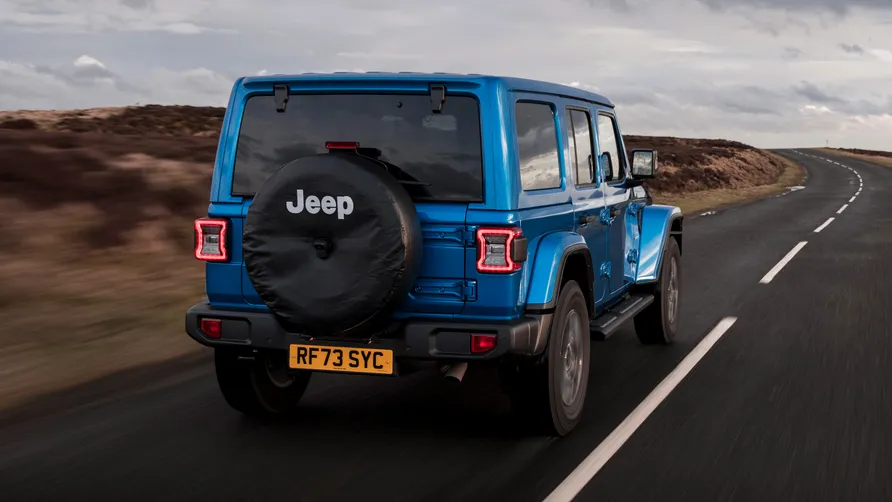
Is a Jeep Wrangler a Luxury Car? Let’s Explore
When you think of a luxury car, the first images that come to mind are likely sleek, polished sedans or high-end SUVs with plush interiors and a wealth of tech features. A rugged Jeep Wrangler, with its iconic boxy design and off-road prowess, might not fit this traditional mold. However, the definition of luxury has evolved over time, and the Jeep Wrangler can indeed offer a luxurious experience in its own unique way.
Is a Jeep Wrangler a Luxury Car? The Essence of the Jeep Wrangler
The Jeep Wrangler is synonymous with adventure and freedom. It’s the go-to vehicle for those who love to venture off the beaten path, seeking thrills in nature’s playgrounds. With its removable doors and roof, the Wrangler offers an open-air experience that’s hard to match. It’s this sense of adventure and the ability to conquer almost any terrain that sets the Wrangler apart from more conventional luxury vehicles.
Is a Jeep Wrangler a Luxury Car? Luxurious Features in a Rugged Package
Modern Jeep Wranglers have come a long way from their bare-bones, utilitarian roots. Today’s Wranglers are equipped with a host of features that wouldn’t be out of place in a luxury car. Leather-trimmed seats, a premium sound system, and advanced infotainment options with large touchscreens are now available. Climate control, heated seats, and sophisticated driver-assistance systems further enhance the comfort and convenience of the Wrangler.
The interior design has also seen significant upgrades. Soft-touch materials, well-designed dashboards, and ergonomic seating make the Wrangler’s cabin a comfortable place to be. Additionally, features like remote start, keyless entry, and an advanced navigation system add to the convenience, making daily drives or long road trips more enjoyable.
Is a Jeep Wrangler a Luxury Car? Off-Road Luxury
Luxury isn’t just about plush interiors and advanced technology; it’s also about the experience. The Jeep Wrangler excels in offering a unique kind of luxury – the luxury of freedom and capability. It’s one of the few vehicles that can take you from a five-star hotel to a remote, unpaved trail without missing a beat. The Wrangler’s robust 4×4 systems, high ground clearance, and durable construction provide a level of capability that many luxury SUVs can’t match.
For those who truly want to blend off-road capability with luxury, the higher-end trims like the Wrangler Rubicon and Sahara are particularly appealing. These models come with enhanced off-road features like locking differentials, sway bar disconnects, and heavy-duty axles, all while offering a more refined interior experience. The ability to tackle challenging trails with ease, while enjoying a comfortable ride, adds a layer of luxury that is unique to the Wrangler.
Is a Jeep Wrangler a Luxury Car? Customization and Personalization
Another aspect of luxury is the ability to make something uniquely your own. The Jeep Wrangler offers a wide range of customization options, from aftermarket modifications to factory-installed packages. Whether you want to enhance its off-road capabilities or add more comfort and convenience features, the Wrangler can be tailored to fit your personal style and needs. This level of personalization is a luxury in itself.
Owners can choose from various roof options, including hardtops, soft tops, and the innovative Sky One-Touch Power Top, which allows you to retract the roof with the push of a button. Interior customizations, such as upgraded audio systems, ambient lighting, and bespoke upholstery, let you create a space that reflects your personality. The extensive range of accessories and performance parts also means you can equip your Wrangler to handle any adventure, from rock crawling to overlanding.
Is a Jeep Wrangler a Luxury Car? The Price of Luxury
Of course, luxury often comes at a price. The Jeep Wrangler’s starting price is relatively accessible, but as you add more features and move up to higher trims like the Rubicon or Sahara, the cost can rise significantly. These higher-end models can include everything from advanced safety features to high-end interior materials, putting them in a price range comparable to traditional luxury SUVs.
It’s important to consider the value for money that the Wrangler offers. While it might not be the most economical choice, the combination of its off-road capabilities, robust build quality, and modern amenities makes it a worthwhile investment for those who appreciate its unique appeal. Additionally, Wranglers tend to hold their value well, which can make them a smart long-term investment.
Is a Jeep Wrangler a Luxury Car? The Verdict
So, is the Jeep Wrangler a luxury car? The answer isn’t straightforward. If you define luxury purely by traditional standards of refinement and opulence, the Wrangler might not fit the bill. However, if you consider luxury as a combination of comfort, advanced features, and a unique, exhilarating driving experience, the Jeep Wrangler certainly has its place in the luxury segment. It offers a distinct blend of rugged capability and modern amenities that can be just as luxurious as more conventional options, especially for those who value adventure and freedom.
In conclusion, the Jeep Wrangler may not be a luxury car in the traditional sense, but it offers a kind of luxury that resonates with a different kind of driver. It’s for those who see the road less traveled as an invitation rather than a challenge, and for whom the journey is just as important as the destination. The Jeep Wrangler’s blend of off-road capability, modern comforts, and endless customization options makes it a unique and compelling choice for those who define luxury in terms of experience and adventure. Whether you’re navigating city streets or exploring the great outdoors, the Jeep Wrangler provides a luxurious ride in its own right.
Jeep Wrangler 4xe Owners Beware
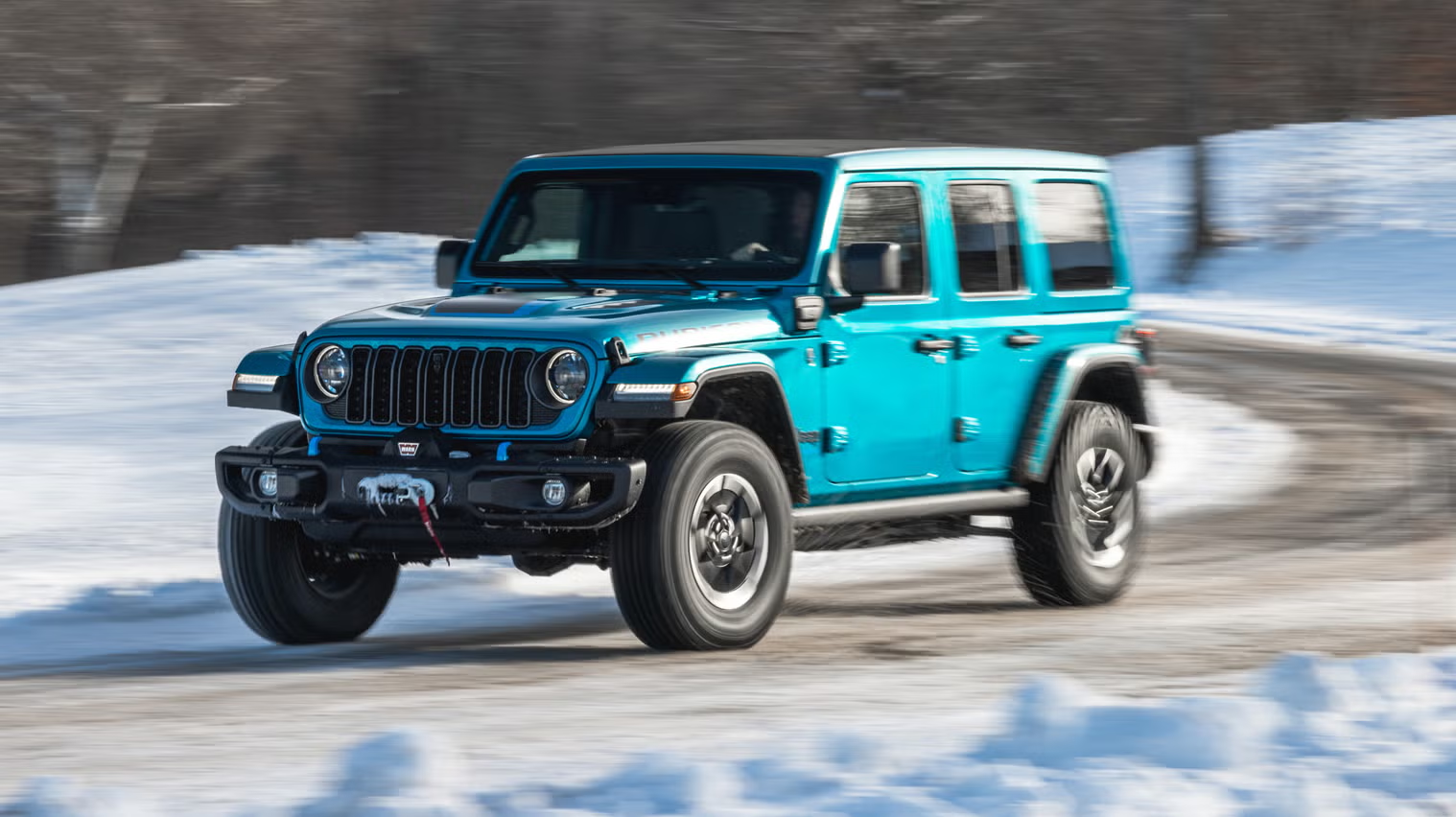
Does the Jeep Wrangler 4xe Require Premium Gas or What Kind of Gas Does A Jeep Wrangler Take?
The Jeep Wrangler 4xe has taken the world of off-road vehicles by storm as one of the most innovative models in Jeep’s lineup. This plug-in hybrid combines the rugged off-road capability that Wrangler is famous for with cutting-edge hybrid technology. As with any hybrid vehicle, questions arise about its fuel requirements, especially whether the Wrangler 4xe requires premium gasoline.
Let’s dive into the fuel requirements of the Wrangler 4xe, understand why certain vehicles use premium gas, and explore how the Wrangler 4xe manages fuel efficiency.
Fuel Type for the Jeep Wrangler 4xe
The Jeep Wrangler 4xe does not require premium gasoline. According to Jeep, the Wrangler 4xe is designed to run efficiently on regular unleaded gasoline with an octane rating of 87 or higher. While many high-performance or luxury cars may need premium fuel for optimal performance, this isn’t the case with the Wrangler 4xe. Its engine has been engineered to offer a great balance of power and fuel efficiency using regular gas.
Why Some Vehicles Require Premium Gasoline
Premium gasoline typically has an octane rating of 91 or higher. The octane level refers to the fuel’s ability to withstand knocking or pre-ignition in the engine. High-performance engines often have higher compression ratios or turbochargers, which make them more susceptible to knocking. Premium gas helps prevent this by resisting combustion until the engine’s spark plug ignites the fuel.
In vehicles designed to take advantage of premium fuel, using lower-octane gasoline can result in reduced performance and efficiency. However, most consumer vehicles—including the Jeep Wrangler 4xe—are optimized to run on regular gasoline. They have lower compression ratios and are built to handle 87-octane fuel without experiencing issues like knocking or engine damage.
Fuel Economy and Range in the Wrangler 4xe
The Wrangler 4xe is a plug-in hybrid electric vehicle (PHEV), meaning it has both a gasoline engine and an electric motor. This gives it a unique advantage when it comes to fuel consumption.
When fully charged, the Wrangler 4xe can drive up to 22 miles on pure electric power. This is perfect for short commutes, running errands around town, or navigating city streets without using any gasoline at all. Once the electric battery is depleted, the vehicle switches seamlessly to its gasoline engine, which continues to power the Wrangler 4xe.
When using gas, the Wrangler 4xe achieves a combined MPG rating of 49 MPG (miles per gallon equivalent), and in hybrid mode, it gets 20 MPG when relying solely on gasoline. This efficiency makes the 4xe a great choice for both daily commuting and longer road trips.
Using Regular Gas in a Hybrid
One of the benefits of owning a plug-in hybrid like the Wrangler 4xe is that it doesn’t require special fuel to maintain its performance or efficiency. The engine management system in the Wrangler 4xe automatically adjusts based on the fuel you’re using, ensuring smooth operation even with regular gasoline.
While some hybrid vehicles recommend premium fuel for the best efficiency, the Wrangler 4xe is tuned to run optimally on regular gas. Jeep has designed the system to handle all the variables that come with combining electric and gasoline power, making it easy for owners to fill up at the pump without worrying about premium prices.
Cost Savings at the Pump
One of the most compelling reasons drivers ask whether the Wrangler 4xe requires premium fuel is because of the cost difference. As of recent times, premium gasoline can cost anywhere from 20 to 40 cents more per gallon than regular gasoline. Over time, filling up with premium can add up, especially for frequent drivers.
Since the Wrangler 4xe runs on regular gasoline, owners can enjoy significant savings at the pump. Paired with the electric powertrain, which offers an all-electric range for shorter trips, the 4xe becomes a smart choice for those who want to minimize fuel costs without sacrificing the adventure and capability that Jeep Wranglers are known for.
Performance and Off-Road Capability
Despite the fact that the Wrangler 4xe doesn’t require premium gas, it still packs a punch. The plug-in hybrid system combines a 2.0-liter turbocharged inline-4 engine with electric motors to produce a total of 375 horsepower and 470 lb-ft of torque. This impressive power output allows the Wrangler 4xe to tackle off-road trails with ease while still offering solid on-road performance.
The instant torque from the electric motor gives the Wrangler 4xe a unique advantage during off-roading, allowing it to crawl over rocks and rough terrain with precision. Its ability to run on regular gas doesn’t detract from its performance, and drivers can confidently take the 4xe on any adventure, knowing that it has both the power and efficiency to get the job done.
Conclusion
In summary, the Jeep Wrangler 4xe does not require premium gasoline. It is designed to run on regular unleaded gas, which is both more affordable and readily available. This makes the Wrangler 4xe an even more appealing option for those who want to reduce their fuel costs without sacrificing performance. With its innovative plug-in hybrid technology, impressive electric range, and legendary off-road capability, the Wrangler 4xe strikes a perfect balance between adventure and efficiency—while running on regular gas.
So, whether you’re cruising around the city or tackling rough trails, the Wrangler 4xe ensures you can go the distance without breaking the bank at the pump.
Is the Dodge Hornet Fast?

The Dodge Hornet is Dodge’s latest entry into the compact SUV market, and one of the key questions potential buyers have is whether the Hornet lives up to Dodge’s reputation for producing fast, performance-oriented vehicles. While it’s not a traditional muscle car like the Dodge Charger or Challenger, the Hornet brings a surprising level of speed and agility to the compact SUV segment, making it one of the sportiest options in its class.
Performance Overview
The Dodge Hornet is available in two main configurations: the GT model with a gas-powered engine and the R/T model with a plug-in hybrid powertrain. Both versions of the Hornet offer impressive performance figures that make this SUV stand out in a market often dominated by more utilitarian vehicles.

Dodge Hornet GT: Speed and Power
The GT version of the Dodge Hornet is equipped with a 2.0-liter turbocharged inline-four engine that delivers 268 horsepower and 295 lb-ft of torque. This engine is paired with a 9-speed automatic transmission that ensures smooth and responsive shifts, contributing to the overall speed and agility of the vehicle. The Hornet GT can accelerate from 0 to 60 mph in around 6.5 seconds, which is quite fast for a compact SUV. This quick acceleration is a testament to the effectiveness of the turbocharged engine, which provides ample power for highway merging, passing, and spirited driving.
In terms of top speed, the Hornet GT is electronically limited to around 140 mph, which is more than sufficient for most driving situations. This makes the Hornet GT not only one of the fastest compact SUVs in its class but also a great option for drivers who want a practical vehicle without sacrificing speed and performance.
Dodge Hornet R/T: Hybrid Power with an Extra Boost
The R/T version of the Dodge Hornet is the brand’s first plug-in hybrid, and it offers a unique blend of electric efficiency and traditional performance. The R/T model features a 1.3-liter turbocharged inline-four engine paired with an electric motor, producing a combined 288 horsepower. What makes the R/T version particularly interesting is the inclusion of Dodge’s “PowerShot” feature, which provides a temporary 25-horsepower boost when activated. This feature allows the Hornet R/T to accelerate from 0 to 60 mph in just 6.1 seconds, making it even quicker off the line than the GT model.
The hybrid powertrain also offers the advantage of instant torque from the electric motor, which enhances the vehicle’s responsiveness and overall driving dynamics. The Hornet R/T’s top speed is slightly lower than the GT’s, due to the additional weight of the hybrid system, but it still delivers an engaging and spirited driving experience. For drivers who want a balance of performance and efficiency, the R/T model offers the best of both worlds.
Handling and Driving Dynamics
Speed isn’t just about straight-line performance; handling plays a crucial role in how fast a vehicle feels on the road. The Dodge Hornet is designed with driving dynamics in mind, featuring a sport-tuned suspension that provides sharp handling and a connected feel. The vehicle’s low center of gravity, combined with its all-wheel-drive system, ensures that it remains stable and composed, even when taking corners at higher speeds.
The Hornet’s steering is also precise and well-weighted, giving drivers confidence when maneuvering through tight city streets or winding country roads. The combination of a responsive engine, quick acceleration, and agile handling makes the Dodge Hornet a fun and engaging vehicle to drive, whether you’re on your daily commute or out for a weekend drive.
How Does the Hornet Compare to Competitors?
When compared to other compact SUVs in its class, the Dodge Hornet stands out for its performance-oriented design. Many vehicles in this segment prioritize fuel efficiency and practicality, often at the expense of speed and driving enjoyment. However, the Hornet breaks the mold by offering a level of performance typically found in larger, more expensive vehicles.
In terms of acceleration, the Hornet outpaces many of its rivals, including models from brands like Honda, Toyota, and Ford. The PowerShot feature in the R/T model is also a unique offering that adds to the vehicle’s appeal for performance enthusiasts. While some competitors may offer hybrid options, few combine hybrid efficiency with the kind of performance and speed that the Hornet delivers.
Practical Speed: A Balanced Approach
While the Dodge Hornet is undoubtedly fast, it also offers a balance between performance and practicality. The vehicle’s compact size makes it easy to maneuver in urban environments, and its spacious interior provides the comfort and utility expected from an SUV. The Hornet’s speed doesn’t come at the expense of everyday usability, making it a versatile choice for drivers who want a vehicle that can do it all.
Additionally, the hybrid R/T model’s ability to drive on electric power alone for short distances makes it an attractive option for those looking to reduce their carbon footprint without sacrificing performance. The combination of speed, efficiency, and practicality positions the Hornet as a well-rounded vehicle in a competitive market.
Conclusion: A Compact SUV with Serious Speed
The Dodge Hornet may be a new entry in the compact SUV segment, but it brings with it a level of speed and performance that’s rare in this category. Whether you choose the gas-powered GT model or the hybrid R/T variant, the Hornet delivers quick acceleration, responsive handling, and an engaging driving experience that’s sure to please performance-minded drivers. With its blend of speed, practicality, and modern technology, the Dodge Hornet stands out as one of the fastest and most exciting compact SUVs available today.

Is a Jeep Wrangler a Reliable Car? An In-Depth Analysis
The Jeep Wrangler is famous for its rugged off-road abilities and iconic design, but its reliability can be a topic of debate. This detailed analysis delves into the various aspects of the Jeep Wrangler’s reliability, examining its performance, durability, common issues, maintenance needs, and user experiences. By exploring these niche topics, we aim to provide a comprehensive understanding of whether the Jeep Wrangler is a reliable vehicle.

Is a Jeep Wrangler a Reliable Car? An In-Depth Analysis Historical Reliability Overview
Early Generations
Introduced in 1986 as a successor to the Jeep CJ series, the Wrangler has seen many changes and improvements over the decades. Early generations, like the YJ (1987-1995) and TJ (1997-2006), were known for their simple, robust design. However, they also had issues, particularly with rust and certain mechanical components. Owners of early Wranglers often dealt with frequent repairs, but the straightforward design made these vehicles relatively easy to fix.
Recent Generations
The JK (2007-2018) and JL (2018-present) generations have seen significant advancements in technology and comfort. These newer models come with more sophisticated electronics and safety features, improving the driving experience. However, the increased complexity has also led to more potential points of failure. Despite these challenges, many owners and reviewers praise the Wrangler’s durability and ability to withstand harsh conditions.
Is a Jeep Wrangler a Reliable Car? Performance and Durability
Off-Road Capabilities
One of the Jeep Wrangler’s strongest attributes is its off-road performance. The Wrangler is designed to tackle tough terrains, from rocky trails to muddy paths. Its solid axles, high ground clearance, and advanced four-wheel-drive systems (such as the Command-Trac and Rock-Trac) make it a favorite among off-road enthusiasts. This off-road prowess contributes to the vehicle’s reputation for durability, as it is built to endure rigorous use.
Engine Performance
The Wrangler offers a range of engine options, from the traditional 3.6-liter Pentastar V6 to the more recent 2.0-liter turbocharged inline-four and 3.0-liter EcoDiesel V6. These engines are generally praised for their performance and reliability, with the Pentastar V6 being particularly well-regarded for its balance of power and longevity. However, some owners have reported issues with specific engines, such as oil consumption problems with the Pentastar and turbo lag in the 2.0-liter engine.
Common Issues and Recalls
Recurring Problems
Like any vehicle, the Jeep Wrangler has its share of common issues. Some of the most frequently reported problems include:
- Electrical Issues: Owners have reported problems with the Wrangler’s electrical system, including faulty sensors, wiring issues, and problems with the infotainment system.
- Transmission Problems: Some Wranglers have experienced transmission issues, particularly with the automatic transmission in earlier JK models. Problems range from rough shifting to complete transmission failure.
- Steering and Suspension: The infamous “death wobble” is a well-known issue among Wrangler owners. This phenomenon involves severe shaking of the front end, often caused by worn or loose steering components.
- Leaks: Roof leaks are a common complaint, especially with the Wrangler’s removable hardtops and soft tops. Ensuring a proper seal can be challenging, leading to water ingress during heavy rain.
Recalls
The Jeep Wrangler has been subject to several recalls over the years, addressing various safety and mechanical issues. Recent recalls have included:
- 2018-2020 Models: A recall for faulty clutch pressure plates that could lead to clutch failure and fire risk.
- 2019 Models: A recall for steering damper issues that could cause steering vibrations.
- 2018 Models: A recall for potential fuel tank bracket weld failures that could lead to fuel leaks.
While recalls can be inconvenient, they also indicate that the manufacturer is addressing known issues, which can ultimately improve the vehicle’s reliability.
Is a Jeep Wrangler a Reliable Car? Maintenance and Upkeep
Routine Maintenance
Regular maintenance is crucial for keeping a Jeep Wrangler in good condition. Key maintenance tasks include:
- Oil Changes: Regular oil changes are essential, particularly for off-road vehicles subjected to harsh conditions. The recommended interval is typically every 5,000 to 7,500 miles.
- Tire Rotations: Given the Wrangler’s off-road capabilities, tire wear can be uneven. Regular tire rotations help ensure even wear and extend tire life.
- Brake Inspections: Off-roading can put extra strain on the braking system. Regular inspections and maintenance of brake pads, rotors, and fluid are necessary.
- Fluid Checks: Checking and replacing fluids, including transmission fluid, differential oil, and coolant, helps maintain the vehicle’s performance and longevity.
Cost of Ownership
The cost of owning a Jeep Wrangler can be higher than that of other SUVs, primarily due to its off-road nature and the need for more frequent maintenance. Additionally, parts and repairs can be more expensive, especially if aftermarket or specialized off-road components are used. However, many Wrangler owners find that the benefits of owning such a capable and versatile vehicle outweigh the higher maintenance costs.
Is a Jeep Wrangler a Reliable Car? User Experiences and Reviews
Owner Testimonials
Many Wrangler owners are passionate about their vehicles, often citing the sense of community among Jeep enthusiasts and the thrill of off-roading. Owner testimonials frequently highlight the Wrangler’s durability and ability to handle extreme conditions. However, they also note that the Wrangler requires regular maintenance and care to keep it running smoothly.
Expert Reviews
Automotive experts generally acknowledge the Wrangler’s strengths and weaknesses. Reviews often praise the Wrangler’s off-road capabilities, unique design, and strong resale value. On the downside, experts sometimes criticize its on-road comfort, fuel efficiency, and the frequency of minor issues. Despite these criticisms, the Wrangler consistently earns high marks for its intended purpose as an off-road vehicle.
Is a Jeep Wrangler a Reliable Car? Market Perception and Resale Value
Resale Value
One of the standout aspects of the Jeep Wrangler is its strong resale value. Due to its iconic status and demand among enthusiasts, used Wranglers often sell for a premium compared to other vehicles in its class. This strong resale value is a testament to the Wrangler’s perceived reliability and desirability.
Brand Loyalty
Jeep enjoys a high level of brand loyalty, particularly among Wrangler owners. Many Jeep enthusiasts continue to purchase Wranglers and other Jeep models due to their positive experiences and the brand’s reputation for producing durable, capable vehicles. This loyalty further reinforces the Wrangler’s reputation as a reliable choice for off-road enthusiasts.
Conclusion
Determining whether a Jeep Wrangler is a reliable car is not a simple yes or no answer. While the Wrangler is celebrated for its off-road capabilities, durability, and strong resale value, it also has its share of common issues and higher maintenance costs. The reliability of a Wrangler largely depends on how it is used and maintained. For those who prioritize off-road performance and are willing to invest in regular upkeep, the Jeep Wrangler can be a highly reliable and rewarding vehicle. However, potential buyers should be aware of its quirks and be prepared for the additional maintenance that comes with owning such a capable off-road machine.
Does the Jeep 4xe Charge Itself While Driving?

The Jeep 4xe, available in models such as the Wrangler 4xe and Grand Cherokee 4xe, represents a significant advancement in hybrid technology. As a plug-in hybrid electric vehicle (PHEV), the 4xe combines a gasoline engine with an electric motor and a rechargeable battery. One common question among potential and current owners is whether the Jeep 4xe charges its battery while driving. Understanding this aspect of the vehicle’s functionality is essential for maximizing its performance and efficiency. This article will explore how the Jeep 4xe manages battery charging during driving and how this impacts your driving experience.
The Charging Mechanism of the Jeep 4xe
1. Regenerative Braking
The Jeep 4xe utilizes regenerative braking as a method to charge its battery while driving. Regenerative braking captures some of the energy that would otherwise be lost during braking and converts it into electrical energy. This process helps to recharge the battery partially, increasing efficiency and extending the electric-only range of the vehicle. When you apply the brakes or decelerate, the electric motor acts as a generator, sending power back to the battery.
2. Engine-Driven Generator
In addition to regenerative braking, the Jeep 4XE’s gasoline engine can also assist in charging the battery. While the primary role of the engine is to power the vehicle and support the electric motor, it can also function as a generator under certain conditions. When needed, the engine can help charge the battery by running at optimal efficiency to provide additional power. However, this is not the primary function of the engine during regular driving but rather a supplementary feature.
3. Charging from the Gasoline Engine
Unlike some full hybrids, the Jeep 4xe does not have a dedicated system for actively charging the battery solely through the gasoline engine while driving. Instead, the vehicle primarily relies on regenerative braking and the engine-driven generator for supplementary charging. The main method for recharging the battery remains plugging the vehicle into an external power source, such as a Level 1 or Level 2 home charger.
Charging Efficiency and Driving Dynamics
1. Impact on Driving Range
While regenerative braking and the engine-driven generator can help extend the electric-only range of the Jeep 4xe, they are not a substitute for regular charging. The amount of energy recovered through regenerative braking is relatively modest compared to the energy required for a full charge. Therefore, drivers should still plan on plugging in the vehicle regularly to maximize its electric-only range and overall efficiency.
2. Driving Conditions
The effectiveness of regenerative braking can vary based on driving conditions. In stop-and-go traffic, regenerative braking can be more effective as frequent braking provides more opportunities to recover energy. On the highway, where braking is less frequent, the impact of regenerative braking on battery charge is less pronounced.
3. Battery Management
The Jeep 4xe is designed to manage battery power efficiently, ensuring that energy is utilized effectively for both electric and gasoline power. The vehicle’s onboard systems monitor battery levels and adjust charging methods accordingly to maintain optimal performance. Drivers should rely on the vehicle’s battery management system to balance energy use and ensure a reliable driving experience.
Practical Charging Tips for Jeep 4xe Owners
1. Regular Charging
To ensure that your Jeep 4xe remains in optimal condition and to maximize its electric-only driving range, regular charging is essential. Plugging in the vehicle at home or at public charging stations will ensure that the battery is fully charged and ready for use.
2. Utilize Regenerative Braking
Take advantage of regenerative braking to recover energy and extend your electric range. Smooth and gradual braking can help maximize the efficiency of this feature.
3. Plan for Longer Trips
For longer journeys, plan your route to include charging stations if needed. While the Jeep 4xe offers the flexibility of using the gasoline engine, maintaining a full battery will enhance your overall driving experience.
Conclusion
The Jeep 4xe does indeed have mechanisms in place to assist with charging its battery while driving, primarily through regenerative braking and the engine-driven generator. However, these features are supplementary to the primary method of recharging the vehicle’s battery, which involves plugging it into an external power source. By understanding and utilizing these features effectively, Jeep 4xe owners can enhance their driving experience and make the most of the vehicle’s hybrid technology. Regular charging, combined with the benefits of regenerative braking, will help you enjoy the full advantages of your Jeep 4xe’s electric and gasoline power.
Why Is Dodge Discontinuing the Charger?
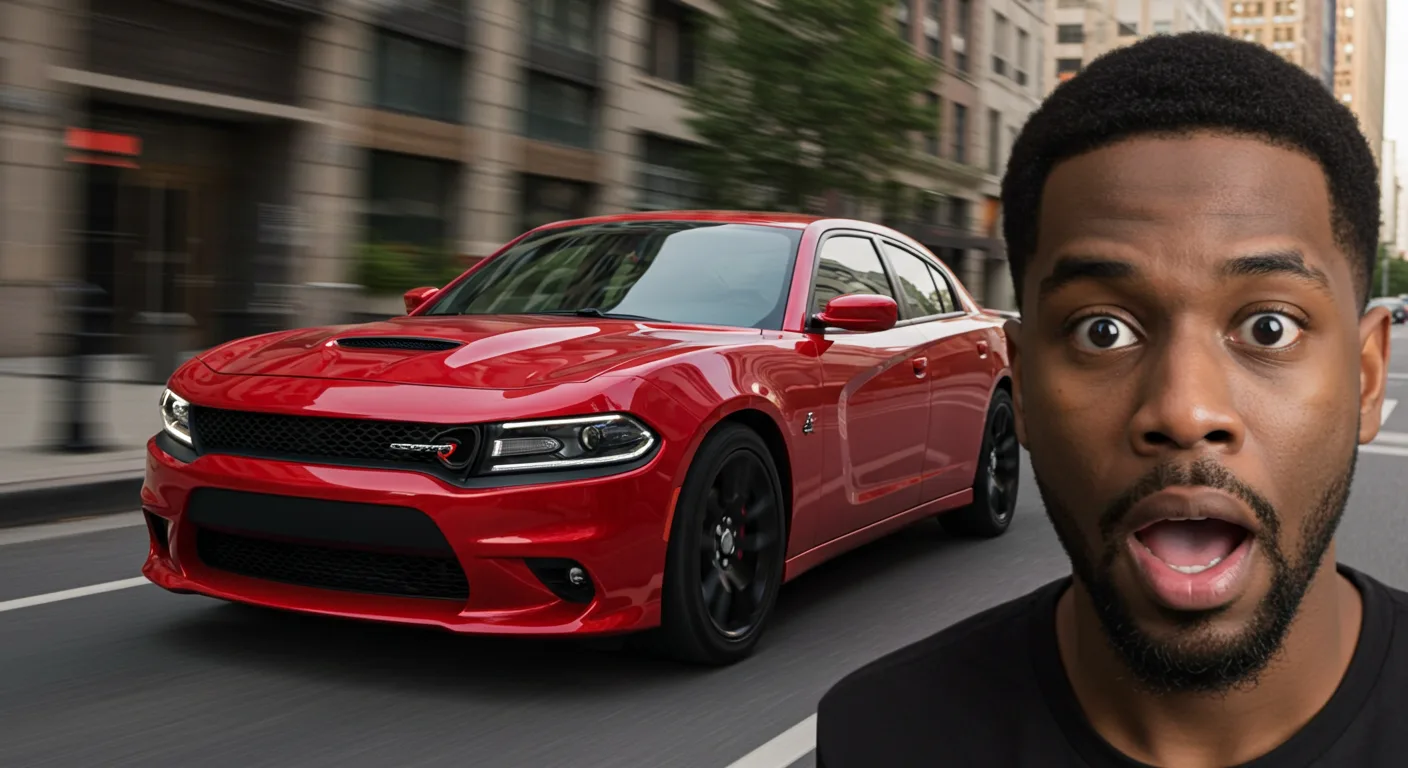
Why Is Dodge Discontinuing the Charger?
The Dodge Charger, long regarded as one of the most iconic muscle cars in American automotive history, is officially being discontinued—and fans everywhere are asking: Why is Dodge discontinuing the Charger in 2026? If you’ve searched terms like “is Dodge discontinuing the Charger”, “Dodge Charger discontinued”, or “did Dodge discontinue the Charger,” this article will answer all your questions and explain what’s next for Dodge.
🔌 The Shift to Electrification: Dodge Charger Discontinued for EV Future
One of the biggest reasons Dodge is discontinuing the Charger is due to the industry’s aggressive shift toward electric vehicles. The Charger, with its legendary gas-powered HEMI engines, simply doesn’t align with Dodge’s long-term electrification goals.
Dodge confirmed that its next-generation performance lineup will be electric-first, starting with the Dodge Charger Daytona SRT EV—a futuristic muscle car designed to deliver high torque, fast acceleration, and an EV exhaust system that mimics the roar of traditional V8 engines.
Is Dodge discontinuing the Charger and Challenger? Yes, both models are being retired after the 2023–2024 production run to make room for new electrified performance vehicles.
🌱 Why Did Dodge Discontinue the Charger? Emissions Regulations
The answer to “why did Dodge discontinue the Charger?” lies in stricter emissions regulations across the U.S., Canada, and Europe. Government mandates are forcing automakers to meet lower carbon emissions targets. Performance sedans with large V8 engines—like the Dodge Charger Hellcat—simply don’t comply without costly redesigns.
Rather than redesign the platform to support hybrid or plug-in configurations, Dodge chose to sunset the Charger and start fresh with its all-electric eMuscle platform.
🚗 Changing Consumer Demand: Fewer Buyers, Higher Costs
While enthusiasts love the Charger, the broader car-buying public has shifted toward SUVs, crossovers, and electric vehicles. Practicality, efficiency, and tech-forward features are driving purchasing decisions in 2026. Sales of large performance sedans have declined year over year—even for icons like the Charger.
That shift in demand made it difficult to justify keeping the Charger in production. Instead, Dodge is reallocating its resources to develop EVs that still deliver jaw-dropping horsepower without the emissions or fuel consumption.
📉 Is the Dodge Charger Discontinued for Good?
If you’ve Googled “Dodge Charger discontinued”, the short answer is yes—at least in its current gas-powered form. However, Dodge has filed new trademarks, including “Dodge Charger Outlaw”, leading to speculation that a future electric version of the Charger could carry a new name or identity while preserving the spirit of the original.
Keyword Spotlight:
- Dodge Charger Outlaw trademark: Registered in 2025, hinting at a new chapter in the Charger legacy—likely EV-based.
- Dodge discontinuing Charger: Confirmed as part of Stellantis’ transition to a fully electric performance lineup by 2030.
🔥 What Replaces the Dodge Charger?
Dodge isn’t giving up on muscle. The new Charger Daytona SRT EV, revealed in concept form, promises:
- 800V “Banshee” powertrain
- Simulated shifting with “eRupt” transmission
- Fratzonic Chambered Exhaust system (EV sound enhancement)
- 0–60 mph in the 3-second range
It’s Dodge’s way of saying: “We’re not killing muscle—we’re evolving it.”
🏁 The Final Editions: A Collector’s Opportunity
Before production officially ends, Dodge released special-edition Charger models like:
- King Daytona
- Swinger
- Super Bee
- Black Ghost
These limited-run models feature exclusive graphics, paint colors, and performance upgrades—making them some of the most collectible Chargers ever built.
If you’re searching for “Dodge Charger for sale near Simi Valley”, our team at Simi Valley Chrysler Dodge Jeep Ram can help you find available models before they’re gone for good.
👉 Browse New Dodge Charger Inventory
🧠 Recap: Why Is Dodge Discontinuing the Charger?
| Reason | Details |
|---|---|
| Electrification Goals | Dodge is transitioning to EV performance cars starting with the Daytona SRT. |
| Emissions Regulations | V8 engines can’t meet new government standards without major redesigns. |
| Market Demand Shift | Consumers are choosing SUVs and EVs over full-size sedans. |
| Brand Repositioning | Dodge wants to stay ahead by launching the next era of muscle with EVs. |
🚘 What’s Next for Dodge Enthusiasts?
- Expect the Dodge Charger Outlaw or Charger Daytona EV to launch nationwide by late 2026.
- Dodge will continue pushing EV muscle cars that retain the brand’s aggressive styling and legendary acceleration.
- Special-edition gas-powered Chargers may hold collector value in years to come.
If you’re in the market for a Dodge Charger before it disappears from dealer lots, now’s the time to act. Contact Simi Valley Chrysler Dodge Jeep Ram today for availability and last-chance offers.
Final Thoughts
The discontinuation of the Dodge Charger is more than just the end of a car—it’s the beginning of a new era for performance vehicles. While some fans may be sad to see the gas-powered Charger go, the bold new electric muscle cars coming from Dodge promise to deliver power, torque, and attitude—with zero emissions.
The future is electric—and it’s still 100% Dodge.
Can I Customize a Jeep Wrangler in California?

Can I customize a Jeep Wrangler in California? Yes, you can customize a Jeep Wrangler in California extensively to suit your preferences. In California, customizable areas for Jeep Wrangler include suspension, tires, bumpers, lights, interior, and electronics upgrades.
Customizing Your Jeep Wrangler in California: Personalization and Performance
California, known for its culture of individuality and adventure, provides an ideal backdrop for customizing a Jeep Wrangler. Whether you’re looking to enhance its off-road capability, personalize its appearance, or integrate advanced technology, the Wrangler offers a versatile platform for customization to suit your unique preferences and lifestyle.

Embracing Personalization
Customizing a Jeep Wrangler allows owners to tailor their vehicle to reflect their personality and enhance its functionality. From rugged exterior accessories like bumpers, winches, and off-road lights to interior upgrades such as premium leather seats and advanced infotainment systems, the customization options are extensive. Californians often personalize their Wranglers to stand out on city streets or excel on challenging off-road trails throughout the state’s diverse terrain.
Can I customize a Jeep Wrangler in California? Enhancing Off-Road Capability
California’s varied landscapes, from sandy deserts to rocky mountain trails, invite Jeep Wrangler owners to explore off-road adventures. Customization options include suspension lifts for increased ground clearance, larger tires for improved traction, and skid plates to protect vital components during rugged terrain navigation. These enhancements not only improve the Wrangler’s performance but also ensure durability and reliability under demanding conditions.
Integrating Advanced Technology
Incorporating cutting-edge technology into a Jeep Wrangler enhances both convenience and safety during California’s diverse driving conditions. Upgrades such as GPS navigation systems, backup cameras, and smartphone connectivity enable seamless navigation through urban areas or remote wilderness. Additionally, performance-enhancing features like engine tuners and cold air intakes optimize power output while maintaining fuel efficiency, tailored to meet the specific needs of California drivers.
Can I customize a Jeep Wrangler in California? Environmental and Legal Considerations
When customizing a Jeep Wrangler in California, it’s essential to adhere to state regulations regarding vehicle modifications. Ensuring compliance with emissions standards and legal requirements for equipment installation ensures that your customized Wrangler remains road-legal and environmentally responsible. Many customization shops and retailers in California specialize in providing certified parts and accessories that meet these standards, offering peace of mind to enthusiasts looking to enhance their vehicle’s performance and aesthetics.
When it comes to customizing your Jeep Wrangler in California, Simi Valley CDJR (Chrysler Dodge Jeep Ram) stands out as the premier dealership. Located conveniently in Simi Valley, this dealership offers unparalleled expertise, a commitment to customer satisfaction, and a robust selection of customization options to create the Jeep of your dreams.
Can I customize a Jeep Wrangler in California? Expertise in Customization
Simi Valley CDJR boasts a team of skilled technicians and customization experts who are passionate about Jeep vehicles. Whether you’re looking to enhance off-road performance, upgrade interior amenities, or personalize the exterior with unique accessories, their team has the knowledge and experience to turn your vision into reality.
Extensive Selection of Customization Options
At Simi Valley CDJR, customization possibilities for your Jeep Wrangler are virtually limitless. From lift kits and rugged tires for conquering California’s diverse terrain to premium audio systems and luxurious interior upgrades for added comfort, they offer a comprehensive range of options to suit every driver’s preferences and needs.
Can I customize a Jeep Wrangler in California? Commitment to Customer Satisfaction
What sets Simi Valley CDJR apart is their unwavering dedication to customer satisfaction. They prioritize transparency, ensuring that each customization project meets the highest standards of quality and craftsmanship. Whether you’re purchasing a new Wrangler or upgrading your current vehicle, they provide personalized service and support every step of the way.
Competitive Pricing and Financing Options
Simi Valley CDJR understands that customization projects can vary in scope and budget. They offer competitive pricing on parts and labor, along with flexible financing options to make your dream Jeep Wrangler more affordable. Their commitment to value ensures that you receive the best possible service without compromising on quality.
Can I customize a Jeep Wrangler in California? Testimonials from Satisfied Customers
Customers rave about their experiences at Simi Valley CDJR:
- “Simi Valley CDJR helped me transform my Wrangler into the ultimate off-road machine. Their attention to detail and expertise exceeded my expectations!” – Emily G.
- “I can’t thank the team at Simi Valley CDJR enough for making my custom Jeep Wrangler a reality. Their professionalism and dedication to customer service are unmatched!” – Mark T.
Visit Simi Valley CDJR Today!
Ready to explore customizing your Jeep Wrangler? Visit Simi Valley CDJR online or in person at their dealership located at:
1234 Auto Center Dr, Simi Valley, CA 93065
Discover why Simi Valley CDJR is the preferred choice for Jeep enthusiasts in California seeking top-quality customization and exceptional service. Transform your driving experience and unleash the full potential of your Jeep Wrangler with Simi Valley CDJR today.
Conclusion
Customizing a Jeep Wrangler in California allows owners to transform their vehicle into a personalized expression of style and functionality. Whether enhancing off-road capabilities, integrating advanced technology, or personalizing the exterior and interior, the Wrangler serves as a versatile canvas for customization. Californians embrace the opportunity to create a unique driving experience that reflects their adventurous spirit and appreciation for individuality, making the Jeep Wrangler a beloved choice for customization in the Golden State.
Connect with us


