





Best EV in California [2025 Special]
I. Introduction
California, a leader in environmental innovation, continues to spearhead the adoption of electric vehicles (EVs) through a mix of progressive policies and a strong push for sustainable transportation. The state’s ambitious carbon neutrality goals have catalyzed a substantial rise in the demand for EVs, compelling manufacturers like Chrysler, Dodge, Jeep, and Ram to introduce innovative models that cater to both eco-conscious drivers and performance enthusiasts.
This series delves into the exceptional electric vehicle options available from these esteemed manufacturers, highlighting their key features, benefits, and alignment with California’s green initiatives. As we explore the evolving landscape of the automotive industry, understanding the options available becomes crucial for making informed, environmentally responsible decisions.
II. The Rise of Electric Vehicles in California
The ascent of electric vehicles in California is propelled by a synergistic blend of government initiatives, technological breakthroughs, and evolving consumer preferences, each playing a pivotal role in shaping the market dynamics.
A. Government Initiatives and Regulations
- Zero Emission Vehicle (ZEV) Program: This cornerstone initiative by the California Air Resources Board mandates an increasing proportion of zero-emission vehicles among automaker sales, significantly influencing the product strategies of manufacturers.
- Incentives and Rebates:
- Clean Vehicle Rebate Project (CVRP): Offering up to $7,500 in rebates, this program makes EVs more accessible to Californians.
- California Clean Fuel Reward: This incentive reduces the purchase price of eligible new EVs by up to $1,500 at the point of sale.
- Infrastructure Expansion: Robust investments in charging infrastructure, including the proliferation of fast-charging stations, are pivotal in supporting the state’s EV ecosystem, easing range anxiety among potential adopters.
B. Technological Advancements
- Battery Technology: Innovations in battery design have extended EV ranges and reduced charge times, enhancing vehicle appeal.
- Charging Technology: The development of rapid charging solutions enables quicker and more convenient recharges, bolstering consumer confidence in EV usability.
- Smart Technology Integration: Modern EVs feature sophisticated systems for energy management, driving assistance, and digital connectivity, attracting a tech-savvy demographic.
C. Shifting Consumer Preferences
- Environmental Awareness: Increased consciousness about environmental impacts drives Californians towards EVs as a practical step towards sustainable living.
- Economic Considerations: The long-term cost benefits of EVs, including lower operational and maintenance costs, make them an economically attractive option.
- Lifestyle and Health: The global shift towards health and wellness post-pandemic has also highlighted the environmental benefits of EVs, further influencing consumer choices.
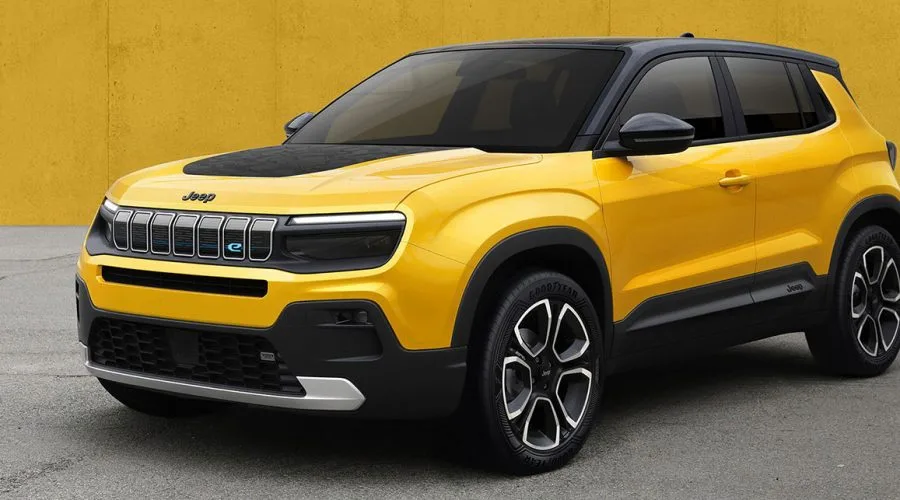
III. Overview of Electric Vehicle Options from Chrysler, Dodge, and Ram
As we transition from the broader context of EV adoption in California to specific offerings, the forthcoming sections will provide an in-depth look at the innovative electric vehicles from Chrysler, Dodge, and Ram. Each brand brings a unique blend of style, performance, and sustainability that resonates with the diverse needs of California’s drivers.
- Chrysler: Renowned for combining luxury with technology, Chrysler’s EVs offer elegance and efficiency suitable for family and executive travel.
- Dodge: Maintaining its muscle car heritage, Dodge integrates electrification without compromising the thrilling performance expected of its vehicles.
- Ram: Known for rugged durability and towing capacity, Ram’s electric trucks deliver powerful performance while adhering to environmental standards.
IV. Spotlight on Chrysler’s EV Innovations
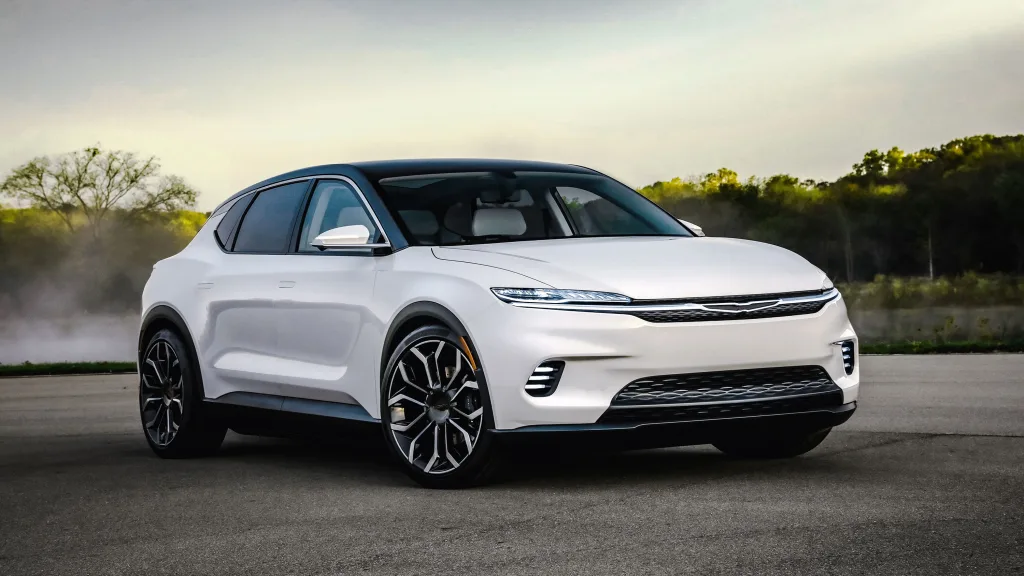
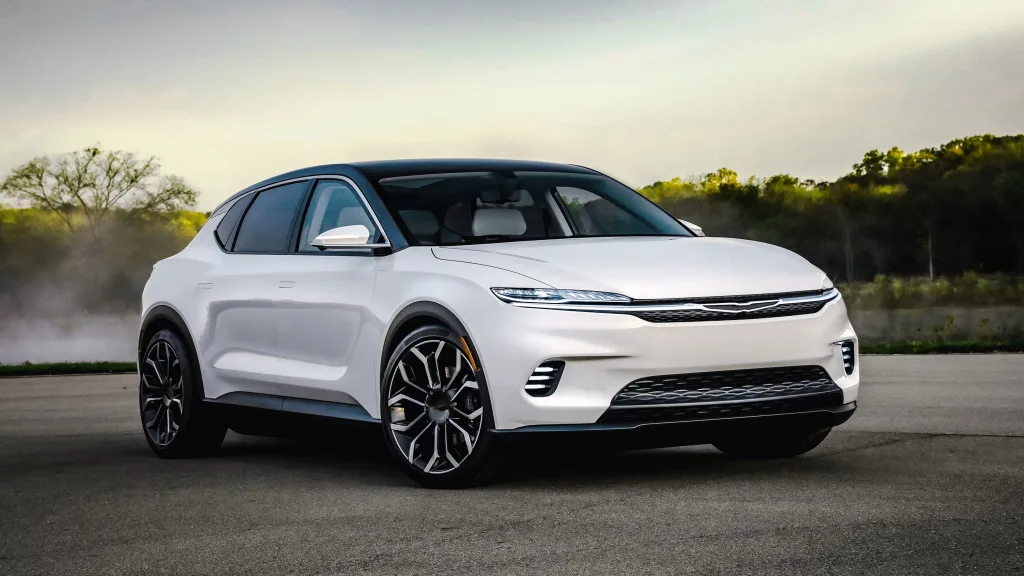
Chrysler, a brand synonymous with innovation and luxury, has embarked on a transformative journey in the EV market with its introduction of the Chrysler Airflow Concept. This section delves into the specifics of Chrysler’s approach to electrification, underscoring the blend of design elegance, technological sophistication, and environmental consciousness that defines its newest EV offerings.
A. Chrysler Airflow Concept
The Chrysler Airflow Concept represents a significant leap forward in the brand’s electrification strategy. Designed as a fully electric crossover, the Airflow Concept combines aesthetic appeal with functional innovation, setting a new standard for what consumers can expect from an electric vehicle.
- Design and Aesthetics: Featuring a sleek, aerodynamic body, the Airflow Concept is built to maximize efficiency while maintaining a visually striking appearance. Its design ethos reflects a modern approach to luxury, with clean lines and a dynamic silhouette that differentiates it in the EV market.
- Performance Specifications: Equipped with advanced electric motors positioned at both axles, the Airflow Concept delivers balanced power distribution and exceptional handling. The vehicle is engineered for responsiveness and agility in urban environments, providing a driving range that competes with the best in its class.
- Technological Innovations: At the heart of the Airflow Concept is a suite of cutting-edge technologies, including an intuitive user interface and a highly connected in-car experience. Features such as autonomous driving capabilities, integrated AI systems, and real-time vehicle monitoring enhance both the safety and enjoyment of the driving experience.
- Sustainability Features: The Airflow Concept is designed not only for zero emissions but also with sustainable materials, reducing the environmental impact across the vehicle’s lifecycle.
Learn more about the Chrysler Airflow Concept on Chrysler’s official EV innovation page.
B. Chrysler’s Electrification Strategy
Chrysler’s strategy for electrification extends beyond individual models to encompass a broader commitment to sustainable automotive solutions. The brand aims to transform its entire lineup to electric by the end of the decade, focusing on developing vehicles that merge performance with environmental responsibility.
- Future EV Models: Chrysler plans to expand its electric vehicle lineup, introducing new models that build on the foundation laid by the Airflow Concept. These vehicles will feature enhancements in battery technology, driving range, and user-centric design.
- Commitment to Sustainability: Chrysler’s approach to sustainability is holistic, involving not only the production of electric vehicles but also improvements in manufacturing processes and the reduction of the brand’s carbon footprint.
V. Dodge’s Electrified Performance
Moving from Chrysler’s elegant solutions, we shift focus to Dodge, a brand that has carved out a reputation for high-octane performance. Dodge’s entry into the electric vehicle market is marked by an attempt to reconcile muscle car heritage with the demands of an eco-friendly future.
A. Dodge Charger Daytona SRT
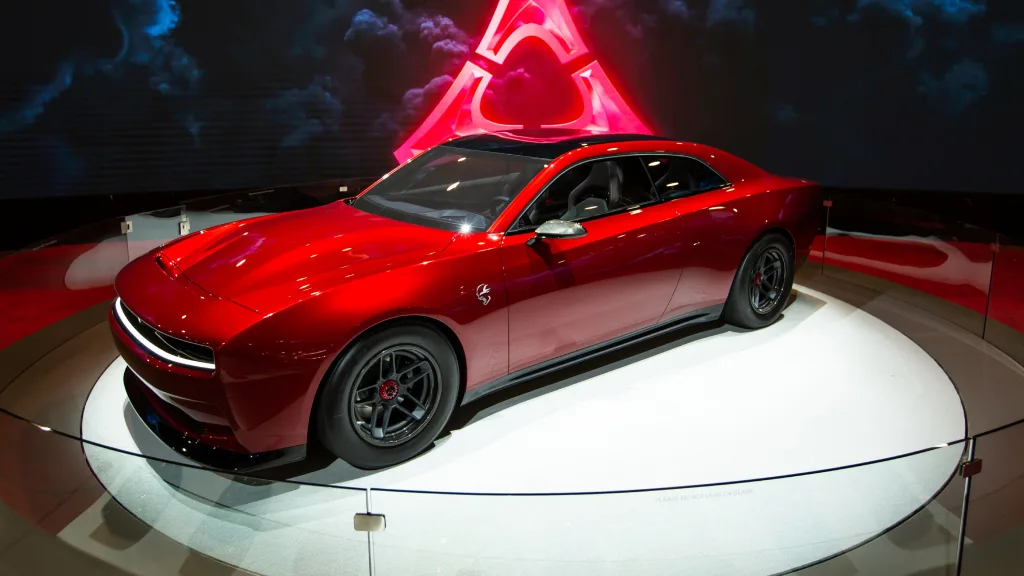
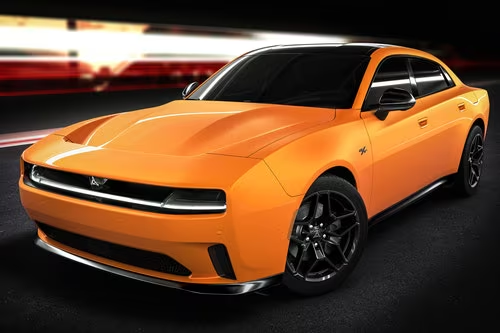
The Dodge Charger Daytona SRT concept is a bold reimagining of the classic American muscle car for the electric age. It promises to deliver the raw power and exhilarating speed that Dodge enthusiasts expect but with a modern, emission-free twist.
- Design and Performance Features: The Charger Daytona SRT retains the muscular and aggressive styling cues of its predecessors while incorporating advanced EV technology to enhance performance. It features a unique powertrain that offers rapid acceleration and a high-performance driving experience.
- Integration of Electric Propulsion: With its electrified powertrain, the Daytona SRT showcases how electric motors can enhance rather than diminish the muscle car experience, providing instant torque and unmatched speed capabilities.
Learn more about Dodge’s vision for electric muscle cars on their official website.
VI. Ram’s Electric Innovation
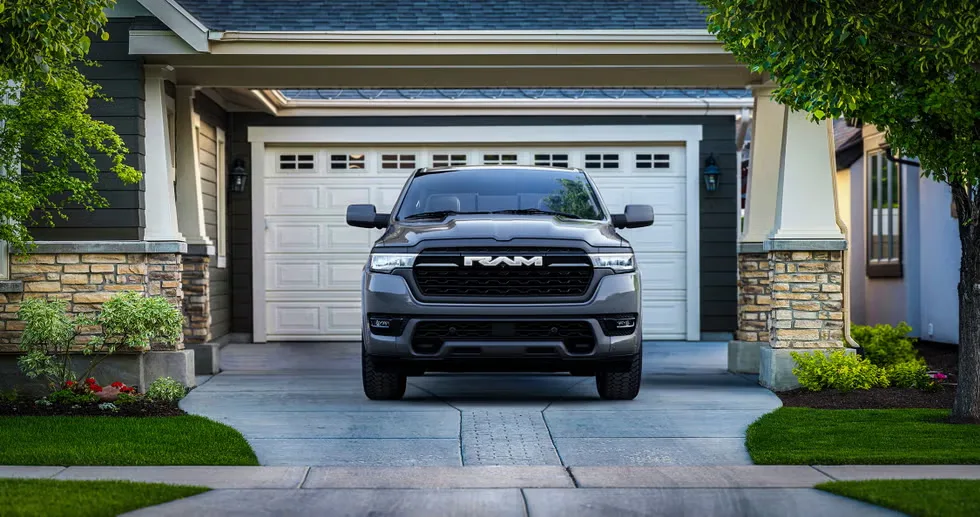
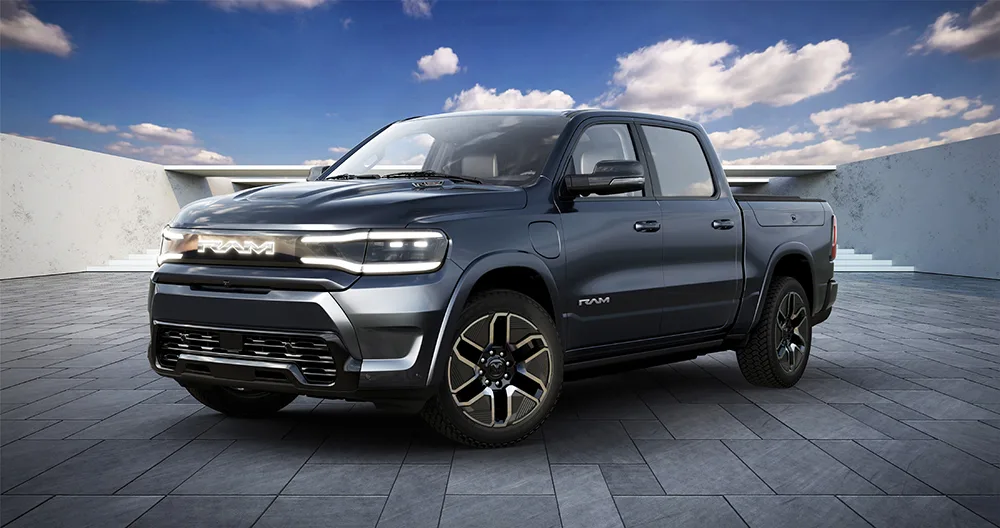
Ram is renowned for its rugged durability and powerful performance, primarily known for producing vehicles that can handle heavy-duty tasks. As part of its commitment to sustainability and innovation, Ram has embraced electrification, ensuring that its core values of strength and resilience are maintained in the transition to electric vehicles. The introduction of the Ram 1500 REV exemplifies this commitment, merging traditional truck capabilities with advanced electric technology.
A. Ram 1500 REV
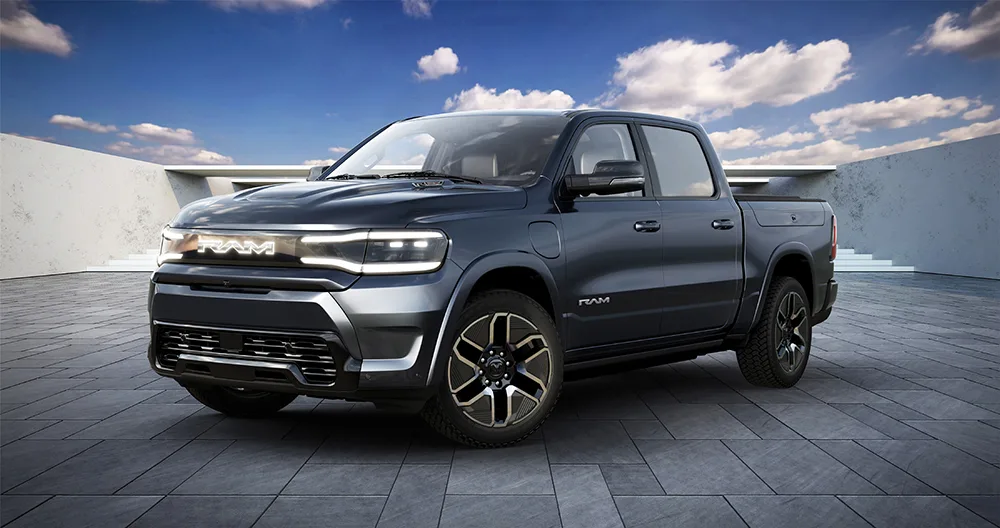
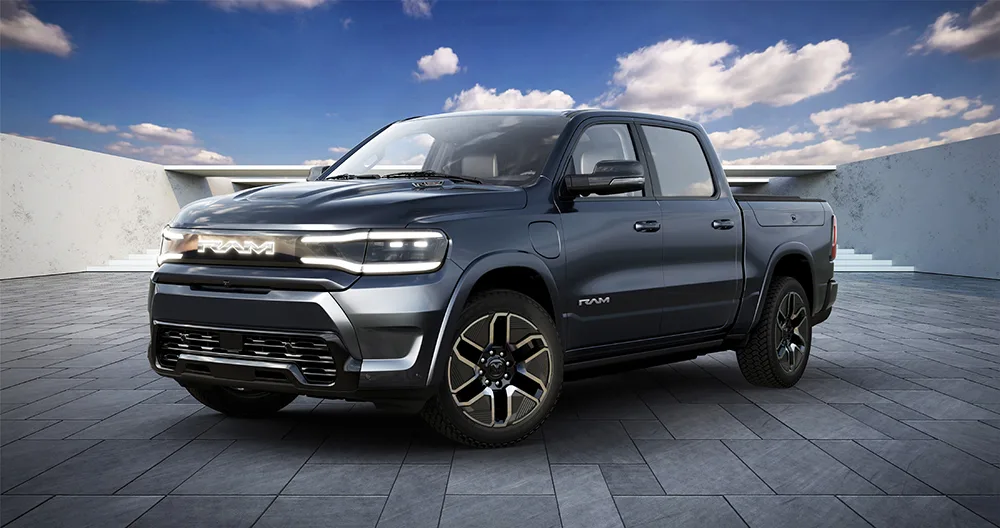
The Ram 1500 REV marks Ram’s bold foray into the electric truck market, promising to redefine what it means to drive a pickup in the electric age.
- Design and Utility Features: The Ram 1500 REV maintains the robust and commanding presence Ram trucks are known for, with a design optimized for both efficiency and performance. The truck features a distinctive grille that differentiates it from its internal combustion counterparts, while still retaining a familiar aesthetic that appeals to traditional Ram enthusiasts.
- Performance Specifications: The Ram 1500 REV is equipped with a state-of-the-art electric powertrain that delivers instant torque and impressive horsepower, ensuring that it meets the high standards for towing and payload capacity that Ram owners expect. The electric architecture of the truck allows for innovative storage solutions, including a spacious front trunk (frunk).
- Battery Range and Charging Infrastructure: Designed with practicality in mind, the Ram 1500 REV offers a substantial driving range suitable for both daily tasks and longer journeys. It supports fast charging capabilities, allowing drivers to quickly recharge the battery and minimize downtime.
- Sustainability Features: The Ram 1500 REV is not only about performance but also about promoting a greener future. It produces zero tailpipe emissions and features recyclable materials in its construction, contributing to a smaller environmental footprint.
Learn more about the Ram 1500 REV and its features on Ram’s official electric vehicles page.
B. Ram’s Electrification Strategy
Ram’s strategy extends beyond the introduction of a single electric model. The brand is looking towards a comprehensive electrification of its fleet, anticipating the future needs of its customers and the environmental requirements of tomorrow.
- Future Electric Models: Ram plans to expand its electric vehicle lineup, introducing additional models that cater to various segments of the truck market. This expansion will ensure that whether a customer needs a light-duty truck for everyday use or a more robust model for commercial purposes, Ram provides an electric solution.
- Integration with Renewable Energy: Ram is exploring partnerships and technologies that integrate renewable energy sources with their electric vehicles, enhancing the sustainability of their operations and end products.
- Educating Consumers: Recognizing the shift to electric vehicles involves significant changes in consumer behavior, Ram is committed to educating its customers on the benefits and operations of EVs, ensuring a smooth transition from traditional diesel or gasoline trucks.
VII. Next Steps in Ram’s Electrification Journey
As Ram continues to innovate and push the boundaries of what electric trucks can achieve, the brand remains focused on maintaining its core values of durability, strength, and performance. By actively responding to the evolving demands of the market and the increasing need for sustainable options, Ram not only adheres to environmental standards but also ensures that its customers do not have to compromise on the capabilities they have come to rely on.
VIII. Stellantis’ Electrification Strategy
Stellantis, the parent company of Chrysler, Dodge, Jeep, and Ram, plays a pivotal role in shaping the future of automotive technology with its comprehensive electrification strategy. This global automaker emerged from the merger of Fiat Chrysler Automobiles (FCA) and the PSA Group, bringing together a diverse portfolio of iconic brands under one umbrella. Stellantis has committed to an aggressive plan to transform its product lineup to include a wide range of electric vehicles across all its brands.
A. Overview of Stellantis
- Formation and Global Presence: Stellantis was formed in 2021, creating the world’s fourth-largest auto manufacturer by volume. The merger brought together 14 automotive brands, enhancing their ability to innovate by pooling resources, technology, and knowledge.
- Role in the Automotive Industry: Stellantis aims to leverage its size and scale to address the significant challenges of the 21st-century automotive industry, including the transition to sustainable transportation. The company’s global presence enables it to impact major markets in North America, Europe, and Asia, promoting the adoption of electric vehicles worldwide.
B. Electrification Initiatives by Stellantis
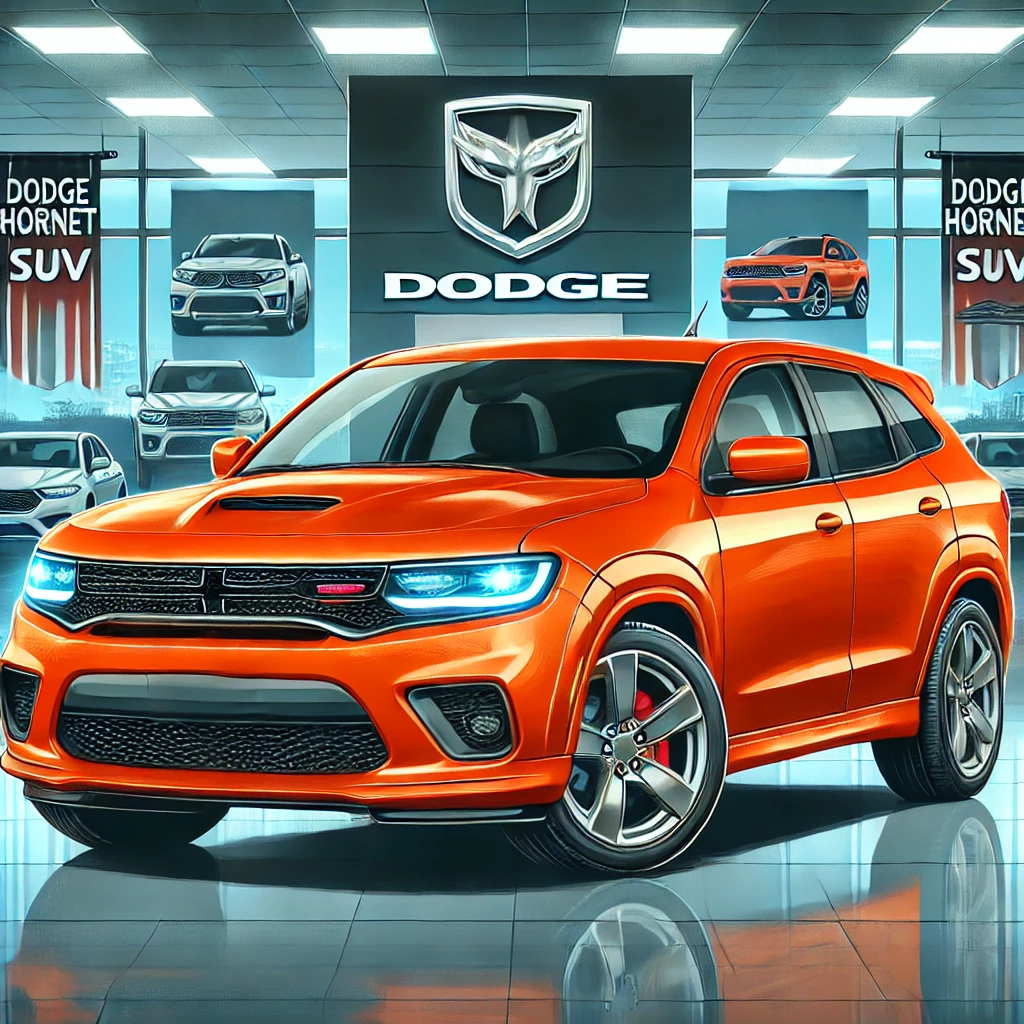
- Investments in EV Technology: Stellantis has announced a €30 billion investment plan through 2025 to accelerate its transition to electrification. This investment will fund the development of four new electric platforms, battery technology innovations, and the production of electric vehicles.
- Development of Electric Platforms: Stellantis plans to introduce four dedicated electric vehicle platforms that will provide the foundation for a variety of EV models across its brand portfolio. These platforms are designed to optimize performance, battery range, and cost, making electric vehicles accessible to a broader audience.
- Battery Technology and Infrastructure: Stellantis is also investing in five battery factories in Europe and North America to ensure a secure supply of high-performance batteries. The company is exploring solid-state battery technology, which could revolutionize EV efficiency and charging times.
C. Impact on Chrysler, Dodge, Jeep, and Ram
- Shared Technologies and Platforms: By sharing electric vehicle platforms and technologies among its brands, Stellantis can reduce costs and accelerate the development cycle for new EVs. This synergy allows brands like Chrysler, Dodge, Jeep, and Ram to benefit from cutting-edge innovations while maintaining their unique brand identities.
- Collaborative Efforts in EV Development: The collaborative environment at Stellantis fosters innovation and efficiency, enabling brands to introduce competitive electric vehicles that meet specific market demands. For example, the technology developed for a Dodge electric muscle car can differ significantly from that of a Ram electric truck, ensuring that each brand can deliver on its promises to its loyal customers.
IX. Stellantis’ Commitment to Sustainability
Stellantis’ commitment to sustainability extends beyond its product lineup. The company aims to reduce its carbon footprint across all operations, striving for carbon neutrality by 2038. This ambitious goal includes transitioning to green energy sources for manufacturing, reducing water usage, and improving waste management practices.
- Global Initiatives: Stellantis is involved in global initiatives to promote sustainable mobility, including partnerships with energy providers to improve the EV charging infrastructure and collaborations with governments and other stakeholders to support the transition to electric vehicles.
- Consumer Education and Engagement: Understanding that consumer acceptance is crucial for the success of electric vehicles, Stellantis is committed to educating the public about the benefits of EVs. This includes providing information on EV technology, the economic benefits of electric driving, and the environmental impacts of reducing dependency on fossil fuels.
X. California’s EV Incentives
California remains a trailblazer in promoting electric vehicles (EVs) through a comprehensive suite of incentives aimed at increasing adoption rates across the state. These incentives not only make EVs more accessible and affordable but also demonstrate California’s commitment to reducing carbon emissions and fostering a sustainable transportation ecosystem. For residents considering EVs from brands like Chrysler, Dodge, and Ram, understanding these incentives is crucial for making informed purchasing decisions.
A. State Incentives for Electric Vehicles
California offers a variety of state-specific incentives that directly reduce the cost of purchasing or leasing an EV, making electric vehicles a financially attractive option for many consumers.
- Clean Vehicle Rebate Project (CVRP): This program offers rebates up to $7,000, depending on the vehicle model and the applicant’s income level. The CVRP is designed to encourage the purchase of zero-emissions vehicles, including battery electric, plug-in hybrid electric, and fuel cell vehicles.
- California Clean Fuel Reward: Consumers can receive up to $1,500 off at the point of sale when purchasing or leasing a new electric vehicle. This instant rebate is applied directly by dealerships at the time of purchase, lowering the upfront cost of EVs.
- Clean Vehicle Assistance Program: Aimed at low-income consumers, this program provides grants and affordable financing to help purchase new or used clean vehicles.
- HOV Lane Access: EV drivers in California are eligible for Clean Air Vehicle decals that allow access to high-occupancy vehicle (HOV) lanes regardless of the number of passengers, providing a significant time-saving advantage during commutes.
B. Federal Incentives
In addition to state incentives, California residents can also benefit from federal tax credits, which can significantly reduce the cost of owning an EV.
- Federal EV Tax Credit: This incentive offers up to $7,500 in federal income tax credits for new electric and plug-in hybrid vehicles, based on the size of the vehicle and its battery capacity.
C. Local Incentives
Many local utilities and municipalities offer additional incentives, including rebates for home charging equipment and rate plans that provide discounted electricity rates for EV charging during off-peak hours.
- Utility Rebates: Companies like Pacific Gas and Electric (PG&E), Southern California Edison (SCE), and San Diego Gas & Electric (SDG&E) offer various rebates for purchasing EVs and installing EV charging stations at home.
XI. Impact of Incentives on EV Adoption
The comprehensive incentive programs available in California have a profound impact on the adoption of electric vehicles. By lowering the economic barriers to EV ownership, these incentives help to:
- Increase EV Sales: Subsidies and rebates make EVs more competitive with traditional internal combustion engine vehicles, leading to higher sales and increased EV penetration in the automotive market.
- Boost Public Interest and Awareness: The availability of incentives raises public awareness about electric vehicles and their benefits, contributing to a shift in consumer attitudes towards greener transportation options.
- Enhance Charging Infrastructure Development: Financial incentives for home charging solutions promote the development of a robust charging infrastructure, which is essential for supporting the growing number of EVs on the road.
XII. Environmental Impact of EVs in California
The transition to electric vehicles (EVs) in California has profound implications for the state’s environmental landscape. As California leads the charge in the U.S. toward sustainable transportation, understanding the environmental impact of this shift is crucial for appreciating the broader benefits that EV adoption brings beyond just reducing carbon emissions.
A. Reduction in Greenhouse Gas Emissions
Electric vehicles play a significant role in California’s efforts to combat climate change by significantly reducing greenhouse gas emissions compared to traditional gasoline-powered vehicles.
- Zero Tailpipe Emissions: EVs from Chrysler, Dodge, and Ram contribute to cleaner air because they emit no tailpipe pollutants, which are a major source of greenhouse gases and other air pollutants.
- Lifecycle Emissions: Even when considering the entire lifecycle of the vehicle, including manufacturing and electricity production, EVs still tend to produce fewer overall emissions than their gasoline counterparts. This is increasingly true as California shifts more of its electricity generation to renewable sources.
B. Improved Air Quality
The widespread adoption of EVs has a direct impact on local air quality, particularly in urban areas where traffic congestion is common.
- Reduction in Smog and Air Pollutants: EVs help reduce the levels of harmful air pollutants, such as nitrogen oxides and particulate matter, which are linked to health issues like asthma, bronchitis, and other respiratory problems.
- Benefits for Urban Centers: As more EVs replace internal combustion engines, cities can expect cleaner air, which not only improves public health but also enhances the quality of life by reducing smog and haze.
C. Energy Efficiency and Renewable Integration
EVs are generally more efficient than conventional vehicles, and their ability to integrate with renewable energy sources further enhances their environmental benefits.
- Higher Efficiency: Electric motors are typically 60% to 75% efficient in converting the chemical energy from batteries to power the wheels. In contrast, gasoline engines are only about 20% to 30% efficient at turning the stored energy in gasoline into power.
- Renewable Energy Synergy: As California increases its investment in renewable energy sources like solar and wind, the environmental impact of EVs continues to decrease. EVs can be charged during off-peak hours, helping to balance grid demands and utilize excess renewable energy that might otherwise be wasted.
D. Sustainable Manufacturing Practices
Automakers like Chrysler, Dodge, and Ram are increasingly focusing on sustainable manufacturing practices to further reduce the environmental impact of EVs.
- Recyclable Materials: Efforts are being made to use recyclable and sustainable materials in the production of EVs, reducing waste and the demand for virgin raw materials.
- Energy-Efficient Production: Many new EV manufacturing facilities are being designed to be energy-efficient and are powered by renewable energy sources, minimizing the carbon footprint of the production process.
XIII. The Future of Electric Vehicles in California
As California continues to lead the nation in environmental policy and innovation, the future of electric vehicles (EVs) in the state looks increasingly promising. With substantial investments in infrastructure, ongoing legislative support, and advancements in technology, the landscape of transportation in California is poised to undergo significant transformation. This final part of our series explores what the future holds for electric vehicles, particularly focusing on the contributions of Chrysler, Dodge, and Ram to this evolving market.
A. Technological Advancements in EVs
The pace of innovation in the electric vehicle sector is accelerating, driven by both demand and the continuous push for better, more efficient technologies.
- Battery Technology: Future developments in battery technology are expected to increase energy density, reduce charging times, and lower costs. Solid-state batteries, which promise higher safety and longer lifespan, are on the horizon and may soon replace the current lithium-ion batteries.
- Autonomous Driving Features: EVs are at the forefront of integrating autonomous technologies. Enhanced sensors, better data processing, and more reliable connectivity will improve the safety and convenience of EVs, making them even more attractive to consumers.
- Integration with Smart Grids: As the electrical grid evolves to become more intelligent and integrated with renewable energy sources, EVs will increasingly serve as mobile energy storage units. Vehicle-to-grid (V2G) technologies will allow EVs not only to draw power from the grid but also to return energy during peak demand periods, helping to stabilize the grid.
B. Expansion of EV Infrastructure
The expansion of EV charging infrastructure is critical to support the growing number of electric vehicles on the road.
- Public Charging Stations: California is set to expand its network of public charging stations, with a focus on increasing the availability of fast chargers along highways and in rural areas to ease long-distance travel with EVs.
- Private and Workplace Charging: Encouraging the installation of private charging points at residences and workplaces will be crucial. Incentives for businesses to install EV chargers will facilitate the transition by making charging more convenient and accessible.
- Policy Support for Infrastructure: State and federal governments are likely to continue providing financial support for infrastructure development, ensuring that the growth of the EV market is not hampered by a lack of charging options.
C. Legislative and Policy Enhancements
Continued legislative support will be essential to maintain the momentum in EV adoption.
- Incentives and Rebates: While existing incentives have successfully boosted EV adoption, ongoing support will be necessary to make EVs accessible to a broader demographic. This may include extending tax credits, rebates, and other financial incentives.
- Emission Standards and Regulations: California may introduce stricter emissions standards and regulations to push more consumers and businesses toward electric vehicles. These regulations will likely become progressively more stringent, aligning with the state’s climate goals.
- Support for Low-Income Drivers: Recognizing the need for equitable access to clean transportation, California is likely to enhance programs that make EVs affordable for low-income families, including grants, subsidized loans, and incentives for used EVs.
D. Role of Automakers like Chrysler, Dodge, and Ram
Chrysler, Dodge, and Ram are set to play a pivotal role in the future of electric mobility.
- New Models and Innovation: These brands will continue to develop and introduce new EV models that cater to various market segments—from luxury vehicles and performance cars to durable work trucks.
- Sustainability Practices: Beyond just manufacturing EVs, these automakers are committed to sustainable production practices, reducing the environmental impact of their operations and contributing to the overall sustainability of the automotive industry.
Continuing the Journey Towards Sustainable Mobility
The journey towards a fully electrified transportation sector in California is ambitious but achievable with the collaborative efforts of automakers, policymakers, and consumers. As Chrysler, Dodge, and Ram advance their electrification strategies, they not only contribute to reducing the environmental footprint of transportation but also help shape a sustainable future that benefits all Californians.
The continued evolution of EV technology, supported by robust infrastructure and progressive policies, promises to make electric vehicle ownership not just a viable choice but a preferred one in the years to come. As we move forward, the commitment of all stakeholders to this vision will be crucial in realizing the full potential of electric mobility.
How to Get Your Landlord to Install an EV Charger in California
As electric vehicles (EVs) gain popularity, the need for convenient charging solutions is more pressing than ever, especially for renters. If you live in California and want to install an EV charger at your rental property, you may face some challenges in getting your landlord on board. Here’s a step-by-step guide on how to approach this situation effectively.
1. Understand Your Rights and Local Regulations
Before approaching your landlord, it’s important to familiarize yourself with California laws regarding EV charging stations. Under California Civil Code Section 1947.6, tenants have the right to install EV charging stations in their rental units, provided they meet certain conditions:
- Written Notice: You must give your landlord written notice of your intent to install an EV charger.
- Compliance: The installation must comply with applicable laws, regulations, and building codes.
- Costs: You are generally responsible for the costs associated with the installation, including any required permits and inspections.
Understanding these rights will empower you during discussions with your landlord.
2. Gather Information and Prepare Your Proposal
Before talking to your landlord, gather relevant information to support your request:
- Research Local EV Incentives: California offers various incentives for EV charger installations, including rebates for landlords who install charging stations. Sharing this information can help alleviate any concerns about costs.
- Charging Solutions: Look into different types of chargers and installation options. Prepare to explain the benefits of installing a Level 2 charger versus a standard Level 1 charger.
- Cost Estimates: Obtain cost estimates for the installation, including any potential rebates or incentives. Providing a clear financial outline can help make your case.
3. Schedule a Meeting with Your Landlord
Once you have your information ready, schedule a meeting with your landlord to discuss your proposal. Here are some tips for the meeting:
- Choose the Right Time: Find a convenient time to meet when your landlord is likely to be receptive to your request.
- Be Professional: Approach the conversation professionally and respectfully. Frame your request as a benefit not just for you, but for the property as well.
- Present Your Research: Share the information you’ve gathered regarding your rights, costs, and available incentives. Highlight the growing demand for EV charging infrastructure.
4. Address Potential Concerns
During the discussion, your landlord may have concerns about the installation. Be prepared to address these:
- Cost Concerns: Reiterate that you are willing to cover the installation costs and discuss potential reimbursement options if applicable.
- Property Value: Emphasize that having EV charging stations can increase the value of the property and attract future tenants who own electric vehicles.
- Maintenance: Clarify that you will take responsibility for the installation and maintenance of the charging station, alleviating concerns about ongoing responsibilities for the landlord.
5. Provide Written Notice
If your landlord agrees to consider your proposal, follow up with a formal written notice outlining your request to install the EV charger. Include the details discussed, including any agreed-upon costs, installation timelines, and responsibilities.
6. Be Persistent and Patient
If your landlord initially declines your request, don’t be discouraged. Remain polite and express your willingness to revisit the conversation in the future. Sometimes, landlords may need time to consider the benefits or evaluate their own options.
7. Explore Alternative Options
If your landlord is unresponsive or unwilling to install an EV charger, consider exploring alternative options:
- Portable Chargers: Depending on your rental setup, you might be able to use a portable EV charger that can be plugged into a standard outlet (with the landlord’s permission).
- Community Charging Stations: Research local public charging stations in your area. Many communities are expanding their charging infrastructure, making it easier to find convenient charging options.
8. Leverage the $750 EV Rebate
If your landlord is hesitant about the costs associated with installation, inform them about the $750 EV rebate available in California for certain charging station installations. This rebate can help offset the initial investment and make the proposition more attractive.
For more details about the rebate and how it can be beneficial for both you and your landlord, check out our article on What is the $750 EV Rebate in California?.
Conclusion
Getting your landlord to install an EV charger in California can be a straightforward process if approached correctly. By understanding your rights, preparing a solid proposal, and addressing concerns, you can make a compelling case for why an EV charger is beneficial for both you and your landlord. With the growing demand for electric vehicles, advocating for charging infrastructure not only supports your needs as a tenant but also contributes to a sustainable future.
For more information on electric vehicle incentives and how to make the most of your EV ownership, visit Simi Valley Chrysler Dodge Jeep Ram and explore our range of electric vehicle options!
FAQs on Getting Your Landlord to Install an EV Charger in California
1. What are my rights as a tenant regarding EV charger installation in California?
Under California Civil Code Section 1947.6, tenants have the right to install EV charging stations in their rental units, provided they give written notice to their landlord, comply with applicable laws, and cover the installation costs.
2. How can I convince my landlord to install an EV charger?
Prepare a well-researched proposal that includes information about your rights, the costs involved, available incentives, and the benefits of having an EV charger, such as increased property value and attracting eco-conscious tenants.
3. What costs are associated with installing an EV charger?
Costs can vary based on the type of charger, installation complexity, and local permits. It’s advisable to obtain estimates from certified electricians to present to your landlord.
4. Are there incentives available for installing EV chargers?
Yes, California offers incentives, including the $750 EV rebate for certain charging station installations. Additionally, some utility companies provide rebates for installation costs, which can help offset expenses.
5. What if my landlord refuses to install an EV charger?
If your landlord declines your request, remain patient and respectful. You can revisit the conversation later or consider alternative charging options, such as portable chargers or public charging stations nearby.
6. How do I formally request the installation of an EV charger?
Schedule a meeting with your landlord to discuss your proposal and follow up with a written notice that outlines your request, including details about costs, installation timelines, and responsibilities.
7. Can I use a portable charger in my rental unit?
You may be able to use a portable EV charger plugged into a standard outlet, but you will need your landlord’s permission. Make sure to confirm that the outlet can handle the load and complies with safety standards.
8. What should I do if my landlord is concerned about the impact on the property?
Reassure your landlord that the installation will enhance the property’s value and appeal to future tenants. Offer to handle the installation and maintenance responsibilities to alleviate their concerns.
9. How can I track the cost savings associated with using an EV charger?
Keep records of your electricity usage for charging and compare it to previous fuel expenses. Many utilities also provide tools to help you monitor your energy consumption.
10. Where can I find more information about California EV incentives?
For detailed information on available incentives and rebates, visit the California Air Resources Board website or check with local utility companies. Additionally, you can explore articles on websites like Simi Valley Chrysler Dodge Jeep Ram for more resources.

Exploring the California EV Rebate: Driving Change in the Electric Vehicle Landscape
California has long been at the forefront of environmental initiatives, and its approach to electric vehicles (EVs) is no exception. With a robust framework of rebates and incentives designed to encourage EV adoption, California is paving the way for a greener future. This article delves into the California EV rebate program, examining its implications for consumers, the environment, and the automotive industry.
1. Understanding the California EV Rebate Program
The California EV rebate is part of a broader strategy to promote electric vehicle use throughout the state. By providing financial incentives, California aims to reduce greenhouse gas emissions and improve air quality, aligning with its ambitious climate goals.
Key Components of the Rebate Program
- Rebate Amounts: The Clean Vehicle Rebate Project (CVRP) offers rebates of up to $7,500 for eligible electric vehicles. Additionally, the California Clean Fuel Reward can provide an extra $1,500 when purchasing or leasing a new battery electric or plug-in hybrid vehicle.
- Eligibility Criteria: To qualify for these rebates, applicants must be California residents purchasing or leasing new electric vehicles that meet specific criteria. Income limits are in place to prioritize assistance for low- and moderate-income households.
2. The Impact on Consumers
The California EV rebate program offers significant financial benefits for consumers looking to transition to electric vehicles.
Reducing Upfront Costs
- Lowering Barriers: The rebates make it easier for consumers to afford the initial costs associated with purchasing an electric vehicle. This financial support can often cover a substantial portion of the purchase price, making EVs more competitive with traditional gasoline vehicles.
- Incentives for Used EVs: In addition to new vehicle rebates, California is exploring ways to support the purchase of used electric vehicles, making it more accessible for budget-conscious consumers.
Long-Term Savings
- Fuel and Maintenance Costs: While the upfront costs are important, the long-term savings associated with owning an EV are also compelling. Electric vehicles typically have lower operating costs compared to traditional cars, with reduced fuel and maintenance expenses.
- HOV Lane Access: EV owners can apply for High-Occupancy Vehicle (HOV) lane stickers, allowing solo drivers to utilize carpool lanes. This access can lead to significant time savings during commutes.
3. Environmental Benefits
The push for electric vehicle adoption in California is not just about consumer savings; it also has profound implications for the environment.
Reducing Greenhouse Gas Emissions
- Cleaner Air Initiatives: By incentivizing the use of electric vehicles, California aims to significantly reduce greenhouse gas emissions from the transportation sector, which is one of the largest contributors to air pollution.
- Support for Renewable Energy: Many EV owners charge their vehicles using renewable energy sources, further enhancing the environmental benefits associated with electric vehicle use.
Encouraging Sustainable Practices
- Public Awareness: The rebate program raises awareness about the environmental impact of traditional vehicles and encourages consumers to consider more sustainable transportation options.
4. The Future of EV Adoption in California
As California looks ahead, the EV rebate program will continue to evolve to meet the needs of consumers and the challenges of climate change.
Potential Changes and Expansions
- Increased Funding: With the state’s commitment to reducing emissions, there may be increased funding for the rebate program to accommodate a growing number of electric vehicle buyers.
- New Incentive Programs: California may introduce additional incentives aimed at increasing the adoption of electric vehicles, such as grants for charging infrastructure and expanded utility rebates.
A Shift in the Automotive Industry
- Automaker Commitment: As consumer interest in electric vehicles grows, automakers are ramping up their EV offerings. California’s rebate program serves as a catalyst for the industry, encouraging manufacturers to innovate and invest in electric technology.
5. Resources and Links for More Information
For more information about the California EV rebate program and how to take advantage of these incentives, here are some helpful links:
- California Air Resources Board – Clean Vehicle Rebate Project (CVRP)
Clean Vehicle Rebate Project
This link provides detailed information about the CVRP, eligibility, and application processes. - California Clean Fuel Reward Program
California Clean Fuel Reward
This site outlines the California Clean Fuel Reward program and how it applies to new electric vehicle purchases. - Pacific Gas and Electric (PG&E) – EV Rebates
PG&E Electric Vehicle Rebates
This page details the EV rebates offered by PG&E, including amounts and eligibility criteria. - Southern California Edison (SCE) – EV Incentives
SCE EV Incentives
This link provides information about incentives for residential customers purchasing electric vehicles. - San Diego Gas & Electric (SDG&E) – EV Rebates
SDG&E EV Rebates
This page outlines the rebates available for EV purchases and charging installations from SDG&E.
Conclusion
The California EV rebate program represents a critical step toward achieving a sustainable transportation future. By reducing financial barriers and promoting the use of electric vehicles, California is not only making strides in environmental protection but also enhancing the quality of life for its residents. As the state continues to innovate and adapt its approach to EV incentives, the future looks promising for electric mobility in California.
For those considering making the switch to an electric vehicle, understanding and leveraging these rebates can lead to significant savings and contribute to a cleaner, greener planet. Visit Simi Valley Chrysler Dodge Jeep Ram to explore the latest electric vehicle models and learn how you can benefit from California’s EV incentives.
EV Rebates and Incentives in California for 2025

As California continues to lead the charge in promoting electric vehicle (EV) adoption, 2025 brings an array of exciting EV rebates, tax credits, and incentives aimed at making electric vehicles more accessible for residents. This guide provides detailed information on the available programs and how you can benefit from them as you consider transitioning to an electric vehicle.
1. California EV Tax Credit Overview
While California does not offer a direct state tax credit specifically for electric vehicles, residents can take advantage of several rebate programs and federal incentives that significantly reduce the overall cost of ownership.
Federal EV Tax Credit
- Amount: Up to $7,500 for qualifying electric vehicles.
- Eligibility: The credit is available for new EVs that meet specific criteria related to battery capacity and the manufacturer’s sales numbers.
California State Incentives
- California provides various incentives through programs such as the Clean Vehicle Rebate Project (CVRP) and the California Clean Fuel Reward, making EV ownership more affordable.
2. Key California EV Incentives and Rebates for 2025
a. Clean Vehicle Rebate Project (CVRP)
- Rebate Amount: Up to $7,500 depending on the vehicle model and income level.
- Eligibility: California residents purchasing or leasing new qualifying electric vehicles. Income limits apply, prioritizing assistance for low- and moderate-income households.
- Application Process: Applications can be submitted online after the vehicle purchase or lease.
b. California Clean Fuel Reward
- Rebate Amount: Up to $1,500, applied directly at the dealership during the purchase or lease of a new battery electric or plug-in hybrid vehicle.
- Eligibility: Available to all California residents who buy or lease qualifying vehicles from participating dealerships.
c. Local Utility Rebates
Many utility companies in California offer rebates for EV purchases and charging station installations:
- Pacific Gas and Electric (PG&E): Offers rebates for both new EV purchases and for the installation of home charging stations.
- Southern California Edison (SCE): Provides incentives for residential customers who purchase an EV.
- San Diego Gas & Electric (SDG&E): Offers rebates that can help offset the costs of purchasing an EV or installing charging equipment.
d. $750 EV Rebate in California
- Often associated with utility programs, this rebate may be available through specific local utility companies for purchasing eligible electric vehicles or installing charging stations.
e. High-Occupancy Vehicle (HOV) Lane Access
- EV owners can apply for HOV lane stickers, allowing solo drivers to utilize carpool lanes, thus saving time in traffic-heavy areas. Applications can be made through the California DMV.
3. Additional Incentives and Programs
a. Driving Clean Assistance Program (DCAP)
- This program provides up to $14,000 for low-income residents looking to purchase clean vehicles. It aims to increase access to electric mobility options for those in financial need.
b. Low Carbon Fuel Standard (LCFS) Credits
- Under this program, EV owners can earn credits by using electricity as a transportation fuel. These credits can help offset the cost of electricity used for charging.
c. Local and Regional Incentives
Various cities and counties offer their own rebates, which can complement state and federal incentives. Residents should check with their local government for specific programs and available funds.
4. How to Apply for California EV Rebates and Incentives
- Federal Tax Credit: Claim this credit when filing your federal income taxes.
- Clean Vehicle Rebate Project (CVRP): Submit an application online after purchasing or leasing an eligible vehicle.
- California Clean Fuel Reward: This is automatically applied at the dealership when purchasing or leasing a qualifying vehicle.
- Utility Rebates: Visit your utility company’s website for details on available rebates and application processes.
- HOV Lane Stickers: Apply through the California Department of Motor Vehicles (DMV).
5. Looking Ahead: California EV Incentives in 2025
California remains committed to increasing EV adoption, and 2025 is set to see further enhancements in incentive programs. With ongoing funding and additional rebates, the state aims to make electric vehicles a viable option for all residents.
Conclusion
California’s comprehensive suite of EV rebates and incentives makes 2025 an excellent time to consider switching to an electric vehicle. By leveraging federal tax credits alongside state and local programs, you can significantly reduce the cost of purchasing and operating an EV.
For more information on available electric vehicle models and how to take advantage of these incentives, visit Simi Valley Chrysler Dodge Jeep Ram and explore your options today!

FAQs About EV Rebates and Incentives in California for 2025
1. What is the federal EV tax credit for 2025?
The federal EV tax credit allows eligible buyers to claim up to $7,500 for qualifying electric vehicles based on battery capacity and the manufacturer’s sales numbers.
2. Are there any direct state tax credits for electric vehicles in California?
California does not offer a direct state tax credit specifically for electric vehicles. Instead, residents can take advantage of various rebate programs and federal incentives.
3. What is the Clean Vehicle Rebate Project (CVRP)?
The CVRP is a program that offers rebates of up to $7,500 for California residents purchasing or leasing new qualifying electric vehicles. Income limits apply to prioritize assistance for low- and moderate-income households.
4. How do I apply for the Clean Vehicle Rebate Project?
Applications for the CVRP can be submitted online after purchasing or leasing an eligible vehicle.
5. What is the California Clean Fuel Reward?
The California Clean Fuel Reward offers up to $1,500 off the purchase or lease price of a new battery electric or plug-in hybrid vehicle. This rebate is applied directly at the dealership.
6. Which utility companies offer rebates for electric vehicle purchases?
Many utility companies in California offer rebates, including:
- Pacific Gas and Electric (PG&E)
- Southern California Edison (SCE)
- San Diego Gas & Electric (SDG&E)
7. What is the $750 EV rebate in California?
The $750 EV rebate is typically associated with utility programs and may be available for purchasing eligible electric vehicles or installing charging stations through specific local utility companies.
8. Can EV owners access HOV lanes in California?
Yes, EV owners can apply for HOV lane stickers, allowing solo drivers to utilize carpool lanes, which can save time in traffic-heavy areas. Applications can be made through the California DMV.
9. What is the Driving Clean Assistance Program (DCAP)?
The DCAP provides up to $14,000 for low-income residents looking to purchase clean vehicles, enhancing access to electric mobility options for financially disadvantaged individuals.
10. How can I earn Low Carbon Fuel Standard (LCFS) credits?
EV owners can earn LCFS credits by using electricity as a transportation fuel, which can help offset the cost of electricity used for charging.
11. Are there additional local or regional incentives available?
Yes, various cities and counties in California offer their own rebates and incentives, which can complement state and federal programs. Residents should check with their local government for specific options.
12. How do I claim the federal EV tax credit?
You can claim the federal EV tax credit when filing your federal income taxes.
13. What are the steps to apply for utility rebates?
Visit your utility company’s website for details on available rebates and the specific application processes.
14. How do I apply for HOV lane stickers?
You can apply for HOV lane stickers through the California Department of Motor Vehicles (DMV) after purchasing an eligible electric vehicle.
15. What are the eligibility criteria for the Clean Vehicle Rebate Project?
To be eligible for the CVRP, you must be a California resident and purchase or lease a new qualifying electric vehicle. Income limits are in place to prioritize assistance for low- and moderate-income households.
16. Can businesses benefit from EV incentives in California?
Yes, businesses can take advantage of incentives for purchasing electric vehicles, including tax deductions and various rebate programs.
17. What are the benefits of switching to an electric vehicle in California?
Switching to an electric vehicle can lead to significant savings on fuel and maintenance costs, access to various rebates and incentives, and the ability to use HOV lanes, among other benefits.
18. Are there any upcoming changes to EV incentives in California for 2025?
California is committed to increasing EV adoption, and 2025 may see further enhancements in incentive programs, with ongoing funding and additional rebates.
19. Where can I find more information about available electric vehicles and incentives?
For more information on available electric vehicle models and how to take advantage of these incentives, visit Simi Valley Chrysler Dodge Jeep Ram.
20. How can I stay updated on changes to EV incentives in California?
You can stay updated by visiting the California Air Resources Board website, subscribing to newsletters from relevant utility companies, and checking local government resources for the latest information on EV incentives and programs.

Understanding California EV Tax Credits and Incentives in 2024
California continues to lead the charge in promoting electric vehicle (EV) adoption by offering a variety of tax credits, rebates, and incentives to encourage residents to switch to greener transportation. If you’re considering purchasing an electric vehicle, here’s everything you need to know about the available incentives and how they can benefit you.
1. California EV Tax Credit Overview
While California does not have a direct statewide EV tax credit, it offers several programs and rebates that can significantly reduce the cost of owning an electric vehicle. The federal government also provides a tax credit for qualifying EVs, which can be combined with state incentives.
Federal EV Tax Credit
- Up to $7,500 federal tax credit is available for qualifying electric vehicles. This credit varies depending on the vehicle’s battery capacity and the manufacturer’s sales.
California State Incentives
- California provides a range of incentives, from point-of-sale rebates to charging infrastructure grants, aimed at making EVs more affordable.
2. Key California EV Incentives and Rebates
a. Clean Vehicle Rebate Project (CVRP)
- Rebate Amount: Up to $7,500 for new EV purchases or leases.
- Eligibility: Available to California residents who purchase or lease a new qualifying EV. The rebate amount depends on the vehicle and income qualifications.
- Income Cap: Higher-income earners may not qualify for the rebate, as it’s designed to assist low- and moderate-income residents.
b. California Clean Fuel Reward
- Rebate Amount: Up to $1,500 applied at the point of sale.
- Eligibility: Available for the purchase or lease of a new battery electric or plug-in hybrid vehicle. This reward is available at participating dealerships across California.
c. $750 EV Rebate
- This rebate, often referenced, could refer to specific local or utility-based programs. Some utilities in California offer rebates for EV purchases, typically ranging from $500 to $750.
d. HOV Lane Access
- EV owners in California can apply for HOV lane stickers, allowing them to drive in carpool lanes even with a single occupant. This is a significant time-saving incentive in traffic-heavy areas.
e. Utility Company Rebates
- Many utility companies in California, such as PG&E, Southern California Edison (SCE), and San Diego Gas & Electric (SDG&E), offer rebates for EV owners. These can range from rebates for the purchase of an EV to incentives for installing a home charging station.
f. Low Carbon Fuel Standard (LCFS) Program
- This program offers credits to residents for using electricity as a transportation fuel. EV owners can earn money by charging their vehicles and participating in the program.
3. Additional Incentives
a. Local Incentives
- Various cities and counties in California offer additional incentives, including rebates, reduced parking fees, and free charging at public stations.
b. Business Incentives
- Businesses purchasing EVs can benefit from incentives such as tax deductions and rebates, promoting the adoption of fleet EVs.
c. Infrastructure Grants
- California supports the expansion of EV infrastructure, offering grants and funding for the installation of charging stations both for residential and commercial properties.
4. How to Apply for California EV Incentives
- Clean Vehicle Rebate Project (CVRP): Applications can be submitted online after purchasing or leasing an eligible vehicle.
- California Clean Fuel Reward: This rebate is applied directly at the dealership.
- Utility Rebates: Contact your local utility company or visit their website to learn about specific programs and application processes.
- HOV Lane Stickers: Apply through the California Department of Motor Vehicles (DMV).
5. California EV Incentives for 2024
As of 2024, California continues to refine its incentives to encourage broader EV adoption. The focus remains on making EVs accessible to more residents by increasing funding for programs like CVRP and expanding infrastructure grants to ensure a robust network of charging stations statewide.
Conclusion
The California EV incentives are designed to make owning an electric vehicle more accessible and affordable. By combining state rebates with federal tax credits, Californians can enjoy significant savings. Whether you’re buying your first EV or upgrading, these incentives make it an ideal time to invest in greener transportation.
For those interested in exploring electric vehicle options, visit Simi Valley Chrysler Dodge Jeep Ram to learn more about available EV models and how you can take advantage of these incentives.
The Legacy and Evolution of the Jeep Grand Cherokee
The 2025 Jeep Grand Cherokee builds upon its storied history, reinforcing its status as a flagship model in Jeep’s lineup. For decades, the Grand Cherokee has been a symbol of versatility, blending rugged off-road capability with refined on-road comfort. This year’s model continues to evolve, embracing the latest in automotive innovation while staying true to its roots.
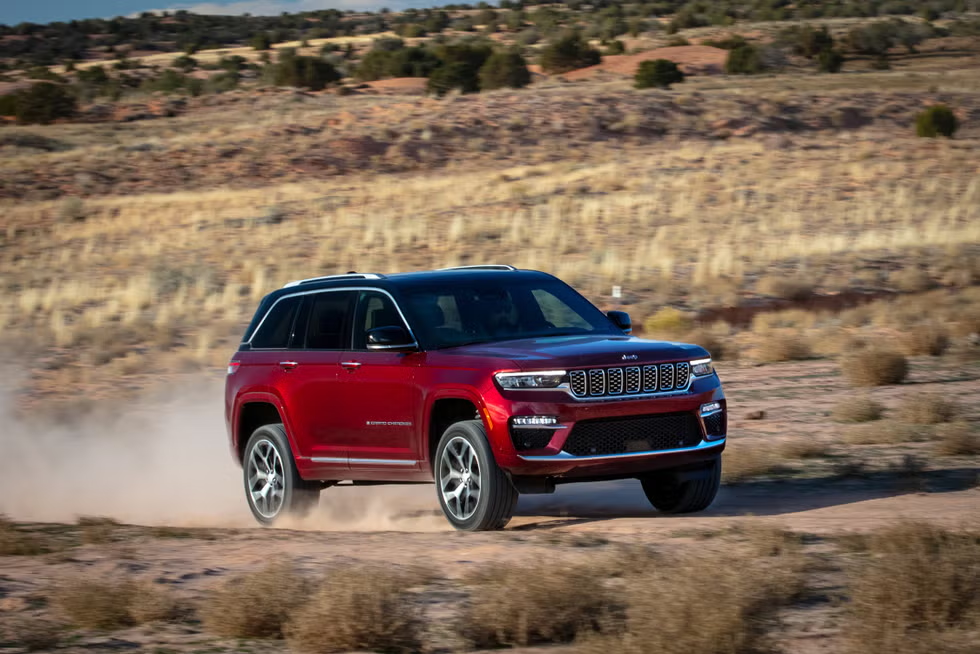
Rugged Capability
From its inception, the Grand Cherokee has been engineered to tackle tough terrains and unpredictable weather conditions. The 2025 version is no exception, offering advanced four-wheel-drive systems such as Quadra-Trac I, Quadra-Trac II, and Quadra-Drive II with a rear electronic limited-slip differential. These systems provide exceptional traction and control, making the Grand Cherokee a reliable choice for off-road adventures and challenging road conditions. The Trailhawk trim, in particular, enhances this capability with features like air suspension, allowing for up to 10.9 inches of ground clearance, and water fording capability of up to 24 inches.
Refined Luxury
While the Grand Cherokee excels in ruggedness, it doesn’t compromise on comfort and luxury. The 2025 model offers a premium interior designed with high-quality materials such as Nappa leather upholstery, real wood accents, and soft-touch surfaces. The spacious cabin is meticulously crafted to cater to both driver and passenger comfort, providing heated and ventilated seats, a panoramic sunroof, and an optional 19-speaker McIntosh audio system for an immersive sound experience. The Grand Cherokee L, with its three-row seating, adds an extra layer of versatility, accommodating up to seven passengers with ease.
Cutting-Edge Technology
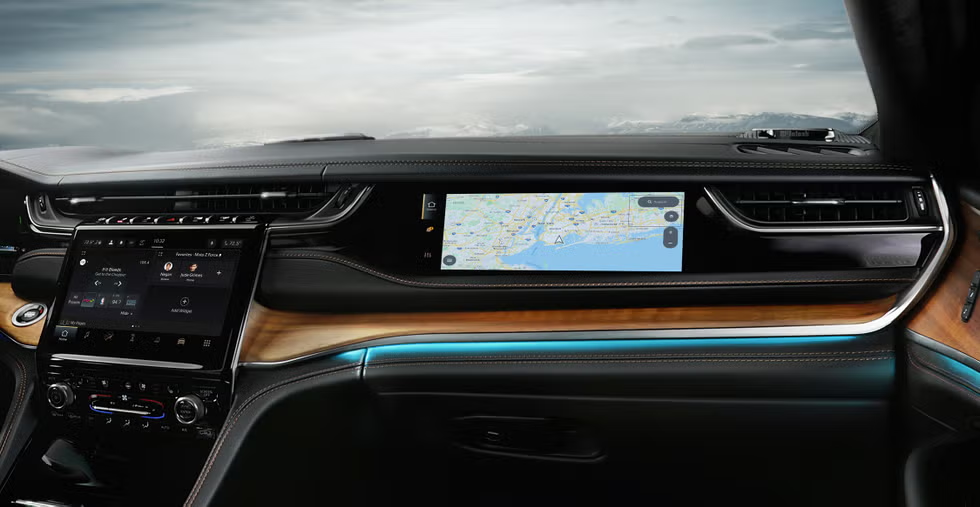
Jeep continues to push the boundaries of in-car technology with the 2025 Grand Cherokee. The centerpiece of the interior is the latest Uconnect 5 infotainment system, which offers faster processing speeds, a more intuitive interface, and features like wireless Apple CarPlay and Android Auto. Available with either an 8.4-inch or 10.1-inch touchscreen, the system ensures that drivers have seamless access to navigation, music, and smartphone integration. Additionally, the Grand Cherokee is equipped with a host of advanced safety features, including adaptive cruise control, lane-keeping assist, blind-spot monitoring, and a 360-degree camera system, which collectively enhance both convenience and security.
Setting High Standards
As one of the most celebrated midsize SUVs, the 2025 Jeep Grand Cherokee continues to set high standards in the automotive world. It competes fiercely with other segment leaders by offering a unique combination of performance, luxury, and technology. Whether you’re seeking an adventure-ready SUV for off-road escapades or a luxurious vehicle for daily commuting, the Grand Cherokee delivers on all fronts. Its ability to seamlessly integrate ruggedness with refinement ensures it remains a favorite among SUV enthusiasts, solidifying its legacy as a versatile and reliable choice.
A Legacy of Excellence
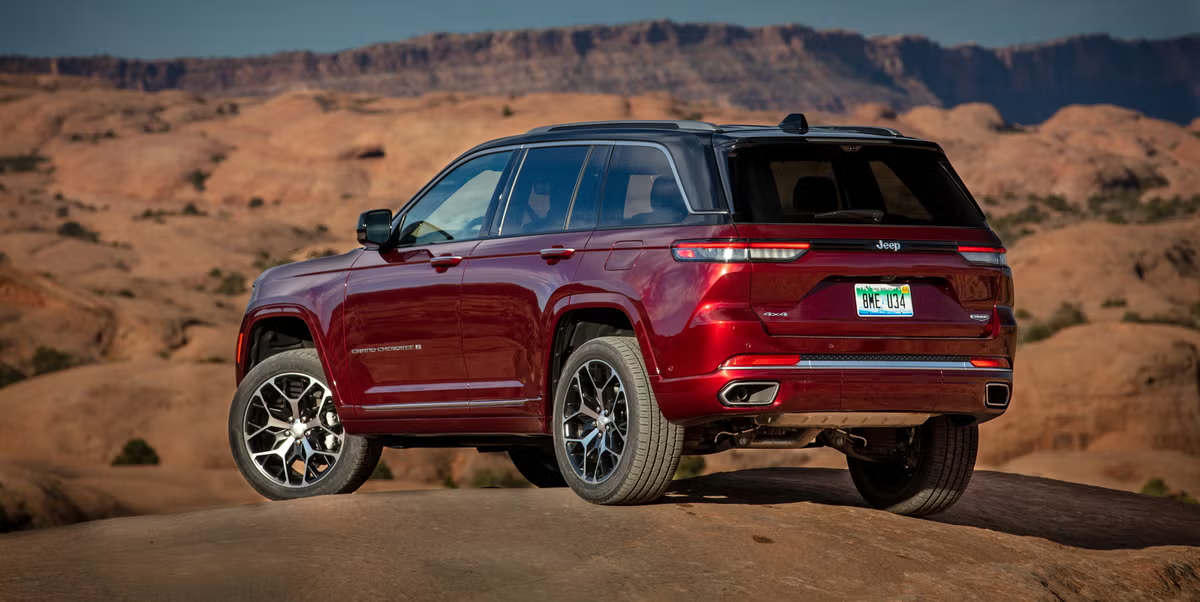
Since its debut, the Jeep Grand Cherokee has been synonymous with versatility and performance. Designed to excel both on and off the road, the Grand Cherokee has carved a niche for itself as a reliable, family-friendly SUV with off-road prowess. The 2025 model year brings a host of updates that solidify its position as a top choice for SUV enthusiasts.
- Heritage: Decades of innovation and refinement have made the Grand Cherokee a leader in its class.
- Award-Winning: Recognized for its durability, performance, and comfort, the Grand Cherokee has won numerous industry awards.
Pricing and Trim Levels
Jeep has made the 2025 Grand Cherokee more accessible, offering competitive pricing and a variety of trims to cater to different needs and budgets. The lineup includes:
- Laredo: Starting at $37,035 USD, this base trim offers essential features and a robust foundation.
- Altitude: Adds stylish elements and enhanced comfort features.
- Limited: Balances luxury and affordability, with more amenities.
- Overland: Tailored for off-road enthusiasts with additional capability features.
- Summit: The most luxurious trim, featuring premium materials and advanced technology.
Each trim level is designed to meet specific customer preferences, from those seeking basic functionality to those desiring a fully loaded-luxury SUV.
Design and Exterior Features
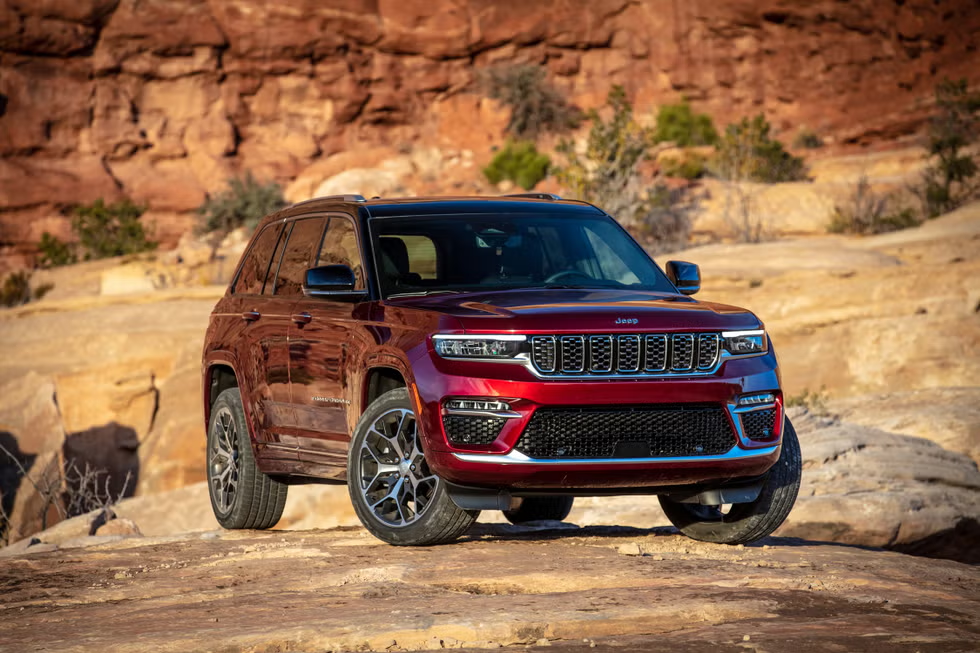
The 2025 Jeep Grand Cherokee sports a bold and contemporary design, blending classic Jeep styling with modern aesthetics.
- Distinctive Front Grille: The iconic seven-slot grille is complemented by sleek LED headlights.
- Aerodynamic Profile: The sculpted body enhances both style and performance.
- Wheel Options: Ranging from 17 to 21 inches, depending on the trim, adding a custom touch to the vehicle’s appearance.
The Grand Cherokee’s exterior reflects its rugged nature and showcases its sophistication, making it a head-turner on any road.
For more details on trims and pricing, visit our dealership at Simi Valley Chrysler Dodge Jeep Ram.
Performance and Technology
The 2025 Jeep Grand Cherokee distinguishes itself with a robust performance lineup and cutting-edge technology, making it a formidable contender in the midsize SUV category.
Performance Powerhouses
Jeep has engineered the 2025 Grand Cherokee to offer a variety of powertrain options that cater to diverse driving preferences. Whether you prioritize efficiency, power, or off-road capability, there’s a Grand Cherokee model tailored for your needs.
Standard V6 Engine
The Grand Cherokee’s 3.6-liter Pentastar V6 engine remains a reliable choice for those seeking a balanced mix of power and efficiency. This engine produces 293 horsepower and 260 lb-ft of torque, providing ample performance for daily driving and highway cruising.
- Horsepower: 293 hp
- Torque: 260 lb-ft
- Transmission: 8-speed automatic
- Towing Capacity: Up to 6,200 pounds
Plug-in Hybrid 4xe
For eco-conscious drivers, the Grand Cherokee 4xe offers a compelling option. This plug-in hybrid pairs a 2.0-liter turbocharged four-cylinder engine with electric motors, delivering a combined output of 375 horsepower and 470 lb-ft of torque.
- Electric Range: Up to 25 miles
- Combined Range: 470 miles
- Battery Capacity: 17.3 kWh
- Charging Time: Under 3 hours with a Level 2 charger
This hybrid model provides impressive torque for off-road adventures while reducing your carbon footprint.
Advanced Drivetrain Options
The Grand Cherokee is available with several drivetrain configurations, ensuring optimal performance on any terrain.
Rear-wheel drive (RWD)
Standard on lower trims, RWD is ideal for drivers who primarily navigate urban or suburban environments.
Four-wheel drive (4WD)
For those who frequently encounter challenging road conditions or enjoy off-road adventures, Jeep’s Quadra-Trac I, Quadra-Trac II, and Quadra-Drive II 4WD systems offer enhanced traction and control.
- Trailhawk Trim: Equipped with Quadra-Drive II and rear electronic limited-slip differential, the Trailhawk is designed for serious off-road enthusiasts.
Cutting-Edge Technology
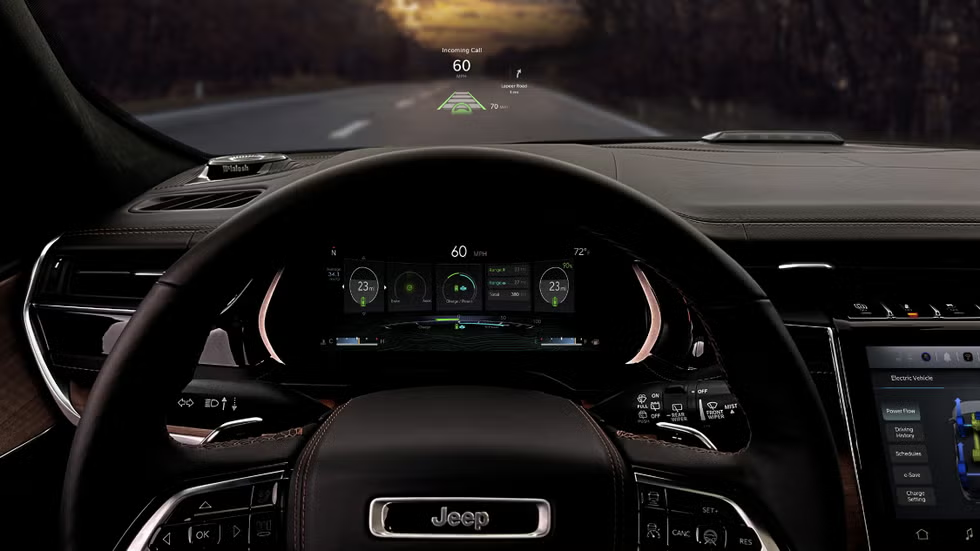
The 2025 Jeep Grand Cherokee is packed with advanced technology to enhance both driving experience and safety. The Uconnect 5 infotainment system is the centerpiece of the Grand Cherokee’s tech suite.
Infotainment and Connectivity
Jeep’s latest Uconnect 5 system offers an intuitive interface, faster processing, and more features compared to its predecessor.
- Standard Display: 8.4-inch touchscreen
- Available Display: 10.1-inch touchscreen on higher trims
- Features: Wireless Apple CarPlay and Android Auto, built-in Amazon Alexa, and over-the-air updates.
Premium Audio
Music enthusiasts will appreciate the available McIntosh premium audio system, featuring 19 speakers and a subwoofer, delivering an immersive sound experience.
Safety and Driver Assistance
Jeep has integrated a comprehensive suite of safety and driver-assistance features, ensuring peace of mind on every journey.
Standard Safety Features
- Adaptive Cruise Control: Maintains a safe distance from the vehicle ahead.
- Lane-Keeping Assist: Helps keep the vehicle centered in its lane.
- Blind-Spot Monitoring: Alerts you to vehicles in your blind spot.
- Rear Cross-Traffic Alert: Warns of oncoming traffic when reversing.
Advanced Safety Options
Higher trims offer additional safety technologies, including:
- 360-Degree Camera System: Provides a bird’s-eye view of the surroundings.
- Driver Attention Monitoring: Detects signs of driver fatigue and alerts the driver.
- Semi-Autonomous Parking Assistance: Makes parallel and perpendicular parking easier.
Off-Road Capabilities
The Trailhawk trim stands out as the most off-road-capable variant, with features specifically designed to tackle rugged terrain.
Trailhawk-Specific Features
- Quadra-Drive II 4×4 System: Provides superior traction with a rear electronic limited-slip differential.
- Air Suspension: Offers up to 10.9 inches of ground clearance, allowing the Grand Cherokee to navigate over large obstacles.
- Water Fording: Capable of fording up to 24 inches of water, making it ideal for adventurous trails.
For more details and to explore our inventory, visit Simi Valley Chrysler Dodge Jeep Ram.
Performance Summary
The 2025 Jeep Grand Cherokee offers a diverse range of powertrains and advanced technology features that cater to a variety of needs. Whether you’re looking for a reliable daily driver, a fuel-efficient hybrid, or a rugged off-road warrior, the Grand Cherokee has you covered.
Interior Comfort, Market Availability, and Dealer Support
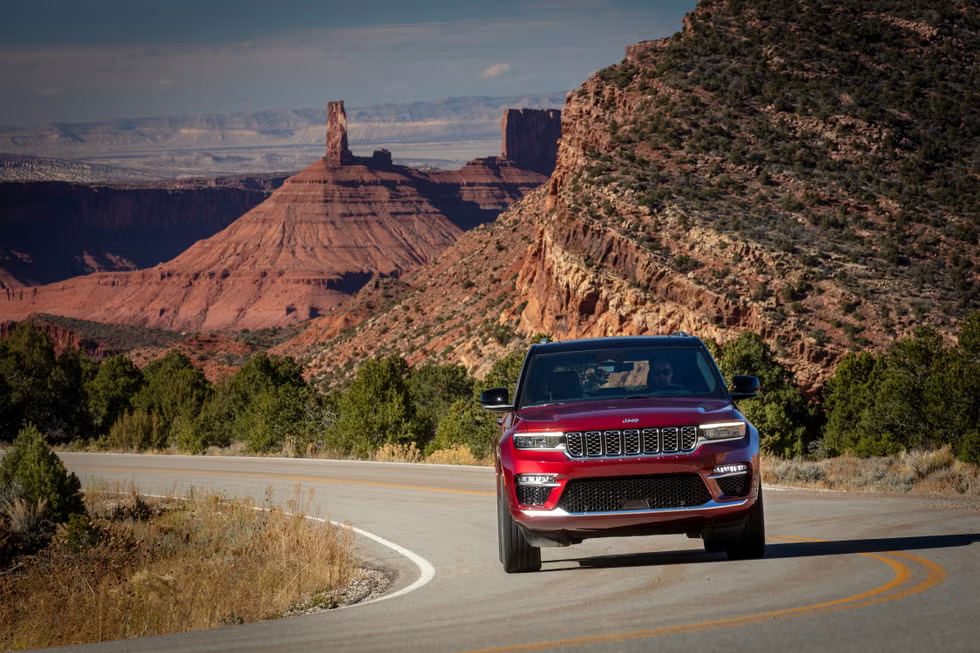
The 2025 Jeep Grand Cherokee not only excels in performance and technology but also sets a benchmark in interior luxury and comfort. Jeep has crafted an environment that balances premium materials with practical features, ensuring every journey is enjoyable.
Luxurious and Spacious Interior
The Grand Cherokee’s interior is designed to provide maximum comfort for both the driver and passengers. Jeep has gone the extra mile to incorporate high-quality materials, intuitive controls, and spacious seating arrangements.
Interior Features
- Premium Materials: Soft-touch surfaces, available Nappa leather upholstery, and real wood accents elevate the cabin’s ambiance.
- Comfort and Convenience: Standard dual-zone climate control, available heated and ventilated front seats, and a heated steering wheel cater to all-season comfort.
- Cargo Space: With 60/40 split-folding rear seats, the Grand Cherokee offers ample cargo space, ensuring you’re ready for road trips and daily errands alike.
Grand Cherokee L: Three-Row Versatility
For families or those requiring additional passenger capacity, the Grand Cherokee L offers a three-row seating configuration:
- Seating for up to Seven: The Grand Cherokee L can accommodate large families comfortably.
- Enhanced Cargo Flexibility: With the third-row seats folded, the Grand Cherokee L provides expansive cargo space.
Advanced Infotainment and Connectivity
The Uconnect 5 system is a standout feature in the 2025 Grand Cherokee, providing seamless connectivity and entertainment options.
Infotainment Highlights
- Standard 8.4-Inch Touchscreen: Crisp visuals and responsive touch controls.
- Available 10.1-Inch Display: Larger screen for enhanced visibility and functionality.
- Wireless Connectivity: Both Apple CarPlay and Android Auto are wireless, reducing clutter in the cabin.
- Built-In Amazon Alexa: Voice-activated control for navigation, music, and more.
For those who value superior audio, the available McIntosh premium audio system ensures an exceptional listening experience with 19 speakers and a subwoofer.
Market Availability and Dealer Support
The 2025 Jeep Grand Cherokee is widely available across the United States, with various trims to suit every budget and preference. For those in California, our dealership offers a comprehensive selection of Grand Cherokee models, ensuring you find the perfect match.
Why Choose Simi Valley Chrysler Dodge Jeep Ram?
At Simi Valley Chrysler Dodge Jeep Ram, we are committed to providing the best customer experience. Here’s why you should choose us:
- Extensive Inventory: Explore a wide range of Grand Cherokee models, including the Trailhawk and Summit trims.
- Expert Guidance: Our knowledgeable sales team will help you navigate through the available options to find the perfect SUV.
- Competitive Pricing: Take advantage of our exclusive deals and promotions on the 2025 Grand Cherokee.
- Comprehensive Services: From test drives to financing and after-sales support, we are here to assist you every step of the way.
Dealer Links and Resources
- Explore Our Inventory: New Jeep Grand Cherokee Models
- Current Specials: RAM Specials
- Schedule a Test Drive: Visit our dealership homepage to book your appointment.
Conclusion
The 2025 Jeep Grand Cherokee is a versatile and luxurious midsize SUV that caters to a wide range of drivers. Its combination of robust performance, advanced technology, and interior comfort makes it a top choice in its segment. Whether you’re looking for a reliable daily driver or a capable off-road companion, the Grand Cherokee delivers on all fronts.
For those ready to experience the Grand Cherokee firsthand, visit Simi Valley Chrysler Dodge Jeep Ram today. Our team is here to help you find the perfect model and ensure you drive away with confidence.
The Dodge Hornet has quickly become a standout in the compact SUV segment, captivating drivers with its sporty performance, sleek aesthetics, and a suite of modern features designed to enhance both driving pleasure and practicality. This dynamic vehicle offers a unique blend of agility, power, and technological sophistication, making it an attractive option for those seeking more than just a typical compact SUV.
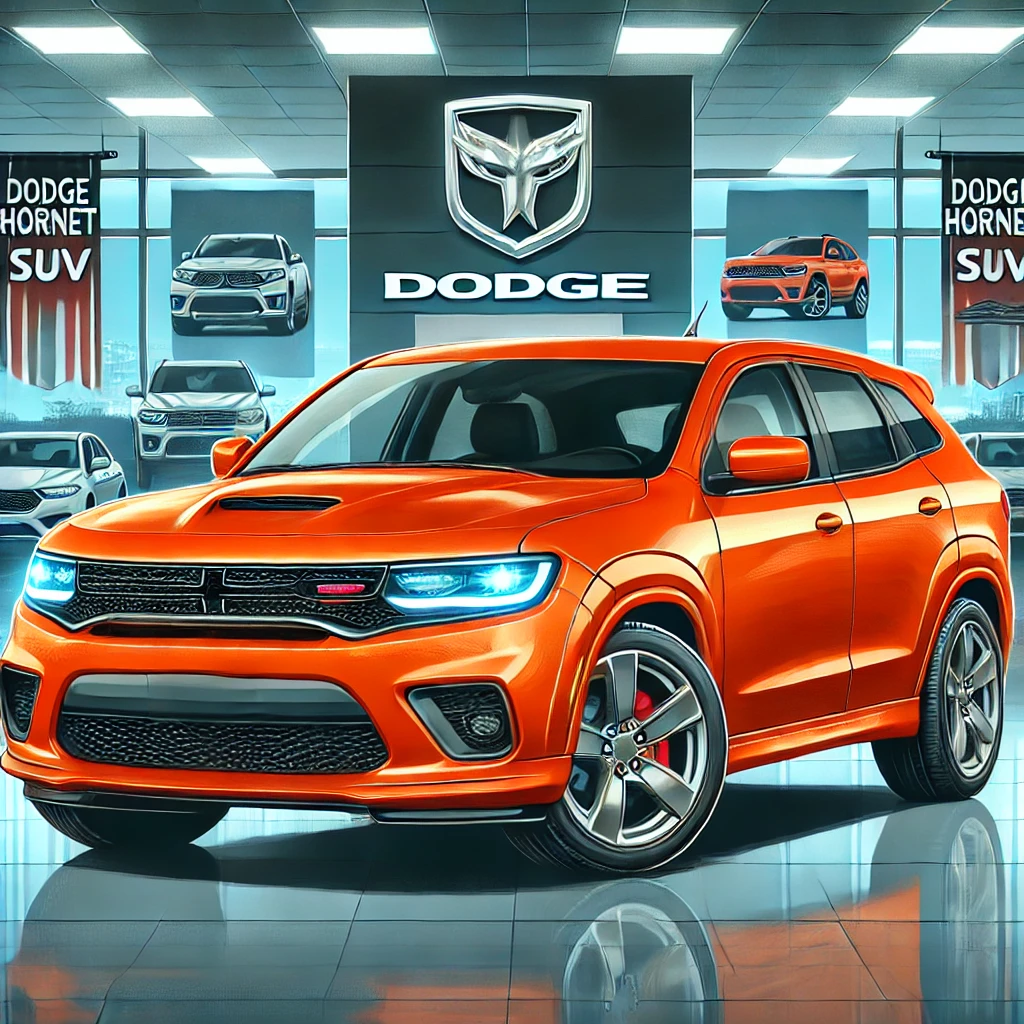
While the allure of purchasing a brand-new vehicle is strong—boasting the latest advancements, pristine condition, and the satisfaction of being the first owner—there’s a growing trend among savvy buyers to consider the used car market. The Dodge Hornet stands out as an appealing choice in this realm, providing the opportunity to enjoy many of its cutting-edge features and thrilling performance at a reduced cost.
Opting for a used Dodge Hornet offers several advantages. It allows buyers to benefit from significant cost savings due to depreciation, which often sees new cars lose a considerable portion of their value within the first few years of ownership. This means you can get behind the wheel of a modern, feature-rich SUV without the hefty price tag of a brand-new model.
However, the decision to purchase a used Dodge Hornet isn’t solely about cost. Prospective buyers must weigh the benefits against potential drawbacks, such as availability, the vehicle’s condition, and any concerns related to its reliability or maintenance history. Understanding these factors will help determine if a used Dodge Hornet aligns with your needs and expectations.
In this expanded exploration, we’ll delve deeper into the advantages of purchasing a used Dodge Hornet, discuss critical considerations, and provide insights to help you make an informed decision. Whether you’re drawn to its stylish design, advanced technology, or the potential for a great deal, this guide will help you navigate the path to owning a used Dodge Hornet confidently.
Advantages of Buying a Used Dodge Hornet
1. Cost Savings
One of the most significant benefits of purchasing a used vehicle is the lower upfront cost. The Dodge Hornet, being a relatively new entry in the SUV segment, offers impressive value in its used form. You can enjoy many of the latest features and technologies at a reduced price compared to buying new.
- Depreciation Advantage: New cars experience the most depreciation in their first few years. By buying a used Dodge Hornet, you avoid the steepest depreciation curve, potentially saving thousands of dollars while still getting a modern and reliable vehicle.
2. Modern Features
Despite being a used model, the Dodge Hornet is packed with advanced features that cater to today’s tech-savvy drivers. Even the earlier models, such as the 2023 and 2024 versions, come equipped with:
- Uconnect Infotainment System: Offering seamless smartphone integration, navigation, and entertainment options.
- Advanced Safety Features: Including blind-spot monitoring, adaptive cruise control, and lane-keeping assist.
- Efficient Engine Options: Whether you’re looking at the standard engine or the performance-oriented trims, the Hornet provides a balance of power and fuel efficiency.
3. Warranty Coverage
Many used Dodge Hornets are still under the original manufacturer’s warranty, especially if they are only a year or two old. This coverage can provide peace of mind, protecting you from unexpected repair costs for critical components.
Things to Consider Before Buying a Used Dodge Hornet
1. Availability
Given that the Dodge Hornet is a relatively new model, the availability of used units may be limited. This scarcity could make it challenging to find the exact trim, color, or features you desire. However, as more models enter the market, this availability is expected to improve.
2. Reliability Concerns
While the Dodge Hornet has been praised for its performance and features, some early adopters have reported reliability issues. There have been recalls related to electrical problems and brake pedal defects, which are important to consider when buying used.
- Example: A recall involving over 44,500 units worldwide highlighted a brake pedal defect, which could impact braking performance. (Source)
3. Vehicle History and Inspection
When buying any used vehicle, including the Dodge Hornet, it’s crucial to obtain a comprehensive vehicle history report. This report will provide insights into:
- Past ownership
- Maintenance records
- Any reported accidents or major repairs
Additionally, a professional inspection is recommended to ensure that the vehicle is in good condition and free from underlying issues.
Expert and Consumer Opinions
The Dodge Hornet has received mixed reviews from both experts and consumers. While many appreciate its performance and design, others have voiced concerns about early reliability problems.
- Pros: Strong performance, modern features, stylish design.
- Cons: Reports of early reliability issues, limited used inventory.
Some industry insiders and car enthusiasts have advised caution when purchasing a used Dodge Hornet due to these early issues. However, with proper research and inspection, a used Hornet can still be a smart buy for the right buyer.
Who Should Consider a Used Dodge Hornet?
- Budget-Conscious Buyers: If you’re looking for a compact SUV with modern features but want to avoid the higher cost of a new vehicle, a used Dodge Hornet is a great option.
- Tech Enthusiasts: The Hornet’s tech features, such as the Uconnect infotainment system, appeal to those who value connectivity and advanced driver aids.
- Performance Seekers: With its sporty handling and powerful engine options, the Hornet is ideal for drivers who want an engaging driving experience without compromising practicality.
Conclusion
Purchasing a used Dodge Hornet presents a compelling opportunity for buyers who want to strike a balance between cost savings and access to modern features and performance. The Hornet, known for its sporty handling, sleek design, and advanced technology, offers an attractive package for those who prioritize value without compromising on the driving experience. However, like any used vehicle purchase, it’s crucial to approach this decision with careful consideration and due diligence to ensure it aligns with your expectations and needs.
Cost Savings Without Compromise
One of the primary reasons to consider a used Dodge Hornet is the financial advantage. New vehicles often experience their steepest depreciation within the first few years, which means buying a used model allows you to enjoy many of the same features at a significantly reduced price. This cost reduction can make higher trims or models with additional features more accessible, providing a better overall value for your investment. Moreover, lower monthly payments and insurance premiums typically associated with used vehicles add to the financial appeal.
Modern Features and Performance
Despite being pre-owned, the Dodge Hornet doesn’t fall short when it comes to modern amenities. From the Uconnect infotainment system with seamless smartphone integration to advanced driver-assistance features like blind-spot monitoring and adaptive cruise control, a used Hornet can still offer a cutting-edge driving experience. Additionally, the vehicle’s performance capabilities, with options for powerful engines and sporty handling, ensure that driving remains a pleasure, whether you’re navigating city streets or hitting the open road.
Considerations and Potential Drawbacks
While the benefits are clear, it’s equally important to be aware of potential challenges. One significant consideration is the limited availability of used Dodge Hornets, given that the model is relatively new to the market. This scarcity might limit your options in terms of trim levels, features, or even color preferences, requiring patience and flexibility during your search.
Reliability concerns are another factor to consider. As a newer model, the long-term durability and reliability of the Dodge Hornet are still being evaluated. Early adopters have reported some issues, including electrical problems and brake system recalls, which could influence your decision. Understanding these potential drawbacks and how they’ve been addressed by previous owners or through recalls is essential.
Making an Informed Decision
To mitigate these concerns, conduct thorough research on the specific Hornet model you’re considering. Look into reviews, owner feedback, and any reported issues or recalls. Websites like Edmunds or Kelley Blue Book can provide valuable insights into the vehicle’s performance and reliability history.
Securing a vehicle history report is a critical step. This report will reveal important details about the car’s past, such as previous ownership, accident history, maintenance records, and any reported issues. A clean history can provide peace of mind and help you avoid unexpected problems down the line.
Lastly, opting for a professional inspection is highly recommended. Even if the vehicle appears to be in good condition, a trained mechanic can identify potential mechanical issues or wear and tear that might not be immediately visible. This inspection ensures you’re making a well-informed purchase and helps you avoid costly surprises after buying the vehicle.
Conclusion
Buying a used Dodge Hornet can be a smart move for those looking to combine the allure of a modern, performance-oriented SUV with the benefits of cost savings. However, it’s essential to be mindful of the potential challenges, such as limited availability and early reliability concerns. By taking the time to research thoroughly, obtain a vehicle history report, and have a professional inspection conducted, you can confidently navigate the used car market and potentially secure a high-quality Dodge Hornet at a great price.
For those ready to explore used Dodge Hornet options, start by visiting your local RAM dealership or reputable automotive marketplaces to find the right model for your needs. With careful consideration and the right approach, a used Dodge Hornet could be the perfect addition to your driveway.
Dodge Hornet Cargo Dimensions: A Practical Guide

The Dodge Hornet has swiftly gained popularity among drivers who value a unique combination of performance, style, and utility. Known for its sporty handling, advanced technology, and eye-catching design, the Hornet appeals to those who want more than just a typical compact SUV. However, beyond its performance and sleek aesthetics lies another crucial aspect of its appeal: practicality. One of the standout features that enhances the Hornet’s usability in everyday life is its thoughtfully designed cargo space.
In a world where SUVs are often chosen for their ability to handle a variety of tasks, the Dodge Hornet doesn’t just meet expectations—it exceeds them. Whether you’re embarking on a road trip, managing your daily commute, or carrying gear for your weekend hobbies, the Hornet’s cargo space is designed to adapt to your needs. This flexibility ensures that, no matter what life throws at you, your vehicle is ready to accommodate.
Understanding the cargo dimensions of the Dodge Hornet allows drivers to fully appreciate how this vehicle can fit seamlessly into their lifestyles. It’s not just about having space; it’s about having the right kind of space. The Hornet provides a balance between ample storage capacity and a comfortable passenger experience, making it a versatile option for families, adventurers, and professionals alike.
Whether it’s packing for a long journey, handling daily errands, or loading up gear for a spontaneous adventure, the Dodge Hornet’s cargo area is engineered to deliver maximum convenience and utility. With features like split-folding rear seats, under-floor storage, and a low load floor height, the Hornet transforms what could be a mundane task into a hassle-free experience. This article explores these aspects in detail, demonstrating why the Dodge Hornet is more than just a performance-oriented SUV—it’s a practical, everyday companion that adapts to a wide range of lifestyles and needs.
Cargo Space Overview
The Dodge Hornet is designed with both passengers and practicality in mind. Its compact size makes it easy to navigate through city streets, while the interior is spacious enough to accommodate everyday needs and more. The cargo area is thoughtfully designed to provide maximum utility without compromising passenger comfort.
- Standard Cargo Capacity: The Dodge Hornet offers approximately 27 cubic feet of cargo space behind the second-row seats. This space is ideal for carrying groceries, gym bags, or small luggage. (Source)
- Maximum Cargo Capacity: With the rear seats folded down, the cargo space expands significantly to around 54.7 cubic feet. This expanded capacity is perfect for larger items like bicycles, camping gear, or bulky furniture.
Practical Features Enhancing Cargo Space
The Hornet’s cargo area isn’t just about space; it’s about smart design features that enhance usability and convenience.
- Split-Folding Rear Seats: The 60/40 split-folding rear seats allow for flexible cargo and passenger configurations. Whether you need to carry long items or accommodate more passengers, the split-fold functionality ensures you can do both with ease.
- Under-floor storage: For smaller items, the under-floor storage compartment provides additional space to keep things organized and out of sight. This is particularly useful for valuables or items you’d prefer not to leave exposed.
- Adjustable Load Floor: Some models offer an adjustable load floor, which can be raised or lowered depending on your needs. This feature helps create a flat loading surface when the rear seats are folded, making it easier to load and unload heavy or awkwardly shaped items.
Comparisons with Competitors
The Dodge Hornet’s cargo capacity is competitive within its class, striking a balance between compact dimensions and practical storage.
- Honda HR-V: The HR-V offers slightly more cargo space with around 28 cubic feet behind the rear seats and up to 58.8 cubic feet with the seats folded. However, the Hornet’s sportier performance and tech features often make it a more appealing choice. (Source)
- Toyota RAV4: The RAV4 boasts around 37.6 cubic feet of cargo space behind the rear seats and 69.8 cubic feet with them folded. While it offers more cargo space, the Hornet’s unique blend of performance and style appeals to drivers looking for a more dynamic driving experience. (Source)
- Ford Escape: The Escape offers around 33.5 cubic feet behind the rear seats and 65.4 cubic feet total. The Escape provides more space but doesn’t quite match the Hornet’s performance-oriented features. (Source)
Real-World Applications
The Dodge Hornet’s cargo space isn’t just about numbers—it’s about how well it serves in real-world situations.
- Daily Commutes and Errands: Whether you’re running to the grocery store or heading to the gym, the standard cargo space easily handles everyday items. The under-floor storage is perfect for keeping smaller items secure and organized.
- Road Trips and Adventures: For longer trips, the expanded cargo space with the rear seats folded down can accommodate luggage, camping gear, or even a pet carrier. The flat loading floor simplifies the process of packing and unpacking.
- Hobbyists and Outdoor Enthusiasts: If you’re into cycling, hiking, or other outdoor activities, the Hornet’s cargo space can handle your gear. With the seats folded, there’s ample room for bicycles, tents, or fishing equipment.
Tips for Maximizing Cargo Space
To make the most of the Dodge Hornet’s cargo area, consider these tips:
- Use Cargo Organizers: These can help keep items neatly arranged and prevent shifting during transit.
- Pack Strategically: Place heavier items on the bottom and towards the front of the cargo area to maintain balance and prevent shifting.
- Take Advantage of Under-Floor Storage: Store smaller, valuable items here to keep them secure and hidden from view.
- Fold Seats When Needed: If you’re not carrying passengers in the rear, folding the seats down can significantly increase your cargo space.
Conclusion
The Dodge Hornet is more than just a stylish and performance-driven compact SUV; it’s a vehicle designed to seamlessly blend utility with comfort, making it an excellent choice for a diverse range of drivers. Its cargo dimensions and smart interior layout ensure that whether you’re tackling your daily routine or gearing up for an adventurous weekend, you’ll have all the space and flexibility you need without compromising on the driving experience.
If you’re searching for a vehicle that doesn’t force you to choose between style, performance, and practicality, the Dodge Hornet stands out as a compelling option. Its combination of sporty performance, eye-catching design, and versatile cargo capacity makes it a well-rounded choice for anyone looking to make the most of their driving experience. Whether you’re a daily commuter, a weekend warrior, or somewhere in between, the Dodge Hornet’s thoughtful design ensures it meets your needs effortlessly.
Explore more about the Dodge Hornet and other models by visiting your local RAM dealership.
RAM ProMaster 3500 [2025 Version]
RAM ProMaster 3500: The Ultimate Commercial Vehicle
Introduction
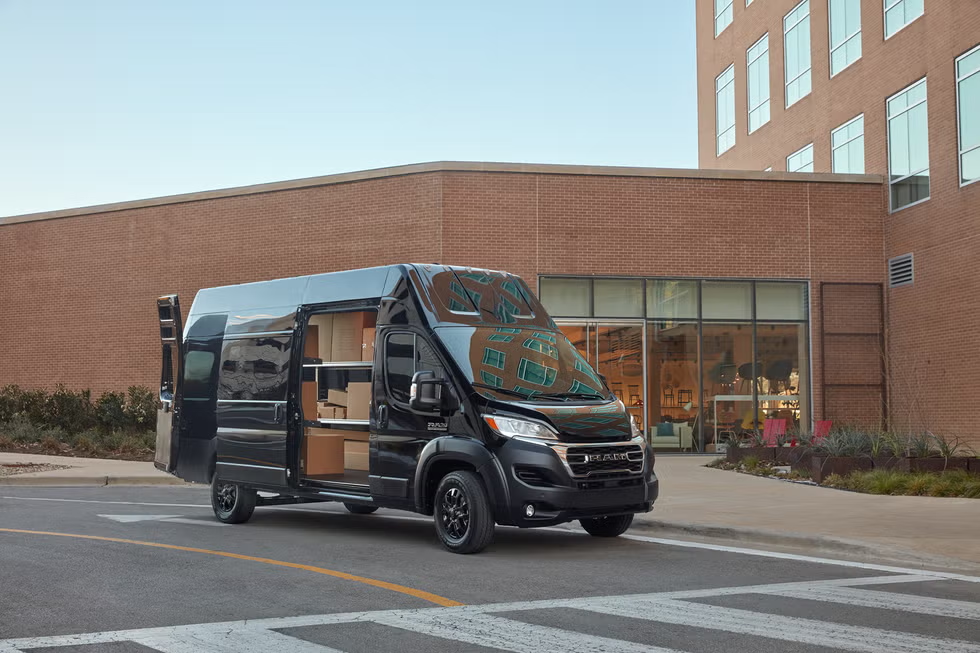
The RAM ProMaster 3500 stands out in the commercial vehicle market as a versatile and reliable workhorse. Designed with the needs of businesses in mind, it offers ample cargo space, robust performance, and a range of features tailored for efficiency and comfort. Whether you’re in the delivery business, a tradesperson needing a mobile workshop, or a fleet manager looking for dependable vehicles, the ProMaster 3500 is built to handle it all. This article delves into the various aspects of the RAM ProMaster 3500, from its performance and interior features to its safety systems and competitive edge in the market.
1. Overview of the RAM ProMaster 3500
The RAM ProMaster 3500 is a full-size van designed to meet the diverse needs of commercial users. Known for its durability, spacious cargo area, and customizability, this vehicle is a preferred choice for industries ranging from logistics to construction. Its front-wheel-drive configuration provides enhanced maneuverability, particularly in tight urban environments, making it an excellent option for businesses operating in cities.
Trim Levels and Configurations
The ProMaster 3500 comes in multiple configurations to suit different business needs:
- Cargo Van: Maximizes cargo space for transporting goods.
- Chassis Cab and Cutaway: Offers a foundation for custom builds, such as ambulances, delivery trucks, or mobile workshops.
- Window Van: Ideal for transporting people, with additional windows for visibility and comfort.
Dimensions and Payload Capacity
The ProMaster 3500 boasts impressive cargo space, with a cargo area measuring up to 468 cubic feet. Its high payload capacity, which can exceed 4,000 pounds, ensures that businesses can transport substantial loads efficiently. The low load floor height simplifies loading and unloading, enhancing productivity for delivery services and tradespeople.
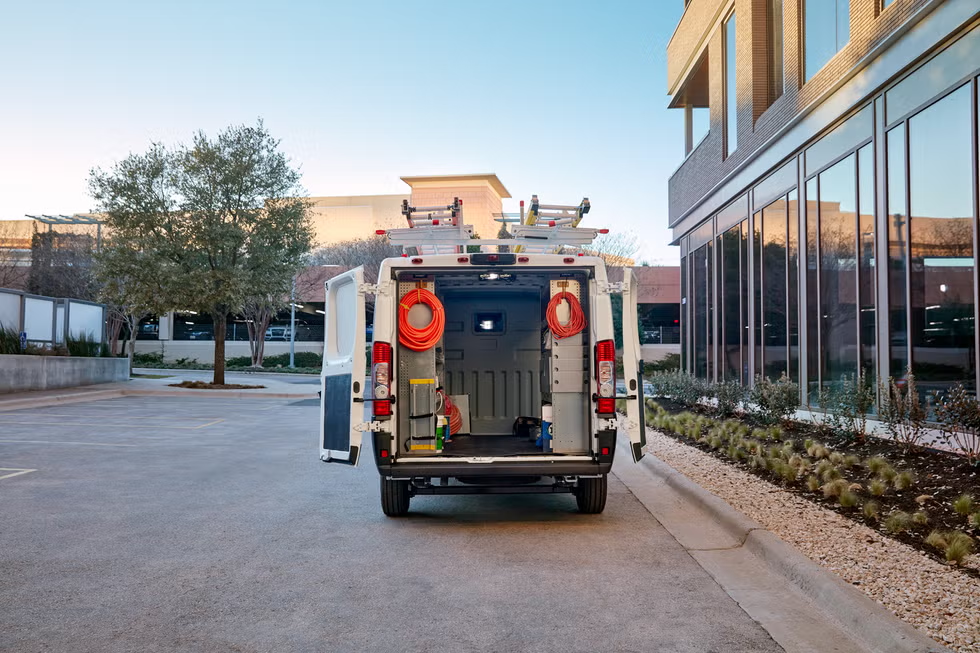
2. Engine and Performance
At the heart of the RAM ProMaster 3500 is a robust 3.6L Pentastar V6 engine, delivering a balance of power and fuel efficiency. This engine produces 280 horsepower and 260 lb-ft of torque, providing ample strength for heavy loads and long-distance hauls.
Performance Features
The ProMaster 3500 excels in towing and hauling, with a towing capacity of up to 6,910 pounds. Its front-wheel-drive setup not only improves fuel efficiency but also enhances traction and stability, especially in challenging weather conditions. The 6-speed automatic transmission ensures smooth shifts and reliable performance across varied driving scenarios.
Fuel Efficiency
While fuel efficiency is often a concern for commercial vehicles, the ProMaster 3500 offers respectable mileage for its class, thanks to its efficient V6 engine and optimized drivetrain. This makes it a cost-effective option for businesses that prioritize both performance and economy.
3. Interior Features and Comfort
The ProMaster 3500’s interior is designed with the driver’s comfort and convenience in mind. It features a spacious cab with ergonomic seating, ensuring comfort during long drives. The high seating position provides excellent visibility, which is crucial for navigating busy streets and tight spaces.
Technology and Connectivity
Equipped with the latest Uconnect infotainment system, the ProMaster 3500 offers a range of connectivity options, including:
- Bluetooth for hands-free calling and audio streaming.
- Navigation to assist drivers in finding the most efficient routes.
- Apple CarPlay and Android Auto integration, allowing seamless smartphone connectivity.
The intuitive touchscreen interface and voice command functionality make it easy for drivers to stay connected without taking their eyes off the road.
Storage and Utility
The interior also features numerous storage compartments, designed to keep tools, paperwork, and personal items organized and within reach. The well-thought-out layout of the cabin makes it a practical mobile office for business owners and fleet operators alike.
4. Cargo and Versatility
The ProMaster 3500 shines when it comes to cargo capacity and versatility. Its wide-opening rear doors and sliding side doors provide easy access to the cargo area, which can be customized with shelving, racks, or partitions to suit specific business needs.
Applications in Different Industries
This van’s adaptability makes it a favorite across various industries:
- Logistics and Delivery: Ample cargo space and easy access streamline the transportation of goods.
- Construction and Trades: The customizable interior can be outfitted with the necessary tools and equipment for on-site jobs.
- Mobile Services: From food trucks to mobile clinics, the ProMaster 3500 serves as a reliable base for a wide range of services.
5. Safety and Driver Assistance
Safety is a top priority for any commercial vehicle, and the RAM ProMaster 3500 is equipped with a range of features designed to protect both the driver and cargo. The vehicle includes standard safety features as well as advanced driver-assistance technologies to enhance security on the road.
Standard Safety Features
The ProMaster 3500 comes with a comprehensive set of safety essentials:
- Airbags: Front airbags are standard, providing protection for the driver and front passenger.
- Anti-lock Braking System (ABS): Helps prevent wheel lockup during sudden braking, improving steering control.
- Electronic Stability Control (ESC): Maintains vehicle stability by reducing engine power and applying brake force to individual wheels when necessary.
Advanced Driver Assistance Systems (ADAS)
For those looking to enhance safety, the ProMaster 3500 offers several advanced safety features, either standard or as optional add-ons:
- Blind Spot Monitoring: Alerts the driver to vehicles in the blind spots, reducing the risk of collisions during lane changes.
- Forward Collision Warning with Active Braking: Detects potential frontal collisions and applies brakes if necessary to avoid or mitigate impact.
- Rear Cross Path Detection: Useful for reversing out of tight spaces, this system warns of oncoming traffic from the sides.
- ParkSense Rear Park Assist System: Uses sensors to assist with parking by providing audio and visual cues when obstacles are detected.
Reliability and Maintenance
The ProMaster 3500 is built to be a dependable workhorse, with a focus on durability and ease of maintenance. RAM’s extensive warranty coverage and service network provide peace of mind, ensuring that help is available when needed.
6. Comparisons with Competitors
When considering the RAM ProMaster 3500, it’s essential to understand how it stacks up against its key competitors, such as the Ford Transit and Mercedes-Benz Sprinter. Each vehicle offers unique strengths, and comparing them can help potential buyers make an informed decision.
Ford Transit vs. RAM ProMaster 3500
- Performance: While both vehicles offer strong performance, the ProMaster 3500’s front-wheel-drive system provides better handling in tight urban environments, whereas the Transit’s rear-wheel-drive may offer more towing capability.
- Cargo Space: The ProMaster 3500 often has a slight edge in cargo space, with a more spacious and accessible load area.
- Customization: Both vans offer extensive customization options, but the ProMaster’s lower load floor and wider cargo space make it more versatile for certain industries.
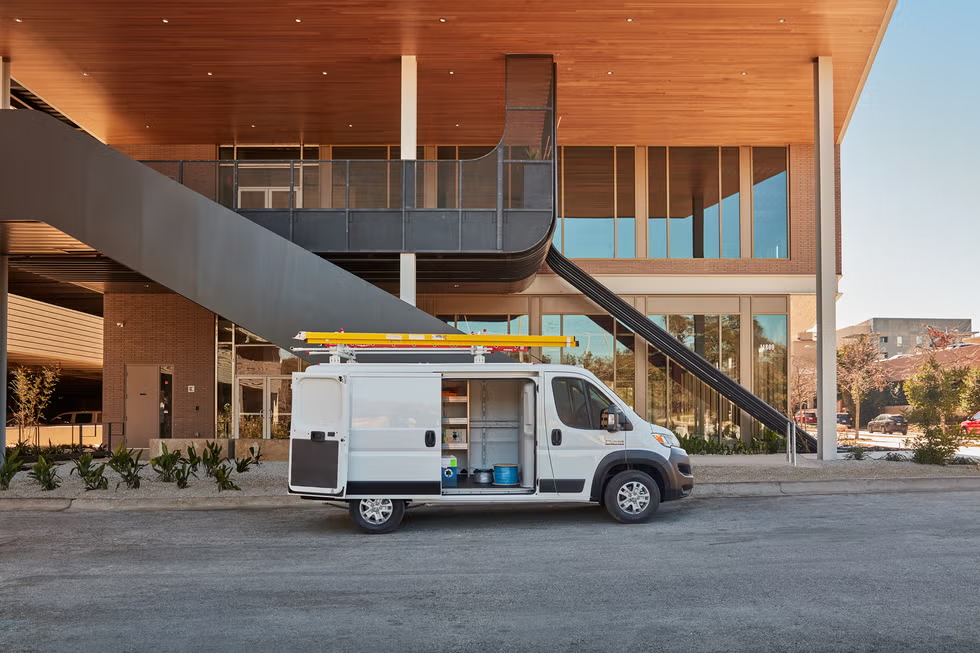
Mercedes-Benz Sprinter vs. RAM ProMaster 3500
- Luxury and Technology: The Sprinter is known for its luxurious interior and advanced tech features, but the ProMaster 3500 offers a more rugged, utilitarian design focused on durability and functionality.
- Cost: The ProMaster 3500 tends to be more cost-effective, both in terms of initial purchase price and maintenance costs, making it a better choice for budget-conscious businesses.
- Reliability: Both vehicles are reliable, but the ProMaster 3500’s ease of maintenance and availability of parts can reduce downtime for businesses.
Why Choose RAM ProMaster 3500
Ultimately, the ProMaster 3500’s combination of versatility, cost-efficiency, and practical design makes it a compelling choice for businesses needing a reliable commercial vehicle. Its superior maneuverability and adaptable cargo space offer advantages that few competitors can match.
7. Pricing and Value
The RAM ProMaster 3500 is designed to offer excellent value for businesses, balancing affordability with high performance and functionality.
Base Pricing
The ProMaster 3500 is competitively priced, with a starting MSRP that varies depending on the configuration and trim level. This makes it an attractive option for businesses looking to invest in a reliable commercial vehicle without breaking the bank.
Optional Packages and Customizations
- Cargo Management Packages: Include shelving, partitions, and racks to organize tools and goods.
- Safety Packages: Add features like Blind Spot Monitoring and ParkSense Rear Park Assist for enhanced safety.
- Technology Upgrades: Options like the upgraded Uconnect system with navigation, premium audio, and advanced connectivity features.
Cost of Ownership
One of the ProMaster 3500’s key selling points is its cost-effectiveness. The combination of competitive fuel economy, lower maintenance costs, and robust reliability contributes to a lower total cost of ownership. Businesses benefit from reduced downtime and a vehicle that holds its value well over time.
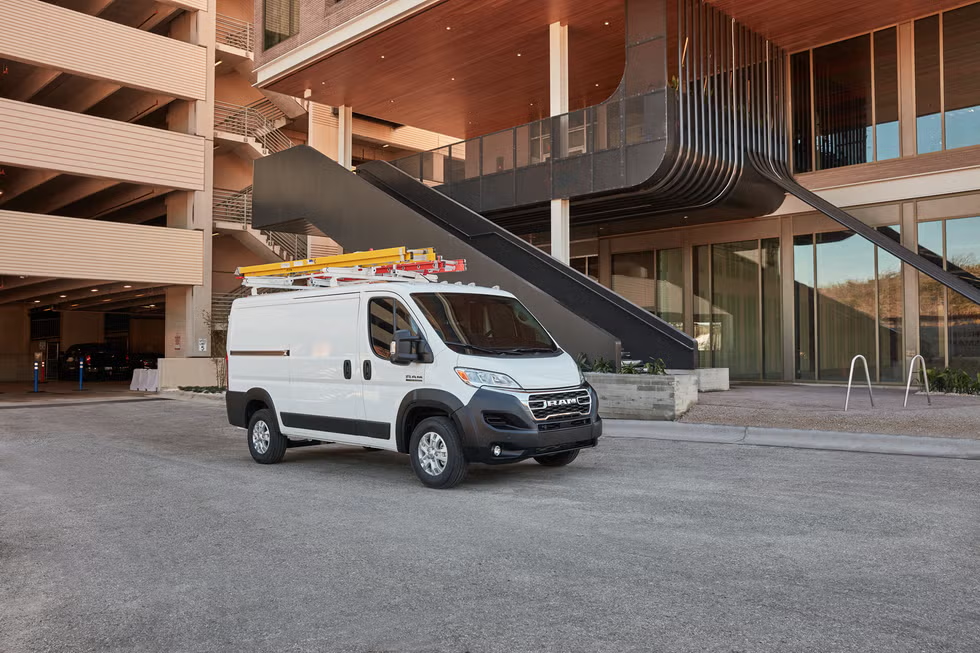
8. Real-World Applications and Testimonials
The true test of any commercial vehicle lies in how it performs in real-world scenarios. The ProMaster 3500 excels across various industries, proving its worth as a dependable and versatile asset.
Use Cases
- Delivery Services: Companies like courier services appreciate the ProMaster 3500’s large cargo space and easy access, which streamline loading and unloading.
- Construction and Trade Services: Electricians, plumbers, and contractors benefit from the customizable interior, which can be tailored with racks and shelving to keep tools organized and accessible.
- Mobile Businesses: From food trucks to mobile clinics, the ProMaster 3500’s spacious interior and adaptability make it an ideal base for a wide range of services.
Testimonials
- John D., Delivery Business Owner: “The RAM ProMaster 3500 has been a game-changer for my delivery service. The cargo space is unmatched, and the front-wheel drive makes navigating city streets a breeze.”
- Sarah L., Electrician: “I love how I could customize the interior of my ProMaster 3500 to fit all my equipment. It’s like having a workshop on wheels.”
Conclusion
The RAM ProMaster 3500 distinguishes itself as a leading option in the commercial vehicle market, combining unmatched versatility, dependability, and exceptional value. It’s engineered to meet the diverse demands of businesses across various industries, making it a versatile solution whether you’re managing a large fleet or operating a small business. Its spacious cargo area is one of its most significant advantages, offering ample room for transporting goods, tools, or equipment, which is crucial for businesses that rely on efficient logistics and on-the-go operations.
The ProMaster 3500’s powerful performance is another standout feature. Equipped with a robust engine and front-wheel drive, it provides impressive handling and stability, even when carrying heavy loads. This ensures that the vehicle can tackle both urban environments and longer highway drives with ease, making it a reliable asset for businesses that require consistent performance.
Safety is a top priority for commercial vehicles, and the ProMaster 3500 doesn’t disappoint. Its comprehensive suite of safety features—including advanced systems like Blind Spot Monitoring, Forward Collision Warning, and Rear Cross Path Detection—helps protect both drivers and cargo. These features not only enhance safety but also reduce the risk of accidents, which can be costly for businesses in terms of downtime and repairs.
In addition to its core strengths, the ProMaster 3500 offers remarkable value. Its competitive pricing, combined with low operational costs—thanks to its fuel efficiency and minimal maintenance needs—makes it an economically sound choice for businesses looking to optimize their budgets without compromising on capability or reliability.
For those seeking a versatile, reliable, and cost-effective commercial vehicle, the RAM ProMaster 3500 is an ideal choice. Whether you need a delivery van, a mobile workshop, or a utility vehicle for various trades, this model is designed to enhance productivity and support business growth. To experience its capabilities firsthand, visit your local RAM dealership to explore various configurations, schedule a test drive, and discover how the ProMaster 3500 can be tailored to meet your specific business needs. Visit your local RAM dealership to explore configurations, test drive the ProMaster 3500, and see how it can enhance your business.
How to Restart the Infotainment System in the 2024 RAM 2500

The 2024 RAM 2500 comes equipped with the state-of-the-art Uconnect 5 infotainment system, a cutting-edge platform designed to enhance every drive with its seamless integration of entertainment, navigation, and connectivity features. This system is a cornerstone of the modern driving experience, offering a user-friendly interface, crisp display, and a host of customizable options to suit every driver’s needs. From accessing real-time traffic updates and streaming your favorite music to connecting with smart home devices and using voice commands for hands-free operation, Uconnect 5 is designed to keep you connected, informed, and entertained.
However, even the most advanced technology can encounter occasional hiccups. Whether it’s an unresponsive touchscreen, sluggish performance, or connectivity issues with paired devices, these minor glitches can disrupt your driving experience. Fortunately, knowing how to perform a simple restart or reset of your infotainment system can often resolve these issues quickly, getting you back on track without the need for a service visit.
This guide will walk you through the steps to restart or reset the Uconnect 5 system in your RAM 2500. Whether you’re dealing with minor glitches or require a full reset to restore functionality, these procedures will help ensure your infotainment system continues to operate smoothly, allowing you to focus on the road ahead. Let’s explore the different reset options, from a soft reset that addresses minor bugs to a factory reset for more persistent problems.
1. Performing a Soft Reset
A soft reset is a simple reboot of the infotainment system that doesn’t erase any of your personal settings or data. This method is ideal for resolving minor glitches or unresponsiveness.
Steps for a Soft Reset Using the Touchscreen:
- Access Settings:
- Start your vehicle and ensure the infotainment system is on.
- Tap the ‘Vehicle’ button on the Uconnect touchscreen.
- Navigate to ‘Settings’ from the main menu.
- Initiate the Reset:
- Scroll down and select ‘Reset’.
- Choose ‘Soft Reset/Reboot’ and confirm the action if prompted.
- The system will briefly shut down and restart, typically taking a minute or two.
Steps for a Soft Reset Using Physical Buttons:
- Prepare the Vehicle:
- Ensure your vehicle is in the ‘Run’ position (engine running or in accessory mode).
- Reset the System:
- Press and hold the volume and tuner knobs simultaneously for about 10 seconds.
- Release the knobs when the screen goes dark. The system will reboot and should resume normal operation shortly.
2. Performing a Factory Reset
A factory reset restores the infotainment system to its original settings, erasing all personal data such as saved profiles, paired devices, and customized settings. This method is best used if a soft reset doesn’t resolve the issue or if you want to start fresh.
Steps for a Factory Reset Using the Touchscreen:
- Access the Reset Menu:
- Tap the ‘Vehicle’ button on the Uconnect touchscreen.
- Go to ‘Settings’ and scroll down to find the ‘Reset’ option.
- Perform the Reset:
- Select ‘Factory Reset’ and confirm your choice.
- The system will erase all data and return to its default settings. This process may take a few minutes.
3. Re-pairing Devices Post-Reset
After a factory reset, you’ll need to reconnect your mobile devices to the Uconnect system. Here’s how:
- Forget the Previous Connection:
- On your mobile device, go to Bluetooth settings.
- Find the Uconnect system and select ‘Forget’ or ‘Unpair’.
- Re-establish the Connection:
- Activate Bluetooth on your phone and search for available devices.
- Select Uconnect from the list and follow the on-screen prompts to complete the pairing process.
4. Keeping Your System Updated
To ensure optimal performance, always check for the latest software updates for both your Uconnect system and mobile devices. Updates often include bug fixes, new features, and improved compatibility.
How to Check for Updates:
- Via the Uconnect System:
- Navigate to the ‘Settings’ menu.
- Select ‘System Information’ and check for available updates.
- Via Dealership Assistance:
- Contact your local RAM dealership to inquire about system updates. They can provide assistance with updating your system or offer further troubleshooting if necessary.
5. Troubleshooting Persistent Issues
If your infotainment system continues to experience problems after performing a soft or factory reset, it may be time to seek professional assistance:
- Consult the Owner’s Manual: Refer to the manual for additional troubleshooting tips and detailed information about the Uconnect system.
- Visit a RAM Dealership: Schedule an appointment with your local RAM dealership for a thorough inspection and professional support.
Conclusion
Restarting the infotainment system in your 2024 RAM 2500 is a simple yet effective solution for resolving various technical issues that can occasionally arise. These might include an unresponsive touchscreen, audio playback problems, navigation glitches, or connectivity issues with Bluetooth devices. By performing a reset, you can restore the system’s functionality, ensuring it continues to deliver the seamless experience it’s designed for. This helps maintain your focus on the road while still enjoying the advanced features that the Uconnect 5 infotainment system offers.
There are two main types of resets you can perform: a soft reset and a full factory reset. A soft reset is ideal for minor issues, as it simply reboots the system without affecting your personal settings, saved profiles, or paired devices. This can often resolve temporary glitches and restore normal operation within minutes. On the other hand, a full factory reset is a more comprehensive solution that restores the system to its original settings. This is useful for more persistent problems or when you want to clear all personal data from the system, such as before selling your vehicle.
While these reset procedures can solve many common problems, it’s important to recognize when professional help is needed. If issues persist despite performing a reset, or if you encounter more complex system failures, it’s advisable to seek assistance from a RAM service center. Certified technicians can diagnose and resolve deeper issues, ensuring that your infotainment system and vehicle electronics function correctly.
Staying informed about the latest system updates and performing regular maintenance checks are also crucial for keeping your Uconnect 5 system running smoothly. Software updates often include bug fixes, performance enhancements, and new features, so keeping your system current can further enhance your driving experience. By understanding and utilizing these reset procedures, you can make the most of your RAM 2500’s infotainment system, ensuring a connected, convenient, and enjoyable journey every time you hit the road.
Connect with us


