





I. Introduction
California, a leader in environmental innovation, continues to spearhead the adoption of electric vehicles (EVs) through a mix of progressive policies and a strong push for sustainable transportation. The state’s ambitious carbon neutrality goals have catalyzed a substantial rise in the demand for EVs, compelling manufacturers like Chrysler, Dodge, Jeep, and Ram to introduce innovative models that cater to both eco-conscious drivers and performance enthusiasts.
This series delves into the exceptional electric vehicle options available from these esteemed manufacturers, highlighting their key features, benefits, and alignment with California’s green initiatives. As we explore the evolving landscape of the automotive industry, understanding the options available becomes crucial for making informed, environmentally responsible decisions.
II. The Rise of Electric Vehicles in California
The ascent of electric vehicles in California is propelled by a synergistic blend of government initiatives, technological breakthroughs, and evolving consumer preferences, each playing a pivotal role in shaping the market dynamics.
A. Government Initiatives and Regulations
- Zero Emission Vehicle (ZEV) Program: This cornerstone initiative by the California Air Resources Board mandates an increasing proportion of zero-emission vehicles among automaker sales, significantly influencing the product strategies of manufacturers.
- Incentives and Rebates:
- Clean Vehicle Rebate Project (CVRP): Offering up to $7,500 in rebates, this program makes EVs more accessible to Californians.
- California Clean Fuel Reward: This incentive reduces the purchase price of eligible new EVs by up to $1,500 at the point of sale.
- Infrastructure Expansion: Robust investments in charging infrastructure, including the proliferation of fast-charging stations, are pivotal in supporting the state’s EV ecosystem, easing range anxiety among potential adopters.
B. Technological Advancements
- Battery Technology: Innovations in battery design have extended EV ranges and reduced charge times, enhancing vehicle appeal.
- Charging Technology: The development of rapid charging solutions enables quicker and more convenient recharges, bolstering consumer confidence in EV usability.
- Smart Technology Integration: Modern EVs feature sophisticated systems for energy management, driving assistance, and digital connectivity, attracting a tech-savvy demographic.
C. Shifting Consumer Preferences
- Environmental Awareness: Increased consciousness about environmental impacts drives Californians towards EVs as a practical step towards sustainable living.
- Economic Considerations: The long-term cost benefits of EVs, including lower operational and maintenance costs, make them an economically attractive option.
- Lifestyle and Health: The global shift towards health and wellness post-pandemic has also highlighted the environmental benefits of EVs, further influencing consumer choices.
III. Overview of Electric Vehicle Options from Chrysler, Dodge, and Ram
As we transition from the broader context of EV adoption in California to specific offerings, the forthcoming sections will provide an in-depth look at the innovative electric vehicles from Chrysler, Dodge, and Ram. Each brand brings a unique blend of style, performance, and sustainability that resonates with the diverse needs of California’s drivers.
- Chrysler: Renowned for combining luxury with technology, Chrysler’s EVs offer elegance and efficiency suitable for family and executive travel.
- Dodge: Maintaining its muscle car heritage, Dodge integrates electrification without compromising the thrilling performance expected of its vehicles.
- Ram: Known for rugged durability and towing capacity, Ram’s electric trucks deliver powerful performance while adhering to environmental standards.
IV. Spotlight on Chrysler’s EV Innovations
Chrysler, a brand synonymous with innovation and luxury, has embarked on a transformative journey in the EV market with its introduction of the Chrysler Airflow Concept. This section delves into the specifics of Chrysler’s approach to electrification, underscoring the blend of design elegance, technological sophistication, and environmental consciousness that defines its newest EV offerings.
A. Chrysler Airflow Concept
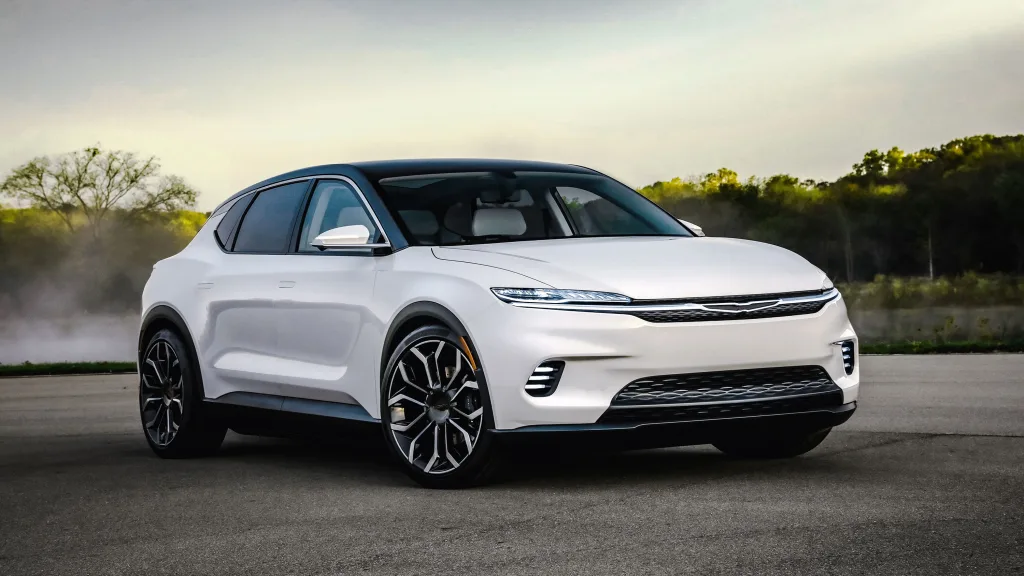
The Chrysler Airflow Concept represents a significant leap forward in the brand’s electrification strategy. Designed as a fully electric crossover, the Airflow Concept combines aesthetic appeal with functional innovation, setting a new standard for what consumers can expect from an electric vehicle.
- Design and Aesthetics: Featuring a sleek, aerodynamic body, the Airflow Concept is built to maximize efficiency while maintaining a visually striking appearance. Its design ethos reflects a modern approach to luxury, with clean lines and a dynamic silhouette that differentiates it in the EV market.
- Performance Specifications: Equipped with advanced electric motors positioned at both axles, the Airflow Concept delivers balanced power distribution and exceptional handling. The vehicle is engineered for responsiveness and agility in urban environments, providing a driving range that competes with the best in its class.
- Technological Innovations: At the heart of the Airflow Concept is a suite of cutting-edge technologies, including an intuitive user interface and a highly connected in-car experience. Features such as autonomous driving capabilities, integrated AI systems, and real-time vehicle monitoring enhance both the safety and enjoyment of the driving experience.
- Sustainability Features: The Airflow Concept is designed not only for zero emissions but also with sustainable materials, reducing the environmental impact across the vehicle’s lifecycle.
Learn more about the Chrysler Airflow Concept on Chrysler’s official EV innovation page.
B. Chrysler’s Electrification Strategy
Chrysler’s strategy for electrification extends beyond individual models to encompass a broader commitment to sustainable automotive solutions. The brand aims to transform its entire lineup to electric by the end of the decade, focusing on developing vehicles that merge performance with environmental responsibility.
- Future EV Models: Chrysler plans to expand its electric vehicle lineup, introducing new models that build on the foundation laid by the Airflow Concept. These vehicles will feature enhancements in battery technology, driving range, and user-centric design.
- Commitment to Sustainability: Chrysler’s approach to sustainability is holistic, involving not only the production of electric vehicles but also improvements in manufacturing processes and the reduction of the brand’s carbon footprint.
V. Dodge’s Electrified Performance
Moving from Chrysler’s elegant solutions, we shift focus to Dodge, a brand that has carved out a reputation for high-octane performance. Dodge’s entry into the electric vehicle market is marked by an attempt to reconcile muscle car heritage with the demands of an eco-friendly future.
A. Dodge Charger Daytona SRT
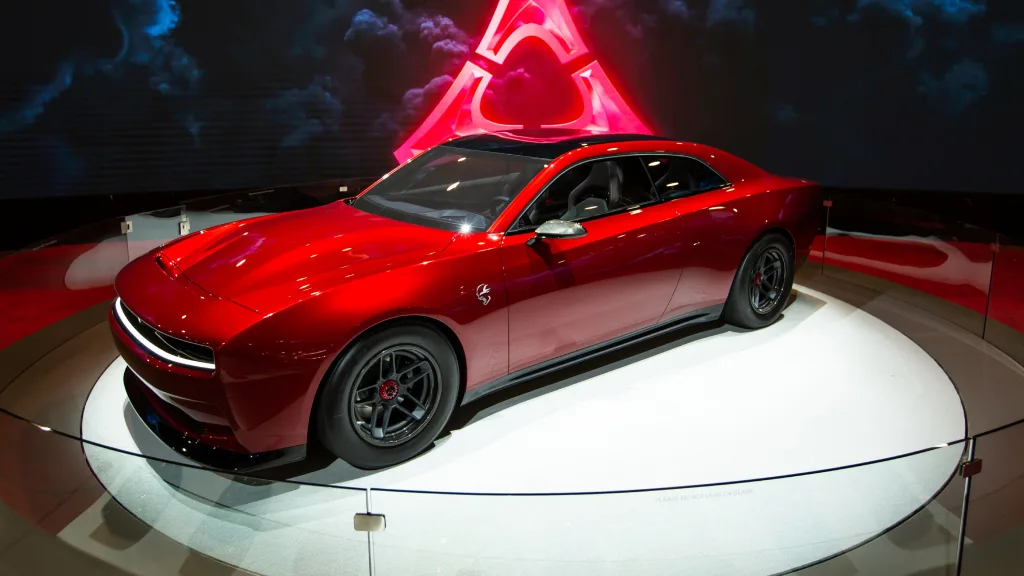
The Dodge Charger Daytona SRT concept is a bold reimagining of the classic American muscle car for the electric age. It promises to deliver the raw power and exhilarating speed that Dodge enthusiasts expect but with a modern, emission-free twist.
- Design and Performance Features: The Charger Daytona SRT retains the muscular and aggressive styling cues of its predecessors while incorporating advanced EV technology to enhance performance. It features a unique powertrain that offers rapid acceleration and a high-performance driving experience.
- Integration of Electric Propulsion: With its electrified powertrain, the Daytona SRT showcases how electric motors can enhance rather than diminish the muscle car experience, providing instant torque and unmatched speed capabilities.
Learn more about Dodge’s vision for electric muscle cars on their official website.
VI. Ram’s Electric Innovation
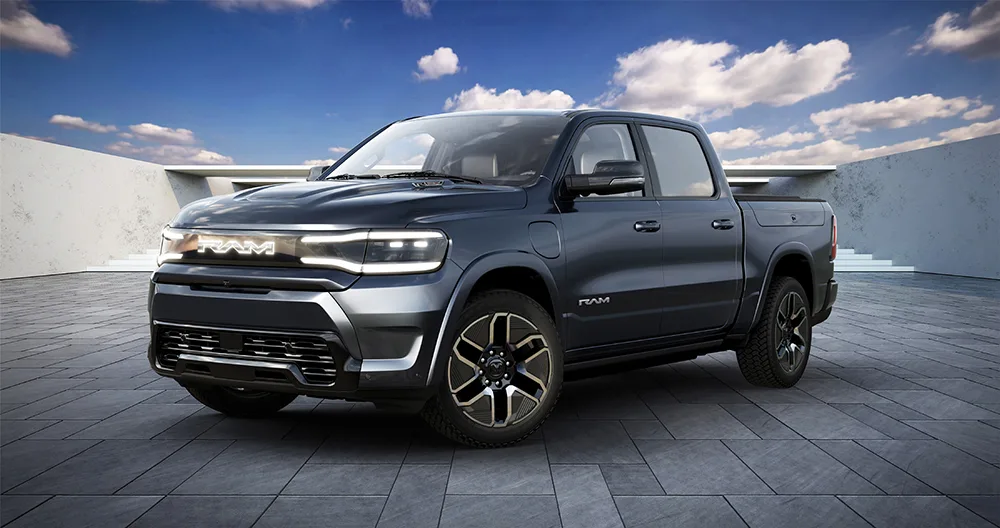
Ram is renowned for its rugged durability and powerful performance, primarily known for producing vehicles that can handle heavy-duty tasks. As part of its commitment to sustainability and innovation, Ram has embraced electrification, ensuring that its core values of strength and resilience are maintained in the transition to electric vehicles. The introduction of the Ram 1500 REV exemplifies this commitment, merging traditional truck capabilities with advanced electric technology.
A. Ram 1500 REV
The Ram 1500 REV marks Ram’s bold foray into the electric truck market, promising to redefine what it means to drive a pickup in the electric age.
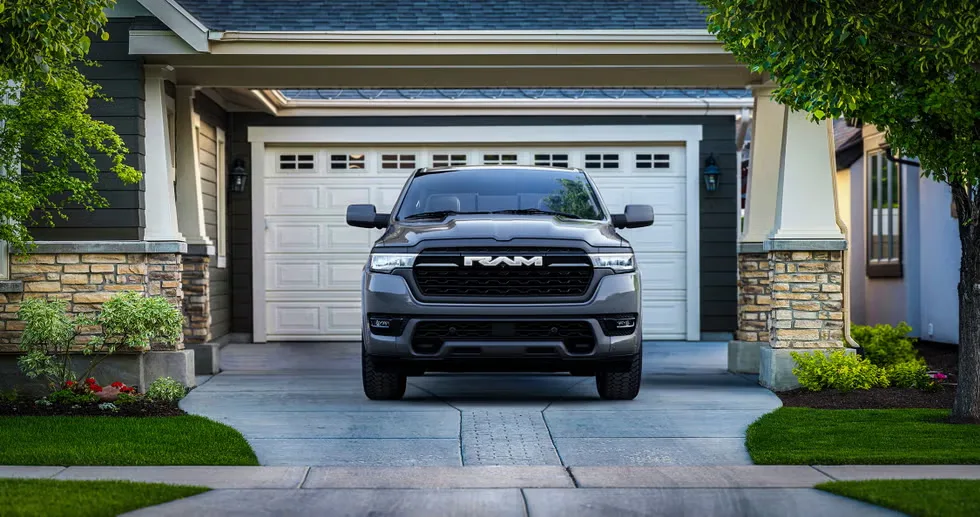
- Design and Utility Features: The Ram 1500 REV maintains the robust and commanding presence Ram trucks are known for, with a design optimized for both efficiency and performance. The truck features a distinctive grille that differentiates it from its internal combustion counterparts, while still retaining a familiar aesthetic that appeals to traditional Ram enthusiasts.
- Performance Specifications: The Ram 1500 REV is equipped with a state-of-the-art electric powertrain that delivers instant torque and impressive horsepower, ensuring that it meets the high standards for towing and payload capacity that Ram owners expect. The electric architecture of the truck allows for innovative storage solutions, including a spacious front trunk (frunk).
- Battery Range and Charging Infrastructure: Designed with practicality in mind, the Ram 1500 REV offers a substantial driving range suitable for both daily tasks and longer journeys. It supports fast charging capabilities, allowing drivers to quickly recharge the battery and minimize downtime.
- Sustainability Features: The Ram 1500 REV is not only about performance but also about promoting a greener future. It produces zero tailpipe emissions and features recyclable materials in its construction, contributing to a smaller environmental footprint.
Learn more about the Ram 1500 REV and its features on Ram’s official electric vehicles page.
B. Ram’s Electrification Strategy
Ram’s strategy extends beyond the introduction of a single electric model. The brand is looking towards a comprehensive electrification of its fleet, anticipating the future needs of its customers and the environmental requirements of tomorrow.
- Future Electric Models: Ram plans to expand its electric vehicle lineup, introducing additional models that cater to various segments of the truck market. This expansion will ensure that whether a customer needs a light-duty truck for everyday use or a more robust model for commercial purposes, Ram provides an electric solution.
- Integration with Renewable Energy: Ram is exploring partnerships and technologies that integrate renewable energy sources with their electric vehicles, enhancing the sustainability of their operations and end products.
- Educating Consumers: Recognizing the shift to electric vehicles involves significant changes in consumer behavior, Ram is committed to educating its customers on the benefits and operations of EVs, ensuring a smooth transition from traditional diesel or gasoline trucks.
VII. Next Steps in Ram’s Electrification Journey
As Ram continues to innovate and push the boundaries of what electric trucks can achieve, the brand remains focused on maintaining its core values of durability, strength, and performance. By actively responding to the evolving demands of the market and the increasing need for sustainable options, Ram not only adheres to environmental standards but also ensures that its customers do not have to compromise on the capabilities they have come to rely on.
VIII. Stellantis’ Electrification Strategy
Stellantis, the parent company of Chrysler, Dodge, Jeep, and Ram, plays a pivotal role in shaping the future of automotive technology with its comprehensive electrification strategy. This global automaker emerged from the merger of Fiat Chrysler Automobiles (FCA) and the PSA Group, bringing together a diverse portfolio of iconic brands under one umbrella. Stellantis has committed to an aggressive plan to transform its product lineup to include a wide range of electric vehicles across all its brands.
A. Overview of Stellantis
- Formation and Global Presence: Stellantis was formed in 2021, creating the world’s fourth-largest auto manufacturer by volume. The merger brought together 14 automotive brands, enhancing their ability to innovate by pooling resources, technology, and knowledge.
- Role in the Automotive Industry: Stellantis aims to leverage its size and scale to address the significant challenges of the 21st-century automotive industry, including the transition to sustainable transportation. The company’s global presence enables it to impact major markets in North America, Europe, and Asia, promoting the adoption of electric vehicles worldwide.
B. Electrification Initiatives by Stellantis
- Investments in EV Technology: Stellantis has announced a €30 billion investment plan through 2025 to accelerate its transition to electrification. This investment will fund the development of four new electric platforms, battery technology innovations, and the production of electric vehicles.
- Development of Electric Platforms: Stellantis plans to introduce four dedicated electric vehicle platforms that will provide the foundation for a variety of EV models across its brand portfolio. These platforms are designed to optimize performance, battery range, and cost, making electric vehicles accessible to a broader audience.
- Battery Technology and Infrastructure: Stellantis is also investing in five battery factories in Europe and North America to ensure a secure supply of high-performance batteries. The company is exploring solid-state battery technology, which could revolutionize EV efficiency and charging times.
C. Impact on Chrysler, Dodge, Jeep, and Ram
- Shared Technologies and Platforms: By sharing electric vehicle platforms and technologies among its brands, Stellantis can reduce costs and accelerate the development cycle for new EVs. This synergy allows brands like Chrysler, Dodge, Jeep, and Ram to benefit from cutting-edge innovations while maintaining their unique brand identities.
- Collaborative Efforts in EV Development: The collaborative environment at Stellantis fosters innovation and efficiency, enabling brands to introduce competitive electric vehicles that meet specific market demands. For example, the technology developed for a Dodge electric muscle car can differ significantly from that of a Ram electric truck, ensuring that each brand can deliver on its promises to its loyal customers.
IX. Stellantis’ Commitment to Sustainability
Stellantis’ commitment to sustainability extends beyond its product lineup. The company aims to reduce its carbon footprint across all operations, striving for carbon neutrality by 2038. This ambitious goal includes transitioning to green energy sources for manufacturing, reducing water usage, and improving waste management practices.
- Global Initiatives: Stellantis is involved in global initiatives to promote sustainable mobility, including partnerships with energy providers to improve the EV charging infrastructure and collaborations with governments and other stakeholders to support the transition to electric vehicles.
- Consumer Education and Engagement: Understanding that consumer acceptance is crucial for the success of electric vehicles, Stellantis is committed to educating the public about the benefits of EVs. This includes providing information on EV technology, the economic benefits of electric driving, and the environmental impacts of reducing dependency on fossil fuels.
X. California’s EV Incentives
California remains a trailblazer in promoting electric vehicles (EVs) through a comprehensive suite of incentives aimed at increasing adoption rates across the state. These incentives not only make EVs more accessible and affordable but also demonstrate California’s commitment to reducing carbon emissions and fostering a sustainable transportation ecosystem. For residents considering EVs from brands like Chrysler, Dodge, and Ram, understanding these incentives is crucial for making informed purchasing decisions.
A. State Incentives for Electric Vehicles
California offers a variety of state-specific incentives that directly reduce the cost of purchasing or leasing an EV, making electric vehicles a financially attractive option for many consumers.
- Clean Vehicle Rebate Project (CVRP): This program offers rebates up to $7,000, depending on the vehicle model and the applicant’s income level. The CVRP is designed to encourage the purchase of zero-emissions vehicles, including battery electric, plug-in hybrid electric, and fuel cell vehicles.
- California Clean Fuel Reward: Consumers can receive up to $1,500 off at the point of sale when purchasing or leasing a new electric vehicle. This instant rebate is applied directly by dealerships at the time of purchase, lowering the upfront cost of EVs.
- Clean Vehicle Assistance Program: Aimed at low-income consumers, this program provides grants and affordable financing to help purchase new or used clean vehicles.
- HOV Lane Access: EV drivers in California are eligible for Clean Air Vehicle decals that allow access to high-occupancy vehicle (HOV) lanes regardless of the number of passengers, providing a significant time-saving advantage during commutes.
B. Federal Incentives
In addition to state incentives, California residents can also benefit from federal tax credits, which can significantly reduce the cost of owning an EV.
- Federal EV Tax Credit: This incentive offers up to $7,500 in federal income tax credits for new electric and plug-in hybrid vehicles, based on the size of the vehicle and its battery capacity.
C. Local Incentives
Many local utilities and municipalities offer additional incentives, including rebates for home charging equipment and rate plans that provide discounted electricity rates for EV charging during off-peak hours.
- Utility Rebates: Companies like Pacific Gas and Electric (PG&E), Southern California Edison (SCE), and San Diego Gas & Electric (SDG&E) offer various rebates for purchasing EVs and installing EV charging stations at home.
XI. Impact of Incentives on EV Adoption
The comprehensive incentive programs available in California have a profound impact on the adoption of electric vehicles. By lowering the economic barriers to EV ownership, these incentives help to:
- Increase EV Sales: Subsidies and rebates make EVs more competitive with traditional internal combustion engine vehicles, leading to higher sales and increased EV penetration in the automotive market.
- Boost Public Interest and Awareness: The availability of incentives raises public awareness about electric vehicles and their benefits, contributing to a shift in consumer attitudes towards greener transportation options.
- Enhance Charging Infrastructure Development: Financial incentives for home charging solutions promote the development of a robust charging infrastructure, which is essential for supporting the growing number of EVs on the road.
XII. Environmental Impact of EVs in California
The transition to electric vehicles (EVs) in California has profound implications for the state’s environmental landscape. As California leads the charge in the U.S. toward sustainable transportation, understanding the environmental impact of this shift is crucial for appreciating the broader benefits that EV adoption brings beyond just reducing carbon emissions.
A. Reduction in Greenhouse Gas Emissions
Electric vehicles play a significant role in California’s efforts to combat climate change by significantly reducing greenhouse gas emissions compared to traditional gasoline-powered vehicles.
- Zero Tailpipe Emissions: EVs from Chrysler, Dodge, and Ram contribute to cleaner air because they emit no tailpipe pollutants, which are a major source of greenhouse gases and other air pollutants.
- Lifecycle Emissions: Even when considering the entire lifecycle of the vehicle, including manufacturing and electricity production, EVs still tend to produce fewer overall emissions than their gasoline counterparts. This is increasingly true as California shifts more of its electricity generation to renewable sources.
B. Improved Air Quality
The widespread adoption of EVs has a direct impact on local air quality, particularly in urban areas where traffic congestion is common.
- Reduction in Smog and Air Pollutants: EVs help reduce the levels of harmful air pollutants, such as nitrogen oxides and particulate matter, which are linked to health issues like asthma, bronchitis, and other respiratory problems.
- Benefits for Urban Centers: As more EVs replace internal combustion engines, cities can expect cleaner air, which not only improves public health but also enhances the quality of life by reducing smog and haze.
C. Energy Efficiency and Renewable Integration
EVs are generally more efficient than conventional vehicles, and their ability to integrate with renewable energy sources further enhances their environmental benefits.
- Higher Efficiency: Electric motors are typically 60% to 75% efficient in converting the chemical energy from batteries to power the wheels. In contrast, gasoline engines are only about 20% to 30% efficient at turning the stored energy in gasoline into power.
- Renewable Energy Synergy: As California increases its investment in renewable energy sources like solar and wind, the environmental impact of EVs continues to decrease. EVs can be charged during off-peak hours, helping to balance grid demands and utilize excess renewable energy that might otherwise be wasted.
D. Sustainable Manufacturing Practices
Automakers like Chrysler, Dodge, and Ram are increasingly focusing on sustainable manufacturing practices to further reduce the environmental impact of EVs.
- Recyclable Materials: Efforts are being made to use recyclable and sustainable materials in the production of EVs, reducing waste and the demand for virgin raw materials.
- Energy-Efficient Production: Many new EV manufacturing facilities are being designed to be energy-efficient and are powered by renewable energy sources, minimizing the carbon footprint of the production process.
XIII. The Future of Electric Vehicles in California
As California continues to lead the nation in environmental policy and innovation, the future of electric vehicles (EVs) in the state looks increasingly promising. With substantial investments in infrastructure, ongoing legislative support, and advancements in technology, the landscape of transportation in California is poised to undergo significant transformation. This final part of our series explores what the future holds for electric vehicles, particularly focusing on the contributions of Chrysler, Dodge, and Ram to this evolving market.
A. Technological Advancements in EVs
The pace of innovation in the electric vehicle sector is accelerating, driven by both demand and the continuous push for better, more efficient technologies.
- Battery Technology: Future developments in battery technology are expected to increase energy density, reduce charging times, and lower costs. Solid-state batteries, which promise higher safety and longer lifespan, are on the horizon and may soon replace the current lithium-ion batteries.
- Autonomous Driving Features: EVs are at the forefront of integrating autonomous technologies. Enhanced sensors, better data processing, and more reliable connectivity will improve the safety and convenience of EVs, making them even more attractive to consumers.
- Integration with Smart Grids: As the electrical grid evolves to become more intelligent and integrated with renewable energy sources, EVs will increasingly serve as mobile energy storage units. Vehicle-to-grid (V2G) technologies will allow EVs not only to draw power from the grid but also to return energy during peak demand periods, helping to stabilize the grid.
B. Expansion of EV Infrastructure
The expansion of EV charging infrastructure is critical to support the growing number of electric vehicles on the road.
- Public Charging Stations: California is set to expand its network of public charging stations, with a focus on increasing the availability of fast chargers along highways and in rural areas to ease long-distance travel with EVs.
- Private and Workplace Charging: Encouraging the installation of private charging points at residences and workplaces will be crucial. Incentives for businesses to install EV chargers will facilitate the transition by making charging more convenient and accessible.
- Policy Support for Infrastructure: State and federal governments are likely to continue providing financial support for infrastructure development, ensuring that the growth of the EV market is not hampered by a lack of charging options.
C. Legislative and Policy Enhancements
Continued legislative support will be essential to maintain the momentum in EV adoption.
- Incentives and Rebates: While existing incentives have successfully boosted EV adoption, ongoing support will be necessary to make EVs accessible to a broader demographic. This may include extending tax credits, rebates, and other financial incentives.
- Emission Standards and Regulations: California may introduce stricter emissions standards and regulations to push more consumers and businesses toward electric vehicles. These regulations will likely become progressively more stringent, aligning with the state’s climate goals.
- Support for Low-Income Drivers: Recognizing the need for equitable access to clean transportation, California is likely to enhance programs that make EVs affordable for low-income families, including grants, subsidized loans, and incentives for used EVs.
D. Role of Automakers like Chrysler, Dodge, and Ram
Chrysler, Dodge, and Ram are set to play a pivotal role in the future of electric mobility.
- New Models and Innovation: These brands will continue to develop and introduce new EV models that cater to various market segments—from luxury vehicles and performance cars to durable work trucks.
- Sustainability Practices: Beyond just manufacturing EVs, these automakers are committed to sustainable production practices, reducing the environmental impact of their operations and contributing to the overall sustainability of the automotive industry.
Continuing the Journey Towards Sustainable Mobility
The journey towards a fully electrified transportation sector in California is ambitious but achievable with the collaborative efforts of automakers, policymakers, and consumers. As Chrysler, Dodge, and Ram advance their electrification strategies, they not only contribute to reducing the environmental footprint of transportation but also help shape a sustainable future that benefits all Californians.
The continued evolution of EV technology, supported by robust infrastructure and progressive policies, promises to make electric vehicle ownership not just a viable choice but a preferred one in the years to come. As we move forward, the commitment of all stakeholders to this vision will be crucial in realizing the full potential of electric mobility.
Connect with us


