





When Jeep announced the limited-edition Tuscadero Pink color for the Wrangler, it turned heads, raised eyebrows, and captured hearts. This striking hue isn’t just a paint job; it’s a lifestyle statement. Bold, unapologetic, and impossible to ignore, Tuscadero Pink is for those who dare to be different.
A Color That Redefines Adventure
Jeep has always been synonymous with rugged exploration and all-terrain capability, but Tuscadero Pink brings a vibrant twist to the adventure game. It’s not every day you see a Jeep Wrangler decked out in a color so vivid it seems to defy the rugged terrain it’s built to conquer. Whether crawling over rocks, kicking up dust on desert trails, or cruising through the city streets, this color demands attention.
The Inspiration Behind Tuscadero Pink
Named after the unforgettable character Carol “Pinky” Tuscadero from the classic TV series Happy Days, this hue captures the sass, confidence, and charisma of its namesake. Much like Pinky, Tuscadero Pink is charmingly bold—a perfect match for Jeep enthusiasts who embrace individuality.
Limited Edition, Limitless Attitude
Tuscadero Pink was introduced as a limited-time option, making it an exclusive choice for Wrangler fans. Jeep enthusiasts didn’t hesitate; orders poured in, and Tuscadero Pink became a breakout star. The color’s scarcity only amplifies its allure, making it a must-have for collectors and adventurers who want to stand out in a sea of neutral tones.
Where Rugged Meets Glam
Despite its glamorous flair, the Tuscadero Pink Jeep Wrangler doesn’t compromise on the rugged features Jeep is known for. Whether equipped with the legendary Rubicon trim for off-road prowess or the Sahara trim for a perfect blend of luxury and capability, the Wrangler in Tuscadero Pink proves that beauty and brawn can coexist.
- Trail-Rated Tough: Water fording, rock climbing, and mud conquering—Tuscadero Pink Wranglers do it all.
- Customizable to Perfection: From hardtops to soft tops, half doors to full doors, you can personalize your Tuscadero Pink Jeep to match your adventurous spirit.
Turning Heads Everywhere

Tuscadero Pink isn’t just a color; it’s a conversation starter. Whether you’re pulling into a campsite or parking in a busy urban center, this Jeep guarantees double-takes and compliments. Social media has exploded with proud owners sharing their adventures in their Tuscadero Pink Wranglers, proving that this color is more than a trend—it’s a movement.
The Perfect Blend of Fun and Function
For drivers who live life in full color, the Tuscadero Pink Jeep offers an experience like no other. It’s a reminder that adventure doesn’t have to come in camouflage—sometimes, it’s better in pink.
So, whether you’re tackling trails or turning city streets into your personal runway, Tuscadero Pink is your ticket to standing out and making every journey unforgettable.
2025 Chrysler Pacifica Hybrid
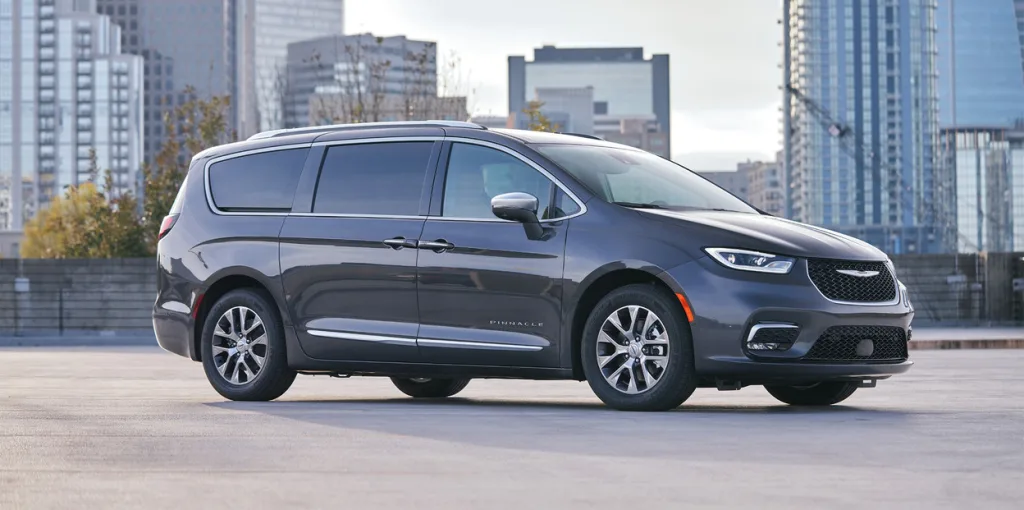
Everything You Need to Know About Miles Per Gallon, Real-World Fuel Economy, and Why It Matters
When it comes to family vehicles, few names inspire as much confidence as the Chrysler Pacifica. For 2025, Chrysler continues to refine its class-leading minivan, offering both a gasoline V6 version and a Plug-In Hybrid Electric Vehicle (PHEV) variant. Each brings its own strengths — but both deliver exceptional efficiency and comfort.
At Simi Valley Chrysler Dodge Jeep Ram, we break down the real-world miles per gallon numbers, MPGe ratings, and what they mean for California drivers.
Gasoline Model: Everyday Power with Solid Efficiency
The 2025 Chrysler Pacifica continues to use the dependable 3.6-liter Pentastar V6 engine — a proven powerplant known for balance, refinement, and reliability.
EPA Ratings (Front-Wheel Drive):
- 19 MPG City
- 28 MPG Highway
- 22 MPG Combined
For families that opt for All-Wheel Drive, expect slightly lower numbers at 17 MPG city / 25 MPG highway — a fair trade-off for added traction and confidence in all conditions.
Fuel Tank Size: 19 gallons
Range Between Fill-Ups: Up to 430 miles
The V6 engine is paired with a 9-speed automatic transmission that ensures smooth shifting and efficient cruising, making highway travel especially easy on fuel.
Hybrid Model: Plug-In Power for the Modern Family
The 2025 Chrysler Pacifica Plug-In Hybrid remains the only PHEV minivan in America, and it continues to set the benchmark for hybrid versatility.
EPA Ratings:
- 82 MPGe (miles per gallon equivalent) combined
- 32 miles of pure electric driving range
- ~30 MPG combined once the battery is depleted
Fuel Tank Size: 16.5 gallons
Total Range (Electric + Gas): Over 500 miles
This means short trips and school commutes around Simi Valley, Thousand Oaks, or Ventura can be done entirely on electric power — with no gasoline used at all. For longer journeys, the gas engine seamlessly takes over, giving you true “best of both worlds” flexibility.
Which Pacifica Is Right for You?
| Feature | Gas Pacifica | Pacifica Hybrid (PHEV) |
|---|---|---|
| Engine | 3.6L Pentastar V6 | 3.6L V6 + Electric Motors |
| Fuel Economy | 19/28/22 (FWD) | 82 MPGe / 30 MPG hybrid |
| Drivetrain | FWD or AWD | FWD only |
| Range | ~430 miles | ~500 miles total |
| Electric Range | N/A | 32 miles EV-only |
| Charging Time | N/A | 2 hours (Level 2) or 12–14 hours (Level 1) |
| Best For | Long highway trips, heavy loads, all-weather use | Daily commutes, short errands, lower fuel cost |
If you have access to a home charger and drive locally most days, the Pacifica Hybrid can drastically reduce fuel costs. On the other hand, if you prefer all-wheel drive or simpler refueling, the gas version remains a strong pick.
How Pacifica Compares to Rivals
| Vehicle | City MPG | Highway MPG | Combined |
|---|---|---|---|
| Chrysler Pacifica (Gas) | 19 | 28 | 22 |
| Chrysler Pacifica Hybrid | — | — | 82 MPGe / 30 MPG |
| Toyota Sienna Hybrid | 36 | 36 | 36 |
| Kia Carnival | 19 | 26 | 22 |
While the Sienna Hybrid achieves strong gas-only efficiency, it lacks a plug-in electric mode. The Pacifica PHEV remains unique for its electric driving capability and overall efficiency when charged regularly.
Real-World Efficiency Tips
- Plug in daily to maximize electric driving on the PHEV.
- Maintain proper tire pressure for lower rolling resistance.
- Use Eco Mode and smooth throttle inputs to improve MPG.
- Reduce idling and remove roof racks when not in use.
- Stay on top of maintenance — oil changes, air filters, and battery checks.
With mindful driving, many Simi Valley owners report real-world averages above 30 MPG even in mixed traffic.
Ownership Benefits at Simi Valley CDJR
When you choose Simi Valley Chrysler Dodge Jeep Ram, you get more than just great pricing:
- Certified technicians trained specifically on Chrysler hybrid systems.
- Fast, convenient financing options for both gas and hybrid models.
- Available test drives of both Pacifica trims.
- Competitive trade-in appraisals on your current vehicle.
We’re proud to serve drivers from San Fernando Valley, Thousand Oaks, Moorpark, and Ventura County, helping families choose the most efficient minivan for their lifestyle.
Frequently Asked Questions
What is the MPG of the 2025 Chrysler Pacifica?
The gasoline model achieves 19 city / 28 highway / 22 combined MPG, while the hybrid is rated at 82 MPGe combined with about 30 MPG after the battery is depleted.
How many miles can the Pacifica Hybrid travel on electricity alone?
Up to 32 miles per full charge — perfect for most daily commutes.
How long does it take to charge the Pacifica Hybrid?
Roughly 12–14 hours on a standard household outlet (Level 1), or about 2 hours using a Level 2 home or public charger.
How big is the fuel tank on the Pacifica?
The gas Pacifica holds 19 gallons, while the Hybrid holds 16.5 gallons.
Does the 2025 Pacifica Hybrid require premium gas?
No. Both the gas and hybrid versions use regular 87-octane unleaded fuel.
Can the Pacifica Hybrid tow?
The Hybrid is not rated for heavy towing. The gas Pacifica can tow up to 3,600 lbs when properly equipped.
Is the Chrysler Pacifica reliable?
Yes. Both variants feature the durable Pentastar V6 engine, a proven design used across Chrysler, Dodge, and Jeep vehicles for years. With proper maintenance, many Pacificas exceed 200,000 miles of service.
What’s the total driving range of the Pacifica Hybrid?
With a full charge and a full tank, the PHEV can travel over 500 miles before refueling.
Does the Pacifica Hybrid qualify for tax incentives?
Depending on state and federal programs, Plug-In Hybrid buyers may qualify for EV rebates or credits. Check current California Clean Vehicle Rebate Project (CVRP) and federal guidelines for eligibility.
Where can I test drive a 2025 Chrysler Pacifica near me?
Right here at Simi Valley Chrysler Dodge Jeep Ram, located at
📍 2350 First St, Simi Valley, CA 93065
📞 (805) 387-9755
🌐 View Chrysler Pacifica Inventory
Final Thoughts
The 2025 Chrysler Pacifica gives California families two outstanding efficiency options. Whether you prefer the convenience of a gas-powered minivan or the innovation of a plug-in hybrid, both deliver excellent MPG performance, family-friendly comfort, and signature Chrysler design.
Visit Simi Valley CDJR today to compare both models and discover firsthand why the Pacifica remains the most advanced minivan in America.
Dodge Hornet Reliability
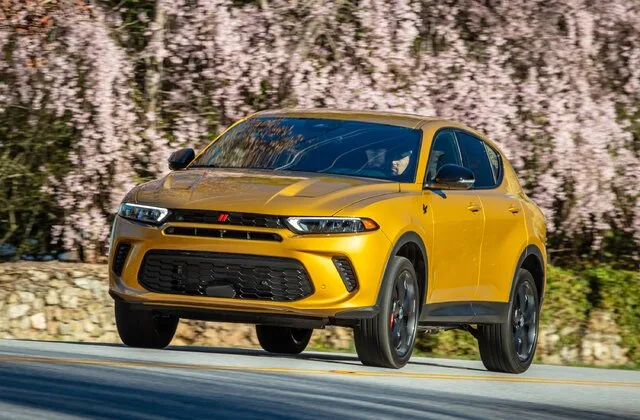
When it comes to compact SUVs, the market is brimming with options, each vying for attention with its unique blend of features, performance, and reliability. Among the contenders, the Dodge Hornet has emerged as a noteworthy player, promising a blend of style, power, and versatility. However, as with any vehicle, prospective buyers are keenly interested in understanding its reliability to make an informed decision. In this comprehensive analysis, we delve deep into the Dodge Hornet’s reliability, exploring its build quality, performance metrics, common issues, owner feedback, and how it stacks up against its competitors.
1. Introduction to the Dodge Hornet
Launched as Dodge’s entry into the highly competitive compact SUV segment, the Hornet aims to capture drivers seeking a balance between performance and practicality. With its bold design, advanced technology, and Dodge’s signature performance-oriented ethos, the Hornet is positioned to appeal to a diverse range of consumers.
Key Features:
- Engine Options: The Hornet offers a range of engines, including turbocharged four-cylinder options and performance-tuned variants.
- Interior Quality: High-quality materials, spacious seating, and modern infotainment systems define the interior.
- Technology: Advanced driver-assistance systems, connectivity features, and customizable displays enhance the driving experience.
- Design: A sporty and aggressive exterior design sets the Hornet apart in a crowded market.
2. Build Quality and Design
Exterior:
The Dodge Hornet boasts a striking exterior that blends ruggedness with sleek aesthetics. The bold grille, sharp lines, and aerodynamic profile not only contribute to its visual appeal but also enhance performance. High-quality materials and precise manufacturing processes ensure durability and a premium feel.
Interior:
Inside, the Hornet offers a well-appointed cabin with ample space for passengers and cargo. The use of soft-touch materials, comfortable seating, and intuitive layout reflects Dodge’s commitment to quality. The ergonomic design ensures that controls are easily accessible, reducing driver fatigue during long journeys.
Materials and Fit & Finish:
The Hornet’s interior materials are of commendable quality, with minimal rattles or squeaks reported in initial reviews. The fit and finish are tight, showcasing attention to detail in assembly. However, as with any new model, minor issues may surface over time, warranting close attention from manufacturers.
3. Performance and Engine Reliability
Engine Options:
The Dodge Hornet comes equipped with a variety of engine choices to cater to different driving preferences:
- 2.0L Turbocharged Inline-4: Offers a balance between performance and fuel efficiency, delivering around 250 horsepower.
- Performance Variants: Enhanced engines with higher horsepower for those seeking a more spirited driving experience.
Transmission:
Paired with a smooth-shifting automatic transmission, the Hornet ensures seamless power delivery and responsiveness. The transmission’s reliability is crucial for long-term ownership, and early reports suggest minimal issues.
Handling and Ride Quality:
The Hornet’s suspension is tuned to provide a comfortable ride without compromising on handling. Its agile maneuverability makes it suitable for both city driving and highway cruising. The vehicle’s stability and responsiveness are key indicators of its overall performance reliability.
Fuel Efficiency:
Fuel economy figures are competitive within the compact SUV segment. The Hornet’s engines are designed to optimize fuel consumption without sacrificing performance, making it a practical choice for daily commuting and long-distance travel.
4. Reliability Ratings and Consumer Reports
Manufacturer’s Reliability:
Dodge, as a brand, has had a mixed history with reliability. However, recent models have shown significant improvements, with a focus on quality control and customer satisfaction. The Hornet benefits from these advancements, aiming to establish Dodge as a dependable manufacturer in the compact SUV space.
Third-Party Reliability Ratings:
Organizations like J.D. Power and Consumer Reports provide invaluable insights into a vehicle’s reliability. As of the latest reports:
- J.D. Power: The Dodge Hornet receives above-average ratings in initial quality studies, indicating fewer problems reported by early owners.
- Consumer Reports: The Hornet scores well in reliability rankings, particularly in areas like engine performance and transmission smoothness.
Warranty and Support:
Dodge offers a competitive warranty package for the Hornet, typically including a 3-year/36,000-mile bumper-to-bumper warranty and a 5-year/60,000-mile powertrain warranty. Extended warranties and maintenance plans are also available, providing added peace of mind for buyers.
5. Common Issues and Recalls
Initial Release Concerns:
As with any new model, the Dodge Hornet may encounter teething problems during its initial release phase. Common issues to watch for include:
- Infotainment System Glitches: Early adopters may report occasional software bugs or connectivity issues with the infotainment system.
- Minor Electrical Problems: Instances of faulty sensors or minor electrical malfunctions have been noted, though these are generally addressed promptly by dealers.
- Interior Trim Issues: Some users have reported loose trim pieces or minor imperfections in the interior finish.
Recalls:
As of the latest information, there have been no major recalls for the Dodge Hornet. Manufacturers continuously monitor vehicle performance post-launch and issue recalls if significant safety or reliability issues arise. Prospective buyers should stay informed by regularly checking official recall notices.
6. Owner Feedback and Satisfaction
Positive Feedback:
Owners of the Dodge Hornet have expressed satisfaction with various aspects of the vehicle:
- Performance: The Hornet’s powerful engine options and responsive handling are frequently praised.
- Comfort: Spacious interiors and comfortable seating contribute to a positive ownership experience.
- Design: The bold and sporty design resonates well with buyers looking for a distinctive vehicle.
Areas for Improvement:
While the overall feedback is positive, some areas have been highlighted for potential improvement:
- Infotainment Interface: Some users find the infotainment system’s interface less intuitive compared to competitors.
- Cargo Space: While adequate for its class, a few owners wish for more cargo capacity.
- Ride Firmness: A minority of drivers prefer a softer ride, especially on rougher road surfaces.
Reliability Perception:
Overall, owner satisfaction regarding the Hornet’s reliability is high, with minimal reported issues. The brand’s commitment to addressing concerns and providing timely support reinforces confidence among owners.
7. Comparison with Competitors
Dodge Hornet vs. Honda HR-V:
- Performance: The Hornet offers more powerful engine options compared to the HR-V’s modest offerings.
- Interior Space: Both vehicles provide ample space, but the Hornet edges out slightly in cargo capacity.
- Reliability: Honda traditionally boasts strong reliability, but the Hornet is making significant strides in this area.
Dodge Hornet vs. Toyota C-HR:
- Design: The Hornet’s aggressive styling contrasts with the C-HR’s more subdued aesthetics.
- Technology: Both vehicles offer advanced infotainment systems, though user preferences may vary.
- Fuel Efficiency: Comparable fuel economy figures, with slight variations based on engine choices.
Dodge Hornet vs. Mazda CX-30:
- Performance: The Hornet’s performance-oriented design gives it an edge in engine power and handling.
- Interior Quality: Both vehicles feature high-quality interiors, with Mazda often praised for its luxurious feel.
- Reliability: Mazda has a longstanding reputation for reliability, which the Hornet is working to match.
Dodge Hornet vs. Subaru Crosstrek:
- All-Wheel Drive: Both offer all-wheel-drive options, enhancing versatility.
- Off-Road Capability: The Crosstrek is known for its off-road prowess, while the Hornet focuses more on urban and highway performance.
- Reliability: Subaru’s reliability is well-regarded, but the Hornet is emerging as a strong contender.
8. Maintenance and Long-Term Reliability
Routine Maintenance:
Proper maintenance is crucial for ensuring the long-term reliability of any vehicle. For the Dodge Hornet, regular oil changes, tire rotations, brake inspections, and timely replacement of filters and fluids are essential. Following the manufacturer’s recommended maintenance schedule helps prevent potential issues and extends the vehicle’s lifespan.
Common Repairs:
While the Hornet is generally reliable, some common repairs that may arise include:
- Brake System Maintenance: Replacement of brake pads and rotors as they wear out.
- Battery Replacement: Batteries typically last 3-5 years, depending on usage and climate conditions.
- Tire Replacement: Depending on driving habits and road conditions, tires may need replacement every 40,000 to 60,000 miles.
Availability of Parts and Service:
Dodge’s extensive dealership network ensures that parts and service are readily available. Genuine OEM parts are accessible, and certified technicians are trained to handle specific Hornet-related issues, ensuring quality repairs and maintenance.
Cost of Ownership:
The Dodge Hornet’s cost of ownership is competitive within its segment. Initial purchase prices are reasonable, and maintenance costs are manageable. Insurance premiums are on par with other compact SUVs, though they can vary based on individual factors like location, driving history, and coverage choices.
9. Safety and Reliability
Safety Features:
The Hornet is equipped with a suite of safety features aimed at protecting occupants and preventing accidents:
- Advanced Driver-Assistance Systems (ADAS): Includes adaptive cruise control, lane-keeping assist, blind-spot monitoring, and automatic emergency braking.
- Structural Integrity: High-strength steel frames and crumple zones enhance crash safety.
- Airbags: Comprehensive airbag coverage for front, side, and curtain protection.
Safety Ratings:
Safety ratings from organizations like NHTSA and IIHS are critical indicators of a vehicle’s safety performance. The Dodge Hornet has performed admirably in initial tests, earning favorable ratings for crashworthiness and safety features.
Reliability Impact on Safety:
A reliable vehicle is inherently safer, as consistent performance and minimal mechanical issues reduce the likelihood of accidents caused by vehicle malfunctions. The Hornet’s reliability contributes positively to its overall safety profile, ensuring that critical systems function as intended.
10. Future Outlook and Reliability Improvements
Manufacturer’s Commitment:
Dodge has demonstrated a commitment to continuous improvement, focusing on enhancing build quality, performance, and reliability in subsequent model years. Feedback from early adopters is being actively incorporated to address any shortcomings and refine the Hornet’s design and functionality.
Technological Advancements:
With advancements in automotive technology, the Hornet is expected to integrate more sophisticated systems that enhance reliability. Innovations in engine design, materials, and manufacturing processes contribute to a more robust and dependable vehicle.
Sustainability Efforts:
Dodge is also exploring eco-friendly technologies, such as hybrid and electric powertrains, which may be incorporated into future Hornet models. These advancements not only improve environmental sustainability but also offer enhanced performance and efficiency, contributing to overall reliability.
11. Conclusion: Is the Dodge Hornet a Reliable Choice?
After a thorough analysis, the Dodge Hornet emerges as a reliable and compelling option in the compact SUV segment. Its robust performance, stylish design, and advanced features make it an attractive choice for a wide range of drivers. While early models have shown minor issues typical of new vehicle releases, the overall reliability ratings and owner feedback are positive, indicating that the Hornet is poised to establish itself as a dependable contender in the market.
Pros:
- Powerful Engine Options: Delivering impressive performance and responsiveness.
- Stylish Design: Bold aesthetics that stand out in a crowded market.
- Advanced Technology: Comprehensive infotainment and safety features.
- Competitive Pricing: Offering good value for the features and performance provided.
Cons:
- Infotainment System: May require further refinement for enhanced user experience.
- Cargo Space: While adequate, it may fall short for some users compared to competitors.
- Ride Firmness: Some drivers may prefer a softer suspension setup.
Final Verdict:
The Dodge Hornet is a reliable and versatile compact SUV that caters to drivers seeking a blend of performance, style, and practicality. Its strong initial reliability ratings, coupled with Dodge’s ongoing improvements, make it a worthwhile consideration for anyone in the market for a new SUV. Prospective buyers should, however, evaluate their specific needs and preferences, test drive the vehicle, and consult multiple sources of reviews to ensure it aligns with their expectations.
12. Additional Resources
For those interested in learning more about the Dodge Hornet’s reliability and overall performance, the following resources are invaluable:
is 2017 jeep wrangler a jk or jl

The 2017 Jeep Wrangler is part of the JK generation. The JK generation of the Jeep Wrangler ran from 2007 to 2018.
The JL generation, which is the next generation, debuted in 2018. It brought several updates, including improved technology, a more refined interior, and better overall performance.
So, to clarify:
- 2017 Jeep Wrangler = JK
- 2018 Jeep Wrangler and newer = JL
The 2017 model will have the characteristics typical of the JK generation, such as a 3.6-liter V6 engine, solid front and rear axles, and a design that closely resembles previous Wranglers with a few modern updates.
What Makes the 2017 Jeep Wrangler JK Stand Out?
1. Legendary Off-Road Capabilities
The 2017 Jeep Wrangler JK is designed for off-road dominance. With the Command-Trac 4WD system, this vehicle can handle any terrain, from rocky trails to muddy paths. For more serious off-roaders, the Rock-Trac 4WD system in the Rubicon trim offers even more capability, including locking differentials and a sway bar disconnect. This system ensures that the Jeep Wrangler JK excels in rock crawling and challenging environments. Its solid axles, high ground clearance, and rugged suspension make it a true off-road warrior.
2. Engine Power and Performance
Under the hood, the 2017 Jeep Wrangler JK is powered by a 3.6-liter V6 engine that delivers 285 horsepower and 260 lb-ft of torque, providing ample power for off-road challenges and highway cruising. For those seeking a more efficient engine, there’s also a 2.8-liter diesel engine available in certain markets. Combined with either a 6-speed manual or 5-speed automatic transmission, this engine provides the perfect balance of power, reliability, and fuel efficiency for off-road enthusiasts.
3. Iconic Jeep Design
The 2017 Jeep Wrangler JK maintains the signature Jeep look, with its iconic seven-slot grille, round headlights, and boxy frame. The design has been updated slightly over the years, but it still carries the rugged and adventurous spirit Jeep is known for. The JK generation is also available in both two-door and four-door (Unlimited) variants, providing flexibility depending on your space and seating needs. Plus, it offers the classic Jeep feature of a removable top and doors, allowing you to enjoy the open-air driving experience whenever you wish.
4. Comfort and Interior Features
While the 2017 Wrangler JK is built for off-road adventures, it also delivers comfort and modern technology for everyday driving. The interior features high-quality materials, with durable upholstery and easy-to-clean surfaces, perfect for muddy adventures. The cabin is spacious, especially in the Unlimited model, which provides ample space for passengers and cargo. Standard features include Uconnect infotainment, Bluetooth connectivity, Apple CarPlay, Android Auto, and a 7-inch touchscreen, ensuring you have all the connectivity and entertainment options you need on your journey.
5. Safety Features
Safety is a priority in the 2017 Wrangler JK. It comes equipped with standard multiple airbags, traction control, stability control, and a reinforced roll cage that enhances occupant safety in the event of a rollover. While the Wrangler is primarily designed for off-road adventures, these safety features provide peace of mind when driving on highways or in more urban environments. The Rubicon model also includes features like hill-start assist and trailer-sway control, making it even more equipped for off-road driving and towing.
6. Fuel Efficiency
The 2017 Jeep Wrangler JK offers reasonable fuel efficiency for a rugged off-roading vehicle. With an average of 17 mpg in the city and 21 mpg on the highway, it balances fuel economy with the need for power and off-road performance. While these numbers aren’t as high as some non-off-road vehicles, they are competitive for a 4×4 vehicle of this caliber, especially when considering its performance capabilities.
Why Choose the 2017 Jeep Wrangler JK?
The 2017 Jeep Wrangler JK remains a top choice for anyone seeking a rugged, off-road-capable vehicle with a classic design and modern technology. Its unmatched 4×4 performance, dependable engine options, and iconic design make it ideal for both off-road enthusiasts and those looking for a fun, versatile vehicle. Additionally, the affordable pricing on the used market makes it a great value, especially for those who want the ultimate adventure vehicle without paying the premium for a brand-new model.
Whether you’re a seasoned off-roader, a weekend adventurer, or someone who just loves the classic Jeep style, the 2017 Wrangler JK is an excellent choice that continues to deliver thrills and reliability.
Conclusion: The 2017 Jeep Wrangler JK Remains a Top Off-Road Icon
When it comes to off-road vehicles, the 2017 Jeep Wrangler JK stands tall as one of the best options available. Its performance, legendary 4×4 capabilities, and durability make it perfect for tackling tough terrain. With a design that has stood the test of time, modern tech features, and a comfortable ride, the 2017 Wrangler JK continues to be a favorite among Jeep lovers and off-road enthusiasts. Whether you’re planning your next adventure or simply want a versatile vehicle for everyday use, the 2017 Jeep Wrangler JK remains an iconic choice that delivers on all fronts.
Visit your local Jeep dealership today to experience the 2017 Jeep Wrangler JK in person, and discover why it remains one of the most beloved off-road vehicles in the world.
is it expensive to maintain a 2004 jeep wrangler
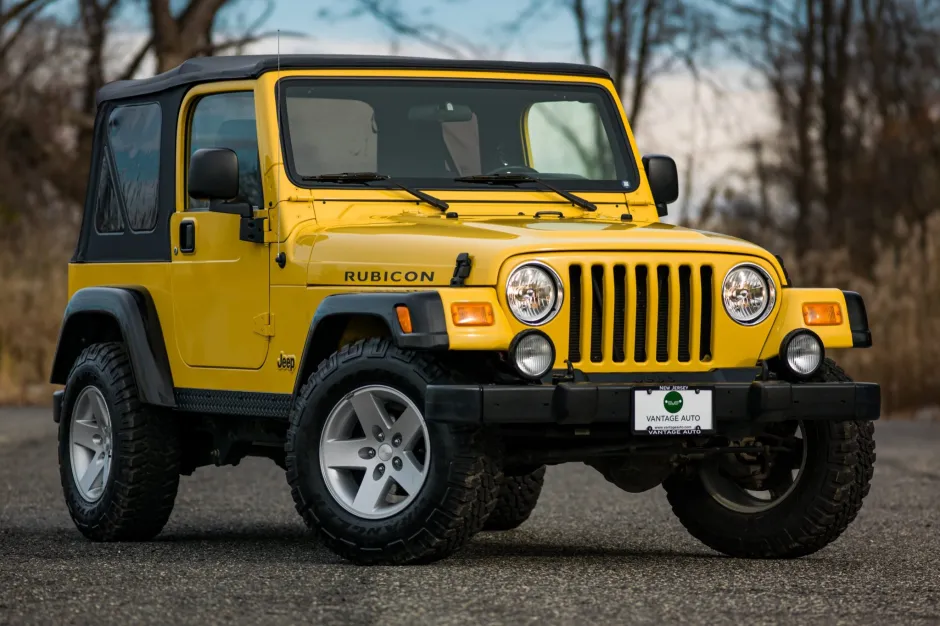
Maintaining a 2004 Jeep Wrangler can be relatively affordable compared to other vehicles, but there are a few factors to consider that could impact the overall cost. While the Jeep Wrangler is known for its durability and off-road capabilities, maintenance costs can vary depending on the condition of the vehicle, how well it’s been maintained, and the frequency of repairs. Here’s a breakdown of what you can expect when it comes to maintaining a 2004 Jeep Wrangler:
1. Routine Maintenance Costs
Routine maintenance, such as oil changes, tire rotations, brake pads, and fluid changes, is typically not expensive for the 2004 Jeep Wrangler. Depending on where you live and the quality of parts used, you can expect to spend around:
- Oil change: $30–$60
- Tire rotation: $25–$50
- Brake pads replacement: $150–$300 per axle
- Fluid changes (transmission, coolant, etc.): $100–$200
2. Repairs and Parts Replacement
Jeep Wranglers, especially older models like the 2004 version, can experience issues with certain components. Common issues include:
- Suspension and steering components: The Wrangler’s off-road nature means parts like bushings, ball joints, and tie rods can wear out over time, especially if the vehicle is frequently used off-road.
- Rust: Older Wranglers can develop rust, particularly in the frame and body, which may require significant repairs.
- Transmission and clutch problems: Some owners report issues with the manual transmission or clutch, which can be costly to repair if not addressed early.
- Electrical issues: As the vehicle ages, electrical components such as sensors and wiring can malfunction, leading to more expensive repairs.
Repair costs for a 2004 Jeep Wrangler can range between $200 and $1,000, depending on the extent of the damage and the parts that need replacing.
3. Fuel Costs
The 2004 Jeep Wrangler is not the most fuel-efficient vehicle. With an average fuel economy of about 15–18 miles per gallon (mpg), you may spend more on fuel, especially if you’re using it frequently for long trips or off-roading. This can add to the overall cost of ownership.
4. Insurance Costs
Insurance costs for a 2004 Jeep Wrangler are typically moderate, although they can vary depending on factors such as your driving history and the coverage you choose. On average, Jeep Wrangler owners spend around $600–$1,200 per year on insurance.
5. Upgrades and Modifications
If you’re into customizing your Jeep, modifications like lift kits, larger tires, bumpers, or new interior features can add additional costs. While some modifications can be budget-friendly, others (like upgrading the suspension or installing aftermarket wheels) can be expensive.
Conclusion: Is it Expensive to Maintain a 2004 Jeep Wrangler?
Overall, the cost to maintain a 2004 Jeep Wrangler can be affordable if you stick to routine maintenance and address minor issues early. However, like any older vehicle, it may require more frequent repairs, especially if it’s used for off-roading or has high mileage. The biggest potential costs come from repairs related to suspension, rust, and electrical components, so regular inspections and proper care can help prevent major issues down the road. If you’re ready for DIY maintenance or have access to an affordable mechanic, maintaining a 2004 Jeep Wrangler doesn’t have to break the bank.
2018 Jeep Wrangler Sahara
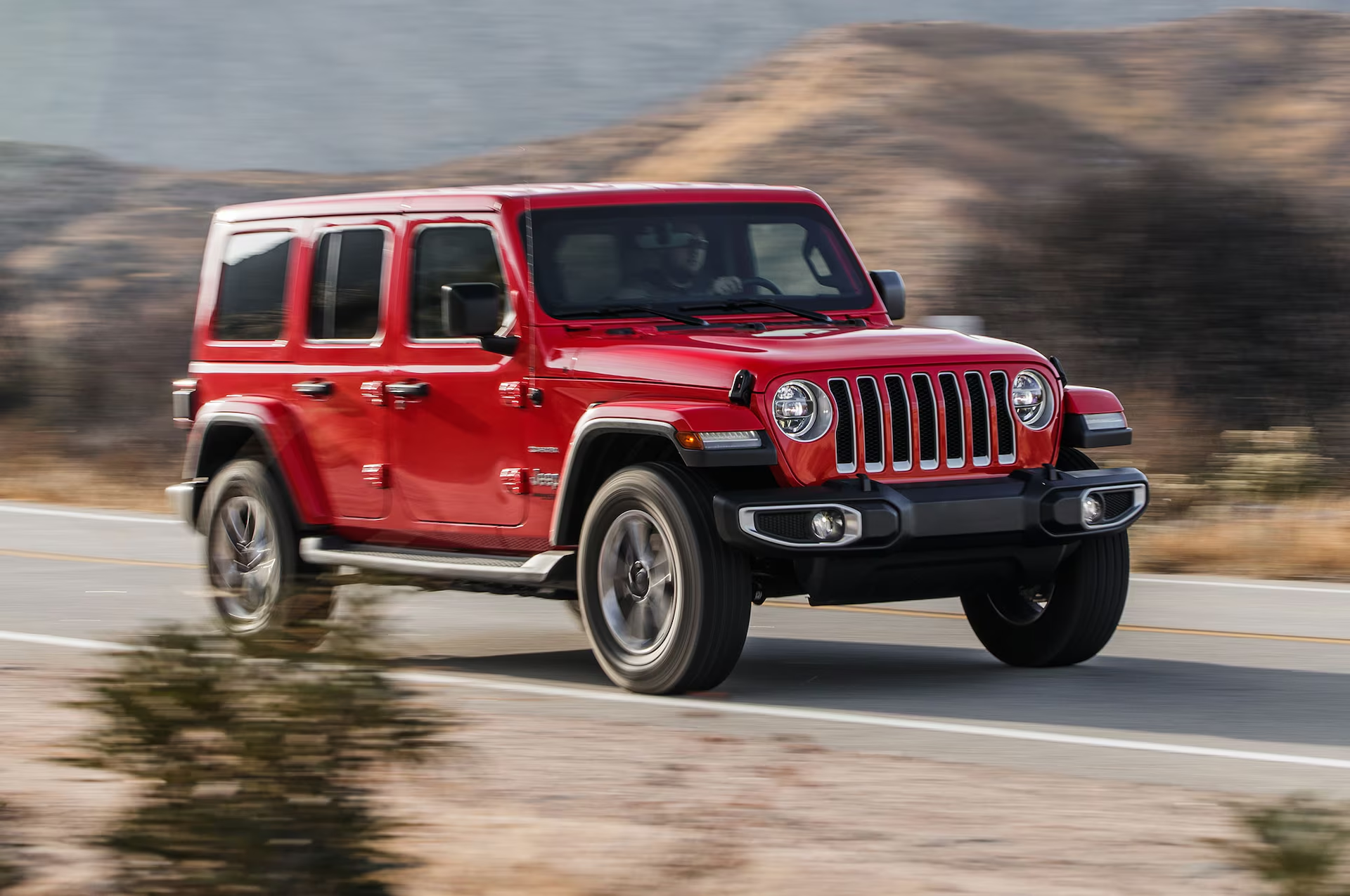
The Ultimate Guide to the 2018 Jeep Wrangler Sahara: A Perfect Blend of Adventure and Comfort
The 2018 Jeep Wrangler Sahara is a standout in the world of off-road vehicles. For decades, the Jeep Wrangler has been the go-to vehicle for off-road enthusiasts, adventurers, and thrill-seekers, and the 2018 model is no exception. With its rugged capabilities, iconic design, and improved comfort features, the 2018 Jeep Wrangler Sahara offers a perfect blend of adventure-ready performance and on-road refinement. Whether you’re looking to take it off the beaten path or cruise through city streets, the 2018 Wrangler Sahara is built to deliver an unmatched driving experience.
In this blog, we will take an in-depth look at the key features, performance, comfort, and more of the 2018 Jeep Wrangler Sahara. If you’re considering purchasing this off-road icon, this guide will provide everything you need to know.
Key Features of the 2018 Jeep Wrangler Sahara
1. Enhanced Off-Road Capabilities:
The 2018 Jeep Wrangler Sahara is built for adventure. With its Rock-Trac 4×4 system, high ground clearance, and rugged suspension, the Sahara can handle almost any off-road challenge you throw at it. Whether you’re navigating rocky terrains, mud trails, or snowy roads, the Wrangler Sahara’s 4WD system ensures maximum traction and control. Additionally, the Wrangler Sahara is equipped with Dana 44 axles, which provide additional strength and durability when off-roading.
2. Powerful Engine Options:
Under the hood, the 2018 Jeep Wrangler Sahara offers two engine options. The standard 3.6-liter V6 engine delivers an impressive 285 horsepower and 260 lb-ft of torque, providing plenty of power for both on-road and off-road driving. If you’re looking for a bit more fuel efficiency, the Sahara is also available with a 2.0-liter turbocharged four-cylinder engine, which produces 270 horsepower and 295 lb-ft of torque. This turbocharged engine also features a mild-hybrid system, improving fuel efficiency and providing smoother performance.
3. Iconic and Modern Design:
The 2018 Jeep Wrangler Sahara combines its iconic, rugged Jeep design with modern styling elements that give it a sleek, updated appearance. From the bold, seven-slot grille to the round headlights and muscular wheel arches, the Wrangler Sahara exudes an unmistakable presence on the road. The vehicle’s aerodynamic enhancements, such as the sloped windshield, help improve fuel efficiency while maintaining that classic Jeep silhouette.
4. Spacious and Comfortable Interior:
One of the significant upgrades to the 2018 Jeep Wrangler Sahara is the focus on comfort and interior refinement. The Sahara trim comes equipped with premium materials and modern technology, ensuring that both the driver and passengers enjoy a comfortable ride. The cabin features high-quality seats with ample legroom, making long drives more enjoyable. It also includes a 7-inch or 8.4-inch Uconnect touchscreen infotainment system, offering Apple CarPlay and Android Auto compatibility, Bluetooth connectivity, and navigation options.
5. Removable Top and Doors for Open-Air Driving:
True to its Wrangler heritage, the 2018 Sahara comes with a removable hardtop, allowing you to enjoy the full open-air experience when you want it. The removable doors and roof panels provide a sense of freedom and excitement that few vehicles can match. Whether you’re driving through scenic country roads or tackling rugged trails, the option to remove the top adds to the excitement and overall driving experience.
Performance and Handling of the 2018 Jeep Wrangler Sahara
1. On-Road Comfort and Driving Experience:
While the 2018 Jeep Wrangler Sahara is primarily designed for off-road performance, it’s equally capable on the road. The upgraded suspension system ensures a smooth, controlled ride on highways and city streets. The Wrangler Sahara’s handling is precise, making it easy to maneuver through tight spots or along winding roads. The upgraded electric power steering provides better responsiveness, making the vehicle more agile, especially at lower speeds.
2. Off-Road Mastery:
When it comes to off-roading, the 2018 Jeep Wrangler Sahara is unmatched. The Rock-Trac 4×4 system, which includes a 2.72:1 low-range gear ratio, provides superior off-road capabilities, allowing you to tackle even the toughest trails with confidence. Whether you’re going off-roading on mountainous trails, through deep sand, or across snow-covered roads, the Sahara’s rugged drivetrain ensures you can go anywhere with ease. The Jeep’s high ground clearance and rugged axles provide ample clearance to avoid obstacles and maintain stability over difficult terrain.
3. Towing Capacity:
The 2018 Jeep Wrangler Sahara is also a capable workhorse, with a maximum towing capacity of 3,500 pounds. Whether you’re hauling a trailer, boat, or camper, the Wrangler Sahara can easily manage the load. The towing capability adds to the vehicle’s versatility, making it perfect for long road trips or weekend adventures.
Safety Features and Technology
1. Advanced Safety Features:
Jeep has incorporated numerous safety features into the 2018 Wrangler Sahara to ensure that it offers a secure and safe driving experience. Standard safety features include advanced airbags, stability control, traction control, and a reinforced roll cage. The vehicle also includes available driver-assist features such as blind-spot monitoring, rear cross-traffic alert, and adaptive cruise control, which make it easier to drive in various conditions.
2. Uconnect Infotainment System:
The 2018 Wrangler Sahara comes with the Uconnect infotainment system, which is intuitive and user-friendly. The 7-inch or 8.4-inch touchscreen display allows you to easily access navigation, music, and other media options. Apple CarPlay and Android Auto are standard, allowing you to seamlessly connect your smartphone for hands-free calling, texting, and navigation. The available premium audio system offers high-quality sound for an immersive experience.
The 2018 Jeep Wrangler Sahara: An Ideal Choice for Adventure Seekers
The 2018 Jeep Wrangler Sahara combines iconic Jeep features with modern upgrades to provide the best of both worlds—rugged off-road performance and enhanced on-road comfort. Whether you’re looking to take it off-road or use it for daily driving, the 2018 Wrangler Sahara offers a dynamic and thrilling driving experience that can’t be beaten. With its powerful engine options, exceptional off-road capabilities, refined interior, and modern technology, it’s no wonder the Wrangler Sahara is a favorite among adventurers, road-trippers, and everyday drivers alike.
Why You Should Consider the 2018 Jeep Wrangler Sahara
The 2018 Jeep Wrangler Sahara is the perfect vehicle for those who want to combine adventure and practicality. With its legendary 4×4 capabilities, stylish design, spacious interior, and modern technology, this vehicle is truly a standout in its class. Whether you’re looking to tackle rugged trails, take a road trip across the country, or simply enjoy the great outdoors, the 2018 Wrangler Sahara is ready for whatever you throw at it.
The 2018 Jeep Wrangler Sahara is a fantastic choice for those who want a vehicle that combines legendary off-road capabilities with comfort and technology. Whether you’re exploring the wilderness or enjoying a comfortable city drive, this Jeep offers it all. Visit your nearest dealership today to experience the 2018 Jeep Wrangler Sahara firsthand and take it for a test drive to see why it’s the ultimate adventure vehicle.
Used Jeep Wrangler Sport 2016
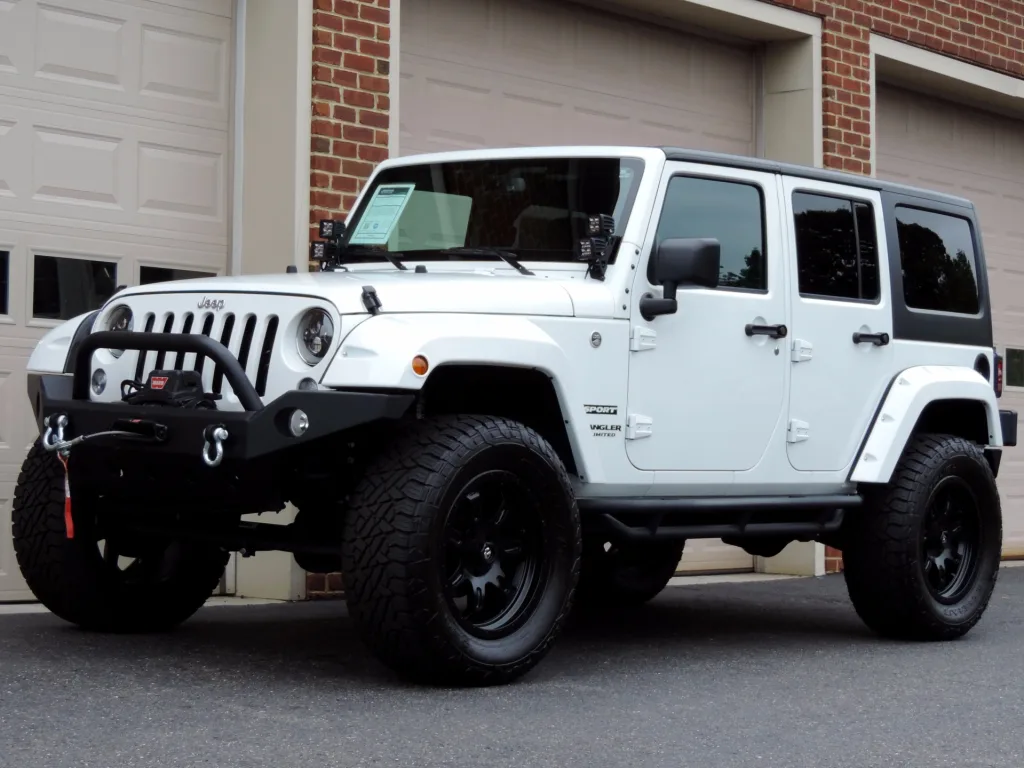
If you’re an off-road enthusiast or someone who loves the thrill of adventure, the 2016 Used Jeep Wrangler Sport might just be the perfect vehicle for you. Whether you’re an avid trail rider or simply someone who enjoys exploring the outdoors, the Wrangler Sport’s robust features cater to every adventurer’s needs. Known for its legendary 4×4 capabilities, it has earned a reputation for being one of the best off-road vehicles on the market.
This iconic vehicle’s rugged design and thrilling driving experience make it a standout choice for those who appreciate both style and performance. With its unmatched ability to handle tough terrains, the 2016 Wrangler Sport is one of the most sought-after vehicles in the used car market. Whether you’re tackling a challenging off-road trail or cruising through city streets, the Wrangler delivers a driving experience that’s hard to beat.
What Makes the 2016 Jeep Wrangler Sport Special?
1. Unmatched Off-Road Performance: The 2016 Jeep Wrangler Sport is built for adventure. Its rock-solid 4WD system, high ground clearance, and excellent articulation make it an off-road beast. Powered by a 3.6L V6 engine delivering 285 horsepower, the Wrangler Sport can easily handle a variety of terrains—whether you’re driving through mud, sand, or rocky trails. It’s no surprise that the Wrangler has been a top choice for adventurers and outdoor enthusiasts for decades.
2. Iconic, Rugged Design: The 2016 Wrangler Sport features Jeep’s signature rugged look, with a bold front grille, round headlights, and a boxy body style that screams adventure. Its removable top, doors, and even the windshield provide the option for open-air driving, making it perfect for those warm, sunny days when you want to feel the wind in your hair.
3. Simplified Interior with Modern Features: Inside, the 2016 Jeep Wrangler Sport keeps things straightforward yet functional. With durable materials designed for off-road use, the interior is built to endure rough conditions. However, it doesn’t lack modern conveniences—an easy-to-use infotainment system, Bluetooth connectivity, and available navigation make it a comfortable ride even when you’re far off the beaten path.
4. Versatility for Any Adventure: Whether you’re planning an off-road weekend getaway or using it as your daily commuter, the Wrangler Sport’s versatility is one of its most attractive features. With a 5-speed automatic or 6-speed manual transmission, it offers excellent control, and its towing capacity of up to 3,500 pounds allows you to haul equipment or small trailers for your next adventure.
Why Buy a Used 2016 Jeep Wrangler Sport?
1. Reliable and Durable: Jeep Wranglers are renowned for their long lifespan, especially when they’re well-maintained. A used 2016 Wrangler Sport provides a fantastic opportunity to own one of the most capable off-road vehicles at a fraction of the cost of a new model. As long as it’s been properly serviced, a used Wrangler can provide years of adventure and reliable driving.
2. Lower Price Compared to New Models: The cost of a new Jeep Wrangler Sport can be quite high, but purchasing a used 2016 model can save you a significant amount of money while still providing you with most of the same features and performance. You’ll be able to take advantage of the lower depreciation, as new vehicles typically lose a significant amount of value in the first few years.
3. Ease of Maintenance and Repair: Wranglers are known for their relatively simple mechanics and ease of maintenance. Many owners customize and repair their Jeeps themselves, making them easier to maintain than many other vehicles. Parts for the 2016 Wrangler Sport are readily available, making it an ideal choice for those who enjoy DIY maintenance or prefer a vehicle that’s easy to repair.
Final Thoughts: Is the 2016 Jeep Wrangler Sport Right for You?
If you’re in the market for a rugged, reliable, and fun-to-drive vehicle with exceptional off-road capabilities, the 2016 Used Jeep Wrangler Sport is an outstanding choice. Known for its unmatched performance, iconic design, and a wide range of impressive features, this Jeep delivers the ultimate experience for anyone eager to embrace the outdoors or make a bold statement on the road. The 2016 Wrangler Sport’s ability to navigate tough trails and handle everyday driving with ease makes it a versatile and dependable option for both adventurers and city drivers alike. Moreover, opting for a used model offers significant savings without compromising the quality, power, or driving experience that comes with owning a Jeep.
When you choose a used 2016 Jeep Wrangler Sport, you’re investing in a vehicle that has already proven its durability and off-road prowess, making it an even more attractive choice for those who appreciate ruggedness and long-lasting value. By purchasing a used Wrangler, you avoid the rapid depreciation that comes with buying new, while still getting access to all the great features and capabilities that make the Jeep Wrangler one of the most beloved vehicles on the market.
Are you ready to experience the 2016 Jeep Wrangler Sport for yourself? Visit our dealership today to take a test drive and discover why this incredible vehicle is perfect for your next adventure. Whether you’re driving through the city or heading off the beaten path, the Jeep Wrangler Sport is designed to deliver an unforgettable ride!
Jeep Wrangler Hard Top

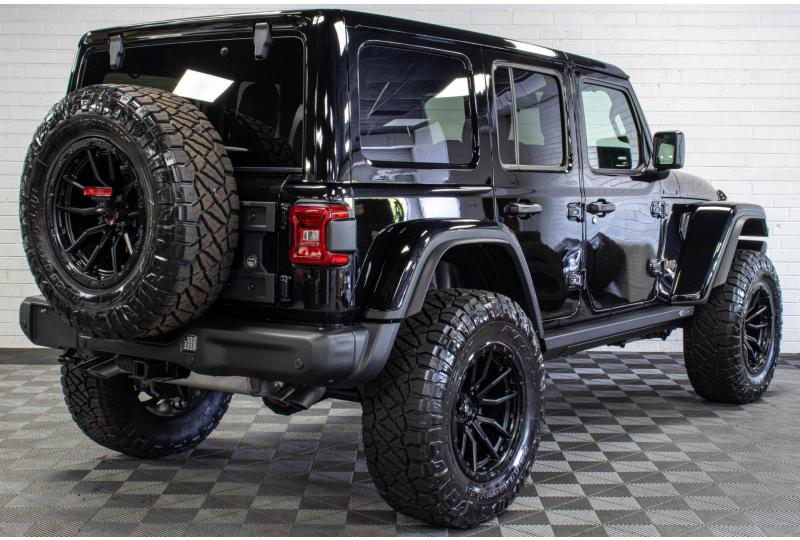
The Jeep Wrangler is universally celebrated as the quintessential off-road vehicle, cherished for its rugged capabilities and unmistakable, iconic design that exudes adventure and resilience. Among the myriad of features it offers, the hard top option is notably favored by many enthusiasts who prioritize durability, enhanced security, and reliable performance in all seasons. This comprehensive guide delves deeply into the realm of the Jeep Wrangler hardtop, offering potential owners and devoted fans extensive insights into why it remains a top choice. From its substantial benefits, and practical installation tips, to thorough maintenance advice, this guide covers all you need to know to make the most out of your Jeep Wrangler’s hard top, ensuring it serves you well across diverse terrains and through varying weather conditions year-round.
Understanding the Appeal of the Jeep Wrangler HardTop
The hard top configuration on a Jeep Wrangler isn’t just about covering the top; it’s a statement of style and functionality that enhances the vehicle’s overall usability. Here’s why a hard top might be the right choice for your Jeep:
1. Enhanced Security: The hard top’s solid construction offers superior protection against theft and break-ins compared to the soft top models. Its robust build deters potential thieves and provides a secure space for storing personal items when you’re away from the vehicle.
2. Improved Insulation and Comfort: Jeep Wranglers are known for their adventurous spirit, but the hard top brings an element of comfort that is unmatched by other configurations. It offers better insulation from weather elements, keeping the cabin warm in the winter and cool in the summer, and significantly reduces noise pollution while driving, especially at high speeds.
3. Low Maintenance and Durability: Unlike soft tops, which may wear out faster due to material degradation (fabric tears, window scratches), hard tops are built to last. They withstand harsh weather conditions, including heavy snow, hail, and extreme sun exposure, without requiring frequent replacements or repairs.
Deciding on the Right Hard Top for Your Wrangler
Selecting the appropriate hard top for your Jeep Wrangler involves several considerations to ensure you get the most out of your purchase:
1. Compatibility and Features: Check for a hard top that is specifically designed for your Wrangler’s model year to ensure a perfect fit. Modern hardtops come equipped with features like removable panels for easy conversion to an open-air setup, integrated roof racks for extra storage, and rear window defrosters.
2. Material Quality: The quality of materials used in the hard top can significantly affect its longevity and performance. Most hard tops are made from durable fiberglass or composite plastics, which are excellent for heat resistance and overall sturdiness.
3. Aesthetics and Integration: Choose a hard top that complements the aesthetics of your Jeep. Some hard tops offer a sleek, painted finish that can match or accent the body color of your Wrangler, adding to its visual appeal.

Installation Process: Step-by-Step
Installing a hard top on a Jeep Wrangler is straightforward, but it requires precision and care. Here’s how to ensure a successful installation:
1. Preparation: Gather the necessary tools and materials, such as a torque wrench and weatherstrip sealant. Make sure the hard top and your Jeep’s surface are clean and free of debris.
2. Placement: With the help of another person, carefully place the hard top onto the Jeep’s body. Ensure it aligns perfectly with the front windshield frame and the rear sections of the body.
3. Securing: Bolt down the hard top using the factory-supplied hardware. Check all seals around the doors and windows to ensure they are tight and secure to prevent leaks.
4. Final Checks: Test all features such as the rear wiper, defroster, and if applicable, the power liftgate to ensure they are functioning correctly.
Maintenance Tips for Longevity
Maintaining a hard top is crucial for ensuring it lasts through the lifespan of your Jeep:
1. Regular Cleaning: Wash your hard top with the same car shampoo you use on the rest of your Jeep. Avoid abrasive cleaners and power washers that can damage the finish and seals.
2. Seal Inspection: Regularly inspect and replace the weather seals if they start to crack or leak. This will help maintain the cabin’s weatherproofing.
3. Wax and UV Protection: Apply a UV protective wax at least twice a year to keep the hard top from fading and to maintain its glossy finish.
Is the Hard Top Right for You?
Choosing whether a hard top is right for your Jeep Wrangler depends largely on your lifestyle, the climate you live in, and your personal preferences for security and comfort. If you value a quieter cabin, less maintenance, and increased security, the hard top is an excellent investment that can enhance your Jeep experience.
By understanding the benefits and responsibilities associated with owning a Jeep Wrangler hard top, you can make an informed decision that maximizes your enjoyment of this legendary vehicle, ensuring it’s equipped to tackle adventures in any season with style and ease.
1. What are the main advantages of choosing a Jeep Wrangler hard top over a soft top?
The Jeep Wrangler hard top offers several benefits, including enhanced durability, better security, and superior insulation. Unlike soft tops, which can be vulnerable to weather and theft, the hard top is made of sturdy materials such as fiberglass or high-strength plastics, making it more resistant to damage. It also provides better climate control, keeping the cabin warmer in the winter and cooler in the summer, offering year-round comfort.
2. Can the Jeep Wrangler hard top be removed for open-air driving?
Yes, the hard top on a Jeep Wrangler is removable, offering the flexibility to enjoy an open-air driving experience when desired. Depending on the model, some hard tops come with removable panels or a fully removable top, allowing you to enjoy the outdoors while maintaining the vehicle’s ruggedness and security when the top is on.
3. How does the Jeep Wrangler hard top affect fuel efficiency?
The Jeep Wrangler hard top may slightly impact fuel efficiency when compared to a soft top due to its heavier weight and more rigid structure. However, the difference is usually minimal. The hard top offers more benefits in terms of security and comfort, which can outweigh the small decrease in fuel economy, especially for those who frequently drive in extreme weather conditions.
4. Is the installation of the Jeep Wrangler hard top difficult?
Installing a Jeep Wrangler hard top can be done by a couple of people in a few hours, as it is designed to be relatively straightforward. The top is mounted onto the Jeep’s body with several latches and bolts. While it is not particularly difficult, it is recommended to have an extra set of hands for safety and ease of installation. Many models also offer convenient features like quick-release latches for easy removal.
5. How should I maintain and care for my Jeep Wrangler hard top?
Proper maintenance is essential to ensure the longevity and functionality of your Jeep Wrangler’s hard top. Clean it regularly with mild soap and water to remove dirt and debris. Check for cracks, chips, or any structural damage, especially after off-roading or exposure to rough conditions. It’s also recommended to apply a UV protectant to prevent fading from prolonged sun exposure. Lastly, ensure the seals around the hard top are intact to prevent leaks and wind noise.
These FAQs provide helpful insights into owning and maintaining a Jeep Wrangler hard top, making it easier to enjoy the benefits of this sturdy and versatile top.
What Does The RAM Truck Look Like In side 2500
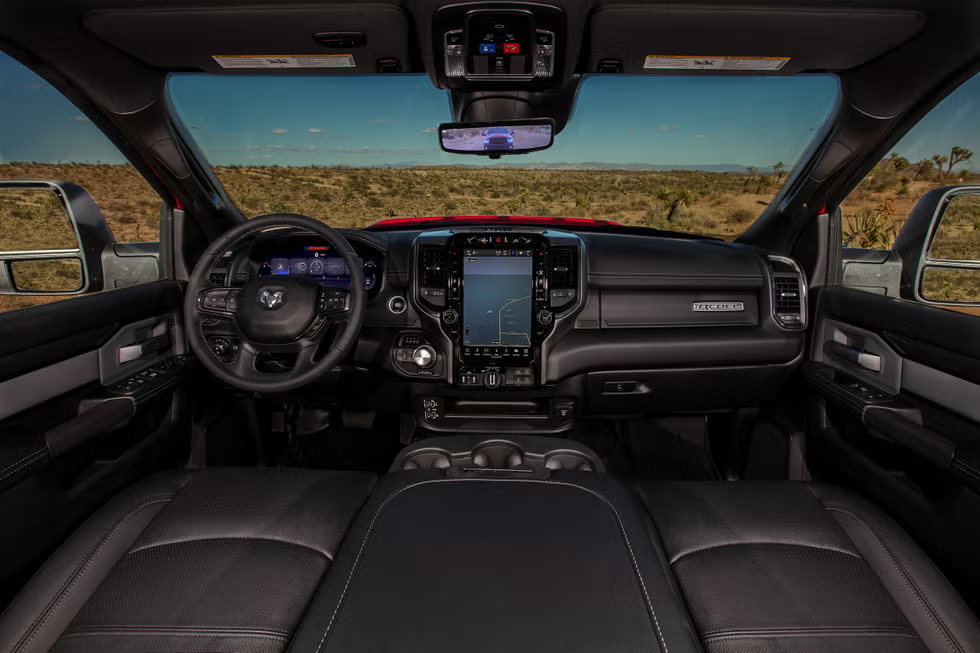
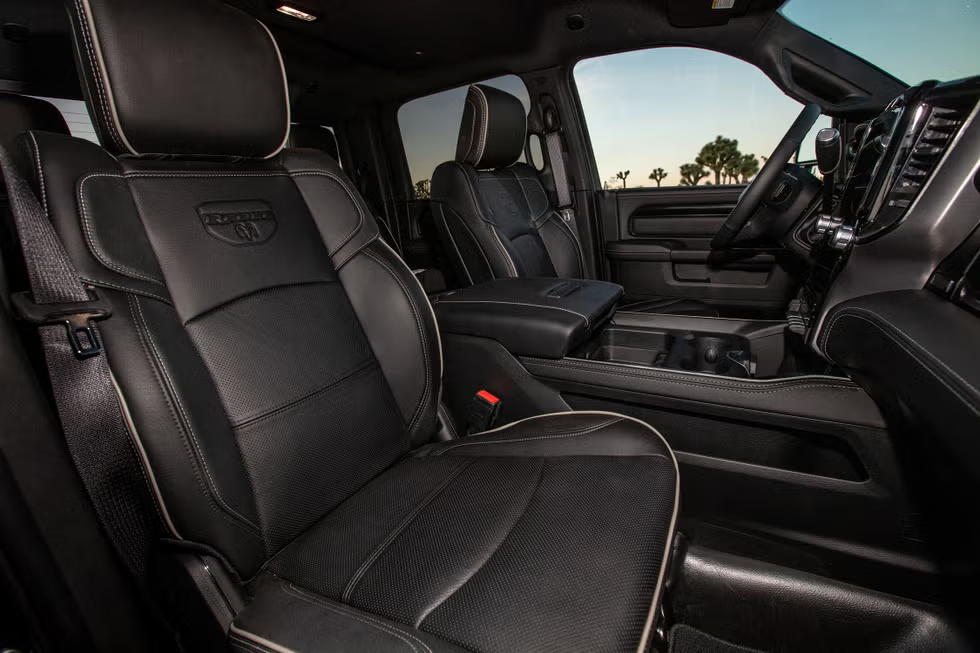

The RAM 2500 is renowned for its rugged performance, exceptional towing capabilities, and powerful engine options, but it’s not just about raw power. The interior of the RAM 2500 has been designed with just as much attention to detail, blending utility with luxury and comfort. Whether you use your truck for work, family trips, or off-roading adventures, the interior of the RAM 2500 is engineered to provide a comfortable and functional environment for both the driver and passengers. In this blog, we’ll take a detailed look at what you can expect from the RAM 2500’s interior, including seating, technology, storage, and overall design.
Spacious and Versatile Interior
The RAM 2500 comes with different cab configurations to suit different needs, whether you’re looking for more passenger space or additional cargo room. The most common configurations include:
- Regular Cab: This option is ideal for those who need a truck primarily for work and storage. It has seating for two or three passengers and a more compact interior layout.
- Crew Cab: This configuration offers more space for passengers, with seating for up to five or six people. It’s the preferred option for those who want both a roomy cab and a larger truck bed for hauling.
- Mega Cab: The Mega Cab provides the most interior space, offering extensive legroom and comfort for rear passengers.
The Crew Cab and Mega Cab are especially popular for their passenger comfort, with ample legroom and a spacious, airy feel.
Seating and Upholstery Options
One of the standout features of the RAM 2500’s interior is its seating options. The truck strikes a balance between rugged durability and luxury, with various trims offering different levels of comfort.
- Upholstery: Depending on the trim, the seating in the RAM 2500 comes in a variety of materials, including cloth, leather-trimmed fabric, and full leather. Higher trims, such as the Laramie or Limited models, feature premium leather upholstery with fine stitching, adding a touch of luxury to the interior.
- Heated and Ventilated Seats: Many higher trims include heated and ventilated seats, offering additional comfort for all seasons. These features are particularly valuable in both cold and hot climates, ensuring that both the driver and passengers remain comfortable regardless of the weather.
- Power-Adjustable Seats: In most models, the front seats are power-adjustable, with memory settings available for the driver’s seat, ensuring a customized seating position every time you enter the vehicle.
For those who often drive long distances or with passengers, the Mega Cab provides the most rear-seat space, with rear seats that can recline for added comfort on longer journeys.
Dashboard and Center Console Design
The interior of the RAM 2500 features a well-organized dashboard and a user-friendly control layout, providing easy access to essential features. The center console, which is available in both standard and dual glovebox configurations, provides ample space for storing items like tools, paperwork, and other work essentials.
- Infotainment System: The Uconnect infotainment system is one of the truck’s main highlights. It comes with a large 8.4-inch or 12-inch touchscreen, depending on the trim level. The system offers Apple CarPlay and Android Auto integration, allowing you to connect your smartphone to the truck seamlessly. It also provides access to navigation, music, hands-free calling, and more. Higher trims come with premium sound systems, ensuring excellent audio quality on every drive.
- Physical Controls: The RAM 2500 still retains traditional physical knobs and buttons for climate control, volume, and other functions, allowing the driver to make adjustments quickly and easily while driving.
- Interior Materials: The materials used in the RAM 2500 vary depending on the trim level. Soft-touch plastics, leather accents, and real wood trim are available in higher trims, creating a high-end, luxurious feel inside the cab.
Storage Space and Utility
RAM trucks are designed to be functional, with plenty of storage space for both personal items and tools. The RAM 2500 offers a variety of compartments and clever storage solutions throughout the cabin.
- Center Console Storage: One of the most notable features is the large center console that can accommodate a laptop, tablet, or other equipment. It also offers additional storage bins for smaller items such as pens, notepads, or gadgets.
- Under-Seat Storage: For those who need even more storage, the RAM 2500 features under-seat storage compartments in the Crew Cab and Mega Cab configurations. These compartments are perfect for stowing away tools, gear, or personal belongings when not in use.
- Cup Holders and Small Storage Compartments: The RAM 2500 also comes with multiple cup holders and small storage bins in the door panels, center armrest, and dashboard to keep your essentials organized and easily accessible.
Technology and Connectivity Features
In addition to its powerful engine options and rugged exterior, the RAM 2500 is loaded with advanced technology to enhance the driving experience. Here’s a look at the key technology features inside the truck:
- Uconnect System: As mentioned earlier, the Uconnect system is a central part of the RAM 2500’s technology. It’s one of the easiest and most intuitive systems available, with a responsive touchscreen interface that makes navigation and media controls straightforward.
- Driver Assistance Features: The RAM 2500 is equipped with a variety of driver assistance technologies, such as blind-spot monitoring, forward-collision warning, and adaptive cruise control. These features help make driving safer, especially when towing or navigating tricky situations.
- Multi-Function Display: The truck comes with a digital display in the instrument cluster, which provides important vehicle information like fuel efficiency, towing metrics, tire pressure, and more. This is especially useful for drivers who tow frequently, as it provides real-time data on load weights, temperatures, and other key metrics.
Climate Control and Comfort
- Dual-Zone Climate Control: The RAM 2500 comes with dual-zone automatic climate control on most trims, allowing the driver and front passenger to set individual temperatures for maximum comfort.
- Heated Steering Wheel: On higher trims, the heated steering wheel adds to the comfort, especially during colder weather.
- Rear-Seat Air Vents: The Crew Cab and Mega Cab configurations also include rear-seat air vents, ensuring that passengers in the back row stay comfortable as well.
Off-Road Capabilities (For Off-Road Models)
If you’re opting for the Power Wagon or Rebel trim, the RAM 2500 offers off-road-specific interior features that match its performance capabilities:
- Rubberized Floor Mats: These floor mats are easy to clean and protect the interior from mud, dirt, and debris during off-road adventures.
- Off-Road Gauges: Some off-road models come with dedicated off-road gauges to track wheel articulation, pitch/roll, and other key metrics while tackling rugged terrain.
Final Thoughts: A Perfect Balance of Function and Luxury
The RAM 2500 combines utility with comfort and technology in a way that few other heavy-duty trucks can match. Whether you’re working hard on a job site, towing a heavy load, or enjoying a weekend off-roading adventure, the interior of the RAM 2500 is designed to keep you comfortable, organized, and connected. From premium upholstery and advanced technology to ample storage space and rugged features, the RAM 2500 proves that even the toughest trucks can offer a luxurious driving experience.
With its well-designed cabin, functional storage, high-tech features, and off-road-ready capabilities, the RAM 2500 is the ideal choice for drivers who need a vehicle that can do it all—and look good doing it.
Lease On A Jeep Wrangler
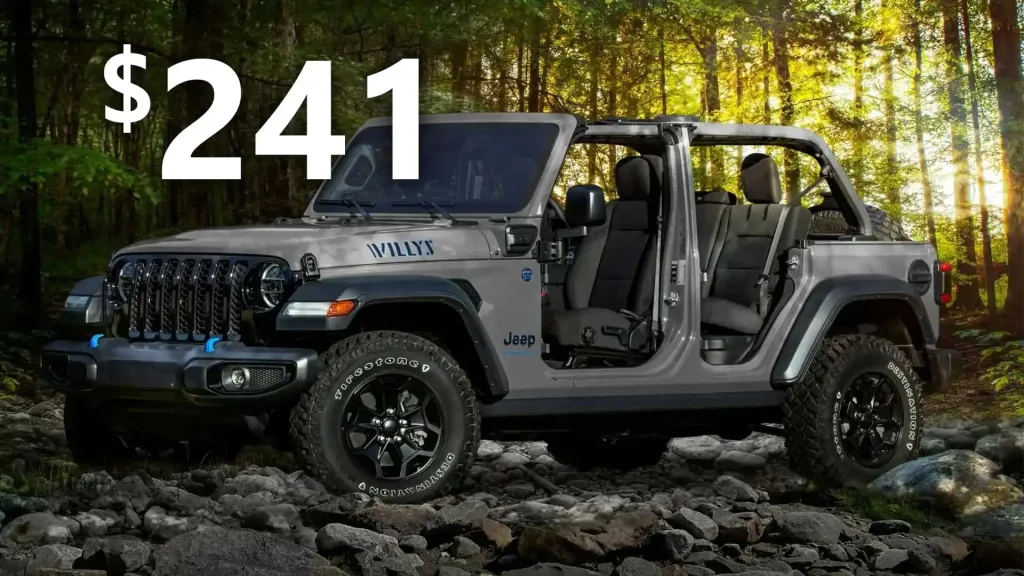
Lease on a Jeep Wrangler
Leasing a Jeep Wrangler can make sense if you want lower monthly payments, newer features, and the ability to switch into another Jeep every few years. Instead of committing to long-term ownership, a lease lets you drive a Wrangler for a set term, usually with a mileage limit and a planned return date.
The Jeep Wrangler is one of the most recognizable SUVs in America because it offers real 4×4 capability, removable roof options, open-air driving, and strong resale demand. That resale strength is one reason the Wrangler can be attractive to lease. Vehicles with strong projected value often lease well because the payment is based partly on how much value the vehicle is expected to retain.
How Does a Jeep Wrangler Lease Work?
A Jeep Wrangler lease is basically a long-term rental with a purchase option at the end. You choose a Wrangler, agree to a lease term, stay within the mileage limit, and make monthly payments until the lease ends.
Your payment is based on several factors, including selling price, residual value, money factor or lease rate, taxes, fees, down payment, incentives, and mileage allowance. A lower selling price, higher residual value, or stronger lease incentive can help lower the payment.
At the end of the lease, you usually have a few options. You can return the Wrangler, buy it for the lease-end purchase price, or lease or finance another vehicle.
Why Lease a Jeep Wrangler?
Leasing can be a good choice if you like driving newer vehicles and do not want to keep a Wrangler for ten years. It also helps if you want warranty coverage during most or all of the lease term.
A Wrangler lease may appeal to shoppers who want lower payments compared with financing the same vehicle. It can also make higher trims more reachable because you are paying for the expected depreciation during the lease instead of the full purchase price.
Jeep Wrangler buyers often compare leasing and financing because the Wrangler is not a cheap SUV. Kelley Blue Book shows Wrangler pricing can vary widely depending on body style, trim, and equipment, which is why comparing payment options matters before signing.
Jeep Wrangler Lease Prices
Jeep Wrangler lease prices change based on trim, location, credit approval, mileage allowance, down payment, taxes, fees, and current incentives. A basic Wrangler Sport lease will usually cost less than a Rubicon, Sahara, Willys, or 4xe model.
The Wrangler 4xe plug-in hybrid can also lease differently because hybrid incentives, residual values, and special programs may change the payment. Some shoppers may find a 4xe lease attractive if there are strong offers available, while others may get a better deal on a gas Wrangler depending on inventory.
Lease prices also move with interest rates and manufacturer programs. That is why the best number is always the current dealer quote, not an old advertised payment.
Wrangler 2-Door vs. 4-Door Lease
The 2-door Wrangler usually costs less than the 4-door Wrangler because it has a lower starting price. It is smaller, lighter, and more traditional, which appeals to buyers who want the classic Jeep experience.
The 4-door Wrangler Unlimited is usually more popular because it adds rear-seat access, more cargo space, and better daily usability. Families and everyday drivers often prefer the 4-door because it is easier to live with.
If you want the lowest lease payment, start with the 2-door Sport or Willys trims. If you want more practicality, the 4-door Wrangler Unlimited is usually the better choice.
Wrangler Gas vs. Wrangler 4xe Lease
The gas Wrangler is the simpler choice. It is familiar, rugged, and easier to understand for buyers who do not want to plug in their vehicle.
The Wrangler 4xe is the plug-in hybrid version. It gives you electric driving capability for shorter trips and gas power for longer drives. Jeep says the Wrangler 4xe delivers 375 horsepower and 470 lb-ft of torque, which makes it powerful as well as efficient. You can review the official Wrangler 4xe details if you are comparing gas and plug-in hybrid models.
A 4xe lease may make sense if you can charge at home or work and most of your driving is local. If you rarely charge, a gas Wrangler may be the easier choice.
Mileage Limits
Most Jeep Wrangler leases come with a mileage limit. Common lease allowances include 10,000, 12,000, or 15,000 miles per year, depending on the lease program.
The lower the mileage allowance, the lower the payment may be. But if you drive more than the limit, you can face excess mileage charges when the lease ends.
Before signing, be honest about how much you drive. A cheaper lease is not really cheaper if you go over the mileage limit every year.
Down Payment and Drive-Off Costs
A lease payment is only part of the cost. You may also have drive-off costs such as first payment, acquisition fee, registration, taxes, dealer fees, and any down payment.
Putting more money down can reduce the monthly payment, but it also increases your upfront risk. If the vehicle is stolen or totaled early in the lease, you may not recover that down payment the way you expect.
Many shoppers prefer to keep the upfront cost reasonable and focus on the total lease cost, not just the monthly payment.
Lease-End Costs
At the end of a Jeep Wrangler lease, the vehicle will be inspected. Normal wear is expected, but excess wear can lead to charges.
Common lease-end issues include damaged wheels, worn tires, cracked glass, dents, missing equipment, interior stains, broken trim, and unrepaired body damage. Off-road use can also create problems if it leaves visible damage underneath the vehicle.
Because the Wrangler is built for adventure, it is important to be realistic. Leasing a Wrangler does not mean you can return it with trail damage and expect no charges.
Can You Modify a Leased Wrangler?
Wrangler owners love modifications, but leasing changes the situation. Lift kits, oversized tires, aftermarket bumpers, lighting, winches, exhaust changes, and other upgrades may create lease-end problems.
Small, reversible accessories may be fine, but major modifications should be avoided unless you plan to buy the Wrangler at lease end. If you modify a leased Wrangler, keep the factory parts and understand that you may need to return it to stock.
If your goal is serious customization, financing or buying may be better than leasing.
Is Leasing Better Than Financing?
Leasing is better if you want a newer Wrangler every few years, prefer lower monthly payments, and do not want to worry about long-term resale value. It also works well if you drive predictable mileage and keep your vehicles in good condition.
Financing is better if you want to own the Wrangler, drive a lot of miles, modify it, or keep it for many years. Wrangler resale value is usually strong, so ownership can make sense for buyers who plan to hold the vehicle long term.
The best choice depends on how you drive, how long you keep vehicles, and whether you want flexibility or ownership.
Who Should Lease a Jeep Wrangler?
A Wrangler lease is a good fit for drivers who want the Jeep lifestyle without a long ownership commitment. It works well if you like new technology, warranty coverage, predictable payments, and the option to upgrade every few years.
It may not be the best choice if you drive high mileage, go off-road often, plan to modify the vehicle, or want to build long-term equity. In those cases, financing may be a better fit.
Find a Jeep Wrangler Lease
A Jeep Wrangler lease can be a smart way to enjoy one of the most iconic 4×4 SUVs without committing to long-term ownership. The right lease depends on trim, body style, mileage allowance, incentives, payment structure, and how you plan to use the vehicle.
Before signing, compare gas and 4xe models, check the mileage limit, understand drive-off costs, and ask about lease-end charges. A Wrangler is built for adventure, but your lease should still match your budget and driving habits.
Visit Simi Valley Chrysler Dodge Jeep Ram to browse new inventory, compare current new specials, check your trade-in value, or apply for financing before choosing your next Jeep Wrangler.
Connect with us


