





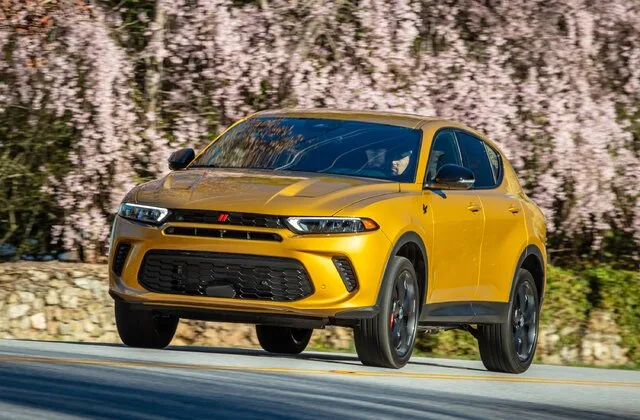
When it comes to compact SUVs, the market is brimming with options, each vying for attention with its unique blend of features, performance, and reliability. Among the contenders, the Dodge Hornet has emerged as a noteworthy player, promising a blend of style, power, and versatility. However, as with any vehicle, prospective buyers are keenly interested in understanding its reliability to make an informed decision. In this comprehensive analysis, we delve deep into the Dodge Hornet’s reliability, exploring its build quality, performance metrics, common issues, owner feedback, and how it stacks up against its competitors.
1. Introduction to the Dodge Hornet
Launched as Dodge’s entry into the highly competitive compact SUV segment, the Hornet aims to capture drivers seeking a balance between performance and practicality. With its bold design, advanced technology, and Dodge’s signature performance-oriented ethos, the Hornet is positioned to appeal to a diverse range of consumers.
Key Features:
- Engine Options: The Hornet offers a range of engines, including turbocharged four-cylinder options and performance-tuned variants.
- Interior Quality: High-quality materials, spacious seating, and modern infotainment systems define the interior.
- Technology: Advanced driver-assistance systems, connectivity features, and customizable displays enhance the driving experience.
- Design: A sporty and aggressive exterior design sets the Hornet apart in a crowded market.
2. Build Quality and Design
Exterior:
The Dodge Hornet boasts a striking exterior that blends ruggedness with sleek aesthetics. The bold grille, sharp lines, and aerodynamic profile not only contribute to its visual appeal but also enhance performance. High-quality materials and precise manufacturing processes ensure durability and a premium feel.
Interior:
Inside, the Hornet offers a well-appointed cabin with ample space for passengers and cargo. The use of soft-touch materials, comfortable seating, and intuitive layout reflects Dodge’s commitment to quality. The ergonomic design ensures that controls are easily accessible, reducing driver fatigue during long journeys.
Materials and Fit & Finish:
The Hornet’s interior materials are of commendable quality, with minimal rattles or squeaks reported in initial reviews. The fit and finish are tight, showcasing attention to detail in assembly. However, as with any new model, minor issues may surface over time, warranting close attention from manufacturers.
3. Performance and Engine Reliability
Engine Options:
The Dodge Hornet comes equipped with a variety of engine choices to cater to different driving preferences:
- 2.0L Turbocharged Inline-4: Offers a balance between performance and fuel efficiency, delivering around 250 horsepower.
- Performance Variants: Enhanced engines with higher horsepower for those seeking a more spirited driving experience.
Transmission:
Paired with a smooth-shifting automatic transmission, the Hornet ensures seamless power delivery and responsiveness. The transmission’s reliability is crucial for long-term ownership, and early reports suggest minimal issues.
Handling and Ride Quality:
The Hornet’s suspension is tuned to provide a comfortable ride without compromising on handling. Its agile maneuverability makes it suitable for both city driving and highway cruising. The vehicle’s stability and responsiveness are key indicators of its overall performance reliability.
Fuel Efficiency:
Fuel economy figures are competitive within the compact SUV segment. The Hornet’s engines are designed to optimize fuel consumption without sacrificing performance, making it a practical choice for daily commuting and long-distance travel.
4. Reliability Ratings and Consumer Reports
Manufacturer’s Reliability:
Dodge, as a brand, has had a mixed history with reliability. However, recent models have shown significant improvements, with a focus on quality control and customer satisfaction. The Hornet benefits from these advancements, aiming to establish Dodge as a dependable manufacturer in the compact SUV space.
Third-Party Reliability Ratings:
Organizations like J.D. Power and Consumer Reports provide invaluable insights into a vehicle’s reliability. As of the latest reports:
- J.D. Power: The Dodge Hornet receives above-average ratings in initial quality studies, indicating fewer problems reported by early owners.
- Consumer Reports: The Hornet scores well in reliability rankings, particularly in areas like engine performance and transmission smoothness.
Warranty and Support:
Dodge offers a competitive warranty package for the Hornet, typically including a 3-year/36,000-mile bumper-to-bumper warranty and a 5-year/60,000-mile powertrain warranty. Extended warranties and maintenance plans are also available, providing added peace of mind for buyers.
5. Common Issues and Recalls
Initial Release Concerns:
As with any new model, the Dodge Hornet may encounter teething problems during its initial release phase. Common issues to watch for include:
- Infotainment System Glitches: Early adopters may report occasional software bugs or connectivity issues with the infotainment system.
- Minor Electrical Problems: Instances of faulty sensors or minor electrical malfunctions have been noted, though these are generally addressed promptly by dealers.
- Interior Trim Issues: Some users have reported loose trim pieces or minor imperfections in the interior finish.
Recalls:
As of the latest information, there have been no major recalls for the Dodge Hornet. Manufacturers continuously monitor vehicle performance post-launch and issue recalls if significant safety or reliability issues arise. Prospective buyers should stay informed by regularly checking official recall notices.
6. Owner Feedback and Satisfaction
Positive Feedback:
Owners of the Dodge Hornet have expressed satisfaction with various aspects of the vehicle:
- Performance: The Hornet’s powerful engine options and responsive handling are frequently praised.
- Comfort: Spacious interiors and comfortable seating contribute to a positive ownership experience.
- Design: The bold and sporty design resonates well with buyers looking for a distinctive vehicle.
Areas for Improvement:
While the overall feedback is positive, some areas have been highlighted for potential improvement:
- Infotainment Interface: Some users find the infotainment system’s interface less intuitive compared to competitors.
- Cargo Space: While adequate for its class, a few owners wish for more cargo capacity.
- Ride Firmness: A minority of drivers prefer a softer ride, especially on rougher road surfaces.
Reliability Perception:
Overall, owner satisfaction regarding the Hornet’s reliability is high, with minimal reported issues. The brand’s commitment to addressing concerns and providing timely support reinforces confidence among owners.
7. Comparison with Competitors
Dodge Hornet vs. Honda HR-V:
- Performance: The Hornet offers more powerful engine options compared to the HR-V’s modest offerings.
- Interior Space: Both vehicles provide ample space, but the Hornet edges out slightly in cargo capacity.
- Reliability: Honda traditionally boasts strong reliability, but the Hornet is making significant strides in this area.
Dodge Hornet vs. Toyota C-HR:
- Design: The Hornet’s aggressive styling contrasts with the C-HR’s more subdued aesthetics.
- Technology: Both vehicles offer advanced infotainment systems, though user preferences may vary.
- Fuel Efficiency: Comparable fuel economy figures, with slight variations based on engine choices.
Dodge Hornet vs. Mazda CX-30:
- Performance: The Hornet’s performance-oriented design gives it an edge in engine power and handling.
- Interior Quality: Both vehicles feature high-quality interiors, with Mazda often praised for its luxurious feel.
- Reliability: Mazda has a longstanding reputation for reliability, which the Hornet is working to match.
Dodge Hornet vs. Subaru Crosstrek:
- All-Wheel Drive: Both offer all-wheel-drive options, enhancing versatility.
- Off-Road Capability: The Crosstrek is known for its off-road prowess, while the Hornet focuses more on urban and highway performance.
- Reliability: Subaru’s reliability is well-regarded, but the Hornet is emerging as a strong contender.
8. Maintenance and Long-Term Reliability
Routine Maintenance:
Proper maintenance is crucial for ensuring the long-term reliability of any vehicle. For the Dodge Hornet, regular oil changes, tire rotations, brake inspections, and timely replacement of filters and fluids are essential. Following the manufacturer’s recommended maintenance schedule helps prevent potential issues and extends the vehicle’s lifespan.
Common Repairs:
While the Hornet is generally reliable, some common repairs that may arise include:
- Brake System Maintenance: Replacement of brake pads and rotors as they wear out.
- Battery Replacement: Batteries typically last 3-5 years, depending on usage and climate conditions.
- Tire Replacement: Depending on driving habits and road conditions, tires may need replacement every 40,000 to 60,000 miles.
Availability of Parts and Service:
Dodge’s extensive dealership network ensures that parts and service are readily available. Genuine OEM parts are accessible, and certified technicians are trained to handle specific Hornet-related issues, ensuring quality repairs and maintenance.
Cost of Ownership:
The Dodge Hornet’s cost of ownership is competitive within its segment. Initial purchase prices are reasonable, and maintenance costs are manageable. Insurance premiums are on par with other compact SUVs, though they can vary based on individual factors like location, driving history, and coverage choices.
9. Safety and Reliability
Safety Features:
The Hornet is equipped with a suite of safety features aimed at protecting occupants and preventing accidents:
- Advanced Driver-Assistance Systems (ADAS): Includes adaptive cruise control, lane-keeping assist, blind-spot monitoring, and automatic emergency braking.
- Structural Integrity: High-strength steel frames and crumple zones enhance crash safety.
- Airbags: Comprehensive airbag coverage for front, side, and curtain protection.
Safety Ratings:
Safety ratings from organizations like NHTSA and IIHS are critical indicators of a vehicle’s safety performance. The Dodge Hornet has performed admirably in initial tests, earning favorable ratings for crashworthiness and safety features.
Reliability Impact on Safety:
A reliable vehicle is inherently safer, as consistent performance and minimal mechanical issues reduce the likelihood of accidents caused by vehicle malfunctions. The Hornet’s reliability contributes positively to its overall safety profile, ensuring that critical systems function as intended.
10. Future Outlook and Reliability Improvements
Manufacturer’s Commitment:
Dodge has demonstrated a commitment to continuous improvement, focusing on enhancing build quality, performance, and reliability in subsequent model years. Feedback from early adopters is being actively incorporated to address any shortcomings and refine the Hornet’s design and functionality.
Technological Advancements:
With advancements in automotive technology, the Hornet is expected to integrate more sophisticated systems that enhance reliability. Innovations in engine design, materials, and manufacturing processes contribute to a more robust and dependable vehicle.
Sustainability Efforts:
Dodge is also exploring eco-friendly technologies, such as hybrid and electric powertrains, which may be incorporated into future Hornet models. These advancements not only improve environmental sustainability but also offer enhanced performance and efficiency, contributing to overall reliability.
11. Conclusion: Is the Dodge Hornet a Reliable Choice?
After a thorough analysis, the Dodge Hornet emerges as a reliable and compelling option in the compact SUV segment. Its robust performance, stylish design, and advanced features make it an attractive choice for a wide range of drivers. While early models have shown minor issues typical of new vehicle releases, the overall reliability ratings and owner feedback are positive, indicating that the Hornet is poised to establish itself as a dependable contender in the market.
Pros:
- Powerful Engine Options: Delivering impressive performance and responsiveness.
- Stylish Design: Bold aesthetics that stand out in a crowded market.
- Advanced Technology: Comprehensive infotainment and safety features.
- Competitive Pricing: Offering good value for the features and performance provided.
Cons:
- Infotainment System: May require further refinement for enhanced user experience.
- Cargo Space: While adequate, it may fall short for some users compared to competitors.
- Ride Firmness: Some drivers may prefer a softer suspension setup.
Final Verdict:
The Dodge Hornet is a reliable and versatile compact SUV that caters to drivers seeking a blend of performance, style, and practicality. Its strong initial reliability ratings, coupled with Dodge’s ongoing improvements, make it a worthwhile consideration for anyone in the market for a new SUV. Prospective buyers should, however, evaluate their specific needs and preferences, test drive the vehicle, and consult multiple sources of reviews to ensure it aligns with their expectations.
12. Additional Resources
For those interested in learning more about the Dodge Hornet’s reliability and overall performance, the following resources are invaluable:
- J.D. Power – Dodge Hornet Reviews
- Consumer Reports – Dodge Hornet Reliability Ratings
- National Highway Traffic Safety Administration (NHTSA) – Dodge Hornet Safety Ratings
- Insurance Institute for Highway Safety (IIHS) – Dodge Hornet Ratings
Connect with us


