




2019 BMW 4 Series 430i Gran Coupe For Sale
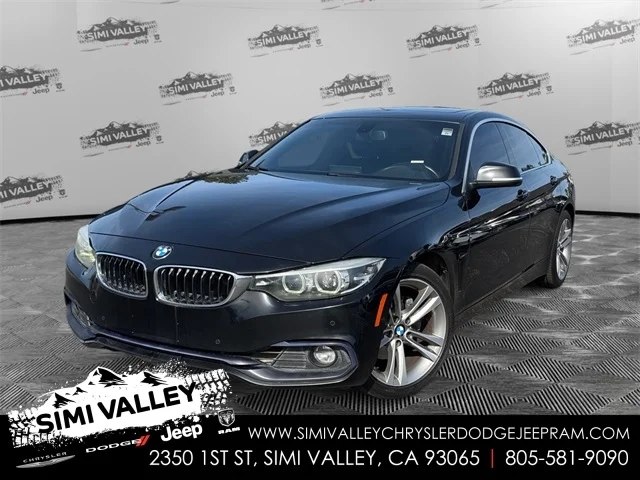
For buyers looking to break free from the monotony of traditional sedans or the compromises of two-door coupes, the 2019 430i Gran Coupe lands in a sweet spot of style, agility, and everyday functionality.
Head-Turning Design with Everyday Practicality
At first glance, the 430i Gran Coupe looks like a traditional BMW sports coupe—sleek, low-slung, and aggressive. But look closer and you’ll notice something rare in the segment: four doors and a liftback-style rear hatch. It’s a clever design twist that gives this Gran Coupe its unique identity.
From its angular adaptive LED headlights and iconic kidney grille to its long hood and sloping roofline, the 2019 model oozes European sophistication. But unlike traditional coupes, the Gran Coupe offers easy access to the rear seats and a surprisingly large cargo area, making it a favorite for those who want performance without sacrificing practicality.
The power liftgate reveals 14 cubic feet (396 litres) of cargo space—more than most compact sedans—and with the rear seats folded down, that expands significantly, making it ideal for road trips, shopping sprees, or gear-heavy weekend escapes.
Performance That Lives Up to the Badge
Under the hood of the 2019 430i Gran Coupe lies a 2.0-liter BMW TwinPower Turbo inline-4 engine that produces 248 horsepower and 258 lb-ft of torque. Mated to a responsive 8-speed automatic transmission, this drivetrain propels the Gran Coupe from 0 to 60 mph in just 5.6 seconds—a thrilling pace for its class.
The power delivery is smooth, with just the right amount of turbocharged punch for overtaking on the freeway or merging with confidence. Whether you’re commuting through Los Angeles traffic or carving canyon roads on a weekend getaway, the 430i is always eager to respond.
Fuel economy is equally impressive, with an EPA-estimated 24 MPG city / 34 MPG highway (9.8 / 6.9 L/100 km), giving drivers a rare mix of performance and efficiency. Opt for BMW’s xDrive AWD version, and you’ll gain all-weather confidence without a major hit to fuel economy.
BMW’s Driving Dynamics Control system allows you to switch between Comfort, Sport, and Eco Pro modes—changing the throttle response, transmission behavior, and steering feel to suit your mood.
Luxury Interior That Exudes Precision
Slide into the cabin, and you’re greeted by BMW’s signature driver-centric layout, meticulously arranged with high-grade materials and clean, Germanic lines. The leatherette upholstery is standard, but many models will be equipped with Vernasca leather, wood or aluminum trim, and ambient lighting packages.
Standard features include:
- 10-way power front seats
- Dual-zone automatic climate control
- iDrive infotainment system with a 6.5-inch display
- Bluetooth connectivity and USB ports
- Power tailgate
Many 430i Gran Coupes come well-optioned with the Technology Package, upgrading you to an 8.8-inch touchscreen, navigation, head-up display, and the intuitive Gesture Control interface. Audiophiles will appreciate the available Harman Kardon 16-speaker premium sound system.
Rear-seat space is generous for a coupe-styled car, offering enough headroom and legroom for adult passengers. And thanks to the rear hatch design, loading and unloading is easier than you’d expect from a car with such a sleek profile.
Advanced Safety and Driver Assistance Features
The 2019 BMW 430i Gran Coupe comes equipped with a comprehensive array of standard safety features:
- Anti-lock Brakes (ABS)
- Stability and traction control
- Front and rear head airbags
- Front side airbags
Optional safety upgrades include:
- Forward Collision Warning with Automatic Emergency Braking
- Lane Departure Warning
- Blind Spot Monitoring
- Adaptive Cruise Control
- Parking Sensors and Rearview Camera
BMW’s Active Driving Assistant package is available and brings these systems together for semi-autonomous driving support, enhancing peace of mind on daily commutes and long road trips alike.
Ownership Experience and Value
While the 430i Gran Coupe is all about premium driving, it’s also built to last. BMW’s reputation for quality engineering is evident in the details—panel gaps are tight, switches feel solid, and the drivetrain is tuned for longevity and performance.
The 2019 model comes with BMW’s 4-year/50,000-mile limited warranty, and many used examples on the market will still be under warranty or eligible for Certified Pre-Owned (CPO) coverage depending on mileage and service history.
For luxury buyers who want a distinctive vehicle without going full-size or full-SUV, the 430i Gran Coupe offers real value. It’s sporty, efficient, upscale, and versatile—four traits rarely found in the same package.
Who Should Buy the 2019 BMW 430i Gran Coupe?
The BMW 430i Gran Coupe is perfect for:
- Drivers who want sporty looks and performance but need rear-seat space and cargo versatility
- Young professionals or growing families who aren’t quite ready to jump into an SUV
- Enthusiasts who want rear-wheel-drive dynamics (or xDrive AWD) in a more practical wrapper
- Buyers coming out of compact sedans or traditional coupes, looking to elevate their daily drive
Final Thoughts: Where Coupe Meets Utility
The 2019 BMW 430i Gran Coupe offers a rare blend of design, performance, luxury, and utility. It captures the emotional appeal of a coupe while delivering the daily usability of a sedan and the cargo capacity of a hatchback. Whether you’re drawn to BMW for its brand prestige or you simply want a car that does everything well, the 430i Gran Coupe deserves your attention.
If you’re ready to experience the best of both worlds, the 2019 430i Gran Coupe is your invitation to drive something different—something better.
2019 Hyundai Santa Fe Limited For Sale
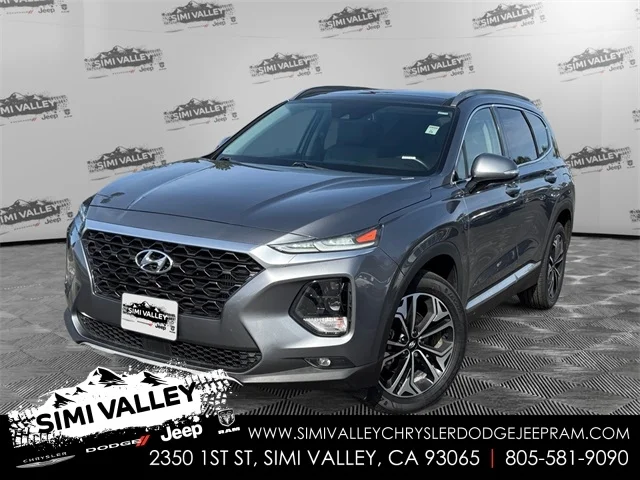
Looking for a well-rounded, refined, and reliable SUV that won’t cost you luxury-brand prices? The 2019 Hyundai Santa Fe Limited, now available at Simi Valley Chrysler Dodge Jeep Ram, is a standout choice in the competitive midsize SUV market. With upscale styling, advanced tech features, a smooth ride, and industry-leading safety, this vehicle has earned its place as a top pick for families and solo drivers alike.
Whether you’re commuting through Los Angeles traffic, heading to the California coast, or tackling daily life in Ventura County, the 2019 Santa Fe Limited delivers capability, comfort, and confidence every mile of the way.
Elevated Exterior Design
The first thing you’ll notice about the 2019 Santa Fe Limited is its bold, upscale design. The front fascia features Hyundai’s signature cascading grille framed by slim LED daytime running lights and low-positioned headlights, creating a unique and modern aesthetic.
Premium Interior Comfort & Features
Step inside, and you’ll instantly recognize the attention Hyundai paid to materials, comfort, and ergonomics in the Santa Fe Limited. The cabin is wrapped in leather-trimmed upholstery, complemented by real wood and brushed aluminum accents.
The driver’s seat is 8-way power-adjustable with 2-way lumbar support, and both front seats are heated and ventilated—ideal for California’s seasonal shifts. Rear passengers aren’t left out, with plenty of legroom, reclining seats, and even their own climate vents.
Technology takes center stage with an 8-inch touchscreen infotainment system featuring Apple CarPlay®, Android Auto™, SiriusXM, and integrated navigation. The Infinity® Premium Audio System offers 12 high-performance speakers to turn every drive into a concert-like experience.
Smooth, Confident Performance
Under the hood, the Santa Fe Limited houses a 2.4L GDI 4-cylinder engine, delivering 185 horsepower and 178 lb-ft of torque, mated to an efficient 8-speed automatic transmission. This drivetrain strikes an ideal balance between responsive acceleration and fuel economy.
Drivers can expect up to 29 MPG highway (8.1L/100 km) and 22 MPG city (10.7L/100 km)—impressive numbers for a vehicle this size. Whether navigating through Simi Valley or cruising north on the 101, the ride remains smooth and composed thanks to Hyundai’s well-tuned suspension.
Looking for more grip? While this particular model features Front-Wheel Drive (FWD), the Santa Fe Limited was also available with HTRAC All-Wheel Drive for added traction—perfect for occasional winter drives to Big Bear or Mammoth.
Class-Leading Safety Technology
When it comes to safety, the 2019 Santa Fe Limited is among the best in its class. It earned a Top Safety Pick+ from the IIHS, thanks to Hyundai’s robust SmartSense suite of driver assistance technologies, including:
- Forward Collision-Avoidance Assist with Pedestrian Detection
- Blind-Spot Collision-Avoidance Assist
- Lane Keeping Assist
- Rear Cross-Traffic Collision-Avoidance Assist
- Driver Attention Warning
- Safe Exit Assist to prevent rear seat passengers from opening doors into oncoming traffic
These features are designed not only to protect you in the event of a crash but to help avoid one altogether. It’s one of the many reasons this SUV remains a popular pick among safety-conscious buyers.
Practical Versatility for Real Life
The 2019 Santa Fe isn’t just smart and stylish—it’s ready for everyday life. With 35.9 cubic feet of cargo space behind the second row and a maximum of 71.3 cubic feet with the rear seats folded flat, there’s room for everything from school gear to camping equipment.
Hyundai’s hands-free smart liftgate adds extra convenience, especially when your arms are full. Simply stand behind the tailgate with the key fob and it opens automatically—no kicking, waving, or button-pressing required.
Other practical touches include a dual-level cargo floor, under-floor storage compartments, and a hidden cargo cover to keep your valuables out of sight.
Why the 2019 Santa Fe Limited Still Shines in 2025
Even several years after its release, the 2019 Santa Fe Limited remains highly desirable. Its premium features, strong reliability, and high resale value make it a smarter choice than many newer SUVs at higher prices. And since Hyundai offers one of the industry’s best warranties, many 2019 models still qualify for 10-year/100,000-mile powertrain coverage—adding long-term value to your purchase.
Better yet, when you buy from a reputable dealership like Simi Valley Chrysler Dodge Jeep Ram, you’re getting a thoroughly inspected, reconditioned, and road-ready vehicle backed by a team you can trust.
Why Buy from Simi Valley CDJR?
Here’s what sets us apart:
- Transparent pricing with no hidden fees
- Flexible financing options
- Top-dollar trade-in appraisals
- Friendly, knowledgeable team dedicated to your needs
- A wide selection of quality used vehicles, including Hyundai, Jeep, Dodge, Ram, and more
We proudly serve drivers across Simi Valley, Thousand Oaks, Moorpark, and greater Los Angeles, offering a car-buying experience that’s efficient, honest, and enjoyable.
Schedule Your Test Drive Today
The 2019 Hyundai Santa Fe Limited offers premium features, peace-of-mind safety, and everyday practicality—all wrapped in a stylish, modern package. If you’re ready to upgrade your driving experience, come test drive this standout SUV today at Simi Valley Chrysler Dodge Jeep Ram.
📍 2350 First St, Simi Valley, CA 93065
📞 (805) 387-9755
🔗 View Listing & Schedule a Test Drive
Act fast—well-equipped SUVs like this don’t stay on the lot for long!
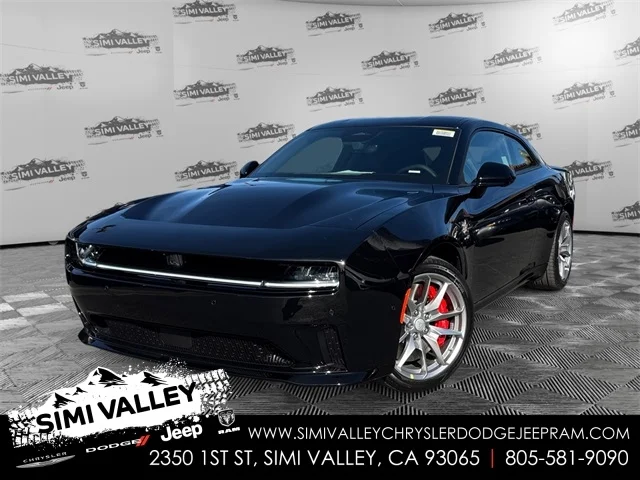
With cutting-edge EV technology, blistering acceleration, and unmistakable muscle-car attitude, the 2025 Charger R/T Scat Pack is the most radical evolution of the Charger yet—and it’s built to thrill.
Electrified Performance: More Power, Less Gas
At the heart of the 2025 Scat Pack is a 100.5 kWh lithium-ion battery that powers a dual-motor all-wheel-drive system, sending instant torque to all four wheels. It’s the most powerful iteration of the Charger to date—without burning a drop of fuel.
Performance Highlights
- Horsepower: 630 hp (up to 670 hp with PowerShot engaged)
- Torque: 627 lb-ft
- 0–60 mph: 3.3 seconds
- Quarter-Mile: ~11.5 seconds
- Drivetrain: AWD with launch control
- Top Speed: Electronically limited ~155 mph (est.)
Thanks to the PowerShot feature, drivers can unlock a temporary 40-horsepower boost at the press of a button—perfect for instant overtakes or showing off at the drag strip. This innovation keeps the Charger R/T Scat Pack squarely in the muscle car lane, even without a V8.
Fratzonic Chambered Exhaust: The Sound of Performance
Muscle cars are as much about the sound as they are about the speed. To preserve that emotional experience, Dodge introduces the Fratzonic Chambered Exhaust—a first-of-its-kind artificial sound system that mimics the roar of a V8.
This isn’t your average EV hum. It’s loud, visceral, and tuned to respond to throttle input—so every acceleration, downshift, or launch feels authentic and exciting.
Electrifying Design: Old School Meets New School
The 2025 Charger R/T Scat Pack looks the part. It’s wider, meaner, and more sculpted than ever. While the design tips its hat to Chargers of the past, it leans fully into the EV future with aerodynamic lines and signature lighting.
Exterior Features
- Illuminated Fratzog badge (Dodge’s symbol for its electrified lineup)
- Full-width LED lighting front and rear
- Optional two-door and four-door configurations
- Performance brakes and 20-inch wheels standard
- Aggressive front splitter and functional hood ducts
This isn’t just an electric sedan—it’s a futuristic street brawler built with attitude.
Driver-Centric Interior with High-Tech Muscle
Inside the Charger R/T Scat Pack, you’re greeted with an immersive, modern cockpit designed for performance driving and daily comfort. Dodge has pushed the limits of interior design, combining digital control with retro cues.
Interior Highlights
- 16-inch curved infotainment touchscreen
- 12.3-inch digital gauge cluster with performance themes
- Heated and ventilated sport seats with available suede or leather
- Ambient lighting with color zones
- Wireless Apple CarPlay® and Android Auto™
- Customizable drive modes and performance pages
- Flat-bottom performance steering wheel with paddle controls
The cabin feels like a high-end race car but is refined enough for everyday use.
Drive Modes & Handling: Customize the Thrill
Drivers can tailor their experience with multiple drive modes, including:
- Auto: For daily driving
- Sport: Enhanced throttle and tighter steering
- Track: Full performance mode with stiffer suspension and maximum output
- Wet/Snow: Optimized for traction and stability
- Eco: For conserving battery range on long trips
Combined with adaptive damping suspension, launch control, and electronic torque vectoring, the R/T Scat Pack handles like a performance coupe, despite its size.
Battery, Charging & Range
While performance takes center stage, the Charger R/T Scat Pack is also a practical EV with competitive range and fast-charging capabilities.
Battery & Range Overview
- Battery: 100.5 kWh
- Estimated Range: ~418 km (260 miles)
- DC Fast Charging: 20% to 80% in under 30 minutes
- Level 2 Home Charging: Full charge overnight (approx. 8–10 hours)
The battery pack is thermally managed for consistent performance and longevity, whether you’re racing on the weekend or commuting during the week.
Advanced Safety & Driver Assist Tech
Just because it’s a muscle car doesn’t mean it skimps on safety. The Scat Pack is loaded with modern driver-assistance systems.
Key Safety Features
- Forward Collision Warning with Automatic Braking
- Adaptive Cruise Control with Stop & Go
- Blind Spot Monitoring with Rear Cross Path Detection
- Lane Departure Warning with Lane Keep Assist
- 360-degree surround-view camera (available)
- Over-the-air software updates for performance and security
Safety and performance now go hand in hand, making the Scat Pack a well-rounded family-friendly muscle car.
Pricing & Availability
The 2025 Dodge Charger R/T Scat Pack starts at approximately $73,190 USD. Two-door coupe models began production in late 2024, while the four-door variants will arrive in early 2025.
Fully equipped, the price may climb above $85,000, putting it squarely in premium EV territory—but for muscle car enthusiasts, it’s well worth it.
Final Verdict: A New Age of American Muscle
The 2025 Dodge Charger R/T Scat Pack isn’t just an evolution—it’s a revolution. It retains the soul of classic Chargers but powers it with clean energy and modern technology. With explosive performance, cutting-edge features, and unmistakable style, it delivers everything muscle car fans love—just without the gas.
Whether you’re a lifelong Dodge fan or a performance EV shopper looking for something with attitude, the Scat Pack is proof that electrification can be every bit as thrilling—and loud—as tradition.
2025 RAM 1500 RHO For Sale Los Angeles
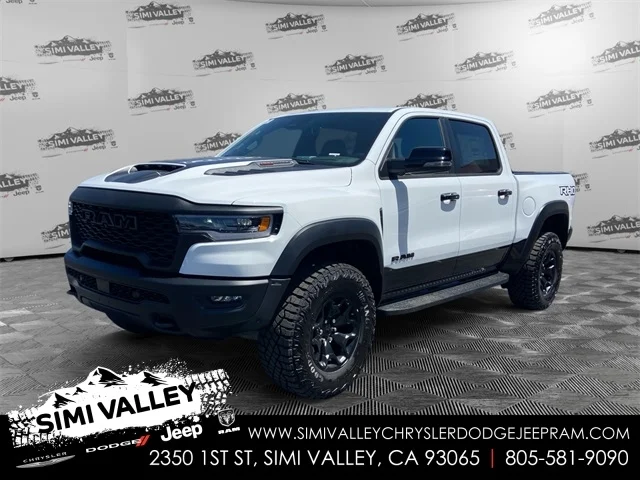
The 2025 RAM 1500 RHO is here, and it’s not just another trim—it’s the highly anticipated successor to the TRX, bringing raw performance, off-road dominance, and luxurious refinement into one aggressive package. As RAM retires the supercharged Hellcat V8-powered TRX, the RHO storms in with a new-generation Hurricane twin-turbo engine, blending brutal speed with better efficiency.
Whether you’re a weekend warrior looking to conquer trails or a truck enthusiast craving bold power and high-tech comfort, the RHO answers the call with authority.
Under the Hood: Meet the Hurricane
RAM’s new high-output 3.0L Hurricane I6 twin-turbo engine is the heart of the RHO. Despite bidding farewell to the supercharged 6.2L V8 of the TRX, the Hurricane doesn’t disappoint. It delivers a jaw-dropping 540 horsepower and 521 lb-ft of torque, making the RHO one of the most powerful full-size production trucks on the market in 2025.
Performance Specs at a Glance
- Horsepower: 540 hp
- Torque: 521 lb-ft
- 0–60 mph: 4.6 seconds
- Top Speed: 118 mph
- Towing Capacity: Up to 8,380 lbs
- Payload: Approx. 1,520 lbs
The RHO is designed to dominate—on road or off—and does so while being more fuel-efficient than the outgoing TRX, thanks to turbocharging and improved engine management.
Engineered for Off-Road Mayhem
This isn’t just a street monster. The 2025 RAM 1500 RHO is built with off-road in its DNA. RAM didn’t hold back on engineering: it features Bilstein Black Hawk e2 adaptive performance shocks, a fully boxed high-strength steel frame, and 11.8 inches of ground clearance.
Off-Road Features Include:
- Electronic locking rear differential
- Performance-tuned suspension
- Full-time 4WD with active transfer case
- Drive Modes: Auto, Sport, Tow, Snow, Mud/Sand, Rock, Baja
- Skid plates, tow hooks, and 35-inch all-terrain tires
Whether you’re bombing through the desert in Baja mode or rock-crawling at low speeds, the RHO adjusts on the fly to deliver confident control.
Interior: Where Rugged Meets Refined
Step inside the RHO, and you’re welcomed by a cabin that’s both luxuriously appointed and purpose-built. RAM continues its trend of class-leading interiors with premium materials, advanced tech, and plenty of space.
Interior Highlights
- Leather-trimmed seats with suede inserts and contrast stitching
- 14.5-inch Uconnect 5 infotainment system
- 12.3-inch digital driver display
- Available 19-speaker Harman Kardon® audio system
- Wireless Apple CarPlay & Android Auto
- Dual-zone automatic climate control
- Panoramic sunroof (optional)
Everything inside the cabin is designed for comfort, connectivity, and an immersive driving experience, whether you’re commuting or taking on wild terrain.
Technology: Smart, Safe, and Future-Ready
The 2025 RAM 1500 RHO isn’t just about power—it’s also packed with the latest tech to keep drivers informed, entertained, and protected.
Key Tech & Safety Features
- Hands-Free Active Driving Assist
- Adaptive Cruise Control with Stop & Go
- Evasive Steering Assist
- Surround View Camera System
- Lane Keep Assist
- Forward Collision Warning with Automatic Braking
- Blind Spot Monitoring with Trailer Coverage
In total, the RHO features over 100 standard and available safety and security features, putting it on par with premium SUVs and making it ideal for families who want performance without sacrificing peace of mind.
Design & Exterior Styling
The 2025 RAM RHO looks every bit the part of a performance off-roader. With a bold front fascia, aggressive hood, and wide fenders, it commands attention even at a standstill.
Design Highlights
- Unique RHO badging
- Wide-body stance with flared fenders
- Functional hood vents and air intakes
- LED lighting with blacked-out bezels
- Optional beadlock-capable wheels
It sits taller, looks meaner, and delivers a visual punch that will make you look twice—even in a crowded parking lot.
RHO vs. TRX: How Does It Compare?
While the RHO doesn’t pack the 702 horsepower of the outgoing TRX, it makes a strong case with better efficiency, lower weight, and modern tech. Here’s how they stack up:
| Feature | TRX (2024) | RHO (2025) |
|---|---|---|
| Engine | 6.2L Supercharged V8 | 3.0L Twin-Turbo I6 |
| Horsepower | 702 hp | 540 hp |
| Torque | 650 lb-ft | 521 lb-ft |
| 0–60 mph | 4.5 sec | 4.6 sec |
| Towing Capacity | 8,100 lbs | 8,380 lbs |
| MPG (Combined, est.) | 12 MPG | 15–16 MPG (est.) |
| Starting Price (USD) | $96,585 | $69,995 |
Verdict: The RHO is more affordable, more efficient, and still incredibly powerful. It’s a smarter evolution for RAM fans.
Pricing & Availability
The 2025 RAM 1500 RHO starts at $69,995 USD, making it significantly more accessible than the TRX was, without losing its essence. Fully loaded, expect prices to climb into the $80K–$85K range.
It will be available at select RAM dealerships in mid-2025, with pre-orders already generating buzz across the country.
Who Should Buy the 2025 RHO?
The RAM RHO is tailor-made for:
- TRX fans looking for the next generation of power
- Off-road enthusiasts wanting a capable, comfortable daily driver
- Truck buyers seeking serious performance without six-figure pricing
- Tech-savvy drivers who also appreciate brawny design and practicality
It strikes the sweet spot between a race-ready off-roader and a luxurious daily-use truck.
Final Thoughts
The 2025 RAM 1500 RHO is everything a modern performance truck should be: fast, fierce, tech-loaded, and surprisingly refined. It honors the legacy of the TRX while adapting to a more sustainable, efficient future with the Hurricane engine.
Whether you’re conquering desert trails or pulling heavy loads, the RHO proves that performance and practicality can coexist beautifully—and at a more approachable price point.
If you’ve been waiting for the TRX’s worthy successor, the wait is officially over.
2025 Chrysler Voyager LX For Sale in Simi Valley
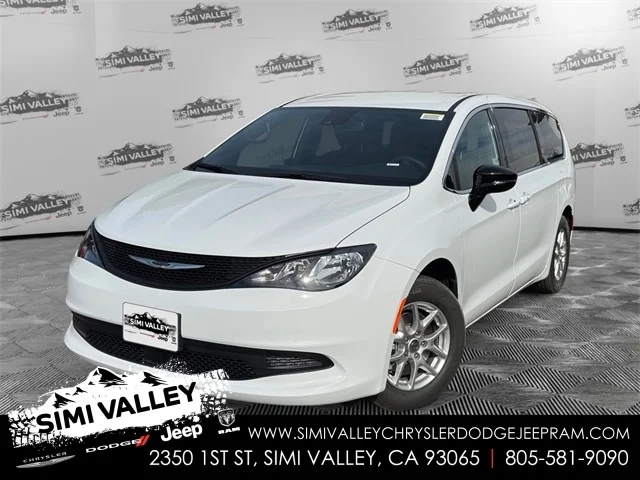
The 2025 Chrysler Voyager LX reemerges as a practical and budget-friendly minivan, offering families a rIf you’re looking for a minivan that’s spacious, reliable, and doesn’t break the bank, the 2025 Chrysler Voyager LX should be on your radar. Designed with practicality in mind, the Voyager LX delivers the core features families need—ample space, comfort, tech, and safety—without piling on luxury extras that drive up the cost.
Chrysler positions the Voyager as a value-based alternative to its more upscale Pacifica, and in 2025, it continues to deliver one of the best combinations of utility and affordability in the minivan market.
Engine & Performance: Built for Everyday Versatility
The 2025 Voyager LX is powered by Chrysler’s proven 3.6-litre Pentastar™ V6 engine, offering 287 horsepower and 262 lb-ft of torque. It’s paired with a smooth 9-speed automatic transmission, providing confident acceleration whether you’re merging onto a highway or navigating urban traffic.
While the Voyager isn’t trying to be sporty, it handles admirably for a minivan. The suspension is tuned for comfort, soaking up bumps with ease—perfect for long road trips or errand-filled weekends. The front-wheel-drive setup keeps things simple and cost-effective, while providing excellent grip in most weather conditions.
Fuel Economy
- City: 12.4 L/100 km (19 MPG)
- Highway: 8.4 L/100 km (28 MPG)
- Combined: 10.7 L/100 km (22 MPG)
That balance of power and efficiency makes the Voyager LX a smart choice for families conscious of both performance and fuel costs.
Interior Space: Room for Seven and Then Some
Inside, the Voyager LX is a showcase of functionality. It offers seating for seven passengers in a spacious cabin that prioritizes passenger comfort and cargo flexibility. The second-row captain’s chairs and third-row bench are well-cushioned and supportive, and passengers in every row will appreciate the available tri-zone climate control.
Stow ‘n Go® Seating
One of Chrysler’s most practical innovations, Stow ‘n Go® lets you fold the second and third-row seats flat into the floor, transforming the Voyager from a people mover into a cargo hauler in seconds. With the seats folded, you’ll get up to 140.5 cubic feet of cargo space—plenty for camping gear, sports equipment, or a weekend’s worth of home improvement supplies.
Technology: Practical and Modern
While the Voyager LX focuses on affordability, it doesn’t skimp on connectivity or convenience. At the center of the dash is a 10.1-inch touchscreen infotainment system featuring the intuitive Uconnect® 5 interface. It includes:
- Wireless Apple CarPlay® and Android Auto™
- Bluetooth® Audio Streaming
- USB Charging Ports
- 6-Speaker Sound System
- Voice Command Functionality
The infotainment system is easy to use, quick to respond, and puts essential functions at your fingertips. Rear-seat passengers have access to USB ports as well, keeping everyone’s devices powered up on long drives.
Comfort Features
Though the LX is the base trim, Chrysler includes a suite of standard comfort features:
- Heated Front Seats
- Heated Steering Wheel
- Power Driver’s Seat with Lumbar Adjustment
- Cloth Upholstery
- Manual Sliding Side Doors
- Rear Air Conditioning Controls
Everything is designed with usability in mind—nothing excessive, but everything you need.
Safety: Peace of Mind Comes Standard
Safety is one of the Voyager’s strongest suits. For 2025, Chrysler equips the LX with a full suite of standard driver-assistance technologies that help prevent collisions and protect your family.
Included Safety Features
- Forward Collision Warning with Automatic Emergency Braking
- Blind Spot Monitoring with Rear Cross Path Detection
- Rear Park Assist with Stop
- Adaptive Cruise Control
- Electronic Stability Control & Traction Control
- Seven Airbags, Including Driver Knee Airbag
Although it hasn’t been crash-tested for 2025 yet, the Voyager’s prior models earned solid ratings from both the NHTSA and IIHS, giving buyers extra confidence.
Pricing & Value
One of the biggest reasons to choose the Voyager LX is its affordability. With a starting MSRP of approximately $41,690 CAD, it undercuts many rivals while offering essential family features.
Unlike competitors like the Honda Odyssey or Toyota Sienna—which can quickly climb past $50,000 when optioned—the Voyager LX gives you everything you need and nothing you don’t.
Voyager LX vs. The Competition
Here’s how the Voyager stacks up against other minivans in its class:
| Model | Starting Price (CAD) | Horsepower | AWD Available | Cargo Space Max (cu.ft.) |
|---|---|---|---|---|
| Chrysler Voyager LX | $41,690 | 287 hp | No | 140.5 |
| Toyota Sienna | $45,650 | 245 hp | Yes (Hybrid) | 101.0 |
| Honda Odyssey | $48,805 | 280 hp | No | 144.9 |
| Kia Carnival | $42,295 | 290 hp | No | 145.1 |
The Voyager LX may not offer hybrid tech or AWD, but its combination of space, power, and standard features make it an exceptional value in this space.
Who Should Buy the 2025 Voyager LX?
The 2025 Chrysler Voyager LX is ideal for:
- Families on a budget who need seating for seven and generous cargo room
- Drivers who value practicality over flashy features
- Shoppers who want modern tech and safety without the luxury price tag
- Fleet buyers looking for reliable and low-maintenance transport options
It’s especially appealing for families who want Chrysler quality and engineering but don’t need the high-end amenities of the Pacifica.
Final Verdict
The 2025 Chrysler Voyager LX is a standout in the minivan segment for one key reason: it delivers everything most families need—room, power, comfort, safety, and connectivity—at a price that makes sense.
If you’re looking for a family vehicle that’s smart, simple, and surprisingly capable, the Voyager LX deserves a serious look.
For a more in-depth look at the 2025 Chrysler Voyager LX, you can watch the following review:
2025 Jeep Compass Sport For Sale Simi Valley

Looking for an affordable SUV that doesn’t compromise on capability? The 2025 Jeep Compass Sport offers a rugged yet refined driving experience at an accessible price. It blends city-friendly comfort with Jeep’s legendary off-road DNA, making it a standout choice for drivers in Simi Valley who crave both versatility and value.
What Makes the Compass Sport Stand Out?
As the entry-level trim in the 2025 Compass lineup, the Sport may be budget-friendly, but it doesn’t feel barebones. With standard all-wheel drive, a punchy turbocharged engine, and intuitive tech, it delivers much more than what’s typically expected from a base model.
Key Highlights
- Starting Price: From $26,900 (excluding fees)
- Standard All-Wheel Drive: Included at no extra charge
- Power Output: 200 horsepower and 221 lb-ft of torque
- Fuel Efficiency: Up to 24 MPG in the city and 32 MPG on the highway
The Compass Sport is designed for both adventure and everyday driving, making it a practical and confident option for anyone looking to enter the Jeep family.
Performance: Balanced and Capable
The 2025 Compass Sport is powered by a 2.0L turbocharged inline-four engine paired with an 8-speed automatic transmission. This combination provides smooth power delivery and enough torque for light towing and off-pavement excursions.
- 0–60 mph: Approximately 7.5 seconds
- Towing Capacity: Up to 2,000 lbs (when properly equipped)
- AWD with Selec-Terrain®: Snow, Sand, and Mud drive modes included
It handles well in urban environments while maintaining a comfortable ride quality. It’s not as sporty in feel as a Mazda CX-5, but it compensates with off-road confidence and better all-weather traction thanks to the AWD system.
Interior and Technology: Simple Yet Smart
Inside, the Compass Sport is designed to be functional and connected. While it doesn’t include luxury features, it’s equipped with the essentials most drivers want—and it’s easy to upgrade if you choose a higher trim.
Interior Features
- Seating: Cloth upholstery with 5-passenger capacity
- Cargo Space:
- 27 cubic feet behind the second row
- 60 cubic feet with rear seats folded
Technology
- Uconnect® 5 System: 8.4-inch touchscreen
- Smartphone Integration: Wireless Apple CarPlay and Android Auto
- Sound System: 6 speakers
- Additional Tech: Analog/digital instrument cluster, USB ports, and voice commands
Climate control, cruise control, and power accessories are all standard. While it lacks heated seats and premium trims like leather, those features are available in the Latitude or Limited trims.
Safety: Equipped for Peace of Mind
The Compass Sport comes with an impressive suite of standard driver-assistance technologies to help you drive with confidence.
Standard Safety Features
- Forward Collision Warning
- Lane Departure Warning with Lane Keep Assist
- Blind Spot Monitoring
- Rear Cross Path Detection
- Rear Parking Sensors and Backup Camera
- Seven Airbags, including a driver’s knee airbag
Jeep has prioritized safety across the Compass lineup, and although 2025 crash test results are not yet available, previous models have performed well in government testing.
Pricing and Incentives
The Compass Sport starts at just $26,900, which places it among the most affordable AWD-equipped SUVs in its segment.
Affordability Snapshot
- Base MSRP: $26,900 (plus destination and fees)
- Low Financing Options: Competitive APR offers for qualified buyers
- Incentives: Seasonal promotions and bonus cash programs are often available
- Maintenance: Eligible for Jeep Wave® complimentary service for 3 years
If you’re looking for value, the Compass Sport delivers with its included AWD and upgraded engine—features many competitors charge more for.
Warranty and Reliability
Jeep backs the Compass Sport with a warranty that matches many rivals:
- Basic Warranty: 3 years / 36,000 miles
- Powertrain Warranty: 5 years / 60,000 miles
- Roadside Assistance: Also 5 years / 60,000 miles
Owner reviews point to solid reliability, and the turbocharged engine is a carryover from previous models, giving peace of mind to new buyers.
Compass Sport vs. the Competition
The compact SUV segment is packed with options, but the Compass Sport holds its own by combining real Jeep capability with everyday usability.
| SUV Model | AWD Standard? | Base Price | Towing Capacity | MPG (City/Hwy) |
|---|---|---|---|---|
| Jeep Compass Sport | Yes | $26,900 | 2,000 lbs | 24 / 32 |
| Honda CR-V | No | $29,500 | 1,500 lbs | 28 / 34 |
| Mazda CX-5 | No | $29,300 | 2,000 lbs | 24 / 30 |
| Ford Bronco Sport | Yes | $31,230 | 2,200 lbs | 25 / 28 |
If standard AWD and pricing are your top priorities, the Compass Sport is one of the few options under $30K that doesn’t force you to compromise.
Why Simi Valley Drivers Choose the Compass Sport
Whether you’re heading up to the mountains or cruising along the coast, the Compass Sport is built for Southern California drivers who want capability and comfort without overspending.
- Versatile for all weather and road types
- Strong value compared to rival compact SUVs
- Easy to maintain and customize
- Backed by Jeep’s heritage and loyal owner base
It’s an ideal daily driver with weekend adventure potential—perfect for the mix of city and outdoor life in Simi Valley.
Final Verdict
The 2025 Jeep Compass Sport is more than just an entry-level SUV. It’s a well-rounded vehicle that blends off-road potential with commuter comfort. While it might not have all the bells and whistles of higher trims, it provides what matters most: capability, safety, and great value.
If you’re in the market for a compact SUV with AWD, turbo power, and genuine utility, the Compass Sport should be on your shortlist.
2024 Dodge Hornet RT Plus : Thousand Oaks For Sale
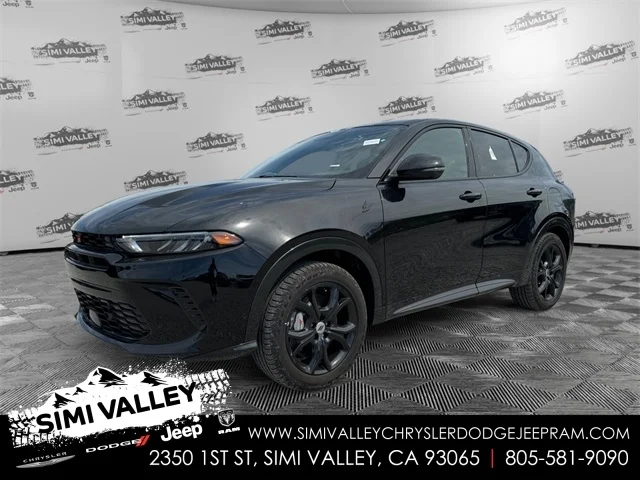
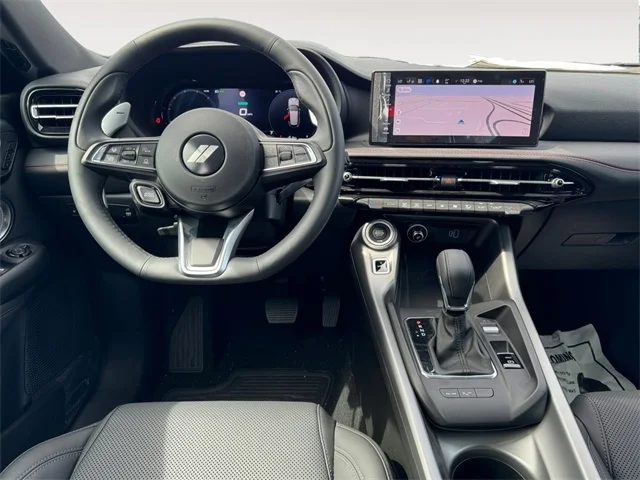
When it comes to compact SUVs that blend performance, style, and cutting-edge technology, the 2024 Dodge Hornet RT Plus stands in a league of its own. Now available at Simi Valley Chrysler Dodge Jeep Ram (VIN: ZACPDFDW0R3A17660), this dynamic vehicle redefines what drivers can expect from a modern crossover. Whether you’re navigating Simi Valley’s suburban streets or tackling weekend adventures, the Hornet RT Plus delivers an exhilarating ride paired with everyday practicality. In this detailed blog, we’ll explore why this model is a must-see and how it elevates the driving experience to new heights.
A Bold Design That Commands Attention
The 2024 Dodge Hornet RT Plus makes a striking first impression with its aggressive, sport-inspired design. From its signature “R-Wing” front grille to its sculpted body lines, every detail emphasizes Dodge’s performance DNA. The RT Plus trim builds on the base model with premium touches like:
- 19-inch Gloss Black Aluminum Wheels: These wheels add a rugged, athletic stance while enhancing handling.
- LED Lighting: Sleek LED headlights, taillights, and fog lights ensure visibility and style.
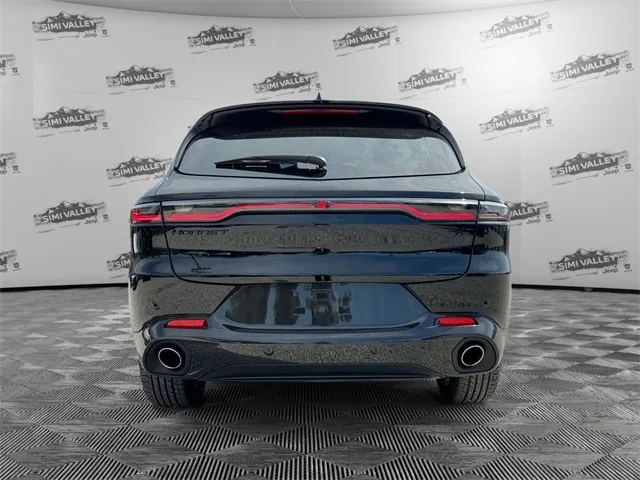
- Dual Exhaust with Bright Tips: A sporty rear profile that hints at the power under the hood.
- Available Premium Paint Colors: Choose from head-turning hues like Acapulco Gold, Diamond Black, or Alpine White.
The Hornet’s aerodynamic silhouette isn’t just for show—it improves efficiency and stability at higher speeds, making it as functional as it is eye-catching.
Interior: Where Comfort Meets Innovation
Step inside the 2024 Hornet RT Plus, and you’re greeted by a cabin designed for both comfort and connectivity. Dodge has prioritized premium materials and intuitive tech to create a space that feels luxurious yet driver-focused.
Key Interior Features Include:
- Sport Seats with Premium Bolstering: Heated front seats wrapped in durable Katzkin leather offer support during spirited drives.
- Dual-Zone Automatic Climate Control: Keep everyone comfortable, no matter the weather.
- Panoramic Sunroof: Flood the cabin with natural light for an open, airy feel.
- 60/40 Split-Folding Rear Seats: Expand the 27.7 cubic feet of cargo space for groceries, gear, or weekend getaways.
The RT Plus trim also adds ambient interior lighting, a leather-wrapped steering wheel, and aluminum pedal covers for a polished finish.
Performance: Power Meets Precision
Under the hood, the 2024 Hornet RT Plus packs a punch with its 2.0L Turbocharged 4-cylinder engine, delivering 268 horsepower and 295 lb-ft of torque. Paired with a 9-speed automatic transmission and standard all-wheel drive, this SUV accelerates from 0-60 mph in just 6.5 seconds—a remarkable feat for its class.
Performance Highlights:
- Selectable Drive Modes: Tailor your drive with modes like Sport, Track, and Snow.
- Dual-Stage Valve Suspension: Enjoy a smooth ride on commutes or dial up responsiveness for winding roads.
- Brembo Brakes: High-performance braking ensures confidence during aggressive driving.
For Simi Valley drivers, this means effortless merging on the 118 Freeway, agile handling on city roads, and capability for occasional off-pavement excursions.
Technology: Stay Connected and Entertained
The Hornet RT Plus is loaded with tech features that keep you connected and in control. At its core is the Uconnect 5 Infotainment System, featuring a 10.25-inch touchscreen with crisp graphics and seamless responsiveness.
Tech Standouts:
- Wireless Apple CarPlay & Android Auto: Mirror your smartphone’s interface without cords.
- Wireless Charging Pad: Keep devices powered on the go.
- Digital Instrument Cluster: A 12.3-inch customizable display puts vital info at your fingertips.
- Alpine Premium Audio System: Nine speakers deliver concert-quality sound.
The available Navigation System with Traffic Alert helps you avoid delays, while over-the-air updates ensure your software stays current.
Safety: Confidence on Every Journey
Dodge equips the Hornet RT Plus with advanced driver-assistance systems (ADAS) to protect you and your passengers.
Safety Features Include:
- Full-Speed Forward Collision Warning: Alerts you to potential front-end collisions.
- Adaptive Cruise Control: Maintains a set distance from vehicles in traffic.
- Lane Departure Warning with Lane Keep Assist: Gently steers you back into your lane.
- 360-Degree Camera System: Navigate tight parking spots with ease.
These features make the Hornet RT Plus ideal for Simi Valley families and commuters prioritizing safety.
Why Choose the RT Plus Trim?
The RT Plus trim elevates the Hornet experience with exclusive upgrades:
- Leather-Appointed Seating: Adds sophistication and durability.
- Power Liftgate: Hands-free access for loading cargo.
- Heated Steering Wheel: A cozy touch on chilly mornings.
- Advanced Security Alarm: Extra protection against theft.
Compared to the base GT trim, the RT Plus offers a more refined package for drivers seeking luxury without sacrificing performance.
Why Buy from Simi Valley Chrysler Dodge Jeep Ram?
Located at 1588 Auto Center Drive, Simi Valley CDJR is your trusted partner for finding the perfect vehicle. Here’s why locals choose them:
- Competitive Pricing: Transparent pricing and frequent incentives.
- Certified Technicians: Expert maintenance using genuine Mopar parts.
- Customer-First Approach: A 50-year reputation for honesty and reliability.
- Flexible Financing: Options for leases, loans, and trade-ins tailored to your budget.
Special Offer: Test drive the Hornet RT Plus (VIN: ZACPDFDW0R3A17660) today and ask about current rebates or low APR financing!
Conclusion: Your Next Adventure Awaits
The 2024 Dodge Hornet RT Plus is more than just a compact SUV—it’s a statement. With head-turning design, thrilling performance, and a tech-rich interior, it’s built for drivers who refuse to compromise. At Simi Valley Chrysler Dodge Jeep Ram, your dream car is waiting.
Ready to Experience the Hornet RT Plus?
Visit Simi Valley CDJR today to schedule a test drive or explore financing options. Call (805) 522-1900 or browse their inventory online at www.simivalleychryslerdodgejeepram.com. Don’t miss the chance to own this exceptional SUV—your journey starts here!
2024 RAM 2500 Big Horn For Sale Near Me
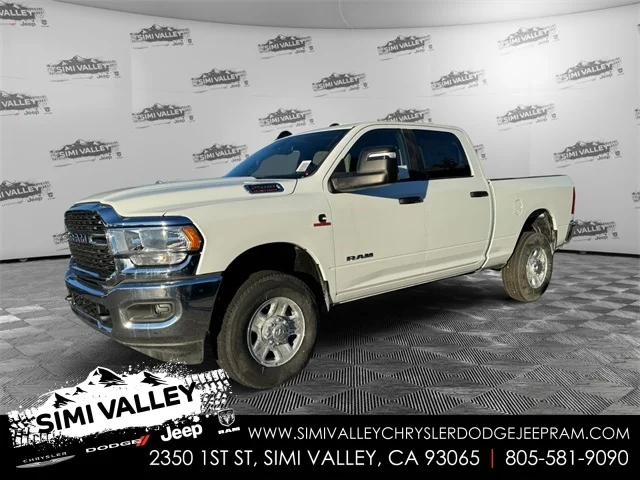
At Simi Valley Chrysler Dodge Jeep Ram, we’re proud to offer the latest 2024 RAM 2500 Big Horn models — ready for test drives, special deals, and trade-in bonuses. Let’s break down everything this truck brings to the table.
🚚 Power & Performance That Pulls Ahead
When it comes to raw capability, the 2024 RAM 2500 Big Horn is engineered to dominate:
Standard Gas Engine:
- 6.4L HEMI® V8
- 410 hp & 429 lb-ft of torque
- 8-speed automatic transmission
- Max towing: up to 17,730 lbs
- Payload capacity: 4,000+ lbs
Available Diesel Engine:
- 6.7L Cummins® Turbo Diesel I6
- 370 hp & a massive 850 lb-ft of torque
- 6-speed automatic transmission
- Max towing: up to 20,000 lbs
- Ideal for serious towing like trailers, boats, or job site equipment
If you need a pickup that doesn’t flinch at big loads, the Big Horn’s got your back.
🛠 Built for the Job, Designed for Everyday Life
The 2024 RAM 2500 Big Horn is designed with a perfect mix of utility and everyday usability. At Simi Valley CDJR, we see customers from Thousand Oaks, Los Angeles, and Ventura who rely on trucks to do it all — and the Big Horn steps up.
Notable Features:
- Class-exclusive rear auto-level air suspension (optional)
- Electronic trailer brake control
- Available 4×4 off-road package
- Available gooseneck/fifth-wheel prep package
Whether you’re off-roading through Southern California or hauling gear for work, this RAM keeps up — and then some.
🖥️ Interior Tech & Cabin Features
Don’t let the Big Horn’s tough look fool you — the inside is loaded with modern comfort and technology.
Highlights Include:
- Premium cloth seating with power-adjustable driver seat
- Uconnect® 5 system with 8.4″ touchscreen (12″ optional)
- Apple CarPlay® and Android Auto™
- Bluetooth®, SiriusXM®, and voice-command navigation
- Dual-zone automatic climate control (available in Level 2 Package)
- Optional heated front seats and heated steering wheel
This is a truck that works hard but knows how to keep you and your passengers relaxed, especially on long hauls or LA traffic jams.
🛡 Safety That Works Overtime
RAM knows safety isn’t optional — and the 2024 Big Horn delivers modern protection for you and your crew.
Key Safety & Driver-Assist Features:
- Advanced multistage front airbags
- Blind Spot Monitoring w/ Rear Cross Path Detection
- ParkSense® Front and Rear Park Assist
- Lane Keep Assist and Adaptive Cruise Control (available)
- High-strength steel frame for serious impact absorption
Whether you’re driving through Simi Valley or down the 101, peace of mind comes standard.
🧰 Available Packages That Max Out Utility
The Big Horn trim opens the door to customization. Choose from packages that take your 2500 to the next level:
Popular Add-ons:
- Night Edition Package: Black grille, badges, and wheels for bold street style
- Level 1 & 2 Equipment Groups: Adds premium tech, comfort, and driver-assist features
- Off-Road Package: Skid plates, hill descent control, and off-road tuned suspension
Looking for a RAM 2500 Big Horn Night Edition in Simi Valley? Ask us about availability today!
📏 RAM 2500 Big Horn Specs (Crew Cab 6’4″ Box)
| Category | Specification |
|---|---|
| Overall Length | 238.8 in |
| Width (w/o mirrors) | 79.5 in |
| Height | 78.0 in |
| Ground Clearance | 11.1 in |
| Wheelbase | 149.0 in |
| Fuel Tank | 31 gallons |
| Rear Seat Legroom | 40.9 in |
| Max Towing (Diesel) | Up to 20,000 lbs |
Want to see it for yourself? Come by and check out the exact dimensions in person.
💰 Pricing & Offers – Available Now at Simi Valley CDJR
Right now, the 2024 RAM 2500 Big Horn is available at Simi Valley Chrysler Dodge Jeep Ram.
Limited-Time Offers:
- $0 down payment offers available (on approved credit)
- Low APR financing options
- Top trade-in values
- Factory rebates and loyalty discounts
- Custom lease & finance options tailored to your needs
👉 Explore New Inventory
👉 Check Used RAM 2500 Deals
📍 Why Buy from Simi Valley CDJR?
Simi Valley Chrysler Dodge Jeep Ram isn’t just another dealership — we’re your local RAM Truck experts. With top-tier service, experienced advisors, and unbeatable trade-in bonuses, we’re here to help you drive away in the truck you deserve.
Our Promise to You:
- Transparent pricing
- Quick and easy financing
- No-pressure environment
- Highly rated 4.38★ on Google from happy customers across LA and Ventura County
📞 Call now: (805) 387-9755
📍 Visit us: 2350 First St, Simi Valley, CA 93065
🔧 Ready to Test Drive the 2024 RAM 2500 Big Horn?
Don’t wait — these trucks move fast. Whether you need a powerful workhorse or a weekend towing machine, the 2024 RAM 2500 Big Horn delivers everything you need and more.
👉 Schedule Your Test Drive Now
FAQs
Q: Is the 2024 RAM 2500 Big Horn available in diesel?
Yes! You can choose the legendary 6.7L Cummins® Turbo Diesel I6 for serious torque and towing power.
Q: How much can the RAM 2500 Big Horn tow?
Depending on configuration, it can tow up to 20,000 lbs when equipped with the diesel engine.
Q: Does Simi Valley CDJR offer trade-in bonuses?
Yes — we’re currently offering top dollar on all trade-ins, and even more for RAM trucks.
Q: Is there a lease option available?
Absolutely. We offer competitive lease programs with low monthly payments. Contact our finance team for details.
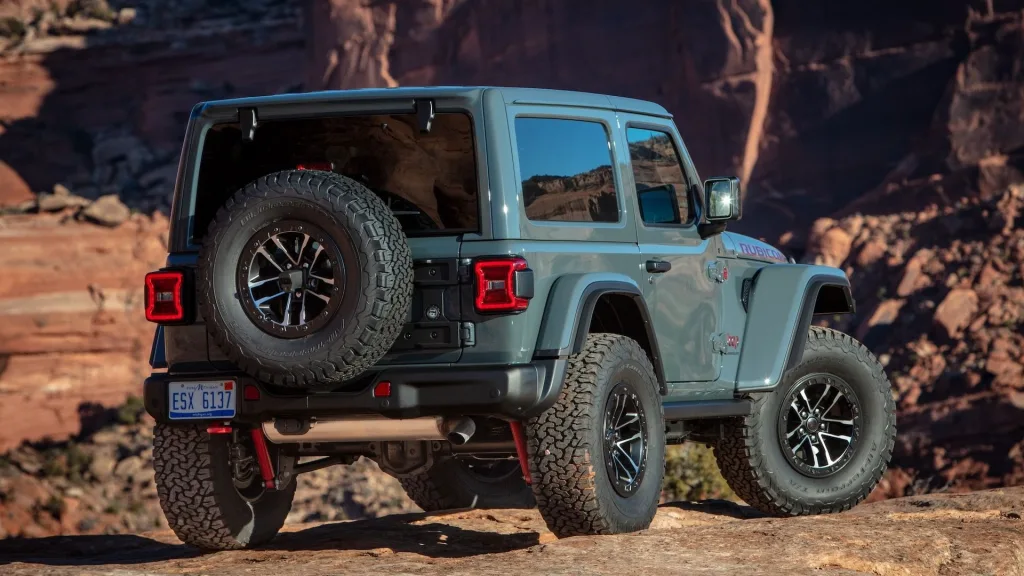
Few vehicles command as much respect on and off the road as the 2025 Jeep Wrangler. Whether you’re carving through LA’s urban jungle or conquering a steep dirt trail in the Angeles National Forest, the Wrangler is purpose-built for adventure—and with the latest technology, style, and capability, it’s better than ever.
Buy on Amazon Deals
At Simi Valley Chrysler Dodge Jeep Ram, we’re proud to offer a wide selection of new and used Jeep Wranglers to drivers across Los Angeles County. If you’re wondering whether the Wrangler is the right vehicle for you, read on. This guide will break down everything you need to know about the 2025 model and why it’s one of the most exciting SUVs available today.
Legendary Capability with a Modern Touch
The Wrangler’s legacy as a true off-road champion continues into 2025. Built on decades of Jeep’s trail-tested engineering, the latest Wrangler is tougher, smarter, and more efficient.
Engine Options and Power
The 2025 Wrangler offers four different powertrain options tailored to your lifestyle and driving preferences:
- 3.6L Pentastar V6 (285 hp) – A tried-and-true gas engine with stop-start technology for everyday efficiency.
- 2.0L Turbocharged Inline-4 (270 hp, 295 lb-ft torque) – Offers surprising low-end torque and better fuel economy.
- 6.4L HEMI V8 (470 hp) – Exclusive to the Rubicon 392, it’s the most powerful Wrangler ever made.
- 4xe Plug-in Hybrid (375 hp, 470 lb-ft torque) – Offers up to 21 miles (34 km) of all-electric range and 49 MPGe, making it the greenest Wrangler yet.
Off-Road Hardware
Every Wrangler is built for trail domination, but models like the Rubicon and Rubicon X take things further with:
- Rock-Trac® 4×4 System
- Electronic Sway Bar Disconnect
- Dana® 44 Heavy-Duty Axles
- Tru-Lok® Locking Differentials
- Off-road plus mode with selectable drive modes
Even base models benefit from 4×4 capability, generous ground clearance, and Jeep’s Trail Rated® badge.
Tech-Savvy Interior Built for LA Living
Jeep may be known for its rough-and-ready persona, but step inside the 2025 Wrangler, and you’ll find a world of comfort, technology, and intuitive controls designed for modern life in Los Angeles.
Infotainment & Connectivity
New for 2025, every Wrangler comes standard with a 12.3-inch Uconnect® 5 touchscreen, offering:
- Apple CarPlay® and Android Auto™
- Navigation with real-time trail maps (exclusive to Rubicon models)
- Voice command and wireless device charging
- SiriusXM® with personalized recommendations
Whether you’re cruising down the 405 or heading up to Big Bear, the Wrangler keeps you connected.
Comfort & Convenience
Depending on your trim, the Wrangler offers:
- Premium Nappa leather-trimmed seats
- Heated front seats and steering wheel
- Dual-zone automatic climate control
- One-touch power top (Sky One-Touch® Power Top)
And yes—removable doors, fold-down windshield, and multiple roof options still let you enjoy the classic open-air experience.
Safety & Driver Assistance
While the Wrangler is famous for adventure, Jeep has significantly increased its suite of safety features in 2025.
- Standard Forward Collision Warning
- Adaptive Cruise Control
- Blind-Spot Monitoring
- Rear Cross-Path Detection
- ParkSense® Rear Park Assist
- Automatic High-Beam Headlamps
Even off-road warriors deserve peace of mind, and the 2025 Wrangler delivers.
Trim Levels and Customization
Jeep continues to offer a wide range of Wrangler trims, including:
| Trim | Highlights |
|---|---|
| Sport | Manual windows, steel wheels, and basic off-road capability |
| Sport S | Adds power windows/locks, A/C, and alloy wheels |
| Willys | Off-road enhancements with Rubicon-lite features |
| Sahara | More refined features and luxury upgrades |
| Rubicon | Built for serious trail performance |
| 4xe Models | Hybrid powertrain for Sahara, Willys, and Rubicon |
| Rubicon X / 392 | Top-tier performance and premium finishes |
At Simi Valley CDJR, we stock a variety of trims, so you can find a Wrangler that fits your lifestyle—whether you’re commuting from Santa Monica or heading out on a Mojave desert trail run.
Wrangler vs. the Competition
How does the Wrangler hold up against its competitors in 2025?
| Model | Ground Clearance | Max Torque | Hybrid Option | Removable Doors |
|---|---|---|---|---|
| Jeep Wrangler | Up to 11.1 in (282 mm) | 470 lb-ft | Yes (4xe) | Yes |
| Ford Bronco | 11.6 in (295 mm) | 410 lb-ft | No | Yes |
| Toyota 4Runner | 9.6 in (244 mm) | 278 lb-ft | No | No |
As you can see, only the Wrangler combines true hybrid performance, legendary capability, and full customizability—a big win for Los Angeles drivers who want a vehicle that does it all.
Why Buy from Simi Valley Chrysler Dodge Jeep Ram?
We’re not just any Jeep dealer. As a trusted dealership serving Simi Valley, Thousand Oaks, Santa Clarita, and greater Los Angeles, we offer:
- Transparent pricing and trade-in offers
- Flexible lease and finance options
- Certified Jeep technicians and service center
- Large inventory of new and used Wranglers
- No-pressure, family-friendly atmosphere
Explore our new Wrangler inventory or contact us to schedule a test drive today.
Final Thoughts: Built for LA
From Sunset Boulevard to Joshua Tree trails, the 2025 Jeep Wrangler is designed for a city as bold and diverse as Los Angeles. Whether you’re after fuel-efficient commuting with the 4xe, hardcore off-roading with the Rubicon, or simply a stylish and fun daily driver, there’s a Wrangler.
At Simi Valley Chrysler Dodge Jeep Ram, we make it easy to find the perfect model—right here in your backyard.
📍 Visit Us
Simi Valley Chrysler Dodge Jeep Ram
2350 First St, Simi Valley, CA 93065
📞 (805) 387-9755
🌐 simivalleychryslerdodgejeepram.com
2021 RAM 1500 Laramie Thousand Oak
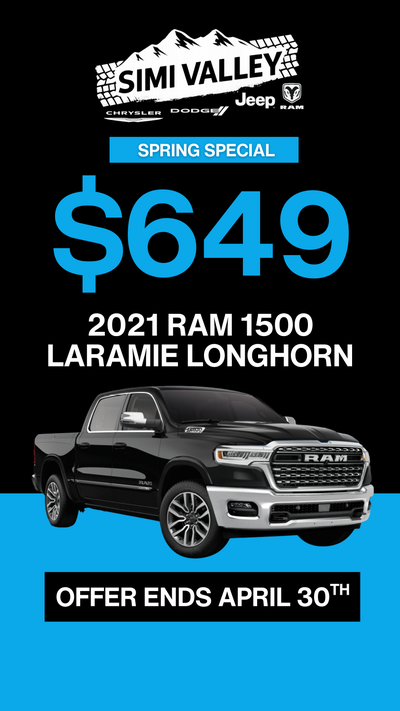
The 2021 RAM 1500 Laramie is a pickup truck that offers the perfect balance between rugged capability and upscale refinement. For drivers in Thousand Oaks and nearby areas, the Laramie trim presents a premium experience without compromising the strength and utility RAM trucks are known for. Whether you’re heading to a construction site or enjoying a scenic drive through Ventura County, this truck delivers.
In this detailed review, we explore the features, performance, comfort, and overall value of the 2021 RAM 1500 Laramie.
Power & Performance Built for Real Life
Under the hood, the 2021 RAM 1500 Laramie comes with a standard 5.7L HEMI® V8 engine, producing 395 horsepower and 410 lb-ft of torque. It also offers an optional 3.6L Pentastar™ V6 with eTorque and a 3.0L EcoDiesel V6, depending on your priorities for efficiency, torque, or raw power.
Each engine is paired with a smooth 8-speed automatic transmission, offering confident shifts and a responsive driving experience. The Laramie also comes available with 4×2 or 4×4 drivetrains, catering to both everyday drivers and those venturing off-road or hauling through rougher terrain.
When properly equipped, the RAM 1500 Laramie can tow up to 12,750 pounds and boasts a maximum payload capacity of approximately 2,300 lbs. It’s perfect for towing trailers, boats, or heavy equipment, making it a top contender for drivers who need strength without sacrificing refinement.
Exterior Design: Bold, Refined, and Functional
The 2021 Laramie stands out with its sophisticated and muscular exterior. Key highlights include:
- Body-color or chrome bumpers
- Signature RAM grille with chrome inserts
- 18-inch aluminum wheels (20-inch optional)
- LED reflector headlamps and tail lamps
- Available power running boards
The optional Sport Appearance Package or Night Edition Package adds further customization, allowing you to tailor the Laramie’s exterior to match your style. Whether it’s a sleek urban look or a rugged off-road vibe, the Laramie accommodates.
Premium Interior: Comfort for Every Passenger
Step inside, and you’ll quickly see why the Laramie is one of the most desirable trims in the RAM lineup. The cabin is both spacious and luxurious, with high-end materials and thoughtful details throughout.
Interior features include:
- Leather-trimmed 40/20/40 bench or bucket seats
- Heated and ventilated front seats
- Dual-zone automatic climate control
- 10-way power-adjustable driver and passenger seats
- Available heated rear seats
The rear-seat space in Crew Cab models is class-leading, offering ample legroom and comfort for adult passengers. Rear seatbacks also recline, and under-seat storage adds practicality for gear and tools.
Infotainment & Technology: Best in Class
Tech-savvy drivers will love the standard Uconnect® 4 system with 8.4-inch touchscreen, with an optional upgrade to the Uconnect 4C NAV with 12-inch touchscreen – one of the largest in the segment.
Additional tech features include:
- Apple CarPlay® and Android Auto™
- 7-inch digital driver cluster display
- Available 9-speaker Alpine® audio system
- Optional Harman Kardon® premium audio (19 speakers)
- SiriusXM Guardian™ connected services
With intuitive controls and crisp graphics, the infotainment system is user-friendly and responsive, keeping you connected wherever the road takes you.
Advanced Safety Features
RAM prioritizes safety just as much as it does performance. The Laramie offers a host of standard and available driver-assist features, including:
- Forward Collision Warning with Active Braking
- Adaptive Cruise Control with Stop and Go
- Blind Spot Monitoring with Rear Cross Path Detection
- Lane Keep Assist
- ParkSense® Front and Rear Park Assist
These features help prevent accidents and reduce fatigue on long trips, particularly when navigating the busy roads of Southern California.
Everyday Practicality: Ready for Work and Play
The 2021 RAM 1500 Laramie offers more than just performance and comfort. It’s engineered for real-world use. The available RamBox® Cargo Management System, multi-function tailgate, spray-in bedliner, and LED bed lighting make loading, storing, and accessing tools or gear easier than ever.
The air suspension system, available on select configurations, allows you to lower the truck for easier entry and cargo loading or raise it for extra clearance while off-roading.
Why Thousand Oaks Drivers Love the 2021 Laramie
Drivers in Thousand Oaks appreciate the Laramie because it blends high performance with day-to-day drivability. It looks good in the driveway, handles business at job sites, and is just as capable heading out for a weekend adventure along the California coast.
If you’re someone who doesn’t want to choose between strength and luxury, the RAM 1500 Laramie is your ideal match.
Where to Find the 2021 RAM 1500 Laramie in Thousand Oaks
At Simi Valley Chrysler Dodge Jeep Ram, we carry a variety of used RAM 1500 Laramie trucks, including low-mileage and certified options. We’re proud to serve Thousand Oaks, Simi Valley, and the greater Ventura County area with reliable trucks and transparent pricing.
Final Thoughts: Should You Buy the 2021 RAM 1500 Laramie?
If you’re searching for a truck that balances power, luxury, and practicality, the 2021 RAM 1500 Laramie checks every box. With upscale features, high towing capabilities, and class-leading comfort, it’s a premium choice without the premium price tag.
Book your test drive or visit us today to experience it for yourself.
FAQs
Q: What engines are available in the 2021 RAM 1500 Laramie?
A: You can choose from a 5.7L HEMI® V8, 3.6L V6 with eTorque, or 3.0L EcoDiesel V6.
Q: Is the Laramie good for towing?
A: Yes, it can tow up to 12,750 lbs when properly equipped.
Q: How is the interior of the 2021 RAM Laramie?
A: It features premium leather-trimmed seats, heated/ventilated front seats, and optional rear seat heating.
Q: Does it have advanced safety features?
A: Yes, including Adaptive Cruise Control, Lane Keep Assist, and Blind Spot Monitoring.
Q: Where can I find used RAM 1500 Laramie trucks near Thousand Oaks?
A: Simi Valley CDJR offers a great selection of used and certified RAM trucks.
Connect with us


