




2022 Subaru Forester Premium for Sale in Simi Valley
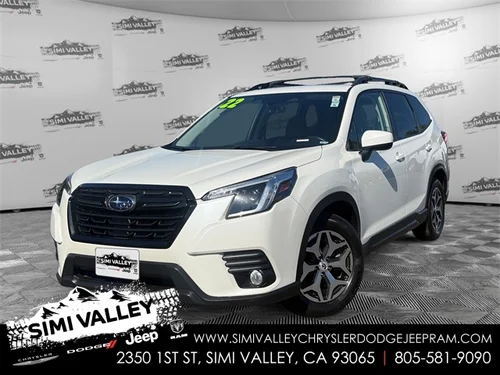
At Simi Valley Chrysler Dodge Jeep Ram, we’re proud to carry a wide range of pre-owned SUVs that blend value, comfort, and capability. One of the standout models in today’s used SUV market is the 2022 Subaru Forester Premium. Known for its exceptional all-wheel-drive system, spacious interior, and family-friendly safety tech, the Forester Premium has become a trusted choice for drivers across California.
Whether you’re commuting through Los Angeles traffic, exploring backroads near Ventura, or heading up the coast on Highway 1, the 2022 Subaru Forester Premium delivers a balance of confidence and practicality that’s tough to beat.
Performance and Efficiency
Every 2022 Subaru Forester Premium comes equipped with a 2.5-liter flat-four Boxer engine, producing 182 horsepower and 176 lb-ft of torque. This engine is paired with a continuously variable transmission (CVT) and Subaru’s renowned Symmetrical All-Wheel Drive, which is standard across the lineup.
For drivers in Simi Valley and surrounding areas, this AWD system is a huge advantage. Whether you’re navigating rainy conditions on the 101 Freeway or taking a weekend drive into the San Bernardino Mountains, the Forester Premium grips the road with confidence.
Fuel efficiency is another strong point:
- 26 mpg city
- 33 mpg highway
- 29 mpg combined
That makes it one of the most efficient AWD compact SUVs you can buy.
Exterior Styling
The 2022 Forester received a refreshed design with a more rugged yet refined look. On the Premium trim, standout details include:
- Panoramic sunroof (a signature feature at this level)
- 17-inch alloy wheels
- LED headlights
- Roof rails for added cargo versatility
With its upright stance, wide greenhouse, and Subaru’s signature rugged lines, the Forester Premium blends utility with an understated sophistication.
Interior Comfort and Space
Inside, the Forester Premium offers a roomy, airy cabin with 111.6 cubic feet of passenger space. That means even taller passengers in the second row enjoy nearly 39.4 inches of legroom—something many midsize SUVs can’t match.
Cargo volume is another highlight:
- 26.9 cubic feet behind the rear seats
- Expands to 69.1 cubic feet with seats folded
For families in Ventura County, that means plenty of room for strollers, sports gear, groceries, or camping equipment. The Premium trim adds durable cloth seating, a leather-wrapped steering wheel, and power-adjustable driver’s seat, making daily commutes more comfortable.
Technology and Infotainment
Subaru understands the modern driver, and the Forester Premium reflects that with a strong tech suite. Key features include:
- 6.5-inch touchscreen infotainment system with Subaru’s STARLINK®
- Apple CarPlay® and Android Auto™ integration
- Upgraded 6-speaker audio system (versus 4 speakers on the base model)
- USB ports for front and rear passengers
- Keyless Access with push-button start
The Premium trim’s panoramic power moonroof not only elevates comfort but also brightens the cabin, making longer drives up the Pacific Coast Highway more enjoyable.
Safety and Driver Assistance
Safety is a cornerstone of Subaru’s reputation, and the 2022 Forester Premium delivers with standard EyeSight® Driver Assist Technology, which includes:
- Adaptive cruise control
- Lane departure warning with lane keep assist
- Pre-collision braking
- Forward collision warning
The Premium trim also adds blind-spot monitoring and rear cross-traffic alert, which are essential for navigating crowded parking lots or merging on Simi Valley’s busy roadways.
These features, combined with Subaru’s excellent crash-test performance, make the Forester Premium a reassuring choice for families.
Why Choose the Premium Trim?
The 2022 Subaru Forester lineup includes Base, Premium, Sport, Limited, Wilderness, and Touring trims. The Premium hits a sweet spot for value, offering upgrades that enhance comfort and convenience without stretching into higher pricing territory.
Highlights that set the Premium apart from the Base model include:
- Panoramic moonroof – a luxury-like feature at an affordable level.
- Enhanced safety – blind-spot monitoring and cross-traffic alert.
- Better audio and connectivity – six speakers and additional USB ports.
- Keyless Access – more convenience for everyday driving.
Comparison with Competitors
| Feature | 2022 Subaru Forester Premium | 2022 Toyota RAV4 XLE | 2022 Honda CR-V EX |
|---|---|---|---|
| Drivetrain | Standard AWD | FWD (AWD optional) | FWD (AWD optional) |
| Engine | 2.5L Flat-4 (182 hp) | 2.5L I4 (203 hp) | 1.5L Turbo (190 hp) |
| Fuel Economy | 26/33 mpg | 27/35 mpg | 28/34 mpg |
| Cargo Capacity | 69.1 cu ft max | 69.8 cu ft max | 75.8 cu ft max |
| Safety | EyeSight + Blind Spot | Toyota Safety Sense | Honda Sensing |
| MSRP New | $30,070 | $29,575 | $29,610 |
The table shows why so many buyers chose the Forester Premium: standard AWD and safety tech at a competitive price point.
Driving Impressions
On the road, the Forester Premium offers a calm, composed ride. The suspension is tuned for comfort, soaking up bumps on suburban streets or highway stretches between Simi Valley and Los Angeles. Steering feels light yet precise, while visibility is excellent thanks to large windows and an upright seating position.
It’s not the quickest SUV in its class, but for drivers prioritizing stability, safety, and confidence, the Forester Premium excels. The X-Mode system further enhances traction on dirt roads, gravel paths, or snowy conditions—perfect for Californians who love occasional mountain trips.
Pricing and Value
When new, the 2022 Forester Premium carried an MSRP of around $30,070 USD. On today’s used market, prices average between $23,000–$27,000 USD, depending on mileage, condition, and equipment.
This makes the Forester Premium an appealing choice for shoppers looking for near-new reliability with thousands in savings. Its strong resale values and Subaru’s reputation for durability add to its long-term appeal.
2022 Subaru Forester Premium – Available at Simi Valley CDJR
At Simi Valley Chrysler Dodge Jeep Ram, we carry a wide range of pre-owned SUVs like the 2022 Subaru Forester Premium, alongside Jeep, Dodge, RAM, and Chrysler favorites. If you’re in Simi Valley, Thousand Oaks, Moorpark, or greater Los Angeles, our team can help you find the perfect SUV for your needs.
👉 Browse Used Inventory
👉 Value Your Trade
👉 Apply for Financing
Visit us at 2350 First St, Simi Valley, CA 93065 or call (805) 387-9755 to schedule a test drive today.
Final Thoughts
The 2022 Subaru Forester Premium remains one of the most practical and confidence-inspiring compact SUVs on the road. With standard AWD, spacious cargo capacity, strong safety ratings, and thoughtful upgrades like a moonroof and blind-spot monitoring, it’s a vehicle built for real life.
For California drivers seeking a versatile SUV that’s both dependable and value-driven, the Forester Premium deserves a top spot on the shopping list. And at Simi Valley Chrysler Dodge Jeep Ram, we make it easy to drive one home.
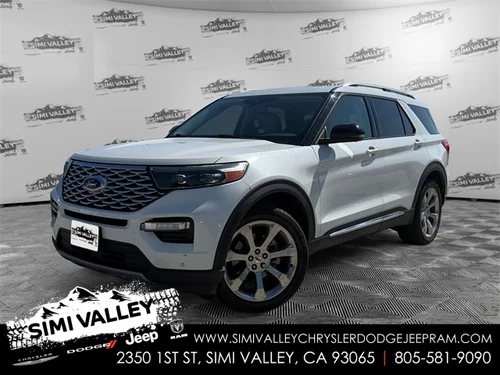
When Ford redesigned the Explorer for 2020, it marked one of the most significant shifts in the model’s history. The sixth-generation Explorer moved to a rear-wheel-drive platform, gained new powertrains, and leaned heavily into advanced technology. At the very top of the range sits the 2020 Ford Explorer Platinum, a trim that combines the SUV’s rugged foundations with upscale luxury. For buyers who wanted everything—the muscle to tow, the refinement to cruise, and the technology to stay connected—the Platinum was Ford’s answer.
Performance and Powertrain
At the heart of the 2020 Explorer Platinum is a 3.0-litre twin-turbocharged EcoBoost V6 engine. This unit produces a commanding 365 horsepower and 380 lb-ft of torque, paired with a 10-speed automatic transmission. The result is smooth power delivery, sharp acceleration for highway merges, and the ability to tow with confidence.
Unlike earlier Explorers, the 2020 model switched to a rear-wheel-drive based architecture with available intelligent four-wheel drive. This gave the Platinum improved handling balance and capability, especially for families planning camping trips or towing boats out of Ventura Harbor. When properly equipped, the Explorer Platinum can tow up to 5,600 lbs, which puts it ahead of many rivals in the three-row SUV category.
Fuel economy remains reasonable for a vehicle of its size and output: around 18 mpg in the city and 24 mpg on the highway (about 13.1 L/100 km city / 9.8 L/100 km highway). While not hybrid-efficient, the numbers are fair considering the engine’s strength.
Exterior Styling
The 2020 Ford Explorer Platinum wears a confident, upscale look that sets it apart from lower trims. Up front, it features a unique satin-aluminum grille, LED headlights, and distinctive chrome accents. The side profile is long and lean, helped by a sloping roofline and 20-inch premium wheels. At the rear, quad exhaust tips signal the power under the hood, while the signature light bar design emphasizes its width.
Dimensionally, the Explorer measures 198.8 inches long, 78.9 inches wide, and 69.9 inches tall, offering commanding road presence without straying into the full-size SUV territory of an Expedition. For drivers in suburban and city areas, the Explorer Platinum strikes a balance between maneuverability and bold style.
Interior Comfort and Luxury
Step inside the Platinum, and the Explorer feels more like a premium European SUV than a family hauler. Tri-diamond perforated leather seats come standard, and both front seats are heated, ventilated, and massage-enabled. The second row can be configured with either captain’s chairs or a 40/20/40 split bench, while the third row offers power-folding seats for quick cargo reconfiguration.
Passenger capacity ranges from six to seven occupants, and Ford’s packaging ensures plenty of legroom. Cargo space is another strong point:
- 18.2 cubic feet behind the third row
- 47.9 cubic feet behind the second row
- A maximum of 87.8 cubic feet with all rear seats folded
Whether it’s family road trips, Costco runs, or weekend sports gear, the Explorer Platinum adapts with ease.
Technology and Infotainment
Technology defines the Platinum trim. At the center of the cabin is a 10.1-inch vertically oriented touchscreen, running Ford’s SYNC 3 system. It’s paired with a 12.3-inch digital instrument cluster, which replaces traditional gauges with customizable displays.
Other standard highlights include:
- Bang & Olufsen 14-speaker premium audio system
- Apple CarPlay and Android Auto integration
- FordPass Connect with 4G LTE Wi-Fi hotspot
- Wireless device charging
- Navigation with real-time traffic updates
Practical tech features like Active Park Assist 2.0 allow the Explorer Platinum to park itself in tight parallel or perpendicular spots, while multiple USB ports ensure every passenger stays charged.
Safety and Driver Assistance
Ford equipped the Platinum with its most advanced safety package in 2020. The Ford Co-Pilot360 suite comes standard, bringing:
- Blind Spot Information System (BLIS) with Cross-Traffic Alert
- Lane Keeping System
- Automatic Emergency Braking with Pedestrian Detection
- Adaptive Cruise Control with Stop-and-Go
- Evasive Steering Assist
For families, these systems add significant peace of mind, especially on crowded freeways or during long trips up the Pacific Coast Highway. In government crash tests, the 2020 Explorer earned solid safety ratings, further underlining its family-friendly focus.
Comparison with Rivals
At its price point—starting around $61,330 USD when new—the 2020 Explorer Platinum competed directly with SUVs like the Buick Enclave Avenir, Acura MDX SH-AWD, and even entry versions of the Audi Q7.
Where the Ford stood out was in its towing capacity, its blend of muscle with luxury, and its abundance of standard features. While premium rivals often required option packages for massage seats or advanced park assist, the Platinum delivered them standard.
| Feature | 2020 Ford Explorer Platinum | 2020 Acura MDX | 2020 Audi Q7 |
|---|---|---|---|
| Engine | 3.0L Twin-Turbo V6 (365 hp) | 3.5L V6 (290 hp) | 2.0L Turbo (248 hp) |
| Torque | 380 lb-ft | 267 lb-ft | 273 lb-ft |
| Towing | 5,600 lbs | 5,000 lbs | 4,400 lbs |
| Touchscreen | 10.1-inch vertical | 8-inch | 10.1-inch |
| Audio | B&O Premium | ELS Studio | Audi Premium Sound |
| MSRP (USD) | $61,330 | $60,000 | $54,800 |
The table shows that Ford aimed to provide buyers with a luxury-level product without requiring them to step into the import market.
Driving Impressions
Behind the wheel, the Explorer Platinum delivers refinement that matches its looks. The twin-turbo engine feels confident at all speeds, with the 10-speed automatic keeping shifts nearly imperceptible. The suspension is tuned for comfort, making long highway drives from Los Angeles to Las Vegas a smooth experience.
Noise isolation is strong, thanks to laminated glass and active noise cancellation from the B&O sound system. While the Explorer is not a dedicated sport SUV, the rear-drive chassis gives it a surprisingly agile feel for its size. With AWD engaged, it inspires confidence on slick mountain roads or gravel trails.
Ownership and Value
Three years on, many used 2020 Explorer Platinum models can be found in the low-$20,000s to mid-$30,000s USD, depending on mileage and condition. This represents about 48% depreciation from its original MSRP, a figure in line with many luxury-positioned SUVs.
For used buyers, that means the Platinum can deliver a near-luxury experience, with high-end features and strong towing, at a fraction of its original cost. For families who want premium features without stretching into German luxury territory, the Platinum remains appealing.
Final Thoughts
The 2020 Ford Explorer Platinum is more than just the range-topper of the Explorer family—it’s Ford’s statement that American SUVs can be both rugged and refined. With a 365-horsepower twin-turbo V6, standard luxury features like massage seats and a premium sound system, and the flexibility of three rows and 87.8 cu. ft. of cargo space, it covers nearly every base.
For drivers seeking an SUV that combines muscle with modern comfort, the Explorer Platinum stands as one of the most compelling options in the 2020 midsize SUV market. Whether towing, commuting, or simply enjoying a premium cabin, the Platinum is proof that Ford knows how to build a luxury SUV without losing touch with capability.
2023 Jeep Compass Sport for Sale in Simi Valley
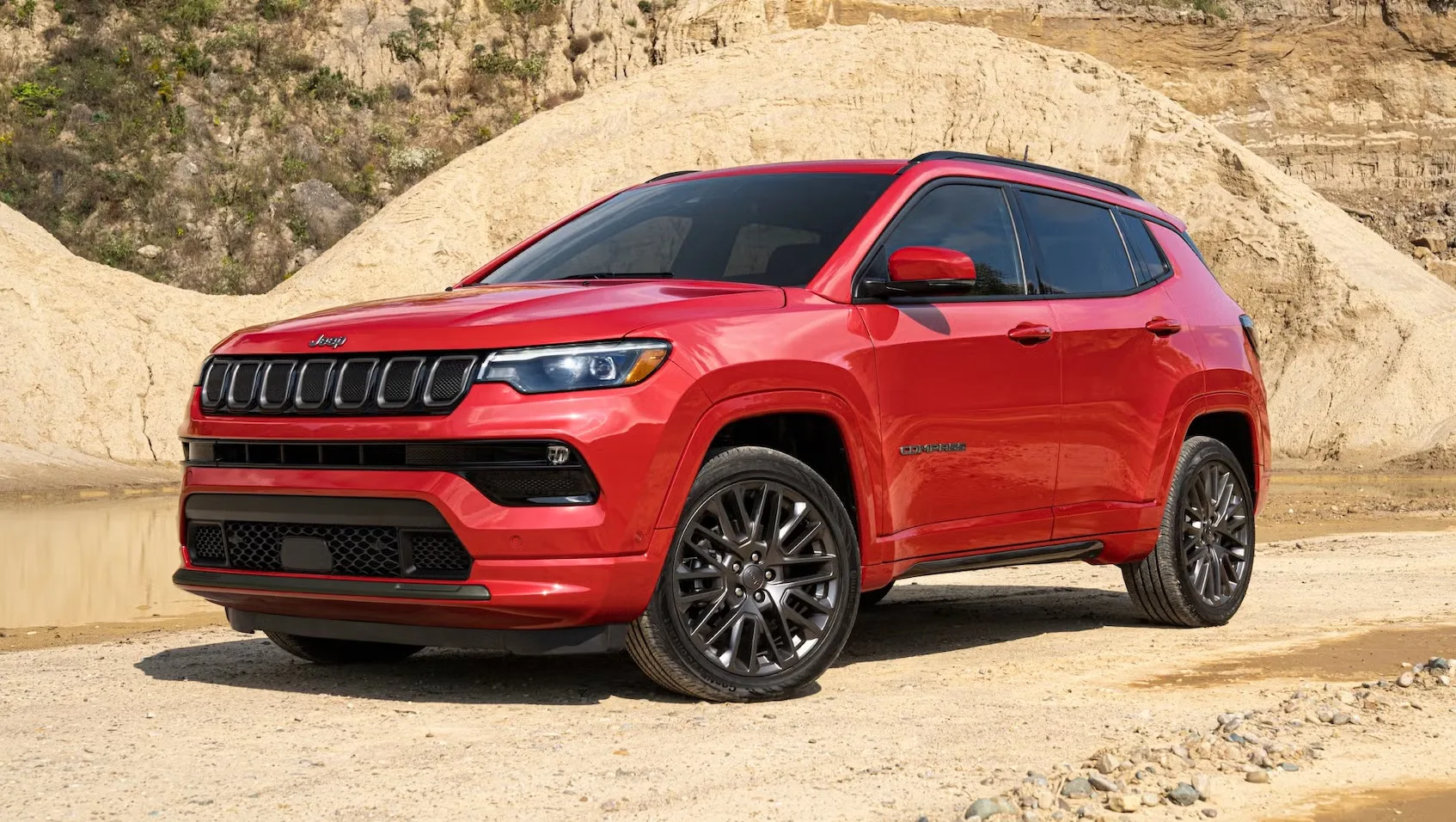
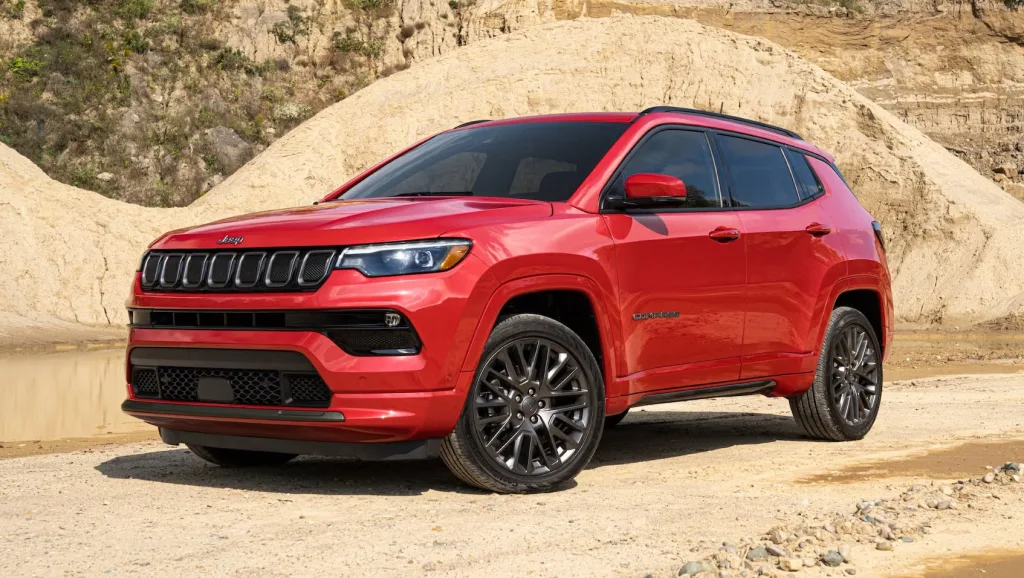
At Simi Valley Chrysler Dodge Jeep Ram, we know that compact SUVs are a top choice for drivers who want a blend of comfort, capability, and affordability. That’s exactly what the 2023 Jeep Compass Sport delivers. As the entry-level trim of the Compass lineup, it comes packed with standard Jeep 4×4 capability, a fresh turbocharged engine, and advanced safety features—all at a price point that makes it a standout in Southern California.
Let’s take a closer look at why the 2023 Jeep Compass Sport is one of the best values for Simi Valley drivers.
Powertrain & Performance
The 2023 Jeep Compass Sport received a major upgrade under the hood. It now features a 2.0L turbocharged I-4 engine producing 200 horsepower and 221 lb-ft of torque, paired with an 8-speed automatic transmission. Compared to the previous 2.4L engine, this setup offers stronger acceleration, smoother shifting, and better highway performance.
Key highlights for Simi Valley drivers:
- Standard 4×4 system – perfect for weekend getaways to the Angeles National Forest or tackling wet canyon roads.
- Selec-Terrain Traction Management System – modes for Auto, Snow, and Sand/Mud.
- Fuel economy: approx. 24 mpg city / 32 mpg highway (about 11.2 L/100 km city / 8.7 L/100 km highway).
Exterior Styling
The Compass Sport combines Jeep’s rugged DNA with urban refinement. Its seven-slot grille, trapezoidal wheel arches, and high ground clearance give it a confident stance, while the compact footprint makes it easy to maneuver around Los Angeles traffic or tight Simi Valley parking lots.
Standard features include:
- 17-inch steel wheels
- Halogen headlights
- Black exterior accents
While higher trims add luxury touches, the Sport trim keeps things practical and ready for adventure.
Interior Comfort & Space
Inside, the Compass Sport is surprisingly roomy for a compact SUV. The durable cloth seating is designed for daily use, while the cabin offers seating for five passengers with good legroom in both rows.
Cargo space is generous for the segment:
- 27.2 cu. ft. behind the rear seats
- Expands to 59.8 cu. ft. with the seats folded
Whether you’re packing up for a road trip up the coast or hauling groceries from local shops, the Compass Sport adapts easily to your lifestyle.
Technology & Connectivity
Jeep makes sure even the entry-level Compass keeps drivers connected. The Uconnect 5 system comes standard with an 8.4-inch touchscreen, one of the largest standard displays in the segment.
Tech features include:
- Apple CarPlay & Android Auto integration
- Voice command and Bluetooth
- USB-A and USB-C charging ports
- 6-speaker audio system
Optional upgrades (available in higher trims) include a 10.1-inch screen and built-in navigation.
Safety & Driver Assistance
For families and commuters in Ventura County, safety is a top priority. The 2023 Compass Sport includes advanced safety features standard:
- Forward Collision Warning with Active Braking
- Blind Spot Monitoring
- Rear Cross Path Detection
- Lane Departure Warning with Lane Keep Assist
Adaptive cruise control and a 360-degree camera system are available on higher trims, but even the base Sport offers more standard tech than many competitors.
Why Choose the Sport Trim?
The Compass lineup includes the Latitude, Limited, and Trailhawk, but the Sport trim is where value shines. It gives you everything you need for everyday driving plus Jeep’s legendary 4×4 capability—without stretching your budget.
Reasons to choose the Compass Sport in Simi Valley:
- Affordability – Starting MSRP around $29,995 USD.
- Standard AWD – many rivals charge extra for all-wheel drive.
- Generous standard safety tech – peace of mind for Simi Valley families.
- City-friendly size with Jeep character – great for local commutes or outdoor trips.
Comparison vs. Competitors
| Feature | 2023 Jeep Compass Sport | 2023 Honda CR-V LX | 2023 Toyota RAV4 LE |
|---|---|---|---|
| Engine | 2.0L Turbo I4 (200 hp) | 1.5L Turbo I4 (190 hp) | 2.5L I4 (203 hp) |
| Torque | 221 lb-ft | 179 lb-ft | 184 lb-ft |
| Drivetrain | Standard 4×4 | FWD (AWD optional) | FWD (AWD optional) |
| Infotainment | 8.4-inch Uconnect | 7-inch screen | 8-inch screen |
| Safety | Blind Spot, Lane Keep, Auto Braking | Honda Sensing | Toyota Safety Sense |
| Starting Price (USD) | $29,995 | $31,610 | $28,275 |
The Compass Sport outshines rivals by offering standard 4×4 capability at a base price that remains competitive.
Driving Experience in California
Driving the Compass Sport in Simi Valley and beyond highlights its versatility. The turbo engine feels responsive in city traffic, while the suspension balances comfort and stability on highways like the 118 or 101.
On light off-road trails or sandy beach paths, the Compass Sport confidently uses its Jeep DNA. While not as rugged as the Trailhawk, it’s far more capable than most compact SUVs.
2023 Jeep Compass Sport – Available Now at Simi Valley CDJR
If you’re shopping for a compact SUV that blends affordability, technology, and true Jeep capability, the 2023 Jeep Compass Sport is an excellent choice.
At Simi Valley Chrysler Dodge Jeep Ram, we have a wide selection of new Jeep models, including the 2023 Compass Sport, ready for you to test drive today.
👉 Browse New Inventory
👉 View Used SUVs
👉 Value Your Trade
👉 Apply for Financing
Come visit us at 2350 First St, Simi Valley, CA 93065 or call us at (805) 387-9755 to schedule your test drive.
Final Thoughts
The 2023 Jeep Compass Sport is more than just a base trim—it’s a gateway into the Jeep brand that doesn’t compromise on capability. With a new turbo engine, standard 4×4, and impressive safety features, it’s a strong contender in the compact SUV market.
For drivers in Simi Valley, Thousand Oaks, and the greater Los Angeles area, the Compass Sport is an SUV that’s both practical for daily use and adventurous for weekend escapes. Find yours today at Simi Valley Chrysler Dodge Jeep Ram.
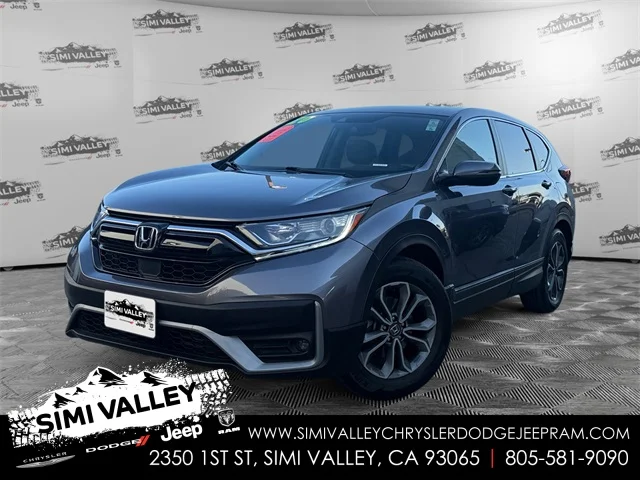
When shopping for a reliable, versatile, and feature-packed SUV, the 2020 Honda CR-V EX-L is a standout in the compact SUV segment. It blends comfort, technology, and safety with Honda’s well-known reputation for durability. For drivers near Simi Valley, it’s an especially attractive option on the pre-owned market. Whether you’re upgrading from a smaller car or downsizing from a full-size SUV, the CR-V EX-L fits that sweet spot of everyday practicality without sacrificing refinement.
Exterior Styling
The 2020 CR-V received a subtle refresh, enhancing its sleek design. On the EX-L trim, you’ll notice 18-inch alloy wheels, LED headlights, body-colored mirrors, and chrome accents that elevate its curb appeal. The bold front fascia gives it a slightly sportier presence compared to earlier models.
It’s a vehicle that looks just as comfortable pulling up to a business meeting as it does parked at a weekend soccer game in Simi Valley. Drivers also appreciate its slightly higher stance, which provides a commanding view of the road without feeling bulky.
Interior Comfort
Inside, the EX-L trim delivers premium touches that push the CR-V above economy-class competitors. Features include:
- Leather-trimmed seats with heated front seating
- 8-way power-adjustable driver’s seat with memory function
- 4-way power passenger seat
- Dual-zone automatic climate control
- A power tailgate for easier cargo access
Passenger comfort is a strong suit, thanks to generous 105.9 cubic feet of passenger volume. The back seat offers impressive legroom, making it suitable for taller passengers or teens. Cargo space is equally impressive—39.2 cubic feet behind the rear seats, expanding to 75.8 cubic feet with them folded.
The CR-V EX-L makes commuting and longer trips equally enjoyable, providing the versatility that Simi Valley families demand.
Technology & Connectivity
Honda packed the 2020 CR-V EX-L with user-friendly tech. Its 7-inch Display Audio touchscreen integrates seamlessly with Apple CarPlay® and Android Auto™, allowing drivers to mirror navigation, music, and apps directly from their smartphones.
Other highlights include:
- 8-speaker, 180-watt premium audio system
- SiriusXM® Radio and HD Radio™ capability
- Two rear USB ports for passenger convenience
- Bluetooth® HandsFreeLink and streaming audio
The infotainment system is simple to navigate, and controls are logically arranged—a trait Honda is known for.
Performance & Efficiency
The 1.5-liter turbocharged 4-cylinder engine under the hood produces 190 horsepower and 179 lb-ft of torque, paired with a continuously variable transmission (CVT). This combination ensures smooth acceleration and refined driving manners, whether you’re navigating Simi Valley streets or taking a road trip on Highway 118.
Fuel efficiency is another selling point:
- 28 mpg city
- 34 mpg highway
- 30 mpg combined
With gas prices always on drivers’ minds, the CR-V’s efficiency provides peace of mind. Available Real Time AWD with Intelligent Control System™ further boosts capability in less-than-ideal weather or while traveling on unpaved routes.
Safety Features
Honda built the CR-V EX-L with families in mind. Every 2020 CR-V comes standard with the Honda Sensing® suite of safety and driver-assist technologies:
- Collision Mitigation Braking System™ (CMBS™)
- Road Departure Mitigation (RDM)
- Lane Keeping Assist System (LKAS)
- Adaptive Cruise Control (ACC) with Low-Speed Follow
- Forward Collision Warning (FCW)
- Lane Departure Warning (LDW)
The EX-L adds blind spot monitoring with rear cross-traffic alert, making lane changes safer on busy freeways. These features helped the CR-V earn high safety ratings, a top priority for families in Southern California.
Why Choose the EX-L Trim?
Honda offered several trims in 2020, but the EX-L hits the sweet spot between value and luxury. Compared to the base LX and EX trims, the EX-L brings premium touches like leather seating, a power liftgate, and a more advanced audio system. While the Touring trim adds more gadgets, the EX-L includes the features most drivers actually use—without inflating the price tag.
For buyers in Simi Valley, it means you’re getting a practical SUV that feels more premium without breaking the budget.
Competitor Comparisons
Compact SUVs are a competitive category, with alternatives like the Toyota RAV4, Nissan Rogue, and Ford Escape. Here’s where the 2020 Honda CR-V EX-L stands out:
- More interior space than most rivals
- Standard Honda Sensing® safety features (often optional on others)
- Smoother ride quality with refined handling
- Strong reputation for reliability and resale value
It competes well against Toyota’s RAV4, often offering better fuel efficiency, while also feeling more upscale than Nissan’s Rogue in the EX-L configuration.
Ownership Value
Honda CR-Vs are renowned for longevity, often exceeding 200,000 miles with regular maintenance. The EX-L’s leather-appointed interior and premium features help maintain strong resale value in the used market.
Routine maintenance costs remain reasonable, and Honda’s reputation for durability keeps long-term ownership stress low. For drivers in Simi Valley who want a smart investment, the 2020 CR-V EX-L offers a compelling balance of affordability and premium features.
Who Should Consider the CR-V EX-L?
- Families looking for safe, spacious transport
- Commuters needing efficiency and comfort
- Young professionals upgrading from a sedan to their first SUV
- Empty nesters who still want utility without the bulk of a larger SUV
Its versatility makes it ideal for the diverse lifestyles found in Southern California.
The Simi Valley Advantage
At Simi Valley Chrysler Dodge Jeep Ram, we know many drivers come in expecting to shop Dodge, Jeep, or Ram. But our dealership also offers a variety of quality pre-owned SUVs—and the 2020 Honda CR-V EX-L is one that frequently catches shoppers’ attention.
We thoroughly inspect every vehicle, ensuring customers can shop with confidence. Whether you’re after a new Jeep for adventure or a dependable used Honda for daily commutes, our inventory covers a wide spectrum of needs.
Conclusion
The 2020 Honda CR-V EX-L represents everything drivers love about Honda’s best-selling SUV: comfort, efficiency, safety, and everyday practicality. With leather-appointed luxury, advanced technology, and excellent fuel economy, it’s more than just a family vehicle—it’s a long-term partner for work, play, and everything in between.
For shoppers in Simi Valley, the CR-V EX-L offers a chance to get a premium compact SUV at an affordable pre-owned price. Visit Simi Valley Chrysler Dodge Jeep Ram, located at 2350 First St, Simi Valley, CA, or explore our inventory online at simicdjr.com to schedule your test drive today.
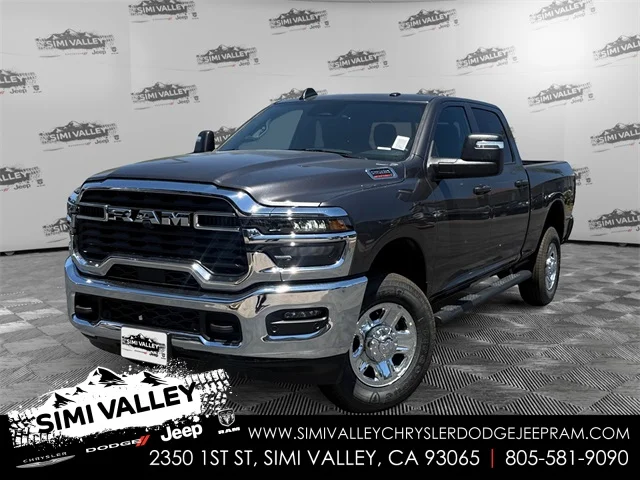
The 2025 RAM 2500 Tradesman continues its reputation as the no-nonsense workhorse of the heavy-duty truck world. While higher trims, such as the Laramie or Limited Longhorn, pile on luxury, the Tradesman trim is all about durability, strength, and affordability — making it a top choice for contractors, fleets, and truck owners who need a dependable tool rather than a rolling lounge.
For 2025, RAM made meaningful upgrades to the 2500 lineup, including stronger powertrains, new technology, and updated safety systems. The Tradesman benefits from these improvements while retaining its rugged simplicity, offering a truck that works as hard as you do without inflating the price tag.
Exterior Design: Tough and Purposeful
At first glance, the 2025 RAM 2500 Tradesman doesn’t pretend to be flashy. You’ll find a bold crosshair grille with black inserts, utilitarian steel wheels, and minimal chrome. That’s the point. The Tradesman is designed for job sites, not luxury showrooms.
Available in Regular Cab, Crew Cab, or Mega Cab configurations, with 6.4-foot or 8-foot bed options, it allows buyers to choose practicality over frills. For those prioritizing utility, telescopic trailer tow mirrors and optional spray-in bedliners add protection and functionality. Despite its basic nature, the Tradesman looks confident and strong — a truck built to earn its keep.
Engine & Performance: Gas or Diesel Power
The 2025 RAM 2500 Tradesman offers two distinct engine choices, each catering to different work needs:
- 6.4-L HEMI V8 (standard):
- Horsepower: 405 hp
- Torque: 429 lb-ft
- Towing Capacity: ~17,730 lbs
- Payload: ~4,010 lbs
This naturally aspirated HEMI is ideal for owners who need a dependable, lower-maintenance work truck at a more accessible price point.
- 6.7-L Cummins Turbo Diesel I6 (optional):
- Horsepower: 370 hp (standard output) or 430 hp (high output)
- Torque: 850 lb-ft (standard) or up to 1,075 lb-ft (HO)
- Towing Capacity: ~19,990 lbs (diesel)
- Payload: ~3,160 lbs
The Cummins remains the benchmark for diesel durability and long-haul towing. Paired with RAM’s new eight-speed TorqueFlite automatic transmission, the 2025 Tradesman delivers smoother shifts, better power delivery, and improved efficiency over the previous six-speed unit.
Towing & Capability
Capability defines the RAM 2500, and the Tradesman trim is no exception. With properly equipped configurations, it can tow nearly 20,000 pounds and haul payloads over 4,000 pounds.
Key towing features available on the Tradesman include:
- Integrated Trailer Brake Controller
- Telescoping Trailer Tow Mirrors
- Class V Receiver Hitch
- Rear-view Camera with Trailer Guidance
- Optional Auto-Level Rear Air Suspension (to improve load stability and simplify trailer hookup)
For buyers who want a no-nonsense heavy-duty work truck, these features make the Tradesman both reliable and user-friendly under extreme demands.
Interior: Practical Yet Functional
Inside, the 2025 RAM 2500 Tradesman prioritizes functionality. The cabin is straightforward with durable vinyl or cloth seats, easy-to-clean flooring, and large physical knobs for climate and audio controls.
However, RAM didn’t leave Tradesman buyers in the past. Even in its most basic form, the Tradesman comes standard with:
- Uconnect 5 infotainment system on an 8.4-inch touchscreen
- Apple CarPlay & Android Auto integration
- Bluetooth connectivity
- Four-speaker sound system (six-speaker on Crew Cab)
- Multiple USB ports and charging outlets
For those who need more tech, buyers can option the larger 12-inch Uconnect screen, Wi-Fi hotspot, Amazon Alexa integration, and a premium audio setup. While these upgrades cost extra, they allow even a work truck to double as a comfortable mobile office.
Safety & Driver Assistance
RAM continues to push advanced safety into all trims, including the Tradesman. Standard features include:
- Electronic Stability Control (ESC)
- Brake Assist
- Advanced Airbag System
- Hill Start Assist
- Trailer Sway Damping
Optional upgrades bring even more confidence on the road:
- Adaptive Cruise Control with Stop & Go
- Lane Keep Assist
- Forward Collision Warning with Active Braking
- Blind Spot Monitoring with Trailer Coverage
- Surround-View Camera System
While many Tradesman buyers may be satisfied with the basics, the availability of advanced driver-assistance features makes it easier to balance rugged work demands with modern safety expectations.
Technology & Convenience
The 2025 Tradesman proves that “work truck” doesn’t mean “outdated.” RAM has built in enough tech to meet the needs of modern buyers:
- Standard push-button start
- Available remote start system
- Digital instrument cluster option
- Power inverter with in-bed outlets (ideal for tools or job sites)
- Smartphone integration with wireless updates
This combination of convenience and toughness makes the Tradesman more adaptable than many competitors’ base trims.
Pricing & Value
One of the biggest advantages of the 2025 RAM 2500 Tradesman is its starting price of around $45,565 (2WD Regular Cab). Even with optional four-wheel drive, buyers are looking at a base of just under $48,500.
For businesses or individuals who need maximum towing or payload, the Cummins diesel option increases pricing but brings unmatched durability. Even at these higher costs, the Tradesman still undercuts similarly equipped heavy-duty competitors when comparing capability per dollar.
Competitor Comparison
How does the 2025 RAM 2500 Tradesman stack up against rivals?
| Truck | Base Engine | Max Towing | Starting Price |
|---|---|---|---|
| RAM 2500 Tradesman | 6.4L V8 / 6.7L I6 Diesel | ~19,990 lbs | ~$45,565 |
| Ford F-250 XL | 6.8L V8 / 6.7L Power Stroke Diesel | ~20,000 lbs | ~$46,500 |
| Chevy Silverado 2500 WT | 6.6L V8 / 6.6L Duramax Diesel | ~18,500 lbs | ~$45,800 |
The RAM Tradesman remains one of the most balanced options, offering excellent towing, modern tech, and competitive pricing.
Who Should Buy the Tradesman?
The 2025 RAM 2500 Tradesman is perfect for:
- Contractors & Builders who need reliable towing and hauling without overspending on luxury features.
- Fleet Managers looking for durable, cost-effective heavy-duty trucks with straightforward interiors.
- Ranchers & Farmers who value diesel torque, towing strength, and simple maintenance.
- First-time HD Buyers who want a capable heavy-duty pickup at an accessible price point.
Final Verdict
The 2025 RAM 2500 Tradesman proves that heavy-duty trucks don’t need to be expensive to be capable. With its combination of powerful gas and diesel engines, excellent towing and payload capacities, and enough technology to make long workdays more manageable, the Tradesman strikes a balance few competitors can match.
If you’re looking for a no-nonsense heavy-duty truck that works as hard as you do — without paying for unnecessary luxuries — the 2025 RAM 2500 Tradesman deserves a spot at the top of your list.
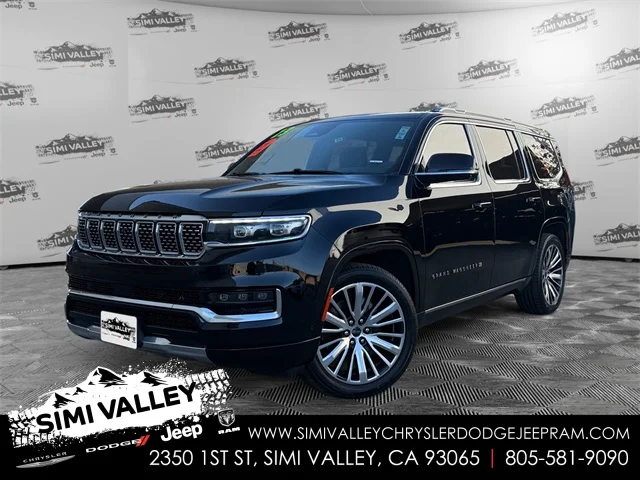
2023 Jeep Grand Wagoneer Series III – For Sale at Simi Valley Chrysler Dodge Jeep Ram
Searching for a full-size SUV that combines luxury, cutting-edge technology, and serious capability? Look no further than the 2023 Jeep Grand Wagoneer Series III, now available at Simi Valley Chrysler Dodge Jeep Ram. This model brings a level of refinement and performance that rivals European luxury while infusing unmistakable American soul built for the road—and beyond.
Explore this truck and other exceptional Jeep offerings here: Browse Used Jeep Inventory – Simi Valley CDJR.
Why the Grand Wagoneer Series III Stands Out
The Grand Wagoneer represents Jeep’s most luxurious SUV offering. Built on a rugged foundation and packed with premium finishes, it elevates the large SUV segment with upscale amenities and advanced power. The Series III sits near the top of the trim ladder—rich in features without stepping into the ultra-exclusive Obsidian range.
What This Listing Brings to the Table
- Price: $73,990 — a competitive internet sales price given its features and condition.
- Mileage: 31,344 miles—attractive for a 2023 luxury SUV.
- History: Clean, no reported accidents.
- Warranty: Includes a complimentary 3-month / 3,000-mile powertrain warranty. (Edmunds, Simi Valley CDJR)
Performance, Power, and Capability
Powering this Wagoneer is Jeep’s high-output 3.0-liter twin-turbo “Hurricane” inline-six engine, delivering awe-inspiring 510 horsepower and 500 lb-ft of torque. The engine pairs with a smooth 8-speed automatic transmission and standard 4WD, ensuring confident performance on pavement and trail alike. (Wikipedia)
Noteworthy Specs:
- Fuel Efficiency: Around 14 mpg city / 19 mpg highway / 17 mpg combined. (MotorWeek)
- 0–60 mph: Approximately 4.7 to 5 seconds, astonishing for a vehicle of this size and weight. (Wikipedia, MotorWeek)
This blend of speed, torque, and efficiency sets the Grand Wagoneer as a standout among full-size luxury SUVs.
Inside the Lap of Luxury
Step inside the Series III, and you’ll find a world of comfort and connectivity:
- Seating for seven or eight, based on configuration.
- Uconnect 5 infotainment with a 12-inch central screen, wireless Apple CarPlay/Android Auto, Amazon Alexa, and more. (Wikipedia)
- McIntosh audio systems: Choose between the 19-speaker 950W system or the 23-speaker 1,375W super option for audiophile sound. (Wikipedia)
- Rear-seat entertainment, dual 2nd-row touchscreens, and innovative passenger-only front-display make family travel engaging and easy. (Wikipedia)
From executive errands to family road trips, the Grand Wagoneer’s cabin is a sanctuary of luxury.
Off-Road and Towing Strength
While refined, this SUV is no stranger to rugged ventures:
- Full-time 4WD provides reliable traction in rain, snow, or light off-road terrain.
- Robust towing capability thanks to the high-output engine and reinforced chassis.
- Trail-rated heritage ensures it can handle more than the daily commute.
This Wagoneer strikes a rare balance—sumptuous interior, on-road calm, and genuine athleticism when called upon.
Comparing Value in Today’s Market
- TrueCar estimates show 2023 Series III models in Simi Valley ranging from the high $70Ks to mid $80Ks. This $73,990 listing is solidly in competitive territory. (Edmunds, Autotrader)
- KBB data puts MSRP for this model in the $110K+ range when new, reflecting serious depreciation savings for buyers today. (Kbb.com, Wikipedia)
This Wagoneer delivers luxury at a much friendlier price while retaining all the performance and premium features.
Who Is This SUV Perfect For?
Drive home a Grand Wagoneer Series III if you:
- Lead a luxurious, road-trip-ready lifestyle where comfort meets adventure.
- Value cutting-edge tech and passenger comfort on every journey.
- Need impressive towing or 4WD capability without compromising on refinement or style.
Few SUVs blend sophistication and capability like the Wagoneer Series III.
The Simi Valley CDJR Difference
When you purchase from us, you’re not just getting a vehicle—you’re getting a seamless ownership experience:
- Transparent pricing—what you see is what you pay.
- Flexible financing—custom options for your needs.
- On-site service—maintenance and support long after the sale.
- Local expertise—serving Simi Valley, Thousand Oaks, and the greater Los Angeles area.
We’re with you every mile of the way—just like your Jeep.
Final Thoughts
The 2023 Jeep Grand Wagoneer Series III now for sale at Simi Valley Chrysler Dodge Jeep Ram is a rare find—luxury and power for $73,990, low mileage, and loaded with features. Its twin-turbo sculpture of an engine, opulent cabin, and commanding road presence make it a showstopper.
Luxury, performance, and capability wrapped into one—why settle for anything less? Visit our Jeep inventory now: Browse Used Jeep Inventory – Simi Valley CDJR and arrange your first-class test drive today.
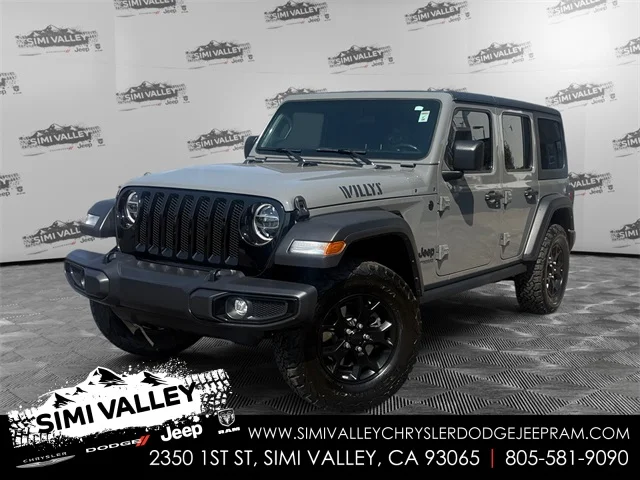
If you’ve been searching for a rugged SUV that combines legendary off-road capability with everyday usability, the 2021 Jeep Wrangler Unlimited Willys is the answer. Now available at Simi Valley Chrysler Dodge Jeep Ram, this special edition of the Wrangler offers adventure-ready hardware, distinctive Willys styling, and incredible value in today’s SUV market.
Explore this model and other great Jeep options here: Browse Used Jeep Inventory – Simi Valley CDJR.
Why the Willys Edition?
The Willys trim is named in tribute to the original military Jeeps of the 1940s, the vehicles that first established Jeep’s “go-anywhere” reputation. For the 2021 model year, the Willys package blends classic design cues with upgraded off-road hardware, creating a Wrangler that’s as confident on trails as it is cruising Ventura County highways.
Willys Highlights:
- Exclusive badging and decals that celebrate Jeep heritage.
- 17-inch black aluminum wheels with mud-terrain tires.
- Trac-Lok® limited-slip rear differential for added traction.
- Heavy-duty shocks and rock rails for extra protection.
- Trail-rated 4×4 capability with proven Jeep durability.
For drivers who want a Wrangler with authentic trail DNA and a unique look, the Willys edition delivers.
Performance You Can Count On
The 2021 Wrangler Unlimited Willys typically comes equipped with a 2.0-liter turbocharged four-cylinder engine producing 270 horsepower and 295 lb-ft of torque, paired with an 8-speed automatic transmission. This setup offers brisk acceleration on the road and plenty of low-end torque for off-road use.
- Fuel Economy: Approx. 21 mpg city / 24 mpg highway / 22 mpg combined.
- Towing Capacity: Up to 3,500 lbs when properly equipped.
- 4×4 Confidence: Standard Command-Trac® part-time 4WD system.
The balance of efficiency and power makes this Wrangler a versatile choice for California drivers who want both adventure and daily practicality.
Designed for Adventure Inside and Out
While the exterior pays homage to Jeep heritage, the interior of the Unlimited Willys is designed to provide comfort and convenience.
- Seating for five with durable cloth upholstery.
- Easy-clean surfaces—perfect for sand, mud, or pets.
- Uconnect® infotainment system with touchscreen, Apple CarPlay®, and Android Auto™.
- Available tech upgrades such as premium audio and navigation.
- Fold-flat rear seats and up to 72.4 cubic feet of cargo space.
Whether you’re heading to the mountains for a camping trip or taking the kids to school, the Willys balances rugged utility with modern comfort.
Safety Comes Standard
Jeep outfits the 2021 Wrangler with important safety features:
- Rearview camera with dynamic gridlines.
- High-strength steel frame for added crash protection.
- Available blind-spot monitoring and rear cross-path detection.
- Available adaptive cruise control and forward collision warning.
These technologies make the Wrangler Willys a safer and more confident choice for both highway commutes and weekend adventures.
Price and Value
At Simi Valley CDJR, this 2021 Jeep Wrangler Unlimited Willys is listed at just $26,880—an excellent price considering Kelley Blue Book fair-market values range between $25,000 and $35,000 for similar models.
Compared to a brand-new Wrangler with similar equipment that can top $45,000, this pre-owned Willys delivers serious savings without sacrificing capability or style.
Who Should Buy the Willys?
The Wrangler Unlimited Willys is built for drivers who:
- Love the outdoors and need a vehicle ready for dirt roads, trails, and off-grid adventures.
- Want daily usability, thanks to the Unlimited’s 4-door body style and family-friendly space.
- Seek style and heritage, with exclusive Willys badging and classic Jeep looks.
- Value versatility, using one SUV for both weekday errands and weekend getaways.
From solo adventurers to families who love camping, the Willys edition is a perfect fit.
How It Compares
- Versus Toyota 4Runner: The Wrangler offers true open-air freedom with removable roof and doors—something the 4Runner can’t match.
- Versus Subaru Outback: The Outback is a capable crossover, but it can’t compete with the Willys’ dedicated 4×4 hardware.
- Versus Ford Bronco: The Bronco is a strong rival, but Jeep’s decades-long off-road reputation and huge aftermarket support keep the Wrangler at the top of the segment.
Why Buy from Simi Valley CDJR?
Choosing Simi Valley Chrysler Dodge Jeep Ram means more than just getting a great Jeep—it means shopping with confidence.
Benefits of Buying Here:
- Transparent pricing with no hidden fees.
- Thorough inspections on all pre-owned vehicles.
- Flexible financing options tailored to your budget.
- Trusted dealership service after your purchase.
- Convenient location serving Ventura County, Thousand Oaks, Moorpark, and the San Fernando Valley.
When you buy from Simi Valley CDJR, you’re joining a dealership family that values customer care.
Final Thoughts
The 2021 Jeep Wrangler Unlimited Willys currently for sale at Simi Valley Chrysler Dodge Jeep Ram is a smart buy for anyone seeking adventure, durability, and style. At $26,880, it’s competitively priced, equipped with iconic Willys upgrades, and backed by Jeep’s world-class reputation for off-road performance.
If you’re ready to explore trails, cruise the coast, or simply enjoy the Jeep lifestyle, this Wrangler Willys is waiting for you. Don’t miss your chance—schedule a test drive today and experience the unmatched thrill of driving a Jeep.
Browse this Wrangler and other models in our Jeep lineup here: Browse Used Jeep Inventory – Simi Valley CDJR.
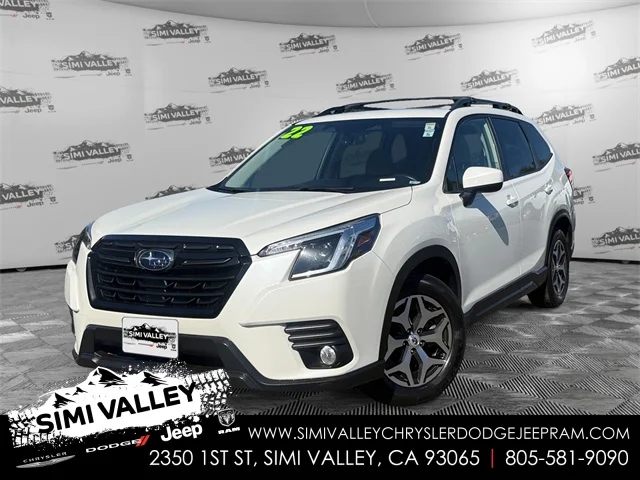
Looking for a capable, safe, and stylish compact SUV that can carry you through Southern California’s diverse terrain? The 2022 Subaru Forester Premium delivering all-wheel-drive confidence and modern comfort is now available at Simi Valley Chrysler Dodge Jeep Ram. With dependable performance, smart utility, and refined amenities, this Forester offers outstanding value.
What Makes the 2022 Forester Premium Special?
As the mid-tier trim in the Forester lineup, the Premium edition brings desirable upgrades over the base 2.5i without jumping to the higher-priced Limited or Touring trims. You’ll enjoy features like:
- AWD as standard, providing excellent traction in wet, gravel, or hilly conditions
- A comprehensive safety suite including EyeSight® Driver Assist with adaptive cruise, lane-keep assist, and pre-collision braking
- Comfortable upgrades like heated seats, sunroof, and upgraded infotainment
- An elevated hybrid of rugged readiness and civilized driving—perfect for both freeway commutes and outdoor escapes
This Forester’s Highlights
Let’s spotlight what makes this particular Forester Premium a standout:
- Location: Available now at Simi Valley Chrysler Dodge Jeep Ram in Simi Valley, CA (Simi Valley CDJR)
- Price: Priced at $23,680, offering excellent value in today’s used SUV market (carweek.com)
- Mileage: 74,173 miles—a solid amount for a 2022 model, especially given Subaru’s established reliability (carweek.com)
- History: CARFAX one-owner, clean title, no accidents—a trusted pick for cautious buyers (Edmunds)
- Fuel Efficiency: Approximately 26 mpg city / 33 mpg highway, with a combined rating near 29 mpg, making it efficient for daily driving and longer trips (Cars.com)
Capable and Comfortable for Every Journey
The Forester Premium masterfully blends practicality with comfort:
- Interior Space: Ample legroom, versatile cargo layout, and supportive front seats make it perfect for families and storage needs.
- Technology: Expect Subaru’s intuitive infotainment with Apple CarPlay® and Android Auto™, paired with dual-zone climate control for added comfort.
- Cargo Versatility: With rear seats folded, you’ll access generous cargo room—ideal for outdoor gear, pet carriers, or groceries.
Whether you’re navigating city traffic, weekend camping, or light off-roading, the Forester delivers.
Value Compared to Market
Compared to broader used car pricing data:
- Local prices range variably—TrueCar lists used Foresters in Simi Valley at anywhere from $2,000 to $47,000, depending on year and condition. This Forester lands in a competitive corner at $23,680 (TrueCar).
- Edmunds reports similar 2022 Premium trims priced around $21,995, with comparable mileage and history—making this dealer offering appealing (Edmunds).
- Nationwide listings (e.g., CarMax) show 2022 Premium models between $25,000–$28,000, placing this Simi Valley Forester at a more attractive price point (CarMax, Kbb.com).
Who This Forester Fits Best
This 2022 Premium Forester is a great match for:
- Active Families – Roomy, reliable, safe—great for school runs or weekend getaways.
- Outdoor Adventurers – AWD, rugged features, and cargo versatility make it ideal for beach, trail, or mountain excursions.
- Daily Commuters – Excellent fuel economy and strong safety features make city and highway driving stress-free.
- Suburban Drivers – Confident handling and Subaru’s reputation for dependability make it a comfortable and practical daily driver.
Why Shop at Simi Valley Chrysler Dodge Jeep Ram?
Here’s what sets this dealership apart when purchasing your Forester:
- Transparent Pricing – The $23,680 listing is competitive and clearly communicated (carweek.com, Cars.com, Edmunds).
- Reputable Dealer – Clean history, location convenience, and attentive service.
- Flexible Buying Support – Choices between financing, trade-in, and service are available under one roof.
- Southern California-Friendly – They know local needs—from coastal drives to mountain road trips.
Final Thoughts
The 2022 Subaru Forester Premium at Simi Valley CDJR offers everything you want: AWD capability, top-tier safety, smart utility, and solid pricing—all bundled with Subaru’s enduring reliability. At just $23,680, this clean-car history SUV delivers excellent value in today’s market.
Whether you’re a commuter, family driver, or adventurer, this Forester is ready for whatever road you travel next. Visit Simi Valley Chrysler Dodge Jeep Ram to take a closer look or schedule your test drive—don’t let this opportunity slip away.
2021 Ford F-150 XL at Simi Valley CDJR
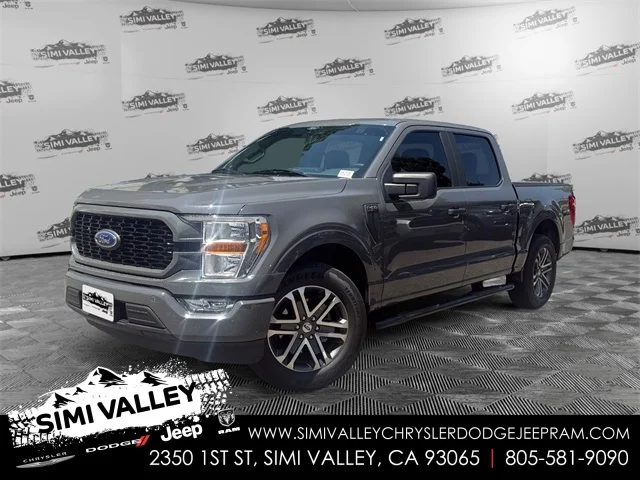
2021 Ford F-150 XL for Sale in Simi Valley
If you’re shopping for a full-size pickup truck that balances capability, reliability, and affordability, the 2021 Ford F-150 XL is a standout option. Now available at Simi Valley Chrysler Dodge Jeep Ram, this truck represents one of the best values in today’s used market. With low mileage, strong performance, and a reputation for toughness, the F-150 XL is a perfect fit for drivers across Southern California.
America’s Best-Selling Truck Legacy
The Ford F-Series has been the best-selling truck in America for over four decades, and for good reason. The 2021 model year marked the launch of the 14th generation, bringing improvements in design, materials, and available powertrains. Whether you’re looking for towing strength, a reliable work vehicle, or an everyday driver that can handle anything, the F-150 XL delivers.
XL Trim: No-Nonsense Practicality
The XL trim is the entry point to the F-150 lineup, but don’t mistake it for barebones. Ford designed the XL to be durable and versatile, with enough comfort and technology to satisfy modern drivers.
Key highlights of the XL include:
- Rugged exterior styling with high-strength aluminum body panels.
- Steel frame construction designed for long-term durability.
- 17-inch steel wheels and all-season tires.
- Simple, user-friendly interior with durable finishes.
- Standard 8-inch touchscreen with Apple CarPlay® and Android Auto™ integration.
This makes the XL ideal for buyers who need a dependable truck without unnecessary extras.
Performance and Power
The 2021 F-150 XL is available with multiple engines, but many models—including those you’ll find in Simi Valley—feature the 2.7-liter EcoBoost® V6. This engine generates 325 horsepower and 400 lb-ft of torque, paired with a 10-speed automatic transmission. The combination delivers strong acceleration, confident towing ability, and surprisingly good fuel efficiency.
Performance Specs:
- Horsepower: 325 hp
- Torque: 400 lb-ft
- Towing Capacity: Up to 8,200 pounds (when properly equipped)
- Payload Capacity: Around 2,000 pounds
- Fuel Economy: ~20 mpg city / 24 mpg highway / 21 mpg combined
For drivers in Ventura County who need a truck that works as hard as they do, the F-150 XL is an excellent match.
Mileage and Condition
The 2021 Ford F-150 XL available at Simi Valley CDJR is particularly appealing thanks to its mileage and condition. With just 35,495 miles, it’s well below the market average for a three-year-old truck. One-owner history and a clean CARFAX report further enhance its value, giving buyers confidence that this truck has been cared for and maintained properly.
Interior Comfort and Technology
Inside, the XL trim is practical yet comfortable. Ford strikes a balance between rugged utility and modern convenience:
- Seating: Durable cloth seats designed for comfort on long drives or job sites.
- Technology: 8-inch touchscreen, Ford SYNC® 4 infotainment, and smartphone compatibility.
- Convenience: Rearview camera, keyless entry, and multiple USB ports.
- Work Features: Folding rear seats for extra cargo flexibility, plus easy-clean surfaces.
While higher trims like the Lariat or Platinum add luxury features, the XL keeps things simple and dependable—perfect for buyers who want utility without added costs.
Safety Features
Ford prioritizes safety across its F-150 lineup. The XL trim comes standard with:
- Pre-Collision Assist with Automatic Emergency Braking.
- Lane-Keeping System.
- Dynamic Hitch Assist for easier trailer connections.
- Rearview camera with hitch guidance.
Optional packages can add blind-spot monitoring, adaptive cruise control, and other advanced driver-assistance systems.
Price and Value
At $28,980, this 2021 Ford F-150 XL is priced competitively for its mileage and condition. Considering that a new F-150 XL can easily surpass $40,000, this pre-owned model offers substantial savings. It also represents a better long-term value thanks to slower depreciation compared to a brand-new truck.
Monthly payments are estimated around $632/month with average financing—making this an affordable option for buyers who want a capable full-size truck without breaking the bank.
Comparison with Rivals
How does the 2021 F-150 XL stack up against competitors?
- Chevrolet Silverado 1500 WT: Similar work-oriented trim, but the Ford offers more advanced tech in its base model.
- Ram 1500 Tradesman: The Ram is more refined in ride comfort, but Ford provides stronger towing capacity in comparable trims.
- Toyota Tundra SR: Reliable but less fuel-efficient than the F-150’s EcoBoost options.
For buyers seeking the best blend of capability, efficiency, and pricing, the F-150 XL is hard to beat.
Who Is This Truck For?
The 2021 Ford F-150 XL is perfect for:
- Contractors and tradespeople who need reliable towing and hauling capacity.
- Families looking for a durable, spacious daily driver.
- Outdoor enthusiasts who want a truck ready for camping, towing boats, or off-road adventures.
- First-time truck buyers who want affordability without sacrificing quality.
Why Buy from Simi Valley CDJR?
At Simi Valley Chrysler Dodge Jeep Ram, we’re more than just a dealership—we’re your local automotive partner. Choosing us for your next truck means:
- Transparent pricing with no hidden fees.
- Dealer-backed warranties and service packages for peace of mind.
- Flexible financing options to fit your budget.
- Full-service department for maintenance and repairs after purchase.
- Convenient location serving Ventura County, Thousand Oaks, Moorpark, and the Greater Los Angeles area.
When you buy from Simi Valley CDJR, you’re joining a dealership family that values integrity and customer satisfaction.
Final Thoughts
The 2021 Ford F-150 XL for sale at Simi Valley Chrysler Dodge Jeep Ram represents everything buyers want in a used truck: low mileage, clean ownership history, proven reliability, and competitive pricing. Whether you need a workhorse for your business, a daily driver for your family, or a truck ready for weekend adventures, this F-150 XL is built to deliver.
With America’s best-selling truck legacy behind it and the reputation of Ford Tough engineering, this pickup is more than just transportation—it’s an investment in capability and dependability.
Don’t miss your chance to own this exceptional truck. Visit Simi Valley Chrysler Dodge Jeep Ram today, schedule a test drive, and experience the power and practicality of the 2021 Ford F-150 XL for yourself.
2024 Honda HR-V Sport For Sale in LA
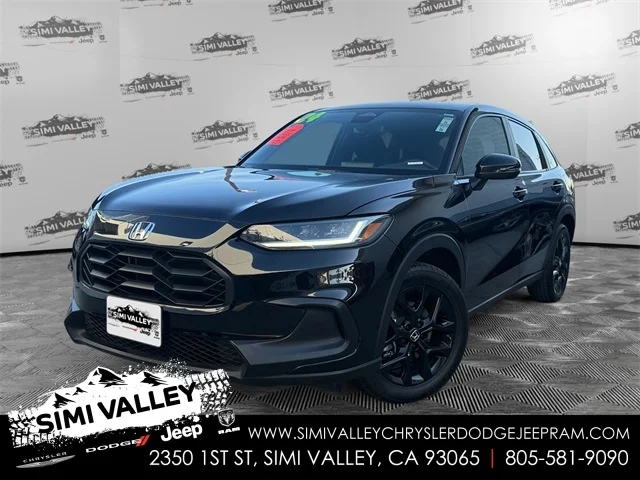
At Simi Valley Chrysler Dodge Jeep Ram, we pride ourselves on offering not just new Chrysler, Dodge, Jeep, and Ram vehicles, but also a carefully curated selection of used Honda models, including the latest 2024 editions. If you’re in the market for a dependable, stylish, and value-packed pre-owned vehicle, our Honda inventory is well worth your attention.
The 2024 Honda lineup brings forward the brand’s signature mix of efficiency, practicality, and innovation, and buying used from a trusted dealership like ours means you can get behind the wheel of a nearly new Honda at a more attractive price point. Whether you’re interested in a compact sedan, a versatile SUV, or a sporty hatchback, you’ll find options that fit your lifestyle.
Browse our inventory here: Used Honda Models – Simi Valley CDJR.
Why Buy a 2024 Honda Used?
Buying a 2024 Honda used offers a smart balance of value and peace of mind. Since these models are nearly brand new, they typically:
- Have low mileage and one-owner histories (often lease returns or corporate fleet vehicles).
- Come equipped with modern tech and safety features.
- Carry warranty coverage that may still apply, depending on in-service dates.
- Cost thousands less than brand-new versions, giving you more value per dollar.
Honda vehicles are known for their reliability, and choosing a lightly used 2024 model means you get years of dependable service without stretching your budget.
Spotlight: 2024 Honda HR-V Sport
One of the highlights in our inventory is the 2024 Honda HR-V Sport, a subcompact SUV that blends sporty design with everyday versatility.
Key Features:
- Engine: 2.0-liter 4-cylinder with 158 horsepower.
- Fuel Economy: Around 26 mpg city / 32 mpg highway.
- Interior: Roomy cabin with orange-stitched sport seats, a 7-inch touchscreen, and smartphone integration.
- Safety: Honda Sensing® suite standard, including adaptive cruise control and collision mitigation braking.
- Cargo Space: Over 55 cubic feet with seats folded down, perfect for weekend trips or daily errands.
At Simi Valley CDJR, we’ve listed HR-V Sport models with attractive internet prices around the $23,000–$25,000 range, making them an exceptional value compared to new showroom pricing.
Spotlight: 2024 Honda Civic
The Honda Civic continues to dominate the compact car segment thanks to its unbeatable mix of efficiency, technology, and fun-to-drive dynamics. The 2024 Civic brings:
- Engine Options: Efficient 2.0-liter 4-cylinder or turbocharged 1.5-liter engine.
- MPG Ratings: Up to 42 mpg highway, perfect for Los Angeles commuters.
- Technology: Digital instrument cluster, Apple CarPlay®/Android Auto™, and available wireless charging.
- Safety: Consistently top-rated crash test scores and standard driver-assist features.
For buyers in Simi Valley, Thousand Oaks, or Moorpark, a used 2024 Civic offers the perfect commuter car with Honda’s legendary longevity.
Spotlight: 2024 Honda Accord
For those who want midsize comfort and a touch of sophistication, the 2024 Honda Accord stands out as one of the best sedans in its class.
What You’ll Love:
- Hybrid Option: Available hybrid powertrain rated up to 46 mpg combined.
- Performance: Smooth turbocharged 1.5-liter or 2.0-liter engines.
- Interior Space: Among the largest cabins in the segment, with rear-seat comfort that rivals some luxury cars.
- Technology: Standard 10.2-inch digital cluster and available Google Built-In infotainment.
The Accord blends efficiency, comfort, and refined design, making it ideal for families and professionals alike.
Spotlight: 2024 Honda CR-V
The CR-V remains Honda’s best-selling SUV, and the 2024 model builds on its reputation with more space, more technology, and even a hybrid option.
- Passenger Room: Seats five with excellent rear legroom.
- Cargo Space: Over 76 cubic feet with seats folded down.
- Engines: Choice of turbocharged 1.5-liter or hybrid powertrain.
- Safety: Honda Sensing® suite standard, plus available all-wheel drive for added confidence.
If you’re seeking a compact SUV that balances practicality with efficiency, a 2024 CR-V from our pre-owned lineup is a fantastic choice.
Other 2024 Honda Options in Our Inventory
Depending on current availability, our 2024 Honda used inventory may also include:
- Honda Pilot – A three-row SUV with rugged styling and optional all-wheel drive.
- Honda Odyssey – The minivan that redefines family travel with seating for eight and advanced entertainment systems.
- Honda Ridgeline – A versatile midsize pickup with SUV-like ride quality and Honda’s innovative in-bed trunk.
Since our inventory changes frequently, we recommend checking the full selection here: View Used 2024 Honda Models.
Why Shop Used Hondas at Simi Valley CDJR?
While there are plenty of places to buy a used Honda in Southern California, here’s why shoppers choose Simi Valley Chrysler Dodge Jeep Ram:
- Curated Inventory: We carefully inspect and select each pre-owned vehicle for quality.
- Competitive Pricing: Transparent, internet-based prices ensure you always get a fair deal.
- Flexible Financing: Options available for a wide range of credit profiles.
- One-Stop Shop: From sales to service, everything you need is under one roof.
- Trusted Reputation: Serving Simi Valley and the surrounding Los Angeles area with integrity and dedication.
Who Are These Hondas Right For?
- Commuters: Models like the Civic and Accord deliver exceptional fuel economy for daily drives.
- Families: The HR-V, CR-V, and Pilot offer the space and safety parents demand.
- Budget-Conscious Shoppers: Buying lightly used 2024 models provides modern tech and design without new-car pricing.
- Adventure Seekers: SUVs like the CR-V and Pilot with AWD handle road trips, camping, and more with ease.
No matter your lifestyle, there’s a 2024 Honda in our inventory to match your needs.
Final Thoughts
If you’ve been considering a Honda for your next vehicle, the 2024 models available at Simi Valley Chrysler Dodge Jeep Ram are worth exploring. From the stylish HR-V Sport to the practical Civic and family-friendly CR-V, these vehicles deliver Honda’s trademark mix of value, reliability, and performance.
Buying a used 2024 Honda means you get all the latest technology and safety systems, often with low miles and at a price that makes sense. Combine that with the trust and service of shopping at Simi Valley CDJR, and you have a buying experience that’s as smooth as the cars themselves.
Visit us today or explore the full lineup online at Used Honda Inventory – Simi Valley CDJR. Your next Honda is waiting, and it might just be the best car-buying decision you’ll make this year.
Connect with us


