




California Child Support Calculator
California Child Support Calculator (Estimator)
Guideline-style estimator using net monthly incomes and timeshare. Includes optional “add-ons” (childcare/health premiums) prorated by income share.
Inputs
Optional Add-ons (Prorated by Income Share)
Results
Estimated support (base guideline + add-ons)
$0.00
Base guideline (est.)
$0.00
Add-ons allocated (est.)
$0.00
K-factor (est.)
0.000
Higher earner
—
| Line item | Amount |
|---|
California Income Tax Calculator
California Income Tax Calculator
Estimate CA state income tax from your annual income and deductions. Includes optional Mental Health Services Tax and an optional “total taxes” view.
Inputs
Options
Results
Estimated California income tax (annual)
$0.00
CA taxable income
$0.00
Effective CA rate
0.00%
| Line item | Amount |
|---|
The Most Accurate Car Value Websites of 2026
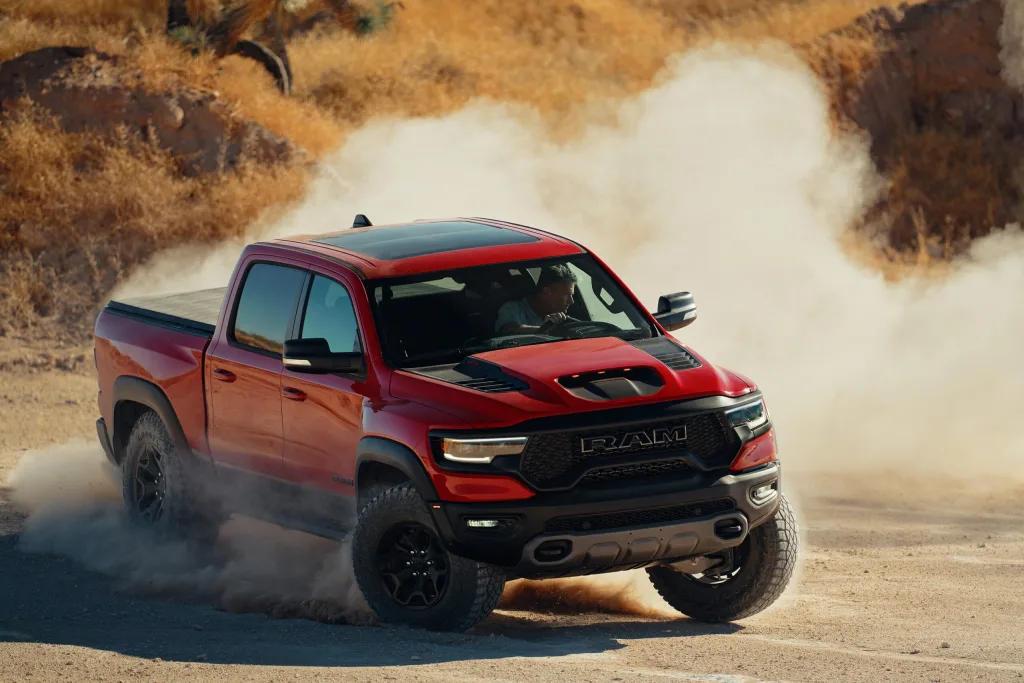
Accurately pricing a vehicle in 2026 is no longer as simple as checking mileage, model year, and a generic book value. The market has changed. Interest rates remain elevated, new vehicle inventory has normalized in some segments but not others, EV depreciation has become more volatile, and regional supply gaps continue to distort pricing from one ZIP code to the next.
That means one thing for consumers: using just one car value website is often not enough.
Whether you are selling your vehicle privately, trading it in at a dealership, or trying to figure out whether an asking price is actually fair, the right valuation tools can help you avoid leaving money on the table. The wrong approach can do the opposite.
This guide explains which car value websites are the most accurate in 2026, what each one is actually measuring, and how to use them together to arrive at a more realistic number.
Why Vehicle Pricing Feels More Complicated in 2026
For years, consumers could rely on fairly predictable depreciation patterns. A vehicle lost value steadily over time, pricing guides moved in a relatively stable way, and the differences between platforms were usually manageable.
That is no longer the case.
Today’s market is being shaped by several major shifts at once. Vehicle prices are still elevated compared with pre-2020 norms. Loan terms have stretched longer, which affects how owners think about equity and resale timing. Hybrid and EV values can swing more sharply than traditional gas vehicles. On top of that, local market conditions matter more than ever, especially in regions where certain body styles or powertrains are in short supply.
As a result, a car’s “value” is not a single clean number. It is a range, and that range depends on what kind of value you are trying to measure.
What Car Value Actually Means in 2026
One of the biggest reasons people get confused is that valuation sites are often measuring different things.
A trade-in value reflects what a dealer may realistically offer after factoring in reconditioning, market risk, and profit margin.
A private-party value reflects what another consumer might pay directly.
A retail value reflects what a dealer may list the vehicle for on its lot or website.
A wholesale or auction value reflects dealer-to-dealer market activity, where vehicles move based on risk, demand, and resale potential.
So when two sites show very different figures, it does not necessarily mean one is wrong. It often means they are answering different questions.
Kelley Blue Book Still Sets the Baseline
Kelley Blue Book, or KBB, remains the most recognized vehicle valuation source in the U.S. That matters. Even when it is not the most aggressive or the most current tool in every situation, it is still one of the most influential because so many dealerships, consumers, lenders, and insurers reference it.

Its biggest strength in 2026 is standardization. KBB pulls from dealer transactions, auction data, regional adjustments, and seasonal patterns to provide a market range that feels familiar and credible to most people. That is why it continues to anchor so many trade-in conversations.
KBB is especially useful when you want a starting point before walking into a dealership. It gives you a baseline and helps frame expectations. The downside is that it can be somewhat conservative on older vehicles, and it may not react as quickly as the market in fast-changing categories like EVs.
Still, if you are starting your valuation research from scratch, KBB remains one of the best first stops.
Edmunds Is Often Better at Reflecting Real Transaction Behavior
If KBB gives you the accepted market baseline, Edmunds often gives you a closer look at what people are actually paying.
Its True Market Value model focuses more directly on real transaction behavior, which makes it especially useful for newer vehicles where incentives, dealer pressure, financing offers, and market competition can all shift values quickly.

This is where Edmunds becomes particularly valuable. It often feels more grounded in actual buyer behavior than inflated asking prices or overly optimistic owner expectations. For someone trying to validate whether a dealer offer is fair, Edmunds can be a strong reality check.
Its weakness is that it can also skew conservative in certain niche categories, especially where enthusiast demand or low supply pushes pricing higher than typical market logic would suggest. Still, for mainstream late-model vehicles, Edmunds is one of the most practical tools available.
NADA Explains the Dealer’s Side of the Math
NADA Guides, now part of J.D. Power, matters because it reflects how dealerships and lenders often think about vehicle value internally.
This is not just about consumer pricing. This is about risk, collateral, wholesale value, and finance approval logic. Many lenders still rely heavily on NADA-style valuation frameworks when deciding how much a vehicle supports in financing. That means a dealer may be looking at your trade through a very different lens than you are.
This is why NADA can be especially useful for understanding why a trade offer feels lower than a retail listing you saw online. Dealers do not value your vehicle based on what they hope to sell it for. They value it based on what they can safely own it for after transport, reconditioning, market exposure, and resale risk.
That does not make their number generous, but it does make it easier to understand.
CarGurus Is Stronger for Real-Time Market Pricing
If you want to know what a vehicle is likely to sell for right now, CarGurus is one of the best tools available.
That is because its model leans heavily on live listings, asking prices, market supply, time on market, and local inventory pressure. In other words, CarGurus is more connected to the real world retail environment than older valuation systems built primarily around historical transaction logic.

This makes it especially useful for private sellers. If you are trying to price your car competitively in your area, CarGurus often gives a sharper sense of where the market actually is today.
Its main limitation is that it can understate the value of rare, specialty, or enthusiast vehicles where the right buyer may be willing to pay more than algorithmic listing trends suggest. But for most mainstream vehicles, it is one of the strongest tools for real-time pricing context.
TrueCar Helps Show What Dealers Are Actually Doing Locally
TrueCar sits somewhere between valuation platform and shopping tool, but it still plays an important role in 2026.
Its biggest advantage is geographic specificity. Because it uses dealer-verified pricing tied to actual market offers, it can help consumers understand what dealers in their region are really doing, not just what national averages suggest.
That makes it particularly useful if you are trying to gauge local competitiveness. A vehicle may carry one theoretical national value, but what matters in practice is what dealers in your ZIP code are willing to buy or sell for right now.
TrueCar is not perfect, especially in smaller or less populated markets, but it can be a valuable extra layer when you want a more location-specific view.
Black Book Is Still Powerful, Even if Most Consumers Never Use It Directly
Black Book remains one of the most important pricing tools in the industry, even though most everyday shoppers do not interact with it directly.
That is because Black Book is heavily tied to the wholesale and auction side of the business. Dealers, lenders, leasing companies, and inventory managers use it because it often reacts faster to market movement than slower consumer-facing platforms.
If a dealer’s trade offer changes noticeably from one week to the next, Black Book-style wholesale shifts are often part of the reason.
For consumers, the practical takeaway is simple: sometimes the market moves faster behind the scenes than it does on public pricing websites. A dealer is not always lowering an offer because they are playing games. Sometimes the wholesale risk truly has changed.
Why These Websites Show Different Numbers
This is where many car owners get frustrated.
You check one site and see $22,000. Another says $19,500. A third says $18,700. Then a dealer offers something even lower. It feels inconsistent, even suspicious.
But those differences usually come down to intent.
KBB is often giving you a broadly accepted market range. Edmunds is showing what people may actually be paying. NADA is closer to dealer and lender math. CarGurus reflects what the market is doing right now in live listings. Black Book reflects wholesale risk.
So the question is not, Which one is right?
The better question is, Which one is right for this situation?
How to Get the Most Accurate Car Value in 2026
The best approach is not to pick a favorite website and trust it blindly. It is to build a valuation range from multiple sources.
Start with KBB to establish a familiar baseline. Use Edmunds to pressure-test it against real transaction behavior. Then check CarGurus to see what similar vehicles are actually being listed for in your area.
From there, look at your condition honestly. Most owners overgrade their vehicles. Dealers rarely do. Even small cosmetic wear, aging tires, or deferred maintenance can materially affect a trade-in number.
It also helps to review local listings closely, not just national results. A vehicle may command more in one market than another based on seasonality, inventory shortages, or regional preferences. Trucks and SUVs may hold especially well in some areas, while sedans or EVs may soften more quickly elsewhere.
If you are trading in, getting a professional appraisal is still essential. Online tools educate you, but they do not inspect your vehicle, account for exact reconditioning needs, or reflect the dealer’s current inventory strategy.
Which Vehicles Hold Value Best in 2026?
Certain vehicles continue to outperform the broader market when it comes to resale and trade-in strength.
The Jeep Wrangler remains one of the strongest because of its loyal buyer base and consistent demand. The Toyota Tacoma continues to perform well thanks to durability and long-standing market trust. The Toyota 4Runner also holds value impressively, partly because its redesign cycles tend to be long and its reputation remains strong.
The Honda CR-V stays competitive because it appeals to such a wide range of buyers, while the Ford F-150 continues to benefit from broad demand across trim levels and use cases.
Vehicles that hold value well usually share the same underlying traits: reliability, stable demand, strong brand identity, and a buyer pool that stays active even when the wider market softens.
Final Thoughts
There is no single perfect car value website in 2026.
The most accurate pricing comes from context, not convenience. It comes from comparing multiple data sources, understanding what each one is actually measuring, and recognizing that trade-in, retail, private-party, and wholesale values are not supposed to be identical.
That is the real key.
If you are selling or trading a vehicle, online valuation tools should help you become more informed, not more rigid. A smart seller uses them to build leverage. A smart buyer uses them to spot inflated pricing. And a smart negotiator understands that the number matters less than the reasoning behind it.
In 2026, the people who get the best car deals are usually not the ones who found the highest estimate.
They are the ones who understood the market better than everyone else.
Innova 5160RS vs 5610 – The Ultimate Showdown!
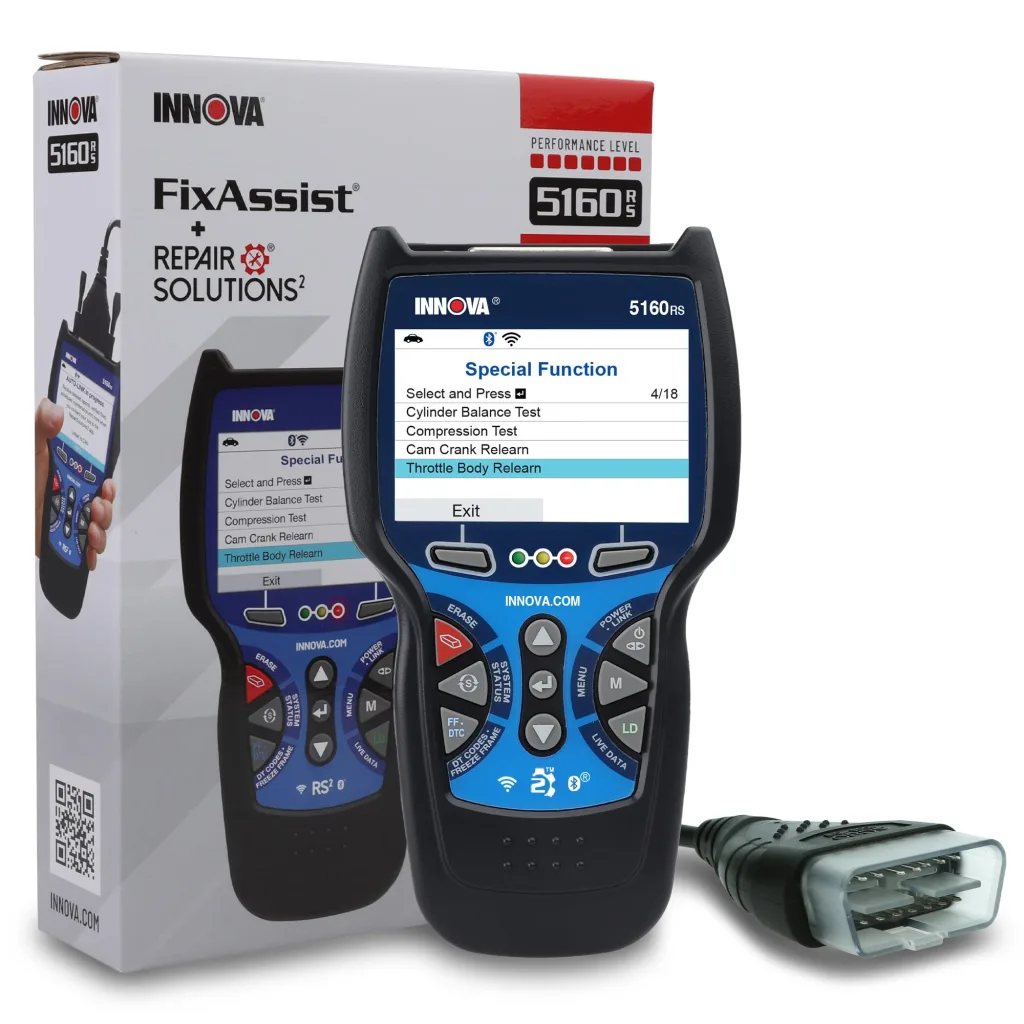
Your “check engine” light just flashed on. Panic sets in. What’s wrong with your car? You know you need an OBD2 scanner, but the choices are overwhelming.
Two popular options from Innova, the 5160RS and the 5610, often come up. Both promise to read codes and help diagnose car problems. But which one is truly right for you?
This detailed guide will cut through the confusion. We’ll compare the Innova 5160RS and 5610 side-by-side. By the end, you’ll know exactly which tool to pick for your garage.
Why You Need an OBD2 Scanner
Modern cars are complex machines. When something goes wrong, they often tell you with a “check engine” light. An OBD2 scanner is your car’s translator.
It reads diagnostic trouble codes (DTCs). These codes point to specific issues within your vehicle’s systems. Having a scanner saves you time and money on mechanic visits.
You can identify problems early. You can even decide if a repair is something you can handle yourself. Simply put, it gives you control over your car’s health.
Innova 5160RS: A Deep Dive
The Innova 5160RS is a strong contender for many home mechanics. It offers a great balance of features and ease of use. This scanner is part of Innova’s RepairSolutions2 line.
It connects to your smartphone for enhanced diagnostics. This smart pairing makes it very versatile for its price point. Let’s look at its core strengths.
Key Features of the 5160RS
- Read and Clear Codes: It handles generic and manufacturer-specific codes.
- Live Data: View real-time engine data like RPM, speed, and sensor readings.
- Battery & Alternator Test: Check your car’s charging system health.
- Oil Light Reset: Turn off that annoying oil change reminder light.
- ABS/SRS Codes: Diagnose issues with your Anti-lock Brake System and Airbag system.
- RepairSolutions2 App: Get verified fixes, difficulty ratings, and parts needed.
Who is the 5160RS For?
This scanner is perfect for the average car owner or DIY enthusiast. If you want to understand basic “check engine” lights, the 5160RS is a solid choice. It’s also great for those who appreciate smartphone integration.
You can quickly diagnose common problems. Then you can get repair guidance directly on your phone. It bridges the gap between basic code readers and professional tools.
Pros and Cons of the 5160RS
- Pros:
- Easy to use, even for beginners.
- Excellent smartphone app integration.
- Reads ABS and SRS codes.
- Includes battery/alternator test.
- More affordable than higher-end models.
- Cons:
- Screen is smaller than some other models.
- Relies on a smartphone for full repair details.
- Limited advanced functions compared to professional tools.
Innova 5610: The Advanced Option
Stepping up the ladder, we find the Innova 5610. This scanner is designed for more serious DIYers and even some professional technicians. It packs a punch with advanced features built right into the device.
It offers deeper diagnostics without always needing a phone. This makes it a powerful standalone tool. The 5610 is often considered a top-tier Innova model.
Key Features of the 5610
- All System Network Scan: Scans virtually all vehicle modules, not just engine.
- Bi-directional Control: Perform active tests on components (e.g., turn on fuel pump).
- Coding & Programming: Advanced functions for module coding (vehicle specific).
- ABS/SRS/Transmission/Engine Codes: Comprehensive system coverage.
- Oil Light Reset & Battery Reset: Essential maintenance functions.
- Electronic Parking Brake (EPB) Reset: Safely service brake pads.
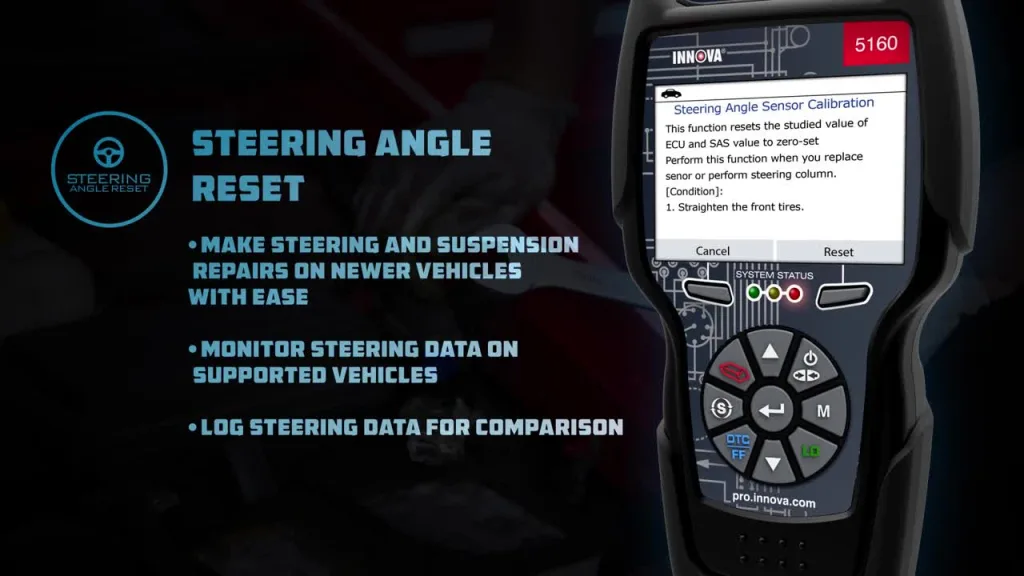
- Steering Angle Sensor (SAS) Reset: Calibrate the steering system.
- Tire Pressure Monitoring System (TPMS) Reset: Reset tire pressure warnings.
- Live Data Graphing: View multiple data streams at once.
- RepairSolutions2 App: Still integrates for even more data and repair guidance.
Who is the 5610 For?
The 5610 targets experienced DIYers, small garage owners, and aspiring mechanics. If you want to dig deeper into vehicle systems, this is your tool. It’s ideal for those who perform more complex repairs.
People working on a wider range of vehicles will also benefit. Its extensive special functions save trips to the dealership. This scanner offers near-professional capabilities.
Pros and Cons of the 5610
- Pros:
- Extremely comprehensive system coverage.
- Advanced bi-directional controls.
- Many special functions (EPB, SAS, TPMS).
- Large, clear display for easy reading.
- Powerful standalone capabilities.
- Cons:
- Higher price point.
- Can be overkill for basic users.
- Some advanced functions might require learning.
Innova 5160RS vs 5610: The Head-to-Head Battle
Now, let’s put these two powerhouses against each other. Understanding their differences helps you make an informed choice. We’ll compare them across several key areas.
Display and Interface
The 5160RS features a decent color screen. It’s clear enough for reading codes and basic live data. However, its full potential shines when paired with the RepairSolutions2 app.
The 5610 boasts a much larger, high-resolution display. This makes reading data, navigating menus, and viewing graphs much easier. It’s designed for more intense on-device use.
Code Reading and Clearing
Both scanners excel at reading and clearing standard “check engine” codes. They both cover generic and manufacturer-specific codes. This is a core function they both handle well.
However, the 5610 goes further. It performs an “All System Network Scan.” This means it checks almost every module in your car for codes. The 5160RS focuses on engine, ABS, and SRS systems.
Live Data and Advanced Diagnostics
Both units offer live data. You can see sensor readings in real time. The 5160RS gives you important parameters, often best viewed on your phone.
The 5610 takes live data to another level. It provides graphing for multiple data streams simultaneously. This helps you spot trends and diagnose intermittent issues. The 5610 also offers bi-directional control. This lets you command components directly from the scanner. For instance, you could open an EGR valve to test it.
Special Functions
Here’s where the 5610 truly pulls ahead. The 5160RS handles basic resets like oil light and battery/alternator tests. These are very useful for routine maintenance.
The 5610 adds a whole suite of advanced special functions. These include EPB reset, SAS reset, TPMS reset, and even coding/programming for some modules. These features are usually found on much more expensive professional tools.
Software and Updates
Both scanners use the Innova RepairSolutions2 app. This app is a huge advantage for either device. It provides verified fixes, part recommendations, and repair difficulty ratings.
Updates for both devices are generally free for the software itself. However, the 5610’s advanced features might have specific updates. Innova is good at keeping its software current.
Price Point
The 5160RS is the more budget-friendly option. It offers excellent value for its capabilities. It’s an investment that quickly pays for itself by avoiding diagnostic fees.
The 5610 costs significantly more. This higher price reflects its advanced features and deeper diagnostic power. It’s an investment for those who need professional-level tools.
Ease of Use
For beginners, the 5160RS is arguably easier to pick up. Its interface is straightforward. The app guides you through complex repairs.
The 5610 has a steeper learning curve due to its many functions. While its interface is intuitive, understanding all its capabilities takes time. It’s made for users who already have some technical knowledge.
Which Innova Scanner is Right for You?
The choice between the 5160RS and 5610 depends entirely on your needs. Consider your budget, your skill level, and the types of repairs you plan to do.
Choose the 5160RS if:
- You are a beginner or average car owner.
- You mainly need to read and clear engine, ABS, and SRS codes.
- You want an easy-to-use tool with great app integration.
- Your budget is more limited.
- You perform basic maintenance like oil changes and battery checks.
Opt for the 5610 if:
- You are an experienced DIYer or aspiring mechanic.
- You need to diagnose issues across nearly all vehicle systems.
- You require advanced functions like bi-directional control or special resets (EPB, SAS).
- You want a powerful standalone tool with a large display.
- You are willing to invest more for professional-level capabilities.
Frequently Asked Questions
Are Innova scanners compatible with all car brands?
Yes, Innova scanners work with most OBD2 compliant vehicles. This includes cars, light trucks, SUVs, and hybrids made in 1996 or newer in the US. They also support newer vehicles in other regions.
Do I need an internet connection to use these scanners?
No, you do not need an internet connection to read basic codes. However, you will need internet access to download the RepairSolutions2 app. You also need it for full repair reports, updates, and confirmed fixes.
Can these scanners program new keys?
Neither the Innova 5160RS nor the 5610 typically supports key programming. This function usually requires specialized dealership-level tools. These tools are often very expensive and brand-specific.
Are software updates free for Innova scanners?
Yes, software updates are generally free for Innova scanners. This ensures your tool stays current with new vehicle models and diagnostic protocols. You can usually update them via a computer or the RepairSolutions2 app.
What is bi-directional control, and why is it important?
Bi-directional control allows the scanner to send commands to your car’s components. For example, you can tell the scanner to activate a cooling fan or injector. This helps you test parts directly. It saves a lot of diagnostic time.
Conclusion
Choosing between the Innova 5160RS and 5610 doesn’t have to be hard. Both are excellent tools from a reputable brand. Your perfect choice depends on your specific needs and technical skill.
The 5160RS offers fantastic value for everyday car owners. It handles common issues with ease. The 5610 delivers professional-grade diagnostics for more serious users. It covers a wider range of complex problems.
Review your requirements one last time. Think about the types of repairs you’ll perform. Then confidently pick the Innova scanner that best fits your garage. Get ready to take control of your vehicle’s health!
Does Octane Booster Work ? Expert Review

Review Backed by Real Engine Data
Few automotive products spark as much debate as octane boosters. Walk into any auto parts store and you will see bold claims: more power, reduced knock, race fuel performance. That leads to the obvious question drivers keep asking online: does octane booster work?
Closely related searches—does octane booster actually work, does octane booster really work, and octane booster does it work—all point to the same uncertainty. This in-depth expert review breaks down the science, real-world testing, and engine behavior to deliver a clear, evidence-based answer.
What Is Octane and Why Does It Matter?
Before answering does octane boost really work, it is critical to understand what octane rating means.
Octane rating measures a fuel’s resistance to pre-ignition and detonation (knock). It does not measure fuel strength or energy content. Instead, it determines how well fuel can tolerate pressure and heat before combusting uncontrollably.
Engines with:
- High compression ratios
- Turbochargers or superchargers
- Aggressive ignition timing
all benefit from higher octane fuel because it allows the ECU to operate closer to optimal timing without knock.
How Does Octane Booster Work?
One of the most common questions is how does octane booster work, and the answer lies in chemistry.
Octane boosters are concentrated chemical additives designed to increase gasoline’s resistance to detonation. They achieve this by introducing compounds that burn more slowly and predictably under compression.
Typical active ingredients include:
- Aromatic hydrocarbons such as toluene or xylene
- Oxygenates like ethanol derivatives
- In some cases, metal-based additives such as MMT
These compounds raise the fuel’s effective octane rating, delaying auto-ignition during the compression stroke.
In simple terms: octane boosters change how fuel behaves under pressure, not how much energy it contains.
Does Octane Booster Actually Work in Real Engines?
So, does octane booster actually work, or is it just marketing?
The Short Answer
Yes—octane booster does work, but with important limitations.
Independent lab testing consistently shows that quality octane boosters can raise fuel octane by 1 to 6 points at recommended doses, and sometimes more at higher concentrations.
However, whether that increase translates into real performance gains depends entirely on the engine.
Does Octane Booster Really Work for Power Gains?
This is where expectations often diverge from reality.
Modern Engines With Knock Sensors
In modern vehicles, ECUs continuously adjust ignition timing based on knock sensor feedback. When higher-octane fuel is detected, the ECU may:
- Advance ignition timing
- Increase boost pressure (in turbocharged engines)
- Reduce safety margins
In these engines, octane boosters can result in:
- Measurable torque gains
- Slight horsepower increases
- Reduced knock under heavy load
In controlled dyno testing, engines capable of adapting timing typically show 2–5% power gains when effective octane increases by several points.
Older Engines Without Adaptive Timing
In older engines with fixed timing maps, the answer to does octane booster really work is often no from a performance standpoint. The octane may increase, but the engine cannot take advantage of it.
Why Some Drivers Say Octane Boosters Don’t Work
Search results for does octane booster really work often include negative experiences. These usually fall into three categories:
1. Misleading “Points” Claims
Many products advertise “+10 points,” but those points may represent tenths of an octane number, not full octane ratings. A “10-point” increase often means +1.0 octane, not +10.
2. Insufficient Dosage
Most bottles are under-dosed for modern fuel tank sizes. Used as directed, some boosters simply cannot raise octane enough to matter.
3. Engines That Cannot Adapt
If an engine is not knock-limited, higher octane produces no noticeable difference.
This leads many consumers to conclude—incorrectly—that octane booster does it work? The reality is that it works chemically, but not universally.
How Much Octane Increase Is Realistic?
Independent testing shows realistic results at recommended doses:
| Product Tier | Typical Octane Increase |
|---|---|
| Budget boosters | +1 to +2 |
| Mid-range boosters | +3 to +4 |
| Premium/high-aromatic boosters | +5 to +8 |
Reaching race-fuel levels typically requires multiple bottles, which raises cost and risk.
When Does Octane Booster Really Work Best?
Octane boosters perform best in specific scenarios:
- Turbocharged engines under heavy load
- High-compression engines near knock threshold
- Track days where fuel quality is inconsistent
- Emergency situations where only low-octane fuel is available
In these cases, the answer to does octane booster work is clearly yes, provided the engine can respond to the change.
Long-Term Risks and Considerations
Another reason people ask does octane boost really work is concern about long-term effects.
Potential issues include:
- Spark plug fouling
- Oxygen sensor contamination
- Catalytic converter damage (especially with metal-based additives)
This is why octane boosters are best used occasionally, not as a permanent substitute for higher-octane fuel.
Octane Booster vs Higher-Octane Pump Fuel
From a cost-efficiency perspective:
- Premium pump fuel offers consistent, predictable octane
- Octane boosters offer flexibility but variable results
If higher-octane fuel is readily available, it is usually the better choice. Octane boosters shine when premium fuel is unavailable or when temporary octane increases are required.
Final Verdict: Does Octane Booster Work?
To answer every major search question directly:
- Does octane booster work?
Yes, chemically and measurably. - Does octane booster actually work?
Yes, but only engines that can adapt will benefit. - Does octane booster really work?
It works within realistic limits, not miracle claims. - Does octane boost really work?
It reduces knock and can unlock power in knock-limited engines.
Octane boosters are not snake oil—but they are not magic either. Used correctly, in the right engine, and with realistic expectations, they deliver exactly what physics allows and nothing more.
Frequently Asked Questions About Octane Boosters
Does octane booster work in all cars?
No. While octane boosters chemically increase fuel octane, not all engines benefit. Modern vehicles with knock sensors and adaptive ECUs are far more likely to see gains. Older vehicles with fixed ignition timing may experience reduced knock but no noticeable performance improvement.
Does octane booster actually work for horsepower?
Yes—but only under specific conditions. If an engine is knock-limited and capable of advancing ignition timing, an octane booster can unlock modest horsepower and torque gains. In most real-world scenarios, increases range from 2–5%, not dramatic jumps.
Does octane booster really work the same as premium fuel?
Not exactly. Premium fuel provides consistent, refinery-controlled octane, while octane boosters offer variable increases depending on formulation and dosage. Boosters are best viewed as a temporary or situational solution, not a full replacement for higher-octane pump fuel.
How does octane booster work inside the engine?
Octane boosters work by introducing high-octane chemical compounds into gasoline. These compounds resist auto-ignition under pressure, allowing the air–fuel mixture to burn more smoothly. This reduces knock and permits more aggressive ignition timing in engines that can adapt.
Does octane boost really work in turbocharged engines?
Yes. Turbocharged engines are among the best candidates for octane boosters. Because boost pressure increases cylinder temperatures, higher octane helps prevent detonation, allowing the ECU to maintain or increase boost and timing under load.
Can octane booster damage an engine?
Low-quality or metal-based octane boosters can cause issues if used excessively. Potential risks include:
- Spark plug fouling
- Oxygen sensor contamination
- Catalytic converter degradation
Used occasionally and according to instructions, high-quality octane boosters are generally safe.
Is using octane booster cheaper than buying premium gas?
Sometimes, but not always. When multiple bottles are required to achieve meaningful octane gains, costs can exceed the price difference between regular and premium fuel. Octane boosters are most cost-effective when premium fuel is unavailable or when short-term octane increases are needed.
What is the best octane booster available?
The answer depends on formulation, testing transparency, and intended use. For a detailed breakdown, comparisons, and expert analysis, you can review this in-depth guide on the best octane booster options experts have reviewed:
https://www.simivalleychryslerdodgejeepram.com/blogs/5737/best-octane-booster-experts-reviewed
Should I use octane booster every fill-up?
No. Octane boosters are not designed for continuous daily use. They are best reserved for:
- Track days
- Towing or heavy-load conditions
- High-performance driving
- Situations where fuel quality is uncertain
Regular use offers diminishing returns and increases the risk of deposits over time.
Does octane booster work immediately?
Yes. Once mixed with fuel and circulated through the system, the octane increase is effective immediately. Any ECU adjustments based on knock feedback typically occur within one to two driving cycles.
The Truth About Synthetic Oil Lifespan: How Long Can You Really Go?
Synthetic oil usually lasts 7,500 to 10,000 miles in many modern vehicles, but the real answer depends on the engine, driving conditions, oil specification, filter quality, vehicle age, and the maintenance schedule in your owner’s manual.
The simple answer is this: most drivers should not blindly stretch synthetic oil past 10,000 miles unless the manufacturer allows it, the vehicle is healthy, the correct oil and filter are used, and the driving conditions are normal. Consumer Reports notes that many automakers now set oil-change intervals at 7,500 or even 10,000 miles, while Car and Driver says most modern vehicles fall in the 7,500-to-10,000-mile range for synthetic oil changes. Consumer Reports Car and Driver
What Makes Synthetic Oil Last Longer?
Synthetic oil lasts longer because it is engineered to resist heat, oxidation, sludge, and viscosity breakdown better than conventional oil.
That does not mean it lasts forever. Engine oil still gets contaminated by fuel dilution, moisture, soot, combustion byproducts, metal particles, and dirt. The oil filter also has a limit. Once the oil is dirty or the additive package is depleted, the engine is no longer getting the protection it should.
Synthetic oil is better oil, not magic oil.
The Safe Synthetic Oil Interval
For most normal drivers, the safe interval is:
5,000 miles if you drive hard, tow, idle a lot, take short trips, or own an older engine.
7,500 miles for normal mixed driving.
10,000 miles if the manufacturer allows it and the vehicle is in good condition.
12,000 to 15,000 miles only if the vehicle, oil, filter, and manufacturer interval support it.
AAA recommends changing oil every 5,000 to 7,500 miles depending on oil type and driving conditions, while also saying to follow the owner’s manual. AAA
Why 10,000 Miles Is Not Always Safe
A 10,000-mile oil interval can be fine on some newer vehicles, but risky on others.
It depends on how the vehicle is used. Short trips are especially hard on oil because the engine may not reach full operating temperature long enough to burn off moisture and fuel dilution. Towing, stop-and-go traffic, hot weather, turbocharged engines, off-roading, dusty roads, and heavy idling can also shorten oil life.
Car and Driver says severe-use conditions may justify changing synthetic oil as often as 5,000 miles or six months. Car and Driver
That is why the same oil can last longer in one car than another.
Time Matters Too
Synthetic oil also has a time limit.
Even if you do not drive many miles, oil can collect moisture, fuel, and acids over time. For low-mileage drivers, changing oil once a year is usually a smart baseline unless the owner’s manual says otherwise.
If you only drive 3,000 miles a year but mostly take short trips, the oil may age faster than the mileage suggests.
Low mileage does not always mean low wear.
Turbo Engines Need More Discipline
Turbocharged engines are harder on oil.
A turbo spins extremely fast and runs very hot. That puts extra stress on the oil, especially if the vehicle is driven aggressively or shut off immediately after hard driving.
For turbo engines, I would be conservative. Even if the manual allows a longer interval, 5,000 to 7,500 miles is often the smarter real-world range.
This applies to many modern Jeep, Ram, Dodge, Chrysler, Ford, GM, Hyundai, Kia, Toyota, Honda, Mazda, BMW, Audi, and Mercedes turbo engines.
Older Engines Should Not Be Pushed Too Far
Older engines usually should not run extended oil intervals.
As engines age, they can develop blow-by, oil consumption, small leaks, fuel dilution, and internal deposits. That contaminates oil faster. A high-mileage engine may still run well, but it usually benefits from more frequent oil changes.
If your engine has more than 100,000 miles, burns oil, leaks oil, ticks on startup, or has unknown maintenance history, do not chase a 10,000-mile interval. A 5,000-mile synthetic oil change is usually safer.
Oil Life Monitors Are Useful, But Not Perfect
Many modern vehicles have oil life monitors.
These systems estimate oil life based on driving conditions, engine temperature, mileage, idle time, and operating patterns. They are helpful, but they are still estimates. They do not physically test the oil.
Consumer Reports notes that many newer vehicles have monitoring systems that alert the driver when oil needs changing, and intervals can vary based on driving conditions. Consumer Reports
Use the oil life monitor, but also use common sense. If the engine is worked hard, driven in dust, or used for short trips, change oil earlier.
The Filter Matters as Much as the Oil
Synthetic oil can outlast a cheap oil filter.
That is a problem. If you are running a longer synthetic interval, use a filter rated for that interval. A cheap filter may not have the capacity, media quality, anti-drainback valve, or bypass performance needed for long service.
For extended intervals, use an OEM filter or a premium synthetic-rated filter from a reputable brand.
Do not put expensive synthetic oil behind the cheapest filter on the shelf.
Can Synthetic Oil Last 15,000 Miles?
Yes, some synthetic oils and vehicles can support 15,000-mile intervals, but that is not the right answer for most drivers.
To safely go that long, you need the correct oil specification, a long-life filter, mostly highway driving, a healthy engine, and manufacturer approval. Ideally, you would also verify with used oil analysis.
Without those conditions, 15,000 miles is a gamble.
What About 20,000-Mile Synthetic Oil?
Some oil brands market oils for very long intervals, including 15,000 or 20,000 miles.
That does not automatically mean your engine should go that long. The oil may be capable, but your engine, driving pattern, warranty requirements, and filter may not be.
Always follow the vehicle manufacturer’s maintenance schedule first. Oil marketing does not override the owner’s manual.
Severe Driving Shortens Oil Life
Most drivers think they drive under “normal” conditions, but many do not.
Severe driving includes:
Short trips.
Stop-and-go traffic.
Heavy idling.
Towing.
Hot weather.
Cold starts.
Dusty roads.
Off-roading.
Commercial use.
Rideshare or delivery driving.
High-speed driving.
Mountain driving.
Turbocharged engines.
If any of these apply, shorten the interval.
Best Practical Interval
For most vehicles, the best practical synthetic oil interval is:
Every 5,000 miles for severe use, older engines, turbo engines, towing, and city driving.
Every 7,500 miles for normal mixed driving.
Every 10,000 miles only when the manufacturer allows it and the vehicle is healthy.
That range protects the engine without wasting money on outdated 3,000-mile oil changes.
Signs You Waited Too Long
You may be overdue if you notice:
Dark gritty oil.
Low oil level.
Oil smell inside cabin.
Engine ticking.
Sludge under oil cap.
Oil pressure warning.
Rougher engine sound.
Burnt oil smell.
Oil life monitor near zero.
Longer-than-normal mileage since last service.
Do not wait for symptoms. Oil changes are preventive maintenance.
Is Changing Synthetic Oil Early Bad?
No. Changing synthetic oil early will not hurt the engine.
The only downside is cost and waste. If you change full synthetic every 3,000 miles on a normal modern car, you are probably spending more than necessary. But if you are changing it every 5,000 miles on a turbo engine, high-mileage vehicle, or hard-used truck, that is reasonable.
The goal is not the longest interval possible. The goal is the best balance of protection, cost, and engine life.
Final Answer
Synthetic oil can usually last 7,500 to 10,000 miles in many modern vehicles.
For severe driving, older engines, turbo engines, towing, short trips, and hard use, change it closer to 5,000 miles.
Only go beyond 10,000 miles if your owner’s manual allows it, the oil and filter are rated for it, the engine is healthy, and your driving conditions are easy.
The truth is simple: synthetic oil lasts longer than conventional oil, but the safest interval is still based on your vehicle, not the label on the bottle.
75W-90 vs. 80W-90 Gear Oil: Decoding the Viscosity Numbers for Optimal Performance
The simple answer is this: 75W-90 and 80W-90 are both SAE 90 gear oils at operating temperature, but 75W-90 flows better in cold weather. That makes 75W-90 the better choice for colder climates, modern vehicles, synthetic gear oil applications, and drivers who want easier cold-start protection. 80W-90 is usually a conventional, heavier-cold-flow gear oil that still works well in many older trucks, axles, and differentials when the owner’s manual calls for it.
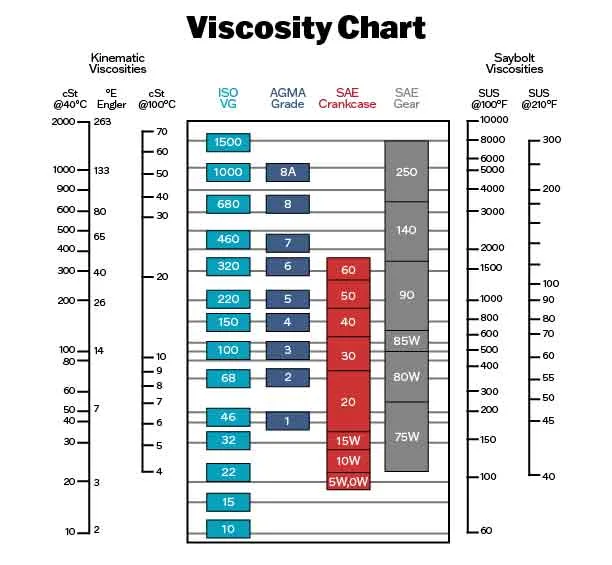
Petro-Canada Lubricants explains that an 80W-90 oil must meet the low-temperature fluidity requirements of an 80W grade and the high-temperature viscosity requirements of a 90 grade. That same logic applies to 75W-90: the first number tells you cold-flow behavior, while the second number tells you high-temperature viscosity.
What Do the Numbers Mean?
The “W” stands for winter, not weight.
In 75W-90, the 75W describes how the oil flows in cold temperatures. The 90 describes the oil’s viscosity at higher operating temperature.
In 80W-90, the 80W means it is thicker in cold conditions than a 75W oil. The 90 still means it falls into the same high-temperature SAE gear oil range.
So both oils are similar when fully hot, but they behave differently when cold.
That is the whole difference most drivers actually feel.
75W-90 Gear Oil Explained
75W-90 gear oil is usually the more modern and versatile choice.
It flows better when cold, which can help gears, bearings, and synchronizers receive lubrication sooner after startup. This is especially useful in cold climates, short-trip driving, and vehicles that sit outside overnight.
Many 75W-90 gear oils are full synthetic. For example, Mobil 1 Synthetic Gear Lubricant LS 75W-90 meets API GL-5 requirements and lists a pour point of -39°C, showing why synthetic 75W-90 is commonly chosen for cold-flow performance.
Use 75W-90 when your owner’s manual calls for it, when you drive in colder weather, or when you want a synthetic gear oil with strong temperature stability.
80W-90 Gear Oil Explained
80W-90 gear oil is an older, common, and still useful viscosity.
It is often found in conventional gear oils and is commonly used in older differentials, manual gearboxes, transfer cases, and axles where the manufacturer specifies it.
80W-90 can work perfectly well in warm climates and older trucks. It may also be cheaper than synthetic 75W-90. But in cold weather, it is thicker at startup, so it may not flow as quickly as 75W-90.
That does not automatically make 80W-90 bad. It simply means it is less cold-weather friendly.
75W-90 vs 80W-90: The Real Difference
The real difference is cold-temperature flow.
Both oils are SAE 90 gear oils once hot. But 75W-90 has better low-temperature performance. That means it can circulate faster during cold starts and may reduce cold shifting stiffness in some manual transmissions or gearboxes.
80W-90 is thicker when cold. That may be fine in warm climates, older differentials, or equipment that does not see freezing temperatures.
In plain English:
75W-90: better cold flow, often synthetic, better for modern use.
80W-90: thicker cold flow, often conventional, good for older vehicles and warm climates.
Is 75W-90 Thicker Than 80W-90?
Not in the way most people think.
At operating temperature, both are 90-grade gear oils. One 75W-90 product may even be slightly thicker or thinner than one 80W-90 product depending on the brand, base oil, viscosity index, and formulation.
The important point is not “which one is thicker overall.” The important point is: 75W-90 flows better when cold.
Always compare the product data sheet if you want exact viscosity numbers.
Can You Use 75W-90 Instead of 80W-90?
Sometimes, yes, but only if the product meets the vehicle’s required specification.
In many differentials, 75W-90 synthetic can be a suitable upgrade from 80W-90 because both are 90-grade oils when hot, and 75W-90 improves cold flow. But you must verify the required API rating, such as GL-4 or GL-5, and any limited-slip additive requirement.
Do not substitute blindly in a manual transmission. Some manual gearboxes need a specific GL-4 fluid because certain GL-5 gear oils may not shift properly or may not be recommended for synchronizer materials.
The viscosity is only one part of the decision. The specification matters just as much.
Can You Use 80W-90 Instead of 75W-90?
Sometimes, but it is usually not the best move if the vehicle specifically calls for 75W-90.
Using 80W-90 instead of 75W-90 may cause thicker cold operation, slower flow in winter, and stiffer shifting in some applications. In a warm climate and older differential, it may work fine if the manufacturer allows it.
But if the manual calls for 75W-90 synthetic, use 75W-90 synthetic.
The safest rule is simple: match the owner’s manual first, then choose the best-quality oil within that spec.
API GL-4 vs GL-5 Matters
Do not choose gear oil by viscosity alone.
The API service rating matters. GL-5 gear oil is commonly used in hypoid differentials because it has extreme-pressure additives for high gear loads. GL-4 is commonly used in some manual transmissions and transaxles because it balances gear protection with synchronizer compatibility.
Petro-Canada Lubricants explains gear oil classification systems and API service designations, which is important because the wrong performance category can matter more than the difference between 75W-90 and 80W-90.
If your manual says GL-4, do not automatically pour in GL-5 unless the product clearly says it is safe for that application.
Limited-Slip Differential Additive
If your vehicle has a limited-slip differential, you may need friction modifier.
Some gear oils already include limited-slip additive. Others do not. If the differential chatters, binds, or clunks during tight turns after a fluid change, it may need the correct friction modifier.
Many products will say “LS” or “limited slip” on the bottle if the additive is included. For example, Mobil 1 75W-90 LS is a limited-slip synthetic gear lubricant and meets API GL-5.
Check your owner’s manual before adding extra modifier. Too much can reduce limited-slip performance.
Which Is Better for Cold Weather?
75W-90 is better for cold weather.
Its lower winter rating means it flows better at low temperatures than 80W-90. That helps lubrication during startup and can make cold operation feel smoother.
If you live somewhere with freezing winters, mountain driving, snow, or cold overnight temperatures, 75W-90 is usually the better choice when it meets the required spec.
Which Is Better for Hot Weather?
Both can work in hot weather because both are 90-grade oils when hot.
In very hot or heavy-duty applications, the bigger question may not be 75W-90 vs 80W-90. It may be whether the vehicle needs 75W-140, 80W-140, 85W-140, or a specific synthetic gear oil for towing or severe service.
For normal differentials calling for SAE 90 gear oil, either 75W-90 or 80W-90 may work if approved. For heavy towing or high-load use, follow the manufacturer’s severe-service recommendation.
Which Is Better for Towing?
Use the viscosity and specification listed in the owner’s manual.
For towing, heat is the enemy. A high-quality synthetic 75W-90 can handle heat well in many applications, but some trucks require a heavier oil for towing or severe service.
Do not assume thicker is always better. Too thick can reduce efficiency and may not flow properly in some designs. Too thin can reduce film strength under load.
If your truck manual says 75W-90 synthetic, use it. If it says 75W-140 for towing, use that instead.
75W-90 vs 80W-90 for Differentials
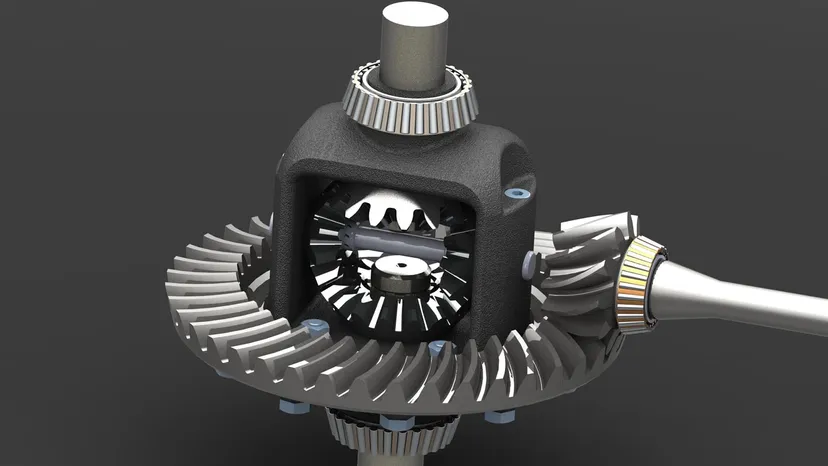
For differentials, 75W-90 is often the better modern choice if it meets the required API GL-5 spec.
It gives better cold flow and often better oxidation stability when synthetic. 80W-90 is still fine for many older differentials, especially in mild or warm climates.
If the differential is in a Jeep, Ram, Dodge, Ford, GM, Toyota, Nissan, or Mazda, do not guess. Check the exact axle and fluid requirement.
75W-90 vs 80W-90 for Manual Transmissions
Be more careful with manual transmissions.
Manual transmissions can be sensitive to synchronizer friction, gear oil additives, and viscosity. A fluid that works perfectly in a differential may shift poorly in a manual gearbox.
If your manual transmission calls for a specific GL-4 fluid, Synchromesh fluid, ATF, or manufacturer-specific fluid, do not replace it with random 75W-90 or 80W-90.
Manual transmission fluid choice should be exact.
Synthetic vs Conventional Gear Oil
75W-90 is often synthetic. 80W-90 is often conventional.
Synthetic gear oil usually has better cold flow, better heat resistance, better oxidation stability, and longer service potential. Conventional gear oil can still work well in older applications and may cost less.
For most modern vehicles, synthetic 75W-90 is the better all-around choice if it meets the required spec.
For older vehicles that specifically call for 80W-90 and are driven in warm conditions, conventional 80W-90 may be perfectly acceptable.
Does 75W-90 Improve Fuel Economy?
It may help slightly, especially in cold weather.
Because 75W-90 flows better when cold, it can reduce drag compared with 80W-90 during warm-up. But do not expect a dramatic MPG change. Gear oil choice affects efficiency, but tire pressure, driving style, vehicle weight, and axle ratio matter much more.
The main benefit is protection and proper operation, not huge fuel savings.
What Happens If You Use the Wrong Gear Oil?
Using the wrong gear oil can cause noise, poor shifting, overheating, wear, chatter, leaks, or component damage.
Too thick can make cold shifting difficult and reduce lubrication speed. Too thin can reduce protection under load. The wrong API rating can affect synchronizers or fail to protect hypoid gears. Missing limited-slip additive can cause chatter.
Gear oil is cheaper than a differential rebuild. Use the correct fluid.
Best Practical Recommendation
For most modern cars, trucks, SUVs, and Jeeps, 75W-90 synthetic is the better choice when approved.
For older trucks, older differentials, warm climates, and applications that specifically call for it, 80W-90 still works well.
The best answer is not based only on internet preference. It is based on the owner’s manual, axle type, transmission type, API rating, limited-slip requirement, climate, towing use, and whether synthetic is required.
Final Answer
75W-90 and 80W-90 are both 90-grade gear oils at operating temperature.
The difference is cold flow.
75W-90 flows better when cold, is often synthetic, and is usually better for modern vehicles, cold climates, and wider temperature ranges.
80W-90 is thicker when cold, often conventional, and still works well in many older vehicles, axles, and warm-climate applications.
Use the viscosity, API rating, and limited-slip requirement listed in your owner’s manual. If both are allowed, 75W-90 synthetic is usually the stronger all-around choice.
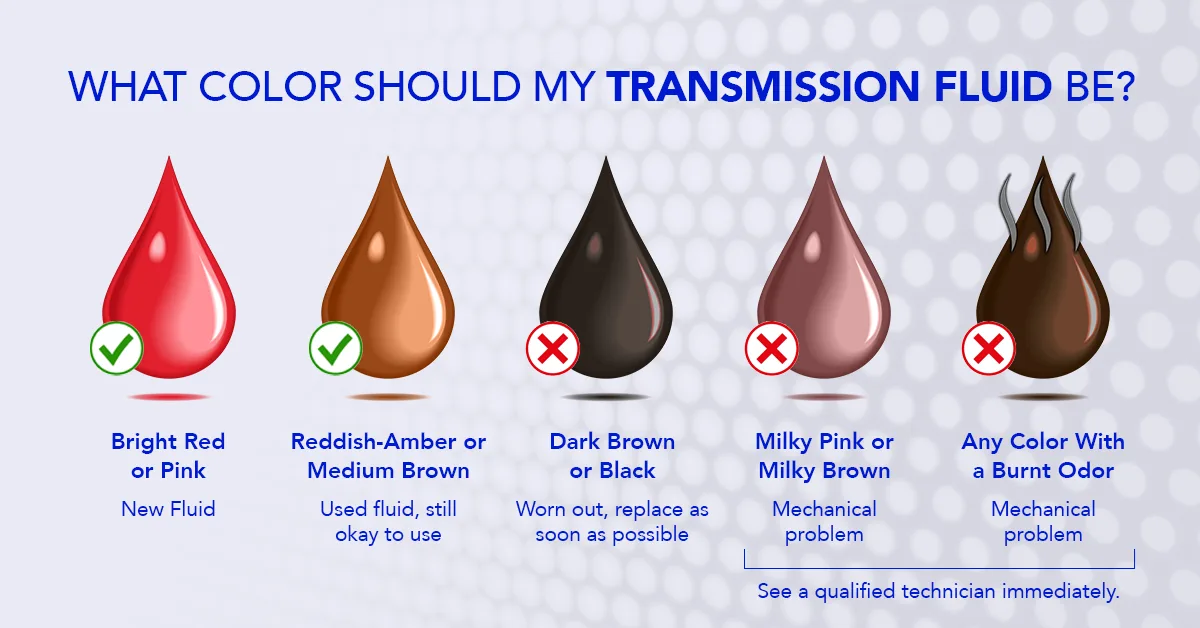
Yes, in most cases, it is better to warm up the transmission before changing the fluid, but you do not need to make it dangerously hot.
The simple answer is this: warm transmission fluid drains faster and carries more suspended contaminants out with it, but the final fluid level must be checked exactly the way the manufacturer specifies. That last part matters most. Some transmissions need the fluid checked hot, some warm, some at a specific scan-tool temperature, and some with the engine running.
Mobil says transmission fluid drains better at operating temperature and recommends letting the vehicle idle for a few minutes before draining. For some Ram transmissions, Mopar says the fluid level is best checked at normal operating temperature, around 158 to 176°F, or 70 to 80°C.
Why Warm Transmission Fluid Drains Better
Transmission fluid gets thinner when it warms up.
That means it flows out faster when you remove the drain plug or transmission pan. Warm fluid can also carry more suspended clutch material, metal particles, and old fluid residue out of the transmission.
Cold fluid is thicker. It drains slower and may leave more old fluid behind in the pan, valve body area, and passages.
That is why many mechanics prefer a warm transmission fluid change instead of a cold one.
Warm Does Not Mean Burning Hot
You do not need to drive for an hour or make the transmission extremely hot.
For most DIY drain-and-fill jobs, a short drive or a few minutes of idling is enough to warm the fluid slightly. The goal is to make the fluid flow better, not to create a burn hazard.
Hot ATF can burn skin. Exhaust parts, transmission pans, catalytic converters, and nearby components can also be dangerously hot.
A safe DIY approach is usually:
Drive gently for 5 to 10 minutes.
Park on a level surface.
Let the vehicle sit briefly if it is too hot to work around safely.
Use gloves and eye protection.
Drain carefully.
If the pan or exhaust is too hot to touch safely, wait.
The Fluid Level Check Is the Real Key
Warming the transmission before draining is helpful, but checking the final level correctly is critical.
Automatic transmission fluid expands as it heats up. That means the fluid level reading changes with temperature. If you fill it cold when the procedure requires hot, you may underfill or overfill it. If you check it with the engine off when the procedure requires engine running, the reading may be wrong.
That is where many DIY mistakes happen.
Car Talk explains that transmission fluid checking procedures vary by vehicle. Some are checked warm with the engine running, some are checked with the engine off, and some require a specific fluid temperature.
So the best answer is not “always hot” or “always cold.” The best answer is: follow the exact service procedure for your vehicle.
Dipstick Transmissions vs Sealed Transmissions
Older transmissions often have a dipstick.
These are usually easier for DIYers because you can check fluid level from the engine bay. Many dipstick transmissions have hot and cold marks, but the correct reading still depends on the manufacturer’s instructions.
Newer transmissions often do not have a traditional dipstick. These are sometimes called sealed transmissions, even though they still have fluid and may still be serviceable. They often require a fill plug, level plug, scan tool, or instrument-cluster temperature reading.
CarCareKiosk notes that vehicles without a transmission dipstick often use a check valve or plug underneath, and the vehicle must be level when the fluid is checked.
That is why sealed transmissions are more difficult for DIY fluid changes.
Should You Warm Up a Manual Transmission?
Manual transmissions are different.
A manual gearbox does not usually have the same fluid-level temperature sensitivity as many automatic transmissions. Warming the fluid can still help it drain faster, but the level is often checked by the fill plug height rather than a hot/cold dipstick mark.
Still, use the correct gear oil or manual transmission fluid. Do not assume automatic transmission fluid and manual transmission fluid are interchangeable.
Drain-and-Fill vs Flush
A drain-and-fill removes only part of the transmission fluid.
A lot of old fluid can remain in the torque converter, cooler lines, valve body, and internal passages. That is normal. Some owners repeat drain-and-fill service after driving for a short period to gradually refresh more of the fluid.
A flush replaces more fluid, but it should be done carefully and with the correct fluid. On a neglected high-mileage transmission, an aggressive flush can sometimes expose existing problems. The fluid change did not always “cause” the failure, but it may reveal a transmission that was already worn.
For many DIYers, a simple drain-and-fill with the correct fluid is the safer approach.
Should You Change the Filter Too?
If your transmission has a serviceable filter, replacing it during a pan-drop service is often smart.
Some filters are inside the pan and easy to access once the pan is removed. Others are internal and require deeper disassembly. Some modern transmissions use integrated pan/filter assemblies.
If the transmission pan is coming off, inspect the magnet, pan debris, gasket, and filter. A light film of gray material on the magnet can be normal. Large metal chunks, heavy debris, burnt smell, or black fluid are warning signs.
What Happens If You Check the Fluid at the Wrong Temperature?
You can end up with the wrong fluid level.
An underfilled transmission may slip, shift harshly, hesitate, overheat, or damage clutch packs.
An overfilled transmission can foam the fluid, cause erratic shifting, leaks, overheating, and pressure problems.
This is why many modern service procedures specify a narrow fluid temperature range. The fluid level is only accurate when the transmission is in that range.
For example, the Mopar Ram procedure says level checking is best at normal operating temperature and that the engine should remain running during the procedure.
Can You Change Transmission Fluid Cold?
Yes, you can drain transmission fluid cold, but it may not be ideal.
Cold fluid drains slower. It may leave more old fluid behind. It may also make it harder to estimate refill amount if the service procedure depends on operating temperature.
However, some DIYers prefer cold drain-and-fill work because it reduces burn risk and allows a measured “same amount out, same amount in” approach. That can work only if the transmission was already at the correct level before draining and the vehicle’s service procedure allows a proper final level check afterward.
The safest plan is still to perform the final level check by the book.
How Warm Should the Transmission Be?
For a basic DIY service, warm enough to flow well is usually enough.
For the final level check, the correct temperature depends on the vehicle. Some procedures specify a range around normal operating temperature. Others require a scan tool reading, dashboard transmission temperature display, or fluid temperature chart.
Do not guess if the vehicle has no dipstick. Look up the official procedure first.
How to Warm the Transmission Properly
To warm the transmission before a fluid change, drive gently for a short time.
A normal 5 to 10 minute drive is usually enough for a drain-and-fill. Shift through all gears, drive normally, and avoid hard acceleration. The goal is not to overheat the fluid.
If the procedure requires the final level to be checked hot, you may need to bring the transmission to the exact target range after refilling. That may require idling, shifting through gear positions, using a scan tool, or driving until the temperature is correct.
Use the Exact Transmission Fluid Spec
Do not guess on fluid type.
Transmissions are extremely sensitive to fluid chemistry, friction modifiers, viscosity, and manufacturer specifications. The wrong fluid can cause harsh shifts, slipping, shudder, overheating, and long-term damage.
For Ram, Dodge, Jeep, Chrysler, Toyota, Honda, Ford, GM, Nissan, Hyundai, Kia, BMW, Mercedes-Benz, and other brands, use the fluid spec listed in the owner’s manual or service information.
“Universal” fluid should only be used if it clearly lists your required specification.
Do Not Change Fluid If the Transmission Is Already Failing Without Diagnosis
If the transmission is slipping, banging into gear, flaring shifts, overheating, or full of burnt fluid, do not assume a fluid change will fix it.
A fluid change can help if the issue is low, old, or wrong fluid. But if clutches are worn, solenoids are failing, or the torque converter is damaged, fluid alone may not solve the problem.
A fluid service on a failing transmission should be done with realistic expectations.
DIY Transmission Fluid Change Checklist
Use the correct fluid.
Use the correct filter and gasket if applicable.
Warm the fluid slightly before draining.
Keep the vehicle level.
Measure what comes out.
Inspect the old fluid.
Inspect the pan and magnet.
Replace the filter if serviceable.
Torque pan bolts correctly.
Refill slowly.
Check level using the manufacturer procedure.
Do not overfill.
Test drive gently.
Recheck for leaks.
FAQs About Warming Up Transmission Fluid
Does transmission fluid need to be warm before changing it?
It is usually better if it is warm because warm fluid drains faster and carries more contaminants out. But it does not need to be dangerously hot.
Can you change transmission fluid cold?
Yes, but cold fluid drains more slowly and may leave more old fluid behind. The final level still needs to be checked according to the vehicle’s service procedure.
Should the engine be running when checking transmission fluid?
It depends on the vehicle. Many automatic transmissions are checked with the engine running, but some are not. Always follow the owner’s manual or service procedure.
Why does transmission fluid level change when hot?
Transmission fluid expands as it warms up. That is why hot and cold readings can differ and why many transmissions require a specific temperature range for accurate level checking.
Is a transmission flush better than a drain-and-fill?
Not always. A drain-and-fill is often safer and simpler for DIYers. A flush replaces more fluid but should be done correctly and may not be ideal for neglected high-mileage transmissions.
Can changing transmission fluid cause problems?
Changing fluid does not usually damage a healthy transmission. But if the transmission is already worn or failing, fresh fluid may reveal existing issues. Wrong fluid or wrong level can definitely cause problems.
Final Thoughts: Warm It Up, But Check It Correctly
A transmission does not have to be fully hot before a fluid change, but warming it up is usually helpful.
Warm fluid drains better, flows faster, and can carry more old material out of the transmission. But the most important step is not the drain temperature. It is the final fluid-level check.
Use the correct fluid, keep the vehicle level, avoid burns, and follow the exact service procedure for your transmission. That is what separates a proper fluid change from an expensive mistake.
Best Jeep Dealership in Los Angeles
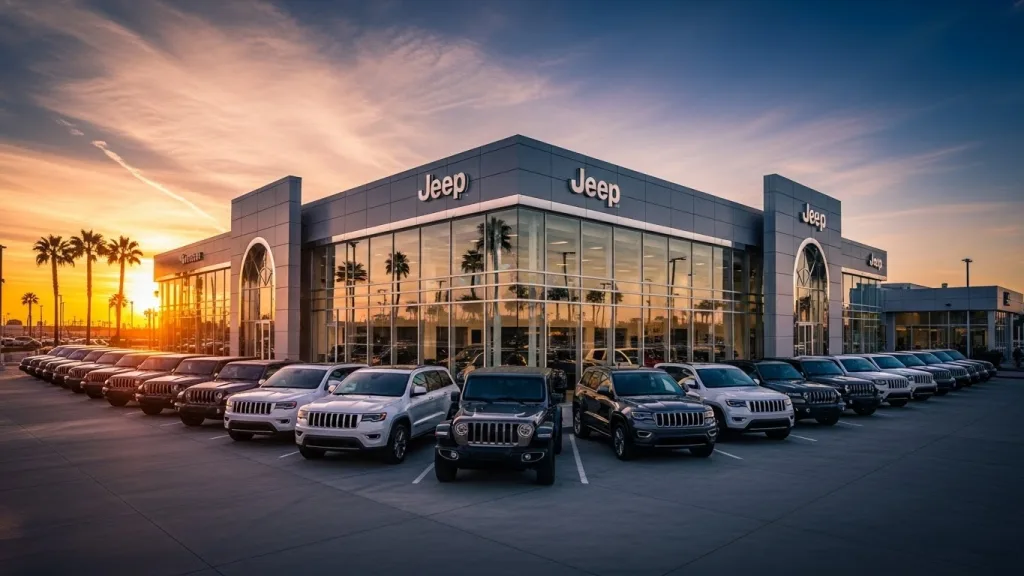
Simi Valley Chrysler Dodge Jeep Ram.
Shop Los Angeles’ Best CDJR InventoryAnd not just because of location.
Not just because of inventory.
Not just because of pricing.
People say it because the dealership has something almost no one else in LA can consistently deliver:
A fast, transparent, stress-free buying experience… AND a team people actually trust.
This is why so many shoppers across Los Angeles, Van Nuys, Glendale, Northridge, Santa Clarita, Thousand Oaks, Pasadena, and Burbank are now calling Simi CDJR:
“The #1 CDJR Dealership in Los Angeles.”
This mega-guide breaks down exactly why — using real customer language, powerful comparisons, and everything you need to know before buying.
The Real Reason Simi CDJR Became the #1 CDJR Dealership in Los Angeles
Let’s be blunt:
Anyone can sell you a car.
But not everyone can give you the right experience.
Here’s what Los Angeles shoppers say over and over again:
- The team at Simi CDJR treats you like a human being
- The prices make sense without games
- The buying process is faster
- The staff is respectful, patient, and actually listens
- The inventory is better than most of LA
- The service department keeps customers for life
And good news travels fast.
Families who bought here are sending their friends.
Contractors who bought their RAM trucks here are sending their crews.
Wrangler owners are sending entire off-road groups.
This dealership grew its reputation the old-school way:
By doing things right.
The Clickbaity Truth: Customers Are Leaving LA Traffic, Driving to Simi, and Saying It Was 100% Worth It
This isn’t hype.
Shoppers routinely describe the visit like this:
“I drove from Koreatown thinking it might be a waste of time. It ended up being the easiest car-buying experience I’ve ever had. I’d drive twice as far if I had to.”
“The LA dealers didn’t have the trim I wanted. Simi not only had it — they got me approved in less than 20 minutes. Unreal.”
“I’m never buying a Jeep anywhere else. Ever.”
This is the kind of reputation you can’t buy — you earn it.
The #1 Reason Simi CDJR Dominates Los Angeles — A Buying Experience That Doesn’t Feel Like a Battle
Let’s start with the biggest factor:
People trust Simi CDJR more than nearly any CDJR dealership in LA.
The reason?
Because the team doesn’t rush buyers.
They don’t corner you into decisions.
They don’t create confusion.
They don’t hide fees.
They operate the way shoppers wish all dealerships would operate.
Here’s what customers describe again and again:
- Straightforward communication
- No-pressure environment
- Clear out-the-door pricing
- Representatives who know the vehicles extremely well
- Salespeople who deliver information, not pressure
- A team that values long-term relationships, not quick wins
Most dealerships talk about “putting customers first.”
Simi CDJR actually does it — and customers feel the difference.
One of the Strongest Chrysler, Dodge, Jeep & Ram Inventories in Southern California
Inventory is everything — especially today.
Simi Valley CDJR is known for having one of the best and widest selections of:
Jeep
- Wrangler
- Wrangler 4xe
- Gladiator
- Grand Cherokee
- Grand Cherokee L
- Compass
- Renegade
- Wagoneer & Grand Wagoneer
Ram
- Ram 1500
- Ram 1500 Classic
- Ram 2500
- Ram 3500
- Heavy-duty diesel trucks
- Work trucks and luxury trims
Dodge
- Durango
- Last-run Charger models
- Last-run Challenger models
Chrysler
- Pacifica
- Pacifica Hybrid
- 300
Shoppers constantly say the same thing:
“They had trims I couldn’t find anywhere else in LA.”
That alone sets Simi CDJR apart.
Comparison Table — Why Buyers Say Simi CDJR Is the Best CDJR Dealership in Los Angeles
Here’s the clean breakdown shoppers share after visiting multiple dealerships:
| Category | Typical LA Dealership | Simi Valley CDJR |
|---|---|---|
| Transparency | Varies | Direct, upfront, consistent |
| Pressure level | Medium–High | Extremely low-pressure |
| Out-the-door pricing | Often unclear | Clear and fast |
| Inventory variety | Moderate | One of the best in SoCal |
| Used car standards | Mixed | High inspection standards |
| Financing speed | Slow to average | Very fast |
| Trade-in process | Inconsistent | Simple & fair |
| Wait times | Long | Short |
| Service department | Mixed | High trust ratings |
| Overall experience | Good | Excellent |
This is why so many shoppers say:
“Just go to Simi first.”
Used Cars Buyers Love — One of the Best Pre-Owned Departments in LA
The used car department at Simi CDJR is another major reason the dealership has become the best CDJR dealership in Los Angeles.
Customers love the:
- Fair pricing
- Clean inventory
- Accurate vehicle descriptions
- Transparent histories
- High reconditioning standards
- Variety of makes and models
People who normally shop in Los Angeles are repeatedly surprised by how clean the used inventory is at Simi CDJR.
Financing That Makes Life Easier — Not Harder
This is where Simi CDJR quietly excels.
The finance department is known for:
- Fast approvals
- Clear payment breakdowns
- No unnecessary add-ons
- Strong relationships with lenders
- Great options for all credit types
- Smooth trade-in process
Shoppers constantly mention how surprisingly easy this step is.
A Service Department Customers Actually Trust
A great dealership doesn’t just sell a car.
A great dealership supports you for years.
Simi CDJR’s service department is consistently described as:
- Thorough
- Professional
- Transparent
- Communicative
- Fast
- Friendly
This is why many LA customers end up servicing their vehicles here even if they didn’t originally buy in Simi.
Visit the #1 CDJR Dealership in Los AngelesWhy Los Angeles Jeep Shoppers Choose Simi CDJR
Jeep buyers are some of the most loyal customers in the automotive world.
They want:
- Expertise
- Transparency
- Customization options
- Inventory variety
- Real guidance
Simi CDJR delivers all of it.
Wrangler, Wrangler 4xe, Gladiator, Grand Cherokee — you name it, Simi has it in trims customers across LA were searching for.
This is why off-road groups constantly recommend Simi CDJR first.
Why Ram Owners Call Simi CDJR the Best Work Truck Dealer in LA
Ram buyers are practical.
They care about:
- Capability
- Pricing
- Availability
- Trim packages
- Financing terms
- Tow ratings
- Lead times
Simi Valley CDJR is well-known for having one of the strongest Ram inventories in Los Angeles County.
Contractors, small businesses, fleet buyers, and independent workers describe the dealership as:
“Fast, reliable, and extremely fair.”
That’s exactly what Ram buyers need.
Why Families Say Simi Is the Best Chrysler Dealership in Los Angeles
Pacifica and Pacifica Hybrid buyers consistently choose Simi Valley CDJR because:
- The team explains features clearly
- Test-drives are easy to schedule
- Pricing is transparent
- Buying with kids is effortless
- The process is fast
Parents repeatedly describe the dealership as organized and smooth, which is rare praise in the industry.
Why Dodge Fans Choose Simi CDJR Over Anywhere Else
Dodge buyers — especially Charger, Challenger, and Durango fans — are passionate.
Simi CDJR has built strong relationships with Los Angeles performance enthusiasts by offering:
- Hard-to-find trims
- Clear communication
- Fair pricing
- Real product knowledge
And in 2024–2026, as Dodge evolves, this matters more than ever.
Simi Valley CDJR Is the Best CDJR Dealership in Los Angeles — And Customers Know It
When you combine:
- Exceptional inventory
- Transparent pricing
- Fast financing
- Friendly staff
- Real customer care
- A trusted service department
- A clean, organized buying process
You get a dealership that doesn’t just rank well…
It dominates Los Angeles customer loyalty.
This is why Simi CDJR is called:
“The #1 CDJR Dealership in Los Angeles.”
If you want the smoothest, easiest, most transparent buying experience — and the best selection of Jeep, Ram, Dodge, and Chrysler — this is where your search should start.
Why Knight Claremont Chrysler Dodge Jeep Ram?

And Why More Southern California Drivers Are Choosing Simi Valley CDJR Instead
When you’re shopping for a Chrysler, Dodge, Jeep, or Ram vehicle in Southern California, you have plenty of choices. Knight Claremont Chrysler Dodge Jeep Ram is one dealership many shoppers come across early in their search — it’s known, it’s visible, and it’s one of the recognizable CDJR stores in the region.
Visit the #1 Dealership in Los Angeles – Simi Valley CDJRIf you want an easier buying experience, a more transparent process, and a dealership that consistently puts your needs first… customers across Los Angeles, the Valley, and Ventura County are choosing Simi Valley Chrysler Dodge Jeep Ram (Simi CDJR) instead.
This blog breaks down why — in a positive, respectful way — and explains what makes Simi CDJR the go-to destination for drivers who want the best possible experience.
Knight Claremont CDJR: A Known Option in the Region
Knight Claremont CDJR has been around for years and remains a dealership many shoppers consider. They offer a range of Chrysler, Dodge, Jeep, and Ram vehicles, and their location attracts both Inland Empire and Los Angeles customers.
But when car buyers start comparing dealerships — quality of service, inventory selection, transparency, and long-term ownership support — many end up widening their search.
And that’s when they find Simi Valley Chrysler Dodge Jeep Ram… the dealership that quietly built one of the strongest reputations in Southern California.
Why More Buyers Choose Simi CDJR Instead
Below are the exact reasons customers from Claremont, Pasadena, Glendale, Los Angeles, and the San Fernando Valley decide the extra drive is absolutely worth it.
1. A Buying Experience That’s Actually Stress-Free
Car buying should feel exciting — not exhausting.
Simi CDJR has rewritten what the buying process feels like:
- No pressure
- No sales games
- No confusing back-and-forth
- No surprises at the signing table
- Clear pricing from the start
The team focuses on clarity, honesty, and conversation — not sales scripts.
Customers constantly mention how easy and comfortable the entire experience felt, especially compared to what they expected from a typical car dealership.
2. A Bigger, More Diverse Inventory for Every Lifestyle
Simi Valley CDJR carries one of the most complete Chrysler, Dodge, Jeep, and Ram lineups in the SoCal region.
New Vehicle Selection Includes:
- Jeep Wrangler / Wrangler 4xe
- Jeep Grand Cherokee / Grand Cherokee L
- Jeep Compass, Renegade, Gladiator
- RAM 1500, 2500, Classic models
- Dodge Durango, Charger, Challenger
- Chrysler Pacifica, Voyager
Shoppers love having side-by-side comparisons available without needing to jump across multiple dealerships.
Whether you want a plug-in hybrid Wrangler, a family-ready Pacifica, or a heavy-duty RAM diesel — Simi CDJR likely has it on the ground and ready to test-drive.
3. One of the Strongest Used Car Departments in Southern California
Customers who normally search near Claremont or Pasadena end up driving to Simi CDJR for the used inventory alone.
Why?
Because Simi CDJR has:
- Better variety
- More clean local trade-ins
- More inspected and reconditioned units
- More affordable options for every budget
- Transparent condition reports
From first-car shoppers to families upgrading to SUVs, the used inventory is one of the biggest reasons people say they’d “100% shop here again.”
4. A Finance Department Known for Getting Real Results
Financing is where many dealerships lose customers.
Not at Simi.
The finance team here is known for:
- Fast approvals
- Great rate options
- Working with all credit profiles
- No surprise add-ons
- Clear explanations of protection options
- Fair, accurate trade-in values
People appreciate that Simi CDJR respects their budget while still giving them strong options.
5. A Service Department You Can Rely on for Years
Where you buy your vehicle is important — where you service it is even more important.
Simi CDJR’s service center is one of the highest-rated in the area because customers get:
- Consistent communication
- Skilled Mopar-certified technicians
- Fair pricing
- Quick turnaround times
- A clean and organized facility
- Real accountability
For families and busy professionals, this reliability matters more than anything.
6. A Dealership That Treats Customers Like Humans, Not Numbers
Simi CDJR is known for being friendly, patient, and genuinely customer-focused. The staff takes time to understand needs, explain technology, walk through trims, answer questions, and make sure you’re confident in your decision.
This is the dealership where:
- You’re greeted warmly
- You’re respected
- You’re heard
- You’re supported
- You’re not rushed
- You’re valued long after the sale
It’s why so many buyers say:
“This didn’t feel like a dealership — it felt like a team helping me choose the right car.”
**Final Verdict: Knight Claremont CDJR Is an Option —
But Simi Valley CDJR Is the Smarter Choice**
Claremont shoppers absolutely have a dealership in their area — and Knight Claremont CDJR is one many consider.
But when shoppers compare:
✔ Inventory
✔ Service quality
✔ Transparency
✔ Staff experience
✔ Speed of the process
✔ Ease of financing
✔ Long-term support
✔ Real peace of mind
They consistently choose Simi Valley Chrysler Dodge Jeep Ram.
It’s the dealership that prioritizes your time, your needs, and your confidence — not just the sale.
If you’re shopping for a CDJR vehicle in Southern California, Simi CDJR is simply the best experience, best value, and best decision.
Connect with us


