





If you’re eyeing a Jeep Wrangler and wondering how long will a Jeep Wrangler last, you’re not alone. This iconic vehicle is famous for its rugged design and off-road capabilities, but how long can it truly last?
Let’s dive into what you can expect in terms of lifespan, mileage, and the factors that influence how long your Wrangler will serve you well.
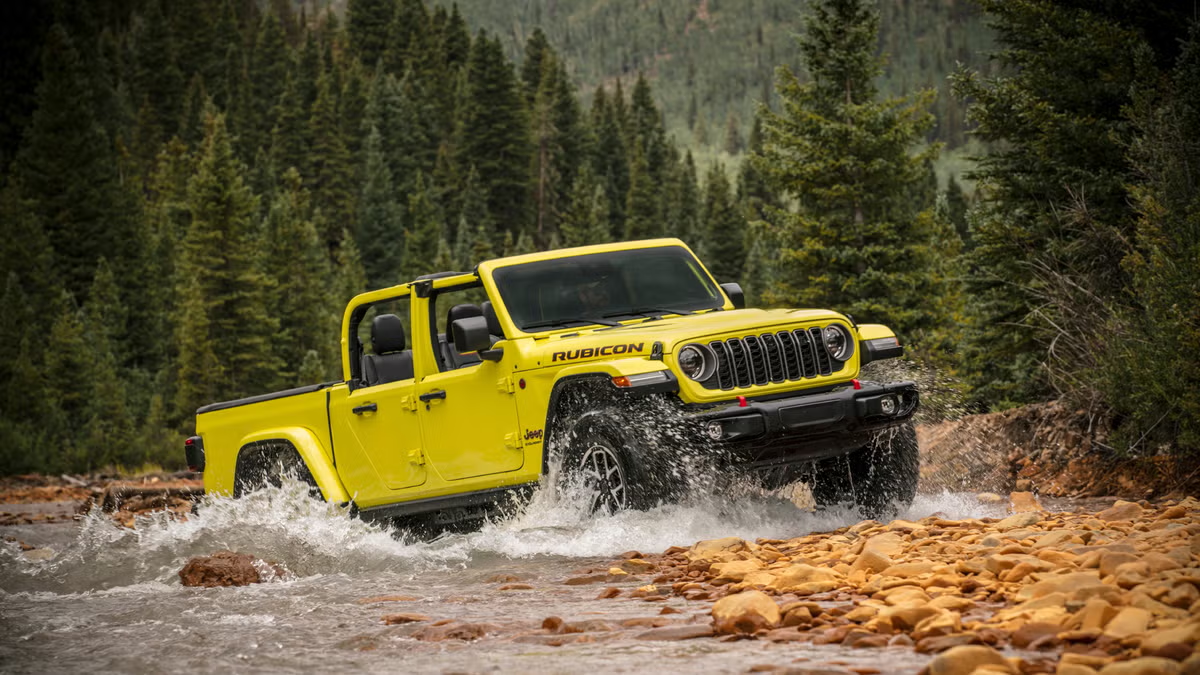
How Long Can a Jeep Wrangler Last?
Years: On average, a well-maintained Jeep Wrangler can last between 15 to 20 years. That’s not just a ballpark figure—many Wranglers are still going strong well past the 15-year mark, especially if they’ve been taken care of. Some owners have even reported their Wranglers running well into their 20s with proper maintenance.
Mileage: When it comes to mileage, you’re looking at around 200,000 to 300,000 miles or more. That’s a pretty impressive range, considering the Wrangler’s off-road capabilities and the kind of wear it might see. With good care, it’s not unusual for a Wrangler to keep running strong well beyond this range.
What Affects the Lifespan of a Jeep Wrangler?
The longevity of your Wrangler isn’t just about its build quality; several factors play a role in how long it will last.
1. Maintenance and Care
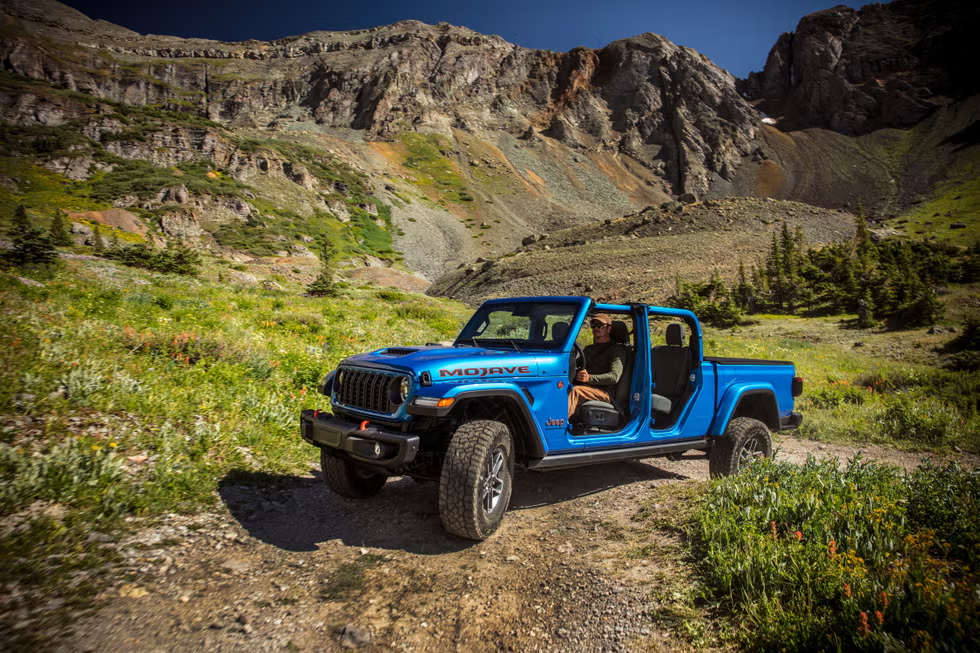
This is where you really have control over your Wrangler’s lifespan. Regular maintenance is crucial:
- Oil Changes: Stick to regular oil changes—typically every 3,000 to 5,000 miles. This keeps your engine in top shape.
- Fluid Checks: Don’t forget about transmission fluid, brake fluid, and coolant. Keeping these topped off helps prevent bigger problems down the road.
- Tire Care: Rotate your tires regularly and keep an eye on alignment. It’s a simple way to ensure even wear and longer tire life.
- Inspection: Regularly inspect for rust, especially if you’re often off-roading or live in a salt-heavy environment. Catching rust early can save you from more serious issues later.
2. Driving Conditions
The way you drive and where you drive can make a big difference:
- Off-Roading: If you’re regularly taking your Wrangler off the beaten path, you’re putting it through more stress. That said, the Wrangler is built for it, so it can handle more rugged use better than many other SUVs.
- Climate: Extreme temperatures, salt, and moisture can accelerate wear and tear. For example, if you’re driving in coastal areas, rust can become a concern, so keep an eye out for it and take preventive measures.
3. Model Year and Updates
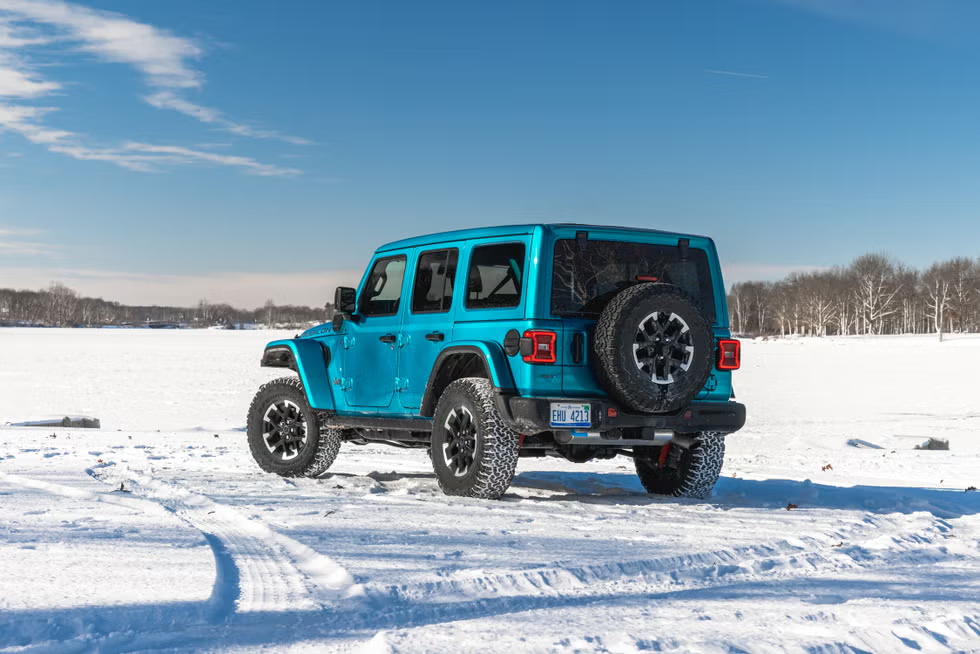
The Wrangler has evolved significantly over the years:
- Older Models (Pre-2007): Older models like the TJ and YJ are durable but might be more prone to issues like rust and outdated technology. With proper care, though, they can still serve you well.
- Newer Models (2007-Present): The JK, JL, and JLU models come with modern updates that improve durability and performance. These newer models have better technology and are generally more refined, which can contribute to a longer lifespan.
In Summary
If you’re thinking about buying a Jeep Wrangler, rest assured that it can be a long-lasting investment. With an average lifespan of 15 to 20 years and the potential to rack up 200,000 to 300,000 miles, the Wrangler is built to endure. Regular maintenance, mindful driving, and staying on top of model-specific issues will help you get the most out of your Wrangler. Whether you’re tackling tough trails or just cruising around town, with the right care, your Jeep Wrangler can be a reliable companion for many years to come.
- Comprehensive review including features, pricing, and performance details.
Kelley Blue Book: Jeep Wrangler
- Expert reviews, pricing, and detailed specifications for the Jeep Wrangler.
- In-depth review, including test drive results and pros and cons.
MotorTrend: Jeep Wrangler Review
- Detailed review, test drive impressions, and expert opinions on the Wrangler.
Autotrader: Jeep Wrangler Buying Guide
- Buying guide with tips, expert reviews, and available models.
Connect with us


