





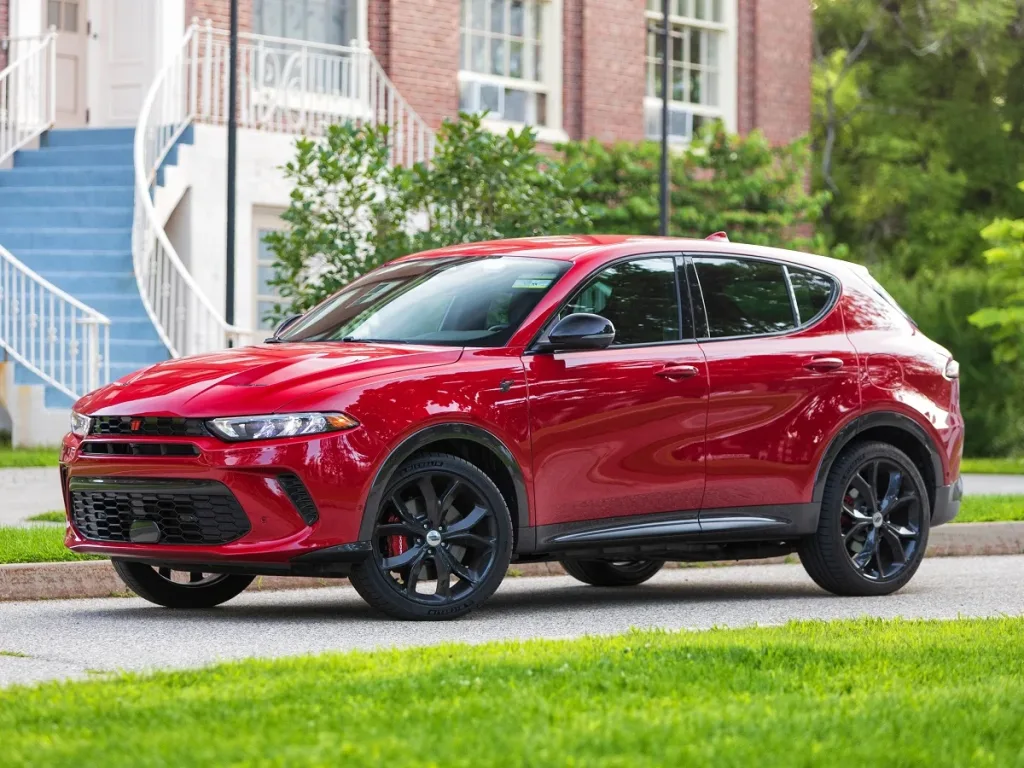
California has long been at the forefront of environmental innovation, and the adoption of hybrid vehicles is a cornerstone of the state’s efforts to combat climate change, reduce emissions, and improve air quality. Over the years, California has become a hub for the adoption of hybrid and electric vehicles (EVs), thanks to its combination of incentives, a robust automotive market, and a growing concern about environmental sustainability. In this article, we will explore California’s commitment to hybrid vehicles, the benefits they provide, the available incentives for hybrid car buyers, and the overall impact on the state’s environment and economy.
Understanding Hybrid Vehicles
Hybrid vehicles combine a traditional internal combustion engine with an electric motor. The hybrid powertrain works in tandem, using both gasoline and electricity to power the vehicle. There are different types of hybrid vehicles, with the most common being:
- Full Hybrids (HEVs): These vehicles use both an internal combustion engine (ICE) and an electric motor. The electric motor assists the gasoline engine, resulting in improved fuel efficiency and reduced emissions. Examples include the Toyota Prius and Honda Accord Hybrid.
- Plug-in Hybrid Electric Vehicles (PHEVs): These hybrids are similar to full hybrids but come with a larger battery that can be charged via an electric outlet. PHEVs can drive longer distances on electricity alone before switching to gasoline. Examples include the Chevrolet Volt and Toyota Prius Prime.
- Mild Hybrids: These vehicles use a small electric motor that assists the gasoline engine but cannot drive the vehicle on electric power alone. They improve fuel efficiency without offering the same level of electric-only driving as full hybrids or PHEVs.
Hybrid vehicles have gained popularity in California, largely because of their combination of better fuel economy, reduced emissions, and the ability to drive longer distances than fully electric cars. This makes them an appealing choice for many residents, especially those who are not yet ready to make the full transition to electric vehicles.
The Benefits of Hybrid Vehicles in California
California’s diverse geography and urban landscapes make it an ideal environment for hybrid vehicles. The state’s large cities, including Los Angeles, San Francisco, and San Diego, experience high levels of traffic, making fuel efficiency and lower emissions a priority for residents. Here are some of the key benefits that hybrid vehicles offer to California residents:
1. Fuel Efficiency and Cost Savings
One of the main advantages of hybrid vehicles is their improved fuel efficiency. By combining an electric motor with a traditional gasoline engine, hybrids use less fuel compared to conventional vehicles. This translates to fewer trips to the gas station and lower overall fuel costs. In California, where gas prices are often higher than the national average, hybrid vehicles can result in significant savings over time.
2. Environmental Benefits
Hybrid vehicles are far less polluting than traditional gas-powered cars. By relying on electric power for part of the drive, they produce fewer emissions, which is critical in California, where air quality can be a major issue. Major urban areas often struggle with smog and poor air quality, especially during hot summer months, making hybrid cars an attractive option for reducing air pollution.
California’s stringent emissions standards are designed to reduce the number of harmful pollutants like nitrogen oxides (NOx) and particulate matter that contribute to smog. By choosing hybrid vehicles, residents help improve air quality and contribute to the state’s ambitious climate goals.
3. Reduced Carbon Footprint
Hybrid cars are also an effective way to reduce your carbon footprint. With lower CO2 emissions compared to traditional vehicles, hybrids play a vital role in California’s efforts to fight climate change. The state has set aggressive goals to reduce greenhouse gas emissions and to achieve carbon neutrality by 2045. By driving a hybrid vehicle, Californians are taking a proactive step toward reducing their personal contributions to climate change.
4. Access to HOV Lanes
In California, hybrid vehicles are eligible for Clean Air Vehicle (CAV) decals, which allow drivers to use High-Occupancy Vehicle (HOV) lanes, even when driving alone. This incentive is highly appealing in California’s traffic-heavy cities, where HOV lanes can significantly reduce commute times. This perk adds to the appeal of hybrid vehicles, especially for commuters.
5. Increased Variety of Vehicle Options
The growing interest in hybrid vehicles has led to a broader range of options. Almost every major automaker offers at least one hybrid model, ranging from compact sedans to SUVs and luxury vehicles. This means that California residents have many options to choose from based on their preferences for size, style, and performance, making hybrids more accessible and appealing than ever before.
Hybrid Vehicle Incentives in California
California has made it easier and more financially feasible for residents to purchase hybrid vehicles through various incentives and rebate programs. These programs are designed to reduce the upfront cost of hybrids and further encourage their adoption across the state.
1. Clean Vehicle Rebate Project (CVRP)
The Clean Vehicle Rebate Project (CVRP) is one of the most popular programs available to Californians purchasing or leasing a hybrid or electric vehicle. This program offers rebates ranging from $1,000 to $7,500 for eligible vehicles, depending on the vehicle type and the applicant’s income level.
- Eligibility: The vehicle must meet specific emissions standards and be purchased or leased by a California resident.
- Rebate Amounts: Low-to-moderate-income households are eligible for higher rebates, with amounts of up to $7,500 for battery electric vehicles (BEVs) and up to $6,500 for plug-in hybrid electric vehicles (PHEVs).
- Application Process: Applications can be submitted online, and once approved, the rebate is issued in the form of a check or direct deposit.
2. California High-Occupancy Vehicle (HOV) Lane Access
Another major incentive for hybrid vehicle owners is the HOV lane access benefit. Many hybrid vehicles qualify for Clean Air Vehicle (CAV) decals, which allow drivers to use California’s HOV lanes, even when driving alone. This perk can significantly reduce commute times, especially in congested areas like Los Angeles and San Francisco.
3. Federal Tax Credit
In addition to state incentives, California residents can also take advantage of the federal electric vehicle tax credit, which provides up to $7,500 for the purchase of qualified plug-in hybrid and electric vehicles. This program helps reduce the overall cost of purchasing a hybrid vehicle.
4. Carpool Lanes and Parking Incentives
Certain cities in California also offer incentives like access to carpool lanes, free parking, and discounted toll fees for hybrid vehicle owners. These perks vary by location but can provide significant savings in urban areas where parking and traffic can be challenging.
5. Rebates for Charging Infrastructure
For residents who choose plug-in hybrid vehicles, California offers rebates for home charging infrastructure through the California Electric Vehicle Infrastructure Project (CALeVIP). These rebates help cover the cost of installing a home charging station, making it easier for hybrid vehicle owners to maintain and charge their vehicles at home.
The Environmental Impact of Hybrid Vehicles in California
California is committed to addressing climate change and improving air quality, and hybrid vehicles play a crucial role in these efforts. By reducing emissions and improving fuel efficiency, hybrids contribute to the state’s aggressive climate targets. In particular, hybrid vehicles help reduce the number of greenhouse gases (GHGs) emitted by traditional gas-powered vehicles, which is critical to meeting California’s goal of carbon neutrality by 2045.
1. Emission Reduction
Hybrid vehicles produce fewer emissions than traditional gas-powered vehicles, which is important in California, where poor air quality has been linked to health issues like asthma, bronchitis, and other respiratory problems. By reducing emissions, hybrid vehicles help improve air quality in major metropolitan areas.
2. Energy Efficiency
Hybrids also reduce the overall energy consumption in transportation. With their ability to switch between gasoline and electricity, hybrids use less fuel, which helps reduce the demand for oil and the state’s reliance on fossil fuels. This shift toward alternative energy sources is a critical step in reducing California’s overall carbon footprint.
Conclusion: The Future of Hybrid Vehicles in California
Hybrid vehicles are a key component of California’s sustainable transportation strategy. With incentives, environmental benefits, and a growing variety of models available, they represent a significant step forward in reducing emissions, improving air quality, and achieving the state’s long-term climate goals.
As California continues to lead the charge in the transition to a cleaner, greener future, hybrid vehicles will play an essential role in helping residents make the switch to more sustainable transportation. Whether you’re looking to save on fuel costs, reduce your carbon footprint, or take advantage of HOV lane access, hybrid vehicles offer many benefits for California residents.
For more information about available hybrid models and how you can take advantage of state and federal incentives, visit your local dealership or explore online resources about California’s hybrid vehicle programs.
Connect with us


