





If you are driving a Chrysler, Dodge, Jeep, or Ram and want this diagnosed properly, start here:
https://www.simivalleychryslerdodgejeepram.com/service.aspx
Or book an appointment here:
https://www.simivalleychryslerdodgejeepram.com/book-your-service.html
What ABS actually does (and why it feels weird when it activates)
ABS, Anti Lock Braking System, prevents the wheels from locking during hard braking. It does this by reading wheel speed and rapidly controlling brake pressure at each wheel. Bosch, one of the major ABS system suppliers, describes the core components as wheel-speed sensors, a control unit, and a hydraulic unit with valves and a pump that modulate pressure when a wheel is about to lock. (bosch-mobility.com)
When ABS activates, the brake pedal often pulses and you may hear a buzzing or grinding-like sound. That is normal for ABS operation. It is the system cycling pressure many times per second to keep the tire rolling enough to maintain steering control.
NHTSA summarizes ABS behavior similarly: it senses a wheel about to lock, releases and reapplies pressure repeatedly, and enables steering while braking. (crashstats.nhtsa.dot.gov)
The key point
ABS does not exist to make the brake pedal feel smooth. ABS exists to help you retain control under panic braking, especially when traction is uneven across the tires.
Why “turning ABS off” is usually the wrong solution
Disabling ABS can increase stopping distance on many real-world surfaces and can reduce your ability to steer during an emergency stop. NHTSA’s research and evaluations repeatedly emphasize that ABS helps maintain directional stability and steering control while braking. (NHTSA)
Also, ABS is not isolated anymore. On most modern vehicles, ABS is the foundation for:
- traction control
- electronic stability control
- brake-based torque vectoring
- hill descent control on some models
- brake lock differential type features on some off-road vehicles
So the moment you try to defeat ABS, you often create a cascade of issues.
If you want less ABS intervention off-road, use factory-supported settings
This is the safe and correct approach. Many 4x4s and trucks adjust braking logic by design depending on:
- 4WD High vs 4WD Low
- terrain modes (sand, mud, snow, rock)
- stability control mode changes
Factory modes are engineered to allow some wheel slip or changed thresholds without removing the safety logic entirely.
If you are driving a Jeep, use the normal Jeep 4×4 system guidance as your baseline for when to use high range vs low range in different conditions. (Jeep Canada)
If you tell me your exact year and model, I can outline what modes your vehicle likely has and what each mode is intended to do. I will keep it at an operational level, not bypass instructions.
If your ABS is activating when it should not, it is usually a sensor or hardware problem
This is the most common reason people want ABS disabled. The driver is not actually trying to lose ABS. They are trying to stop the annoying low-speed pulsing, vibration, or unexpected activation on bumps.
Common symptom patterns
1) Low-speed ABS activation near a stop
You are slowing down gently, almost stopped, and the pedal pulses as if you slammed the brakes. This often points to a wheel speed sensor signal dropping out at low speed.
Typical causes:
- dirty or damaged wheel speed sensor
- cracked or rusty tone ring, also called reluctor ring
- wiring damage near the wheel hub
- wheel bearing play changing the sensor air gap
- mismatched tire sizes or uneven tire wear confusing wheel speed logic
2) ABS and traction control lights turning on together
This often means the vehicle detected a fault in wheel speed data, yaw rate data, steering angle input, or a module communication issue. The system may disable ABS and stability features and store diagnostic codes.
3) ABS activates on bumps or rough pavement
A sensor signal interruption, loose connector, failing bearing, or harness issue can cause momentary signal loss that the module interprets as lockup.
How ABS is diagnosed properly (what to ask for)
A real diagnosis is not guessing. It is a process:
Step 1: Scan ABS codes, not just engine codes
Many basic scanners read powertrain codes only. You need an ABS-capable scan tool to pull the stored fault codes and freeze frame data.
Step 2: Read live wheel-speed data
A technician should watch wheel speed readings while driving slowly and compare all four wheels. The “bad” corner often shows:
- drop to zero too early
- erratic spikes
- lag compared to other wheels
- intermittent signal loss on turns or bumps
Step 3: Inspect the physical components at the fault corner
This includes:
- sensor mounting and tip condition
- tone ring condition and tooth integrity
- debris, rust, or metal shavings
- hub bearing play
- connector pin corrosion
- harness routing and chafing points
Step 4: Verify tires match and inflation is correct
Different rolling diameters can create wheel speed differences that trigger traction and stability systems.
Step 5: Confirm charging and battery health if voltage-related codes exist
Low voltage and unstable voltage can trigger module faults.
If you want a CDJR-focused shop to do this process, schedule through:
https://www.simivalleychryslerdodgejeepram.com/service.aspx
https://www.simivalleychryslerdodgejeepram.com/book-your-service.html
Why ABS sometimes increases stopping distance on loose gravel or snow
Some drivers notice that on loose gravel, deep snow, or sand, locked wheels can build a wedge of material in front of the tire, sometimes stopping faster than rolling tires with ABS modulation. That is one of the reasons some vehicles change ABS calibration in off-road settings.
However, that situation is nuanced:
- locked wheels reduce steering
- surface conditions vary drastically
- modern off-road calibrations try to balance stopping and steering
So the right move is not to disable ABS. The right move is to use the manufacturer’s off-road settings if they exist, and drive with technique appropriate to the surface.
The practical “what should I do” checklist
If your goal is “I want ABS to stop acting up,” do this in order:
1) Confirm what the warning lights are actually telling you
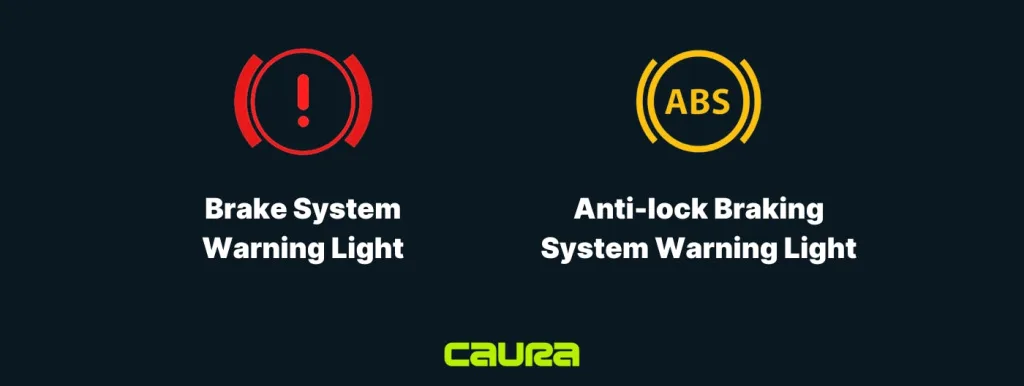
- ABS light on means ABS may be disabled by the vehicle due to a fault.
- traction control light indicates wheel slip control.
- stability control light indicates the system is actively intervening.
2) Check tire basics
- all four tires same size
- tread depth reasonably consistent
- correct inflation
3) Scan ABS codes
This is the turning point. Without codes, you are guessing.
4) Identify the corner
Wheel-speed sensor faults usually show a pattern tied to one wheel.
5) Inspect and repair the root cause
Most often wheel speed sensor or tone ring issues.
6) Road-test and confirm live data stability
A proper fix ends the random interventions.
If your real goal is better braking performance, do not blame ABS first
ABS is the control layer. It cannot create traction. If your braking feels weak, inconsistent, or noisy, look at the mechanical and hydraulic fundamentals:
Pads and rotors
- pad thickness
- rotor thickness and condition
- rotor runout or thickness variation causing pulsation
- glazed pads or uneven deposits
Caliper hardware
- slide pins must move freely
- boots must seal
- pad ears must slide in bracket freely
Brake fluid condition
Brake fluid absorbs moisture over time. Moisture reduces boiling point and can contribute to a soft pedal under heat.
A good brake service includes both pad wear evaluation and hardware condition, not just pad swapping.
If you need a brake inspection or repair, start with the dealership service department:
https://www.simivalleychryslerdodgejeepram.com/service.aspx
What not to do
If you are serious about safety and avoiding bigger repair bills, do not do these:
- Do not pull fuses or cut wiring to “turn off ABS.” This can create unpredictable braking behavior and can affect stability control and other systems.
- Do not rely on an ABS fault as a permanent solution. If ABS is disabled because of a fault, you are driving without key safety functions.
- Do not ignore an ABS light. When you need ABS, you usually need it immediately, not after you get around to it.
A clear explanation of the ABS components (so you know what fails)
ABS is usually made up of:
Wheel speed sensors
One at each wheel or axle, sending speed data.
Tone rings or encoder rings
These are toothed rings or magnetic encoder surfaces that the sensor reads.
ABS control module
This is the logic brain.
Hydraulic modulator
Contains valves and a pump that modulate brake pressure. Bosch describes the hydraulic unit and valves controlling braking pressure at each wheel and reducing pressure when lockup risk occurs. (bosch-mobility.com)
When your ABS acts up, most of the time it is a wheel speed sensor signal quality problem, not a master cylinder or brake booster issue.
When ABS behavior is normal
ABS activation is normal when:
- you brake hard on wet pavement
- you brake on ice or packed snow
- you brake hard on a surface with mixed traction
- you brake hard while turning and the tire grip is near the limit
ABS pedal pulsation during these conditions is expected.
NHTSA testing and long-term evaluations consistently emphasize that ABS helps maintain control and can reduce stopping distances on many surfaces versus locked-wheel skidding. (crashstats.nhtsa.dot.gov)
When ABS behavior is not normal
ABS activation is not normal when:
- it activates during gentle stops on dry pavement
- it activates consistently at low speeds without harsh braking
- you have warning lights related to ABS, traction control, or stability control
- the vehicle pulls, drags, or one wheel gets unusually hot
This is when diagnosis matters.
Service CTA for CDJR owners in Simi Valley
If you are driving a Jeep Wrangler, Grand Cherokee, Gladiator, Ram 1500, or any Dodge or Chrysler product and your ABS is acting up, get it scanned and road-tested with live wheel-speed data. That is the fastest path to a real fix.
Start here:
https://www.simivalleychryslerdodgejeepram.com/service.aspx
Book here:
https://www.simivalleychryslerdodgejeepram.com/book-your-service.html
If you prefer quick-service maintenance routing, Simi Valley CDJR also provides Express Lane information here:
https://www.simivalleychryslerdodgejeepram.com/express-lane.html
Connect with us


