





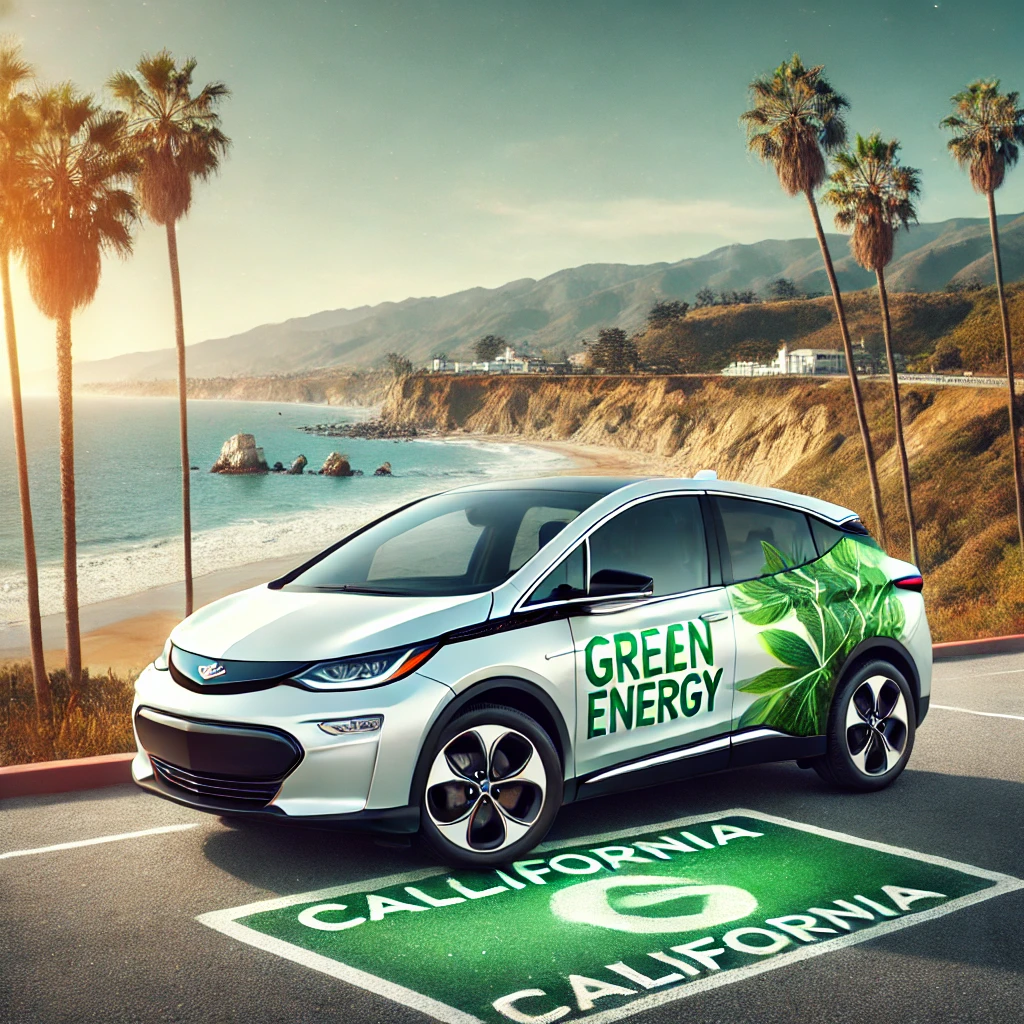
California Incentives for Hybrid and Electric Cars: A Green Path to the Future
California has long been a leader in sustainability and clean energy, and its push to promote hybrid and electric vehicles (EVs) is no exception. The state offers a variety of incentives to encourage drivers to choose hybrid and electric vehicles over traditional gasoline-powered cars. These incentives aim to reduce emissions, promote renewable energy, and move toward a greener future. If you’re considering making the switch to a hybrid or electric vehicle, California’s incentives could make it easier—and more affordable—than ever.
1. California Clean Vehicle Rebate Project (CVRP)
One of the most significant incentives available for hybrid and electric car buyers in California is the California Clean Vehicle Rebate Project (CVRP). Through this program, eligible buyers can receive a rebate of up to $7,000 for the purchase or lease of a new eligible plug-in hybrid or battery electric vehicle (BEV).
- Eligibility: The rebate amount varies based on the vehicle’s battery capacity, with BEVs often receiving the highest rebates.
- Income Limits: To ensure equitable access to the program, there are income caps in place. Buyers with higher incomes may not qualify for the full rebate.

The CVRP helps reduce the upfront cost of purchasing a new hybrid or electric vehicle, making it a more accessible option for California residents.
2. California Clean Fuel Reward
The California Clean Fuel Reward offers additional financial incentives to help lower the cost of electric vehicles. This reward is available to buyers of new electric cars and can be as much as $1,500. The amount varies depending on the vehicle’s make and model.
- Eligibility: Available at participating California dealerships.
- How it Works: The reward is applied at the time of purchase, so you don’t have to worry about filing a separate application.
This program is another great way for buyers to save on the initial cost of an electric vehicle, especially when combined with other incentives.
3. Tax Credits and Deductions
In addition to rebates and rewards, California residents may also be eligible for federal tax credits on hybrid and electric vehicles. The federal government offers up to $7,500 in tax credits for certain hybrid and electric vehicles, based on the vehicle’s battery size.
- Battery Electric Vehicles (BEVs): These vehicles typically qualify for the full $7,500 tax credit.
- Plug-In Hybrid Electric Vehicles (PHEVs): These vehicles may qualify for a lower credit, depending on their battery capacity.
It’s essential to consult with a tax advisor to determine eligibility for these credits and how they will apply to your vehicle purchase.
4. HOV Lane Access

In California, owning a plug-in hybrid or fully electric vehicle offers access to the High Occupancy Vehicle (HOV) lanes, also known as carpool lanes, regardless of the number of passengers in the vehicle. This perk can significantly reduce commute times, making the transition to an electric vehicle even more appealing for California drivers.
- Green and White Carpool Stickers: These decals are available to eligible hybrid and electric vehicles and allow drivers to bypass traffic congestion in HOV lanes.
- Eligibility: Specific rules govern which vehicles qualify for the stickers, and they are issued on a first-come, first-served basis. Certain hybrids and plug-in electric cars are eligible for these decals, while others may not be.
This benefit helps make driving a hybrid or electric vehicle in California even more convenient.
5. Local Incentives
In addition to statewide programs, many California cities and counties offer their own incentives for electric and hybrid vehicles. These local programs can include:
- Tax rebates or credits
- Reduced or waived parking fees
- Access to charging stations at discounted rates
- Free or reduced toll rates on certain bridges or highways
For instance, Los Angeles offers its residents incentives for electric vehicle (EV) ownership, including free access to charging stations at select locations and discounts on utility rates for EV owners.
6. Charging Infrastructure Incentives
As part of its green energy strategy, California is heavily investing in charging infrastructure. There are several incentives available for installing home charging stations, including rebates and tax credits. Programs like California’s Clean Vehicle Rebate Program and California Solar Initiative help homeowners install EV chargers, making it easier to charge your electric vehicle at home.
- Home Charging Station Rebates: Homeowners may receive rebates for the purchase and installation of electric vehicle charging equipment.
- Tax Deductions for Business Charging Stations: Businesses that install charging stations for their employees or customers may qualify for tax deductions or credits.
With the growing network of charging stations and home installation incentives, owning an electric vehicle has become more convenient than ever in California.
7. Green Vehicle Financing Programs
In addition to rebates, California residents may be able to take advantage of special green financing programs offered by credit unions and banks. These programs may offer lower interest rates for hybrid and electric vehicle buyers, making financing more affordable.
8. Reduced Registration Fees
California offers reduced registration fees for hybrid and electric vehicles, which can result in significant savings over time. The state also provides a break on vehicle registration fees for cars that have a zero-emission status.
Why Choose a Hybrid or Electric Vehicle in California?
Incentives aside, there are several compelling reasons to consider making the switch to a hybrid or electric vehicle in California. These benefits go beyond financial savings and environmental considerations, as they also offer long-term advantages that make hybrid and electric vehicles an excellent choice for the state’s residents.
1. Environmental Benefits
Electric vehicles (EVs) produce zero tailpipe emissions, which means they don’t contribute to air pollution, unlike traditional gasoline-powered vehicles. With California’s ongoing struggles with air quality, particularly in cities like Los Angeles, switching to an EV can have a significant positive impact on reducing smog and improving public health. By eliminating harmful exhaust emissions, EVs also play a pivotal role in reducing greenhouse gases (GHGs), which contribute to climate change.
California is known for its ambitious climate goals, such as reducing the state’s carbon emissions by 40% by 2030 and achieving carbon neutrality by 2045. To meet these targets, California needs to transition to sustainable energy solutions—one of which is the widespread adoption of hybrid and electric vehicles. EVs help reduce the state’s reliance on fossil fuels, contributing to a greener and cleaner energy grid. For those who are environmentally conscious, driving an electric car is one of the most effective ways to lower their carbon footprint and actively participate in reducing the state’s environmental impact.
Moreover, California’s efforts to decarbonize the transportation sector are enhanced by EV adoption. As more residents choose electric vehicles, the collective impact on air quality improves, not only reducing smog but also helping the state meet its environmental goals.
2. Fuel Savings
Fuel savings are another key advantage of switching to a hybrid or electric vehicle in California. Traditional gasoline vehicles have fluctuating fuel prices, while electric cars allow owners to charge at home and save on costly trips to the gas station. Electric vehicles offer significantly lower per-mile operating costs, making them more economical over the long term. With the rise in fuel prices in recent years, owning an electric vehicle offers price stability and greater predictability in transportation costs.
For hybrid vehicles, the savings are also noticeable. Hybrids offer the best of both worlds, using both a gasoline engine and an electric motor to reduce fuel consumption. As a result, hybrid cars can achieve better fuel efficiency compared to conventional vehicles, especially in city driving where the electric motor takes over during lower-speed conditions.
California’s transition toward more renewable energy sources, such as solar and wind, also supports cost-effective EV charging. With solar panels becoming more affordable for homeowners, many EV owners can take advantage of solar energy to charge their vehicles, further lowering the cost of operation while contributing to cleaner energy practices.
Additionally, there are no oil changes required for electric cars, which translates to reduced maintenance costs. The absence of an internal combustion engine reduces the number of parts that need to be maintained or replaced, meaning fewer service visits and lower long-term maintenance costs compared to traditional gasoline vehicles.
3. Increased Vehicle Selection
The growing availability of hybrid and electric vehicles is another strong reason to consider making the switch. As consumer demand increases, automakers are rapidly expanding their offerings in the EV and hybrid categories, giving consumers a wider variety of models to choose from. The market for electric vehicles and plug-in hybrids has grown significantly, with nearly every major automaker offering at least one electric model, and some even going fully electric in the near future.
California has long been a leader in adopting new technologies, and its residents now have access to an array of options that meet different needs and preferences. Whether you’re looking for a compact city car, a family-friendly SUV, or a luxury sedan, there are now electric and hybrid models that cater to every lifestyle. This broad selection makes it easier for potential buyers to find a vehicle that suits their specific requirements in terms of size, performance, and price.
The availability of more electric vehicle models means there is a greater variety of price points and features to choose from. EVs and hybrids are now being offered at a range of price levels, from more affordable models like the Chevrolet Bolt to higher-end options such as the Tesla Model S and the Lucid Air. This increased selection ensures that consumers don’t have to sacrifice their budget, preferences, or needs to go green.
Beyond the variety in price, manufacturers are also developing models with advanced technology and innovative features. These vehicles often come equipped with cutting-edge driver-assist technologies, such as autonomous driving capabilities, advanced infotainment systems, and improved battery range, making them not only more eco-friendly but also more convenient and technologically advanced.
4. Incentives for Charging Infrastructure
One of the key concerns for potential hybrid and electric vehicle owners is access to charging infrastructure. However, California is making great strides to ensure that residents have ample access to charging stations. The state has been heavily investing in its EV charging network, with thousands of public charging stations already installed and more being added every year. Many of these stations are located at strategic spots such as shopping centers, parking garages, and highways, making it easier to keep an EV charged while on the go.
Moreover, there are several incentives and rebates available for those who wish to install a home charging station, reducing the hassle of relying on public chargers. Home charging stations are typically installed in the garage and provide the convenience of charging overnight, ensuring your vehicle is ready for the road each morning. With more charging infrastructure available, the convenience and practicality of owning an electric vehicle in California continue to improve.
5. State and Local Perks
In addition to the financial incentives and fuel savings, there are also a variety of state and local perks that make hybrid and electric vehicles more appealing in California. For instance, access to HOV lanes is a notable benefit, as California allows EV and hybrid owners to use carpool lanes regardless of the number of passengers in the vehicle. This perk not only reduces commute times but also makes driving a hybrid or electric vehicle more efficient and convenient, especially during peak traffic hours.
In some cities, EV owners can also enjoy free parking, discounted or waived toll fees, and access to special carpool parking spots. These additional perks help make hybrid and electric vehicle ownership even more attractive, offering further cost savings and added convenience for California drivers.
Conclusion
California offers a variety of incentives to make hybrid and electric vehicles more accessible and affordable for its residents. From rebates and tax credits to HOV lane access and local perks, the state is committed to promoting cleaner, greener transportation options. If you’re considering making the switch to a hybrid or electric vehicle, now is a great time to take advantage of these incentives and help drive California toward a more sustainable future.
In addition to the financial savings, these incentives also align with California’s broader environmental goals. As the state continues to push for a reduction in greenhouse gas emissions and strives to meet its ambitious climate goals, the adoption of hybrid and electric vehicles plays a key role. With transportation being one of the largest contributors to air pollution, embracing cleaner vehicles helps reduce smog, improve air quality, and combat climate change.
Furthermore, by making hybrid and electric vehicles more affordable and accessible, California is helping set a global example for other states and countries to follow. The state’s leadership in the EV market has led to increased investments in green technologies, including renewable energy infrastructure and energy-efficient vehicle designs. As California continues to innovate and set policies to combat climate change, it is providing the tools and resources for its residents to participate in building a greener future.
The state’s commitment to renewable energy extends beyond just the vehicles themselves. With more than 1 million EVs expected on California’s roads by 2025, the expansion of charging stations and improved battery technology are crucial. Fortunately, California is at the forefront of both. The state offers a vast network of public charging stations and is continually adding new locations. The incentives for home charging station installation ensure that EV owners can conveniently charge their vehicles overnight. Whether at home or on the go, California’s expanding infrastructure makes it easier to keep electric vehicles charged and ready for the road.
As hybrid and electric vehicles become increasingly popular, California is also seeing a rise in innovation within the automotive industry. Major manufacturers are rolling out new and improved EV models that not only offer better range and performance but also come with more affordable price tags. These vehicles are now more versatile and suited to a wide variety of needs—from daily commutes to weekend road trips.
The long-term benefits of owning a hybrid or electric vehicle in California go beyond financial incentives. In addition to the cost savings on fuel and maintenance, EVs typically have lower overall maintenance costs than traditional internal combustion engine vehicles. The absence of a gasoline engine means fewer moving parts, less wear and tear, and fewer oil changes. Additionally, hybrid and electric vehicles have been shown to have higher resale values, making them a smart investment in the long run.
California’s incentives are designed not only to make hybrid and electric cars more affordable but to build a better future for all. As more residents transition to electric vehicles, it strengthens the state’s energy grid, reduces its reliance on fossil fuels, and fosters a cleaner, healthier environment for generations to come. Whether through state-sponsored rebates, financial rewards, or ease of access to charging infrastructure, California is making it clear that the future of transportation is electric—and it’s available today.
Connect with us


