





Battle of the Beasts: Jeep vs. Toyota in Off-Roading Glory
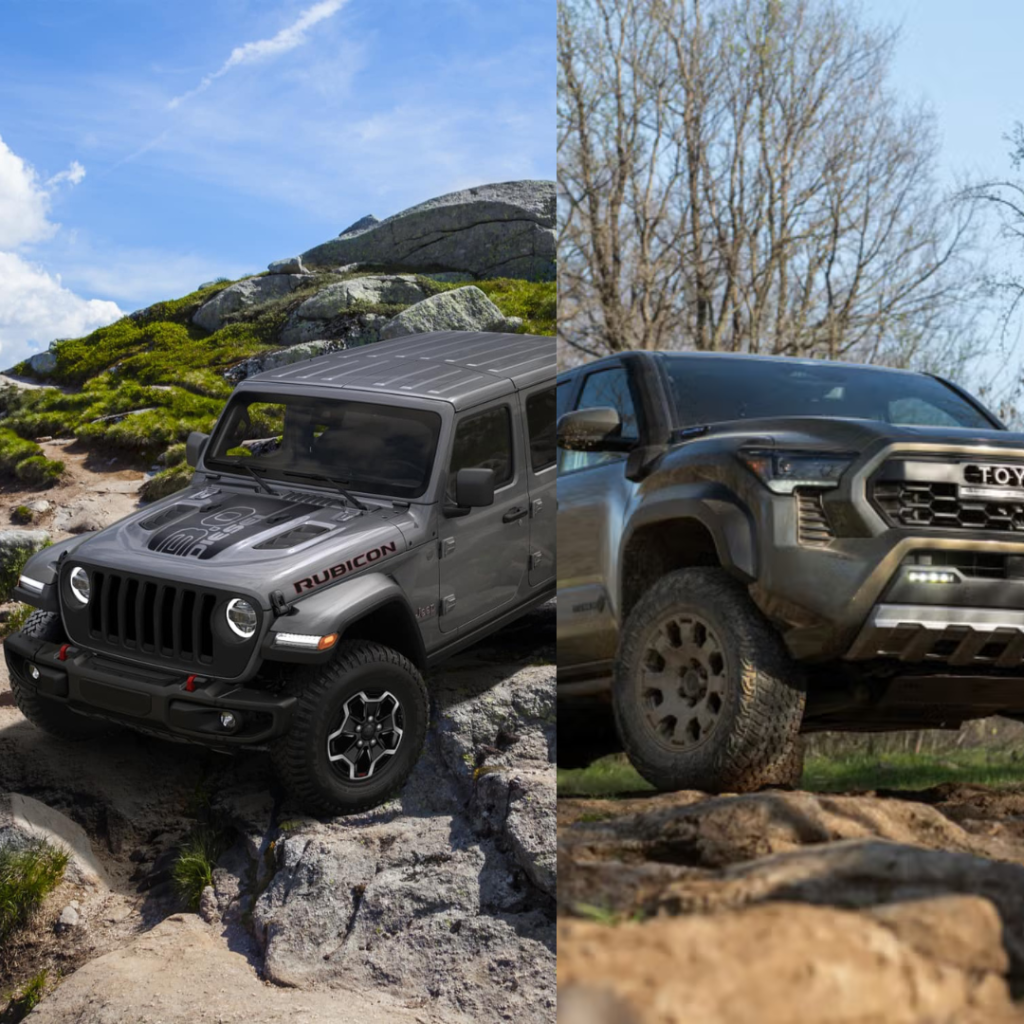
In the world of off-road vehicles, Jeep and Toyota have established themselves as the quintessential brands for adventurers looking to conquer uncharted territories. With decades of experience in rugged terrains and challenging conditions, both companies continue to push the limits of capability and durability in their latest models. Whether it’s rock crawling, mud-splashing, or sand dune running, each brand brings a unique set of features that appeal to off-road enthusiasts. Let’s delve deep into a comprehensive comparison of the 2024 Jeep Wrangler Rubicon and the Toyota Tacoma TRD Pro, evaluating them across categories that matter most to those who love the call of the wild.
Contenders: Jeep Wrangler Rubicon and Toyota Tacoma TRD Pro
Jeep Wrangler Rubicon
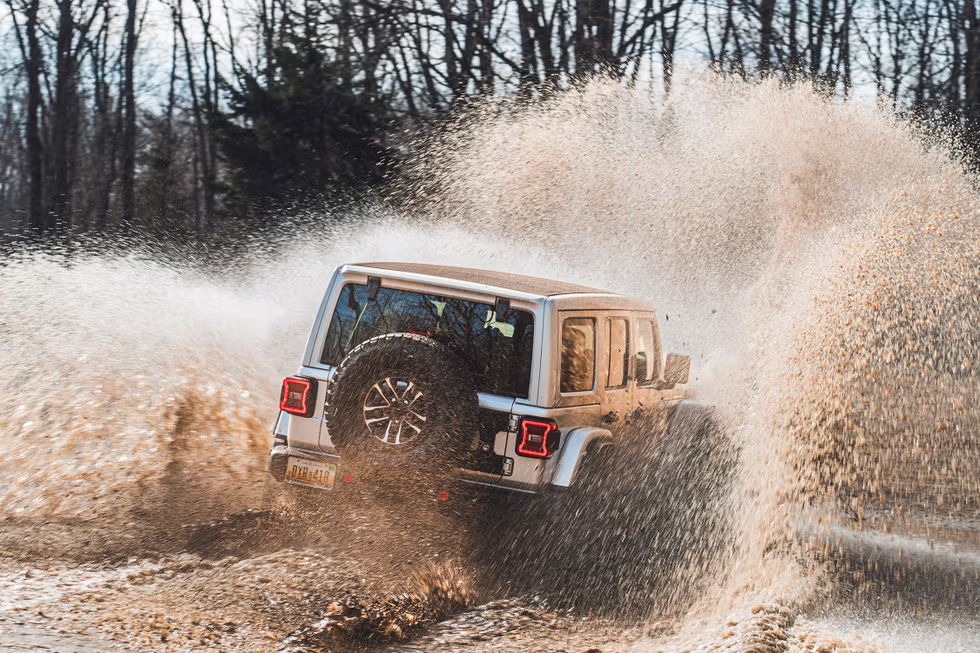
The Jeep Wrangler Rubicon has long been revered as the pinnacle of factory-offered off-road capability. This SUV is tailor-made for the enthusiast who prioritizes off-road performance over all else. For the 2024 model, Jeep has once again focused on enhancing the Wrangler’s legendary rock-crawling and all-terrain handling abilities. Here’s a rundown of its core features:
- Solid front and rear axles: These provide improved ground clearance and articulation, essential for handling extreme trails and rocky terrain.
- Electronic locking differentials: These allow the vehicle to transfer power more efficiently to the wheels that have traction, a significant advantage when navigating steep, slippery slopes.
- 33-inch all-terrain tires: Larger tires allow the Wrangler to tackle challenging surfaces without sacrificing stability.
- Rock-Trac 4:1 low-range gearing: The ultra-low gearing ratio ensures that the Wrangler can crawl over obstacles slowly and with precision, crucial for technical off-roading.
- Electronic sway bar disconnect: This feature offers enhanced wheel articulation, allowing the vehicle to better adapt to uneven ground.
The Wrangler Rubicon has undoubtedly built a legacy as a purpose-built machine for the most extreme off-road adventures. With its rugged build and tactical features, it’s a natural choice for rock crawling and serious trail exploration.
Toyota Tacoma TRD Pro
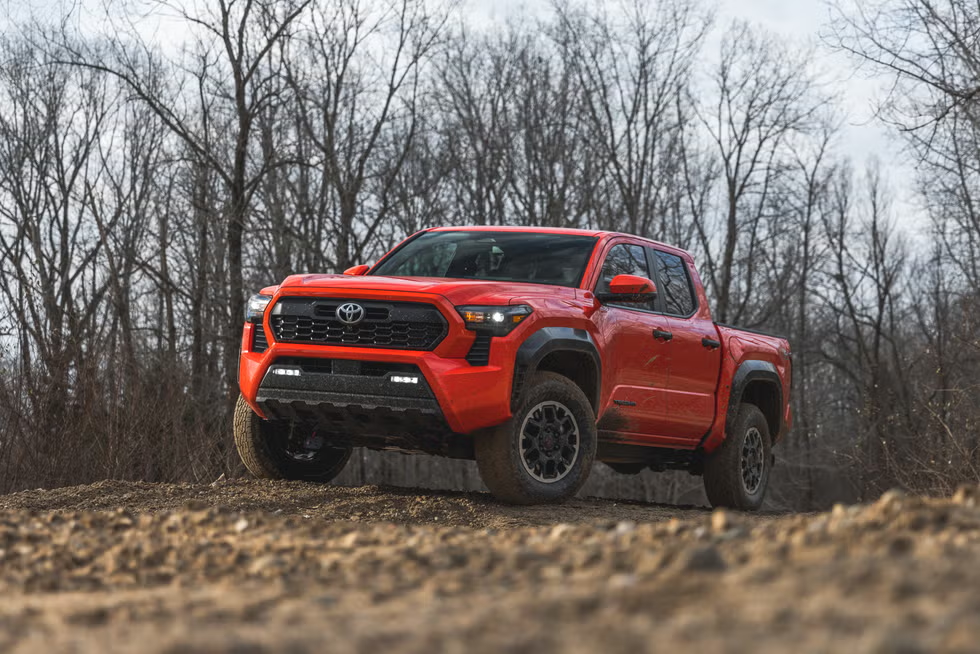
While Toyota is known for its durable SUVs like the 4Runner, the Tacoma TRD Pro stands out as a midsize truck with impressive off-road performance. With a blend of power and innovative off-road tech, the Tacoma TRD Pro appeals to those looking for a more versatile vehicle that performs on trails and highways alike. Key highlights of the Tacoma TRD Pro include:
- 2.4L turbocharged hybrid powertrain: This powertrain delivers an impressive 326 horsepower and 465 lb-ft of torque, offering high performance and fuel efficiency.
- FOX internal bypass shocks: These shocks provide enhanced suspension control, allowing the Tacoma to handle high-speed off-roading with ease.
- Electronically controlled locking rear differential: Like the Wrangler, this feature helps the Tacoma navigate low-traction environments by distributing power to the wheels with grip.
- Multi-terrain select and crawl control systems: Toyota’s advanced off-road assist features are designed to make challenging trails accessible to drivers of all skill levels.
- Forged aluminum skid plates: These offer underbody protection against rocks and other off-road hazards, enhancing the vehicle’s durability.
The Toyota Tacoma TRD Pro blends capability with comfort, making it a well-rounded choice for enthusiasts who want a truck that can do it all. Its high-speed desert prowess and advanced electronics make it equally suited for rugged trails and urban commutes.
Performance Comparison
Rock Crawling
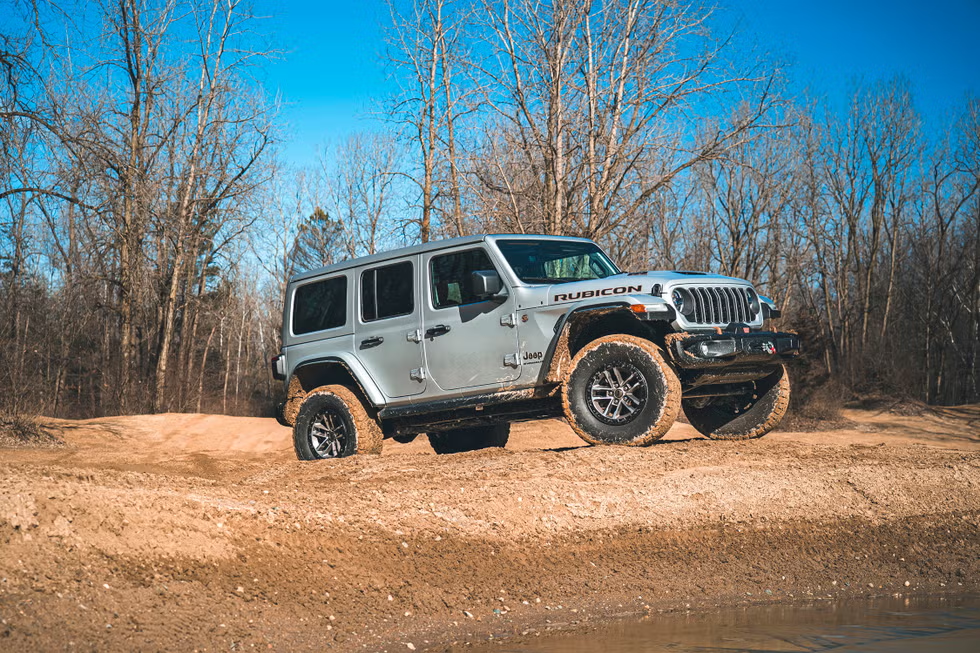
When it comes to rock crawling, the Jeep Wrangler Rubicon has few competitors. Its combination of solid axles, low-range gearing, and superior articulation make it an ideal choice for scaling boulders and navigating uneven landscapes. The electronic sway bar disconnect enhances the Wrangler’s wheel articulation, which is essential for keeping all four tires on the ground in challenging conditions. This allows the Rubicon to power through obstacles that would leave other vehicles struggling.
On the other hand, while the Toyota Tacoma TRD Pro holds its own on rough terrain, it falls short of the Wrangler’s rock-crawling prowess. The Tacoma’s suspension, while capable, is geared more toward higher-speed desert driving and less toward the ultra-low-speed precision crawling the Wrangler excels at. The Tacoma’s longer wheelbase also limits its ability to navigate tight, rocky sections as effectively as the Wrangler.
High-Speed Desert Running
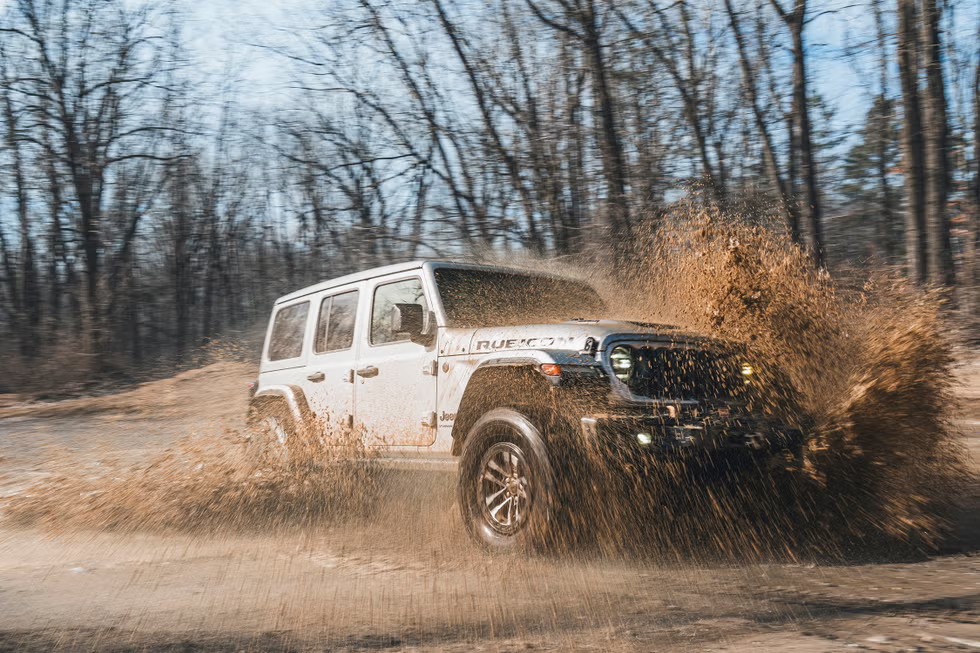
High-speed desert running, however, is where the Tacoma TRD Pro shines. Thanks to its FOX internal bypass shocks, the Tacoma can handle washboard surfaces and rough desert paths at higher speeds. Its turbocharged hybrid powertrain provides excellent power, making it an ideal choice for off-roaders who love the thrill of fast-paced adventure. The combination of a well-tuned suspension and ample horsepower allows the Tacoma to absorb bumps and maintain stability over rough terrain without losing control.
While the Jeep Wrangler Rubicon is capable of handling similar environments, it’s less suited for high-speed off-roading. Its solid axles provide exceptional durability but tend to create a more rigid ride. The Rubicon’s focus on low-speed control doesn’t lend itself as well to high-speed desert terrain, where the softer suspension and shock technology of the Tacoma give it a clear advantage.
Mud and Deep Water Fording
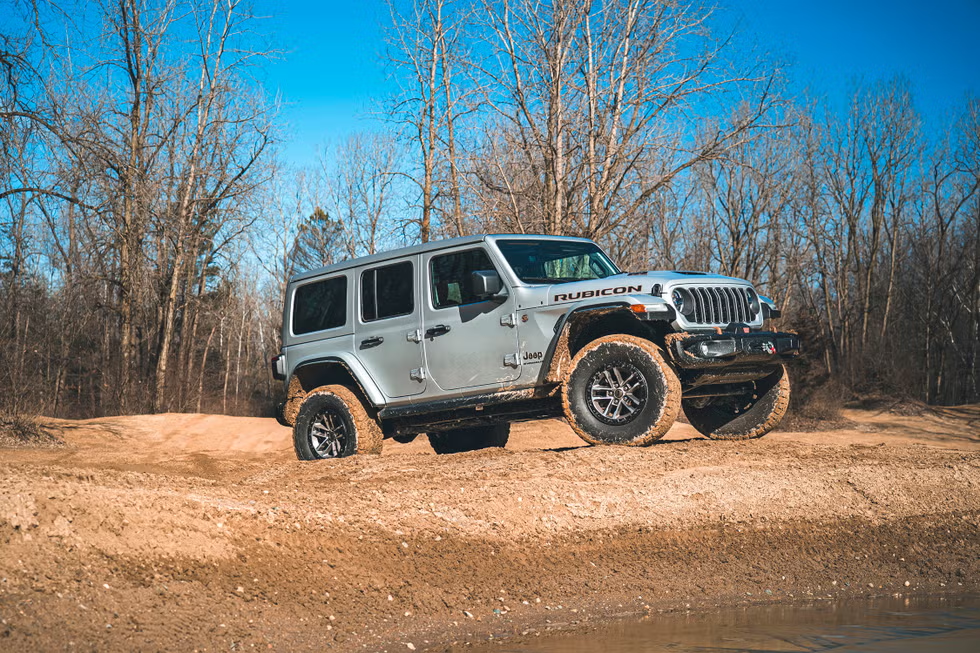
When it comes to traversing mud and water, both the Wrangler and Tacoma are highly capable. The Jeep Wrangler, however, has a slight edge with its 33.6-inch fording depth, compared to the Tacoma’s 32 inches. Jeep also offers a snorkel option for the Wrangler, which allows it to tackle water crossings that would otherwise flood the engine. This makes the Wrangler an excellent choice for deep water and mud-filled trails.
The Toyota Tacoma TRD Pro, while not quite matching the Wrangler’s fording depth, still offers excellent ground clearance and skid plates that make it more than capable in muddy conditions. The multi-terrain select system and crawl control in Tacoma also provide a level of precision that helps less experienced drivers navigate challenging mud trails without bogging down.
Trail Comfort and Everyday Usability
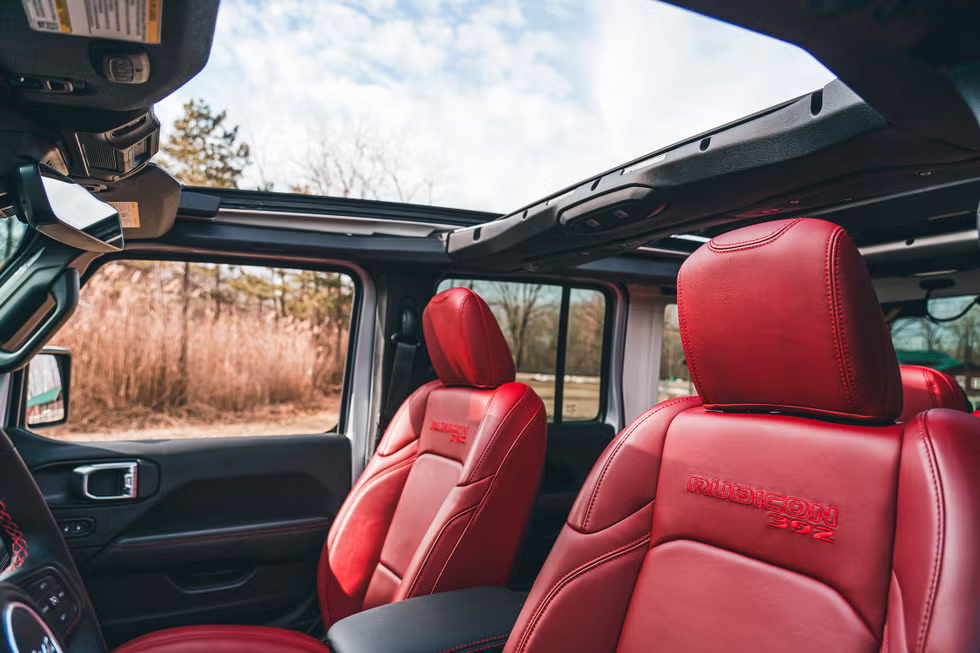
When assessing comfort and usability, the Toyota Tacoma TRD Pro takes the lead. Its independent front suspension and advanced shock technology create a smoother on-road ride, which is important for those using their vehicle as a daily driver. The Tacoma’s hybrid powertrain also provides better fuel efficiency, making it a more economical choice for both everyday commuting and long-distance overlanding trips. Additionally, the Tacoma’s truck bed offers more cargo space, which is ideal for camping, gear, and other essentials.
The Jeep Wrangler Rubicon, while highly improved in recent models, retains a more utilitarian feel. Its off-road focus means that on-road comfort is somewhat compromised compared to the Tacoma. For those looking to take long road trips or use their vehicle as a primary mode of transportation, the Wrangler may feel more rugged and less refined.
Technology and Features
Off-Road Assist Systems
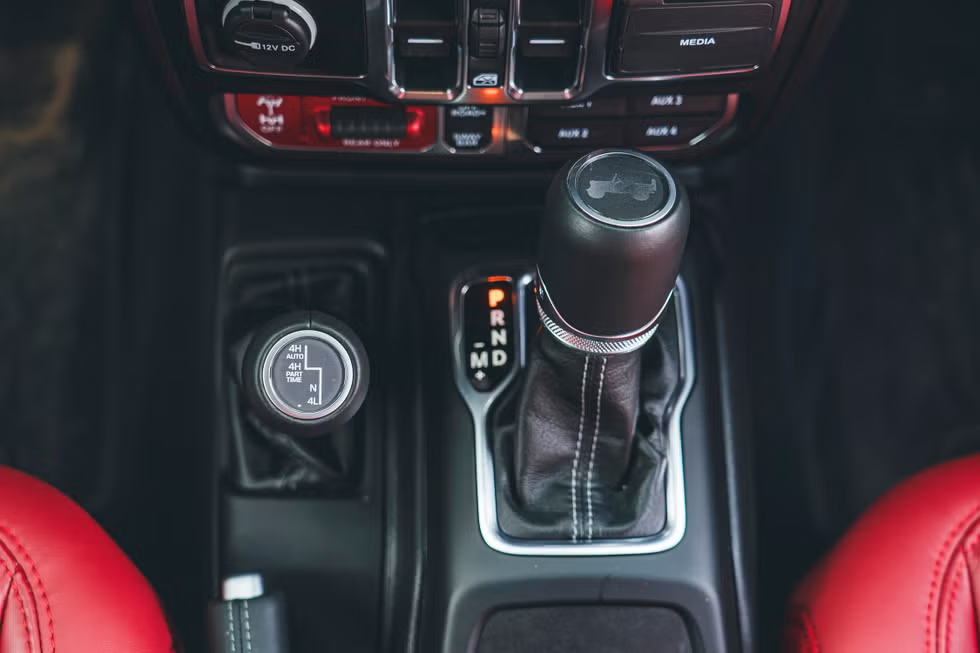
Both the Wrangler and Tacoma offer sophisticated off-road assist systems, but they’re tailored to different styles of off-roading. Toyota’s multi-terrain select and crawl control systems provide intuitive traction management that helps drivers of all skill levels tackle challenging trails. These systems are particularly useful for drivers new to off-roading, as they simplify tasks like rock crawling and sand driving.
Jeep’s Off-Road Pages, meanwhile, cater to enthusiasts who want real-time vehicle data during their adventures. This feature displays information like pitch, roll, and wheel articulation, offering detailed insights that can be useful for those who prefer manual control over assisted systems.
Infotainment and Connectivity
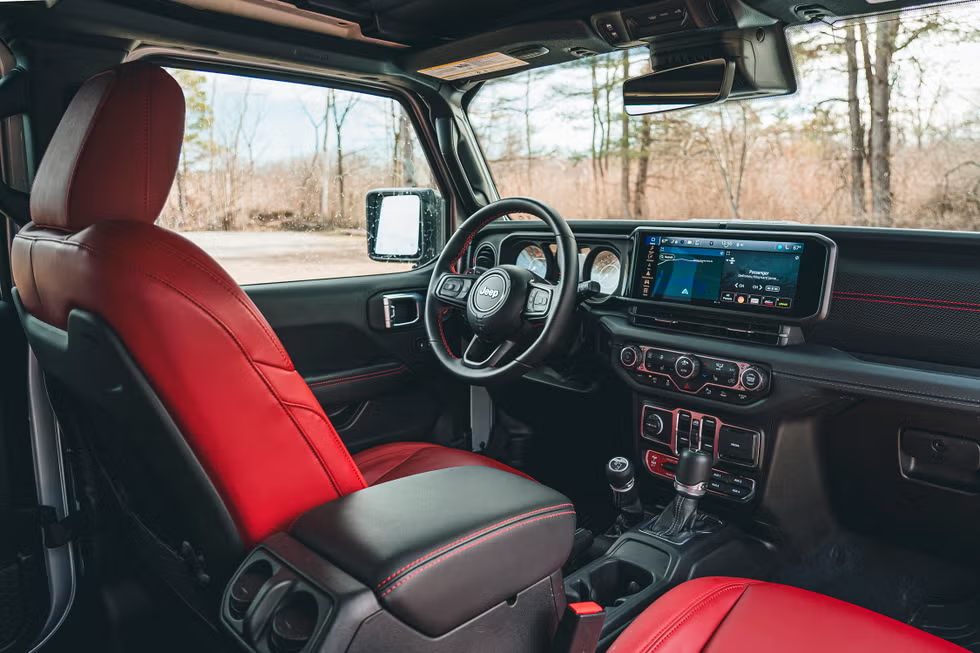
Both the Jeep Wrangler Rubicon and Toyota Tacoma TRD Pro feature touchscreen infotainment systems with smartphone connectivity. Toyota, however, provides a larger screen with a more intuitive interface, giving it an advantage in user-friendliness. The Tacoma’s infotainment system also offers voice control, making it easier for drivers to adjust settings without taking their hands off the wheel.
Safety Features
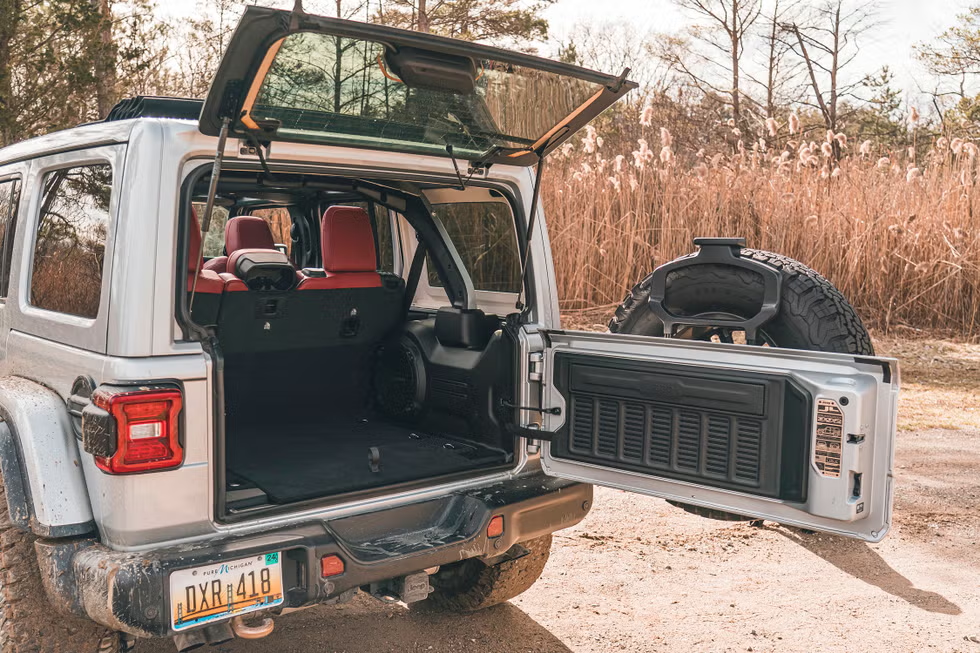
Toyota equips the Tacoma TRD Pro with its Safety Sense suite, which includes features like lane departure alert, adaptive cruise control, and pre-collision braking. This suite comes standard, offering drivers peace of mind on both highways and trails. Jeep offers similar safety features in the Wrangler Rubicon, but these are part of optional packages rather than standard equipment.
Customization and Aftermarket Support
One of the Jeep Wrangler’s most significant advantages is its immense aftermarket support. Jeep enthusiasts have access to a vast range of modifications, including lift kits, bumpers, winches, and lighting upgrades. This customization culture allows Wrangler owners to tailor their vehicle to their specific needs, whether it’s hardcore rock crawling or overlanding.
The Toyota Tacoma TRD Pro also enjoys strong aftermarket support, but it doesn’t match the Wrangler’s breadth of options. Nevertheless, Tacoma owners can still find numerous options for lifts, skid plates, and armor, making it relatively easy to personalize the vehicle.
Why Jeep Wrangler Rubicon Outshines Toyota Tacoma TRD Pro
Jeep Wrangler Rubicon: Built for the Toughest Trails
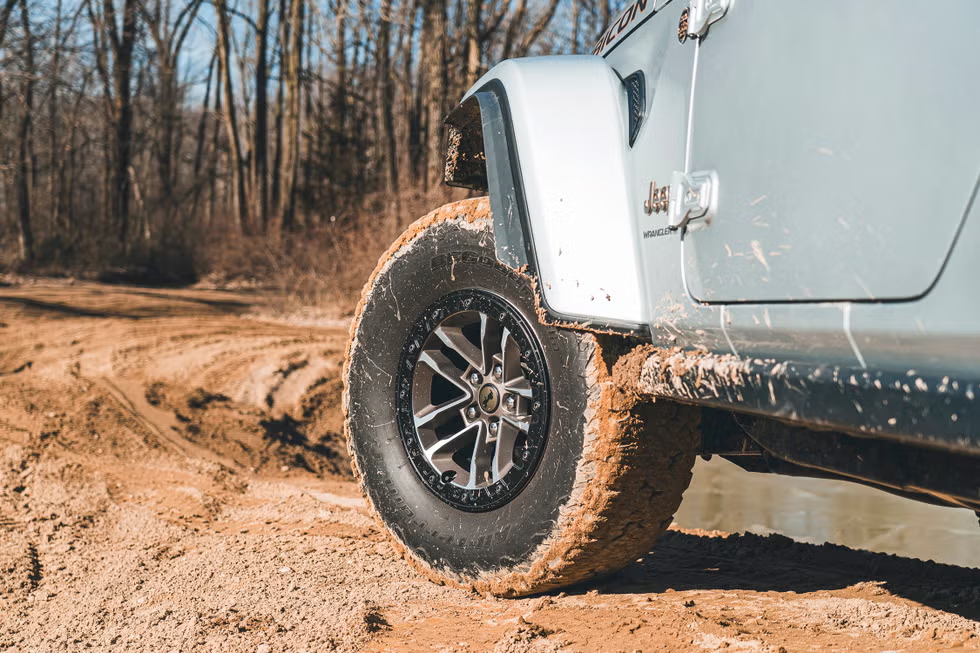
The Jeep Wrangler Rubicon’s off-road performance has no equal. Its design and engineering have been purpose-built for those who crave extreme adventures in places where traditional SUVs falter. Key features that make the Rubicon the undeniable leader include:
- Solid front and rear axles: These provide unbeatable ground clearance and articulation, helping the Wrangler conquer rock-strewn paths and rugged landscapes that challenge other vehicles.
- Electronic locking differentials: Essential for maximizing power to each wheel, locking differentials allow the Wrangler to muscle through obstacles that leave competitors stuck.
- 33-inch all-terrain tires: The Wrangler’s oversized tires enhance its stability on challenging surfaces, providing unparalleled grip.
- Rock-Trac 4:1 low-range gearing: Jeep’s unique 4:1 transfer case ensures that the Wrangler moves at a crawl on steep inclines, allowing precise control that no other off-roader can match.
- Electronic sway bar disconnect: This feature allows for unparalleled wheel articulation on tough trails, helping the Wrangler maintain control on the most uneven terrain.
These features aren’t just for show—they equip the Wrangler Rubicon to tackle technical trails with ease, making it the go-to choice for serious off-roaders.
Conclusion: The Jeep Wrangler Rubicon Stands Supreme
For those who are serious about off-roading, the Jeep Wrangler Rubicon is the ultimate choice. With features tailored for technical trails, the Wrangler doesn’t just handle off-road terrain—it conquers it. For those who want a versatile vehicle that offers some off-road capability, the Tacoma TRD Pro is a good choice, but it lacks the specialization, legacy, and flexibility that Jeep provides.
FAQs about the Jeep Wrangler Rubicon and Toyota Tacoma TRD Pro
1. What makes the Jeep Wrangler Rubicon better for rock crawling?
The Wrangler Rubicon’s solid axles, low-range gearing, and superior articulation make it ideal for rock crawling. It can navigate rocky trails with ease, unlike many competitors.
2. How does the Jeep Wrangler handle deep water fording?
With a 33.6-inch fording depth and an optional snorkel, the Wrangler is built to tackle water crossings, offering more water capabilities than the Tacoma TRD Pro.
3. What are Off-Road Pages in the Wrangler Rubicon?
Jeep’s Off-Road Pages display real-time vehicle data, such as pitch and wheel articulation, allowing off-roaders to make precise adjustments for challenging terrain.
4. Can the Toyota Tacoma TRD Pro handle challenging trails?
Yes, the Tacoma TRD Pro is capable on challenging trails, but it lacks the specialized equipment of the Wrangler Rubicon for extreme off-roading.
5. Why is the Jeep Wrangler Rubicon more customizable?
The Wrangler has a massive aftermarket following, offering a vast range of modifications, from lift kits to armor. This flexibility is unmatched by the Tacoma.
6. How comfortable is the Jeep Wrangler Rubicon on daily commutes?
The Wrangler Rubicon is off-road-focused, so while it’s improved for daily driving, its ride is stiffer and more utilitarian than the Tacoma TRD Pro.
7. What are locking differentials, and why does the Rubicon have them?
Locking differentials allow power to go directly to the wheels with the most traction. They’re essential for extreme off-roading and provide an advantage over standard differentials.
8. How does the Tacoma TRD Pro perform at high speeds off-road?
The Tacoma’s FOX shocks allow for smoother, high-speed desert driving, but it doesn’t excel in slow, technical terrain like the Rubicon.
9. Is the Jeep Wrangler Rubicon more fuel-efficient?
The Rubicon’s focus is on off-road capability rather than fuel efficiency, so the Tacoma’s hybrid powertrain may be more fuel-friendly on highways.
10. Which vehicle has a stronger off-road legacy?
Jeep has been an off-road leader since World War II, while Toyota’s off-road models are durable but don’t have the same historic off-road identity as Jeep.
Connect with us


