




Simi Valley Chrysler Dodge Jeep Ram

Blog

All Jeep General Ram Dodge Questions Car Buying Guides Chrysler Simi Valley Chrysler Dealer Simi Valley Used Cars
Most Reliable RAM Truck

Most Reliable RAM Truck?

Finding Your Best Fit When it comes to purchasing a reliable truck, the Ram lineup is often at the top of the list. Known for their rugged performance, off-road capabilities, and impressive towing capacities, Ram trucks are trusted by both commercial and personal users. However, when considering a Ram truck, it's important to understand that not all years and models are created equal. Some model years are more reliable than others, and choosing the right one can make a huge difference in terms of long-term performance and maintenance costs. In this article, we’ll dive deep into the most reliable Ram trucks, focusing on the models and years that stand out for their dependability. We will also explore key factors to consider when choosing a Ram truck and how to maintain its reliability over time. Understanding Ram Truck Reliability Before we discuss which Ram trucks are the most reliable, let’s first understand what reliability means in the context of a truck. Reliability can be defined by several factors: Longevity: How long the truck lasts before major repairs are needed. Maintenance Costs: The cost to maintain and repair the truck over time. Mechanical Issues: The frequency and severity of problems like engine issues, transmission failure, and electrical problems. Resale Value: How well the truck holds its value over time. Customer Satisfaction: Owner reviews, both professional and from consumers, play a huge role in determining reliability. What Makes a Ram Truck Reliable? Ram trucks are well-regarded for their heavy-duty construction, high towing capacity, and solid powertrains. However, their reliability can vary by model year, with some years experiencing mechanical or electrical issues more often than others. A reliable truck is not only about avoiding breakdowns; it’s also about consistent performance, fuel efficiency, and how well it handles wear and tear, especially if it’s used for towing, hauling, or off-roading. The Most Reliable Ram Truck Models and Years Now, let’s take a closer look at the most reliable Ram trucks. Based on expert reviews, consumer reports, and mechanical longevity, these models stand out as top performers. 1. The 2017 Ram 1500: A Benchmark of Reliability The 2017 Ram 1500 has become widely regarded as one of the most reliable trucks in Ram’s lineup. With over 1,000 reviews on various platforms like Edmunds and Kelley Blue Book, this model year receives high marks for its dependability, smooth ride, and engine options. What Makes the 2017 Ram 1500 Stand Out? Strong Performance: The 2017 model comes with several powertrains, including the 3.6-liter V6, the 5.7-liter HEMI V8, and a diesel option (3.0-liter V6 EcoDiesel). Each engine offers a great balance of power and efficiency. Comfort and Towing: The truck is known for its comfortable ride, especially when compared to other trucks in the same class. It also offers impressive towing capacities, reaching up to 10,000 pounds when properly equipped. Transmission and Durability: The 8-speed automatic transmission is a standout feature, providing smooth gear shifts and enhancing the truck's performance. It also helps improve fuel efficiency on longer drives. Low Maintenance: The 2017 model has fewer reported issues compared to other years, making it an excellent choice for those looking for a truck with lower long-term maintenance costs. Common Issues in the 2017 Ram 1500: Some owners have reported minor issues with the air conditioning system and infotainment system, though these are isolated incidents and not widespread. Conclusion: The 2017 Ram 1500 offers an excellent balance of performance, comfort, and reliability, making it one of the top picks for anyone seeking a dependable pickup truck. 2. The 2019 Ram 1500: The New Generation of Performance and Comfort The 2019 Ram 1500 was redesigned, marking a significant improvement in overall performance, technology, and durability. It quickly became one of the most popular models due to its smooth ride and improved engine options. What Makes the 2019 Ram 1500 Reliable? Improved Suspension: The redesigned suspension system in the 2019 model ensures a smoother, quieter ride, even on rougher terrain. Upgraded Powertrain: The 2019 model features the new 3.0-liter EcoDiesel V6 engine and a 5.7-liter V8 HEMI engine, both offering excellent performance and towing capacities. The 8-speed automatic transmission also ensures smoother shifts. Innovative Features: This model offers a significant upgrade in technology, including an 12-inch touch screen and advanced driver-assist systems such as lane-keeping assist and adaptive cruise control. Reliability: As a newer model, the 2019 Ram 1500 has fewer reliability concerns. It is one of the top trucks in its class in terms of long-term reliability. Common Issues in the 2019 Ram 1500: Some owners have reported issues with the infotainment system or software glitches, but overall, these issues have been minor compared to earlier models. Conclusion: The 2019 Ram 1500 combines modern technology, powerful engines, and a smooth ride, making it one of the best choices for anyone looking for a reliable, long-lasting truck. 3. The 2020 Ram 2500: Heavy-Duty Power and Durability For those needing more towing and payload capacity, the 2020 Ram 2500 is an excellent option. It offers impressive performance, especially for heavy-duty tasks, while maintaining the reliability and durability Ram trucks are known for. What Makes the 2020 Ram 2500 Reliable? Engine Options: The 6.4-liter HEMI V8 engine and 6.7-liter Cummins Turbo Diesel I6 engine are both known for their power and longevity. These engines are built to handle heavy loads and long-distance towing. Towing Capacity: The 2020 Ram 2500 offers a maximum towing capacity of 19,780 pounds, making it ideal for commercial and heavy-duty applications. Durability: The 2020 model is built to withstand harsh conditions, with a rugged frame and enhanced suspension that make it perfect for tough work environments. Common Issues in the 2020 Ram 2500: As a relatively new model, there are not many widespread issues reported. However, some users have raised concerns about the brake system on earlier models, although these issues are not common. Conclusion: The 2020 Ram 2500 is a heavy-duty truck that delivers exceptional reliability and performance. Whether you're towing a boat or carrying heavy payloads, this truck is built to last and deliver. How to Maintain the Reliability of Your Ram Truck While Ram trucks, especially the models mentioned above, are known for their reliability, regular maintenance is key to keeping them running smoothly for years to come. Here are a few tips to help maintain the reliability of your Ram truck: Regular Oil Changes: Keep the engine running smoothly by changing the oil regularly. Follow the manufacturer’s recommendation for oil change intervals to avoid engine problems. Check Fluid Levels: Regularly check the transmission, brake, and power steering fluids to ensure the vehicle operates at its best. Tire Maintenance: Keep your tires properly inflated and rotate them regularly to prevent uneven wear and maintain better fuel efficiency. Brake Inspections: Inspect the brake pads, rotors, and fluid levels to prevent costly repairs and ensure safety. Pay Attention to Warning Lights: Don’t ignore any warning lights on the dashboard. Address issues promptly to prevent further damage. Conclusion: Which Ram Truck is the Most Reliable? After a comprehensive look at the most reliable Ram truck models, it’s clear that the 2017 Ram 1500, 2019 Ram 1500, and 2020 Ram 2500 stand out for their long-term reliability, performance, and customer satisfaction. Whether you're looking for a dependable light-duty truck or a heavy-duty workhorse, these models offer the perfect balance of performance and durability. Choosing the right model depends on your needs—whether it's hauling heavy loads, off-roading, or daily driving. Maintaining your Ram truck through regular service and care will ensure that it continues to perform reliably for years to come. A well-maintained Ram truck can last for hundreds of thousands of miles, making it a great investment for both personal and commercial use.

Jeep Wrangler 4xe Reliability

Jeep Wrangler 4xe Reliability

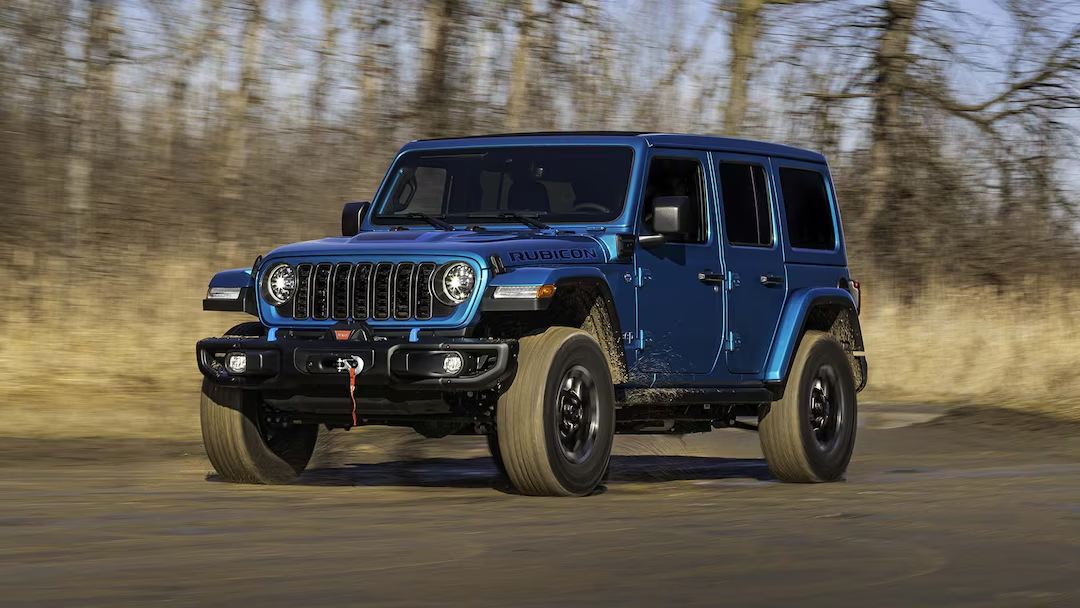
The Jeep Wrangler 4xe is a breakthrough in the world of off-roading, offering an electrified solution to the iconic Jeep experience. Combining the rugged, adventurous spirit of the Jeep Wrangler with the eco-friendly benefits of a plug-in hybrid powertrain, the 4xe is a revolutionary model that brings new technology to Jeep’s legendary off-road capabilities. With hybrid efficiency, a robust 4x4 system, and all the signature Jeep features, the Wrangler 4xe stands as a strong contender for off-road enthusiasts seeking to reduce their carbon footprint without compromising on performance. But, just how reliable is this hybrid powerhouse? In this article, we’ll explore the Jeep Wrangler 4xe’s reliability, from its performance and powertrain to its maintenance and real-world feedback. Jeep Wrangler 4xe: A Hybrid Powertrain with Off-Road Prowess The Jeep Wrangler 4xe is a game-changer for the Jeep brand. Traditionally known for its powerful off-road vehicles that rely on gasoline engines, Jeep has embraced hybrid technology with the 4xe, a model that maintains the Wrangler's legendary off-road abilities while incorporating a sustainable powertrain. At its core, the Wrangler 4xe features a 2.0-liter turbocharged four-cylinder engine paired with an electric motor, producing a combined 375 horsepower and 470 lb-ft of torque. This hybrid setup delivers outstanding acceleration and performance, whether you’re cruising through the city, tackling challenging trails, or off-roading through rocky paths. With the Wrangler 4xe’s hybrid engine, you benefit from the instant torque of the electric motor, which provides smooth acceleration and enhanced off-road performance. For those looking to venture into the great outdoors, the Rock-Trac 4WD system (available on the Rubicon trim) ensures you have the traction and durability to tackle rough terrains with ease. Whether navigating muddy trails, scaling steep inclines, or cruising through boulders, the Wrangler 4xe provides the performance needed to overcome obstacles, making it a fantastic choice for off-road enthusiasts. Hybrid Technology That Doesn’t Compromise on Power The combination of gasoline and electric power in the Jeep Wrangler 4xe does not come at the cost of off-road capability or driving excitement. The electric motor provides instant torque, giving the vehicle superior control on rugged trails and ensuring that you’ll never be left wanting more power when facing obstacles. Meanwhile, the 2.0-liter turbocharged engine adds further strength, delivering power for longer drives while maintaining a great level of fuel efficiency. The electrical-only range of up to 21 miles is perfect for short trips, commuting, or light off-road adventures, while the gas engine steps in when you need additional power or range. On highways or long off-road excursions, the Wrangler 4xe operates seamlessly as a hybrid, delivering excellent fuel economy for an off-road vehicle. The combined driving range of over 370 miles ensures that you won’t be limited by the battery, making the Jeep Wrangler 4xe an ideal companion for long off-road journeys. Jeep Wrangler 4xe: Engineering for Reliability Reliability is paramount when it comes to off-road vehicles, and the Jeep Wrangler 4xe is no exception. Jeep has designed the 4xe to deliver not only impressive performance but also long-term dependability, ensuring that you can rely on it for countless off-road adventures. With the integration of advanced hybrid technology and a rugged 4x4 system, the Wrangler 4xe offers the best of both worlds—electric efficiency combined with the durability and performance Jeep is famous for. The hybrid system itself is engineered to be robust and capable of withstanding tough conditions. The electric motor and engine are designed to work seamlessly together, providing a smooth and reliable driving experience. The hybrid components are protected by high-quality materials, and the system is built to endure challenging environments. Jeep’s commitment to maintaining the Wrangler's legendary toughness ensures that the 4xe will perform reliably for years to come, regardless of whether you're cruising on the highway or navigating rugged trails. Maintenance of the Jeep Wrangler 4xe While hybrid vehicles typically have higher upfront costs than their gasoline counterparts, the Jeep Wrangler 4xe offers an advantage when it comes to maintenance. One of the benefits of a hybrid vehicle is that it requires less frequent maintenance, particularly when it comes to the engine. The electric motor reduces the load on the engine, meaning fewer moving parts to worry about, and less wear on the traditional engine components. As a result, you’ll spend less on routine maintenance, and your vehicle will remain more reliable over time. Additionally, the Wrangler 4xe comes with a comprehensive 5-year/60,000-mile warranty, which covers the hybrid powertrain, battery, and other important components. This extended warranty offers peace of mind, knowing that any issues with the hybrid system will be covered for a significant amount of time. Jeep also offers a 10-year/100,000-mile hybrid battery warranty, ensuring that the battery remains reliable throughout the life of the vehicle. However, like any vehicle, regular maintenance is essential to keep the Jeep Wrangler 4xe running smoothly. This includes checking the brakes, rotating the tires, and ensuring the hybrid battery is charged and functioning properly. The Wrangler 4xe also features regenerative braking, which helps recharge the battery while driving, further enhancing its efficiency and reducing wear on the braking system. Real-World Reliability Feedback While the Jeep Wrangler 4xe is a relatively new model, it has already garnered praise for its overall reliability and performance. Early adopters of the 4xe have reported a satisfying ownership experience, particularly in terms of off-road capability, fuel efficiency, and hybrid performance. Many Jeep enthusiasts who were initially skeptical about the hybrid Wrangler’s ability to perform off-road have been impressed with its power, traction, and durability. There are some challenges associated with hybrid systems in general, such as the need to monitor battery charging and occasional updates for the software system. However, these issues are minor compared to the advantages the 4xe offers. Jeep has continued to refine the Wrangler 4xe’s design, and as the hybrid technology evolves, we can expect even more improvements to the vehicle’s performance and reliability in future model years. For those seeking a dependable, high-performing off-roader with eco-friendly benefits, the Jeep Wrangler 4xe is a solid choice. Its combination of traditional Jeep durability with the benefits of hybrid technology positions it as a reliable option for adventure lovers who are conscious of their environmental impact. Jeep Wrangler 4xe: A Hybrid Built for Adventure The Jeep Wrangler 4xe is an exceptional hybrid SUV that doesn’t sacrifice performance for efficiency. It blends the rugged, off-road capability Jeep is known for with the advantages of modern hybrid technology, creating a unique and reliable vehicle for adventure seekers. Whether you’re exploring off-road trails or commuting through the city, the Wrangler 4xe offers the versatility and reliability needed to meet your driving demands. With minimal maintenance requirements, a reliable powertrain, and a strong commitment to durability, the Jeep Wrangler 4xe is a fantastic choice for anyone looking to reduce their environmental footprint without sacrificing the off-road power and capability Jeep is famous for. Its combination of advanced hybrid technology, legendary Jeep off-road ability, and long-term reliability make the Wrangler 4xe the ultimate choice for adventurers and eco-conscious drivers alike. For those who want to experience the best of both worlds—off-road freedom and eco-friendly efficiency—the Jeep Wrangler 4xe is an ideal, reliable companion that is ready for any adventure. Whether you’re hitting the trails, the city streets, or both, the Wrangler 4xe ensures that you can explore the world in an entirely new way.

Types of Oil Wrenches For Automobiles

Types of Oil Wrenches For Automobiles

When it comes to changing the oil in your vehicle, having the right tools is essential for a smooth and efficient process. One of the most important tools you'll need is an oil wrench. Oil wrenches are designed to help you remove the oil filter, which can often be difficult to loosen by hand due to the tightness or location of the filter. In this article, we will discuss the various types of oil wrenches available for automobiles and how they can make your oil change tasks easier. To learn more about the best oil filter wrenches, be sure to check out this article on the best oil filter wrench recommendations from mechanics, which will give you expert insights into choosing the right tool for your needs. 1. Strap Oil Wrench A strap oil wrench is one of the most common types used for oil filter removal. It consists of a durable strap that wraps around the oil filter. Once the strap is in place, you use a handle to rotate the wrench and remove the filter. This type of wrench is ideal for users who want a simple, cost-effective solution. Pros: Affordable, easy to use, works well on filters that are located in tight spaces. Cons: May not work as well on filters that are particularly tight or stuck. If you need an oil filter wrench with a design that provides more grip and torque, you might want to look into this recommended oil filter wrench, which provides enhanced grip for stubborn filters. 2. Pliers-Style Oil Wrench Pliers-style oil wrenches work similarly to traditional pliers but with a design specifically made for removing oil filters. The adjustable grip allows you to easily clamp the pliers around the oil filter and rotate it to loosen it. Pliers-style wrenches are known for providing a lot of control and leverage, making them ideal for stubborn filters. Pros: Provides excellent grip and leverage, suitable for tight or hard-to-reach oil filters. Cons: Can be difficult to use on smaller filters. For a detailed guide on how to use pliers-style oil wrenches, consider checking this article for further tips and recommendations. 3. Socket-Style Oil Wrench A socket-style oil wrench is similar to a standard socket wrench, but it’s designed specifically for oil filter removal. This tool fits over the oil filter and provides a firm grip, making it easier to twist off the filter. Socket-style wrenches are often used with a ratchet handle for more torque, which is helpful for removing stubborn filters. Pros: Provides excellent grip and torque, works well with tight filters, ideal for users who already have a ratchet wrench. Cons: Requires an additional ratchet wrench, may not fit in tighter spaces. For more information on socket-style wrenches, including the best models for oil filters, make sure to check out this expert guide. 4. Cap-Style Oil Wrench The cap-style oil wrench is a specialized tool that fits over the top of the oil filter and provides a secure grip. It works by using the sides of the filter to provide more surface area for gripping. These wrenches are often used for larger filters, and they provide excellent leverage when trying to remove stubborn filters. Pros: Provides a strong, secure grip on larger filters, offers good leverage. Cons: May not work well on smaller filters, requires a good fit to avoid slippage. For a deeper look at cap-style oil wrenches and to see some of the best options available, make sure to read this detailed review. 5. Chain Oil Wrench A chain oil wrench uses a chain that wraps around the oil filter and tightens as you turn the handle. This style provides an adjustable fit, making it ideal for a wide range of filter sizes. The chain wrench offers great leverage, making it useful for removing stubborn or over-tightened oil filters. Pros: Adjustable, works well with a variety of filter sizes, provides good torque. Cons: The chain can be difficult to handle, and it may not be as quick to use as some other styles. If you’re interested in learning more about chain-style wrenches and the best models on the market, check out this article on the best oil filter wrenches for expert recommendations. 6. Universal Oil Wrench A universal oil wrench is designed to fit various filter sizes, making it a versatile tool for both professional mechanics and DIY car owners. These wrenches often have an adjustable head that can be resized to fit different filter types, ensuring a secure grip on almost any oil filter. Pros: Versatile, fits a variety of filter sizes, convenient for those with different vehicles. Cons: May not provide as strong a grip as more specialized wrenches. For a list of the top-rated universal oil wrenches and how to choose the best one for your needs, refer to this guide. 7. Manual vs. Powered Oil Wrenches Manual oil wrenches, such as strap wrenches or pliers, are popular for their simplicity and effectiveness. However, for larger or more stubborn oil filters, powered oil wrenches (electric or pneumatic) are an excellent option. These tools provide automatic or motorized assistance to remove filters with greater ease, making them ideal for high-volume shops or professional mechanics. Pros: Faster, less effort required, more powerful. Cons: Higher cost, may not be necessary for DIY jobs. To find out which powered oil wrenches are best for automobile maintenance, check out this expert review. Conclusion Whether you're changing the oil in your car, truck, or another vehicle, an oil wrench is an indispensable tool to have in your garage. From strap wrenches to socket-style and powered models, there are plenty of options to help make oil changes easier. Understanding the different types of oil wrenches and their advantages will help you choose the best one for your needs. To dive deeper into the best oil filter wrenches available on the market and get more expert insights, be sure to check out this comprehensive article.

How to Jump-Start a Semi Truck and Stay Prepared on the Road

How to Jump-Start a Semi Truck and Stay Prepared on the Road

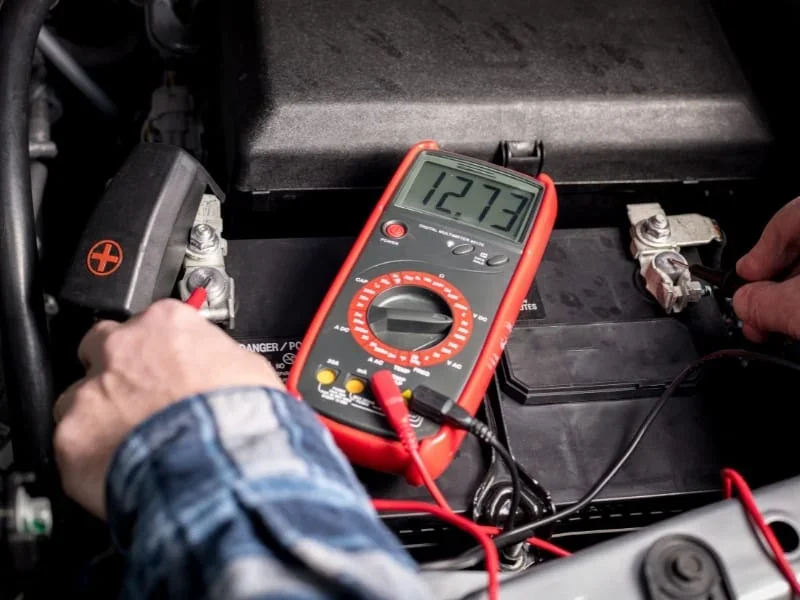
Dead batteries can strike at the most inconvenient times, whether you're driving a regular car, motorcycle, or even a semi-truck. It’s important to know how to get your vehicle up and running again, but it’s equally crucial to be prepared for these situations before they happen. One of the best ways to ensure you're always ready is to have a reliable jump starter on hand. In this post, we’ll explain how to jump-start a semi truck and how having a reliable jump starter, like the NOCO Boost Plus GB40, can make all the difference. Jump-Starting a Semi Truck: The Basics When it comes to jump-starting a semi-truck, it’s not much different from a regular car, but there are key differences to remember due to the size of the truck’s battery. Here’s a quick recap of how to jump-start a semi-truck: Ensure Safety: Park both vehicles close, but make sure they don’t touch. Connect the Cables: Connect the red cable to the positive terminals of both batteries, then the black cable to the grounded metal surface of the semi-truck and the negative terminal of the assisting vehicle. Start the Assisting Vehicle: Let the second vehicle run for a few minutes before attempting to start the semi-truck. Start the Semi Truck: After a few minutes, try starting the truck. If it doesn’t start, give it a bit more time. Disconnect the Cables: Disconnect the cables in reverse order, starting with the black cable, and let the semi-truck run for at least 30 minutes to fully charge the battery. While these steps can get you back on the road, there’s a smarter way to be prepared for jump-starting your semi-truck (or any vehicle, for that matter) without relying on a second vehicle: by using a NOCO Boost Plus GB40 jump starter. Why the NOCO Boost Plus GB40 Is a Must-Have for Jump-Starting Dead car batteries or semi truck batteries can be frustrating and inconvenient, especially if you’re far from home or stuck in a remote location. The NOCO Boost Plus GB40 is a portable jump starter that makes it easy to get your vehicle started again without needing another car. It’s not just for regular vehicles—it’s versatile enough for larger engines too, which makes it perfect for semi trucks. Key Features of the NOCO Boost Plus GB40: UltraSafe Technology: With spark-proof functionality and reverse polarity protection, the GB40 ensures safe operation even for first-time users. High Efficiency: Capable of up to 20 jump-starts on a single charge, it’s reliable when you need it most. Multifunctional Use: The GB40 can also charge your devices via its USB port and even features a 100-lumen LED flashlight with seven modes, including an SOS strobe. Compact and Durable: Despite being lightweight and portable, its rugged, water-resistant casing makes it durable for any conditions. Why the NOCO Boost Plus GB40 is Ideal for Semi Trucks When it comes to semi trucks, a dead battery can cause serious delays. That’s where the NOCO Boost Plus GB40 stands out. Its 1,000-amp peak current ensures it can jump-start not only cars but also larger vehicles like semi trucks, which often require more power to get going. Its ability to jump-start both gasoline engines up to 6.0L and diesel engines up to 3.0L makes it perfect for a variety of vehicles, including those with large batteries like semi trucks. Peace of Mind on the Road If you drive a semi-truck or any vehicle with a heavy-duty battery, carrying a jump starter like the NOCO Boost Plus GB40 ensures you're prepared for the unexpected. Whether you’re facing a dead battery in the middle of a highway or need to charge your phone while on the road, this jump starter has you covered. Plus, its compact size means you can easily store it in your vehicle, ready for action when you need it. You can read our detailed review here for more information on how the NOCO Boost Plus GB40 can help with emergency jump-s tarts. Conclusion: Stay Prepared for Anything No one ever plans for a dead battery, especially in a large vehicle like a semi truck, but being prepared can save you a lot of time and stress. With the NOCO Boost Plus GB40, you can be confident that you’ll always have the power to jump-start your vehicle and get back on the road, no matter where you are. Whether you're navigating city streets, long-hauling through rural highways, or parked in the middle of nowhere, the GB40 ensures that a dead battery won’t slow you down. By combining knowledge on how to jump-start a semi truck with the reliable power of the NOCO Boost Plus GB40, you’ll always be ready for whatever comes your way.

Can You Disable Afm With A Scan Tool

Can You Disable Afm With A Scan Tool

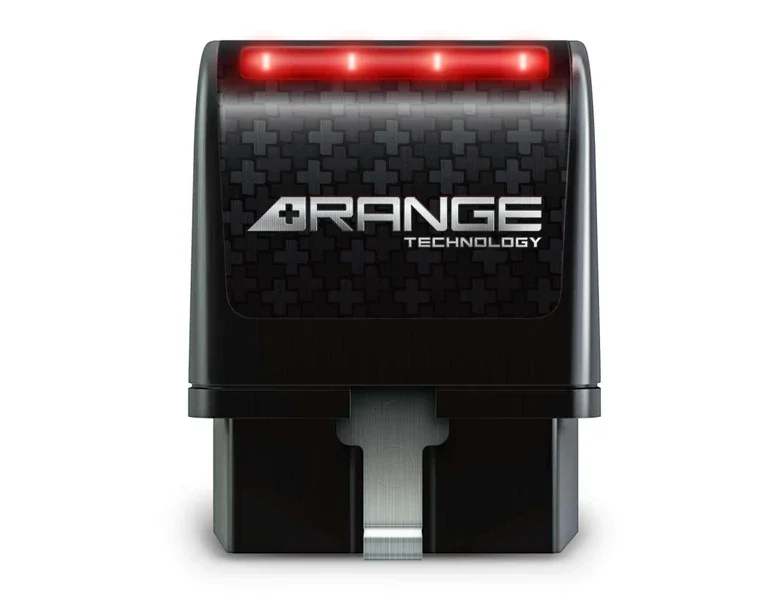
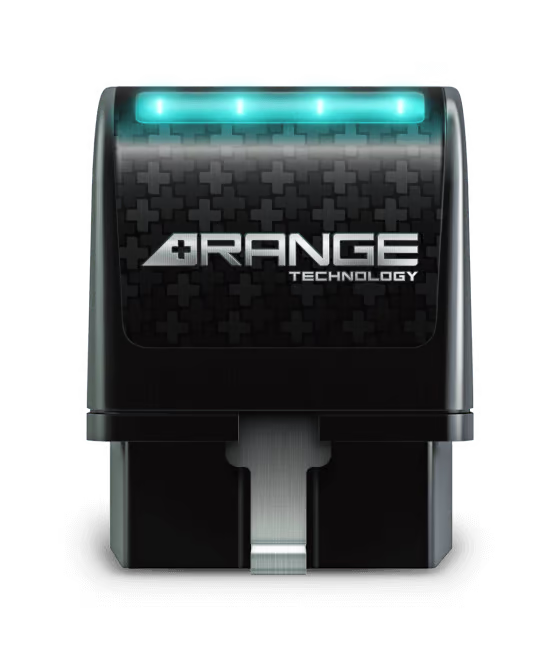
Active Fuel Management (AFM) is a system designed by General Motors to improve fuel efficiency by deactivating half of the engine’s cylinders when the vehicle is cruising or under light load. While this can lead to improved fuel economy, some drivers find it disruptive, particularly when the engine switches between operating on fewer cylinders and full power. For those who prefer to disable AFM and maintain full-cylinder operation, there are a few ways to achieve this — one of which is using a scan tool. BUY NOW AFM DISABLER In this blog, we'll explore how you can disable AFM with a scan tool, why you might want to do so, and the pros and cons of this method. We’ll also link you to an expert-reviewed list of the best AFM disablers, so you can make an informed decision about whether a scan tool or a separate device is the right choice for you. What is AFM and Why Disable It? Before diving into how to disable AFM, let’s first take a quick look at the system itself. AFM is a technology that activates and deactivates cylinders in your engine based on load demands. For example, when you're cruising on the highway and not accelerating, the system may deactivate half of the cylinders, improving fuel efficiency. This is especially useful for vehicles with V8 engines, but it can sometimes cause noticeable engine performance fluctuations, such as a sudden drop in power or a "jerking" feeling when transitioning between four and eight cylinders. For some drivers, these changes in engine performance are distracting or unwanted, which leads them to disable AFM altogether. While there are many ways to disable the system, using a scan tool is one of the most direct methods, and it can often be done without needing any extra devices or hardware. How to Disable AFM with a Scan Tool A scan tool, also known as an OBD-II (On-Board Diagnostics) tool, is a device that connects to your vehicle’s onboard computer system to monitor and adjust various vehicle parameters. Many scan tools allow you to access and modify the settings for your car’s engine control module (ECM), including disabling systems like AFM. Steps to Disable AFM Using a Scan Tool: Choose a Compatible Scan Tool: You’ll need a scan tool that supports the ability to modify or reprogram vehicle settings. Tools like HP Tuners, Diablosport, or EFI Live are some of the more popular options that support AFM disablement. These tools are often used by automotive enthusiasts and professionals for tuning vehicles and making changes to engine management systems. Connect the Scan Tool to Your Vehicle: Most scan tools connect to the OBD-II port, which is usually located under the dashboard near the driver’s seat. Plug the scan tool into this port, ensuring it's securely connected. Access the AFM Settings: Once the scan tool is connected, navigate through the software to find the AFM settings. These will typically be found under engine management or fuel system settings. Some scan tools may list AFM as "Active Fuel Management" or "Cylinder Deactivation." Disable the AFM System: Follow the instructions on the scan tool to disable the AFM system. This will prevent the engine from deactivating any cylinders, ensuring that all cylinders fire at all times for maximum power and performance. Save and Exit: Once you’ve disabled the AFM system, save the changes and exit the scan tool. Your vehicle should now be running on all cylinders, providing more consistent power and eliminating the transitions between four and eight cylinders. Benefits of Disabling AFM with a Scan Tool: Full Cylinder Operation: The primary benefit of disabling AFM with a scan tool is that your engine will always run on all cylinders. This eliminates the jerky transition between four-cylinder and eight-cylinder operation, resulting in a smoother driving experience. Improved Performance: For drivers who regularly tow, haul, or drive in performance-demanding conditions, disabling AFM can provide a noticeable improvement in power delivery and throttle response. More Control Over Engine Settings: Using a scan tool provides the flexibility to adjust more than just the AFM settings. You can also modify other engine parameters, allowing for a more customized driving experience. Potential Drawbacks of Disabling AFM with a Scan Tool: Fuel Efficiency Impact: The most significant drawback to disabling AFM is that it may reduce your vehicle’s fuel efficiency. AFM is designed to improve fuel economy by deactivating cylinders under light load conditions. By disabling it, your engine will always run on all cylinders, which can lead to higher fuel consumption. Warranty Concerns: Some vehicle manufacturers may void the warranty if you modify the ECM settings, including disabling AFM. It's important to check your vehicle’s warranty terms before making any changes to the vehicle’s factory settings. Requires a Specialized Tool: Using a scan tool to disable AFM requires access to a compatible tool and knowledge of how to use it. While the process is not difficult, it may not be ideal for someone who isn’t familiar with automotive diagnostics or tuning. Alternative Option: AFM Disablers If you're looking for a simpler solution or prefer not to use a scan tool, an AFM disabler may be a better choice. These devices are designed to plug into your vehicle’s OBD-II port and immediately disable the AFM system. They are much easier to install and can often be removed if necessary. One of the most popular AFM disablers on the market is the Range Technology Active Fuel Management Disabler, which offers an easy, plug-and-play installation. Once connected, it disables the AFM system and ensures the engine operates on all cylinders at all times. If you’re interested in learning more about AFM disablers, check out this expert-reviewed list of the Best AFM Disablers. This article provides a detailed comparison of the top AFM disablers, their pros, cons, and installation procedures. Which Method is Right for You? Choosing between disabling AFM with a scan tool or using an AFM disabler comes down to your personal preferences and needs. If you're comfortable using advanced tools and want more control over your vehicle’s settings, a scan tool might be the best option. However, if you're looking for a simpler and more straightforward solution, an AFM disabler is a great alternative. Conclusion Disabling AFM with a scan tool can be a great way to enhance your vehicle’s performance by ensuring it runs on all cylinders at all times. It offers more control and can eliminate the unwanted engine transitions caused by AFM. However, it’s essential to consider the potential impact on fuel efficiency, warranty implications, and the learning curve associated with using a scan tool. If you're looking for a more user-friendly option, an AFM disabler provides an easy plug-and-play solution. Whichever method you choose, make sure you weigh the pros and cons and decide based on your specific driving needs. For more information on AFM disablers and to explore the best options available, check out the expert-reviewed list in the article Best AFM Disablers.

afm_disabler

What is An Afm Disabler

If you own a modern vehicle with an Active Fuel Management (AFM) system, you may have heard of AFM disablers, devices that are used to alter the way your engine operates. But what exactly is an AFM system, what does an AFM disabler do, and why would you want to use one? This article will provide an in-depth explanation of AFM systems, how AFM disablers work, the pros and cons of using one, and much more. What is Active Fuel Management (AFM)? Active Fuel Management (AFM) is a technology developed by General Motors (GM) to improve fuel efficiency in V8 engines. It works by deactivating half of the engine’s cylinders when the vehicle is cruising at low speeds or under light load conditions, such as highway driving. The system can seamlessly switch between running on all eight cylinders or only four, depending on the demands of the vehicle. This system aims to save fuel by reducing engine power when full power isn't needed. However, while AFM can lead to significant fuel savings, some drivers find it less than ideal due to the sometimes noticeable transition between operating on fewer cylinders. This is where AFM disablers come into play. What is an AFM Disabler? An AFM disabler is a device designed to prevent the AFM system from deactivating any of the engine’s cylinders. By doing this, it ensures that the engine always runs on all its cylinders, providing consistent power and performance at all times. The device plugs into the vehicle's OBD-II (On-Board Diagnostics) port, and once activated, it overrides the AFM system. The primary purpose of an AFM disabler is to eliminate the lag or hesitation that occurs when the engine switches between a four-cylinder and an eight-cylinder operation. Many drivers find this transition to be noticeable and, at times, annoying, especially when accelerating or towing. How Does an AFM Disabler Work? AFM disablers work by interrupting the signal that controls the deactivation of the engine’s cylinders. In most vehicles with AFM, the system is controlled by the vehicle's Engine Control Unit (ECU). The AFM disabler sends a signal to the ECU, telling it to keep all cylinders active, preventing it from switching between operating on four or eight cylinders. Installing an AFM disabler is usually a simple process. The device is typically designed to plug into the OBD-II port located beneath the dashboard. Once connected, the device is activated, and the vehicle will no longer switch between running on fewer cylinders. Many AFM disablers are designed to be easy to remove, allowing you to return the vehicle to its factory settings if needed. Why Do People Use AFM Disablers? There are several reasons why drivers may choose to install an AFM disabler in their vehicles: Improved Performance and Power Delivery: AFM systems can sometimes cause a noticeable lag or hesitation when the engine transitions between operating on fewer cylinders. This can be particularly frustrating during acceleration or when towing heavy loads. By disabling the AFM system, the engine runs on all cylinders at all times, providing a more consistent and responsive driving experience. Enhanced Throttle Response: The transition between four-cylinder and eight-cylinder operation can also affect throttle response. When AFM is disabled, the vehicle has quicker throttle response and smoother acceleration, which some drivers find more enjoyable, particularly in performance or towing situations. Better Sound Quality: Some drivers prefer the more robust sound that comes from a full V8 engine firing on all cylinders. AFM can sometimes cause the engine to sound quieter or more muffled when it’s running on fewer cylinders. Disabling the system allows the engine to produce a fuller, more aggressive exhaust note. Improved Towing Performance: When towing heavy loads, AFM can cause the engine to switch between cylinders, which can result in jerky performance. Keeping the engine running on all cylinders helps maintain consistent power, improving towing capability and driving comfort. Benefits of Using an AFM Disabler 1. Consistent Power Delivery: One of the main reasons people use AFM disablers is for the consistent power delivery they provide. When AFM is disabled, your engine runs on all cylinders at all times. This results in smoother and more immediate acceleration, which can be especially important for those who drive in situations that require steady power, such as when towing or merging onto highways. 2. Enhanced Throttle Response: Another benefit of using an AFM disabler is enhanced throttle response. With AFM active, there may be a slight delay in throttle response due to the engine switching between running on all cylinders and only a few. Disabling AFM eliminates this delay, making the vehicle feel more responsive to the driver’s inputs. 3. Improved Engine Sound: The sound of a V8 engine is often a point of pride for car enthusiasts. Many drivers feel that AFM makes the engine sound less powerful or aggressive when it's running on only four cylinders. By disabling the AFM system, drivers can enjoy a more constant, full-throttle engine sound at all times. 4. Increased Towing and Hauling Capacity: When towing a trailer or carrying a heavy load, having all cylinders firing ensures that the engine can maintain its power output, even under stress. AFM can cause a decrease in performance when it activates or deactivates cylinders, which can be problematic in high-demand situations. With an AFM disabler, the engine operates at full capacity, offering more towing and hauling power. Potential Drawbacks of AFM Disablers While AFM disablers can provide significant benefits, there are some potential drawbacks to consider: 1. Reduced Fuel Efficiency: The primary function of the AFM system is to improve fuel efficiency by deactivating cylinders when they are not needed. By disabling AFM, your vehicle will always run on all cylinders, which could lead to reduced fuel economy. While this may not be a major concern for some drivers, those who prioritize fuel savings may want to reconsider installing an AFM disabler. 2. Possible Warranty Issues: Installing an AFM disabler may void the manufacturer’s warranty in some cases. This is particularly true for vehicles that are still under warranty, as modifying the engine management system may cause the manufacturer to refuse warranty claims. It’s always a good idea to check the terms of your vehicle’s warranty before installing an AFM disabler. 3. Battery Drain: Some AFM disablers can drain your vehicle’s battery if left plugged in for extended periods of time. This is especially true for devices that don’t have an auto-off function. If you plan to leave your car parked for long periods, it may be necessary to unplug the disabler to avoid draining the battery. Popular AFM Disablers There are several AFM disablers on the market, each offering its own set of features. Some of the most popular options include: 1. Range Technology Active Fuel Management Disabler: The Range Technology AFM Disabler is one of the most popular devices on the market. It’s a plug-and-play device that easily connects to the OBD-II port and effectively disables the AFM system. It’s known for being easy to install and remove, allowing users to return their vehicle to its factory settings when needed. 2. DiabloSport S1000 Sprint Car Fuel Management Module: This module is another widely used AFM disabler. It works by interrupting the signal that controls the deactivation of cylinders. Like the Range Technology device, the DiabloSport unit is easy to install and can be removed if desired. 3. TunerTech AFM Disabler: The TunerTech AFM Disabler is another option that helps prevent the engine from switching between four-cylinder and eight-cylinder operation. It is also easy to install and remove and is known for being an affordable option. Should You Use an AFM Disabler? Whether or not you should install an AFM disabler depends on your individual needs and preferences. If you find the transition between four-cylinder and eight-cylinder operation jarring or undesirable, an AFM disabler can offer a smoother driving experience by maintaining full-cylinder power. However, it’s important to consider the potential drawbacks, such as decreased fuel efficiency and possible warranty implications. If you are primarily concerned with fuel efficiency, or if you drive a vehicle under warranty, it might be best to leave the AFM system intact. On the other hand, if you prioritize performance and a more consistent driving experience, an AFM disabler may be the right choice for you. Conclusion AFM disablers are a useful tool for those who want to maintain consistent engine performance by disabling the Active Fuel Management system. They offer benefits such as improved power delivery, throttle response, and towing capabilities. However, they come with some potential drawbacks, such as reduced fuel efficiency and possible warranty concerns. Before installing an AFM disabler, it’s essential to weigh the pros and cons and consider your specific driving needs. If you're unsure, it's always a good idea to consult a mechanic or the vehicle manufacturer to make sure the device is compatible with your car and won't interfere with your vehicle's performance or warranty. Whether you decide to install an AFM disabler or not, it’s important to be informed about how your vehicle's engine management system works and how it affects your driving experience.

The Beast Unleashed Exploring the Jeep Hellcat Legacy

The Beast Unleashed: Exploring the Jeep Hellcat Legacy

The Beast Unleashed: Exploring the Jeep Hellcat Legacy The Jeep Hellcat legacy is really the story of one outrageous SUV: the Jeep Grand Cherokee Trackhawk. It took the supercharged 6.2L Hellcat V8 from Dodge’s muscle-car world and dropped it into a family-sized, all-wheel-drive Jeep SUV. The simple answer is this: the Jeep Grand Cherokee Trackhawk is the Jeep that made the Hellcat legend go off-road, or at least look like it could. It had 707 horsepower, 645 lb-ft of torque, all-wheel drive, launch control, and the kind of straight-line speed that made people question what an SUV could be. Jeep’s Grand Cherokee Trackhawk performance page lists the supercharged 6.2L V8 at 707 horsepower, 645 lb-ft of torque, and up to 7,200 pounds of towing capacity. That combination is why the Trackhawk became more than a fast Jeep. It became one of the most absurd, memorable, and collectible performance SUVs ever built. What Was the Jeep Hellcat? When people say “Jeep Hellcat,” they are usually talking about the Jeep Grand Cherokee Trackhawk. Jeep never officially called it the “Hellcat Jeep” as the model name. The actual name was Grand Cherokee Trackhawk. But because it used the same basic supercharged 6.2L HEMI V8 family associated with Hellcat Dodge models, enthusiasts naturally gave it the nickname. And honestly, the nickname fits. This was not a mild sport package. This was a supercharged V8 SUV with muscle-car violence, Jeep practicality, and all-wheel-drive traction. Why the Trackhawk Was So Wild The Trackhawk was wild because it made supercar-level acceleration feel practical. It had four doors, a usable cargo area, room for five, towing capability, and enough comfort to drive every day. But it could also embarrass sports cars from a stoplight. MotorTrend tested the 2018 Grand Cherokee Trackhawk and recorded 0 to 60 mph in 3.3 seconds and a quarter-mile time of 11.7 seconds at 116.2 mph. Those numbers are still ridiculous for a heavy SUV. That is the magic of the Trackhawk. It did not need to make sense. It just needed to exist. The Engine That Built the Legend The heart of the Jeep Hellcat legacy is the supercharged 6.2L HEMI V8. This engine gave the Trackhawk its entire personality. It produced massive power, instant drama, and a soundtrack that made the SUV feel alive. The supercharger whine, V8 roar, and all-wheel-drive launch made the Trackhawk feel different from almost anything else on the road. A regular performance SUV can be quick. The Trackhawk felt unhinged. That is why gearheads remember it. It was not just fast on paper. It felt like someone at Jeep asked, “What if we made the Grand Cherokee completely unreasonable?” Then they actually did it. All-Wheel Drive Made It Even Crazier The Trackhawk was not rear-wheel drive like a traditional muscle car. It was all-wheel drive. That mattered because it could use its power. A 707-horsepower rear-drive SUV would have been a tire-smoking spectacle. The Trackhawk was different. It could hook up, launch hard, and put power down with shocking force. That is why its acceleration numbers were so strong. The all-wheel-drive system helped turn Hellcat power into real-world speed. In normal driving, that also made the Trackhawk feel more secure than you might expect from something this powerful. The Trackhawk Was Not Just a Drag-Race Trick The Trackhawk was known for acceleration, but it was not only a straight-line machine. It had upgraded brakes, performance tuning, a stronger drivetrain, and a more aggressive setup than a normal Grand Cherokee. It was still a heavy SUV, but Jeep built it to handle the extra power seriously. The Jeep Grand Cherokee performance page described the Trackhawk as a track-tuned SUV with launch control, a supercharged 6.2L V8, and 0 to 60 mph acceleration in 3.5 seconds. That is what separated it from a simple engine swap. Jeep engineered it as a complete performance package. Why It Shocked the SUV World The Trackhawk arrived at the perfect time. Performance SUVs were becoming more popular, but most still came from European luxury brands. BMW M, Mercedes-AMG, Porsche, and Range Rover had fast SUVs, but Jeep brought a different attitude. The Trackhawk was not polished in the same way. It was louder, more American, more muscular, and more ridiculous. It felt like a Dodge Challenger Hellcat wearing hiking boots. That gave it a unique identity. It was not trying to be a quiet luxury SUV. It was trying to be the loudest answer in the room. Trackhawk vs SRT Grand Cherokee Before the Trackhawk, Jeep already had the Grand Cherokee SRT. The SRT used a naturally aspirated 6.4L V8, while the Trackhawk used the supercharged 6.2L V8. The SRT was already fast, but the Trackhawk pushed the formula into another category. The SRT was the performance Grand Cherokee. The Trackhawk was the monster. For buyers who wanted big V8 sound and strong power, the SRT was enough. For buyers who wanted the most extreme factory Jeep ever built, the Trackhawk was the one. Why Jeep Fans Still Talk About It The Trackhawk is still talked about because modern vehicles are moving away from this kind of madness. Large supercharged V8s are becoming rarer. Emissions rules, fuel economy pressure, electrification, and changing product strategies have made engines like the Hellcat V8 harder to justify. That makes the Trackhawk feel like a time capsule from the last great era of factory horsepower insanity. It was excessive. It was expensive. It drank fuel. It wore tires. It made no rational sense. That is exactly why people love it. Is the Jeep Trackhawk Discontinued? Yes, the Jeep Grand Cherokee Trackhawk is discontinued. The Trackhawk was built during the previous WK2 Grand Cherokee generation and did not return in the newer Grand Cherokee lineup. While exact availability varies by market and model year, the Trackhawk is generally associated with the 2018 to 2021 Grand Cherokee generation. That makes clean used examples more desirable. Buyers who want one now are shopping the used market, not ordering a new one. Will Jeep Bring Back a Hellcat SUV? There is no current direct Trackhawk replacement with a Hellcat V8. Could Jeep build another extreme performance SUV someday? Possibly. But if it happens, it may not use the same supercharged V8 formula. The industry is changing quickly, and future performance could come from hybrid power, turbocharged engines, or electric assistance. That is why the original Trackhawk matters. It may remain the peak of the supercharged V8 Jeep era. What About the Jeep Wrangler 392? The Wrangler Rubicon 392 is part of Jeep’s V8 performance legacy, but it is not a Hellcat. The Wrangler 392 uses a naturally aspirated 6.4L HEMI V8, not the supercharged 6.2L Hellcat engine. It makes less power than the Trackhawk, but it brings V8 character to the Wrangler platform. Car and Driver covered the Wrangler Rubicon 392 Final Edition and listed the V8 Wrangler at 470 horsepower. That makes it powerful, but it is a different kind of beast. The Trackhawk was a street missile. The Wrangler 392 is a trail-capable V8 icon. Why the Trackhawk Became Collectible The Trackhawk became collectible because it had the right mix of rarity, absurdity, and real performance. It was expensive when new, so it was never as common as a regular Grand Cherokee. It used one of the most famous modern American performance engines. It came from an era that is disappearing. And it did something no normal SUV had any business doing. Clean, unmodified examples are especially desirable because many high-horsepower SUVs are driven hard, tuned, modified, or poorly maintained. A stock Trackhawk with service records is the one serious buyers want. Is a Used Trackhawk Worth Buying? A used Trackhawk can be worth buying if you understand the costs. This is not a normal Grand Cherokee. It has Hellcat-level power, expensive brakes, expensive tires, higher fuel costs, higher insurance costs, and more stress on drivetrain components. Before buying one, check service history, accident history, tire condition, brake condition, cooling system health, supercharger behavior, drivetrain condition, and whether it has been tuned or modified. A clean Trackhawk can be an incredible vehicle. A neglected one can become very expensive. For shoppers who want Jeep performance without Trackhawk costs, compare used Jeep inventory and look at Grand Cherokee SRT, Wrangler 392, and other performance-oriented Jeep models when available. If you want the latest Jeep options, check current new Jeep inventory. Trackhawk vs Modern Performance SUVs Modern performance SUVs may be more advanced, but few have the Trackhawk’s personality. An electric SUV can be quicker. A European SUV can be more refined. A luxury performance SUV can feel more polished. But the Trackhawk has something many newer SUVs do not: raw mechanical drama. The supercharger whine, V8 thunder, aggressive launch, and Jeep badge make it feel special in a way that numbers alone cannot explain. That is why its legacy is secure. FAQs About the Jeep Hellcat Legacy What is the Jeep Hellcat called? The Jeep Hellcat is commonly known as the Jeep Grand Cherokee Trackhawk. It used a supercharged 6.2L HEMI V8 related to the Hellcat engine family. How much horsepower does the Jeep Trackhawk have? The Jeep Grand Cherokee Trackhawk has 707 horsepower and 645 lb-ft of torque from its supercharged 6.2L V8. Is the Jeep Trackhawk faster than a Hellcat Charger? The Trackhawk is extremely quick because of all-wheel drive, especially from a launch. A Hellcat Charger may have a higher top-speed advantage depending on configuration, but the Trackhawk’s AWD traction makes it brutally quick in real-world acceleration. Is the Jeep Trackhawk discontinued? Yes, the Grand Cherokee Trackhawk is discontinued and has not returned in the current Grand Cherokee lineup. What years was the Jeep Trackhawk made? The Trackhawk is mainly associated with the 2018 to 2021 Jeep Grand Cherokee generation. Is the Wrangler 392 a Hellcat? No. The Wrangler 392 uses a naturally aspirated 6.4L HEMI V8, not the supercharged 6.2L Hellcat engine. Will Jeep make another Trackhawk? There is no current direct Hellcat-powered Trackhawk replacement. Future high-performance Jeep models may use different powertrains. Final Thoughts: The Trackhawk Was Jeep’s Wildest Power Move The Jeep Hellcat legacy belongs to the Grand Cherokee Trackhawk. It took a practical SUV and gave it 707 horsepower, all-wheel drive, launch control, towing capability, and the personality of a muscle car. It was excessive, loud, fast, and unforgettable. That is why enthusiasts still talk about it. The Trackhawk was not just a fast Jeep. It was proof that, for a short moment, Jeep built one of the most outrageous performance SUVs the world had ever seen.

Why Does My Jeep Not Have Good Torque

Why Does My Jeep Not Have Good Torque

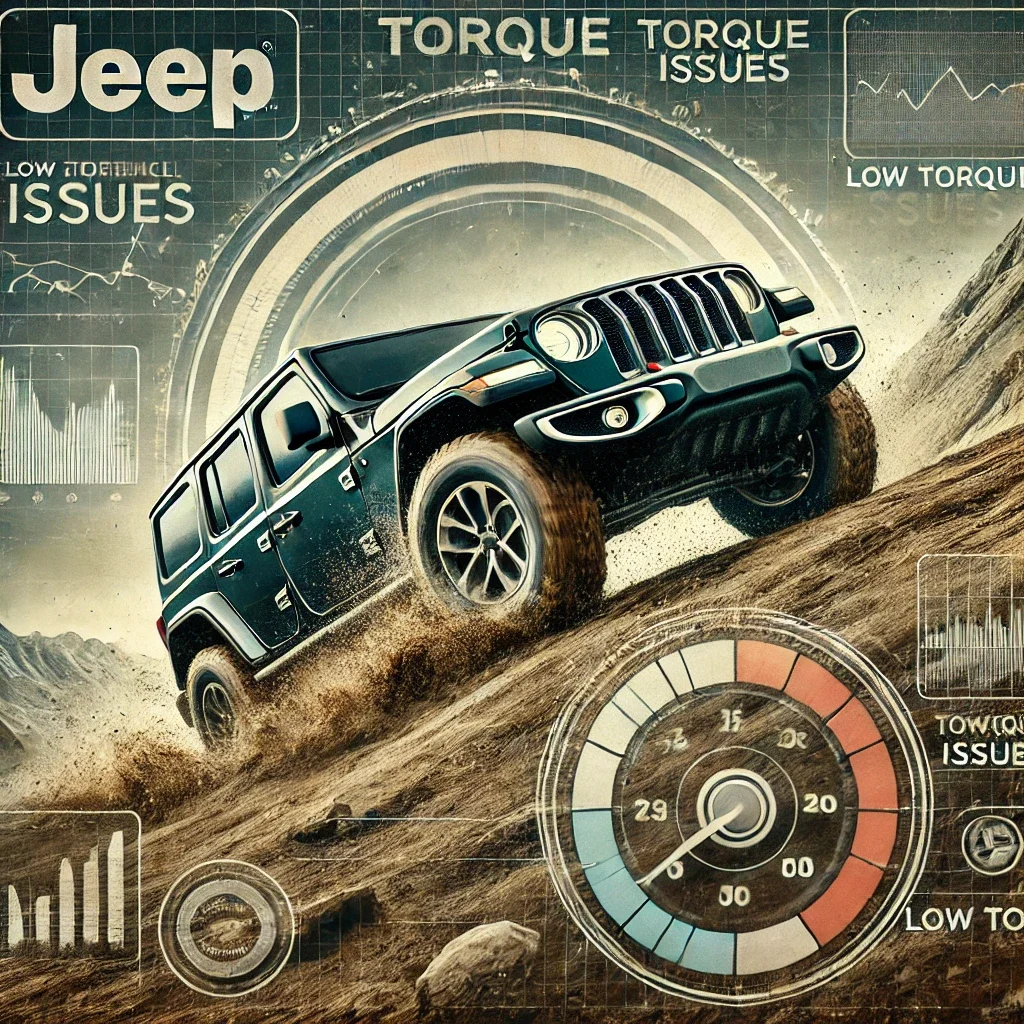
​ Jeeps are renowned for their rugged build, off-road capabilities, and dependable performance. However, if your Jeep isn’t delivering the torque you expect, it might leave you scratching your head. Understanding why your Jeep might not have good torque requires a deep dive into the components and factors influencing torque output. This blog will explore what torque is, why it’s crucial for your Jeep, common reasons for poor torque performance, and solutions to improve it. What is Torque and Why Does It Matter? Torque, measured in pound-feet (lb-ft) or Newton-meters (Nm), is the rotational force your engine generates. In simpler terms, it’s the force that helps your Jeep climb steep inclines, tow heavy loads, or conquer challenging off-road trails. The higher the torque, the better your Jeep can handle demanding tasks. For Jeep enthusiasts, torque isn’t just a number—it’s a cornerstone of the driving experience. Whether you own a Jeep Wrangler, Grand Cherokee, or Gladiator, having good torque is essential for maximizing your vehicle's performance. Reasons Why Your Jeep May Lack Torque 1. Engine Design and Size The torque output heavily depends on the engine’s design, size, and configuration. Smaller engines, such as 4-cylinder ones, tend to produce less torque than larger V6 or V8 engines. If your Jeep has a smaller engine, it may not deliver the grunt you desire for off-roading or towing. Solution: Consider upgrading to a Jeep with a larger engine, such as the 3.6L V6 or 5.7L V8 HEMI available in models like the Grand Cherokee or Gladiator. 2. Gearing Ratio Issues The torque at the wheels is influenced by your Jeep’s axle and transmission gearing. If the gearing ratio isn’t optimal for your needs (e.g., low for off-roading or towing), your Jeep may feel underpowered in torque-demanding situations. Solution: Upgrade to lower axle gears (e.g., 4.10 or 4.56) to enhance torque multiplication for better crawling and towing. 3. Heavy Vehicle Weight Weight plays a significant role in torque performance. Heavier Jeeps require more torque to accelerate and climb. Extra accessories like roof racks, winches, and larger tires can add weight, impacting torque efficiency. Solution: Remove unnecessary weight and optimize your Jeep for the specific tasks you perform most often. 4. Excessively Large Tires Installing larger tires without upgrading your drivetrain can significantly reduce torque at the wheels. Bigger tires increase rolling resistance and require more effort to turn, which can strain your engine and drivetrain. Solution: Re-gear your Jeep’s axles to compensate for the larger tires. Install performance chips or programmers to recalibrate your engine for better torque output. 5. Drivetrain Wear and Tear Over time, components like the clutch, transmission, and driveshaft can wear out, reducing the efficiency of torque transfer from the engine to the wheels. Solution: Perform regular maintenance checks on your drivetrain components. Replace worn parts promptly to ensure optimal torque transfer. 6. Lack of Forced Induction Naturally aspirated engines lack the torque-boosting benefits of turbochargers or superchargers. If your Jeep relies solely on natural aspiration, it may feel underwhelming in terms of torque, especially at low RPMs. Solution: Consider installing a turbocharger or supercharger to significantly boost torque and horsepower. 7. Dirty or Clogged Components A dirty air filter, clogged fuel injectors, or carbon deposits in the engine can hinder torque output. These issues restrict airflow and fuel delivery, reducing engine efficiency. Solution: Regularly clean or replace your air filter. Use fuel system cleaners to maintain injector and combustion chamber cleanliness. 8. Low-Quality Fuel Using low-octane or poor-quality fuel can lead to engine knock, reducing torque and overall performance. Solution: Always use the recommended fuel grade for your Jeep. Consider higher-octane fuel if your Jeep is modified for performance. 9. Incorrect Tuning If your Jeep has been tuned incorrectly, it might not deliver optimal torque. For instance, improper ECU (engine control unit) settings can limit torque output at certain RPM ranges. Solution: Take your Jeep to a reputable tuner or dealership for professional tuning that aligns with your driving needs. 10. Faulty Sensors Modern Jeeps rely on various sensors, like the mass airflow (MAF) sensor and throttle position sensor, to optimize engine performance. A malfunctioning sensor can disrupt the engine’s torque output. Solution: Diagnose and replace any faulty sensors using an OBD-II scanner. How to Boost Torque in Your Jeep If you want to enhance your Jeep’s torque, consider the following upgrades: Install a Performance Exhaust System A high-flow exhaust system reduces backpressure, allowing the engine to breathe more easily and generate more torque. Add a Cold Air Intake A cold air intake improves airflow to the engine, enhancing combustion and torque. Upgrade to High-Performance Spark Plugs Better spark plugs ensure efficient combustion, improving both torque and fuel efficiency. Add a Throttle Body Spacer This small modification can improve airflow and low-end torque. Switch to Synthetic Oils Synthetic oils reduce friction in the engine and drivetrain, leading to smoother performance and better torque. Install a Torque Converter For automatic transmission Jeeps, a performance torque converter can increase torque delivery at low RPMs. Opt for a Programmer or Tuner Programmers can modify engine settings to optimize torque, fuel efficiency, and horsepower. Conclusion If your Jeep isn’t delivering the torque you expect, understanding the root cause is the first step toward improvement. Factors like engine size, gearing, vehicle weight, and maintenance all play critical roles in torque performance. By addressing these issues and considering the suggested upgrades, you can transform your Jeep into the torque-filled powerhouse it’s meant to be. Whether you're hitting the trails or towing a heavy load, ensuring your Jeep has the right torque will make every journey more enjoyable. For professional assistance or performance upgrades, visit Simi Valley Chrysler Dodge Jeep Ram, your trusted Jeep dealership in California! Check out our inventory here.

Best Car Wax

Best Car Wax

Turtle Wax is a trusted name in the automotive industry, known for producing innovative products that enhance and protect vehicle surfaces. Among their standout offerings is the Turtle Wax Hybrid Solutions Ceramic Spray Coating, a product designed to revolutionize car care by combining ease of application with superior durability and shine. This ultimate guide explores everything you need to know about this product, from its features and benefits to tips for achieving professional-grade results. What is the Turtle Wax Hybrid Solutions Ceramic Spray Coating? The Hybrid Solutions Ceramic Spray Coating is a premium product designed to protect a vehicle’s exterior while enhancing its appearance. Infused with advanced SiO₂ (silicon dioxide) technology, this spray-on coating provides a durable, hydrophobic layer that repels water, prevents contaminants from adhering to surfaces, and boosts gloss for a showroom-worthy finish. Unlike traditional waxes, ceramic coatings form a molecular bond with the vehicle’s surface, creating long-lasting protection that can endure the harshest environmental conditions. Turtle Wax’s formula takes this technology and simplifies it into an easy-to-use spray application, making it accessible to car owners of all experience levels. Key Features of Turtle Wax Hybrid Solutions Ceramic Spray Coating 1. Advanced SiO₂ Technology The spray contains silicon dioxide, a key ingredient in professional ceramic coatings. This technology creates a hard, glass-like barrier over the surface of your car, offering superior protection against scratches, UV rays, and environmental contaminants such as dirt, bird droppings, and tree sap. 2. Hydrophobic Properties The product is renowned for its water-repelling capabilities. Once applied, water beads up and rolls off effortlessly, reducing water spots and making it easier to maintain a clean vehicle after rain or washing. 3. High-Gloss Shine One of the most noticeable effects of the Hybrid Solutions Ceramic Spray Coating is the dramatic enhancement in gloss. It amplifies the depth and richness of the vehicle’s paint, leaving a mirror-like finish that turns heads. 4. Versatility This product isn’t limited to just the painted surfaces of your car. It can be safely applied to glass, plastic trim, and headlights, ensuring uniform protection and shine across the entire vehicle. 5. Long-Lasting Protection When properly applied, the ceramic coating can last up to 12 months, depending on environmental conditions and maintenance routines. This longevity makes it a cost-effective alternative to frequent waxing. 6. Ease of Application The spray-on formula eliminates the complexity often associated with ceramic coatings. A simple spray-and-wipe process is all it takes to achieve stunning results, making it ideal for DIY enthusiasts and professionals alike. Benefits of Using Turtle Wax Hybrid Solutions Ceramic Spray Coating 1. Enhanced Durability Unlike traditional waxes that wear off after a few weeks, this ceramic spray coating forms a semi-permanent bond with the surface, ensuring protection that lasts months longer. It resists the effects of UV rays, oxidation, and chemical exposure, keeping your car looking new for longer. 2. Effortless Maintenance The hydrophobic layer created by the coating ensures that dirt, grime, and other contaminants have a harder time adhering to the surface. This makes routine washing much easier, saving time and effort. 3. Cost-Effective While professional ceramic coatings can cost hundreds or even thousands of dollars, the Turtle Wax Hybrid Solutions Ceramic Spray Coating delivers similar benefits at a fraction of the price. One bottle provides enough product to coat several vehicles, offering excellent value for money. 4. Protection Across All Seasons Whether it’s protecting against the blazing summer sun, resisting road salt during winter, or shielding against springtime pollen, this product is designed to perform in all weather conditions. Step-by-Step Application Guide Achieving professional-grade results with Turtle Wax Hybrid Solutions Ceramic Spray Coating is simple if you follow these steps: Step 1: Wash and Dry Your Vehicle Start with a clean slate by thoroughly washing your car to remove dirt, grease, and other contaminants. Dry the vehicle completely to prevent water spots during application. Step 2: Apply the Spray Coating Shake the bottle well before use. Spray a light mist of the product onto a clean microfiber cloth or directly onto the vehicle’s surface. Avoid over-saturating the surface. Step 3: Spread Evenly Use the microfiber cloth to spread the product evenly across the surface, working in small sections to ensure thorough coverage. Step 4: Buff to a Shine Flip the cloth to a dry side and buff the surface gently until it feels smooth and the shine becomes evident. Step 5: Allow to Cure For maximum durability and hydrophobicity, allow the coating to cure for 24 hours without exposure to water or extreme weather conditions. Pro Tips for Best Results Use in a Shaded Area: Direct sunlight can cause the product to dry too quickly, making it harder to buff out streaks. Apply on Cool Surfaces: Hot surfaces can lead to uneven application. Ensure the car is cool to the touch before starting. Use Quality Microfiber Cloths: A high-quality microfiber cloth is essential for spreading the product evenly and buffing to a flawless finish. Reapply for Enhanced Protection: While a single coat is sufficient, applying a second coat after curing can enhance protection and shine. Maintain the Coating: Regularly wash your car with a pH-balanced soap to prolong the life of the ceramic layer. Comparison with Competitors While there are numerous ceramic spray coatings on the market, Turtle Wax Hybrid Solutions Ceramic Spray Coating stands out for its balance of performance, ease of use, and affordability. Competing products often require more complicated application processes or come with higher price tags. Turtle Wax strikes the perfect balance, making high-quality ceramic protection accessible to everyone Customer Reviews Positive Feedback “The shine is incredible, and the water just rolls off like magic!” “It’s so easy to use. I achieved a professional finish in under an hour.” “Durability is excellent—I’ve gone months without needing to reapply.” Constructive Feedback “It works great, but you need to buff quickly to avoid streaks.” “Not ideal for very hot or humid conditions, as it dries too fast.” Final Verdict: Should You Buy It? The Turtle Wax Hybrid Solutions Ceramic Spray Coating is a game-changer in the world of car care. It combines cutting-edge ceramic technology with a user-friendly application process, making it accessible to both DIY enthusiasts and professionals. With its impressive shine, hydrophobic properties, and long-lasting protection, this product is a must-have for anyone looking to keep their vehicle in top condition. For the price, durability, and ease of use, it’s hard to find a product that offers better value. Whether you’re a car enthusiast or simply want to protect your investment, Turtle Wax’s Hybrid Solutions Ceramic Spray Coating is a smart choice. Rating: 9/10 Invest in your car’s beauty and protection with this innovative solution—you won’t be disappointed!

car battery

Best Car Battery

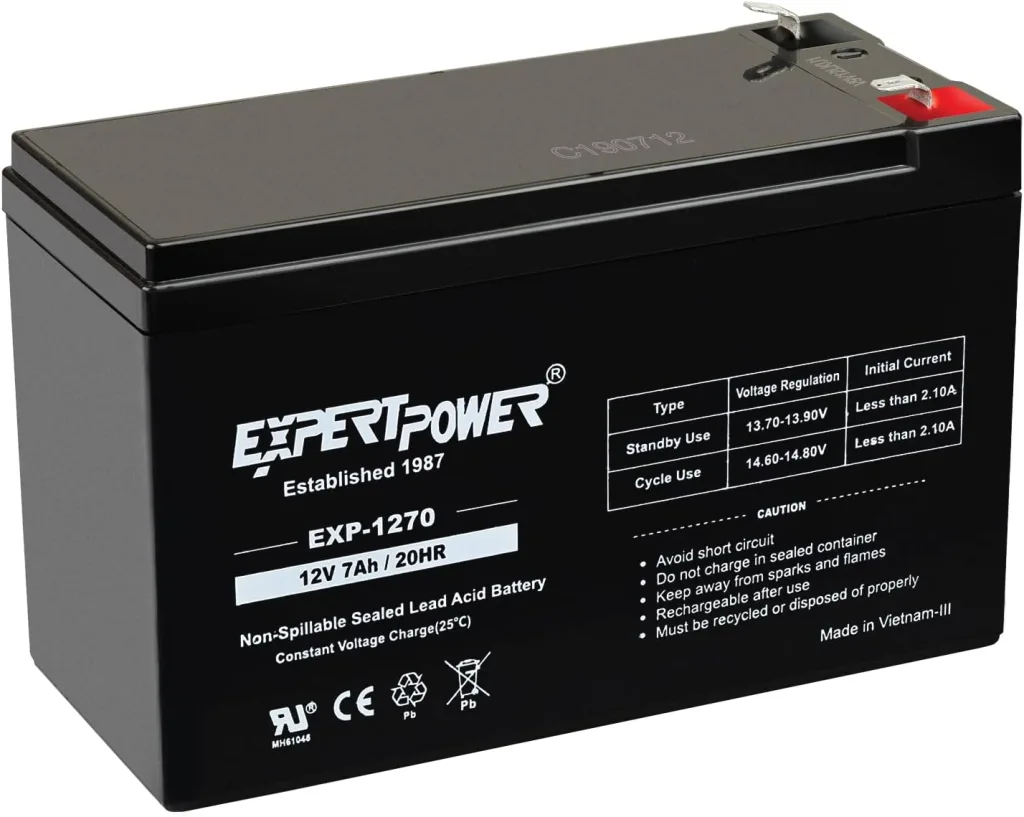
The ExpertPower 12V 7Ah Rechargeable Sealed Lead Acid Battery is one of the most highly-rated products in the automotive replacement battery category. Its reputation for dependability, rugged construction, and versatility makes it a popular choice for a variety of applications, from home security systems to scooters and emergency power supplies. In this comprehensive review, we’ll delve into its features, performance, and why it stands out in a crowded market. Performance: Reliable Power When You Need It Most At its core, the ExpertPower 12V 7Ah battery is designed to deliver consistent and reliable power. This makes it particularly valuable for situations where dependable energy is essential, such as during power outages or for devices that require uninterrupted power. Capacity and Output: With a capacity of 7Ah and a 12-volt output, this battery provides ample power for various small-to-medium-sized devices. Whether you’re using it for an alarm system, an uninterruptible power supply (UPS), or even a mobility scooter, the battery maintains stable performance. Charge Retention: ExpertPower's sealed lead-acid (SLA) technology ensures that the battery retains its charge for extended periods. Even after being stored for weeks or months, it delivers power without significant degradation. Applications: The versatility of this battery cannot be overstated. From providing backup power to home systems to powering solar panels, it meets diverse energy needs with ease. Ease of Use: Designed with Users in Mind The ExpertPower 12V 7Ah battery’s user-friendly design ensures that both novices and experienced users can install and operate it with minimal hassle. Maintenance-Free Design: Traditional lead-acid batteries often require frequent maintenance, such as adding water. However, this battery is completely maintenance-free, thanks to its valve-regulated construction. This feature is especially convenient for those who prefer a “set-it-and-forget-it” approach. Simple Installation: The battery is compact and lightweight, making it easy to transport and install. Clear labeling and standard F1 terminals allow for straightforward connections to most devices. Trouble-Free Orientation: Unlike older battery models, the ExpertPower SLA battery is spill-proof and can operate in any orientation. This flexibility is crucial for applications where space or positioning is limited. Durability: Built to Last One of the standout features of the ExpertPower 12V 7Ah battery is its robust construction. This ensures it can withstand tough conditions, providing peace of mind for users who rely on it for critical applications. High-Impact ABS Plastic Case: The battery’s outer casing is made from non-conductive ABS plastic, which offers excellent resistance to shocks, vibrations, chemicals, and heat. This makes it ideal for outdoor applications or environments where durability is critical. Spill-Proof Technology: Utilizing Absorbent Glass Mat (AGM) technology, the battery immobilizes the acid inside, preventing leaks. This design ensures safety and efficiency, particularly in environments where spills could cause damage or pose risks. Longevity: The ExpertPower battery is designed to deliver a long service life, even with frequent use. While some users report a lifespan of 4-6 years under normal conditions, this can vary depending on usage patterns and maintenance. Advanced Technology: The AGM Edge The incorporation of Absorbent Glass Mat (AGM) technology sets the ExpertPower battery apart from traditional lead-acid batteries. Improved Safety: AGM technology immobilizes the acid between the plates, reducing the risk of spills and leaks. The valve-regulated design further enhances safety, making the battery suitable for both indoor and outdoor use. High Discharge Rate: The battery can deliver high currents on demand, making it suitable for devices that require a quick burst of energy. This feature is particularly valuable for UPS systems, which need instant power during outages. Enhanced Shelf Life: AGM batteries generally have a longer shelf life than their traditional counterparts, maintaining their charge for extended periods. Versatility: A Battery for Every Need The ExpertPower 12V 7Ah battery shines in its versatility, catering to a broad range of applications. This adaptability is one of the key reasons for its popularity. Home Security Systems: The battery is commonly used as a backup power source for home alarm systems, ensuring continuous operation during power outages. Uninterruptible Power Supplies (UPS): In the event of a power failure, this battery provides instant energy to keep essential devices running. Outdoor Activities: The compact design makes it an excellent choice for powering camping equipment, lighting systems, and other outdoor devices. Mobility Devices: It is also widely used in mobility scooters and other assistive devices, providing reliable power for users who depend on them. Renewable Energy Systems: The battery integrates seamlessly into solar and wind power systems, offering a cost-effective storage solution. Value for Money: A Cost-Effective Power Solution Priced at $22.99 (at the time of review), the ExpertPower 12V 7Ah battery offers exceptional value for money. Its affordability, combined with durability and versatility, makes it an excellent investment. Savings on Replacement: The long lifespan of this battery reduces the need for frequent replacements, saving you money in the long run. Competitive Pricing: Compared to similar products in its category, the ExpertPower battery is competitively priced without compromising quality. Additional Features: The inclusion of advanced AGM technology and spill-proof construction adds value, making it a superior choice for many applications. What Customers Say The ExpertPower 12V 7Ah battery has received over 20,000 reviews on platforms like Amazon, with an average rating of 4.4 out of 5 stars. Here’s a summary of customer feedback: Positive Reviews: Many customers praise the battery’s reliability and performance, particularly for backup power and security systems. Users appreciate its affordability and ease of installation. The rugged construction and spill-proof design are frequently highlighted as standout features. Constructive Criticism: A few users report that the battery’s lifespan can be shorter under heavy use or extreme conditions. Some mention issues with compatibility, especially for specific devices requiring non-standard terminals. Pros and Cons Pros: Reliable and consistent performance. Maintenance-free and user-friendly design. Rugged ABS casing with spill-proof construction. Advanced AGM technology for enhanced safety. Compact and lightweight for easy installation. Versatile applications across multiple devices. Affordable price point. Cons: Reduced lifespan under heavy or extreme conditions. Not compatible with all devices without modification. Conclusion: A Top-Notch Power Solution The ExpertPower 12V 7Ah Rechargeable Sealed Lead Acid Battery is an excellent choice for anyone seeking a reliable, versatile, and cost-effective power source. Its rugged construction, advanced technology, and user-friendly design make it suitable for a wide range of applications, from home security systems to outdoor adventures. While it may have some limitations under heavy use, the overall performance and value make it a worthwhile investment. Whether you need backup power for critical devices or a dependable battery for everyday use, the ExpertPower 12V 7Ah battery delivers on all fronts. Rating: 4.5/5 If you’re in the market for a dependable and long-lasting battery, the ExpertPower 12V 7Ah Rechargeable Sealed Lead Acid Battery should be at the top of your list.

California Ev Rebate Calculator 2025

California Ev Rebate Calculator 2025

California EV Rebate Calculator 2025 California EV Rebate Calculator 2025 Find Your Rebate Eligibility Use this tool to estimate your rebate for purchasing an electric vehicle in California. Select Vehicle Type: Battery Electric Vehicle (BEV) Plug-in Hybrid Electric Vehicle (PHEV) Fuel Cell Electric Vehicle (FCEV) Select Income Level: Low Income Moderate Income Above Average Income Enter Vehicle Price (USD): Calculate Rebate Estimated Rebate: $0 © 2025 California EV Rebate Calculator California EV Rebate Calculator 2025: Your Guide to Savings on Electric Vehicles California is leading the charge in the transition to electric vehicles (EVs), offering a range of rebates and incentives to make EV ownership more accessible and affordable. Whether you're considering a battery electric vehicle (BEV), a plug-in hybrid (PHEV), or a hydrogen fuel cell vehicle (FCEV), the California EV Rebate Calculator for 2025 is your ultimate tool to estimate your potential savings. In this article, we’ll explore how the calculator works, the available rebates, eligibility requirements, and tips for maximizing your benefits. Car Loan Payoff Calculator By Flipcars.ca 1. Why EV Rebates Matter in California California is committed to reducing greenhouse gas emissions and achieving carbon neutrality by 2045. As part of this initiative, the state offers incentives to encourage residents to switch to EVs, which produce significantly fewer emissions than traditional gas-powered vehicles. Rebates can help offset the upfront cost of EVs, which often have a higher sticker price than internal combustion engine vehicles. With the California EV rebate programs, combined with federal tax credits, EV ownership becomes much more affordable. 2. What Is the California EV Rebate Calculator? The California EV Rebate Calculator 2025 is an online tool designed to estimate the rebates and incentives available to you based on your chosen vehicle, income level, and location. By entering simple details like vehicle type, price, and household income, the calculator provides a quick overview of potential savings. What It Includes: Clean Vehicle Rebate Project (CVRP): State-funded rebates for eligible EVs. Federal Tax Credits: Incentives of up to $7,500 based on battery size. Local Utility Rebates: Additional savings from utility companies. Clean Cars 4 All: Income-qualified grants for replacing older vehicles. 3. Key EV Rebate Programs in California A. Clean Vehicle Rebate Project (CVRP) The CVRP provides rebates for new EV purchases or leases. Rebate amounts vary depending on the vehicle type and income level: Battery Electric Vehicles (BEVs): Up to $7,000 for low-income buyers. Plug-in Hybrid Electric Vehicles (PHEVs): Up to $4,500. Fuel Cell Electric Vehicles (FCEVs): Up to $9,500. B. Federal EV Tax Credit The federal government offers a tax credit of up to $7,500 for eligible EVs. This credit is applied to your tax liability and varies based on the vehicle’s battery capacity and manufacturer sales. C. Local Utility Provider Rebates Many utility companies in California, like Southern California Edison and PG&E, offer rebates for EV buyers. For example: Southern California Edison: Up to $1,000 for new EV purchases. PG&E: $800 for home charging station installations. D. Clean Cars 4 All Program This program targets low-income households by offering grants of up to $9,500 to retire high-polluting vehicles and replace them with new or used EVs. 4. How the Calculator Works The EV Rebate Calculator considers the following factors to provide an accurate rebate estimate: A. Vehicle Type Different vehicle types qualify for varying rebate amounts: BEVs: Higher rebates due to zero-emission capabilities. PHEVs: Moderate rebates based on emission reduction potential. FCEVs: Significant rebates due to hydrogen technology adoption. B. Income Level Household income determines eligibility for additional savings: Low Income: Maximum rebates available. Moderate Income: Standard rebate amounts. High Income: May qualify for reduced rebates or be ineligible for some programs. C. Vehicle Price Vehicles priced above certain thresholds (e.g., $60,000 for BEVs) may have reduced rebate eligibility. 5. Example Calculation: Buying a Tesla Model 3 Let’s say you’re a California resident purchasing a Tesla Model 3 in 2025. Here’s how the rebates break down: Vehicle Price: $45,000 Household Income: Moderate Rebate Estimates: CVRP: $4,500 Federal Tax Credit: $7,500 Utility Rebate (SCE): $1,000 Total Savings: $13,000 With these rebates, your effective cost is reduced to $32,000, making EV ownership more affordable. 6. Eligibility Requirements A. Residency You must be a California resident to qualify for state rebates like the CVRP and Clean Cars 4 All. B. Vehicle Requirements Must be a new vehicle purchased or leased. The vehicle must be on the list of eligible models for the rebate program. C. Income Limits Some rebates are income-dependent. For example: Higher rebates are available for households earning below 300% of the federal poverty level. 7. Tips to Maximize Your EV Rebates Choose a Qualifying Vehicle: Review the eligible vehicle list to ensure your EV qualifies for rebates. Check Your Local Utility Programs: Many utility providers offer additional savings for EV purchases and home charging stations. Combine Rebates and Tax Credits: Stack state rebates with federal incentives to maximize savings. Act Early: Some rebate programs have limited funds and operate on a first-come, first-served basis. Conclusion The California EV Rebate Calculator 2025 is an invaluable tool for estimating your savings and planning your EV purchase. With generous state rebates, federal tax credits, and local incentives, owning an EV in California has never been more affordable. Whether you’re a first-time EV buyer or upgrading to the latest model, these programs make it easier to embrace sustainable transportation. Start your journey toward EV ownership today by exploring rebates and incentives available to you. Visit California Clean Vehicle Rebate Project to learn more and calculate your savings!

Dodge Dealer San Bernardino California

$8,000 MSRP OFF VEHICLES - DEALER EXCLUSIVE Internet Provider If you’re searching for a reliable Dodge dealership in San Bernardino, California, look no further than Simi Valley Chrysler Dodge Jeep Ram. With an extensive inventory of Dodge vehicles, competitive pricing, and exceptional customer service, we are proud to be the go-to destination for Dodge enthusiasts in the San Bernardino area. Whether you're looking for a powerful Dodge Charger, a performance-packed Dodge Challenger, or the versatile Dodge Durango, our dealership has the perfect vehicle for your needs. Why Choose Simi Valley Chrysler Dodge Jeep Ram? At Simi Valley CDJR, we prioritize delivering an outstanding car-buying experience for every customer. Here’s why drivers from San Bernardino trust us for their Dodge needs: 1. Wide Selection of Dodge Vehicles We offer an extensive lineup of new and certified pre-owned Dodge vehicles to cater to all preferences and budgets. Popular models include: Dodge Charger: A bold, performance-oriented sedan with advanced technology. Dodge Challenger: A muscle car icon that delivers thrilling speed and timeless style. Dodge Durango: A family-friendly SUV with exceptional towing capacity and three-row seating. Dodge Hornet: The newest compact crossover with sporty handling and cutting-edge features. 2. Competitive Prices and Specials We understand that buying a car is a significant investment, which is why we offer competitive pricing and exclusive specials on both new and pre-owned Dodge vehicles. Whether you're leasing or financing, you'll find great deals tailored to your needs. 3. Convenient Location Simi Valley CDJR is conveniently located within driving distance of San Bernardino, making it easy for you to access our top-notch inventory and services. Explore the Dodge Lineup Dodge Charger The Dodge Charger combines power and practicality, making it an excellent choice for San Bernardino drivers. With multiple engine options, including the iconic HEMI V8, and advanced safety features, the Charger is a perfect fit for city streets and open highways. Dodge Challenger The Dodge Challenger offers a unique blend of retro design and modern performance. From the efficient V6 trims to the adrenaline-pumping Hellcat variants, the Challenger is a dream car for muscle car enthusiasts. Dodge Durango With seating for up to seven passengers, the Dodge Durango is ideal for families in San Bernardino. It boasts advanced technology, a spacious interior, and class-leading towing capabilities, making it a versatile SUV for any adventure. Dodge Hornet The all-new Dodge Hornet brings Dodge's signature performance into the compact SUV category. With its sporty design and innovative technology, it’s a perfect choice for those seeking an efficient yet exciting ride. Certified Pre-Owned Dodge Vehicles For those looking for value without compromising quality, our certified pre-owned Dodge inventory offers a wide range of options. Each vehicle undergoes a rigorous inspection and comes with a comprehensive warranty for added peace of mind. Simple and Transparent Financing At Simi Valley CDJR, we make the financing process stress-free. Our finance experts work with a network of trusted lenders to secure competitive rates for buyers of all credit levels. What We Offer: Online Pre-Approval: Apply for financing online to save time at the dealership. Flexible Leasing Options: Drive your dream Dodge with low monthly payments. Trade-In Appraisals: Get a fair market value for your current vehicle. Expert Dodge Service for San Bernardino Drivers Our commitment to your Dodge doesn’t end when you drive off the lot. The Simi Valley CDJR Service Center is staffed by certified technicians who specialize in Dodge maintenance and repairs. Services Include: Oil changes and tire rotations. Brake inspections and replacements. Engine diagnostics and transmission repairs. Genuine Dodge parts and accessories. For added convenience, schedule your service appointment online. Special Offers and Discounts San Bernardino drivers can take advantage of our regularly updated specials on new Dodge vehicles, certified pre-owned models, and maintenance services. Keep an eye on our website to secure the best deals! Why San Bernardino Drivers Love Dodge Dodge vehicles are known for their bold designs, thrilling performance, and advanced features. Whether you’re drawn to the power of a Challenger, the utility of a Durango, or the sleek design of a Charger, Dodge vehicles deliver an experience that’s hard to match. Visit Simi Valley Chrysler Dodge Jeep Ram Today! For Dodge drivers in San Bernardino, Simi Valley Chrysler Dodge Jeep Ram is the ultimate destination for your next vehicle. From our extensive inventory to expert service, we’re committed to exceeding your expectations. Contact Us: Website: Simi Valley Chrysler Dodge Jeep Ram Phone: (805) 526-2400 Address: 2350 First Street, Simi Valley, CA 93065 Make the short drive from San Bernardino to Simi Valley today and discover why we’re the preferred Dodge dealership in the area!

Contact Us

Fill out this form below and we'll contact you shortly
*Required Fields