




Is the Dodge Hornet a V8? The Dodge Hornet is not a V8. In fact, it’s quite different from the muscle cars Dodge is traditionally known for, like the Challenger and Charger, which often feature powerful V8 engines. The Dodge Hornet is a compact SUV that represents a new direction for the brand, focusing on efficiency, modern technology, and practicality while still offering a dash of performance that Dodge fans expect. Unlock Car Discounts For Free Is the Dodge Hornet a V8? A New Kind of Dodge The Dodge Hornet made its debut as a compact crossover SUV, targeting a different segment of the automotive market compared to the high-performance muscle cars Dodge is famous for. Instead of a roaring V8 engine, the Hornet offers a more efficient and environmentally friendly powertrain, catering to consumers looking for a balance between performance and practicality. Is the Dodge Hornet a V8? Powertrain Options The Dodge Hornet comes with a choice of engines, but neither is a V8. The standard engine is a 2.0-liter turbocharged inline-four that delivers around 268 horsepower and 295 lb-ft of torque. This engine is paired with a 9-speed automatic transmission, providing a smooth and responsive driving experience. This powertrain is designed to offer a blend of performance and fuel efficiency, making it suitable for both city driving and longer road trips. For those looking for something a bit more eco-friendly, Dodge also offers a plug-in hybrid version of the Hornet. This version combines a 1.3-liter turbocharged four-cylinder engine with an electric motor, delivering a total output of 288 horsepower. The hybrid system allows for short distances to be driven on electric power alone, making it an excellent option for those who want to reduce their carbon footprint without sacrificing too much power. Performance and Driving Dynamics Even without a V8, the Dodge Hornet offers an engaging driving experience. The turbocharged engines provide plenty of power for quick acceleration, and the handling is sharp and responsive, thanks to the well-tuned suspension system. The available all-wheel-drive system further enhances the Hornet’s performance, offering better traction and stability in various driving conditions. Unlock Car Discounts For Free While it may not have the raw power of a V8 muscle car, the Hornet still manages to embody some of the spirit of Dodge’s performance heritage. It’s a vehicle that feels nimble and fun to drive, especially when compared to other compact SUVs in its class. Is the Dodge Hornet a V8? Interior and Features Inside, the Dodge Hornet offers a modern and comfortable cabin with plenty of technology features. The infotainment system is user-friendly, featuring a large touchscreen, Apple CarPlay, Android Auto, and a variety of connectivity options. The Hornet also comes with a suite of advanced driver-assistance features, including adaptive cruise control, lane-keeping assist, and automatic emergency braking, which enhance both safety and convenience. Unlock Car Discounts For Free The interior space is generous for a compact SUV, with comfortable seating for up to five passengers. The cargo area is also spacious, making the Hornet a practical choice for families and individuals who need a versatile vehicle for everyday use. Is the Dodge Hornet a V8? A New Chapter for Dodge The Dodge Hornet represents a significant shift in Dodge’s lineup, showcasing the brand’s ability to adapt to the evolving automotive landscape. While it may not feature the V8 engine that Dodge enthusiasts might expect, it offers a compelling package that combines performance, efficiency, and practicality. The Hornet is an example of how Dodge is expanding its horizons, appealing to a broader audience while still maintaining the performance-oriented DNA that has made the brand so popular. Whether you’re looking for a sporty compact SUV or a plug-in hybrid with some muscle, the Dodge Hornet offers a modern alternative in the world of Dodge vehicles. 1. "Why Dodge Opted for a Turbocharged Inline-Four Over a V8 in the Hornet" Unlock Car Discounts For Free Dodge's decision to equip the Hornet with a turbocharged inline-four engine instead of a V8 reflects the changing dynamics of the automotive industry. In recent years, fuel efficiency and environmental regulations have become increasingly important, pushing automakers to prioritize smaller, more efficient engines. The 2.0-liter turbocharged inline-four in the Hornet offers a balance of power and efficiency, delivering a respectable 268 horsepower while also helping drivers save on fuel costs. Additionally, the market for compact SUVs has grown rapidly, with consumers seeking vehicles that offer practicality and lower running costs without sacrificing performance. By choosing a turbocharged four-cylinder engine, Dodge positions the Hornet as a versatile option that appeals to a broader audience, including those who might not be drawn to the brand’s traditional V8 muscle cars. 2. "Comparing the Dodge Hornet's Performance to Traditional V8-Powered Muscle Cars" While the Dodge Hornet may not have the same raw power as the brand’s legendary V8-powered muscle cars, it still delivers an engaging driving experience. The turbocharged inline-four engine provides brisk acceleration and a lively feel, especially when paired with the responsive 9-speed automatic transmission. When compared to traditional V8 muscle cars like the Challenger, the Hornet’s performance is more focused on agility and efficiency rather than sheer horsepower. The compact SUV’s lighter weight and advanced suspension tuning allow for sharper handling, making it fun to drive on twisty roads. While the Hornet might not roar down the highway with the same intensity as a V8 muscle car, it offers a more practical and modern take on performance that aligns with today’s automotive trends. 3. "The Evolution of Dodge: From V8 Muscle Cars to Modern Compact SUVs" Unlock Car Discounts For Free Dodge has long been synonymous with powerful V8 engines and muscle cars that embody the spirit of American automotive culture. However, the introduction of the Dodge Hornet marks a significant evolution in the brand’s lineup. As consumer preferences shift toward more versatile and fuel-efficient vehicles, Dodge has expanded its offerings to include modern compact SUVs like the Hornet. This shift reflects the broader changes in the automotive market, where SUVs and crossovers have become the dominant choice for many buyers. The Hornet represents Dodge’s ability to adapt to these changes while still incorporating the performance DNA that has defined the brand for decades. By embracing new technologies and engine options, Dodge is evolving to meet the needs of a new generation of drivers without abandoning its roots. 4. "The Future of Dodge: Will We See a V8-Powered SUV?" Unlock Car Discounts For Free As Dodge continues to diversify its lineup, the question arises: could we see a V8-powered SUV from the brand in the future? While the Hornet currently features smaller, more efficient engines, there is certainly a market for high-performance SUVs that offer the power and thrill of a V8 engine. Dodge has a history of pushing the boundaries of performance, and a V8-powered SUV could be the next step in this evolution. Such a vehicle would appeal to enthusiasts who crave the muscle car experience but need the practicality of an SUV. With competitors offering powerful V8 options in their SUVs, it wouldn’t be surprising if Dodge decided to enter this space with a model that combines the best of both worlds: the brute force of a V8 with the versatility of an SUV. 5. "Hybrid Powertrain: The Hornet’s Answer to Balancing Performance and Efficiency" The Dodge Hornet’s hybrid powertrain option is a testament to the brand’s commitment to balancing performance with efficiency. The plug-in hybrid version of the Hornet combines a 1.3-liter turbocharged four-cylinder engine with an electric motor, resulting in a total output of 288 horsepower. This setup allows drivers to enjoy the benefits of electric driving for short trips, reducing emissions and fuel consumption, while still providing the power needed for longer journeys or spirited driving. The hybrid system also offers the flexibility to switch between electric and gasoline power, depending on the driving conditions. For Dodge, the Hornet’s hybrid option represents a strategic move to appeal to environmentally conscious consumers without sacrificing the performance edge that the brand is known for. It’s a forward-thinking approach that positions Dodge as a brand that’s ready to meet the challenges of the future while staying true to its performance heritage. Dodge Hornet FAQs Q: Is the Dodge Hornet a V8? A: No, the Dodge Hornet is not equipped with a V8 engine. It comes with either a 2.0-liter turbocharged inline-four engine or a plug-in hybrid powertrain. Q: What type of vehicle is the Dodge Hornet? A: The Dodge Hornet is a compact crossover SUV, representing a new direction for the Dodge brand. Q: What are the engine options for the Dodge Hornet? A: The Dodge Hornet offers two engine options: a 2.0-liter turbocharged inline-four and a plug-in hybrid combining a 1.3-liter turbocharged four-cylinder with an electric motor. Q: How much horsepower does the standard Dodge Hornet engine produce? A: The standard 2.0-liter turbocharged engine delivers around 268 horsepower and 295 lb-ft of torque. Q: Is there a hybrid version of the Dodge Hornet? A: Yes, Dodge offers a plug-in hybrid version of the Hornet, which combines a gasoline engine with an electric motor. Q: What's the total power output of the Dodge Hornet hybrid? A: The plug-in hybrid version of the Dodge Hornet delivers a total output of 288 horsepower. Q: What transmission does the Dodge Hornet use? A: The standard Dodge Hornet comes with a 9-speed automatic transmission. Q: Does the Dodge Hornet offer all-wheel drive? A: Yes, the Dodge Hornet is available with an all-wheel-drive system for better traction and stability. Q: How does the Dodge Hornet compare to traditional Dodge muscle cars in terms of performance? A: While not as powerful as V8 muscle cars, the Hornet offers quick acceleration and responsive handling, focusing on agility and efficiency rather than raw power. Q: What are some key features of the Dodge Hornet's interior? A: The Hornet features a modern cabin with a user-friendly infotainment system, large touchscreen, Apple CarPlay, Android Auto, and various connectivity options. Q: Does the Dodge Hornet come with advanced driver-assistance features? A: Yes, the Hornet is equipped with a suite of advanced driver-assistance features, including adaptive cruise control, lane-keeping assist, and automatic emergency braking. Q: How many passengers can the Dodge Hornet accommodate? A: The Dodge Hornet can comfortably seat up to five passengers. Q: Is the Dodge Hornet suitable for family use? A: Yes, with its spacious interior, comfortable seating for five, and generous cargo area, the Hornet is a practical choice for families. Q: Can the plug-in hybrid Dodge Hornet drive on electric power alone? A: Yes, the plug-in hybrid version allows for short distances to be driven on electric power alone. Q: Why did Dodge choose a turbocharged inline-four engine for the Hornet instead of a V8? A: Dodge opted for the turbocharged inline-four to balance performance with fuel efficiency, meeting modern environmental regulations and consumer demands for lower running costs. Q: How does the Dodge Hornet represent a shift in Dodge's lineup? A: The Hornet represents Dodge's adaptation to changing market trends, offering a compact SUV that combines efficiency and practicality with the brand's performance-oriented DNA. Q: Is the Dodge Hornet as fuel-efficient as other compact SUVs? A: While specific fuel economy figures aren't provided, the Hornet's engine options are designed to offer a balance of performance and efficiency competitive with other compact SUVs. Q: Does the Dodge Hornet still maintain some of Dodge's performance heritage? A: Yes, while different from traditional muscle cars, the Hornet still offers engaging performance with quick acceleration and responsive handling. Q: Is there a possibility of a V8-powered Dodge SUV in the future? A: While not confirmed, the article speculates that Dodge might consider a V8-powered SUV in the future to cater to enthusiasts who want both power and practicality. Q: How does the Dodge Hornet appeal to environmentally conscious consumers? A: The Hornet's plug-in hybrid option allows for reduced emissions and fuel consumption on short trips, appealing to environmentally conscious consumers without sacrificing performance.
Does a Dodge Hornet Need Premium Gas?
Does the Dodge Hornet Require Premium Gas? An In-Depth Look The Dodge Hornet, Dodge’s bold entry into the compact SUV market, has captured the attention of drivers with its dynamic design, advanced technology, and powerful engine options. With performance-oriented vehicles like the Hornet, a common question arises: does it require premium gasoline? In this article, we will explore whether the Dodge Hornet needs premium gas, the benefits of using it, and how it might impact the vehicle's performance and fuel efficiency. Understanding Fuel Types: Regular vs. Premium Gasoline Before diving into the specifics of the Dodge Hornet, it’s essential to understand the difference between regular and premium gasoline: Regular Gasoline: Typically has an octane rating of 87. It’s the most commonly used type of fuel and is suitable for most vehicles designed for everyday driving. Premium Gasoline: Has a higher octane rating, usually 91 or 93. This type of fuel is often recommended for high-performance engines or vehicles with turbocharged or supercharged engines because it can withstand higher compression without causing knocking. Engine Options in the Dodge Hornet The 2024 Dodge Hornet offers two engine options, each with its own fuel requirements: 2.0L Turbocharged Inline-4: This is the standard engine for the Hornet, designed to deliver a balance of power and efficiency. Turbocharged engines like this one often benefit from higher-octane fuel because of the increased pressure in the engine’s cylinders. 1.3L Turbocharged Plug-in Hybrid (PHEV): This engine combines a smaller turbocharged gasoline engine with an electric motor to provide improved fuel efficiency and performance. Like the 2.0L turbo engine, this one may also benefit from premium fuel, especially under heavy load or when maximizing performance. Does the Dodge Hornet Need Premium Gasoline? According to Dodge, the Dodge Hornet does not require premium gasoline. The vehicle is designed to run efficiently on regular 87-octane fuel. However, while regular gasoline is sufficient, using premium fuel can offer some advantages, especially in specific driving conditions or if you’re looking to optimize performance. Hornet towing capacity? The 2024 Dodge Hornet is primarily designed as a compact SUV with a focus on sporty driving dynamics and efficiency rather than heavy towing capabilities. As such, the Dodge Hornet does not come with a high towing capacity. Typically, vehicles in the compact SUV category, like the Hornet, are not equipped to tow heavy loads and are more suited for light-duty tasks. While Dodge hasn't specified a formal towing capacity for the Hornet in the way it might for larger SUVs or trucks, it's important to note that most compact SUVs in this segment, including the Hornet, are generally capable of towing between 1,000 to 2,000 pounds, assuming the vehicle is properly equipped. This is typically sufficient for small trailers, lightweight boats, or camping gear. For those who need a vehicle with significant towing capacity, a larger SUV or a dedicated towing vehicle might be a better choice. The Dodge Hornet, however, excels in other areas, such as performance, fuel efficiency, and technology, making it a great option for daily driving and light-duty activities.
Is the Dodge Hornet faster than the Hellcat?
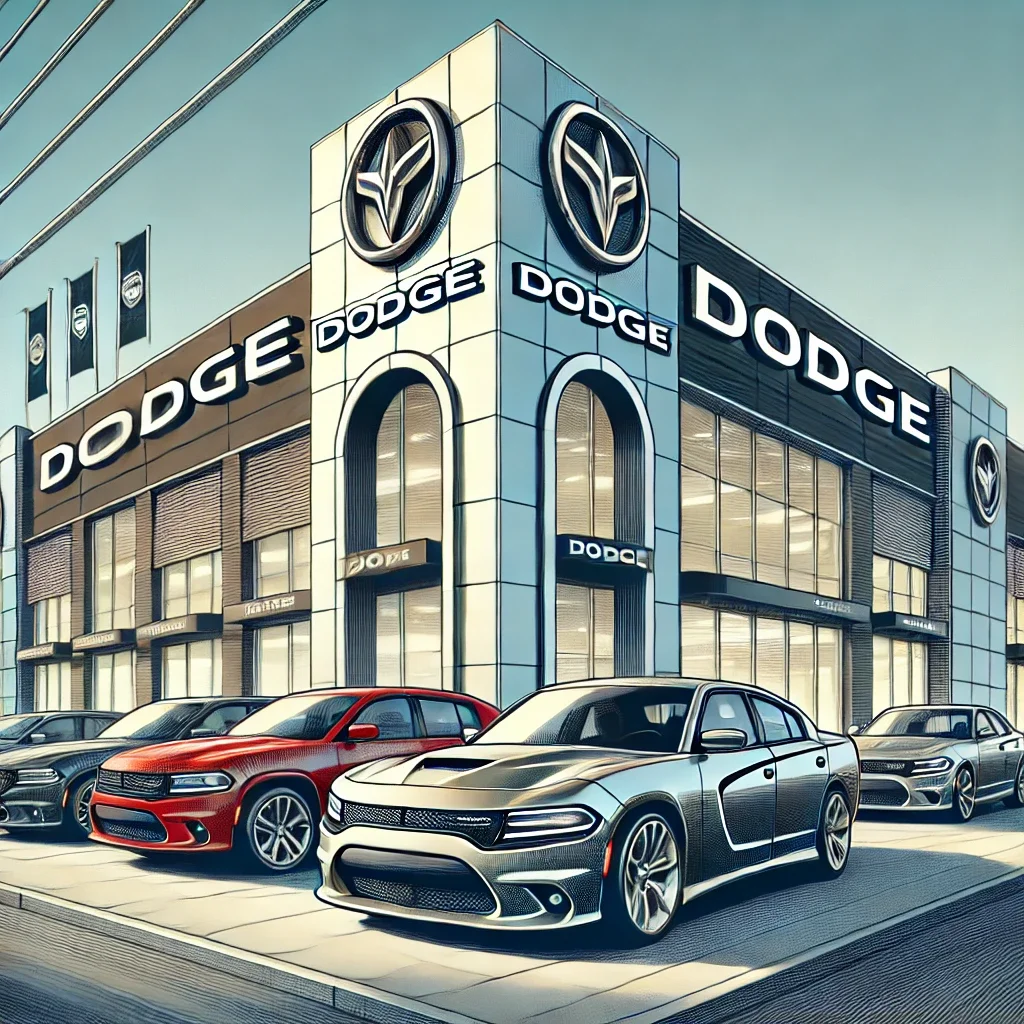
The Dodge Hornet and the Dodge Hellcat represent two distinct sides of the automotive spectrum. The Hornet, a compact crossover, is designed with everyday practicality and sporty styling in mind. The Hellcat, on the other hand, is a high-performance muscle car known for its blistering speed and raw power. The question of whether the Dodge Hornet is faster than the Hellcat invites an in-depth comparison of these two vehicles. Amazon Offers(Limited Stock) Performance Metrics Dodge Hornet The Dodge Hornet is available in several trims, but the focus here will be on the most performance-oriented versions: the Hornet GT and the Hornet R/T. Hornet GT: This model is powered by a turbocharged 2.0-liter inline-four engine that produces 268 horsepower and 295 lb-ft of torque. With a 0-60 mph time of approximately 6.5 seconds, the Hornet GT offers brisk acceleration and a spirited driving experience, especially for a compact SUV. Hornet R/T: The R/T variant adds a plug-in hybrid system that combines the 2.0-liter engine with an electric motor, resulting in a total output of 288 horsepower. This setup enhances performance and provides an electric-only driving mode for short distances. Despite these improvements, the R/T still doesn’t approach the speed of the Hellcat. Dodge Hellcat The Dodge Hellcat is a performance icon, available in the Challenger and Charger models, and is known for its extraordinary speed and power. Engine: The Hellcat is equipped with a supercharged 6.2-liter HEMI V8 engine, producing 717 horsepower and 656 lb-ft of torque in standard models. In the Hellcat Redeye, this output increases to 797 horsepower and 707 lb-ft of torque. Acceleration: The Hellcat can accelerate from 0 to 60 mph in around 3.4 seconds, making it one of the fastest production cars available. Top speeds can reach close to 200 mph, depending on the model. Speed and Acceleration When it comes to raw speed, the Hellcat clearly outpaces the Hornet. The Hellcat’s supercharged V8 engine delivers explosive acceleration and top-end speed that the Hornet, with its turbocharged four-cylinder and hybrid powertrain, cannot match. Hellcat: 0-60 mph in approximately 3.4 seconds, top speed close to 200 mph. Hornet GT: 0-60 mph in around 6.5 seconds, with a top speed significantly lower than the Hellcat’s. Driving Experience The Hellcat offers an exhilarating driving experience characterized by its high power output and aggressive acceleration. It is designed for enthusiasts who seek extreme performance and enjoy the thrill of high-speed driving. The Hellcat’s handling is tuned for high-performance driving, making it a dominant force on the drag strip and race track. In contrast, the Hornet is engineered to be a practical, everyday vehicle with a sporty flair. It provides a comfortable ride and decent handling for a compact SUV but does not deliver the same level of raw performance as the Hellcat. The Hornet excels in urban and suburban environments, offering a more practical solution for daily commuting with a touch of performance. Practicality and Usability The Hornet is designed with practicality in mind. It offers ample cargo space, a comfortable interior, and modern technology, making it a versatile choice for families and daily drivers. Its fuel efficiency, especially in the hybrid R/T variant, is also a significant advantage over the Hellcat’s fuel-guzzling nature. The Hellcat, while immensely powerful and exciting, is less practical for everyday use. Its high fuel consumption and aggressive driving dynamics make it less suitable for regular commuting. The Hellcat is better suited for enthusiasts who can afford its higher operating costs and who prioritize performance over practicality. Price Comparison There is a substantial difference in the pricing of the Hornet and the Hellcat. Hornet GT: Starting in the low $30,000 range, the Hornet offers a more affordable entry into the world of sporty SUVs. Hellcat: With a starting price around $70,000, the Hellcat’s cost reflects its high-performance capabilities and luxury features. Prices can increase significantly with added options and performance upgrades. Conclusion In conclusion, while the Dodge Hornet is a commendable vehicle within its segment, it is not faster than the Dodge Hellcat. The Hellcat's supercharged V8 engine delivers extraordinary speed and acceleration that the Hornet, with its turbocharged four-cylinder and hybrid powertrain, simply cannot match. The Hornet is designed to be a practical, sporty crossover, offering a fun driving experience in a more everyday package. In contrast, the Hellcat is a performance powerhouse, built for enthusiasts who crave unparalleled speed and power. For those seeking the ultimate in performance, the Hellcat is the clear choice. However, for drivers who prioritize practicality and a more balanced approach to sporty driving, the Dodge Hornet stands out as a versatile and capable option.
New Jeep Dealership Service in Agoura Hills
Best Jeep Dealership in Agoura hills New Jeep Dealership Service in Agoura Hills If you're in Agoura Hills and searching for reliable Jeep dealership service, look no further than Simi Valley Chrysler Dodge Jeep Ram (CDJR). Conveniently located just a short drive away, this dealership is your one-stop destination for all your Jeep service needs. Whether you're looking for routine maintenance, repairs, or genuine Jeep parts, their team of factory-trained technicians ensures that your vehicle is in expert hands. New Jeeps Agoura: Comprehensive Jeep Service At Simi Valley CDJR, they understand that your Jeep is more than just a vehicle—it's an adventure machine built to handle tough terrains, long road trips, and daily commutes. To keep your Jeep in top shape, regular service is essential. Their Jeep service center offers a range of maintenance and repair options tailored specifically for Jeep owners in Agoura Hills. Some of their key services include: Oil Changes: Keep your engine running smoothly with regular oil changes using high-quality oils. Tire Services: From tire rotations to replacements, they ensure your Jeep is equipped for any terrain. Brake Repair: Safety comes first, and their technicians perform detailed brake inspections and repairs. Battery Testing and Replacement: Avoid unexpected battery failures with their comprehensive testing services. Transmission Services: Keep your Jeep’s transmission functioning properly with their expert care. Jeeps for Sale Agoura Hills: Genuine Jeep Parts and Accessories Simi Valley CDJR prides itself on offering only genuine Jeep parts. Whether you’re in need of new tires, brakes, or accessories to customize your ride, their parts department has you covered. Genuine parts ensure that your Jeep maintains its performance and longevity. Plus, if you're looking to personalize your Jeep with custom upgrades, their extensive collection of Jeep accessories allows you to tailor your vehicle to your style and needs. Jeep Service in Agoura Hills: Expert Technicians The dealership’s certified technicians are trained specifically for Jeep vehicles, ensuring that every service they perform meets Jeep’s strict quality standards. Whether you're driving a Wrangler, Cherokee, Gladiator, or any other Jeep model, their technicians have the knowledge and experience to provide top-notch care. Plus, their friendly staff is always available to answer any questions you may have about your vehicle or the services they offer. Jeeps in Agoura: Convenient Location and Scheduling Located just 20 miles from Agoura Hills, Simi Valley CDJR is an easy drive, allowing Agoura Hills residents to access quality service without the hassle of traveling far. The dealership offers flexible appointment scheduling to fit your busy lifestyle. You can easily schedule your Jeep’s service through their online booking system, making it convenient to plan your visit. Why Choose Simi Valley CDJR for Jeep Service? Expertise: With years of experience servicing Jeep vehicles, they understand the unique needs of each model. Convenience: Their location near Agoura Hills makes it easy for local residents to receive prompt service. Customer Satisfaction: Simi Valley CDJR is known for its customer-first approach, ensuring you’re fully satisfied with your service experience. State-of-the-Art Facility: Their service center is equipped with the latest tools and technology to handle any service your Jeep requires. Genuine Parts: Only OEM Jeep parts are used, guaranteeing the highest quality and compatibility with your vehicle. Visit Simi Valley CDJR Today If you’re in Agoura Hills and need reliable Jeep service, head over to Simi Valley CDJR. Whether it’s routine maintenance or more extensive repairs, you can trust their team to keep your Jeep running like new. Visit their service center today and experience the expert care your Jeep deserves. You can also give them a call to schedule your appointment or use their online system for easy booking. With Simi Valley CDJR, keeping your Jeep in peak condition has never been easier for Agoura Hills residents! If you're looking to buy a Jeep in Agoura Hills, there are several dealerships and options available both locally and nearby. You can find new and used Jeep vehicles at places like Santa Monica Chrysler Jeep Dodge Ram or Rusnak/Westlake Audi, which are both within a short distance of Agoura Hills. They offer a range of models like the Jeep Grand Cherokee, Wrangler, and Gladiator, with deals on pre-owned vehicles as well. CarGurus)( Autotrader). For those interested in specific deals, platforms like CarGurus and Autotrader feature Jeep listings in nearby cities like Woodland Hills and Valencia, providing extensive options on SUVs and trucks. You can browse a variety of trims, including the Jeep Compass and Renegade, with competitive pricing based on mileage and condition( CarGurus)( Autotrader). This makes it easier to compare options and get the best deal on a Jeep close to Agoura Hills, whether you're looking for a rugged off-road vehicle or a family-friendly SUV. Here’s a comprehensive Q&A on Jeep sales in Agoura Hills: Q: What is the best dealership for buying a Jeep in Agoura Hills? A: One of the closest options for purchasing a Jeep in Agoura Hills is Simi Valley Chrysler Dodge Jeep Ram. They offer a wide selection of new and pre-owned Jeep vehicles, including Wranglers, Grand Cherokees, and Gladiators. Q: What Jeep models are available in Agoura Hills? A: You can find popular Jeep models like the Wrangler, Grand Cherokee, Gladiator, Compass, and Cherokee. Many dealerships in and around Agoura Hills carry both new and used models. Q: Are there any deals on Jeep Wranglers near Agoura Hills? A: Yes, local dealerships, including those in nearby cities like Thousand Oaks and Simi Valley, frequently offer deals on new and certified pre-owned Jeep Wranglers. Always check for seasonal sales and financing promotions. Q: Can I lease a Jeep in Agoura Hills? A: Yes, most Jeep dealerships in the area offer leasing options for new Jeep models, with flexible terms. Leasing is a great option if you prefer lower monthly payments and want to upgrade every few years. Q: What’s the process for buying a used Jeep in Agoura Hills? A: When purchasing a used Jeep, it’s important to research the vehicle's history, take it for a test drive, and compare offers from multiple dealerships. Local dealerships often provide certified pre-owned options with warranties for added peace of mind. Q: How can I test drive a Jeep near Agoura Hills? A: You can schedule a test drive by visiting or calling nearby dealerships like Simi Valley CDJR or Santa Monica Chrysler Jeep Dodge Ram. Most dealerships allow you to schedule test drives online as well. Q: What’s the price range for Jeeps for sale in Agoura Hills? A: The price of a Jeep varies based on the model, year, and condition. New Jeep Wranglers, for example, start around $30,000, while pre-owned models may range from $15,000 to $45,000 depending on mileage and features. Q: Are there any Jeep dealerships offering financing in Agoura Hills? A: Yes, many dealerships in and around Agoura Hills offer financing options. You can apply for financing at the dealership or online, and they typically work with a range of lenders to get you the best rates. Q: Can I customize my Jeep when buying from a dealership near Agoura Hills? A: Yes, many Jeep dealerships offer customization options, such as adding lift kits, off-road tires, or specialized lighting. Some dealerships have packages for off-road or adventure enhancements. Q: Do dealerships near Agoura Hills offer Jeep maintenance services? A: Absolutely! Dealerships like Simi Valley CDJR offer maintenance and repair services for all Jeep models. Whether it’s routine service or specialized off-road modifications, these service centers have certified technicians who know Jeeps inside out. Q: What’s the difference between buying a new vs. certified pre-owned Jeep in Agoura Hills? A: A new Jeep offers the latest features and a full factory warranty, while a certified pre-owned (CPO) Jeep comes at a lower price and is backed by a warranty. CPO Jeeps go through a detailed inspection to ensure they meet manufacturer standards. Q: Are there special Jeep promotions or discounts for Agoura Hills residents? A: Yes, dealerships often run local promotions, including discounts on new Jeeps, trade-in bonuses, and special financing rates. Check with local dealerships around Agoura Hills for current offers. Q: Can I trade in my old vehicle when buying a Jeep in Agoura Hills? A: Yes, most Jeep dealerships will accept trade-ins. You can bring your current vehicle for an appraisal, and its value will be applied toward the purchase or lease of your new Jeep. Q: What off-road features do Jeeps for sale in Agoura Hills come with? A: Jeep models like the Wrangler and Gladiator come with off-road features such as 4x4 capabilities, skid plates, off-road tires, and the Trail Rated badge, ensuring they are equipped to handle tough terrain. Q: How does buying a Jeep in Agoura Hills compare to other cities in California? A: Buying a Jeep in Agoura Hills offers the advantage of nearby dealerships with access to a wide inventory and competitive pricing. Many dealerships also provide the convenience of online shopping and home delivery options. Q: What should I consider when choosing between a Jeep Wrangler and a Grand Cherokee? A: If you plan to do heavy off-roading, the Wrangler is ideal with its rugged build and off-road features. For a more comfortable ride and family-friendly features, the Grand Cherokee offers luxury and performance. Q: Are there any Jeep accessories for sale at Agoura Hills dealerships? A: Yes, many local dealerships carry accessories like roof racks, all-weather floor mats, and off-road equipment. Customization options are available to personalize your Jeep to fit your needs. Q: Can I purchase a Jeep online if I live in Agoura Hills? A: Many dealerships near Agoura Hills offer the option to purchase or lease a Jeep online. You can browse inventory, secure financing, and even arrange for delivery without visiting the dealership. Q: What are the advantages of buying a Jeep Gladiator in Agoura Hills? A: The Jeep Gladiator is a great choice for those looking for the off-road capability of a Jeep with the utility of a pickup truck. It’s perfect for towing, hauling, and outdoor adventures, making it a versatile choice for Agoura Hills drivers. Q: Do Jeep dealerships in Agoura Hills offer warranties? A: Yes, new Jeeps come with a manufacturer warranty, and certified pre-owned vehicles often include extended warranties. You can also purchase additional coverage for things like powertrain and roadside assistance. These Q&A items should provide comprehensive answers for anyone interested in purchasing a Jeep in Agoura Hills.
Jeep Rubicon Lifespan REVEALED – How Many Miles Can It REALLY Last?
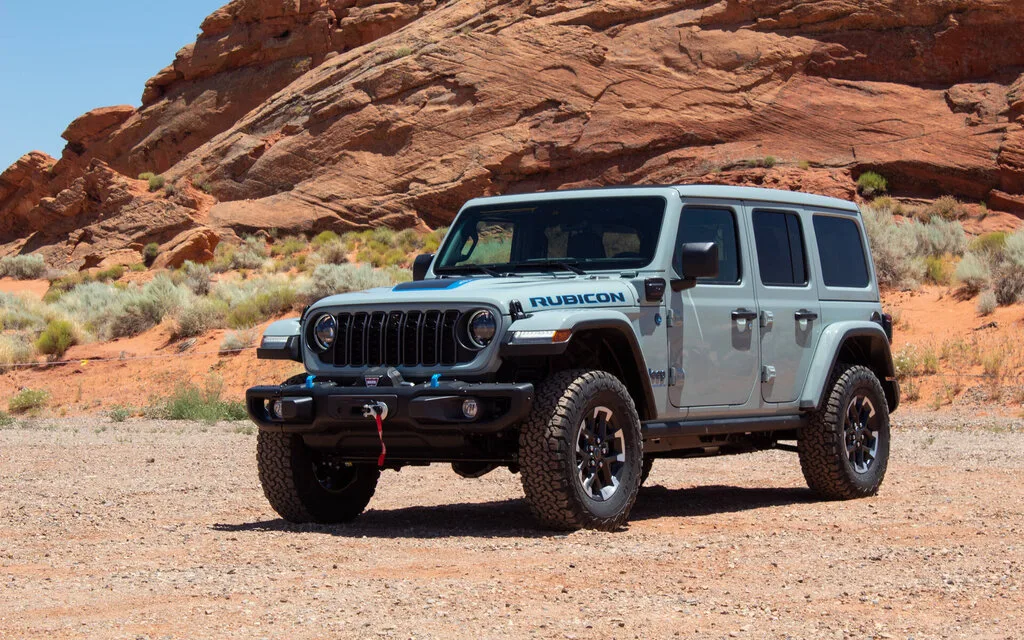
How Long Do Jeep Rubicons Last? Jeep Rubicon Lifespan Revealed: How Many Miles Can It Really Last? A Jeep Wrangler Rubicon can usually last 150,000 to 200,000 miles with proper maintenance, and clean, well-cared-for examples can go beyond 250,000 miles. The real answer is this: a Rubicon can last just as long as a regular Wrangler, but it is more likely to be used harder off-road, modified, lifted, or driven on oversized tires. That means condition, maintenance, rust, suspension setup, and previous owner habits matter more than the Rubicon badge itself. RepairPal gives the Jeep Wrangler a 3.5 out of 5.0 reliability rating and lists average annual repair cost at $694. That does not make the Wrangler the cheapest SUV to own, but it does show that long-term ownership is realistic when the vehicle is maintained properly. What Makes a Rubicon Different? The Rubicon is the off-road-focused Wrangler. Compared with lower Wrangler trims, the Rubicon usually adds serious trail hardware such as locking differentials, more aggressive gearing, upgraded axles, rock rails, off-road tires, and an electronic front sway bar disconnect depending on model year. That equipment is why people want it. A Rubicon is built to handle harder trails than a Sport, Willys, Sahara, or many other Wrangler trims. But there is a catch. Because Rubicons are more capable, many owners actually use them harder. That can affect lifespan if the Jeep is not maintained after trail use. How Many Miles Can a Jeep Rubicon Last? A Jeep Rubicon can realistically last 150,000 to 200,000 miles. That is the normal high-mileage range for a well-maintained Wrangler. Some Rubicons can go past 250,000 miles, but that usually requires consistent service, clean fluids, rust prevention, careful driving, and repairs along the way. iSeeCars estimates the Jeep Wrangler’s average lifespan at 136,692 miles and gives it a 9.5% chance of reaching at least 200,000 miles. That number includes Wranglers broadly, not only Rubicons, but it is useful because the Rubicon is part of the same Wrangler family. In real life, a stock Rubicon with good records can last longer than a modified Rubicon with no records, even if the modified one has lower mileage. Is 100,000 Miles a Lot for a Rubicon? No, 100,000 miles is not automatically a lot for a Jeep Rubicon. At 100,000 miles, a Rubicon can still have a lot of life left if the engine, transmission, transfer case, axles, suspension, frame, and cooling system are in good condition. But this is where inspection becomes critical. A Rubicon with 100,000 highway miles is very different from a Rubicon with 100,000 miles of trails, mud, water crossings, oversized tires, and poor maintenance. At 100,000 miles, check for oil leaks, coolant leaks, rust, suspension wear, axle leaks, steering looseness, transmission behavior, 4x4 operation, and signs of overheating. Is 200,000 Miles Too Much for a Rubicon? A 200,000-mile Rubicon is high mileage, but not automatically finished. At that mileage, you should expect repairs. The engine may still be healthy, but suspension parts, steering components, wheel bearings, axle seals, driveshaft joints, cooling system parts, sensors, bushings, brakes, and electrical items may need attention. A 200,000-mile Rubicon can still be worth buying if it is rust-free, stock or properly modified, well maintained, and priced correctly. But it should never be bought without a pre-purchase inspection. If the frame is rusty, the transmission shifts poorly, the 4x4 system does not engage properly, or the Jeep has bad modifications, walk away. Best Rubicon Engine for Long Life For most used Rubicon buyers, the 3.6L Pentastar V6 is the safest engine choice. It is common, widely serviced, and used across many Jeep, Dodge, Chrysler, and Ram vehicles. That helps with parts availability and repair knowledge. It also gives enough power for daily driving, trail use, and highway trips. The older 3.8L V6 in early JK Wranglers can last, but it is weaker and now found in older vehicles with more age-related wear. The 2.0L turbo can be good, but it needs disciplined oil changes because turbo engines run hotter and are more sensitive to maintenance. The Rubicon 4xe is powerful and efficient when charged, but it is more complex. NHTSA says Chrysler recalled 320,065 Jeep plug-in hybrid vehicles, including 2020 to 2025 Wrangler 4xe models, because of a fire risk tied to the high-voltage battery. If you are buying a used Rubicon 4xe, recall completion and warranty status are not optional checks. Rubicon 4xe Lifespan: What to Know The Rubicon 4xe can last a long time, but it should not be judged like a regular gas Rubicon. It has a gas engine, electric motors, high-voltage battery, charging system, hybrid controls, cooling systems, and more software. That means long-term reliability depends on more than just engine mileage. The 4xe can be a great fit if you charge regularly and your daily driving includes short trips. But if you want the simplest long-term Rubicon, the gas-only 3.6L V6 is usually easier to recommend. Before buying a used Rubicon 4xe, check the VIN through the NHTSA recall lookup, confirm charging behavior, verify battery warranty coverage, and make sure all recall repairs are complete. What Shortens a Rubicon’s Lifespan? The biggest Rubicon lifespan killers are neglect, rust, overheating, bad modifications, and hard off-road use without proper maintenance. Off-roading itself is not the problem. The Rubicon is built for it. The problem is when the Jeep is driven through mud, water, rocks, and sand, then parked without cleaning, inspecting, or servicing anything. Common lifespan killers include skipped oil changes, dirty air filters, coolant leaks, overheating, deep water ingestion, poor lift kits, oversized tires without proper gearing, cheap aftermarket wiring, ignored axle leaks, and frame rust. A Rubicon can take abuse, but it still needs maintenance. Modified Rubicons: Be Careful A modified Rubicon can be great or terrible. Good modifications can improve capability. Bad modifications can ruin reliability. Be careful with lifted Rubicons, oversized tires, cheap control arms, poor steering geometry, bad alignments, hacked wiring, poorly installed lights, low-quality bumpers, and unbalanced wheel-and-tire setups. Large tires add stress to axles, ball joints, steering components, brakes, wheel bearings, transmission, and gearing. If the Jeep was lifted but not properly aligned or re-geared, it may drive poorly and wear parts faster. A stock Rubicon with records is usually safer than a heavily modified Rubicon with unknown work. Best Rubicon Years for Longevity For used Rubicon buyers, some of the safest years are 2015, 2016, 2017, 2019, 2020, 2021, and 2023. The 2015 to 2017 Rubicon JK models are popular because they came late in the JK generation and use the 3.6L Pentastar V6. They are simpler than newer models and have strong parts support. The 2019 to 2021 Rubicon JL models are more refined and better as daily drivers. They have better interiors, improved technology, and more modern road manners. J.D. Power gives the 2023 Jeep Wrangler a Quality & Reliability score of 84 out of 100, which falls into its “Great” range. The best year is not always the newest year. The best Rubicon is the one with clean records, no serious rust, no overheating history, and quality maintenance. Used Rubicon Buying Checklist Before buying a used Rubicon, inspect it like an off-road vehicle, not a normal SUV. Check the frame for rust. Look for bent skid plates. Inspect the axles for leaks. Test the lockers. Test 4Low. Check the electronic sway bar disconnect if equipped. Look for water inside the cabin. Check carpets for dampness. Inspect the roof seals and door seals. Listen for suspension clunks. Check steering wander. Look for uneven tire wear. Test the brakes. Inspect the cooling system. Look underneath for impact damage. Check for aftermarket wiring. Run the VIN for recalls. A Rubicon can be expensive to fix if it has been abused. A pre-purchase inspection is worth the money. Can a Rubicon Last 300,000 Miles? Yes, a Rubicon can reach 300,000 miles, but that is not the normal expectation. Getting there usually requires excellent maintenance, careful ownership, rust prevention, timely repairs, and probably replacement of many supporting parts along the way. At 300,000 miles, the engine might still run, but the Jeep will likely have needed suspension, steering, cooling system, seals, sensors, brakes, driveline parts, and electrical repairs over time. A 300,000-mile Rubicon is possible. It is not something to assume. How to Make a Rubicon Last Longer Change the oil on time. Use the correct fluids. Service the transmission, transfer case, and differentials. Keep the air filter clean. Fix coolant leaks immediately. Never ignore overheating. Clean the underbody after mud, salt, or trail use. Inspect axle seals after off-roading. Avoid cheap lift kits. Use proper gearing for larger tires. Fix steering vibration early. Check roof and door seals. Keep electrical modifications clean and fused. Run recall checks by VIN. Keep service records. The Rubicon rewards owners who maintain it like a serious 4x4. It punishes owners who treat it like a toy and skip the basics. Is a Rubicon Worth It for Long-Term Ownership? Yes, a Rubicon can be worth it if you actually use the off-road hardware or want the strongest factory Wrangler setup. It holds value well, has excellent aftermarket support, and offers trail capability that many SUVs cannot touch. But if you only drive on pavement, a Sahara, Willys, or Sport may be cheaper and easier to own. The Rubicon makes the most sense for buyers who want real off-road ability from the factory. It makes less sense for buyers who just want the look and never use the capability. For local shoppers, compare used Jeep inventory by year, mileage, engine, modifications, service history, and frame condition. If you want a newer Rubicon with warranty coverage, check available new Jeep inventory. FAQs About Jeep Rubicon Lifespan How many miles can a Jeep Rubicon last? A Jeep Rubicon can usually last 150,000 to 200,000 miles, and well-maintained examples can go beyond 250,000 miles. Is 100,000 miles a lot for a Rubicon? No. A 100,000-mile Rubicon can still be a good buy if it has service records, no major rust, no overheating history, and no poor modifications. Can a Rubicon last 300,000 miles? Yes, some Rubicons can reach 300,000 miles, but that is not average. It requires excellent maintenance, rust prevention, and repairs along the way. What is the best Rubicon engine for longevity? The 3.6L Pentastar V6 is usually the safest long-term engine choice because it is common, durable, and widely serviced. Is the Rubicon 4xe reliable long term? The Rubicon 4xe is more complex than a gas Rubicon. It can be a good vehicle, but buyers should check recall completion, battery warranty, charging behavior, and service records carefully. Are modified Rubicons less reliable? They can be. Quality modifications can be fine, but cheap lift kits, oversized tires, bad steering geometry, poor wiring, and hard off-road abuse can shorten lifespan. Final Thoughts: A Rubicon Can Last, But Only If It Was Treated Right A Jeep Rubicon can realistically last 150,000 to 200,000 miles, and some can go well beyond that. The engine is usually not the only deciding factor. Rust, modifications, off-road use, cooling system health, axle condition, suspension wear, and maintenance records matter just as much. The safest used Rubicon is a clean, mostly stock, well-maintained 3.6L V6 model with no major rust and no bad modifications. Buy one like that, maintain it properly, and a Rubicon can be one of the most durable and rewarding 4x4s you can own.
Can a Jeep 4xe Charge at a Tesla Station?
Can a Jeep 4xe Charge at a Tesla Station? With the rise of electric vehicles (EVs) and plug-in hybrids (PHEVs) like the Jeep Wrangler 4xe, the availability and accessibility of charging stations has become a key concern for drivers. One common question for Jeep 4xe owners is whether they can use Tesla’s extensive network of charging stations to power up their vehicle. Tesla has one of the largest EV charging networks in the world, so it’s natural to wonder if Jeep 4xe drivers can tap into this infrastructure. Shop Electric Jeeps In this article, we'll break down how charging works for the Jeep Wrangler 4xe, whether it’s compatible with Tesla charging stations, and what other charging options are available. Understanding the Jeep Wrangler 4xe's Charging System The Jeep Wrangler 4xe is a plug-in hybrid electric vehicle (PHEV), which means it runs on both gasoline and electric power. Unlike fully electric vehicles, which rely entirely on batteries, the 4xe uses a combination of electric motors and a gasoline engine to offer a blend of efficiency and performance. When charged, it can operate in all-electric mode for up to 22 miles, perfect for short commutes or urban driving. Shop Electric Jeeps The Jeep Wrangler 4xe comes with a Level 1 charger that can be plugged into a standard household outlet (120V) for overnight charging. For faster charging, owners can use a Level 2 charger, which requires a 240V outlet. These faster chargers can typically be installed at home or found at public charging stations. Now, let’s explore the question of using a Tesla charging station. Are Tesla Charging Stations Compatible with the Jeep 4xe? The short answer is: no, the Jeep Wrangler 4xe cannot directly charge at a Tesla Supercharger or Destination Charger without an adapter. Tesla has developed its own proprietary charging connector, which differs from the standard connectors used by most other electric vehicles in North America. Shop Electric Jeeps There are two main types of Tesla charging stations: Tesla Superchargers: These are high-speed charging stations designed to rapidly charge Tesla vehicles. They are incompatible with non-Tesla vehicles, including the Jeep 4xe, due to their unique connector and software restrictions. Additionally, even if you could physically connect a Jeep 4xe to a Tesla Supercharger (with an adapter), the 4xe would not be able to take full advantage of the Supercharger’s speed, as it is not built for high-powered charging. Tesla Destination Chargers: These are Level 2 chargers typically found at hotels, restaurants, or shopping centers. Some of these chargers have been opened up for use by non-Tesla vehicles, but this is still relatively rare. Again, an adapter would be required to connect a Jeep 4xe to these chargers, but even with an adapter, charging speeds would be similar to other public Level 2 chargers. Using Adapters for Charging at Tesla Stations In theory, it is possible to use a Tesla to J1772 adapter for some Tesla Destination Chargers. This adapter allows non-Tesla EVs, including the Jeep Wrangler 4xe, to use certain Tesla charging stations. However, this only applies to Tesla Destination Chargers and not Superchargers, which are exclusive to Tesla vehicles. It’s important to note that Tesla Destination Chargers are slower (Level 2), so they won’t provide the rapid charging that Superchargers offer to Tesla owners. Still, for Jeep 4xe owners who may find themselves near a Tesla Destination Charger with an adapter, it could be a convenient option for topping up their battery. Shop Electric Jeeps Alternatives to Tesla Charging Stations Fortunately, Jeep Wrangler 4xe owners have access to a wide range of other charging networks that are fully compatible with their vehicle, without the need for any special adapters. Here are a few options: Public Charging Networks: Many public charging networks, like ChargePoint, EVgo, and Electrify America, offer Level 2 charging stations that are compatible with the Jeep Wrangler 4xe’s J1772 connector. These networks are widespread and can be found at shopping malls, grocery stores, and other public spaces. Home Charging Stations: Many Jeep 4xe owners choose to install a Level 2 charger at home, which can fully charge the 4xe’s battery in around 2 hours. This is the most convenient and cost-effective way to keep your vehicle charged and ready for both city and off-road adventures. Jeep Branded Charging Stations: Jeep has partnered with Electrify America to create the Jeep 4xe Charging Network, a series of charging stations located near popular off-road trails. These stations are strategically placed to give Jeep enthusiasts the ability to recharge their 4xe while exploring remote areas. Level 1 Charging: For those who don’t need to charge quickly, the Wrangler 4xe comes with a Level 1 charger that plugs into a standard household outlet. This is a slower option (around 12 hours for a full charge), but it’s a convenient way to charge overnight if faster charging options aren’t available. Conclusion While the Jeep Wrangler 4xe cannot charge at Tesla Superchargers, it is possible to use Tesla Destination Chargers with the right adapter. However, there are many other more accessible and convenient charging options available for 4xe owners, including public charging networks and home charging stations. With its plug-in hybrid capabilities, the Jeep Wrangler 4xe offers drivers the flexibility to enjoy both electric and gasoline power, ensuring that you're never left without options, whether you're in the city or hitting the trails. Charging may require a bit of planning, but with the ever-expanding charging infrastructure, including Jeep’s own network near off-road trails, finding a compatible station is easier than ever. So, while you may not be able to use Tesla’s Supercharger network, there are plenty of charging alternatives that will keep your Jeep 4xe ready for any adventure. Charging a Jeep 4xe at a Tesla station is possible, but there are limitations. Tesla Superchargers, which offer fast charging, are generally not compatible with non-Tesla vehicles unless using a specific adapter, and even then, results can vary. However, Jeep 4xe owners can use Tesla Destination Chargers (typically Level 2) with a compatible adapter like the TeslaTap. These chargers are often found at hotels or other locations and can be set to allow non-Tesla vehicles to charge( 4XE Forums)( 4XE Forums). For more consistent charging, you may need to ensure the Tesla charger is correctly configured, and some adapters work better than others( 4XE Forums). If you're planning to use this regularly, an adapter like the TeslaTap is recommended for home or public use( 4XE Forums).
What is the Best Car Lease Term?
What is the Best Car Lease Term? When leasing a car, the term length plays a critical role in determining your monthly payment, the total cost, and the value you derive from the lease. The most common lease terms range from 24 to 36 months, although other options exist. Let’s explore various lease term lengths, their benefits, drawbacks, and factors you should consider when choosing the best car lease term for your needs. Browse the best lease offers in the USA 1. The Standard Lease Term: 36 Months Most lease agreements are structured around a 36-month term. This has become the industry standard for many reasons: Depreciation Balance: Vehicles lose the most value during their first few years. A 36-month term captures a sweet spot between initial depreciation and maintaining a relatively affordable monthly payment. Warranty Coverage: Most new cars come with warranties that last three years or longer. Leasing a vehicle for 36 months typically ensures you’re covered by the manufacturer’s warranty, minimizing out-of-pocket repair costs. Monthly Payments: Since the car is being financed over three years, the monthly payments tend to be lower than shorter lease terms, making it a cost-effective option for those seeking budget-friendly leasing. However, the 36-month term may not be ideal for individuals who want to change cars frequently or expect their driving needs to shift in a shorter timeframe. Browse the best lease offers in the USA Chart 1: Comparison of Monthly Payment by Lease Term Length (Sample Models) Car Model 24-Month Term 36-Month Term 48-Month Term Toyota Camry $450 $375 $360 Honda CR-V $470 $400 $380 BMW 3 Series $620 $550 $520 What is the Best Car Lease Term? 2. Short-Term Lease: 12-24 Months Short-term leases (12-24 months) offer more flexibility and appeal to drivers who want frequent vehicle upgrades. They’re common among luxury car lessees or those who enjoy switching cars regularly. Benefits: The key benefit of a short-term lease is flexibility. Drivers can switch to a new model or different vehicle in a shorter time, which may be attractive if a better model is expected soon. Drawbacks: One downside is higher monthly payments. Since the cost of depreciation is spread over fewer months, the monthly payments tend to be higher compared to longer leases. Mileage Considerations: Short-term leases often come with stricter mileage limits, which can be challenging for people with long commutes or frequent travel needs. Browse the best lease offers in the USA Chart 2: Depreciation and Monthly Payments by Lease Term Lease Term Depreciation Cost Monthly Payment Average Mileage Limit 12 Months High High 10,000 miles/year 24 Months Moderate Moderate 12,000 miles/year 36 Months Lower Lower 15,000 miles/year What is the Best Car Lease Term? 3. Long-Term Lease: 48 Months or More Long-term leases, typically lasting 48 months or more, have lower monthly payments, but they come with a few caveats. Lower Payments: Spreading out the depreciation cost over four years results in lower monthly payments. Out of Warranty: One of the biggest concerns with long-term leases is that the vehicle might go out of warranty during the lease term. If this happens, lessees could be responsible for unexpected repair costs. Increased Maintenance: The longer the lease, the more likely maintenance issues will arise. Regular services and potential wear-and-tear repairs could increase out-of-pocket expenses. Residual Value: The residual value of the car at the end of a 48-month lease is often lower than that of a 36-month lease, making buying out the car at the end of the lease less attractive. Browse the best lease offers in the USA Chart 3: Average Maintenance Costs by Lease Term Length Lease Term Average Maintenance Costs Warranty Coverage Monthly Payment 24 Months $500 Covered Higher 36 Months $1,000 Covered Moderate 48 Months or More $1,500+ Not Covered Lower What is the Best Car Lease Term? Which Lease Term is Best for You? Short-Term (12-24 Months): Best for drivers who prefer frequent upgrades and can handle higher monthly payments. It’s also good for those who want to test out a luxury vehicle without a long-term commitment. Standard Term (36 Months): The most balanced option in terms of cost, flexibility, and warranty coverage. Ideal for those looking for affordable monthly payments while still enjoying a new vehicle experience. Long-Term (48 Months or More): Suitable for drivers who prioritize low monthly payments but are comfortable taking on the risk of potential maintenance issues after the warranty expires. Vehicle Selection and Market Timing Browse the best lease offers in the USA The type of vehicle you choose significantly influences the optimal lease term. SUV leases, particularly popular in current markets, often provide the most competitive terms during the standard 36-month period. Luxury vehicle enthusiasts typically benefit from shorter terms, allowing more frequent upgrades and maintaining comprehensive warranty coverage. In contrast, economy cars can prove more cost-effective with longer terms due to their reliable performance and lower maintenance requirements. Timing plays a crucial role in securing the best lease terms. Market analysis shows that end-of-year periods, particularly November and December, often yield the most favorable deals. Additionally, end-of-quarter incentives and holiday weekend promotions can significantly reduce costs. This timing strategy becomes especially relevant when considering the current 2024 market conditions, where manufacturer incentives and competitive interest rates have created an advantageous environment for lessees. Financial Perspectives and Term Length Impact Browse the best lease offers in the USA The financial implications of lease terms extend beyond monthly payments. Short-term leases, while offering maximum flexibility, typically command higher monthly payments but provide valuable options for those with temporary transportation needs or uncertain long-term plans. The standard 36-month lease has emerged as a sweet spot, balancing monthly costs with warranty coverage and vehicle reliability. Longer terms of 48 months or more can offer attractively low monthly payments but may incur higher total ownership costs due to extended maintenance responsibilities and potential repair needs beyond warranty coverage. Making an Informed Decision Browse the best lease offers in the USA Your ideal lease term should align with both current circumstances and anticipated future needs. Consider how your lifestyle might evolve during the lease period, including potential changes in commuting distance, family size, or financial situation. The best lease agreements accommodate both immediate requirements and foreseeable changes, providing flexibility when needed while maintaining cost-effectiveness. Industry Insights and Market Navigation Browse the best lease offers in the USA Current market data indicates strong demand for flexible leasing options, with particular interest in SUV and crossover vehicles. Manufacturers have responded by offering competitive lease packages, especially for popular models. The trend toward digital shopping and online lease arrangements has also influenced the market, making it easier to compare terms and secure favorable deals across different dealerships and manufacturers. Looking Ahead: The Future of Leasing Browse the best lease offers in the USA The leasing landscape continues to evolve, with new options emerging to meet diverse consumer needs. Alternative lease structures, including subscription-style services and ultra-short-term options, are gaining traction. However, traditional lease terms remain the foundation of the market, offering proven value and predictability for most drivers. Taking Action Browse the best lease offers in the USA Begin your leasing journey by exploring current offers from reputable dealerships like Simi Valley Chrysler Dodge Jeep Ram. Take time to understand various term options and their implications for your specific situation. Calculate total costs, including monthly payments, insurance, and potential maintenance expenses. Consider seeking professional guidance to ensure your chosen lease term aligns with your financial goals and lifestyle needs. Conclusion: Finding the Right Lease Term When determining the best car lease term, consider your driving habits, budget, and how frequently you want to upgrade your vehicle. A 36-month lease is generally the most balanced option, offering affordable payments, warranty coverage, and flexibility. However, if you desire flexibility or need lower payments, short- and long-term leases also provide viable alternatives depending on your specific needs. Browse the best lease offers in the USA Useful Links for More Information on Car Leasing Edmunds: Car Leasing Guide Kelley Blue Book: How Leasing Works LeaseGuide: Car Lease Length Options TrueCar: Car Lease Deals Browse the best lease offers in the USA
Is Insurance High on a Jeep Wrangler?
Is Insurance High on a Jeep Wrangler? A Deep Dive into What You Can Expect When shopping for a Jeep Wrangler, one of the key questions that comes to mind is, "Is insurance high on a Jeep Wrangler?" The answer is nuanced and depends on several factors, such as the model, your driving history, location, and how the vehicle is used. While Wranglers can sometimes have higher-than-average insurance costs compared to other vehicles, there are reasons behind it and ways to reduce the expense. Factors Affecting Jeep Wrangler Insurance Rates 1. Vehicle Type and Popularity The Jeep Wrangler is an iconic off-road SUV known for its rugged build and adventurous spirit. Its popularity, combined with its higher likelihood of being used for off-roading, can contribute to slightly higher insurance premiums. Insurers often consider Wranglers as vehicles that may face more challenging driving conditions, increasing the risk of accidents and damage. Shop Jeeps on Sale 2. Safety Ratings The Jeep Wrangler has decent safety ratings, but its design as a more utilitarian, adventure-oriented vehicle doesn't match the top-tier safety features of other SUVs. While Wranglers are built tough, they may lack some of the advanced driver-assistance systems (ADAS) found in more modern vehicles, which can help lower insurance premiums. However, Wranglers are still generally safe vehicles, and newer models come equipped with more advanced safety features. 3. Repair Costs Jeep Wranglers are durable, but repairs, especially after off-road adventures, can be more expensive than for typical city cars. The cost of replacing parts like axles, suspensions, or specialty components like four-wheel-drive systems can add up. Insurers take these potential repair costs into account when calculating premiums. Shop Jeeps on Sale 4. Theft Risk Surprisingly, Wranglers have a slightly higher theft rate than some other vehicles. They’re appealing to thieves due to their high resale value and the popularity of their parts, which are often in demand. For instance, the removable doors, soft tops, and other unique components can make them a target. Insurance companies may raise premiums in areas where theft is a concern. 5. Usage and Mileage One of the big determinants of Jeep Wrangler insurance rates is how you plan to use the vehicle. If you're primarily using your Wrangler for commuting or city driving, your premiums may be lower compared to those using it for off-roading or long-distance trips. Mileage and overall use impact how much risk the insurance company assumes, with more frequent use generally leading to higher premiums. Shop Jeeps on Sale Can You Lower Your Jeep Wrangler Insurance? Although Jeep Wranglers may have slightly higher insurance rates due to their design, popularity, and usage patterns, there are ways to mitigate these costs: 1. Choose a Newer Model Newer Jeep Wranglers often come with updated safety features, which can result in lower premiums. Features like blind-spot monitoring, forward-collision warning, and advanced airbag systems can help reduce the overall risk in the eyes of insurance companies. Shop Jeeps on Sale 2. Increase Security Features Adding aftermarket anti-theft devices, like steering wheel locks, alarms, or GPS tracking systems, can lower your insurance rates. Insurers appreciate additional theft prevention efforts, particularly if you live in an area where Jeep thefts are common. 3. Bundle Your Policies Many insurers offer discounts if you bundle your car insurance with other policies, like homeowner’s or renter’s insurance. This can help you save on your Jeep Wrangler's coverage by consolidating policies with a single provider. Shop Jeeps on Sale 4. Shop Around Insurance rates vary widely depending on the company, so it's worth shopping around for different quotes. Some insurers may offer better deals for Jeep Wrangler owners, while others may charge higher premiums based on their risk models. 5. Drive Safely As with any vehicle, your driving record plays a significant role in determining your insurance rates. Maintaining a clean driving history and avoiding tickets or accidents will help keep your premiums as low as possible. Shop Jeeps on Sale Why Jeep Wranglers Are Worth It Despite Insurance Costs Despite slightly higher insurance premiums, the Jeep Wrangler remains a beloved choice for many drivers. Its off-road capability, iconic design, and fun driving experience make it a unique vehicle that stands out in the market. Jeep enthusiasts are often willing to pay a little extra for insurance because of the Wrangler’s versatility and adventurous spirit. 1. Resale Value Jeep Wranglers hold their value exceptionally well, so even if insurance premiums are higher, you’re more likely to get a good return on your investment when it comes time to sell or trade in your vehicle. Shop Jeeps on Sale 2. Durability Wranglers are known for their longevity and ability to handle tough terrains, which can save money in the long run. While repairs might be more expensive due to off-roading wear and tear, Wranglers are built to last, often outperforming other SUVs in terms of lifespan. 3. Customization Jeep Wranglers are one of the most customizable vehicles on the market. You can modify them with everything from lift kits and larger tires to advanced suspension systems, making them perfect for those who love personalizing their ride. Insurance may go up with certain modifications, but these changes often increase the overall value and utility of the vehicle. Final Thoughts So, is insurance high on a Jeep Wrangler? It can be higher than on some other vehicles, but this cost is balanced by the Wrangler's resale value, durability, and the sheer enjoyment it provides. With a bit of research and smart insurance strategies, you can manage these costs and still enjoy everything a Jeep Wrangler has to offer. For those who love adventure and off-road driving, the Jeep Wrangler is worth every penny.
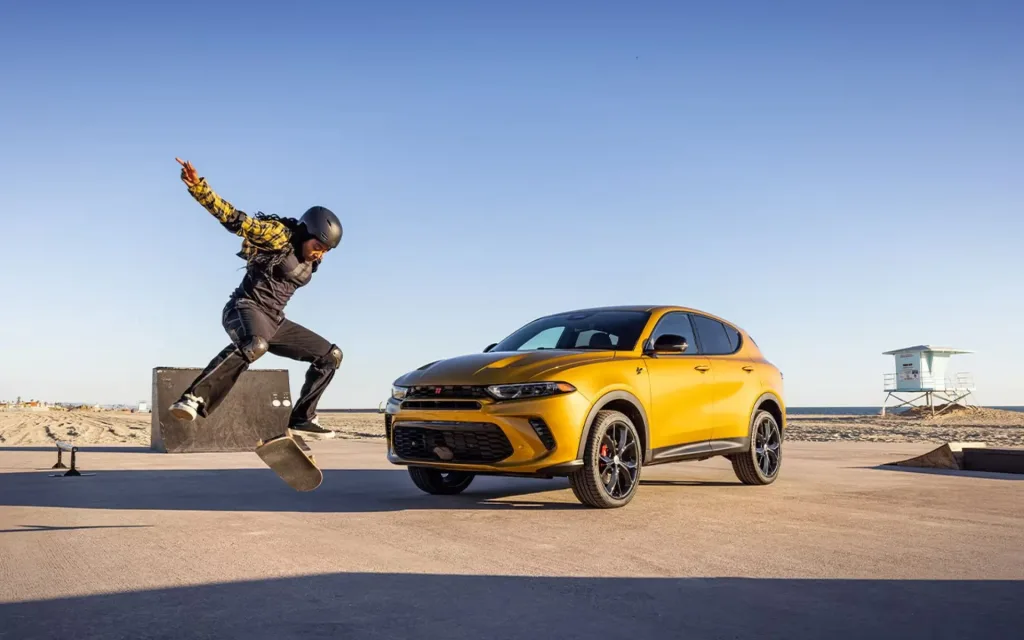
Does the Dodge Hornet Require Premium Gas?
Does the Dodge Hornet Require Premium Gas? The Answer is NO. The Dodge Hornet has taken the compact SUV market by storm with its aggressive styling and impressive performance. But with the auto industry shifting toward electrification, many drivers want to know: Is the Dodge Hornet electric? Is it gas-powered? Or something in between? In this full guide, we answer whether the Dodge Hornet is electric, explore its electric range, and explain how the new PHEV model fits into Dodge's future. Is the Dodge Hornet Electric? The short answer: The Dodge Hornet is not fully electric — but it is available as a plug-in hybrid (PHEV). When you ask is the Dodge Hornet electric or are Dodge Hornets electric, it depends on which version you choose: Model Powertrain Dodge Hornet GT Gasoline engine Dodge Hornet GT Plus Gasoline engine Dodge Hornet R/T Plug-in Hybrid Electric Vehicle (PHEV) Dodge Hornet R/T Plus Plug-in Hybrid Electric Vehicle (PHEV) The Dodge Hornet GT and GT Plus models are strictly gas-powered, while the Dodge Hornet R/T and R/T Plus are PHEVs — meaning they can run on electric power for short distances but also have a gas engine for longer trips. Dodge Hornet Electric Range and PHEV Details If you are searching for Dodge Hornet electric range or Dodge Hornet PHEV range, here are the details: All-Electric Range: Approximately 30 miles on electric power alone Combined Range (gas + electric): Over 360 miles total driving range The Dodge Hornet R/T PHEV features a 15.5-kWh battery pack that powers an electric motor alongside a 1.3L turbocharged gasoline engine. This setup allows you to drive purely on electric power for short commutes or errands, reducing your gas consumption dramatically. Searching for Dodge Hornet range overall? Keep in mind that once the electric battery depletes, the Hornet seamlessly switches to its gasoline engine, ensuring you can keep driving without range anxiety. Dodge Hornet Gas or Electric: Choosing Your Powertrain If you are asking is the Dodge Hornet gas or electric, the answer is: Gasoline: Choose GT or GT Plus Plug-in Hybrid Electric (PHEV): Choose R/T or R/T Plus Feature Hornet GT/GT Plus Hornet R/T/R/T Plus Engine 2.0L Turbocharged Gasoline 1.3L Turbocharged + Electric Motor Power Output 268 hp 288 hp combined Drivetrain AWD AWD Fuel Economy Approx. 24 mpg combined Approx. 77 MPGe electric; 29 mpg gas Those searching dodge hornet gas or electric should think about their driving habits: Short commutes: Go with the R/T for electric driving around town Long road trips: Either model works, but the gas GT is simpler for extended highway use What Is the Electric Hornet? Some users look up electric Hornet or Dodge Hornet electric hoping to find a fully battery-powered version. Currently, Dodge does not offer a full EV Hornet. However, the PHEV R/T version is a major step toward electrification and shows Dodge’s commitment to the future. For a fully electric Dodge, the brand’s first true EV will be the upcoming Dodge Charger Daytona, launching separately from the Hornet lineup. Is the Dodge Hornet Ready for the Future? Absolutely. The Dodge Hornet R/T PHEV is Dodge’s first-ever plug-in hybrid, combining performance and efficiency like no other small SUV in its class. Key benefits of the Hornet R/T PHEV include: Up to 30 miles of electric-only driving Over 360 miles of total combined range Quick charging time (~2.5 hours with Level 2 charger) Instant torque delivery from the electric motor For buyers wanting a fun-to-drive vehicle with lower fuel costs and better eco-credentials, the Hornet R/T is a standout. Quick FAQs: Dodge Hornet Gas and Electric Question Answer Is the Dodge Hornet electric? No, it’s a gas or PHEV vehicle Are Dodge Hornets electric? Only partially, if you choose the R/T plug-in hybrid What is the Dodge Hornet electric range? About 30 miles on electric power alone Does Dodge offer a full electric Hornet? Not at this time Is there a gas-only Dodge Hornet? Yes, the GT and GT Plus models are gas-powered Conclusion: Dodge Hornet Gas, Electric, or PHEV — Your Choice When deciding between a Dodge Hornet gas or electric model, it ultimately comes down to your needs: Want classic turbocharged Dodge performance? The Hornet GT is for you. Want electric commuting with zero gas for short trips? Choose the Hornet R/T PHEV. Both options come standard with AWD, premium features, and Dodge’s unmistakable attitude. Test Drive the Dodge Hornet Today Ready to experience the Dodge Hornet GT or Hornet R/T Plug-In Hybrid? Visit Simi Valley Chrysler Dodge Jeep Ram to test drive both gas and PHEV versions today. Call us at +1 (805) 387-9755 or stop by 2350 First St, Simi Valley, CA 93065. Explore our available inventory online: www.simivalleychryslerdodgejeepram.com Your Hornet is waiting — whether gas, electric, or both.
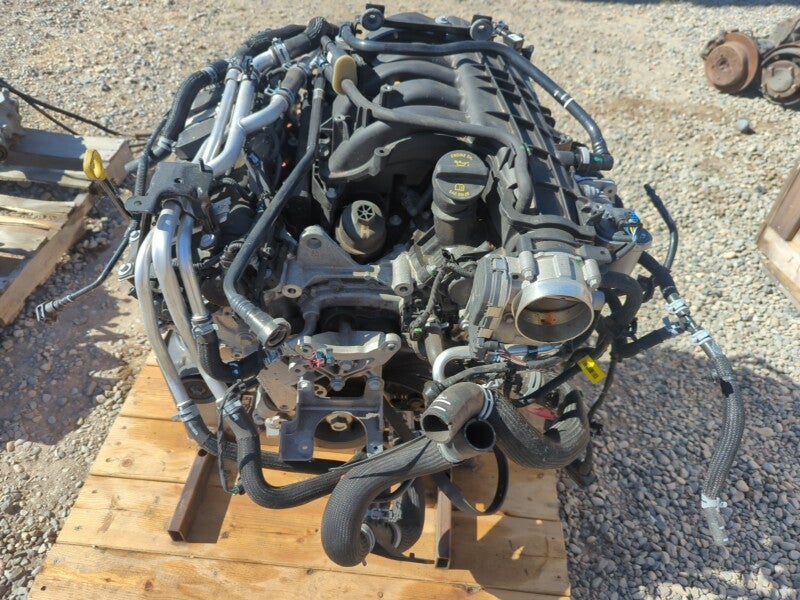
Jeep Wrangler Hybrid vs Gas Engines: One Is Clearly Better (Here’s Why)
Few vehicles inspire as much debate about engines as the Jeep Wrangler. From the old-school V6s of the late 2000s to today’s turbocharged and plug-in hybrid options, Wrangler powertrains have evolved dramatically. Some are genuinely robust. Others demand compromises. This guide breaks down every major Jeep Wrangler engine, including the hybrid 4xe, explains real-world reliability, and answers the recurring question buyers ask: is the Wrangler engine weak without the hybrid assist? Jeep Wrangler Engine Options Explained Over the years, the Wrangler has offered one of the widest engine menus in the off-road segment. Each option exists for a different type of owner, and none are perfect for everyone. 3.6L Pentastar V6 (2012–Present) This is the backbone of modern Wrangler ownership. Why it’s popular Naturally aspirated, simple by modern standards Strong low-end torque for crawling Proven across millions of Stellantis vehicles What to know Early versions (2012–2014) suffered from cylinder head failures and oil cooler leaks. These issues were largely resolved after mid-decade revisions. When maintained properly, this engine routinely crosses high mileage without internal failure. For buyers asking “best Jeep Wrangler engine,” this is still the safest long-term bet. 3.8L V6 (2007–2011) This engine powered the early JK generation and is widely criticized. Reality check Underpowered for the Wrangler’s weight Poor fuel economy Not unreliable, just inefficient and dated The 3.8L rarely catastrophically fails, but it struggles under load, especially with larger tires or armor. Owners upgrade around it rather than because of it. 2.0L Turbocharged Inline-4 (2018–Present) This engine divides opinion more than any other Wrangler motor. Strengths Strong torque delivery Better fuel economy than the V6 Pairs well with the 8-speed automatic Concerns Turbo complexity means heat management matters. Oil quality and service intervals are critical. When maintained, it performs well. When neglected, it doesn’t forgive. This engine feels stronger on-road than the V6 but less mechanical off-road purists trust it less long term. 3.0L EcoDiesel V6 (2020–2023) Torque monster. Niche appeal. Why people love it Exceptional low-rpm torque Ideal for towing and long-distance driving Why it disappeared Emissions complexity Higher ownership costs Limited buyer demand Reliable when driven regularly, problematic for short trips and infrequent use. Jeep Wrangler 4xe Hybrid Engine: Is It Actually Better? The Wrangler 4xe combines: 2.0L turbo gasoline engine Two electric motors 17-kWh battery pack Total system output sits well above the standard engines, but raw numbers don’t tell the whole story. Is the Wrangler engine weak without the hybrid assist? This is a common search for a reason. On its own, the 2.0L turbo is not weak. However, the instant torque from the electric motor completely changes how the Wrangler feels. Off the line, crawling over obstacles, and city driving all benefit from electric assist. Without it, the gas engine feels more conventional and less dramatic. In other words: The engine isn’t weak The hybrid system makes it feel significantly stronger and smoother Reliability reality of the 4xe The hybrid system itself has proven solid so far, but ownership success depends heavily on usage patterns: Regular charging helps battery health Software updates are essential Long-term complexity is higher than any non-hybrid Wrangler This is not a “set it and forget it” drivetrain. It rewards informed owners. Older Wrangler Engines by Year (Quick Reality Check) 2007–2011 Wrangler engines Reliable but underpowered. Buy for simplicity, not performance. 2012–2014 Wrangler engines Avoid early Pentastar years unless documented repairs were completed. 2015–2017 Wrangler engines Pentastar reliability improved significantly. Strong used-market years. 2018–2023 Wrangler engines Modern performance, more electronics, higher repair costs if neglected. Check Engine Light on Jeep Wrangler: What It Usually Means The Wrangler is notorious for triggering check engine lights that range from trivial to serious. Common causes include: Loose or failing gas cap EVAP system leaks Oxygen sensor faults Battery voltage irregularities In hybrids, software and sensor calibration issues can also trigger warnings without mechanical failure. Ignoring a Wrangler check engine light is a mistake. Diagnosing early prevents cascading issues. Engine Replacement and Swap Reality Engine replacement costs vary widely depending on generation and powertrain. Older V6 swaps are straightforward. Modern turbo and hybrid replacements are expensive and often not financially sensible unless under warranty. Hellcat-swapped Wranglers exist, but they are novelty builds, not practical ownership choices. So, What’s the Best Jeep Wrangler Engine? It depends on priorities. Best long-term reliability: 3.6L Pentastar (2015+) Best daily driving feel: 2.0L Turbo Best performance and efficiency: 4xe Hybrid Best torque for towing: EcoDiesel There is no universally perfect Wrangler engine. There is only the right engine for how you actually drive. Final Verdict The Jeep Wrangler engine lineup reflects the vehicle itself: purpose-built, imperfect, and unapologetically specialized. The hybrid doesn’t fix weaknesses so much as it reshapes the experience. The non-hybrid engines are not weak, but they are honest. They demand realistic expectations, consistent maintenance, and an understanding that Wranglers are engineered for capability first, comfort and efficiency second. If you choose the right engine for your use case, the Wrangler remains one of the most mechanically characterful vehicles you can still buy. 1. Is the Jeep Wrangler engine reliable? Yes, most Jeep Wrangler engines are reliable when properly maintained. The 3.6L Pentastar V6 (2015 and newer) has the strongest long-term reliability record, while earlier engines require more caution. 2. Is the Jeep Wrangler engine weak without the hybrid system? No, the engine itself is not weak. However, the hybrid system in the Wrangler 4xe adds instant electric torque, which makes the vehicle feel significantly stronger at low speeds compared to the gas engine alone. 3. What engine does the Jeep Wrangler 4xe use? The Wrangler 4xe uses a 2.0-liter turbocharged four-cylinder gasoline engine paired with electric motors and a battery pack to create a plug-in hybrid system. 4. Which Jeep Wrangler engine lasts the longest? The 3.6L Pentastar V6 is widely considered the longest-lasting Wrangler engine, with many examples exceeding high mileage when oil changes and cooling system maintenance are done on time. 5. Are older Jeep Wrangler engines reliable? Older Wrangler engines can be reliable, but performance and efficiency are lower. Engines from 2007–2011 are mechanically simple but underpowered, while 2012–2014 models had known cylinder head issues. 6. What causes the check engine light on a Jeep Wrangler? Common causes include a loose gas cap, EVAP system leaks, oxygen sensor failures, battery voltage issues, or software faults. Many check engine lights are minor but should still be scanned. 7. Is the Jeep Wrangler 2.0L turbo engine reliable? The 2.0L turbo engine is reliable when maintained correctly. Because it is turbocharged, oil quality, cooling, and service intervals are more critical than with naturally aspirated engines. 8. Is the Jeep Wrangler hybrid engine expensive to repair? Potentially yes. Hybrid components add complexity, and repairs outside warranty can be more expensive than traditional gas engines. Regular charging and software updates reduce long-term risk. 9. What is the best Jeep Wrangler engine for daily driving? For daily driving, the 2.0L turbo and the 4xe hybrid offer the best balance of power and efficiency. The hybrid is smoother in city driving due to electric assist. 10. Which Jeep Wrangler engine should I avoid? Buyers typically avoid early 2012–2014 3.6L engines unless documented repairs were completed, and 2007–2011 models if performance and fuel economy matter. 11. Does the Jeep Wrangler engine overheat? Wrangler engines do not commonly overheat when properly maintained. Cooling issues usually stem from neglected coolant service, faulty thermostats, or aftermarket modifications. 12. How much does it cost to replace a Jeep Wrangler engine? Engine replacement costs vary by year and engine type. Older V6 engines are cheaper to replace, while turbocharged and hybrid engines are significantly more expensive. 13. Is the Jeep Wrangler diesel engine reliable? The diesel engine offers excellent torque and highway efficiency, but emissions systems require regular use and proper driving patterns. It is less suitable for short trips only. 14. Does lifting a Jeep Wrangler affect engine reliability? A lift itself does not damage the engine, but larger tires and added weight increase strain on the drivetrain. Regearing and proper tuning help preserve engine health. 15. What is the best Jeep Wrangler engine overall? For long-term ownership and simplicity, the 3.6L V6 remains the best all-around choice. For performance and efficiency, the 4xe hybrid delivers the most capability if maintained correctly.
What are the Negatives of a Jeep Compass?
Is the 2024 Jeep Compass Reliable? Exclusive Amazon Deals ( Limited Stock ) The 2024 Jeep Compass is part of a lineup that has been popular for its off-road capabilities, stylish design, and modern technology features. But for many buyers, one of the most crucial factors in choosing a vehicle is its reliability. In this article, we’ll dive into the reliability of the 2024 Jeep Compass, examining key factors such as mechanical performance, safety features, long-term durability, and owner satisfaction. What are the Negatives of a Jeep Compass? Overview of the 2024 Jeep Compass The 2024 Jeep Compass offers a refreshed design and improved technology compared to its predecessors. Available in several trims, from the base Sport to the off-road-focused Trailhawk, it caters to different types of drivers. Jeep has equipped the Compass with a 2.0-liter turbocharged engine that produces 200 horsepower, paired with an 8-speed automatic transmission. While the Compass is known for its off-road capabilities, especially in the Trailhawk trim, potential buyers are often curious about whether it can stand the test of time and daily driving demands. Browse Jeep Compass Engine and Transmission Reliability The 2024 Jeep Compass is powered by a new 2.0-liter turbocharged engine, which is an upgrade from the previous 2.4-liter engine used in older models. This turbocharged engine delivers improved performance and better fuel efficiency. However, with new engines come questions about long-term reliability. Performance and Durability The 2.0-liter turbo engine is a modern powerplant, but it’s relatively new to the Compass lineup. While turbocharged engines can offer better fuel efficiency and power, they also tend to be more complex, which can raise concerns about long-term reliability. Turbo engines typically have more components that could wear out, like the turbocharger itself, leading to potential repair costs down the road. Exclusive Amazon Deals ( Limited Stock ) That said, Jeep has worked to refine its engines over the years, and initial reports on the 2024 model’s engine have been positive, with smooth acceleration and improved fuel efficiency compared to previous years. Browse Jeep Compass Transmission Performance The 8-speed automatic transmission is a solid choice, providing smoother shifts and better fuel efficiency than older models with 6-speed transmissions. So far, there haven’t been any widespread reports of transmission issues with the 2024 model. However, Jeep’s history with transmissions has been mixed in previous generations, so it’s something buyers should keep in mind. What are the Negatives of a Jeep Compass? Build Quality and Interior The Jeep Compass has made strides in improving interior quality, but it still has room for growth in terms of refinement. While the higher trims offer better materials and a more upscale feel, the base models still feature a lot of hard plastics that may not age well over time. Fit and Finish The fit and finish of the interior materials can impact long-term reliability as well. In some previous models, owners have reported that interior components like dashboard panels and buttons can show signs of wear or become loose after several years of use. However, Jeep has been working to improve quality control, and the 2024 model does show improvements in this area. Browse Jeep Compass Infotainment and Technology Reliability The 2024 Jeep Compass comes with the latest Uconnect 5 infotainment system, which is highly regarded for its user-friendliness and responsiveness. However, technology can be a double-edged sword when it comes to reliability. While modern infotainment systems offer many conveniences, they can also be a source of frustration if they malfunction. So far, the Uconnect 5 system in the 2024 Compass has received positive reviews, with minimal complaints of bugs or system crashes. However, it’s still early in the model’s life cycle, so long-term data on the system’s reliability is not yet available. Browse Jeep Compass What are the Negatives of a Jeep Compass? Off-Road Durability One of the Jeep Compass’s selling points is its off-road capability, especially in the Trailhawk trim, which comes with features like all-terrain tires, increased ground clearance, and skid plates. While this is a great feature for those who love adventure, taking the vehicle off-road can put more strain on components like the suspension and drivetrain. Long-Term Durability for Off-Road Enthusiasts For those who plan to use the Compass off-road regularly, it’s worth noting that the extra wear and tear from rough terrain can affect the vehicle’s long-term durability. However, Jeep’s reputation for building rugged vehicles suggests that the Compass should hold up well if maintained properly. Browse Jeep Compass What are the Negatives of a Jeep Compass? Safety and Reliability Ratings Safety ratings are often closely tied to reliability, as a safer vehicle is likely to experience fewer mechanical issues. The 2024 Jeep Compass is equipped with a variety of advanced driver-assistance systems (ADAS), such as blind-spot monitoring, lane-keeping assist, and adaptive cruise control. Crash Test Ratings The 2024 Compass has not yet been fully rated by safety organizations like the National Highway Traffic Safety Administration (NHTSA) or the Insurance Institute for Highway Safety (IIHS), but the 2023 model received decent scores, which bodes well for the latest version. Advanced Safety Features While advanced safety features are a welcome addition, they can also add complexity to the vehicle’s electronic systems. Over time, components like cameras and sensors may need repairs or recalibration, which can be costly. However, Jeep has integrated these features with reliability in mind, and there have been no widespread reports of issues so far with the 2024 model. Browse Jeep Compass What are the Negatives of a Jeep Compass? Consumer and Expert Opinions So far, the 2024 Jeep Compass has received generally positive reviews from both consumers and automotive experts. Early impressions indicate that the new engine is an improvement over the previous model, and the technology updates are well-received. Owner Satisfaction Long-term owner satisfaction will ultimately determine the Compass’s reliability. While Jeep has made improvements over the years, some owners of earlier Compass models reported issues with things like electrical systems or build quality. However, Jeep has been addressing these issues with each new model, and the 2024 version is expected to continue this trend of improvement. Browse Jeep Compass What are the Negatives of a Jeep Compass? Warranty and Maintenance The 2024 Jeep Compass comes with a 5-year/60,000-mile powertrain warranty and a 3-year/36,000-mile basic warranty, which is standard for the industry. This coverage provides peace of mind for the first few years of ownership, but it’s always a good idea to consider extended warranties if you plan to keep the vehicle long-term. Maintenance Costs Regular maintenance is essential to keeping any vehicle reliable, and the Jeep Compass is no exception. Oil changes, tire rotations, and brake checks should be done on schedule to avoid more serious issues down the road. Jeep vehicles typically have average maintenance costs compared to other brands, but it’s worth noting that off-road use or extensive travel can increase wear and tear, leading to higher repair costs over time. Browse Jeep Compass Conclusion: Is the 2024 Jeep Compass Reliable? The 2024 Jeep Compass shows promise in terms of reliability, with a new and improved engine, better technology, and a focus on safety. While it’s still too early to say how the vehicle will perform in the long term, early indicators suggest that Jeep has addressed some of the issues that plagued previous models. However, as with any vehicle, long-term reliability will depend on proper maintenance and care. For those looking for a compact SUV with off-road capability, stylish design, and modern features, the 2024 Jeep Compass is a solid option. While there may be concerns about the complexity of the turbocharged engine and advanced safety systems, the overall reliability outlook is positive based on early feedback. Ultimately, if you’re considering a Jeep Compass, it’s important to weigh the vehicle’s strengths and potential drawbacks based on your own driving needs. Browse Jeep Compass
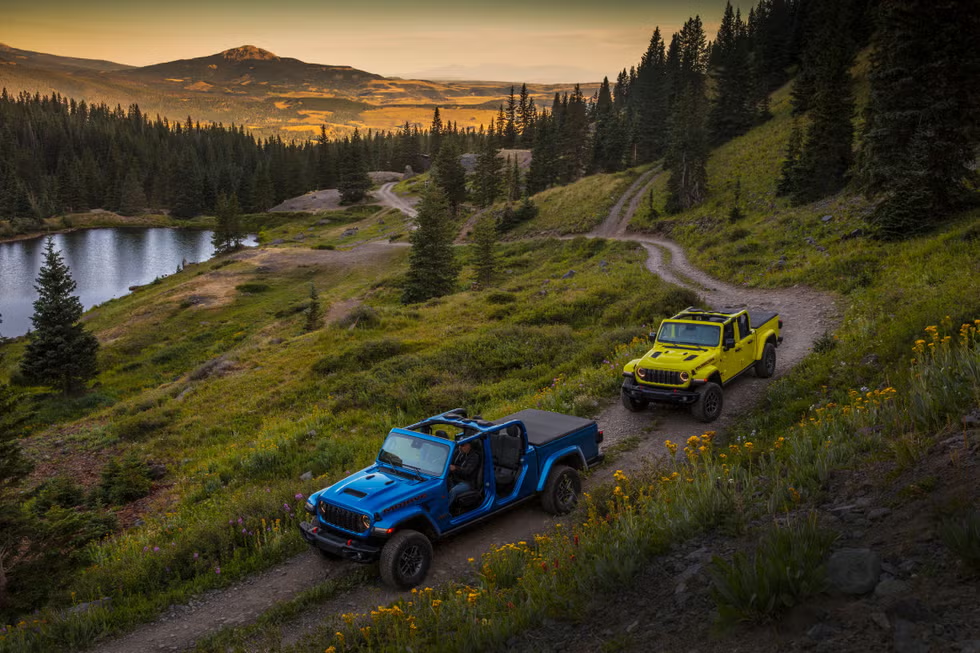
is Jeep Discontinuing The Gladiator?
Is Jeep Discontinuing the Gladiator? Here's What You Need to Know Jeep fans are constantly keeping an eye on the brand's next move, and a frequent question that arises is whether Jeep will discontinue the Gladiator. Amazon Offers(Limited Stock) Short answer: Is Jeep Discontinuing the Gladiator? To put it simply: Jeep has no plans to stop producing the Gladiator anytime soon. In fact, the 2024 and 2025 Gladiator models showcase new updates, reinforcing its popularity among off-road enthusiasts.The likelihood of Jeep discontinuing the Gladiator in the near future is quite low, likely around 10-15%. This is based on the model's solid sales, popularity among off-road enthusiasts, and continuous updates. However, market conditions and Jeep's strategic shifts could influence this in the longer term. The Gladiator's Unique Place in Jeep's Lineup The Jeep Gladiator, a midsize pickup truck launched in 2019, is essentially a Jeep Wrangler with a truck bed, designed to combine the best of both worlds: off-road capability and utility. This blend has made the Gladiator a unique and appealing option for many drivers, especially those who want a rugged vehicle that can also handle the demands of hauling and towing. Jeep continues to prioritize the Gladiator, not just as an extension of the Wrangler but as its own versatile workhorse. In the broader midsize truck segment, it competes against models like the Toyota Tacoma, Ford Ranger, and Chevrolet Colorado. Why the Gladiator Isn't Going Anywhere Despite the rumors, Jeep has shown no signs of discontinuing the Gladiator. Here's why: Strong Sales Figures: The Gladiator has maintained consistent sales since its launch. Its appeal to both off-road adventurers and those seeking utility makes it a favorite in its segment. Off-Road Heritage: Jeep is known for its off-road prowess, and the Gladiator is no exception. With the legendary Trail Rated badge, it continues to offer best-in-class off-road features like heavy-duty axles, locking differentials, and front and rear skid plates. Ongoing Updates: Jeep continues to enhance the Gladiator with new features and trim levels. The latest models offer tech upgrades like advanced infotainment systems, off-road cameras, and new driver assistance features. The 2025 model even hints at electrification with hybrid versions in the pipeline. Niche Aspects That Keep the Gladiator Thriving The Jeep Gladiator stands out due to several key factors that solidify its presence in the market: Customization Options: Like the Wrangler, the Gladiator is highly customizable. Jeep offers a vast array of aftermarket accessories, including off-road tires, LED lighting kits, and lift kits, allowing owners to tailor their vehicle for any adventure. Open-Air Driving: The Gladiator is the only pickup truck that allows for full open-air experiences, with removable doors and roof, offering an experience you can't get from any other truck. Towing Capacity: With a towing capacity of up to 7,650 pounds, the Gladiator outperforms many other midsize trucks in its class, making it a practical choice for drivers needing a balance of off-road capability and work-ready power. Electrification Potential: Jeep has been actively moving toward electrifying its lineup. Although there’s no full-electric Gladiator on the market yet, Jeep has signaled that hybrid and plug-in versions of its models are in development. This includes the Gladiator, which could soon have a more eco-friendly, electrified version. Performance and Powertrain The 2024–2025 Gladiator lineup continues to offer a proven engine setup designed for reliability and versatility: Engine Displacement Horsepower Torque Transmission Drivetrain 3.6L Pentastar V6 Gasoline 285 hp 260 lb-ft 6-speed manual / 8-speed auto 4x4 3.0L EcoDiesel V6 (discontinued after 2023) Diesel 260 hp 442 lb-ft 8-speed auto 4x4 While the EcoDiesel option was phased out, Jeep has hinted that the Gladiator’s future could include electrified powertrains, possibly following the brand’s 4xe hybrid system seen in the Wrangler. Conclusion Jeep remains committed to the Gladiator, consistently updating it and positioning it as a key model in their lineup. With its iconic styling, unbeatable off-road capabilities, and practical utility, the Gladiator is here to stay. The future of the Gladiator may even include electrified versions, keeping the model relevant for years to come. How the Gladiator Stacks Up Against the Competition Model Engine Horsepower Towing (Max) Unique Feature Jeep Gladiator 3.6L V6 285 hp 7,650 lbs Removable roof & doors Toyota Tacoma 2.4L Turbo I4 278 hp 6,500 lbs Off-road modes Ford Ranger 2.7L Turbo V6 315 hp 7,500 lbs Trail Control Chevrolet Colorado 2.7L Turbo I4 310 hp 7,700 lbs Multi-Stow tailgate Even with newer rivals entering the market, the Gladiator’s open-air design and legendary off-road DNA give it an identity no other pickup can match. Looking Toward the Future: The Possibility of an Electric Gladiator Jeep has already launched electrified versions of several models, including the Wrangler 4xe and Grand Cherokee 4xe. The next logical step is an electrified Gladiator, expected within the next few years. Potential features could include: Dual electric motors with instant torque Regenerative braking and one-pedal off-roading Silent trail operation for eco-friendly exploration Extended range using battery + gas hybrid systems These advancements would make the Gladiator even more appealing to a new generation of eco-conscious adventurers. Conclusion: The Jeep Gladiator Is Here to Stay Despite internet rumors, the Jeep Gladiator remains a cornerstone of the Jeep lineup. It continues to embody everything enthusiasts love about the brand — open-air freedom, 4x4 capability, and durable performance — now with a growing focus on technology and electrification. As long as drivers crave adventure and utility in one package, the Gladiator will continue to roll off production lines. Jeep’s commitment to evolving the model ensures that this trail-conquering pickup has a bright future ahead. FAQ Is Jeep planning to discontinue the Gladiator? No, Jeep has no current plans to discontinue the Gladiator. The 2024 and 2025 models feature updates, indicating continued production. How are Gladiator sales performing? The Gladiator has maintained consistent sales since its launch, appealing to both off-road enthusiasts and those seeking utility. Are there any major updates coming to the Gladiator? Yes, Jeep continues to enhance the Gladiator with new features, tech upgrades, and trim levels. The 2025 model hints at potential hybrid versions. How does the Gladiator compare to other midsize trucks? The Gladiator offers unique features like removable doors and roof, strong off-road capabilities, and competitive towing capacity, setting it apart in its segment. Will there be an electric version of the Gladiator? While there's no full-electric Gladiator yet, Jeep has signaled that hybrid and plug-in versions are in development as part of their electrification plans. What makes the Gladiator unique in Jeep's lineup? The Gladiator combines the off-road capability of a Wrangler with the utility of a pickup truck, offering a unique blend in the Jeep lineup. How customizable is the Gladiator? Like the Wrangler, the Gladiator is highly customizable with a vast array of aftermarket accessories available. What is the Gladiator's towing capacity? The Gladiator can tow up to 7,650 pounds, outperforming many other midsize trucks in its class. Does the Gladiator have Jeep's Trail Rated badge? Yes, the Gladiator carries Jeep's Trail Rated badge, indicating its strong off-road capabilities. Are there any special editions of the Gladiator planned? While specific special editions haven't been announced, Jeep typically offers various trim levels and limited editions for its popular models, including the Gladiator. Find Us Simi Valley Chrysler Dodge Jeep Ram • 2350 First Street, Simi Valley, CA 93065 • Sales: 805-387-9755 Get Directions