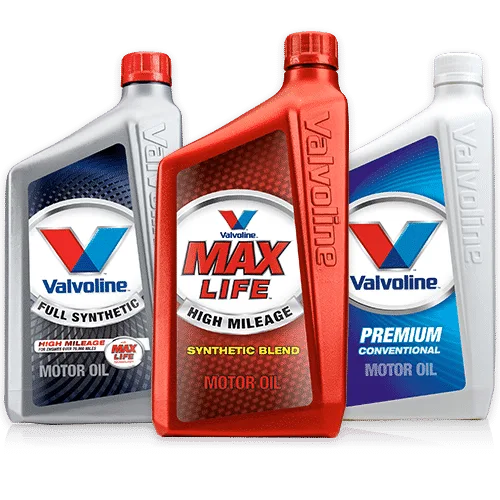
Yes, Valvoline is good oil. For most drivers, Valvoline is a safe, proven, and widely trusted motor oil brand. It has been around since the 1800s, sells full synthetic, synthetic blend, high-mileage, diesel, and specialty oils, and its current products are built to meet modern oil standards like API and ILSAC specifications. The honest answer is this: Valvoline is not magic, but it is absolutely good enough for daily drivers, trucks, SUVs, high-mileage vehicles, and many modern engines when you use the correct viscosity and specification. The bigger mistake is not choosing Valvoline instead of Mobil 1, Pennzoil, Castrol, or Royal Purple. The bigger mistake is using the wrong oil, ignoring your owner’s manual, stretching oil-change intervals too far, or skipping maintenance. Why Valvoline Has Real Credibility Valvoline is not a random store-brand oil. The company traces its history back to 1866, when Dr. John Ellis discovered the lubricating benefits of crude oil and founded what became Valvoline. Valvoline also says it became the first trademarked lubricant brand in the United States in 1873. You can see that history on Valvoline’s official history timeline. That history matters because motor oil is a trust product. Drivers are pouring it into engines that can cost thousands of dollars to repair or replace. A brand does not stay relevant for more than a century by selling oil that regularly destroys engines. Valvoline is also not just one oil. It has different product lines for different needs, including Advanced Full Synthetic, Restore & Protect, Extended Protection, High Mileage, European Vehicle, diesel oils, racing oils, and conventional or synthetic blend options in some markets. Is Valvoline Full Synthetic Good? Yes, Valvoline full synthetic oil is good. Valvoline’s Advanced Full Synthetic line is designed for modern gas engines and is one of its most common full synthetic products. Valvoline says its Advanced Full Synthetic motor oil provides 50% more wear protection than industry standards and is made for cars, trucks, and SUVs under severe driving conditions. You can review the product details on Valvoline’s Advanced Full Synthetic page. For regular drivers, that means Valvoline Advanced Full Synthetic is a strong choice for commuting, highway driving, short trips, family SUVs, light trucks, and vehicles that require a modern synthetic oil. It is not automatically better than every other oil. Mobil 1, Pennzoil, Castrol, Quaker State, and other major brands also make excellent synthetic oils. But Valvoline belongs in that top group. Is Valvoline Better Than Cheap Oil? Usually, yes, especially if you are comparing Valvoline full synthetic against a basic conventional oil or an unknown low-cost brand. That does not mean every cheap oil is bad. Some store-brand oils are made by reputable manufacturers and meet the same API or ILSAC standards. But with Valvoline, you are getting a major brand with long product history, broad availability, strong testing claims, and clear product lines. The label still matters more than the logo. A good oil should show the right viscosity and approvals for your vehicle. Look for current standards such as API SP, ILSAC GF-6 or newer, and manufacturer approvals where required. For GM vehicles, dexos approval can also matter. GM states that dexos1 Gen 3 oils exceed dexos1 Gen 2 performance and are backward compatible for vehicles that previously used dexos1 or dexos1 Gen 2, as long as the correct viscosity grade is used. You can verify licensed oils through the official GM dexos site. Is Valvoline Good for High-Mileage Cars? Yes, Valvoline is especially popular for high-mileage vehicles. Valvoline High Mileage oils are made for engines with more miles on them, usually around 75,000 miles or more. High-mileage oils typically include additives designed to help condition seals, reduce minor leaks, manage wear, and support older engines. This does not mean high-mileage oil will fix a worn-out engine. If your engine is knocking, burning oil heavily, leaking badly, or has internal damage, no oil brand will magically repair it. But if your car is older, has higher mileage, and still runs well, Valvoline High Mileage can be a sensible choice. It is one of the brand’s strongest areas because many real-world owners use Valvoline specifically for older vehicles. Is Valvoline Restore & Protect Good? Valvoline Restore & Protect is one of the brand’s more interesting newer products. It is marketed toward engines that may already have deposits from years of use. The idea is not just to protect the engine going forward, but to help reduce existing deposits over time when used consistently. This type of product makes sense for drivers who bought a used vehicle with unknown maintenance history, own a higher-mileage engine, or want a more cleaning-focused oil without doing aggressive engine flushes. That said, do not expect overnight miracles. Oil works gradually. If an engine has years of sludge from skipped oil changes, a cleaning-focused oil can help, but it may not reverse neglect completely. Is Valvoline Good for Trucks and SUVs? Yes, Valvoline is a good option for trucks and SUVs if you choose the right product. Many trucks and SUVs work harder than small cars. They may tow, idle, haul, drive in hot weather, make short trips, or run heavier loads. That makes oil quality and correct maintenance intervals more important. Valvoline full synthetic oil can work well in gas-powered trucks that call for common grades like 0W-20, 5W-20, 5W-30, or 0W-40, depending on the engine. For diesel trucks, you need diesel-rated oil that meets the correct Cummins, Power Stroke, Duramax, API CK-4, or manufacturer specification. Do not put regular gas-engine oil into a diesel truck unless the owner’s manual specifically allows it. Diesel engines need the right oil chemistry for soot control, wear protection, and emissions-system compatibility. Is Valvoline Good for Oil Changes? Yes, Valvoline is good oil for regular oil changes. The key is to use the correct Valvoline oil for your vehicle and change it at the right interval. Even the best synthetic oil eventually degrades from heat, contamination, fuel dilution, short trips, and time. RepairPal notes that regular oil changes are important not just for the engine, but also because oil-change visits often include inspections that can catch problems before they leave you stranded. RepairPal also explains that oil-change recommendations depend on vehicle design, driving conditions, and manufacturer guidance. For most drivers, following the owner’s manual or oil-life monitor is smarter than guessing. If you drive in severe conditions, shorter intervals are better. Severe conditions can include: Short trips. Stop-and-go traffic. Towing. Long idling. Extreme heat. Extreme cold. Dusty roads. Performance driving. Frequent mountain driving. Valvoline vs Mobil 1 Valvoline and Mobil 1 are both good oils. Mobil 1 has a very strong reputation in full synthetic oil and is often viewed as the benchmark brand for premium synthetic protection. Valvoline is also a serious major-brand oil and is often priced competitively. For most normal vehicles, the difference between Valvoline and Mobil 1 will matter less than using the correct specification and changing it on time. Choose Mobil 1 if you want one of the most recognized synthetic oil brands and like its extended-performance positioning. Choose Valvoline if you want a trusted oil brand, strong high-mileage options, good value, and broad availability. Neither is a bad choice when the bottle meets your vehicle’s requirements. Valvoline vs Castrol Valvoline and Castrol are both good oils. Castrol EDGE is known for premium synthetic positioning and strong marketing around engine stress and protection. Valvoline Advanced Full Synthetic is a practical, trusted synthetic oil that works well for many daily drivers. For most cars, trucks, and SUVs, either brand can be a good choice. Again, check the specs. If your vehicle needs dexos1 Gen 3, API SP, ILSAC GF-6, a European ACEA spec, or a manufacturer-specific approval, buy the oil that clearly lists that approval. Brand preference is secondary. Correct oil approval is primary. Valvoline vs Pennzoil Valvoline and Pennzoil are both reliable choices. Pennzoil is often known for its Platinum and Ultra Platinum synthetic oils, especially its cleaning-focused claims. Valvoline is strong in high-mileage, full synthetic, and practical daily-driver protection. A driver who wants maximum cleanliness marketing may lean Pennzoil. A driver with a higher-mileage vehicle may lean Valvoline. A driver who simply wants a good synthetic oil at a fair price could choose either. Is Valvoline Good for Older Engines? Yes, Valvoline can be good for older engines. Older engines often benefit from consistent oil changes and a product designed for their condition. Valvoline High Mileage is a logical fit for engines with more wear, minor seepage, or higher odometer readings. But be realistic. If an old engine has low compression, serious oil burning, heavy sludge, coolant contamination, or mechanical noise, switching oil brands will not solve the root problem. Oil can protect, clean, and condition. It cannot rebuild worn metal. Is Valvoline Good for New Cars? Yes, Valvoline can be good for new cars if it meets the exact specification required by the manufacturer. Modern engines can be very specific about oil. Some require 0W-20. Some require 5W-30. Some turbo engines need special protection against low-speed pre-ignition. Some GM engines require dexos-approved oil. Some European vehicles require ACEA or manufacturer-specific approvals. Before using Valvoline in a new car, check the owner’s manual and match the bottle exactly. If the oil meets the required viscosity and approvals, Valvoline is a legitimate choice. Is Valvoline Good for Turbo Engines? Valvoline can be good for turbocharged engines when the correct oil is used. Turbo engines are harder on oil because turbochargers generate high heat and depend on clean lubrication. Many modern turbo engines also need oil that helps protect against low-speed pre-ignition, also called LSPI. Current API and ILSAC oil standards were designed with modern engine concerns in mind. API explains that modern gasoline engine oil categories such as API SP and ILSAC standards address needs like low-speed pre-ignition protection, timing-chain wear protection, fuel economy, and deposit control. You can review the latest oil categories through the API. If your turbo engine requires a specific manufacturer approval, use the Valvoline product that lists that approval. How Long Does Valvoline Oil Last? Valvoline oil can last as long as the vehicle manufacturer allows for your driving conditions, but you should not choose an interval based only on the bottle. Some full synthetic oils are designed for longer intervals than conventional oils. But oil-change intervals depend on the engine, oil spec, driving style, climate, fuel dilution, mileage, and warranty requirements. For many modern vehicles, oil changes may fall somewhere around 5,000 to 10,000 miles, but some vehicles recommend shorter or longer intervals. If you tow, idle often, take short trips, or drive in heat, shorter intervals are safer. The safest answer is simple: follow the owner’s manual and oil-life monitor. If you plan to keep the vehicle long-term, do not push intervals aggressively. Is Valvoline Worth It? Yes, Valvoline is worth it for most drivers. It is not the cheapest oil on the shelf, and it is not always the most expensive. It sits in a strong middle-to-premium position depending on the product line. Valvoline is worth it if you want: A proven major oil brand. Strong full synthetic options. High-mileage formulas. Good availability. Clear product choices. Modern oil specifications. A long brand history. It may not be worth paying extra for if your vehicle simply needs a basic approved oil and another reputable brand is on sale. Oil brand loyalty is fine, but the specification and change interval matter more. When You Should Not Use Valvoline You should not use Valvoline oil if the specific bottle does not meet your vehicle’s requirements. For example, do not use a basic gas-engine oil in a diesel engine that requires diesel-rated oil. Do not use 5W-30 if your engine requires 0W-20 and does not allow alternatives. Do not use a non-European oil in a European engine that requires a specific VW, BMW, Mercedes-Benz, Porsche, or ACEA approval. Valvoline makes many oils. The wrong Valvoline oil is still the wrong oil. FAQs About Valvoline Oil Is Valvoline good oil? Yes, Valvoline is good oil. It is a long-established motor oil brand with full synthetic, high-mileage, diesel, and specialty oils that meet modern engine-oil standards when the correct product is selected. Is Valvoline full synthetic good? Yes, Valvoline full synthetic oil is good for many modern cars, trucks, and SUVs. Valvoline Advanced Full Synthetic is one of the brand’s most common full synthetic oils and is designed for wear protection, heat protection, and severe driving conditions. Is Valvoline better than Mobil 1? Not always. Mobil 1 and Valvoline are both good oils. Mobil 1 has stronger premium synthetic brand recognition, while Valvoline is trusted, widely available, and especially strong in high-mileage formulas. Use whichever one meets your vehicle’s exact oil specs. Is Valvoline good for high-mileage cars? Yes, Valvoline High Mileage is a strong choice for older vehicles and engines with more than 75,000 miles. It can help with seal conditioning and older-engine protection, but it cannot fix serious mechanical problems. Is Valvoline good for trucks? Yes, Valvoline is good for trucks when you choose the right oil. Gas trucks need the correct gas-engine oil specification. Diesel trucks need diesel-rated oil that meets the proper manufacturer and API requirements. How often should you change Valvoline oil? Change Valvoline oil according to your owner’s manual or oil-life monitor. Many modern vehicles using synthetic oil fall around 5,000 to 10,000 miles, but severe driving conditions may require shorter intervals. Is Valvoline better than Castrol? Valvoline and Castrol are both reputable oil brands. The better choice depends on the exact oil specification your vehicle requires, price, availability, and whether you prefer Valvoline’s high-mileage focus or Castrol’s premium synthetic positioning. Final Thoughts: Is Valvoline Good Oil? Valvoline is good oil, and for most drivers, it is an easy brand to trust. It has a long history, strong full synthetic products, high-mileage options, and oils designed for modern engines. It may not be dramatically better than Mobil 1, Pennzoil, or Castrol, but it absolutely belongs in the same conversation as other major motor oil brands. The honest truth is simple: Valvoline is a good choice if you buy the right formula, match the correct viscosity and specification, and change it on schedule. For daily drivers, older cars, trucks, SUVs, and high-mileage engines, Valvoline is a solid, proven option.