





Jeep Wrangler’s High Price Tag: Learn the Shocking Truth Behind It
The Jeep Wrangler is expensive because it is not built like a normal crossover SUV.
A Wrangler costs more because it uses a body-on-frame construction, standard four-wheel drive, serious off-road hardware, removable roof and door engineering, strong resale value, and a huge lifestyle brand identity that few SUVs can match. In Canada, Jeep lists the 2026 Wrangler with an MSRP range from $44,490 to $73,735, depending on trim and equipment. In the U.S., Kelley Blue Book lists the 2026 Wrangler 2-Door starting around $38,030, while 4-Door models can run much higher depending on trim and options. Jeep Canada and Kelley Blue Book both show how wide the Wrangler price spread can get.
So yes, the Wrangler is expensive. But the real question is whether that price is inflated hype, or whether you are paying for hardware most SUVs do not have.
The Wrangler Is Not a Regular SUV
Most SUVs today are crossovers. They are built mainly for comfort, fuel economy, safety tech, and daily commuting.
The Jeep Wrangler is different. It is closer to a purpose-built off-road truck than a typical family crossover. That difference is one of the biggest reasons it costs more.
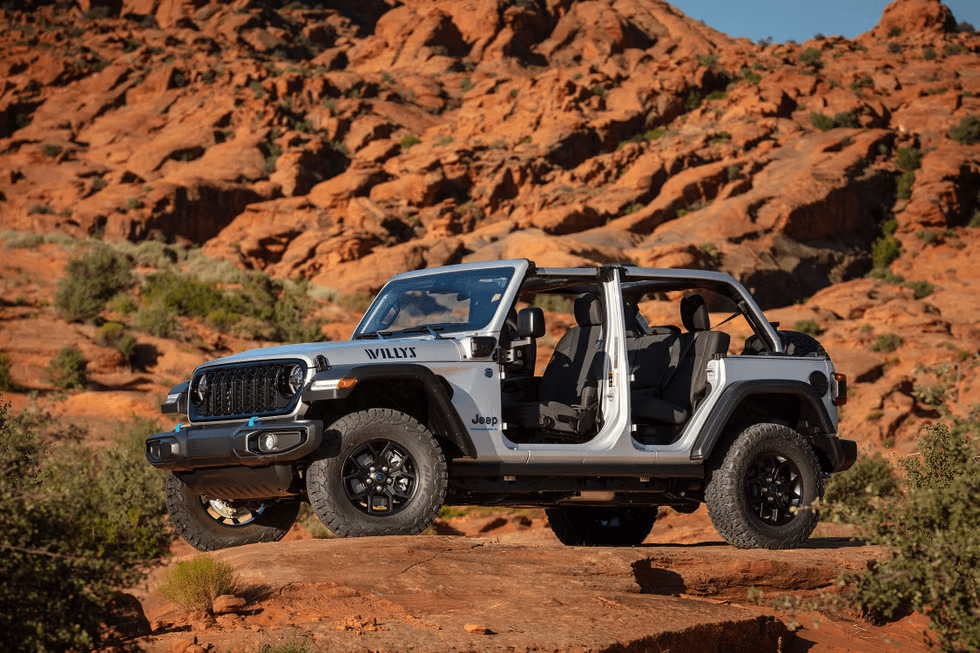
A Wrangler has real four-wheel-drive capability, rugged suspension design, strong approach and departure angles, removable body features, and trim levels built around trail use. The Wrangler is not trying to be the quietest, smoothest, cheapest SUV in the segment. It is built to do things most crossovers are not designed to do.
That specialty engineering adds cost.
Standard 4×4 Capability Costs Money
One reason the Jeep Wrangler has a high price tag is that four-wheel drive is not just an option added for marketing. It is central to the vehicle.
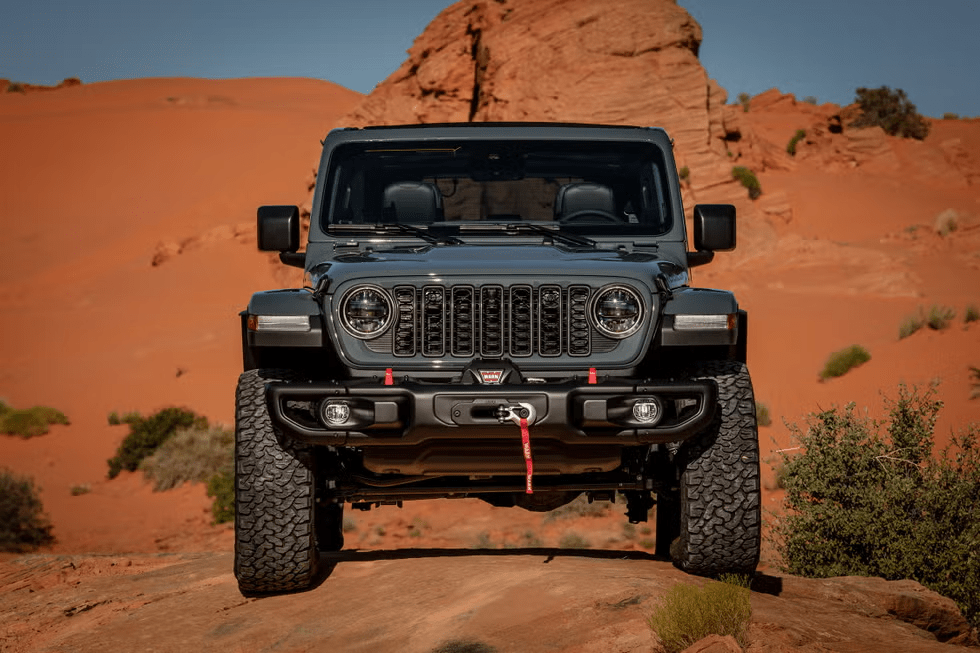
Every Wrangler is built around off-road capability. Depending on trim, buyers can get advanced 4×4 systems, locking differentials, disconnecting sway bars, skid plates, upgraded axles, all-terrain tires, rock rails, and trail-focused gearing.
That hardware is expensive compared with a simple front-wheel-drive crossover. A basic compact SUV can be cheaper because it does not need the same drivetrain strength or off-road durability.
If you are only driving to work, school, Costco, and the beach, you may not use all that hardware. But it is still built into the Wrangler’s price.
Body-on-Frame Construction Is Part of the Cost
The Wrangler still uses a more rugged construction approach than most modern SUVs.
Many crossovers use unibody platforms because they are lighter, more efficient, and better for normal road comfort. The Wrangler keeps a truck-like identity because it is built for rougher use.
That kind of vehicle architecture helps with durability, articulation, and trail capability, but it can cost more to develop, produce, and refine. It also usually brings tradeoffs in ride comfort, wind noise, fuel economy, and handling.
That is part of the shock for some buyers. The Wrangler can be more expensive than a smoother crossover, while also feeling less refined on the highway. But that is because the money is going into different priorities.
Solid Axles Are Rare and Expensive
The Wrangler’s solid-axle setup is another major reason it feels different from regular SUVs.
Most modern SUVs use independent suspension because it improves road comfort and handling. The Wrangler keeps solid front and rear axles because they are valuable off-road. Solid axles help with articulation, durability, and predictable traction on uneven trails.
That is not the cheapest way to build a comfortable road SUV. It is a deliberate off-road choice.
For buyers who want real trail capability, this is part of the appeal. For buyers who only care about quiet commuting, it may feel like paying extra for hardware they will never use.
Removable Doors and Roof Add Engineering Cost
The Wrangler’s removable roof and doors are not just gimmicks.
Designing a vehicle that can safely and legally operate with removable panels is more complicated than building a fixed-roof SUV. Jeep has to engineer weather sealing, body structure, wiring connections, hinges, latches, roof panels, storage solutions, and crash-related design around a vehicle that can be opened up in ways most SUVs cannot.
That freedom is one of the biggest reasons people buy Wranglers. But it also contributes to cost.
A Honda CR-V, Toyota RAV4, Mazda CX-5, or Jeep Grand Cherokee does not need to solve those same problems. The Wrangler does.
The Rubicon Drives the Price Even Higher
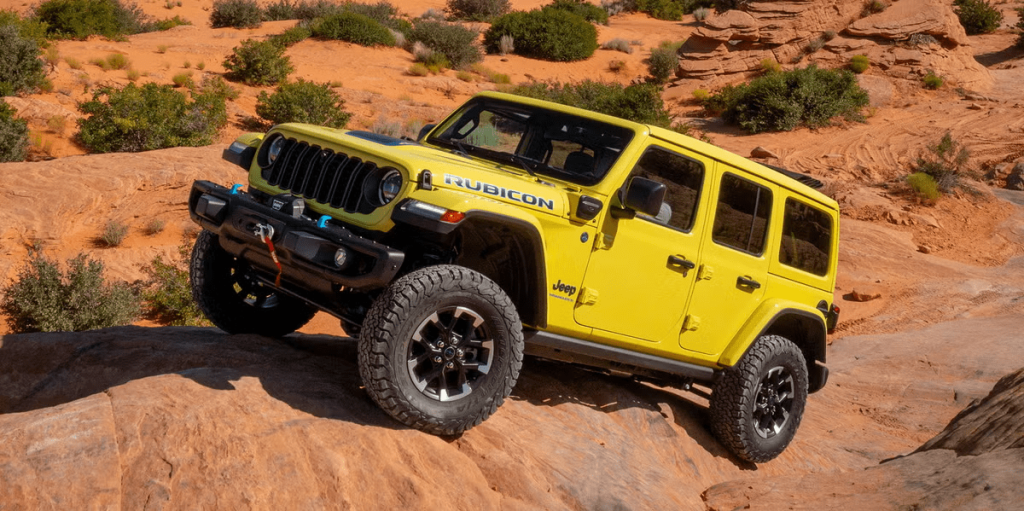
If the base Wrangler already seems expensive, the Rubicon can feel shocking.
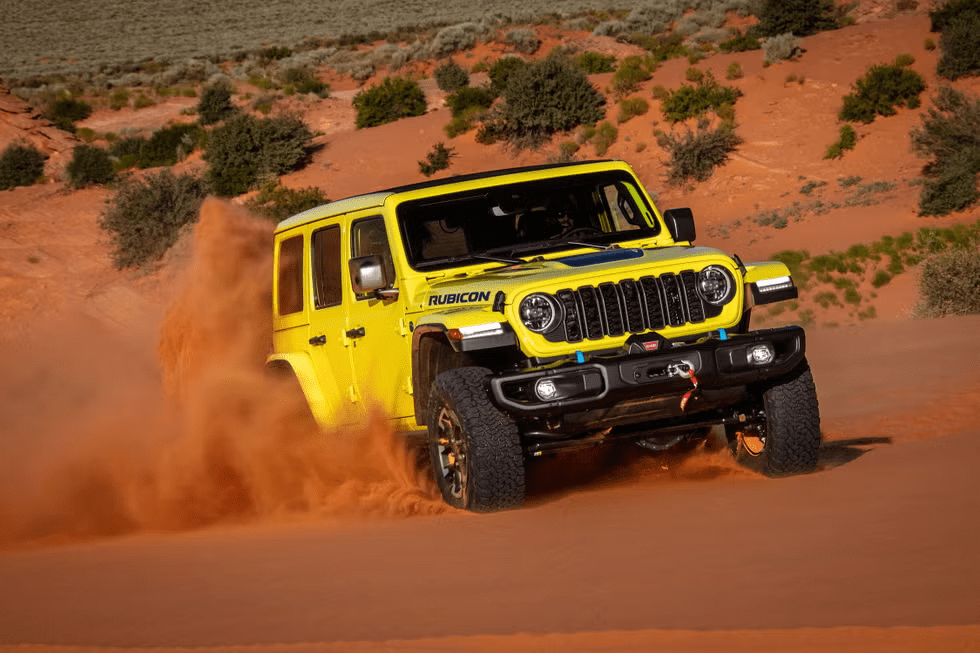
But the Rubicon is not just a badge. It is the trail-focused version with serious off-road upgrades. Depending on the model year and configuration, Rubicon models can include locking differentials, electronic sway bar disconnect, upgraded axles, rock rails, aggressive tires, and improved crawl capability.
Those parts are expensive from the factory, but they also save some buyers from having to modify the Jeep later. A buyer who actually off-roads may see the Rubicon as a better value than buying a cheaper Wrangler and adding parts afterward.
For buyers who only want the look, though, the Rubicon price may not make sense.
Wrangler Resale Value Keeps Prices High
One of the biggest reasons Wranglers are expensive is resale value.
Wranglers tend to hold value better than many other SUVs. That affects both new and used prices. If a vehicle depreciates slowly, used examples stay expensive, and new ones can feel less discounted because demand remains strong.
This is why used Wranglers often shock shoppers. A five-year-old Wrangler can still cost more than people expect because the market knows they are desirable.
Kelley Blue Book has repeatedly recognized Wrangler for strong resale value in past awards, and Jeep even promotes Kelley Blue Book trade-in tools directly on its own Jeep trade-in value page. Strong resale can hurt buyers upfront, but it can help owners later when they trade or sell.
Demand Is Huge
Jeep does not have to price the Wrangler like a normal SUV because buyers do not treat it like a normal SUV.
The Wrangler has one of the strongest enthusiast communities in the automotive world. People buy it for trail use, beach driving, camping, overlanding, customization, removable-roof fun, and the Jeep lifestyle.
That demand gives Jeep pricing power.
A lot of SUVs compete on practicality. The Wrangler competes on identity. That is why people still pay premium prices even when there are cheaper, quieter, more fuel-efficient SUVs available.
Customization Adds to the Cost
The Wrangler is one of the most customizable vehicles on the road.
Lift kits, wheels, tires, bumpers, winches, lighting, roof racks, fenders, recovery gear, interior accessories, and overland setups are all part of the culture. Jeep knows buyers love options, and that shows up in factory packages too.
When buyers add bigger wheels, upgraded tops, tech packages, safety packages, leather, premium audio, towing equipment, and off-road upgrades, the price can climb quickly.
A Wrangler can start at one number and end up thousands higher after options.
Fuel Economy Is Not the Wrangler’s Strongest Point
Another reason the Wrangler feels expensive is that the cost does not stop at the purchase price.
Wranglers are not known for being fuel-economy leaders. The boxy shape, off-road tires, 4×4 hardware, weight, and aerodynamics all work against it. A crossover can usually deliver better fuel economy because it is smoother, lighter, and more road-focused.
That means Wrangler ownership can cost more at the pump, especially if you choose larger tires, lift the vehicle, or drive mostly in the city.
For some buyers, that is worth it. For others, it is a reason to consider something more efficient.
Maintenance and Repairs Can Add Up
The Wrangler is not the cheapest compact SUV to maintain.
RepairPal gives the Jeep Wrangler an average annual repair cost of $694, compared with $521 for compact SUVs and $652 for all vehicle models. It also ranks the Wrangler 25th out of 26 compact SUVs for reliability, though it notes that the number of repairs is low and major repairs are uncommon. RepairPal
That does not mean the Wrangler is bad. It means ownership costs should be taken seriously.
Off-road use, modifications, oversized tires, suspension changes, and rough driving can increase wear. A stock Wrangler that is maintained well can be manageable. A heavily modified one with cheap parts can become expensive fast.
The Used Wrangler Market Is Still Pricey
Many shoppers think the smart move is to skip a new Wrangler and buy used.
Sometimes that works. But used Wranglers are often still expensive because of resale value and demand. A clean used Wrangler with low mileage, four doors, the right trim, and popular options can hold value surprisingly well.
The upside is that a Wrangler may lose less value over time compared with many SUVs. The downside is that finding a true bargain can be hard.
If you are shopping used, pay close attention to maintenance records, accident history, rust, water leaks, lift kits, tire wear, steering feel, suspension condition, and whether the Jeep has been off-roaded hard.
For local shoppers, checking available used Jeep inventory is a good starting point because condition, mileage, trim, and modifications matter as much as price.
Is the Jeep Wrangler Overpriced?
The Wrangler can feel overpriced if you judge it like a normal SUV.
If you compare it only on quietness, fuel economy, cargo space, highway comfort, and price, many crossovers look better. A Toyota RAV4, Honda CR-V, Mazda CX-5, Subaru Forester, or even a Jeep Grand Cherokee may make more sense for daily comfort.
But if you judge the Wrangler by off-road capability, removable-roof fun, resale value, customization, and brand identity, the price becomes easier to understand.
The Wrangler is expensive because it is one of the few vehicles that still delivers that specific experience from the factory.
Should You Buy a Wrangler or Another Jeep?
Buy the Wrangler if you want the real Jeep experience.
That means removable doors, removable roof, strong trail capability, huge aftermarket support, and a vehicle that feels different from everything else on the road.
Consider another Jeep if you want better everyday comfort, quieter road manners, or more family-friendly refinement. A Grand Cherokee, Grand Cherokee L, Compass, or Cherokee can make more sense if you do not need the full Wrangler lifestyle.
If you want a new Jeep with warranty coverage, compare available new Jeep inventory. If you are budgeting around payments, trade value, or approval options, start with the dealership’s finance application.
How to Avoid Overpaying for a Wrangler
The best way to avoid overpaying is to buy the Wrangler you actually need, not the one that looks the most aggressive online.
Do not buy a Rubicon if you will never use Rubicon hardware. Do not pay extra for a lift if the work was done cheaply. Do not assume every used Wrangler is worth top dollar. Do not ignore rust or water leaks. Do not stretch your budget just because Wranglers hold value.
Focus on the right trim, clean history, proper maintenance, and realistic ownership costs.
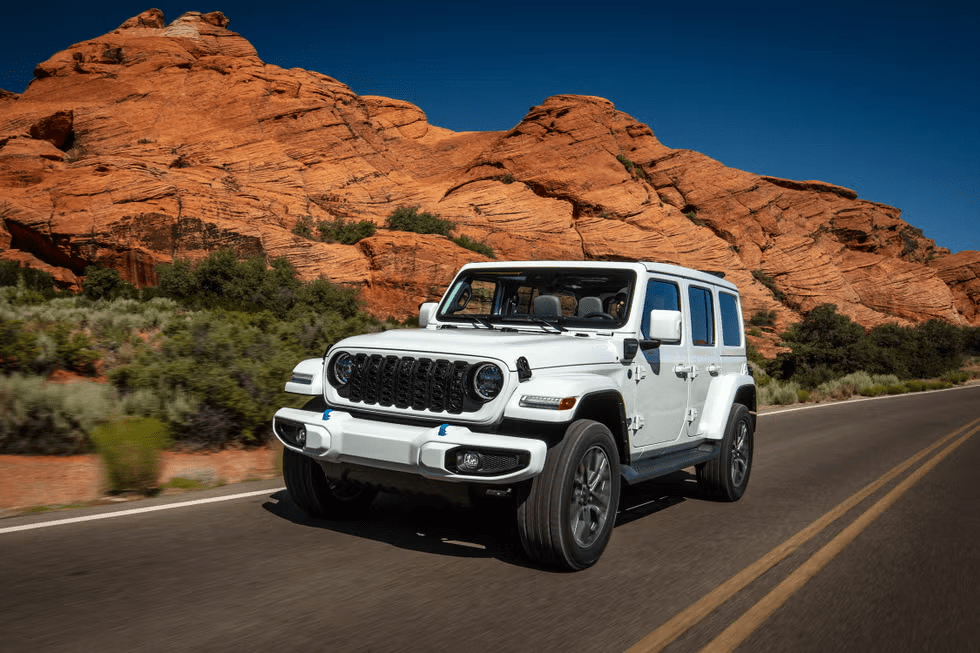
A Sport or Willys may be enough for many buyers. A Sahara may be better for comfort-focused daily driving. A Rubicon makes sense for real off-road use. A 4xe can make sense if your driving habits fit plug-in hybrid ownership, but it adds complexity.
FAQs About Why Jeep Wranglers Are Expensive
Why are Jeep Wranglers so expensive?
Jeep Wranglers are expensive because they use real 4×4 hardware, off-road-focused engineering, removable roof and door systems, body-on-frame construction, solid axles, and strong resale value. They are specialty vehicles, not regular crossovers.
Are Jeep Wranglers overpriced?
They can feel overpriced if you only want a basic daily SUV. But for buyers who want off-road capability, removable-roof freedom, customization, and strong resale value, the price is easier to justify.
Do Jeep Wranglers hold their value?
Yes, Wranglers are known for strong resale value. That keeps both new and used prices higher than many competing SUVs.
Is a used Jeep Wrangler worth it?
A used Wrangler can be worth it if it has clean maintenance history, no major rust, no bad modifications, no water leaks, and a fair price. Used Wranglers are often expensive because demand and resale value are strong.
Is the Rubicon worth the extra money?
The Rubicon is worth it if you actually need serious off-road hardware. If you mostly drive on pavement, a Sport, Willys, or Sahara may be the smarter buy.
Is the Jeep Wrangler expensive to maintain?
The Wrangler can cost more to maintain than many compact SUVs. RepairPal lists the average annual repair cost at $694, which is higher than the compact SUV average.
Final Thoughts: The Wrangler Costs More Because It Does More
The Jeep Wrangler’s high price tag is not just random.
You are paying for real off-road capability, removable body features, rugged hardware, strong resale value, customization potential, and one of the strongest lifestyle brands in the SUV market.
That does not mean every buyer should get one. If you only need a quiet, efficient, low-cost daily SUV, there are better values. But if you want the full Jeep experience, the Wrangler is one of the only vehicles that still delivers it straight from the factory.



Connect with us


