





Who Makes Genesis Cars? The Full Story Behind the Luxury Brand More Drivers Are Suddenly Taking Seriously
Genesis cars are made by Genesis Motor, the luxury vehicle brand owned by Hyundai Motor Group. The simple answer is this: Genesis is Hyundai’s luxury brand, similar to how Lexus belongs to Toyota, Acura belongs to Honda, and Lincoln belongs to Ford.
Genesis became a standalone luxury brand in 2015, when Hyundai Motor announced that Genesis would operate alongside Hyundai as a separate premium marque. Hyundai said the new Genesis brand was created to compete with established luxury automakers and would launch multiple models globally. (Genesis Newsroom)
Is Genesis Made by Hyundai?
Yes, Genesis is made by Hyundai Motor Group.
That does not mean Genesis vehicles are simply Hyundai models with nicer badges. Genesis operates as a separate luxury brand with its own design language, model lineup, customer experience, and premium positioning.
The relationship is best understood this way:
Hyundai is the mainstream brand.
Genesis is the luxury brand.
Hyundai Motor Group is the parent company.
That structure gives Genesis access to Hyundai’s engineering, manufacturing scale, electrification technology, quality systems, and global resources while still allowing it to build a more premium identity.
When Did Genesis Become Its Own Brand?
Genesis officially became a standalone brand in November 2015.
Before that, Genesis was used as the name of a Hyundai luxury sedan. The Hyundai Genesis sedan helped prove that Hyundai could build something more refined, powerful, and premium than many shoppers expected.
After that, Hyundai turned Genesis into its own luxury brand. Hyundai Motor Group describes Genesis as Korea’s first luxury automotive brand and notes that the brand’s first major step came in 2015, followed by models like the G90 and G80 that helped establish its luxury foundation. (Hyundai Motor Group)
Where Are Genesis Cars Built?
Many Genesis vehicles are built in South Korea, especially at Hyundai Motor Group production facilities.
Genesis models are also designed through a global design network. Genesis Motor has used design and engineering input from locations such as Namyang, South Korea, Irvine, California, and Rüsselsheim, Germany, helping the brand develop a more international luxury identity rather than feeling like a purely domestic Korean product. (Wikipedia)
That global design approach matters. Genesis is not trying to copy one luxury brand. It is trying to blend Korean design philosophy, European-style proportions, American-market usability, and modern technology into one premium lineup.
What Cars Does Genesis Make?
Genesis sells luxury sedans, SUVs, and electric vehicles.
The core Genesis lineup has included models such as:
Genesis G70: compact sport sedan.
Genesis G80: midsize luxury sedan.
Genesis G90: full-size flagship luxury sedan.
Genesis GV60: electric crossover.
Genesis GV70: compact luxury SUV.
Genesis Electrified GV70: electric version of the GV70.
Genesis GV80: midsize luxury SUV.
The official Genesis global lineup includes vehicles like the GV60, GV70, GV80, G70, G80, and G90, showing how quickly Genesis expanded from a sedan-focused luxury brand into a full SUV and EV player. (Genesis)
Why Are Drivers Taking Genesis Seriously Now?
Drivers are taking Genesis seriously because the brand is no longer just “the new luxury brand from Hyundai.”
Genesis now has real design identity, strong interiors, competitive powertrains, advanced technology, luxury features, and pricing that often undercuts German rivals. It also entered the market at the right time, when many buyers were questioning whether BMW, Mercedes-Benz, Audi, and Lexus were still the automatic choices.
Genesis gave shoppers a different option: premium design, strong warranty appeal, high feature content, and luxury presence without the same legacy-brand baggage.
Genesis Design Is a Big Reason It Stands Out
Genesis vehicles have a very clear design signature.
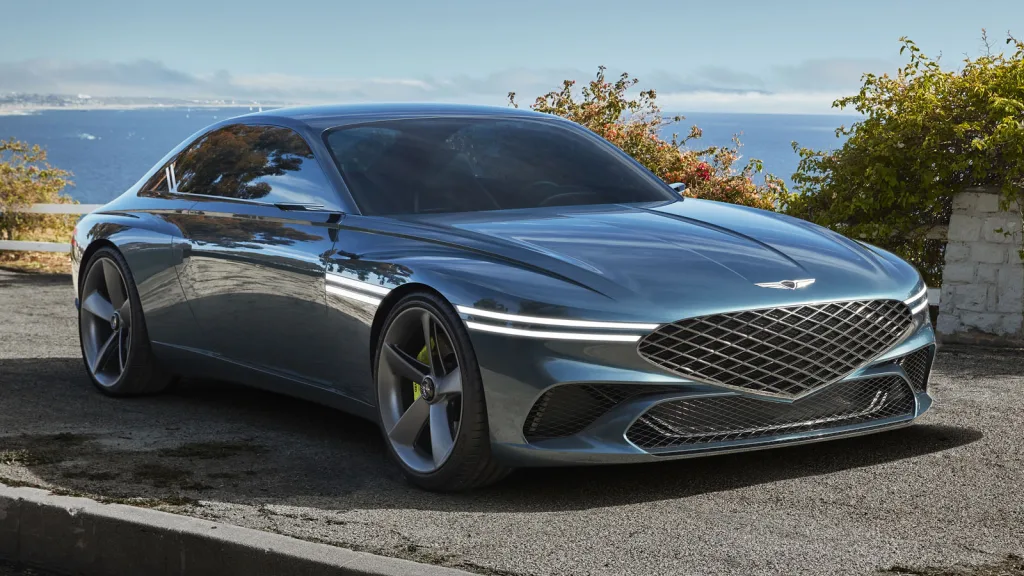
The brand uses a large crest-style grille, two-line lighting elements, clean body surfacing, upscale interiors, and a design philosophy that tries to feel elegant rather than overly aggressive.
That matters because luxury buyers do not just buy specs. They buy presence. Genesis has done a strong job making its vehicles look expensive from the outside and feel premium inside.
The GV70 and GV80 are especially important because luxury SUVs are where many buyers are spending money today.
Is Genesis a Real Luxury Brand?
Yes, Genesis is a real luxury brand.
Some shoppers still hesitate because Hyundai is the parent company, but that is not unusual in the luxury market. Lexus is owned by Toyota. Acura is owned by Honda. Infiniti is owned by Nissan. Lincoln is owned by Ford.
Genesis follows the same basic luxury-division model. The difference is that Genesis is much newer, so it has had to build credibility faster.
The brand has done that through design, equipment, warranty appeal, strong review attention, and competitive pricing.
Is Genesis Reliable?
Genesis reliability is generally competitive, but it depends on the model and year.
For example, J.D. Power lists the 2025 Genesis G70 with a Quality & Reliability score of 87 out of 100, which falls into its “Great” range. (JD Power)
That does not mean every Genesis is perfect. Luxury vehicles have more electronics, more features, and more expensive components than basic cars. But Genesis has benefited from Hyundai Motor Group’s broader quality and engineering improvements.
Genesis vs Hyundai: What Is the Difference?
The difference is positioning.
Hyundai builds mainstream cars and SUVs like the Elantra, Sonata, Tucson, Santa Fe, Palisade, and IONIQ models.
Genesis builds premium vehicles designed to compete with luxury brands. Genesis vehicles usually offer richer interiors, stronger performance options, more advanced comfort features, quieter cabins, more upscale design, and a more premium ownership experience.
In simple terms: Hyundai is value-focused. Genesis is luxury-focused.
Genesis vs Lexus, BMW, Mercedes, and Audi
Genesis is most often compared with Lexus, BMW, Mercedes-Benz, and Audi.
Against Lexus, Genesis often feels more design-forward and sometimes more performance-oriented.
Against BMW, Genesis usually competes with strong value and luxury features, though BMW still has the stronger performance heritage.
Against Mercedes-Benz, Genesis offers premium design and comfort at a lower price point in many cases.
Against Audi, Genesis competes with technology, interiors, and quiet luxury, though Audi has a longer premium-brand history.
The biggest Genesis advantage is value. The biggest Genesis challenge is brand prestige. It is still building the long-term badge power that older luxury brands already have.
Why Hyundai Created Genesis
Hyundai created Genesis because it wanted to compete higher in the market.
By the 2010s, Hyundai had already improved its mainstream reputation. The next step was proving it could build luxury vehicles. Instead of trying to stretch the Hyundai badge too far, it created Genesis as a separate brand.
That was the right move. Luxury buyers often care about brand identity as much as product quality. A separate Genesis badge gave Hyundai Motor Group a cleaner way to enter the premium segment.
Is Genesis Worth Buying?
Genesis is worth considering if you want luxury features, standout design, strong value, and something different from the usual German and Japanese luxury brands.
It is especially appealing for shoppers who want a premium SUV like the GV70 or GV80 without paying the same kind of money they might spend on a similarly equipped BMW, Mercedes-Benz, or Audi.
The main things to check are dealer network convenience, service availability, resale value, model-specific reliability, and whether you prefer Genesis’ newer-brand identity over legacy luxury badges.
Final Answer
Genesis cars are made by Genesis Motor, the luxury brand owned by Hyundai Motor Group.
Genesis started as a Hyundai luxury model, became a standalone luxury brand in 2015, and now builds premium sedans, SUVs, and electric vehicles under its own badge. The brand is backed by Hyundai’s engineering and manufacturing resources, but it operates with its own luxury design, lineup, and market position.
The reason more drivers are taking Genesis seriously is simple: the cars no longer feel like experiments. They feel like real luxury competitors.
Connect with us


