




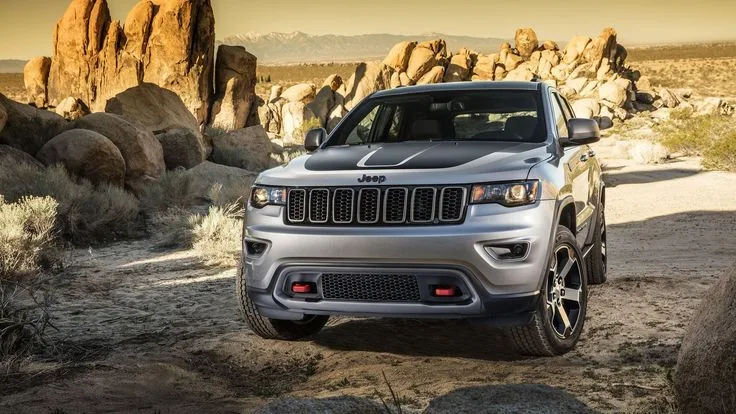
The Jeep Grand Cherokee has always occupied an interesting place in the SUV market. It offers something many rivals struggle to match: real off-road credibility, strong road presence, everyday comfort, and a premium feel in higher trims. That mix is exactly why so many buyers keep coming back to it.
Hidden Automotive DiscountsBut there is another side to the Grand Cherokee story.
Over the years, certain model years and trims have developed a reputation for expensive faults, especially when mileage climbs. Some owners get years of dependable service. Others end up dealing with transmission issues, electrical gremlins, suspension failures, or costly repairs that quickly turn a bargain used SUV into a headache.
So what are the most common Jeep Grand Cherokee faults?
The short answer is this: transmission problems, electrical faults, suspension issues, and drivetrain-related repairs have historically been the biggest trouble spots. The exact risk depends heavily on the model year, engine, and trim you choose.
This guide breaks down the most common faults, which Grand Cherokee years tend to be the most problematic, and what buyers should watch for before purchasing one.
The Most Common Problems With the Jeep Grand Cherokee
If you ask long-term owners or independent mechanics what the Grand Cherokee is most likely to go wrong with, four areas come up again and again:
1. Transmission Problems
For many model years, the transmission has been the Grand Cherokee’s most serious weakness. Common complaints have included:
- harsh or delayed shifting
- slipping between gears
- hesitation from a stop
- sudden downshift behavior
- limp mode activation
- torque converter or solenoid-related failures
These issues are especially important because transmission repairs are rarely cheap. A small software issue can sometimes be resolved with a reflash, but a major failure can easily turn into a repair bill worth several thousand dollars.
Older Grand Cherokees, particularly certain late-2000s and early-2010s examples, are the ones buyers usually need to inspect most carefully. Even when the transmission itself is not failing outright, poor shift quality can be a warning sign that expensive work may be coming.
2. Electrical and Electronics Faults
Electrical faults are another major part of the Grand Cherokee ownership experience, especially on older or more heavily optioned models. Depending on the year, these issues can range from minor annoyances to frustrating repeat problems.
Common complaints include:
- malfunctioning infotainment systems
- frozen screens or backup camera delays
- warning lights with no clear cause
- faulty sensors
- intermittent starting issues
- window regulator failures
- gauge cluster glitches
- module-related communication errors
The challenge with electrical faults is not just the repair itself. It is the time spent diagnosing problems that may come and go. A used Grand Cherokee that seems fine during a short test drive may still hide electronic issues that only show up later.
3. Suspension Problems
The Grand Cherokee has long been praised for its ride quality, especially in trims equipped with more advanced suspension systems. Unfortunately, that comfort has sometimes come with a cost.
Common suspension-related faults include:
- worn bushings and links
- sagging springs on older models
- air suspension compressor failure
- leaking air springs
- ride height sensor problems
- uneven vehicle stance
- clunking noises over bumps
Models equipped with Quadra-Lift air suspension deserve extra attention. When working properly, the system improves ride quality and off-road flexibility. When it starts to fail, it can become very expensive. Compressor replacement, leaking air struts, and sensor problems are not unusual as these vehicles age.
If you are shopping used, a Grand Cherokee with air suspension should always be inspected carefully. A bargain purchase price can disappear quickly if the system needs major work.
4. Engine and Drivetrain Concerns
Not every Grand Cherokee engine is problematic, but some years and powertrains have had recurring complaints tied to drivability, oil leaks, cooling system issues, or drivetrain wear.
Reported concerns over the years have included:
- stalling or rough running
- cooling system failures
- brake-related drivability complaints in certain years
- transfer case behavior on 4WD models
- fuel system issues on specific model years
- wear related to high mileage and poor maintenance
Much of this comes down to how the vehicle was maintained. A neglected Grand Cherokee can become a money pit very quickly. A well-kept one with documented service history is a very different story.
Why the Grand Cherokee’s Reputation Is So Mixed
One reason Grand Cherokee reliability is debated so often is simple: the model has been around for decades, and not all generations are equal.
Some years are genuinely solid. Others are known for repeat failures that have damaged the vehicle’s reputation. That is why broad statements like “Grand Cherokees are unreliable” or “Grand Cherokees are great SUVs” are both incomplete.
The truth sits somewhere in the middle.
A properly maintained Grand Cherokee from a better year can be a satisfying SUV to own. A poorly chosen year, especially one with known transmission or electrical faults, can be the exact opposite.
Jeep Grand Cherokee Common Faults by Generation
ZJ (1993-1998)
The earliest Grand Cherokees helped build the model’s reputation, but they are old enough now that age itself becomes a major factor. Cooling system wear, electrical issues, and general age-related failures are all common concerns.
Most common faults:
- cooling system issues
- electrical gremlins
- aging sensors and wiring
These are best viewed as enthusiast or project vehicles rather than dependable daily drivers.
WJ (1999-2004)
The WJ generation is often considered more refined than the ZJ, but common faults still include window regulator failures, sensor issues, and aging electronics.
Most common faults:
- faulty window regulators
- sensor problems
- gauge and electrical issues
A good WJ can still be worth owning, but maintenance history matters a lot.
WK (2005-2010)
This generation is where repair risk starts becoming more serious for many buyers. TIPM-related complaints, transmission problems, and other electrical issues can make ownership expensive.
Most common faults:
- transmission trouble
- TIPM and electrical faults
- higher repair costs as mileage increases
These are the years many used buyers approach with caution.
WK2 (2011-2021)
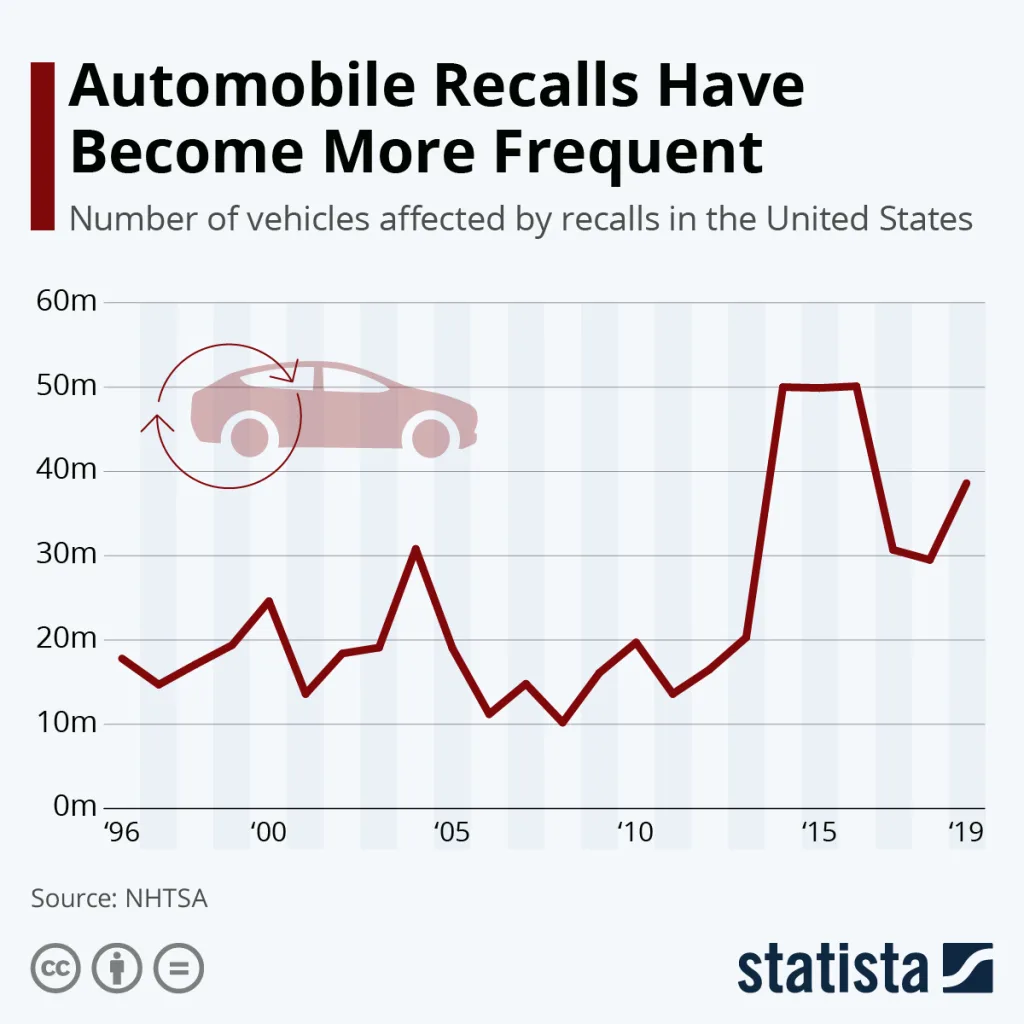
This generation is broad, and reliability varies significantly depending on year and trim. Some examples are decent. Others are known for transmission behavior, air suspension issues, and electronics complaints.
Most common faults:
- transmission lag or rough shifting
- infotainment and electrical glitches
- air suspension failures in higher trims
- brake or engine-related complaints in some years
Later WK2 models are generally more appealing than the earliest ones, but inspection is still critical.
WL (2022 and newer)
The newer generation appears more refined overall, though early production examples can still have software and launch-year issues. As with many first-year redesigns, buyers should expect some teething problems.
Most common faults noted so far:
- software-related glitches
- minor electronics bugs
- early production quality inconsistencies
In general, newer models look improved, but long-term durability always takes time to prove itself fully.
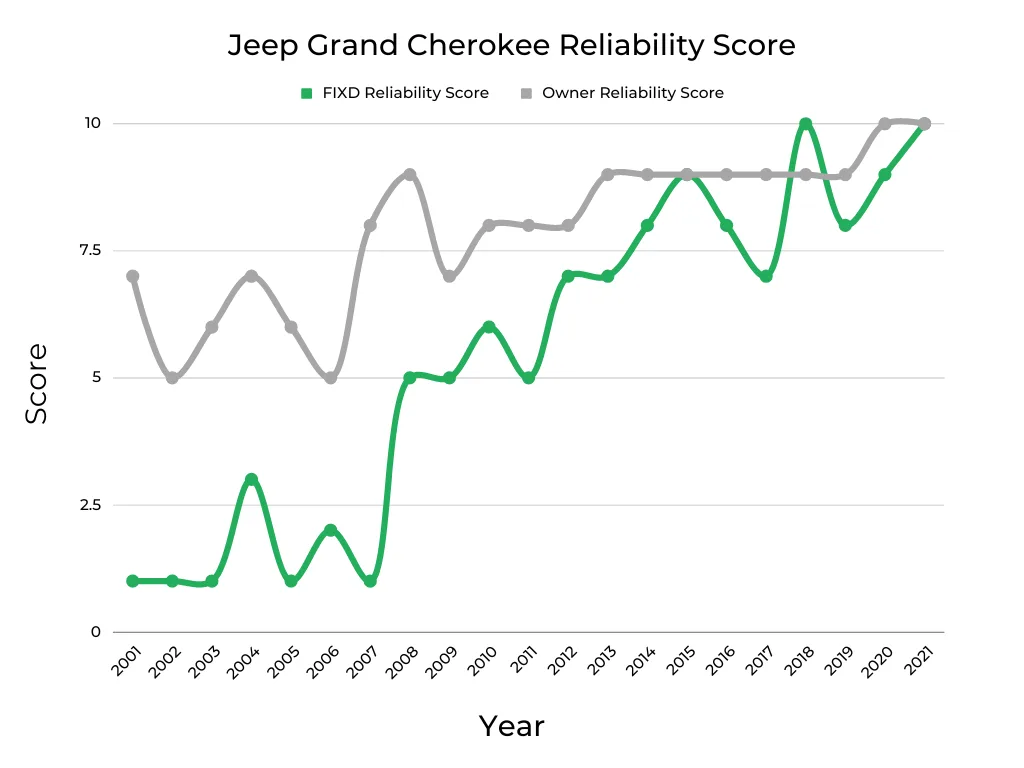
Which Jeep Grand Cherokee Years Are the Most Problematic?
If you are shopping used, the years that usually deserve the most caution are the ones repeatedly associated with high complaint volume and expensive repairs.
Based on the draft’s overall breakdown, the most concerning years include:
2007
A year commonly associated with transmission issues and TIPM-related problems. Repairs can become expensive quickly.
2011
Known in the draft for stalling and brake-related complaints, along with broader reliability concerns.
2012
Often flagged as one of the riskier years because of transmission, brake, and electrical issues.
2014-2015
Not always total deal-breakers, but still known for transmission lag, electrical bugs, and in some trims, air suspension problems.
That does not mean every vehicle from those years is bad. It means they deserve more careful inspection, stronger service records, and more conservative expectations.
Which Trims Tend to Have More Problems?
In general, the more complex the trim, the more there is to go wrong.
Base or lower trims often avoid some of the expensive problems seen in luxury-oriented models simply because they have fewer systems to fail. Meanwhile, premium trims can bring:
- air suspension complexity
- panoramic roof concerns
- more advanced electronics
- premium audio and comfort features with higher replacement costs
That is why trims like Summit and Overland can be wonderful when everything works, but more expensive when things do not. Buyers focused on long-term reliability often do better with a simpler configuration.
Is the Grand Cherokee 4xe More Problematic?
Plug-in hybrid versions bring their own advantages and their own risk profile. Hybrid systems add more complexity, and early examples of any electrified model can have software or charging-related issues.
The draft highlights early concerns such as:
- charging system faults
- EV interface glitches
- rough transitions between electric and gas operation
- range inconsistency in colder weather
That does not mean the 4xe is a bad idea. It means buyers should be realistic: more technology usually means more systems to monitor over time.
What to Check Before Buying a Used Jeep Grand Cherokee
A used Grand Cherokee can still be a smart buy, but only if you inspect it properly. Before committing, pay close attention to the following:
Transmission Behavior
Make sure it shifts smoothly during cold starts, stop-and-go driving, and highway speeds. Hesitation, slipping, harsh engagement, or shuddering should not be ignored.
Suspension Condition
If the SUV has air suspension, check whether it sits level after being parked and whether ride height changes work correctly. Listen for compressor overuse and suspension clunks.
Electrical Systems
Test everything. Infotainment, climate controls, windows, locks, backup camera, driver-assist functions, seat adjustments, and warning lights all matter.
Service History
A Grand Cherokee with a full maintenance record is much safer than one with missing history. Transmission servicing, suspension work, software updates, and recall completion are all worth confirming.
Undercarriage and Driveline
If the SUV has seen real off-road use, check for damage underneath, leaks, transfer case issues, and unusual noises from the driveline.
Are Jeep Grand Cherokees Worth Buying?
They can be, but this is not a model you buy blindly.
The Grand Cherokee remains attractive because it offers a lot that many midsize SUVs do not: authentic Jeep character, strong towing ability, available off-road capability, and a more upscale feel than many mainstream rivals. That is why owner loyalty remains strong despite the model’s well-known faults.
Still, buyers need to separate the good years from the bad ones.
If you choose carefully, inspect thoroughly, and avoid the known trouble years, a Grand Cherokee can still be a satisfying SUV. If you chase the cheapest example on the market without understanding the common faults, it can become a very expensive mistake.
Final Verdict
So, what is the most common problem with the Jeep Grand Cherokee?
Historically, transmission problems have been the biggest and most expensive fault, but they are far from the only issue. Electrical faults, air suspension failures, and drivetrain-related repairs are also among the most common Jeep Grand Cherokee problems.
The biggest lesson is this: year, trim, and maintenance history matter more than the badge alone.
If you are buying used, be especially cautious with:
- 2007
- 2011
- 2012
- some 2014-2015 models
- higher trims with air suspension and more electronics
If you are shopping for a Grand Cherokee because you want the style, comfort, and Jeep image, make sure the vehicle you buy has been inspected properly. On this SUV, the difference between a great purchase and a terrible one often comes down to what is hiding beneath the surface.
Connect with us


