





The idea of putting a magnet on an oil filter sounds almost too simple. Clip a magnet onto your filter, trap harmful metal particles, protect your engine longer. That promise has been around for decades, and yet many drivers still ask the same questions:
Are oil filter magnets worth it?
Do oil filter magnets actually work?
Why would you put a magnet on an oil filter in the first place?
If you’ve searched for oil filter magnet, magnetic oil filter, or magnets on oil filter, you’ve probably seen strong opinions on both sides. Some swear by them. Others dismiss them as gimmicks.
The truth, as usual in automotive engineering, sits somewhere in the middle. This guide breaks down exactly how oil filter magnets work, what they can do, what they cannot do, and whether they make sense for your engine.
What Is an Oil Filter Magnet?
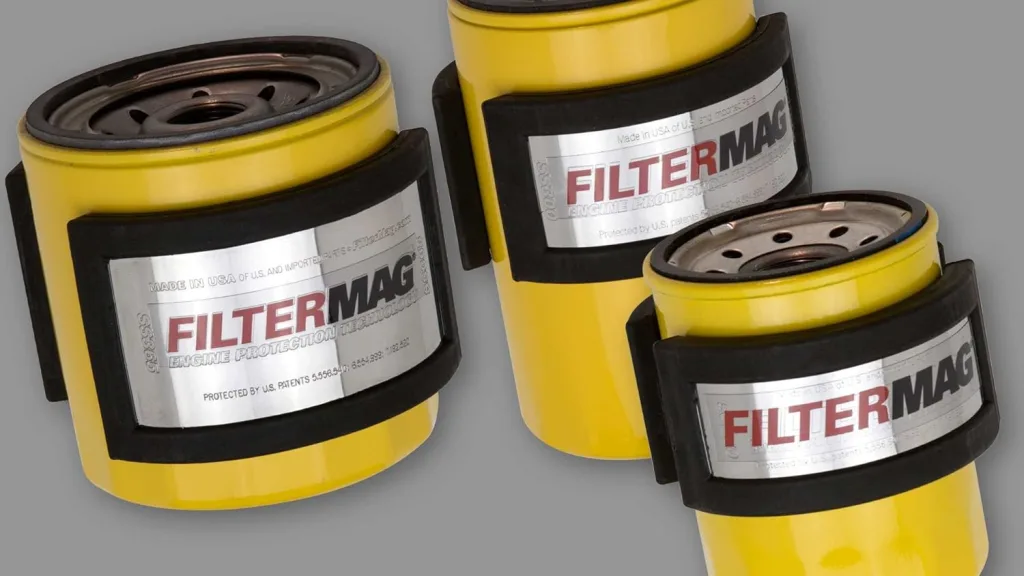
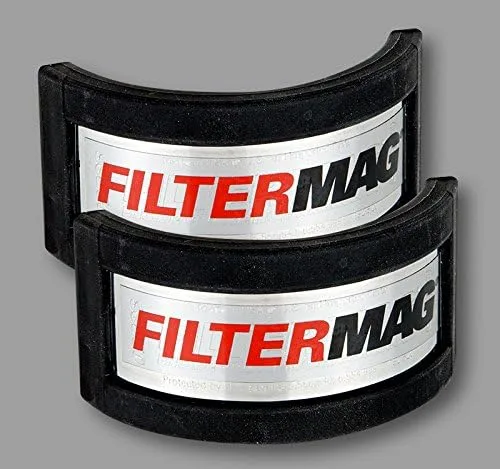
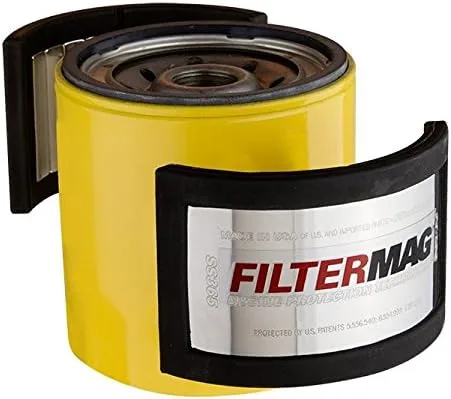
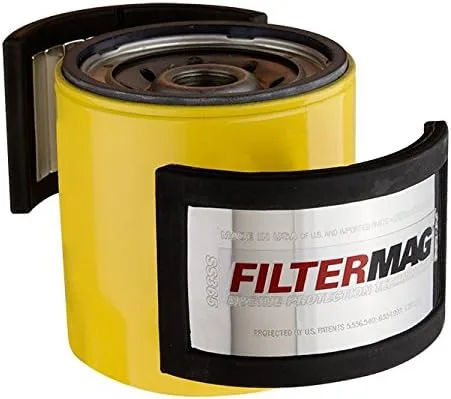
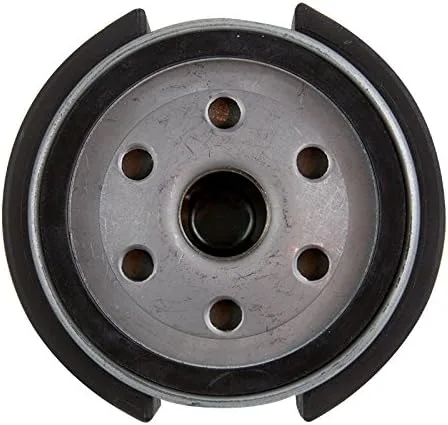
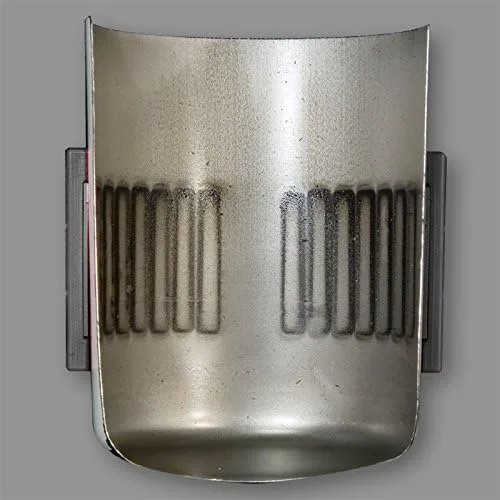
An oil filter magnet is a strong external magnet, usually circular or clamp-style, designed to attach to the outside of a standard oil filter. Its purpose is simple: attract and hold ferrous metal particles circulating in engine oil before those particles can cause wear.
Unlike a magnetic drain plug, which collects debris only when the engine is off, a magnet on the oil filter works continuously while the engine is running.
Some engines also use magnetic oil filters, which integrate magnetized components internally, but the vast majority of products on the market are external add-on magnets.
Why Put a Magnet on an Oil Filter?
To understand why anyone would put a magnet on an oil filter, you need to understand what happens inside an engine over time.
Even in a healthy engine, microscopic metal particles are created through:
- Normal friction between moving components
- Break-in wear in new or rebuilt engines
- Cold starts where oil flow is momentarily limited
- High-load or high-RPM operation
Standard oil filters rely on paper or synthetic filter media, which is excellent at catching dirt and non-metallic debris. However, extremely fine metal particles can:
- Be small enough to pass through filter media
- Remain suspended in oil
- Circulate repeatedly through bearings and journals
A magnet provides a second layer of defense by targeting what filter media struggles with most: ultra-fine ferrous particles.
How Oil Filter Magnets Work (The Physics, Not the Marketing)
A magnet placed on the outside of an oil filter creates a magnetic field that extends through the thin steel shell of the filter and into the oil passing inside.
As oil flows through the filter:
- Ferrous particles are attracted to the magnetic field
- Those particles cling to the inner wall of the filter
- They stay trapped until the filter is removed
This process works independently of oil viscosity, flow rate, or filter brand, as long as:
- The magnet is strong enough
- The oil filter housing is steel (not aluminum or plastic)
It’s important to note that magnets do not block oil flow. They do not restrict pressure. They simply create a localized capture zone.
Do Oil Filter Magnets Actually Work?
Yes, oil filter magnets do work in a very specific way.
They successfully attract ferrous metal particles that would otherwise continue circulating in the oil. Numerous teardown tests show visible metal fuzz collected behind magnets after oil change intervals.
However, working does not mean miracle.
Oil filter magnets:
- Do not remove non-ferrous metals like aluminum or copper
- Do not replace regular oil changes
- Do not fix existing engine damage
- Do not filter contaminants like dirt, fuel, or coolant
Think of them as a supplementary wear-reduction tool, not a cure-all.
Are Oil Filter Magnets Worth It?
This is where usage matters.
Situations Where Oil Filter Magnets Make Sense
Oil filter magnets are most valuable in:
- New engines during break-in periods
- Rebuilt engines
- High-mileage engines with normal wear
- Performance engines running higher RPMs
- Turbocharged engines with higher oil stress
- Diesel engines with high internal pressures
In these cases, reducing even microscopic wear over time can help extend bearing life and reduce long-term damage.
Situations Where They Offer Minimal Benefit
Oil filter magnets offer less value if:
- The engine is already severely worn
- The filter housing is aluminum or composite
- Oil change intervals are extremely short
- The vehicle is driven lightly and infrequently
For most daily drivers, the benefit is incremental rather than dramatic.
Oil Filter Magnets vs Magnetic Drain Plugs
Many enthusiasts ask whether magnets on oil filters are redundant if you already use a magnetic drain plug.
They are not the same tool.
A magnetic drain plug:
- Collects debris only when oil settles
- Works mainly when the engine is off
- Captures particles near the oil pan
An oil filter magnet:
- Works continuously during operation
- Captures particles in active oil flow
- Targets debris before it reaches bearings
Used together, they provide complementary protection, not duplication.
Where to Place Magnets on an Oil Filter
Placement matters more than people think.
Best Placement Guidelines
- Position the magnet near the center of the filter body
- Avoid placing it near the base plate or threaded end
- Ensure full contact with the filter housing
- Use a magnet designed for oil filter temperatures
Some products use wrap-around bands, while others are rigid clamp designs. Both can work if positioned correctly.
How to Put an Oil Filter Magnet on Aluminum
This question comes up frequently because many modern engines use aluminum oil filter housings.
Here’s the critical truth: magnets do not work on aluminum housings.
If your engine uses:
- A spin-on steel oil filter → magnets work
- A cartridge filter inside an aluminum housing → magnets do not work
In cartridge-style systems, your only magnetic option is a magnetic drain plug or internal magnetic components.
Magnetic Oil Filters vs Oil Filter Magnets
Some premium filters advertise themselves as magnetic oil filters, but the term is often misleading.
True magnetic oil filters are rare. Most use:
- A small magnet embedded near the base plate
- Limited magnetic surface area
- Weaker magnetic strength than external magnets
External oil filter magnets typically:
- Use stronger rare-earth magnets
- Cover a larger capture zone
- Are reusable across multiple oil changes
In practice, a quality external magnet is usually more effective than built-in filter magnets.
Common Myths About Oil Filter Magnets
“They Replace Oil Changes”
They do not. Oil degradation still occurs due to heat, contamination, and additive breakdown.
“They Trap All Engine Debris”
They only trap ferrous metal, not dirt or aluminum wear.
“They Restrict Oil Flow”
They do not contact the oil path physically and do not change pressure.
“They Are Only for Old Engines”
They are arguably more useful in new or rebuilt engines during break-in.
What You’ll Actually See When You Remove One
When an oil filter magnet has been doing its job, you may notice:
- Fine metallic fuzz inside the filter shell
- Dark, paste-like residue near magnet contact points
- Less debris on magnetic drain plugs over time
The absence of visible debris does not mean it failed. It often means the engine is already in good condition.
Long-Term Engine Protection: Realistic Expectations
Oil filter magnets are about marginal gains.
They will not:
- Add horsepower
- Improve fuel economy
- Fix mechanical problems
They can:
- Reduce microscopic wear
- Lower long-term bearing damage
- Improve oil cleanliness between changes
- Add an extra safety margin under stress
In engineering, small reductions in wear compound over thousands of operating hours.
Final Verdict: Are Oil Filter Magnets Worth Using?
If you are expecting a dramatic transformation, oil filter magnets will disappoint you.
If you understand engines and value preventative protection, they make sense as a low-cost, low-risk addition.
They are not gimmicks, but they are not miracles either. Used correctly, on the right engine, with realistic expectations, oil filter magnets do exactly what they claim: capture ferrous wear particles before they circulate again.
Frequently Asked Questions
Are oil filter magnets worth it?
They are worth it for engines where long-term wear reduction matters, especially new, rebuilt, or high-performance engines.
Do oil filter magnets work?
Yes, they work by attracting ferrous metal particles in circulating oil.
Why put a magnet on an oil filter?
To capture microscopic metal debris that standard filter media may not fully trap.
Where to place magnets on oil filter?
Near the center of the filter body, ensuring solid contact with the steel housing.

How to put oil filter magnet on aluminum housing?
You cannot. Magnets do not work on aluminum housings.
Are magnetic oil filters better than regular filters?
Most “magnetic oil filters” offer limited benefit compared to strong external magnets.
Connect with us


