





What Is a Coolant Pressure Tester?
A coolant pressure tester is a hand-operated diagnostic tool that pressurizes your vehicle’s cooling system when the engine is off. By simulating operating pressure, it helps identify leaks in:
- Radiators
- Heater cores
- Hoses
- Water pumps
- Thermostat housings
- Intake manifolds
- Head gaskets
A coolant system pressure tester kit typically includes:
- A hand pump with pressure gauge
- Multiple radiator cap adapters
- Expansion tank adapters
- Optional cap testing attachment
Instead of waiting for the engine to overheat under load, a pressure tester lets you perform a coolant system pressure test in a controlled environment.
Why a Coolant System Pressure Test Is Critical
Your cooling system operates under pressure. Most modern vehicles run between 13 and 16 PSI, while some run higher. Pressure raises the boiling point of coolant, allowing the engine to operate safely at higher temperatures.
When pressure drops due to a leak:
- Coolant boils sooner
- Engine temperature rises
- Air enters the system
- Internal damage risk increases
A pressure tester for coolant system diagnostics allows you to:
- Detect external leaks
- Identify slow seepage
- Confirm internal head gasket issues
- Verify repairs
Without proper testing, you are guessing.
How a Coolant Pressure Tester Works
A coolant system is sealed. When you connect a coolant system pressure tester, you:
- Attach the correct adapter
- Pump the system to rated pressure
- Monitor pressure stability
If pressure drops, there is a leak.
The Physics Behind It
Cooling systems rely on:
- Thermal expansion
- Controlled pressure
- Sealed circulation
When coolant heats up, it expands. The radiator cap regulates excess pressure. If the system cannot maintain pressure, coolant escapes or vaporizes.
A proper coolant system pressure test replicates real-world operating conditions without running the engine.
Coolant Pressure Tester Kit Components Explained
A professional-grade coolant pressure tester kit includes:
1. Hand Pump
Creates pressure manually. Should include a clear, easy-to-read PSI gauge.
2. Adapter Set
Vehicles use different radiator necks and expansion tank designs. A complete kit includes:
- Japanese adapters
- European adapters
- Domestic adapters
- Quick-connect reservoir fittings
3. Radiator Cap Tester
Allows testing the cap’s pressure relief function separately.
4. Extension Hoses
For hard-to-reach locations.
Cheap kits often fail due to inaccurate gauges or poor sealing. Accuracy matters.
How to Use a Coolant Pressure Tester (Step-by-Step)
Let’s answer the most searched question directly:
How to use a coolant pressure tester properly
Follow this exact process.
Step 1: Engine Must Be Cold
Never perform a coolant system pressure test on a hot engine. Hot coolant can cause severe burns.
Wait at least 2–3 hours after driving.
Step 2: Remove Radiator Cap or Reservoir Cap
Depending on your vehicle design:
- Traditional system: remove radiator cap
- Modern system: remove expansion tank cap
Inspect cap condition.
Step 3: Select the Correct Adapter
From your coolant pressure tester kit, choose the adapter that fits tightly.
Improper adapter selection is a common DIY mistake.
Step 4: Attach the Tester
Secure the adapter and connect the pump assembly. Ensure:
- Tight seal
- No air gaps
- No cross-threading
Step 5: Pump to Rated Pressure
Check your radiator cap rating. Usually:
- 13 PSI
- 15 PSI
- 16 PSI
Do not exceed the cap rating.
Pump slowly until reaching the recommended PSI.
Step 6: Monitor Pressure
Let the system sit for 10–20 minutes.
Healthy system: Pressure holds steady
Leak present: Pressure drops
If pressure drops:
- Inspect hoses
- Check radiator seams
- Inspect water pump
- Look under vehicle
Step 7: Inspect for External Leaks
Use a flashlight and inspect:
- Hose clamps
- Heater core lines
- Radiator tanks
- Drain plugs
- Thermostat housing
If visible coolant appears, you found the leak.
Step 8: If No External Leak Is Visible
Possible internal leak:
- Head gasket
- Intake gasket
- Cracked head
- Cracked block
Remove spark plugs and inspect for coolant contamination.
How to Do a Coolant Pressure Test on a Sealed System
Some vehicles lack a radiator cap. You must:
- Use reservoir adapter
- Pump through expansion tank
- Follow identical pressure monitoring steps
Modern European vehicles almost always require expansion tank testing.
How to Pressure Test a Coolant System After Repairs
After replacing:
- Radiator
- Water pump
- Thermostat
- Hoses
Always perform a coolant system pressure test before starting the engine.
This confirms:
- Proper clamp seating
- No loose fittings
- No hidden cracks
Professional shops never skip this step.
How to Find a Coolant Leak Without a Pressure Tester
Now let’s address another major search query:
How to find a coolant leak without a pressure tester
It is possible, but less precise.
Method 1: Visual Inspection
Look for:
- Crusty residue
- White/green deposits
- Damp hose ends
- Steam under hood
Method 2: Cardboard Test
Place cardboard under vehicle overnight. Identify drip location.
Method 3: UV Dye Test
Add UV coolant dye and use UV flashlight.
Method 4: Combustion Leak Test
Use block tester fluid to detect head gasket failure.
Method 5: Engine Oil Inspection
Milky oil = possible internal coolant leak.
However, none of these methods match the accuracy of a pressure tester for coolant system diagnostics.
Common Cooling System Failures Found During Pressure Testing
1. Radiator End Tank Cracks
Plastic tanks crack under stress.
2. Hose Micro-Splits
Under pressure, tiny splits leak.
3. Water Pump Weep Hole Failure
Coolant appears under pulley area.
4. Heater Core Leaks
Wet carpet on passenger side.
5. Head Gasket Failure
Pressure drops with no external leak.
Signs You Need a Coolant System Pressure Test
- Engine overheating
- Low coolant warning
- Sweet smell
- White exhaust smoke
- Bubbles in reservoir
- Frequent top-offs
If you see these signs, test immediately.
Testing the Radiator Cap
Many cooling problems are caused by a failed cap.
Using your coolant pressure tester kit, attach the cap tester.
Pump and observe release pressure.
If it opens below rated PSI, replace it.
Advanced Diagnostic Techniques
1. Overnight Pressure Test
Pressurize system and leave overnight.
Morning drop = slow leak.
2. Cylinder Inspection
Remove spark plugs after pressurizing.
Coolant in cylinder confirms internal leak.
3. Cooling System Combustion Gas Test
Use block tester alongside pressure test.
Choosing the Best Coolant Pressure Tester Kit
When selecting a kit, look for:
- Accurate gauge
- Metal pump assembly
- Wide adapter coverage
- Pressure release valve
- Cap testing function
Avoid ultra-cheap kits with plastic fittings.
Professional brands last years.
Professional vs DIY Coolant System Pressure Test
DIY Advantages:
- Saves money
- Immediate diagnosis
Professional Advantages:
- Experience
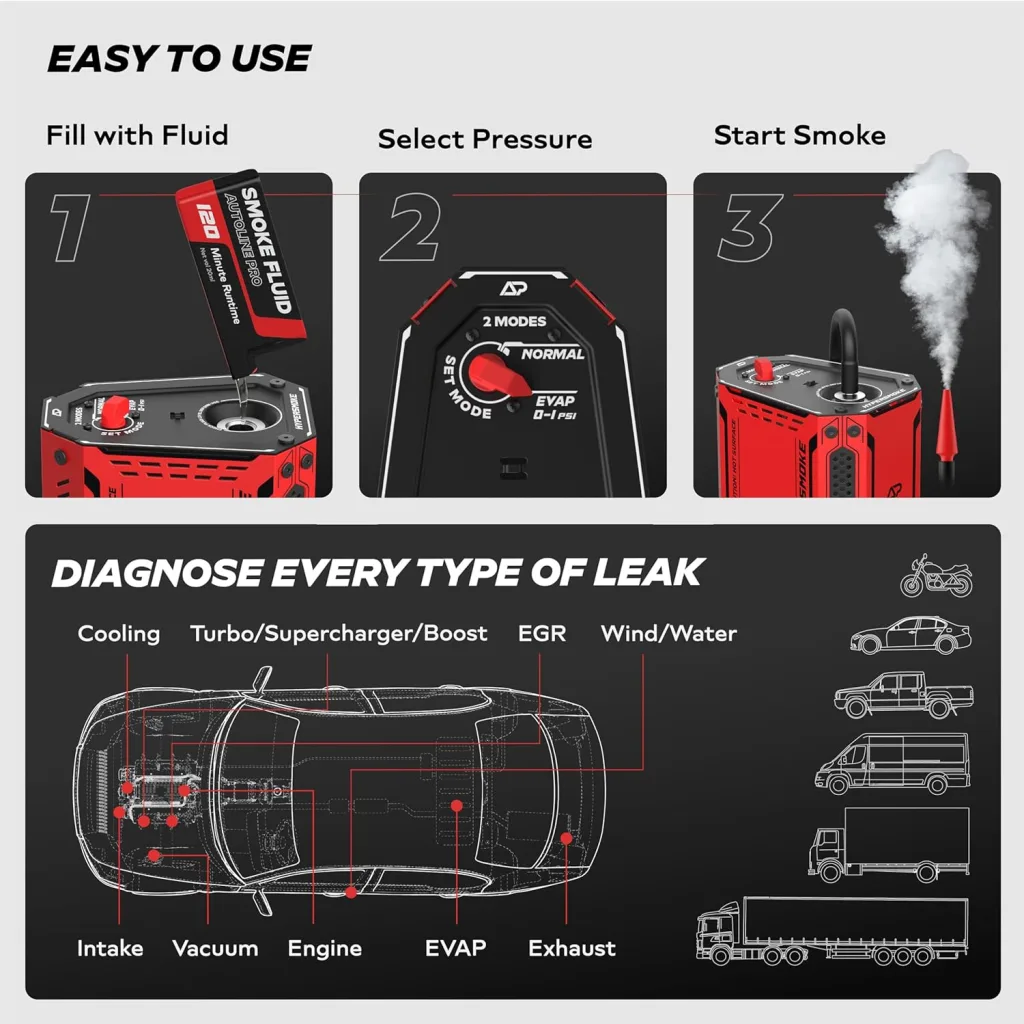
- Combustion gas tools
- Smoke testing
- Cooling system vacuum refill
If overheating is severe, professional diagnosis is recommended.
Safety Precautions
- Never test hot engine
- Never exceed rated PSI
- Wear gloves
- Wear eye protection
- Release pressure slowly
Cooling systems can cause serious injury if mishandled.
How Long Should a Coolant Pressure Test Hold?
Healthy system:
- No pressure drop for 20 minutes
Acceptable:
- Minor 1 PSI drop over 15 minutes
Unacceptable:
- Rapid drop within minutes
How Much Does a Coolant Pressure Tester Cost?
Basic kit: $40–$80
Professional kit: $120–$300
Considering potential engine damage, it is a worthwhile investment.
Common Mistakes During Coolant System Pressure Testing
- Testing hot engine
- Over-pressurizing system
- Using wrong adapter
- Ignoring radiator cap
- Not checking heater core
Precision matters.
Can a Coolant Pressure Test Detect a Head Gasket Leak?
Yes.
If:
- Pressure drops
- No external leak
- Spark plug contamination present
- White smoke observed
Then internal failure likely.
However, always confirm with combustion gas tester.
How Often Should You Pressure Test a Cooling System?
- During overheating diagnosis
- After major cooling repair
- When buying used vehicle
- If coolant loss occurs
Not required for routine maintenance unless symptoms appear.
Coolant Pressure Tester vs Cooling System Vacuum Tester
Pressure tester:
- Detects leaks
Vacuum tester:
- Refills system without air pockets
Professionals use both.
Final Thoughts: Why Every DIY Mechanic Needs One
A coolant pressure tester is not optional for serious automotive diagnostics. It is foundational.
Whether you are:
- Learning how to pressure test coolant system components
- Trying to find a coolant leak without a pressure tester
- Performing a complete coolant system pressure test
Understanding this process prevents engine destruction.
Cooling system failure escalates fast. Early detection is everything.
If you care about engine longevity, accurate diagnostics, and avoiding catastrophic overheating, a high-quality coolant pressure tester kit belongs in your toolbox.
Connect with us


