





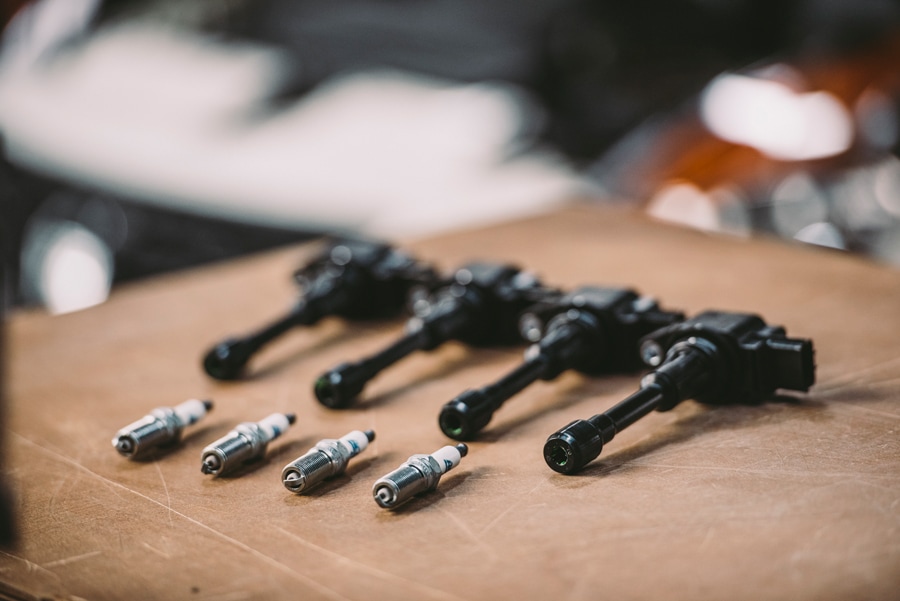
If your car is misfiring, running rough, reducing fuel economy, or displaying a check engine light with codes like P0300 – P0308, one of the most common causes is a failing ignition coil. Choosing the right ignition coil is crucial for proper engine performance, fuel efficiency, and long-term reliability.
In this comprehensive guide, we’ll cover:
- How ignition coils work
- Symptoms of bad coils
- What to look for when buying
- Top ignition coil options on the market
- Installation tips & maintenance
- Answers to common questions
What Is an Ignition Coil?
An ignition coil is a high-voltage transformer that converts the 12-volt power from your car’s battery into the thousands of volts needed to create a spark at the spark plug. That spark ignites the air-fuel mixture inside the combustion chamber.
Each cylinder in most engines either has its own coil (coil-on-plug or COP) or shares a coil with a couple of cylinders via a coil pack.
How Ignition Coils Work (Simple Explanation)
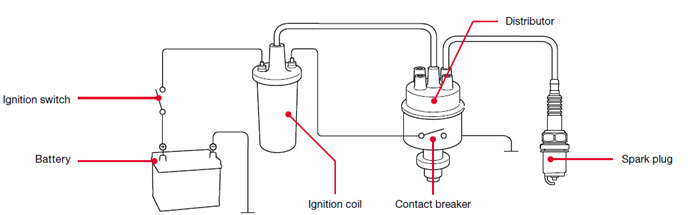
Inside every ignition coil are two wire windings:
- Primary winding: Low voltage side, draws current
- Secondary winding: Steps up voltage to thousands of volts
When current is cut from the primary winding, the collapsing magnetic field induces high voltage in the secondary winding. That high voltage jumps the gap inside the spark plug to create combustion.
Symptoms of a Failing Ignition Coil
Recognizing a bad coil early can save you from bigger engine issues. Common signs include:
- Rough idle or shaking at idle
- Misfires, especially under acceleration
- Loss of power / hesitation
- Decreased fuel economy
- Check engine light on
- Engine surging
- Hard starting
- Backfiring
Diagnostic trouble codes like P030X often accompany coil or spark plug issues.
Types of Ignition Coils
Understanding the types will help you choose the right replacement.
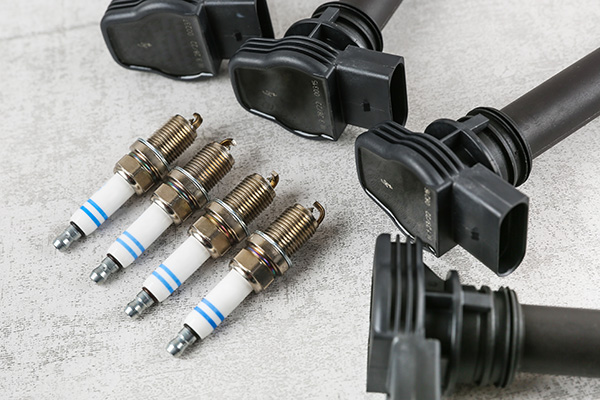
1. Coil-On-Plug (COP)
Each cylinder has its own coil mounted directly above the spark plug.
Pros
- No spark plug wires
- Better spark energy
- Easier diagnostics
Cons
- More expensive to replace
2. Coil Pack
Multiple coils in a single module used on older or V-engine configurations.
Pros
- Lower cost per unit
- Common on many vehicles
Cons
- Failure affects multiple cylinders
3. Distributor Coils
Older design that feeds multiple cylinders via one coil and a distributor.
Pros
- Simple
- Inexpensive
Cons
- Obsolete on most modern vehicles
What to Look for in a Quality Ignition Coil
✔ OEM vs Aftermarket
OEM (Original Equipment Manufacturer) coils match factory specifications exactly, ensuring fit, performance, and reliability. Quality aftermarket coils can be just as good if from reputable brands.
✔ Output Voltage
Higher consistent voltage output improves spark quality and combustion efficiency.
✔ Heat Resistance
Coils run hot; better heat-rated coils resist failure in tough conditions.
✔ Build Quality
Sealed units with quality insulation resist moisture and corrosion.
✔ Warranty
Longer warranties reflect manufacturer confidence. Aim for at least 1-year coverage.

Top Ignition Coils Worth Considering
Below are some of the most recommended ignition coils across categories.
📌 Best Overall – OE Fit and Performance
- Bosch Ignition Coil (Single / Pack) – Excellent heat tolerance and stable output, often OE on European and Japanese vehicles.
- NGK U5061 Ignition Coil – Reliable OEM alternative with solid lifetime value.
- Denso 673-1030 (Exact Fit) – High-quality direct replacement used widely in Asian makes.
Why These Stand Out
✅ High ignition output
✅ Reliable thermal performance
✅ Long life and low maintenance
💪 Best for Performance / High-Output Builds
- MSD Blaster Ignition Coils – Higher secondary voltage for performance engines
- Accel SuperCoil – Designed for aggressive timing and forced induction
- Taylor High-Energy Coils – Smooth idle with increased power
These are ideal if you’ve modified your engine (turbo, supercharger, mild cam, high compression, etc.).
💰 Best Budget / Everyday Use Coils
- Standard Motor Products Ignition Coils
- Delphi Ignition Coil Packs
- Motorcraft (for Ford vehicles)
Affordable options that still meet OEM standards for most daily drivers.
🔧 Best Coil Packs (Multiple Cylinders in One Module)
- Dorman OE Solutions Pack
- ACDelco Ignition Coil Packs
- Valucraft Coil Packs
Ideal for V6/V8 engines or vehicles still using a traditional coil pack setup.
Installation Guide: What to Expect
Replacing ignition coils is generally straightforward but varies by vehicle.
Tools You’ll Need
- Socket set (10mm or 8mm common)
- Ratchet + extension
- Dielectric grease
- Torque wrench (optional)
Basic Steps
- Disconnect the battery
- Remove engine cover (if applicable)
- Unplug the electrical connector from the old coil
- Remove coil mounting bolts
- Remove old coil and inspect boot and spark plug
- Apply dielectric grease to new coil boot
- Install new coil and torque bolts to spec
- Reconnect electrical connector and battery
- Clear fault codes if any
Maintenance Tips for Ignition Coils
Ignition coils don’t need routine replacement like filters or fluids, but taking care of them extends life:
- Keep electrical connectors clean and dry
- Replace spark plugs at recommended intervals (old plugs overwork coils)
- Avoid oil or coolant leaks onto coils
- Inspect wiring harnesses regularly
Ignition Coil Longevity: How Long Should They Last?
Typical life expectancy:
- OEM coils: 100,000 – 150,000+ kilometres
- Performance coils: similar, but track use may shorten life
If your vehicle regularly hits high heat, humidity, or dusty conditions, coils may die sooner.
FAQs About Ignition Coils
Q: Can one bad coil cause all cylinders to misfire?
A: Usually one bad coil affects its specific cylinder(s). But if wiring or ignition driver circuits are compromised, misfires can spread.
Q: Should I replace spark plugs when changing coils?
A: Yes — old or fouled plugs force coils to work harder and shorten their life.
Q: Are aftermarket coils any good?
A: Quality aftermarket coils from trusted brands can match OEM performance and are often more affordable.
Q: Why do ignition coils fail?
A: Heat cycling, moisture intrusion, cracked insulation, and worn spark plugs are common causes.
Final Thoughts
Ignition coils are small components with a big impact on engine performance. Choosing the right coils — whether OEM replacements, performance upgrades, or cost-effective daily-driver options — plays a key role in smooth, efficient combustion.
Regular diagnosis, proper spark plug maintenance, and understanding coil design will keep your engine firing strong and reliable.
Connect with us


