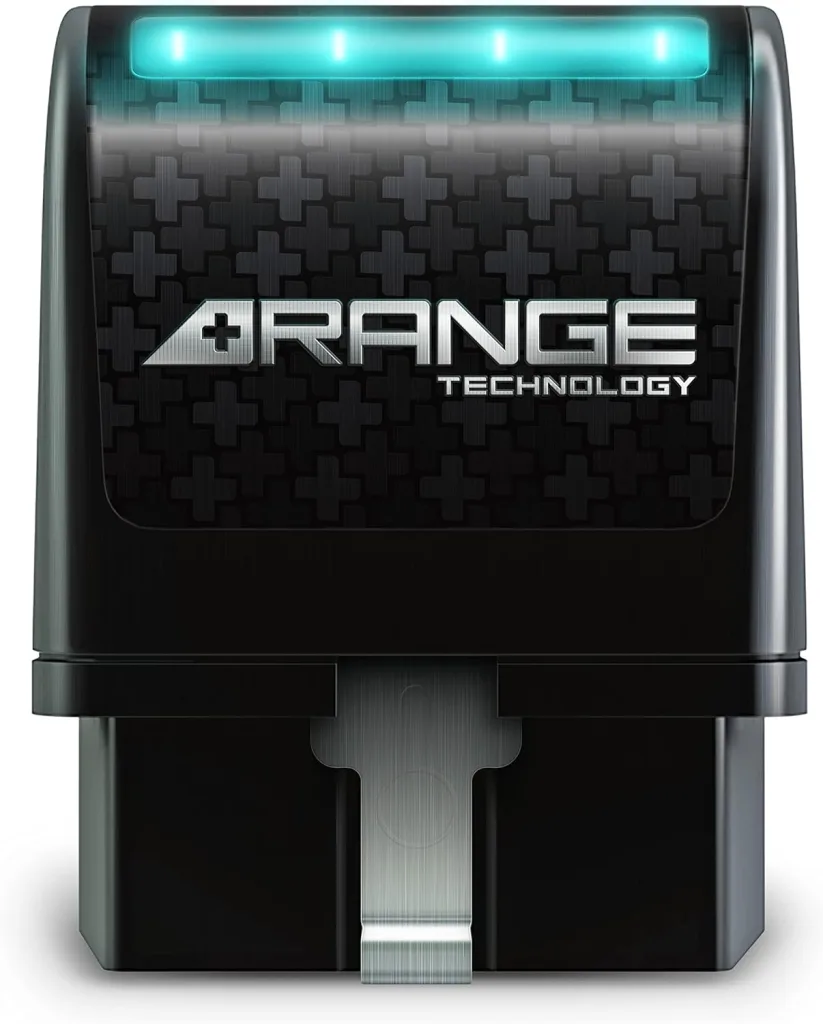
Range Technology AFM Disabler: Expert Opinion
The Range Technology AFM/DFM Disabler is a plug-in OBD-II device designed for many GM V6 and V8 vehicles with Active Fuel Management or Dynamic Fuel Management. Its job is simple: keep the engine running in full-cylinder mode instead of letting it switch into fuel-saving cylinder-deactivation mode.
The expert answer is this: the Range AFM Disabler can be a useful drivability device for GM owners who hate cylinder deactivation, but it is not a magic fix for lifter failure, oil consumption, engine noise, or neglected maintenance. It may make the truck or SUV feel smoother, but it can also reduce fuel economy slightly and may create battery-drain concerns if left plugged in on vehicles that sit for days.
Range Technology says its AFM/DFM Disabler keeps compatible GM V6 and V8 vehicles in full-power mode without reprogramming the factory ECU. Holley also describes the device as a plug-in module that disables AFM or DFM through the OBD-II port.
What Is AFM and DFM?
AFM stands for Active Fuel Management.
DFM stands for Dynamic Fuel Management.
Both are GM cylinder-deactivation systems. They allow the engine to shut off some cylinders under light load to save fuel. In simple driving conditions, a V8 may run on fewer cylinders when full power is not needed.
That sounds good on paper, but many owners dislike the way the system feels. Some notice vibration, lag, exhaust tone changes, odd shifting behavior, or a constant switching feeling between cylinder modes.
That is where the Range device comes in.
What Does the Range AFM Disabler Do?
The Range AFM Disabler plugs into the OBD-II port and prevents the vehicle from entering AFM or DFM mode.
Instead of switching between V8 and V4 mode on many older GM V8s, the engine stays in full-cylinder operation. On compatible DFM vehicles, it prevents the more complex cylinder-deactivation strategy from activating.
The selling point is that it does this without a traditional ECU tune. You plug it in, drive, and remove it when you want the vehicle back to factory behavior.
That is why owners like it. It is easy, reversible, and does not require flashing the computer.
Does It Actually Work?
Yes, for many compatible vehicles, it works as advertised.
Owners commonly report smoother driving, fewer mode-change vibrations, better throttle consistency, and a more natural exhaust sound. Some also say the transmission feels less confused because the engine is not constantly moving in and out of cylinder-deactivation mode.
Retailer and owner feedback often points in that direction. For example, Summit Racing customer reviews for the Range AFM/DFM Disabler include owners saying the device was easy to install and made vehicles like Tahoes run more smoothly by preventing V4/V8 switching.
That said, results can vary by vehicle, model year, software version, and driver expectations.
What Vehicles Is It For?
The Range Technology AFM/DFM Disabler is mainly for GM vehicles equipped with AFM or DFM.
That includes many Chevrolet, GMC, and Cadillac trucks and SUVs, such as Silverado, Sierra, Tahoe, Suburban, Yukon, Escalade, Avalanche, Camaro, Corvette, and other GM models depending on year and engine.
Compatibility matters. Do not buy by engine size alone. A 5.3L, 6.0L, 6.2L, or V6 application may require a specific version. Some newer Global B GM vehicles may have different compatibility limitations.
Always check the exact year, make, model, engine, transmission, and product part number before ordering.
Will It Prevent AFM Lifter Failure?
This is where expectations need to be realistic.
The Range AFM Disabler may reduce how often the AFM system activates, but it does not physically remove AFM parts from the engine. It does not replace lifters. It does not change the camshaft. It does not fix oiling issues. It does not repair worn parts.
If your engine already has a ticking lifter, misfire, collapsed lifter, cam wear, or low oil pressure issue, the disabler is not the repair.
It may reduce future AFM cycling, which some owners believe helps long-term reliability, but it should not be sold as a guaranteed lifter-failure cure.
Range Disabler vs AFM Delete Kit
A Range Disabler is not the same as a mechanical AFM delete.
The Range device is electronic and reversible. It tells the vehicle not to activate AFM/DFM while plugged in.
A true AFM delete is mechanical. It usually involves replacing AFM lifters, camshaft parts, valley cover components, and tuning the ECU. That is a much bigger job and is usually done during engine repair or performance builds.
In simple terms:
Range Disabler: easy plug-in, reversible, no engine teardown.
AFM delete: expensive mechanical repair/modification, not easily reversible, requires tuning.
For a healthy daily driver, the Range device may be enough. For an engine with failed AFM lifters, mechanical repair is required.
Pros of the Range AFM Disabler
The biggest advantage is drivability.
The vehicle stays in full-cylinder mode, so there is no V4/V8 switching sensation. The exhaust note may feel more consistent. Throttle response can feel more predictable. Some owners also prefer the way the transmission behaves when cylinder deactivation is not active.
Other advantages include:
Easy installation.
No permanent ECU flash.
Reversible setup.
No tools required.
Works instantly on compatible vehicles.
Useful for owners who dislike AFM or DFM behavior.
For many owners, the device makes the vehicle feel like it should have from the factory.
Cons of the Range AFM Disabler
The biggest downside is fuel economy.
Since the engine stays in full-cylinder mode, you may lose some MPG. Many owners report a small drop, often around 1 MPG, but the exact change depends on driving style and vehicle.
Another concern is battery draw. The device plugs into the OBD-II port, which can have constant power even when the vehicle is off. Some owners and retailers warn that it should be unplugged if the vehicle sits for several days. Glenn’s Auto Performance notes in its Range AFM/DFM product listing that the device may draw power in some applications and suggests unplugging it if the vehicle is not driven daily or is left sitting for a few days.
There are also occasional owner reports of warning lights, communication codes, or compatibility quirks, especially if the device or vehicle software does not cooperate perfectly.
Will It Drain the Battery?
It can, depending on the vehicle and how long it sits.
Many daily drivers have no issue because the vehicle is used often. But if the truck sits for several days or weeks, the device may contribute to battery drain.
This is not just internet fear. Retail listings and owner discussions have mentioned the concern. A GM-Trucks owner thread about a Range AFM battery drain fix explains that the OBD-II port can provide constant 12-volt power, which is why the device can draw power when parked.
Best practice: unplug it if the vehicle will sit for more than a couple of days, especially if the battery is older.
Will It Void the Warranty?
Range and some retailers market the device as not reprogramming the factory ECU, which is different from a tune.
That said, warranty questions are never perfectly simple. A manufacturer or dealer generally cannot void an entire warranty just because you used an aftermarket device, but they can deny a claim if they believe an aftermarket product caused the failure.
If your vehicle is under warranty, remove the device before dealer service and be honest if asked. More importantly, understand that any aftermarket device can complicate warranty conversations.
Is It Legal?
This is the most sensitive part.
The Range device does not remove catalytic converters, oxygen sensors, EGR hardware, DPF systems, or physically delete emissions equipment. However, emissions legality can still be complicated because cylinder-deactivation strategy can be considered part of the certified vehicle configuration.
The EPA says the Clean Air Act prohibits knowingly removing or rendering inoperative emissions-control devices or elements of design on certified vehicles. That does not automatically mean every AFM disabler is treated the same way as a catalytic converter delete, but it does mean buyers should be careful, especially in emissions-inspection states.
If you live in California or another strict emissions state, check local rules before using any device that changes factory powertrain behavior.
Does It Improve Performance?
It usually does not add real horsepower.
The engine is not making more peak power. It is simply staying in full-cylinder mode. That can make the vehicle feel more responsive because there is no delay from cylinder reactivation, but it is not the same as a performance tune.
Think of it as a drivability improvement, not a horsepower upgrade.
Does It Improve Fuel Economy?
Usually, no.
The whole point is to stop the fuel-saving system from activating. That means fuel economy may drop slightly, especially on highway drives where AFM or DFM would normally activate often.
If your main goal is maximum MPG, this is not the right product.
If your main goal is smoother driving and full-time V8 feel, then the MPG tradeoff may be worth it.
Is It Better Than a Tune?
For most daily drivers, yes, because it is simpler and reversible.
A tune can do more, but it also changes the ECU calibration and may create emissions, warranty, and inspection problems. A Range disabler is less invasive and easier to remove.
However, a custom tune may be better for modified vehicles, cam swaps, headers, forced induction, or full mechanical AFM delete builds.
For a stock truck, the Range device is usually the easier option.
Who Should Buy It?
The Range AFM Disabler makes sense if:
You own a compatible GM vehicle.
You dislike AFM or DFM mode switching.
You want full-time V8 operation.
You want a plug-in reversible option.
You drive the vehicle regularly.
You understand MPG may drop.
You are not trying to repair an existing mechanical failure.
It is especially useful for owners who feel shudder, vibration, or annoying exhaust tone changes when AFM activates.
Who Should Skip It?
Skip it if:
Your engine already has lifter failure.
You expect it to fix a mechanical problem.
You rarely drive the vehicle.
Your battery is weak.
You need maximum fuel economy.
You live in a strict inspection area and have not checked legality.
Your vehicle is not listed as compatible.
You are trying to hide a deeper engine or transmission issue.
A disabler should not be used as a bandage for serious mechanical symptoms.
Expert Verdict
The Range Technology AFM/DFM Disabler is a good product for the right owner.
It is best understood as a drivability and preference device, not a repair part. It can make a GM truck or SUV feel smoother and more consistent by keeping the engine in full-cylinder mode. It is easy to install and easy to remove.
But it has tradeoffs. Expect slightly worse fuel economy, possible battery draw if the vehicle sits, and no guaranteed protection from AFM lifter failure. If the engine is already ticking, misfiring, or showing oil-pressure problems, diagnose the engine first.
FAQs About the Range AFM Disabler
Does the Range AFM Disabler work?
Yes, on compatible vehicles, it usually works by preventing AFM or DFM from activating and keeping the engine in full-cylinder mode.
Will it fix lifter tick?
No. It will not repair a damaged lifter, worn camshaft, or existing mechanical problem.
Does it reduce fuel economy?
Usually, yes. Since AFM or DFM is disabled, fuel economy may drop slightly.
Can it drain the battery?
Yes, it can in some vehicles if left plugged in while the vehicle sits for several days. Unplug it if the vehicle is not driven regularly.
Is it a tune?
No. It is not a traditional ECU tune. It plugs into the OBD-II port and does not permanently reprogram the factory ECU.
Is it safe for daily driving?
For many compatible vehicles, yes. But make sure the vehicle is healthy, the battery is strong, and the device is compatible.
Final Thoughts: Useful, But Not a Cure-All
The Range Technology AFM Disabler is worth considering if you own a compatible GM truck or SUV and hate the way AFM or DFM feels.
It can make the engine feel smoother, keep the exhaust tone consistent, and remove the constant cylinder-deactivation behavior many owners dislike. But it will not fix failed lifters, prevent every AFM-related issue, or improve fuel economy.
Buy it for drivability. Do not buy it as a miracle repair.