





What is the Sahara Package on a Jeep Wrangler?

The Sahara package on a Jeep Wrangler is a mid-tier trim level that enhances the off-road capability and comfort features of the vehicle. Introduced to bridge the gap between the more basic Sport trims and the highly rugged Rubicon, the Sahara is designed to offer a balance of luxury, technology, and off-road functionality. Below is a comprehensive breakdown of what makes the Sahara package unique.
Key Features of the Jeep Wrangler Sahara Package:
- Off-Road Capability:
- The Sahara trim is equipped with Jeep’s Command-Trac 4×4 system, which provides excellent traction for off-road conditions. However, unlike the Rubicon, which is built for extreme rock crawling, the Sahara focuses more on comfort for moderate off-road adventures.It also includes heavy-duty suspension and skid plates to protect the underbody during off-road use.
- Exterior Design:
- The Sahara trim has body-color fender flares, unlike the basic black fender flares on lower trims.
- Its 18-inch wheels, paired with all-terrain tires, give the Sahara a more upscale and aggressive look without compromising off-road functionality.
- Technology and Comfort:
- One of the most significant advantages of the Sahara trim is the tech features. It comes standard with the Uconnect 4C NAV system with an 8.4-inch touchscreen, Apple CarPlay, and Android Auto.
- The Sahara also boasts premium cloth or optional leather seats, dual-zone climate control, and keyless entry, making it one of the most comfortable trims in the lineup.
- Safety Features:
- While all Wrangler models come with essential safety features like airbags and stability control, the Sahara trim includes additional safety options such as a blind-spot monitoring system, rear cross-path detection, and a ParkView rear backup camera.
- Price Point:
- As a mid-tier option, the Sahara is priced between the Sport and Rubicon trims, making it an attractive option for buyers who want more luxury without going all out for the Rubicon.
What is the Sahara Package on a Jeep Wrangler? Conclusion:
The Jeep Wrangler Sahara package is ideal for those who seek a balance between off-road capability and luxury. While it may not have the extreme rock-crawling capability of the Rubicon, it offers enough off-road features for casual adventurers while providing an abundance of comfort and technology for everyday driving. The Sahara trim is popular among buyers who want the best of both worlds: rugged capability and modern convenience.
For more information, you can explore these sources:
- Jeep Official Website
- Edmunds: 2024 Jeep Wrangler Sahara Review
- Kelley Blue Book: Jeep Wrangler Sahara
This article provides a deep dive into the Sahara’s features, highlighting why it is a versatile and popular choice in the Jeep Wrangler lineup.
Is Insurance High on a Jeep Wrangler?

Is Insurance High on a Jeep Wrangler? A Deep Dive into What You Can Expect
When shopping for a Jeep Wrangler, one of the key questions that comes to mind is, “Is insurance high on a Jeep Wrangler?” The answer is nuanced and depends on several factors, such as the model, your driving history, location, and how the vehicle is used. While Wranglers can sometimes have higher-than-average insurance costs compared to other vehicles, there are reasons behind it and ways to reduce the expense.
Factors Affecting Jeep Wrangler Insurance Rates
1. Vehicle Type and Popularity
The Jeep Wrangler is an iconic off-road SUV known for its rugged build and adventurous spirit. Its popularity, combined with its higher likelihood of being used for off-roading, can contribute to slightly higher insurance premiums. Insurers often consider Wranglers as vehicles that may face more challenging driving conditions, increasing the risk of accidents and damage.
2. Safety Ratings
The Jeep Wrangler has decent safety ratings, but its design as a more utilitarian, adventure-oriented vehicle doesn’t match the top-tier safety features of other SUVs. While Wranglers are built tough, they may lack some of the advanced driver-assistance systems (ADAS) found in more modern vehicles, which can help lower insurance premiums. However, Wranglers are still generally safe vehicles, and newer models come equipped with more advanced safety features.
3. Repair Costs
Jeep Wranglers are durable, but repairs, especially after off-road adventures, can be more expensive than for typical city cars. The cost of replacing parts like axles, suspensions, or specialty components like four-wheel-drive systems can add up. Insurers take these potential repair costs into account when calculating premiums.
4. Theft Risk
Surprisingly, Wranglers have a slightly higher theft rate than some other vehicles. They’re appealing to thieves due to their high resale value and the popularity of their parts, which are often in demand. For instance, the removable doors, soft tops, and other unique components can make them a target. Insurance companies may raise premiums in areas where theft is a concern.
5. Usage and Mileage
One of the big determinants of Jeep Wrangler insurance rates is how you plan to use the vehicle. If you’re primarily using your Wrangler for commuting or city driving, your premiums may be lower compared to those using it for off-roading or long-distance trips. Mileage and overall use impact how much risk the insurance company assumes, with more frequent use generally leading to higher premiums.
Can You Lower Your Jeep Wrangler Insurance?
Although Jeep Wranglers may have slightly higher insurance rates due to their design, popularity, and usage patterns, there are ways to mitigate these costs:
1. Choose a Newer Model
Newer Jeep Wranglers often come with updated safety features, which can result in lower premiums. Features like blind-spot monitoring, forward-collision warning, and advanced airbag systems can help reduce the overall risk in the eyes of insurance companies.
2. Increase Security Features
Adding aftermarket anti-theft devices, like steering wheel locks, alarms, or GPS tracking systems, can lower your insurance rates. Insurers appreciate additional theft prevention efforts, particularly if you live in an area where Jeep thefts are common.
3. Bundle Your Policies
Many insurers offer discounts if you bundle your car insurance with other policies, like homeowner’s or renter’s insurance. This can help you save on your Jeep Wrangler’s coverage by consolidating policies with a single provider.
4. Shop Around
Insurance rates vary widely depending on the company, so it’s worth shopping around for different quotes. Some insurers may offer better deals for Jeep Wrangler owners, while others may charge higher premiums based on their risk models.
5. Drive Safely
As with any vehicle, your driving record plays a significant role in determining your insurance rates. Maintaining a clean driving history and avoiding tickets or accidents will help keep your premiums as low as possible.
Why Jeep Wranglers Are Worth It Despite Insurance Costs
Despite slightly higher insurance premiums, the Jeep Wrangler remains a beloved choice for many drivers. Its off-road capability, iconic design, and fun driving experience make it a unique vehicle that stands out in the market. Jeep enthusiasts are often willing to pay a little extra for insurance because of the Wrangler’s versatility and adventurous spirit.
1. Resale Value
Jeep Wranglers hold their value exceptionally well, so even if insurance premiums are higher, you’re more likely to get a good return on your investment when it comes time to sell or trade in your vehicle.
2. Durability
Wranglers are known for their longevity and ability to handle tough terrains, which can save money in the long run. While repairs might be more expensive due to off-roading wear and tear, Wranglers are built to last, often outperforming other SUVs in terms of lifespan.
3. Customization
Jeep Wranglers are one of the most customizable vehicles on the market. You can modify them with everything from lift kits and larger tires to advanced suspension systems, making them perfect for those who love personalizing their ride. Insurance may go up with certain modifications, but these changes often increase the overall value and utility of the vehicle.
Final Thoughts
So, is insurance high on a Jeep Wrangler? It can be higher than on some other vehicles, but this cost is balanced by the Wrangler’s resale value, durability, and the sheer enjoyment it provides. With a bit of research and smart insurance strategies, you can manage these costs and still enjoy everything a Jeep Wrangler has to offer.
For those who love adventure and off-road driving, the Jeep Wrangler is worth every penny.
Is the Jeep Sahara a Smooth Ride?

The Jeep Wrangler Sahara is known for providing a smoother ride compared to other Jeep Wrangler trims like the Rubicon or Sport. While the Wrangler line is typically geared towards rugged off-roading, the Sahara introduces more comfort features, better suspension tuning, and an overall refined driving experience, making it more suitable for daily use. Here’s a breakdown of why the Jeep Sahara delivers a smoother ride:
1. Is the Jeep Sahara a Smooth Ride? Suspension System Tuning
The Jeep Sahara benefits from a more road-oriented suspension setup compared to the more off-road-focused Rubicon. It features a standard heavy-duty suspension with gas shocks, which smooths out road imperfections and minimizes the body roll that can sometimes be associated with other, more hardcore off-road Wranglers. This suspension tuning makes the Sahara ideal for those who need their Jeep for urban commuting but still want the flexibility to go off-road when the opportunity arises.
- Road-Friendly Suspension: The Sahara’s suspension is designed to strike a balance between off-road capability and on-road comfort, absorbing bumps and vibrations with relative ease.
- Gas Shocks: These provide better damping control, especially over uneven terrain, leading to a more comfortable experience both on paved roads and dirt trails.
| Feature | Benefit |
|---|---|
| Heavy-Duty Suspension | Absorbs bumps, reduces body roll |
| Gas Shocks | Improved damping for a smooth, controlled ride |
2.Is the Jeep Sahara a Smooth Ride? Full-Time 4WD System
The Selec-Trac® Full-Time 4WD System available in the Sahara is another key factor contributing to its smoothness on both city streets and rough terrains. Unlike traditional 4WD systems that require manual engagement, this system automatically adjusts between 2WD and 4WD based on the conditions. This seamless transition enhances ride quality and eliminates the need for constant driver intervention, making the Sahara feel smoother in a variety of driving conditions.
- Selec-Trac® 4WD System: Automatically adjusts for optimal traction, ensuring smooth handling on slippery surfaces, rough terrain, or during city driving.
- Two-Wheel Drive Mode: When 4WD is not necessary, the Sahara reverts to 2WD, which can improve fuel efficiency and create a smoother highway driving experience.
| Feature | Benefit |
|---|---|
| Selec-Trac® Full-Time 4WD | Smooth, automatic transition between 2WD and 4WD |
3. Is the Jeep Sahara a Smooth Ride? Tire Size and Design
The Sahara comes with 18-inch aluminum wheels and tires that are designed more for road use than the knobbier, more aggressive off-road tires on the Rubicon. These tires are optimized for comfort, providing better road contact and less rolling resistance, which results in a quieter, smoother ride on highways and city streets. The more refined tire setup plays a key role in making the Sahara a better daily driver than other off-road-oriented Wranglers.
- Street-Optimized Tires: Designed for better traction on paved surfaces, offering a quieter, smoother experience on the highway.
- 18-Inch Wheels: Provide a balance of off-road capability and on-road smoothness, enhancing comfort without sacrificing too much off-road performance.
| Feature | Benefit |
|---|---|
| 18-Inch Wheels | Balance between off-road performance and on-road comfort |
4.Is the Jeep Sahara a Smooth Ride? Interior Comfort and Noise Insulation
The Sahara also excels in interior comfort. Unlike the Sport or Rubicon models, the Sahara includes a host of comfort and luxury features, such as leather-trimmed seats, optional heated seats, and better cabin insulation. This improved insulation reduces road noise, making highway driving much more enjoyable. Additionally, the Uconnect® infotainment system and dual-zone climate control ensure that both driver and passengers remain comfortable during longer trips.
- Cabin Insulation: Reduces road noise and vibrations, making it more comfortable for long drives.
- Luxury Features: Options like leather seats and heated front seats contribute to a more pleasant, smoother interior experience.
| Feature | Benefit |
|---|---|
| Improved Cabin Insulation | Quieter and more refined driving experience |
| Heated, Leather-Trimmed Seats | Increased comfort for driver and passengers |
5. Is the Jeep Sahara a Smooth Ride? On-Road Performance and Stability
While the Jeep Sahara is still very much a Wrangler, it is designed with more on-road stability than some of its siblings. Its suspension and wheel alignment give it better stability at higher speeds, which is especially noticeable on highways or during long drives. This improved stability reduces the characteristic “bouncy” feel often associated with off-road vehicles like the Wrangler, making it more comparable to a regular SUV in terms of smoothness.
- Improved Stability: The Sahara handles high-speed driving better than other Wrangler models due to its road-optimized suspension and alignment.
- Less Bouncy: Compared to the Rubicon or Sport, the Sahara provides a more stable ride, reducing jostling on uneven roads.
| Feature | Benefit |
|---|---|
| Improved Stability | Better high-speed handling, less jostling on roads |
Is the Jeep Sahara a Smooth Ride? Conclusion
The Jeep Wrangler Sahara stands out as the most balanced Wrangler trim, offering both off-road capability and on-road smoothness. Thanks to its specialized suspension system, full-time 4WD, luxurious interior features, and road-optimized tires, the Sahara is ideal for drivers who want a comfortable and smooth ride in their everyday commutes while still having the option to tackle rugged trails. The combination of comfort and performance makes it a popular choice for those who want the best of both worlds in their Jeep Wrangler.
For more information, you can visit Jeep’s official site or check out reviews on platforms like Car and Driver.
What is Special about a Jeep Sahara?
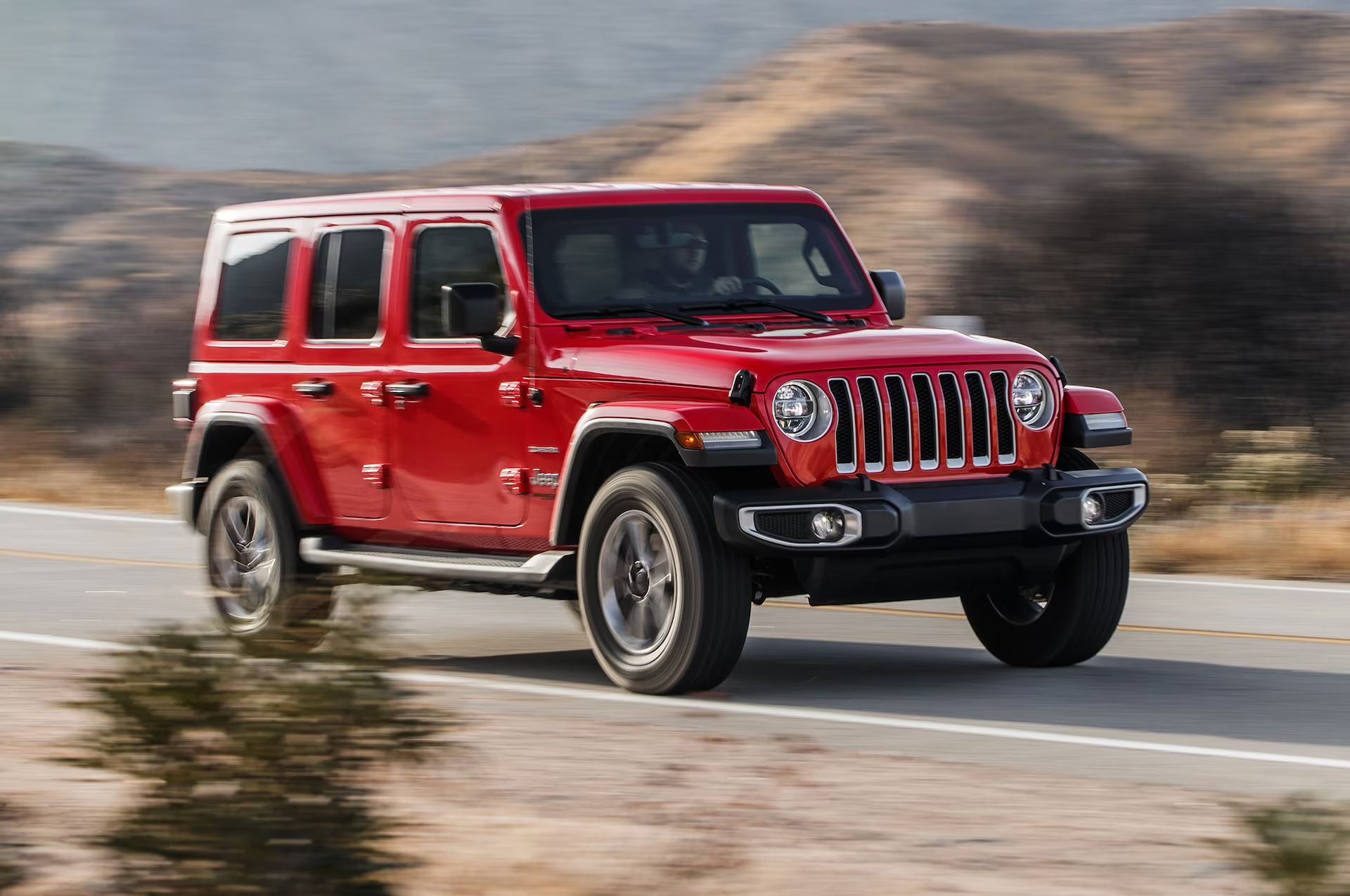
What Is Special About a Jeep Sahara? A Look at the Iconic Model
The Jeep Wrangler lineup is known for its off-road prowess and rugged capability, but the Jeep Wrangler Sahara stands out as a unique trim that blends adventure-ready features with a touch of refinement and luxury. Whether you’re tackling tough terrain or cruising through city streets, the Sahara offers a well-rounded experience that sets it apart from other models in the Wrangler family. So, what exactly makes the Jeep Sahara special? Let’s dive into the details that make this Jeep trim a fan favorite.
1. Refined Off-Road Capability
At its core, the Jeep Wrangler Sahara remains true to the Wrangler’s off-road legacy. Equipped with Jeep’s legendary 4×4 system, the Sahara offers impressive off-road capabilities, allowing you to conquer rugged trails and explore uncharted terrain with ease. However, what sets the Sahara apart from more utilitarian trims, like the Sport or Rubicon, is its balance between off-road performance and on-road comfort.
Command-Trac 4×4 System
The Sahara comes standard with the Command-Trac 4×4 system, which allows for smooth power distribution between all four wheels. This feature ensures that whether you’re climbing rocky trails or driving in adverse weather conditions, the Jeep Sahara has the grip and control to keep you moving forward confidently.
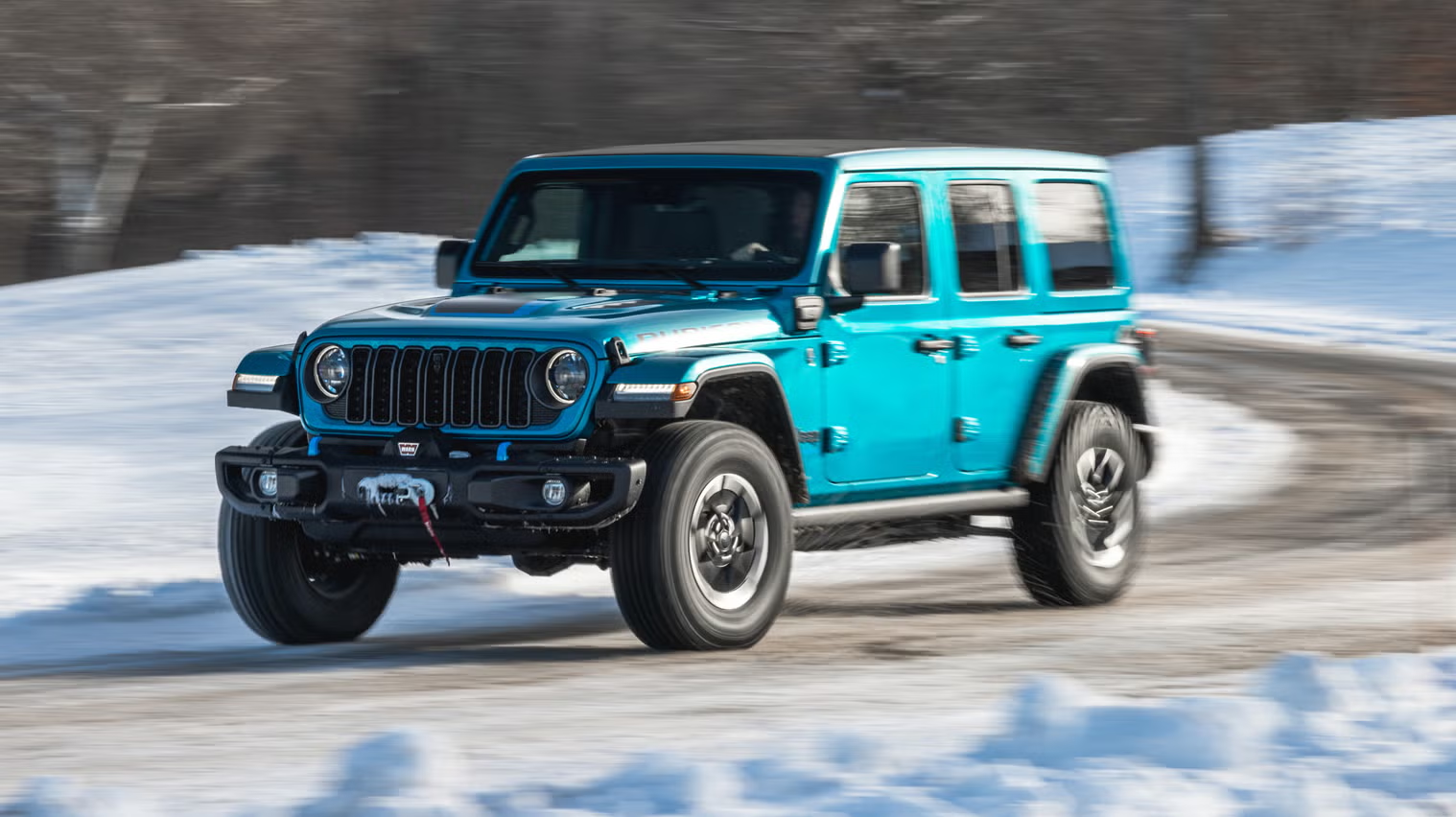
Skid Plates and Heavy-Duty Suspension
To further enhance its off-road ability, the Sahara is outfitted with underbody skid plates to protect critical components like the fuel tank and transfer case from damage. The heavy-duty suspension ensures the vehicle can handle rocky terrain without compromising stability or ride comfort.
2. Luxurious Interior Features
While the Jeep Wrangler is often seen as a rugged and barebones vehicle, the Sahara trim introduces a level of luxury that enhances the driving experience. The Sahara’s interior combines premium materials and technology with the durability you expect from a Wrangler.
Leather-Trimmed Seating
Unlike the basic cloth seats found in lower trims, the Jeep Sahara offers the option of leather-trimmed seating. These seats provide both comfort and durability, making long drives more enjoyable. Plus, they offer easy cleaning after a day out on the trail.
Uconnect Infotainment System
The Sahara is equipped with Jeep’s Uconnect infotainment system, which comes standard with a 7-inch or available 8.4-inch touchscreen display. This system integrates smartphone compatibility via Apple CarPlay and Android Auto, ensuring you stay connected and entertained on the road. The navigation system and voice command features make it easier to find your way, whether you’re driving in the city or exploring the wilderness.
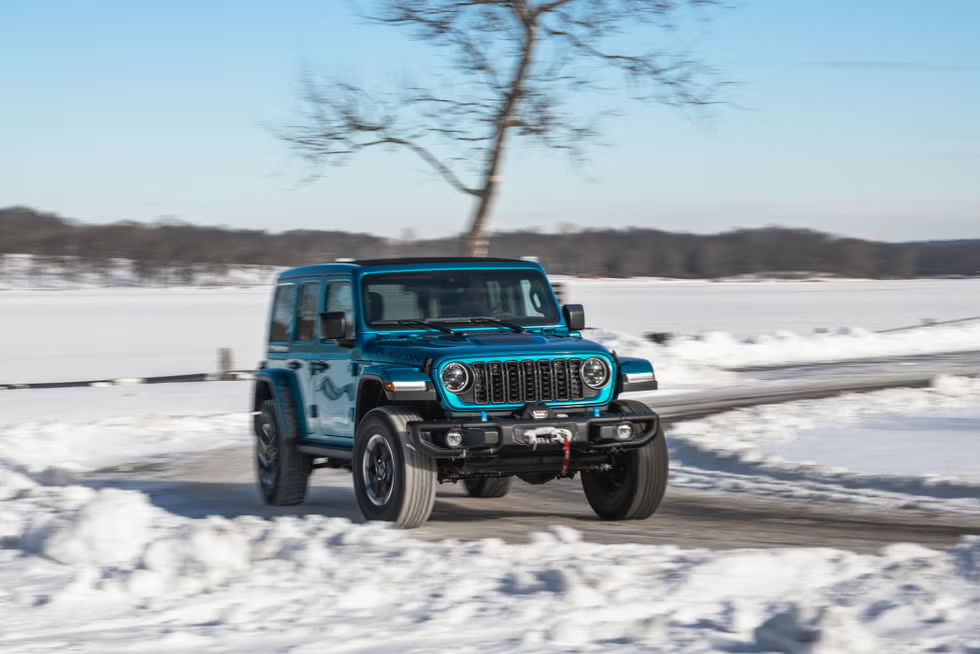
Dual-Zone Climate Control
For added comfort, the Sahara also offers dual-zone automatic climate control, allowing the driver and passenger to set individual temperature preferences. This feature ensures both occupants stay comfortable no matter the weather outside.
3. Signature Exterior Style
The Jeep Wrangler Sahara is known for its distinct exterior design that blends ruggedness with sophistication. The Sahara’s exterior styling stands out with a mix of classic Jeep design elements and refined touches that elevate its curb appeal.
Body-Colored Fenders and Hardtop
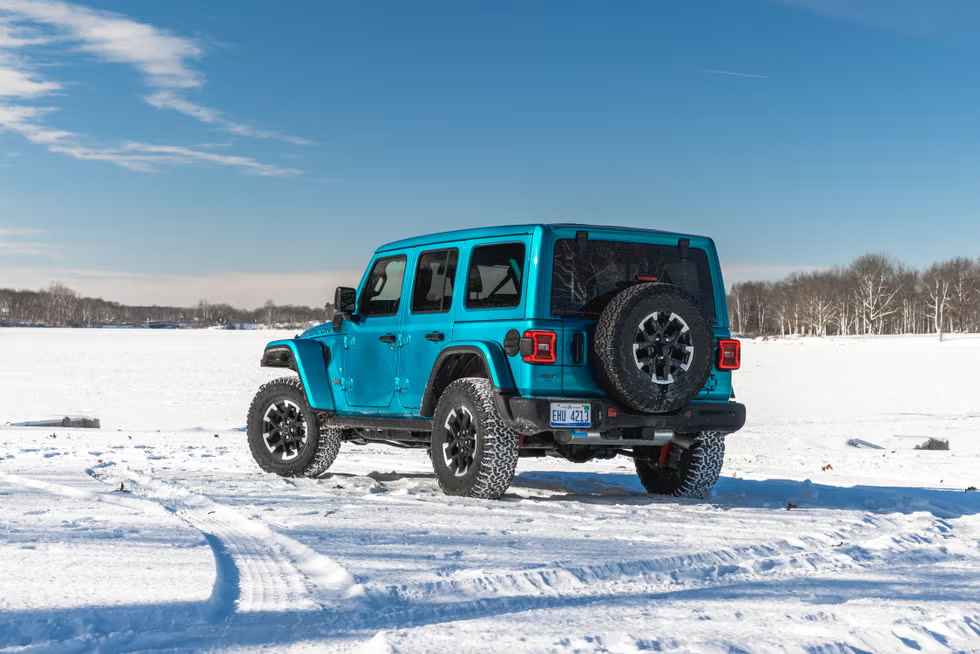
One of the most noticeable features of the Sahara is its body-colored fenders and hardtop. While many Wranglers come with black plastic fender flares, the Sahara’s color-matched fenders give it a more polished, cohesive look. The option for a body-colored hardtop further enhances the sleek design, making the Sahara look as comfortable on city streets as it is on the trail.
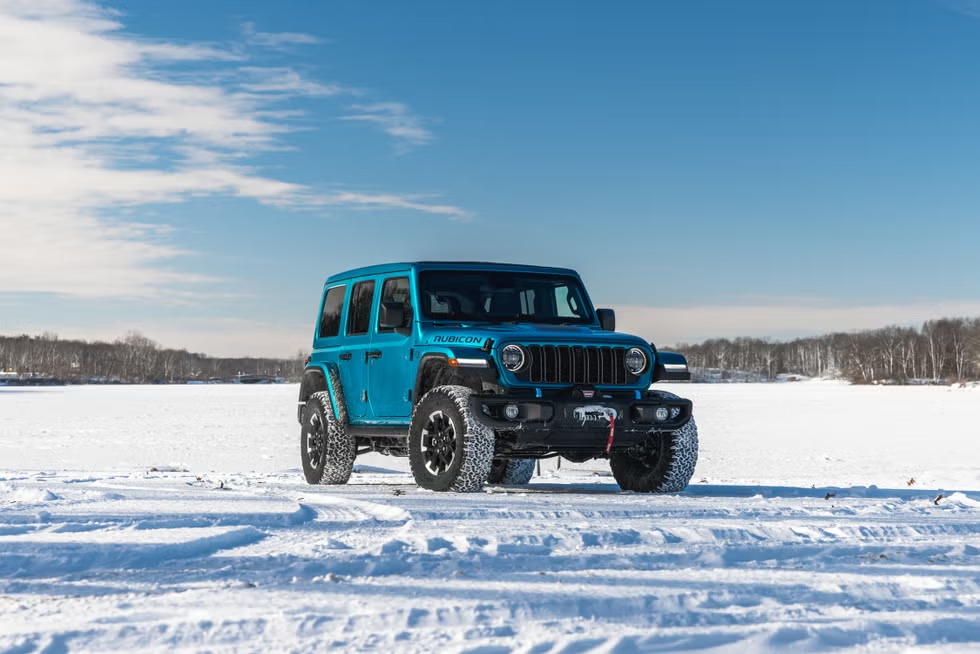
18-Inch Wheels
The Sahara rides on 18-inch polished aluminum wheels, which not only add to the overall aesthetic but also provide a smooth ride. These wheels, combined with the all-terrain tires, ensure that the Sahara is both stylish and capable, no matter the driving conditions.
LED Lighting Group
The available LED Lighting Group includes bright and efficient LED headlamps, fog lamps, and tail lamps, giving the Sahara an aggressive yet refined look while improving visibility during nighttime or foggy conditions.
4. Balanced Driving Experience: On-Road and Off-Road
While the Jeep Wrangler Rubicon is known for being the ultimate off-roader, the Sahara is often considered the perfect balance between off-road capability and on-road comfort. The Sahara’s suspension system is tuned to provide a smoother ride on paved roads, making it more enjoyable for daily commuting compared to other Wrangler trims.
Smooth On-Road Handling
The Jeep Wrangler Sahara delivers surprisingly smooth handling for a vehicle designed for off-roading. While it still maintains the ruggedness needed for trails, its on-road manners are superior to more extreme trims. Whether you’re driving through city streets or cruising down the highway, the Sahara offers a comfortable and composed ride.
5. Customization Options
One of the greatest perks of owning a Jeep Wrangler Sahara is the nearly endless potential for customization. Jeep owners are known for modifying their vehicles, and the Sahara is no exception. With a variety of Mopar accessories available, you can outfit your Sahara with everything from roof racks and winches to custom lighting and upgraded off-road gear. Whether you want to enhance its off-road ability or add personal style touches, the Sahara offers the perfect foundation.
Open-Air Experience
Like other Jeep Wranglers, the Sahara offers the ability to remove the doors, roof, and even fold down the windshield, creating an open-air driving experience that is unique to the Wrangler. Whether you opt for the soft top, hardtop, or even the dual-top option, you can experience the freedom of driving with the wind in your hair, making the Jeep Sahara ideal for both city cruising and outdoor adventures.
6. A Trim for Every Lifestyle
The Jeep Wrangler Sahara appeals to a wide range of drivers. From city dwellers looking for a stylish and capable SUV to weekend warriors who love off-roading, the Sahara has something for everyone. It strikes a balance between being a luxurious vehicle for daily driving and a tough, off-road machine ready for adventure.
Final Thoughts: Why the Jeep Sahara Stands Out
The Jeep Wrangler Sahara is special because it offers the best of both worlds. It’s rugged enough for serious off-road adventures, yet refined enough for everyday use. With its signature blend of style, luxury, and capability, the Sahara stands out as a versatile SUV that appeals to both off-road enthusiasts and those looking for a stylish vehicle for city driving.
Whether you’re hitting the trails or heading out for a night on the town, the Jeep Wrangler Sahara is ready for whatever you throw at it. Its combination of comfort, off-road capability, and timeless Jeep styling makes it one of the most well-rounded vehicles in the Wrangler lineup.
25 FAQs and answers about the Jeep Wrangler Sahara:
- What makes the Jeep Sahara different from other Wrangler trims?
The Sahara offers a balance of off-road capability and on-road comfort, with more luxurious features and refined styling. - Does the Sahara have four-wheel drive?
Yes, it comes standard with the Command-Trac 4×4 system. - What size wheels does the Sahara have?
The Sahara typically comes with 18-inch polished aluminum wheels. - Is the Sahara good for off-roading?
While not as extreme as the Rubicon, the Sahara is still very capable off-road. - What engine options are available for the Sahara?
Engine options vary by year but often include V6 and turbocharged 4-cylinder choices. - Does the Sahara come with a hardtop or soft top?
Both options are available, with some models offering a dual-top option. - Can you remove the doors on a Jeep Sahara?
Yes, like other Wranglers, the Sahara’s doors are removable. - What’s special about the Sahara’s interior?
It features more upscale materials and tech features compared to base Wrangler models. - Is the Sahara available in both two-door and four-door models?
The Sahara is typically only available as a four-door Unlimited model. - How does the Sahara’s suspension differ from other Wranglers?
It’s tuned for a smoother on-road ride while maintaining off-road capability. - What infotainment system does the Sahara use?
It uses Jeep’s Uconnect system, usually with a 7-inch or 8.4-inch touchscreen. - Does the Sahara have leather seats?
Leather-trimmed seats are often available as an option on the Sahara. - What safety features are available on the Sahara?
Available features often include blind-spot monitoring, rear cross-path detection, and forward collision warning. - Can you get a manual transmission in a Sahara?
Availability varies by year, but many Sahara models offer a manual transmission option. - How does the Sahara’s fuel economy compare to other Wranglers?
It’s generally similar to other Wrangler models with the same engine. - What’s the towing capacity of a Jeep Sahara?
When properly equipped, it can typically tow up to 3,500 pounds. - Does the Sahara come with all-terrain tires?
Yes, it usually comes with all-terrain tires suitable for both on and off-road use. - Is the Sahara more expensive than other Wrangler trims?
It’s usually priced higher than the Sport trim but lower than the Rubicon. - What colors are available for the Sahara?
Color options vary by year but often include a range of vibrant and classic choices. - Does the Sahara have skid plates?
Yes, it comes with skid plates to protect vital underbody components. - Can you get a Sahara with a diesel engine?
In some model years, a diesel engine option has been available for the Sahara. - What’s the ground clearance of a Jeep Sahara?
It typically has around 10 inches of ground clearance. - Does the Sahara have fog lights?
Yes, fog lights are usually standard on the Sahara trim. - Is the Sahara good for daily driving?
Yes, its balance of comfort and capability makes it well-suited for daily use. - Can you customize a Jeep Sahara?
Absolutely. Like all Wranglers, the Sahara has a wide range of customization options available.
Which Jeep is Best for Daily Use?
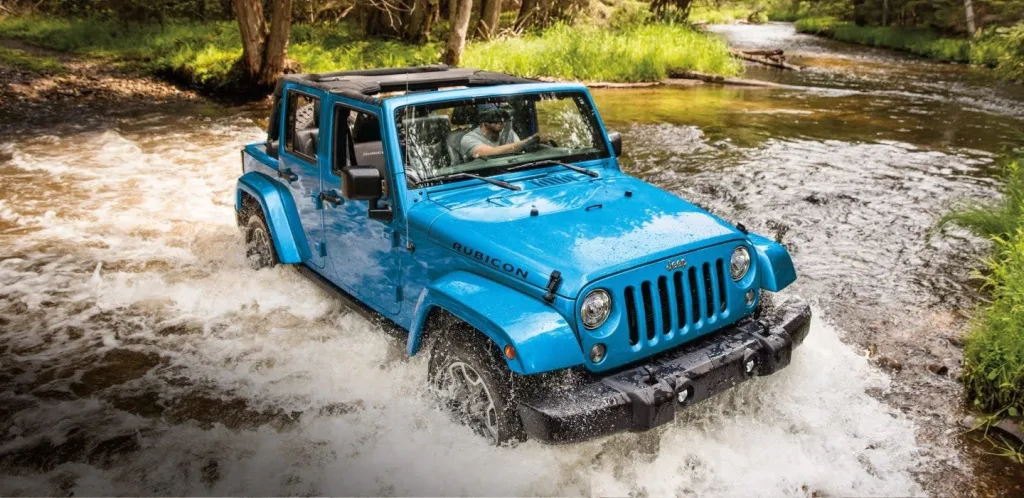
Choosing the right Jeep for daily driving depends on what you value most: comfort, gas mileage, reliability, or rugged capability. With so many models available, from the Jeep Compass to the legendary Jeep Wrangler, it can be difficult to decide which one best fits your needs.
This guide compares the most popular models, covering everything from Jeep consumer reports, fuel economy, length of the Jeep Compass, best used Wrangler options, and even touches on unique choices like the customized Jeep Compass modified versions you may find.
Best Jeep Models for Daily Use
For most buyers, the ideal daily Jeep balances comfort, efficiency, reliability, and value.
| Jeep Model | Best For |
|---|---|
| Jeep Compass | Urban commuting, great size |
| Jeep Grand Cherokee | Comfort and upscale features |
| Jeep Wrangler | Weekend off-road trips and daily rugged style |
| Jeep Cherokee | Practical family use |
| Jeep Renegade | Affordable and nimble for city driving |
Length of a Jeep Compass: Is It Ideal for Daily Driving?
The length of a Jeep Compass is approximately 173 inches (4.4 meters), making it compact enough for easy parking and city driving, but large enough to offer a spacious cabin and cargo area.
This size makes the Compass a great choice for those needing a street Jeep that fits tight parking garages and urban traffic without sacrificing SUV capability.
Jeep Consumer Reports and Reliability
According to Jeep consumer reports, the Grand Cherokee often scores well in owner satisfaction, while the Jeep Wrangler continues to be loved for its ruggedness despite slightly lower reliability ratings compared to softer-road rivals.
Searching for the most reliable Jeep Wrangler? Many buyers recommend 2018–2021 Wrangler JL models equipped with the tried-and-true 3.6L Pentastar V6.
If you are after most reliable Jeep models overall for daily use, consider:
- Jeep Grand Cherokee
- Jeep Cherokee
- Jeep Wrangler (newer models)
Most Comfortable Jeep for Daily Driving
When it comes to finding the most comfortable Jeep, there are clear standouts:
| Model | Comfort Features |
|---|---|
| Grand Cherokee | Soft ride, premium leather, quiet cabin |
| Cherokee | Smooth suspension, refined interior |
| Compass | Comfortable seating for a compact SUV |
Most comfortable Jeep picks lean toward the Grand Cherokee and Cherokee if a plush daily commute is important to you.
Jeep Wrangler vs Cherokee for Daily Use
Comparing Jeep Wrangler vs Cherokee highlights some key differences:
| Feature | Wrangler | Cherokee |
|---|---|---|
| Ride Comfort | Rugged | Softer, smoother |
| Fuel Economy | Lower | Higher |
| Off-Road Capability | Superior | Moderate |
If you’re choosing between Jeep Wrangler vs Cherokee for everyday life, the Cherokee will feel more refined on highways and city roads, while the Wrangler shines off the beaten path.
Jeep Wrangler vs Grand Cherokee: Comfort vs Adventure
When debating Jeep Wrangler vs Grand Cherokee, here’s what to consider:
| Feature | Wrangler | Grand Cherokee |
|---|---|---|
| Ride | Rougher, off-road ready | Smoother, luxury-focused |
| Tech | Simple | Advanced |
| Towing | 2,000–3,500 lbs | Up to 7,200 lbs |
If comfort, towing, and luxury are priorities, the Grand Cherokee wins. For rugged fun, the Wrangler is unbeatable.
Best Used Jeep Wrangler to Buy
Searching for the best used Jeep Wrangler to buy?
Experts recommend:
- 2018–2021 Wrangler JL models
- Rubicon trim for off-roaders
- Sahara or Sport for daily driving balance
These newer Wranglers blend rugged performance with modern tech and improved ride comfort.
Jeep With Best Gas Mileage
If fuel efficiency is a major concern, you will want the Jeep with best gas mileage:
| Model | EPA Estimated MPG (Combined) |
|---|---|
| Jeep Compass | 25 mpg |
| Jeep Cherokee (2.0L Turbo) | 26 mpg |
| Jeep Renegade | 24 mpg |
| Jeep Wrangler 4xe (Plug-In Hybrid) | 49 MPGe (electric + gas) |
Searching Jeep with best gas mileage? The Wrangler 4xe plug-in hybrid offers excellent efficiency if you can charge at home or work.
Customized Jeep Compass Modified
There is a growing trend in urban areas to personalize the Jeep Compass modified versions. These can include:
- Lift kits
- Off-road tires
- Blackout appearance packages
- Roof racks and cargo accessories
A customized Jeep Compass modified for daily driving can look stylish while still offering practical features like good gas mileage and easy maneuverability.
Financing a Jeep Compass
If you are thinking about daily driving a Compass, it’s worth knowing that Jeep Compass finance programs are often very competitive.
Low-interest rates, special lease deals, and affordable monthly payments make it easier than ever to own one.
At Simi Valley Chrysler Dodge Jeep Ram, our Jeep Compass finance specialists can help you find the right plan for your budget.
Unique Choices: 22 Jeep Compass and Orange Compass Jeep
- 22 Jeep Compass: Refers to the 2022 model year, featuring new tech upgrades and a refreshed interior.
- Orange Compass Jeep: A popular custom color or special edition Compass painted in bold orange hues, perfect for drivers who want to stand out.
Both are exciting options for a daily-use SUV with personality.
Final Thoughts: Which Jeep Should You Choose?
If you are looking for:
- Comfort → Grand Cherokee or Cherokee
- Urban Maneuverability → Compass
- Adventure and Ruggedness → Wrangler
- Efficiency → Wrangler 4xe or Compass
From the street Jeep Compass to the all-conquering Wrangler, Jeep has a daily driver for everyone. Consider your driving habits, comfort needs, and budget to make the right choice.
Ready to Drive Your Next Jeep?
Visit Simi Valley Chrysler Dodge Jeep Ram today to test drive a Jeep Compass, Grand Cherokee, Wrangler, or any other Jeep model that fits your daily life.
Call us at +1 (805) 387-9755
or visit us at 2350 First St, Simi Valley, CA 93065.
Explore available models online at:
www.simivalleychryslerdodgejeepram.com
The perfect daily Jeep is waiting.
Does the Dodge Hornet Require Premium Gas?
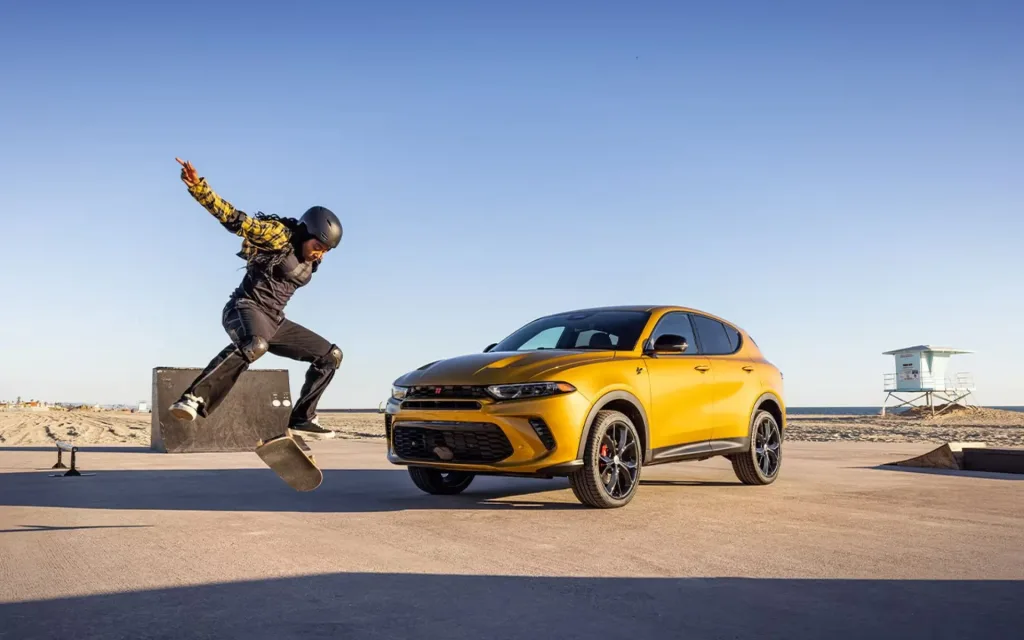
The Dodge Hornet has taken the compact SUV market by storm with its aggressive styling and impressive performance. But with the auto industry shifting toward electrification, many drivers want to know: Is the Dodge Hornet electric? Is it gas-powered? Or something in between?
In this full guide, we answer whether the Dodge Hornet is electric, explore its electric range, and explain how the new PHEV model fits into Dodge’s future.
Is the Dodge Hornet Electric?
The short answer: The Dodge Hornet is not fully electric — but it is available as a plug-in hybrid (PHEV).
When you ask is the Dodge Hornet electric or are Dodge Hornets electric, it depends on which version you choose:
| Model | Powertrain |
|---|---|
| Dodge Hornet GT | Gasoline engine |
| Dodge Hornet GT Plus | Gasoline engine |
| Dodge Hornet R/T | Plug-in Hybrid Electric Vehicle (PHEV) |
| Dodge Hornet R/T Plus | Plug-in Hybrid Electric Vehicle (PHEV) |
The Dodge Hornet GT and GT Plus models are strictly gas-powered, while the Dodge Hornet R/T and R/T Plus are PHEVs — meaning they can run on electric power for short distances but also have a gas engine for longer trips.
Dodge Hornet Electric Range and PHEV Details
If you are searching for Dodge Hornet electric range or Dodge Hornet PHEV range, here are the details:
- All-Electric Range: Approximately 30 miles on electric power alone
- Combined Range (gas + electric): Over 360 miles total driving range
The Dodge Hornet R/T PHEV features a 15.5-kWh battery pack that powers an electric motor alongside a 1.3L turbocharged gasoline engine. This setup allows you to drive purely on electric power for short commutes or errands, reducing your gas consumption dramatically.
Searching for Dodge Hornet range overall? Keep in mind that once the electric battery depletes, the Hornet seamlessly switches to its gasoline engine, ensuring you can keep driving without range anxiety.
Dodge Hornet Gas or Electric: Choosing Your Powertrain
If you are asking is the Dodge Hornet gas or electric, the answer is:
- Gasoline: Choose GT or GT Plus
- Plug-in Hybrid Electric (PHEV): Choose R/T or R/T Plus
| Feature | Hornet GT/GT Plus | Hornet R/T/R/T Plus |
|---|---|---|
| Engine | 2.0L Turbocharged Gasoline | 1.3L Turbocharged + Electric Motor |
| Power Output | 268 hp | 288 hp combined |
| Drivetrain | AWD | AWD |
| Fuel Economy | Approx. 24 mpg combined | Approx. 77 MPGe electric; 29 mpg gas |
Those searching dodge hornet gas or electric should think about their driving habits:
- Short commutes: Go with the R/T for electric driving around town
- Long road trips: Either model works, but the gas GT is simpler for extended highway use
What Is the Electric Hornet?
Some users look up electric Hornet or Dodge Hornet electric hoping to find a fully battery-powered version. Currently, Dodge does not offer a full EV Hornet. However, the PHEV R/T version is a major step toward electrification and shows Dodge’s commitment to the future.
For a fully electric Dodge, the brand’s first true EV will be the upcoming Dodge Charger Daytona, launching separately from the Hornet lineup.
Is the Dodge Hornet Ready for the Future?
Absolutely. The Dodge Hornet R/T PHEV is Dodge’s first-ever plug-in hybrid, combining performance and efficiency like no other small SUV in its class. Key benefits of the Hornet R/T PHEV include:
- Up to 30 miles of electric-only driving
- Over 360 miles of total combined range
- Quick charging time (~2.5 hours with Level 2 charger)
- Instant torque delivery from the electric motor
For buyers wanting a fun-to-drive vehicle with lower fuel costs and better eco-credentials, the Hornet R/T is a standout.
Quick FAQs: Dodge Hornet Gas and Electric
| Question | Answer |
|---|---|
| Is the Dodge Hornet electric? | No, it’s a gas or PHEV vehicle |
| Are Dodge Hornets electric? | Only partially, if you choose the R/T plug-in hybrid |
| What is the Dodge Hornet electric range? | About 30 miles on electric power alone |
| Does Dodge offer a full electric Hornet? | Not at this time |
| Is there a gas-only Dodge Hornet? | Yes, the GT and GT Plus models are gas-powered |
Conclusion: Dodge Hornet Gas, Electric, or PHEV — Your Choice
When deciding between a Dodge Hornet gas or electric model, it ultimately comes down to your needs:
- Want classic turbocharged Dodge performance? The Hornet GT is for you.
- Want electric commuting with zero gas for short trips? Choose the Hornet R/T PHEV.
Both options come standard with AWD, premium features, and Dodge’s unmistakable attitude.
Test Drive the Dodge Hornet Today
Ready to experience the Dodge Hornet GT or Hornet R/T Plug-In Hybrid?
Visit Simi Valley Chrysler Dodge Jeep Ram to test drive both gas and PHEV versions today.
Call us at +1 (805) 387-9755
or stop by 2350 First St, Simi Valley, CA 93065.
Explore our available inventory online:
www.simivalleychryslerdodgejeepram.com
Your Hornet is waiting — whether gas, electric, or both.
Is Dodge Hornet Gas or Electric?

The Dodge Hornet, a recent addition to Dodge’s lineup, primarily runs on gas, but it also features a plug-in hybrid electric vehicle (PHEV) option. This makes it a versatile choice for consumers who want both gas-powered performance and electric efficiency. In this article, we’ll explore both versions of the Dodge Hornet in detail, diving into the specifications, fuel economy, and performance to give you a complete understanding of what this model offers.
1. Gas-Powered Dodge Hornet
The standard Dodge Hornet comes with a turbocharged 2.0-liter inline-four engine, producing 268 horsepower and 295 lb-ft of torque. This engine, known as the Hurricane4, is paired with a nine-speed automatic transmission. It offers all-wheel drive (AWD) as standard, which enhances traction and handling, especially in rough weather conditions or off-road environments.
Performance Stats:
- Horsepower: 268 hp
- Torque: 295 lb-ft
- 0-60 mph: 6.5 seconds
- Transmission: 9-speed automatic
- Drive Type: All-wheel drive (AWD)
The gas-powered Dodge Hornet delivers a sporty and responsive driving experience, with solid acceleration and nimble handling. For a crossover, the Hornet offers robust power, making it a strong contender in its class.
Fuel Economy:
In terms of fuel economy, the gas version offers moderate figures for a turbocharged engine:
- City MPG: 21
- Highway MPG: 29
- Combined MPG: 24
This makes it a reasonable option for those who want a performance-oriented vehicle without sacrificing too much in terms of efficiency. However, the gas-powered version is more suited for those who prioritize power and performance over fuel savings.
2. Dodge Hornet PHEV (Plug-in Hybrid)
In contrast to the gas-only version, the Dodge Hornet PHEV represents Dodge’s effort to step into the world of electrification. The Hornet PHEV combines a 1.3-liter turbocharged four-cylinder engine with an electric motor, producing a combined output of 288 horsepower and 383 lb-ft of torque. This version comes with a 6-speed automatic transmission and AWD as standard.
Performance Stats:
- Horsepower: 288 hp (combined)
- Torque: 383 lb-ft
- Electric Range: 30 miles (pure electric mode)
- Battery Capacity: 15.5 kWh
- Drive Type: All-wheel drive (AWD)
The PHEV model accelerates from 0 to 60 mph in just 6.1 seconds, making it even quicker than the gas-powered variant. This model blends the best of both worlds—strong electric performance for short trips and the reliability of a gas engine for longer journeys.
Fuel Economy and Range:
- Electric Range: 30 miles
- Total Range (combined gas and electric): Over 400 miles
- Combined MPG (equivalent): 77 MPGe (miles per gallon equivalent)
This hybrid setup allows drivers to save significantly on fuel costs during daily commutes while still offering the convenience of a gasoline engine for long-distance travel. With 30 miles of electric range, many urban commuters can complete most of their daily driving purely on electric power, making the Hornet PHEV an eco-friendly alternative to the gas-powered model.
3. Comparison of Gas vs. Hybrid Versions
To further break down the key differences between the gas and PHEV versions, here’s a comparison table:
| Feature | Gas-Powered Dodge Hornet | Dodge Hornet PHEV |
|---|---|---|
| Horsepower | 268 hp | 288 hp (combined) |
| Torque | 295 lb-ft | 383 lb-ft |
| 0-60 mph | 6.5 seconds | 6.1 seconds |
| Fuel Economy (City) | 21 MPG | 77 MPGe (electric) |
| Fuel Economy (Highway) | 29 MPG | 30 miles (electric-only range) |
| Electric Range | N/A | 30 miles |
| Battery Capacity | N/A | 15.5 kWh |
| Transmission | 9-speed automatic | 6-speed automatic |
4. Technological Features and Interior Design
Both the gas and hybrid versions of the Dodge Hornet come equipped with a host of modern technological features. They both include a standard 10.25-inch touchscreen with Uconnect 5, which offers compatibility with Android Auto and Apple CarPlay. Additionally, an optional 12.3-inch digital instrument cluster provides clear, customizable information for drivers.
Key Technology Features:
- 10.25-inch touchscreen with Uconnect 5
- Apple CarPlay and Android Auto
- Optional 12.3-inch digital instrument cluster
- Advanced driver-assist features, including adaptive cruise control and lane-keeping assist
The interior of the Hornet is spacious and well-designed, with a mix of premium materials and sporty accents. Both versions offer a comfortable ride with enough room for passengers and cargo, making the Hornet a practical choice for families or individuals who need a daily driver with utility.
5. Pricing
As of the latest information, the gas-powered Dodge Hornet has a starting price of approximately $30,000, while the PHEV version starts closer to $40,000. The added cost of the hybrid system can be offset by federal and state tax incentives for plug-in vehicles, which may reduce the overall cost for buyers interested in the PHEV model.
Price Comparison:
- Gas-Powered Dodge Hornet: Starting at $30,000
- Dodge Hornet PHEV: Starting at $40,000 (eligible for tax credits)
Conclusion: Gas or Hybrid?
The choice between the gas-powered Dodge Hornet and the PHEV version largely depends on the buyer’s priorities. If you value raw performance and do a lot of long-distance driving, the gas version provides excellent power and AWD capability. However, if you are looking to save on fuel costs and make a more eco-conscious choice, the Hornet PHEV offers impressive electric range and better fuel economy, along with the benefit of tax incentives.
Both versions come equipped with modern technology, advanced safety features, and a well-designed interior, making the Dodge Hornet a well-rounded option regardless of your powertrain preference. Whether you choose gas or hybrid, the Dodge Hornet delivers on its promise of performance, practicality, and style.
If you’d like more detailed information or to explore these models further, check out Dodge’s official Hornet page. For more on federal tax credits, visit the U.S. Department of Energy’s website.
Does a Dodge Hornet Charge while Driving?
The Dodge Hornet R/T plug-in hybrid has sparked a common and often misunderstood question: does it actually charge its battery while driving, or does it only recharge when plugged in? The short answer is yes, it does charge while driving. The longer answer is more nuanced, and understanding it properly requires unpacking how plug-in hybrid systems work, what regenerative braking really does, and what the Hornet’s different drive modes are designed to accomplish.
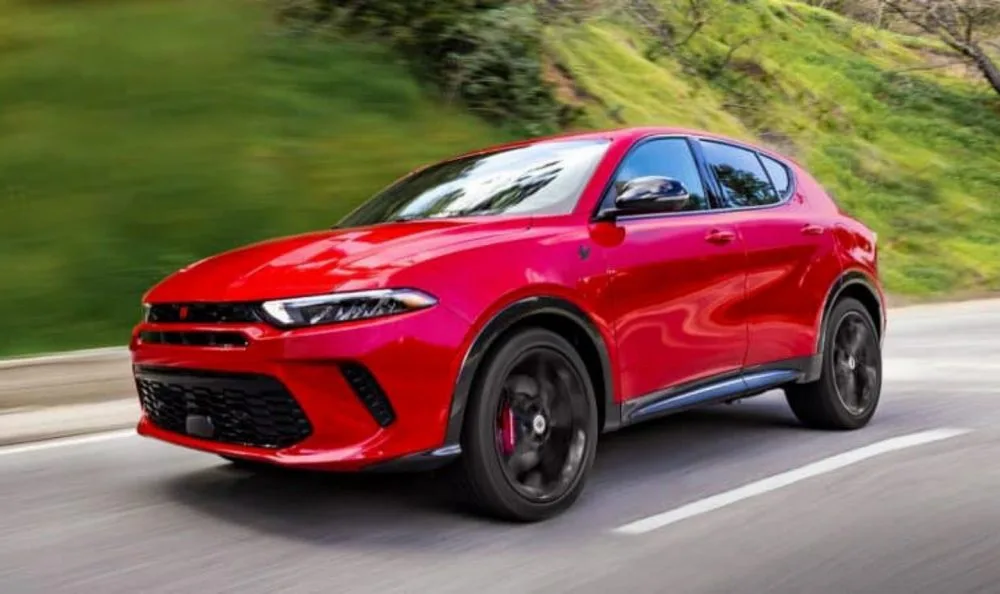
This guide explains exactly how the Dodge Hornet R/T manages its battery on the road, what “charging while driving” really means in practice, and what owners should realistically expect from the system.
Understanding the Dodge Hornet R/T Powertrain
Before discussing charging behavior, it is important to understand the Hornet R/T’s basic architecture.
The Hornet R/T is a plug-in hybrid electric vehicle (PHEV). This means it combines:
- A gasoline engine
- One or more electric motors
- A high-voltage lithium-ion battery
- Power electronics that manage energy flow
Unlike a mild hybrid or traditional hybrid, a PHEV is designed to be plugged into an external power source to recharge its battery. However, unlike a fully electric vehicle, it can operate indefinitely using gasoline once the battery is depleted.
This dual-energy design is what allows the Hornet R/T to recover and reuse energy while driving.
What “Charging While Driving” Actually Means
When people hear that a car “charges while driving,” many imagine the battery refilling continuously as the vehicle moves forward. That is not how plug-in hybrids work.
In the Dodge Hornet R/T, charging while driving refers to energy recovery and energy management, not active power generation. The vehicle does not create new energy from motion alone. Instead, it captures energy that would otherwise be lost and stores it for later use.
There are two primary ways this happens:
- Regenerative braking
- Hybrid power balancing
Each plays a different role in how the battery behaves on the road.
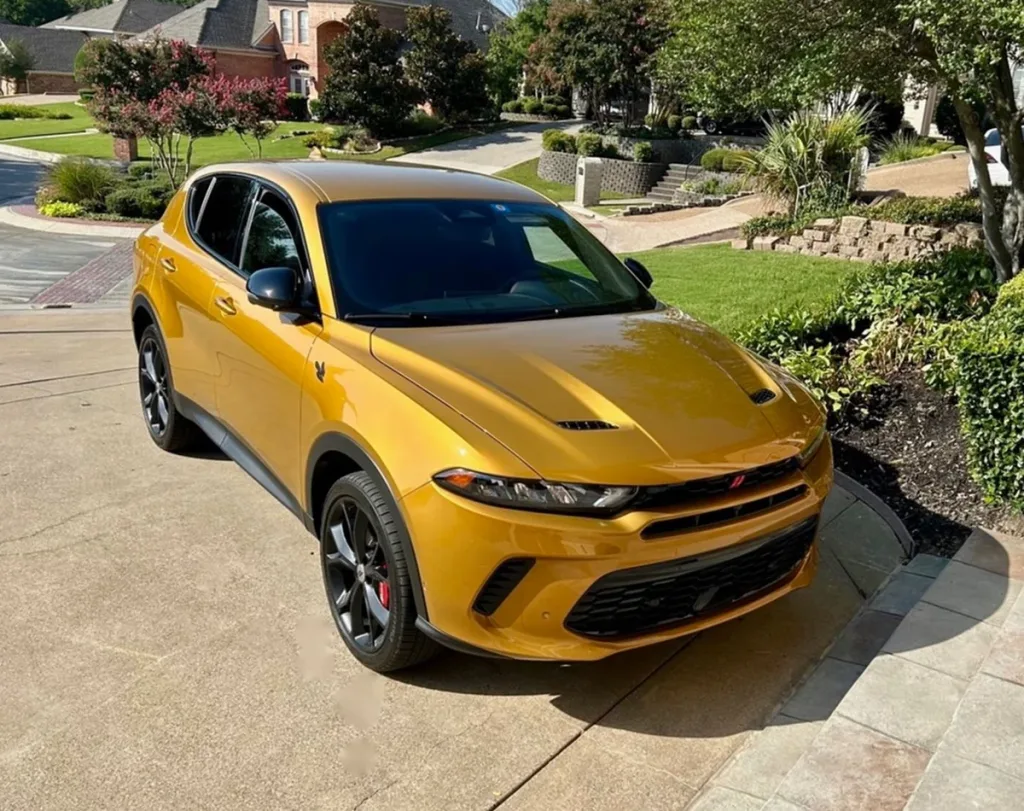
Regenerative Braking: The Primary Source of On-Road Charging
How Regenerative Braking Works
Regenerative braking is the most significant way the Hornet R/T charges its battery while driving.
In a conventional vehicle, pressing the brake pedal causes brake pads to clamp down on rotors, converting kinetic energy into heat. That energy disappears into the air and serves no further purpose.
In the Hornet R/T, the electric motor is integrated into the drivetrain. When the driver slows down, the motor switches roles and acts as a generator. Instead of consuming electricity to drive the wheels, it uses the motion of the wheels to generate electricity.
That electricity is sent back to the battery.
This process happens automatically whenever the vehicle decelerates under conditions where regenerative braking is allowed.
When Regenerative Braking Is Most Effective
Regenerative braking is not equally effective in all driving situations. It works best when:
- Driving in stop-and-go traffic
- Slowing down frequently
- Driving downhill
- Approaching intersections or traffic lights
Urban driving provides the most opportunities for energy recovery because frequent braking events allow repeated energy capture.
On highways, regenerative braking plays a smaller role because the vehicle spends more time maintaining speed and less time decelerating.
How Much Energy Does Regenerative Braking Recover?
Regenerative braking does not recharge the battery from empty to full. Instead, it provides incremental gains. Over the course of a drive, these small gains add up, slowing battery depletion and occasionally increasing the displayed state of charge slightly.
Think of regenerative braking as reducing waste rather than refueling. It improves efficiency but does not replace plugging in.
Hybrid Mode: Battery Preservation Rather Than Battery Refilling
The Dodge Hornet R/T’s Hybrid mode is often misunderstood. Many drivers assume the gasoline engine actively charges the battery like a generator. That is not exactly correct.
In Hybrid mode, the vehicle’s control system decides how to use available power sources based on:
- Speed
- Throttle input
- Battery state of charge
- Driving conditions
The gasoline engine can operate in a way that preserves battery charge by reducing reliance on the electric motor during certain conditions. In some scenarios, this can result in a modest increase in battery charge, but the primary goal is efficiency and balance, not rapid recharging.
The system is designed to keep the battery within an optimal operating range so that electric assistance remains available when it provides the most benefit.
What Hybrid Mode Does Well
- Prevents rapid battery depletion
- Allows electric motor assistance even after EV range is used
- Improves fuel economy
- Smooths acceleration and power delivery
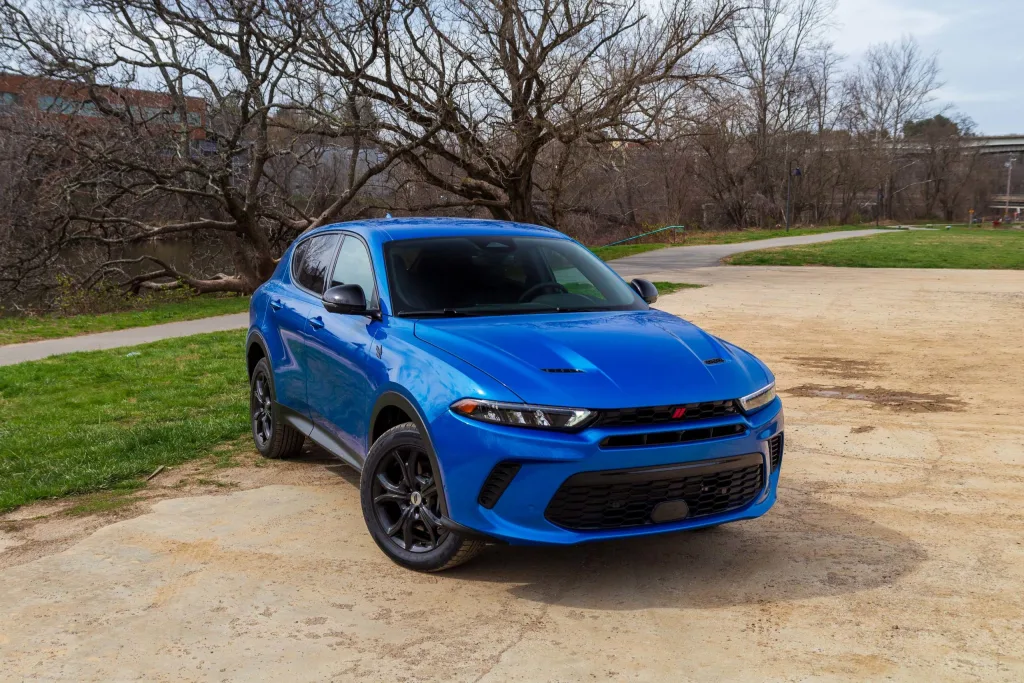
What Hybrid Mode Does Not Do
- Fully recharge the battery from empty
- Replace plug-in charging
- Provide long electric-only range on its own
Electric Mode: Pure EV Operation With Limited Recovery
When the Hornet R/T is placed in Electric mode, it prioritizes battery power and shuts off the gasoline engine entirely under normal conditions.
In this mode:
- The vehicle operates as a fully electric car
- The engine remains off unless power demands exceed limits
- Regenerative braking still functions
Although the battery does not actively recharge in Electric mode, regenerative braking continues to recover energy during deceleration. This slows battery depletion and can slightly extend electric range, especially in city driving.
Once the battery reaches its lower charge threshold, the vehicle automatically transitions out of Electric mode to protect the battery and ensure continued operation.
Can the Dodge Hornet Charge the Battery Without Plugging In?
Yes, but with important limitations.
The Hornet R/T can recover energy while driving, but it cannot fully recharge its battery through driving alone. External charging is required to restore full electric range.
Without plugging in, the vehicle behaves more like a traditional hybrid, relying primarily on gasoline with electric assistance rather than extended EV operation.
Why Plug-In Charging Still Matters
Charging the Dodge Hornet R/T using a wall outlet or charging station provides benefits that on-road charging cannot match.
Plug-in charging allows:
- Full battery replenishment
- Maximum electric-only driving
- Lower fuel consumption
- Reduced emissions
- Better overall efficiency
Drivers who plug in regularly experience the Hornet R/T as it was intended: a vehicle capable of handling many daily trips entirely on electricity while retaining gasoline flexibility for longer journeys.
Real-World Driving Scenarios Explained
City Commuting
In urban driving, regenerative braking works frequently. Short trips with frequent stops allow the Hornet to recover energy efficiently, extending battery life and reducing gasoline use.
This is where the Hornet R/T performs best as a plug-in hybrid.
Highway Driving
At steady highway speeds, regenerative braking is minimal. Battery depletion occurs faster if Electric mode is used, and the vehicle transitions to Hybrid operation more quickly.
However, Hybrid mode still improves efficiency by using electric assistance during acceleration and hill climbing.
Stop-and-Go Traffic
Heavy traffic provides ideal conditions for energy recovery. Frequent braking allows the battery to maintain charge levels longer than expected, even without plugging in.
Additional Benefits of Regenerative Charging
Reduced Brake Wear
Because regenerative braking handles part of the deceleration process, traditional friction brakes are used less aggressively. This can lead to longer brake pad and rotor life.
Improved Driving Smoothness
Electric motors provide immediate torque, and regenerative braking creates smoother deceleration compared to traditional braking systems.
Lower Operating Costs
Reduced fuel consumption and less brake wear contribute to lower long-term operating expenses.
Common Myths About Charging While Driving
Myth: The Hornet charges the battery constantly while moving
Reality: Charging only occurs during deceleration and specific hybrid conditions.
Myth: You do not need to plug in a plug-in hybrid
Reality: Plugging in is essential for maximum benefit.
Myth: Hybrid mode rapidly recharges the battery
Reality: Hybrid mode preserves and manages charge, it does not rapidly refill it.
Final Verdict: Does the Dodge Hornet Charge While Driving?
Yes, the Dodge Hornet R/T charges its battery while driving through regenerative braking and intelligent hybrid energy management. However, this charging is supplemental, not primary.
The system is designed to recover lost energy, improve efficiency, and extend electric assistance rather than replace external charging. Drivers who understand this distinction and combine on-road energy recovery with regular plug-in charging will get the best performance, efficiency, and value from the Hornet R/T.
Is the Dodge Hornet AWD?
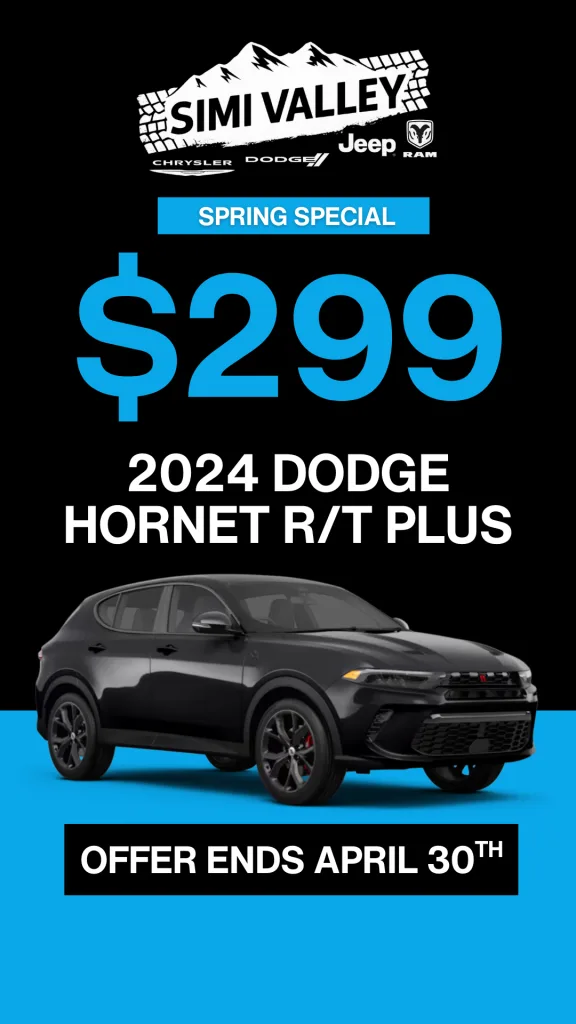
The Dodge Hornet is shaking up the compact SUV market with its aggressive design, powerful turbocharged engines, and, importantly, available AWD capability. But many buyers still ask: Is the Dodge Hornet AWD? How capable is it off-road? What other Dodge AWD vehicles exist today?
This guide will answer every major question about the Dodge Hornet all-wheel drive system, 4WD references, and even its leather seat options for those looking for comfort and style.
Is the Dodge Hornet AWD?
Yes, the Dodge Hornet is AWD — across every trim level.
Every 2024 Dodge Hornet, from the GT to the R/T PHEV (Plug-In Hybrid), comes standard with an all-wheel drive (AWD) system.
| Dodge Hornet Trim | AWD Standard |
|---|---|
| Hornet GT | Yes |
| Hornet GT Plus | Yes |
| Hornet R/T (Hybrid) | Yes |
| Hornet R/T Plus (Hybrid) | Yes |
If you’re wondering is the Dodge Hornet AWD or is the Dodge Hornet 4×4, the answer is a strong yes. In fact, both gas-only and plug-in hybrid Hornet models offer AWD to help improve traction, cornering, and off-road performance.
Dodge Hornet 4×4 vs AWD vs 4WD: Clarifying the Terms
Some people search for Dodge Hornet 4×4, Dodge Hornet 4WD, or even Dodge Hornet four-wheel drive. Technically:
- The Hornet uses AWD (All-Wheel Drive), not traditional part-time 4WD (Four-Wheel Drive).
- AWD is automatic — it can send power to front or rear wheels as needed without driver input.
- 4WD systems (like those found in trucks and Wranglers) usually require driver activation and are intended for hardcore off-roading.
In short: The Dodge Hornet is AWD — not 4WD or 4×4 in the traditional off-road sense — but it still offers outstanding all-weather capability for snow, rain, gravel, and dirt roads.
Dodge AWD Vehicles: More Than Just the Hornet
The Dodge Hornet AWD joins a proud lineup of Dodge all-wheel drive vehicles. If you love Dodge’s performance but want AWD grip, here are your options:
| Dodge Model | AWD Availability |
|---|---|
| Dodge Hornet | Standard AWD |
| Dodge Durango | AWD optional |
| Dodge Charger | AWD optional on V6 trims |
| Dodge Challenger | AWD optional on V6 trims |
When shoppers search Dodge all wheel drive cars or Dodge AWD vehicles, they often land on these choices. The Hornet is perfect for those wanting a compact, sporty AWD crossover, while the Durango serves families needing three rows.
Dodge Hornet Leather Seats: Premium Comfort
Beyond performance, the Hornet offers serious interior luxury.
Available Dodge Hornet leather seats enhance cabin comfort on GT Plus and R/T Plus models:
| Feature | Availability |
|---|---|
| Leather-Trimmed Seats | GT Plus, R/T Plus |
| Heated Front Seats | Standard on Plus trims |
| Ventilated Front Seats | Standard on R/T Plus |
If you are searching for Dodge Hornet leather seats, the Plus trims are your best bet. You also get a power driver’s seat, a heated steering wheel, and premium interior stitching.
Dodge Hornet Off-Road Capability
While not a rock-crawler like a Wrangler, the Dodge Hornet offroad capability is respectable for a compact SUV. Thanks to its:
- Standard AWD
- Multi-link rear suspension
- Torque vectoring rear differential
- Optional 20-inch wheels with performance tires
The Hornet can easily handle gravel, light dirt trails, muddy driveways, and snowy roads.
However, if you are looking for a full-on mud bogging SUV, the Hornet is better classified as a rugged urban AWD crossover, not a true 4×4 off-roader.
Quick Recap: Your Dodge Hornet AWD FAQs Answered
| Question | Answer |
|---|---|
| Is the Dodge Hornet AWD? | Yes, standard on all trims |
| Is the Dodge Hornet 4×4 or 4WD? | Technically AWD, not traditional 4WD |
| Does the Dodge Hornet have leather seats? | Yes, on GT Plus and R/T Plus |
| Can the Dodge Hornet go off-road? | Light off-roading, gravel, and snow |
| What other Dodge AWD vehicles are available? | Durango, Charger (V6 AWD), Challenger (V6 AWD) |
Why Choose the Dodge Hornet?
Choosing the Dodge Hornet AWD gives buyers an exciting mix of:
- Compact SUV practicality
- Dodge muscle car DNA
- Confident AWD traction
- Available plug-in hybrid fuel economy (R/T)
Whether you are navigating California’s city streets or venturing out to light trails and snowy mountain roads, the Hornet has the toughness, style, and grip you want.
Test Drive a Dodge Hornet AWD Today
Interested in the Dodge Hornet AWD?
Visit Simi Valley Chrysler Dodge Jeep Ram to explore our inventory of Hornet models. Whether you want the sporty GT or the plug-in R/T hybrid, we can help you find the perfect all-wheel-drive Dodge crossover for your needs.
Contact us today at +1 (805) 387-9755
or stop by 2350 First St, Simi Valley, CA 93065.
You can also browse available Dodge Hornet models online at
www.simivalleychryslerdodgejeepram.com
Adventure — and AWD traction — starts here.
Does the Dodge Hornet have Turbo?

Does the Dodge Hornet Have Turbo?
Yes, the Dodge Hornet is equipped with turbocharged engines, which enhance its performance and efficiency. Both variants of the Hornet—GT and R/T—feature turbocharged engines designed to deliver a spirited driving experience.
Engine Specifications
- Dodge Hornet GT:
- Dodge Hornet R/T:
Benefits of Turbocharging
- Increased Power Output: Turbocharged engines are known for delivering more power than naturally aspirated engines of similar size. This means that the Hornet can offer a robust performance while maintaining a compact engine footprint(The Drive).
- Improved Fuel Efficiency: Turbocharging allows for better fuel efficiency by enabling smaller engines to produce more power without consuming more fuel. This is particularly advantageous in urban driving scenarios where the Hornet is likely to shine(Cars.com).
- Enhanced Driving Experience: With turbocharged engines, drivers can enjoy a more engaging and responsive driving experience. The Hornet’s turbo engines provide instant throttle response and a satisfying power band, making it fun to drive in various conditions(The Drive)(Cars.com).
Here’s a chart summarizing whether the Dodge Charger has a turbocharged engine and its relevant details:
| Model Year | Engine Option | Turbocharged | Horsepower | Torque |
|---|---|---|---|---|
| 2023 | 3.6L Pentastar V6 | Yes (optional) | 300 hp | 264 lb-ft |
| 2023 | 5.7L HEMI V8 | No | 370 hp | 395 lb-ft |
| 2023 | 6.4L HEMI V8 | No | 485 hp | 475 lb-ft |
| 2023 | 6.2L supercharged HEMI V8 | Yes (supercharged) | 717 hp | 650 lb-ft |
Overview
- Turbocharged Engine: The Dodge Charger offers a 3.6L Pentastar V6 engine as an option that is turbocharged, providing a balance of power and fuel efficiency.
- Supercharged Engine: The high-performance 6.2L supercharged HEMI V8 in the Charger Hellcat variants is not a traditional turbo but utilizes a supercharger to enhance performance significantly.
The Charger offers a variety of engine options, including turbocharged and supercharged variants, catering to different performance needs. For more information on engine specifications, you can visit Dodge’s official site or Car and Driver.
Conclusion
The Dodge Hornet’s use of turbocharged engines, including the 2.0-liter engine in the GT variant and the hybrid setup in the R/T model, showcases the brand’s commitment to performance and efficiency. These engines not only deliver impressive power but also ensure that drivers enjoy a dynamic driving experience. For more details on the Dodge Hornet, you can visit MotorTrend and Cars.com(
)(
Cars.com).
Connect with us


